
News
Pixel and Pixel XL make you care about photography and Google’s new Assistant


Google’s highly anticipated, and heavily leaked, smartphones are now official. They’re high-end, strong on software, and effectively replace the Nexus series as Google’s flagship smartphone lineup. Without further ado, here are the Pixel and Pixel XL.
It seems like all the Google Pixel leaks we’ve seen in the past week were indeed legit. If you’ve been following our coverage, you would’ve already had a clear look at the design and specifications of the internet giant’s latest smartphones.

As expected, the only difference between the two handsets is size: The Pixel has a 5.2-inch AMOLED screen with a Full HD resolution, while the 5.5-inch Pixel XL has a noticeably better Quad HD AMOLED panel. The difference in measurements extends to the batteries, wherein the Pixel and Pixel XL have 2770mAh and 3450mAh capacities, respectively.
The lack of major differences is a big deal, because you aren’t forced to choose a larger phone just for its beefed-up features. This is something Google failed at with the Nexus 6P and 5X; the former was equipped with flagship-level specs, but the latter had the pocketable size nearly everyone wanted at the time.
Whether you go big or small, you’re treated to a metal unibody with a glass coating around the fingerprint scanner mounted at the back. With a thickness of 7.3mm for both handsets, they won’t win any style awards, but the inclusion of a 3.5mm audio jack will delight a lot of traditional audiophiles.
The shared internals include a powerful Qualcomm Snapdragon 821 processor, 4GB of memory, storage options of 32GB and 128GB, and fast charging through a USB Type-C port, but what really stands out is the camera. Having a 12.3-megapixel main shooter and 8-megapixel selfie camera with no optical image stabilization whatsoever may not seem special, but the real-world performance says otherwise.
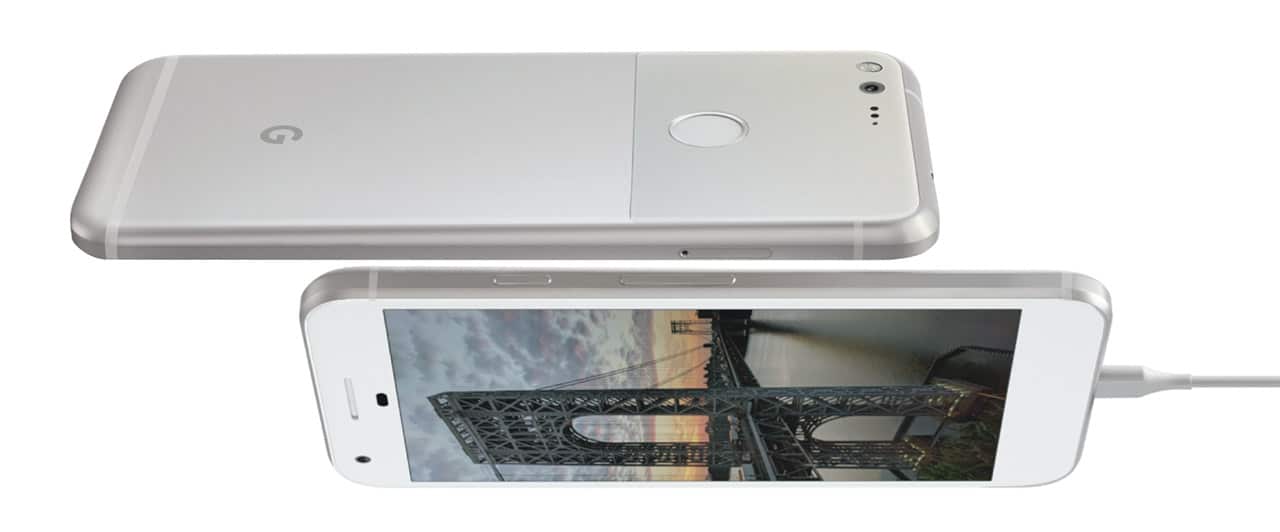
If you recall our recent article on the iPhone 7’s DxOMark rating, you’d know that the Samsung Galaxy S7 Edge’s camera is the benchmark’s king with 88 points. Well, with the release of the new Google phones, the Galaxy has been unseated by the Pixels’ 89 points — the highest ever recorded in DxOMark’s mobile phone database. Impressive!
In case you’re wondering, the phones are manufactured by HTC, but Google is keeping this piece of information under the rug. The company wants Pixel to feel like a fully integrated Google product. To do that, the brand’s new virtual assistant is at the forefront of the Pixel phones.
Along with Android 7.1 Nougat, the Pixel phones are the first to come with Google Assistant, which is the company’s answer to Apple’s Siri and Microsoft’s Cortana. Google spent a ton of time explaining all the core functions at the event, but in a nutshell, the virtual assistant is really efficient at catering to your personal requests. The more you use it, the smarter it gets.
With the improved artificial intelligence, you can search through photos with ease and listen to your favorite music on the fly, all done by voice command. Google Assistant is pretty much the replacement of Google Now, the now obsolete assistant of every other Android device.
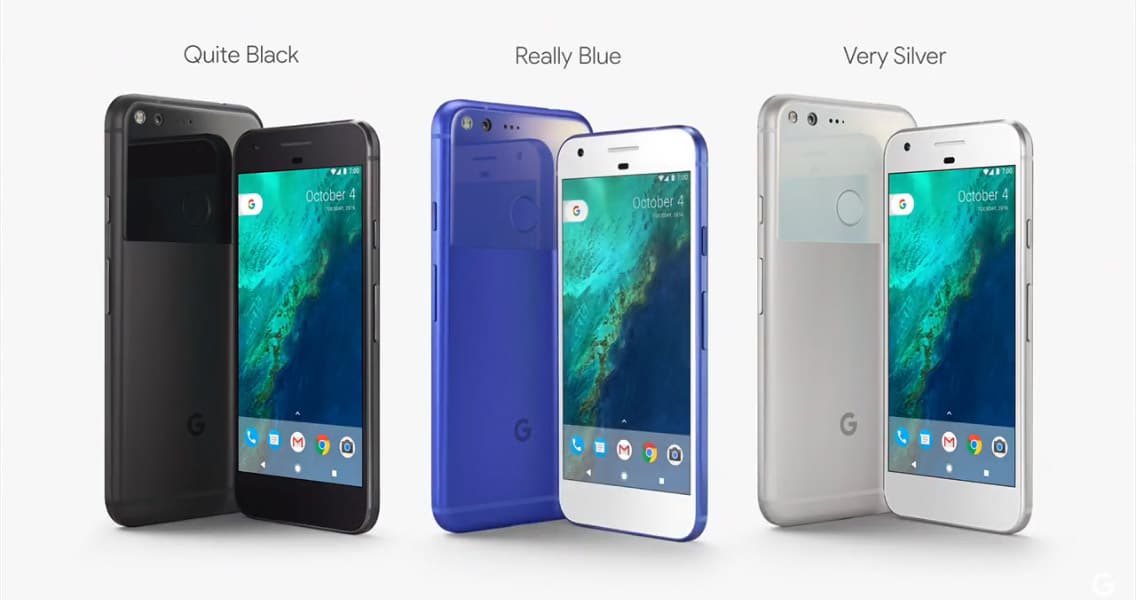
The color options are quite humorous; you have Quite Black, Very Silver, and Really Blue. What isn’t funny, however, is the pricing. Prices begin at $649 for the smaller Pixel — as much as you’d spend on a brand-new iPhone 7. The 128GB variant costs $749, while the larger Pixel XL goes for either $769 or $869 for the 32GB and 128GB storage options, respectively.
On the bright side, the phones come with unlimited cloud storage on Google Photos at original quality and full resolution. That’s great value, and might make the 32GB storage option enough if you have a reliable internet connection on hand.
You can pre-order as early as today if you live in the US, Canada, UK, Australia, or Germany. Fans in India will have to wait until October 13 to begin ordering.
[irp posts=”11910″ name=”OnePlus 3 and 3T imitate Pixel in latest update”]




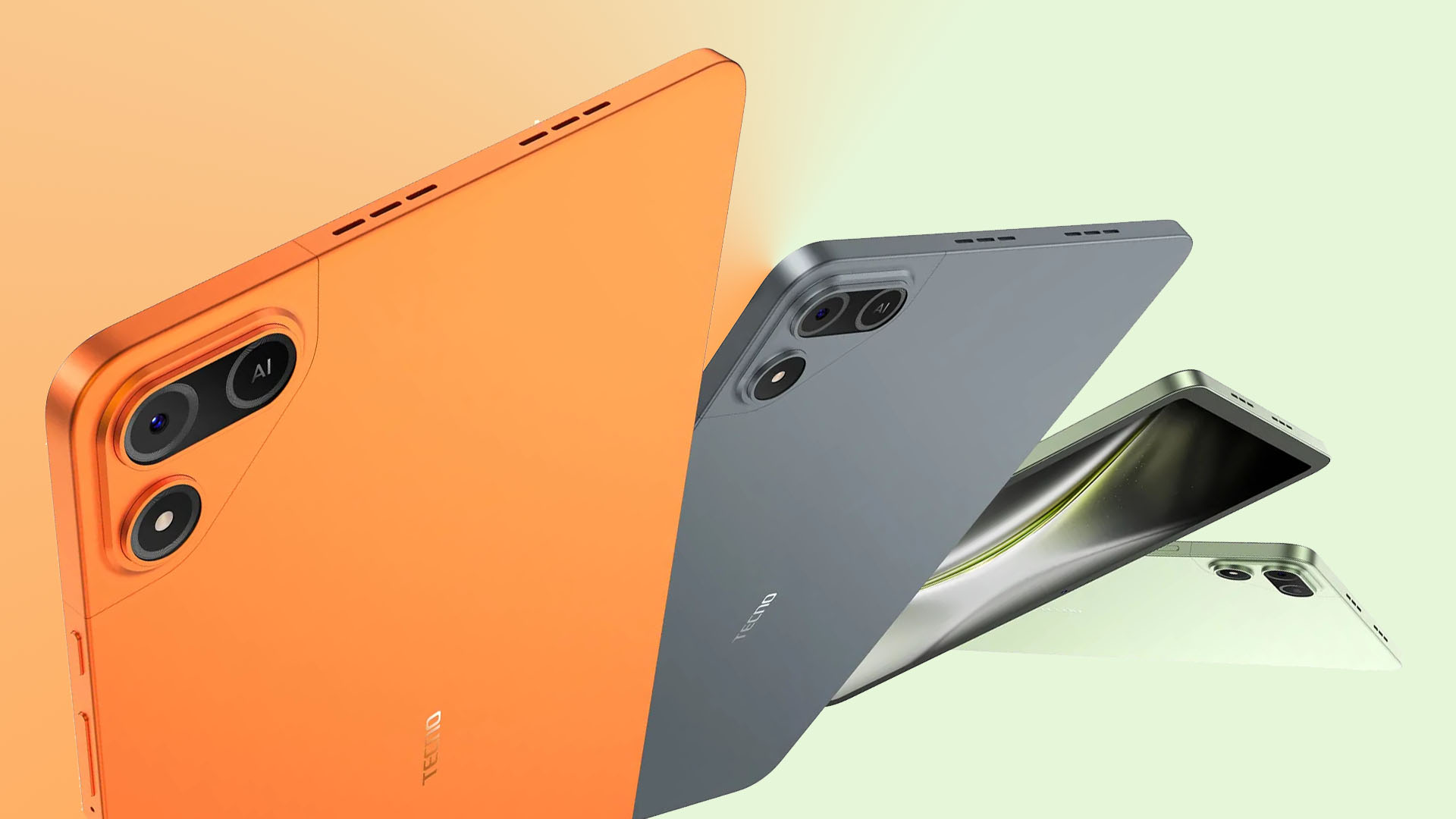
The TECNO MEGAPAD 2 finally reaches the Philippine shores — five months after its official unveiling at MWC 2026 last March.
It’s the brand’s latest Android tablet aimed at users looking for a larger screen for work, study, and entertainment.
Your Productivity Companion
TECNO’s MEGAPAD 2 boasts an 11-inch 2.5K display with a 90Hz refresh rate and TÜV Low Blue Light certification. It also comes with a quad-speaker setup with DTS audio.
Powering the MEGAPAD 2 is a MediaTek Helio G99 SoC paired with either a 6+128GB or 8+256GB memory and storage configurations. There’s even a microSD expansion of up to 2TB.
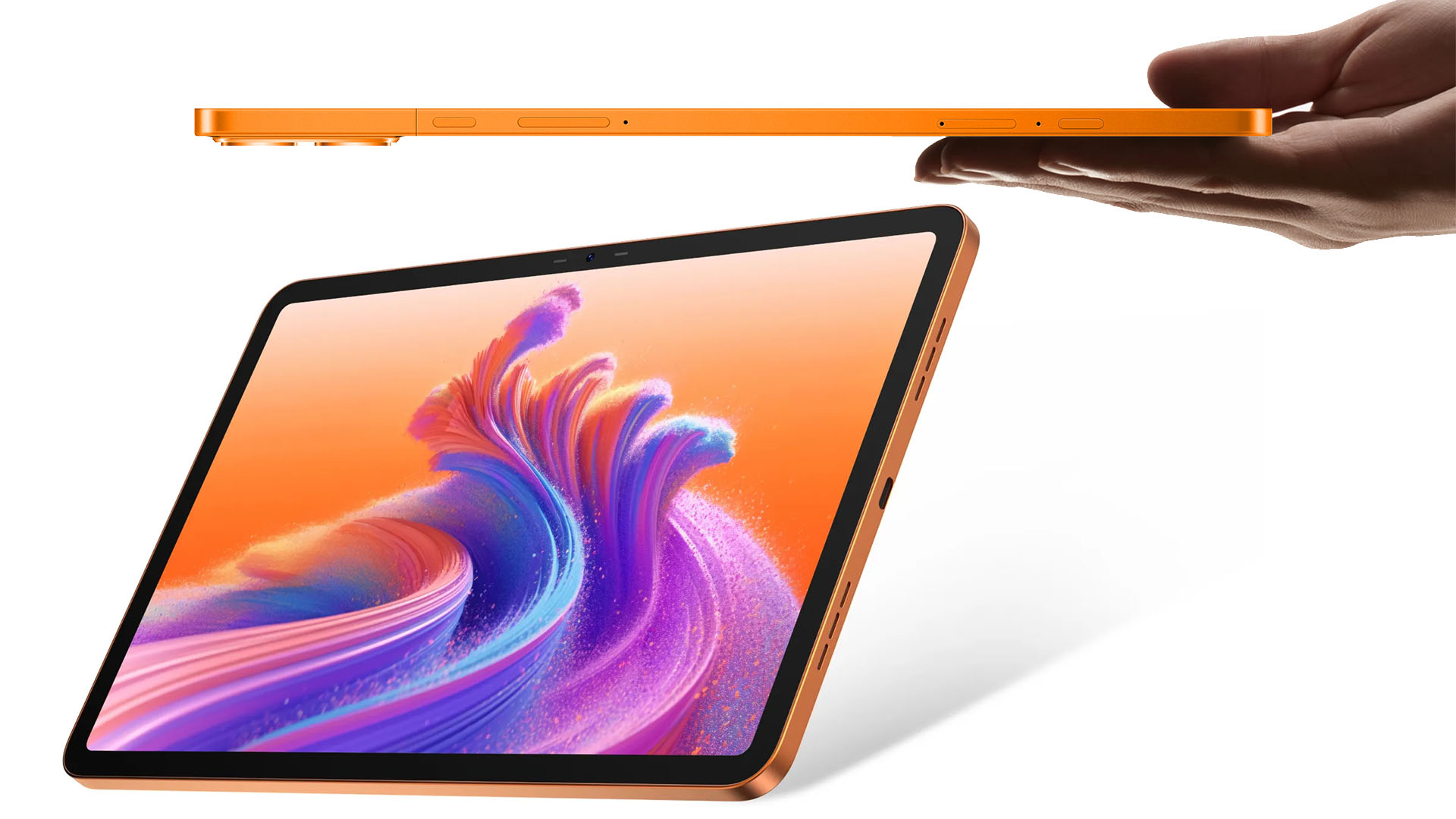
Keeping the tablet running is an 8,200mAh battery with 18W wired charging. At just 6.6mm thin and 490g, it’s one of the slimmest and lightest tablets for its price point.
AI takes center stage
Like TECNO’s latest devices, the MEGAPAD 2 runs the latest HiOS 16 based on Android 16. This means they have integrated several AI-powered tools aimed at boosting productivity and learning.
These include AI Problem Solving for educational / homework assistance, AI Translation with support for up to 140 languages across images, calls, meetings, and videos. Moreover, writing tools that can summarize, rewrite, and proofread text.
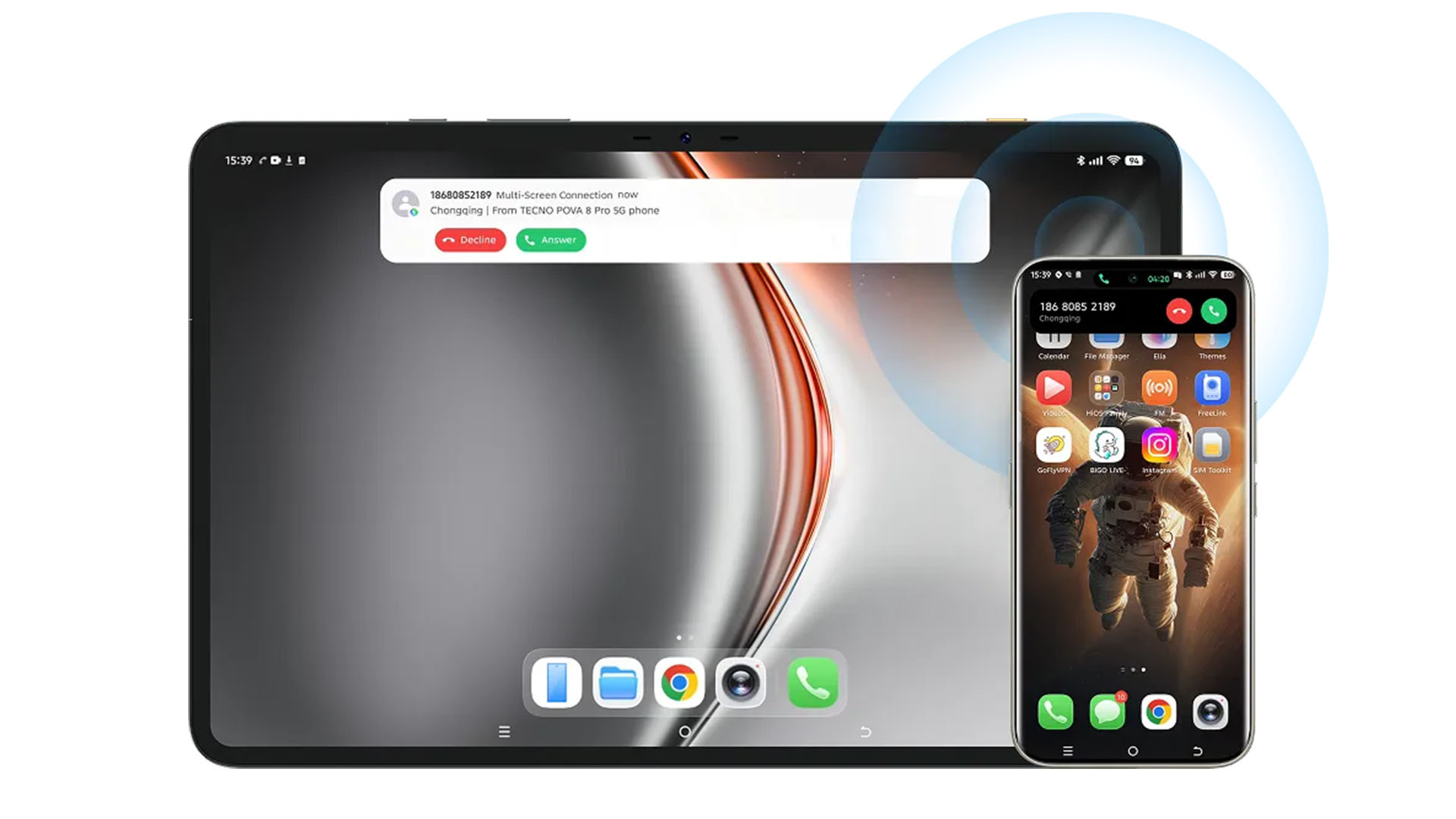
The tablet is also part of TECNO’s OneLeap ecosystem. Compatible TECNO phones and laptops can share files, extend displays, and transfer content more seamlessly.
For video calls and casual photo-taking, the MEGAPAD 2 features 8MP front and rear cameras. Connectivity options include LTE, dual-band Wi-Fi, Bluetooth, and USB-C, allowing users to stay connected even when Wi-Fi isn’t available.
Pricing and Availability
The TECNO MEGAPAD 2 comes in Space Grey, Light Green, and Cosmic Orange colorways.
In the Philippines, early bird pricing starts at PhP 13,266 for the 6GB + 128GB model. Meanwhile, the 8GB + 256GB variant is priced at PHP 15,766. Both configurations include a Bluetooth keyboard as part of the launch bundle.
After the offer, it rolls back to its PhP 16,999 and PhP 19,999 SRPs respectively — minus the free Bluetooth keyboard.
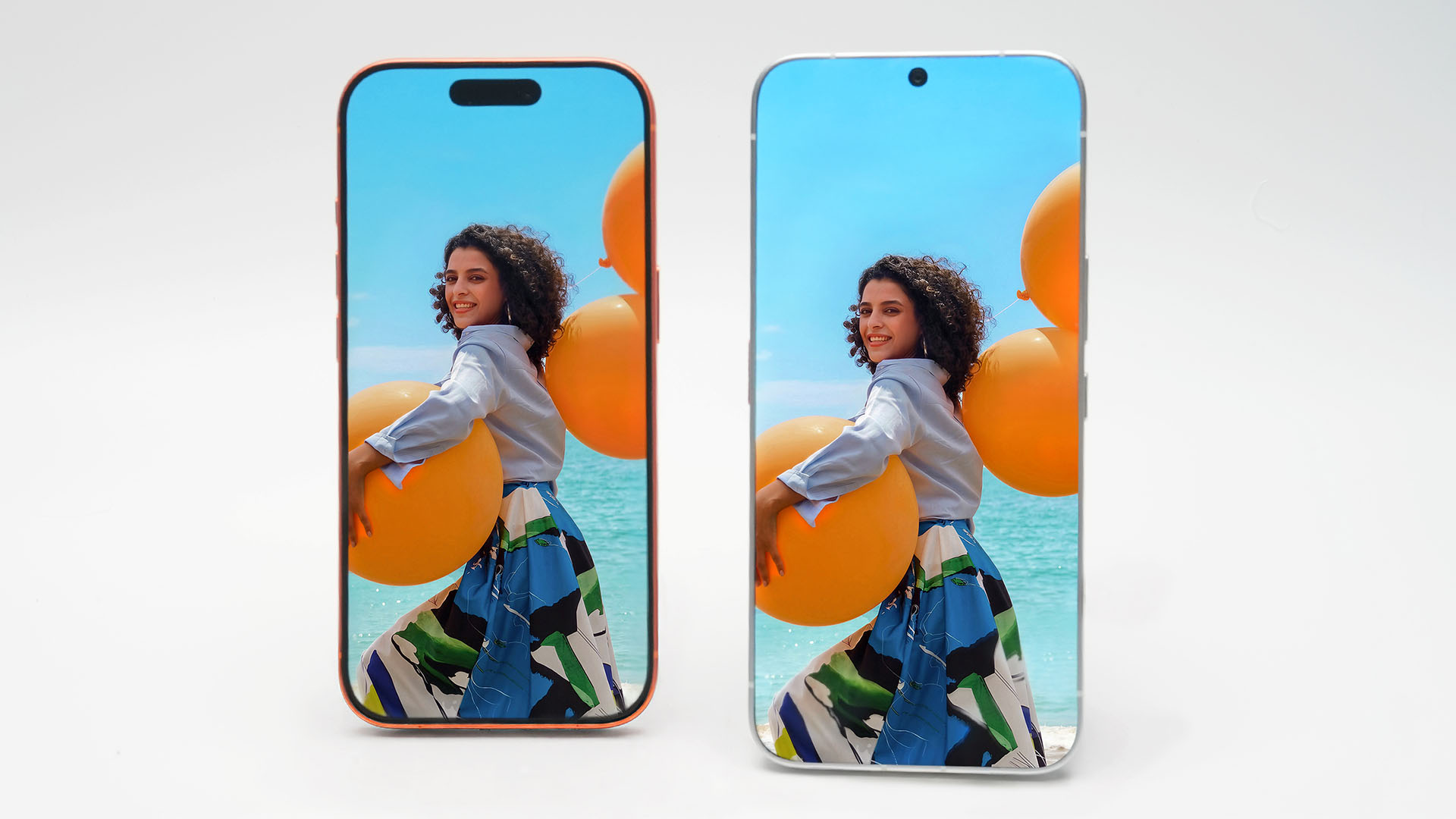
It seems like the race towards an all-screen smartphone isn’t over just yet.
While most in the tech industry are currently obsessed over Samsung’s latest wide foldable, TECNO announces a more refreshing sight — at least for the regular “slab-type” phone form factor.
Black borders begone
Modern flagship smartphones already have incredibly slim bezels, but there’s still a thin black border separating the active display from the frame. That’s due to the internal circuitry and safety clearances required by current display technology
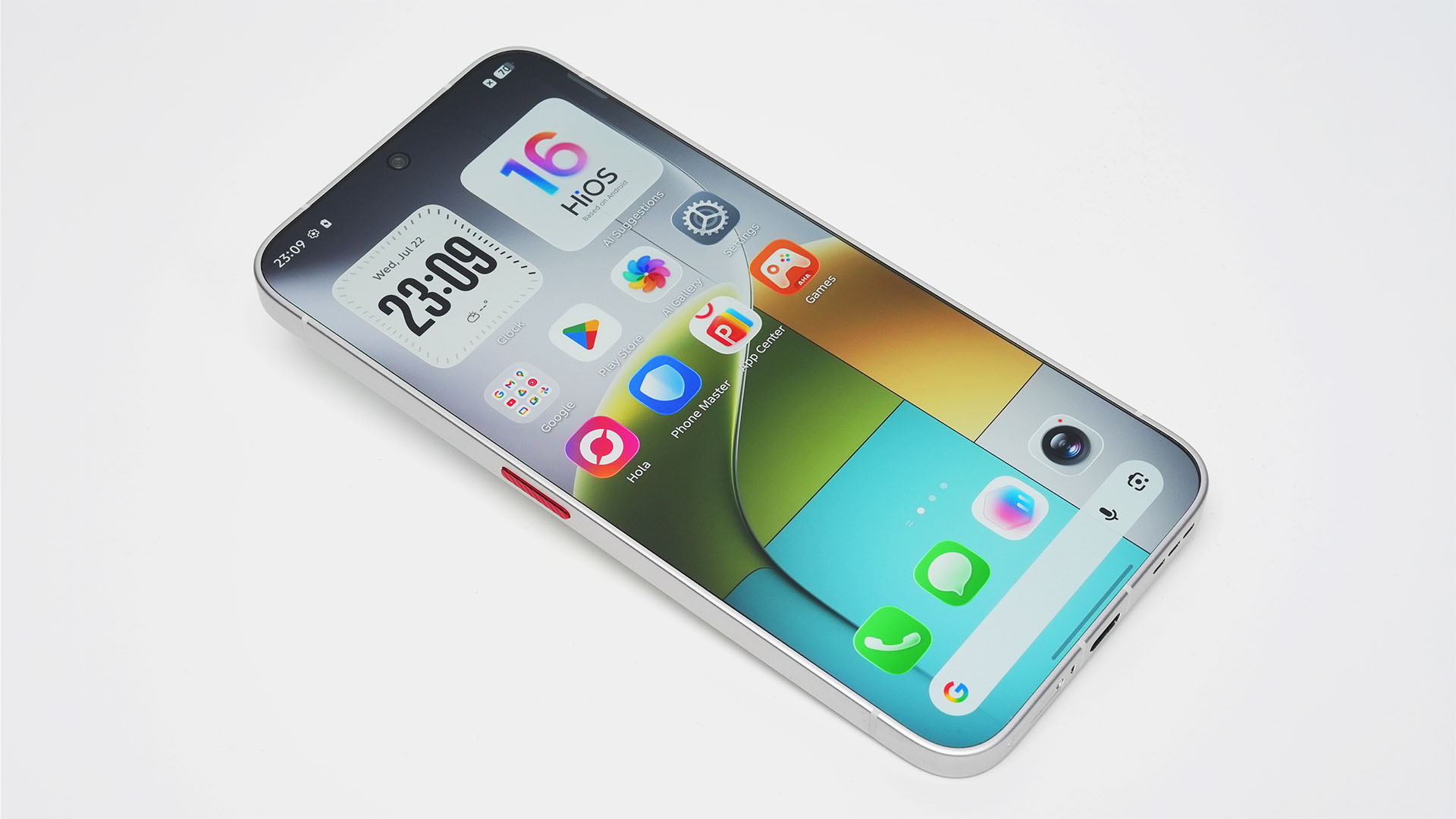
TECNO proves it’s possible to dissolve that with their Next-Gen Bezelless Concept Phone. And this is actually the industry’s first smartphone with a true 0mm display bezel.
With this fresh concept, the uprising brand says it has solved that “final millimeter” by redesigning the phone’s internal structure and display packaging. The result is a display with a visible border measuring 0 microns (0mm). This makes the screen appear to stretch all the way to the edges.
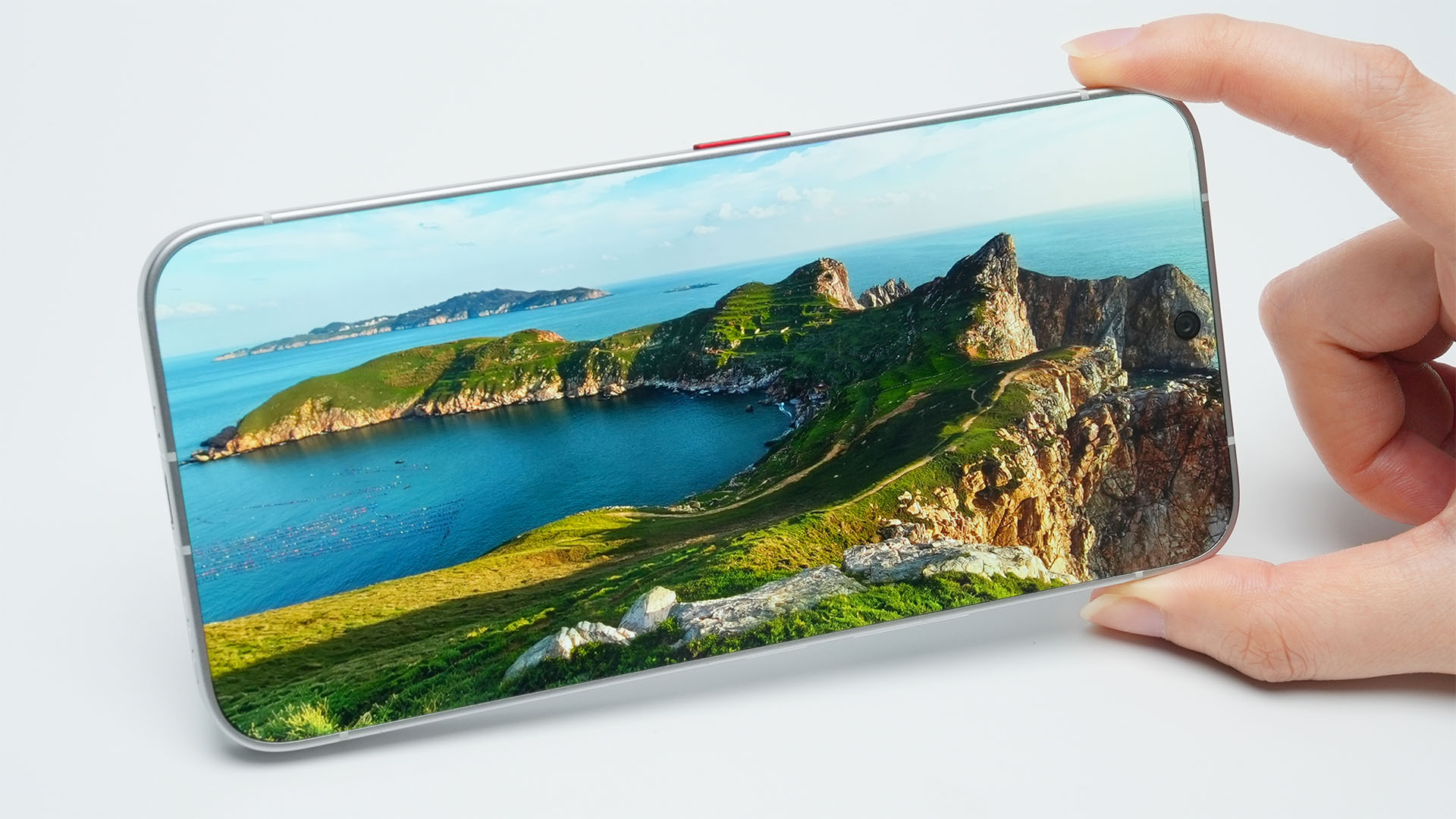
Removing the bezel completely isn’t just about aesthetics. The company says such uninterrupted display makes a more immersive experience — whether you’re watching videos, playing games, browsing photos, or simply reading.
Without these visible borders, content appears to flow naturally from edge-to-edge, making the display look as if it’s floating in your hand.
A glimpse at TECNO’s future
As with most concept devices, there’s no word yet on whether this exact design will make it into a commercial smartphone. Still, TECNO says the engineering behind the concept goes beyond the display itself.
The technologies developed for the project (such as improvements related to cameras, touch responsiveness, audio, and AI-driven user interactions) could eventually find their way into the brand’s future flagship devices.
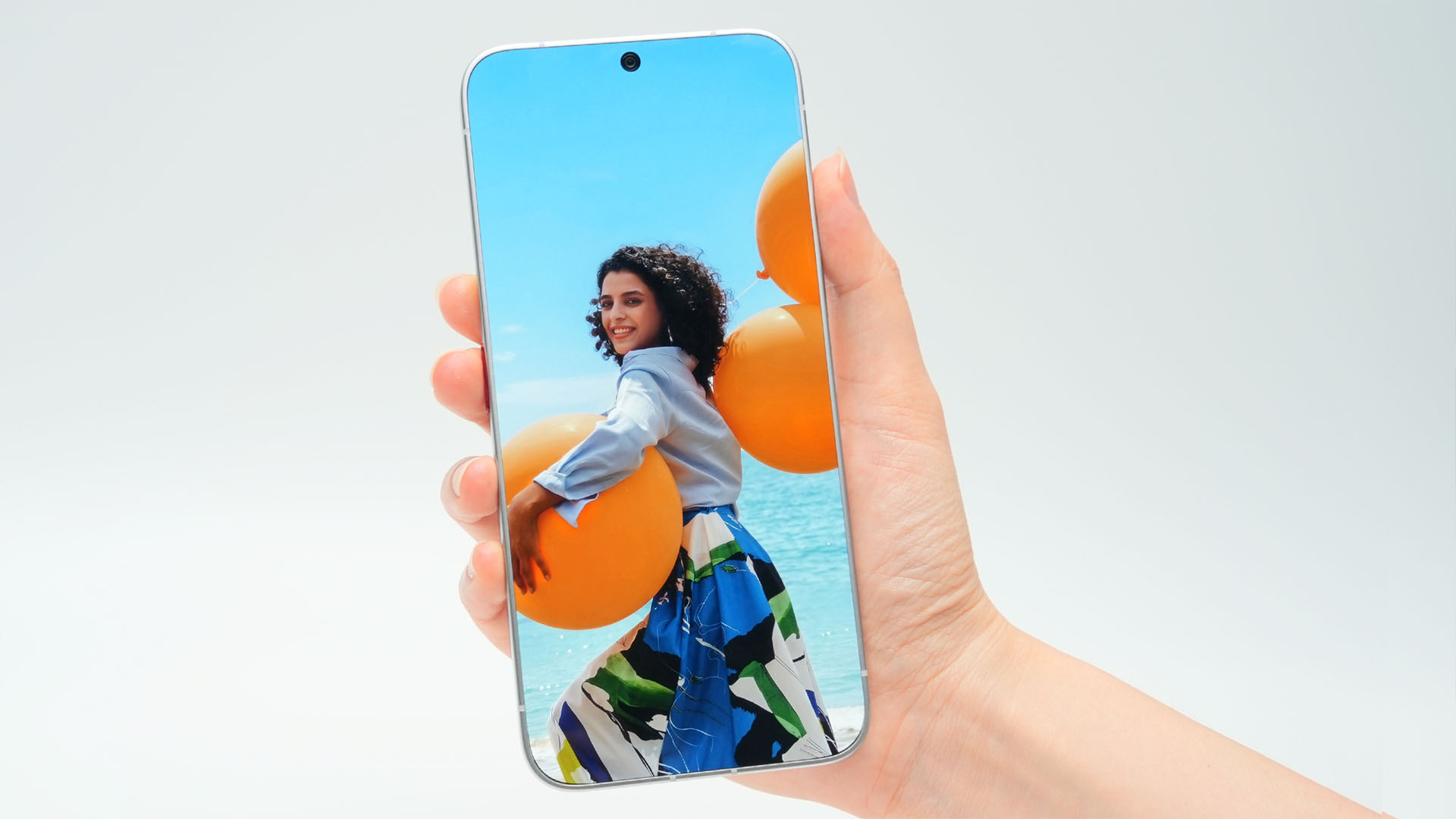
Whether or not a true bezel-free phone becomes reality anytime soon, the concept offers a glimpse at where smartphone design could be heading next. After all, TECNO’s super slim concept last 2025 actually became an actual retail product with the existence of TECNO Slim.
The concept is set to make its public debut on the upcoming ShowStoppers at IFA 2026 this September 3.

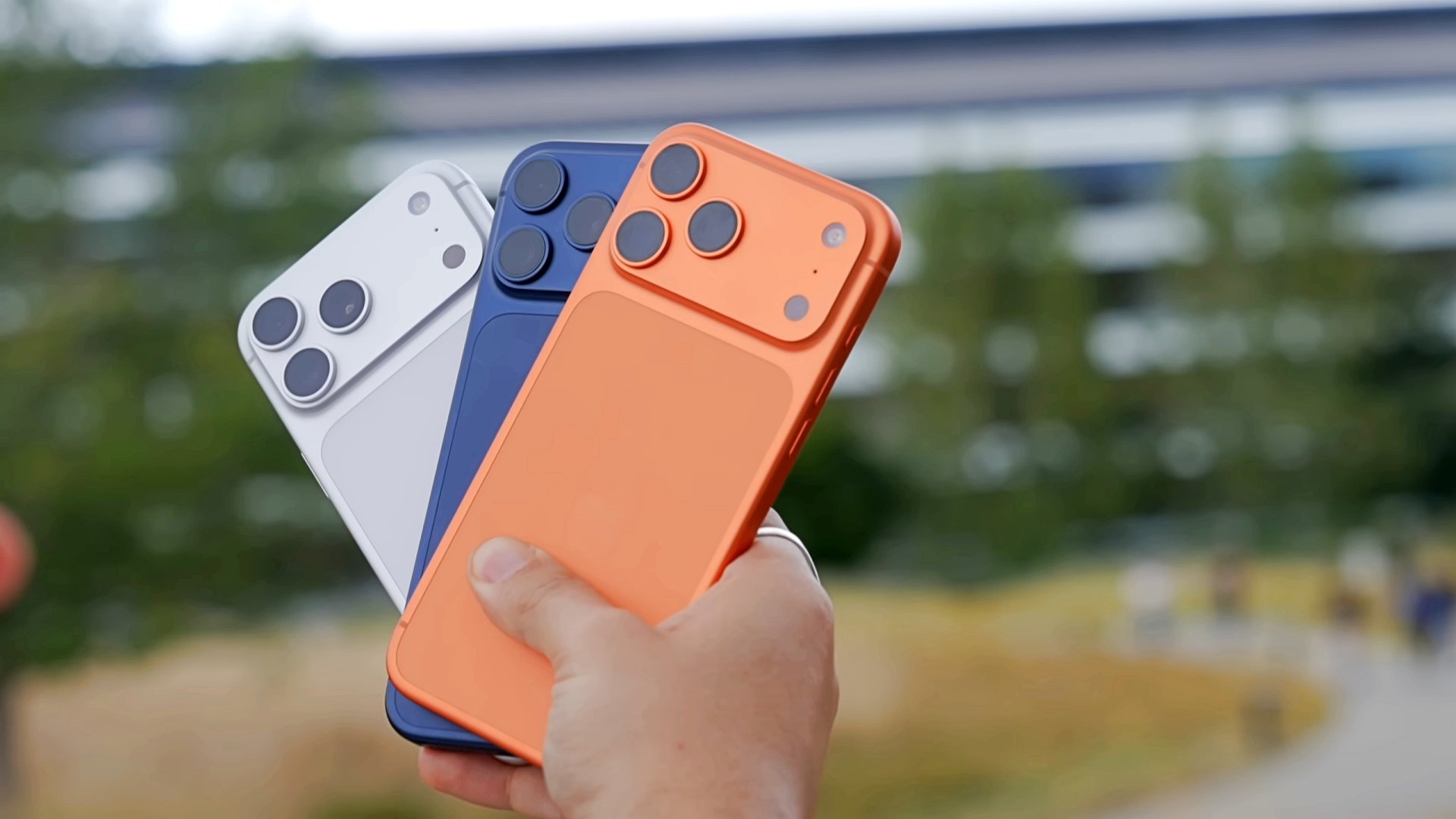
Apple has introduced Apple Upgrade, a new leasing program that makes it easier to get an iPhone, Mac, iPad, or Apple Watch through monthly payments. The program also gives customers more flexibility to upgrade to newer devices over time.
Apple Upgrade replaces new enrollments for the iPhone Upgrade Program with a single offering that covers four product categories. Apple partnered with Klarna to power the service.
Customers can lease an iPhone or Apple Watch for one or two years. Mac and iPad leases are available for two or three years.
At the end of the lease, customers have three options. They can upgrade to a newer device, purchase the leased device by paying the remaining balance, or return it with no further obligation.
Monthly payments start at US$17.99 for iPhone and US$24.99 for Mac, depending on the selected model and configuration. Customers must also qualify through Klarna before enrolling.
More than iPhones
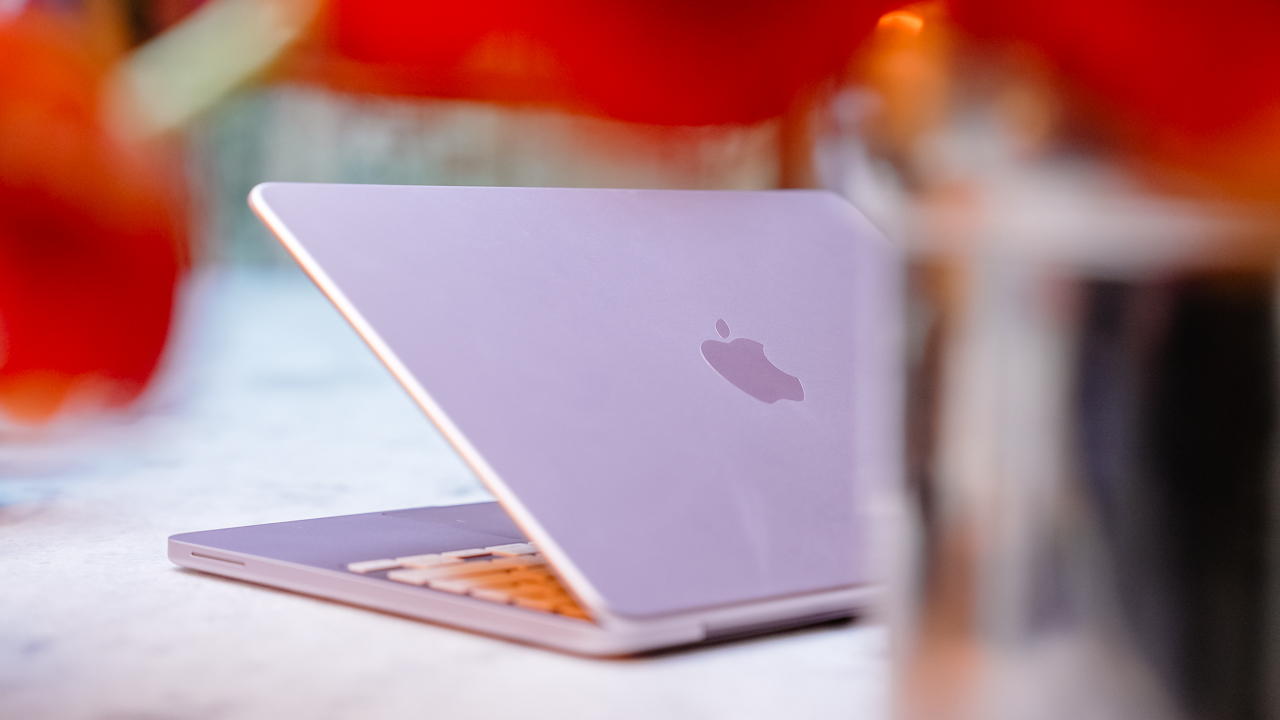
Apple Upgrade expands beyond the company’s previous iPhone-only financing program. It brings iPhone, Mac, iPad, and Apple Watch under one leasing service, making upgrades more consistent across Apple’s hardware lineup.
Customers can manage their lease through Apple, while Klarna handles financing and lease administration. They can also pay off their device early, although additional terms and fees may apply depending on the agreement.
Apple Upgrade is currently available only in the United States. Apple has not announced plans to expand the program to other regions.

realme C100: Enduring and durable in spite of entry-level realities
Enough power but needs more agility


The ASUS ExpertBook Ultra wins you over
The laptop sneaks up on you


Nexal Watch Sport review: A rugged watch for small budgets
I couldn't believe that watches this good could come for this cheap.

Call of Duty: Modern Warfare 4 clip shows Losing Ground 1st look

Street Fighter special look: Blanka vs. Ryu

TECNO MEGAPAD 2 now available in the Philippines

Xiaomi debuts SkyNomad Series featuring new Kunlun platform

GAC launches new trio of MPVs

New York becomes first state to ban smart glasses

Sony launches IER-M500 in-ear monitors

Microsoft dictates that a new Fallout game is coming

HoYo FEST 2026 details announced; tickets on sale from July 16
realme C100: Enduring and durable in spite of entry-level realities


-

 Wearables2 weeks ago
Garmin launches its first screenless fitness band
-
 Hands-On2 weeks ago
Hands-on: Samsung Galaxy Z Fold8, Flip8, Ultra
-

 Gaming2 weeks ago
NBA 2K27 cover athletes unveiled: Wemby, Clark, DRose
-

 Gaming2 weeks ago
Call of Duty, Aston Martin unveil Dreadnought for Modern Warfare 4
-

 Accessories1 week ago
CASETiFY revives Spider-Man collection for Brand New Day
-

 Cameras2 weeks ago
Sony announces new FX5 full-frame camera
-

 Gaming1 week ago
FINAL FANTASY X | X-2 HD Remaster launches on Nintendo Switch 2
-

 Entertainment2 weeks ago
Avengers: Doomsday trailer assembles Marvel’s biggest heroes against Doctor Doom