
Entertainment
The cost of the post-pandemic movie
Why you should care about Mulan’s terrible premiere

The fate of the Hollywood blockbuster rests on a fingertip. A formerly grandiose affair with celebrities dressing up to the nines, the red-carpet premiere is now an impossibility thanks to the ongoing COVID-19 crisis. On the other side, streaming services blossomed with new titles and exclusives. It was (and is) a great era for the home theater. But the home theater will not last forever. Hollywood is now facing a crisis for the future of the premiere.
If the past year is any indication, Hollywood will, of course, not go down without a fight. Large networks and production houses have released their own streaming platforms to monopolize their content, putting additional weight on a consumer’s budget. Take Disney’s Disney+ or NBC’s Peacock, for instance. Now, a few of these (like Disney and Netflix) make their own blockbuster content as well. We’ve seen Netflix’s streaming-only premieres already. How about Disney’s (or anyone else’s) Hollywood premieres, which often rely on astounding box office numbers?
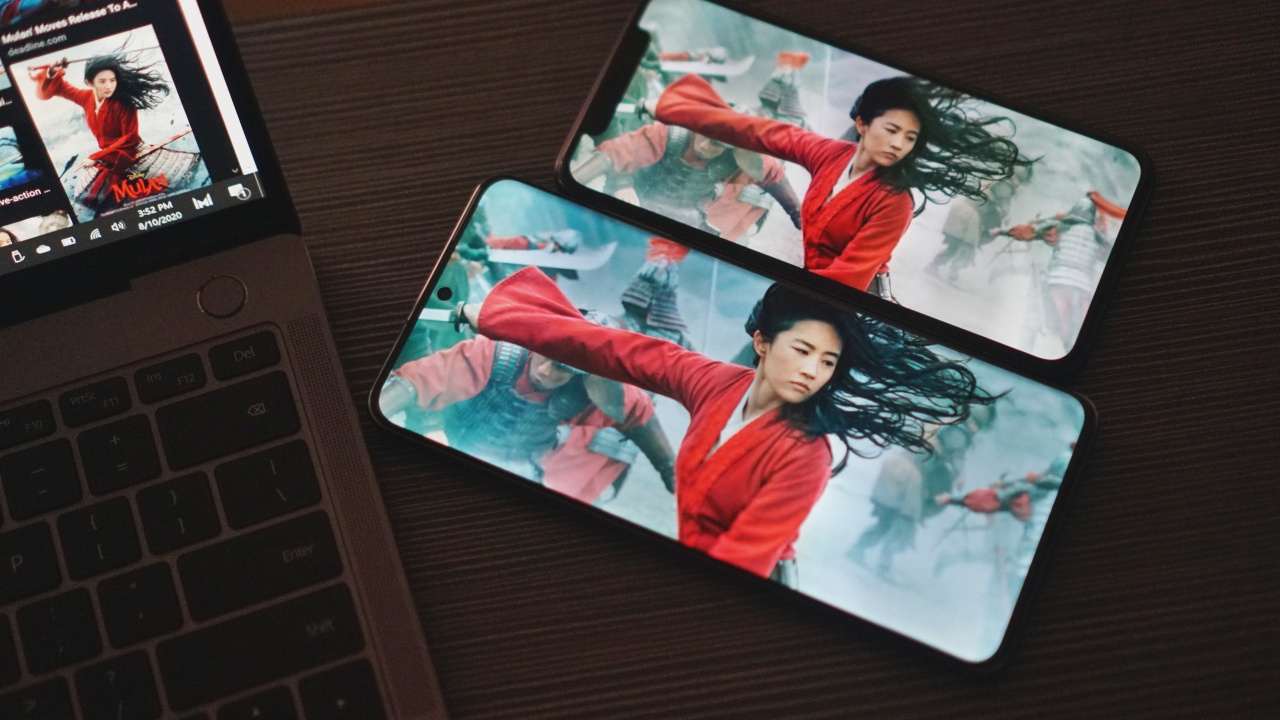
This week, we got a taste of such a strange premiere scheme. In an earnings call, Disney CEO Bob Chapek detailed the future of a delayed movie, Mulan. Initially premiering in theaters back in March, Mulan was repeatedly delayed because of the continued shutdown of movie theaters. Now, as the company is itching to finally launch it, Chapek announced a hybrid release for the film. Partly premiering in theater in safe countries, the film will also launch simultaneously on Disney+ for unsafe markets.
Now, here’s the catch: the film will cost US$ 29.99 for Disney+ users. Even if you have a subscription already, you have to fork over approximately PhP 1,474 to watch the new film. Of course, the hair trigger response is, “c’mon, Disney; stop haggling money from your customers.” And the response is right. However, there is so much more to this. Mulan can set the stage for an unprecedented era for Hollywood premieres.
Let’s get down to business
In New York, an average movie ticket costs around US$ 15 (approximately PhP 736). Mulan’s price tag is twice as much as a theater ticket. It’s even weightier in cheaper states and, most especially, in the Philippines (where movie tickets are only around US$ 5). Further, you’ll still need an active Disney+ account to access the film, costing an additional US$ 6.99.
(Naturally, it’s impossible to accurately translate the prices to an Asian market since Disney+ has not launched in all of Southeast Asia yet. We can only assume that Mulan’s streaming price is 200 percent of normal ticket prices, whatever it might be.)
Objectively, Mulan’s price is worse than a regular movie ticket. It’s easy to conclude the argument with this statement and head home. However, there is a way to justify the price.
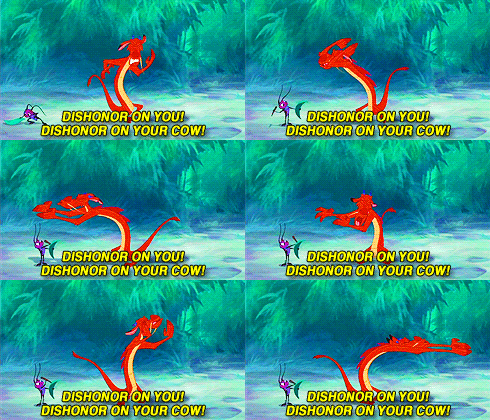
The whole family plus your cow
Now, a single movie ticket typically admits one person. Buying Mulan pays for the streaming privilege which can typically include an entire family. With a 15-dollar average, two people watching the same Mulan purchase is already a break-even point. In the same vein, a family of four obtains double the value of the 30-dollar film price. Even better, a family can watch the film over and over again. And, as any parent who has a Frozen-loving child can tell you, unlimited playbacks is a blessing for your wallet (albeit a curse on your sanity).
Unfortunately, despite the mathematical mind-bending, Mulan’s price is still far from ideal. The movie-going experience is not the same on a streaming platform as in a cinema.
An assumption of equality
A cinema ticket is price of equality. Besides a few slight differences, everyone is paying for the same product. All other things considered equal, a 20-year old college student is paying and enjoying the same experience as a 50-year old CEO. Same film, same seat cushions, same facilities, same projector.
On the other hand, a streaming subscription cannot assume the same thing. A platform cannot control where and with what device a user will watch the movie from. A 20-year old college student watching the film on a laptop screen in a poorly lit dorm room is not enjoying the same experience as a 50-year old CEO watching the same thing in their high-end home theater with Dolby Atmos.

Likewise, the platform cannot assume how many people will watch the film in one purchase. Now, Mulan is a family film. Disney can easily assume that multi-person families will buy and watch the film. However, how will the audiences take the same price tag for a more polarized movie like Christopher Nolan’s Tenet or the next James Bond film?
All of Hollywood knows you’re here
In the same announcement, Chapek hints that Mulan’s price is just a “one-off.” Basically, other films might not follow the same pricing scheme. In a way, it makes sense. Mulan was made with a pre-coronavirus budget. It was expected to make millions from box office tickets. This might be the only way for Mulan to recoup its many losses. In the future, Disney might make films with lesser budgets and lesser expectations.
However, make no mistake; other filmmakers are intently watching Mulan’s performance on streaming. If Mulan succeeds, they can likely charge the same amount without incurring a lot of losses. That said, streaming premiere prices will likely vary from film to film. Even then, this isn’t the last discussion on the future of the film industry.
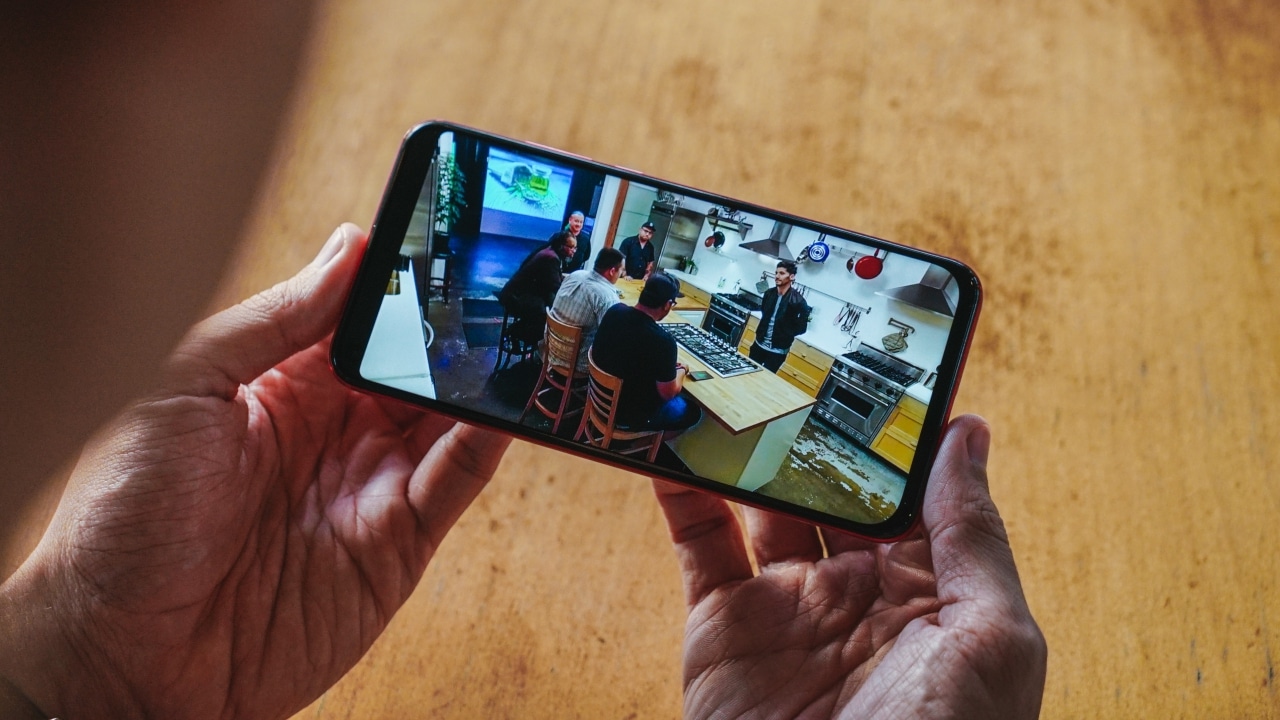
If the industry hopes to adapt to the new normal, it needs to rethink its strategy even further. Disney is offering only one solution for the problem of streaming. Unfortunately, the brand’s solution leverages a family-oriented release, one that might not appeal to the average moviegoer today.
A price worth fighting for
My suggestion: Implement a tiered premiere price. Not everyone will want to pay the full 30 dollars for a film they’re not wholly interested in. Most will watch it once and forget about it. Some won’t even care about watching it in HD.
Why not implement a pricing scheme based on those different preferences? For example, charge US$ 5 for a standard-definition, one-time playback premiere; US$ 10 for an HD, one-time playback premiere; US$ 20 for a standard-definition, unlimited playback premiere; and US$ 30 for an HD, unlimited playback premiere. In one swoop, a film can appeal to all streaming markets and needs.





Entertainment
1st teaser trailer, details for Death Stranding Isolations series unveiled
Animated series to debut on Hulu on Disney Plus


A new teaser trailer for the upcoming Death Stranding Isolations series on Hulu on Disney+ has been revealed.
The upcoming animated series is set to debut in 2027. It is set in the world of Death Stranding immediately after the game’s protagonist Sam reconnects the continent of North America via the Chiral Network.
The series will tell a completely new story separate from that of the video games. The narrative will focus on a young man and woman as they set off on an adventure.
As America is reborn from the ashes, the renewed connections that bind it together bring about new and unforeseen consequences.
In this tumultuous new landscape, there are some who walk a different path to the one chosen by Sam and his Bridges comrades.
One is a wise old man who connects people through a method that defies all reckoning. There is also a female soldier ensnared in a cycle of war and destruction.
Moreover, there is a boy who seethes with rage at the absurdity of his life, and a girl who chose to sever all ties with the outside world. Fate has other plans for her, however, and chance encounters see her launched headfirst into a world she does not recognize.
Death Stranding Isolations is written by Tow Ubukata (Activator, Bone Ash, Project Darkness) and directed by Takayuki Sano (Jujutsu Kaisen 0 – The Movie, Attack on Titan The Final Season).
The series is animated by E&H production (NINJA KAMUI, BULLET/BULLET, the Magic Knight Rayearth Television series 2026) with original character design by Ilya Kuvshinov (Ghost in the Shell: SAC_2045, The Wonderland).
The series is executive produced by Hideo Kojima and produced by KOJIMA PRODUCTIONS.
Entertainment
Cyberpunk: Edgerunners 2 now streaming, Cyberpunk 2077 update coming
Edgerunners returns to Night City

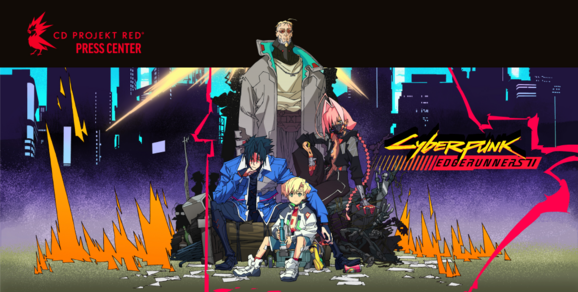
Cyberpunk: Edgerunners 2 is now streaming on Netflix, with all 10 episodes available to watch. CD PROJEKT RED and animation studio TRIGGER have also announced a new update for Cyberpunk 2077, bringing content inspired by the anime to the game.
The Edgerunners 2 Update (Update 2.5) launches on October 22, 2026, for PC, PlayStation 5, and Xbox Series X|S. A Nintendo Switch 2 release will follow shortly.
Edgerunners returns with a new cast
Set in the world of Cyberpunk 2077, Cyberpunk: Edgerunners 2 tells a standalone story through an entirely new cast of characters. The series follows a veteran edgerunner, a young cinephile, a chrome-obsessed delinquent, and a Snake Nation netrunner as their stories explore vengeance and redemption in Night City.
Director Kai Ikarashi leads the new installment, with Kanno Ichigo serving as lead character designer. Masahiko Otsuka returns as a collaborator, while Bartosz Sztybor serves as showrunner, story writer, and producer.
Both Cyberpunk: Edgerunners and Cyberpunk: Edgerunners 2 are available exclusively on Netflix.
Cyberpunk 2077 gets a new update
CD PROJEKT RED announced the Edgerunners 2 Update alongside the anime’s premiere on October 20. The free update will introduce new items and features to Cyberpunk 2077, including content inspired by the new series.
The update launches on October 22 for PC, PlayStation 5, and Xbox Series X|S. CD PROJEKT RED has yet to announce the Nintendo Switch 2 release date beyond confirming that it will follow shortly.
The studio will reveal more details during a special episode of REDstreams on October 21. The broadcast will air on Twitch, YouTube, and Steam, with official patch notes scheduled for release on the same day.
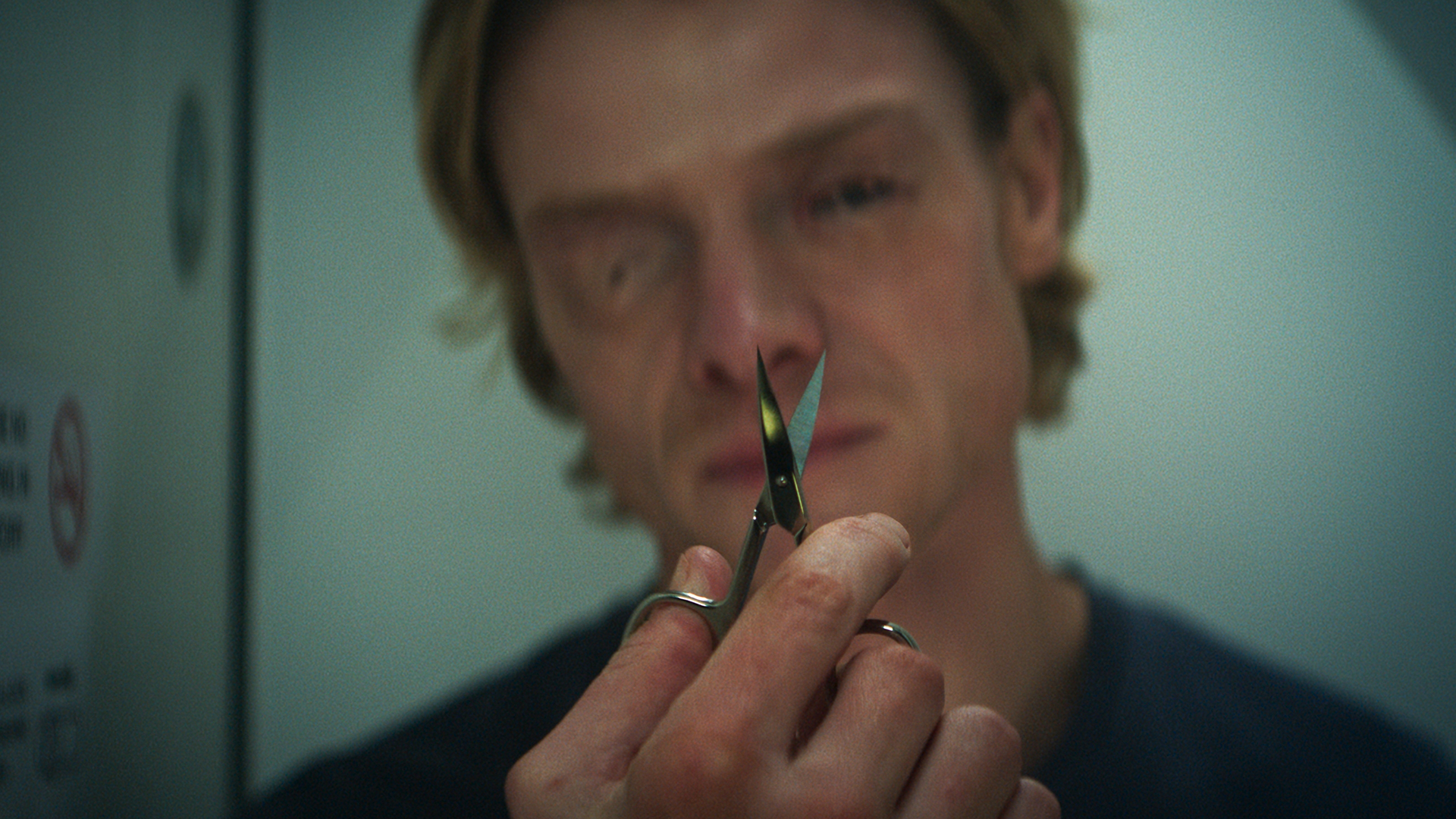
The thing about supervillain movies is that they rarely let their villain be a villain. From Venom to Kraven the Hunter, they’re contrarian dreck that reframe a mass murderer as a “misunderstood anti-hero” who’s overshadowed by a corny do-gooder. Boo hoo. Thankfully, Clayface got the memo to not do that, even if it came pretty close.
Clayface reimagines how rising actor Matt Hagen becomes one of Batman’s most (literally) monstrous enemies. Here, Matt is horribly disfigured by gangsters then abandoned by his friends. He finds hope in Dr. Caitlyn Corr’s genetic experiments, but loses his body, mind and soul as her miracle cure enables his worst impulses.
Basically, Clayface is everything Joker failed to be. It’s a sympathetic origin story for a twisted Batman villain, but it doesn’t make excuses for them. If Joker scapegoats Arthur Fleck’s madness and anarchy on the nebulous enemy that is Society the way an aimlessly rebellious teenager would, Clayface throws all the blame and consequences on Matt — and Matt alone.

I like how Matt’s story is a tragedy of his own making. He wasn’t always evil, and he really was wronged by scum. Worse, his identity is cracking, which is a bit of psychological torment that I wish the movie dwelled on more. And yet, he always had a way out. He just keeps choosing the cruelest and greediest options instead.
This is the kind of agency most supervillain movies — or any movie about a juvenile anti-hero fighting The System, really — lack, but Clayface has an abundance of. There was a moment I thought that the movie would still side with Matt despite everything he’s done, only for him to cross a line. In the end, he can only blame himself when he loses everything and everyone.
However, I was let down by Clayface’s violence. There’s blood and guts, alright, but they’re too inconsistent. For every morbidly satisfying disemboweling or close-up of a nasty scarring, there’s a moment where the movie cuts away from these too early. I lost count of how many times Clayface jumped to the next scene before really letting blades sink into flesh, or how many of Matt’s kills were done offscreen.
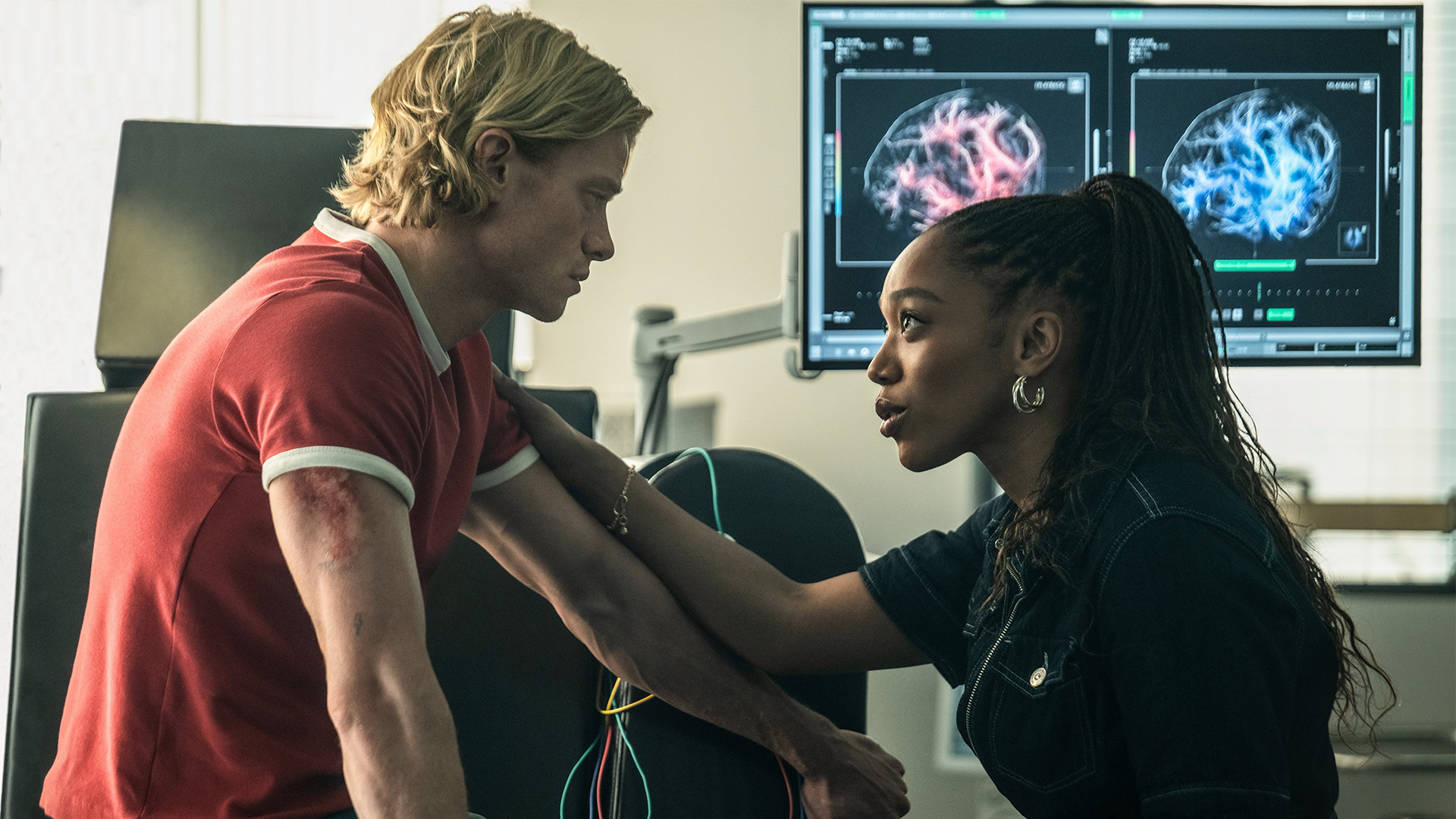
Minus the pivotal deaths, the kills are also not as diverse as I’d hope from a killer powered by Play-Doh and imagination. It’s just variations of stabbing and bludgeoning. My issue isn’t a lack of brutality, but that this reluctance to push it further or just show it gives the well-built tension a lackluster payoff. A movie about superpowered revenge in one of fiction’s vilest hellholes should be more depraved and creative.
To be fair, this is more the fault of the movie’s constraints, not a lack of skill or thought. Effects cost time and money that Clayface clearly didn’t have a lot of. This would also explain why Matt is limited to identity theft not by molding himself, but via clever camera work. For what it’s worth, I see and respect the smart workarounds the movie found to deliver the dread.
Still, I like Clayface. It’s the rare supervillain movie that’s self-aware and honest about its darkness. It humanizes its villain, but commits to their monstrosity while rejecting forced redemption. It’s also a grisly thriller that works on its own merits, yet complements DC Comics’ latest growing cinematic world. That said, Batman can’t arrive sooner to beat Matt’s melted face in.

ROG G700 review: The best prebuilt PC you can get off the shelf
This PC will make you stop worrying about specs.

HP OMEN Max 16 review: Gamer-maxxing in deep black
Peripherals deemed necessary to max this out

vivo V80 review: Good phone, tough sell
A capable travel companion

Smart boosts 5G network in Siargao for World Surf League event

The next Elder Scrolls game is called Sentinel

4 new nutribullet kitchen essentials to make holiday hosting easier

Inside Infinix’s first global concept store in Bali

Wild Rift Patch 7.3, celebrates K/DA comeback

OPPO Find X10 Series launches globally October 21

Sony teams up with Hello Kitty for exclusive limited-edition collection

vivo V80 debuts with ZEISS cameras

Garmin Enduro 4 promises up to 320 hours of battery life

Dragon’s Dogma 2: Dark Arisen launches with new Official Pawns


-

 Lifestyle3 days ago
Your coffee nook is getting a makeover with Starbucks’ holiday collections
-
Gaming2 weeks ago
HP OMEN Max 16 review: Gamer-maxxing in deep black
-

 Lifestyle5 days ago
Sticker season is back, and so is the planner your ~friends~ might fill in for you
-

 Apps2 weeks ago
Apple Music is getting a Liquid Glass makeover
-

 Hands-On2 weeks ago
Apple iPhone Duo Unboxing and Hands-on
-
 Gaming2 weeks ago
FINAL FANTASY RESONANCE now available across major platforms
-
Gaming1 week ago
ROG G700 review: The best prebuilt PC you can get off the shelf
-
 Gaming3 days ago
Wild Rift Patch 7.3, celebrates K/DA comeback