
News
OPPO is developing its own chipsets
Following Google’s footsteps

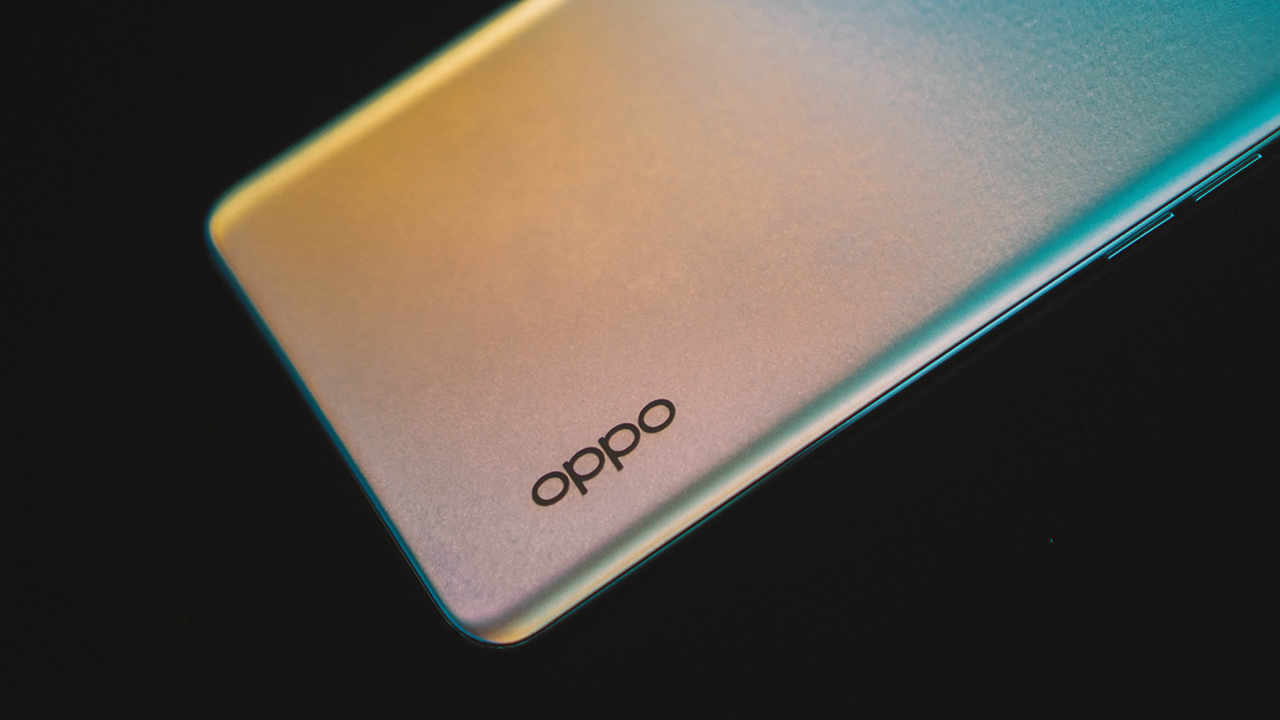
Are the golden days of Snapdragon ending? A few smartphone makers have dedicated considerable resources to creating their own in-house chips. Doing so will considerably reduce their reliance on the current dominators of the semiconductor industry like Qualcomm and MediaTek. Much like its contemporaries, OPPO is reportedly developing its own flagship processors.
First reported by Nikkei, OPPO is planning to release its first chipsets sometime in 2023 or 2024. The chips will come with the brand’s flagship devices. They will rely on TSMC’s advanced 3nm process.
Naturally, the report doesn’t indicate which smartphones will eventually come with the chipsets. However, a promised flagship does indicate good things to come.
The report coincidentally follows the recent Google Pixel 6 launch. Much like what OPPO is promising, the Pixel 6 sports Google’s first in-house chipset called the Tensor. Apple’s M1 chipset lineup is also an attempt to reduce the brand’s reliance on other component makers.
When Google announced the Tensor, Qualcomm publicly stated that the efforts towards in-house chipsets won’t hamper its dominance in the industry. The company has other clients after all. Then again, with more companies following Google, the top chipset maker might finally feel the crunch. OPPO is still one of the world’s top smartphone brands, especially after the rapid descent of Huawei.





News
OnePlus officially leaves the United States and Canada
The brand’s smartphones are now sold out in the United States.
Once upon a time, OnePlus used to be the darling child of smartphone users on a budget. For a more meager price than a flagship, users can enjoy flagship specs on a uniquely designed phone. Who can forget the iconic OnePlus One?
Unfortunately, prices have a way of catching up. Though the brand’s phones are still perfectly good, more options have already emerged as alternatives for a so-called flagship killer, including OnePlus co-founder Carl Pei’s Nothing.
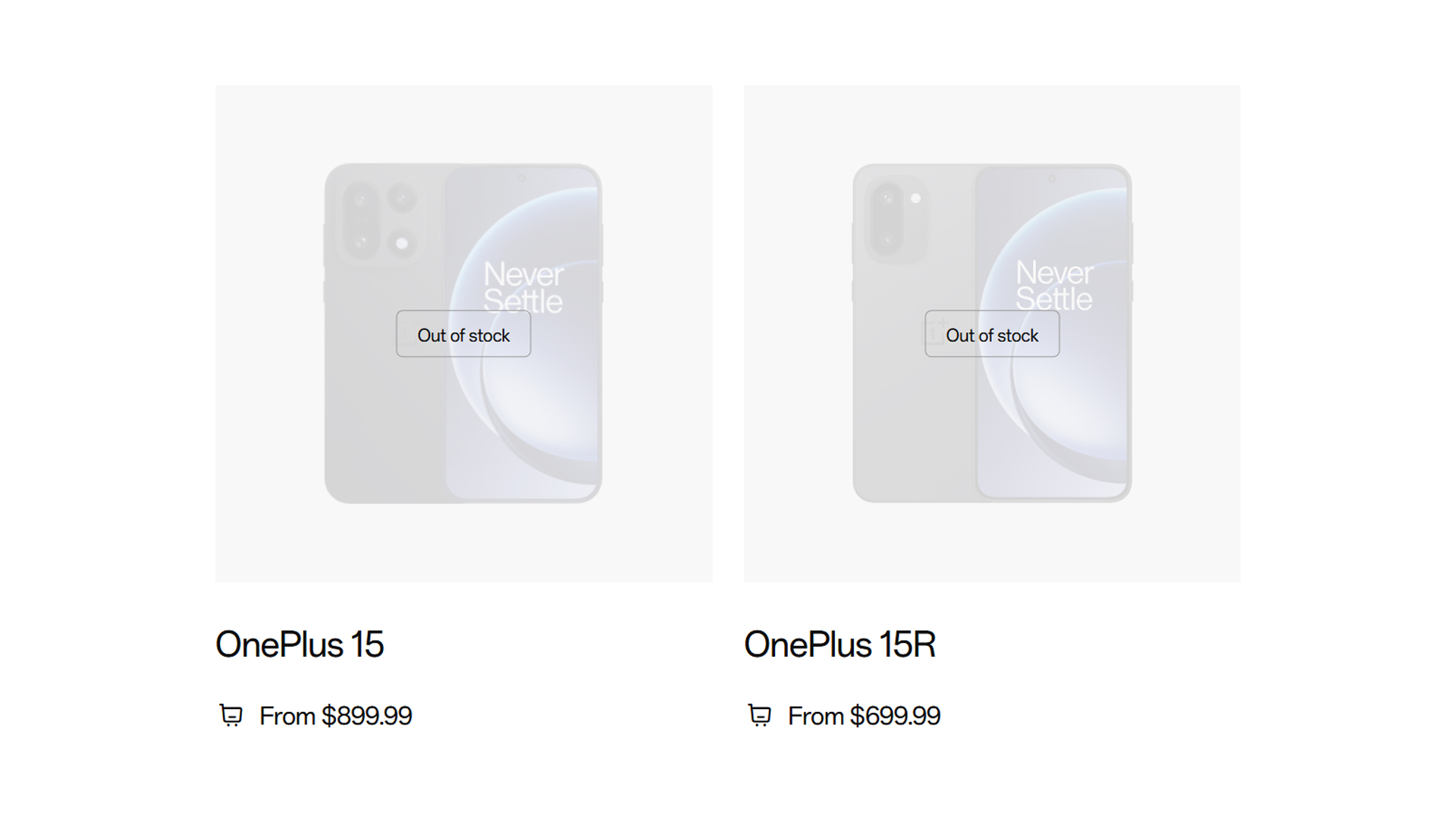
Now, marking the brand’s next step, whatever that is, OnePlus has officially left the North American market. As of today, the company has sold its last smartphone in the United States and Canada. Going on the official OnePlus website will warrant a Sold Out sign for both the OnePlus 15 and 15R. If anything, users can still get a handful of earbuds and cases.
As with everything that sells out, if you really want to cop one of the last remaining models in America, you can grab one off a third-party retailer, but who knows until when that will last?
This isn’t just a stocking issue, either. In July, the company already confirmed that it is pulling out of the region starting this month. It’s a sign of internal restructuring happening inside OPPO and all the brands under its umbrella. There’s also a rumor that OnePlus was relegated to being a sub-brand of OPPO once again.
News
Mastercard brings Apple Pay to customers in the Philippines
Easy and secure way to pay across Apple ecosystem

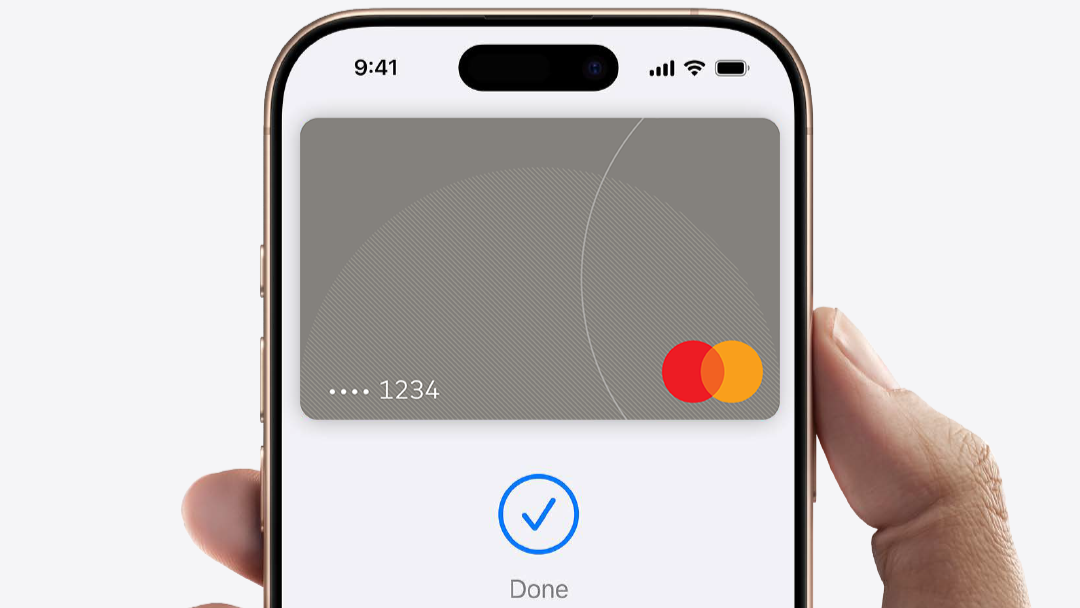
Mastercard has officially brought Apple Pay to its cardholders in the Philippines. This gives iPhone, Apple Watch, iPad, and Mac users an easy, secure, and private way to pay in-store, in-app, and online.
To pay in-store, customers simply double-click the side button, authenticate, and hold their iPhone or Apple Watch near a payment terminal to make a contactless payment.
Apple Pay is easy to set up. On iPhone, simply open the Wallet app and tap the ‘+’ and follow the steps to add a Mastercard credit or debit card.
Once a customer adds a card to iPhone, Apple Watch, iPad, and Mac, they can start using Apple Pay on that device right away.
Every Apple Pay purchase is secure because it is authenticated with Face ID, Touch ID, or device passcode, as well as a one-time unique dynamic security code.
Apple Pay is accepted in grocery stores, pharmacies, restaurants, coffee shops, retail stores, and many more places that accept contactless payments.
Customers can also use Apple Pay on iPhone, iPad, and Mac to make faster and more convenient purchases in apps or on the web without having to create accounts or repeatedly type in contact information, card details, or shipping and billing information.
Of course, customers will continue to receive all of the rewards and benefits offered by Mastercard.
Security and privacy are at the core of Apple Pay. When customers use a credit or debit card with Apple Pay, the actual card numbers are not stored on the device, nor on Apple servers.
Instead, a unique Device Account Number is assigned, encrypted, and securely stored in the Secure Element, an industry-standard, certified chip designed to store the payment information safely on the device.
News
Visa brings Apple Pay to its customers in the Philippines
An easier and more secure way to pay with iPhone, Apple Watch, iPad, and Mac
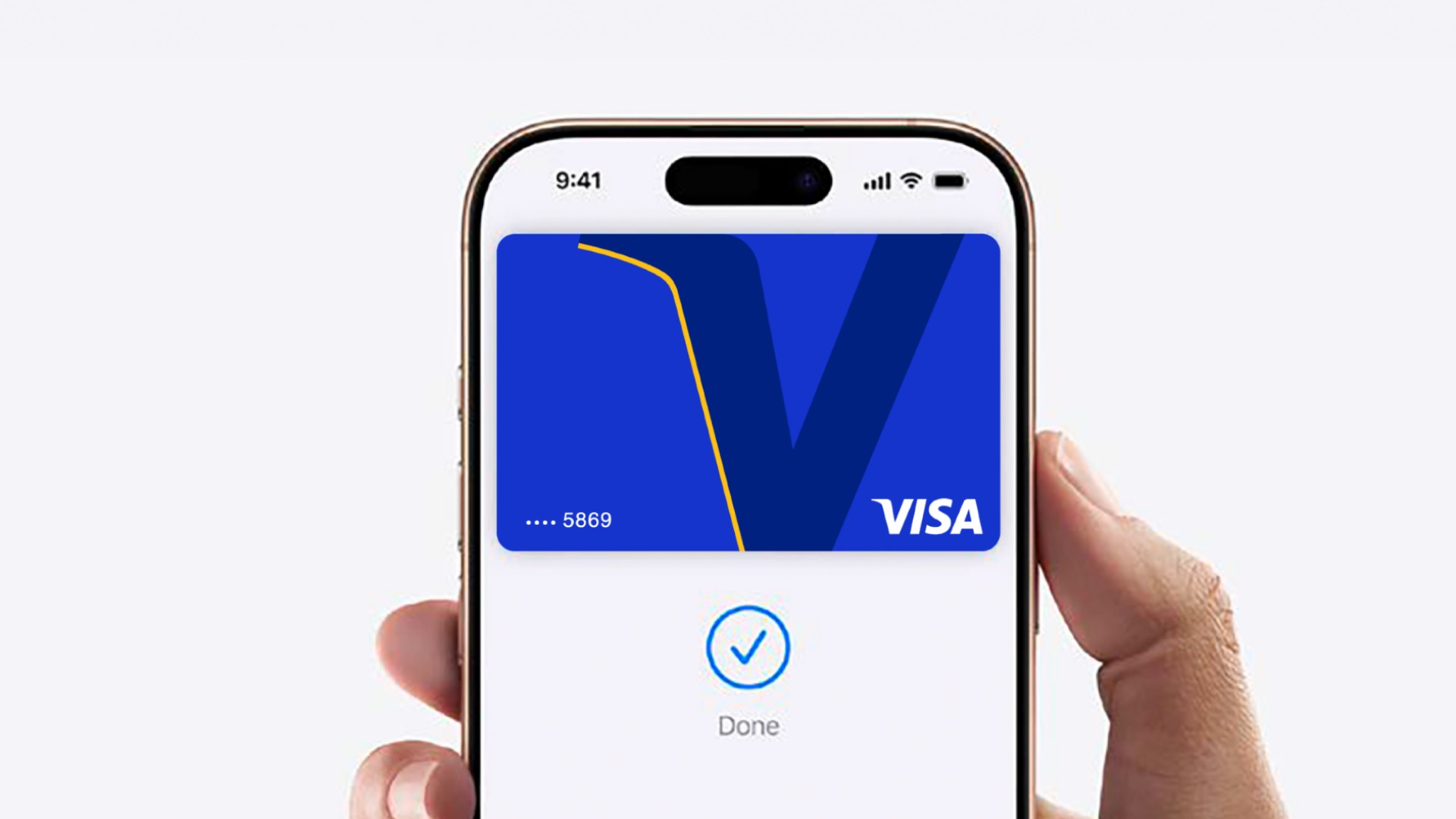
Visa (NYSE: V), a global leader in digital payments, announced today that Visa debit and credit cardholders in the Philippines can now add their eligible cards to Apple Pay on their iPhone, Apple Watch, iPad, and Mac. Apple Pay is an easy, secure and private way to pay in-store, in-app and online.
This announcement accelerates the digitalization of payments all while expanding payment options for Filipinos traveling abroad and visitors traveling to the Philippines. Across the Asia Pacific region, 97% of travelers1 say that they will bring credit, debit, or prepaid cards on their trips, while only 17% intend to bring foreign currency. Among travelers, 38% said they prefer cards because of robust security and fraud protection features, while 20% cite wide acceptance. Apple Pay seamlessly delivers on these exact needs by making everyday transactions easy, secure, and private.
Visa Confidential
To pay in-store, customers simply double-click the side button, authenticate, and hold their iPhone or Apple Watch near a payment terminal to make a contactless payment. Every Apple Pay purchase is secure because it is authenticated with Face ID, Touch ID, or device passcode, as well as a one-time unique dynamic security code. Apple Pay is accepted in grocery stores, pharmacies, restaurants, coffee shops, retail stores, and many more places that accept contactless payments.
Customers can also use Apple Pay on iPhone, iPad, and Mac to make faster and more convenient purchases in apps or on the web without having to create accounts or repeatedly type in contact information, card details, or shipping and billing information.
“Apple Pay represents the next evolution of payments in the Philippines, combining ease of use, simplicity, and security in every transaction, helping amplify the payment experience for Visa cardholders in the Philippines. With Apple Pay, Filipinos and tourists alike now have seamless and secure ways to pay across shops, restaurants, travel destinations, and public transport, supporting the nation’s vision to become a cash-lite economy,” said Jeffrey Navarro, Country Manager for Visa Philippines.
Security and privacy are at the core of Apple Pay. When customers use a credit or debit card with Apple Pay, the actual card numbers are not stored on the device, nor on Apple servers. Instead, a unique Device Account Number is assigned, encrypted and securely stored in the Secure Element, an industry-standard, certified chip designed to store the payment information safely on the device.
Apple Pay is easy to set up. On iPhone, simply open the Wallet app, tap the ‘+’, and follow the steps to add a Visa card. Once a customer adds a card to iPhone, Apple Watch, iPad, and Mac, they can start using Apple Pay on that device right away. Customers will continue to receive all of the rewards and benefits offered by their Visa cards.
For more information on Apple Pay, visit: https://www.apple.com/ph/apple-pay/

realme C100: Enduring and durable in spite of entry-level realities
Enough power but needs more agility


The ASUS ExpertBook Ultra wins you over
The laptop sneaks up on you


Nexal Watch Sport review: A rugged watch for small budgets
I couldn't believe that watches this good could come for this cheap.

Peak Design’s new City Line combines minimalism and color

Gangstar Mirage City launches on August 20 with SEA localization

OnePlus officially leaves the United States and Canada

How to set up Apple Pay on your iPhone

Mastercard brings Apple Pay to customers in the Philippines

New York becomes first state to ban smart glasses

Sony launches IER-M500 in-ear monitors

Microsoft dictates that a new Fallout game is coming

HoYo FEST 2026 details announced; tickets on sale from July 16
realme C100: Enduring and durable in spite of entry-level realities


-

 Hands-On2 weeks ago
Hands-on: Samsung Galaxy Z Fold8, Flip8, Ultra
-

 Gaming2 weeks ago
NBA 2K27 cover athletes unveiled: Wemby, Clark, DRose
-

 Cameras2 weeks ago
Sony announces new FX5 full-frame camera
-

 Gaming2 weeks ago
FINAL FANTASY X | X-2 HD Remaster launches on Nintendo Switch 2
-

 Accessories2 weeks ago
CASETiFY revives Spider-Man collection for Brand New Day
-

 Automotive3 days ago
VinFast debuts two-wheeler models, opens 21 e-motorcycle showrooms
-

 Computers2 weeks ago
AORUS MASTER 16 Gen 2 2026 AI gaming laptop launches
-

 Computers7 days ago
AMD launches Radeon RX 9050 graphics card