
News
Google Pixel 7 series puts premium on photo, video
Pro version challenges other flagships


We’ve seen what they look like and now they have officially been launched. The Google Pixel 7 series. featuring the Pixel 7 and Pixel 7 Pro, is ready to take on other flagships.
‘Most refined design’
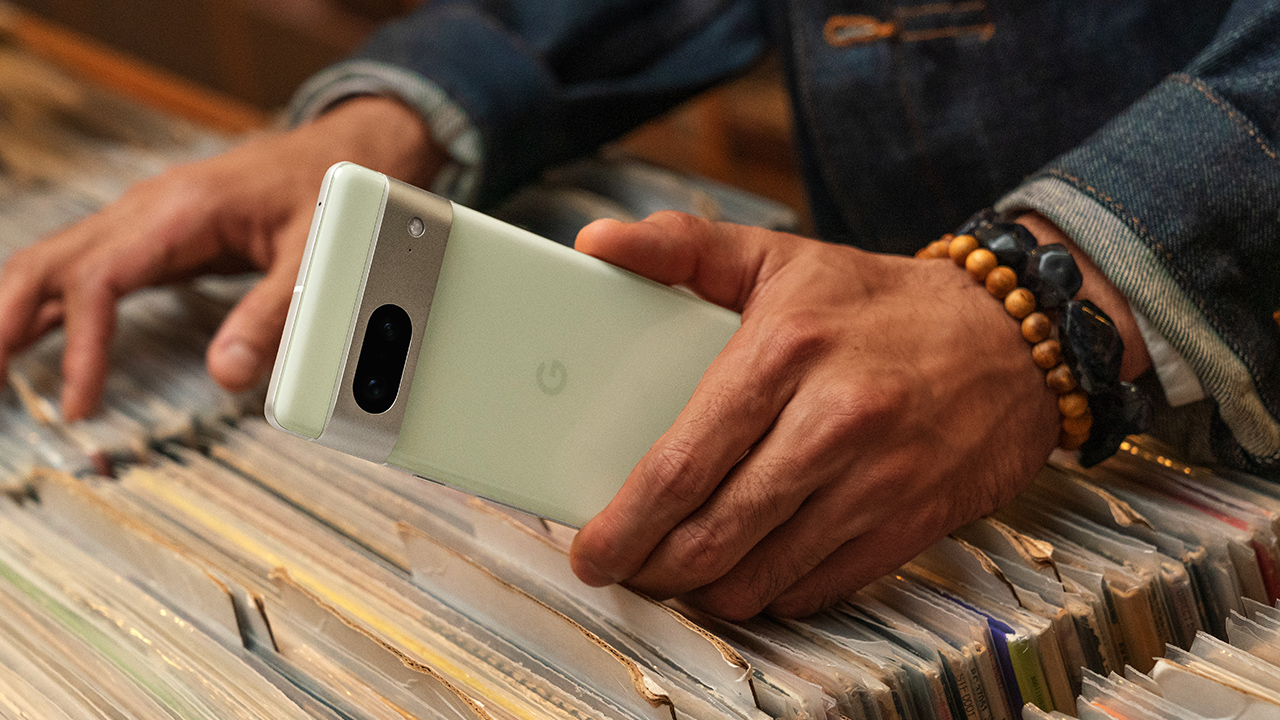
Google says the Pixel 7 series has the “most refined design” of any Pixel phone to date. It has a smooth glass back with an aluminium frame. And of course, there’s the signature Camera Bar. The Pixel 7 Pro has a polished aluminium finish while the Pixel 7 is in matte. They are also made with recycled materials.
Both phones have an IP68 rating for dust and water resistance. And the displays are scratch resistant with Corning Gorilla Glass Victus.
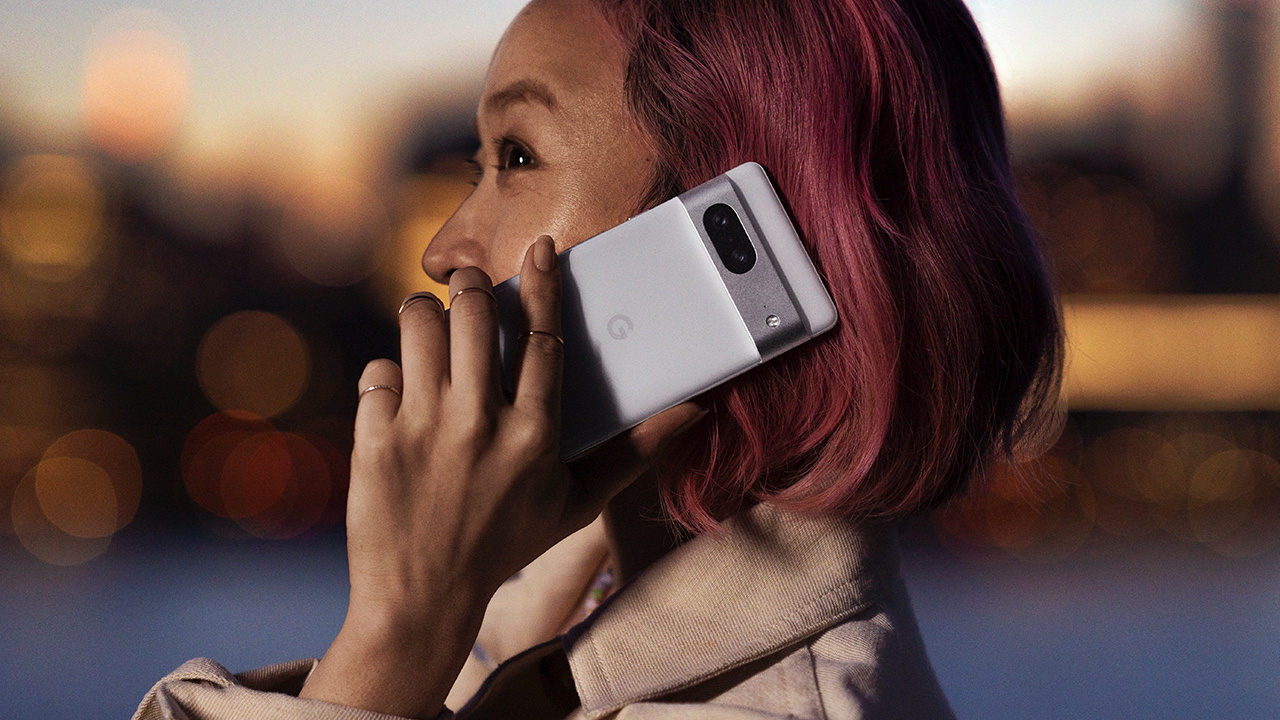
Google Tensor G2, enhanced photo and video
Powering the Pixel 7 and Pixel 7 Pro is the Google Tensor G2 chip. It’s custom-built for Pixel and was made to take advantage of Google’s advanced machine learning and speech recognition.
Naturally, it also makes the phones run faster and smoother. It’s also responsible for the Pixel’s vaunted photography capabilities. But Google says it’s now extending to video too. It enables features like next-gen Super Res Zoom, twice faster Night Sight processing, Face Unblur, and Cinematic Blur.
The Pixel wants to remain king in low-light imaging. Its large main sensor lets more light in. Combined with computational photography, the Night Sight feature is promising to be better than ever. The Pixel 7 series can now also shoot 4K60fps videos.
Secure with more features
Equipped on both the Pixel 7 and Pixel 7 Pro is the Titan M2 security chip. Together with the Tensor G2 chip, it helps the Pixel be built with multiple layers of security. You also get the usual Face and Fingerprint unlocks. It’s also designed for prolonged use as Google promises up to five years of security updates.

Additional features include At a Glance which immediately displays the right information at the right time. Google cites the baggage claim at the airport as an example. But there’s also other appointments and meetings listed on your calendar. There’s also Assistant Voice typing that lets you type with your voice. It now supports Spanish, French, and Italian.
The Pixel 7 series also has the Adaptive Battery Feature. It learns your usage patterns and optimizes the phone to make sure it lasts for about 24 hours. It also supports 30W charging, promising a 50% charge in about 30 minutes.
Price and availability

In the US, the Pixel 7 starts at only US$ 599. And it’s available in Snow, Obsidian, andLemongrass. Meanwhile, the Pixel 7 Pro starts at US$ 899. And it’s available in Snow, Obsidian, and Hazel.
In Singapore, the Pixel 7 series is now available for pre-order and will arrive on store shelves on October 13.
The Pixel 7 with 128GB storage retails for SG$ 999 and is available in Snow, Lemongrass, and Obsidian. Meanwhile, the 256GB version is priced at SG$ 1,129 and comes in Obsidian.
The Pixel 7 Pro 128GB is priced at SG$ 1,299 and comes in Snow, Hazel, and Obsidian. The 256GB version is available only in Obsidian and retails for SG$ 1,449.





News
HONOR Robot Phone’s camera can move on its own
Its built-in gimbal lets the camera move itself.

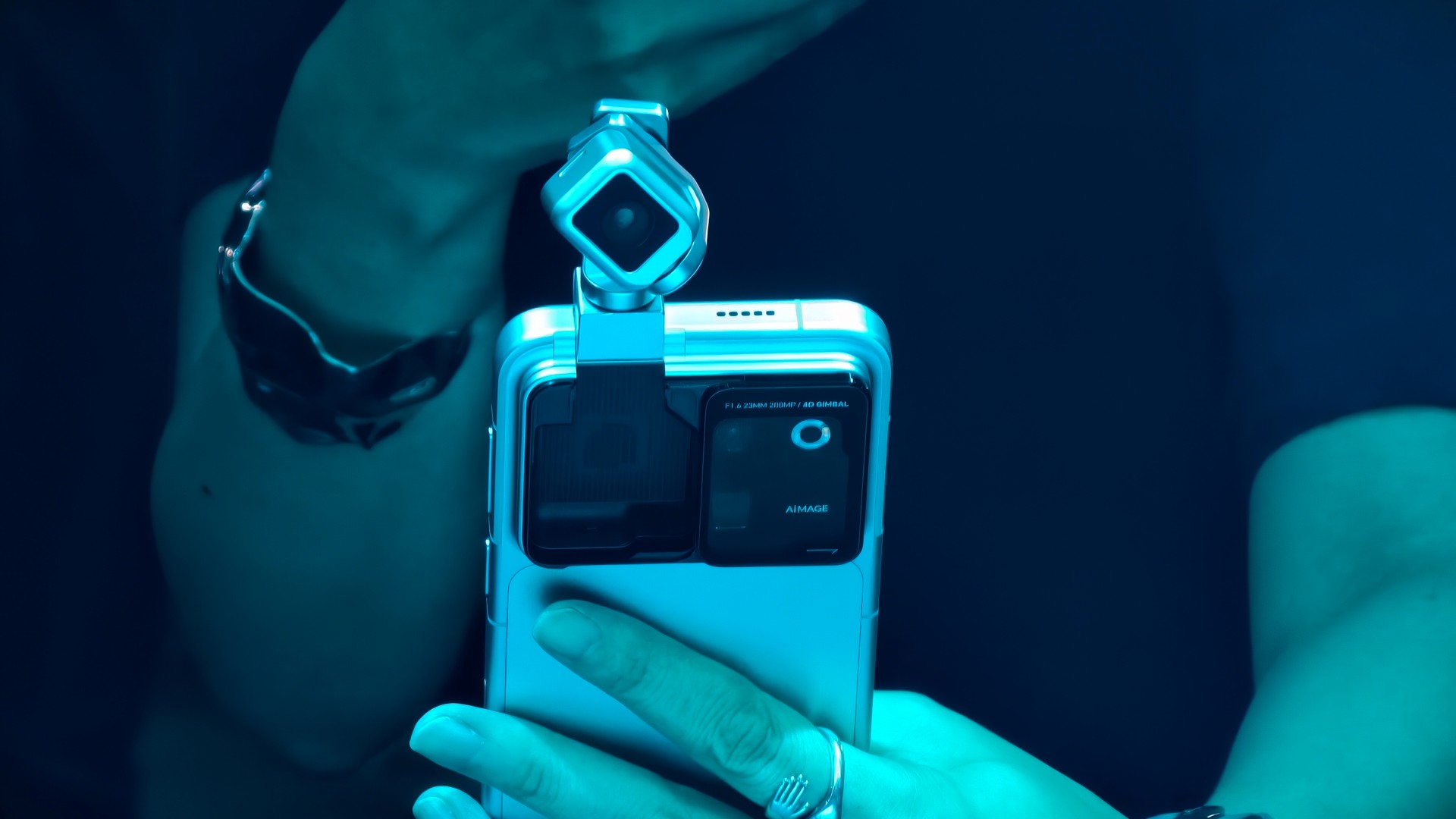
The HONOR Robot Phone’s biggest trick is also the easiest to understand: its camera can physically move.
Instead of keeping its cameras fixed inside the phone, HONOR built a mechanical gimbal directly into the device. The system can tilt, rotate, and reposition the camera, opening up movements that aren’t possible with a conventional smartphone camera.
HONOR calls it the Titanium Agile Gimbal, and the company says it is the industry’s smallest 4DoF gimbal system. It packs more than 100 precision components into a module that’s just 9.59mm thick.
A tiny gimbal inside the phone
The 4DoF mechanical system is designed to deliver the benefits of a separate gimbal without requiring users to carry another piece of equipment.
HONOR says it reduced the gimbal’s overall volume by 65% compared with traditional gimbals while increasing its structural strength by 200%. The system uses more than 100 precision components and is backed by more than 100 patents.
At its core is a 2.6-gram titanium gimbal motor that can rotate at up to 360 degrees per second. A separate HONOR Shield Steel Flip Motor provides a torque density of 120 Nm/L.
Those numbers sound impressive, but their practical purpose is straightforward: the camera needs to move quickly and precisely while remaining small enough to fit inside a smartphone.
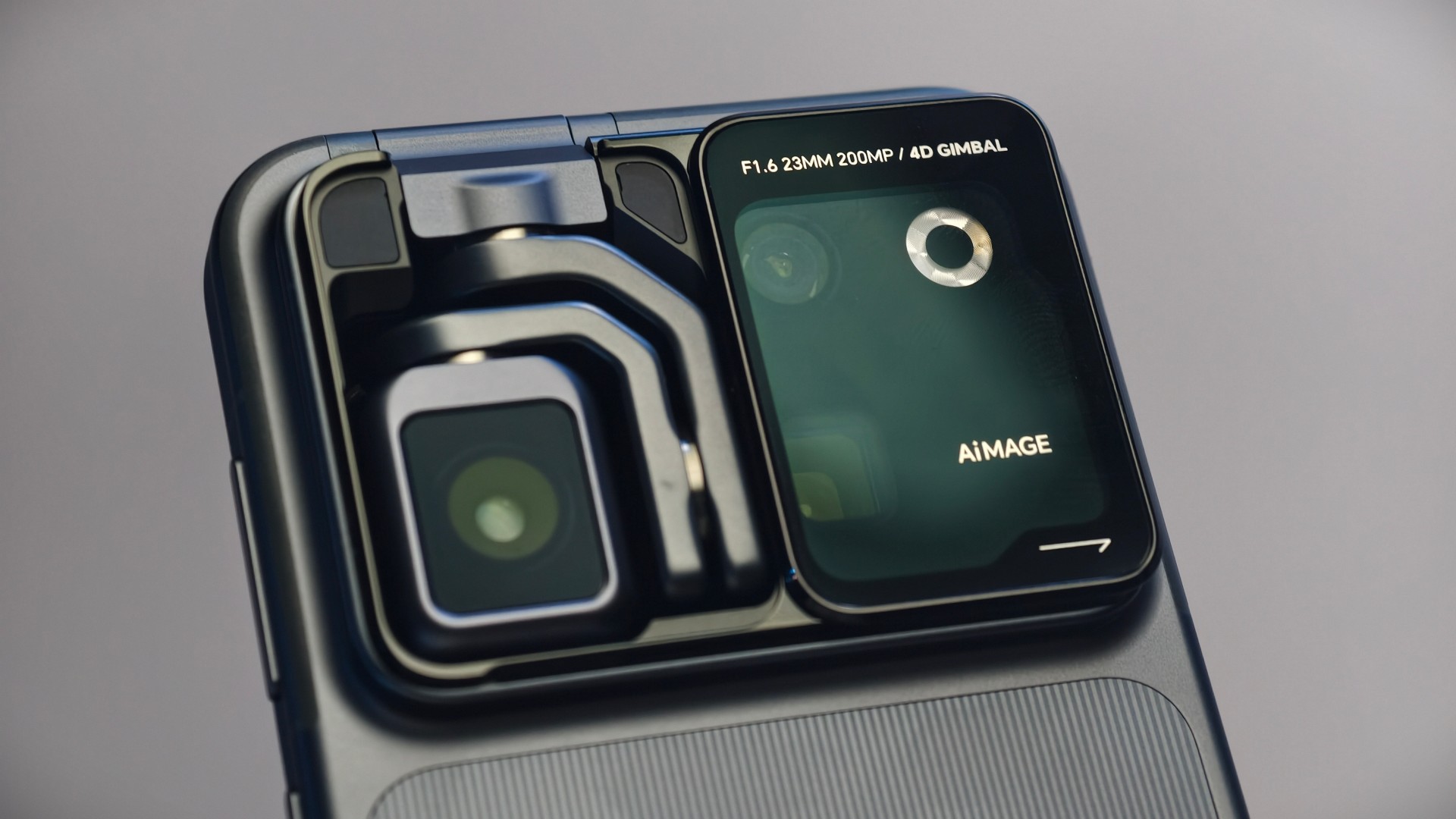
The camera can move on its own
The Robot Phone’s gimbal isn’t limited to simply stabilizing the camera.
It supports six dynamic camera movement modes: AI SpinShot, Default Stabilization, Tilt Locked, Super Steady, FPV, and FPV Vertical. AI SpinShot, for example, can perform 90- or 180-degree camera rolls, while the other modes are designed for different types of movement and shooting.
The phone also has three smart tracking modes: Gimbal Tracking, Subject Tracking, and Pre-Composition. These are designed to help the camera follow a subject or maintain a particular composition while the phone moves.
That’s the important distinction between the Robot Phone and a conventional smartphone with image stabilization. The camera isn’t just correcting for your movement. It can actively move to create or maintain a shot.
You can tell it what to do
HONOR also gives the gimbal its own set of AI-powered controls.
Through YOYO Robot Mode, the Robot Phone can combine voice commands, gesture recognition, AI perception, and physical movement. Users can wake the mode and deploy or stow the gimbal with a flip gesture.
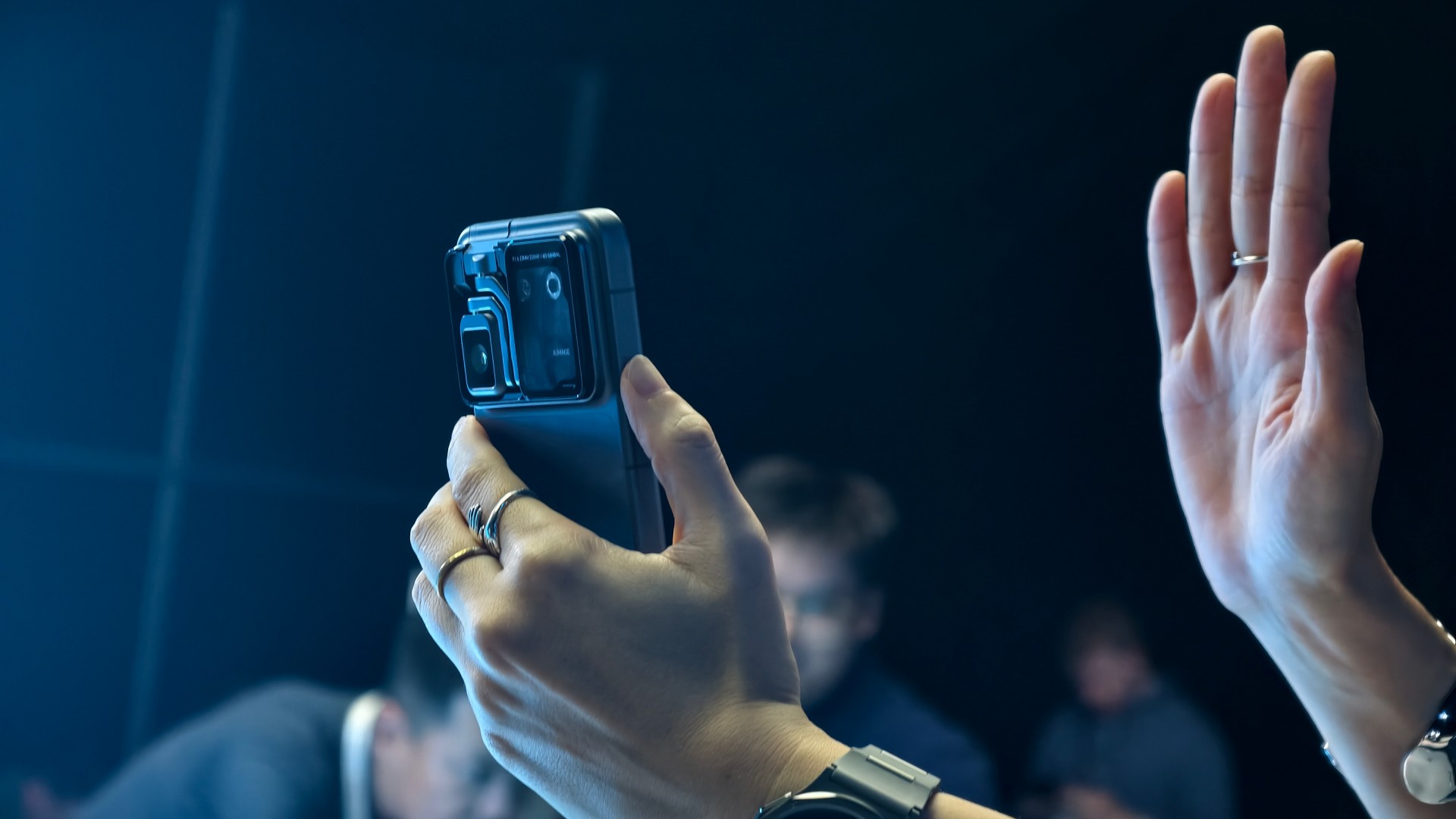
Voice commands can be specific, too. HONOR says users can tell the gimbal to turn left by a certain number of degrees, look toward the sky, or rotate for a specified amount of time.
The phone can also use AI Subject Tracking to automatically frame and follow people during video calls, vlogging, and livestreaming.
That makes the Robot Phone particularly interesting for people who regularly shoot themselves. Instead of setting up a phone and constantly checking whether they’re still in frame, the camera can do some of that work itself.
The real question is how naturally all of this works in practice. We’ll get to answer that when we spend more time with the Robot Phone.
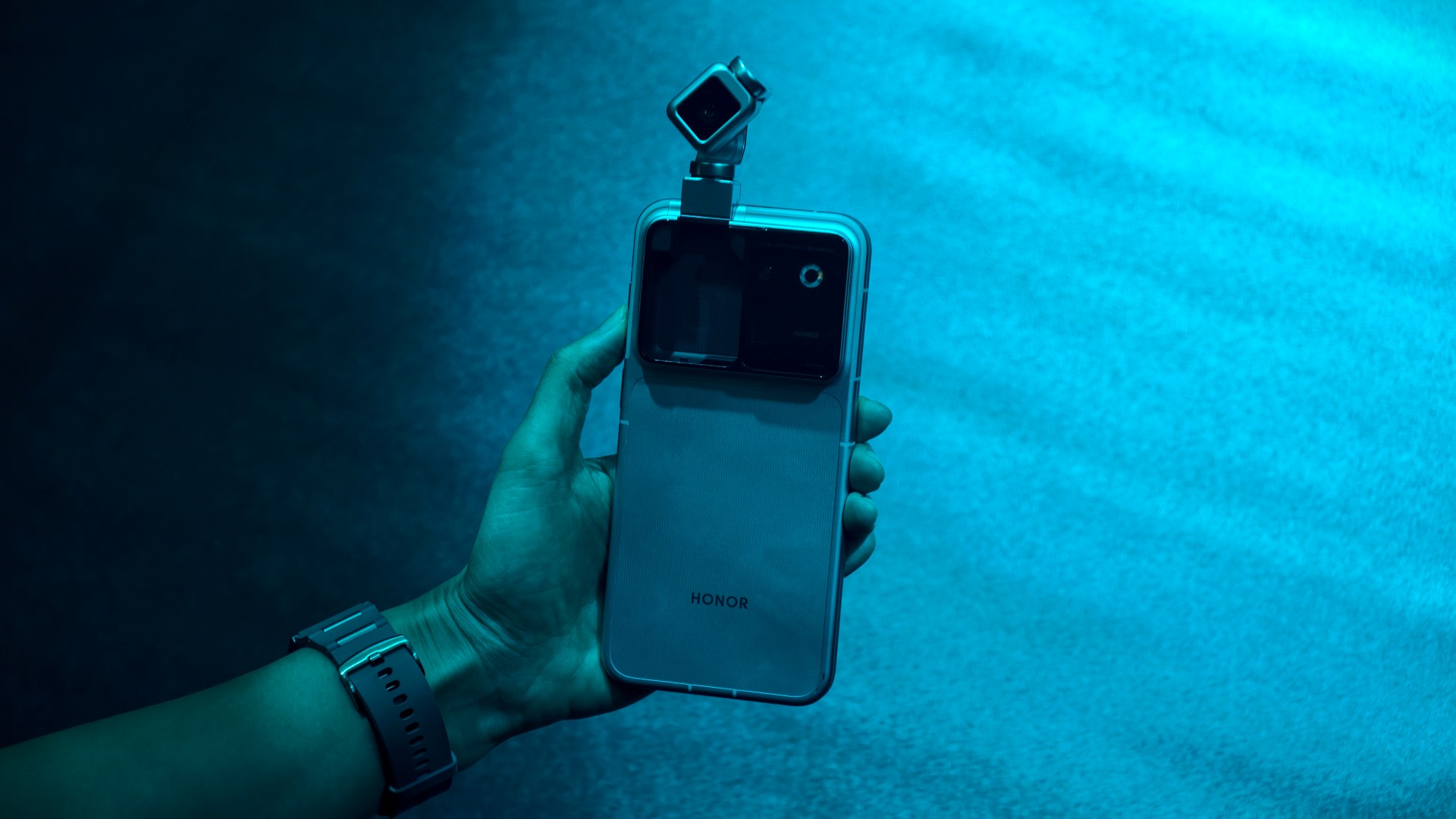
The HONOR Robot Phone is finally becoming a real product.
First shown at MWC 2026, HONOR has now officially launched the unusual smartphone. It’s bringing its moving camera system, AI-powered controls, and ARRI imaging technology to a commercial device.
The Robot Phone stands out because its camera doesn’t simply sit inside the phone. A built-in mechanical gimbal allows the camera to physically move, while AI features can help control that movement.
HONOR is positioning the device as a new kind of smartphone for people who want more freedom when shooting photos and videos.
A camera that can physically move
The Robot Phone’s standout feature is its 4DoF mechanical gimbal. HONOR’s Titanium Agile Gimbal uses more than 100 precision components and is backed by more than 100 patents. The company says it reduced the system’s size by 65% compared with traditional gimbals while increasing its structural strength by 200%.
In practical terms, the gimbal lets the phone’s camera physically move instead of relying entirely on software to stabilize footage. Its titanium motor can rotate at up to 360 degrees per second, allowing the camera to quickly change direction.
The phone supports six camera movement modes, including AI SpinShot, Tilt Locked, Super Steady, FPV, and FPV Vertical. It also has three tracking modes for following subjects and setting up compositions.
That could give smartphone creators more control over moving shots without having to carry a separate gimbal.
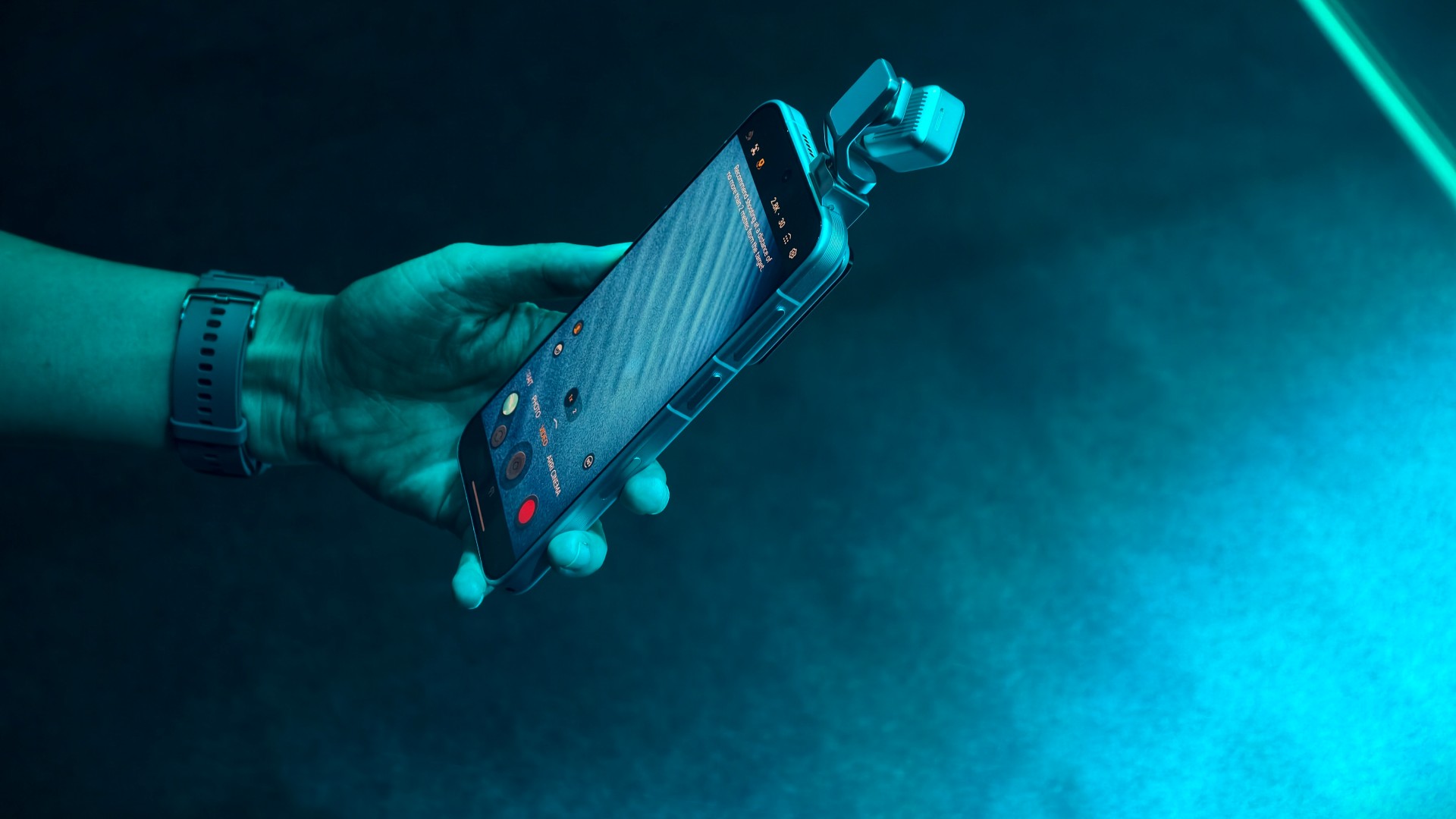
AI can control the camera
The Robot Phone also combines its moving hardware with AI.
Its YOYO Robot Mode can use voice commands, gestures, and AI-powered tracking to control the camera. Voice Source Localization and AI Live-Tracking can automatically pan and tilt the camera. This keeps a person in frame during activities such as vlogging, livestreaming, and video calls.
The briefing materials also show how specific these controls can get. Users can give commands such as telling the camera to turn left by a certain angle, look toward the sky, or rotate for a set amount of time.
The idea is simple: instead of always pointing the phone yourself, you can tell the phone where and how you want it to look.
YOYO can also perform more general tasks through HONOR’s agentic AI features, including multi-step actions across supported apps and system settings.
HONOR brings ARRI into the camera
The Robot Phone also marks the first product milestone from HONOR’s Cinematic Imaging Partnership with ARRI.
The collaboration brings selected elements of ARRI Image Science and professional cinema workflows to the smartphone. The main camera supports 10-bit ARRI LogC3 recording, while the phone also supports ARRI Wide Gamut 3 and ARRI Looks.
In simpler terms, these technologies are designed to give creators more control over the look and color of their footage, particularly when they edit it afterward.
HONOR says the phone’s imaging pipeline processes image data in 14-bit 4:4:4 before outputting 10-bit LogC3 and 4:2:2 video. It also claims up to 14 stops of dynamic range and an 8dB improvement in video signal-to-noise ratio through AI noise reduction.
The resulting footage can be brought into software such as DaVinci Resolve. There, creators can apply ARRI LUTs as part of a capture-to-edit workflow.
We’ll have more to say about that workflow once we get our hands on the Robot Phone.
Flagship hardware underneath
The Robot Phone isn’t all camera tricks. It is also equipped like a flagship smartphone.
The phone runs on the Snapdragon 8 Elite Gen 5 Mobile Platform and includes HONOR’s H1 Imaging Chip. It has a 7,060mAh silicon-carbon battery with 120W wired and 50W wireless charging.
For photography, there’s a 200MP Agile Gimbal Main Camera with a 1/1.28-inch sensor and f/1.6 aperture. It’s joined by a 200MP periscope telephoto camera with a 1/1.4-inch sensor and 2.7x optical zoom, plus a 50MP ultra-wide camera.
The phone has a 6.31-inch LTPO OLED display with a 1–120Hz refresh rate and a peak brightness of 6,800 nits. It comes in 12GB + 512GB and 16GB + 1TB configurations.
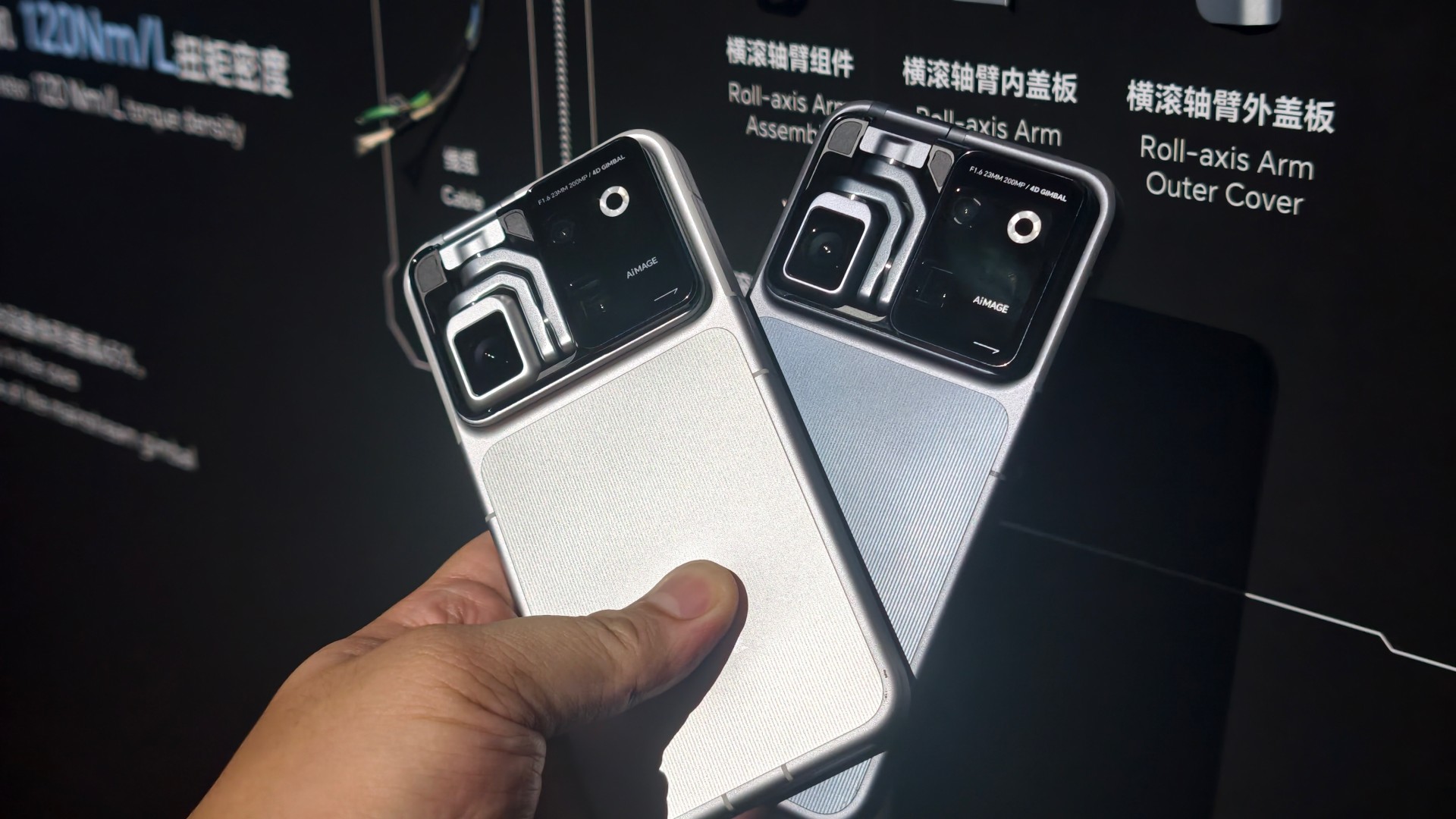
HONOR says the Robot Phone will be available in Grey and Silver in China, with pricing and availability details to be announced at launch.
The Robot Phone has spent months making appearances at major events. Now, after its MWC debut and subsequent showcases, HONOR is finally putting the device on the path to becoming something consumers can actually buy.
We’ll update this story with final China pricing, availability, and pre-order details once HONOR officially announces them.
News
Galaxy Z8 series drives record-high foldable pre-orders in SEA, Oceania
Almost 60% higher volume of pre-orders versus Z Fold7
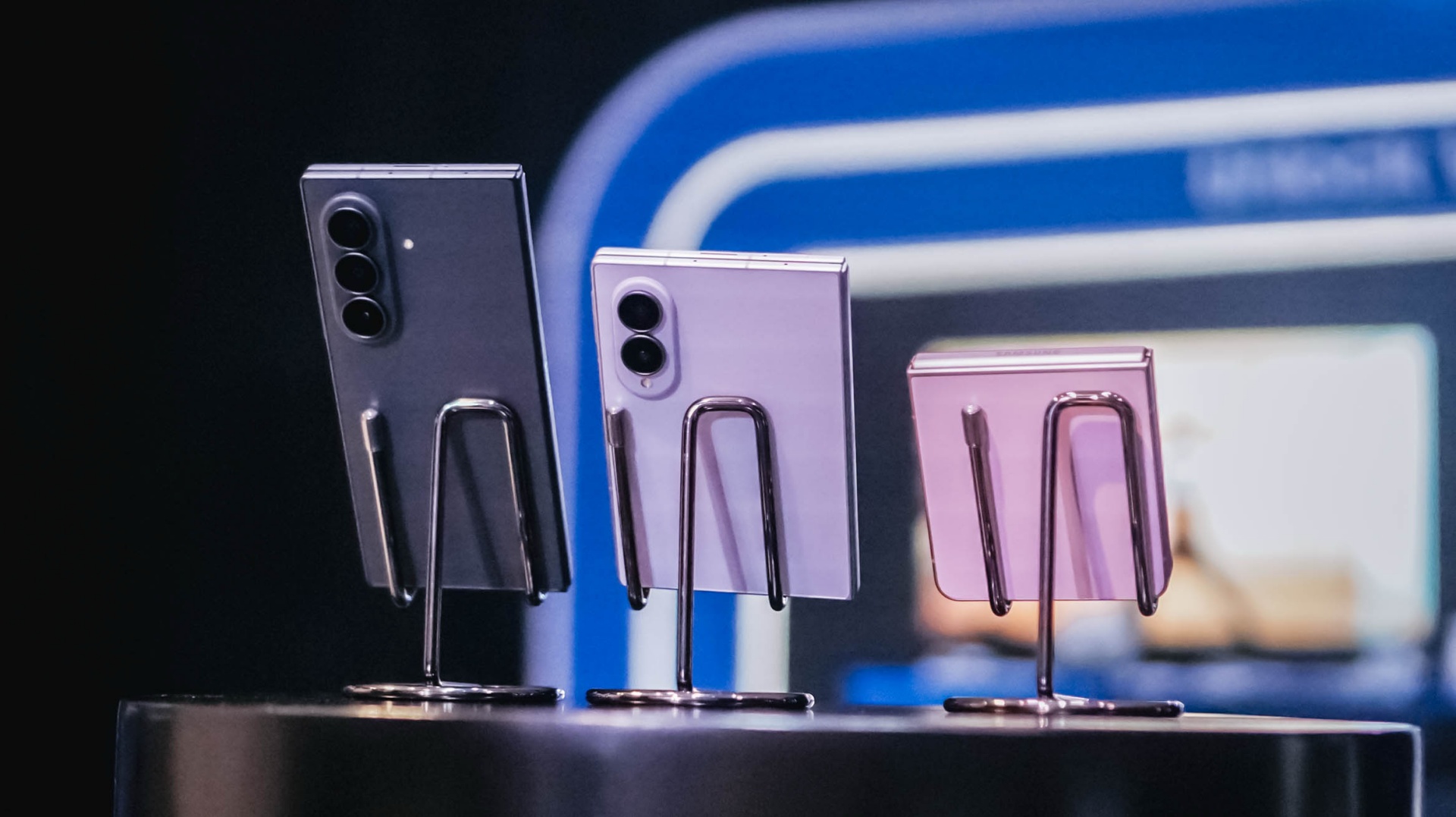
The Samsung Galaxy Z8 series has achieved a record-high volume of pre-order sales in Southeast Asia and Oceania.
Pre-orders for the Galaxy Z Fold8 and Z Fold8 Ultra increased by almost 60% compared to the Galaxy Z Fold7.
Since its unveiling, the Z8 series has seen positive consumer response across the globe and similarly in Southeast Asia and Oceania.
The Fold8, with its new shape, has currently emerged as the most popular option in the region, accounting for almost six in every 10 Galaxy Z8 devices ordered.
By color, Graphite and Lavender were among the most popular choices across the two regions for those who went for the Z Fold8.
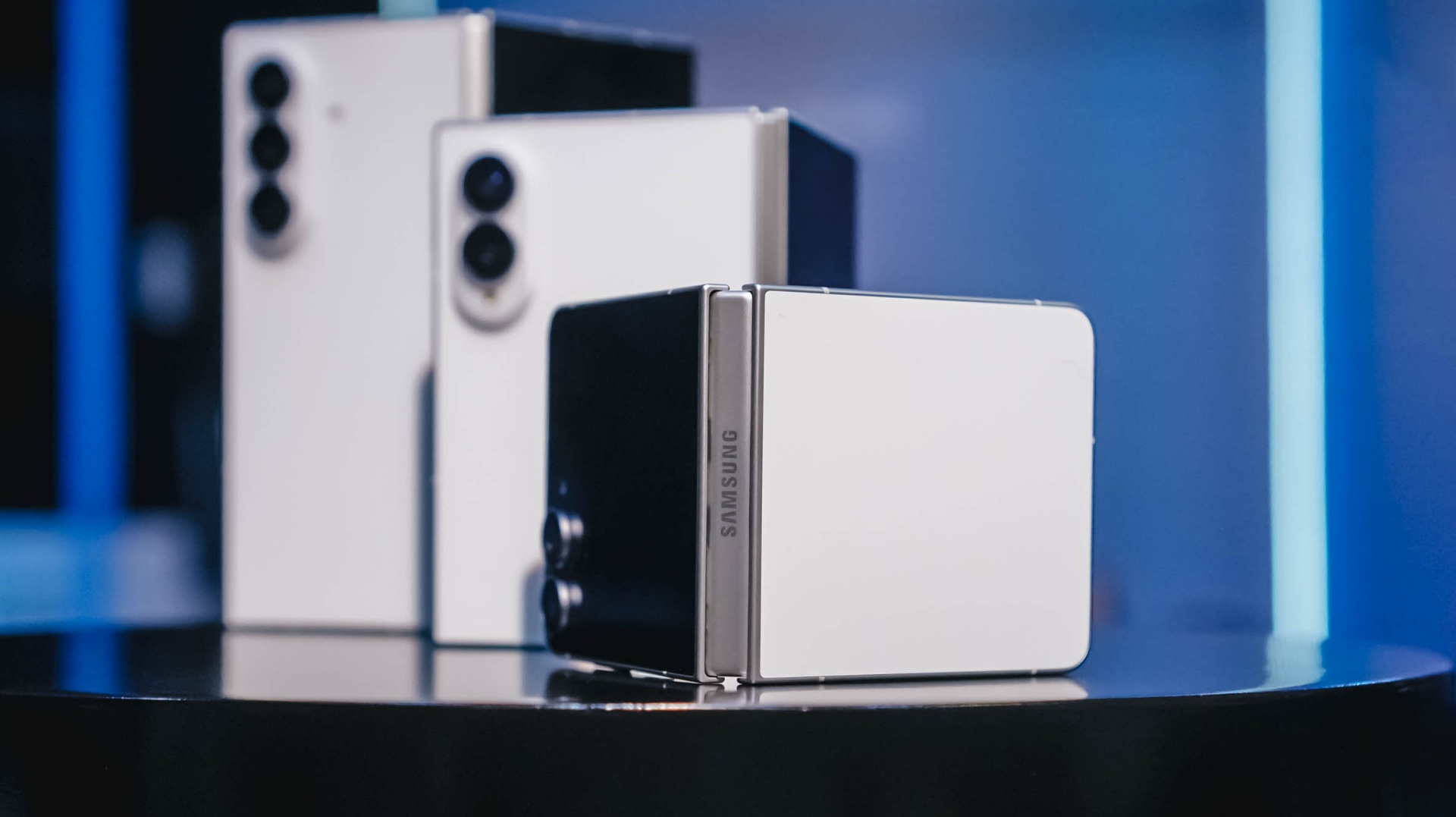
Meanwhile, Violet Shadow and Graphite have been the preferred color options for the Z Fold8 Ultra and Pink and Graphite for the Z Flip8.
Alongside the Galaxy Z8 series, Samsung introduced the Galaxy Watch Ultra2 and Galaxy Watch9. These offer a more effortless health and wellness management experience.
Pre-orders for the Z8 series until August 13 come with exceptional value. There’s a double storage offer, eligible trade-ins for up to a PhP 14,000 discount, and Samsung Care+ free for three months.
Every eligible device purchase also includes a six-month trial of Google AI Pro. And those who pre-order the foldables can get a PhP 3,000 off on select Galaxy wearables.


30 days later with the ASUS ExpertBook Ultra: Like seeing an ex
Felt exactly as I remembered.

ROG STRIX G16 Review: Building for the moment
Setting it up however you want to make the most out of it


realme C100: Enduring and durable in spite of entry-level realities
Enough power but needs more agility

HONOR Robot Phone’s camera can move on its own

HONOR Robot Phone officially launches after its MWC debut

Marvel Wolverine Limited Edition PS5 bundle SEA pricing

Galaxy Z8 series drives record-high foldable pre-orders in SEA, Oceania

England, Wales start banning Meta Glasses

Hands-on: Samsung Galaxy Z Fold8, Flip8, Ultra

Garmin launches its first screenless fitness band

VinFast debuts two-wheeler models, opens 21 e-motorcycle showrooms

Samsung releases teaser with Spider-Man: Brand New Day Easter eggs

Most of the world’s PlayStations will be officially useless by 2028


-
 Automotive1 week ago
VinFast debuts two-wheeler models, opens 21 e-motorcycle showrooms
-
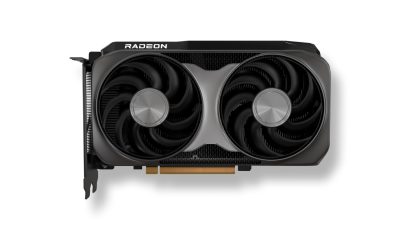
 Computers2 weeks ago
AMD launches Radeon RX 9050 graphics card
-

 Automotive2 weeks ago
Xiaomi debuts SkyNomad Series featuring new Kunlun platform
-

 News1 week ago
OnePlus officially leaves the United States and Canada
-

 Gaming1 week ago
Call of Duty: Modern Warfare 4 clip shows Losing Ground 1st look
-

 Automotive2 weeks ago
GAC launches new trio of MPVs
-

 News2 weeks ago
TECNO unveils the world’s first 0mm bezel-less phone
-

 Gaming1 week ago
Genshin Impact opens Snezhnaya in Version 7.0 this August 12