

Accessories
5 reasons why I like using a pair of wireless earbuds
Time to say goodbye to wired earphones!

Wireless has always been the future. The newest wireless earbuds innovation is taking over the market by storm for years now. Even smartphones are choosing to let go of the traditional headphone jacks to promote their proprietary products.
In the midst of all these changes, I find myself tangled up in making a decision between using wired earphones or wireless ones.
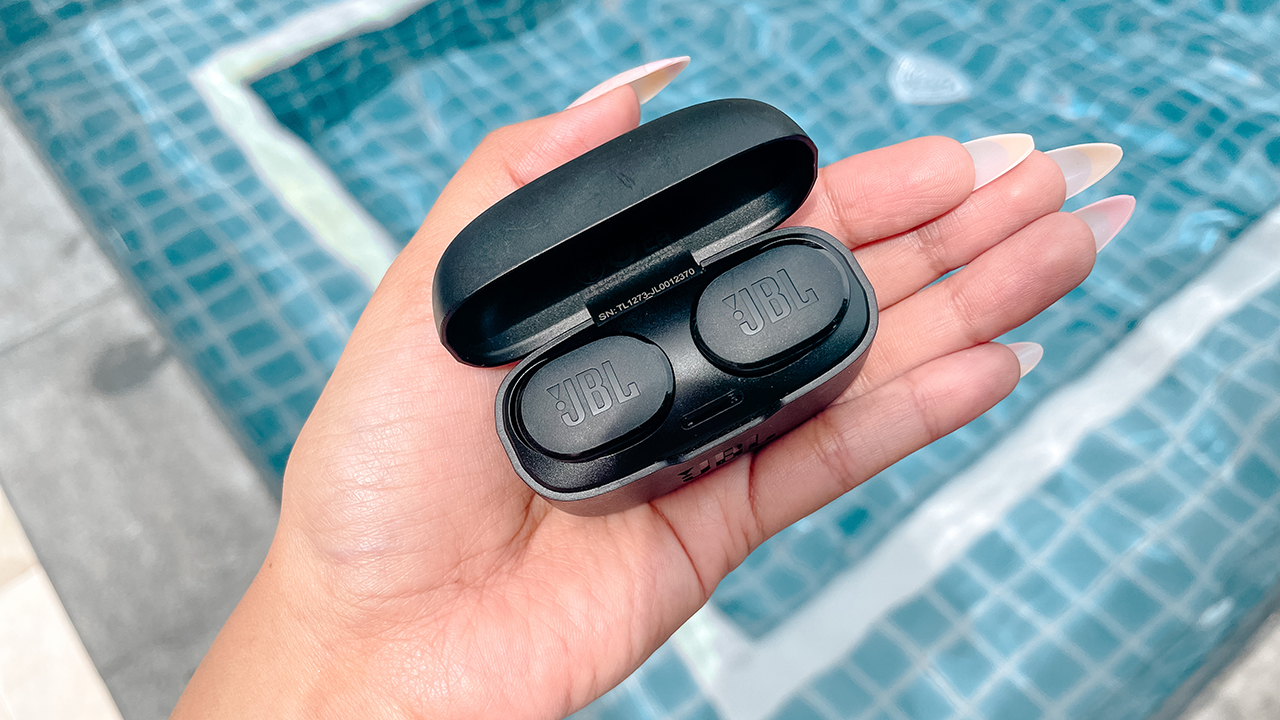
But for months, I’ve been using JBL Tune 130NC TWS earbuds and in my experience, I’ve realized that wireless earbuds are miles better than the alternative. Here are five reasons why:
1. Do more than just listen
Here’s a fact: wired headphones limit our mobility. And yes I know, nothing is more annoying than wanting to listen to a song or watch a video, and the moment you take out your wired earphones, it’s all tangled up.
Wireless earbuds give me so much convenience as I can easily get them straight out of my pocket. The JBL Tune 130NC enabled me to do more. Having two earbuds without an interconnecting cable is a much simpler equation.
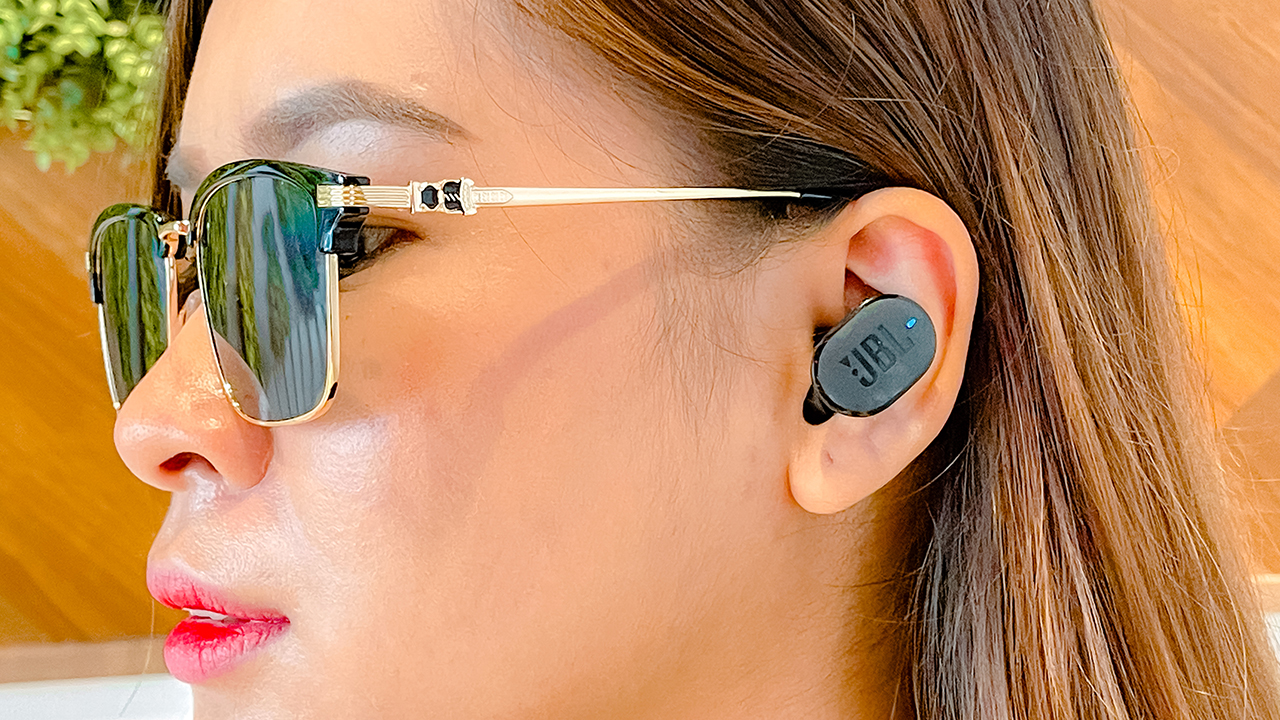
I can freely walk 30 feet to the kitchen and grab a handful of chips without missing a beat of music or a word from a podcast. Also, a lot of smartphones nowadays don’t have a 3.5mm headphone jack, which means true wireless earbuds aren’t just more convenient, they’re actually now a full-blown necessity.
2. Awesome features and functionalities
The fact that the earbuds are wireless does not mean that they will not give you the best sound quality. The JBL Tune 130NC houses 10mm JBL tuned drivers, which deliver a bass-rich audio output. The audio volume is perfect and, hence, does not get uncomfortable or distorted even at 100%.
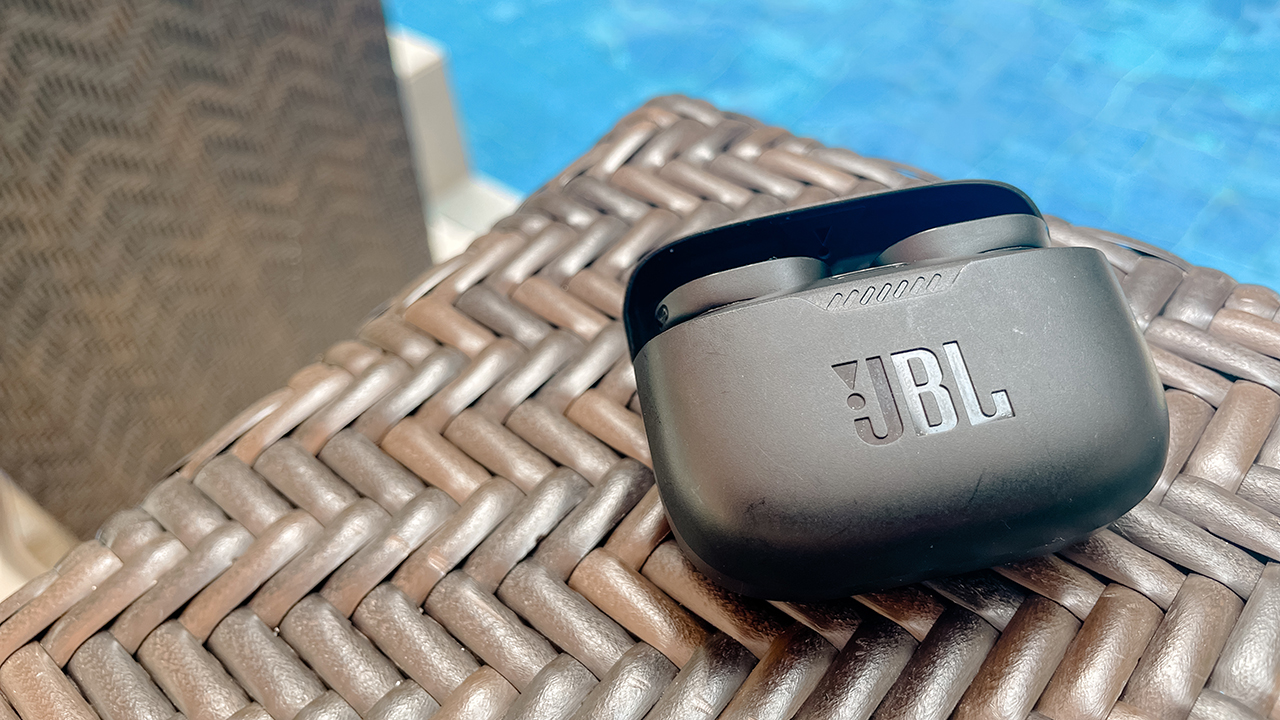
The bass output is excellent and adds a good amount of thump to the audio. A decent pair of wireless earbuds like the JBL Tune 130NC is more than capable of playing back Spotify at its full bit rate. I’m not losing any sound quality through this.
For a long time, wireless earbuds used to sound noticeably worse than their wired counterparts. They just weren’t capable of the same quality of playback as a pair of wired headphones. Now, it comes with longer-lasting battery life! It can survive more than a few stops on the train before needing a quick charge.
The touch controls are nicely placed and can be easily accessed whenever needed. The controls are hyper responsive and work pretty well.
3. Great at compatibility
The moment I opened the case of the JBL Tune 130NC, my smartphone quickly received a notification for pairing and connecting with it. So convenient!
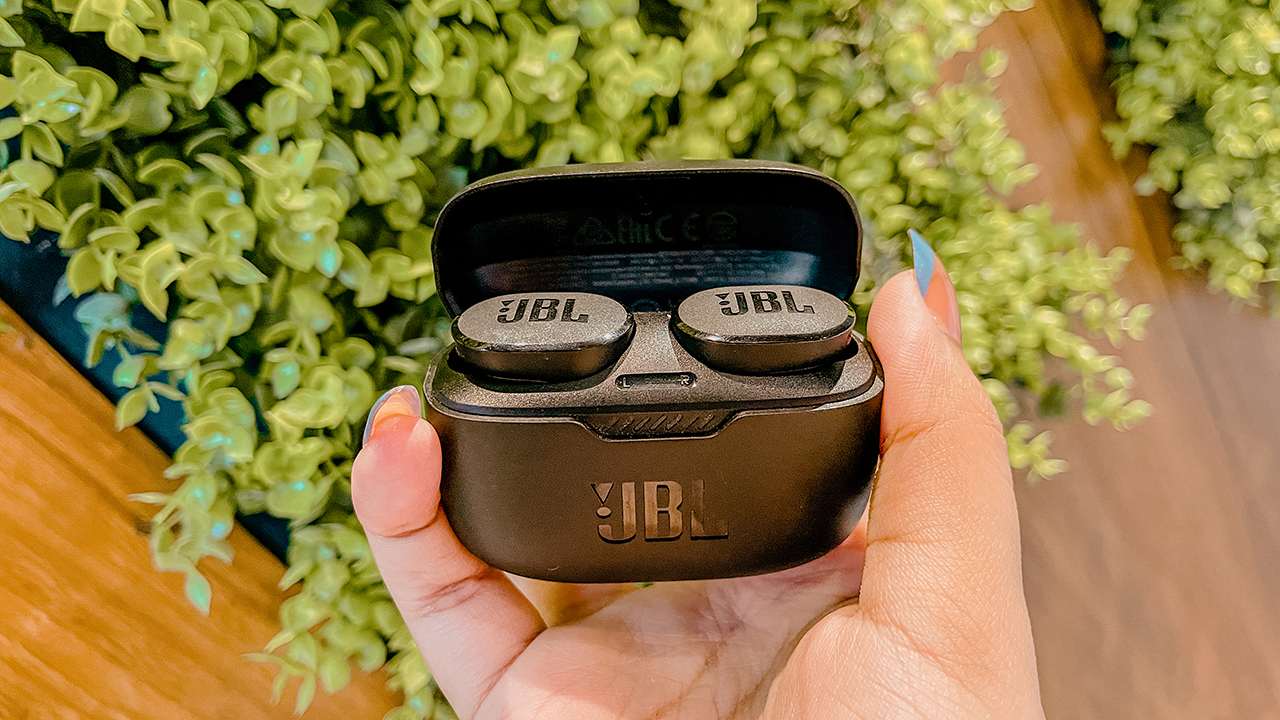
But the main highlight of the pairing was its customizable audio settings, allowing you to alter the settings to your liking. You can also choose from a few presets in the JBL app by default. You also get audio and video modes for a lower latency which does a fairly decent job.
Finally, coming to the microphone, the JBL Tune wireless earbuds house four microphones (2 on each earbud) that record good-quality audio. Yes, it does capture a noticeable amount of background noise, but taking some calls or attending meetings is okay.
4. Look stylish and sophisticated
It’s simply impossible to look stylish while wearing a pair of bulky headphones that look absolutely messy & inconvenient. This challenge is never an issue with wireless earbuds, thanks to their slender design.
The first thing to notice about JBL Tune 130NC’s charging case is its minimal look. I got the black color variant which comes with a single-toned body that looks pretty neat. They are sporty in look and design.
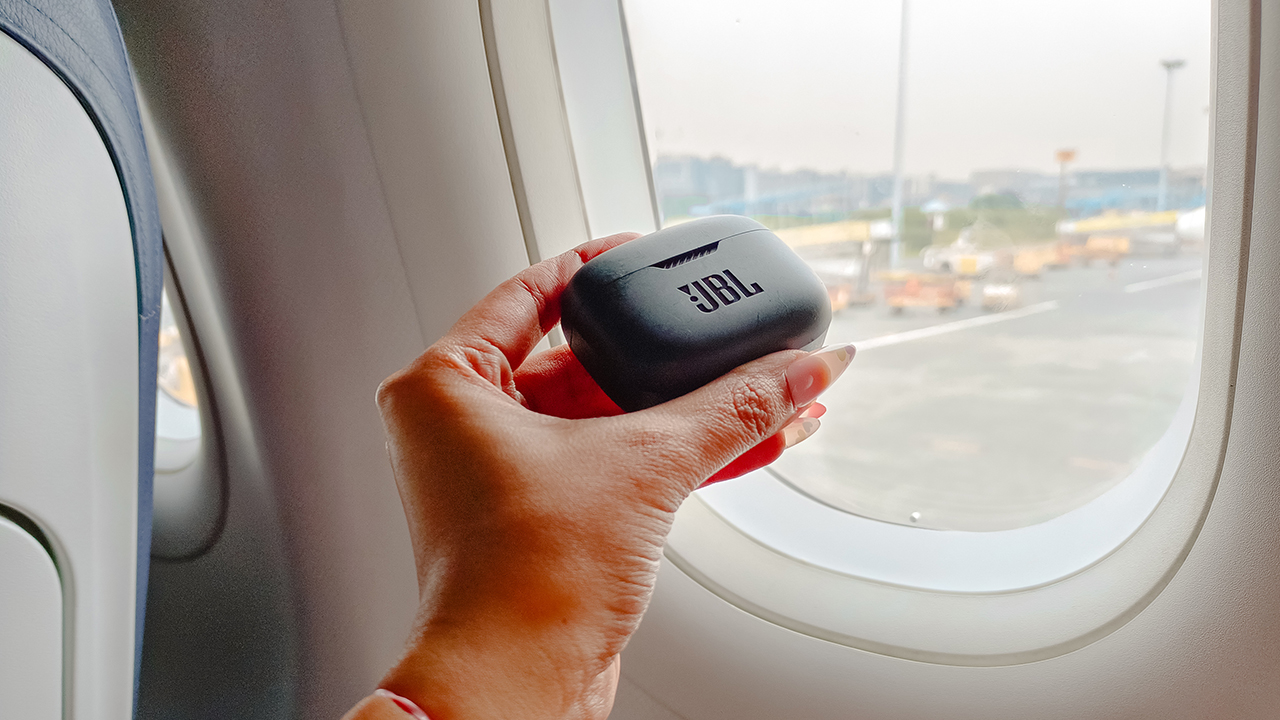
They are made in such a way that they will remain firm when you are working out. It fits comfortably in my ear and the classy product designs make them an accessory that adds to its overall look. You will surely love it even if you are a casual user of earbuds. It is also affordable despite its stylish looks and nature.
5. It matches my lifestyle
A major benefit that true wireless earbuds have over a traditional pair of earbuds is that they can be used easily for a wide variety of activities.
For instance, I use this every day while working out, watching K-drama series in the middle of the night, listening to music, and refreshing my core memory of every song that I need to study — basically, anything else you can think of!
Another thing I love about JBL Tune 130NC earbuds is how it comes in three different sizes. The shape of the buds is so versatile. These true wireless earbuds nicely fit in my ears and offer a nice secure fit, which adds a decent amount of noise isolation to them.

Is this your Gadgetmatch?
We finally reached the point where you can safely go wire-free with almost no downsides. Whether studying a new song, having a virtual presentation, traveling, or just wanting to be alone with music, the JBL Tune 130NC offers excellent audio quality and decent active noise canceling capabilities which you’ll really love.
Even better, these earbuds are usually ergonomically designed for maximum comfort and an even more secure fit. It all comes down to one highly prized factor: If you can’t get enough of the freedom that true wireless earbuds and their innovative, small, compact, versatile, and easy-to-transport design all delivered, you might wanna check this one out.
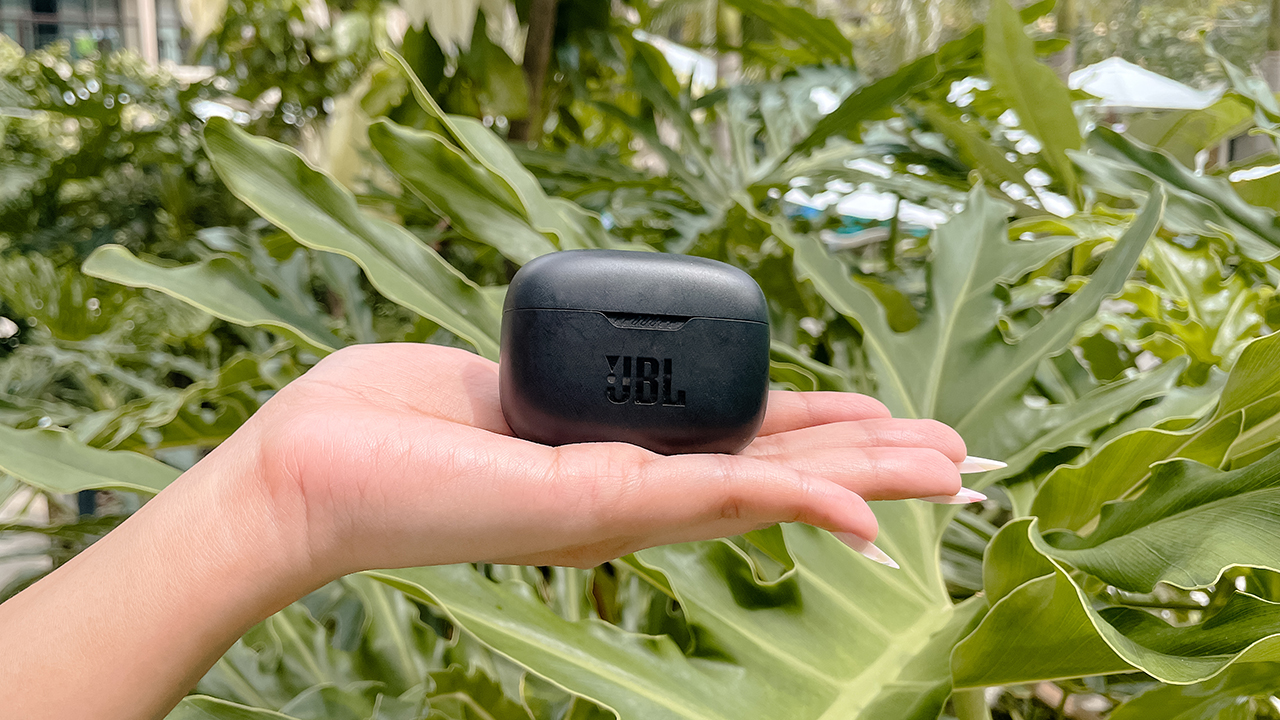
The JBL Tune 130NC has a good battery life which means 40 hours of exceptional JBL Pure Bass Sound, coupled with an ergonomic and water-resistant design for all-day comfort in any weather. It also comes with plenty of valuable features like customizable audio settings and touch controls.
Yes, these are not the best-looking earbuds and lack features like in-ear detection or multiple devices connected, but when it comes to sound quality, these wireless earbuds are the best earbuds under the price bracket of PhP 5,999.






Accessories
Peak Design’s new City Line combines minimalism and color
Less padding, more personality


Known for its camera-friendly bags with generous padding to protect photography gear, Peak Design is taking a different approach with the City Line.
The new collection prioritizes lightweight construction and everyday functionality, stripping away unnecessary bulk while still delivering the thoughtful organization the brand is known for.
The new collection includes the City Backpack in 15L and 22L sizes, the 15L City Tote, the City Crescent in 6L and 12L options, and the compact 2L City Sling. While each bag serves a different purpose, they all share the same minimalist aesthetics and intuitive organization.
To achieve that lighter design is Peak Design’s new weather-resistant MonoShell material, along with a seam-reduced construction that cuts down on unnecessary bulk.

It also comes with Peak Design’s built-in BagLev hook, allowing you to hang your bag from a table instead of placing it on the floor.
Beyond the neutral and muted finishes we’ve seen in the past, Peak Design is also introducing brighter options that add more personality to the collection.
The vibrant Lapis blue, in particular, stands out as a fun alternative for anyone looking to move beyond the usual black everyday bag.
The City Line is now available through peakdesign.com and authorized retailers worldwide.

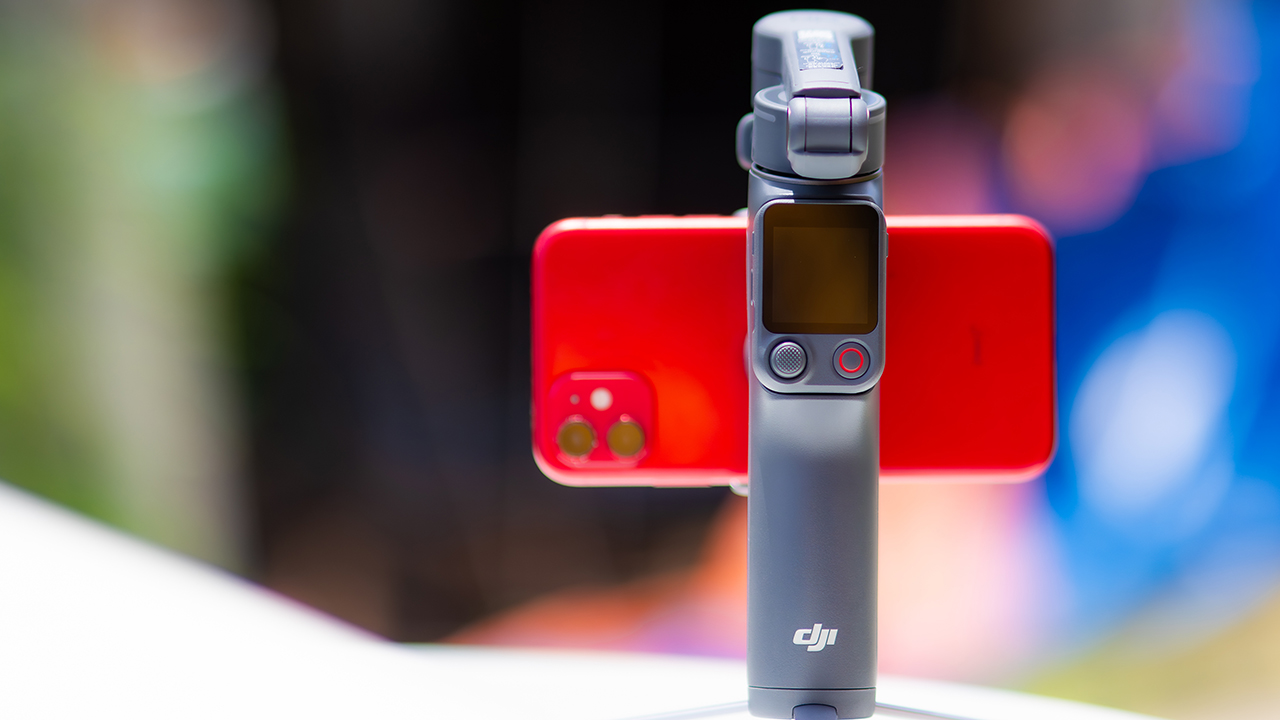
DJI’s smartphone gimbals have always chased one goal: delivering cinema-smooth footage without forcing you to carry a heavy rig.
The Osmo Mobile 8P (OM 8P) makes its priorities clear right out of the box. This is not a simple refresh. DJI rebuilt how you control the gimbal, and that decision shapes the entire shooting experience.
Freedom behind the lens
The biggest change is the FrameTap remote, and it’s the kind of upgrade that fixes a problem you didn’t realize was slowing you down until it’s gone.
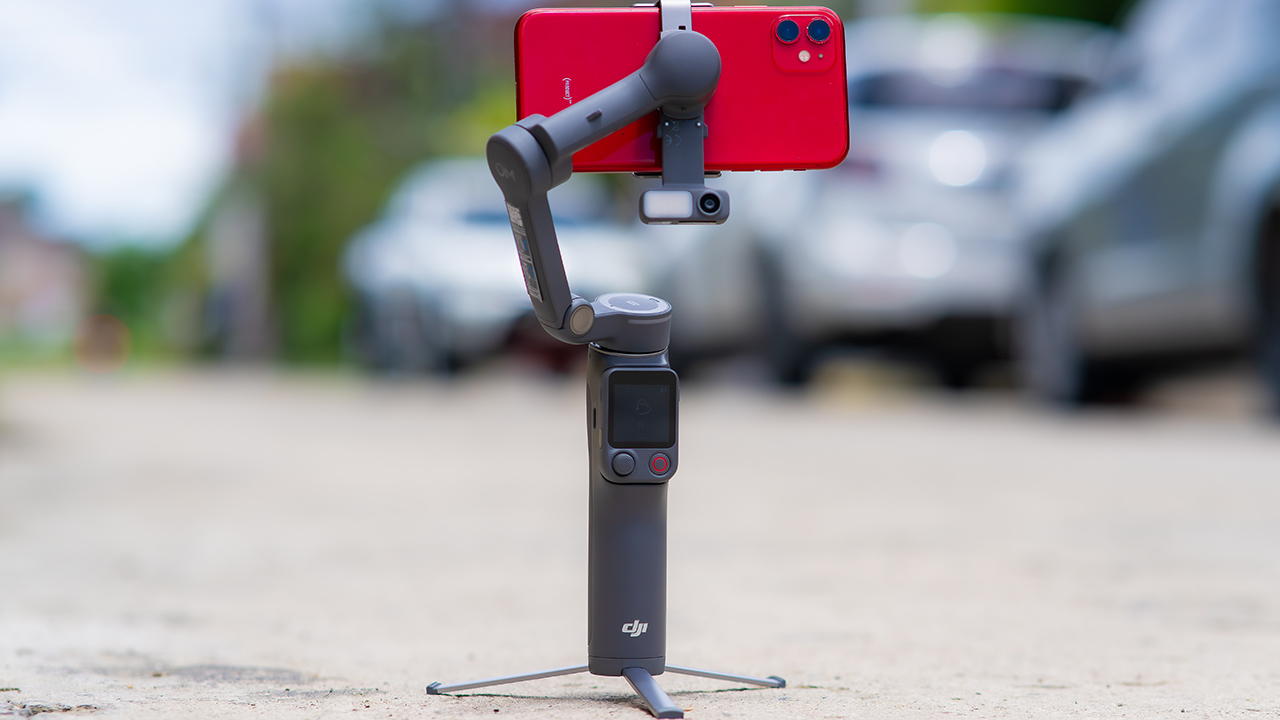
On the standard OM 8, adjusting your framing meant reaching for your phone every time, which broke the flow of shooting and pulled you out of the moment.
FrameTap puts that control back in your hand. You can reframe shots and manage the gimbal without touching your phone at all, and for anyone shooting solo, that alone changes how usable the whole setup feels. Tracking has taken a real step forward too.
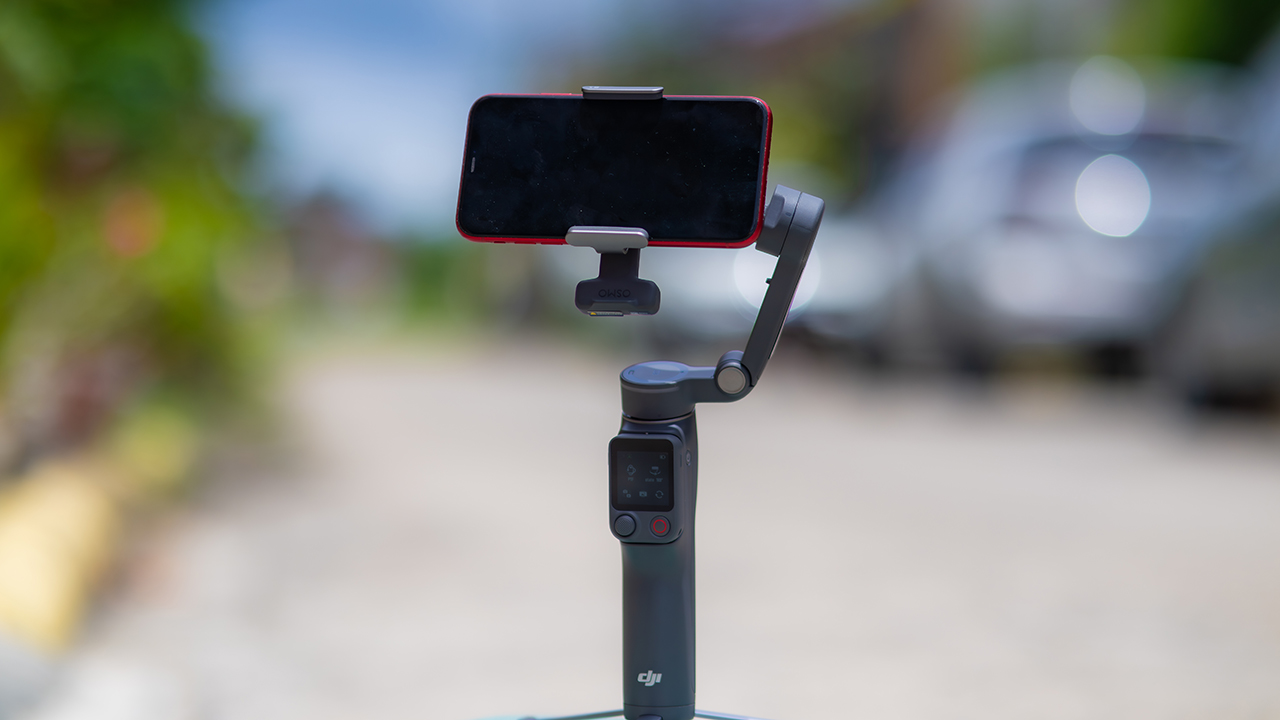
ActiveTrack 8.0, paired with Module 2, held onto its subject even after they stepped out of frame for a moment, then picked them back up without much fuss.
It also lets you sit off-center in the shot instead of forcing you into the middle every time, which gives you more room to compose something that doesn’t look like every other gimbal video.
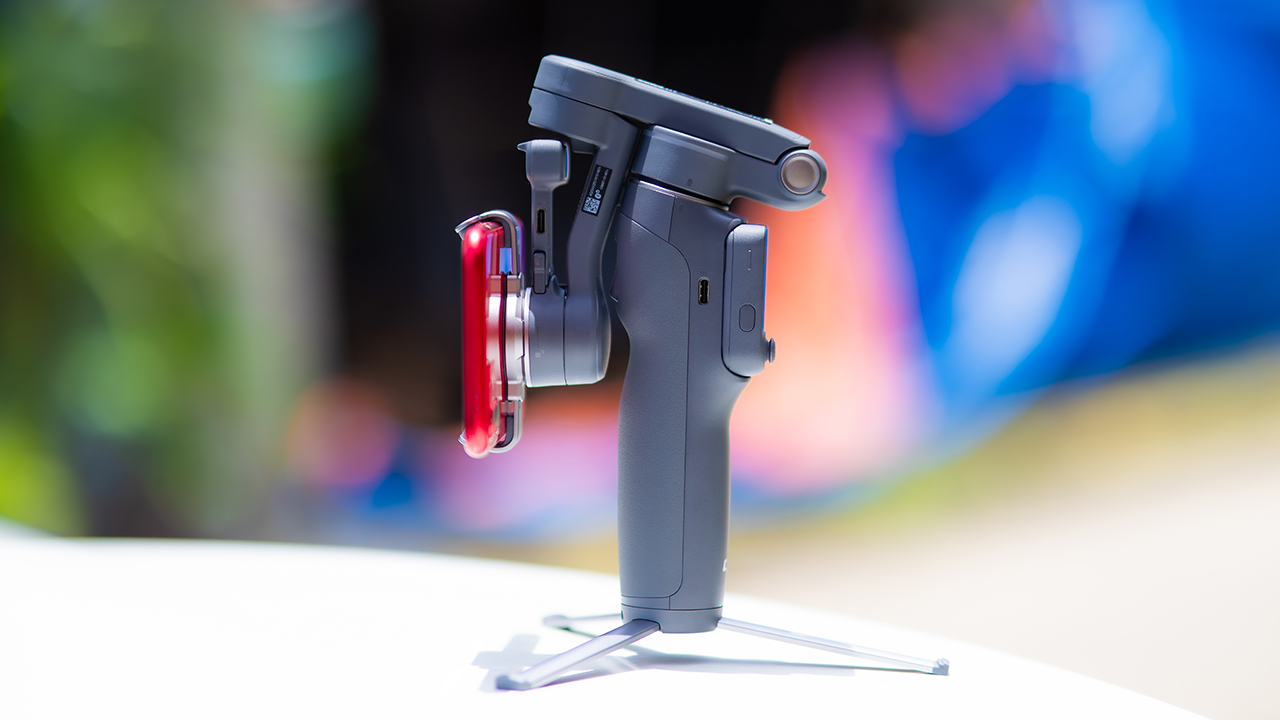
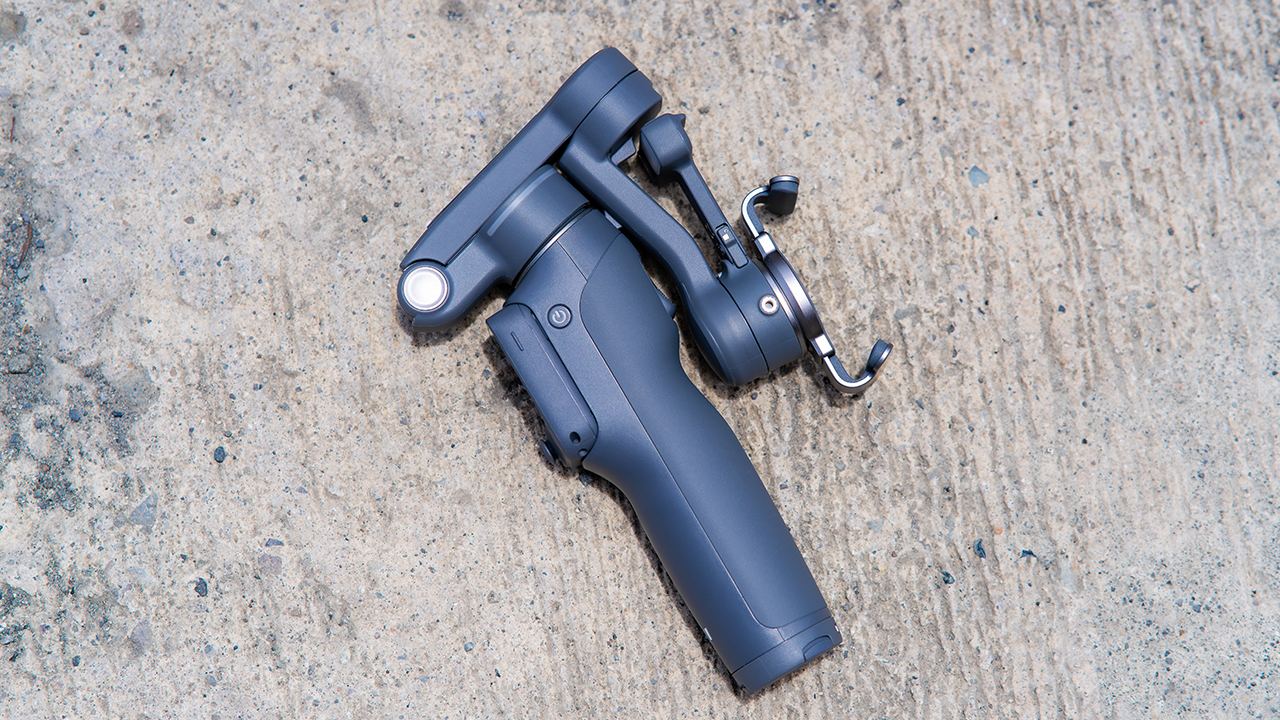
None of that would matter much if the gimbal itself wasn’t solid, and it still is. The OM 8P holds onto the same foldable design, magnetic phone clamp, and built-in tripod that made the OM 8 easy to live with.
And it remains one of the better compact options for stabilization, tracking, and portability in one package.
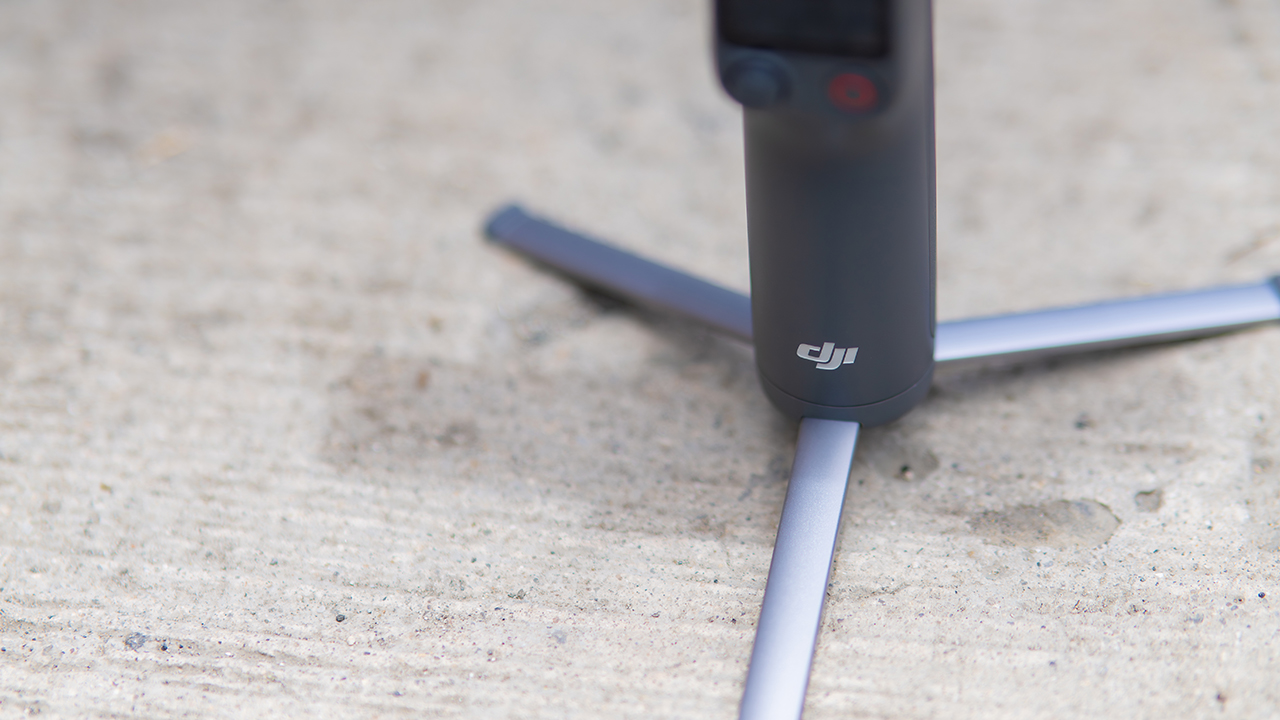
The tripod legs are a touch wider this time, and that extra width does make a noticeable difference on uneven ground.
The trade-offs in touch
The trade-off for all that new remote functionality is a control scheme that takes more getting used to. More of the gimbal’s functions now live on the FrameTap touchscreen, the joystick is smaller, and switching between shooting modes takes a few extra taps compared to the OM 8. It’s not a dealbreaker, but it’s a learning curve you’ll need to budget time for.
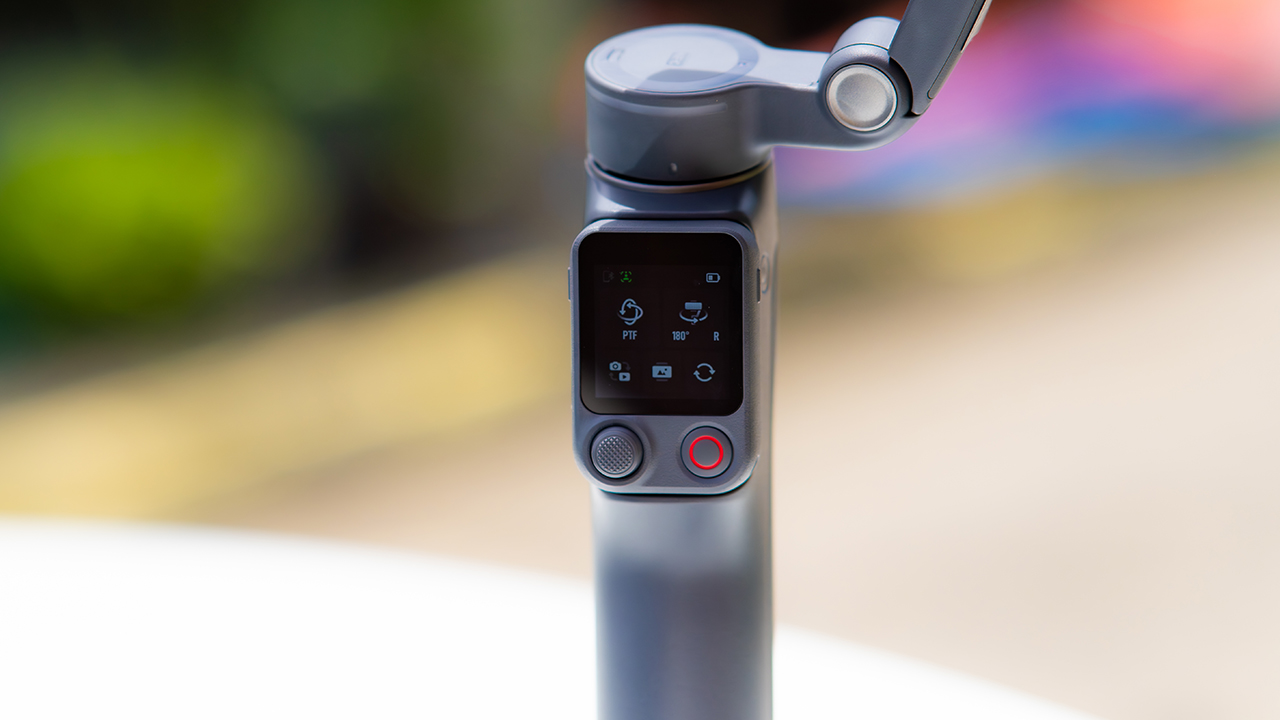
DJI also removed the zoom and focus wheel, so if you leaned on that dial for quick adjustments, you’ll feel its absence here. Module 2 no longer lets you plug a DJI wireless mic in directly either.
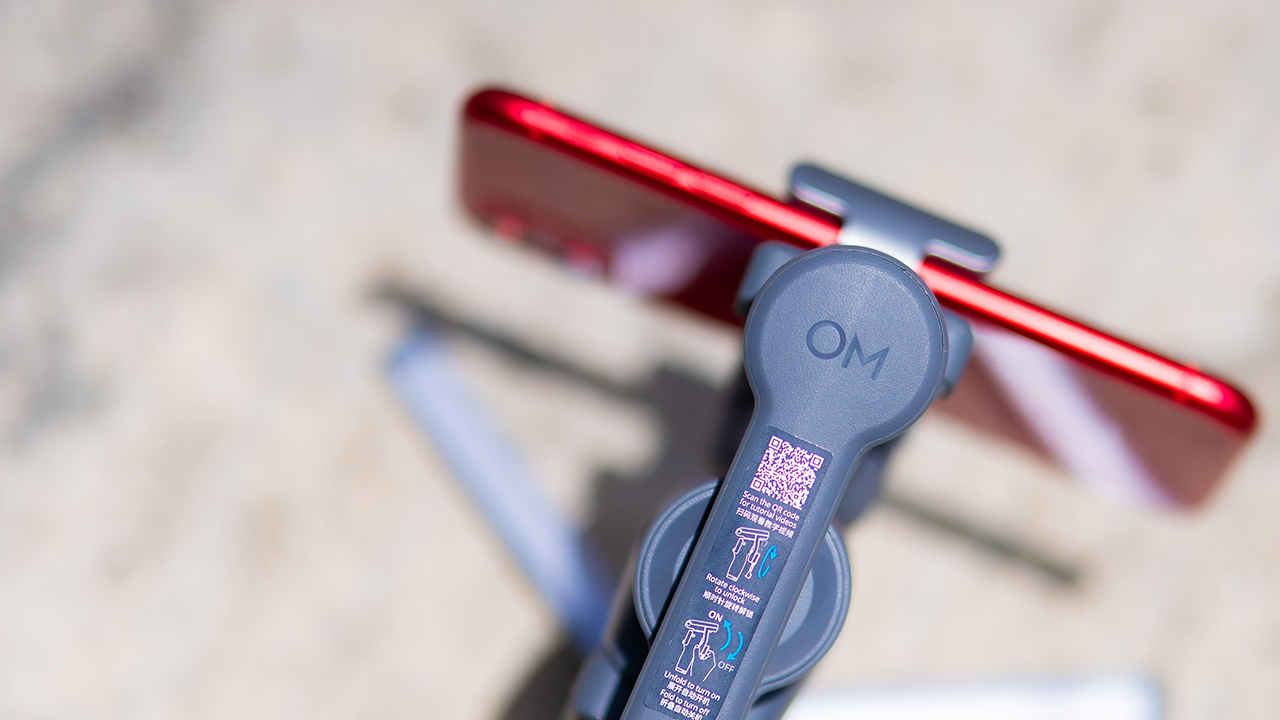
You’ll need to connect it to your phone instead, which adds a step to a setup that used to be simpler. Phone compatibility is still a limiting factor as well. DJI lists support for phones up to around 300g and 11mm thick, so bigger phones or ones in chunky cases may not clamp in properly.
Finding your ideal workflow
The OM 8P makes the most sense for solo creators who want dependable tracking and the freedom of remote framing without stepping up to a dedicated camera like the DJI Osmo Pocket.
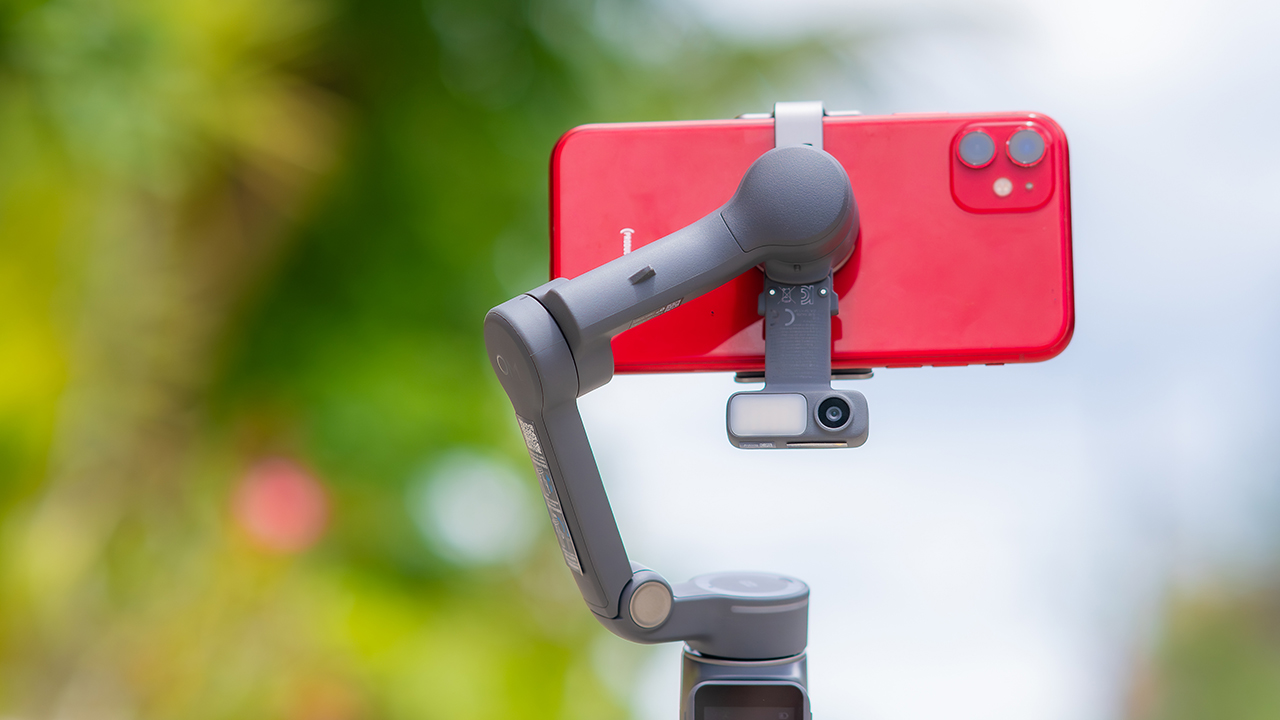
If you’re already shooting on a phone with a solid camera, this fills the gap nicely. It’s a tougher sell if you prefer physical buttons over touchscreen menus, or if your phone runs on the larger and heavier side, since fitting it onto the clamp might be a problem before you even get to shooting.
Price, availability
DJI is offering the OM 8P in three combos, so how much you pay depends on how much of the ecosystem you actually need.
- Standard Combo (PhP 7,499): the gimbal itself, with 8th-gen stabilization and the detachable FrameTap remote included.
- Advanced Tracking Combo (PhP 9,199): adds the Multifunctional Module 2 for the improved subject tracking we tested.
- Creator Combo (PhP 11,099): the full kit, built for creators who want everything DJI bundles in from the start.
Is the DJI Osmo Mobile 8P your GadgetMatch?
The DJI Osmo Mobile 8P asks you to relearn a few habits in exchange for a gimbal that finally lets go of your phone. If hands-free framing and steadier tracking matter more to you than a dedicated zoom dial, this is worth the adjustment.
If you’d rather keep things exactly as they were on the OM 8, that learning curve might be the deciding factor.
Swipe right if you shoot alone often and have been waiting for a gimbal remote that actually works. The FrameTap remote alone justifies the upgrade if reaching for your phone mid-shot has been slowing you down.
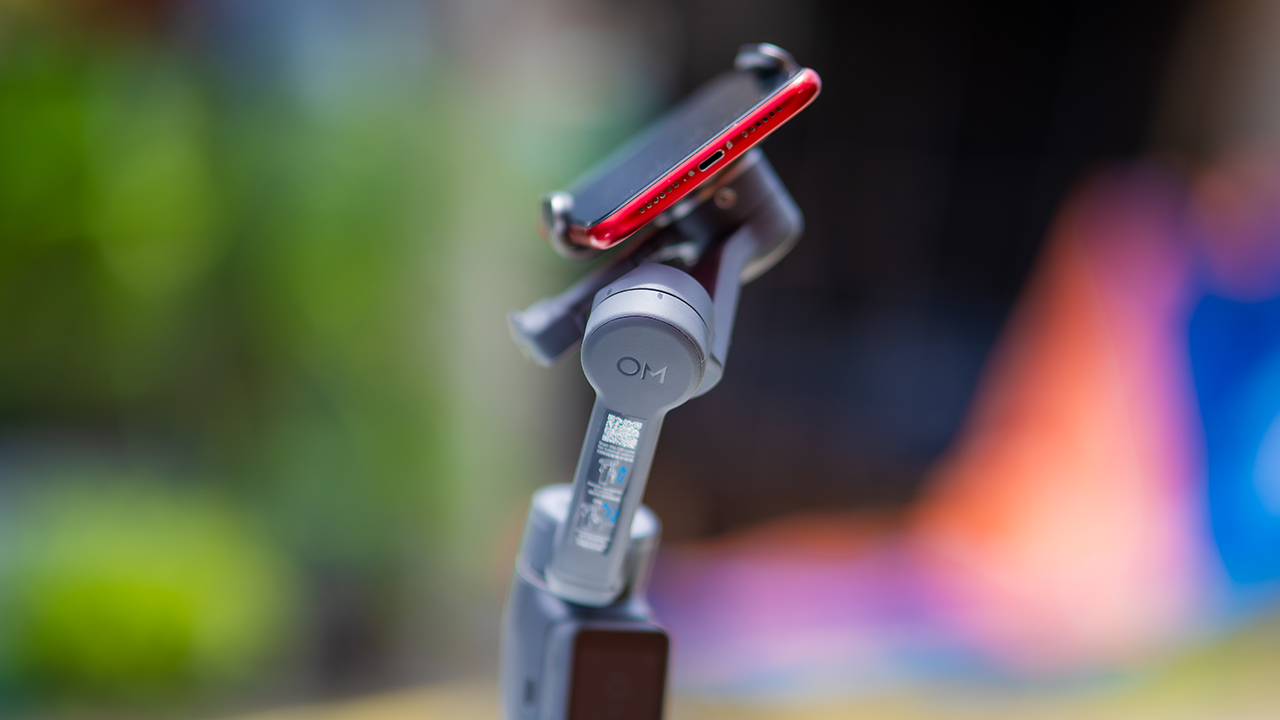
Consider this if reliable tracking matters to you, especially if you’ve had a subject wander out of frame and stay lost on older gimbals.
And of course, get this if you already own a capable phone under the weight and thickness limits, and you’d rather invest in a smartphone rig than jump to a dedicated camera like the Osmo Pocket.
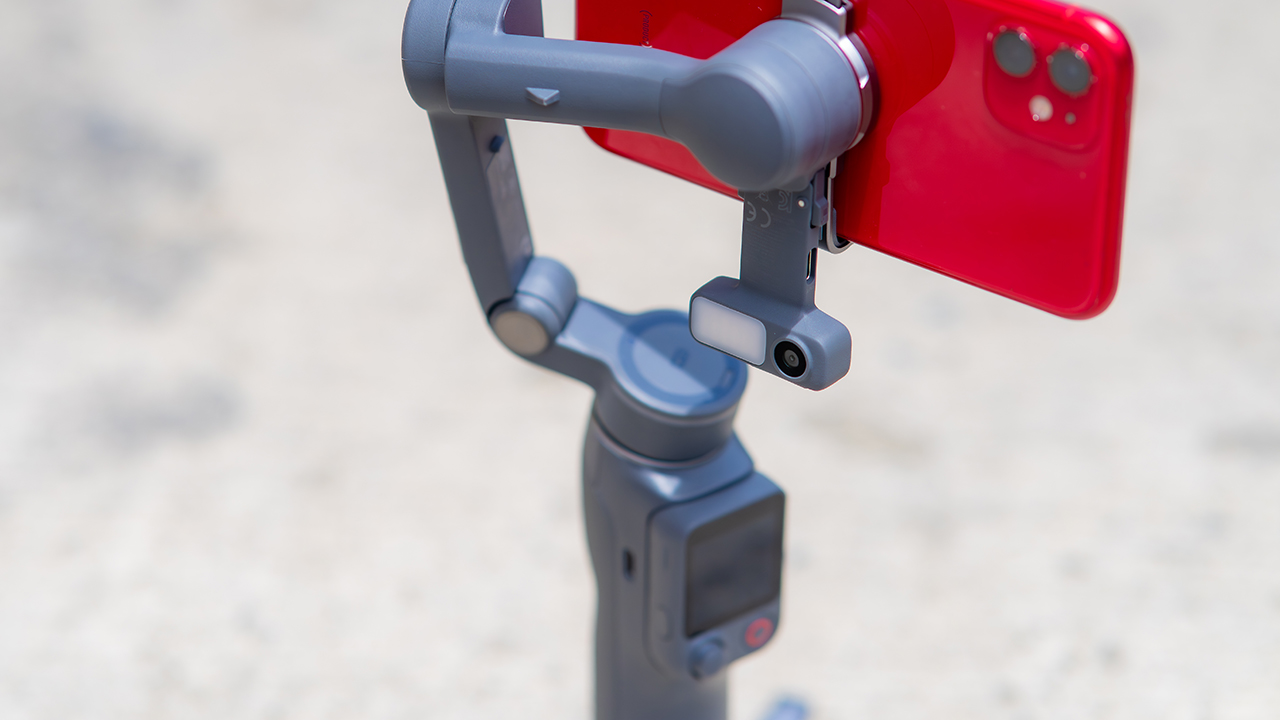
Swipe left if you lean on physical dials for zoom and focus, and moving those functions to a touchscreen sounds like a downgrade rather than an upgrade.
This is not for you if you use a DJI wireless mic and want it plugged directly into the module without routing through your phone first. Or, your phone runs heavier or bulkier than DJI’s limits allow, since no amount of enthusiasm fixes a clamp that won’t close.

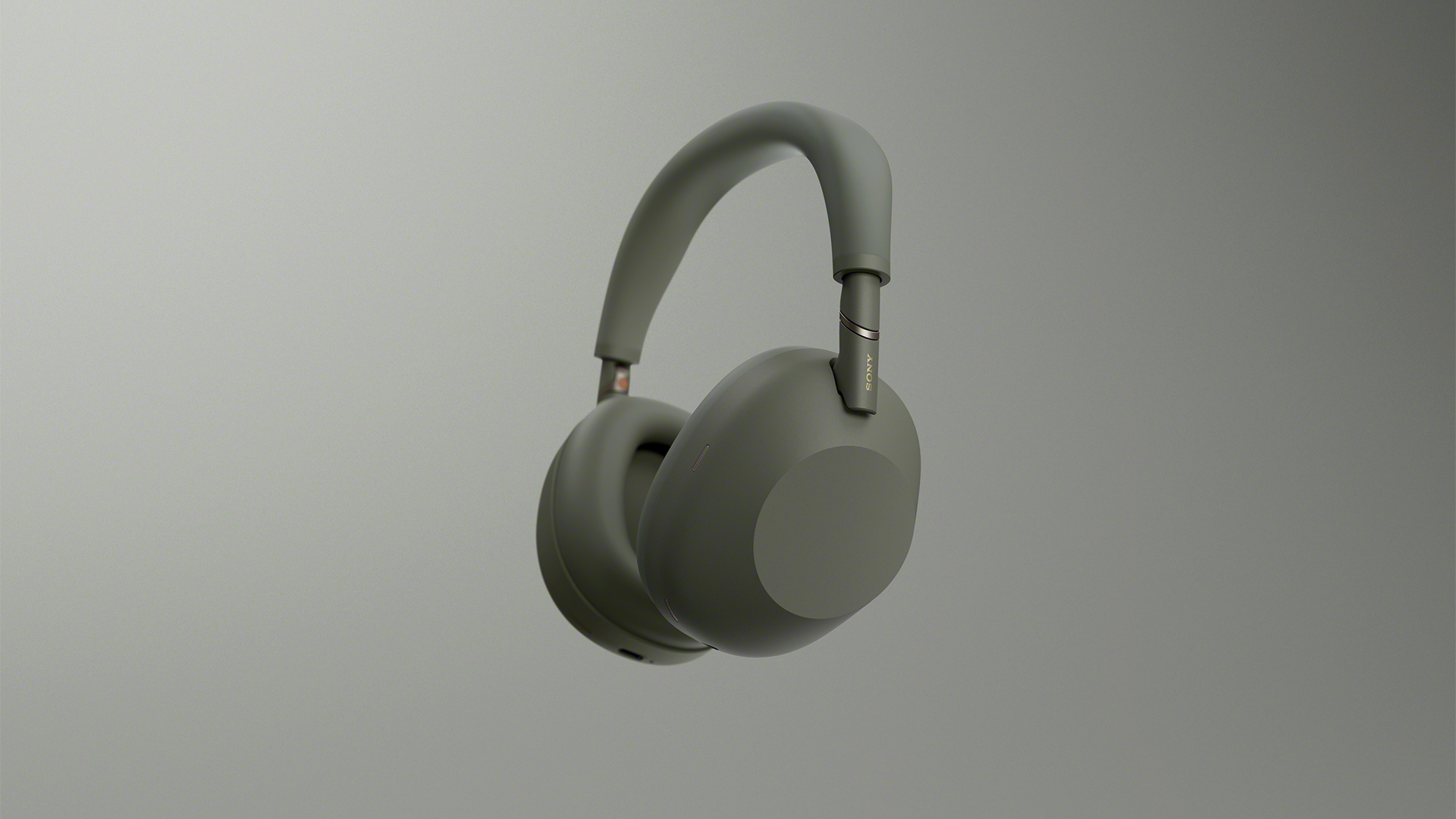
Last year, the Sony WH-1000XM6 quickly became our favorite pair of noise-cancelling headphones. The audio quality pairs remarkably well with its ANC capabilities. Now, a year into the accessory’s life cycle, new colors are still coming out. Today, the acclaimed WH-1000XM6 is getting an Olive Gray variant.
A few months ago, Sony expanded the WH-1000XM6’s colorway options with a Sandstone version, launching alongside the Sony 1000X THE COLLEXION. At the time, the new color added a splash of life to an already blossoming lineup.
Now, much like the rest of the lineup, the new Olive Gray version is a subdued mashup between olive green and gray. Though it stands out on its own, the color is still cool enough to mix well with the contours of the user’s head.
Other than that, the new version is still identical to the inner workings of the original device. The Sony WH-1000XM6 comes with a new HD Noise Canceling Processor QN3, providing 12 microphones for effective noise cancellation. In terms of audio quality, the headphones support High-Resolution Audio and High-Resolution Audio Wireless, thanks to LDAC support.
Also, the accessory sits comfortable on the head with a high rigidity carbon fiber composite material dome, cushioned well with synthetic leather.
As always, the Olive Gray version, launching today, will sell for US$ 459.99.
In Singapore, the Sony WH-1000XM6 in Olive Gray is available starting today through Sony Stores, the Sony Store Online, and authorized dealers for S$649, matching the pricing of the existing color options.
SEE ALSO: Sony WH-1000XM6: Master of sound quality and noise cancellation

realme C100: Enduring and durable in spite of entry-level realities
Enough power but needs more agility


The ASUS ExpertBook Ultra wins you over
The laptop sneaks up on you


Nexal Watch Sport review: A rugged watch for small budgets
I couldn't believe that watches this good could come for this cheap.

SQUARE ENIX STORE Plus expands presence in Asia, Oceania

Maya: Convert purchases to 0% interest Mini Payment plans

Netflix: Kris Aquino makes on-screen comeback with fictional role

Hatsune Miku: Colorful Stage! Exclusive shop, Fair, and Gratte schedule

The iPhone 18 might sell out for an unexpected reason

New York becomes first state to ban smart glasses

Sony launches IER-M500 in-ear monitors

Microsoft dictates that a new Fallout game is coming

HoYo FEST 2026 details announced; tickets on sale from July 16
realme C100: Enduring and durable in spite of entry-level realities


-

 Automotive4 days ago
VinFast debuts two-wheeler models, opens 21 e-motorcycle showrooms
-
 Computers1 week ago
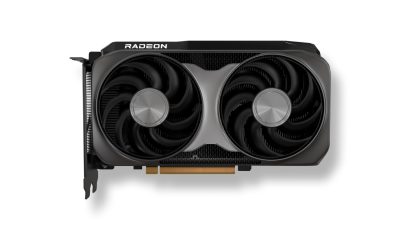
AMD launches Radeon RX 9050 graphics card
-

 Computers2 weeks ago
AORUS MASTER 16 Gen 2 2026 AI gaming laptop launches
-

 Gaming2 weeks ago
God of War Laufey finally confirms its highly anticipated launch date
-

 Automotive7 days ago
Xiaomi debuts SkyNomad Series featuring new Kunlun platform
-

 News3 days ago
OnePlus officially leaves the United States and Canada
-

 Gaming1 week ago
NBA 2K27 gameplay trailer showcases new dunk mechanics, Rucker Park, and more
-

 Gaming6 days ago
Call of Duty: Modern Warfare 4 clip shows Losing Ground 1st look