
News
Samsung brings AirDrop support to Quick Share with Galaxy S26 series
Quick Share meets AirDrop

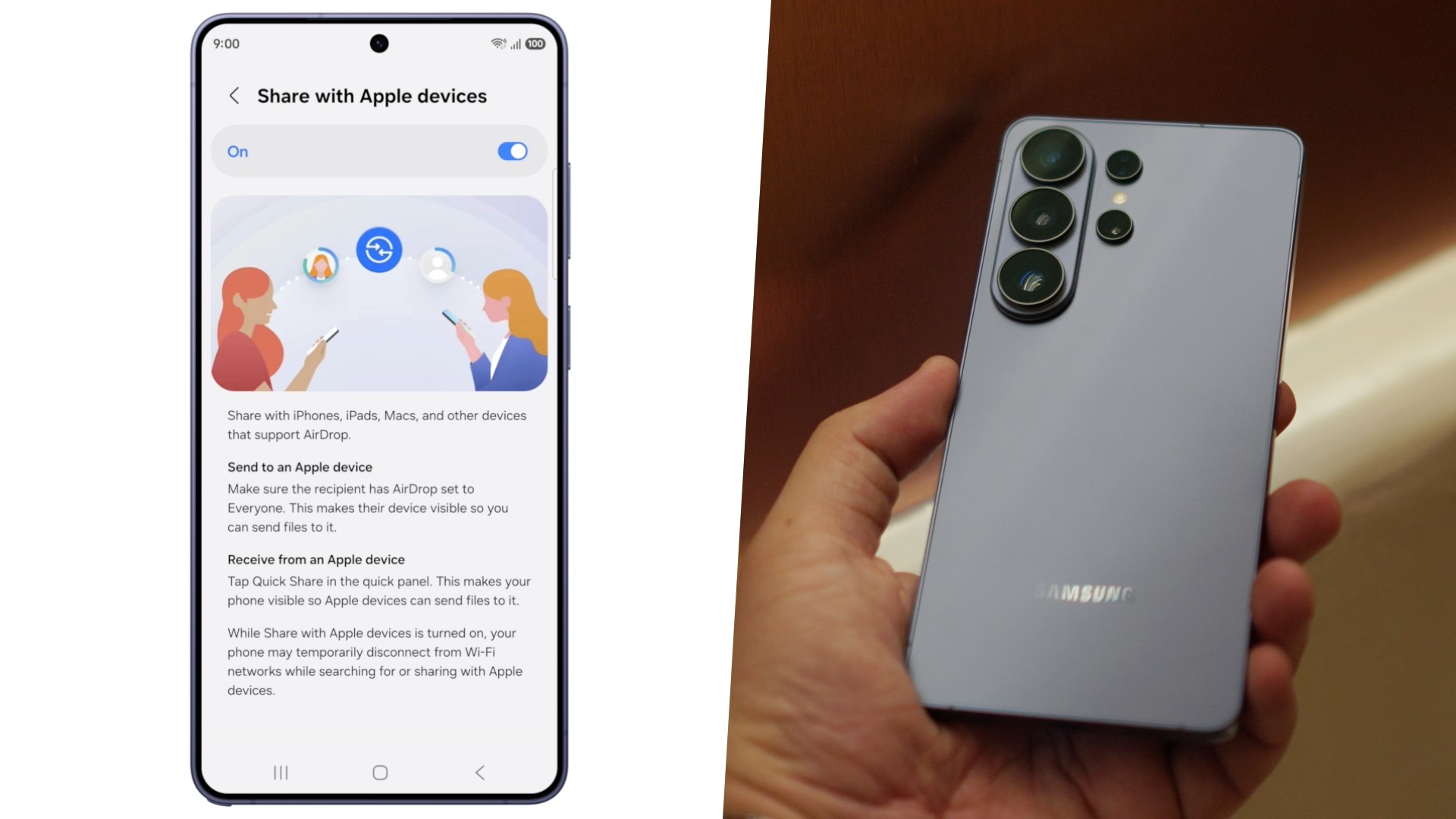
Samsung is making it easier for Galaxy users to share files across devices with the introduction of AirDrop support to Quick Share on the Galaxy S26 series.
The update allows Galaxy S26 users to send and receive files more seamlessly, expanding Quick Share’s functionality beyond Samsung’s own ecosystem. It’s a notable step toward improving interoperability, especially for users who frequently interact with devices outside the Galaxy lineup.
The feature begins rolling out on March 23, starting in Korea. Samsung says availability will expand to additional markets including Europe, Hong Kong, Japan, Latin America, North America, Southeast Asia, and Taiwan. As with most rollouts, timing may vary depending on the region.
For now, AirDrop support is exclusive to the Galaxy S26 series. Samsung notes that support for other devices will be announced at a later date.
Expanding what Quick Share can do
Quick Share has long been Samsung’s answer to Apple’s AirDrop — offering fast, wireless file transfers between Galaxy devices. Over time, Samsung has expanded compatibility to include Windows PCs and select Android devices.
With this update, the experience becomes more flexible. Users can expect fewer limitations when sharing photos, videos, and documents, particularly in mixed-device environments.
While Samsung has not detailed the exact technical implementation, the move signals a broader push toward making Galaxy devices easier to use alongside other platforms.
A software-driven upgrade for the S26
The addition of AirDrop support reinforces one of the key themes behind the Galaxy S26 series: improving everyday usability through software.
Launched in February, the Galaxy S26 lineup — consisting of the Galaxy S26, Galaxy S26+, and Galaxy S26 Ultra — focuses on refinement rather than dramatic hardware changes. Samsung has leaned heavily into what it calls “effortless intelligence,” with features powered by Galaxy AI designed to simplify daily tasks.
These include tools like Now Brief and Now Nudge, which surface contextual suggestions, as well as AI-powered editing features such as Photo Assist and Audio Eraser. Privacy also plays a bigger role this year, with the Galaxy S26 Ultra introducing a built-in Privacy Display that limits viewing angles in public spaces.
On the hardware side, the Galaxy S26 Ultra is powered by the Snapdragon 8 Elite Gen 5 for Galaxy processor, paired with a redesigned vapor chamber for improved thermal performance. It also introduces faster 60W charging, a bump from the previous generation.
Making sharing more seamless
With AirDrop support coming to Quick Share, Samsung is addressing a common friction point for users: moving files between different ecosystems.
It may not be the most headline-grabbing feature, but it’s one that could have a meaningful impact on day-to-day use — especially for users who regularly share content across devices.
As the feature rolls out globally, it further positions the Galaxy S26 series as a device focused on practical improvements that make the overall experience smoother and more connected.





News
Google will force Android users to use Gemini next month
Google Assistant will be retired as well.

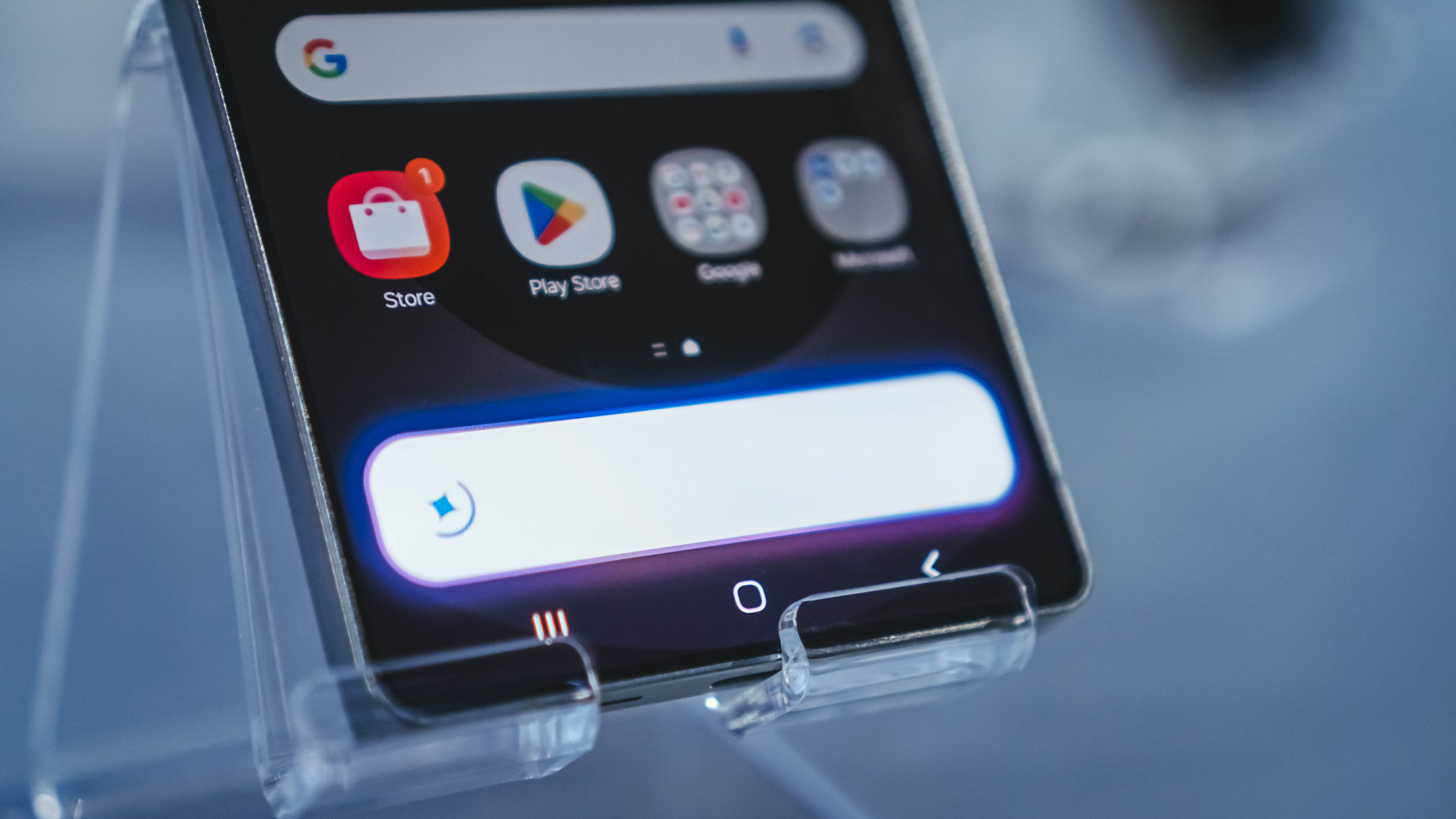
What is Google’s voice assistant called? Technically, there are two possible answers: Google Assistant and Gemini. Despite Google’s push for Gemini, the ubiquitous Google Assistant is still a common option for most users. However, the company will soon take that choice away as the voice assistant will retire in favor of Gemini.
First reported by 9to5Google, Google has sent emails to users, declaring that Google Assistant will no longer be an option for Android users starting September 4. On that date, the company will slowly roll out an update to get rid of the assistant’s availability on device.
Google also makes it clear that Gemini will be “the assistant experience on Android” moving forward. If you’re used to Google Assistant to help you with handsfree use, you’ll have only one option soon. This also affects other peripherals including smartwatches and audio accessories.
Of course, there are a few exceptions. Devices that can’t support an AI-powered assistant like Gemini are mercifully spared of the forced transition. Likewise, devices in countries that don’t support the AI assistant are also saved.
Despite the tepid reception of AI today, Google remains adamant about pushing Gemini to more users, regardless of whether they want it or not. In fact, a forced move like this will likely inflate the numbers that more devices are using Google’s AI software than ever before, while conveniently hiding the fact that most users never really had much of a choice.
SEE ALSO: Apple gives up on making AI, inks a deal with Gemini to power Siri
News
OnePlus officially leaves the United States and Canada
The brand’s smartphones are now sold out in the United States.
Once upon a time, OnePlus used to be the darling child of smartphone users on a budget. For a more meager price than a flagship, users can enjoy flagship specs on a uniquely designed phone. Who can forget the iconic OnePlus One?
Unfortunately, prices have a way of catching up. Though the brand’s phones are still perfectly good, more options have already emerged as alternatives for a so-called flagship killer, including OnePlus co-founder Carl Pei’s Nothing.
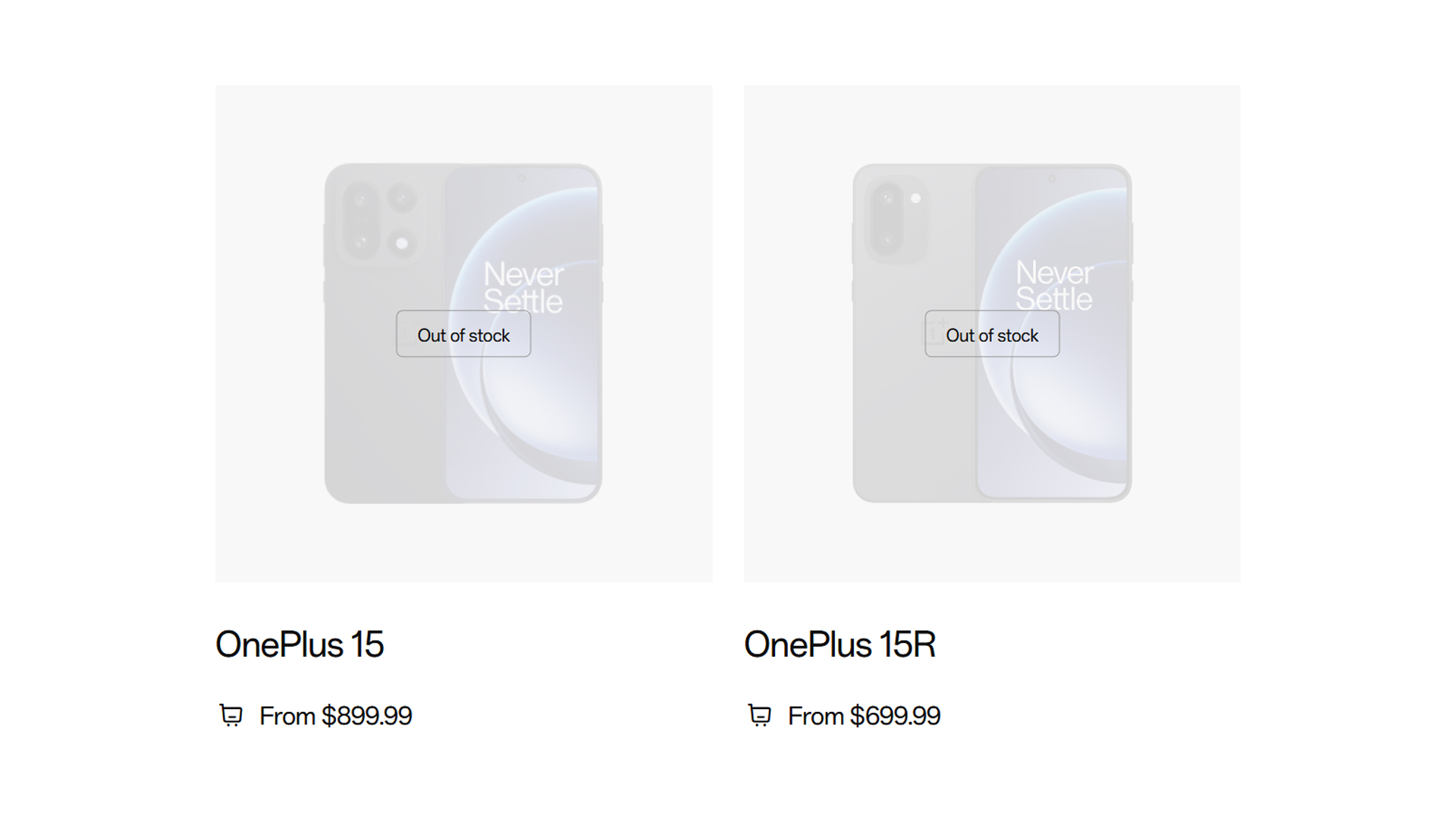
Now, marking the brand’s next step, whatever that is, OnePlus has officially left the North American market. As of today, the company has sold its last smartphone in the United States and Canada. Going on the official OnePlus website will warrant a Sold Out sign for both the OnePlus 15 and 15R. If anything, users can still get a handful of earbuds and cases.
As with everything that sells out, if you really want to cop one of the last remaining models in America, you can grab one off a third-party retailer, but who knows until when that will last?
This isn’t just a stocking issue, either. In July, the company already confirmed that it is pulling out of the region starting this month. It’s a sign of internal restructuring happening inside OPPO and all the brands under its umbrella. There’s also a rumor that OnePlus was relegated to being a sub-brand of OPPO once again.
News
Mastercard brings Apple Pay to customers in the Philippines
Easy and secure way to pay across Apple ecosystem

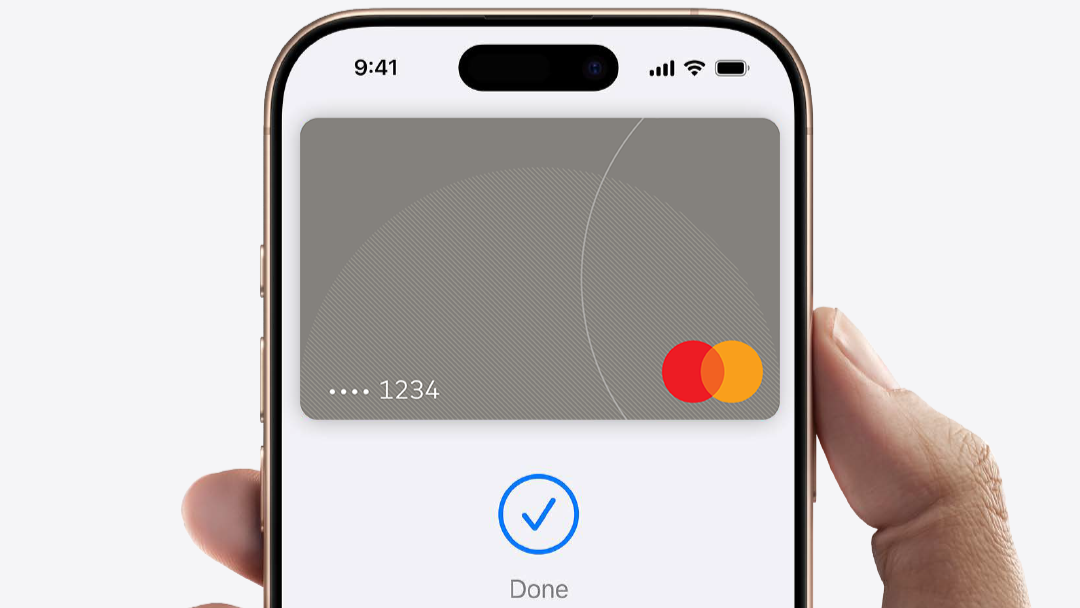
Mastercard has officially brought Apple Pay to its cardholders in the Philippines. This gives iPhone, Apple Watch, iPad, and Mac users an easy, secure, and private way to pay in-store, in-app, and online.
To pay in-store, customers simply double-click the side button, authenticate, and hold their iPhone or Apple Watch near a payment terminal to make a contactless payment.
Apple Pay is easy to set up. On iPhone, simply open the Wallet app and tap the ‘+’ and follow the steps to add a Mastercard credit or debit card.
Once a customer adds a card to iPhone, Apple Watch, iPad, and Mac, they can start using Apple Pay on that device right away.
Every Apple Pay purchase is secure because it is authenticated with Face ID, Touch ID, or device passcode, as well as a one-time unique dynamic security code.
Apple Pay is accepted in grocery stores, pharmacies, restaurants, coffee shops, retail stores, and many more places that accept contactless payments.
Customers can also use Apple Pay on iPhone, iPad, and Mac to make faster and more convenient purchases in apps or on the web without having to create accounts or repeatedly type in contact information, card details, or shipping and billing information.
Of course, customers will continue to receive all of the rewards and benefits offered by Mastercard.
Security and privacy are at the core of Apple Pay. When customers use a credit or debit card with Apple Pay, the actual card numbers are not stored on the device, nor on Apple servers.
Instead, a unique Device Account Number is assigned, encrypted, and securely stored in the Secure Element, an industry-standard, certified chip designed to store the payment information safely on the device.

realme C100: Enduring and durable in spite of entry-level realities
Enough power but needs more agility

The ASUS ExpertBook Ultra wins you over
The laptop sneaks up on you


Nexal Watch Sport review: A rugged watch for small budgets
I couldn't believe that watches this good could come for this cheap.

nubia expands gaming lineup with Neo 5 Max, Neo 5 GT Special Edition

Sony launches FE 100-400mm F5.6-8 OSS telephoto zoom lens

Google will force Android users to use Gemini next month

Tides of Annihilation opens first public demo at Gamescom 2026

Street Fighter 6 adds first Filipino fighter Yasmine to its roster

New York becomes first state to ban smart glasses

Sony launches IER-M500 in-ear monitors

Microsoft dictates that a new Fallout game is coming

HoYo FEST 2026 details announced; tickets on sale from July 16
realme C100: Enduring and durable in spite of entry-level realities


-

 Automotive3 days ago
VinFast debuts two-wheeler models, opens 21 e-motorcycle showrooms
-

 Gaming2 weeks ago
FINAL FANTASY X | X-2 HD Remaster launches on Nintendo Switch 2
-

 Accessories2 weeks ago
CASETiFY revives Spider-Man collection for Brand New Day
-
 Computers2 weeks ago
AORUS MASTER 16 Gen 2 2026 AI gaming laptop launches
-

 Computers1 week ago
AMD launches Radeon RX 9050 graphics card
-

 Gaming2 weeks ago
God of War Laufey finally confirms its highly anticipated launch date
-

 Automotive6 days ago
Xiaomi debuts SkyNomad Series featuring new Kunlun platform
-

 Philippines2 weeks ago
OPPO Reno16 Series 5G is coming soon to the Philippines