
Enterprise
Analyst: iPhone sales to fall in 2016; iPhone 7 won’t have ‘many attractive selling points’


Noted Apple seer Ming-Chi Kuo of KGI Securities today made some bold predictions for the American tech juggernaut, telling investors to expect iPhone shipments to fall this year. The “worst-case scenario,” he wrote in his investment note, is for Apple to sell less iPhones this year than in 2014 — somewhere between 190 million and 200 million units.
For context, that would mean Apple did worse than the industry average in terms of shipment growth, which it has never done. It’s also alarming when you consider that the iPhone 7 is due later in the year, and based on past revelations about Apple’s upgrade cycle, the next iPhone is poised to bring big changes to the lineup.
Or will it? Because according to Kuo, who’s been referred to as “the most accurate Apple analyst in the world” on multiple occasions, the iPhone 7 won’t have “many attractive selling points,” though he didn’t go into detail about what the phone might offer.

If Kuo is indeed right about the upcoming Apple product — and he often is, such as the time he predicted a redesigned, 12-inch MacBook, or the time he correctly surmised Apple’s penchant for the color pink — then his gloomy forecast concerning iPhone sales in 2016 could be right on the money.
Apple had already lost its smartphone business to Samsung in the first quarter of the year after seeing its rival’s sales soar, buoyed by the early release and critical reception of the Galaxy S7.
Granted, Apple releases the premium iPhone model late in the year and Samsung’s Galaxy flagship typically goes on sale in April, so nothing unusual there.
If the iPhone 7 might not be as big of an upgrade as earlier hoped, when should you upgrade, then? Try next year. Kuo has previously noted that Apple may unveil a major redesign for the iPhone in 2017, one that substitutes glass in place of aluminum and uses a higher-contrast OLED panel.
[irp posts=”3546″ name=”Apple iPhone 7 release tipped for September 16″]
Source: 9to5Mac






Apps
Salesforce introduces Slack Frontline for deskless workers
Simple, secure, mobile-first way for deskless teams across retail, healthcare, manufacturing, field service

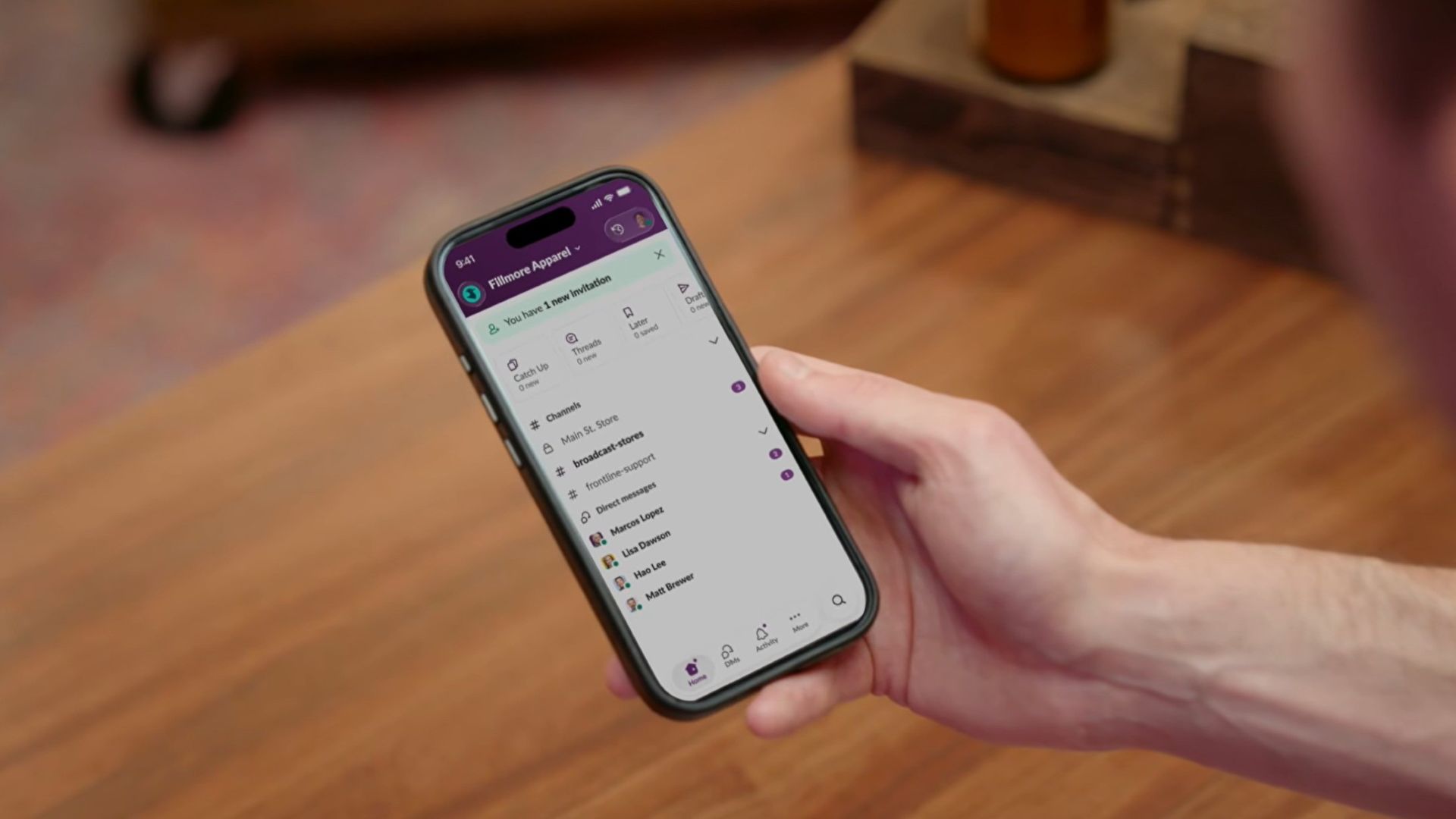
Salesforce is bridging the massive divide between corporate headquarters and deskless workers with the launch of Slack Frontline.
This new solution is designed specifically for retail associates, healthcare providers, factory workers, and field crews.
The mobile-first workspace brings communication, data, role-specific tools, and AI together in a single clutter-free app.
While frontline employees make up about 80 percent of the global workforce, they have historically been left out of workplace transformation, often relying on paper checklists, group texts, and broken communication loops.
Slack Frontline addresses these challenges by giving mobile workers up to 10 role-relevant channels, instant Huddles with headquarters, on-demand AI agents, and automated workflows.
Backed by Salesforce data and enterprise-grade security, the platform lets IT teams govern the entire workforce under one secure layer with employee ID sign-ins, multifactor authentication, and compliance configurations like HIPAA.
This ensures that critical updates, training materials, and shift handoffs reach workers directly in their pockets without needing corporate email addresses or shared terminals.
Moreover, the platform is tailored to transform operations across multiple industries, including retail, home healthcare, manufacturing, hospitality, and field services.
For instance, retail teams can instantly sync promotions and monitor inventory, while healthcare professionals can securely review patient histories and coordinate care on the go.
Manufacturing and hospitality teams benefit from drastically reduced downtime and faster issue resolution, cutting response times significantly.
Slack Frontline is available now as an add-on for businesses on the Slack Enterprise+ plan.
Enterprise
Google illegally destroys 250,000 trees for a single AI data center
This is what we stand to lose with data centers.


In the Philippines, it’s illegal to cut down a single tree without a permit. It’s a constant reminder that the preservation of nature should be a civil, besides being a moral, obligation. And yet, corporations are seemingly immune from obligations and morals. Google, the company that used to stand for “Don’t be evil,” shows off its true colors by illegally cutting down 250,000 trees in Finland for a datacenter.
As first reported by The Guardian, Finland is now staring at 330 hectares of land suddenly denuded of around 250,000 valuable trees, all thanks to Google. A local ecologist has also said that the company killed a further 150,000 trees at a separate site.
The environmental desecration is part of Google’s multibillion-dollar push to build data centers all over the world for artificial intelligence. Google has since been ordered to stop the development in the country after Finland found that the company acted without securing the needed assessments and permits to clear the area.
Google brushed away the report by saying that they acted “on the best understanding we had of the legislation at the time.” The company also said that they are protecting the water quality at the affected sites and committed to replanting trees across 130 hectares, a pale comparison to the total area affected.
Other AI companies are also trying to weasel their way into other countries to build data centers. An example is the controversial Pax Silica in the Philippines. Finland now stands as a cautionary tale against the unimpeded and unsupervised growth of data centers for a service that no one asked for.
Don’t be evil, my ass.
Enterprise
Chimelong’s newest attraction might be the robots themselves
The future of travel is here, and it knows tai chi!

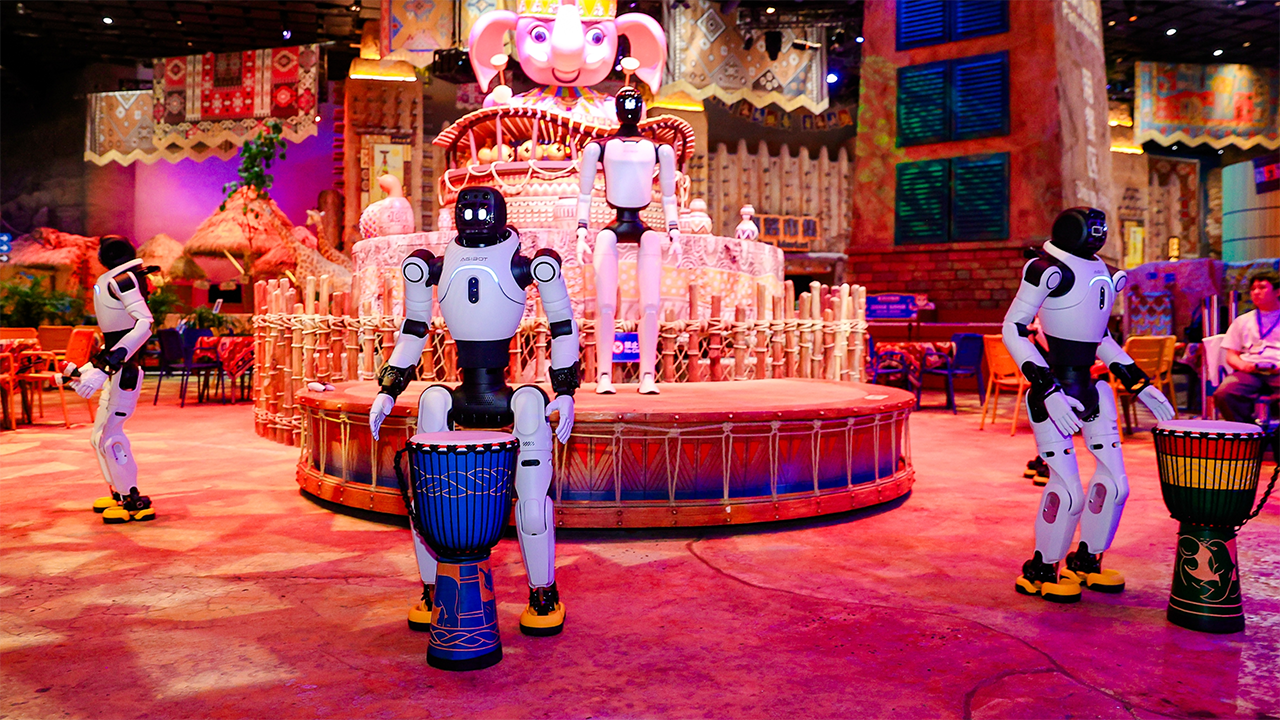
Imagine checking into a theme park and greeting a humanoid robot. A few hours later, you watch one perform tai chi. Another challenges you to table tennis. Yet another helps you navigate to the next attraction. By nightfall at your hotel, robots enhance the experience again.
This vision drives the latest collaboration between AGIBOT and Chimelong Group. Together, they brought over 300 robots to Chimelong Spaceship Park in Zhuhai, China.

This launch represents a massive real-world application of embodied AI in tourism. AGIBOT and Chimelong integrated these robots across entertainment, education, visitor services, retail, and hospitality. They act as active participants rather than remaining confined to a single demonstration area.
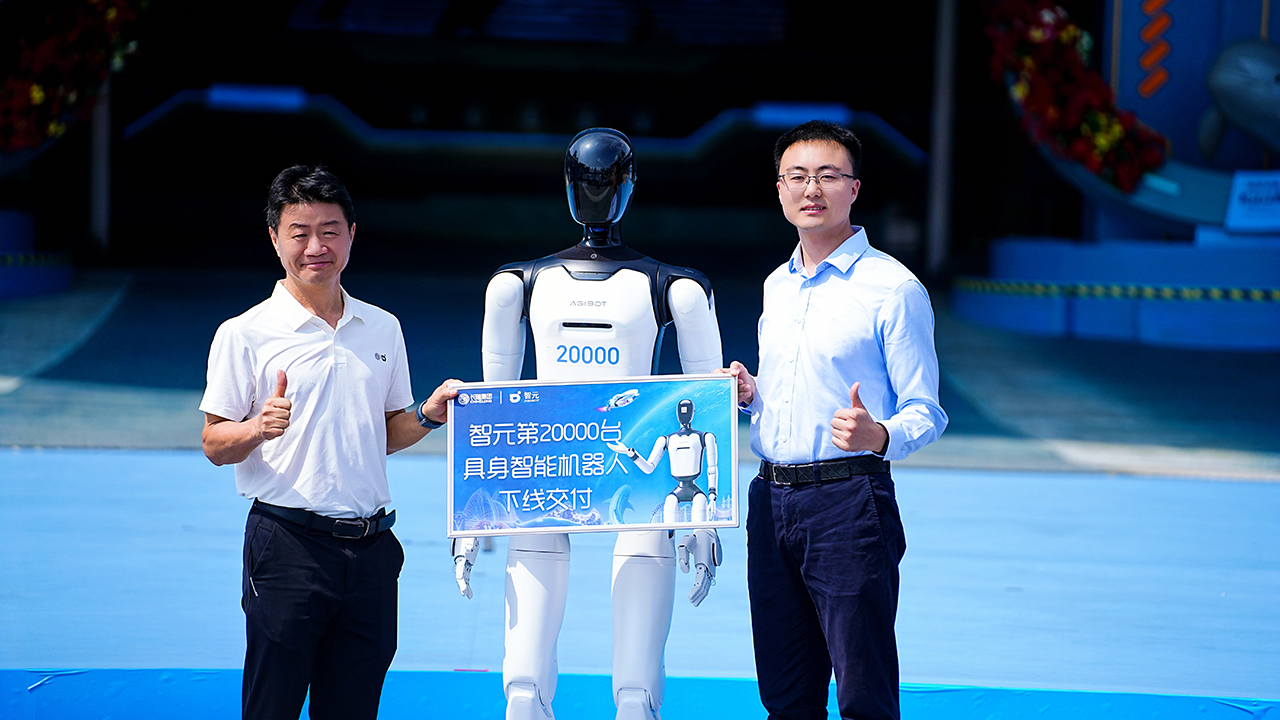
The timing celebrates a notable milestone, too. During the launch, Chimelong received the 20,000th robot to roll off AGIBOT’s production line.
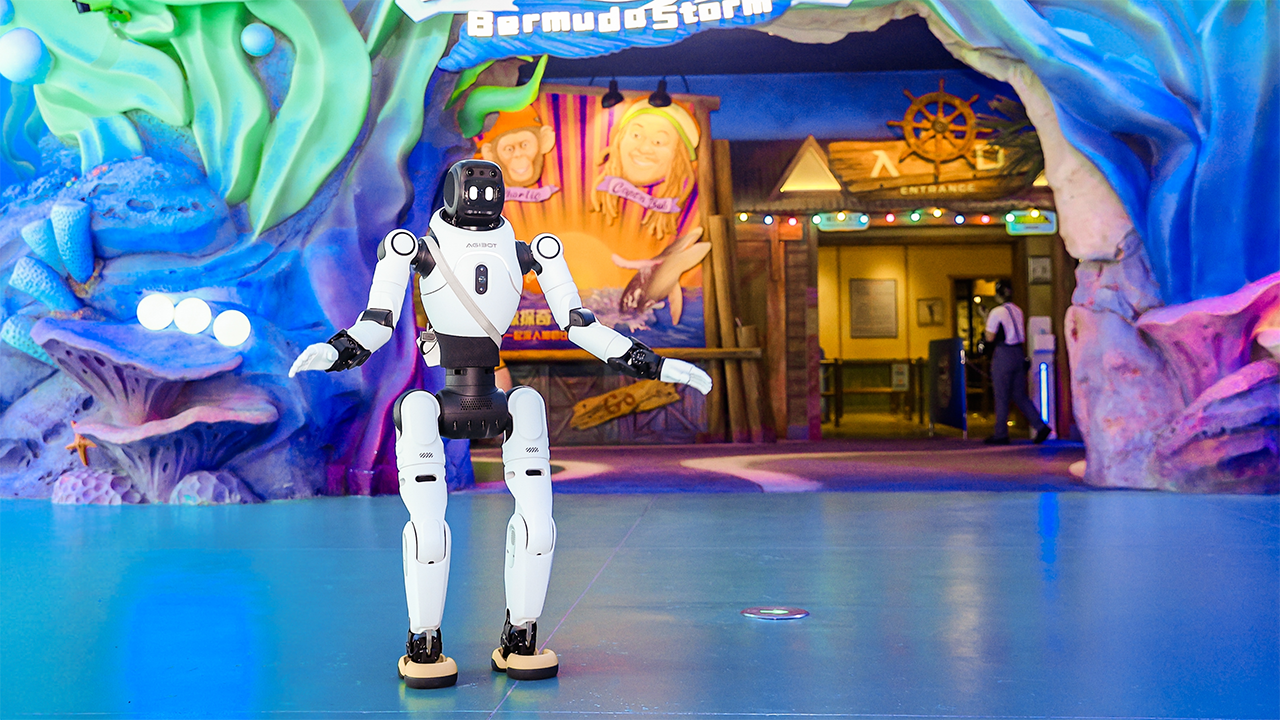
Your next theme park companion could be a robot
At Chimelong Spaceship Park, robots act as part of the total visitor experience. Guests don’t just stop to watch them from afar.
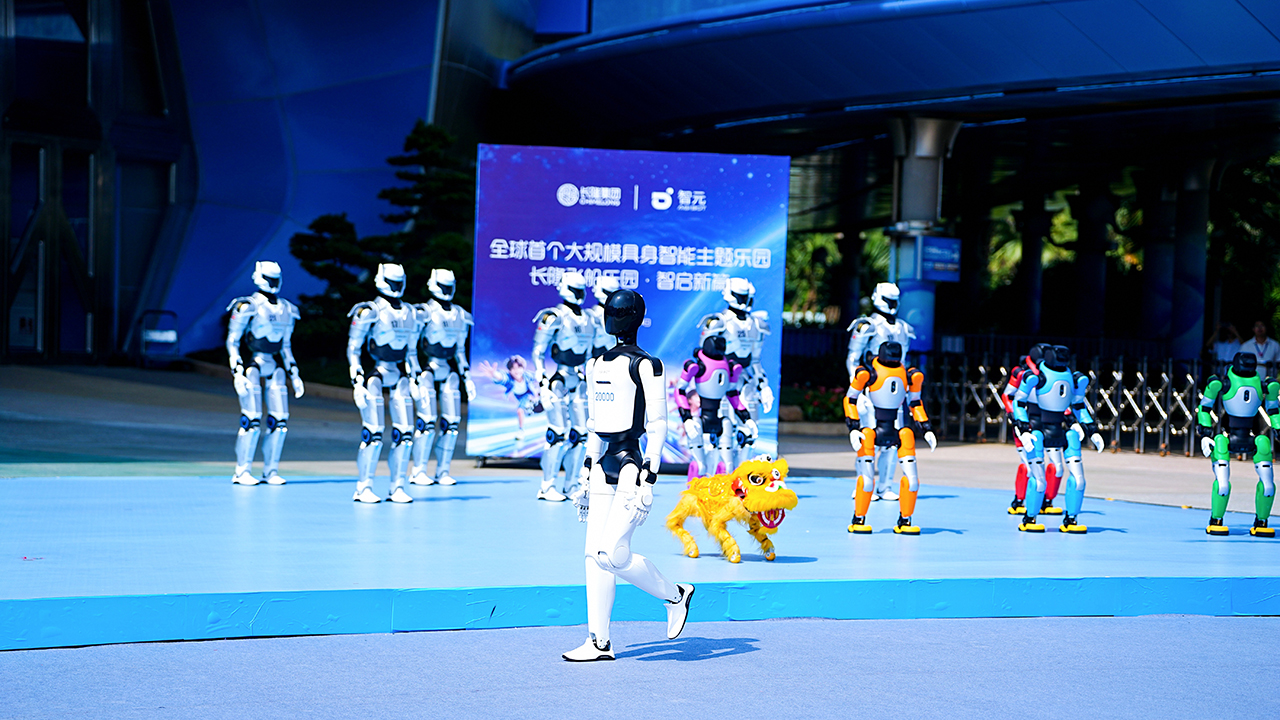
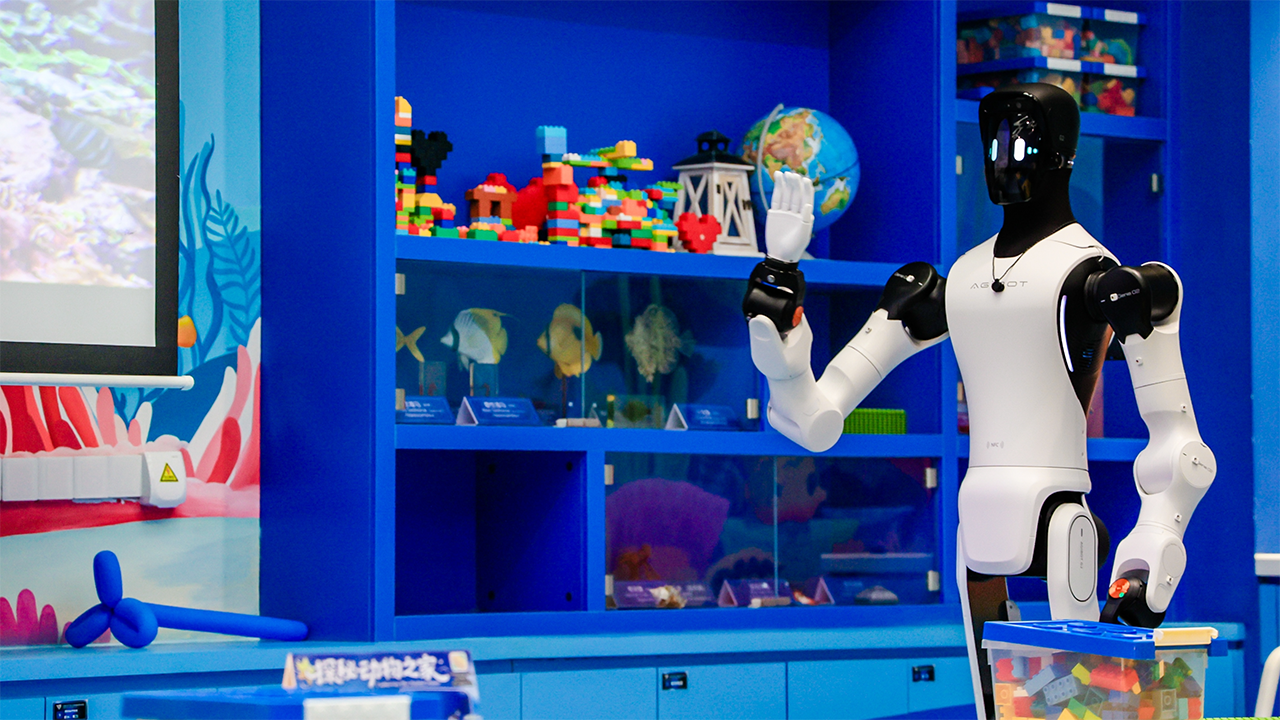
Some take on entertainment roles by performing martial arts, gymnastics, and tai chi. Others interact directly with guests through table tennis and hands-on manipulation challenges.
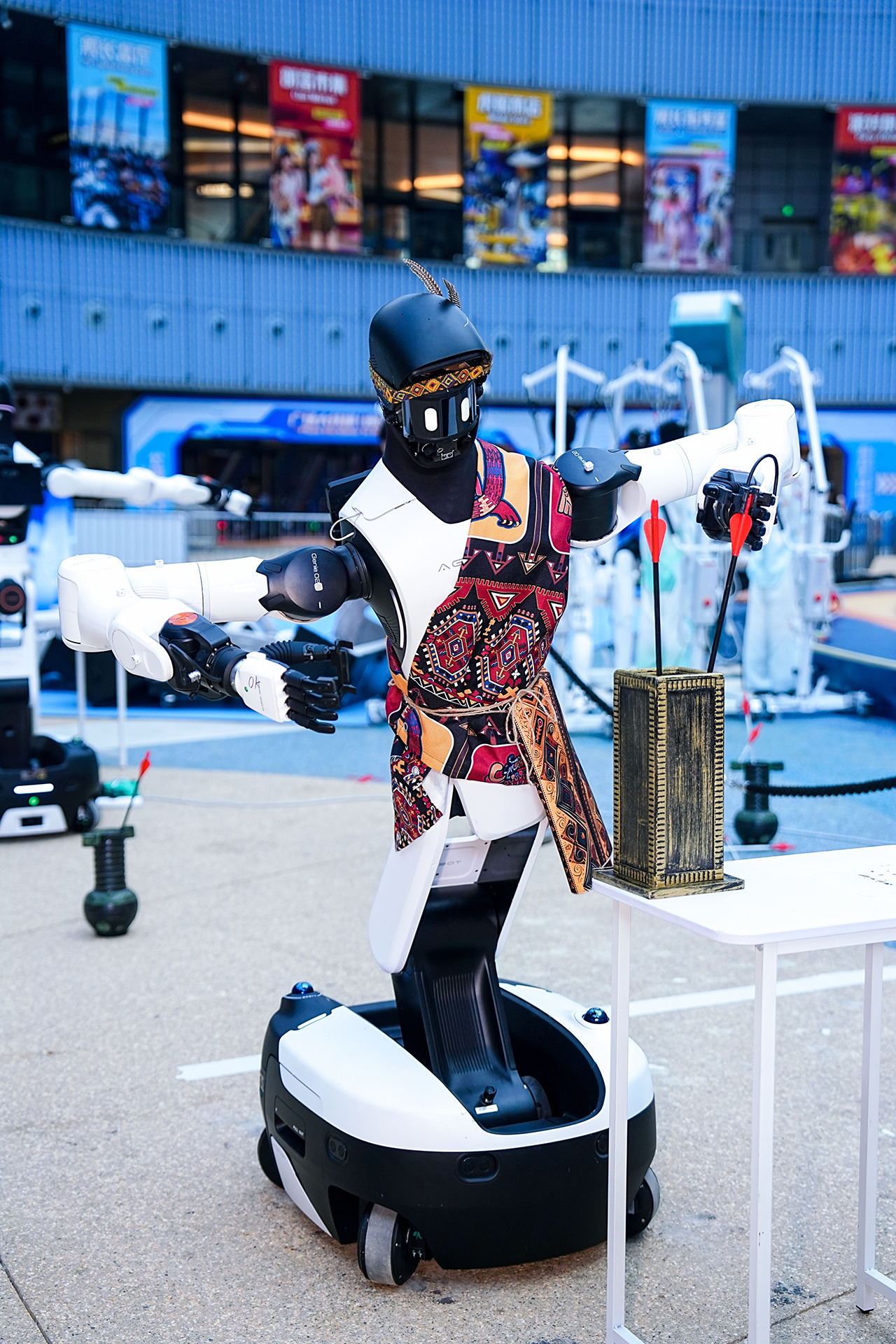
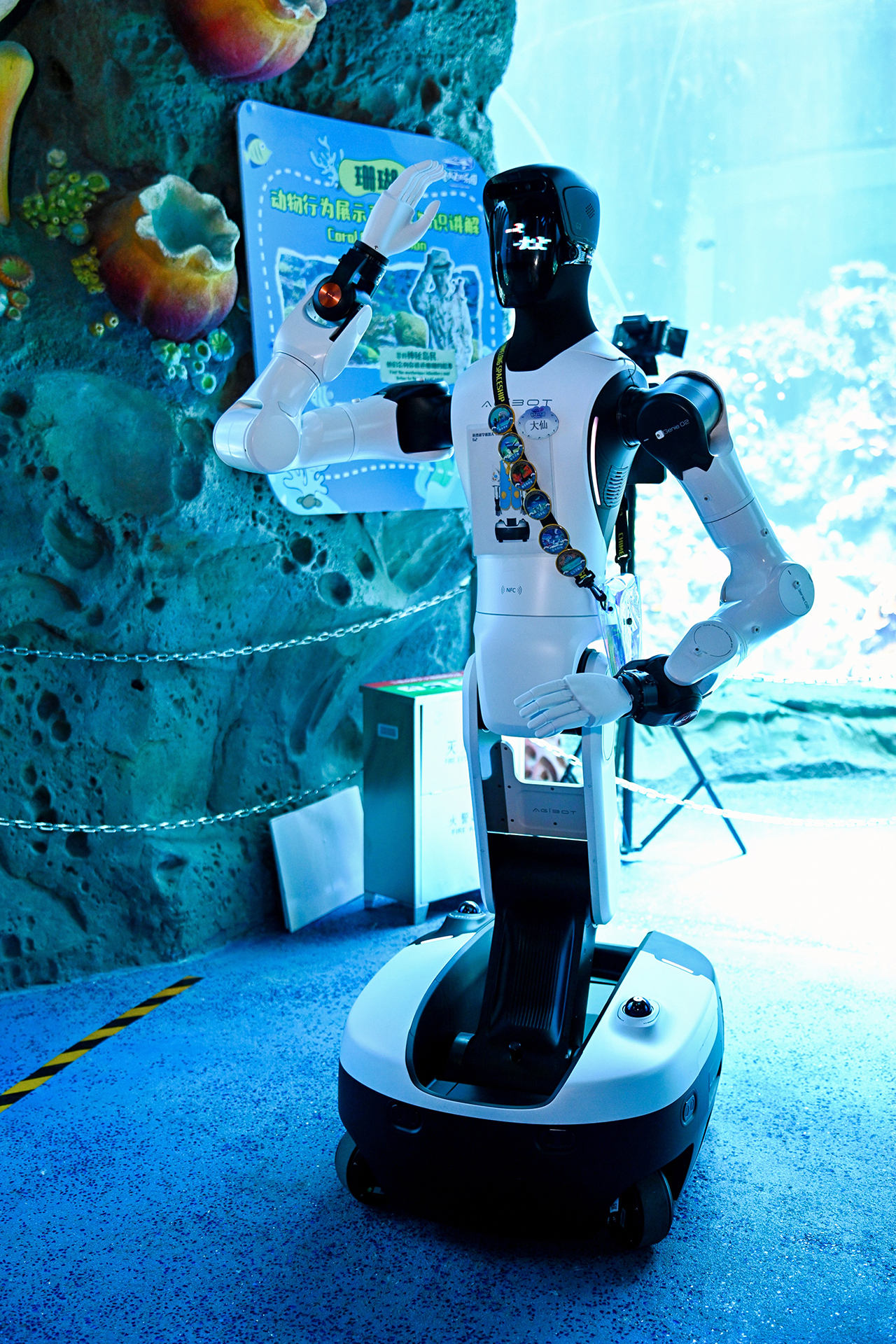
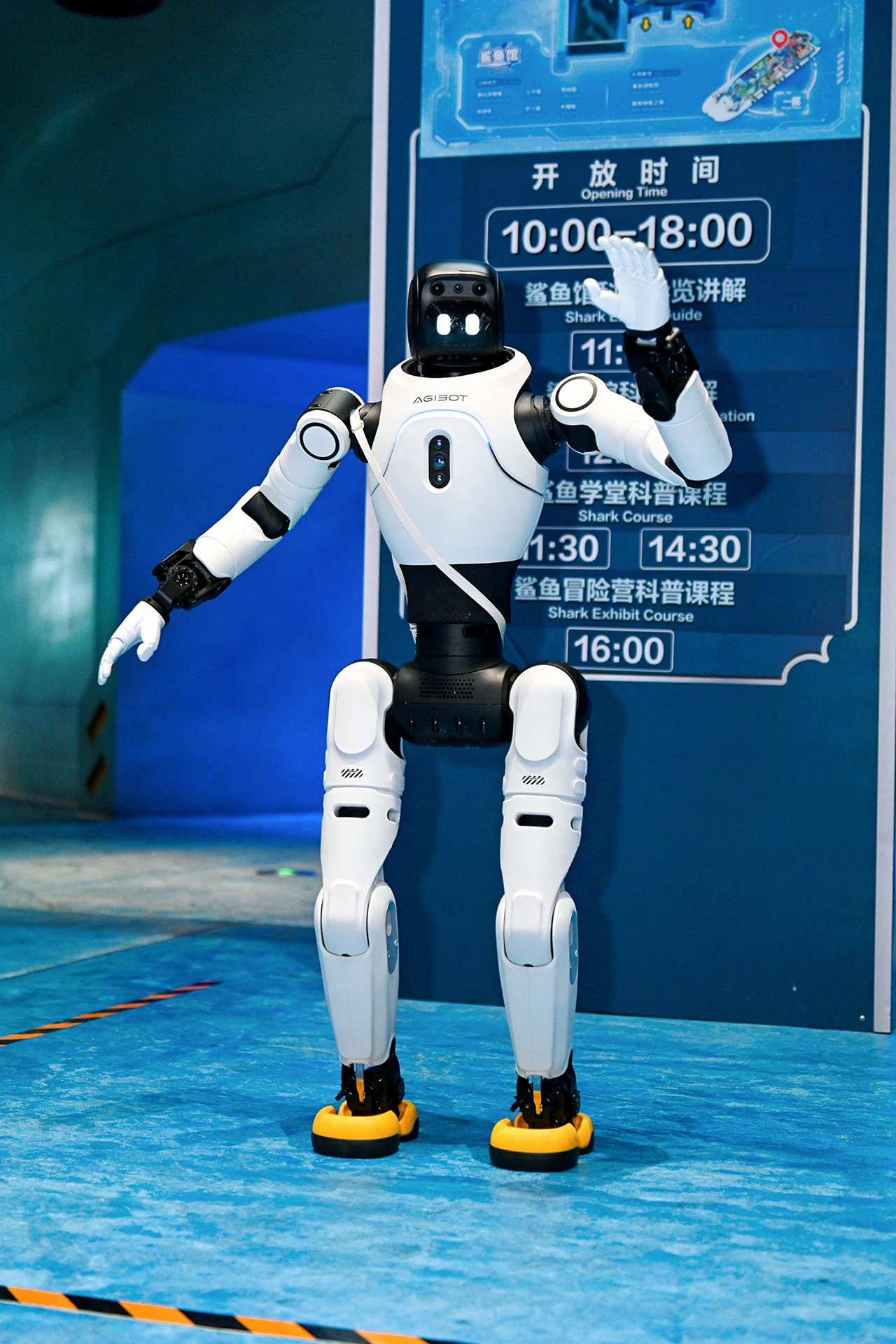
Designers also created robots for the quieter moments of a park day. They answer questions, introduce exhibits, and guide visitors through designated areas.
In retail settings, robots assist shoppers with their purchases. Meanwhile, hotel deployments place them in guest-facing roles to welcome visitors and hold multi-turn conversations.
Consequently, your trip involves encountering robots in several different contexts. The journey stretches seamlessly from your park arrival to your hotel return.
When the robots become part of the show
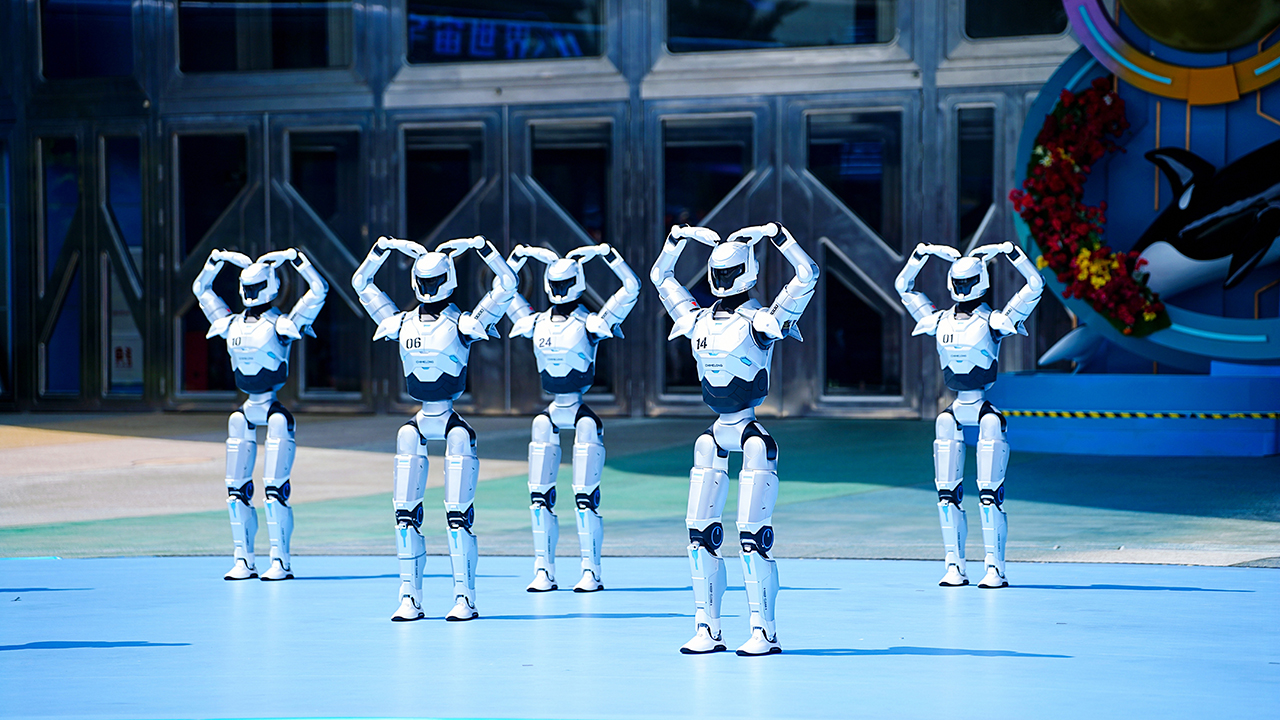
Theatrical applications are perhaps the easiest to picture. AGIBOT and Chimelong incorporate robots into live performances alongside human actors, music, and lighting.
Rather than treating a humanoid robot as a mere technological curiosity onstage, creators coordinate multiple robots into fluid routines.

Elsewhere, visitors engage with robots through games and educational activities. This creates a highly interactive, hands-on introduction to embodied AI.
Theme parks offer a perfectly fitting setting for this technology. Parks historically excel at making technology disappear into the magic. Engineers design animatronics, immersive environments, special effects, and automated rides to serve the story.
Humanoid robots push this idea into new territory. They communicate, navigate physical spaces, respond to people, and adapt to different settings with ease.
A robot-filled day does not stop at the park gates
The collaboration naturally extends into Chimelong’s hospitality operations.
Robots welcome hotel guests, hold complex conversations, and offer highly personalized interactions. This introduces an interesting possibility for resorts. Technology can now follow visitors beyond the main attraction and enhance the broader destination.

Travelers will soon experience trips where the boundaries between attraction, service, and technology blur entirely.
A robot might serve as your tour guide. Next, you could watch a robotic entertainment performance. Finally, a mechanical host could wait downstairs in your hotel lobby.
Potentially, the robot you meet in one area connects directly to the wider system operating backstage.
Making hundreds of robots work together
Deploying over 300 robots into a busy tourism destination requires massive coordination.
AGIBOT, Chimelong, and China Mobile established a dedicated 5G network. This ensures stable connectivity across high-traffic areas. The team uses centralized coordination to manage robots moving through various park and hotel environments.

Comprehensive operational systems also handle network security, privacy protection, charging, and fire safety.
Guests easily overlook this infrastructure while watching a robot perform tai chi. Yet, this backend framework remains one of the most fascinating aspects of the project. A theme park represents a highly complicated environment. Thousands of people constantly move through spaces shifting rapidly from one experience to another.
Making robots useful here means teaching them to embody the destination itself.
The beginning of a bigger experiment
AGIBOT and Chimelong are establishing a joint research institute for embodied AI in tourism.
This institute will explore new applications, operating models, and technologies. Researchers will draw directly from the experience of this massive deployment. The first project phase lays the groundwork to expand robot usage across all Chimelong properties.
For now, the appeal remains fairly simple. Creators build theme parks on the promise of making ordinary life feel extraordinary.
Chimelong bets that humanoid robots will increasingly spark that exact magic.


ROG G700 review: The best prebuilt PC you can get off the shelf
This PC will make you stop worrying about specs.


HP OMEN Max 16 review: Gamer-maxxing in deep black
Peripherals deemed necessary to max this out


vivo V80 review: Good phone, tough sell
A capable travel companion

4 new nutribullet kitchen essentials to make holiday hosting easier

Inside Infinix’s first global concept store in Bali

Wild Rift Patch 7.3, celebrates K/DA comeback

LG showcases its latest AI TVs in the Philippines

Your coffee nook is getting a makeover with Starbucks’ holiday collections


-
 News2 weeks ago
OPPO Find X10 Series: Price, availability in the Philippines
-

 Cameras2 weeks ago
DJI Osmo Pocket 4P Pearl White now available globally
-

 News2 weeks ago
OPPO Find X10 Series: Price, availability
-
Gaming2 weeks ago
HP OMEN Max 16 review: Gamer-maxxing in deep black
-

 Entertainment2 weeks ago
Cyberpunk: Edgerunners 2 now streaming, Cyberpunk 2077 update coming
-
 Lifestyle1 day ago
Your coffee nook is getting a makeover with Starbucks’ holiday collections
-

 Laptops2 weeks ago
ASUS ProArt P14, P16 laptops with NVIDIA RTX Spark now available
-

 Lifestyle3 days ago
Sticker season is back, and so is the planner your ~friends~ might fill in for you