
Apps
App developers have been reading your emails on Gmail
A common but unnoticed practice


When using an app or browsing the internet, privacy is always a concern. After the Facebook Cambridge Analytica fiasco, people have been wary about their private information freely being available online. If you use Gmail, you might want to double check the permissions you give to third-party apps connected to your account.
A report from The Wall Street Journal stated that third-party app developers are able to read the contents of the emails of millions of Gmail users. It’s not a bug though, and you have to give your consent to it.
Gmail’s access settings allow data companies and app developers to view people’s emails and other private details like recipient addresses and timestamps. Don’t blame yourself if you have allowed this because the consent form isn’t exactly clear that it would allow humans — not just computers — to read your supposedly private emails.
Google reached out to The Verge and clarified that it only gives data to selected third-party developers and with users’ explicit content. The verification process of Google checks if a developer’s company is well-represented by its own app. The app’s privacy policy should clearly state that it’ll monitor emails and the requested data should also be used for proper matters.
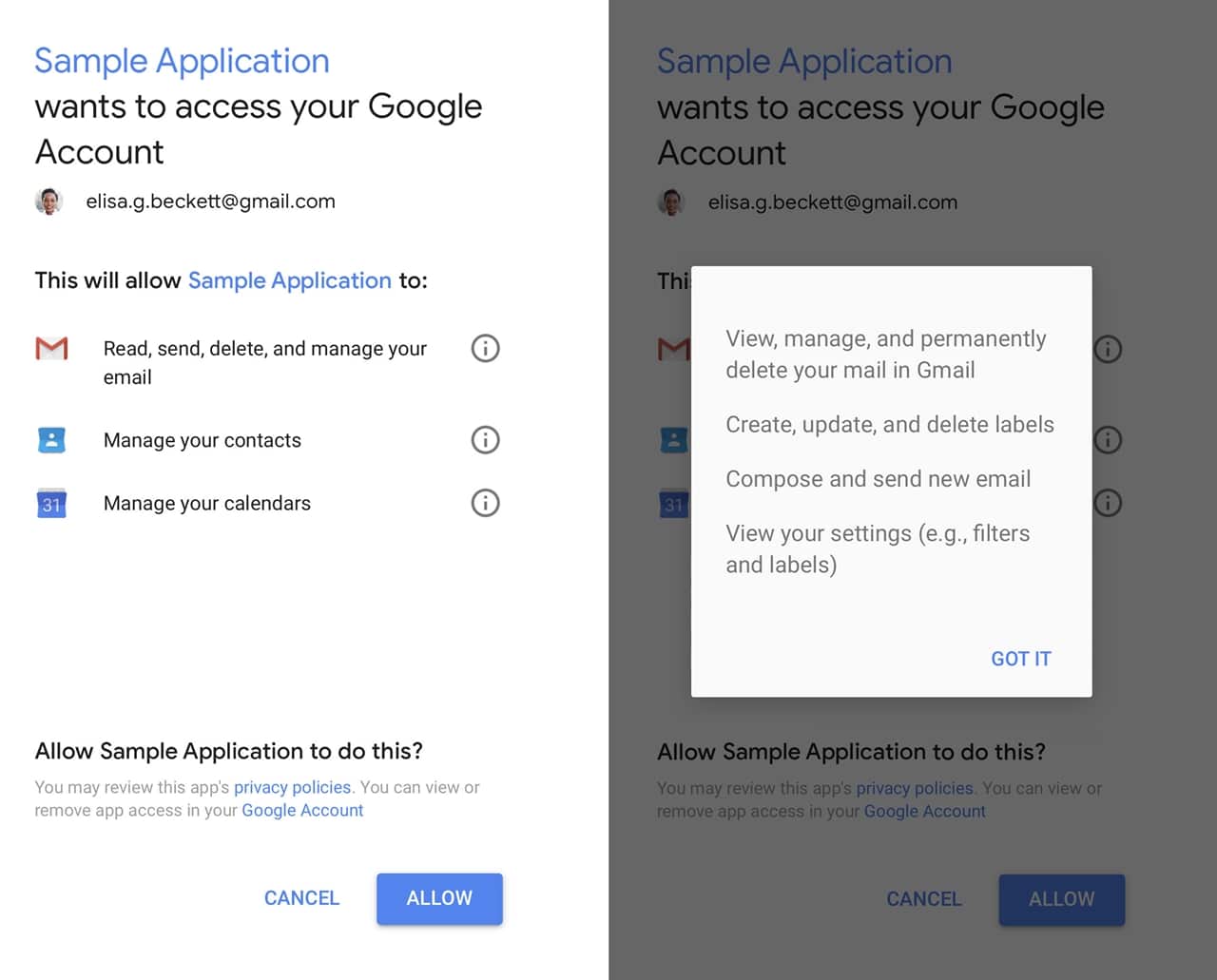
Image credit: Google
Take third-party email apps as examples. They need access to Gmail to properly work, or else they won’t show any content inside the app. Google said not all requests from developers are granted, but they didn’t specify how many were rejected during the application process. Google themselves may also read your emails in very specific cases.
So before you grant an app access to your Gmail account, think twice. There’s no evidence of any misused data from third-party Gmail add-on developers yet, but you should know that they can read your emails and you’ve permitted them.






Over the weekend, a report emerged about Disney+ allegedly considering a new tier offered to users for absolutely free. Apparently, Disney isn’t the only one. Netflix is now resurrecting its free trial program in select countries.
Back in the day, it was easy to get into Netflix. With a 30-day free trial, you can watch the shows you’ve always wanted to catch. If you liked what you saw, you can pay the monthly fee to access the entire library without constraints. Eventually, the platform got rid of this system to favor a cheaper ad-supported tier.
Perhaps not seeing the benefits of ad-supported tiers, Netflix has suddenly resurrected its free trial program. Spotted online (via Android Authority), some countries, including Brazil and India, are experimenting with the program again. New users can get 30 days of free Netflix access.
Because only regular users are spotting this (rather than an official announcement), we don’t have a list of where the free trials are available.
Still, it’s an interesting move. Cable isn’t a thing anymore so “cutting the cable” isn’t a popular phrase anymore, but people are definitely cancelling subscriptions over rising prices. Some even rely on short clips from YouTube to catch up with their shows. Having a free trial opens up more possibilities for users, but it remains to be seen whether it’s enough for users to return to Netflix.
SEE ALSO: Netflix expands its cheaper ad-supported tier to Southeast Asia

In a world disappointingly obsessed with increasing prices beyond our means, Disney+ has miraculously remembered the phrase, “free sample.” According to a report, the streaming platform is considering making a free subscription tier.
As of late, it’s been difficult to maintain a healthy collection of streaming services. When you have to pay the equivalent of a full-course meal every month for just a single platform, you start to evaluate which ones really matter.
Perhaps feeling the sting of users leaving the platform over pricing, Disney+ is reportedly experimenting with a tier that comes at no cost to users (via Business Insider). According to two sources, adding such a tier might help the platform reach customers more.
Now, it’s still a mystery how this tier might work. Disney+ already offers an ad-supported tier, so it’s unlikely to be another one like that.
One possibility is a heavily curated feed of content either designed specifically for free users or limited exactly to give users a free sample. For the latter, think of the limited content you get on a plane. Sure, you might get the first three episodes of The Mandalorian, but you’ll have to fork over cash if you want to see the rest of the story.
And for the former, you can imagine short-form content available for free. Going back to Star Wars, you might see a short anthology series like Star Wars: Visions.
Either way, it’s an interesting concept. If the tier does offer full content, it’s a great way to get into franchises you were thinking of trying without the need to spend for a taste.
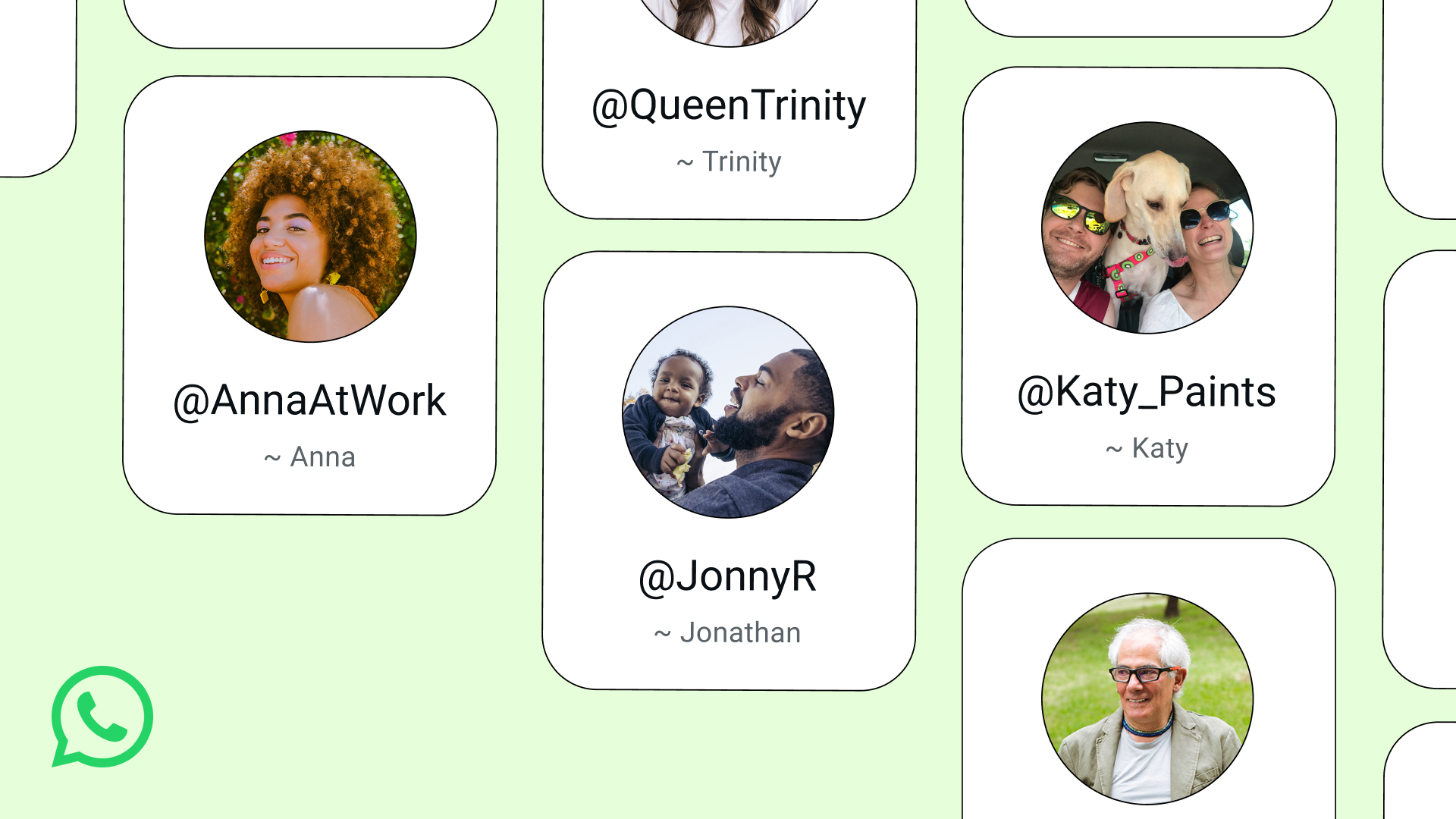
WhatsApp is about to get an extra later of protection. After thriving on number-based chatting, the platform will soon add usernames, eliminating the need to share your number with strangers.
Usernames are the standard way of maintaining your anonymity online. Though most platforms today require users to log their email addresses or phone numbers, establishing a username can prevent other users from seeing this information way too easily.
Today, Meta has started rolling out reservations for WhatsApp usernames. The feature itself isn’t available yet, but early adopters can grab theirs as soon as the setting becomes available on their app.
To access the reservation, users can go to Settings > Account > Username. Of note, this isn’t available for everyone yet. But if you want to take dibs on a specific name, be on the lookout for the setting.
As for the username itself, users can reserve anything as long as it’s unique. Business owners and creators can also use their Facebook or Instagram handles as their WhatsApp usernames.
The feature, once it launches, will stop users from accessing your phone number when messaging. Similarly, other users will now need your exact username to start a conversation. Users can also set a separate code to protect conversations further.
SEE ALSO: Meta adds subscriptions for Facebook, Instagram, and WhatsApp


realme C100: Enduring and durable in spite of entry-level realities
Enough power but needs more agility


The ASUS ExpertBook Ultra wins you over
The laptop sneaks up on you


vivo X300 Ultra review: A “Whole Different Animal”
Got the beast (finally) unleashed!

GoTyme Bank grows to 10 million users in the Philippines

Spotlight: HUAWEI WATCH GT Runner 2 Racing Legend Edition

FIFA World Cup: Lenovo’s Referee View received positively by fans

Assassin’s Creed Black Flag Resynced comes to life at Skypark Macau

Netflix suddenly resurrects 30-day free trials

Buyer’s Guide: TECNO SPARK 50 Pro vs SPARK 50 5G

TECNO’s SPARK 50 Pro is the latest budget smartphone battery beast
vivo X300 Ultra review: A “Whole Different Animal”

DJI Osmo Pocket 4P launches with dual lenses and a 1-inch sensor

Lenovo says RAM prices are not coming back down again


-

 News5 days ago
New York becomes first state to ban smart glasses
-

 Singapore4 days ago
Sony launches IER-M500 in-ear monitors
-
Laptops2 weeks ago
The ASUS ExpertBook Ultra wins you over
-

 Gaming2 weeks ago
PlayStation goes all-digital in 2028
-

 Computers6 days ago
GIGABYTE releases new AORUS RTX 5080 INFINITY graphics cards
-

 Gaming5 days ago
Microsoft dictates that a new Fallout game is coming
-

 Laptops2 weeks ago
ASUS launches the ExpertBook Ultra
-

 Gaming2 weeks ago
Xbox might get rid of physical discs too