
Accessories
Happy birthday: Apple’s iPod turns 15


Here’s a nice slice of Apple trivia for you: The original iPod happened fifteen years ago today, on October 23rd, 2001.
Nine months after the American tech giant introduced iTunes as a music software, then-Apple chief executive and co-founder Steve Jobs took the stage to announce the portable MP3 player that acted (somewhat predictably) as a precursor to the iPhone and iPad and revolutionized the way we listen to and buy music.
[irp posts=”4731″ name=”Apple iPhone 7 and iPhone 7 Plus Review”]
It changed Apple forever, too. The iPod made it possible for Apple to pivot from a personal computer company to a consumer electronics company, where the action is — and where the money is to be made.
Here’s an excerpt from Job’s presentation; his self-confidence isn’t misplaced:
‘Now, why music? Well, we love music. More importantly, music is a part of everyone’s life — everyone. Music’s been around forever; it will always be around. This is not a speculative market… But interestingly enough, in this whole new digital music revolution, there is no market leader… No one has really found a recipe yet for digital music. And we think, not only did we find the recipe, but we think the Apple brand is going to be fantastic, because people trust the Apple brand to get their great digital electronics from.’
The former Apple head went on to describe the iPod as a “quantum leap in listening to music.” The first iPod had enough storage to fit 1,000 songs at CD-quality; had 20 minutes of skip protection; offered 10 hours of music playback.
Most important of all was that it could ride shotgun in a person’s pocket. “This amazing little device holds 1,000 songs. And it goes right in my pocket,” Jobs quipped, throwing shade at companies like Creative, SonicBlue, and Sony and their bulky, unattractive music gear. The first iPod went on sale for $399, but people gobbled it up.
Music will always be around; the iPod won’t.
Apple sold its millionth iPod in 2003. In the years that followed, the company introduced other iPods of varying colors, shapes, sizes, and functionalities. By 2010, Apple had sold 275 million iPods. But that same year, Tony Fadell, the guy who created the iPod, left Apple.

Steve Jobs launches the iPod nano in 2005
Apple has stopped reporting financial figures of the iPod entirely. Sales are on a decline, and consumers are no longer excited about them. Apple probably feels the same way we do because it hasn’t touched the iPod line since last year — an eternity in the industry. The iPhone is its flagship product now, accounting for more than half of Apple’s revenue.
[irp posts=”3870″ name=”Apple is making big changes to MacBook Pro line — Bloomberg”]
It hasn’t stopped selling iPods in its stores, though. Surely, there’s still a market for them, however small and insignificant. But the question isn’t if Apple will eventually discontinue the iPod, but when. Music will always be around; the iPod won’t.





Sony has unveiled the ECM-AX10 microphone, the world’s first Eclipsa Audio-certified microphone for smartphones.
Tailored for vloggers, content creators, and even smartphone filmmakers, the ECM-AX10 helps capture video sound that feels more natural, immersive, and true to the moment.
It features four built-in omnidirectional microphone capsules that can record sound from multiple directions. Sony’s spatial audio processing, meanwhile, recreates a sense of space, direction and distance. This makes videos feel more engaging for viewers.

The mic connects directly to compatible smartphones via USB-C and gives creators three easy ways to capture sound: Ambisonics recording for spatial audio production, binaural recording for an immersive headphone experience, and stereo recording for everyday videos and social content.
When used with Sony’s dedicated Spatial Audio Video Tool app, creators can shoot video, check footage, make simple edits and export content with spatial audio.
This allows users to complete the entire production workflow for spatial audio video on their smartphone.
Creators can also utilize the app for publishing in Eclipsa Audio for an immersive experience on YouTube. In addition, binaural recording can be used for 360 Reality Audio for headphone-optimized three-dimensional sound experience, even where Eclipsa Audio is not supported.
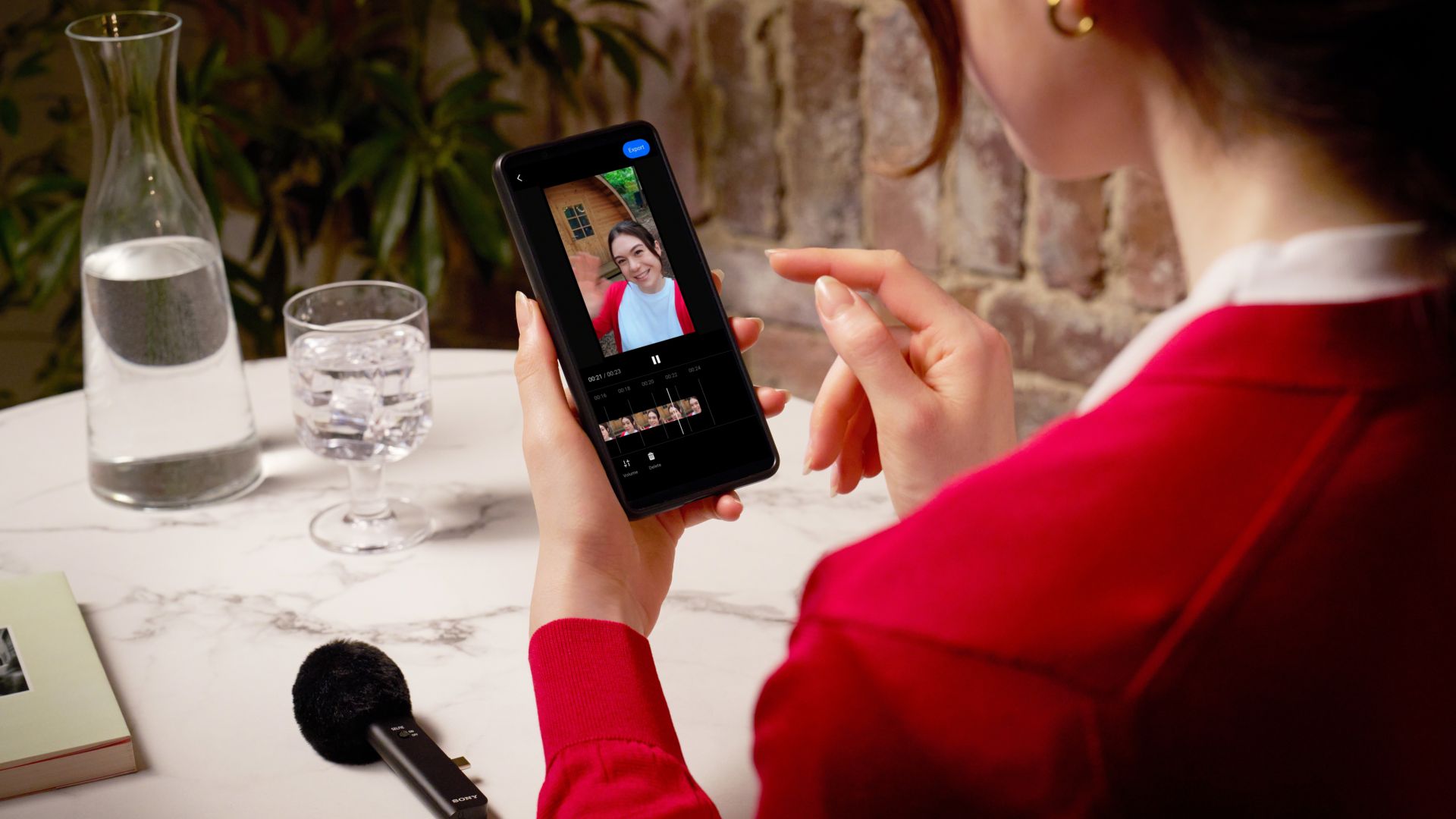
The Sony ECM-AX10 is developed with sound engineers to ensure the delivery of authentic and immersive sound.
Sony worked with Sony PCL, a Sony Group company with extensive expertise in planning and producing content and spatial experiences.
The Sony ECM-AX10 will be available in Singapore from October 2026 at selected retail shops and online stores, with suggested retail pricing at SG$ 249.
Living in New York means making every square foot count, so why own multiple gadgets when one can do the job?
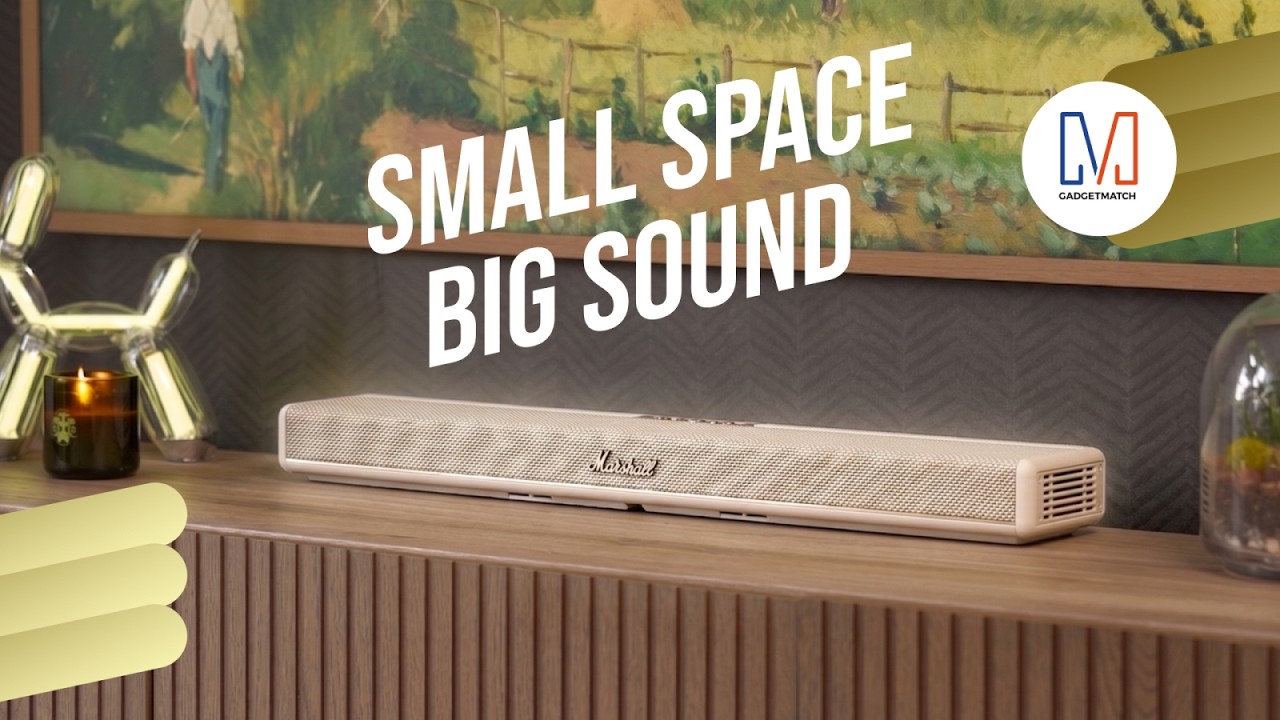
In this video, THE Michael Josh takes a look at the Marshall Heston 60. It’s a premium TV soundbar that brings more to the living room than just better sound.
With its sophisticated design, powerful audio, and versatile features, it sits in his living room while doing much more than you might expect from a soundbar.
CHECK IT OUT HERE: https://bit.ly/MarshallHeston
Accessories
Samsung joins the clip-on earbud trend with the Galaxy Buds On
But it’s exclusive to South Korea for now.

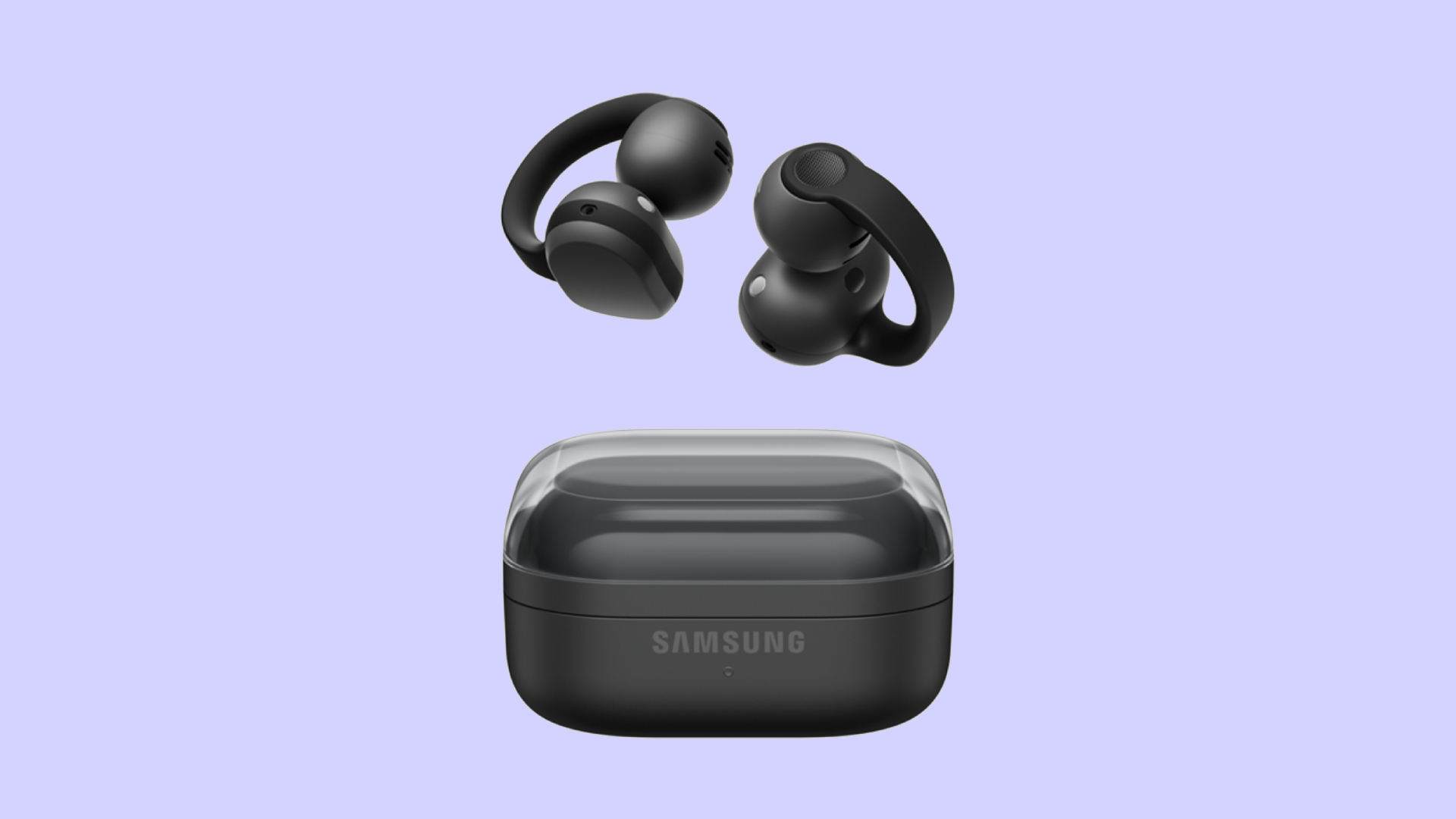
Audio wearables have been getting makeovers as of late. Besides the traditional form factors, the segment is experimenting with bone conduction and clip-on headphones. Today, Samsung is joining that trend with the Galaxy Buds On.
Debuting in South Korea, the Galaxy Buds On is Samsung’s first-ever clip-on earbuds. You’re likely familiar with how these earbuds look like, having seen them grace the ears of many a passerby today. Instead of plugging right into your ear canals, they actually do clip onto your earlobes. Samsung’s take, however, is a little bit heftier, which the brand claims gives it a wider surface area to balance the weight for your ears.
Additionally, the new earbuds has a TwinBoost speaker system. While the system adds better bass to the earbuds, it also adds automatic voice adjustments to better attune the sound according to your environment. It also has an Audio Leakage Reduction feature, so others won’t be able to hear what you’re listening to.
The Galaxy Buds On has a charging case almost identical to the Galaxy Buds4 case. Powered by the Snapdragon S7 Gen 1 Sound Platform, the earbuds can reportedly last up to 9.5 hours on a single charge.
Right now, the wearable is exclusive to South Korea, but Samsung says that a global rollout will happen in the future. In South Korea, the Galaxy Buds On costs KRW 299,000 (or approximately US$ 220).
SEE ALSO: Galaxy Buds4 Pro review: I thought I was done with in-ears




Smart opens iPhone Duo pre-orders today

Samsung brings smarter cooling to older buildings

Samsung introduces 18kg washer and 14kg dryer

Samsung: Galaxy Z Fold8 demand rose because of iPhone Duo

vivo V80 debuts with ZEISS cameras

vivo X500 Series launches with major imaging upgrades

OPPO Find X10 Pro Max is the first phone with a triple 200MP camera system

TECNO CAMON Slim 5G: Price, availability in the Philippines

TECNO CAMON Slim 5G review: Slim on size, big on surprise

HONOR Magic9 Pro Max launches in China with ARRI-powered imaging


-
 News1 week ago
OPPO Find X10 Series launches globally October 21
-

 Philippines2 weeks ago
Bambu Lab opens first Authorized Store in the Philippines
-
 Features2 weeks ago
Nike’s new race-day system, explained
-

 News1 week ago
Sony teams up with Hello Kitty for exclusive limited-edition collection
-
 Wearables6 days ago
Garmin Enduro 4 promises up to 320 hours of battery life
-

 Gaming2 weeks ago
The Ace Combat 8: Wings of Theve launch event is happening this week
-
 News2 weeks ago
iPhone 18 series breaks records in Vietnam as pre-orders triple
-

 Gaming4 days ago
Dragon’s Dogma 2: Dark Arisen launches with new Official Pawns