
Enterprise
AgiBot robots can now learn skills on the factory floor
Robotics company deploys real-world reinforcement learning system

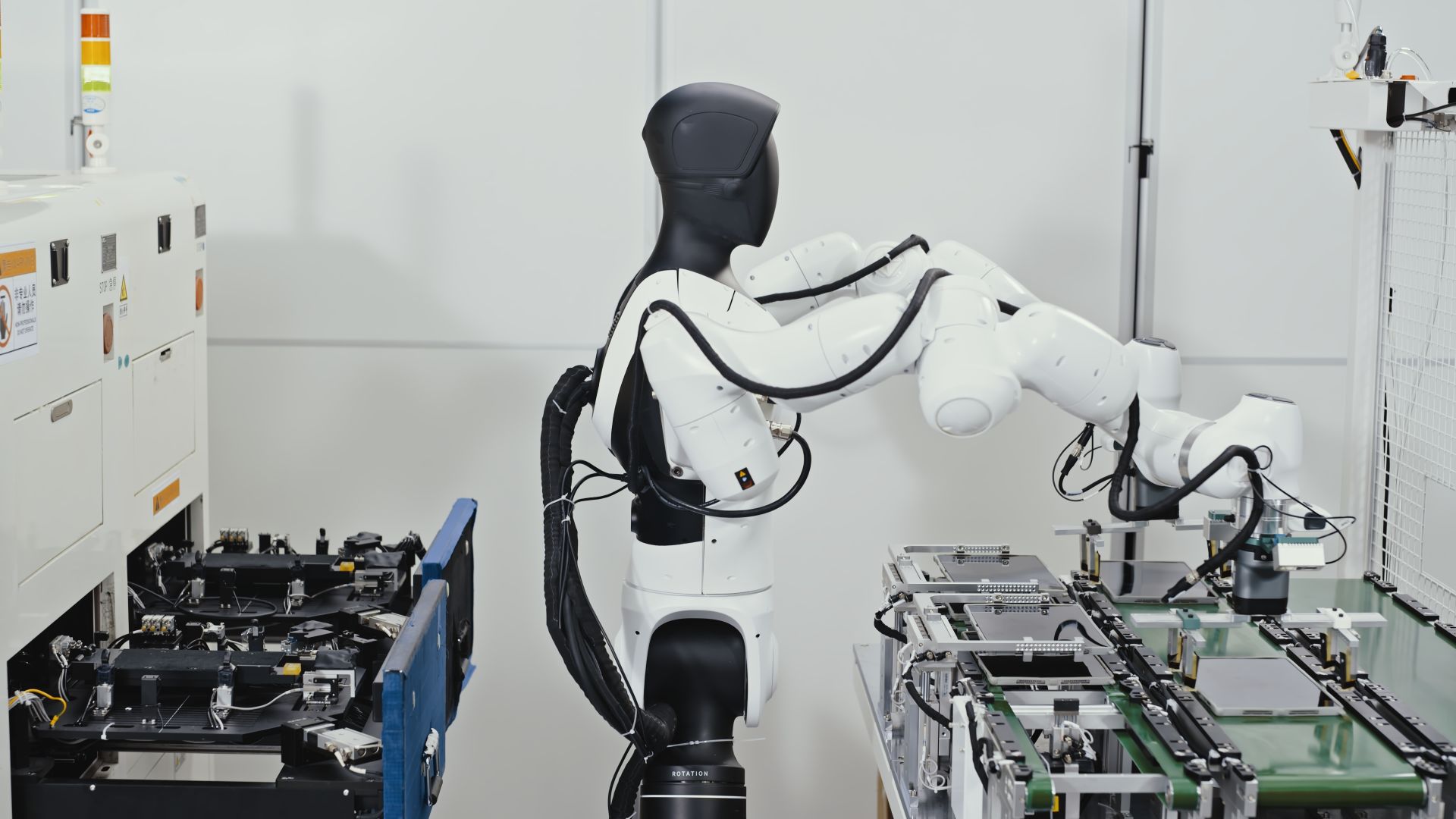
Robotics company AgiBot has successfully deployed its Real-World Reinforcement Learning (RW-RL) system on a pilot production line with Longcheer Technology.
The company specializes in embodied intelligence, and the project marks the first application of RW-RL in real industrial robotics.
It connects advanced AI innovation with large-scale production, signaling a new phase in the evolution of intelligent automation for precision manufacturing.
Precision manufacturing lines have long relied on rigid automation systems that demand complex fixture design, extensive tuning, and costly reconfiguration.
Where AgiBot’s RW-RL system comes in is addressing such pain points. It enables robots to learn and adapt directly on the factory floor.
Within just minutes, robots can acquire new skills, achieve stable deployment, and maintain long-term performance without degradation.
The system also autonomously compensates for common variations, such as part position and tolerance shifts
Meanwhile, during line changes or model transitions, only minimal adjustments and standardized deployment steps are required. This dramatically improves flexibility while cutting time and cost.
Moreover, AgiBot’s system allows for flexible reconfiguration. Task or product changes can be accommodated through fast retraining; such solution exhibits generality across workplace layouts and production lines.
This milestone signifies a deep integration between perception-decision intelligence and motion control. And it represents a critical step forward unifying algorithmic intelligence and physical execution.
Unlike many laboratory demonstrations, AgiBot’s system also achieved validation under near-production conditions. It has completed a full loop from cutting-edge research to industrial-grade verification.
Moving forward, AgiBot and Longcheer plan to extend real-world reinforcement learning to a broader range of scenarios. These include consumer electronics and automotive components, with focus on developing modular and rapidly deployable robot solutions.




Enterprise
Chimelong’s newest attraction might be the robots themselves
The future of travel is here, and it knows tai chi!

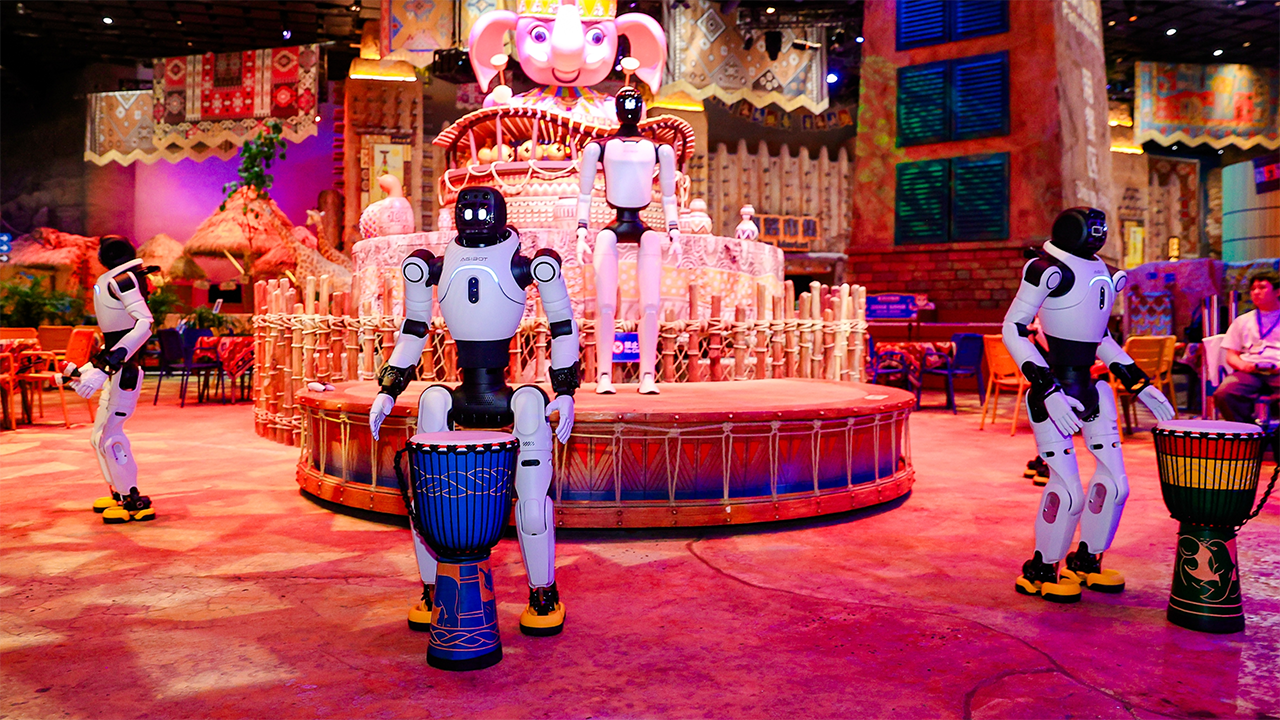
Imagine checking into a theme park and greeting a humanoid robot. A few hours later, you watch one perform tai chi. Another challenges you to table tennis. Yet another helps you navigate to the next attraction. By nightfall at your hotel, robots enhance the experience again.
This vision drives the latest collaboration between AGIBOT and Chimelong Group. Together, they brought over 300 robots to Chimelong Spaceship Park in Zhuhai, China.

This launch represents a massive real-world application of embodied AI in tourism. AGIBOT and Chimelong integrated these robots across entertainment, education, visitor services, retail, and hospitality. They act as active participants rather than remaining confined to a single demonstration area.
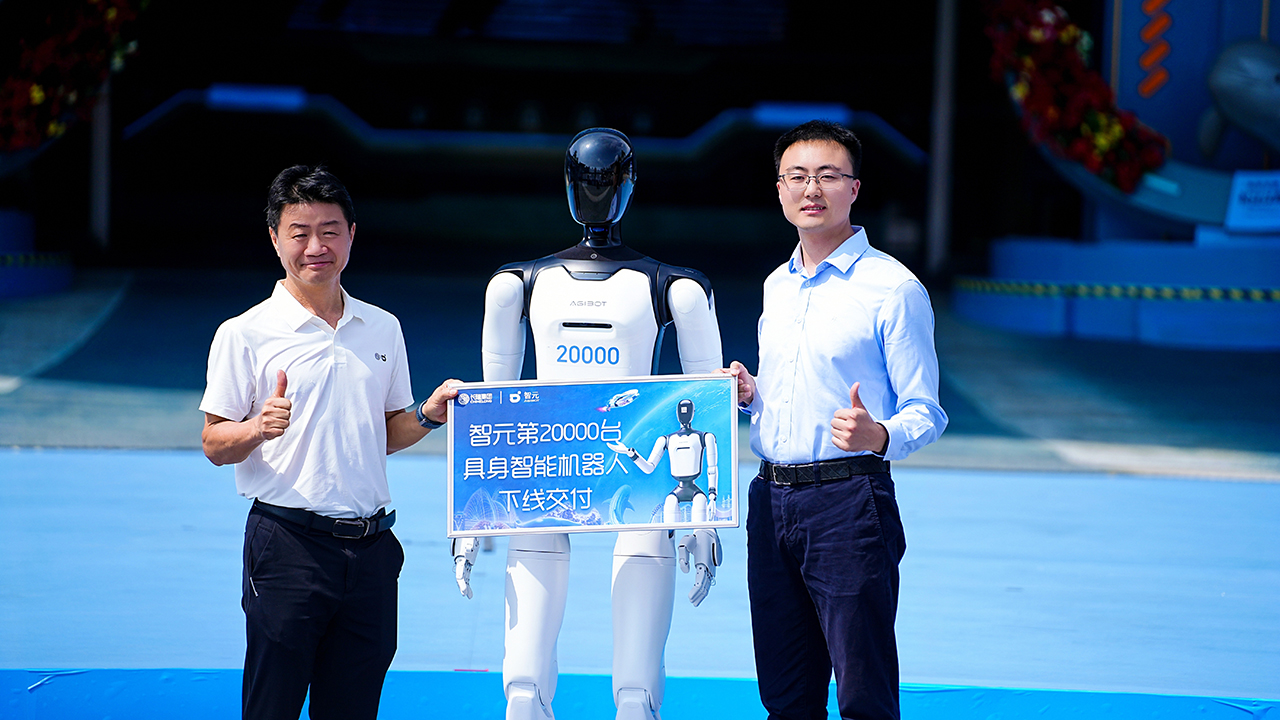
The timing celebrates a notable milestone, too. During the launch, Chimelong received the 20,000th robot to roll off AGIBOT’s production line.
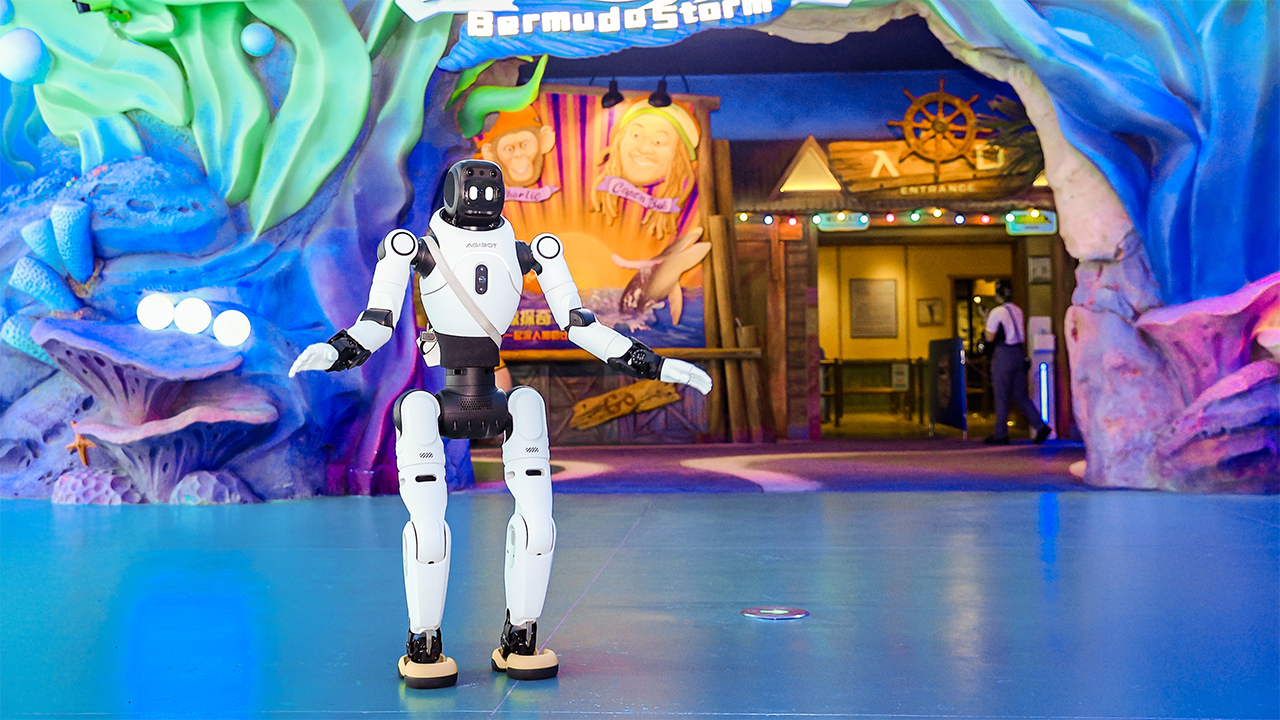
Your next theme park companion could be a robot
At Chimelong Spaceship Park, robots act as part of the total visitor experience. Guests don’t just stop to watch them from afar.
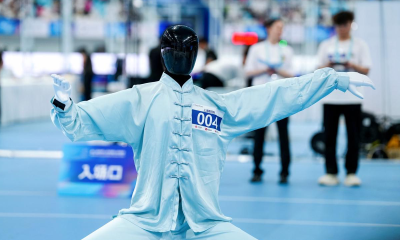
Some take on entertainment roles by performing martial arts, gymnastics, and tai chi. Others interact directly with guests through table tennis and hands-on manipulation challenges.
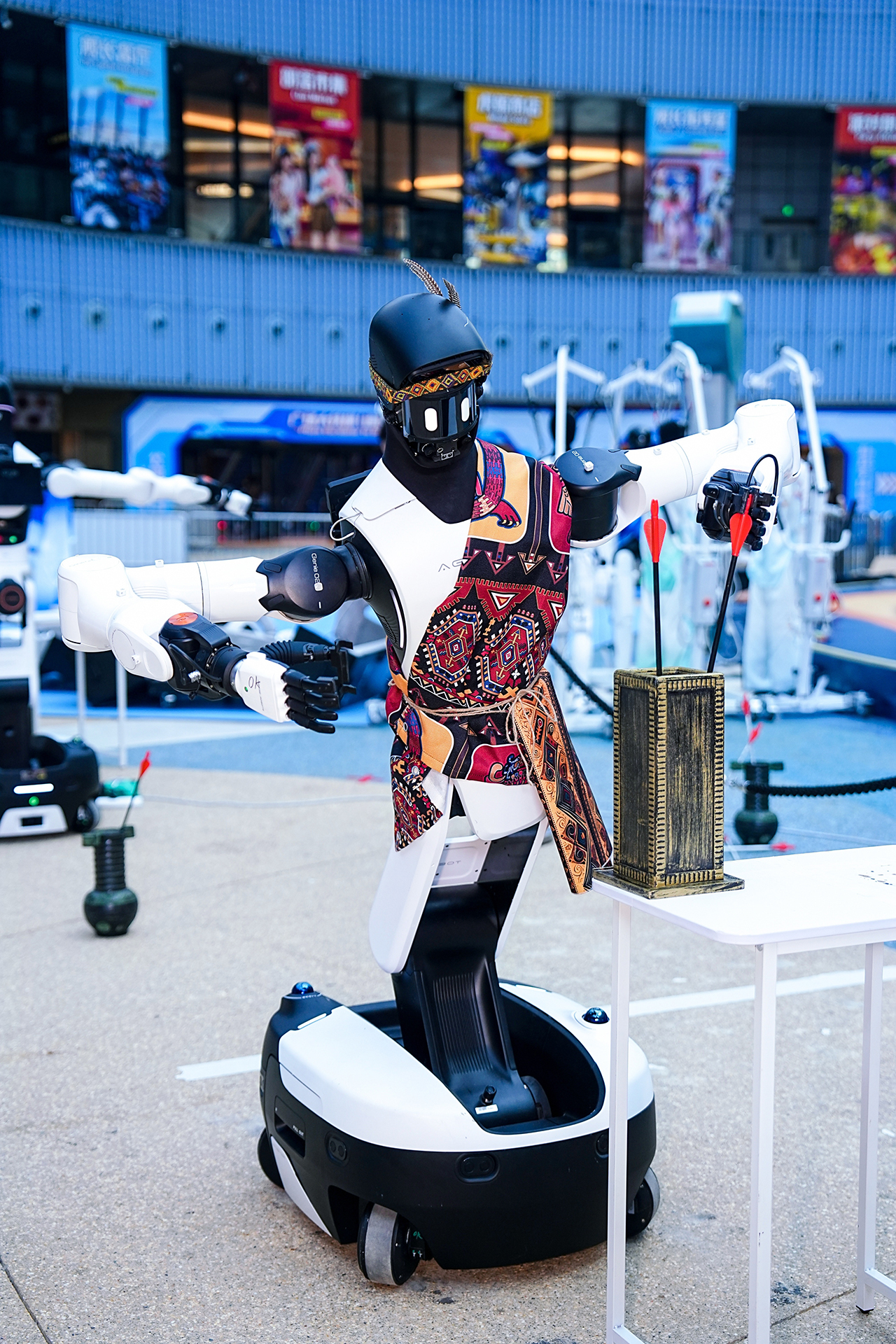
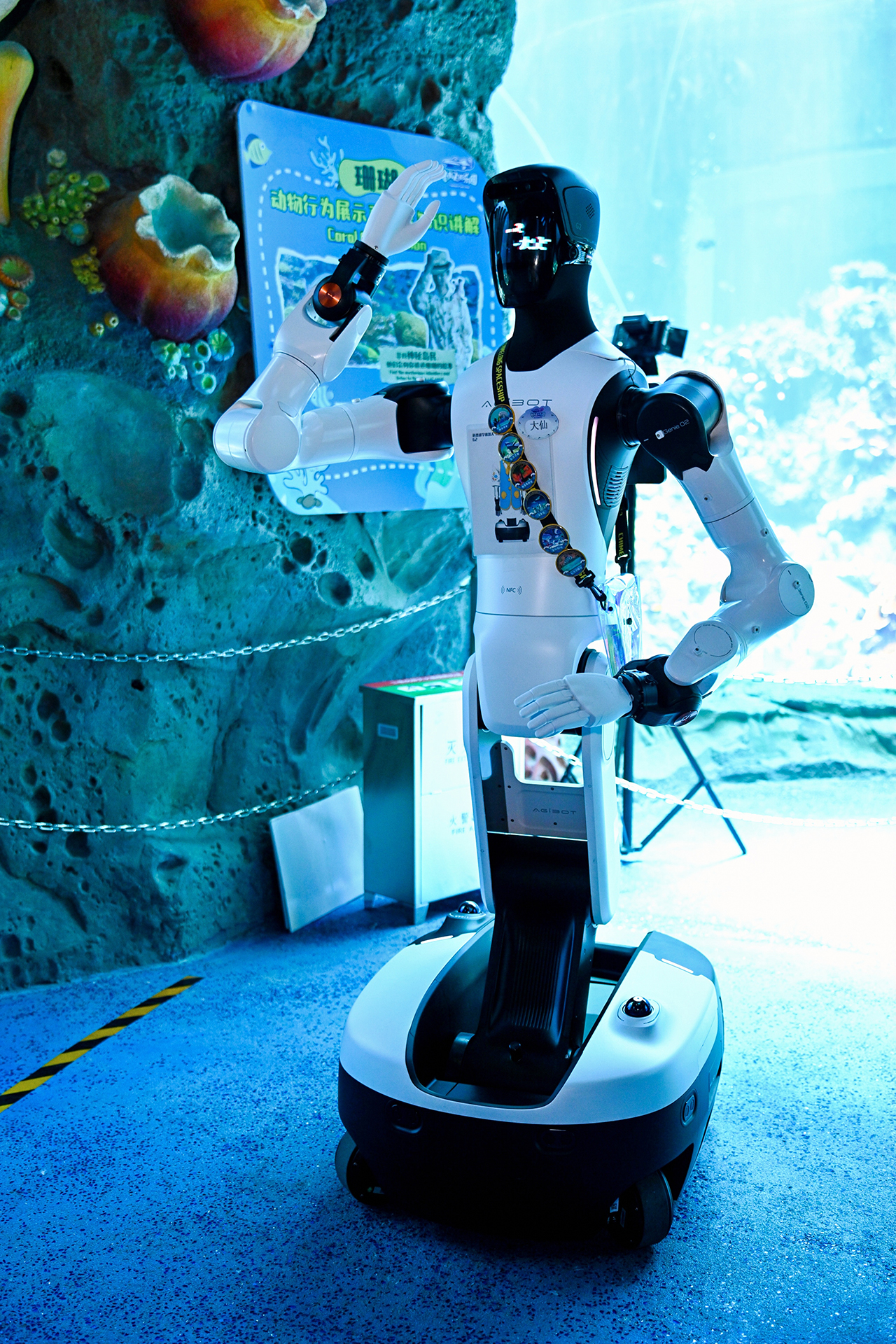
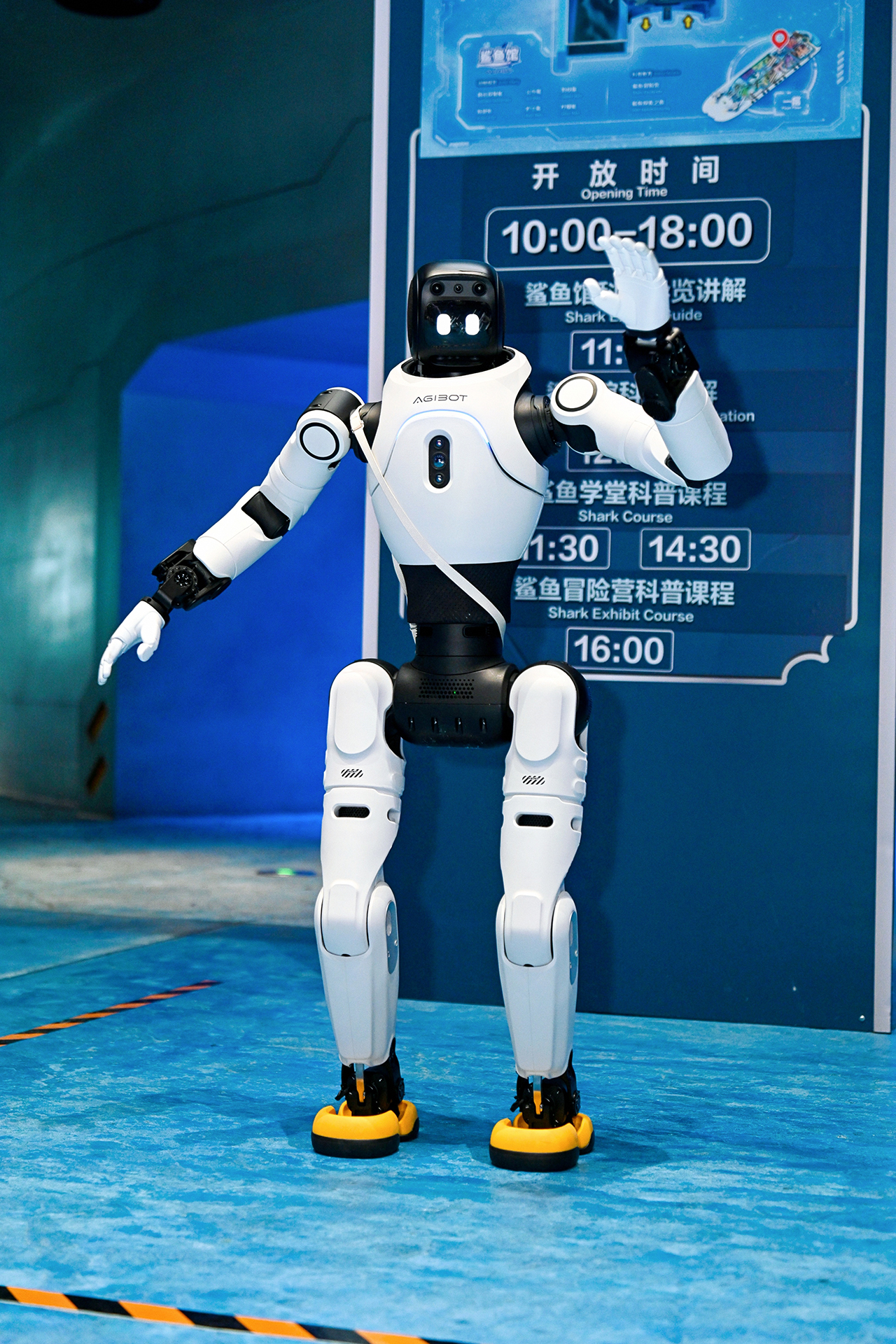
Designers also created robots for the quieter moments of a park day. They answer questions, introduce exhibits, and guide visitors through designated areas.
In retail settings, robots assist shoppers with their purchases. Meanwhile, hotel deployments place them in guest-facing roles to welcome visitors and hold multi-turn conversations.
Consequently, your trip involves encountering robots in several different contexts. The journey stretches seamlessly from your park arrival to your hotel return.
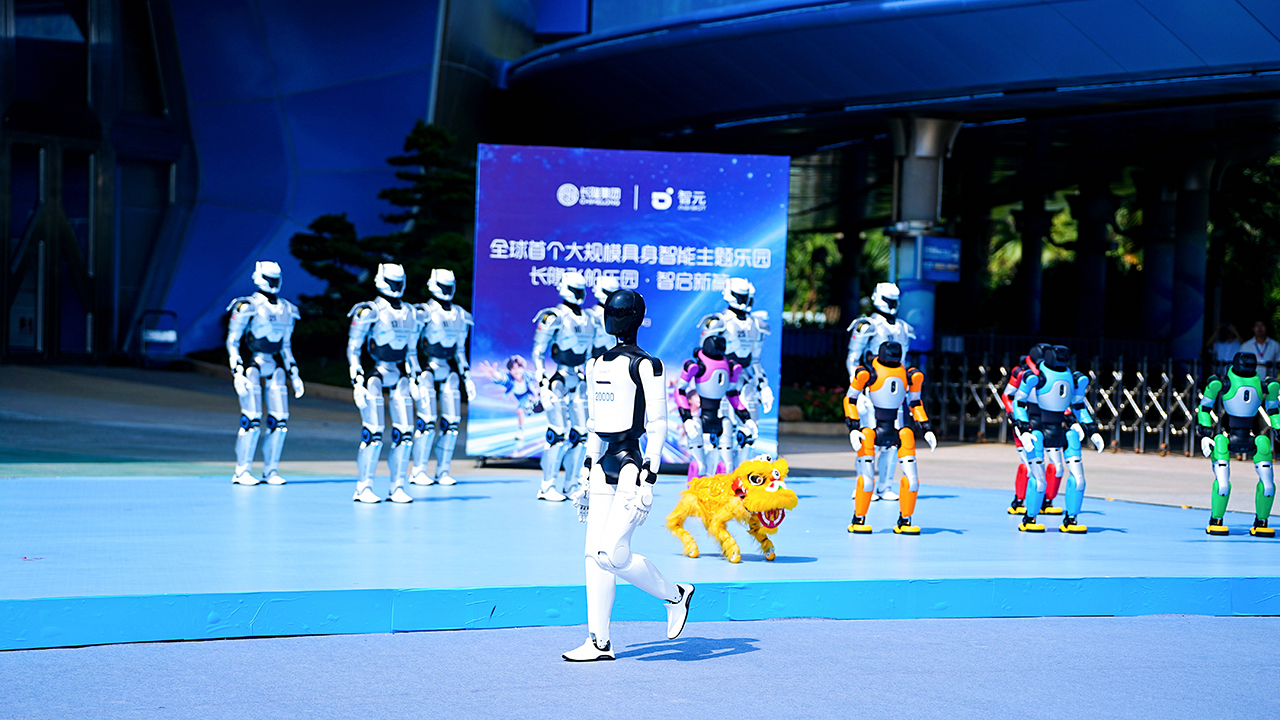
When the robots become part of the show
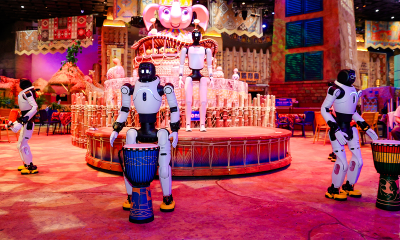
Theatrical applications are perhaps the easiest to picture. AGIBOT and Chimelong incorporate robots into live performances alongside human actors, music, and lighting.
Rather than treating a humanoid robot as a mere technological curiosity onstage, creators coordinate multiple robots into fluid routines.
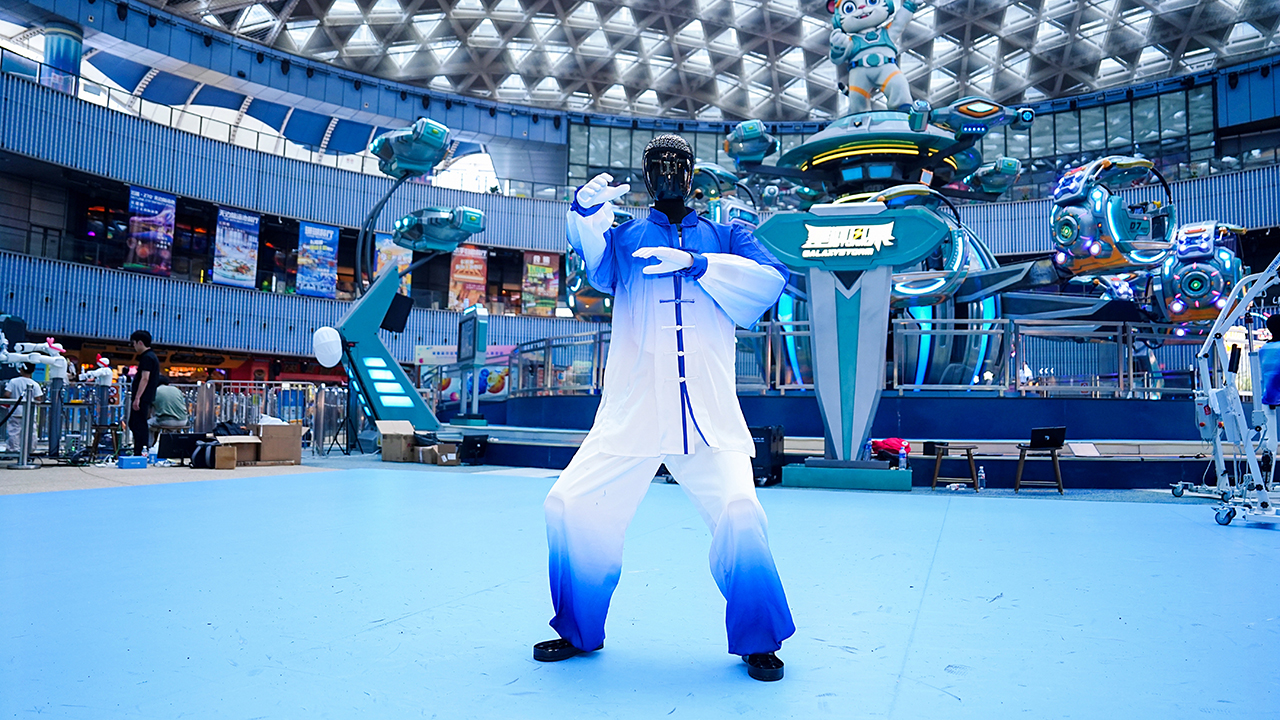
Elsewhere, visitors engage with robots through games and educational activities. This creates a highly interactive, hands-on introduction to embodied AI.
Theme parks offer a perfectly fitting setting for this technology. Parks historically excel at making technology disappear into the magic. Engineers design animatronics, immersive environments, special effects, and automated rides to serve the story.
Humanoid robots push this idea into new territory. They communicate, navigate physical spaces, respond to people, and adapt to different settings with ease.
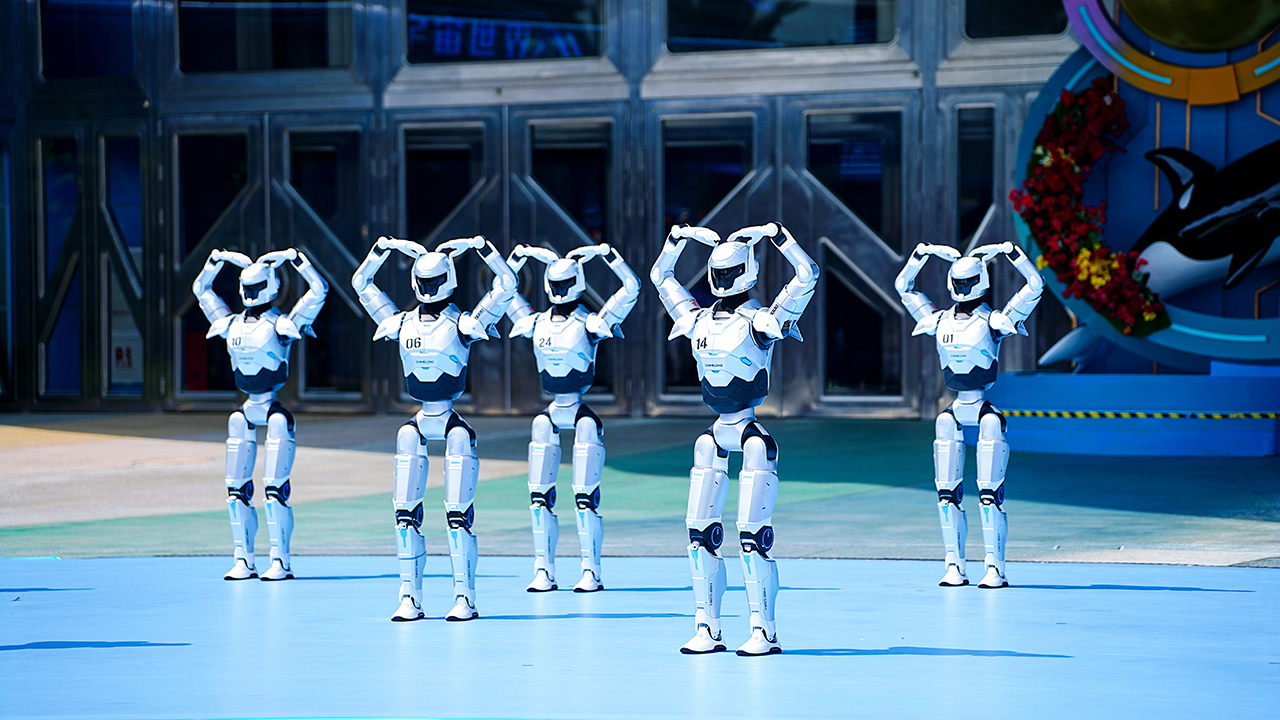
A robot-filled day does not stop at the park gates
The collaboration naturally extends into Chimelong’s hospitality operations.
Robots welcome hotel guests, hold complex conversations, and offer highly personalized interactions. This introduces an interesting possibility for resorts. Technology can now follow visitors beyond the main attraction and enhance the broader destination.

Travelers will soon experience trips where the boundaries between attraction, service, and technology blur entirely.
A robot might serve as your tour guide. Next, you could watch a robotic entertainment performance. Finally, a mechanical host could wait downstairs in your hotel lobby.
Potentially, the robot you meet in one area connects directly to the wider system operating backstage.
Making hundreds of robots work together
Deploying over 300 robots into a busy tourism destination requires massive coordination.
AGIBOT, Chimelong, and China Mobile established a dedicated 5G network. This ensures stable connectivity across high-traffic areas. The team uses centralized coordination to manage robots moving through various park and hotel environments.
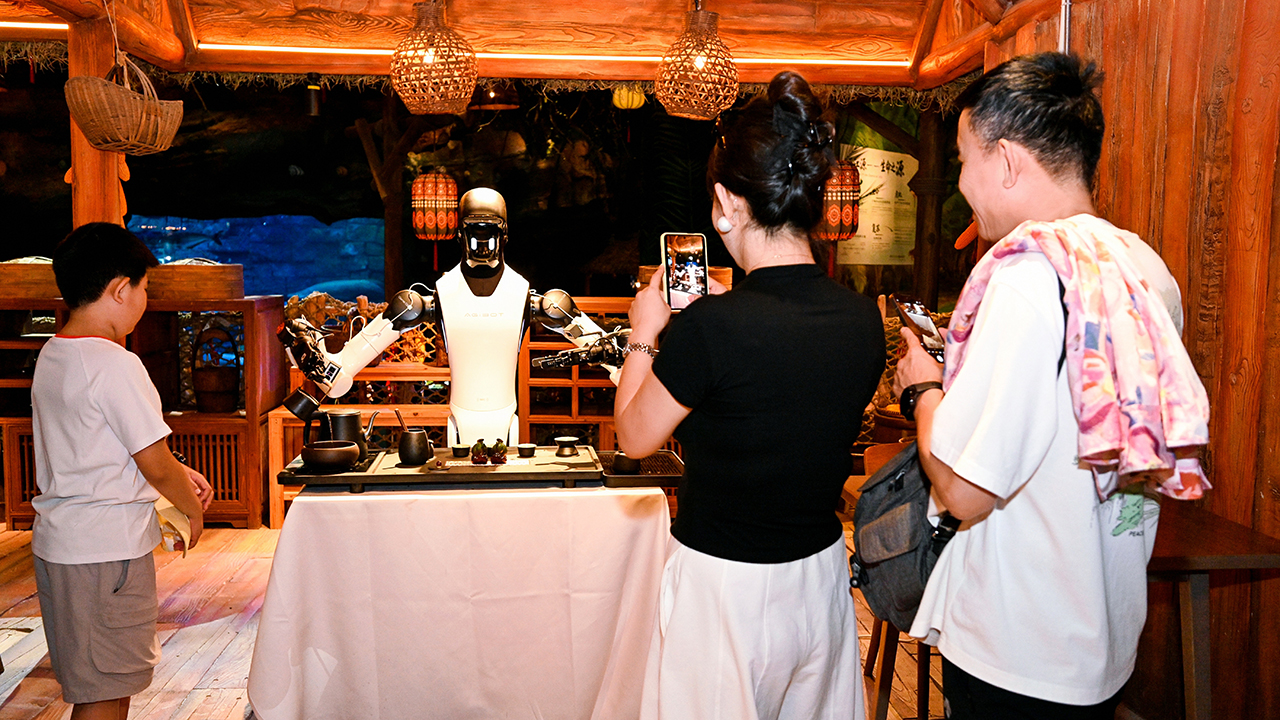
Comprehensive operational systems also handle network security, privacy protection, charging, and fire safety.
Guests easily overlook this infrastructure while watching a robot perform tai chi. Yet, this backend framework remains one of the most fascinating aspects of the project. A theme park represents a highly complicated environment. Thousands of people constantly move through spaces shifting rapidly from one experience to another.
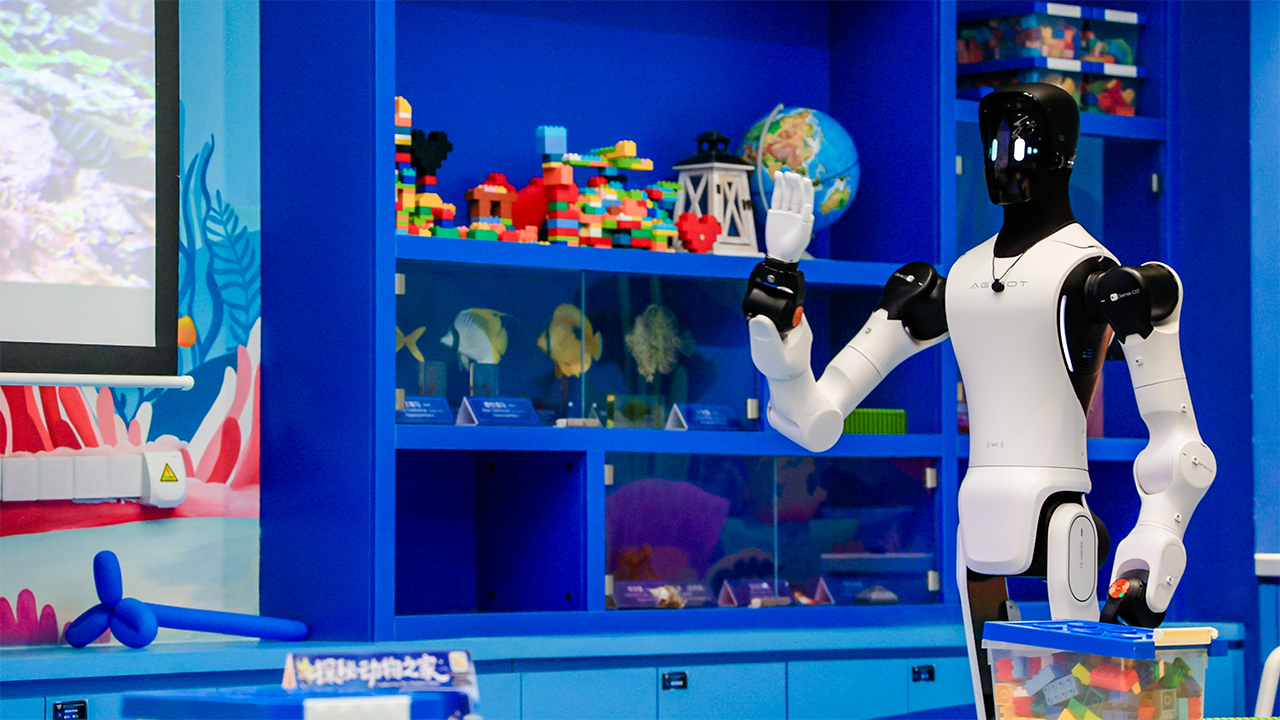
Making robots useful here means teaching them to embody the destination itself.
The beginning of a bigger experiment
AGIBOT and Chimelong are establishing a joint research institute for embodied AI in tourism.
This institute will explore new applications, operating models, and technologies. Researchers will draw directly from the experience of this massive deployment. The first project phase lays the groundwork to expand robot usage across all Chimelong properties.
For now, the appeal remains fairly simple. Creators build theme parks on the promise of making ordinary life feel extraordinary.
Chimelong bets that humanoid robots will increasingly spark that exact magic.
Enterprise
AGIBOT just topped the medal table at the World Humanoid Robot Games
The robots that did it are already clocking in at real factories.
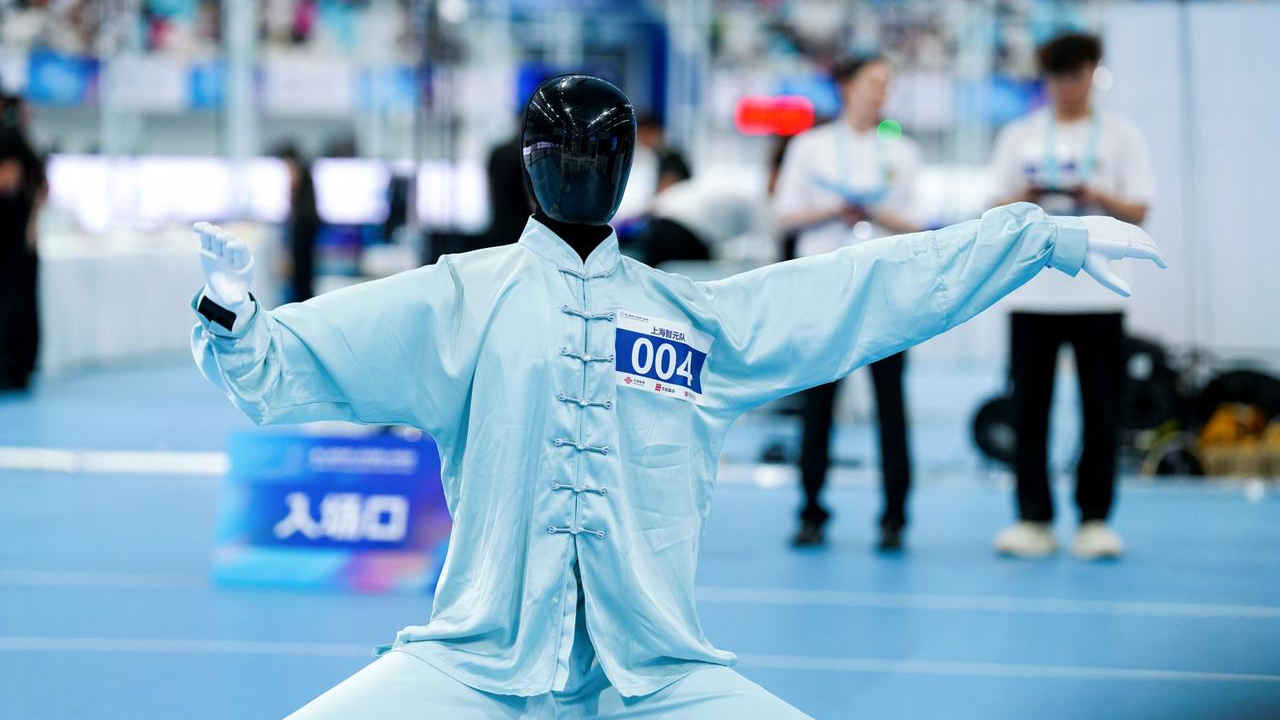
AGIBOT entered its first World Humanoid Robot Games in Beijing on August 26 and walked away with a dominant victory.
The company claimed 18 gold, 16 silver, and 12 bronze medals, securing 46 total podium finishes and topping both the gold and overall medal standings.
Designed to stress-test humanoid machines in sports, fine manipulation, and real-world duties, the Games evaluated robots across events ranging from martial arts to hotel service and emergency response.
AGIBOT swept through these categories, earning top spots in motion control, obstacle racing, and daily practical tasks.
The true triumph lies in what remained unchanged on competition day. AGIBOT fielded its standard production lineup, including the OmniHand, G2, A3, and X2.
None of these units were custom-built to win medals, as every machine came straight from active commercial deployments.
Precision and agility straight off the assembly line
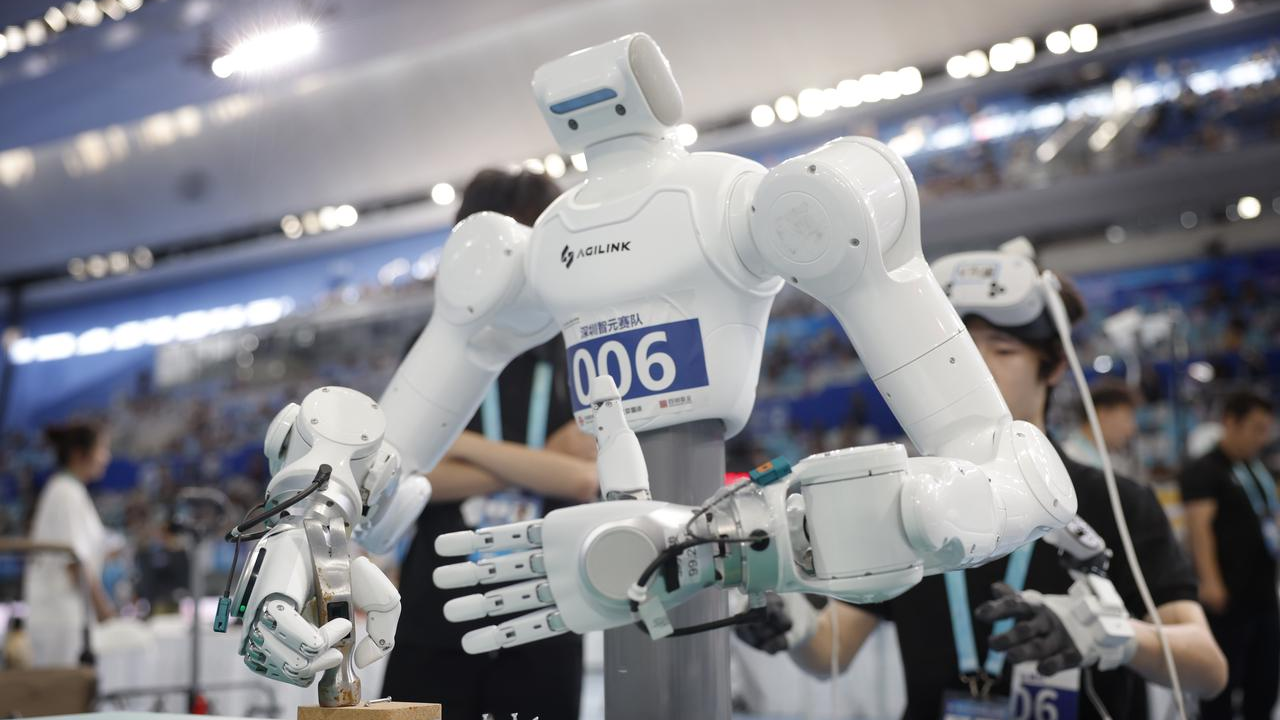
The OmniHand reached the finals in all eight dexterous manipulation events and brought home seven gold medals.
It aced delicate challenges like Block Building, Powder Weighing, and Bean Picking with Tweezers, proving that fine motor control matters just as much as raw power.
In motion control, the AGIBOT X2 captured gold in the 100m obstacle race while adding silver and bronze in the 400m sprint.
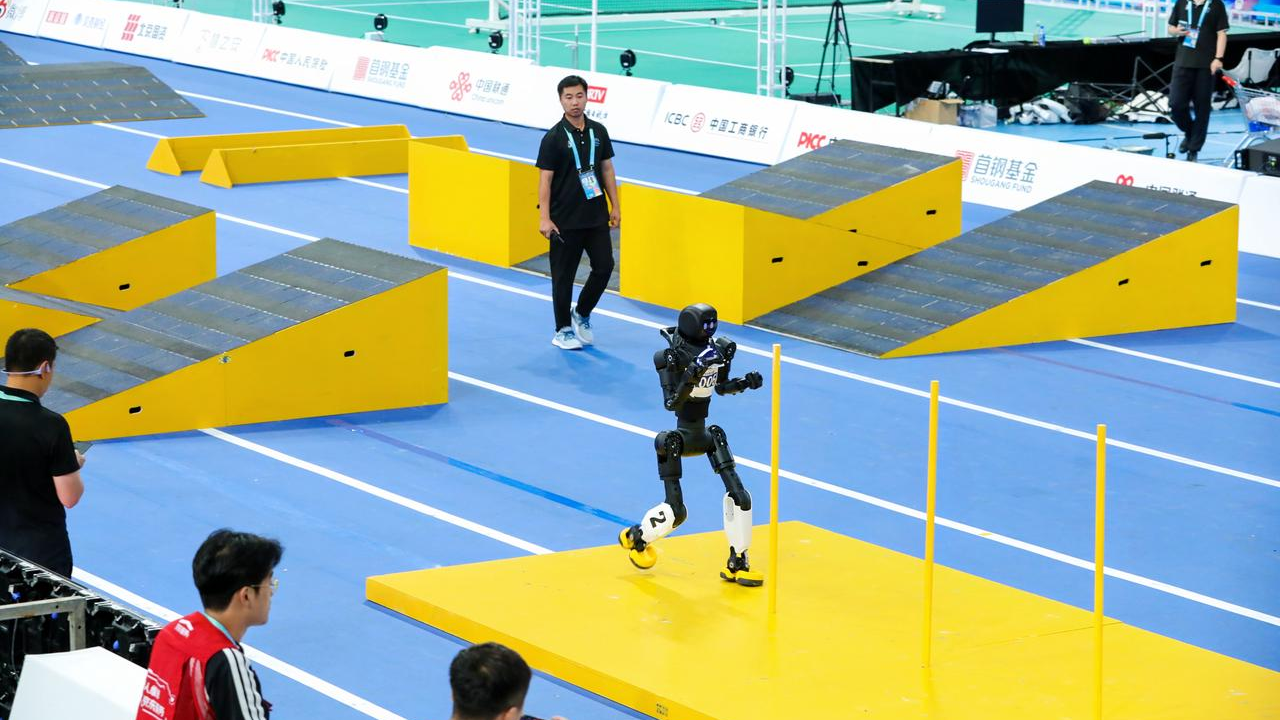
Meanwhile, the AGIBOT A3 secured gold in Tai Chi. The X2 competed in its standard commercial configuration without any hardware modifications.
Powering the X2 is AGIBOT’s proprietary AGILE framework, short for AgiBot Generative Intelligent Locomotion Engine.
This system blends real-time environmental perception with autonomous decision-making to navigate sudden obstacles and changing terrain.
By combining precise parameter identification with seamless simulation-to-reality transfer, the framework maintains rock-solid stability when transitioning from code to physical ground.
Proven intelligence on actual factory floors
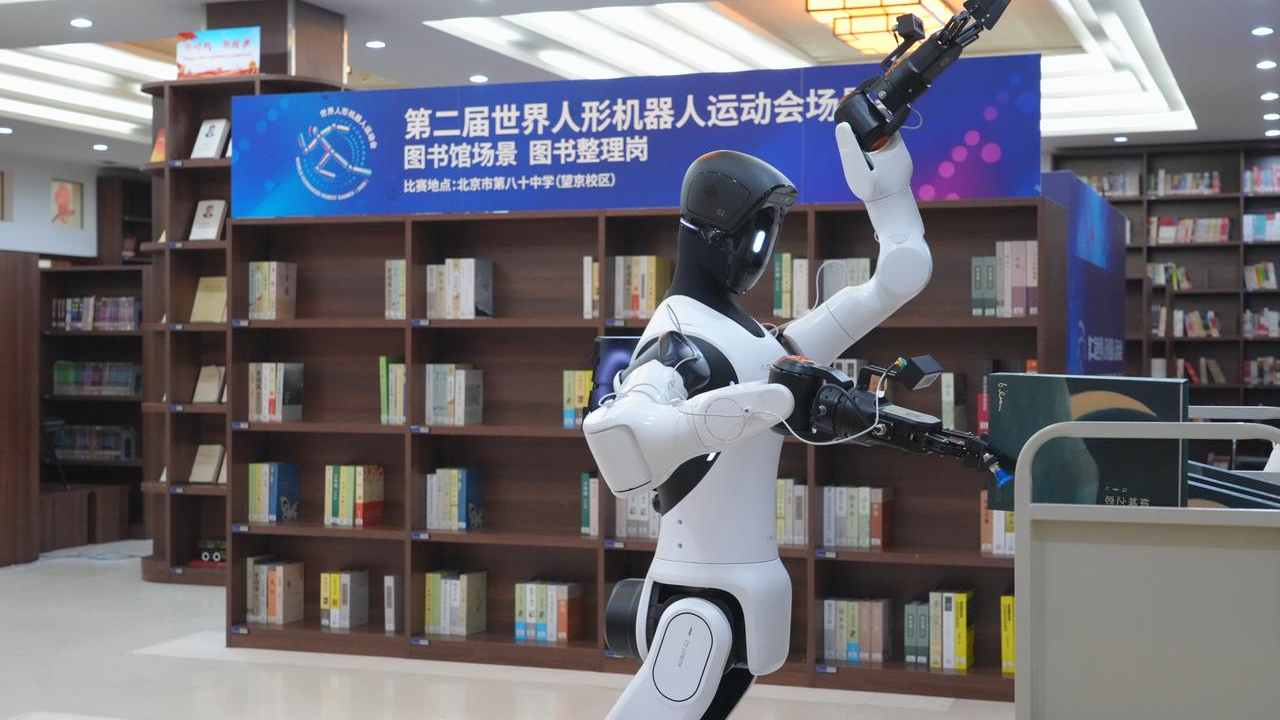
AGIBOT earned five golds in real-world scenarios, dominating tasks across library operations, hotel services, and emergency response.
The G2 robot behind these wins is the exact same model currently operating on factory floors for manufacturers like Longcheer and SAIC.
Its operational intelligence stems from AGIBOT’s ViLLA embodied foundation model GO, the world model GE, and its RW-RL system. These combined technologies sharpen perception and planning inside unpredictable work environments.
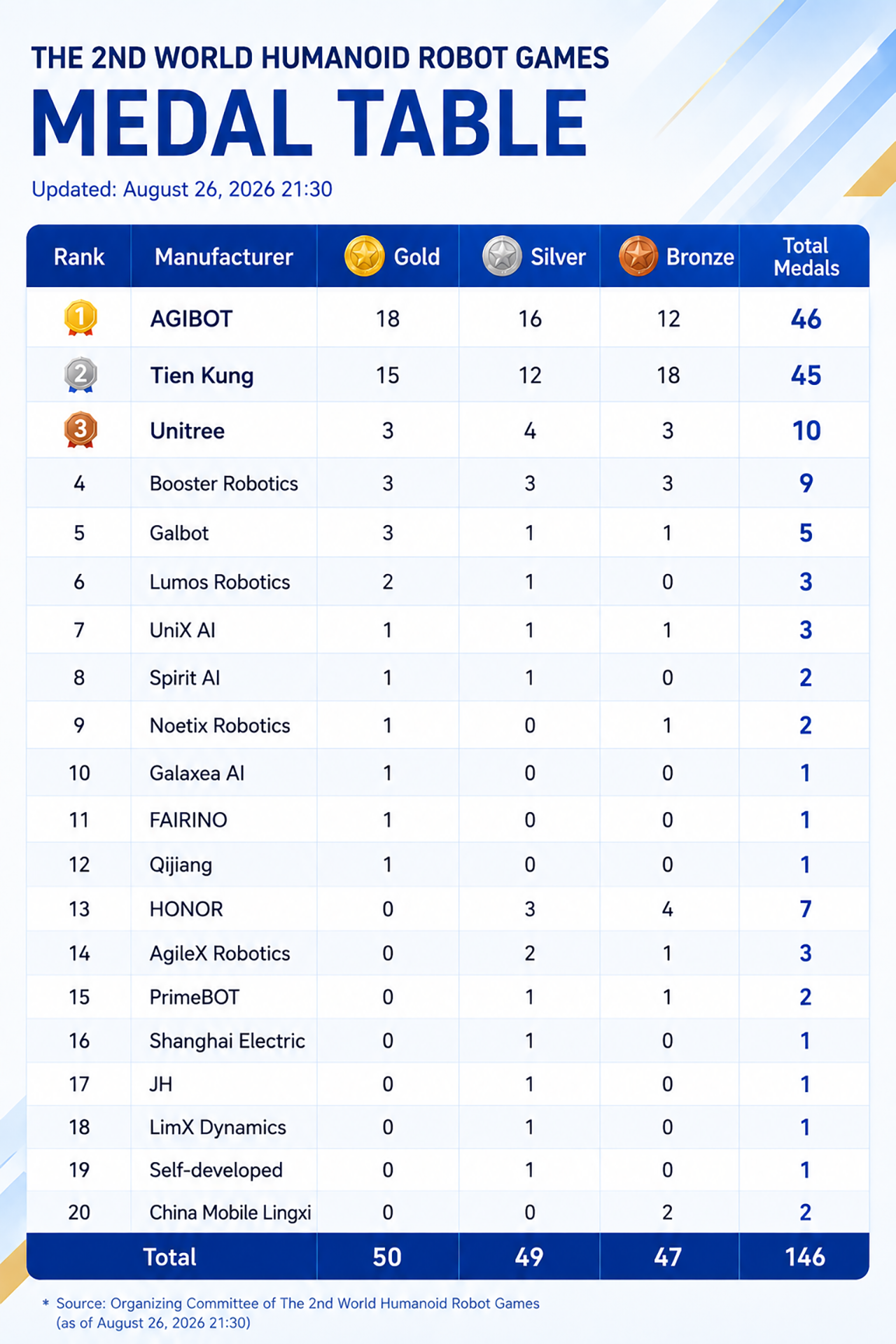
While the 46-medal tally commands headlines, the deeper story is that mass-produced robots won without special modifications.
AGIBOT proves that general-purpose intelligence paired with commercial hardware can adapt across varied scenarios. Embodied AI is finally stepping out of isolated lab demos and into consistent, repeatable work where it matters most.
Enterprise
Cebu Pacific becomes 1st SEA low-cost carrier with Starlink Wi-Fi
Rollout expected to begin in 2027

Cebu Pacific has introduced Starlink, making it the first low-cost airline in Southeast Asia to bring Wi-Fi in the sky for passengers.
The rollout is expected to begin in 2027. Starlink delivers an unparalleled broadband experience inflight, with high-speed, low-latency Wi-Fi capable of HD streaming, online gaming, productivity and more.
Beyond enhancing the passenger experience, Starlink will also support improved operational connectivity for Cebu Pacific’s flight crews and operational teams. This enables better operational efficiency.
The collaboration is a significant milestone for Philippine aviation. The rollout forms part of Cebu Pacific’s continued investment in customer experience and digital innovation.
As part of the partnership, Cebu Pacific and Indigo Partners portfolio airlines, Wizz Air, and JetSMART expect to install Starlink on over 1,000 aircraft.






‘Street Fighter’ delivers pure arcade nostalgia

Your Samsung fridge might know what’s for dinner

Now Playing: Shin Godzilla

The new Apple TV 4K might be the smartest TV you can own

Apple unveils a new smart home hub called the HomeView

vivo X500 Series launches with major imaging upgrades

OPPO Find X10 Pro Max is the first phone with a triple 200MP camera system

TECNO CAMON Slim 5G: Price, availability in the Philippines

BYD says that way better EV batteries are coming next year

HONOR Magic9 Pro Max launches in China with ARRI-powered imaging


-
 News2 weeks ago
vivo X Fold6 makes global debut with 200MP camera and 6900mAh battery
-
 News1 week ago
OPPO Find X10 Series launches globally October 21
-

 Philippines2 weeks ago
Bambu Lab opens first Authorized Store in the Philippines
-
 Features2 weeks ago
Nike’s new race-day system, explained
-

 News1 week ago
Sony teams up with Hello Kitty for exclusive limited-edition collection
-
 Philippines2 weeks ago
Smart opens iPhone 18 Series pre-orders in the Philippines
-

 Computers2 weeks ago
Lenovo tech behind DreamWorks Animation hit ‘Forgotten Island’
-
 Wearables6 days ago
Garmin Enduro 4 promises up to 320 hours of battery life