
Smartphones
The iPhone Duo is real!
The very first foldable iPhone is now official

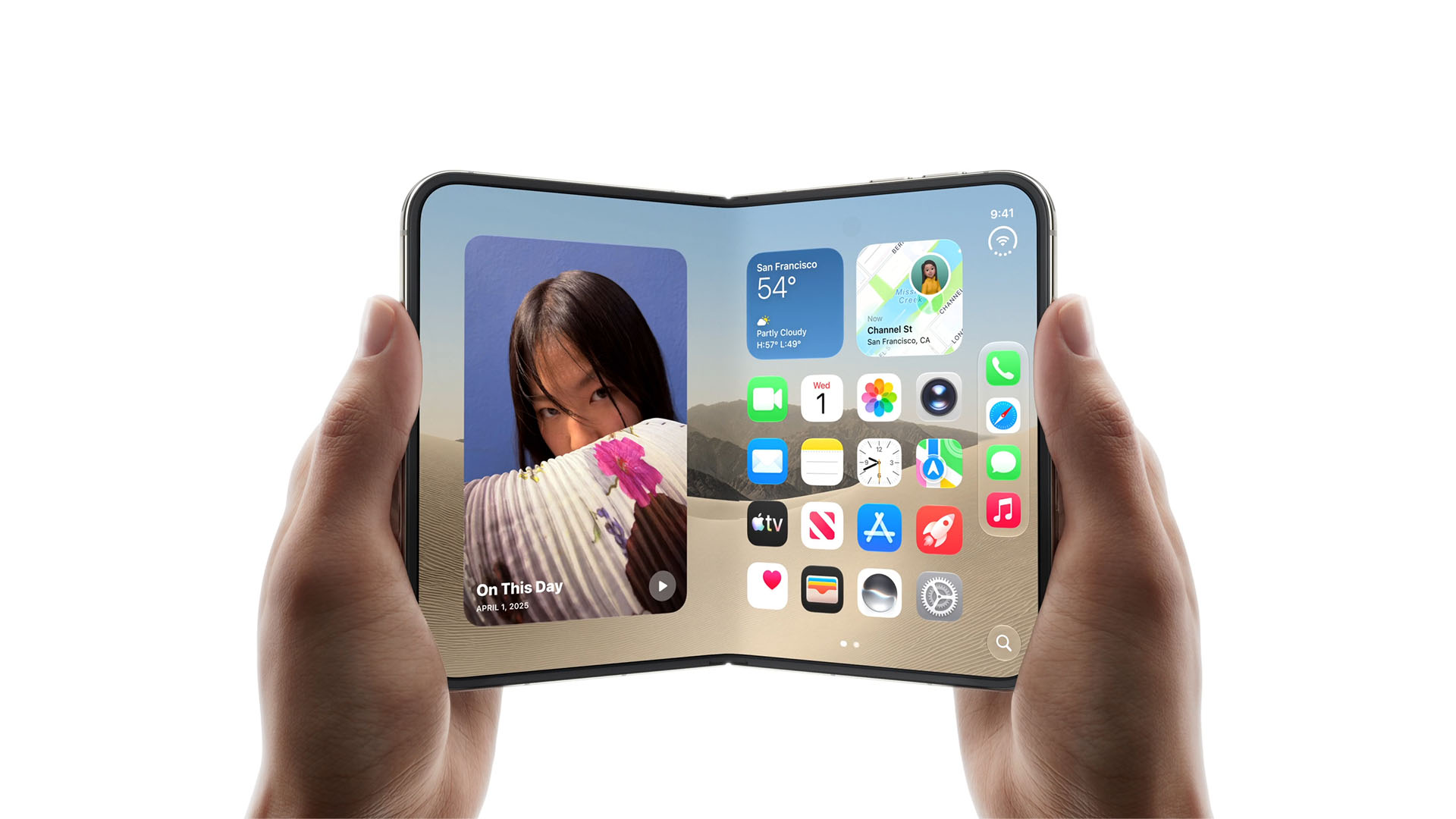
The world’s worst kept secret is finally out in the open. Despite Apple’s business-as-usual candor these past few months, the foldable iPhone beckoned from behind the curtain. Well, the secret is finally out. In Apple CEO John Ternus’s first One More Thing, the brand has unveiled the first foldable iPhone, the iPhone Duo.
Entering the foldable space
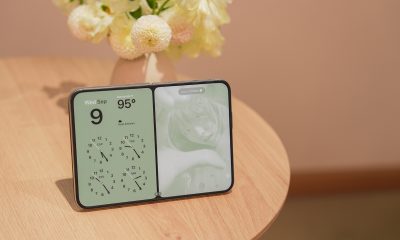
Let’s get the main event out of the way first. For the very first time, Apple is entering an already crowded foldable market. However, the foldable phone has a trick up its sleeve. Rather than starting from scratch, the iPhone Duo taps into the ongoing passport-style foldable trend popularized by the Samsung Galaxy Z Fold8.
When folded, the iPhone Duo features a respectable 5.4-inch screen. Meanwhile, the main screen goes up to a sizable 7.6 inches. And yet, both orientations have the same ratio, so the transition between the two modes is seamless.
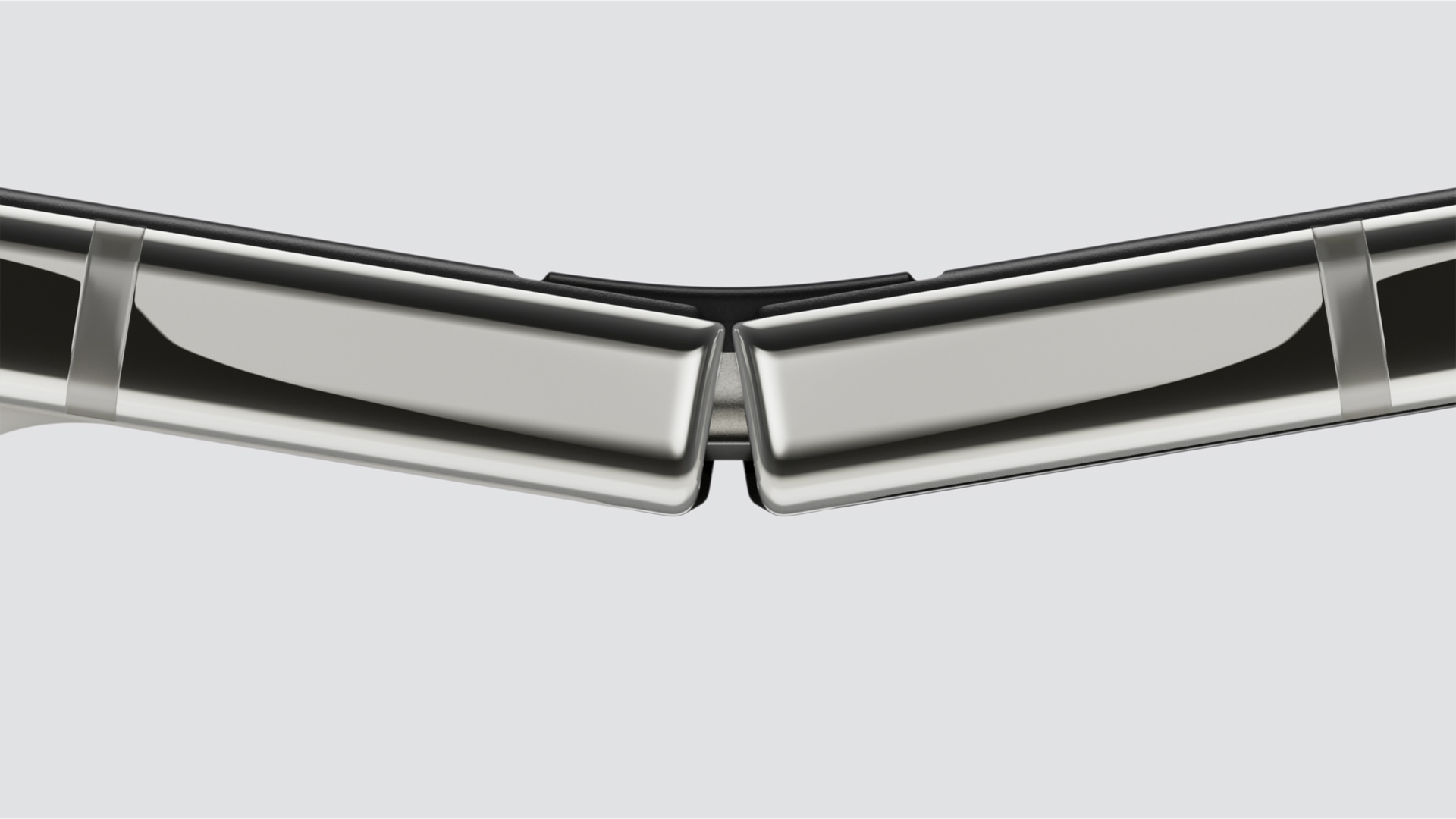
On the back, the rear chassis has Ceramic Shield. Meanwhile, the front screen has Ceramic Shield 2. For added durability, the iPhone Duo is IP68 certified.
The special hinge mechanism, with carbon fiber supports, comes with an array of magnets that gives out an audible click when you fold the phone.
A camera plateau
Unlike other foldables, the iPhone Duo will have a less obtrusive camera plateau with a curved edge flowing into the rear chassis.
Inside, the Duo adopts an under-screen camera for more discrete use.

And speaking of where everything is, the foldable adapts iOS for better usage regardless of which one you prefer. Speakers are set both on the top and on the bottom for immersive sound.
On the side, you’re getting Touch ID for security. You can also enroll multiple fingers to cater directly to how you hold the phone. Finally, you can also unlock the phone with your Apple Watch.
Multitasking with multiple usages
Inside, the iPhone Duo touts the new A20 Pro, also present in the iPhone 18 Pro series. It’s designed to make transitions between the different modes seamless.

In terms of performance, the Duo boasts 35 percent better sustained performance thant he iPhone 17 Pro. The new C2 cellular modem also offers 50 percent faster uploads.
As with other foldables, it can be used in different modes including a tent mode or folded partially like a book.
Still the most advanced camera
Like the iPhone 18 Pro series, the iPhone Duo comes with the 48-megapixel Fusion Main camera. It also has a 12-megapixel optical-quality 2x telephoto for added zooming capabilities.
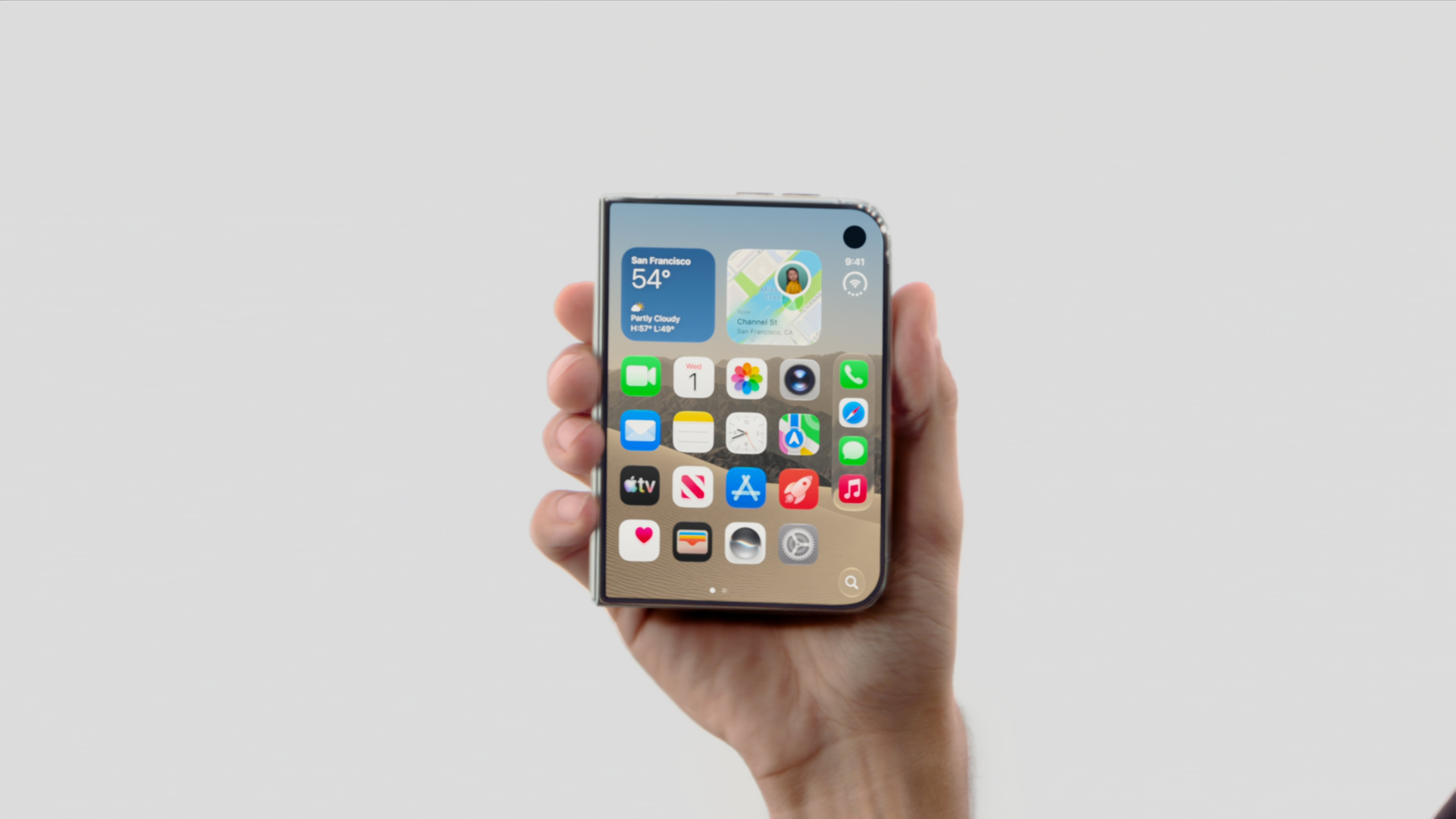
In front, the phone has a 12-megapixel Center Stage camera.
Battery for more than a day
The iPhone Duo confidently goes for 31 hours of video playback using the inner screen. Meanwhile, it can go 44 hours using just the outer screen.
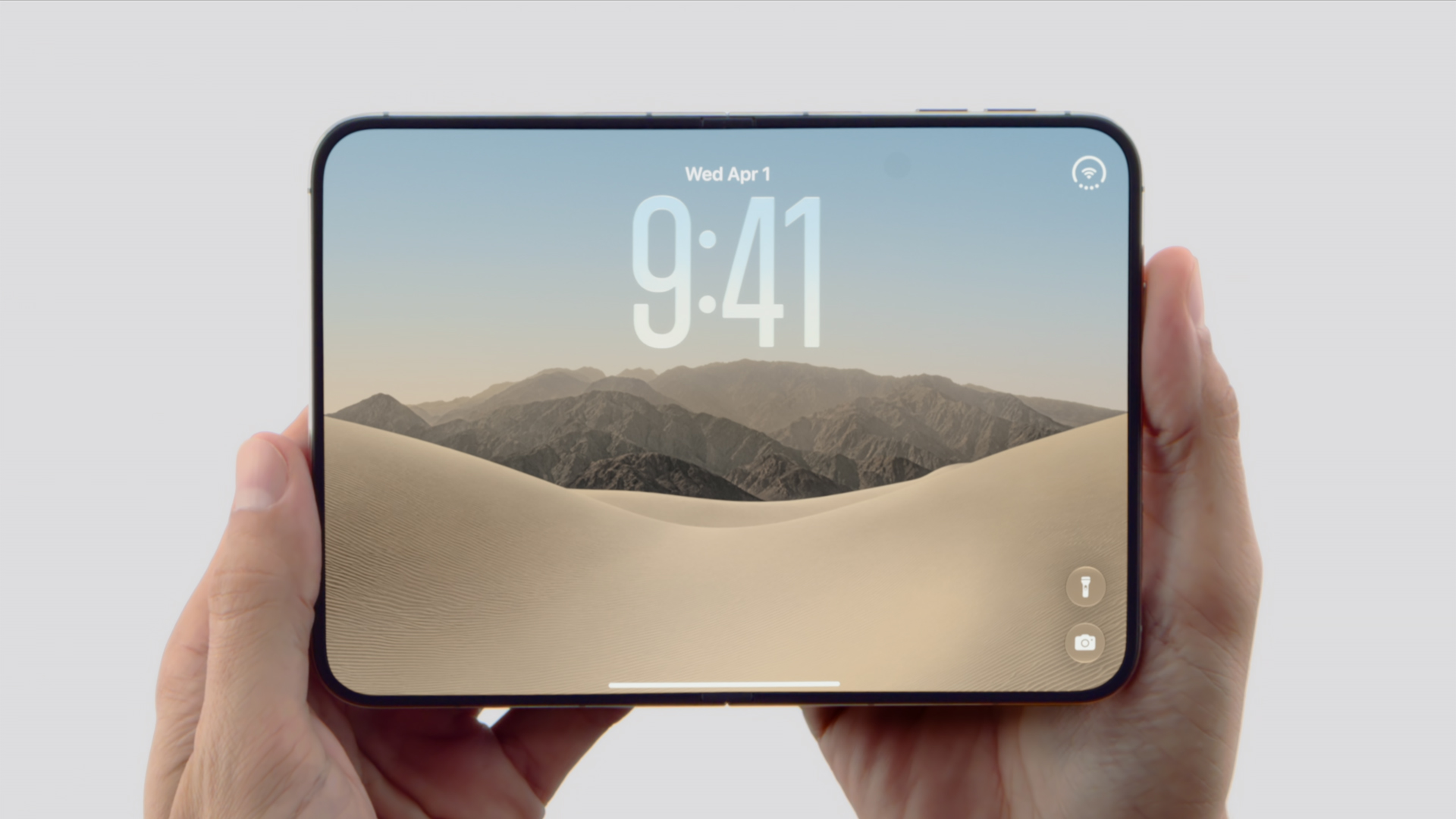
Charging is also a breeze. It can juice up half the battery in just 20 minutes. Plus, a five-minute charging session can provide five hours of video playback already.
Price, availability
The iPhone Duo comes in two colorway options: Star White and Night Sky. It starts at US$ 1,999 with a 256GB variant. It comes out on October 23.




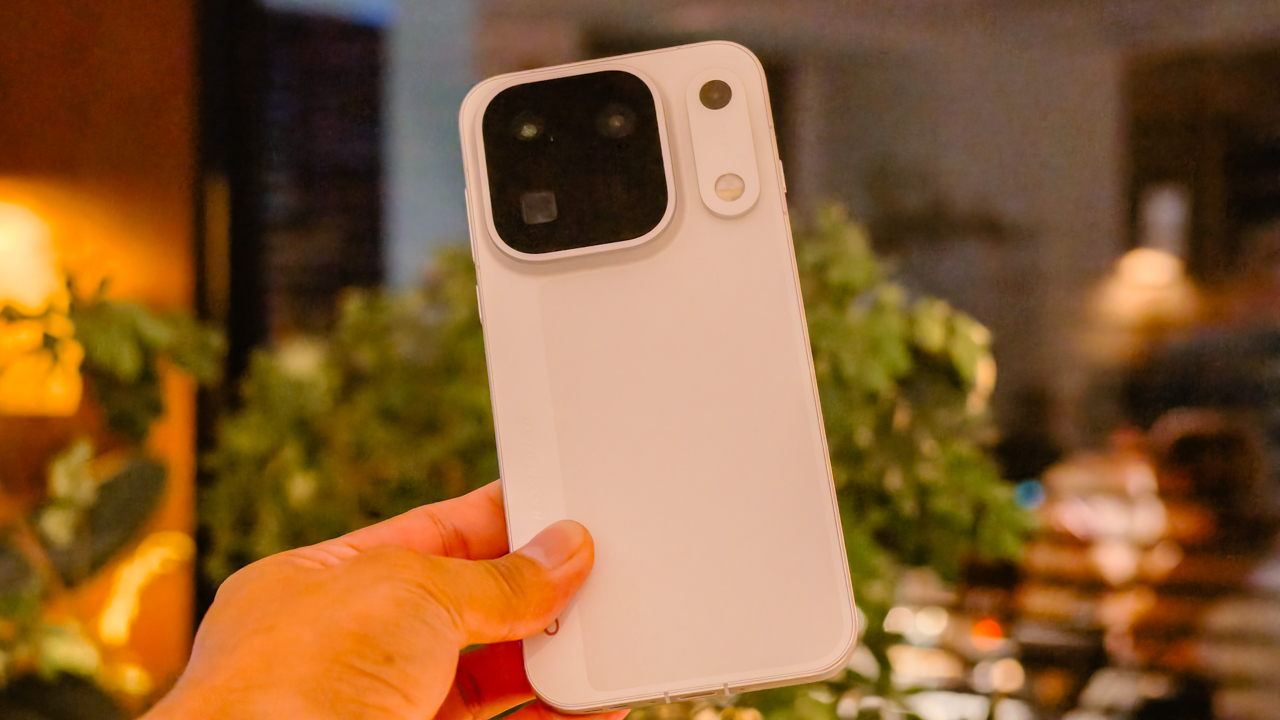
The OPPO Find X10 Series is now available in the Philippines, bringing Hasselblad-powered cameras and upgraded imaging features to the company’s flagship smartphone lineup.
The series consists of two models: the OPPO Find X10 and OPPO Find X10 Pro Max. Both feature OPPO’s LUMO True Image Engine for more natural-looking photos, an 8,000mAh silicon-carbon battery, and support for high-resolution video recording.
The OPPO Find X10 features a Dual 200MP Camera System, while the Find X10 Pro Max takes things further with three 200MP rear cameras.
Here’s how much the OPPO Find X10 Series costs in the Philippines, along with its specifications, availability, and pre-order offers.
OPPO Find X10 Series price in the Philippines
The OPPO Find X10 Series is available in the Philippines at the following suggested retail prices:
- OPPO Find X10 (12GB + 512GB): PHP 99,999
- OPPO Find X10 Pro Max (16GB + 512GB): PHP 129,999
The OPPO Find X10 comes in Glacier Blue, Glow Coral, and Mist Grey. The Find X10 Pro Max is available in Titanium Grey and Luna White.
The OPPO Hasselblad Teleconverter Kit for both models is also available exclusively through the OPPO Online Store for PHP 15,999.
OPPO Find X10 Series pre-order offers
Customers can take advantage of exclusive offers when they pre-order the OPPO Find X10 Series through participating channels until December 3, 2026. Freebies are available while supplies last.
OPPO Online Store
Customers who pre-order through the OPPO Online Store receive the following benefits:
- Free OPPO Enco X3s
- Free OPPO 5,000mAh Slim Magnetic Powerbank
- PHP 3,000 discount on participating Hasselblad Teleconverter Kits
- PHP 3,000 total discount on OPPO Bubble through stacked vouchers
- Two-year extended warranty
- Raffle entry for a chance to win a DJI Mini 5 Pro
Shopee
Shopee pre-orders come with the following perks:
- 10% discount voucher
- Free OPPO 5,000mAh Slim Magnetic Powerbank
- PHP 200 GCash cashback for eligible product reviews until December 7, 2026
- PHP 3,000 discount on participating Hasselblad Teleconverter Kits, redeemable on the OPPO Online Store
- PHP 3,000 total discount on OPPO Bubble through stacked vouchers, redeemable on the OPPO Online Store
- Two-year extended warranty
- Raffle entry for a chance to win a DJI Mini 5 Pro
OPPO Concept Stores
Customers who purchase the phones at OPPO Concept Stores can enjoy 24-month installment terms at 0% interest, alongside other perks:
- Free magnetic power bank
- Two-year extended warranty
- PHP 3,000 discounts on the Hasselblad Teleconverter and OPPO Bubble
- Raffle entry for a chance to win a DJI Mini 5 Pro
Globe
Starting November 20, both color options of the OPPO Find X10 with 12GB RAM and 512GB storage will be available through Globe under GPlan 2499, with a PHP 56,600 cash-out.
The first 20 customers will receive a free OPPO Hasselblad Teleconverter Kit. Customers will also qualify for a raffle entry for a chance to win a DJI Mini 5 Pro, subject to the promotion’s terms and conditions.
OPPO Find X10 Series specs
| Specification | OPPO Find X10 | OPPO Find X10 Pro Max |
|---|---|---|
| Display | 6.59-inch flat display | 6.78-inch flat display |
| Refresh rate | Up to 144Hz | Up to 144Hz |
| Processor | MediaTek Dimensity 9600M | MediaTek Dimensity 9600 Pro (2nm) |
| Rear cameras | 200MP main, 200MP telephoto, 50MP ultra-wide | 200MP main, 200MP ultra-wide, 200MP telephoto |
| Video recording | Up to 4K at 120fps and 8K at 30fps on its two 200MP cameras | Up to 4K at 120fps and 8K at 30fps across all three rear cameras |
| Battery | 8,000mAh silicon-carbon | 8,000mAh silicon-carbon |
| Operating system | ColorOS 17 | ColorOS 17 |
| Dust and water resistance | IP66, IP68, IP69 | IP66, IP68, IP69 |
| RAM and storage (Philippines) | 12GB + 512GB | 16GB + 512GB |
| Price | PHP 99,999 | PHP 129,999 |
Both phones also support Open Gate Capture, feature displays with BT.2020 wide color gamut support, and carry SGS Five-Star Drop Resistance Certification.
Dual 200MP and Triple 200MP camera systems
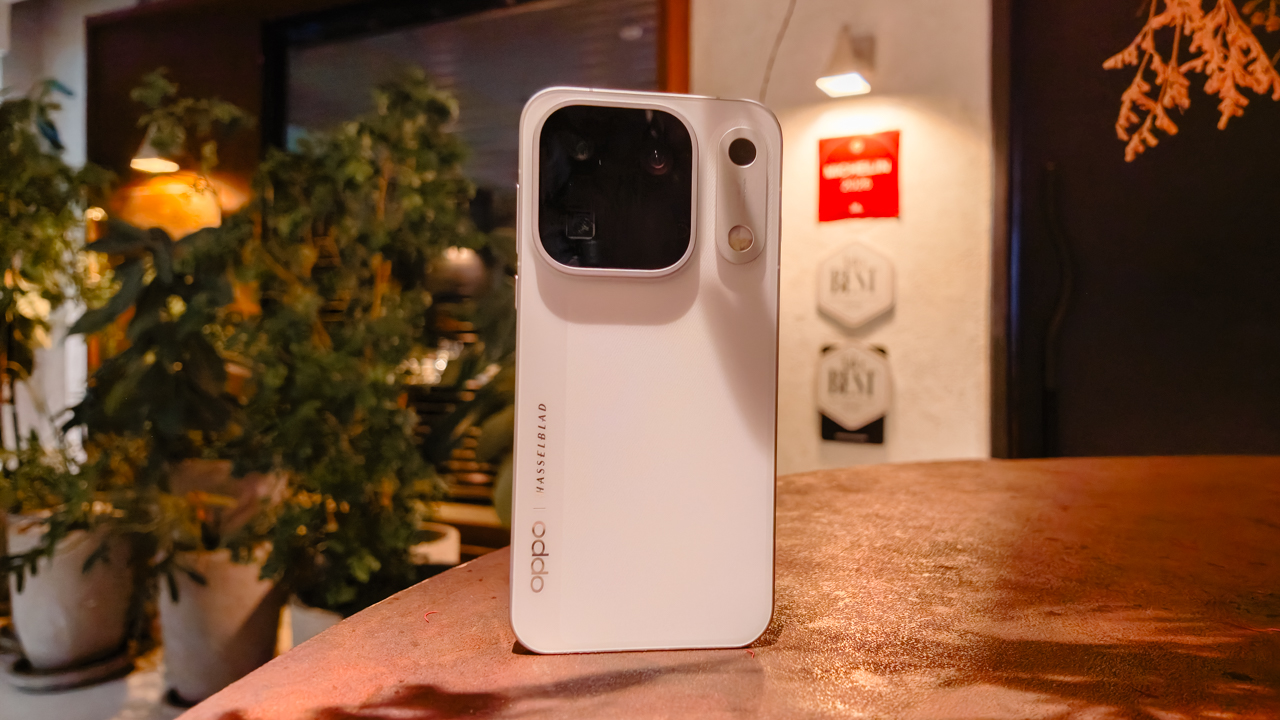
The OPPO Find X10 Series focuses on delivering high-resolution photography across different focal lengths.
The standard Find X10 combines a 200MP Ultra-Clear Main Camera and a 200MP Ultra-Sensing Telephoto Camera with a 50MP ultra-wide camera. This setup lets users capture detailed shots of everyday subjects, distant objects, and wider scenes.
The Find X10 Pro Max takes a different approach by equipping all three rear cameras with 200MP sensors. Its main camera uses a large 1/1.3-inch sensor, while its 124-degree ultra-wide camera supports autofocus for close-up macro photography. The telephoto camera is designed to capture distant subjects while retaining detail.
Both models also let users crop and reframe high-resolution photos, giving them more flexibility when composing images after taking them.
LUMO True Image Engine aims for natural-looking photos
OPPO’s LUMO True Image Engine is designed to reproduce colors, lighting, and textures more faithfully.
The system combines computational photography with OPPO’s True Color Camera and Hasselblad Master Mode. Its True Color Camera uses 24-channel multispectral capture and delivers 5.5 times the dynamic range of its predecessor, according to OPPO.
This helps the phones interpret colors across different lighting conditions and preserve details such as natural skin tones and subtle color variations.
The imaging system also aims to retain the balance between highlights and shadows. It takes a more restrained approach to sharpening and noise reduction to preserve textures in subjects such as skin, hair, fabrics, and architecture.
On the Find X10 Pro Max, DeepPix technology supports the custom 200MP ISOCELL HPC main camera sensor co-developed by OPPO and Samsung. OPPO says the system supports up to 17 stops of dynamic range to help retain details in scenes with bright highlights and deep shadows.
Hasselblad imaging and teleconverter support
The OPPO Find X10 Series continues the company’s collaboration with Hasselblad. The partnership influences the phones’ color reproduction, tonal balance, and Hasselblad Master Mode.
Both models also support dedicated Hasselblad Teleconverter accessories for users who want greater reach when photographing distant subjects.
With the accessory attached, the Find X10 Pro Max supports true 10x optical zoom, while the Find X10 delivers 11x optical zoom, according to OPPO. These accessories can be useful for photographing concerts, wildlife, and other subjects that are difficult to approach.
The Hasselblad Teleconverter Kit is sold separately for PHP 15,999 through the OPPO Online Store.

4K 120fps and 8K video recording
The Find X10 Series also offers high-resolution video recording for creators.
The Find X10 Pro Max supports 4K recording at up to 120fps and 8K recording at 30fps across all three rear cameras. On the Find X10, these recording options are available on its two 200MP cameras.
Both models introduce Open Gate Capture, which uses the sensor’s full imaging area to capture more of a scene. This gives creators more flexibility to crop and reframe footage for landscape, portrait, and other formats during post-production.
Up to 144Hz displays
The Find X10 features a 6.59-inch flat display, while the Find X10 Pro Max has a larger 6.78-inch flat display.
Both support adaptive refresh rates of up to 144Hz and the BT.2020 wide color gamut. These features are designed to deliver smooth interactions and vivid colors when browsing, gaming, watching videos, or reviewing photos.
8,000mAh battery and durability
Both phones pack an 8,000mAh silicon-carbon battery designed to support extended use.
The Find X10 Series also carries IP66, IP68, and IP69 dust and water resistance ratings. Both devices have SGS Five-Star Drop Resistance Certification, offering additional protection for everyday use.
ColorOS 17 and AI Mind Pilot
The OPPO Find X10 Series runs ColorOS 17, which introduces a refreshed interface called Living Flow Design.
The software also features AI Mind Pilot with Agent Mode. It connects agentic AI with files and photos stored on the phone, helping users handle more complex tasks through a single prompt.
For more information about the OPPO Find X10 Series, visit the official OPPO Philippines website, OPPO Online Store, or participating OPPO stores nationwide.

After Apple unveiled the iPhone Duo, it’s safe to say that the foldable wars are finally on. Apple and Android fans are now drawing the battle lines between their respective devices. Now, for the smartphone makers themselves, it’s time for Samsung to prepare its next salvo. Right on cue, a new leak has hinted that the South Korean brand is preparing for its most extensive foldable lineup next year, including a mysterious device called the Galaxy Z Slide.
Based on a new leak on X, Samsung is reportedly launching a total of six foldable devices next year. Naturally, three of those are the next iterations of Samsung’s main foldable lineup: Galaxy Z Fold9, Fold9 Ultra, and Flip9.
A fourth device, however, teases a sequel to the Galaxy Z TriFold. Earlier this year, Samsung launched its first tri-fold device. Although, despite the hype, the TriFold never really made it as a consumer-ready device, opting instead for a limited release for early adopters. A second release might mean that Samsung is ready to unleash a friendlier device next year, which the leak claims will be the first one out the gate.
Now, the other two releases are more of a mystery. For one, Samsung is allegedly launching a Galaxy Z Fold9 Pro, presumably a middle ground between the passport-style and the book-style foldable.
Finally, the sixth device (and arguably the most mysterious) is something called the Galaxy Z Slide. If true, the Slide will likely introduce an all-new form factor for the lineup. If anything, though, we know that Samsung has been experimenting with sliding screens. Is this what the Slide will look like?
SEE ALSO: Samsung: Galaxy Z Fold8 demand rose because of iPhone Duo

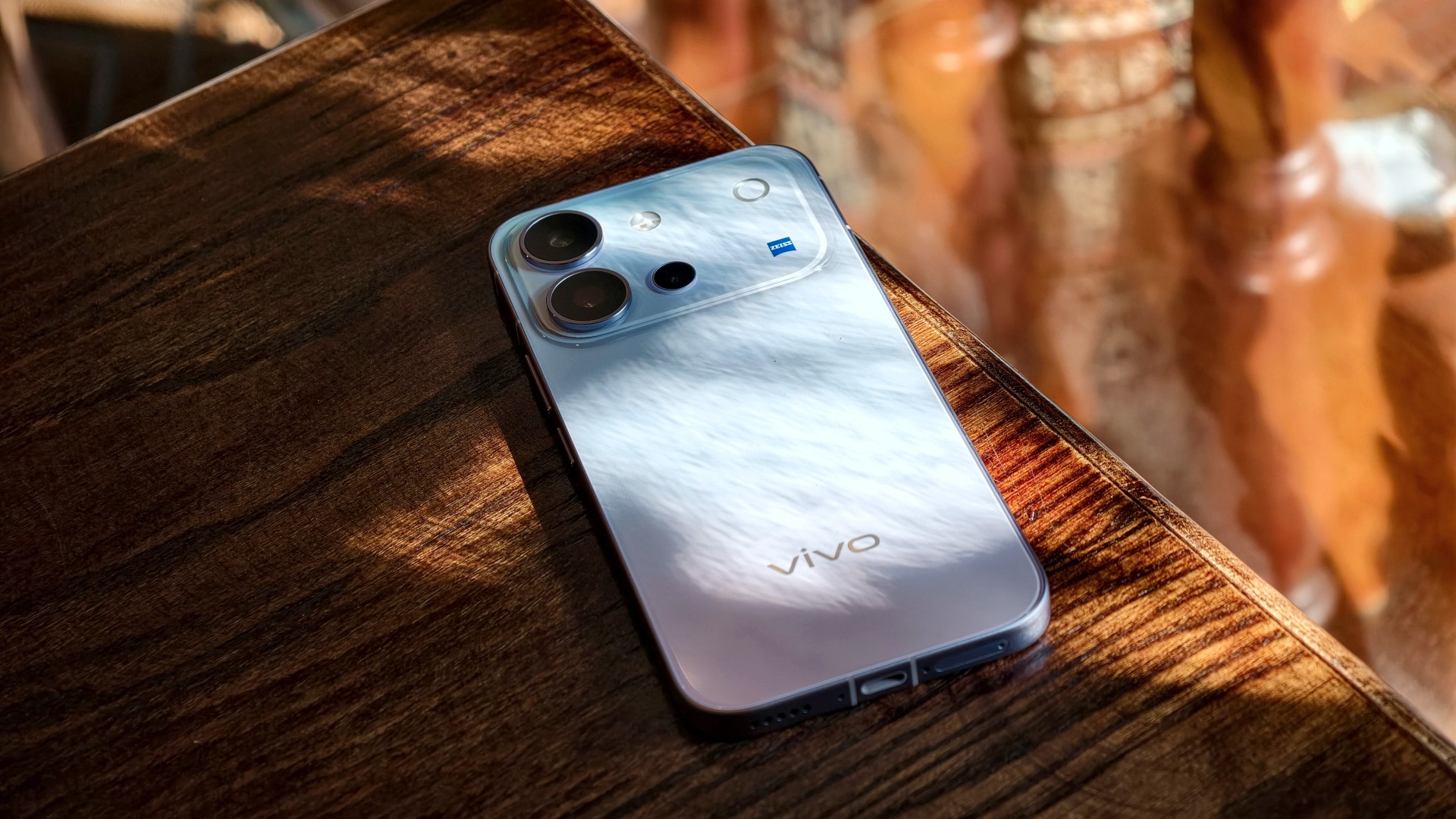
The vivo V80 is a capable midrange smartphone with a versatile camera system, excellent battery life, and a display that works well even in bright daylight. However, some camera quirks and its asking price give you a few things to think about.
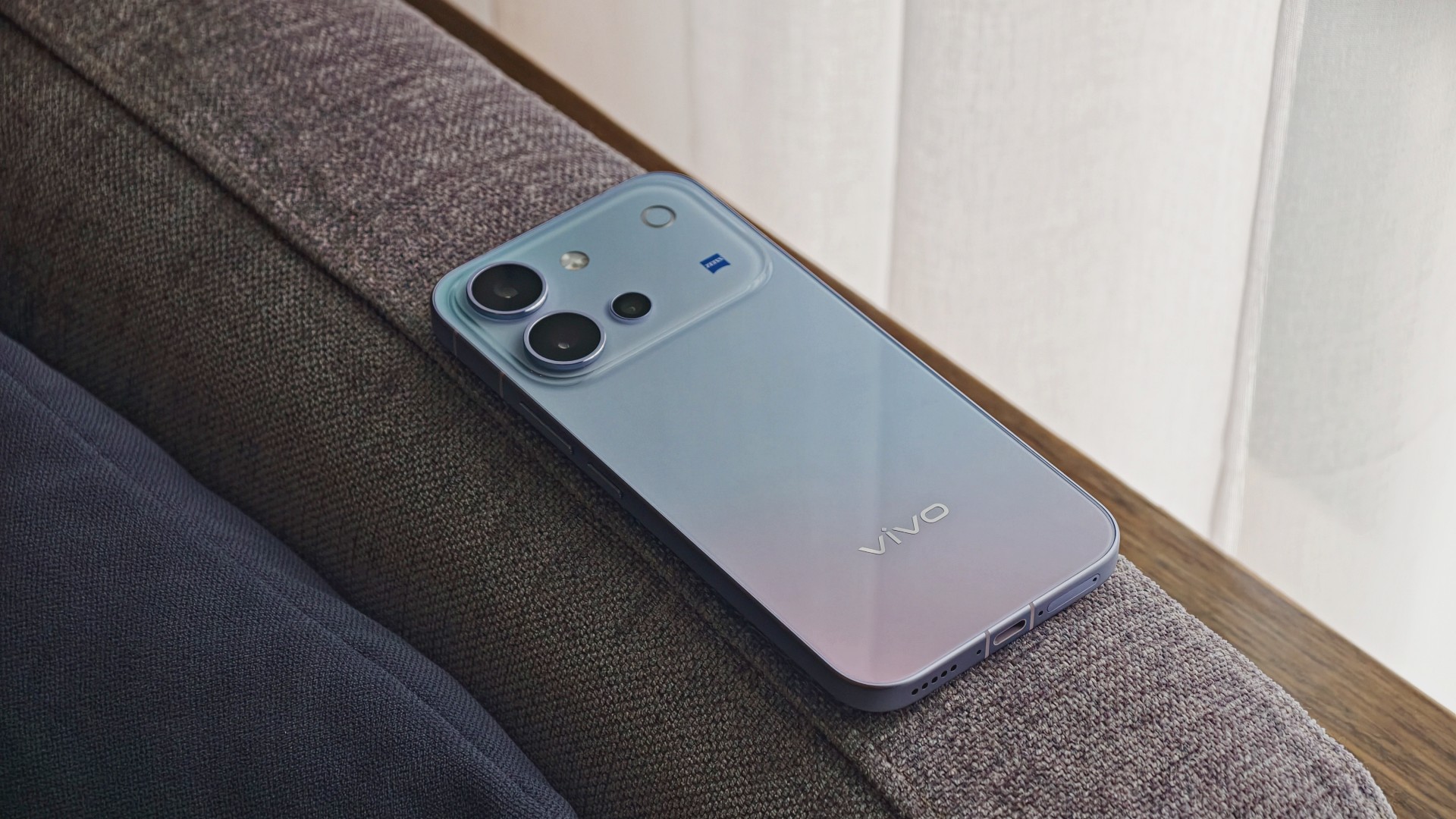
vivo V80 specifications
| Component | Specifications |
|---|---|
| Display | 6.59-inch AMOLED, 1.5K (2750 × 1260), up to 144Hz, 5,000-nit local peak brightness |
| Processor | Qualcomm Snapdragon 7 Gen 4, 4nm |
| RAM / storage | 8GB RAM; 128GB, 256GB, or 512GB storage options vary by market |
| Rear main camera | 50MP Sony LYTIA 700V, OIS, f/1.88 |
| Telephoto camera | 50MP Sony IMX882, OIS, 3× optical zoom, up to 10× digital zoom |
| Ultra-wide camera | 8MP, 115° field of view |
| Front camera | 50MP autofocus, f/2.0, 92° field of view |
| Video | Front and rear cameras support 4K at 60fps |
| Battery | 7,200mAh typical capacity; 90W FlashCharge |
| Charging | Advertised 50% charge in 30 minutes; Multi-Scenario Bypass Charging |
| Operating system | OriginOS 7, based on Android 17 |
| Durability | IP68 and IP69 water and dust resistance |
| Build | Cold-carved glass back, aerospace-grade metal frame |
| Dimensions / weight | 157.52 × 74.33 × 7.69mm; 203g |
| Security updates | Six years of annual security updates, according to the launch materials |
A pretty face, but nothing fancy
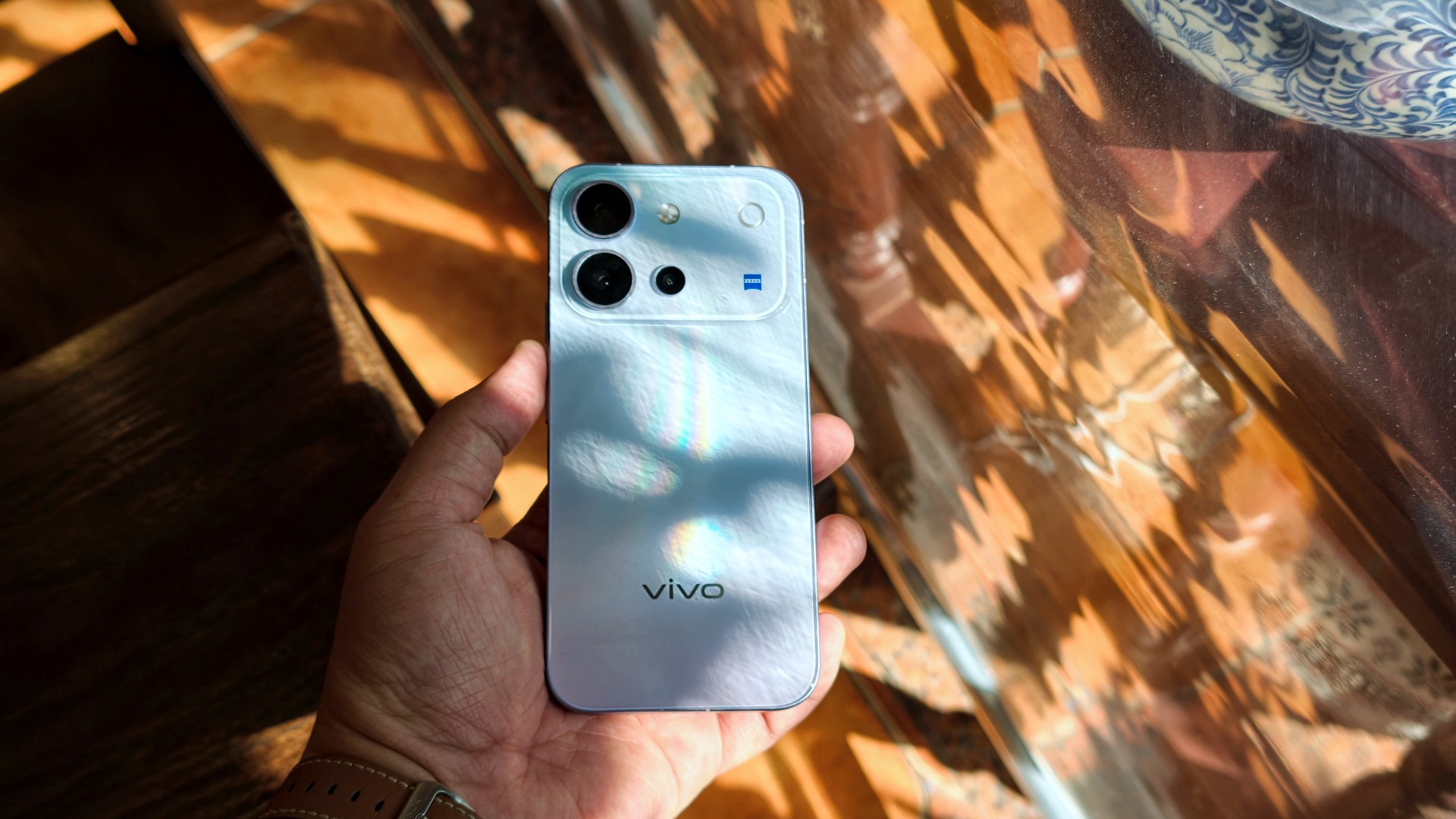
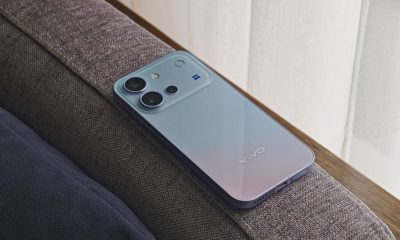
The vivo V80’s design goes from “wow” when you first unbox it to subtly eye-catching the more you use it.
I used the phone primarily with a case, although I didn’t feel like I needed one. Overall, it has a plastic-like feel. Nothing I would call premium, but it doesn’t feel cheap either. It’s par for the course for a base-model midranger.
It’s light and easy to hold. I’d say it feels like your prototypical base-model midranger, just with a poppy back design.
A travel buddy with a few quirks
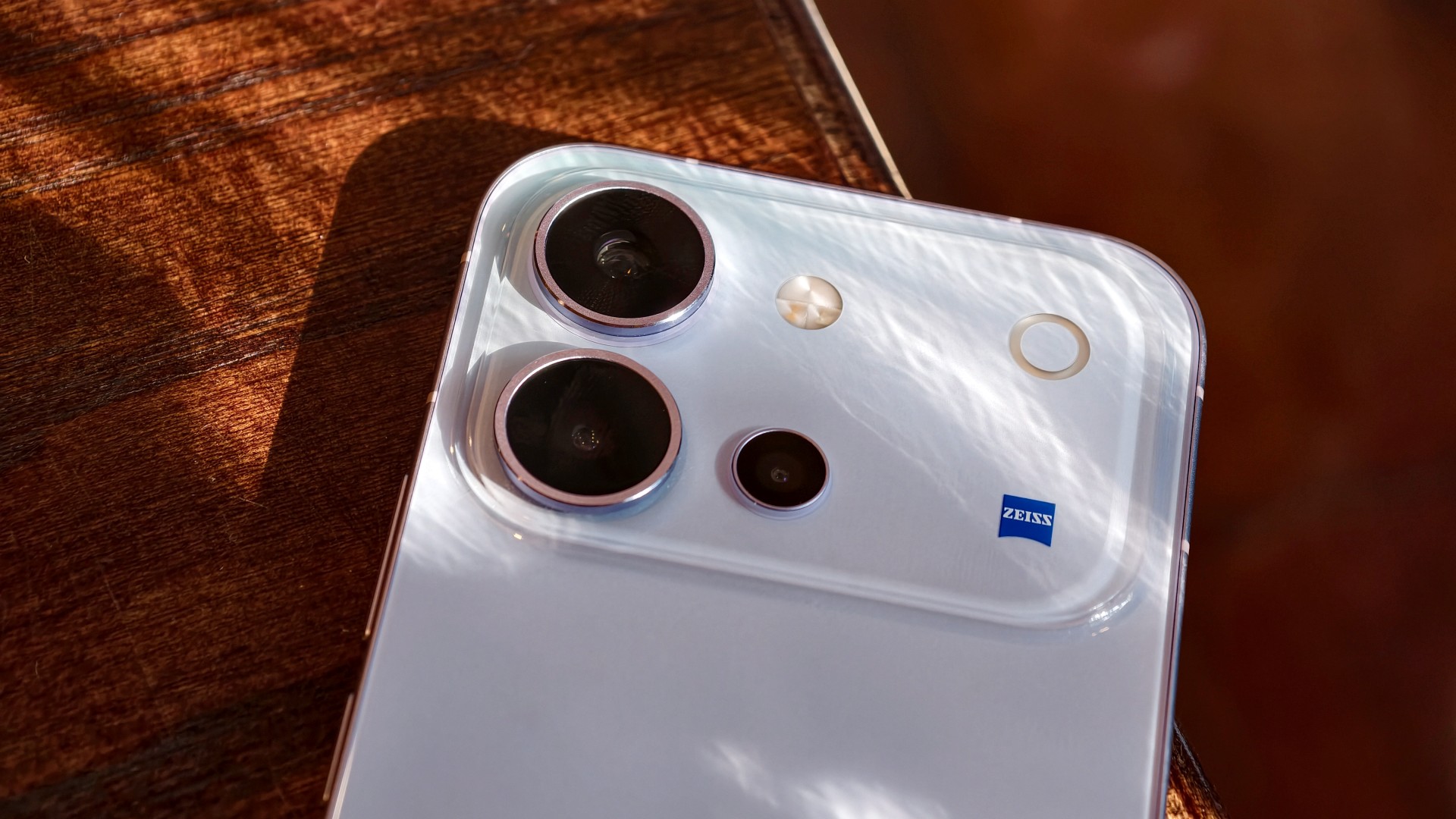
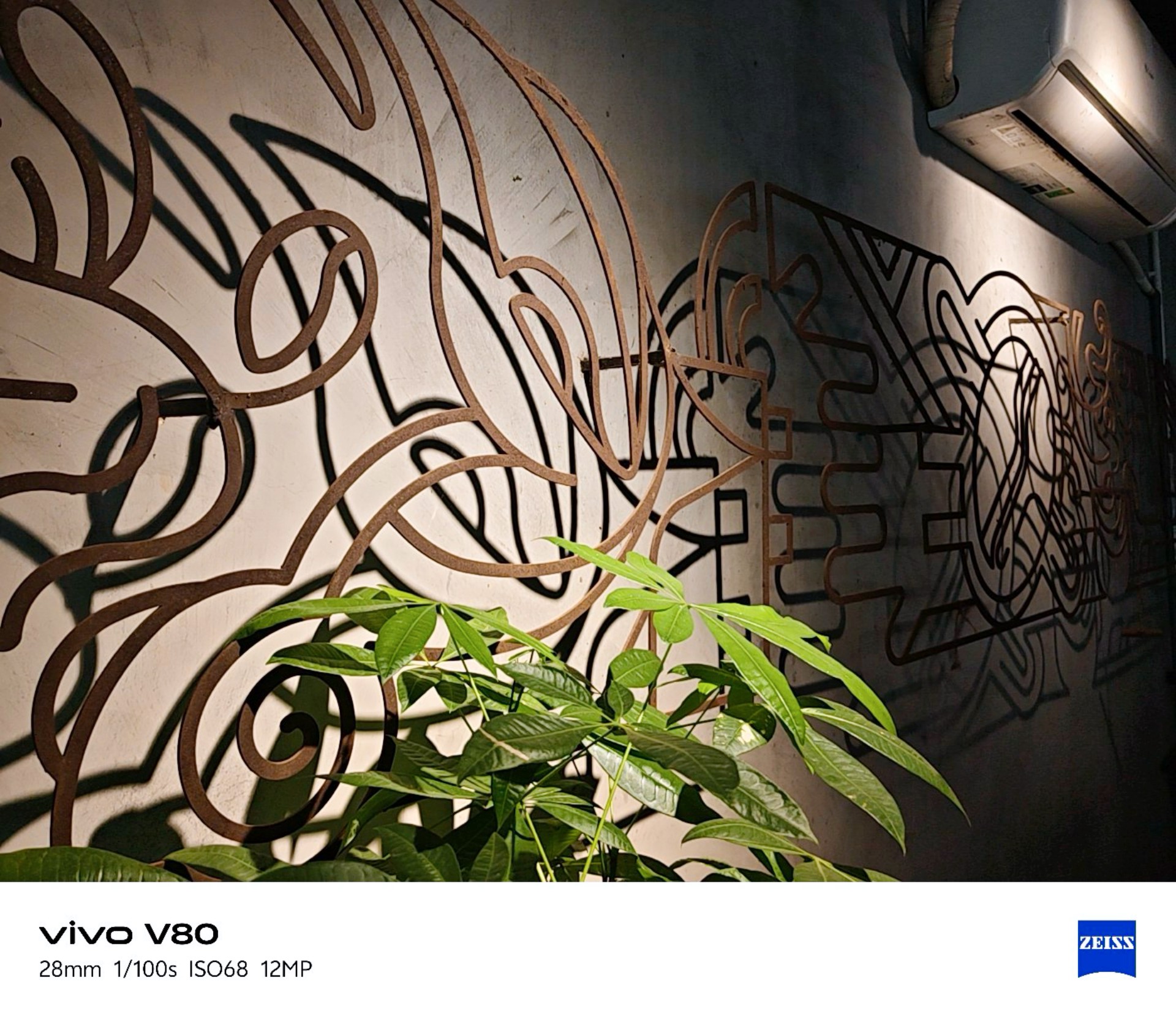
I took plenty of photos during my trip to Hanoi, Vietnam.
It’s worth noting that the phone received around three updates during my testing. Some of these included camera improvements. If there’s some unevenness in my experience and the resulting photos, I would attribute it to this.



Overall, though, the vivo V80 is a serviceable travel companion. I took plenty of food photos, and this is one of the few phones where I genuinely preferred Food Mode over the regular camera settings.
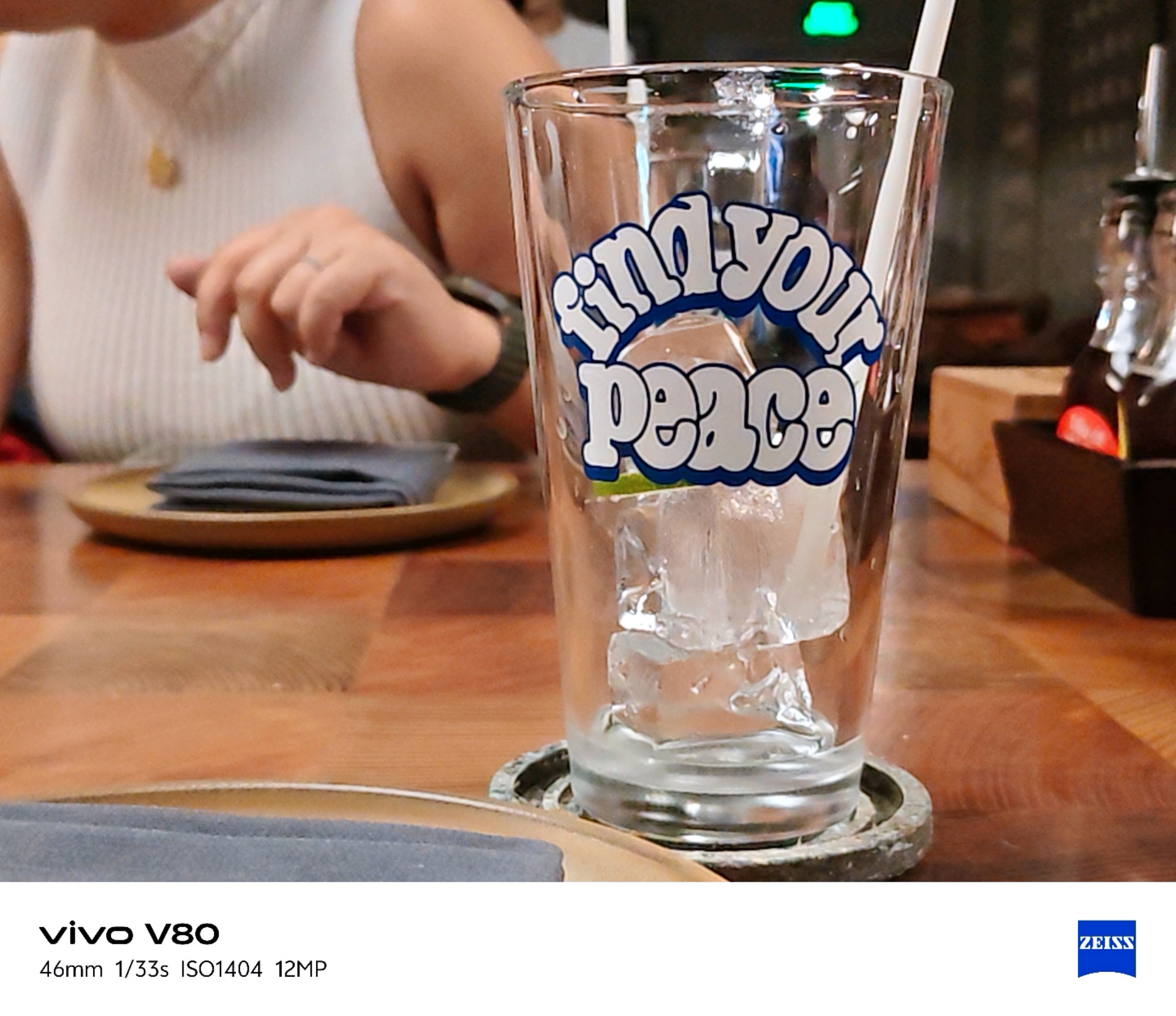

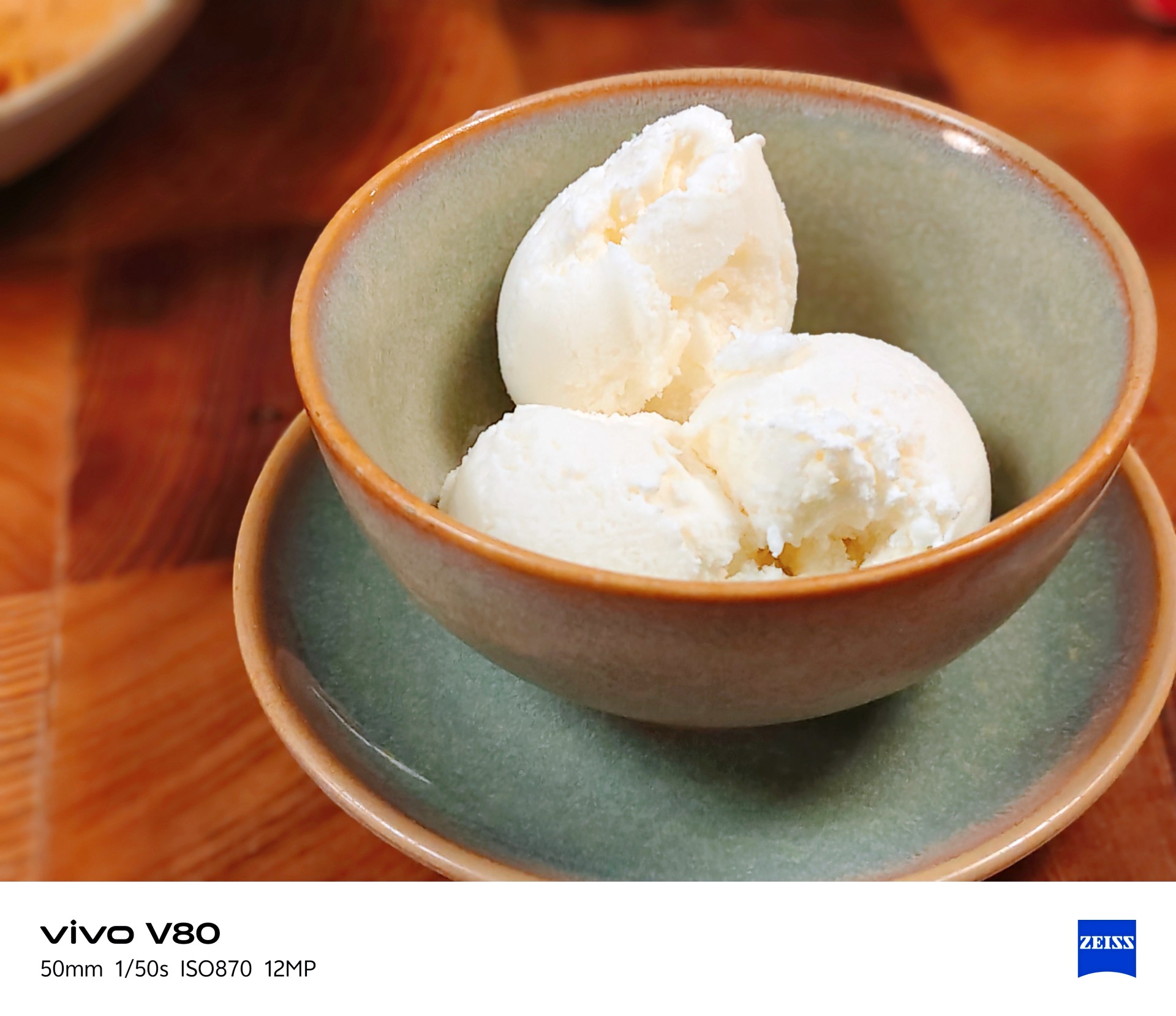
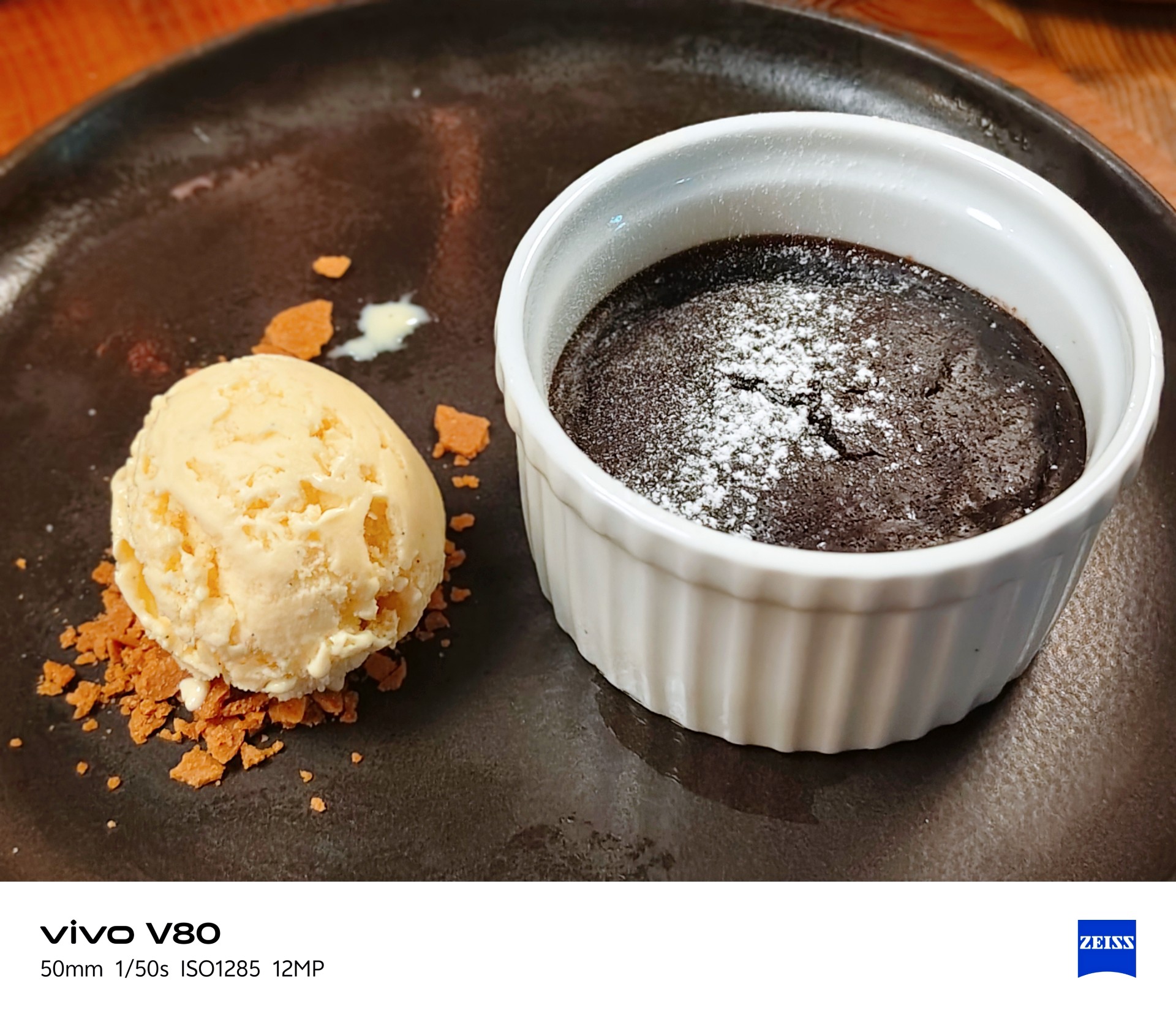
It made the many satisfying Vietnamese dishes I had during this trip look even more appetizing.
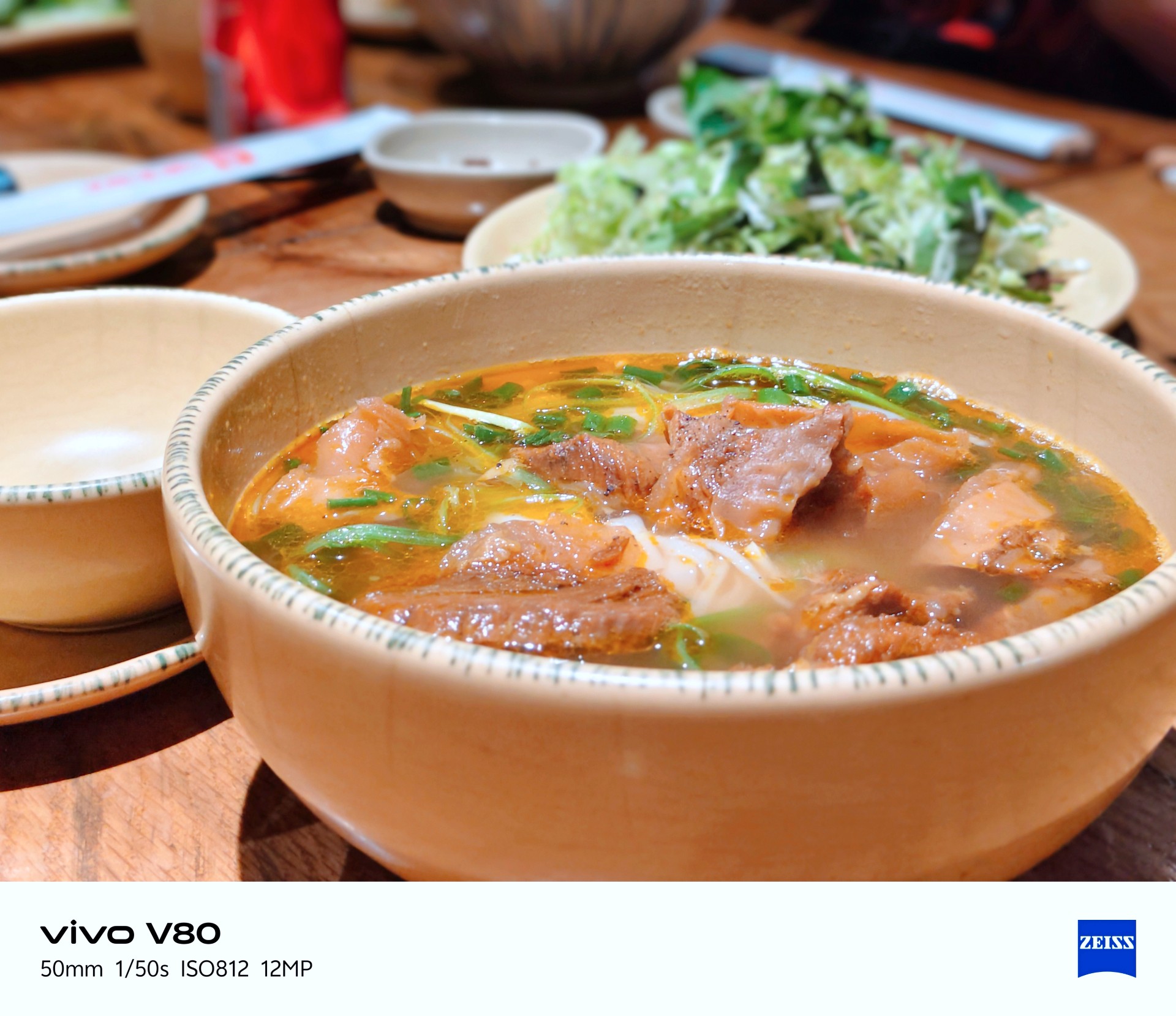

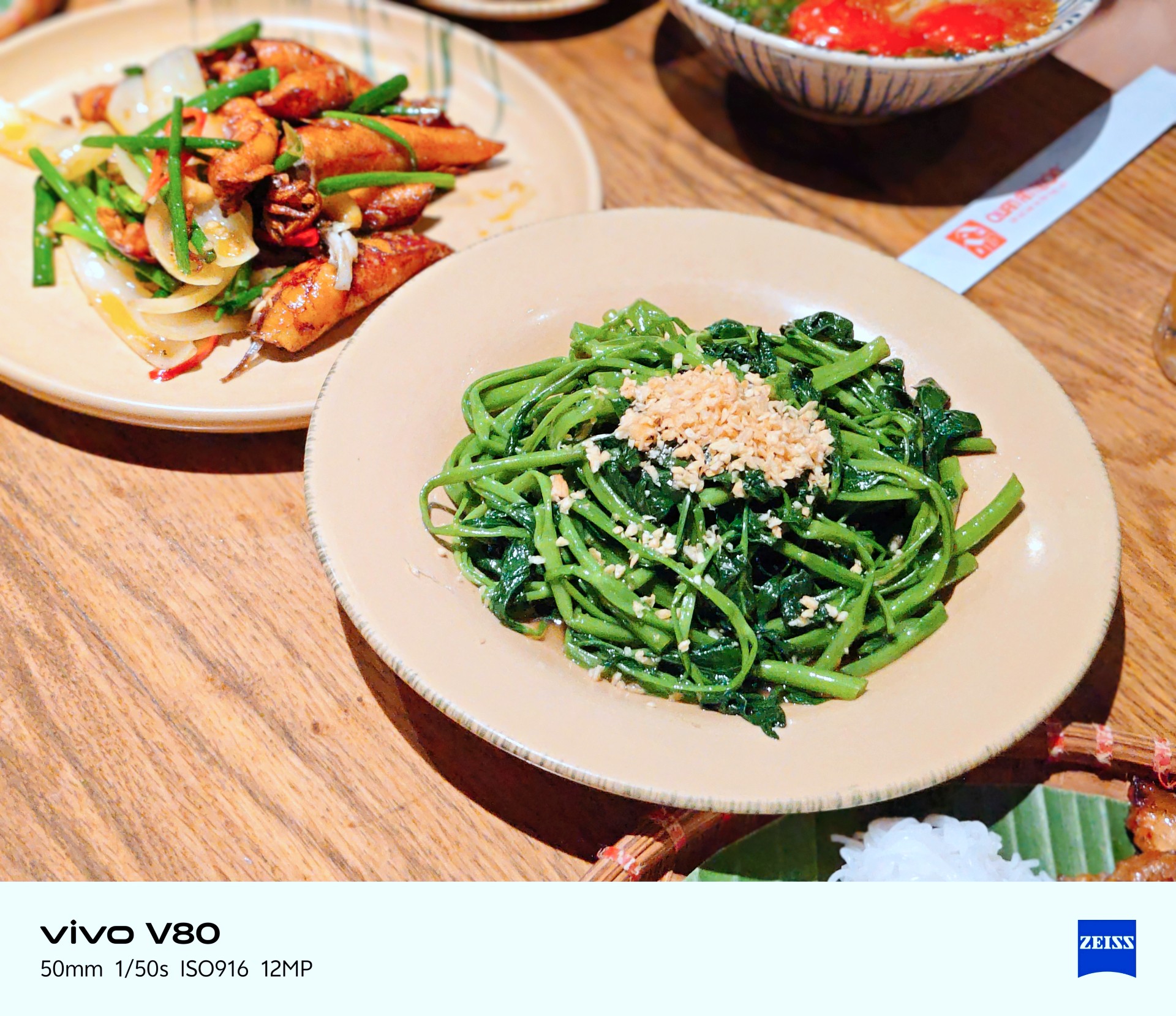
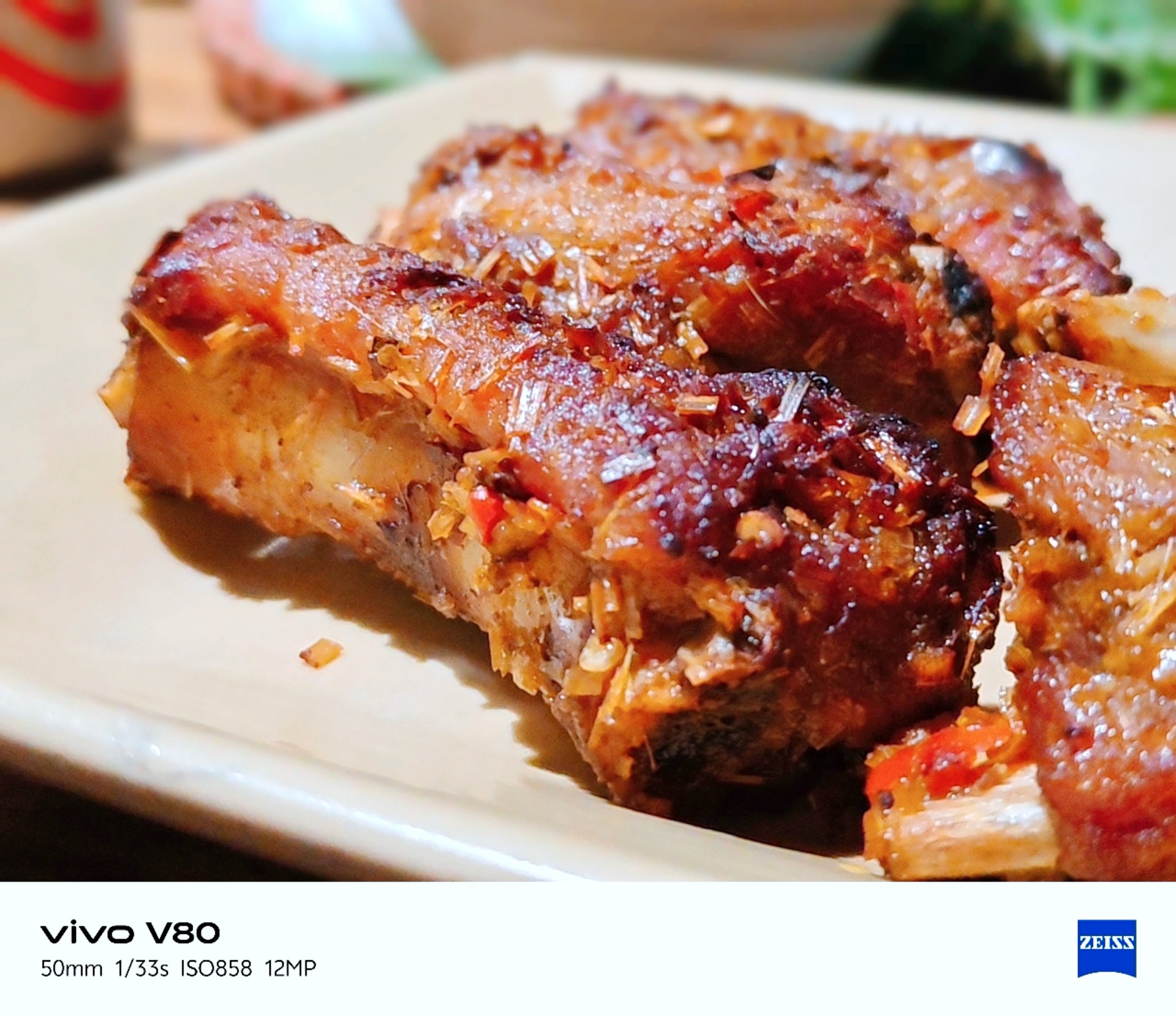
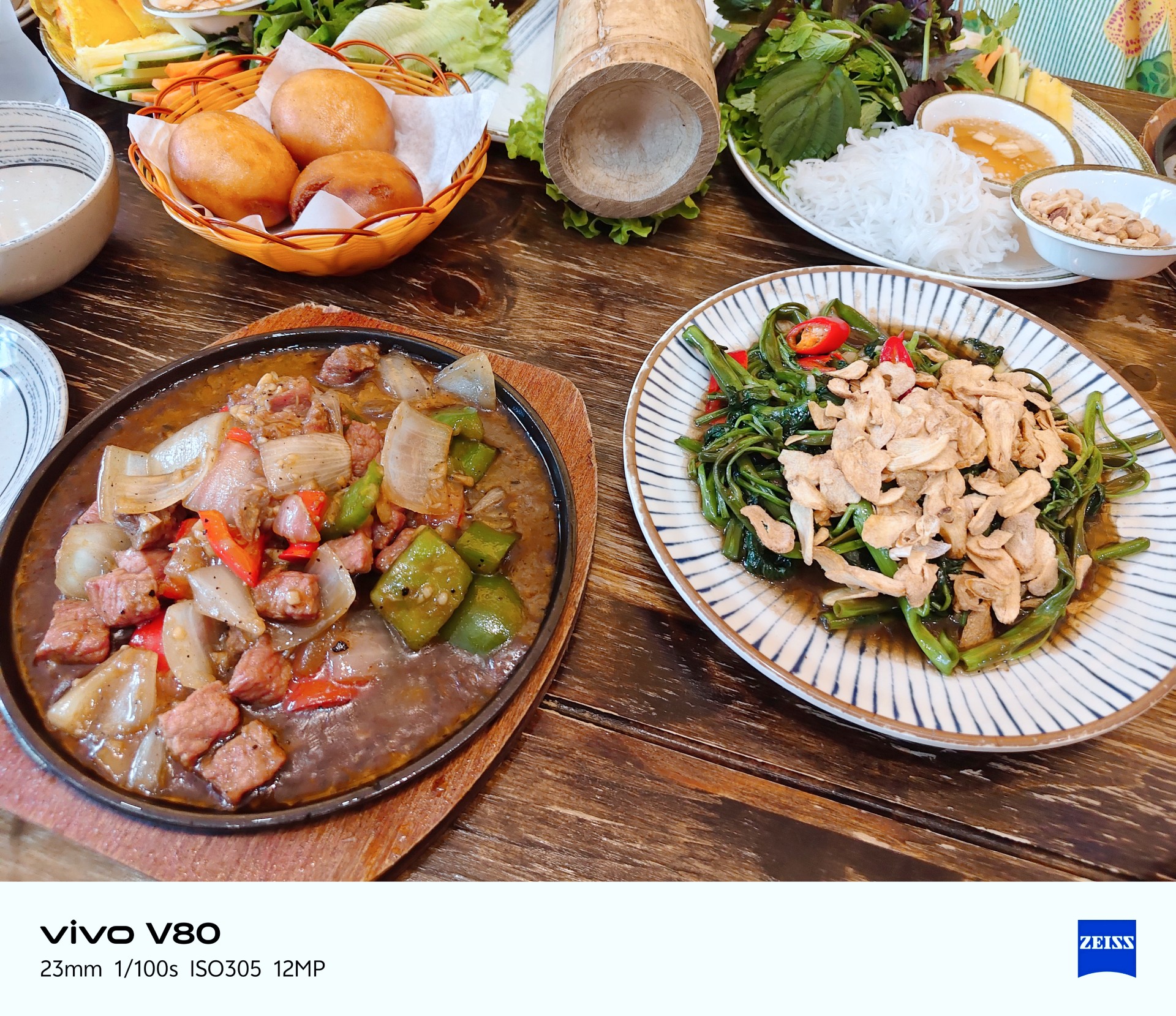

The camera can be quite hit or miss in certain lighting conditions. One thing I noticed is that it tends to brighten scenes more than I would like. My advice is to adjust exposure compensation between -1 and -3 when the situation calls for it. This can help keep scenes from looking too bright, but you don’t need to change the setting for every shot.
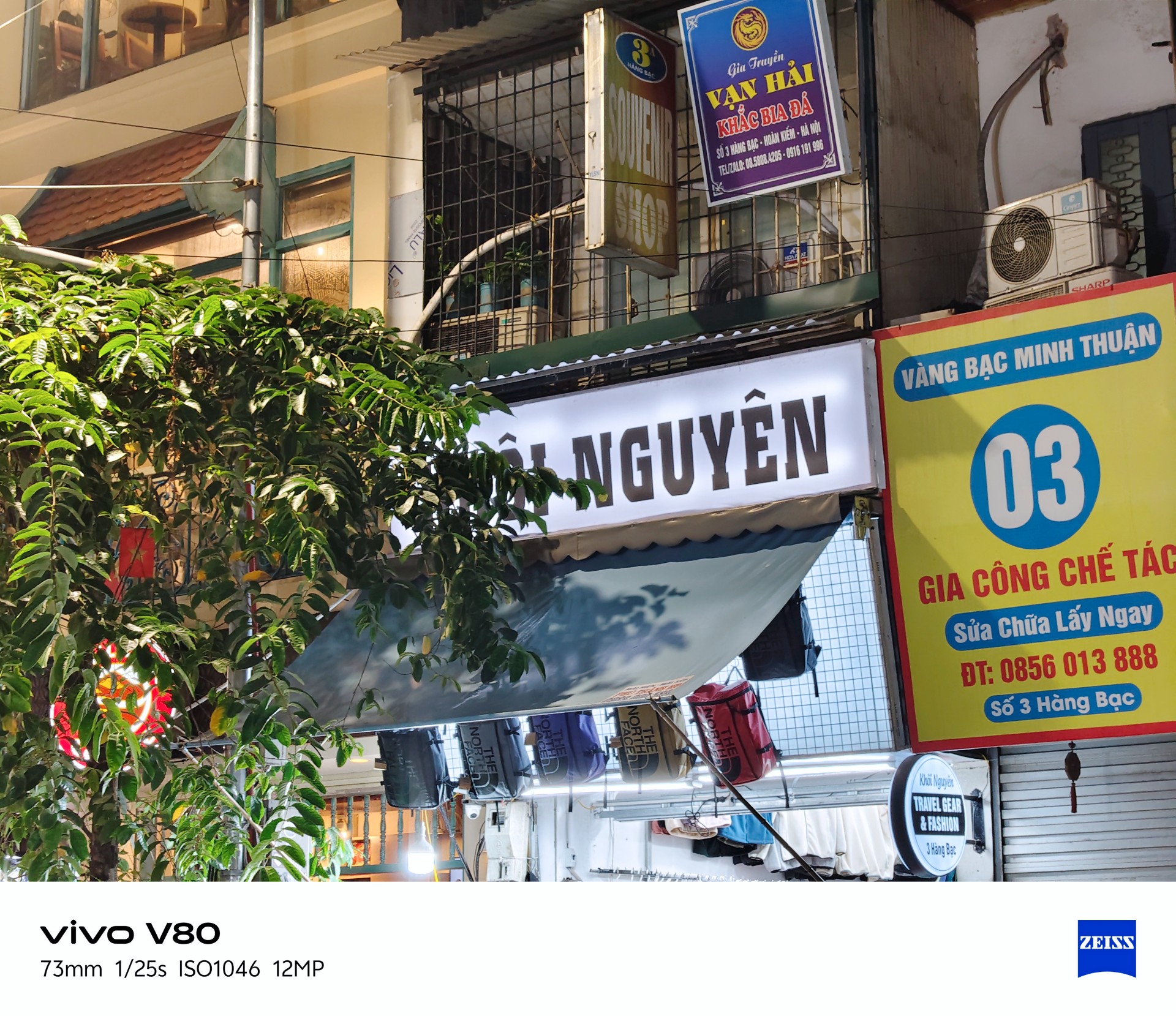


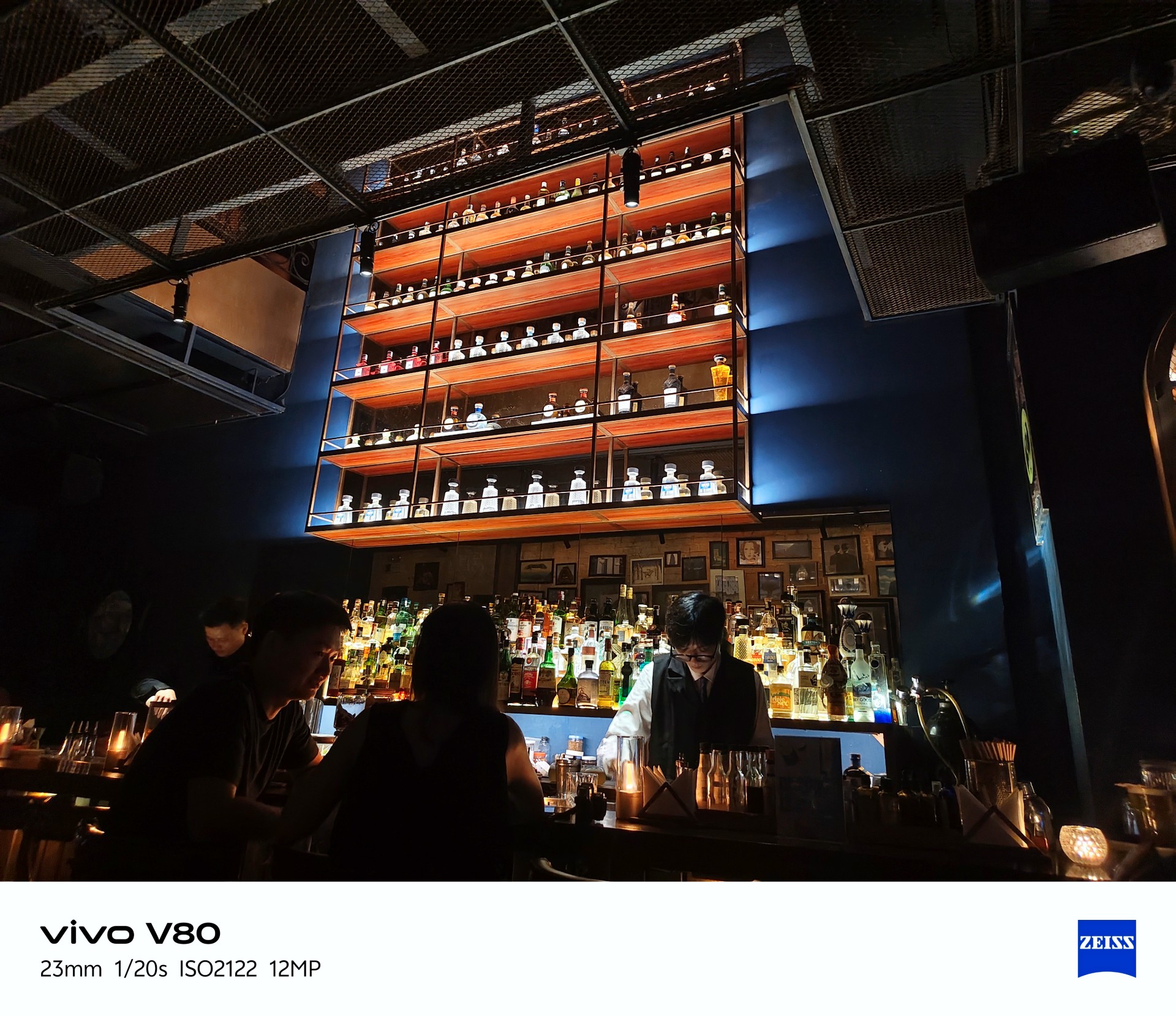
Beyond exposure issues, I also noticed considerable lag when opening the camera after the phone had been idle. There’s a noticeable wait before the camera app becomes usable.
This could mean missing the moment, which is crucial when taking photos. The solution is to stay ready, although a software patch to address this wouldn’t hurt.
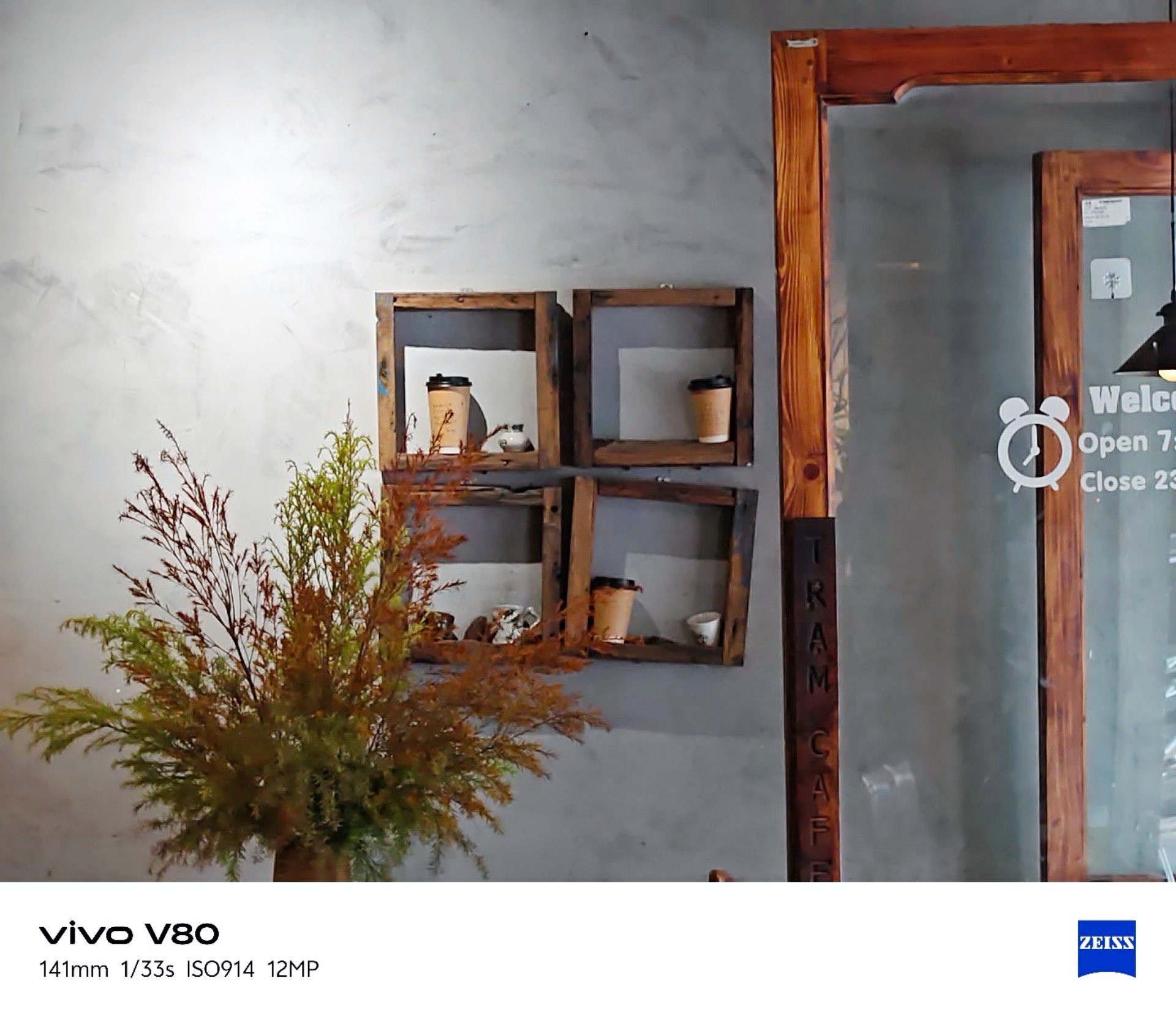
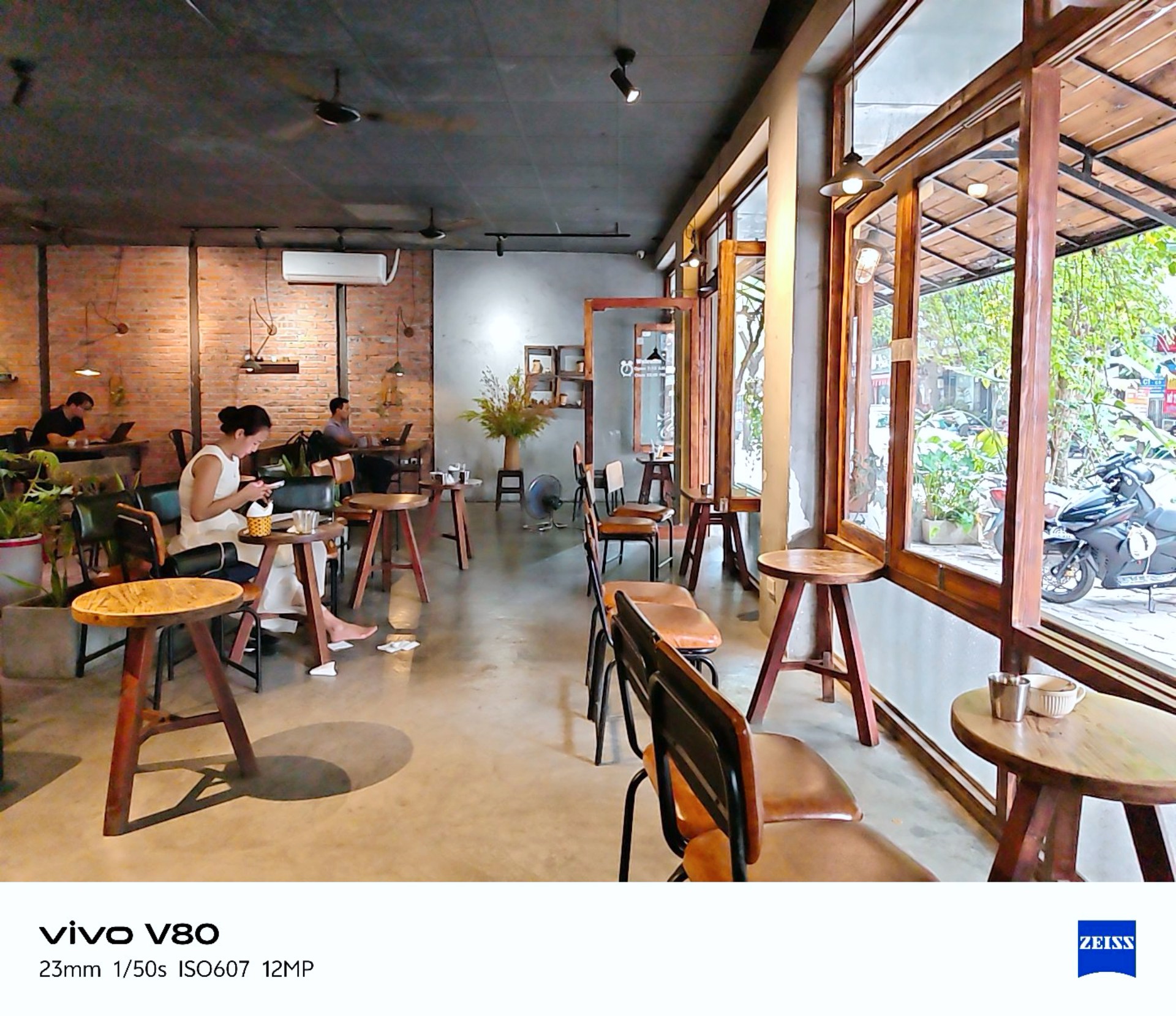
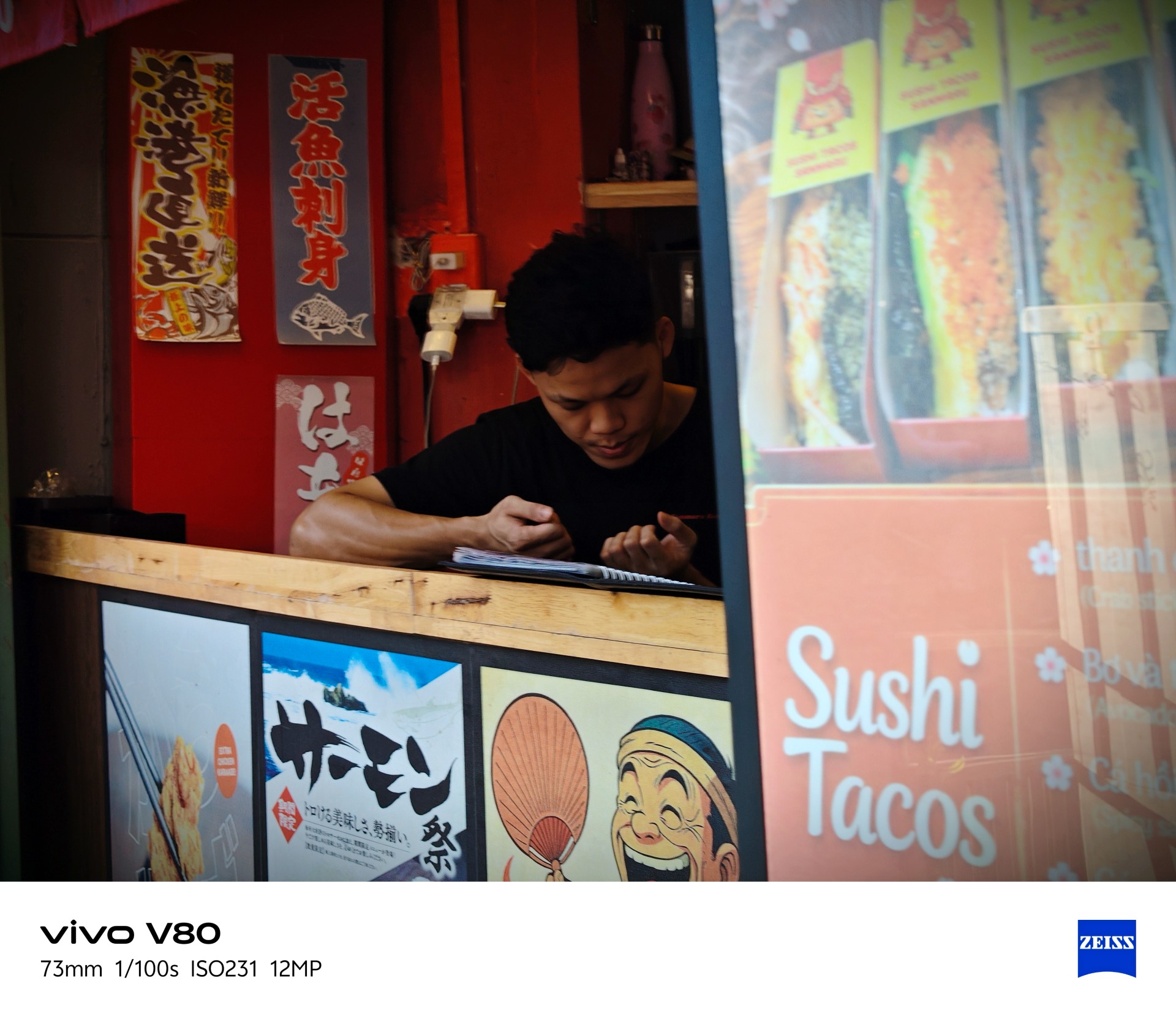
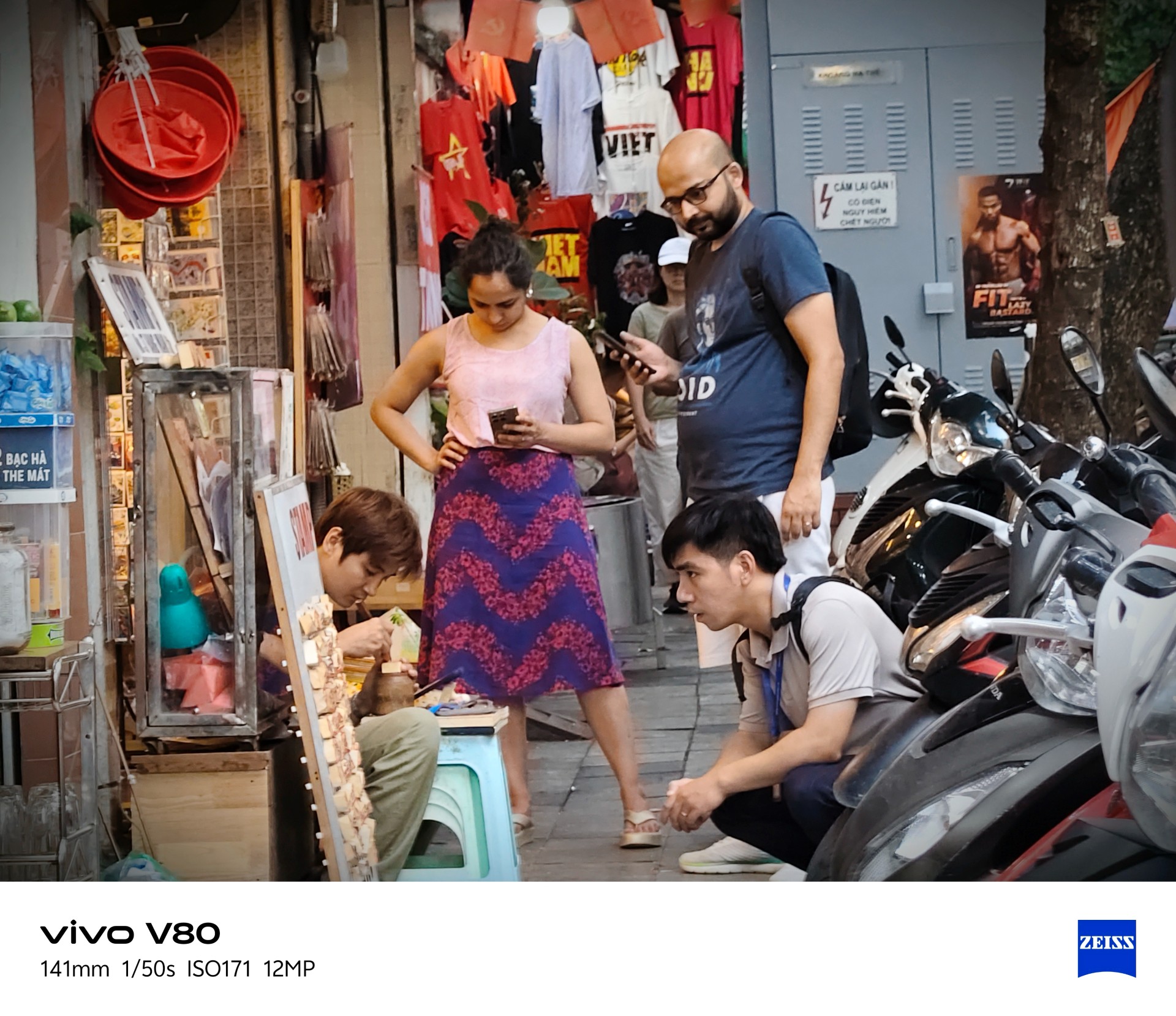
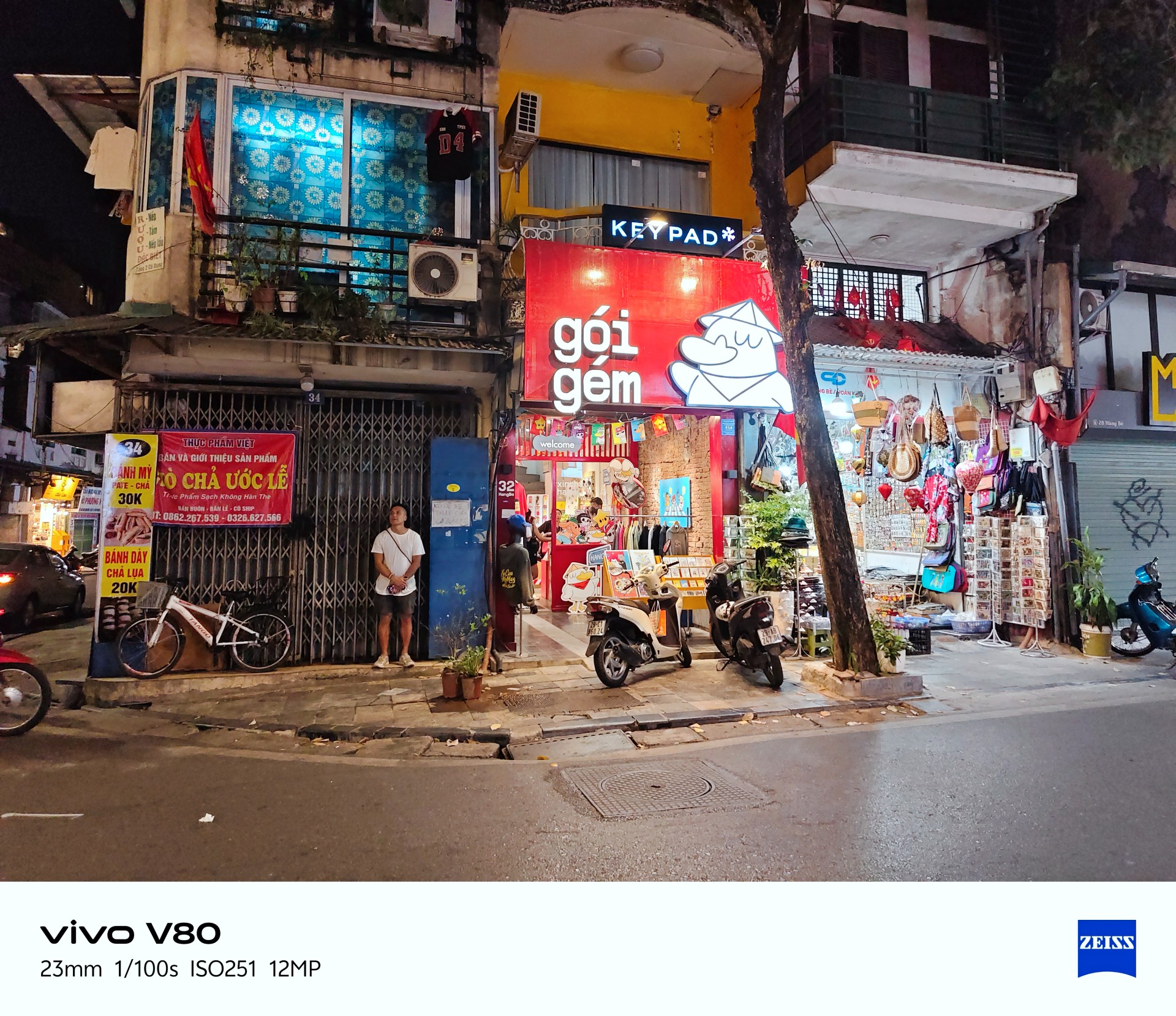
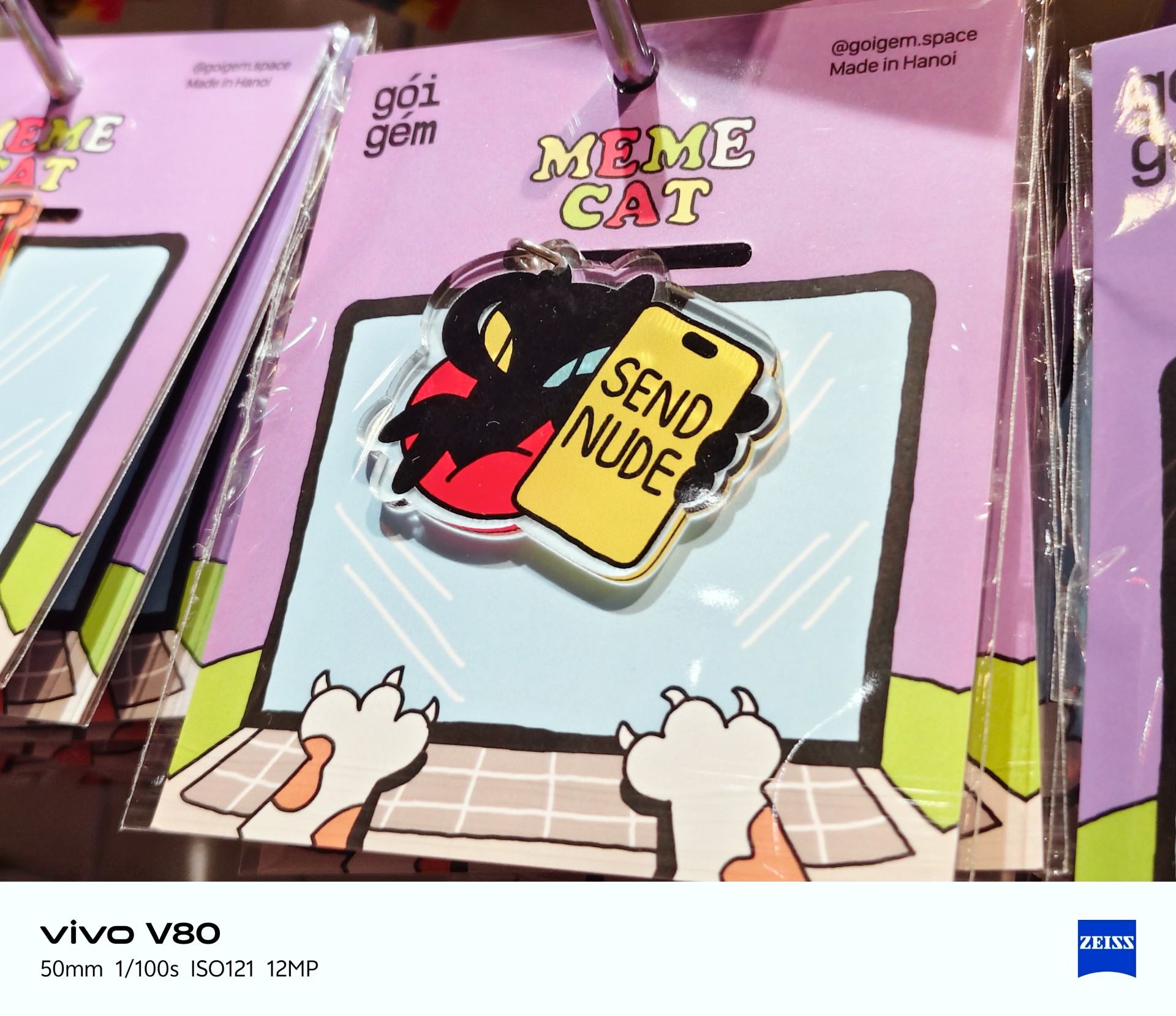
Despite those two issues, I enjoyed taking photos with the vivo V80. More samples below.
Quaint little cafe



vivo Textured
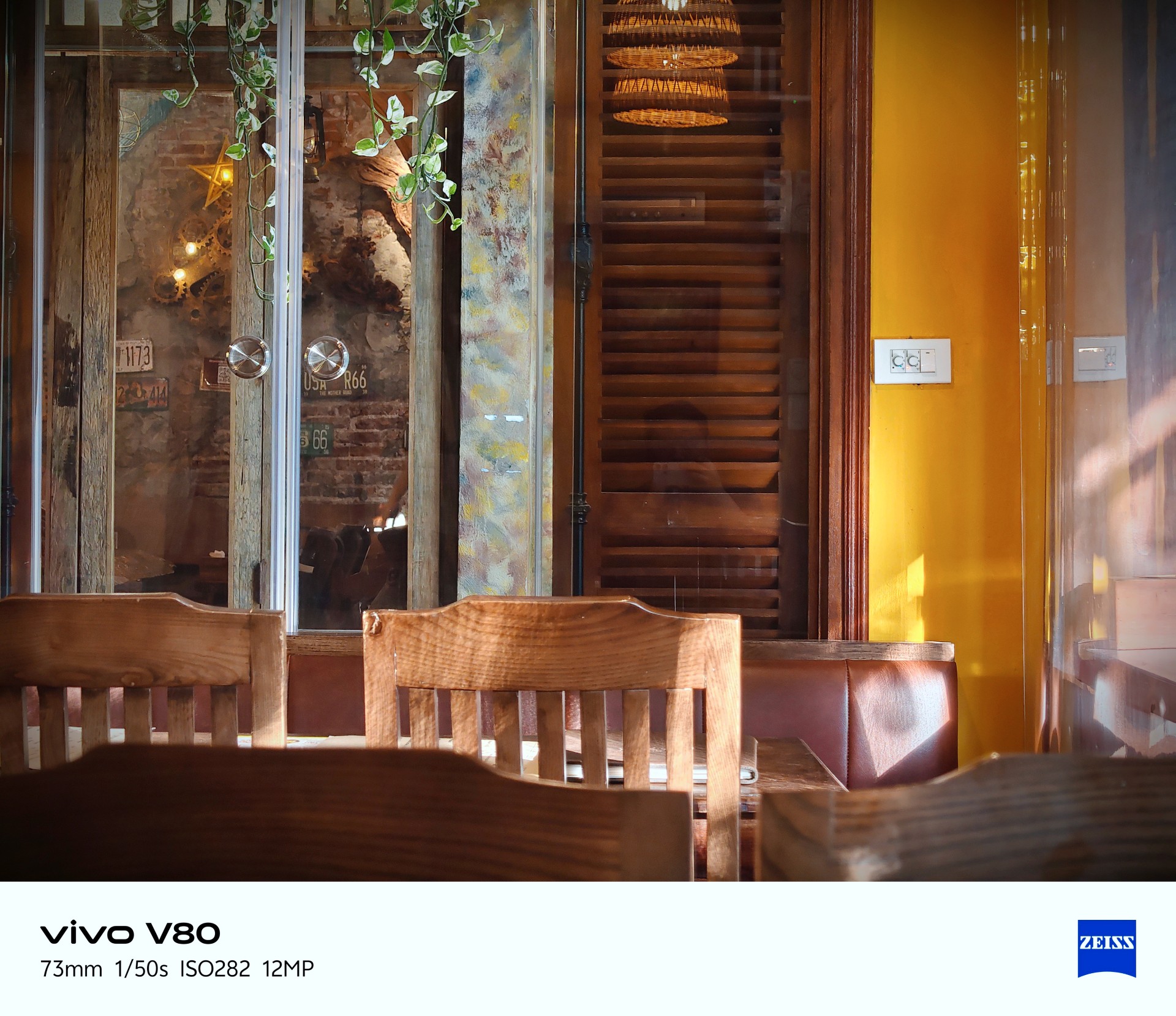
I realized I was shooting mostly in Vivid mode so I tried textured for a while. Here are the results.
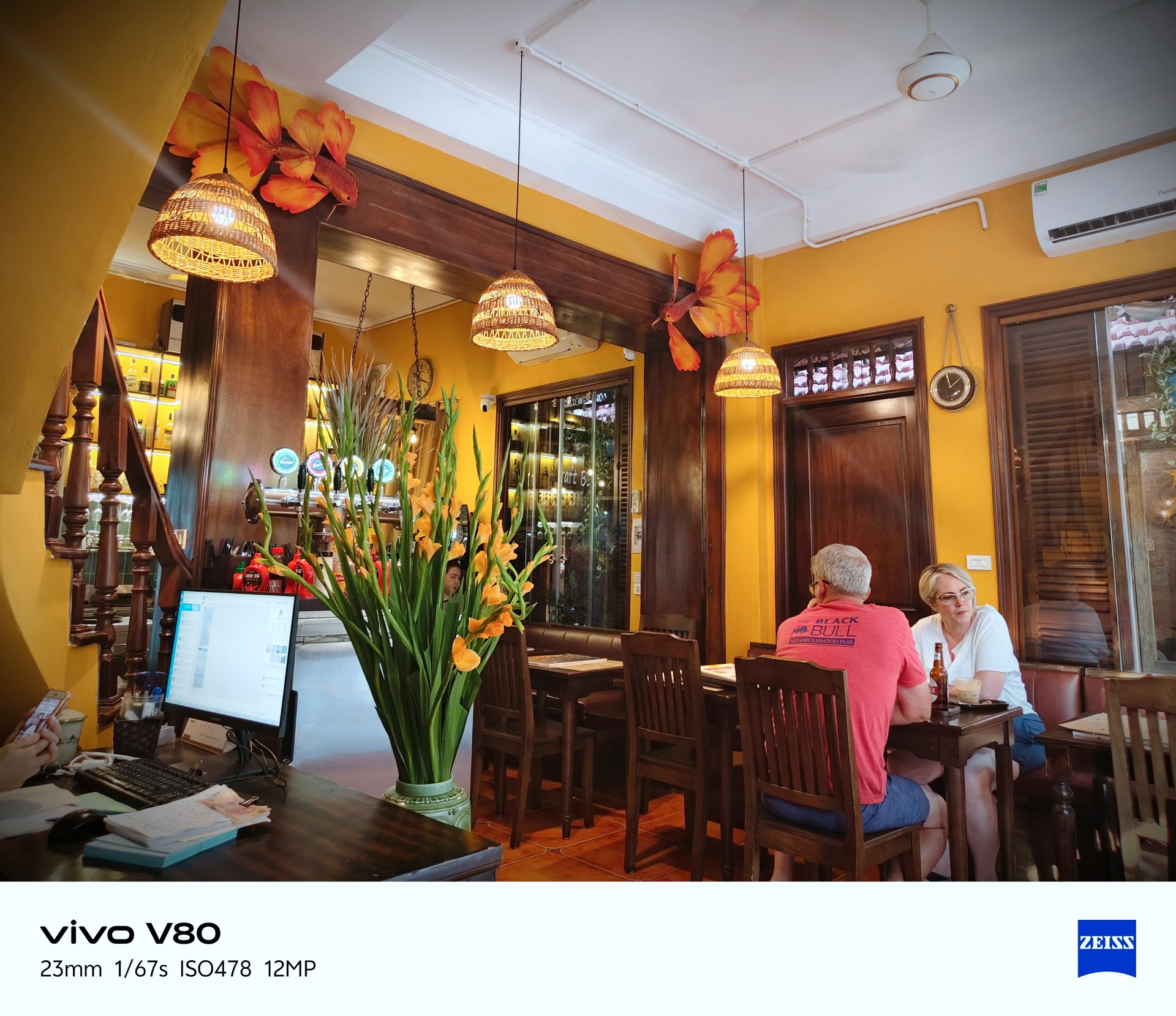
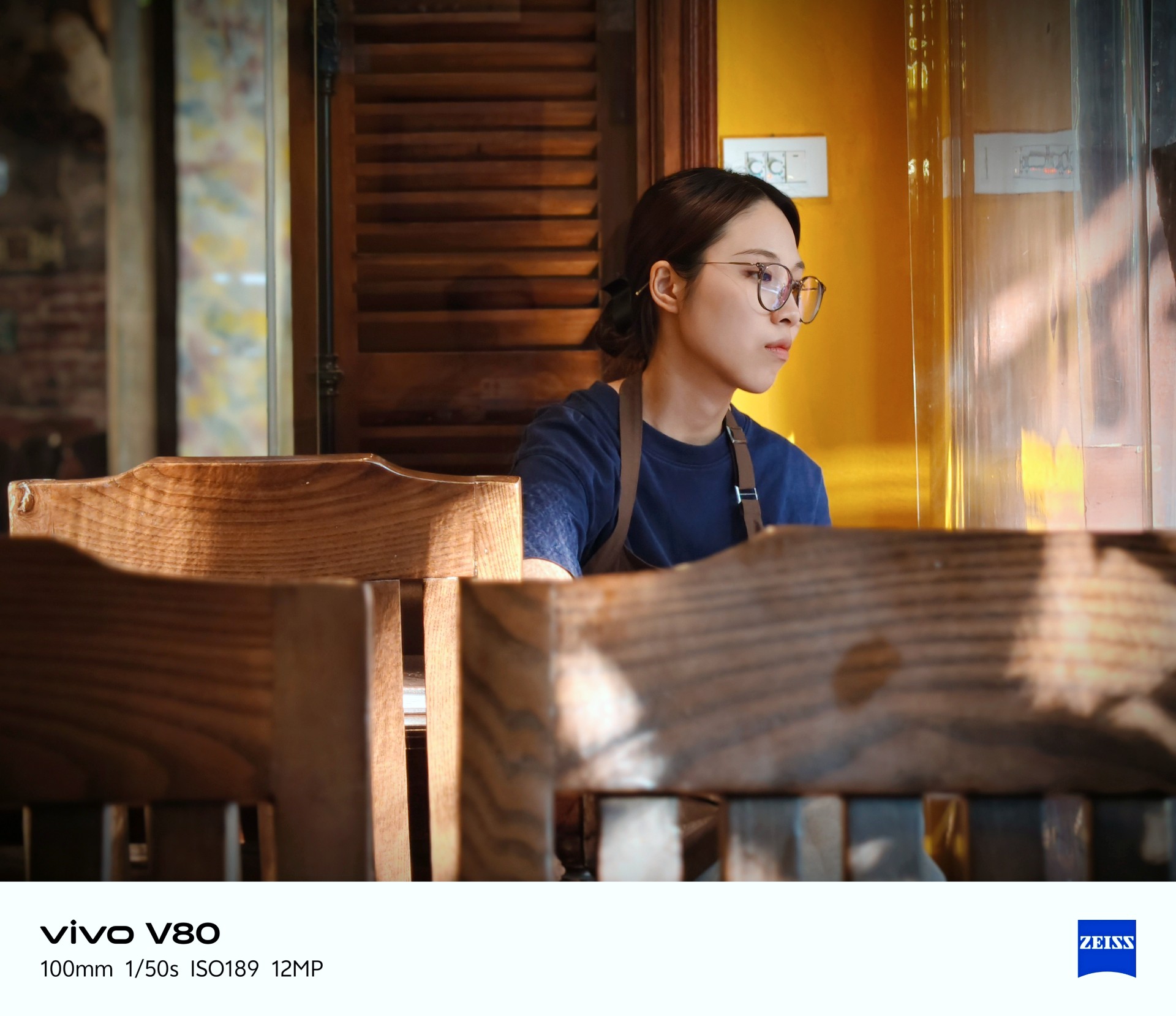


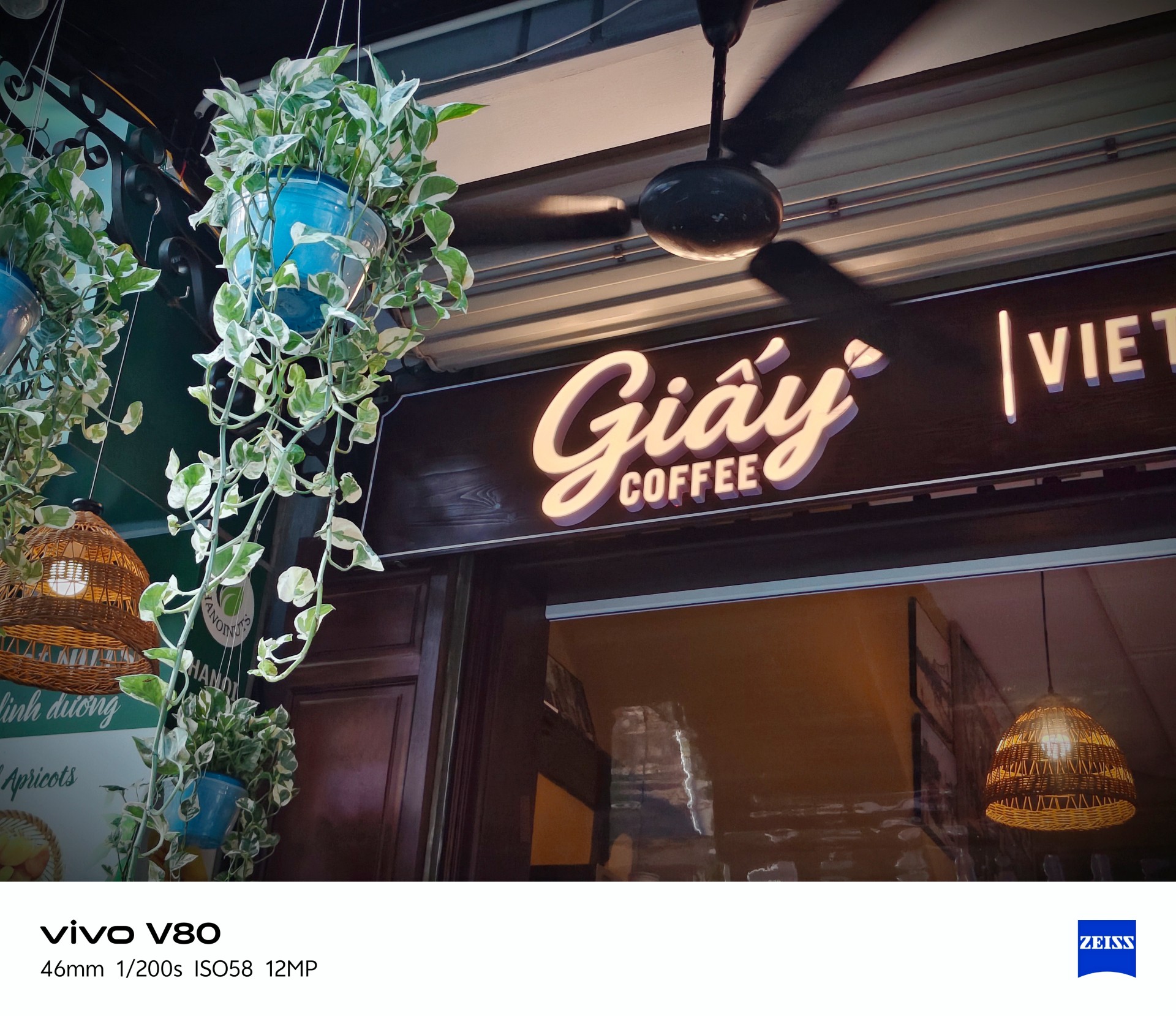

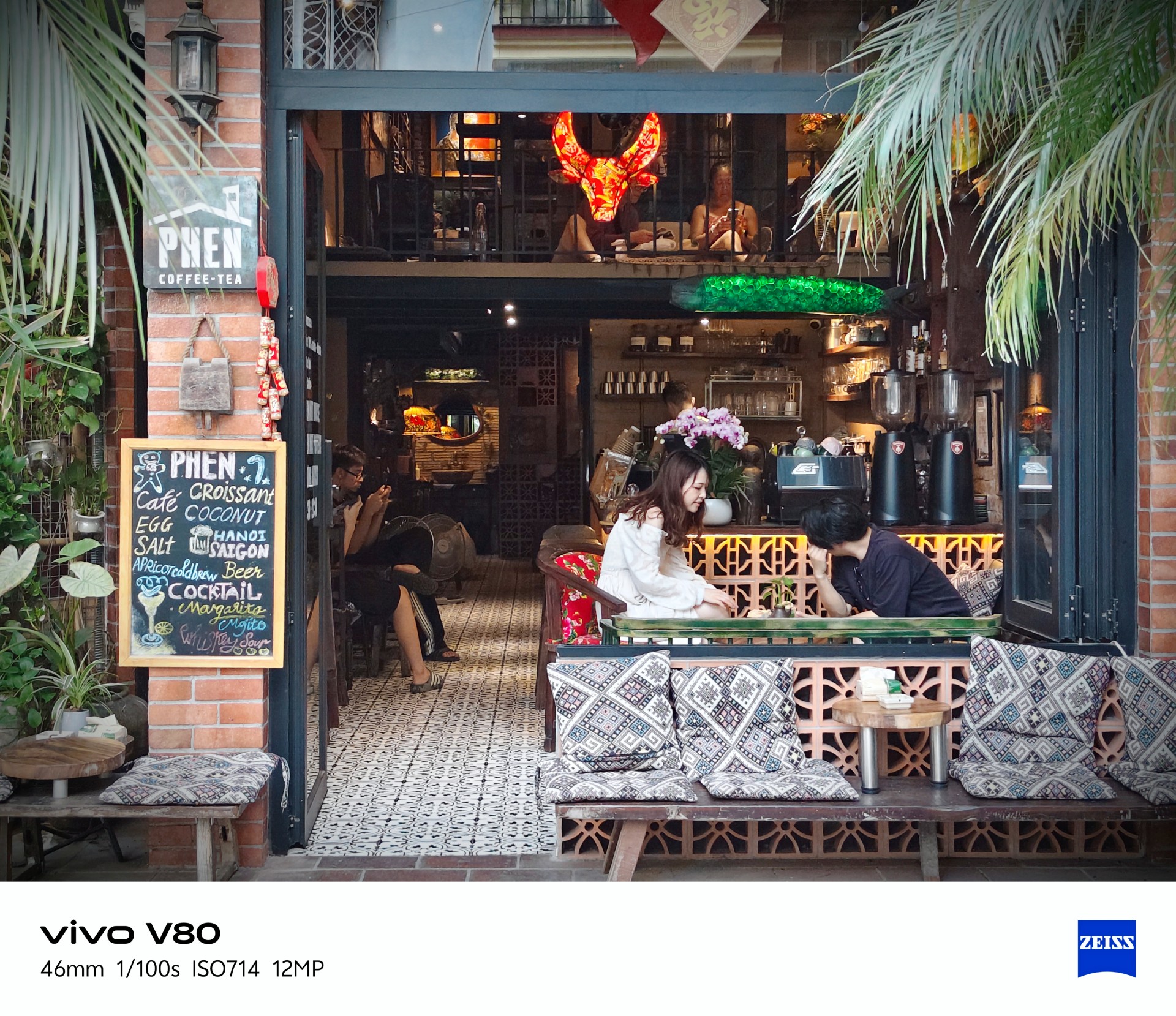


Best souvenir shop: Goi Gem


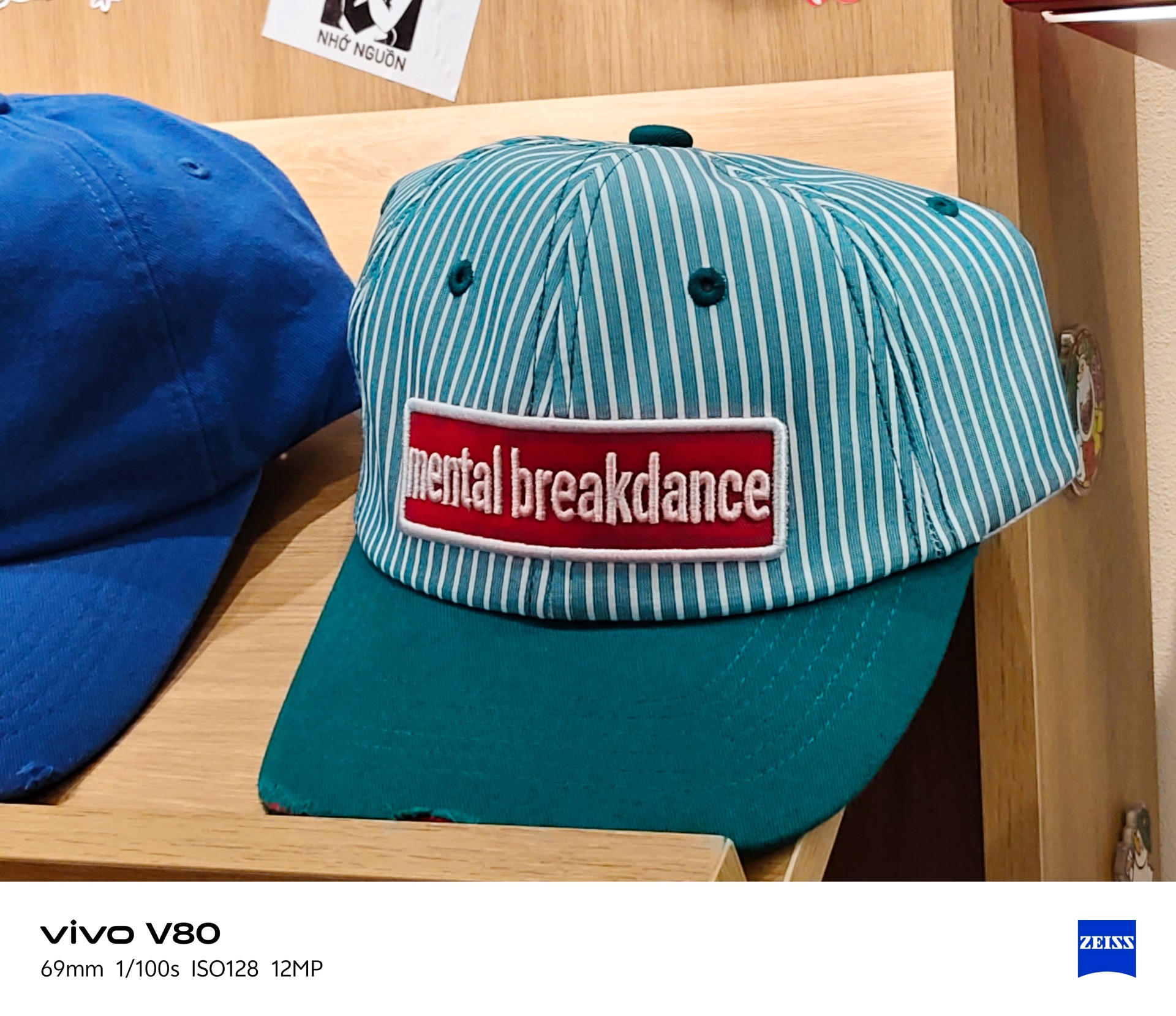
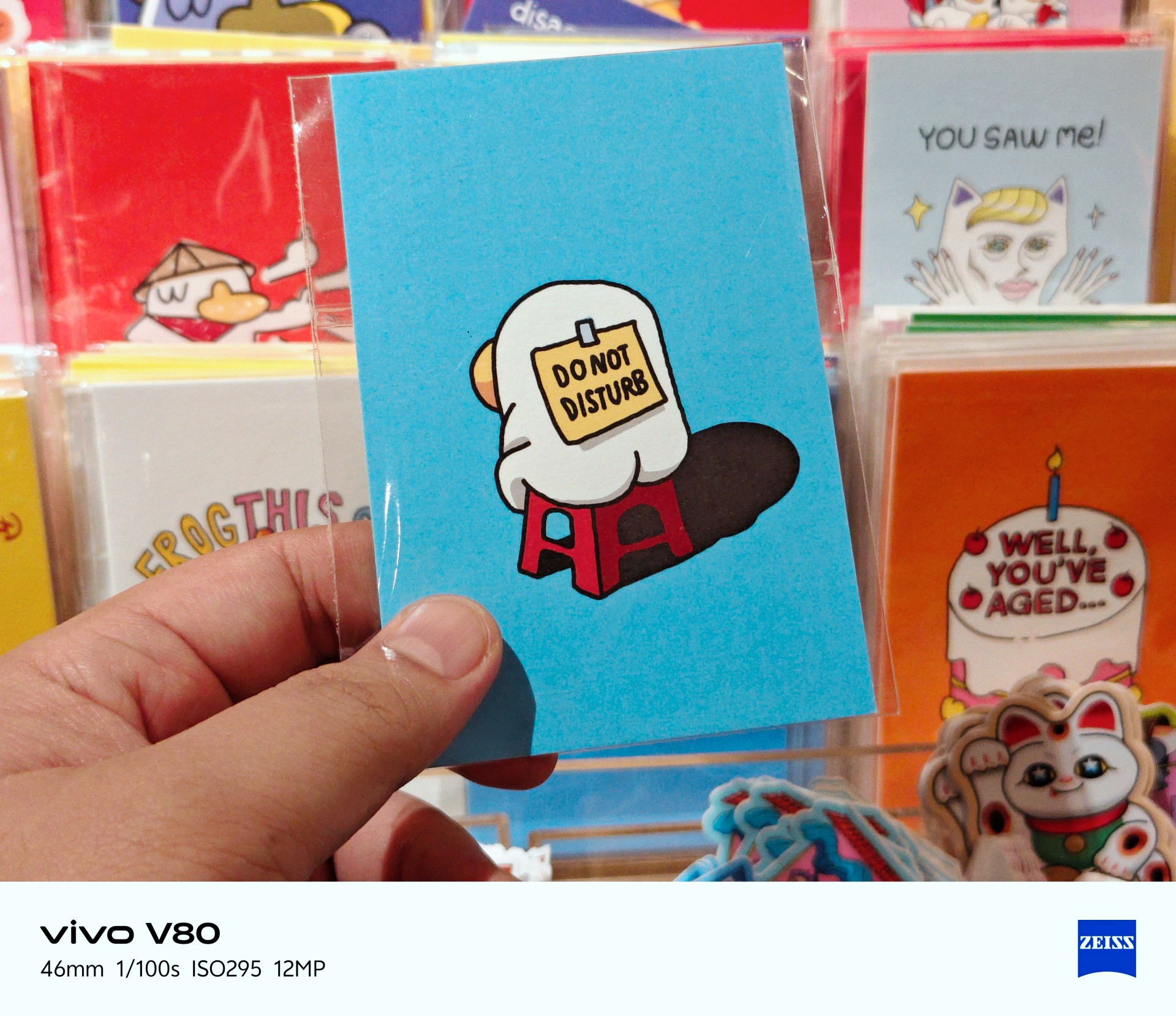
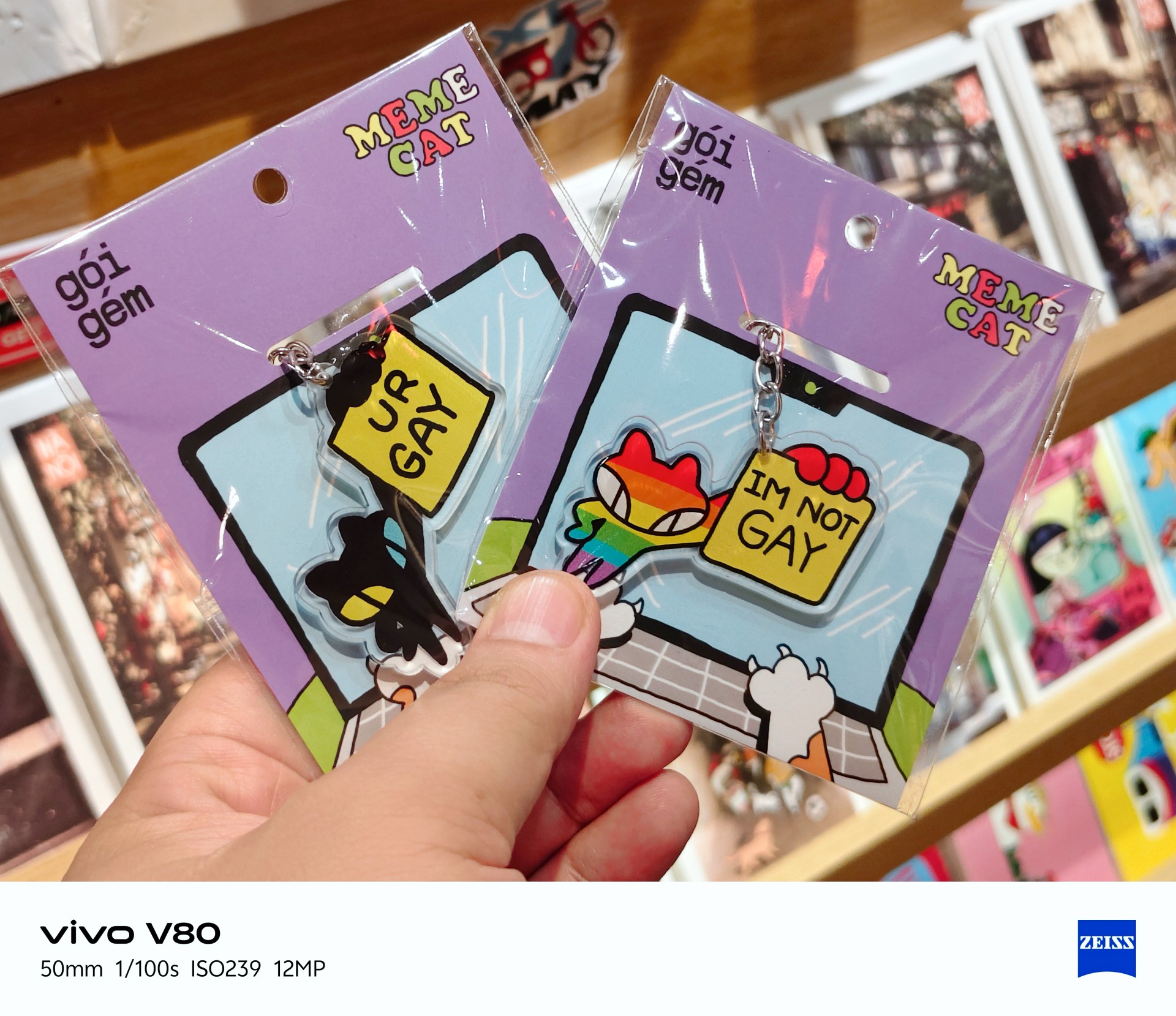


Portrait photography
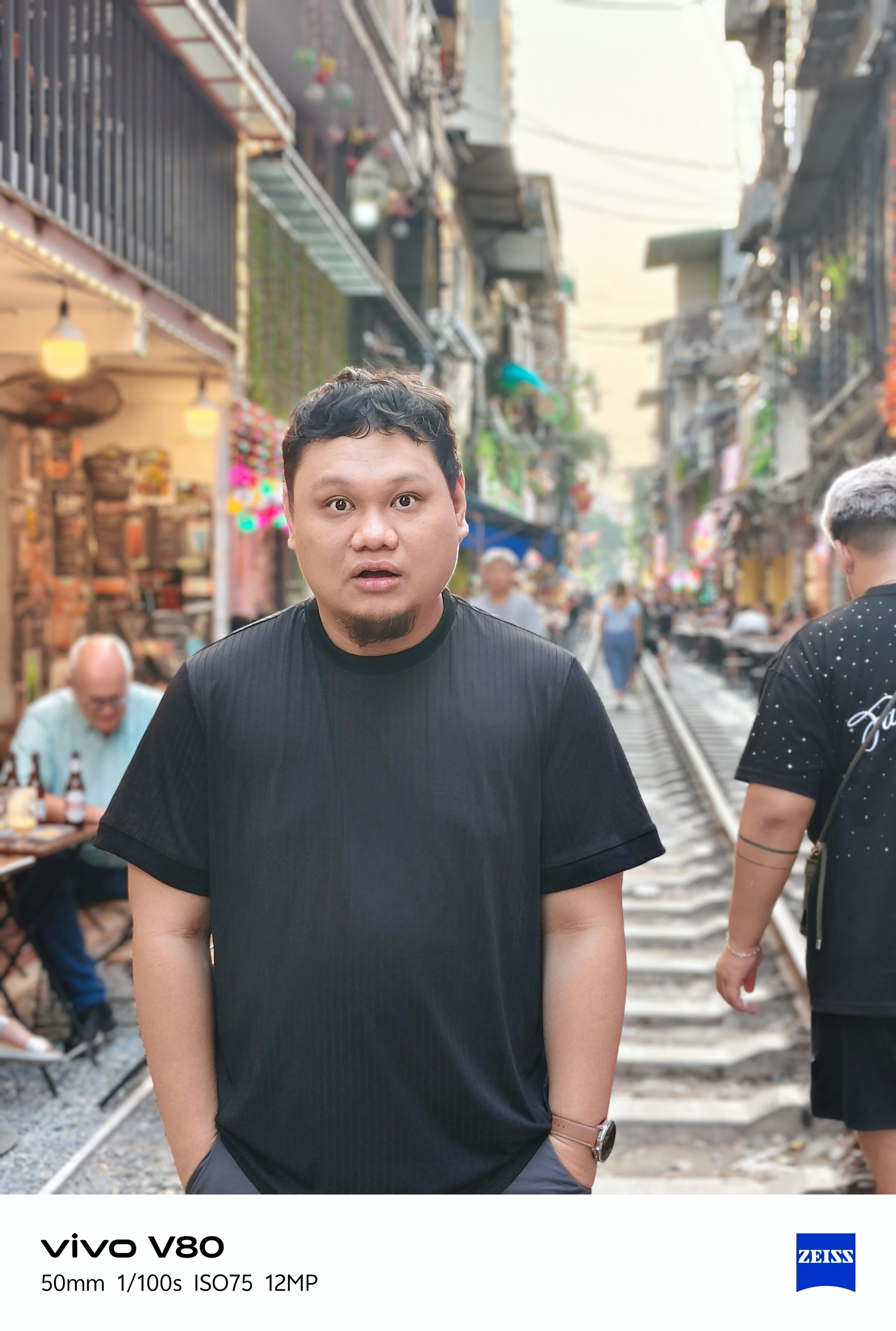

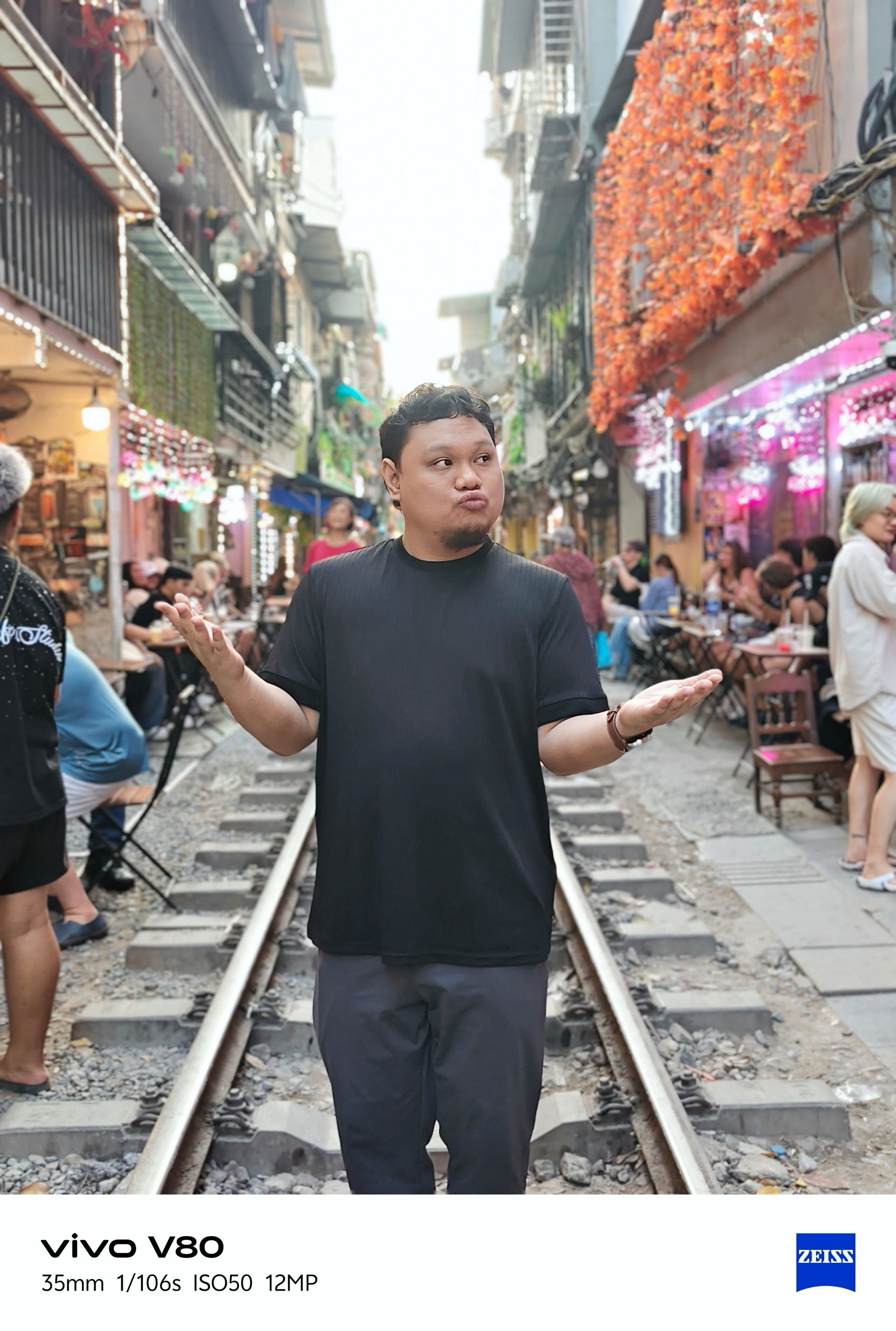
Portraits weren’t my main focus during my time with the device. I only took four regular portrait shots while visiting a train-themed tourist attraction with some friends.
Lighting was a hit or miss here, too.
Time to talk games
Ha. Here we go.
I realized I can’t cop out anymore and keep saying I don’t play mobile games. To address this, I identified three games I would use in my smartphone reviews. Some may change from time to time.

Battle Cats was the most casual game I tried and probably the most fun I had playing. The phone had no trouble running it. The experience was smooth.
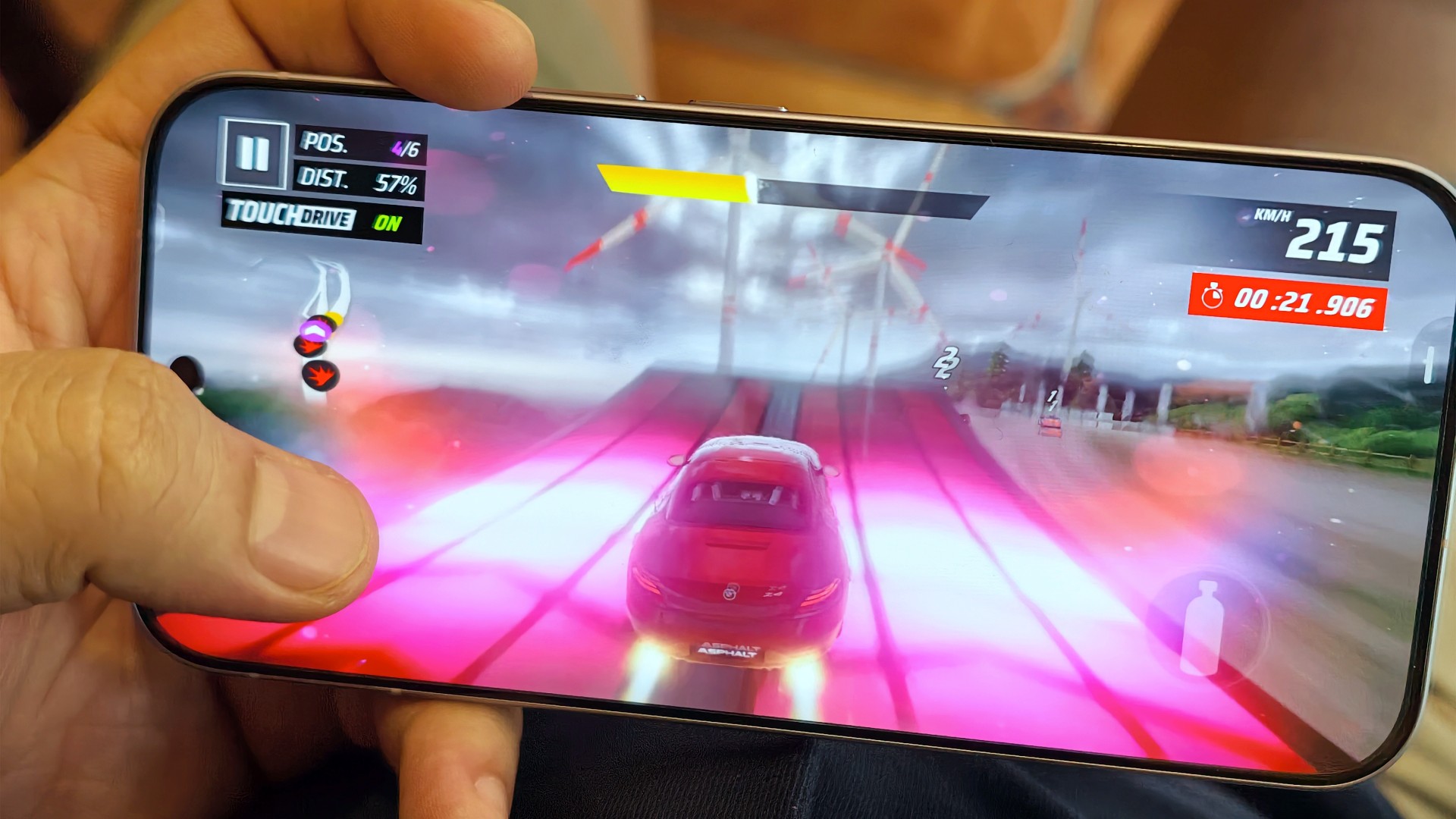
The same can be said about Asphalt Legends. Even when the graphics settings weren’t at their highest, the game still looked good and played well.
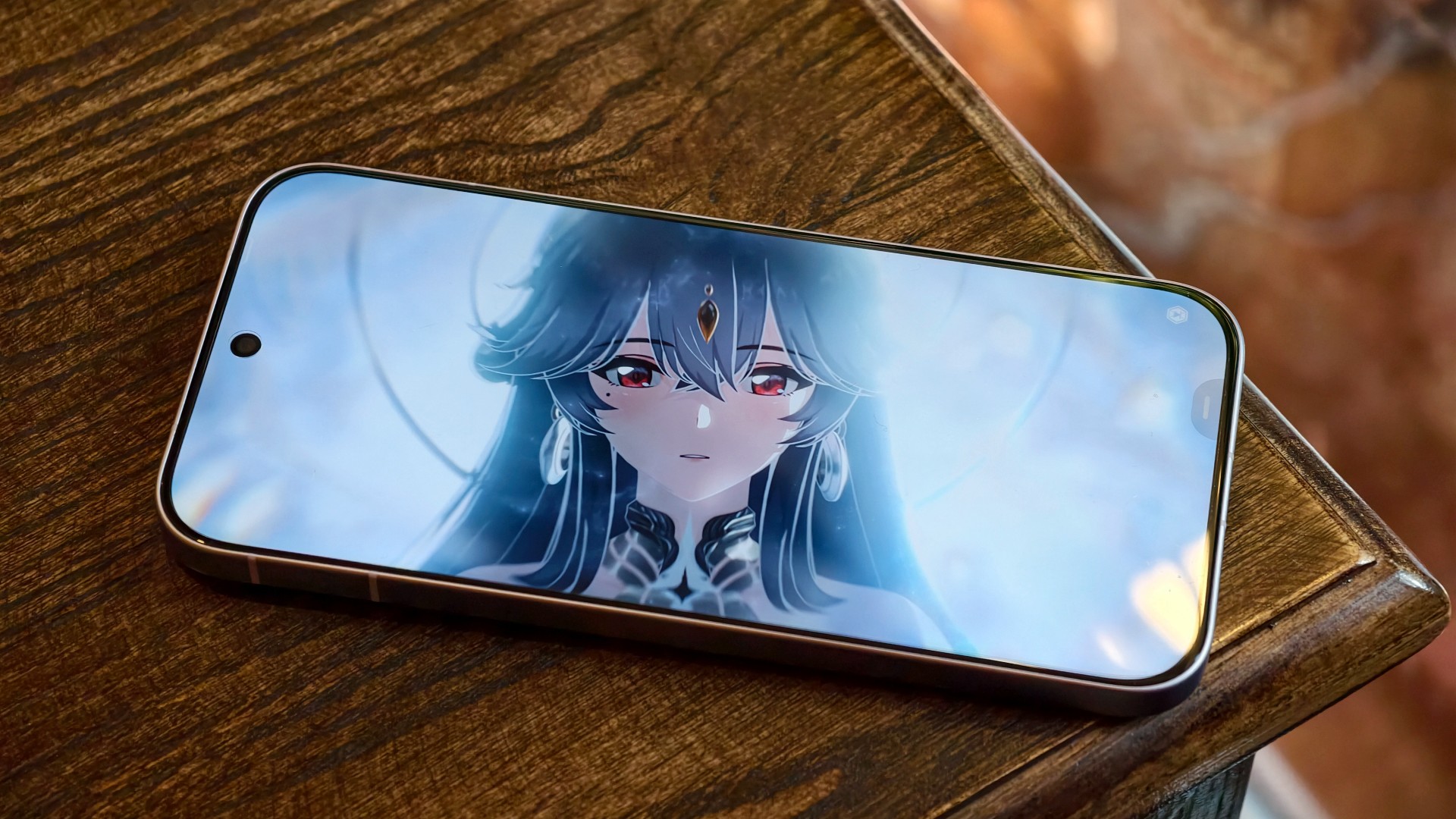
Wuthering Waves, meanwhile, defaulted to medium graphics settings. The game still looked decent, but you could already tell it could look better. The phone’s default settings prioritized a consistent and mostly lag-free experience. I wouldn’t push it beyond that.
I’m still on the lookout for mobile games I can include in these tests. Preferably, I’d like something that plays as simply as Battle Cats but offers peak graphical fidelity. I’m open to recommendations!
A screen that gets it right
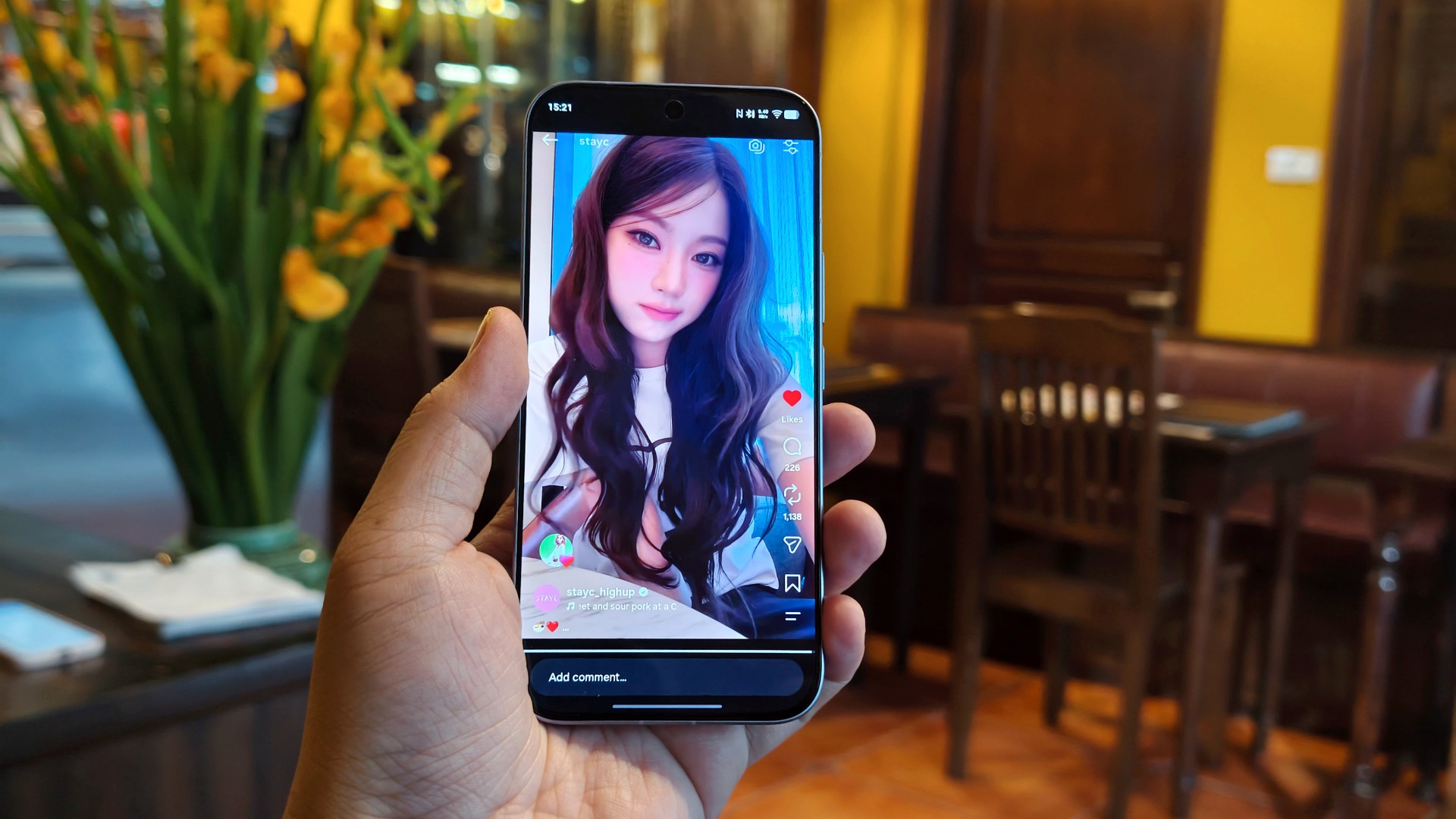
Still Isa-holic after a few reviews
The vivo V80’s display is pretty darn good.
Even in broad daylight, I had no trouble seeing what was on the screen. I spent time at a cafe near a window in the early afternoon, watching STAYC Isa content and catching up on Doctor X: Mafia in White on Netflix.

I wanted to watch Merry Berry Love and see Imada Mio, too, but Disney+ wasn’t available in Vietnam during my trip. I settled for watching some trailers instead.

The display also performed well during gaming. I didn’t notice anything in particular that stood out, and I mean that in a good way. Everything looked and played as expected.
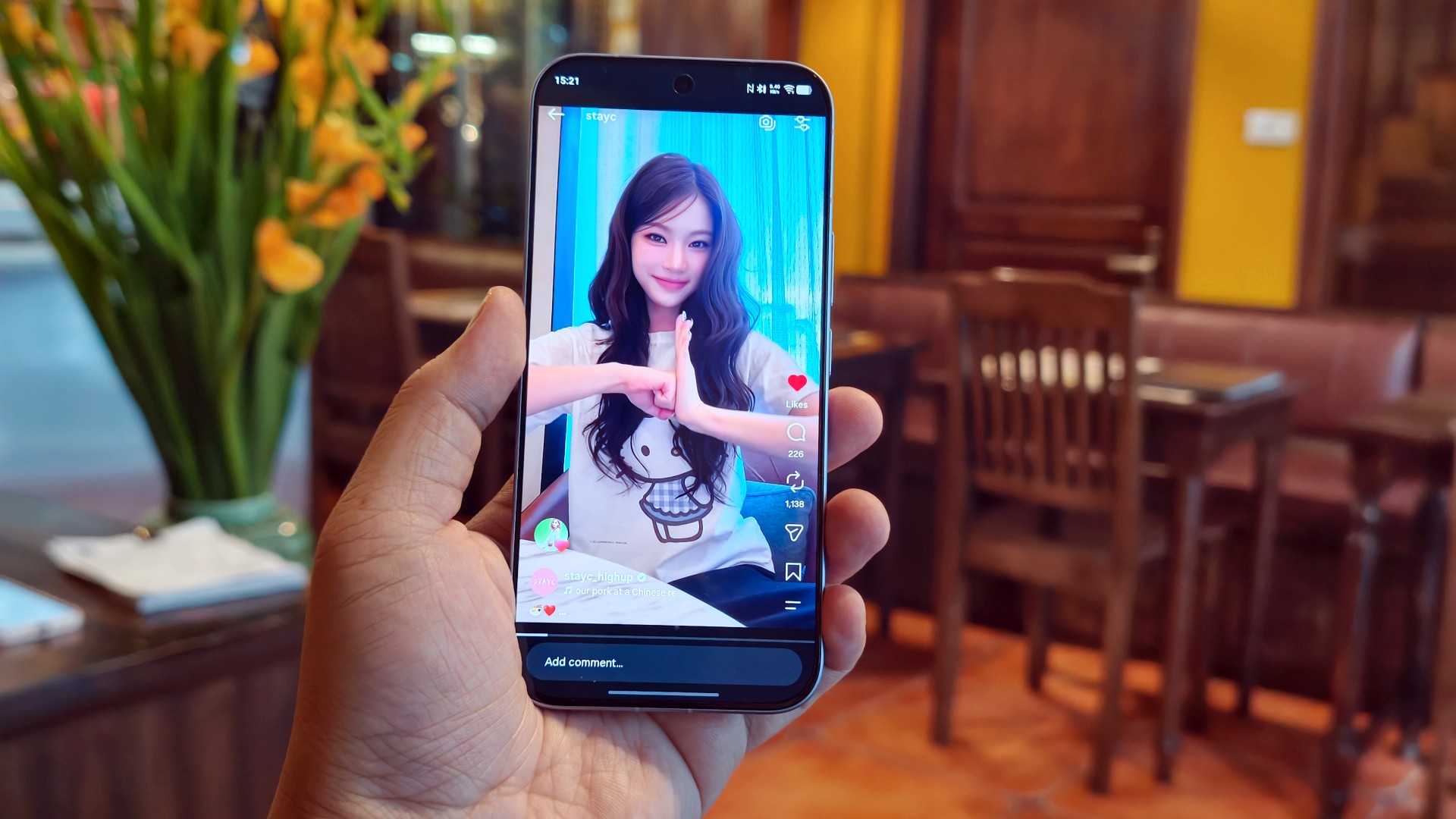
To me, that means the display technology worked to perfection. It delivered a clear, smooth experience without drawing attention to itself for the wrong reasons.
Two days? Maybe. One day? Absolutely
YES. Very dependable.
I had a hard time curating photos for this review because I took hundreds of them during my trip to Hanoi.

Between taking photos, testing games, doomscrolling, watching STAYC Isa content across different platforms, and catching up on shows like Doctor X: Mafia in White on Netflix, I never felt like I needed to find a plug or charge the phone in the middle of the day.
I typically ended the day with around 40–45% battery remaining. The vivo V80 can endure heavy days and likely more. Battery performance is excellent.

And you won’t feel like you’re away from the phone for too long when you finally need to charge it after a long day out. Topping it off takes roughly the time it takes to watch an episode and a half of anime, or about one episode of The Rookie. That’s around 30–40 minutes for a full charge.
The battery life and charging speeds are likely among the better ones in its class. Having both in a phone that’s relatively light and compact is quite a feat. I suppose this is the new normal for midrangers now.
OriginOS still feels a little offbeat

I’ve been using OriginOS sparingly for the last year or so. Something about it still feels offbeat to me.
Although, if you use phones from other Chinese manufacturers, you shouldn’t have too much difficulty adjusting. They all have subtle differences here and there, mostly in their icons and animations. However, the general feel will be familiar to most Android users.
Is the vivo V80 your GadgetMatch?
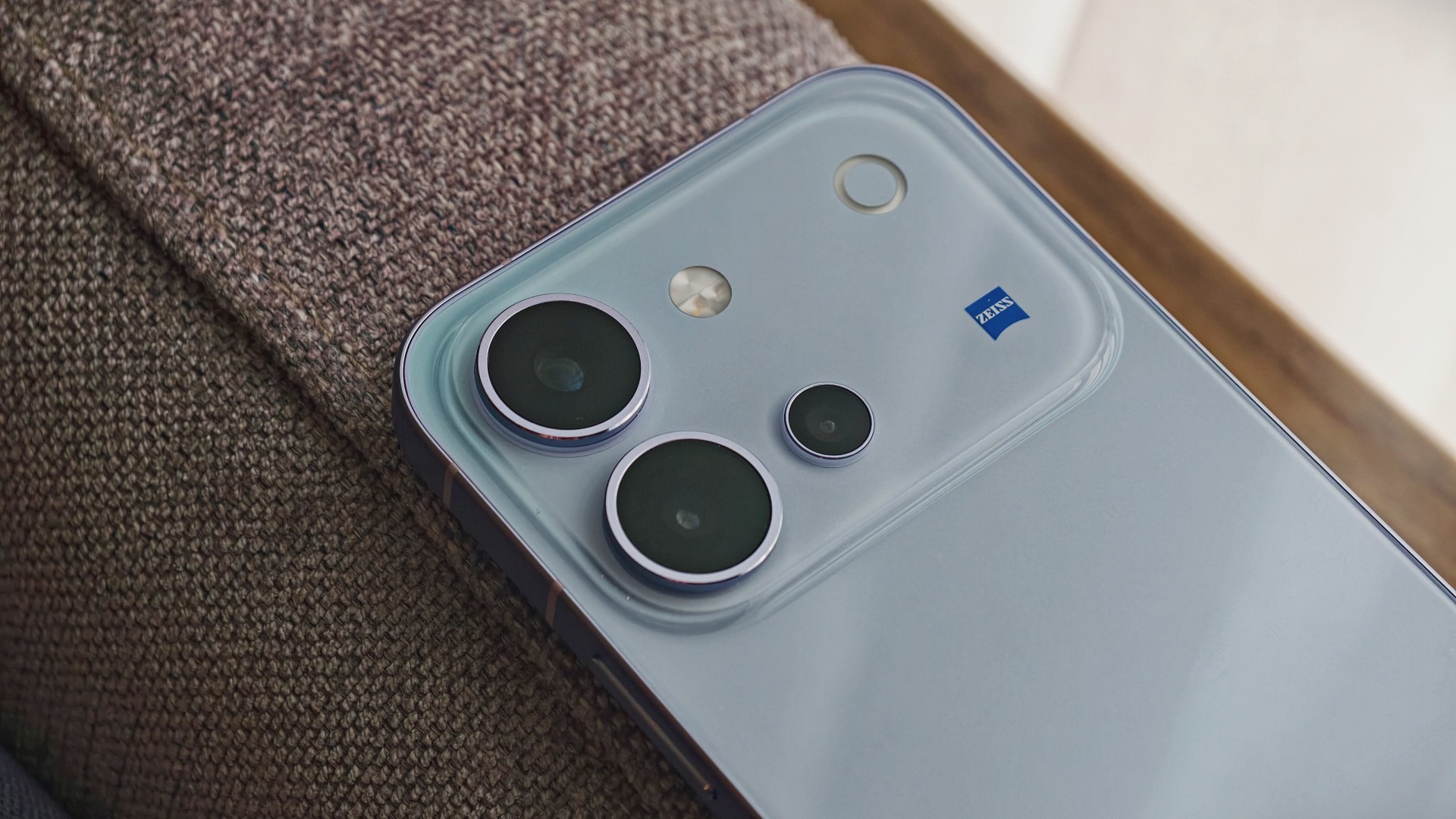
The vivo V80 is a good phone. It’s serviceable for mobile gaming, more than decent for everyday browsing and social media scrolling, mostly fantastic for taking photos, and capable of staying powered throughout all those activities.
The display is another highlight. It remains easy to see in bright daylight and delivers a smooth gaming experience without calling attention to itself. Meanwhile, the battery easily keeps up with heavy days of photography, gaming, and entertainment.
The kicker, like in most things, is usually the price.
Midrange phones have become harder to place of late. In a vacuum, they’re really good smartphones. But the asking price, which can be influenced by multiple factors, will give you pause.
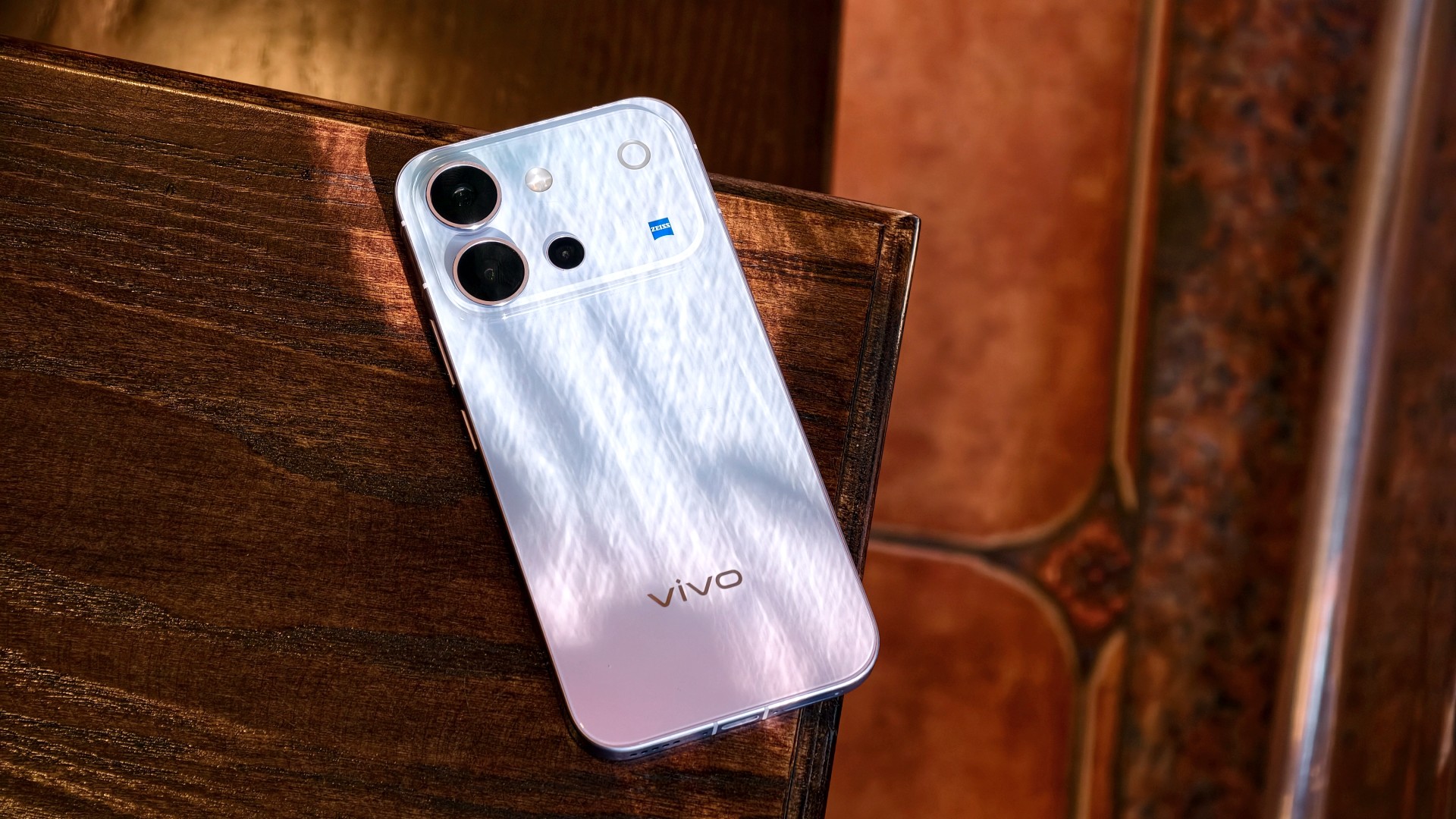
The vivo V80 is listed at PhP 42,999 for the 8GB + 128GB model in the Philippines. In India, the same base storage configuration starts at INR 62,999. That’s quite a lot, especially for a smartphone that feels like it should be priced closer to its predecessor, which started at PhP 31,999.
It’s still a Swipe Right, but a shaky one at that. At this price point, I’m thinking I’d rather start saving up for a more premium smartphone. It’s easier to justify a higher price tag for something that performs excellently across the board and that I know I’ll use for years.





OPPO Find X10 Series: Price, availability in the Philippines

MediCard’s MedGo app can scan your face for health risks

DJI Osmo Pocket 4P Pearl White now available globally

Cyberpunk: Edgerunners 2 now streaming, Cyberpunk 2077 update coming

ASUS ProArt P14, P16 laptops with NVIDIA RTX Spark now available

OPPO Find X10 Pro Max is the first phone with a triple 200MP camera system

TECNO CAMON Slim 5G: Price, availability in the Philippines

TECNO CAMON Slim 5G review: Slim on size, big on surprise

HONOR Magic9 Pro Max launches in China with ARRI-powered imaging

BYD says that way better EV batteries are coming next year


-
 News2 weeks ago
OPPO Find X10 Series launches globally October 21
-
 Wearables2 weeks ago
Garmin Enduro 4 promises up to 320 hours of battery life
-

 Gaming1 week ago
Dragon’s Dogma 2: Dark Arisen launches with new Official Pawns
-
 News6 days ago
vivo V80 debuts with ZEISS cameras
-
 Deals1 week ago
Score PhP 22,000 in guaranteed freebies when you pre-order the iPhone 18 Pro at Beyond the Box
-

 Wearables2 weeks ago
Garmin Approach S72 brings swing metrics, green reading to your wrist
-
 Philippines5 days ago
TECNO CAMON Slim 5G gets launch discounts, free MagBadge
-

 Laptops2 weeks ago
ASUS Zenbook 14 lineup expands with new colors and processors