
Wearables
Apple Watch Ultra 2 adds a better chip (or SiP)
A modest upgrade over last year’s model

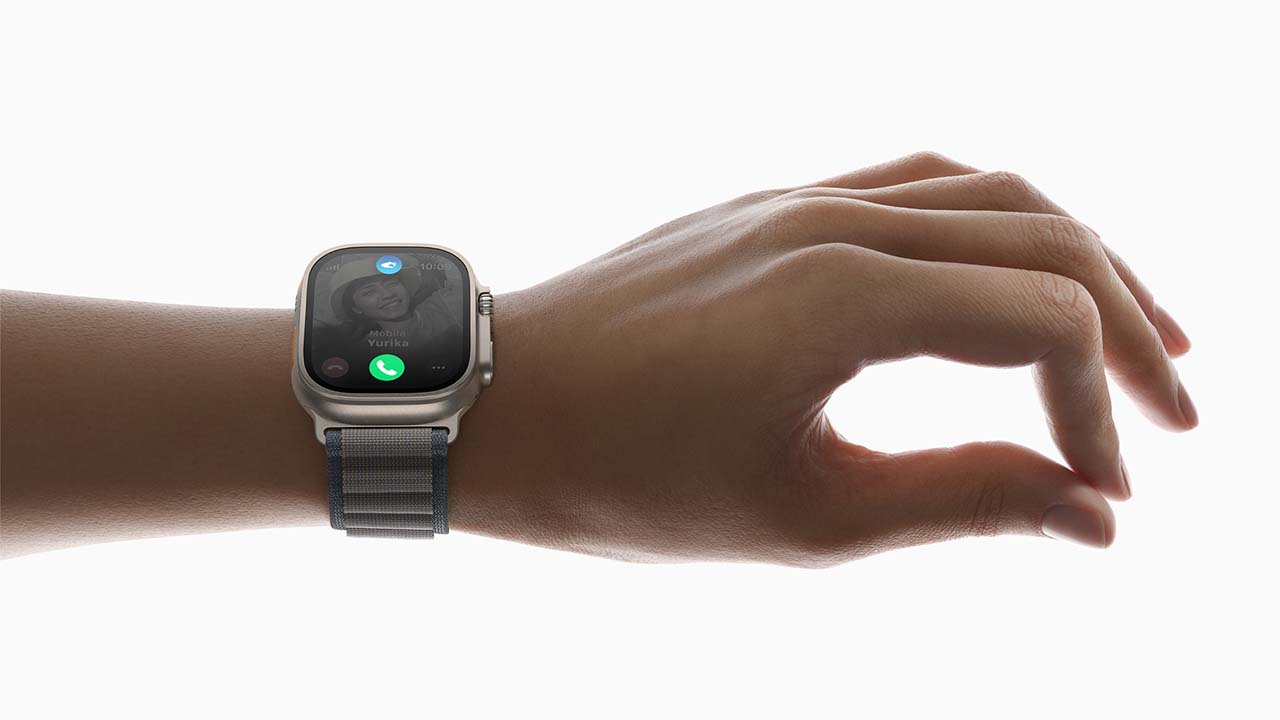
Last year, Apple introduced the Apple Watch Ultra. The rugged smartwatch introduced a better wearable for those who love the great outdoors. A year since introducing the series, Apple is launching the Apple Watch Ultra 2, a modest upgrade over last year.
This year, the Apple Watch Ultra 2 will get the same S9 SiP that the Apple Watch Series 9 is getting. Users will get the same new features of the regular series including the double tap feature and on-device Siri.
The smartwatch will also get an improved screen, pushing brightness to 3,000 nits. The improved brightness allows for better readability in tougher conditions including under direct sunlight.
The new Modular Ultra watch face also lets users maximize the entire screen for better tracking. It will also have a better night mode which automatically turns on with the ambient light sensor.
Inside, the device will have the same 36-hour battery life as its predecessor. However, it can last up to 72 hours in Low Power Mode. To reflect the company’s goal for carbon neutrality, the Apple Watch Ultra 2 features 95 percent recycled material.
Preorders start today. However, availability will start on September 22. It will sell for US$ 799.







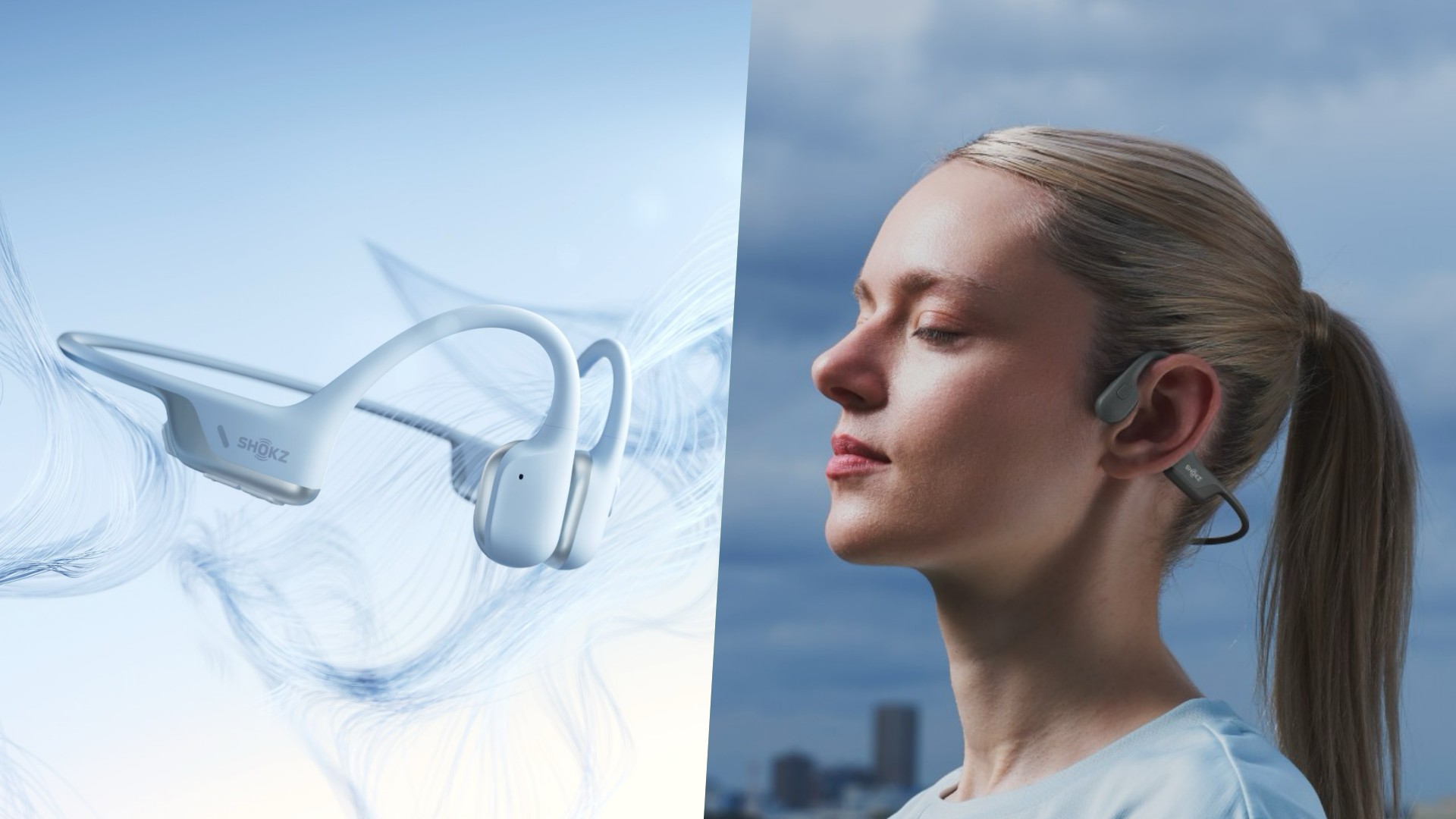
Shokz has launched two new open-ear audio products designed for active lifestyles and everyday use.
The OpenRun Air 2 is a bone conduction sports headphone built for running, cycling, hiking, and outdoor training. The OpenFit Air 2 is a true wireless earbud designed for workouts, commuting, and all-day wear.
Both products keep the ear canal open. This lets users listen to music and take calls while staying aware of their surroundings.
OpenRun Air 2 gets smaller and lighter

The OpenRun Air 2 weighs 26.4 grams. It is also more than 9% smaller than the OpenRun.
Shokz redesigned the ear hooks to follow the natural curve of the ear. The new design distributes pressure more evenly. A forward-shifted center of gravity also helps reduce bounce during movement.
The ear hooks and neckband use a durable memory alloy. This helps keep the headphones secure during activities.
The headphones use Shokz’s PremiumPitch 3.0 bone conduction technology. Its upgraded driver uses an all-metal, dual-coil, dual-reed structure. Shokz says this delivers richer bass, clearer vocals, and a more balanced sound.
Users can also adjust the sound through the Shokz App. It offers four preset EQ modes and two custom EQ profiles.
The OpenRun Air 2 offers up to 10 hours of listening time. That’s 25% longer than the OpenRun. A five-minute Quick Charge can also provide up to two hours of playback.
An IP67 rating protects the headphones from dust and water. The device also uses USB-C charging and physical controls.
For calls, the OpenRun Air 2 uses an AI-powered noise reduction microphone. Shokz says it helps keep calls clear even in windy conditions.
The headphones come in Black and Ice Blue. Both colors are available in Standard and Mini sizes.
OpenFit Air 2 is the lightest OpenFit
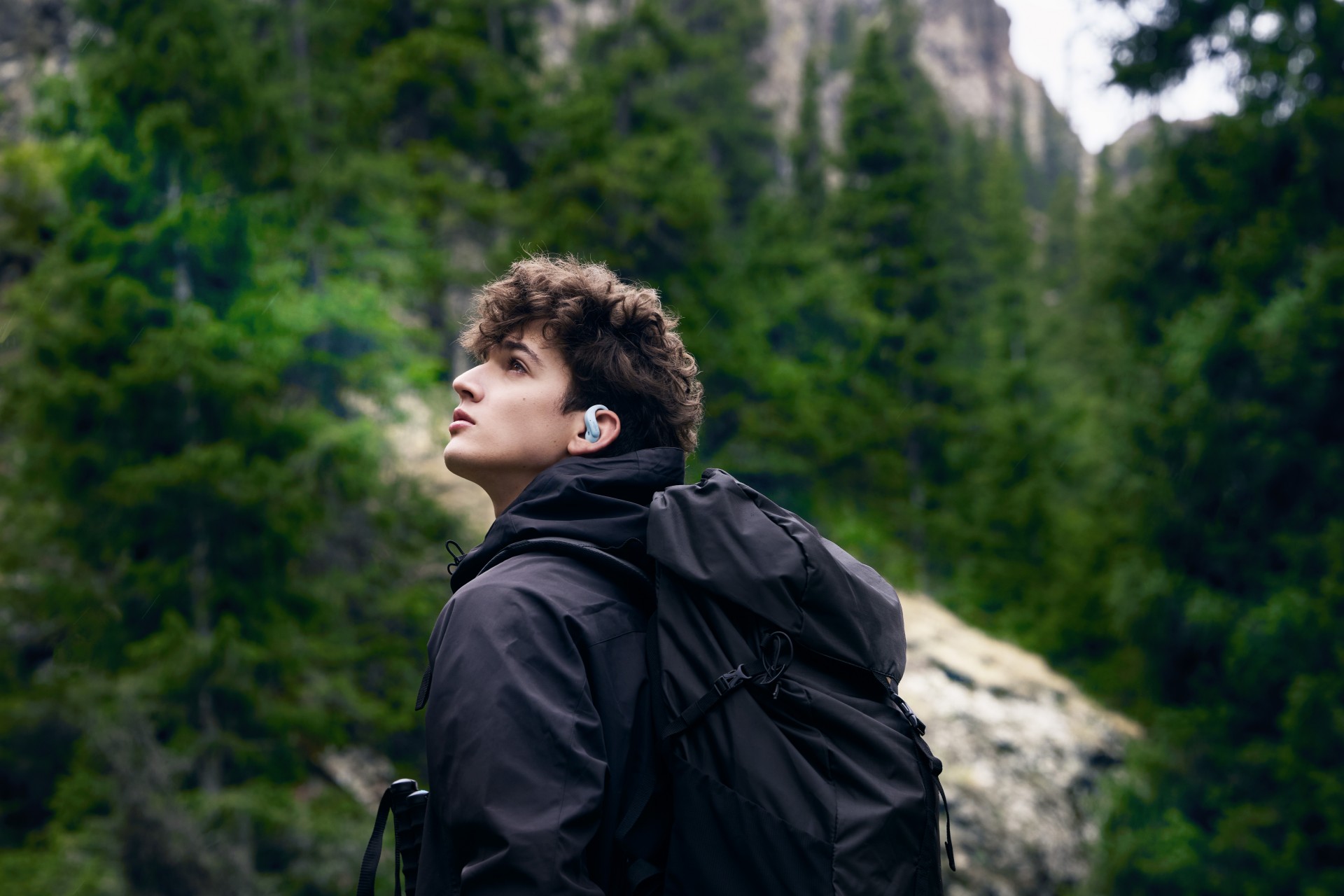
The OpenFit Air 2 weighs 7.2 grams per earbud. Shokz says it is the lightest product in the OpenFit lineup.
The new charging case is 10.5% smaller than the previous generation. The earbuds and case together are also 17.6% lighter.
Shokz redesigned the ear hook with a 0.75mm nickel-titanium alloy frame. This balances flexibility and support during workouts and everyday use.
The open-ear design also reduces pressure and heat buildup inside the ear canal.
For audio, the OpenFit Air 2 uses Shokz’s Bassphere driver and OpenBass 2.0 algorithm. The system uses a dual-driver setup to improve low-frequency performance.
A 30-degree angled speaker directs sound toward the ear. DirectPitch technology also helps reduce sound leakage.
Like the OpenRun Air 2, the OpenFit Air 2 supports four preset EQ modes and two custom profiles through the Shokz App.
The earbuds provide up to eight hours of listening time on a single charge. The charging case extends total battery life to up to 36 hours. A 10-minute quick charge provides up to three hours of playback.
The earbuds also use pressure-sensitive controls designed to reduce accidental inputs from sweat, water droplets, or hair.
Other features include dual microphones with AI noise reduction, IP55 sweat and water resistance, Bluetooth 6.1, Multipoint Pairing, Fast Pair, Swift Pair, customizable controls, and Find My Earbuds through the Shokz App.
The OpenFit Air 2 comes in Black, White, and Ice Blue.
Pricing and availability
The Shokz OpenRun Air 2 and OpenFit Air 2 will be available starting August 27 through Shokz.com and select retailers.
Both products are priced at $129.95 USD and $169.95 CAD.


What if smart glasses could make you more present instead of recording everything around you? Check out MemoMind or back it up on Kickstarter.
After spending time with the MemoMind One around New York City, THE Michael Josh wanted to answer one question: Do smart glasses actually become more useful when they stop trying to be a camera?
In this video, we take a look at the MemoMind One — a new pair of AI-powered smart glasses that take a very different approach.
News
These “smart” glasses just sold out in under a week
DuckDuckGo touts that these glasses have zero AI, zero cameras, and an infinite battery life.
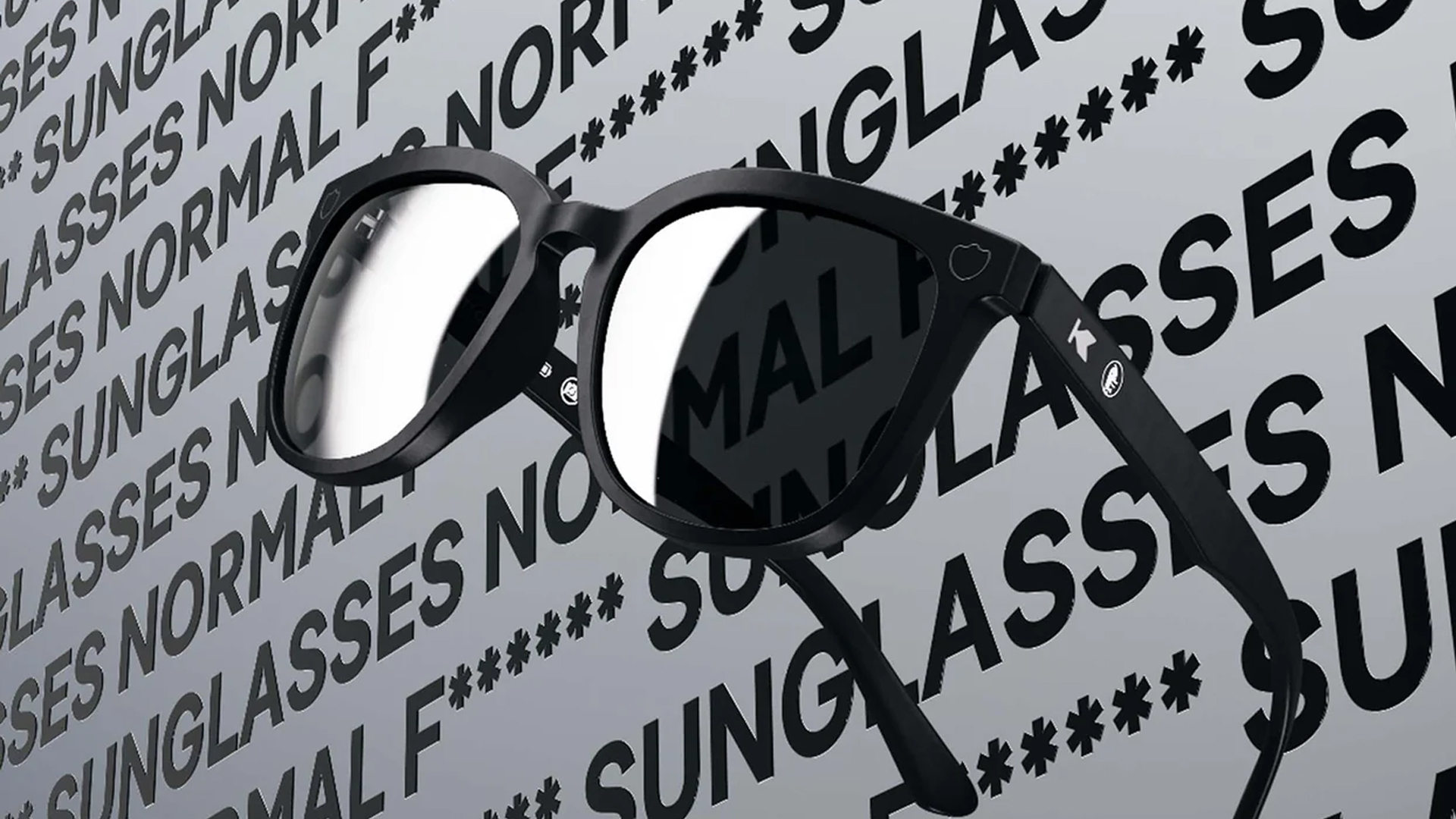
Smart glasses are in a weird place right now. While a chunk of the population views them as cool and innovative, another significant chunk sees them as a privacy nightmare. If you’re in the latter group but want to see what life is like on the former, DuckDuckGo has a new product: a pair of anti-surveillance glasses with no camera or AI, otherwise known as just normal sunglasses.
If it’s not obvious, yes, it’s a troll product. DuckDuckGo is a search engine famously known for pushing privacy as a priority, opposing Google’s penchant for advertising and AI. Now, the search engine is taking on the smart glasses market.
Partnering with Knockaround, DuckDuckGo released the Paso Robles, a pair of sunglasses touted as having zero cameras, an always-offline mode, and a battery life of infinity.
It’s a statement piece. The rims have a logo mark, similar to the Meta’s glasses. The packaging also states that the glasses are “designed to block the sun, not send data to the cloud.”
Now, if you want a pair, they cost only US$ 35, as opposed to Meta’s US$ 299 price tag, but they are already sold out.
Which says quite a bit about today’s sentiment against AI and for privacy. Of course, to be fair, DuckDuckGo’s supply is certainly less than Meta’s stock for their smart glasses. It does, however, prove that the sentiment is there.
As of now, the world is slowly realizing that unimpeded smart glasses aren’t such a good idea, leading to people concerned about their privacy. In fact, some states have already started banning the technology in certain public spaces.

REDMI Note 17 Pro review: What a rollercoaster ride!
The serious series of ups and downs are NOTEworthy of your attention

Insta360 Luna Ultra review: My new solo coverage camera
Changed my workflow

TECNO MEGAPAD 2 review: Eyes on the size
The MEGA pad for two base users

Samsung Galaxy S26 FE brings Galaxy AI upgrades
REDMI Note 17 Pro review: What a rollercoaster ride!

REDMI Note 17 Series: Price, availability in Singapore

REDMI reveals the refreshed Note 17 and Note 17 Pro series

AGIBOT just topped the medal table at the World Humanoid Robot Games

VinFast debuts two-wheeler models, opens 21 e-motorcycle showrooms
TECNO MEGAPAD 2 review: Eyes on the size

REDMI Note 17 Series focuses on long-term reliability

OnePlus officially leaves the United States and Canada

Xiaomi debuts SkyNomad Series featuring new Kunlun platform


-
Reviews5 days ago
TECNO MEGAPAD 2 review: Eyes on the size
-
 Singapore2 weeks ago
REDMI Note 17 Series focuses on long-term reliability
-
 News1 week ago
realme 16T to come with 8,000mAh battery, 7-year battery health guarantee
-
 News1 week ago
HUAWEI Pura X View is 2026’s first WIDE slab-type smartphone
-
 Reviews2 weeks ago
Samsung Galaxy Z Fold8 Review
-

 Accessories1 week ago
Jackery expands Explorer Series portable power stations
-

 Gaming2 weeks ago
Now Playing: Assassin’s Creed Black Flag Resynced
-
 Cameras6 days ago
30 days with the DJI Osmo Pocket 4P