
Lifestyle
Canva unveils new AI-powered Visual Suite, Brand Hub
It’s a Brand New Era!

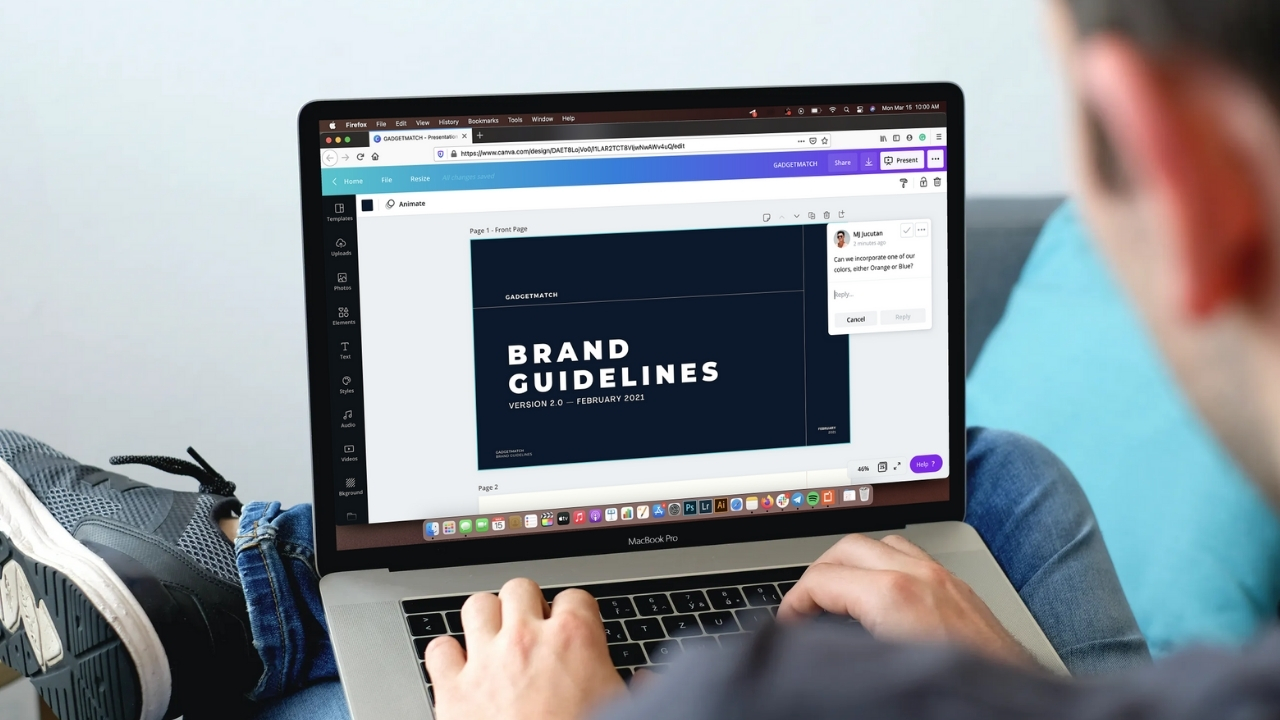
Canva has just announced a new suite of brand management features along with AI-powered design tools at Canva Create.
Ushering in a Brand New Era to help teams and organizations of all shapes and sizes, the world’s only all-in-one visual communication platform focused on empowering brands to scale various creative outputs.
Canva is embarking upon a decade as a powerhouse design platform, with more than US$ 1.4 billion in annualized revenue and over 125 million monthly users.
Moreover, organizations such as FedEx, Starbucks, and even Zoom are embracing the all-in-one design platform — making Canva a home for every brand.
Brand Hub
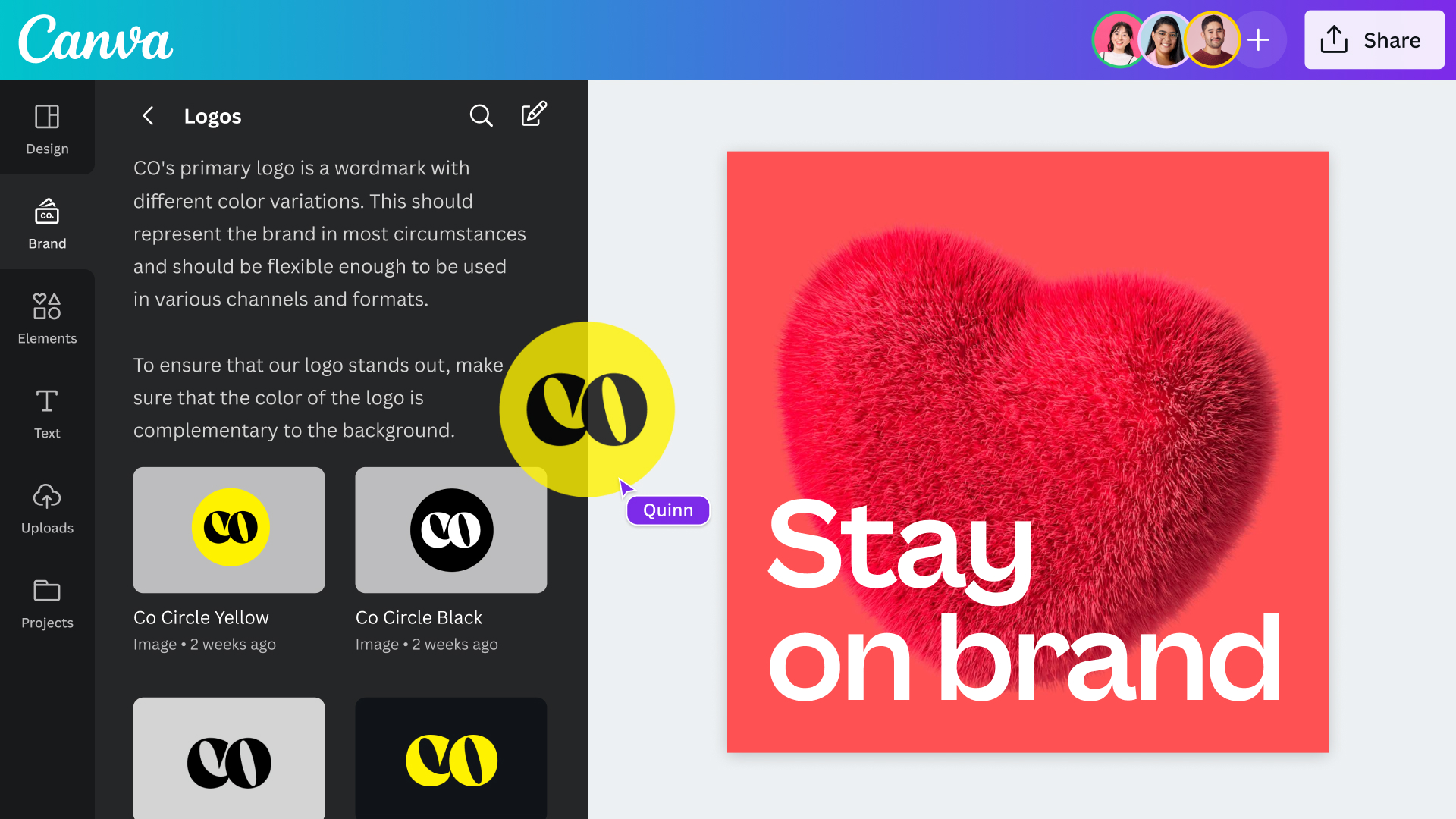
Visual communication efforts are at an all-time high. With every organization regardless of size and industry producing high volumes of content, Canva’s new features help teams create with efficiency while staying on brand.
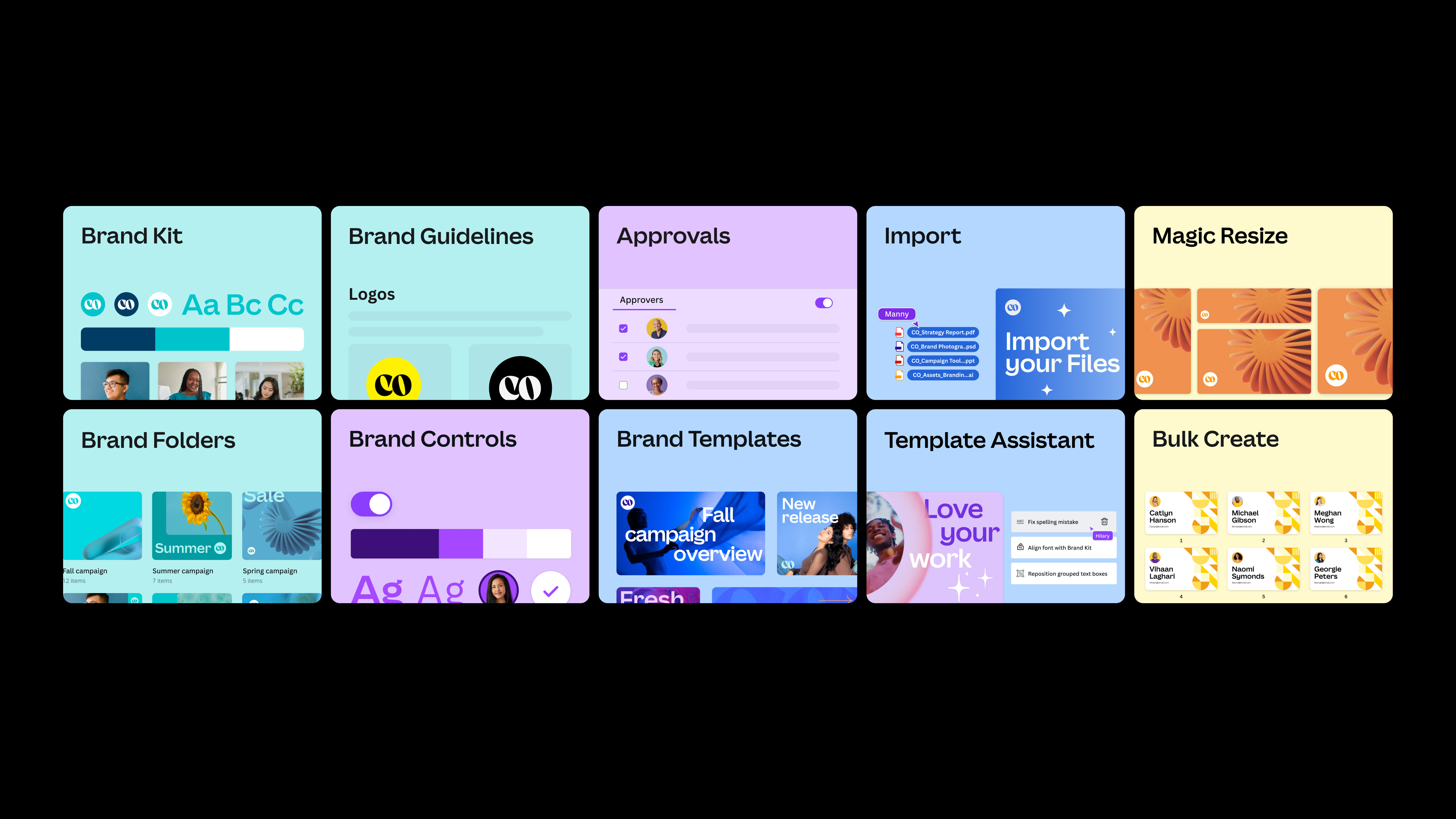
- Brand Kit: Create a Brand Kit with logos, colors, fonts, icons, imagery, graphics, and brand guidelines. Teams will never have to scramble for the right assets and are empowered to create on-brand, standout content.
- Magic Replace: Instantly update brand assets across your entire company with a single click, from changing the logo in your company presentations to swapping out photography.
- Brand Templates: Design and share Brand Templates for teams to quickly create on-brand, compelling content. Save time on repetitive design tasks and scale up content output.
- Brand Folders: Set up Brand Folders to keep branding organized and accessible. Create individual folders to group unique branding for specific events, campaigns, teams, or projects.
- Brand Guidelines: Organizations’ brand guidelines be automatically and contextually surfaced within the Canva Editor as teams create designs, ensuring everyone is equipped with the knowledge to best represent their brand.
- Brand Controls: Set brand controls and have the confidence teams are always designing on-brand content. Admins can limit fonts and colors, eliminating the need to check hex codes or look out for unapproved fonts.
- Approval Workflows: Admins can use approval workflows directly in Canva, ensuring designs are reviewed and approved before being published.
AI-powered Visual Suite
Canva has also unveiled a collection of new AI-powered tools that hastens the design processes of any creative team.
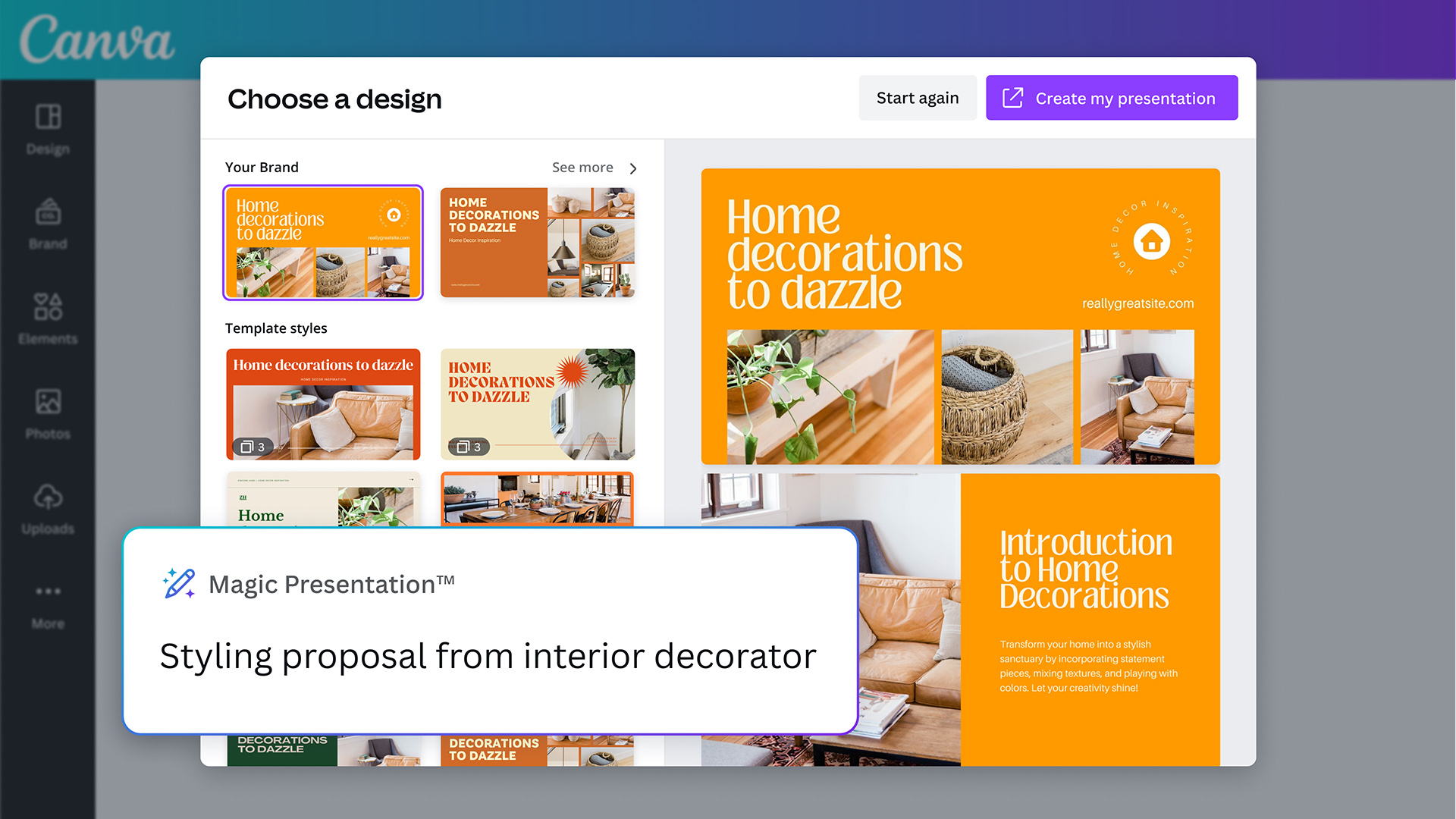
- Magic Design: Simply upload an image then select a style, and Magic Design will create a curated selection of personalized templates ready for you to download to further customize.
- Magic Edit: Add or replace anything in an image. Identify where to add something, describe it to Magic Edit, and watch as it appears.
- Magic Eraser: Clean up unwanted details in images with Magic Eraser. Brush over the area and watch as the distraction is magically removed.
- New Presentations: Create engaging and on-brand presentations in no time. Prompt the editor and watch as Magic Design generates a range of presentations with an outline and content on each slide.
- Canva Assistant: Unlock the best of Canva with the tap of a button. Search for eye-catching elements, get recommendations for images and layouts, or generate custom AI content to elevate your designs.
- Beat Sync: Automatically match video footage to the soundtrack. No more manual editing. Save time and instantly find the perfect moment to play with the beat.
- Translate: With the click of a button, automatically translate the text in designs to over 100 different languages and connect with audiences anywhere in the world.
- Magic Write: Create content from a simple text prompt in seconds. Canva’s AI-powered copywriting assistant is now available across the entire Visual Suite including Presentations, Videos, and Websites making it easier than ever to write everything from website copy or presentation summaries.
Highly requested features
Canva also debuted an array of highly-requested features from its global community, while making an improvement to existing ones.
- Draw: Unleash creativity with freehand drawing, underlines, or annotations. Sketch a simple shape, like a circle, and Shape Assist will transform it into a perfectly polished circle. Easily turn ideas into flowcharts, mind maps, and more.
- Layouts: Add content to a page and be recommended layout ideas for a design.
- Styles: Develop a signature look and feel by matching current designs to previous work. Find inspiration by browsing suggested color palettes and font pairings.
- Layers: Adjust elements without affecting other parts of the design. See all elements in one place — whether it’s text, shapes, images, or video.
- Gradients: Quickly add gradients to any background, shape, table cell, or frame.
- Precision Position Tools: Customize positioning, alignment, spacing, and sizing with ease. Select one or several elements, then open the new Position panel and customize everything from one place.
- Alt Text: Create alt text for media, images, and elements that describes what’s happening, providing extra context for those with visual impairment or accessibility needs.
- Smart Design Imports: Drag and drop any file straight into the editor to transform it into an editable Canva design. Design Imports are now easier, faster, and more precise than ever.
- 953 New Fonts: 953 of the world’s most popular fonts are now available including Arial, Avenier, Courier, Helvetica, and Times New Roman.







Lifestyle
Nike’s Alphafly 4 is built for the part of the marathon ~that actually hurts~
Made to protect your stride when fatigue sets in.


Every marathoner knows the exact moment the race truly begins.
It’s not at the starting line amidst the early morning excitement, but around the 32-kilometer mark, when your legs begin to feel heavy and your form starts to fall apart.
Nike designed its latest marathon racer specifically for that critical window. The Alphafly 4 shifts the focus away from chasing sheer top-end speed, targeting instead the physical breakdown that happens late in a long run.
By studying how fatigue alters a runner’s mechanics over time, Nike rebuilt its flagship distance shoe to help athletes maintain their stride when energy starts to dip.
Holding the line when fatigue sets in
On the road, the shoe operates as a complete, unified system designed to protect your stride.
A redesigned Atomknit upper wraps the foot with breathable support, using targeted midfoot cables and an integrated heel unit to keep your fit secure without adding unnecessary weight or friction over long distances.

Underfoot, the new ZoomX LT foam layer works alongside Nike’s contoured carbon-fiber Flyplate. The lighter foam returns maximum energy with every footfall, while the plate smooths out your rolling motion.
Together with dual forefoot Air Zoom units and a durable Fast Shot outsole, the setup keeps your cadence consistent and your legs feeling fresh well into the back half of the race.
As Emily Farina from the Nike Sport Research Lab notes, their goal was to help runners stay confident, balanced, and capable from the start line all the way to the finish.
Built on the miles that came before
That focus on real-world endurance stems directly from athlete testing.
Nike developed the shoe using feedback from its Project Dreamweaver initiative and extensive trials with women distance runners, prioritizing stability and comfort alongside high performance.
The lineage carries significant weight. The Alphafly family has grounded some of distance running’s greatest moments, from historic sub-two-hour efforts to major course records.
With the Alphafly 4, that legacy translates directly into everyday marathon training, helping athletes hold their target pace just a little bit longer. Marathoners won’t have to wait long to feel the difference on race day.
The Nike Alphafly 4 drops in an early, limited release on September 17 at nike.com, followed by a wider global release on October 29 online and at select retail stores.
Entertainment
SEGA, Netflix announce Crazy Taxi film adaptation
1st in planned slate of film adaptations, including Sonic and STRANGER THAN HEAVEN

SEGA and Netflix have announced a new Crazy Taxi film adaptation. This will usher in a new collaboration era with the parties also developing adaptations for Sonic and STRANGER THAN HEAVEN.
Such a slate of future adaptations reflects the range of SEGA’s library as it draws on Netflix’s experience bringing beloved game worlds to new audiences.
The first project features Crazy Taxi, which will be written by Dan Gregor and Doug Mand. The beloved writing duo was behind the 2025 reboot of The Naked Gun.
Also on board to help helm the production are the same visionaries behind the Sonic franchise: Neal H. Moritz, Toby Ascher, and Toru Nakahara.
Crazy Taxi has been an arcade hit since 1999, putting players behind the wheel of a fearless cabbie racing the clock through chaotic city streets.
There’s flying off ramps, dodging traffic, and chasing tips with punk-rock energy that has become the series’ signature.
The latest title in the franchise, Crazy Taxi: World Tour, is set for a 2027 release. You can watch its trailer below:
Entertainment
Now Playing: Resident Evil
Horror and comedy join forces in Zach Cregger’s latest masterpiece.


The intersection between horror and comedy is separated by a thin wall of air. In modern times, we’ve seen comedy legends, such as Jordan Peele and John Krasinski, make the successful jump into horror. Some have theorized that laughter is a pain response, which links it to the adrenaline-filled thrill of experiencing horror. Personally, I believe that mastering comedic timing also complements the timing of scary moments in horror. Comedy-trained directors just get it. That’s why the melding of the two genres is always something to look for, and that’s why Zach Cregger’s Resident Evil is a must watch.
Coming from last year’s Weapons, Cregger established himself in the annals of horror history, despite learning the art of filmmaking from cult comedy classics like Miss March and The Whitest Kids U’Know. Weapons (and Barbarian before it) expertly balances the essentials of horror with dark comedy. If you’ve seen either of these movies, then you know what you’re in for with Resident Evil.
Based on the games or the past movies?
Resident Evil is tagged as second reboot of the movie franchise after 2021’s disastrous attempt, starring Kaya Scodelario, which barely registered a hiccup in the oeuvre of Resident Evil films. However, like 2021’s failure, Cregger’s take bases itself primarily on the events of the games, specifically around the plot of Resident Evil 2.
Bryan, a medical courier played by Austin Abrams, is tasked with delivering a top-priority package to Raccoon City. Unbeknownst to him, the way leading into Raccoon City (and the fabled city itself) is already overrun with mutated monstrosities.
And so, Bryan, a courier inexperienced with combat (much less surviving against zombies), must fight his way into the city to deliver his charge.
A worthy protagonist
Over the years, the franchise has seesawed between capable action heroes, like Leon Kennedy, and those who can barely survive, like Biohazard‘s Ethan Winters. On that scale, Bryan falls deeply into Winters’s side of the spectrum. He’s ill-equipped to survive a zombie apocalypse. He even admits that his barebones knowledge of guns comes from videogames. He attempts to shoot locks, thinking they’d work as they do in games. He is not a character you’d want to follow if you’re looking for a gruff man gunning down hordes of zombies with a machine gun.

But that’s exactly what makes this horror film worth watching. Bryan is us. Though there were times I was screaming at the screen because he wouldn’t do the obviously logical thing of running away from blatant traps, our fragile protagonist mimics how we would all react in a horrific situation: a deer in the headlights stuck staring.
Every situation feels more frightful. You don’t know how you’d react. He doesn’t know how he’d react. We’re just stuck trailing along for his ride. If he lingers too long looking at a zombie about to bite him, you have no choice but to look along with him. As a horror protagonist, he’s perfect.
When a camera does the work
Of course, inept protagonists aren’t new to horror. Practically all good horror films will feature a helpless hero standing up to the monster. See: the “final girl” era of horror.
Resident Evil elevates this trope by allowing the camera to do the heavy lifting. The film’s expert transitions into first-person perspectives and over-the-shoulder ones amp up the frights. When Bryan sweeps a room with a gun, the camera takes you down to the muzzle. You become the one sweeping along with him. You see the darkness as he does. The style creates an impressive layer of immersion that brings you into his trauma. Plus, if we’re going with comparisons, the transitions feel like a game taking you from a cutscene back into control of your character.
And it’s not just the perspectives, too. The film mimics several tense moments oft found in horror games, like gingerly creeping through a thin ledge when one false move can mean plummeting to your death. Resident Evil also has scenes in a dark tunnel, the sewers, and an overrun hospital. It’s a veritable who’s who of horror settings. But they all just work. It’s like you’re in a Resident Evil game.
When goofy becomes scary
But that’s enough of how the movie was made. How scary is it?
Taking them from their respective contexts, each monster is goofy. There’s an infirm zombie spewing acid bile that Bryan just bullies around. There’s a seemingly innocent young girl with a tentacle foot. There’s a zombie katamari.
And if that’s not enough, the casting is filled with masters of comedic timing like Paul Walter Hauser, Zach Cherry, and Austin Abrams himself. The first two play bumbling representatives of Umbrella Corporation, people who are too incompetent to do their job. Abrams is the bumbling everyman who can’t make heads or tails of what’s happening. Comedy is a living, breathing presence in this film.

But that’s not to say that this is a comedy film. The horror is still top notch. Cregger just knows how to time everything right.
Unlike modern films today, like in The Conjuring universe, Resident Evil is not a scare-a-minute film. It will not bombard you with jumpscares.
Now, to be fair, there are a fair bit including fakeouts. In fact, under normal circumstances, I’d dislike how many there are. But here, each jumpscare comes with a lengthy period to catch your breath. The film gives you time to relax, to laugh, and, eventually, lower your guard for the next scare. It’s a balanced pace that’s kept up throughout the entire film.
This is exactly how you should pace a horror movie.
Should you watch Resident Evil?
Even with its uniquely comedic style, Resident Evil is one of the most faithful adaptations of a video game I’ve ever seen. Like a game, Cregger’s pacing knows when to let you, the viewer, breathe and when to thrust you back into its monstrosities.
Humor will always go hand in hand with horror. Though the responses to these two categories are technically different, they’re both genres about facing the unexpected. On the box, Resident Evil says that it’s a horror film, but it’s so much more. If you want to laugh, cry, and cower in fear all in the same movie, this is the movie to watch.


DJI Lito X1 review: Is this the best lightweight drone for creators?
Making a strong case as a travel companion and a capable B-cam!


REDMI Note 17 Pro Max review: A new breed born from AI greed
Welcome to the new normal


Marvel’s Wolverine review: When the claws come out
A brutal, cinematic superhero adventure

Epson Lifestudio Grand Plus EH-LS970B with 4K projection, more launches

Jackery Explorer 300D: Power and portability in one

Nike’s Alphafly 4 is built for the part of the marathon ~that actually hurts~

SEGA, Netflix announce Crazy Taxi film adaptation

Smart launches LiveSmart App for exclusive deals

TECNO MEGAPAD 2 review: Eyes on the size

realme 16T 5G with 8000mAh battery, IP69 Pro rating launches in PH

HUAWEI Pura X View is 2026’s first WIDE slab-type smartphone

REDMI reveals the refreshed Note 17 and Note 17 Pro series

REDMI Note 17 Series: Price, availability in Singapore


-
 News2 weeks ago
HUAWEI Pura X View is 2026’s first WIDE slab-type smartphone
-

 News2 weeks ago
The CAMON Slim 5G is TECNO’s latest ultra-slim smartphone
-

 News2 weeks ago
iPhone 18 Pro series: Price, availability in the Philippines
-

 Singapore2 weeks ago
iPhone 18 Pro series: Price, availability in Singapore
-

 News2 weeks ago
iPhone Duo: Price, availability in the Philippines
-

 News2 weeks ago
HUAWEI Mate XT 2 tri-fold launches with Kirin 9050 Pro
-

 News2 weeks ago
vivo introduces refurbished versions of X300 FE, X300 Ultra for less
-

 News2 weeks ago
iPhone Duo: Price, availability in Singapore