


Computex 2026
Why is AI loved in COMPUTEX but hated in the rest of the world?
Two sides of the same coin.

To cover COMPUTEX 2026, I found myself staying in the Grand Hilai Taipei, a 5-star hotel right beside the Taipei Nangang Exhibition Center (TaiNEX), the historical home of the annual conference. I can’t help but think of The Grand Budapest Hotel, a Wes Anderson flick about a similarly decadent hotel. But it’s not the plush hotel rooms, the hospitable staff, or the Romanesque public sauna that has me thinking of the iconic 2014 film. Rather, it’s the man of the hour himself, NVIDIA’s Jensen Huang, the king of today’s AI.
In The Grand Budapest Hotel, Ralph Fiennes plays Monsieur Gustave, the eponymous hotel’s flamboyant concierge. Always the life of the party, Gustave blends seamlessly into the hotel’s luxurious pink decor as he cavorts willy-nilly with the elder clientele. While the film flings Gustave around a thrilling chase for a deceased friend’s inheritance, the film’s subtext is one of politics, mistrust, and war. Around the hotel, the world haplessly descends into the geopolitical turmoil that brought about the Second World War. And yet, Gustave remains indifferent, content as he is to be atop his lofty pulpit while luxuriating in L’Air de Panache.

The amicable Gustave as he lures you in.
Jensen Huang, clad in his trademark leather jacket, is our story’s Monsieur Gustave. Much like Gustave, Huang revels in the fanfare around him. In COMPUTEX, he’s a hero adored by the masses. Wherever he goes, fans bend over backwards to take a selfie. His merchandise (and yes, it exists), touting AI-generated versions of him, is constantly sold out. It’s a stark contrast to the world and all its doom-and-gloom for a future bloated with AI.
The silence behind the applause
Before the official start of COMPUTEX, Huang conducted his own keynote speech for NVIDIA. If you’ve been to one of his keynotes in the past, you’ll hardly recognize what it’s become. There’s no more talks of realistic graphics or faster gaming performance. It’s all about AI.
Most of his time was dedicated to Vera Rubin, a multi-rack AI supercomputer destined to power the future’s data centers. Amid the drone of technical jargon (almost bordering on technobabble), I was quietly asking myself what I was doing here. Meanwhile, beside me, an enthusiastic woman clapped with as much fervor as if Huang was the second coming of Christ himself. Even if Huang could hear her individual applause (and he most certainly didn’t), he couldn’t have seen her Googling frantically what a multi-rack AI supercomputer was.

NVIDIA’s Vera Rubin
After what felt like forever on the Vera Rubin, Huang finally talked about a consumer-ready product: the new RTX Spark laptops. Admittedly, my interest was piqued. After all, it’s supposed to be the next evolution of PCs. Cue: more applause.
Although, the subtext here is as loud as the clamor. Though it’s certainly impressive that a single RTX Spark notebook can deliver 1 petaflop of AI performance and 192GB of unified memory, this next big thing is not for you and me. No one wanted to talk about the price of these things; not a single OEM, not even Huang himself.
All the hype is on productivity and profitability. It will make more work and more money… but not for you. If anything, you’ll probably end up worse.
The price of progress
Building a PC these days can bankrupt you just as easily as visiting an American hospital. A decent stick of RAM is no longer as accessible as it was a few years ago. And it’s all thanks to AI.
Touting them as humanity’s next evolution, the world’s biggest tech companies want you, a regular consumer, to believe that the technology is coming to your home. But first, they need acres of real estate for data centers. Several states in America have already relegated land to put up these centers, much to the chagrin of their residents. Despite assurances that newer ones can more effectively balance the load on the grid, these same data centers need a lot of space, power, and water. All three of which are coming from the communities surrounding them. At the time of this writing, some state governments are pushing back against the incoming infrastructure, perhaps realizing the mistake of unimpeded data center developments. The outside world is slowly turning on AI, but it’s not a global crackdown.
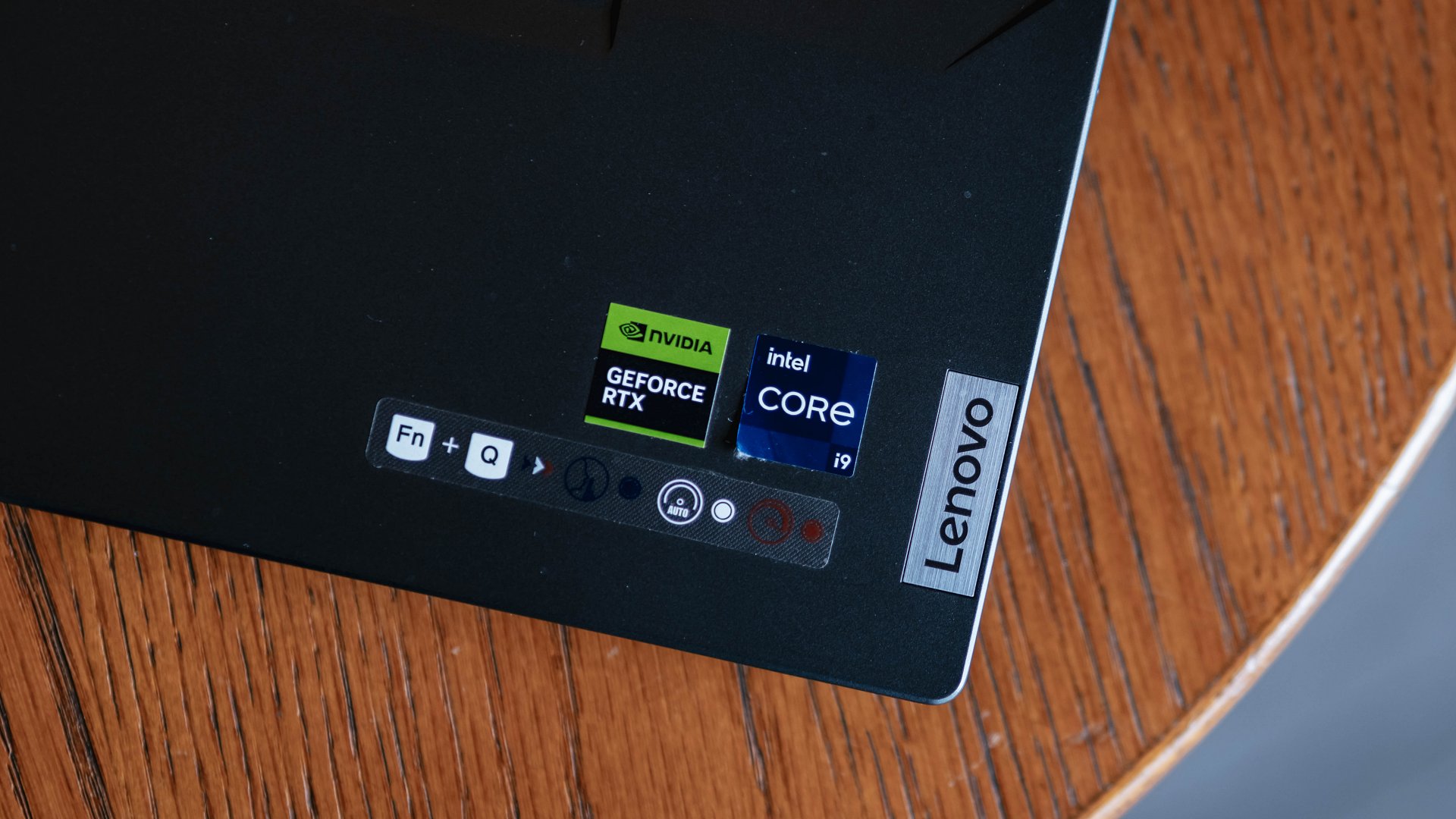
These stickers are getting more expensive.
And that’s before the effect of these data centers on regular consumer technology. Besides all that land, they need a horde of silicon. That’s why NVIDIA has stopped positioning itself as a GPU company, and that’s why all the chips just disappeared. All those data centers are buying up the world’s stock of chips. It’s all a matter of supply and demand at that point; scarcity drives prices up, and we’re left to pick up the pieces. The GPU that was supposed to go to your new PC is now inside a data center somewhere in the States.
Even if you don’t live near a data center, you’re still not safe. Companies, especially in the Western world, believe that AI can replace human workers, leading to mass layoffs. To be clear, while AI can help with productivity when used as a tool, a full replacement isn’t the most feasible option yet. In fact, according to Fortune, AI is just a convenient scapegoat when companies simply want to cut labor expenses by any means necessary.
And yet, the party goes on. Huang is adamant that you are on the ground floor of a revolution that will change the world. But, sorry, bucko; that elevator is going up without you.
The mask falls
As tempting as it is to pick on a single target, the NVIDIA CEO wasn’t the only Monsieur Gustave gallivanting around COMPUTEX. Qualcomm’s Cristiano Amon had his own keynote speech to herald the annual conference. But, opposed to decadence of Huang’s optimism, Amon lets his mask fall just a tiny bit.
To his credit, Amon didn’t extol Qualcomm’s developments exclusively. Rather, he spoke of the overall effects of AI on our world. It’s, of course, the usual optimistic accoutrements of harder, better, faster, stronger for society. Eventually, his excitement gets the best of him and lets slip some shadier effects.
“6G will turn us all into walking cameras,” he said, talking about how AI will affect connectivity.
Now, to be fair, radio frequency sensing isn’t new technology. It’s already been possible to detect objects using only radio signals. 6G, bolstered by AI, will expand this to cover a much wider area for more possible uses.
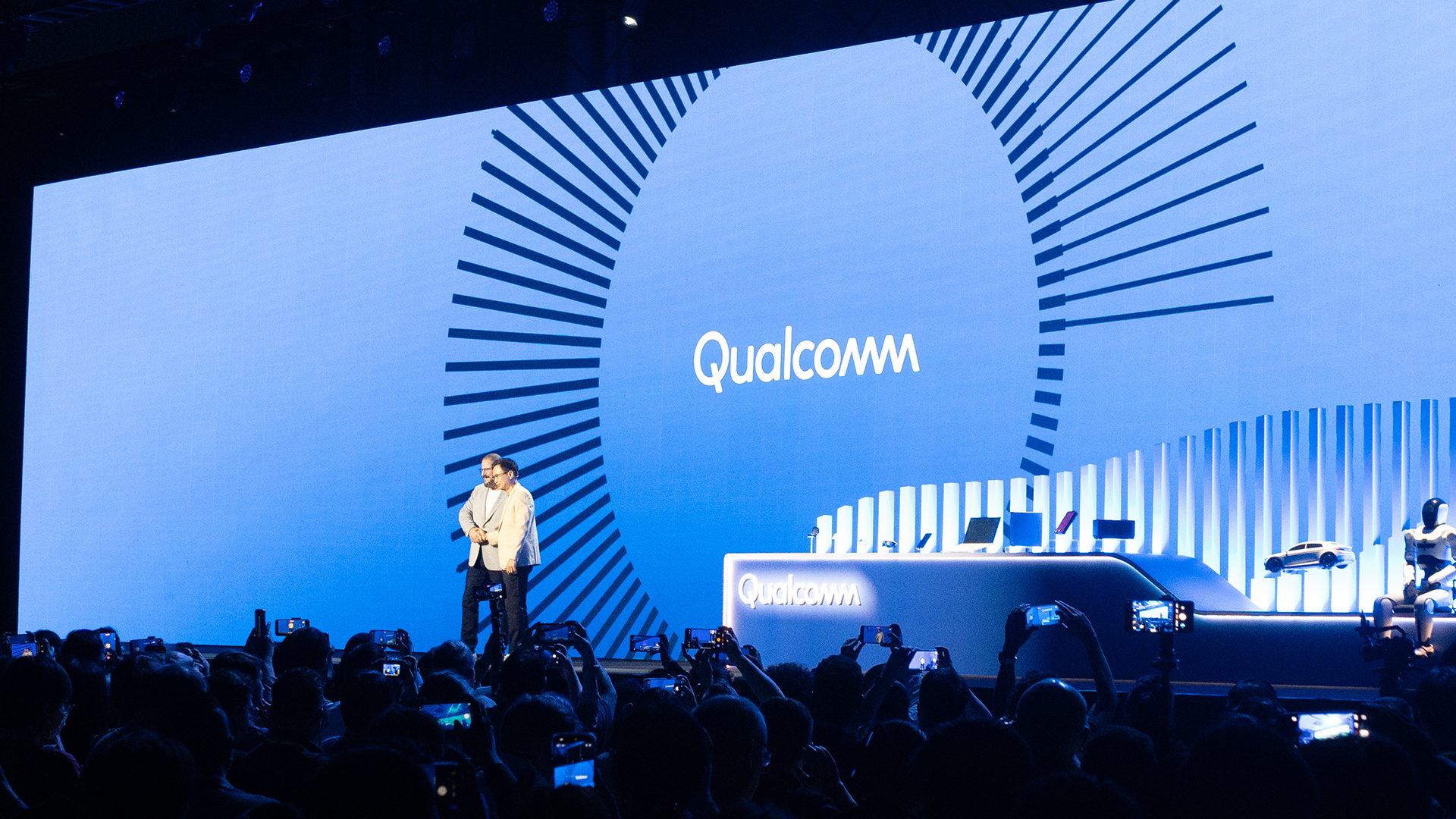
Amon himself admits that it was a controversial statement. But perhaps, he doesn’t know (or care) about any potential invasions of privacy. He remains ever-so-confident that the use of 6G for surveillance will ultimately help with public safety and infrastructure.
All I can think of is The Dark Knight‘s Lucius Fox doing the moral thing and shutting off Batman’s mass surveillance system after finding the Joker.
It’s a tiny slip, but it speak volumes. Your privacy is a sacrifice that they’re willing to take.
As if that’s not enough, Amon signs off on his diatribe with a succinct “resistance is futile,” talking to those who still oppose AI.
An odd way to start off a celebration of AI, isn’t it? Traditionally, that phrase is one oft used by villainous characters, but that’s just par for the course in today’s AI-infested world. Peter Thiel, one of the moguls of AI, infamously named his company Palantir, the same malevolent surveillance tool used by Sauron in The Lord of the Rings. For some, masks don’t really exist.
The other concierge
Speaking as someone who keeps his finger on the pulse of AI more on the Western side of the world, it’s strange to see a different side of the coin. Huang and Amon are icons. You can’t last two seconds without seeing a single mention of AI somewhere on the show floor. There’s a palpable electricity when talking about the potential of AI.
And to be fair, when I talked to a few developers and engineers, I can feel the optimism. One talked about a voice assistant that would suggest better gift ideas for her spouse based on their history. Another one passionately talked about how much gaming has been better with DLSS 4.5. They truly believe that AI can work to their (and our) benefit, and I believe them. Underneath the smarminess of tech billionaires are ordinary people who found ways to better society. That’s where the conversation about AI should start.
But that’s not what the people want. The people want the parties, the glitz and the glamor. And all these billionaires desperately want to be the next Steve Jobs, the next Great Gatsby. And everyone else wants someone to hate.
In Taiwan, it’s not easy to hate a Monsieur Gustave that wants to make you feel welcome. It’s much easier to come for a monster taking your land, your jobs, and your money.
In Taiwan, Monsieur Gustave can have his parties, his adoring friends, and his fancy leather jacket. But in the rest of the world, he finds in himself the caretaker of an entirely different hotel, The Shining’s Overlook Hotel. Beneath Monsieur Gustave is Jack Torrance, and he’s always been the caretaker.
“Here’s Jensen!”

The other concierge.





Computex 2026
Here’s all the RTX Spark notebooks announced at COMPUTEX 2026
We got notebooks from ASUS, Dell, HP, Lenovo, Microsoft, and MSI.
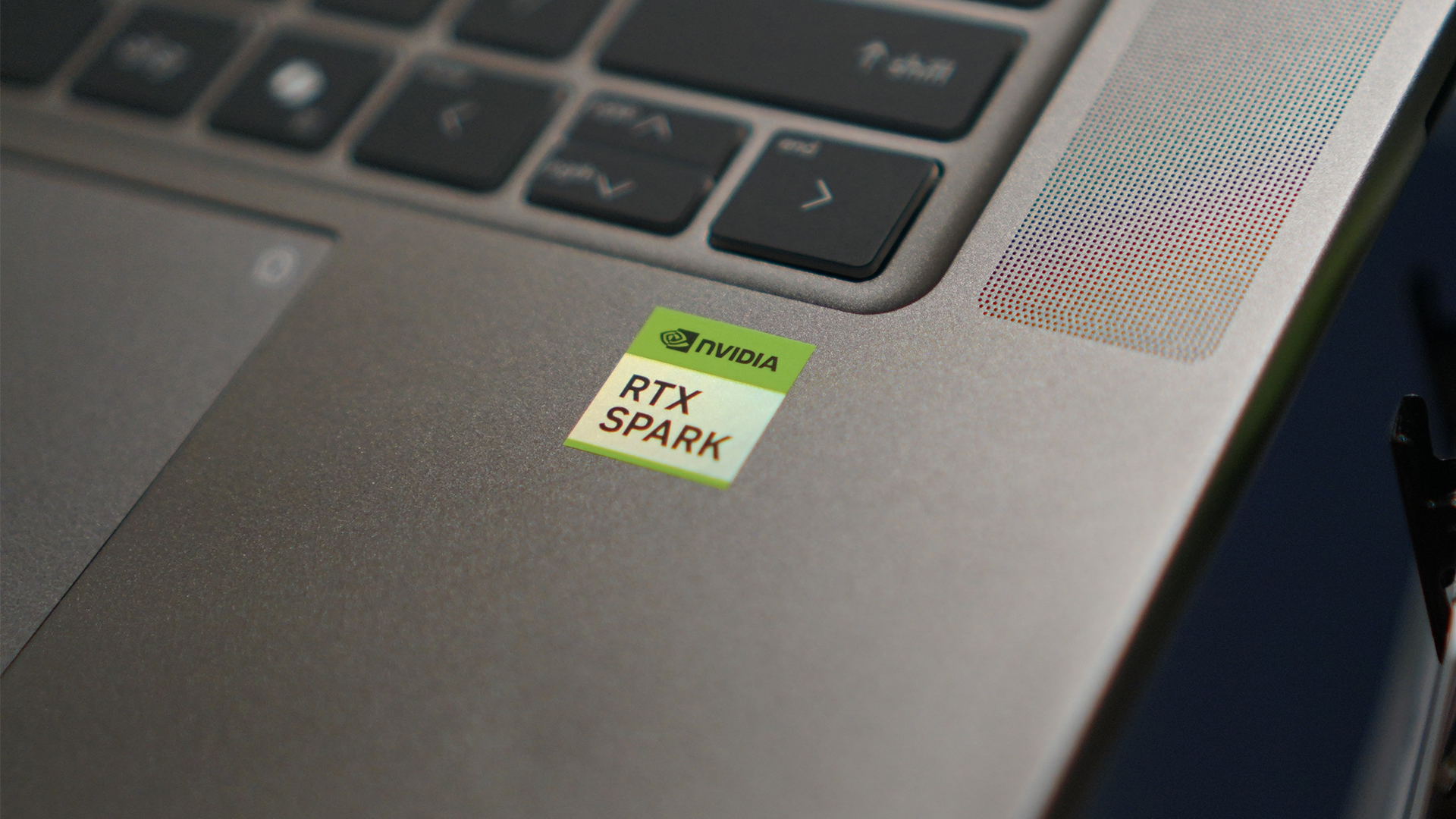
There’s been much ado about the NVIDIA RTX Spark. By now, you’ve probably heard a lot about the upcoming reinvention of PCs. But, as a regular consumer, it’s hard to visualize just how this revolution looks like. Thankfully, in NVIDIA’s demo suites, a few manufacturers got to showcase their take on an RTX Spark notebook. And all of them are coming out in the fall.
ASUS ProArt P14 and P16
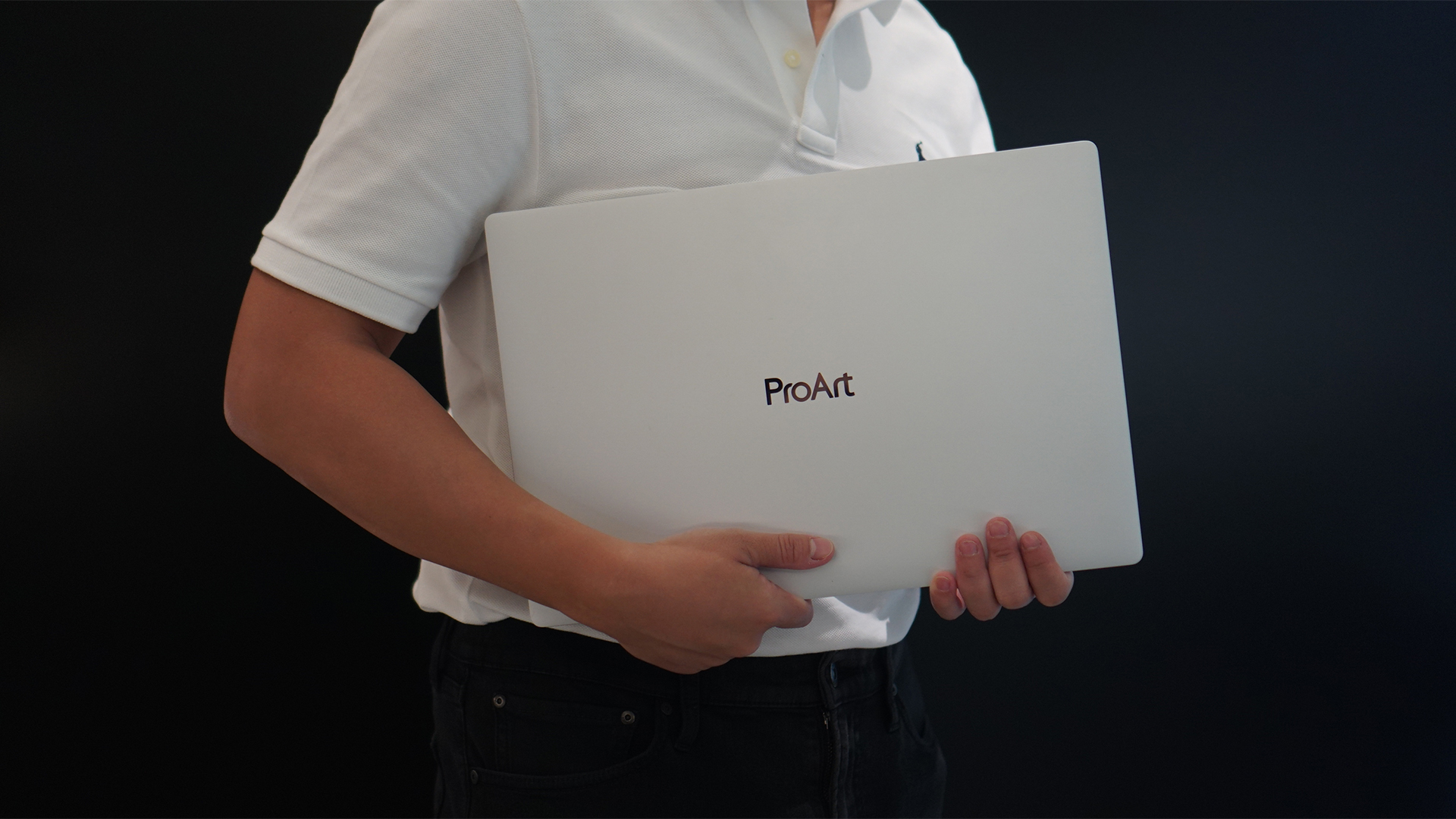
ASUS ProArt P16
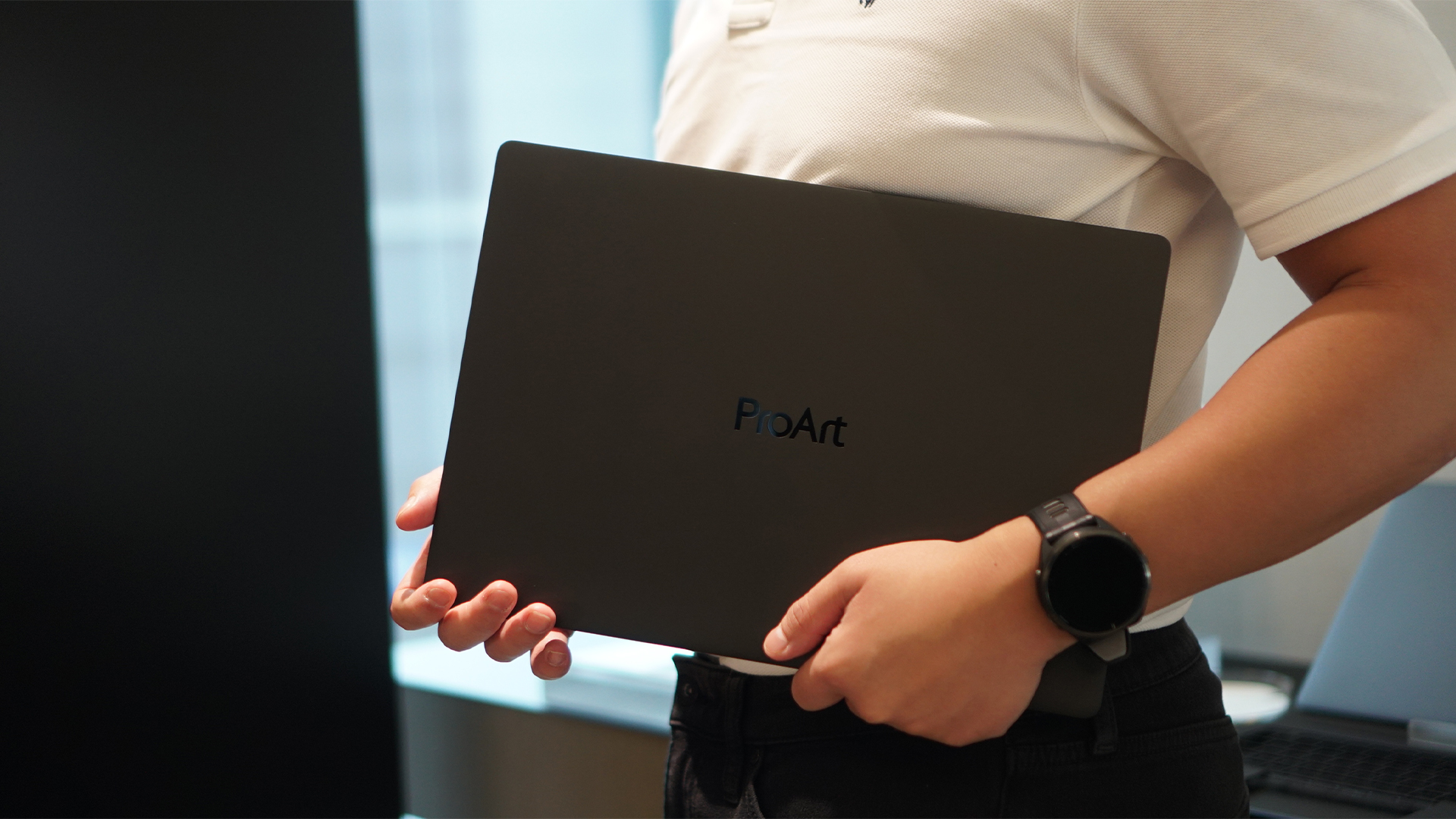
ASUS ProArt P14
Dell XPS 16 Creator Edition
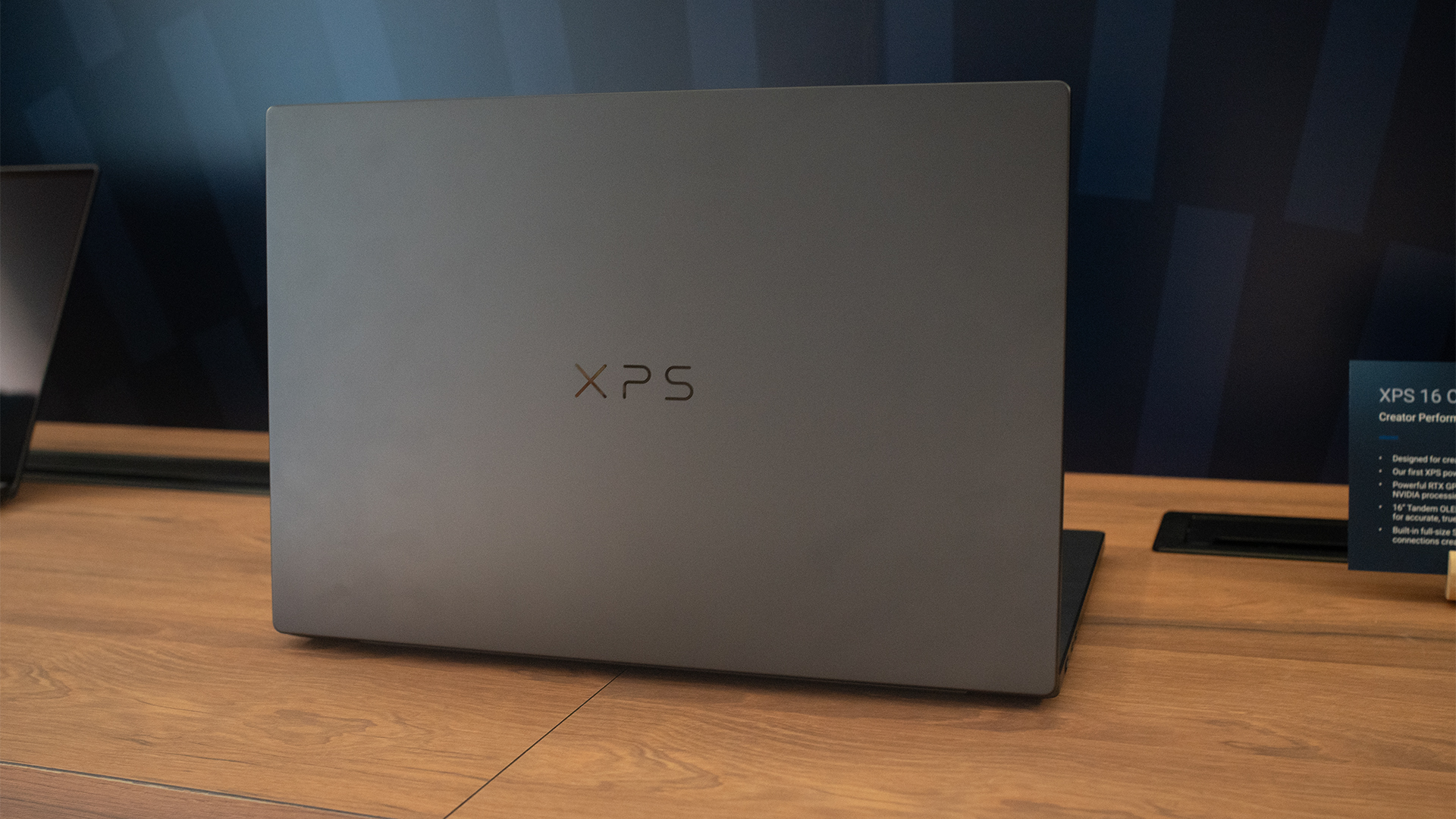
Dell XPS 16 Creator Edition
HP OmniBook X 14 and Ultra 16
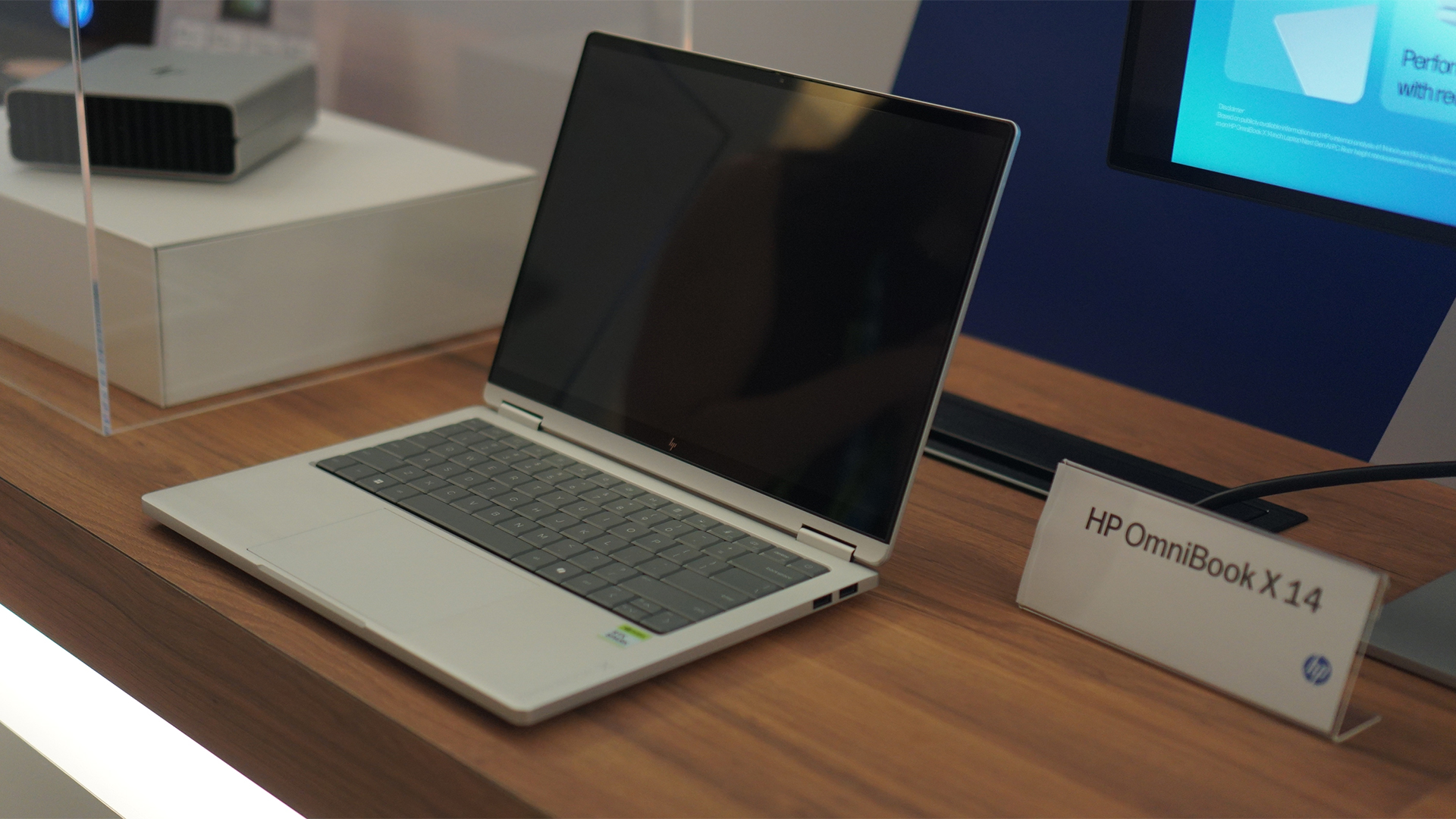
HP OmniBook X 14
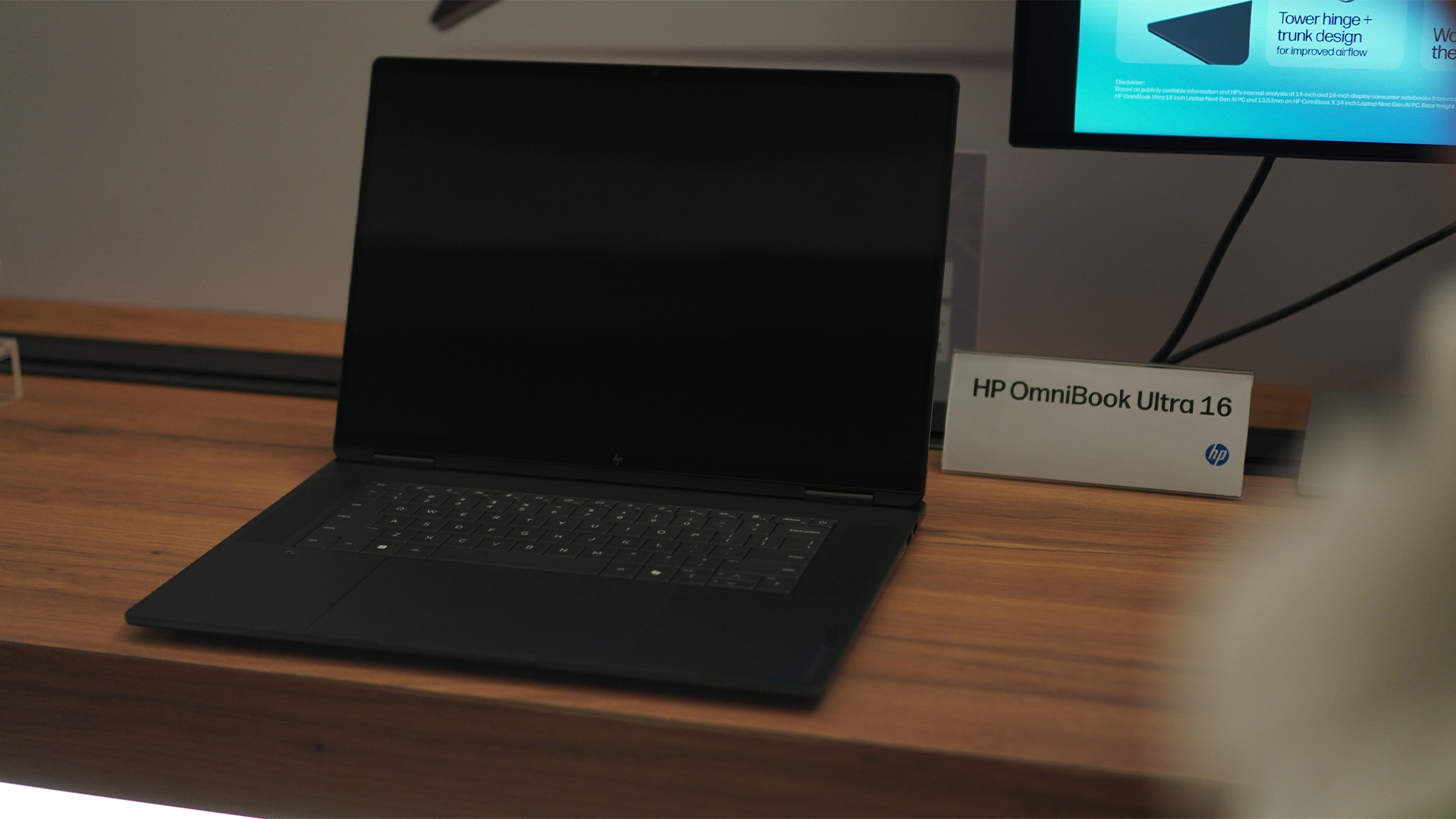
HP OmniBook Ultra 16
Lenovo Yoga Pro 9n
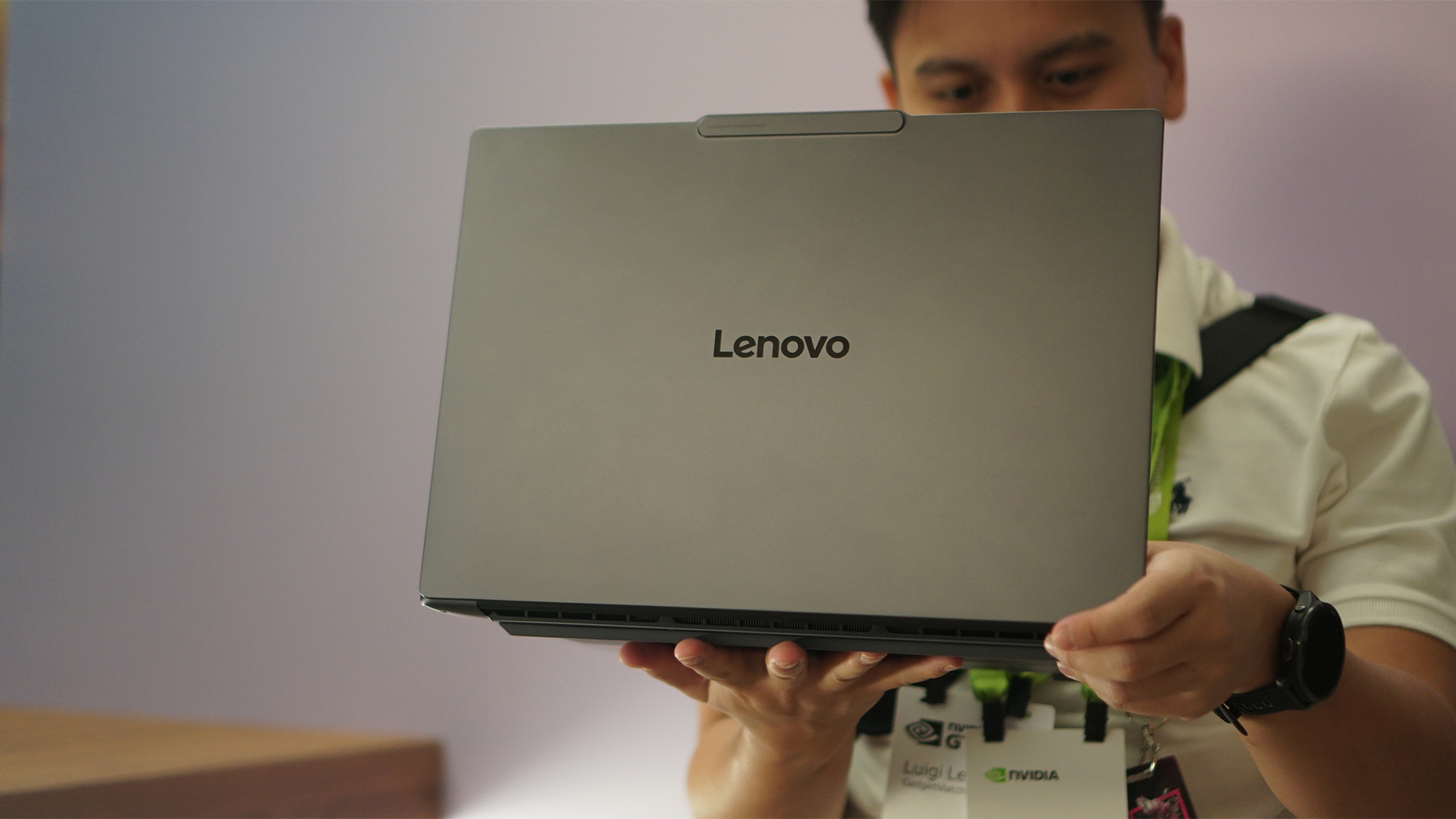
Lenovo Yoga Pro 9n
Microsoft Surface Laptop Ultra
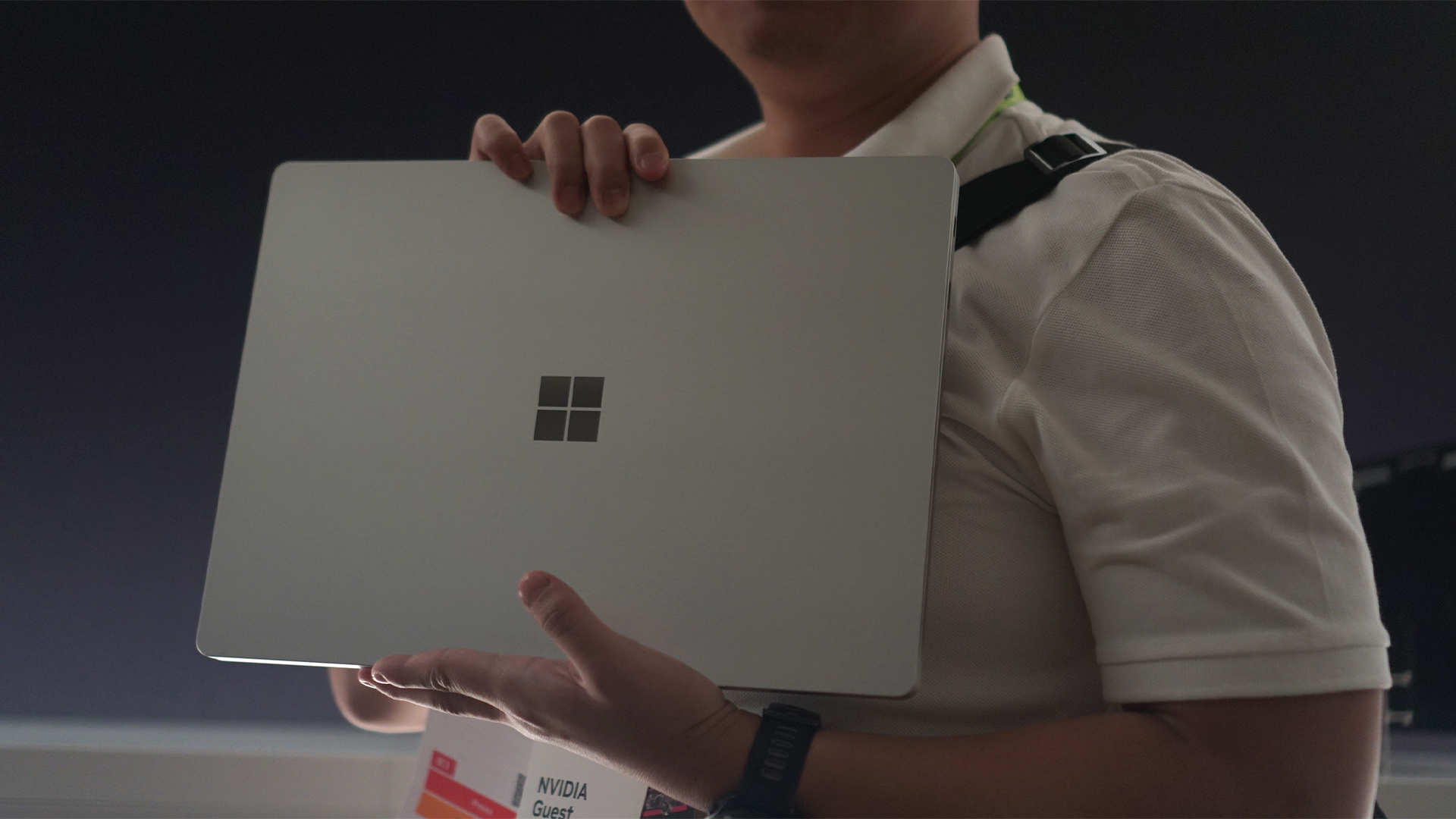
Microsoft Surface Laptop Ultra
MSI Prestige N16 Flip AI+

MSI Prestige N16 Flip AI+
Unfortunately, none of these brands could share comprehensive details about their laptops beyond a promise for raw power. All of these models aren’t the final version yet.
However, just from what we can tell, these notebooks do feel different from the standard fare of laptops today. For one, they are deceptively heavier. Though all of the OEMs promise a much thinner profile, they’re either packing a lot of tech inside or are using denser materials for their chassis. But again, these are engineering units, so who knows how heavy these things will actually be?
Secondly, based on NVIDIA’s demos, they can do a lot of heavy lifting. NVIDIA says that these superchips are meant for developers and creators, but gamers will also find joy in their performance. DLSS 4.5, in particular, feels like a true revolution in terms of graphics.
Thankfully, fall isn’t too far away. If you can wait, the next evolution of PCs is just around the corner.
Computex 2026
Postcards from MSI’s 40th Anniversary Expo
A visual journey through four decades of hardware artistry at COMPUTEX 2026.

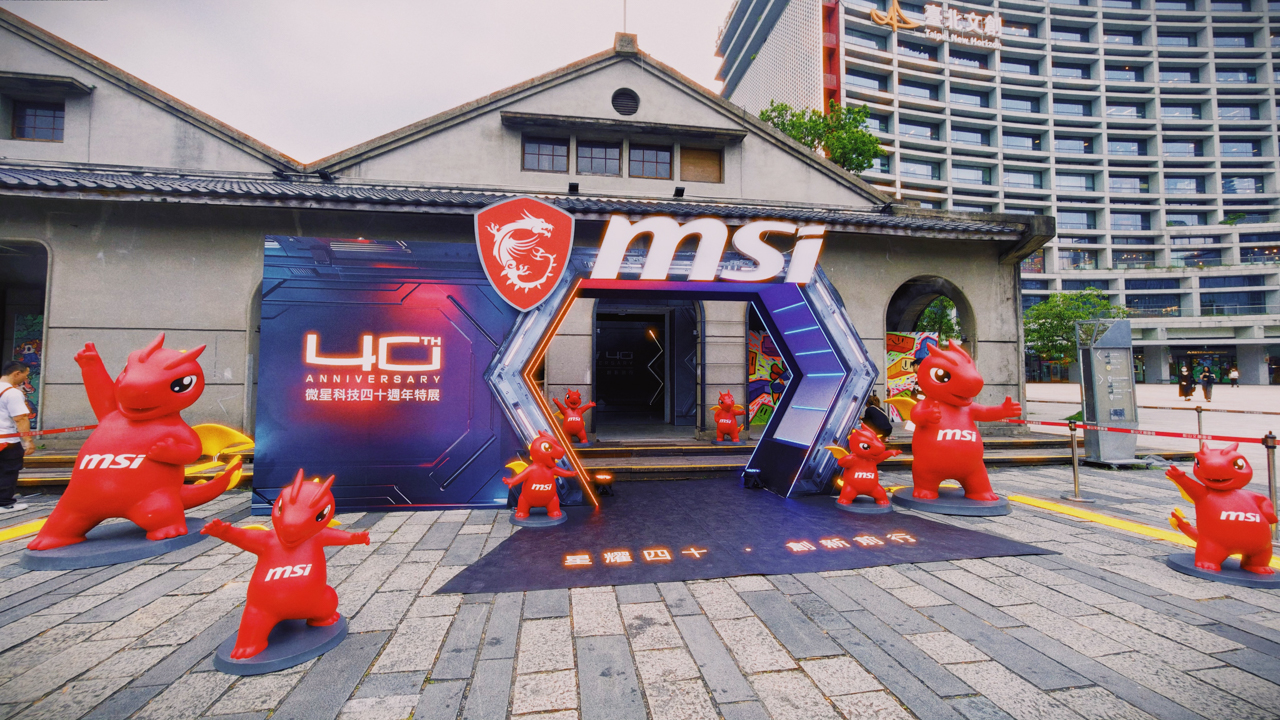
Stepping into MSI’s 40th year anniversary exhibition space felt less like exploring a traditional tech pavilion and more like embarking on a time-travel expedition.
From the nostalgic, raw engineering of 1986 legacy motherboards to the breathtaking, AI-driven flagships and starry-night inspired laptops of tomorrow, four decades of continuous craftsmanship were brought to life under the watchful eye of the iconic dragon motif.
This photo journal captures that vibrant atmosphere. It’s a visual walk through the heritage and the sheer hardware artistry that defined MSI’s historic celebration in Taiwan.
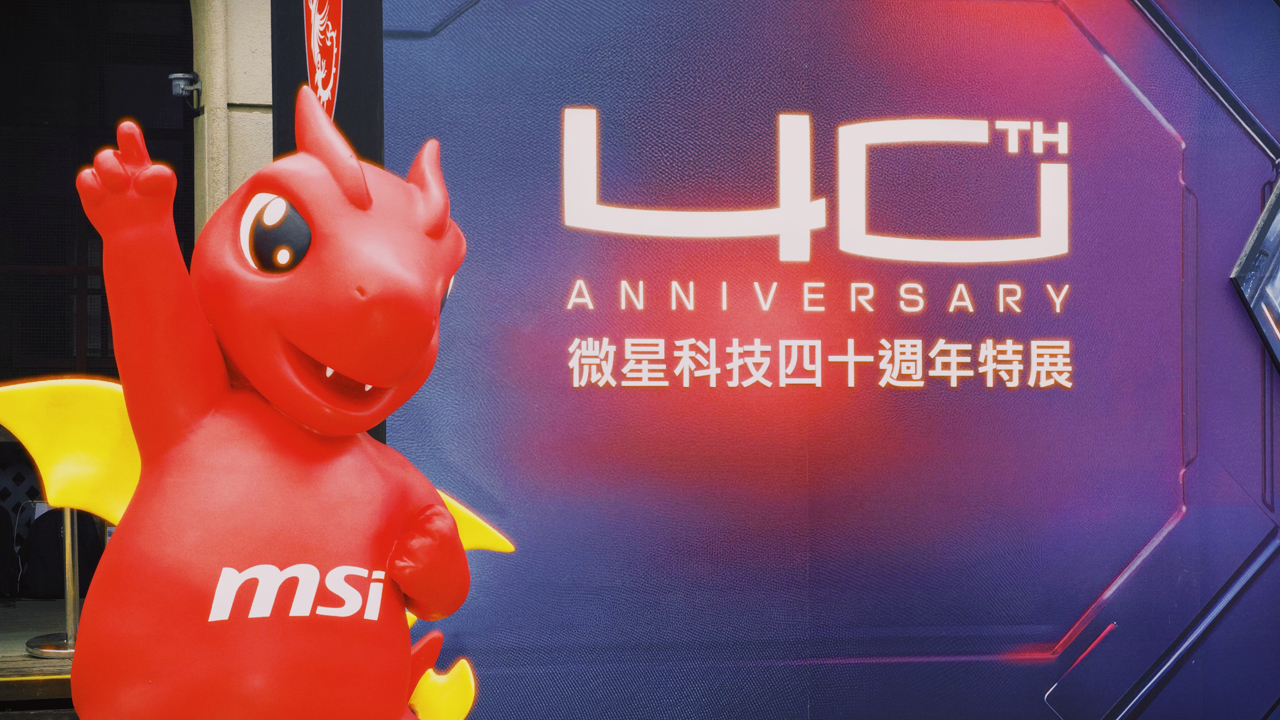

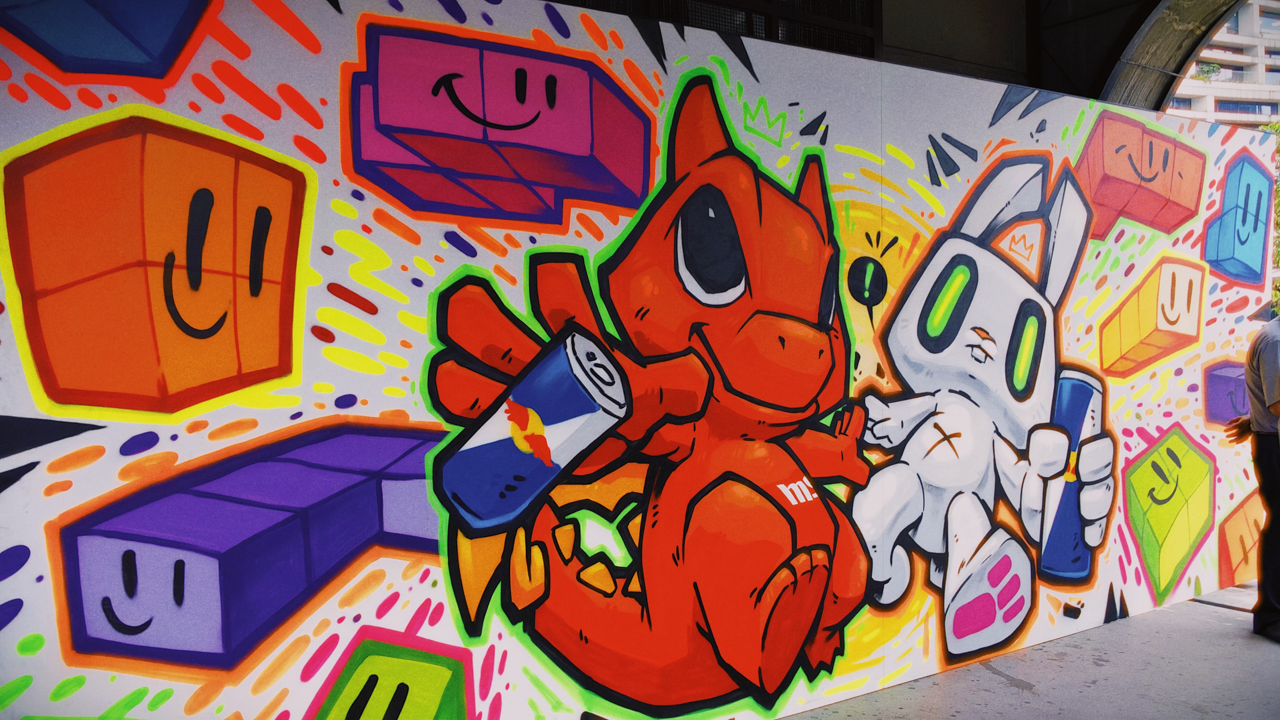
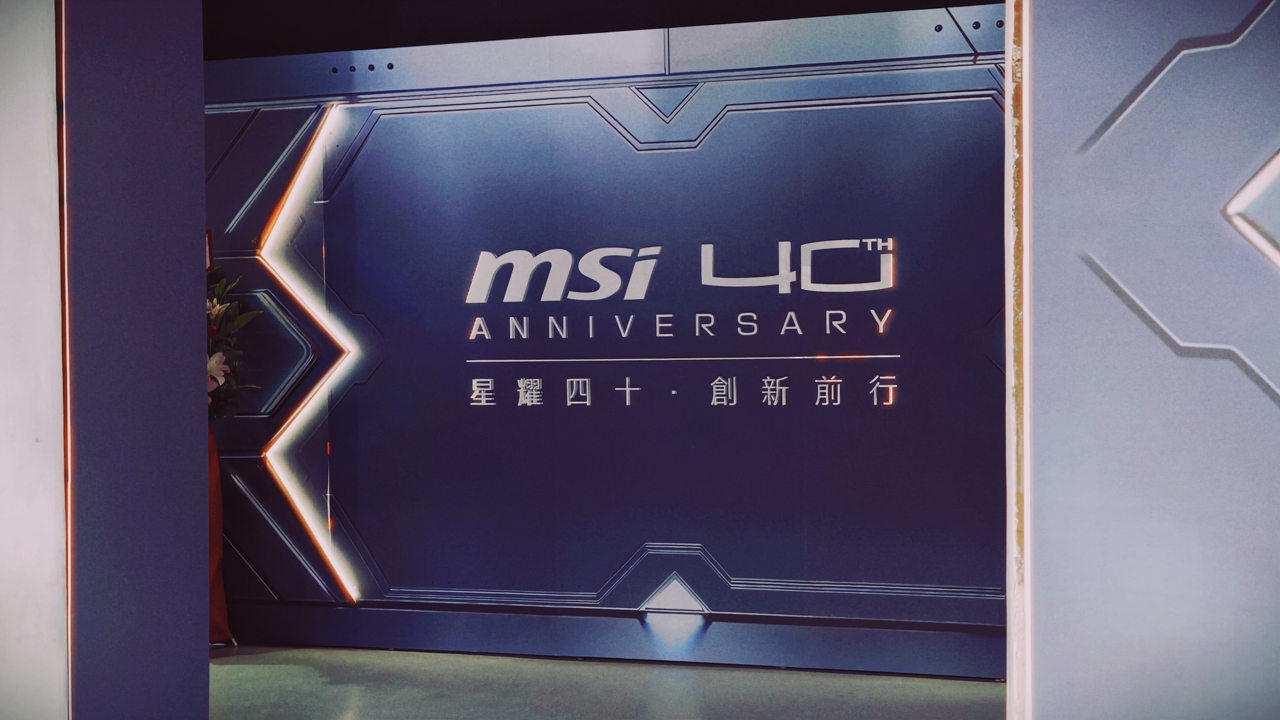
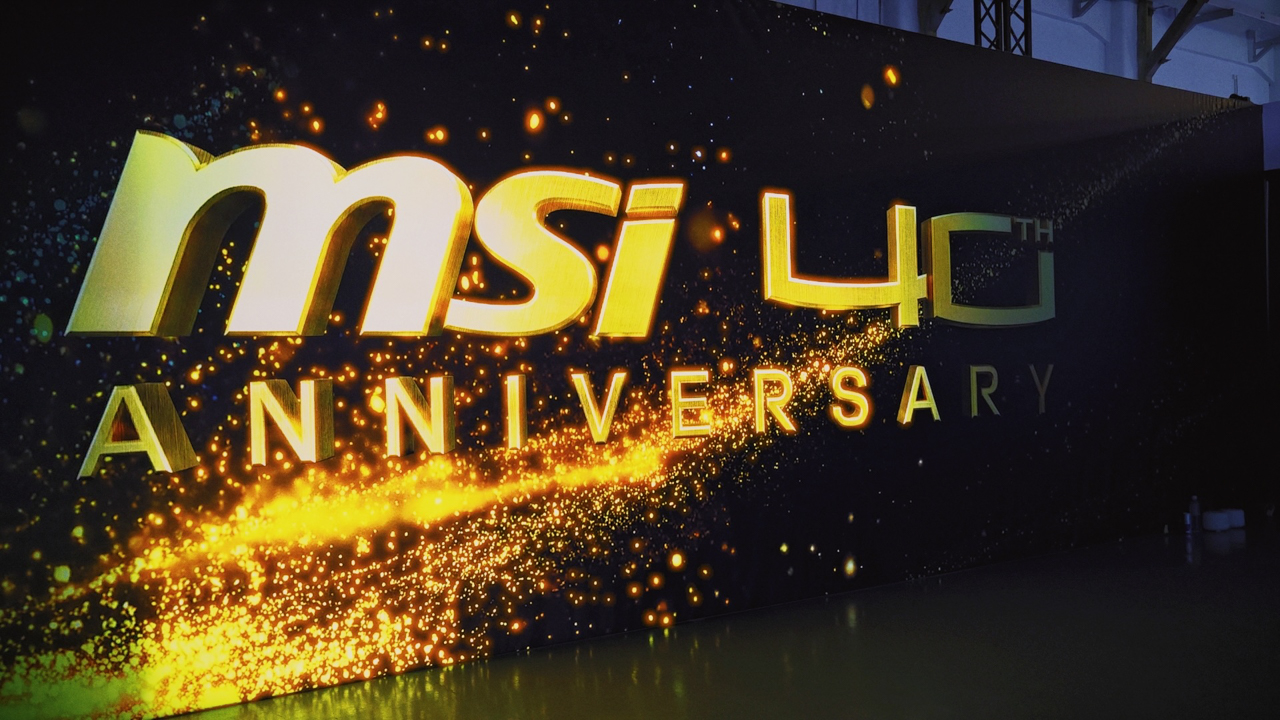
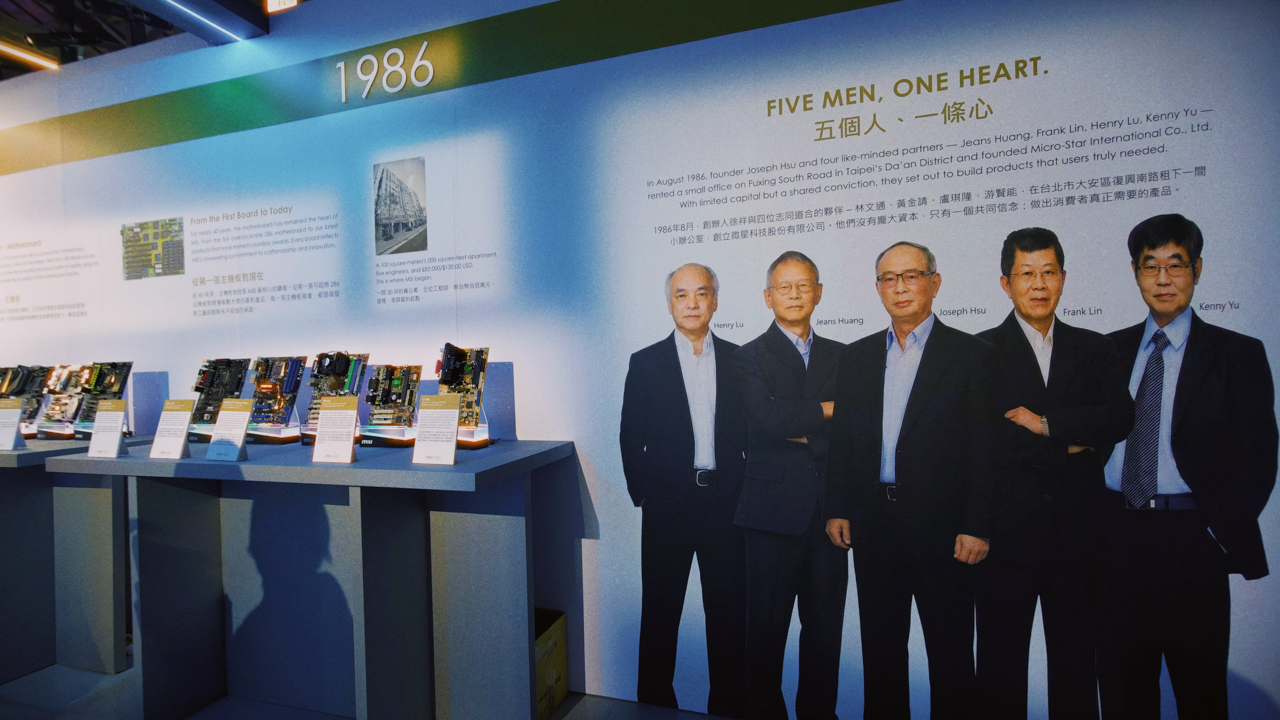

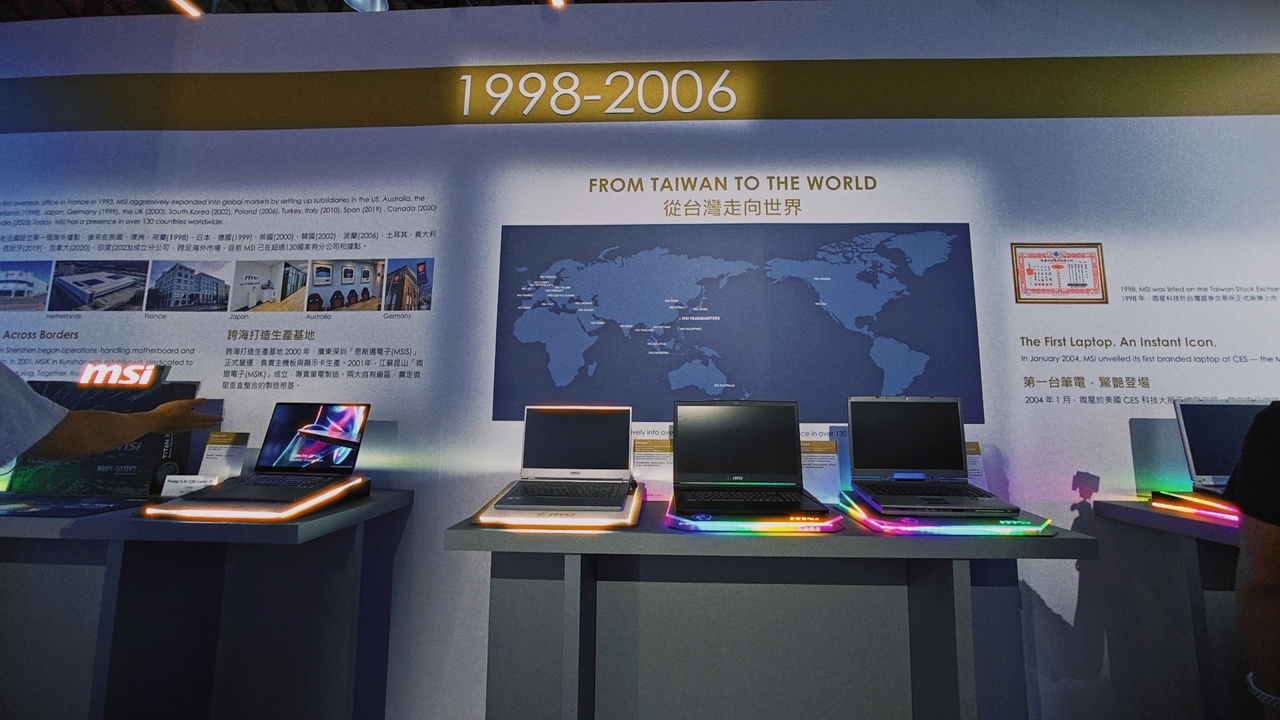
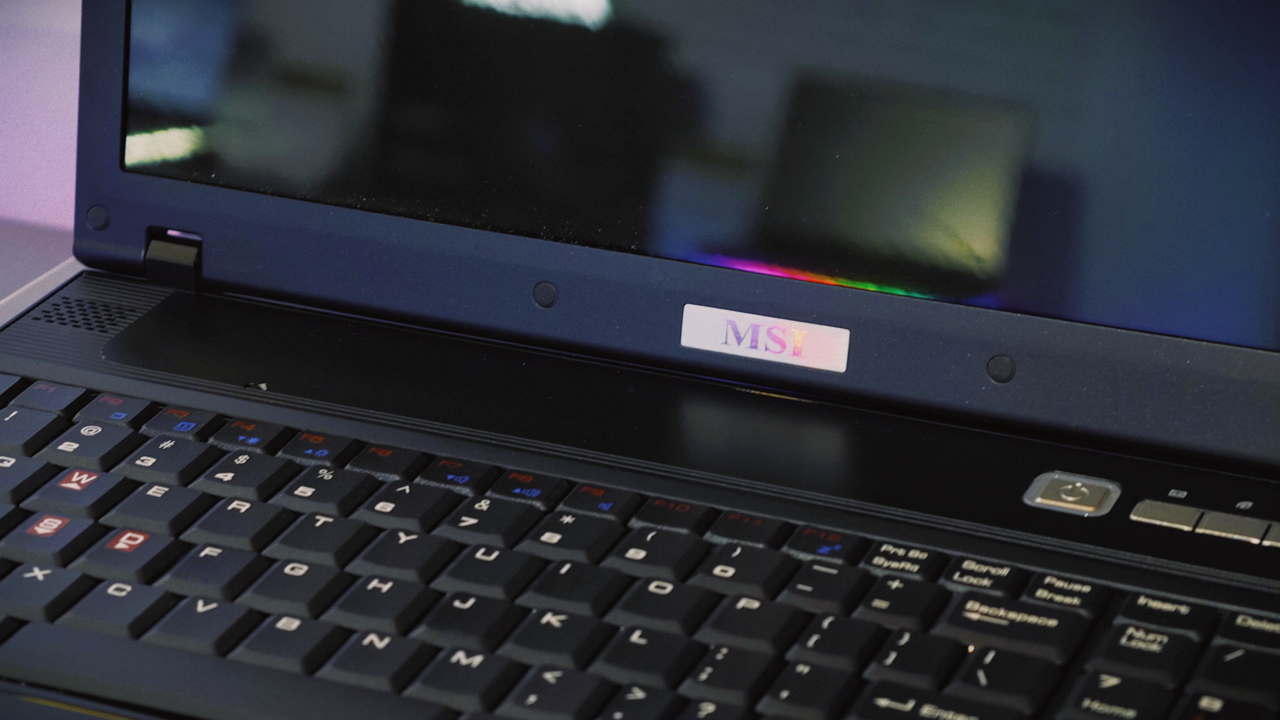
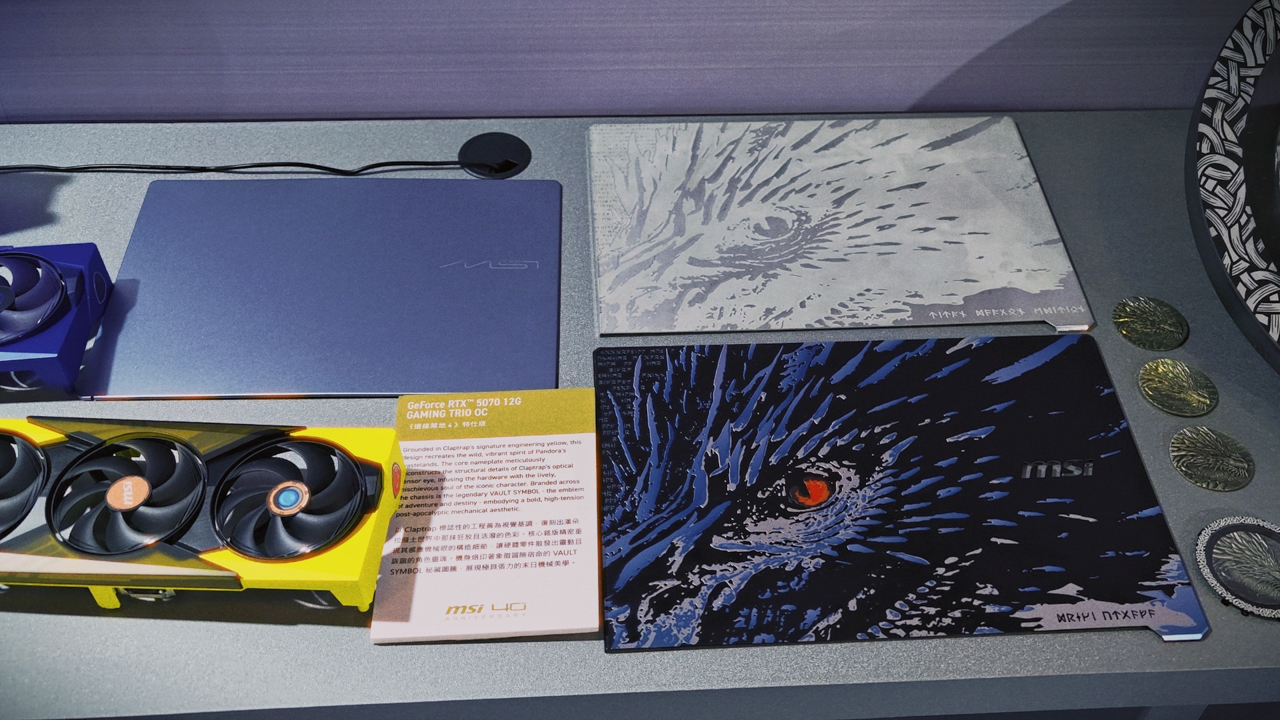
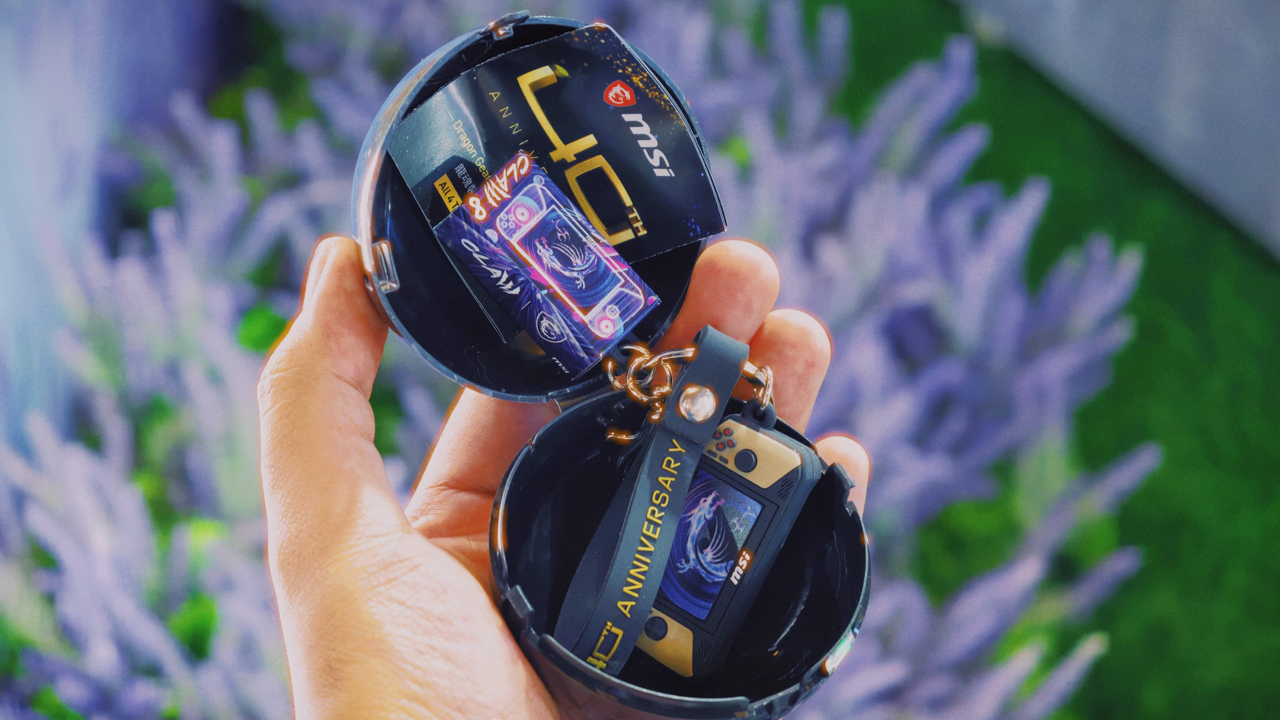


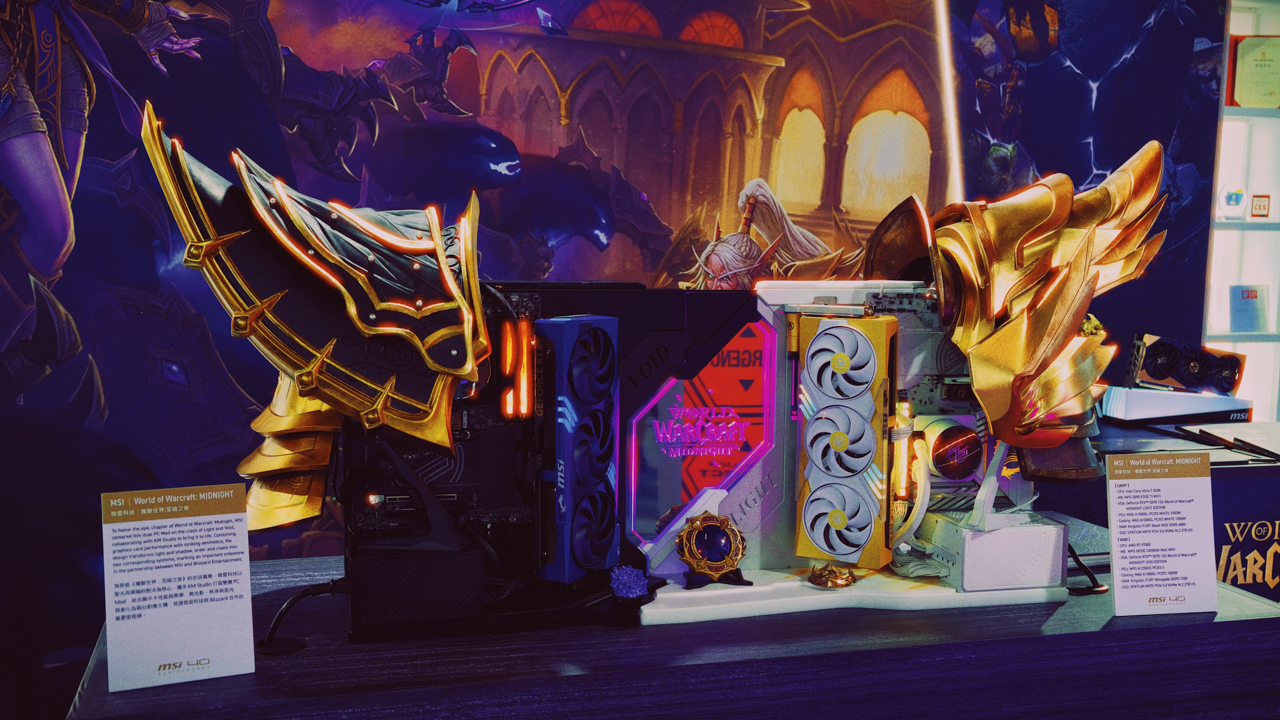
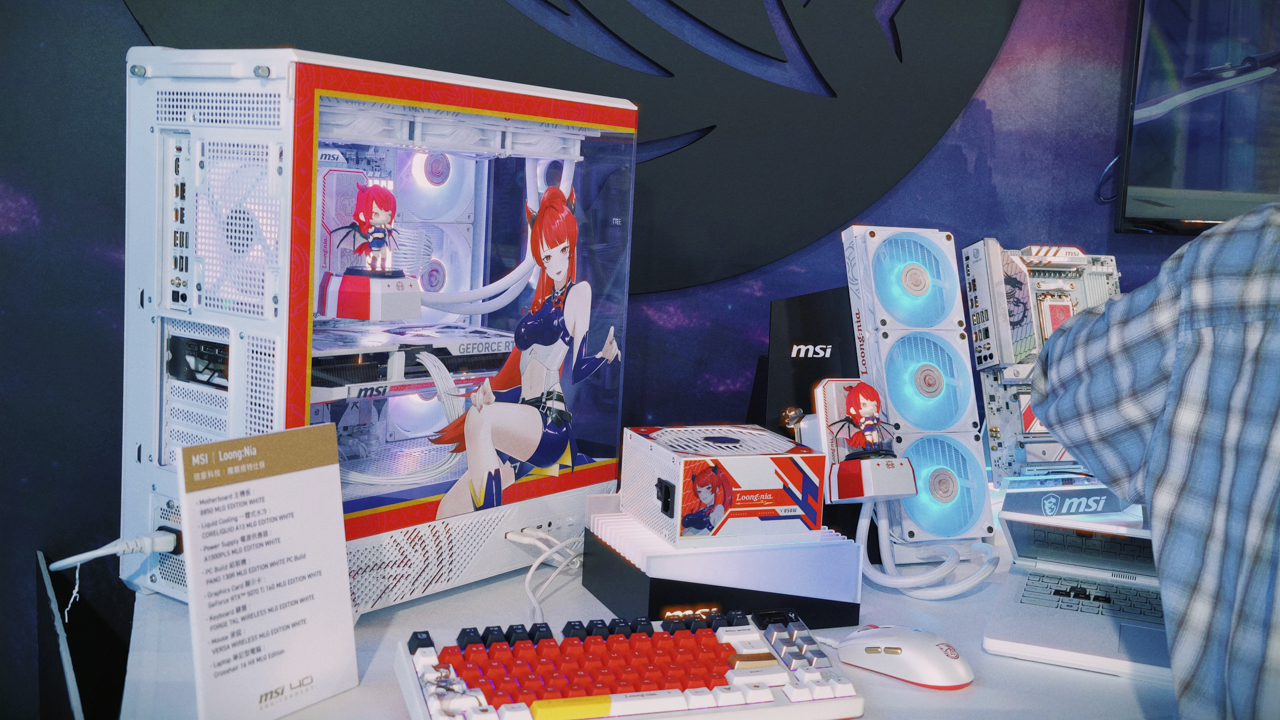
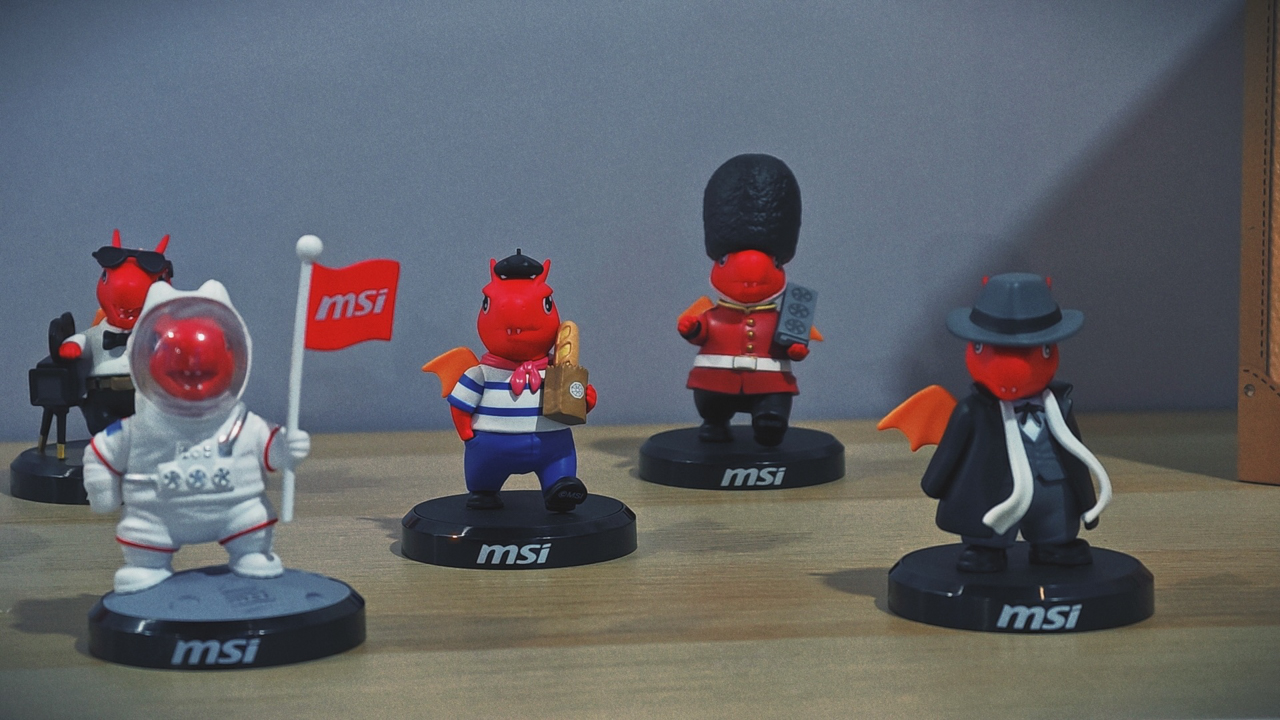

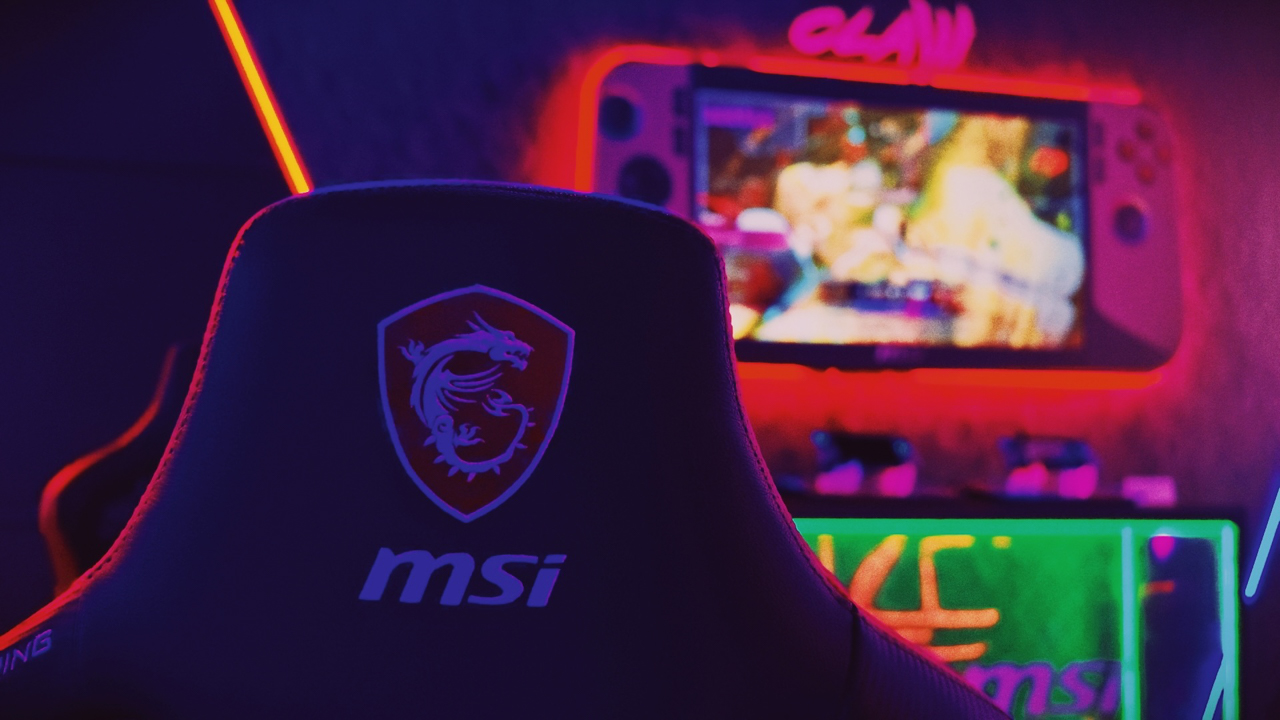
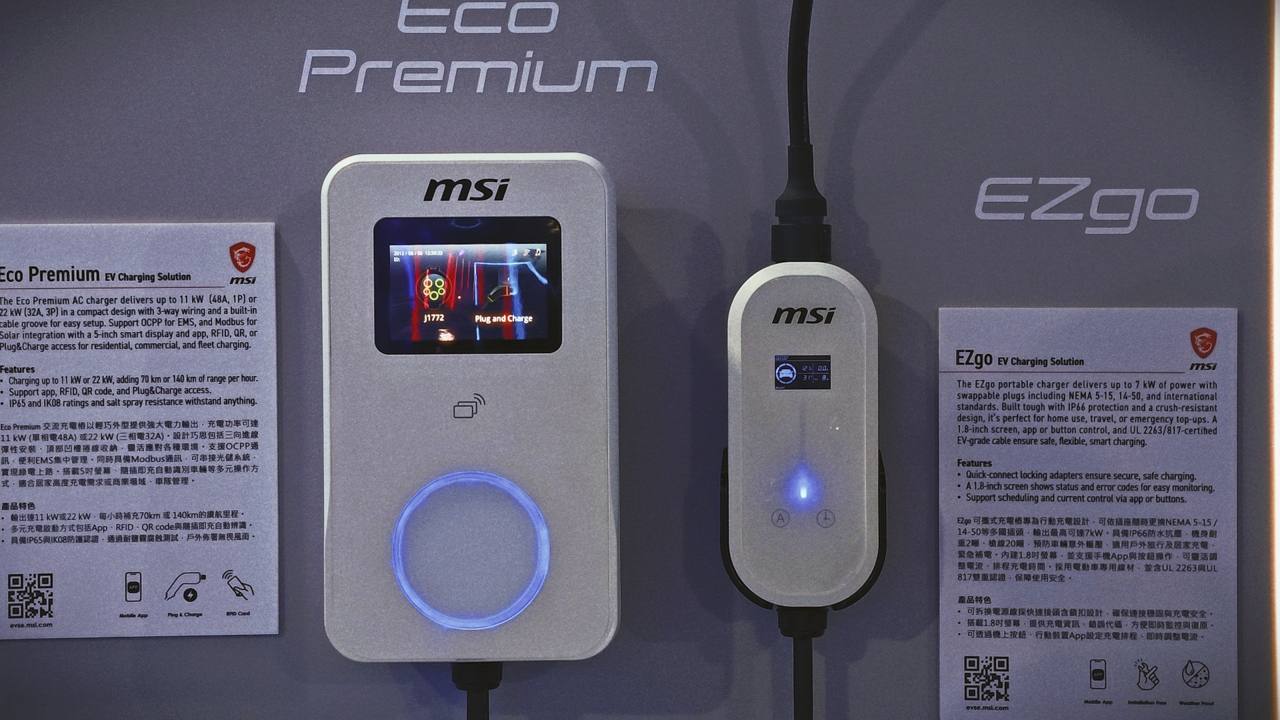
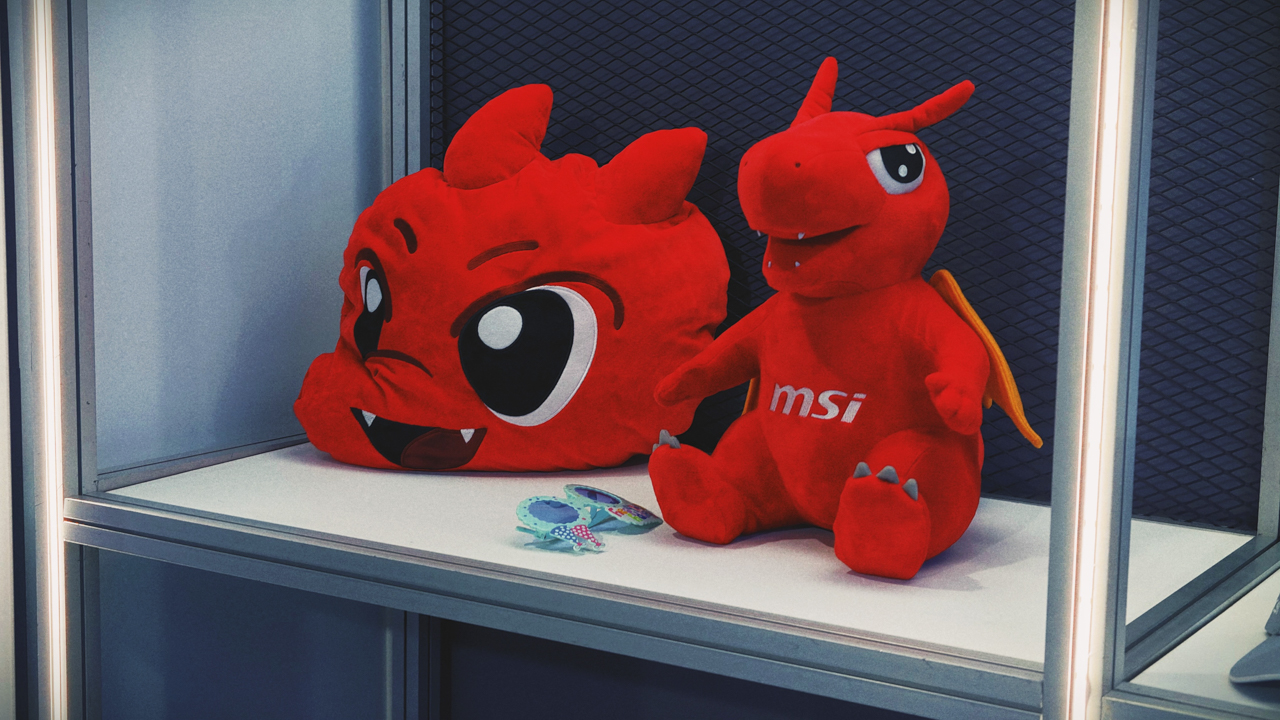

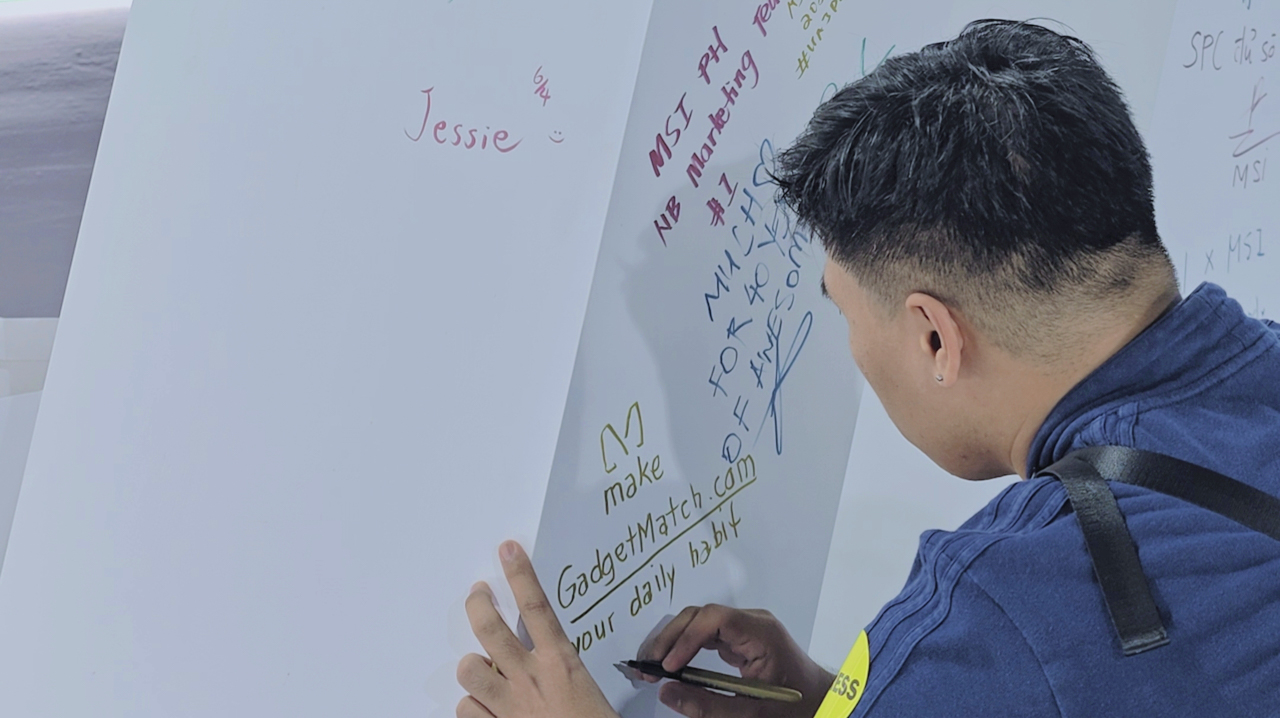
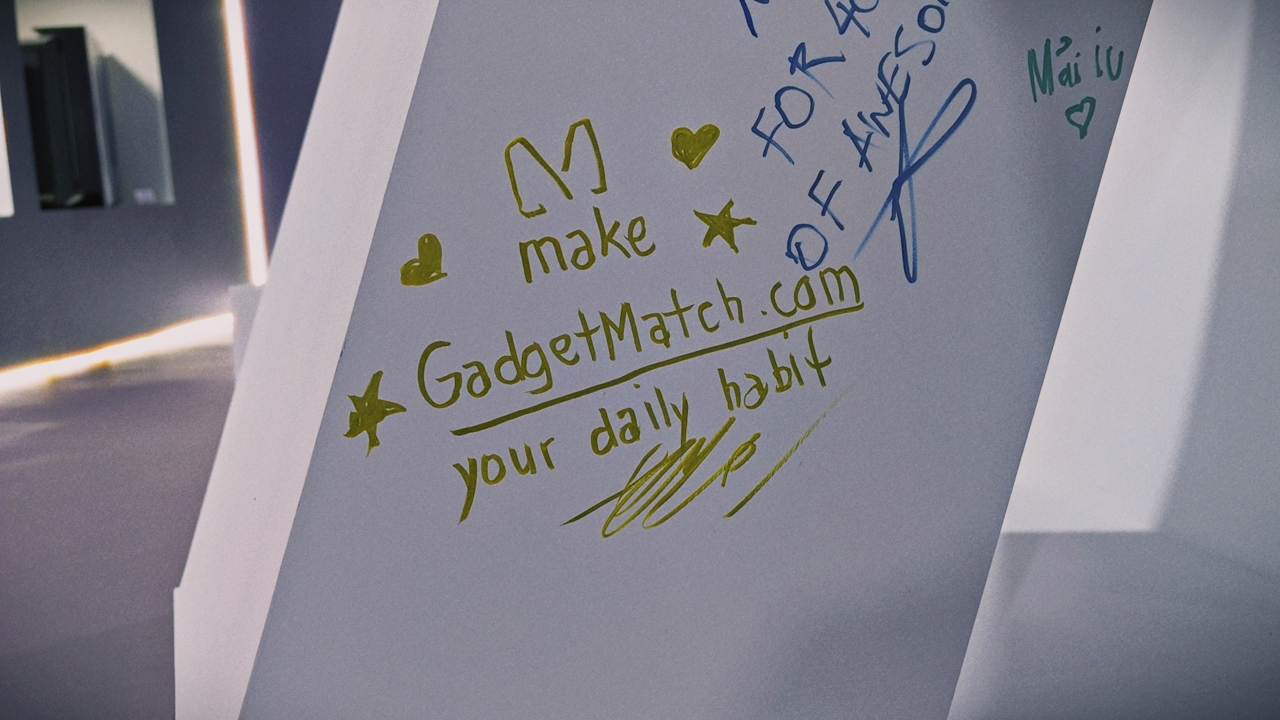
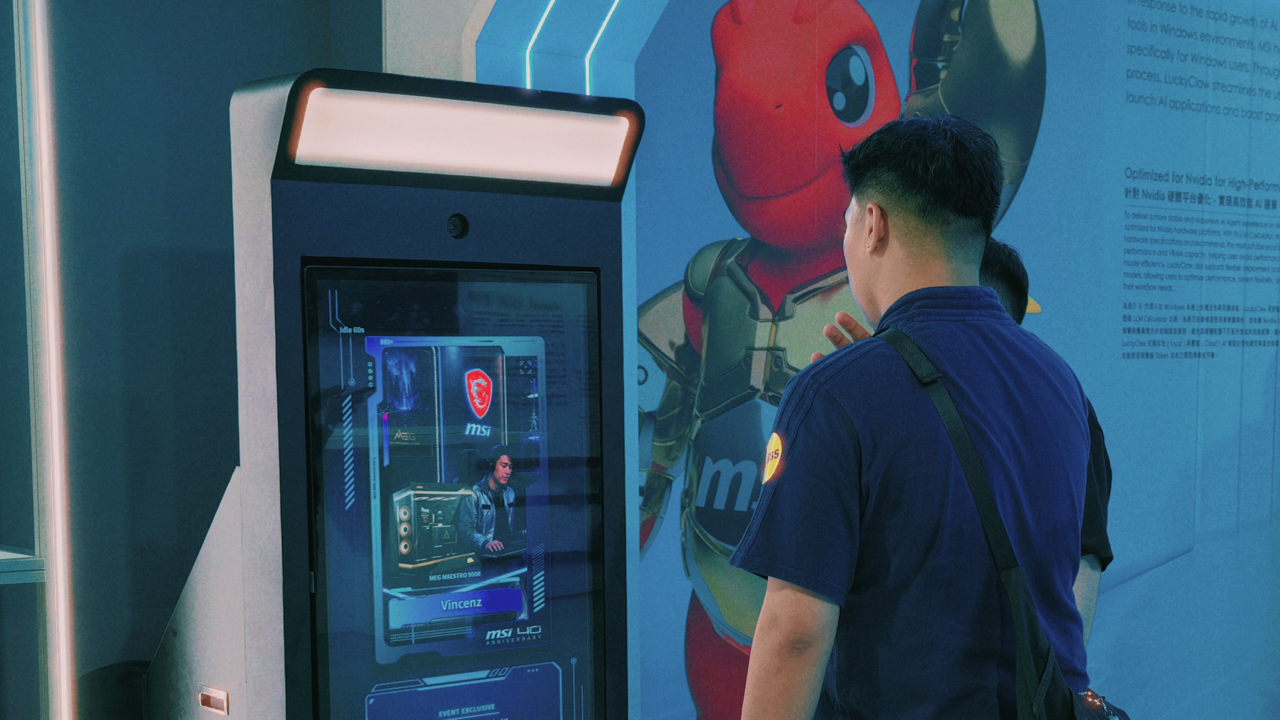
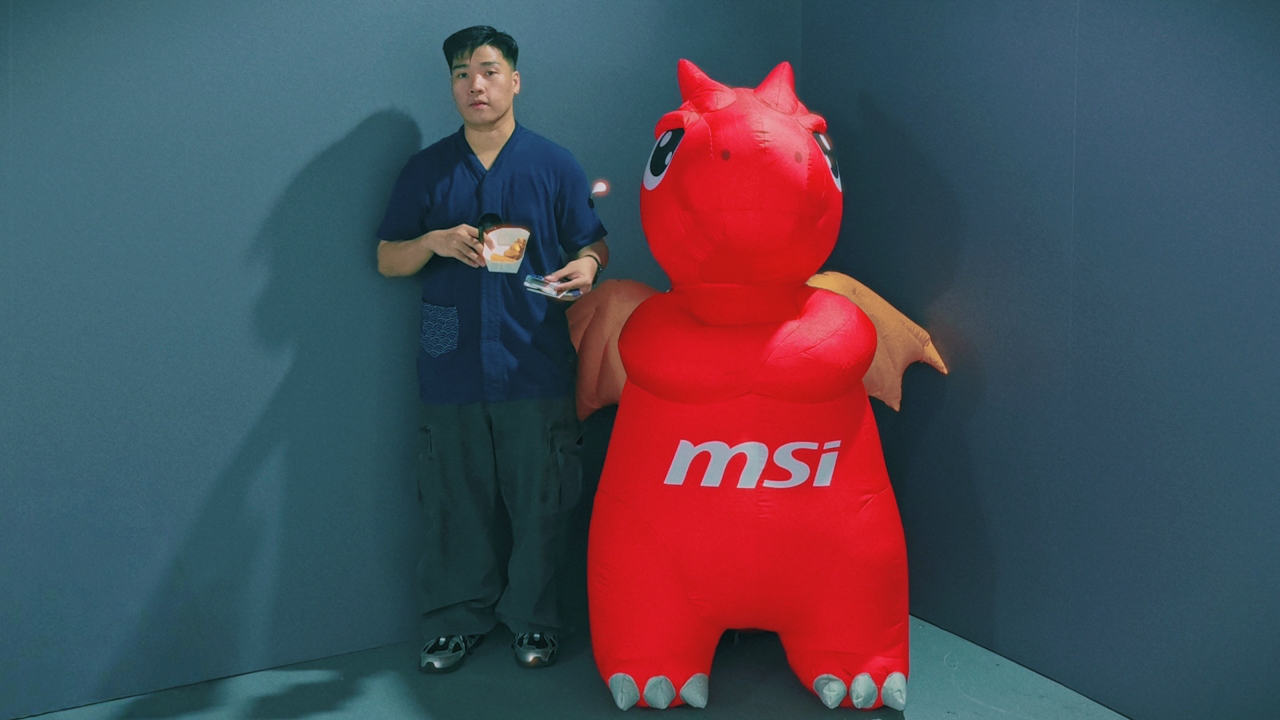



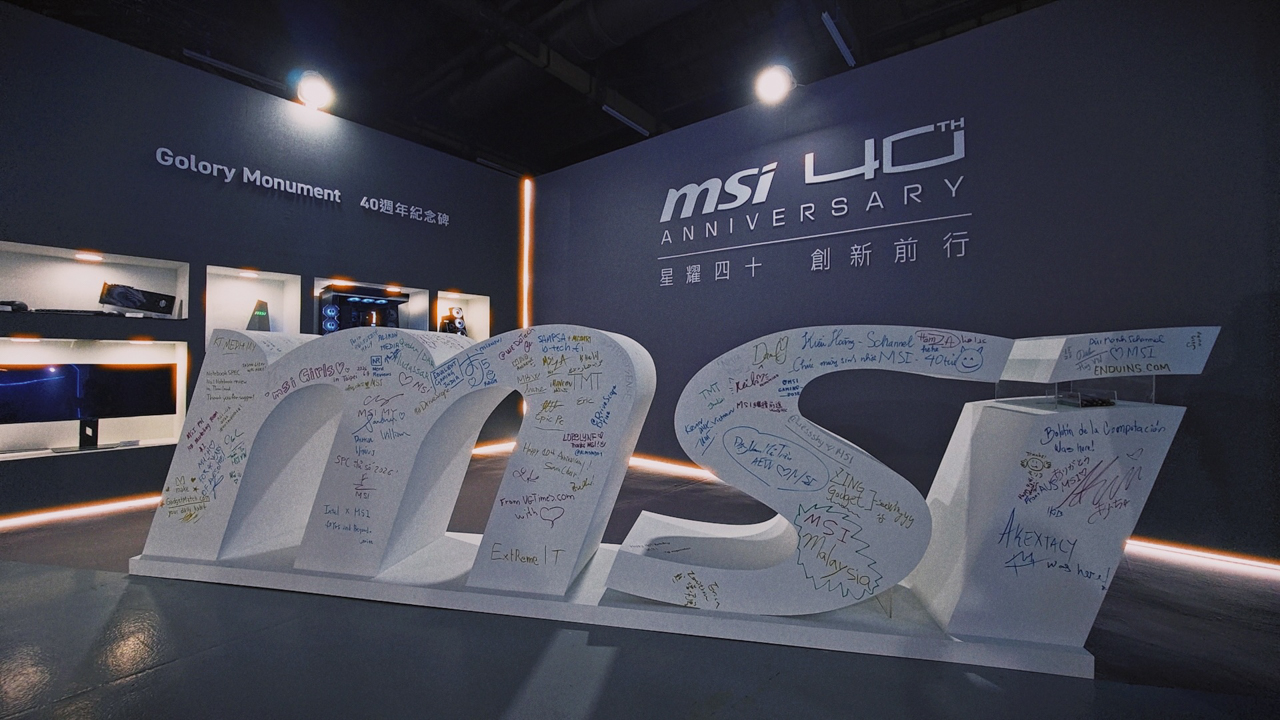
Photos by Vincenz Lee
Computex 2026
The Surface Laptop Ultra wants to bring “unmetered intelligence” to you
Microsoft’s Mark Linton wants you to get excited.
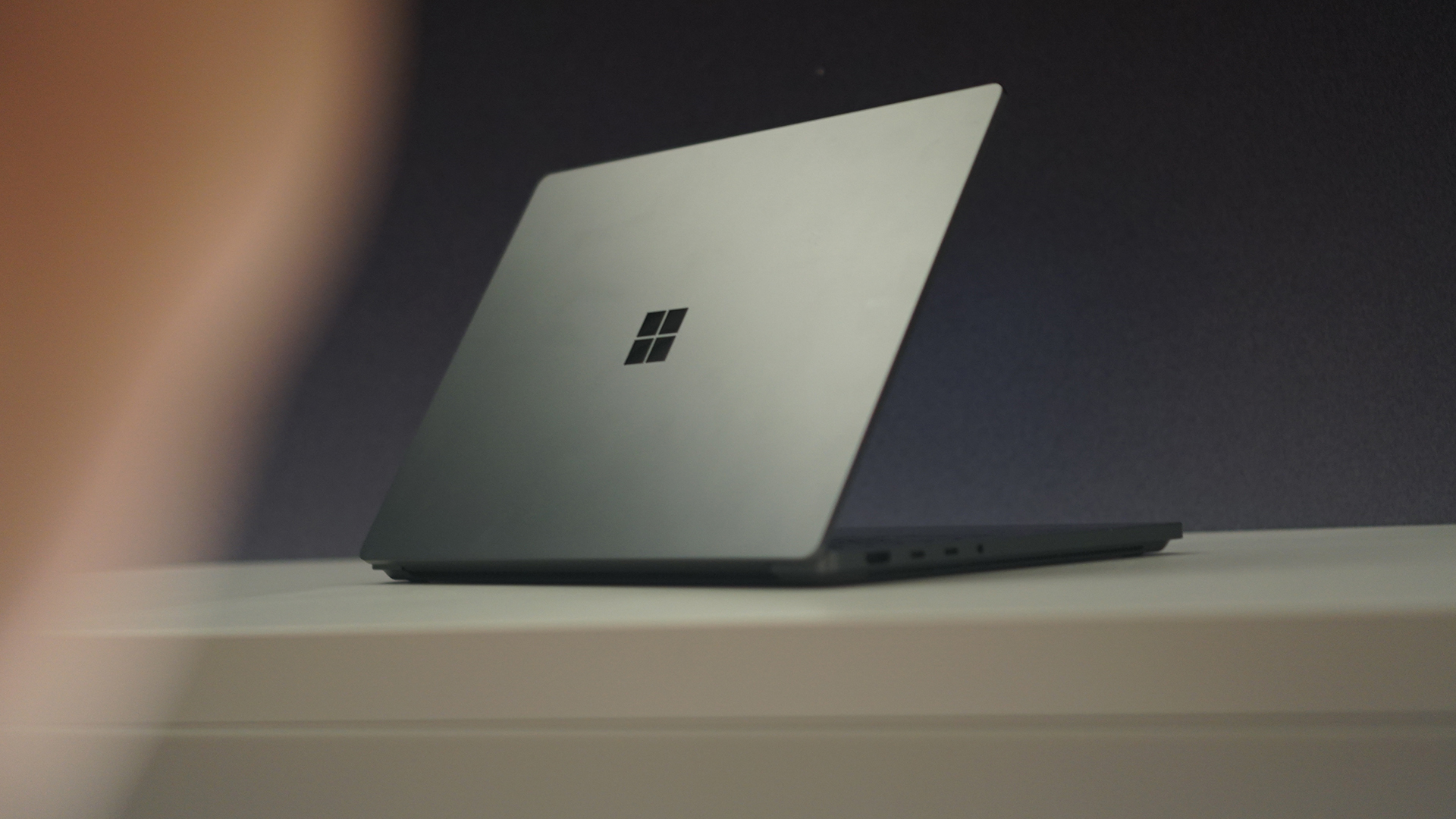
Earlier this week, NVIDIA CEO Jensen Huang unveiled the RTX Spark, an all-new revolution of the PC industry built together with Microsoft. Naturally, Huang shared the perspectives of NVIDIA, but what about Microsoft and the Surface Laptop Ultra?
Two days into COMPUTEX 2026, Mark Linton, Microsoft’s VP for Windows and device sales, shared his side of the RTX Reflex equation, particularly how AI will affect over 240 million devices running Windows. With so many people using the platform, Linton believes that Windows’s success will depend on a four-pronged approach, tackling the different audiences of Windows: consumers, gamers, creators, and developers.
This all centers around the RTX Spark laptops launching sometime in the fall this year. With RTX Spark, Windows plans to deliver unmetered intelligence to every desk and home. Though it will certainly offer more, Windows can confirm that it will have on-device small language models (or SLM), video super resolution, and speech recognition.
As described by NVIDIA, the RTX Spark will come from a variety of manufacturers including ASUS, MSI, and Lenovo. However, Microsoft has its own entry: the Surface Laptop Ultra.
Much like its other contemporaries releasing an RTX Spark laptop this year, Microsoft did not explain what we can expect from its own laptop. Either way, the Surface Laptop Ultra should make for an interesting option for AI enthusiasts.


DJI Lito X1 review: Is this the best lightweight drone for creators?
Making a strong case as a travel companion and a capable B-cam!


REDMI Note 17 Pro Max review: A new breed born from AI greed
Welcome to the new normal


Marvel’s Wolverine review: When the claws come out
A brutal, cinematic superhero adventure
DJI Lito X1 review: Is this the best lightweight drone for creators?

Now Playing: Resident Evil

HONOR, Fidesmo partner for contactless payments across Europe, Middle East

Ford revs up Truck Month with extended 5-star care offers
REDMI Note 17 Pro Max review: A new breed born from AI greed

TECNO MEGAPAD 2 review: Eyes on the size

realme 16T 5G with 8000mAh battery, IP69 Pro rating launches in PH

HUAWEI Pura X View is 2026’s first WIDE slab-type smartphone

REDMI reveals the refreshed Note 17 and Note 17 Pro series

REDMI Note 17 Series: Price, availability in Singapore


-
 News1 week ago
HUAWEI Pura X View is 2026’s first WIDE slab-type smartphone
-

 News1 week ago
The CAMON Slim 5G is TECNO’s latest ultra-slim smartphone
-
 IFA 20262 weeks ago
TECNO MEGABOOK T15 360 unveiled at IFA 2026
-

 News1 week ago
iPhone 18 Pro series: Price, availability in the Philippines
-

 Gaming2 weeks ago
NBA 2K27 review: A two-way All-Star
-

 IFA 20262 weeks ago
TECNO’s POVA 8 Pro gets a stealthy makeover
-

 Automotive2 weeks ago
Ford’s new Everest lineup brings V6 engine to the top, tech down the line
-

 Gaming2 weeks ago
Now Playing: Elden Ring Tarnished Edition