
Gaming
Final Fantasy VII Revelation launches April 8, 2027
The remake trilogy reaches its finale

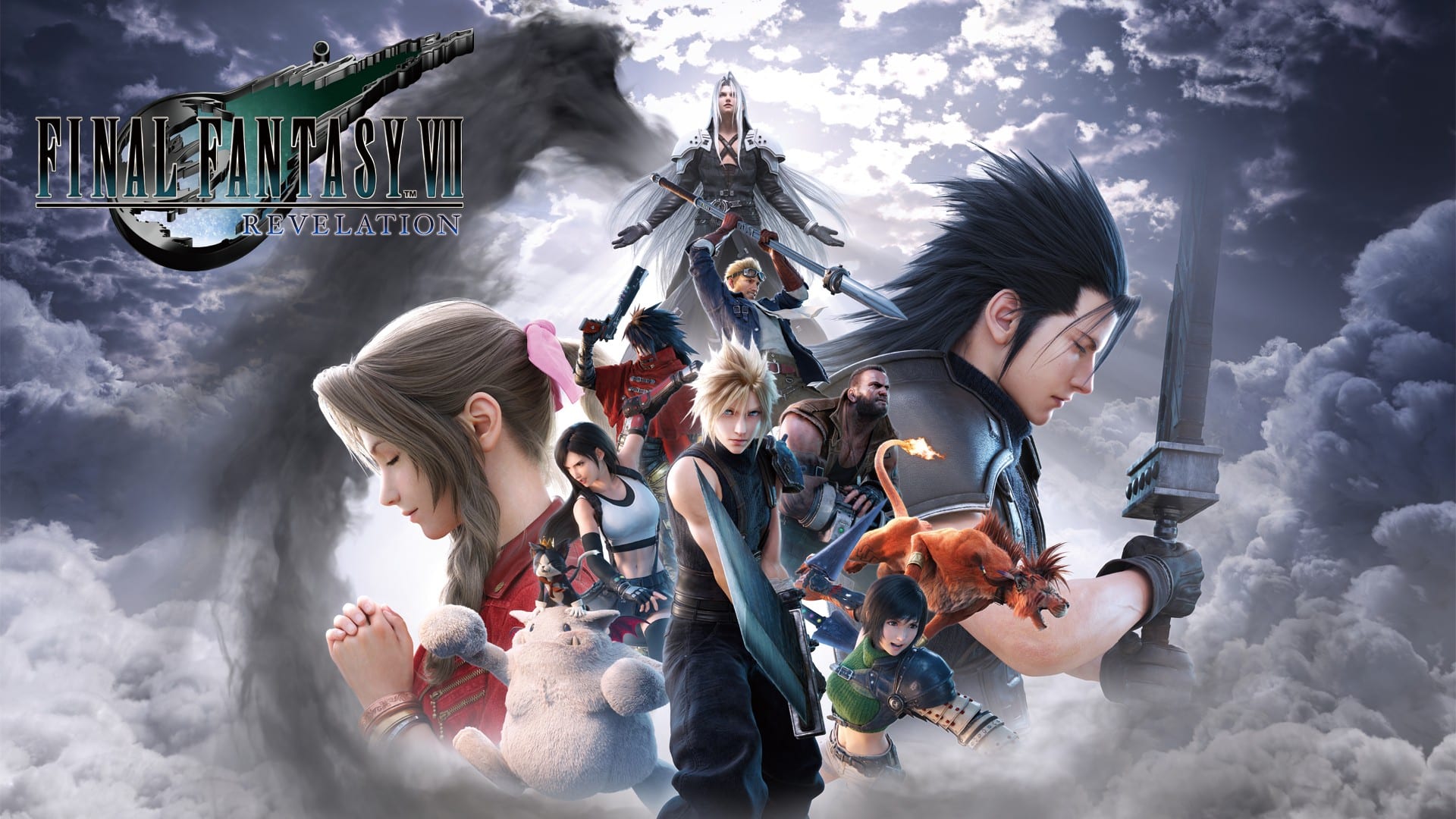
Square Enix has confirmed that Final Fantasy VII Revelation will launch exclusively on PlayStation 5 on April 8, 2027.
The announcement came during the latest PlayStation State of Play, alongside an extended look at the action RPG’s gameplay, new features, and Premium Editions.
Final Fantasy VII Revelation serves as the final entry in the Final Fantasy VII Remake series. It follows Final Fantasy VII Remake and Final Fantasy VII Rebirth, bringing the reimagined story toward its conclusion.
Explore the world aboard the Highwind

Final Fantasy VII Revelation expands the series with a vast open world that players can explore aboard the iconic Highwind airship.
Players can also travel with Piko, the party’s chocobo companion. Piko returns as both a mount and combat ally. The chocobo will grow stronger alongside the party and unlock new abilities that help with exploration and battles.
The game also introduces a new dynamic character-switching system. Players can instantly switch between party members while exploring the world.
Traversal gets another upgrade with a grappling gun. It lets players quickly scale rooftops and move through cities in new ways.
A new combat system
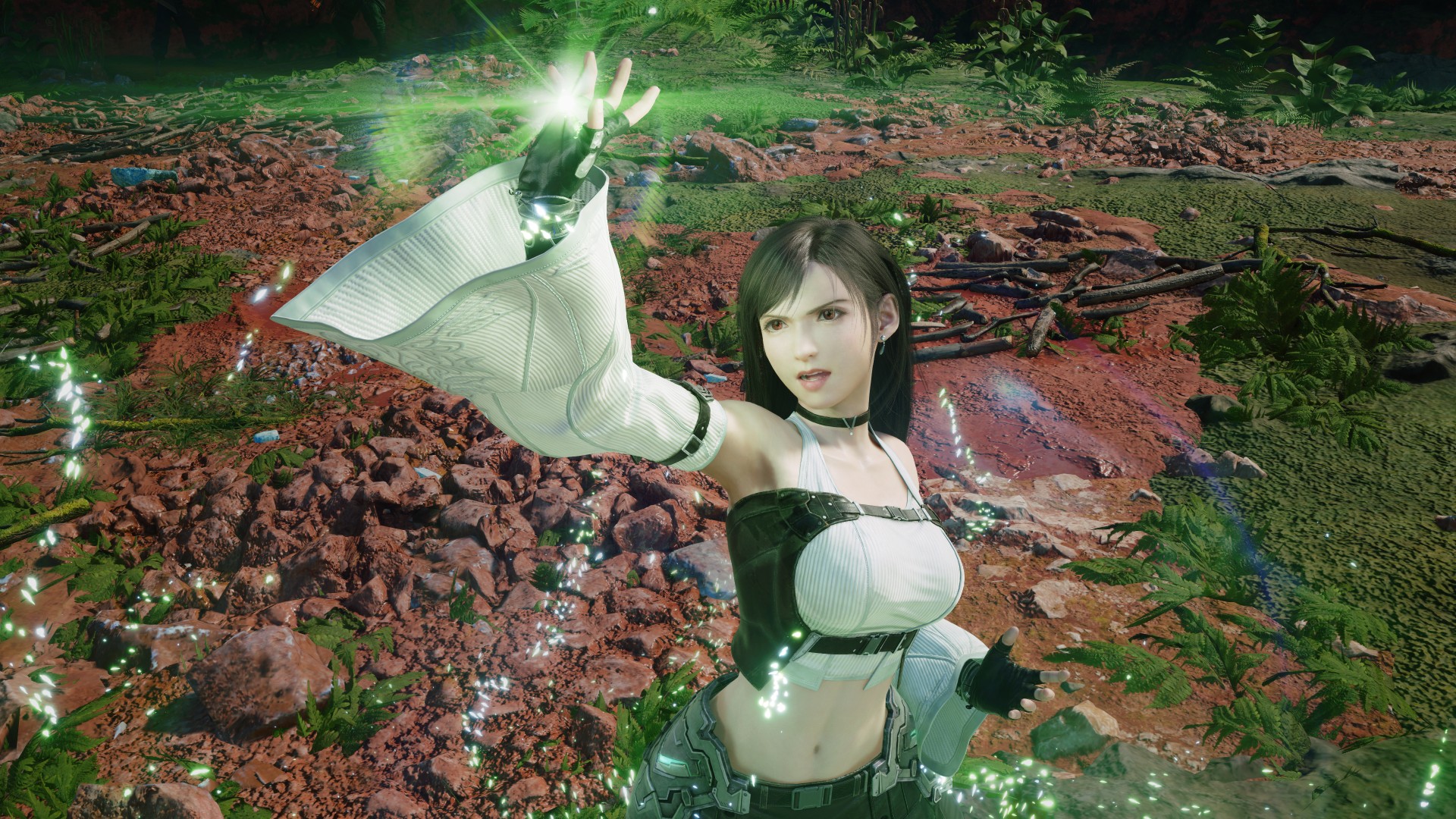
Combat expands with the Function-Integrated Tactical Suitwear, or FITS System.
FITS lets players customize their play styles through uniforms with unique move sets. Four specialized FITS are available: Warrior, Knight, Black Mage, and Summoner.
Each FITS changes a character’s abilities and combat role, opening up new tactical options. The uniforms also change the characters’ appearances.
The latest gameplay footage shows Cid using the Knight FITS and Vincent equipped with the Summoner FITS.
Players will also have more control over how certain quests unfold. They can choose which party member handles specific quests, with those decisions affecting subsequent story events and gameplay scenarios.
Queen’s Blood returns
The popular Queen’s Blood card game also returns in Final Fantasy VII Revelation.
This time, the minigame gets a new storyline centered on Red XIII. Players will face new opponents and challenges that expand on the strategic card game.
Some opponents can dramatically alter the flow of matches, providing new challenges even for experienced Queen’s Blood players.
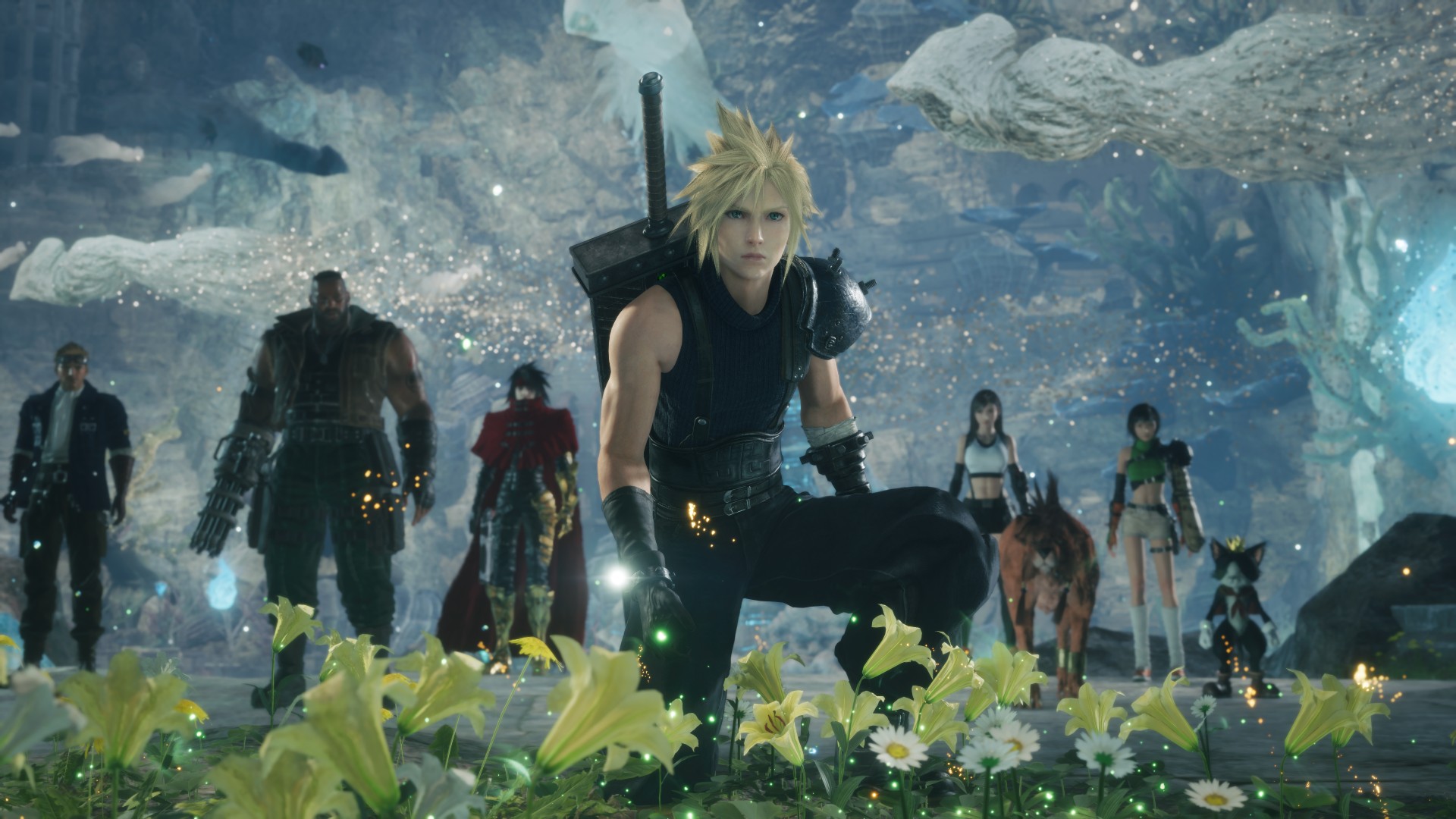
Premium Editions revealed
Pre-orders for Final Fantasy VII Revelation are now available through the PlayStation Store.
All editions include a pre-order bonus: the Mecha-Chocobo & Moogle Summon Materia.
The Premium Edition includes the base game, Story Expansion Pass, and 24-hour early access. It also comes with the Reclaimant Choker accessory and consumable items for the early stages of the game.
The Story Expansion Pass will provide access to two story-focused DLC expansions. Square Enix says more details will be revealed at a later date.
The Premium Plus Edition includes everything in the Premium Edition, along with additional digital and in-game bonuses. These include a digital art book, digital mini soundtrack, Polydroid Alexander Summon Materia, Nymphwing Bracelet armor, and Risk Taker’s Choker accessory.
With its expanded world, new combat systems, additional traversal options, and more personalized character-focused storytelling, Final Fantasy VII Revelation is shaping up to be the most expansive entry in the remake trilogy.
Final Fantasy VII Revelation launches on PlayStation 5 on April 8, 2027.

![KINGDOM HEARTS Collection [I-III]](https://www.gadgetmatch.com/wp-content/uploads/2026/10/kingdom-hearts-colletion-I-III-202610-400x240.png)
![KINGDOM HEARTS Collection [I-III]](https://www.gadgetmatch.com/wp-content/uploads/2026/10/kingdom-hearts-colletion-I-III-202610-80x80.png)



Gaming
KINGDOM HEARTS Collection [I–III] now available on PS5, Switch 2
All-in-one collection launches

![KINGDOM HEARTS Collection [I-III]](https://www.gadgetmatch.com/wp-content/uploads/2026/10/kingdom-hearts-colletion-I-III-202610.png)
The KINGDOM HEARTS Collection [I–III] is now available on PlayStation 5, Nintendo Switch 2, Xbox Series X|S, and PC. Bandai Namco Entertainment Asia and Square Enix announced the collection’s launch on October 15, 2026, alongside the release of physical editions for PS5 and Nintendo Switch 2 in Southeast Asia.
The collection bundles three releases: KINGDOM HEARTS -HD 1.5+2.5 ReMIX-, KINGDOM HEARTS HD 2.8 Final Chapter Prologue, and KINGDOM HEARTS III + Re Mind (DLC). These include multiple games and cinematic compilations from the franchise, offering newcomers and returning fans a convenient way to experience Sora’s adventures.
The collection is available on Nintendo Switch 2, PS5, Xbox Series X|S, Steam, Xbox on PC, and the Epic Games Store. Individual titles are also available, while KINGDOM HEARTS -HD 1.5+2.5 ReMIX- will be available natively on the original Nintendo Switch.
Try Kingdom Hearts III for free
Newcomers can also try the free KINGDOM HEARTS III + Re Mind (DLC) demo on Nintendo Switch 2. It features two playable sections inspired by Disney’s Hercules and Disney-Pixar’s Toy Story.
Progress from the opening section through the early stages of Olympus carries over to the full game. However, save data from the Toy Box section does not transfer.
The Nintendo Switch 2 version also supports Japanese voiceovers through a separately downloadable Japanese Voice Pack DLC.
Platform-exclusive Keyblades
Players who purchase eligible editions of the collection or KINGDOM HEARTS III + Re Mind (DLC) can receive a platform-exclusive Keyblade.
- Nintendo Switch 2: Long Night
- PlayStation 5: Midnight Blue
- Xbox Series X|S: Phantom Green
The physical edition requires an internet connection to download additional game data. Digital pre-orders on PS5 and Xbox Series X|S also included 48-hour early access.
Players who own digital versions of the games on Nintendo Switch (Cloud Version), PS4, or Xbox One are eligible for discounts on digital purchases of the corresponding releases on Nintendo Switch 2, PS5, and Xbox Series X|S.
Nintendo Switch Cloud Version owners can also transfer their save data to Nintendo Switch 2. Other platforms do not support save data transfers.
The KINGDOM HEARTS series will celebrate its 25th anniversary in 2027.
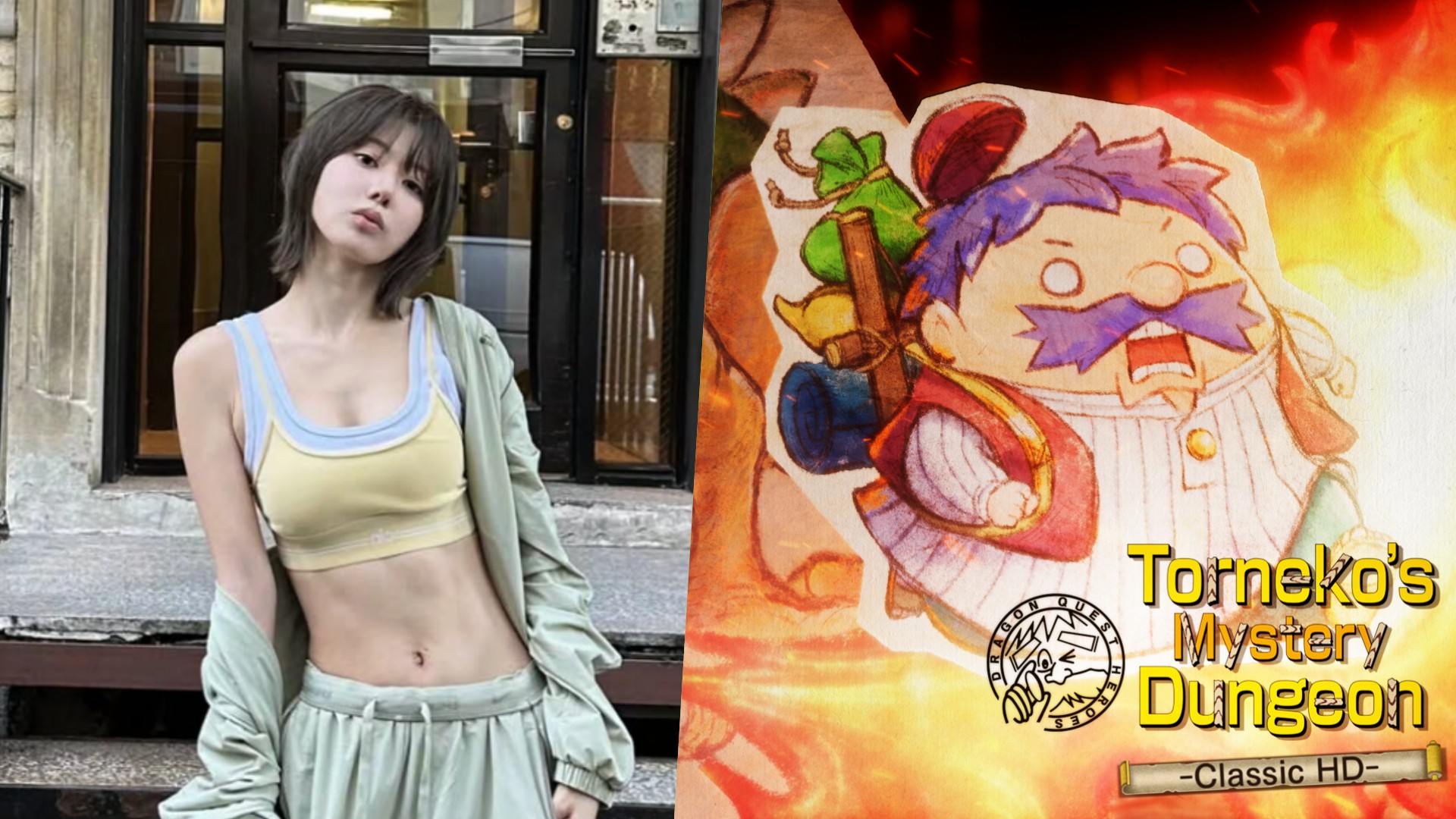
LE SSERAFIM member Sakura has a game recommendation for Nintendo Switch 2 owners, and it is an unexpected pick for fans looking for something to play.
During a fan send-off at the group’s PUREFLOW tour stop in Newark, New Jersey, a FEARNOT reportedly asked Sakura which Switch 2 game she would recommend. She pointed the fan toward Torneko’s Mystery Dungeon, a classic RPG from Square Enix.
The Newark concert took place at the Prudential Center on October 8, 2026. The game Sakura mentioned is now available internationally as Dragon Quest Heroes: Torneko’s Mystery Dungeon -Classic HD-.
What is Torneko’s Mystery Dungeon about?
The game follows Torneko Taloon, a merchant from Dragon Quest IV who dreams of becoming the world’s greatest weapons dealer.
Torneko hears rumors of a mysterious dungeon filled with incredible treasures. He ventures inside to collect valuable items, bring them home, and expand his shop.
The premise is straightforward, but surviving the dungeon is another story. Each expedition brings a new layout, different items, and new monsters. Torneko must make it out alive if he wants to keep the treasures he finds.
Source: Official Dragon Quest website
What kind of game is it?
Torneko’s Mystery Dungeon is a turn-based roguelike dungeon crawler with RPG and resource-management elements.
Every step counts as a turn. When Torneko moves, enemies move too. Players must decide when to fight, when to use items, and when to retreat. Poor decisions can quickly turn a promising run into a disaster.
Death also carries a hefty penalty. Torneko loses the items collected during a failed expedition and returns to the first floor at Level 1. However, successfully bringing items home helps expand his shop and provides a sense of long-term progression.
The game originally debuted in Japan in 1993. Its Classic HD release brings the pioneering dungeon crawler to international audiences with updated visuals, an official English localization, and adjustable difficulty options.
The game is available on Nintendo Switch 2, Nintendo Switch, PlayStation 5, Xbox Series X|S, and PC.
How long does it take to beat?
According to HowLongToBeat estimates reported by M4 Games, the main story takes around 7.5 hours to complete. A playthrough that includes additional content takes approximately 16 hours.
Those estimates offer a useful starting point, but the game’s procedural dungeons and punishing mechanics can affect how long individual players need to finish it.
What do critics and players think?
Torneko’s Mystery Dungeon -Classic HD- has received a mixed-to-positive response from critics.
Review aggregator listings put its critical reception around the high 60s to low 70s out of 100, depending on the platform and the aggregator. RPGFan awarded it an 80/100, praising its strategic dungeon runs, charming Dragon Quest monsters, and satisfying progression.
However, the game also shows its age. Critics have pointed to dated presentation, limited quality-of-life improvements, and pacing issues. Its demanding mechanics may also frustrate players who prefer more modern, forgiving roguelikes.
The general sentiment is that the core gameplay remains engaging, particularly for fans of classic RPGs and dungeon crawlers. However, this is a 1993 game at heart, and its remaster does not completely modernize the experience.
Sources: RPGFan, CriticDB, Steam player reviews
Would you play it because of the game or because of Sakura?
Let’s be honest. A recommendation from Sakura might be enough to make some FEARNOTs curious about a game they would otherwise overlook.
From a gameplay perspective, Torneko’s Mystery Dungeon -Classic HD- offers a glimpse into the roots of a genre that continues to thrive today. Its turn-based combat, randomly generated dungeons, and risk-reward loop could appeal to players who enjoy methodical RPGs.
Still, the game isn’t necessarily for everyone. Its old-school design and punishing mechanics may require some patience, especially for players accustomed to more modern dungeon crawlers.
Personally, I’d be tempted to give it a shot because of Sakura. 👀
Whether the game itself can keep me playing is another question. But if a FEARNOT is looking for a new Switch 2 game and Sakura recommends this one, that might be reason enough to take a closer look.
Would you play Torneko’s Mystery Dungeon because of the gameplay, or because Sakura recommended it?
Gaming
Just Dance: Decades of Hits out now, with 35 iconic songs across eras
Travel through time and share the joy of rediscovering iconic moments
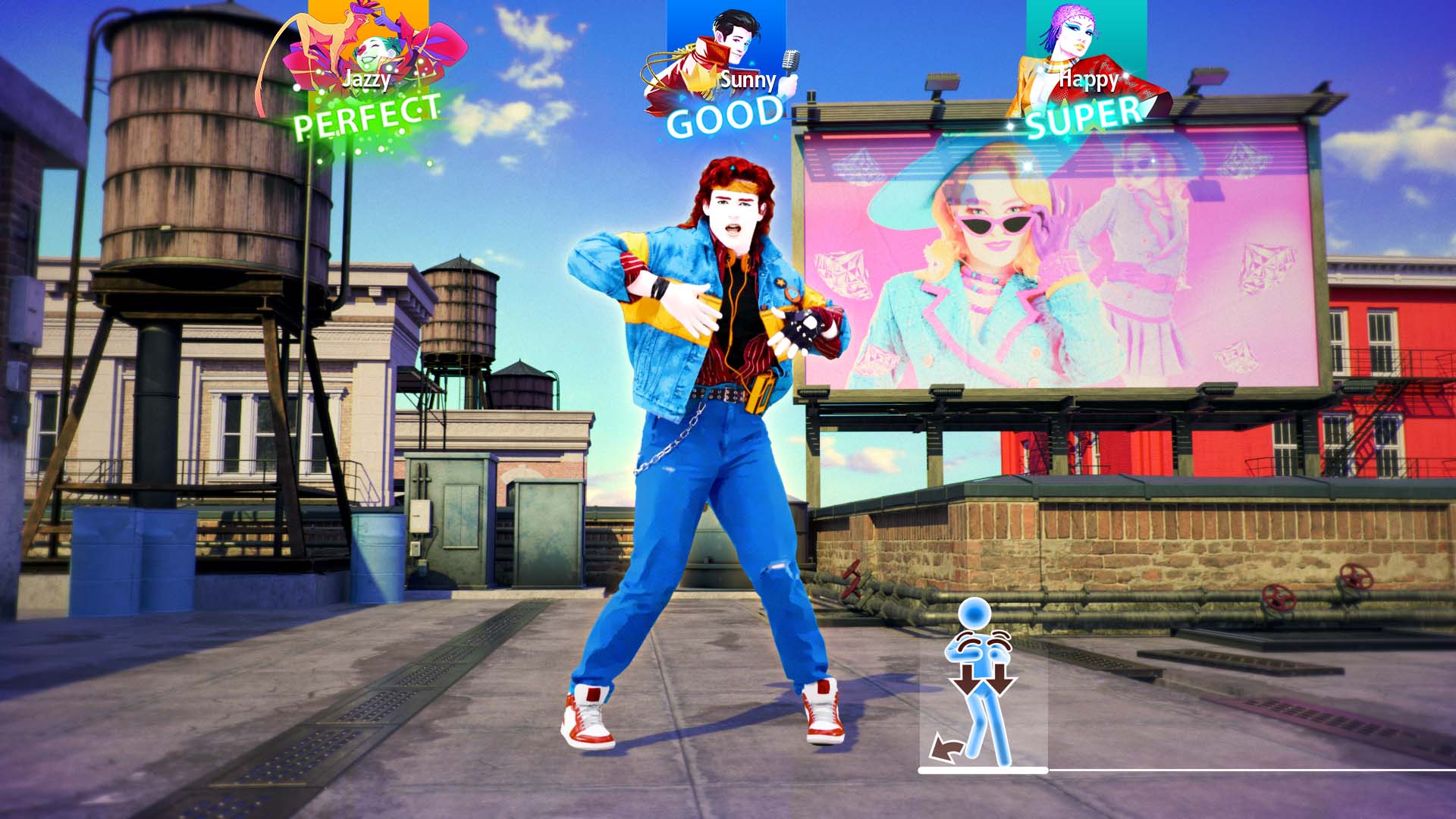
Just Dance: Decades of Hits is officially out now on Nintendo Switch, PlayStation 5, and Xbox Series X|S.
This gives players the opportunity to have unforgettable moments of fun with friends and family as the title brings every era to one dance floor.
Just Dance: Decades of Hits brings together 35 iconic songs across six different decades into one title.
Here’s the complete list:
1970s
- Mamma Mia by ABBA
- Come and Get Your Love by The Heartliners
- ABC by Groove Century
- Crocodile Rock by Elton John
- The Singing Garden by Hyacinth
1980s
- It’s Tricky by RUN DMC
- Uptown Girl by Billy Joel
- Into the Groove by Madonna
- Jump by Metal Russell
- Celebration by Equinox Stars
1990s
- Wannabe by Spice Girls
- Just A Girl by No Doubt
- Around the World by Daft Punk
- Sing Hallelujah! by Dr. Alban
- Coconut by SMiLE.dk
2000s
- Stronger by Britney Spears
- Bye Bye Bye by *NSYNC
- No Scrubs by TLC
- Feel Good Inc. by Gorillaz
- Starlight by The Superman Lovers (feat Mani Hoffman)
- In Too Deep – Sum 41
2010s
- Turn Down for What by DJ Snake & Lil Jon
- Danza Kuduro by Don Omar feat. Lucenzo
- Hello by Martein Solveig & Dragonette
- Santa Tell Me by Ariana Grande
- Give Me Everything by Pitbull featuring Ne-Yo, Afrojack and Nayer
2020s
- Manchild by Sabrina Carpenter
- NUEVAYoL by Bad Bunny
- Midnight Sun by Zara Larsson
- drop dead by Olivia Rodrigo
- MORE & MORE by TWICE
- HOT TO GO! By Chappell Roan
- Across All Time by Lyra Gigavolt
- Supersonic by Lyra Gigavolt
- Hi Lyfe by Cult of Sound
New Adventure Mode
Aside from the songs and visuals, an all-new Adventure Mode is likewise included. These experiences are all designed to immerse players in the spirit that made each decade unforgettable, from the funky ’70s disco floors and electrifying ’80s rock scene to the glossy 2000s pop and beyond.
The game lets players travel through time and share the joy of rediscovering iconic moments with friends and family.
The game’s Nintendo Switch 2 Edition will release on November 10. Meanwhile, those who own both Decades of Hits and the 2023-2026 editions of Just Dance will be able to access all their songs in one place on the same console.




Apple reveals iPhone Duo’s 4883mAh battery

Lenovo expands Yoga lineup with new AI PCs and tablets

TNT wins gold at SMARTIES Philippines

GrabCar Group Ride now splits the fare automatically

Fujifilm’s new instax Pal 2 and Link WIDE 2 make room for more creative memories

vivo X500 Series launches with major imaging upgrades

OPPO Find X10 Pro Max is the first phone with a triple 200MP camera system

TECNO CAMON Slim 5G: Price, availability in the Philippines

TECNO CAMON Slim 5G review: Slim on size, big on surprise

HONOR Magic9 Pro Max launches in China with ARRI-powered imaging


-

 News2 weeks ago
OPPO Find X10 Series launches globally October 21
-
 News2 weeks ago
Sony teams up with Hello Kitty for exclusive limited-edition collection
-

 Features2 weeks ago
Nike’s new race-day system, explained
-

 Wearables1 week ago
Garmin Enduro 4 promises up to 320 hours of battery life
-

 Gaming2 weeks ago
The Ace Combat 8: Wings of Theve launch event is happening this week
-

 News2 weeks ago
iPhone 18 series breaks records in Vietnam as pre-orders triple
-
 Gaming1 week ago
Dragon’s Dogma 2: Dark Arisen launches with new Official Pawns
-

 Deals1 week ago
Score PhP 22,000 in guaranteed freebies when you pre-order the iPhone 18 Pro at Beyond the Box