
Automotive
The luxury of being nowhere else to be
A road trip with the Ford Everest Titanium+ and a long weekend that finally stood still

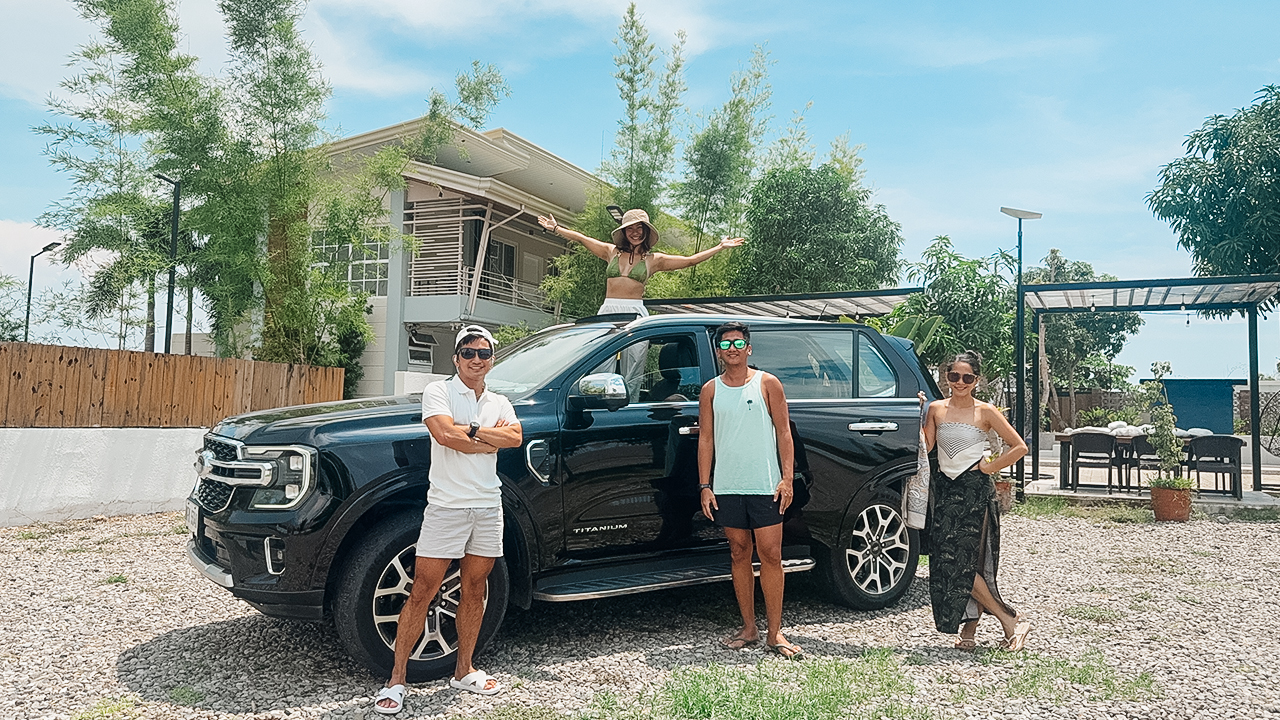
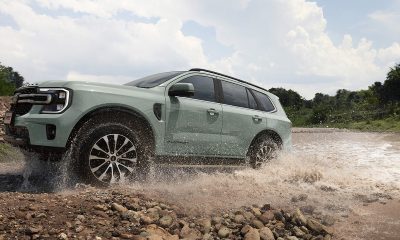
After crossing the finish line at the Galaxy Manila Marathon, my friends and I pointed the Ford Everest Titanium+ north toward La Union.
The 12-inch touchscreen glowed softly in the dark, and our playlist connected wirelessly before we even reached the expressway gates.
Adaptive Cruise Control took over the repetitive parts of the drive not long after. We were cruising toward the coast, and for the first time in recent memory, I had nowhere else to be.
That lack of urgency might sound unremarkable. To me, it felt foreign. My life runs on calendars. There’s always a race to train for, a campaign to launch, a production to wrap, or a deadline waiting somewhere down the road.
Even weekends tend to arrive with a checklist. A long weekend with no race, no deliverable, and no training block doesn’t happen naturally. It has to be chosen.
When Ford Philippines handed me the keys to the Everest Titanium+ and suggested a road trip, I said yes almost immediately.
I spent the following week wondering why saying yes had felt so effortless, but I packed my bags regardless. I brought along three companions who have witnessed nearly every version of me over the past decade, sharing in my victories, heartbreaks, career milestones, and constant reinventions.
With 30 approaching next month, I wanted this trip to hold all of that. A celebration of who I’ve been, and a look at who I’m becoming.
What followed was the most complete weekend I’ve had in years. The Everest was exactly the right car for it.
Taking the open road
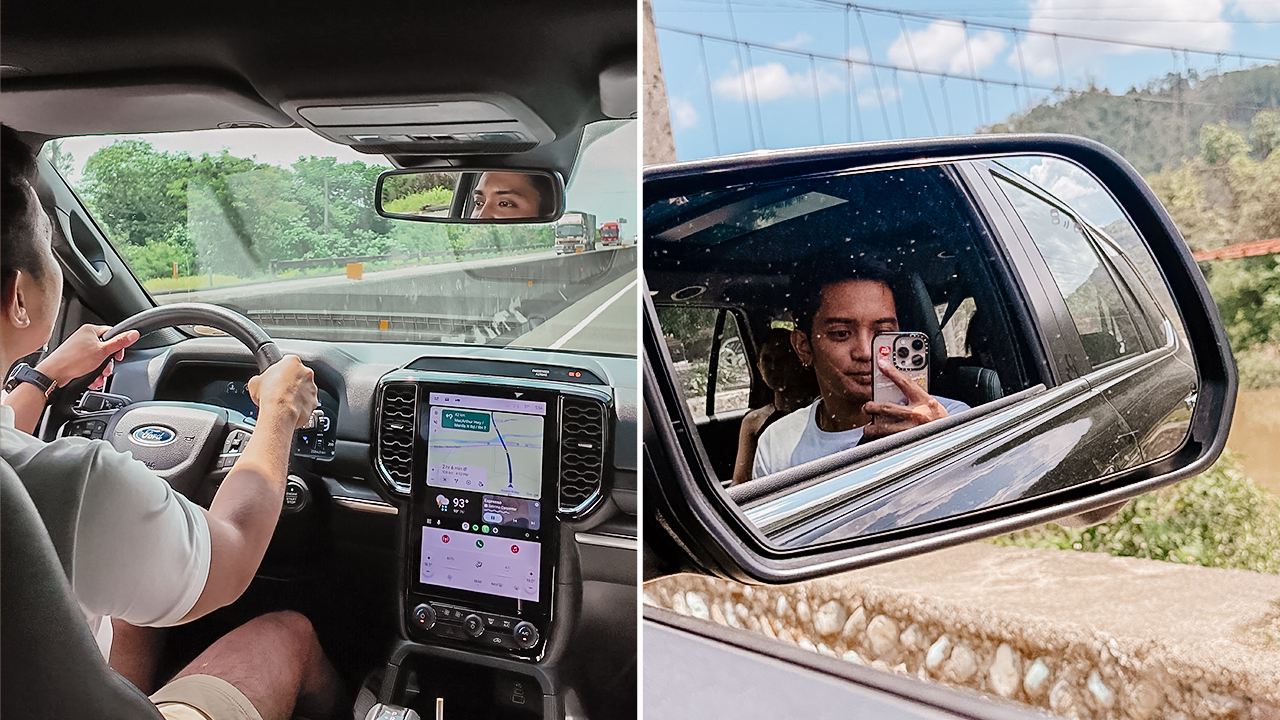
The route from Manila to San Juan covers hundreds of kilometers of expressways, provincial roads, and coastal highways. On a clear Saturday, the Everest handled it with enough ease that long drives stopped feeling like something to get through.
Ford’s Co-Pilot360 suite earns its keep on stretches like this. Adaptive Cruise Control maintained speed and distance naturally, while Lane Centering offered gentle corrections along the long runs of TPLEX.
For someone who spends most days managing too many things at once, it’s genuinely comforting when a car removes some of that mental load.
I’d planned to use the drive to process everything from the weeks before. Instead, I watched the landscape change. Concrete gave way to open fields. Fields gave way to mountains. Mountains eventually led us to the sea. For once, that was enough.

My friend, Echo, shared driving duties while Kelly and Noela drifted between conversations and naps. Up front, Echo and I turned the cabin into a private concert.
The B&O sound system filled the space without overwhelming it, and the insulation kept road noise distant enough that the outside world felt like a silent movie playing through the glass.
Our phones stayed charged the whole drive; the wireless pad handled that quietly, the way good technology should. With everything running through SYNC 4A, navigation and music just worked. The less we had to manage, the more we could enjoy the drive.
Luxury of staying put
Arriving at Casitas in San Juan, La Union, we settled in Villa Nikholai which felt less like a resort and more like a friend’s rest house in the province.
We didn’t rush out to explore and instead, settled around the dining table and talked about nothing in particular. The good nothing; the sort that fills a whole afternoon without you noticing.
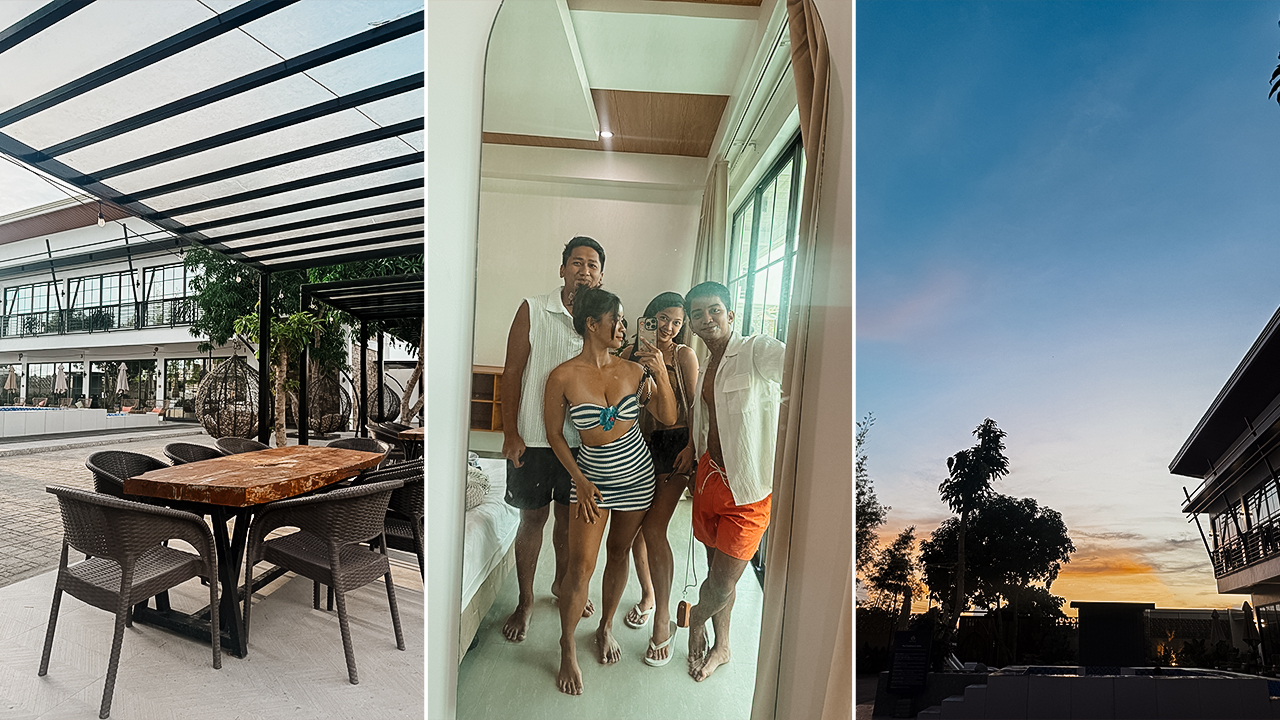
The older I get, the less I want to maximize every trip. We used to try to squeeze every attraction into a single weekend.
These days, we trust that places will still be there when we come back. We spent the afternoon unpacking far more than just our luggage. Marathon stories, life updates, a decade’s worth of reflection over comfort food from Tagpuan.
Later, we watched Good Girls on Netflix until sleep won. No arguments. No suggestions of something else to do. Nobody felt guilty for resting.

The falls as the destination
Sunday morning took nearly two hours to start. Nobody seemed concerned. That collective patience felt like a small marker of growth.
We drove from San Juan toward San Gabriel, where Tangadan Falls was waiting. The road narrowed as we climbed, the scenery shifting into layers of green and winding mountain paths.
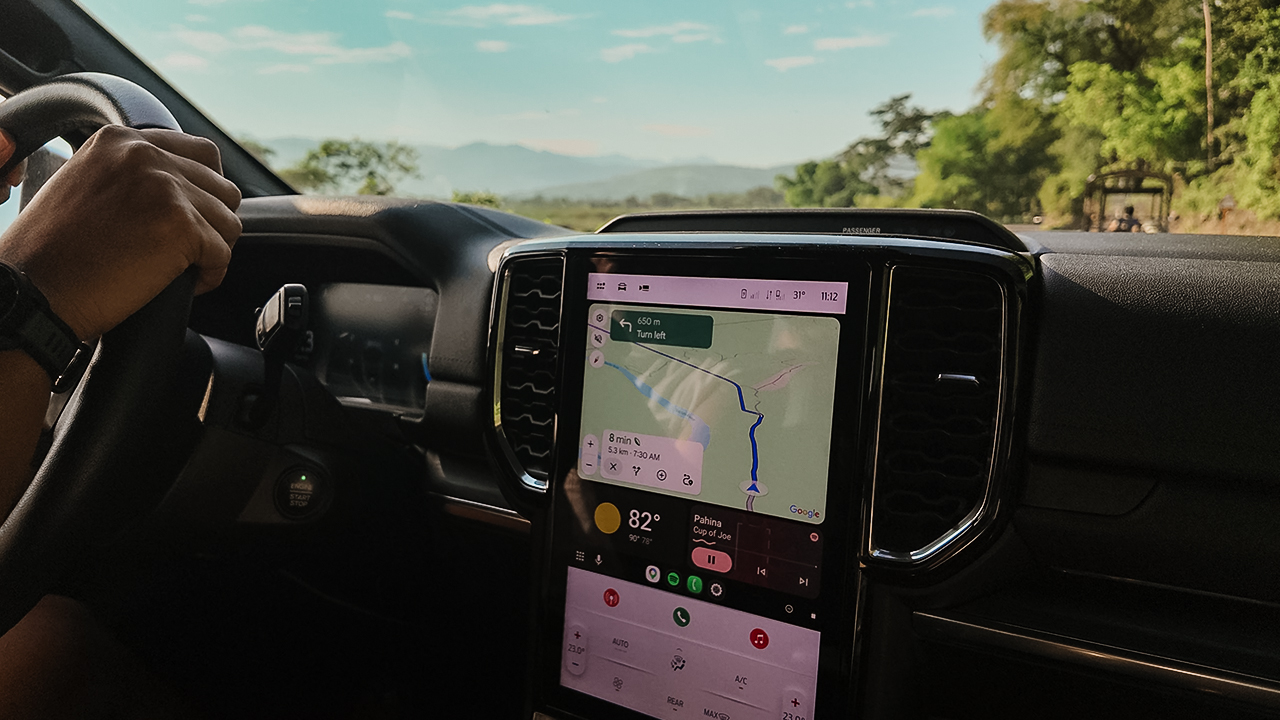
What the maps don’t tell you is that the last stretch — about 27 minutes from the municipal hall to the jump-off point — is steep, narrow, and in some sections, right beside a cliff with no guardrails.
We were careful the entire way up. And the entire way down. But we always knew where the car was, and that made the difference between a stressful drive and a manageable one.
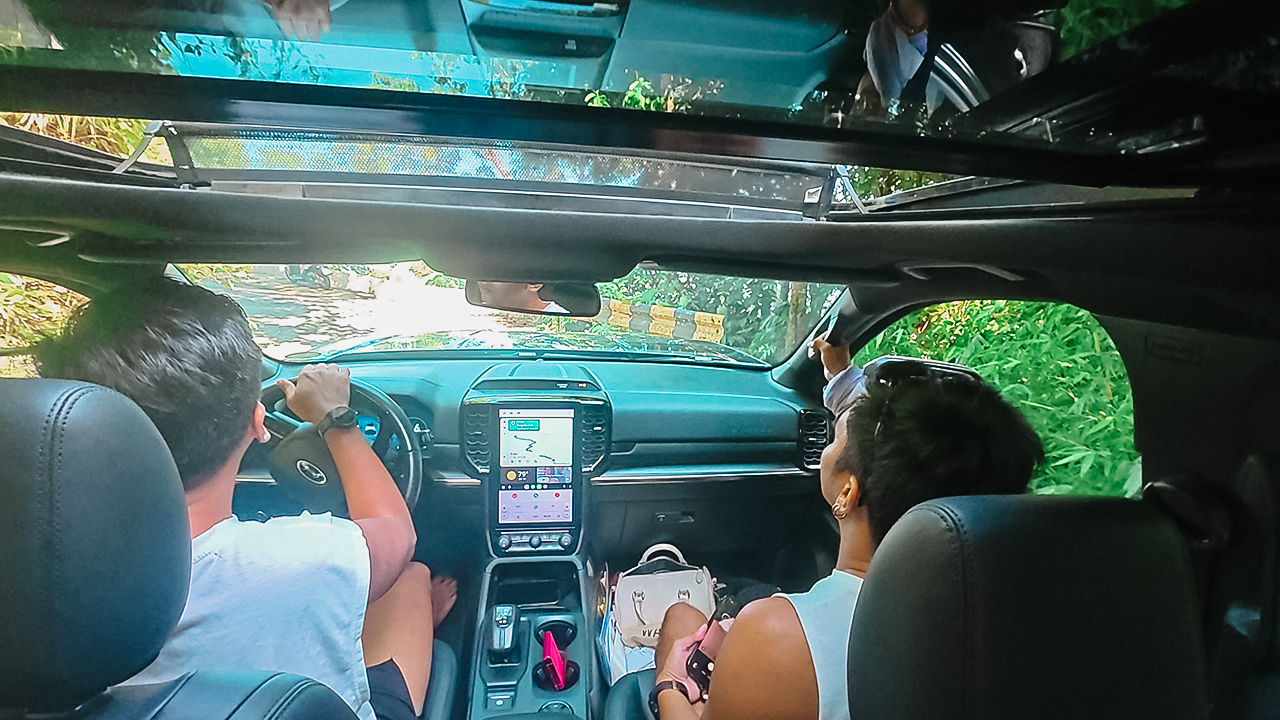
At the jump-off, it’s a stairway down to the falls now; the original route through the boulders and river is closed. The climb down doesn’t prepare you for what’s waiting.
The falls are cold, loud, and completely indifferent to how long it took you to get there. We swam and didn’t say much.
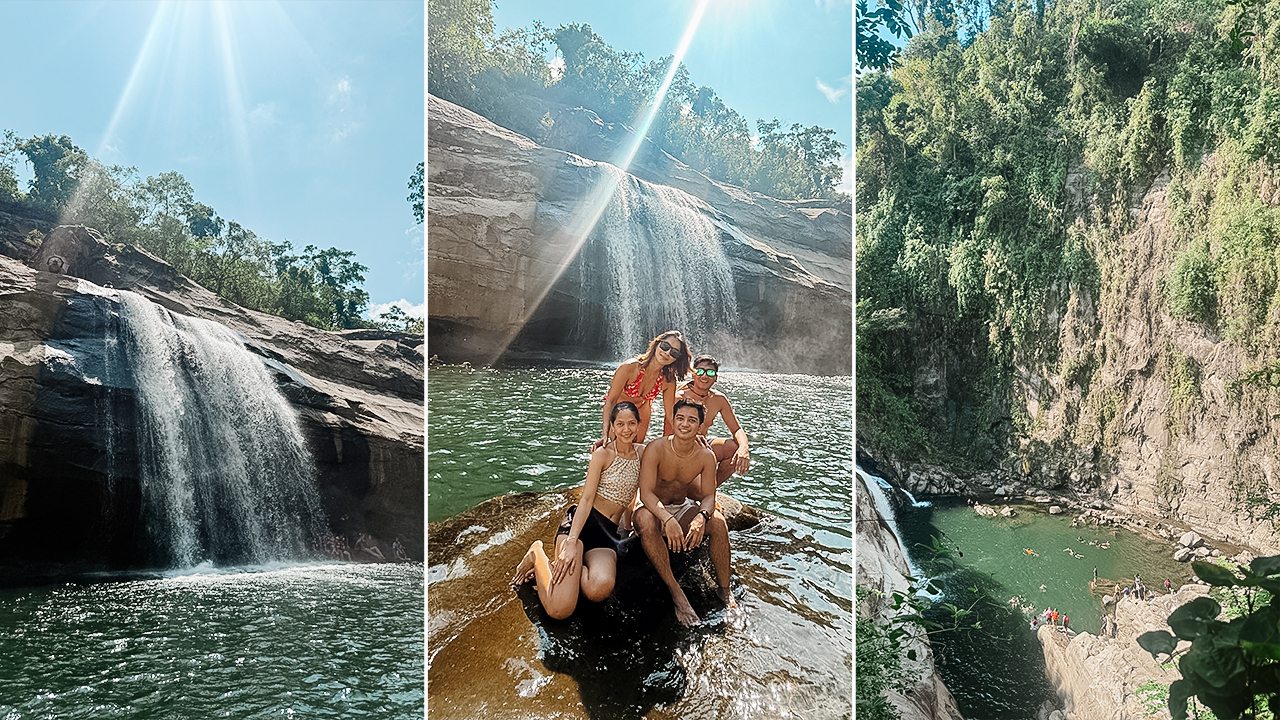
A few years ago, I’d have been looking for the next thing the moment we arrived. This time, getting there was enough.
Uninterrupted sunset
Back in San Juan, we returned to our easy yet different rhythm. Noela had another beach outfit ready. Kelly rotted on bed watching Good Girls.
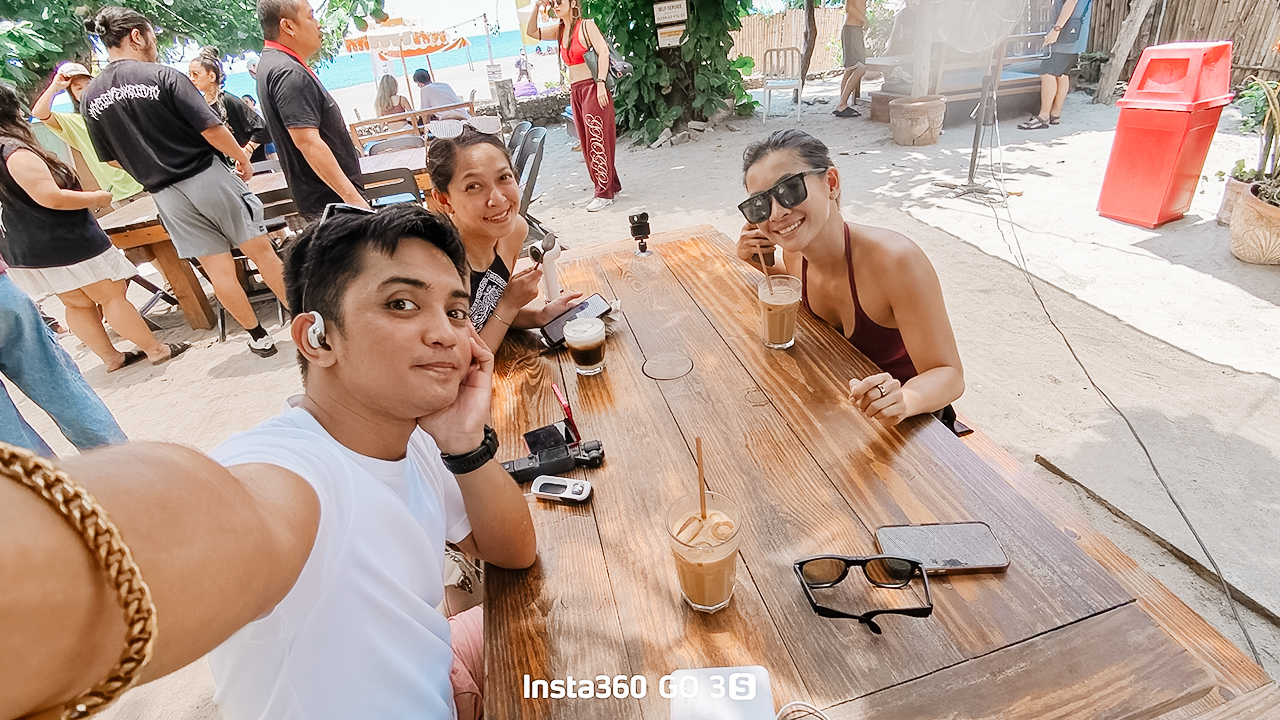
Echo alternated between napping and watching the same episodes. He’s a man fully committed to the art of doing nothing, which, I realized, was the whole point of the weekend.
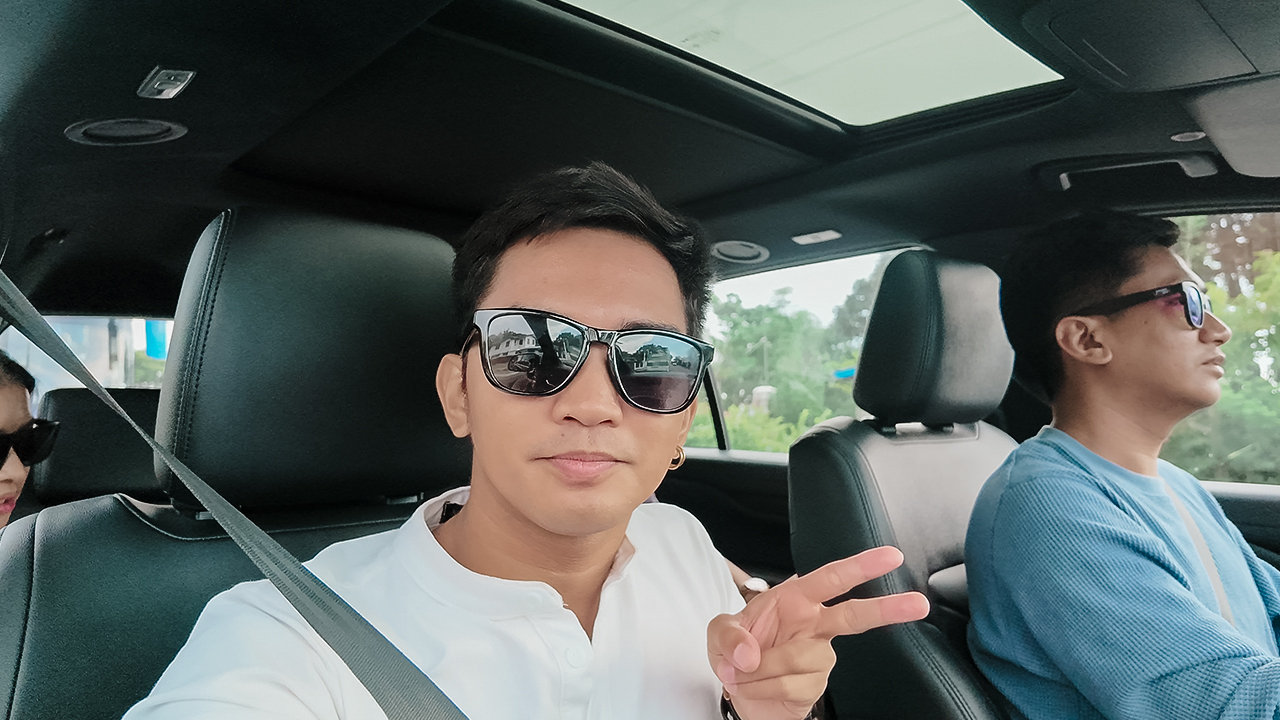
So I uploaded photos, cleared a few work emails, then gave up on productivity and went outside.
As the afternoon light softened, we drove to a spot near the shoreline and settled in. We didn’t have any agenda or urgency. Nowhere to be after this.
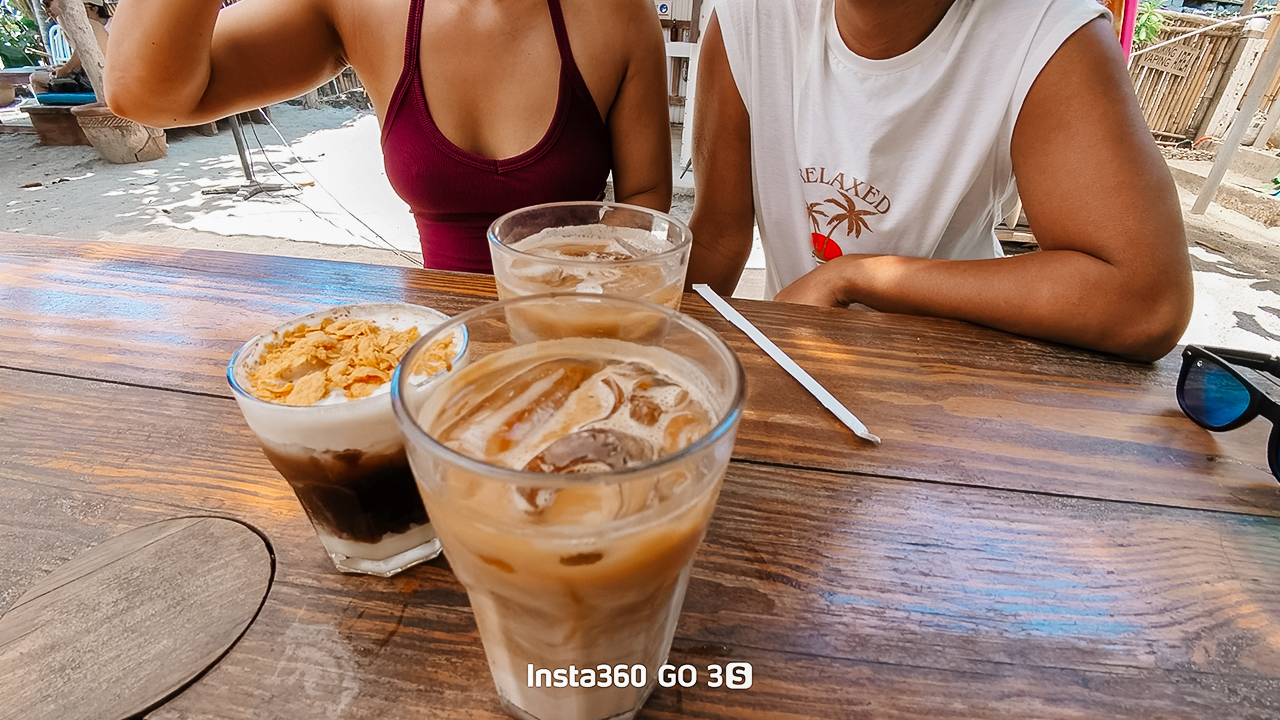
At some point I realized I hadn’t checked my phone in hours — not because I was being disciplined about it or because I’d set some boundary for myself. I’d simply forgotten.
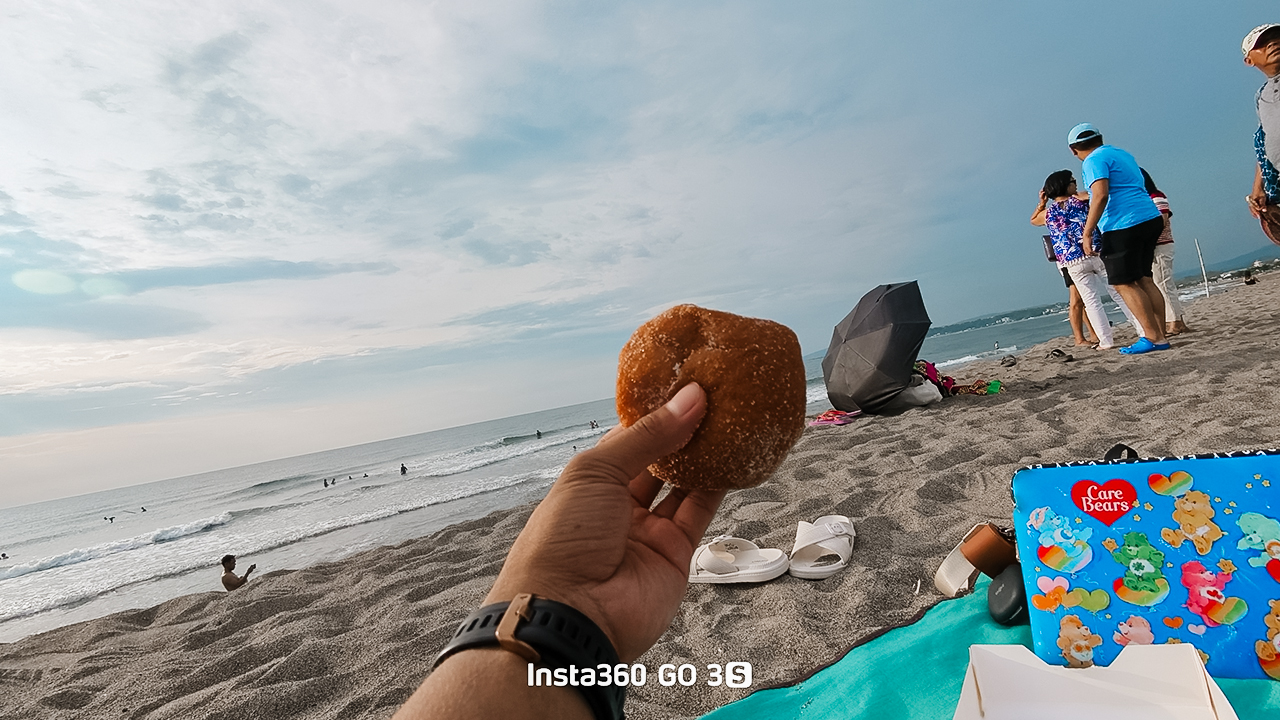
The sun was changing the color of the water. People moved in and out of the shoreline. Waves kept their conversation with the sand going, indifferent to all of us.
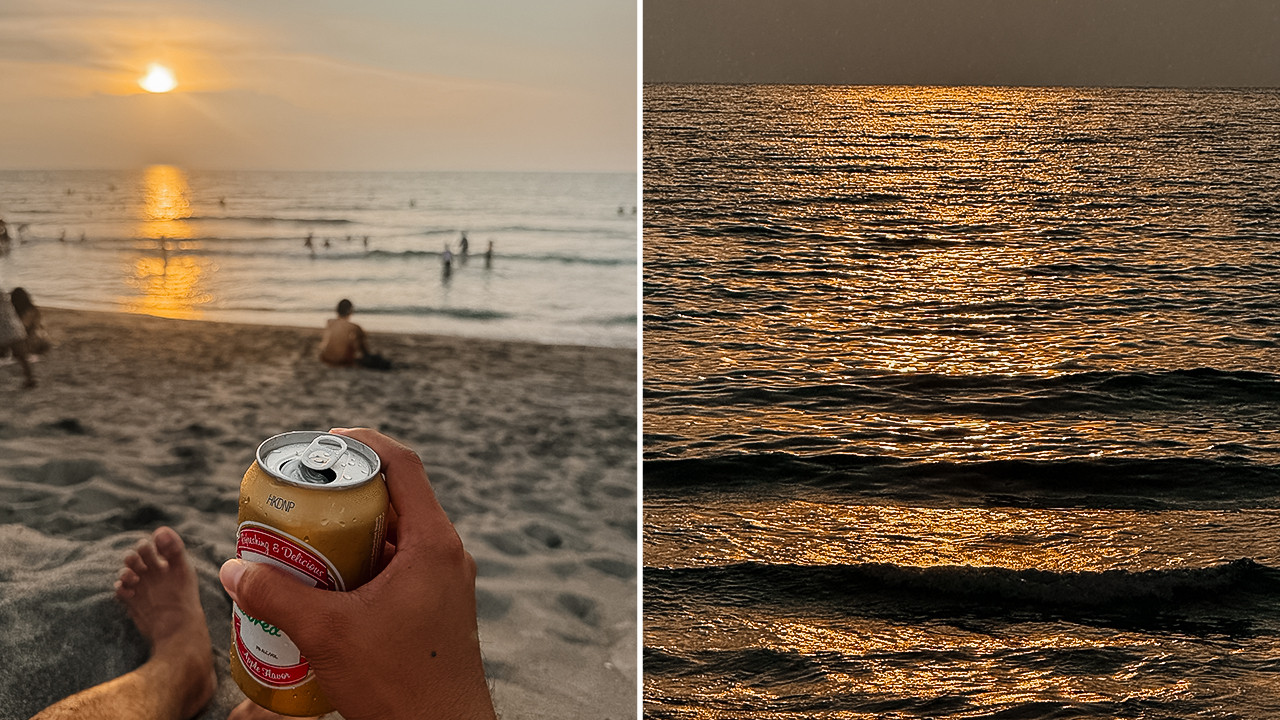
I sat with that longer than I expected. A genuinely restorative weekend doesn’t really announce itself. It arrives quietly, while you’re watching the tide, or while you’re noticing light on the water. It arrives while your phone is at the bottom of your bag and the world isn’t asking anything of you.
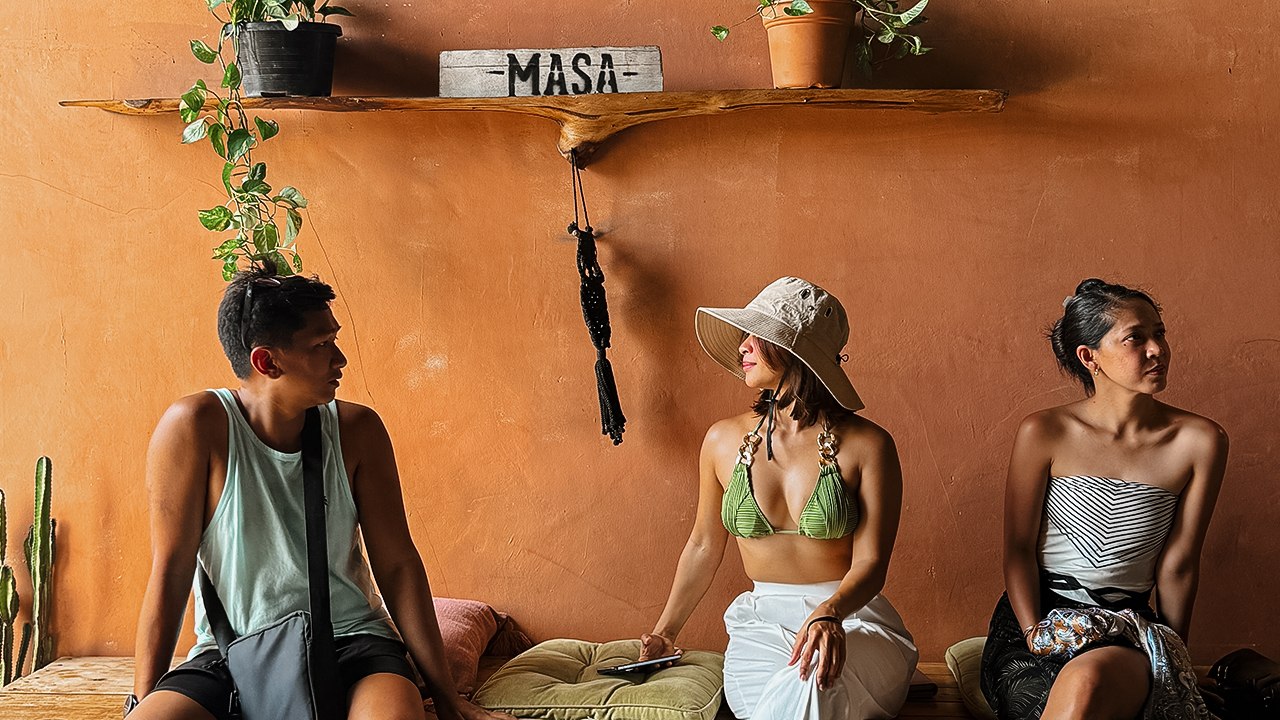
The rain came in before evening. We rushed back to the villa, which by then felt entirely ours. I jumped into the pool while it poured and sang Taylor Swift at a volume that required my friends to develop selective hearing. Nobody tried to stop me. That’s fourteen years of friendship.
I’m choosing to take that as love.
On the drive home…
Monday arrived slowly. We enjoyed a leisurely breakfast, lingered by the shoreline, and appreciated a peaceful version of La Union that felt deeply nostalgic. Devoid of the typical weekend crowds, Urbiztondo reminded me of the serene province I used to visit years ago.
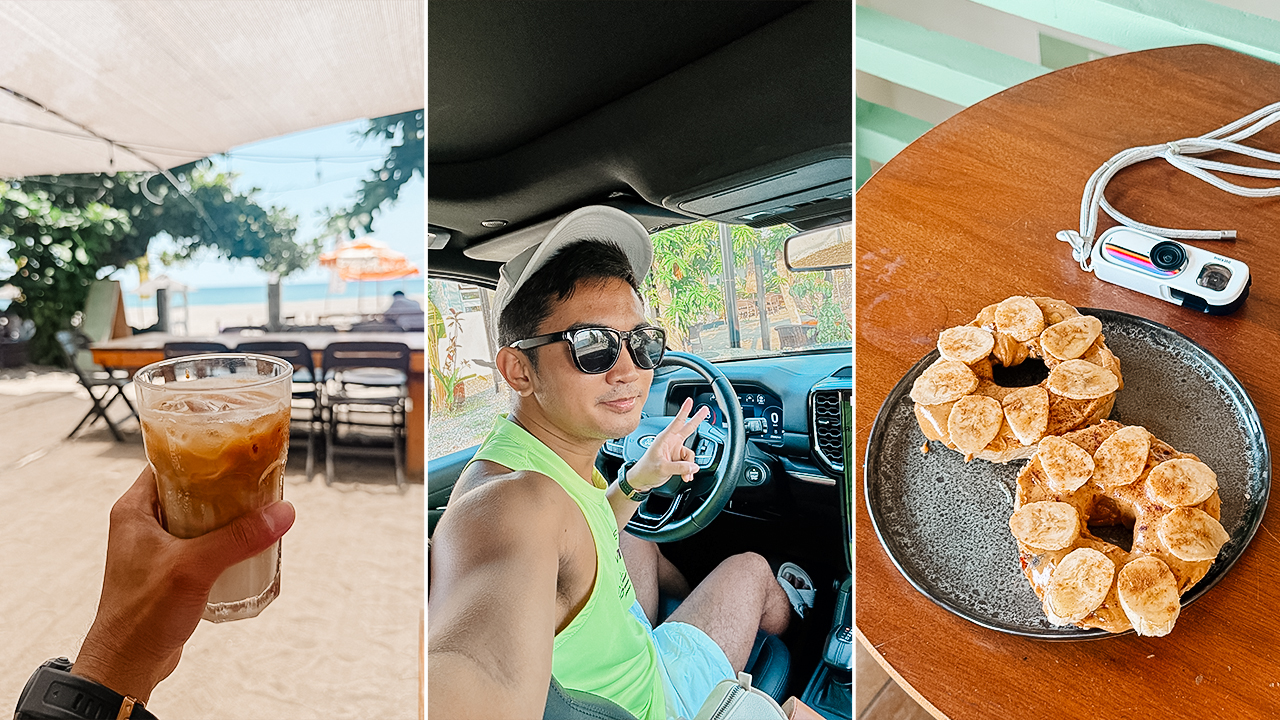
While we seriously considered extending our stay for another day, reality eventually won because we had obligations waiting in Manila and an absolute lack of fresh clothes. That evening we loaded the Everest and drove home.
Echo and I split the night driving again. Along the dark stretches of TPLEX, my mind drifted. The last time I was in La Union, I was standing at the edge of something much harder: a reconciliation with someone who’d broken my heart.
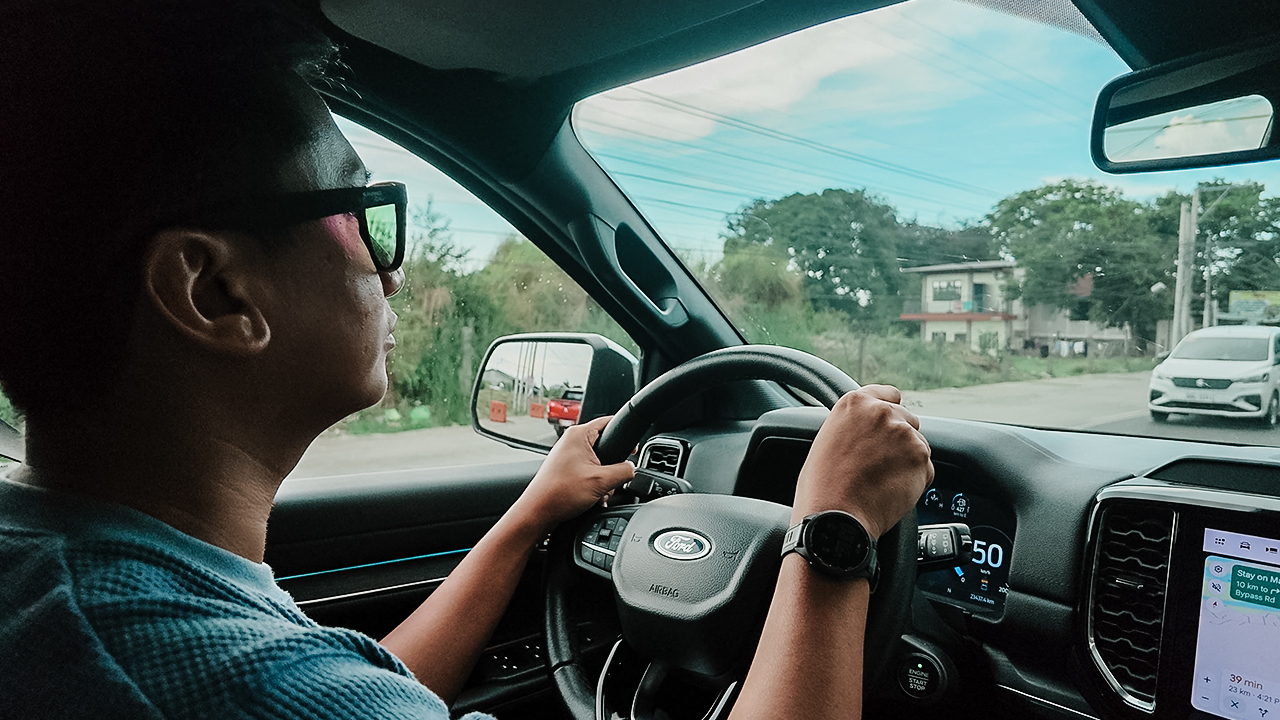
The province had offered space for that. The waves listened while we said things neither of us knew how to say anywhere else.
That was three years ago. My life looks almost unrecognizable now.
This trip wasn’t about any of that, though. It was about gratitude. For friendships that have survived every version of who I’ve been. For growth that tends to happen quietly, without announcing itself. And for reaching a point where rest doesn’t feel like something to be earned.
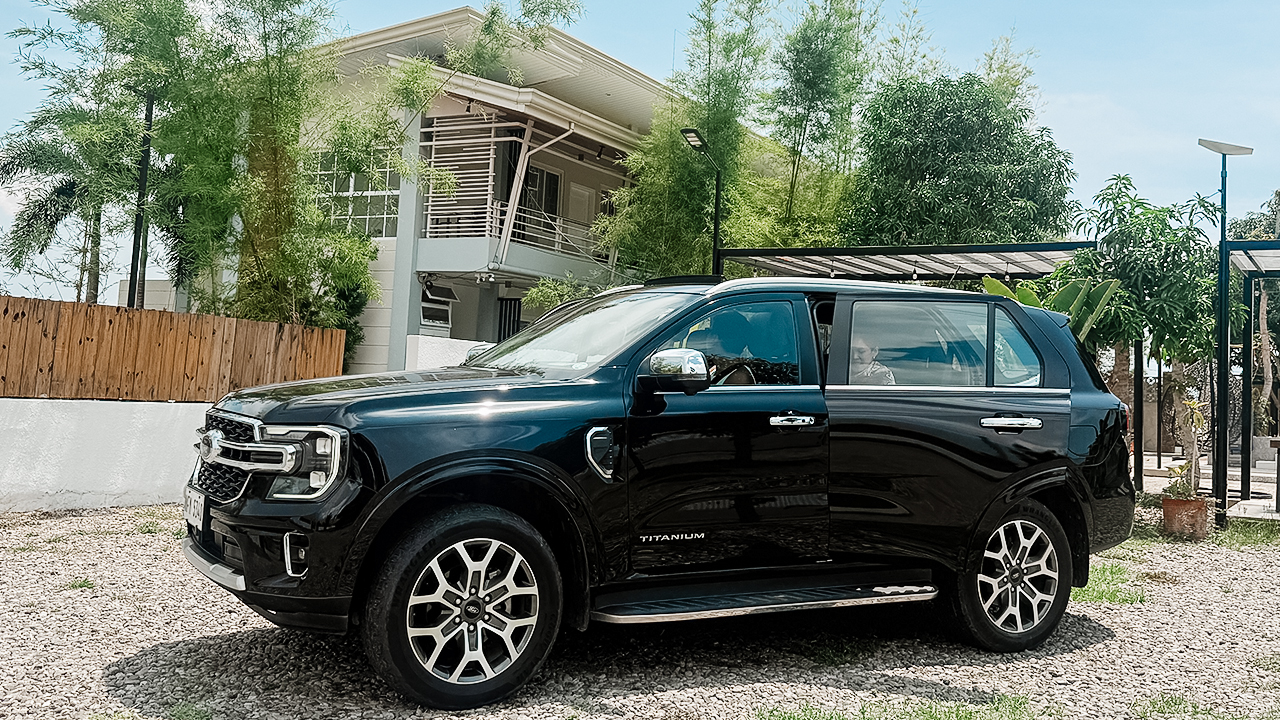
As the Everest carried us home, I realized the weekend had given me exactly what I needed. Not an adventure or a revelation. Just a reminder that sometimes the greatest luxury isn’t arriving somewhere extraordinary.
It’s having nowhere else to be.






Automotive
BYD says that way better EV batteries are coming next year
Solid-state batteries will debut with higher-end models in 2027.


With gas prices reaching the edges of believability, electric and hybrid vehicles are turning into worthy upgrades. That said, the more casual consumer still has a lot of questions about going electric, primarily about the durability of the battery and range anxiety. Well, a major battery technology upgrade is coming in the next few years, and BYD has just committed to it for next year.
Via the Spanish outlet Carwow, BYD EVP Stella Li confirmed that the company will launch its first vehicle with a solid-state battery in 2027. Now, if you’re a regular consumer, a solid-state battery probably doesn’t make much sense to you. But here’s the basics: it’s smaller, safer, and can last longer on a single charge.
If you’re fine with technical explanations, a solid-state battery uses more solid components, as opposed to the liquid solution used by the current standard of lithium-ion batteries. Because it’s more solid, it has better energy density. Higher energy density means a smaller size is needed to achieve the same battery capacity as modern batteries. In turn, this means that a vehicle can pack more batteries inside, allowing for better capacity. Oh, and let’s not forget that these batteries are generally safer and less prone to incidents.
In the same interview, BYD says that the first model will arrive next year. Unfortunately, because of the battery’s cost to produce, the component will likely debut with the company’s higher-end models. Still, it’s an exciting sight to behold. The electric and hybrid market is already quite the temptation for users, so an even better battery will further push the segment to better heights.
SEE ALSO: BYD adds the facelifted Seal 5 DM-i to its hybrid sedan lineup
Accessories
70mai launches the A900 series with 4K front, rear recording
Two new 4K dual-channel dash cams, both with 4G
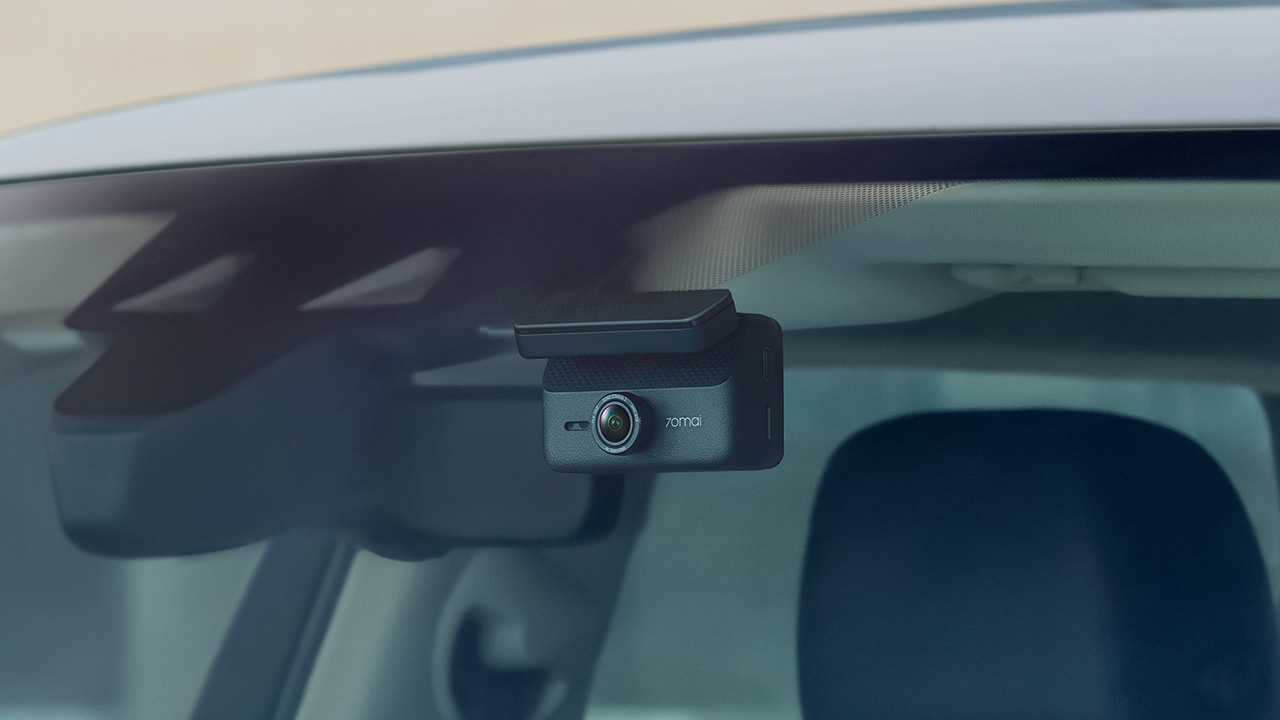
70mai has launched the A900 Series, led by the flagship 70mai Dash Cam 4K A900 Ultra, with the 70mai Dash Cam 4K A900 joining it in the lineup.
Both models record in 4K from the front and rear cameras, and both support 4G, so your footage stays reachable from your phone even when you’re away from the car.
4K recording from both cameras
The A900 Ultra uses dual Sony STARVIS 2 IMX678 sensors to capture clear 4K footage from both directions. As a result, details like license plates and road signs remain sharp.
Smart HDR balances bright and dark areas under shifting light. Users can also adjust color tones and contrast. To keep feeds synced, the rear camera uses LVDS digital transmission. This tech sends a lossless 4K feed with just 20ms of latency.
Handling changing light
Driving into a tunnel or under the shadow of a tall building changes the lighting quickly, and 70mai built three imaging technologies into the A900 Ultra to deal with it.
MaiColor Vivid+ Solution 2.0 is meant to give more natural colors and finer detail, along with smarter scene adaptation. Night Owl Vision 2.0 reduces noise and glare to help with nighttime clarity.
Lumi Vision is made for parking surveillance in near-total darkness, where it automatically adjusts exposure and gain and applies noise reduction. 70mai says this produces clear, full-color footage in extremely low light.
Parking mode and remote access
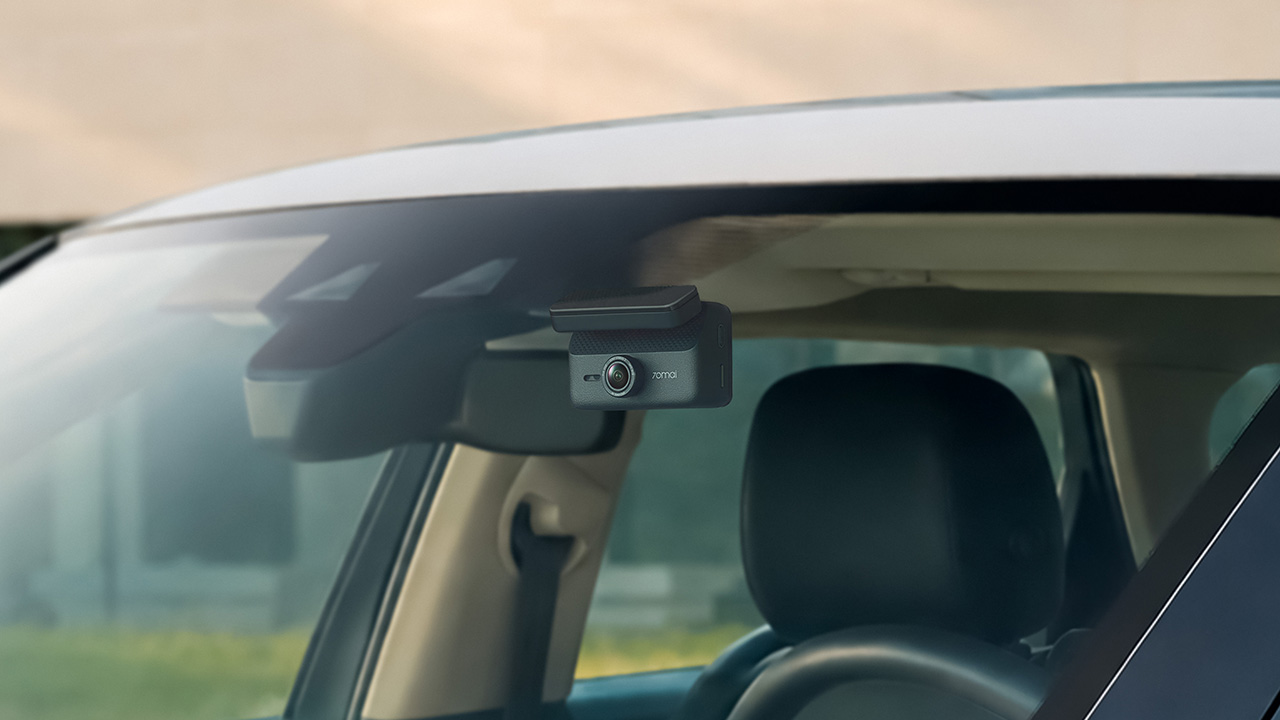
Smart Parking Guardian Mode 2.0 protects your vehicle while parked. It combines AI motion detection, dual-channel collision detection with pre-recording, and time-lapse options.
The system draws just 5mA on standby to prevent battery drain. For extended coverage, the optional 70mai Battery Pack Mini powers surveillance for up to 30 days.
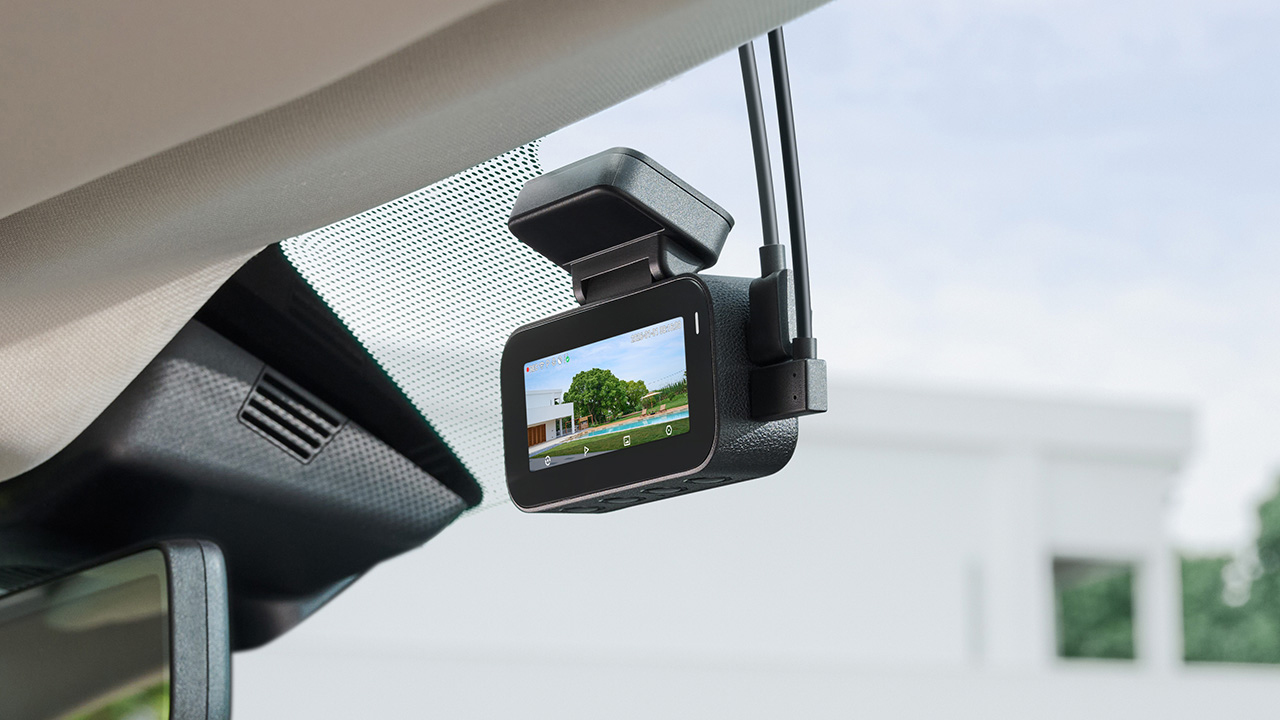
In photo: A900
Pairing the camera with the 4G Hardwire Kit unlocks 70mai 4G Cloud+ 2.0 features on the app. Enhanced Buffered Emergency Recording saves up to 190 seconds before an incident and 30 seconds after.
It automatically uploads this footage to the cloud for immediate remote viewing.
The 70mai Dash Cam 4K A900
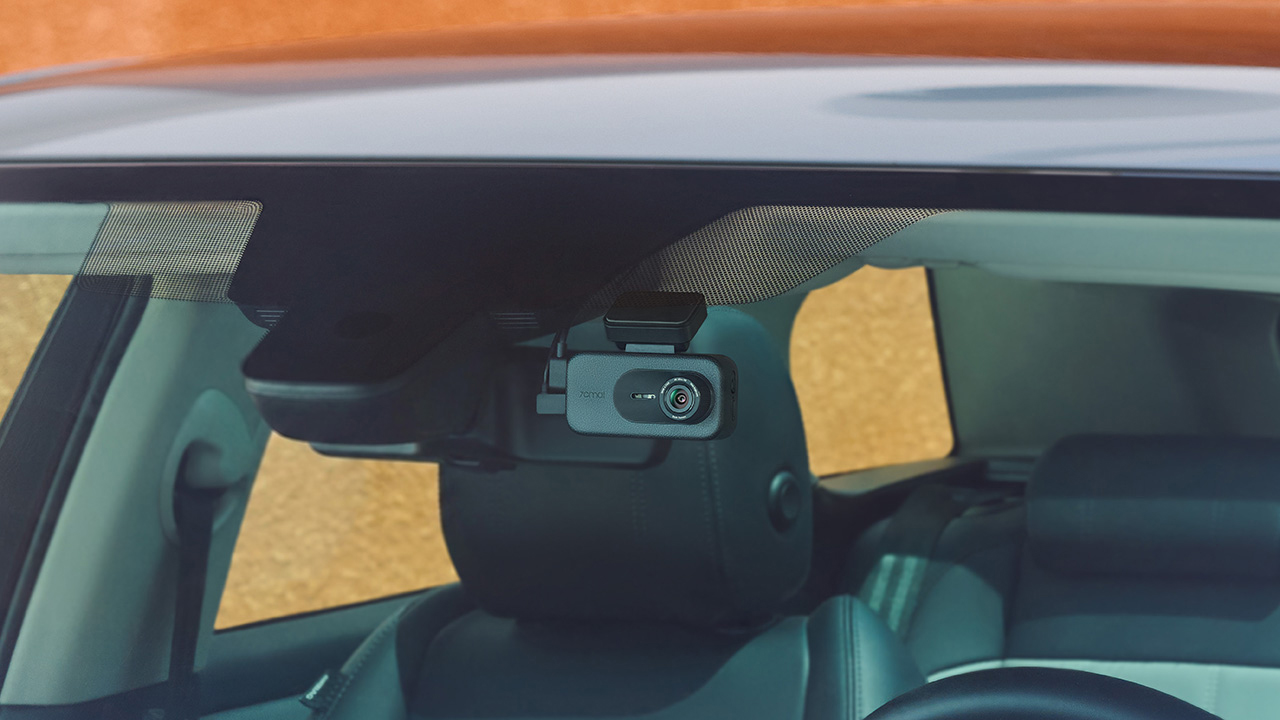
In photo: A900
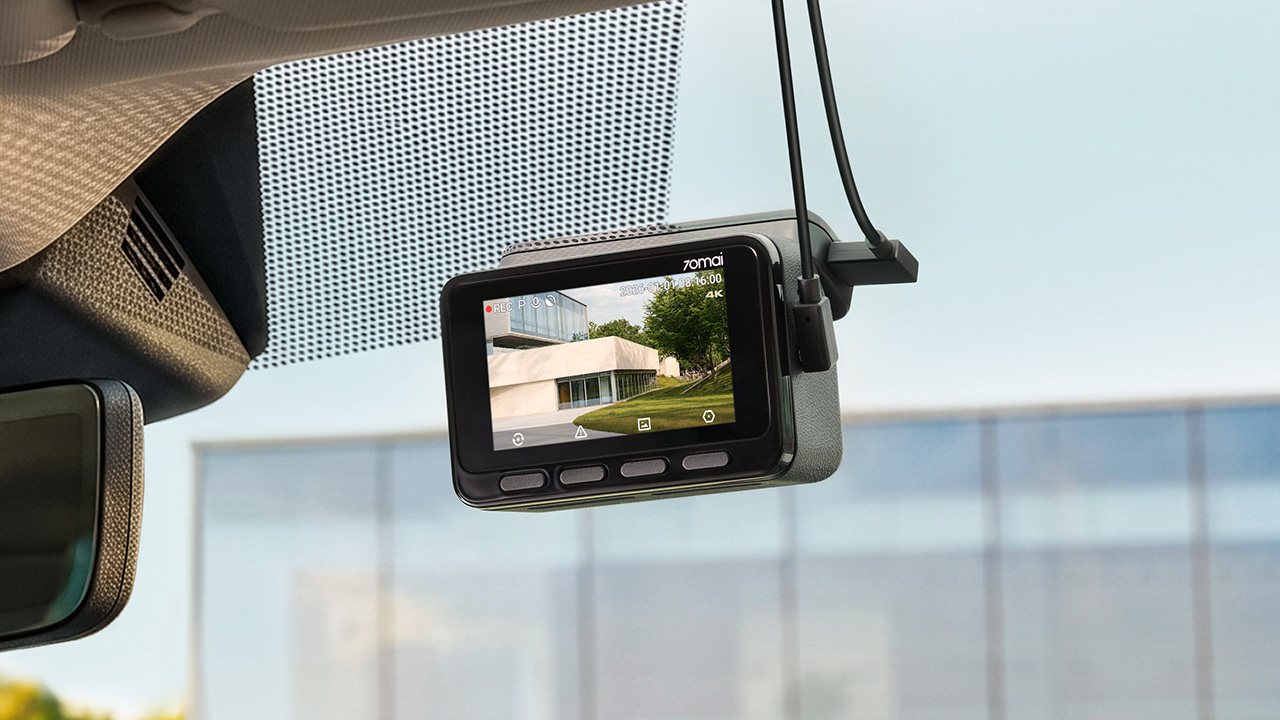
The A900 sits alongside the Ultra as the more accessible option. It records True 4K HDR at 30FPS from both the front and rear cameras, and Smart HDR can be scheduled to turn on at set times.
Its f/1.55 aperture is meant to help in low light, and 4G Cloud+ 2.0 keeps the dash cam connected to the 70mai App. It’s the model for drivers who want dual-channel recording and 4G connectivity at a lower price.
The 70mai Dash Cam 4K A900 Ultra retails for US$ 300, available for pre-order at US$ 240. Meanwhile, the A900 is priced at US$ 200, currently 20% off at US$ 170.
Automotive
The Kia EV3 brings gallery-worthy design in a compact electric form
The 2025 World Car of the Year turns daily driving into functional art.
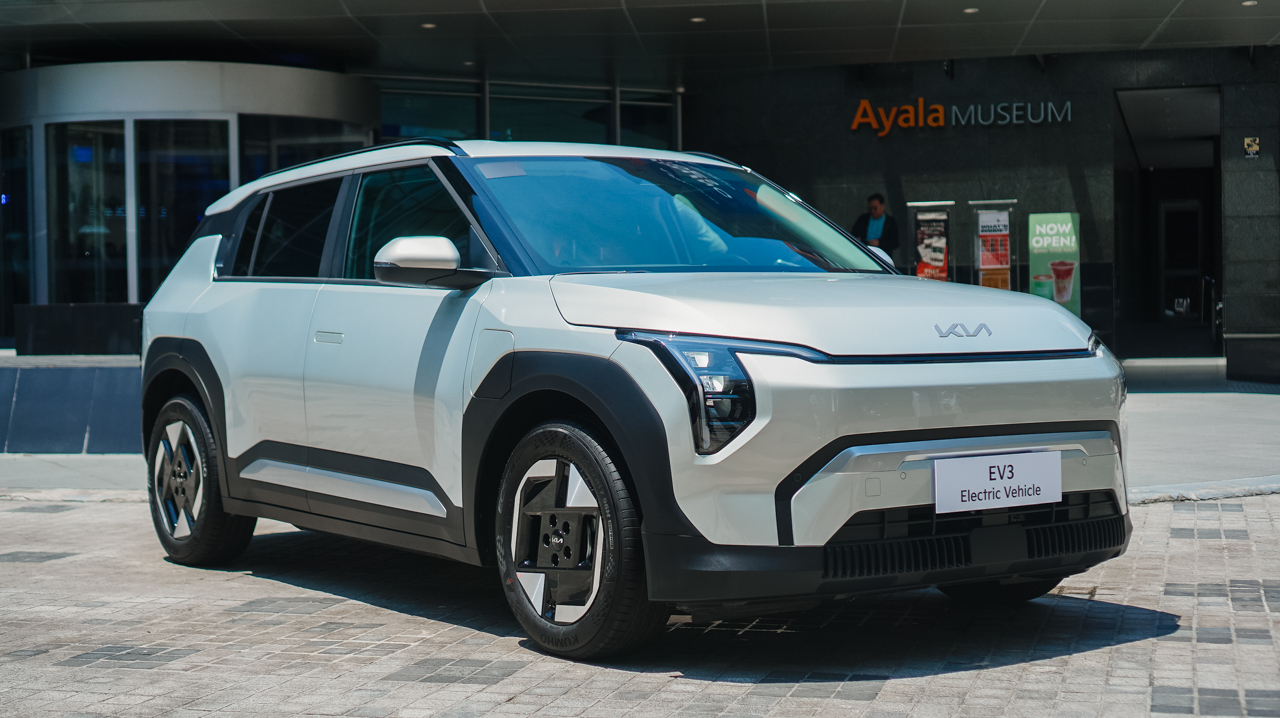
The all-new Kia EV3 officially debuted against the architectural backdrop of the Ayala Museum.
Named the 2025 World Car of the Year, the compact electric SUV redefines daily driving as functional art. It also holds prestigious Red Dot “Best of the Best” and iF Design awards.
Sculpted like a modern piece of design
The EV3 shares the forward-thinking design philosophy of the acclaimed EV5 and EV9.
Its exterior features an evolved Digital Tiger Face paired with signature LED lighting. Sculpted geometric surfaces and flush door handles maintain a smooth silhouette.
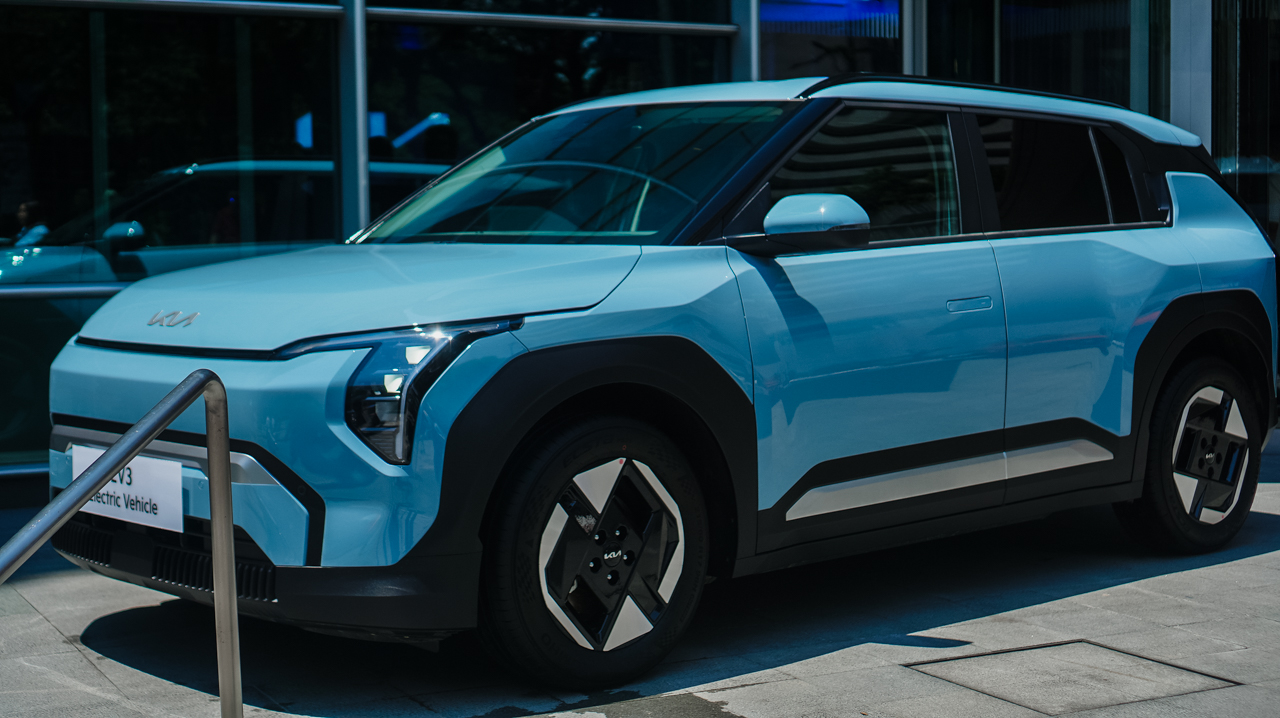
A tailored rear spoiler, roof rails, and 17-inch alloy wheels complete the profile. The result looks composed and elegant, especially when parked outside a contemporary gallery.
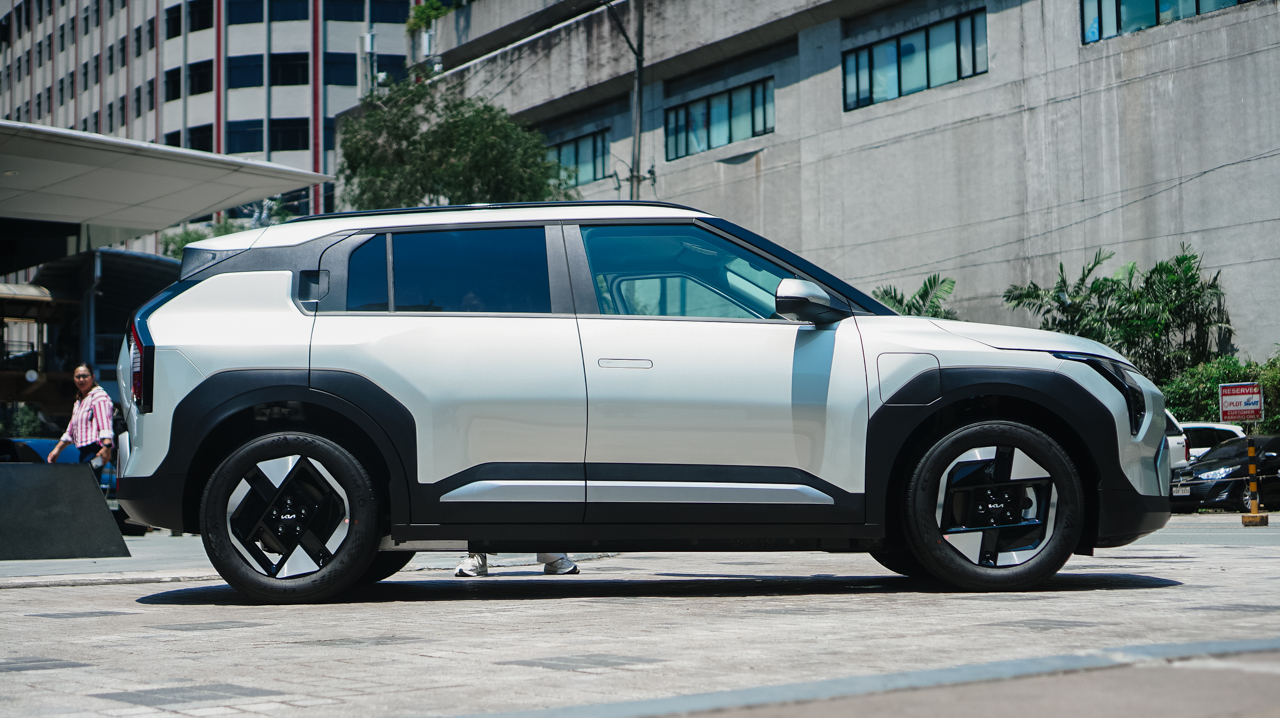
Beneath its sculpted skin lies instant, whisper-quiet electric power. A front-mounted motor generates 204 PS and 283 Nm of torque.
A 58.3 kWh battery delivers up to 511 kilometers of range on a single charge (NEDC). Replenishing energy fits seamlessly into a busy lifestyle.
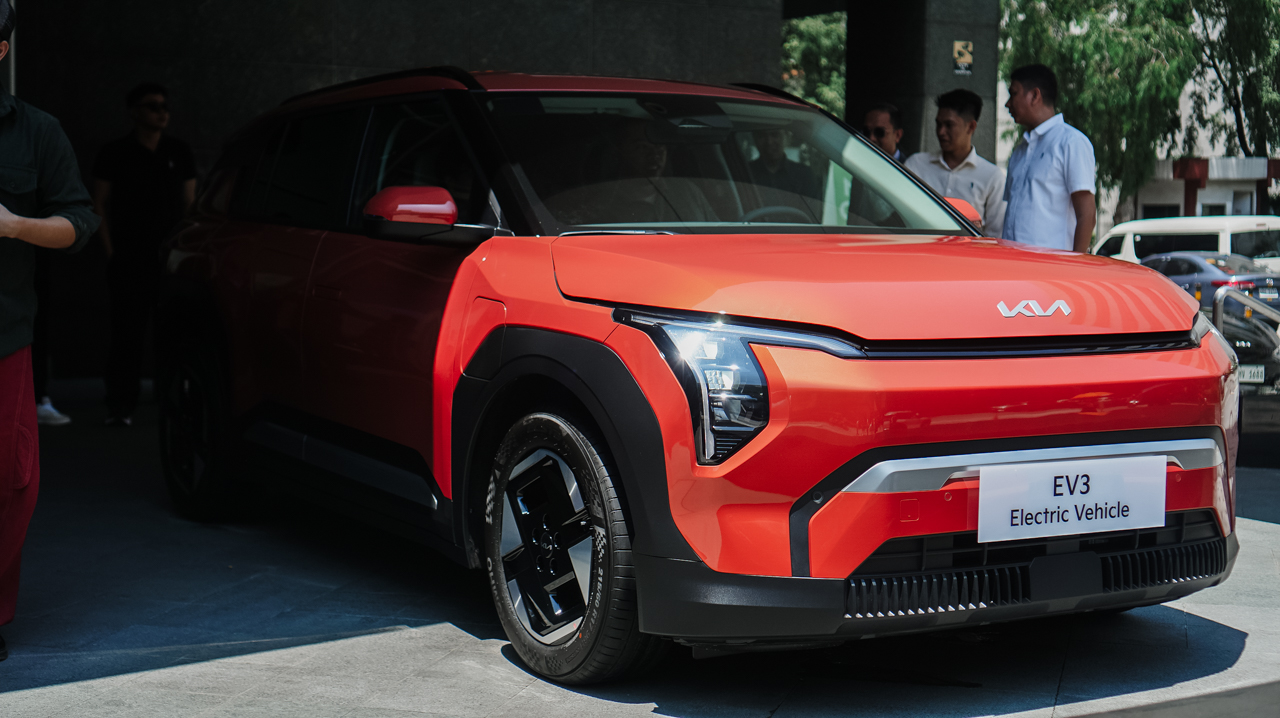
Standard 11 kW AC charging goes from 10 to 80 percent in roughly 5 hours and 20 minutes. Meanwhile, 350 kW DC Fast Charging restores the same charge in just 29 minutes.
A digital sanctuary, literally
Inside, the cabin opens into a clean, modern sanctuary.
A striking 30-inch Triple Panoramic Display centers the dashboard. It unifies the instrument cluster, climate settings, and infotainment beneath one sweeping glass surface.
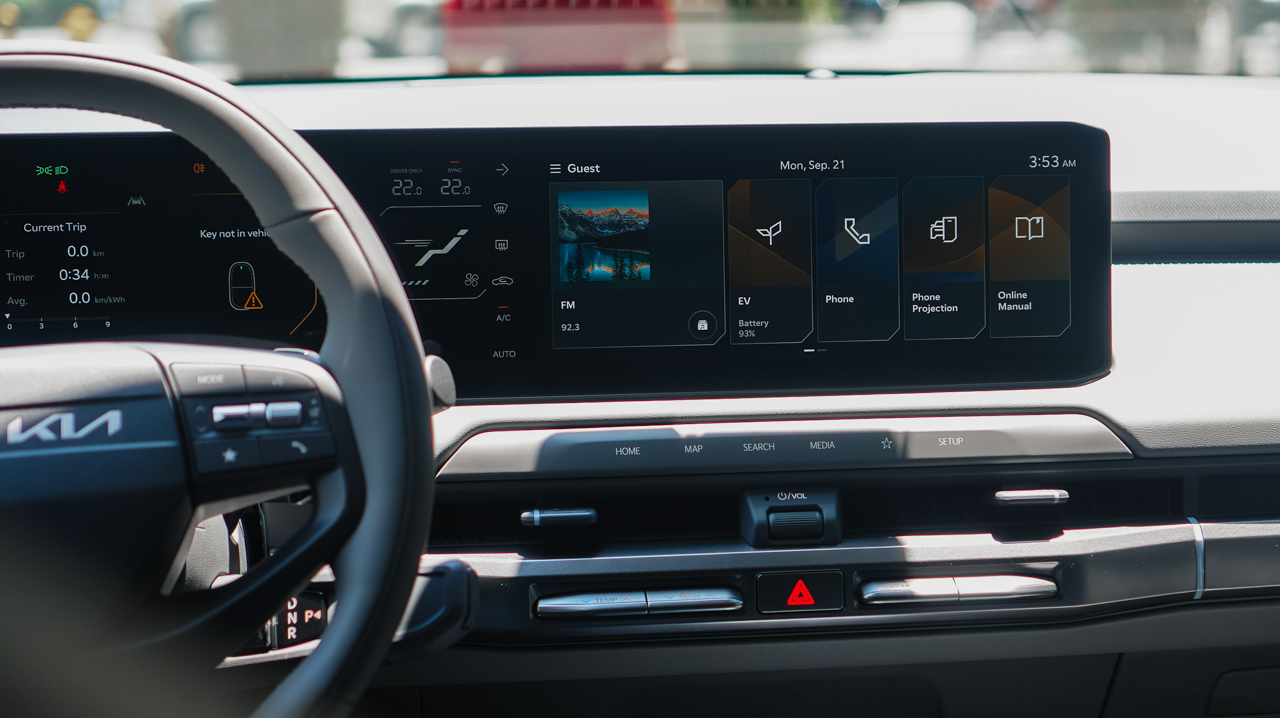
Leather upholstery and an eight-way power driver’s seat prioritize comfort, and the power lumbar support ensures relaxed driving on longer journeys.
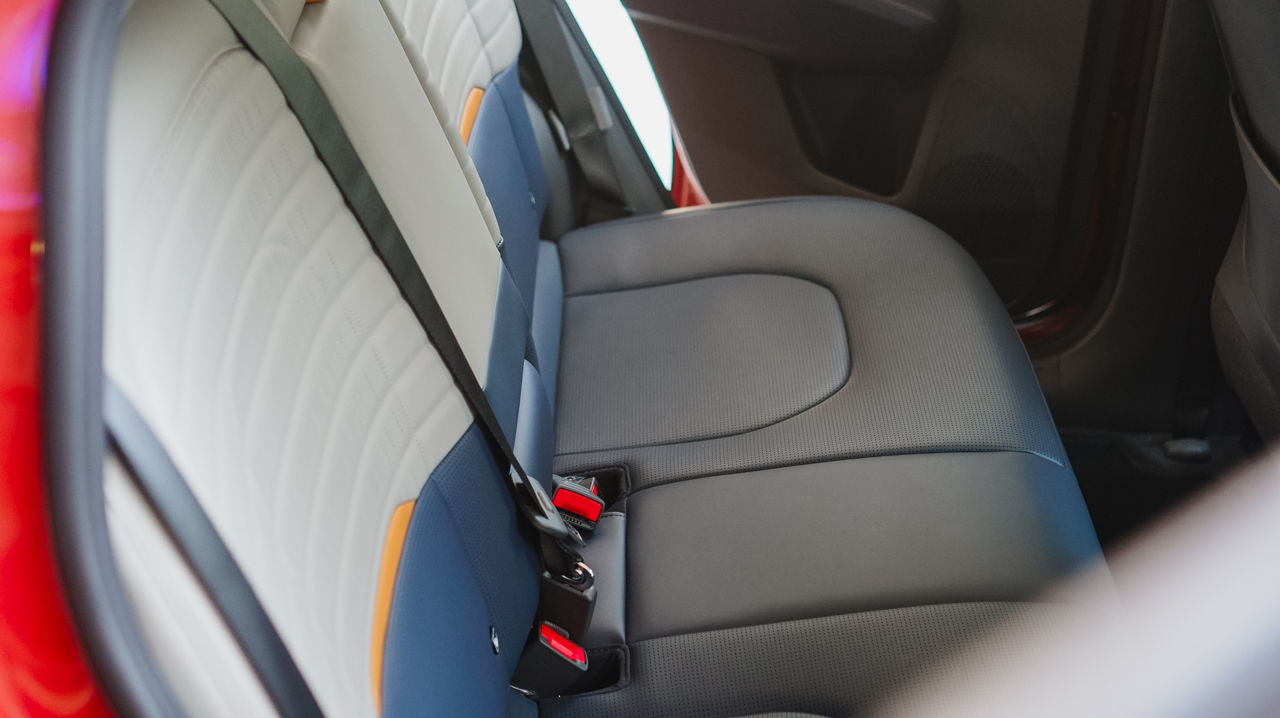
There’s also a sliding central console tray that creates an adaptable workspace on the go. On another note, connectivity remains effortless throughout the interior space. The system supports wireless Apple CarPlay and Android Auto.
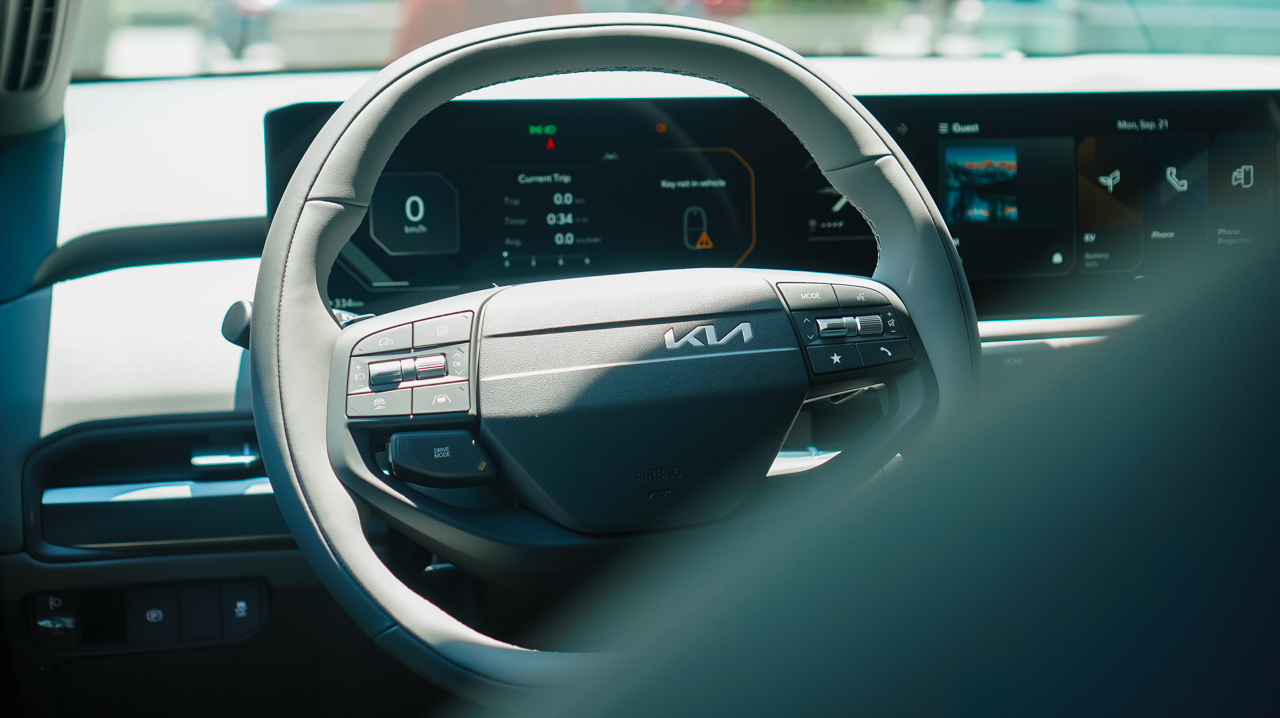
Additionally, dual wireless charging pads, five USB-C ports, and six speakers keep devices powered and entertained. For weekend getaways, 60:40 split-folding rear seats easily expand cargo capacity.
Intuitive safety
Intelligent peace of mind comes standard through the Kia DriveWise suite.
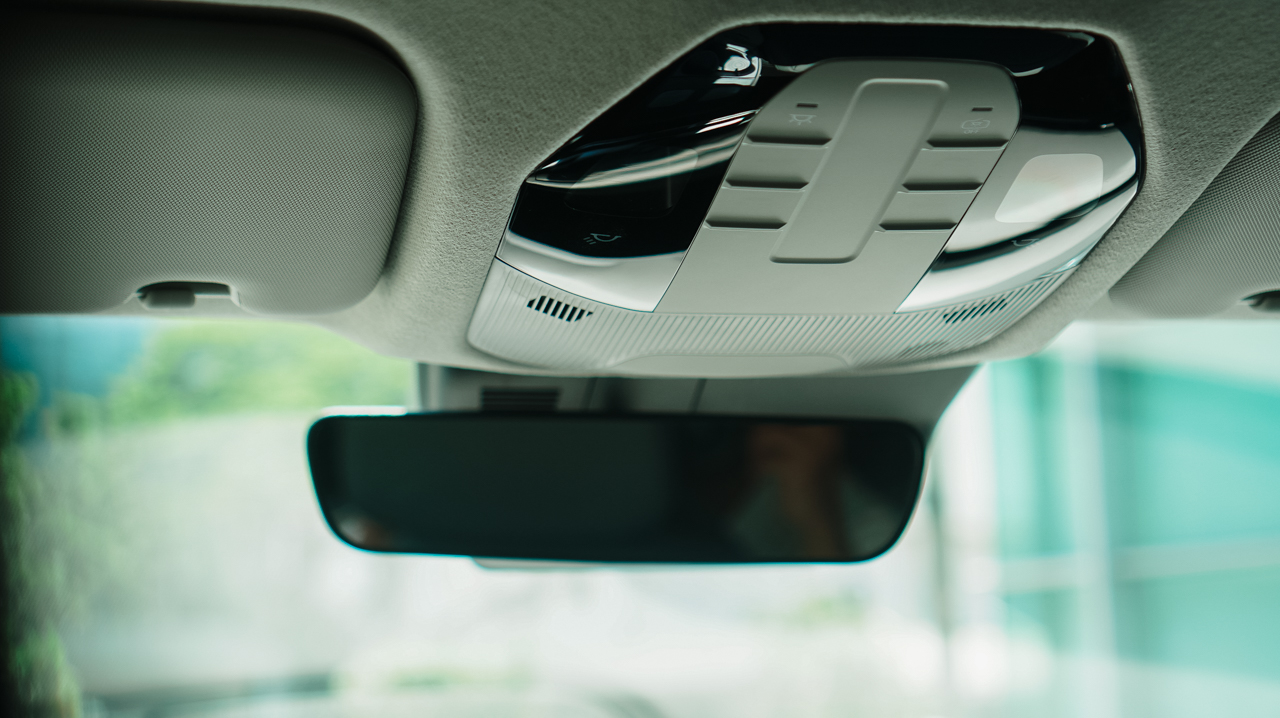
Active features include Advanced Smart Cruise Control and Forward Collision Avoidance with Autonomous Emergency Braking.
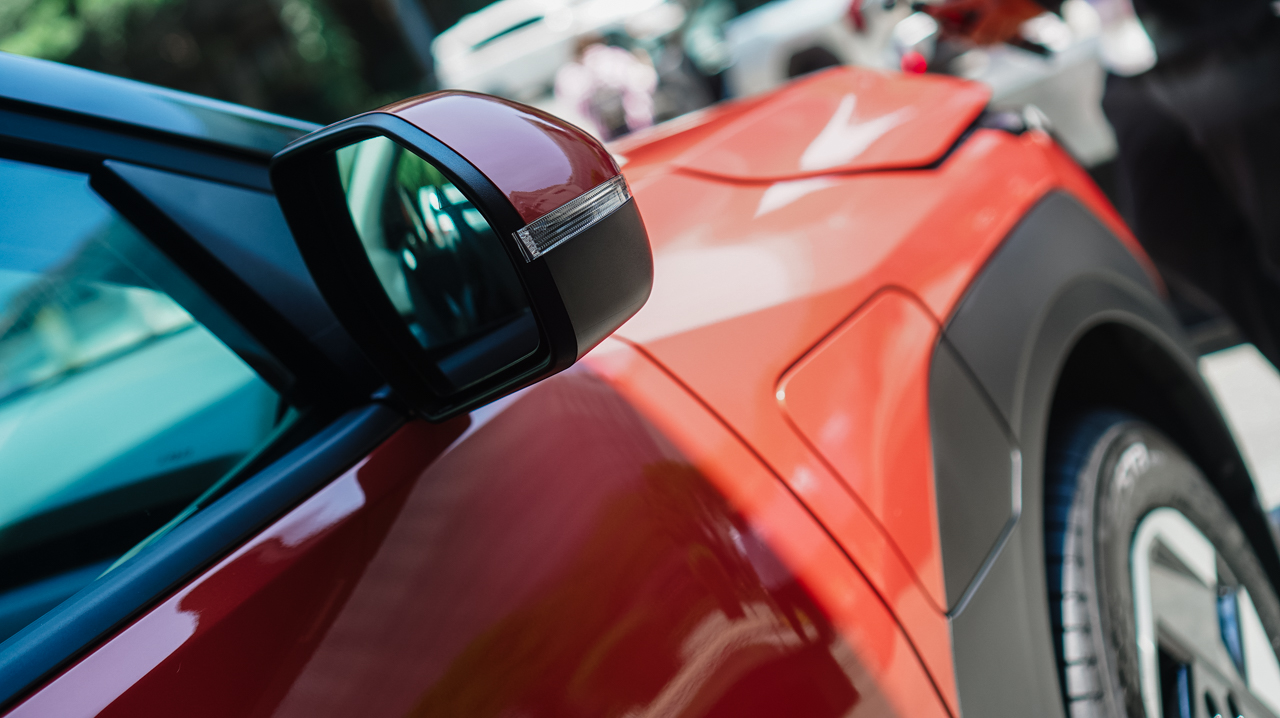
Lane Keeping Assist, Lane Following Assist, Blindspot Safety Warning, and Rear Cross Traffic Safety assist at every turn.
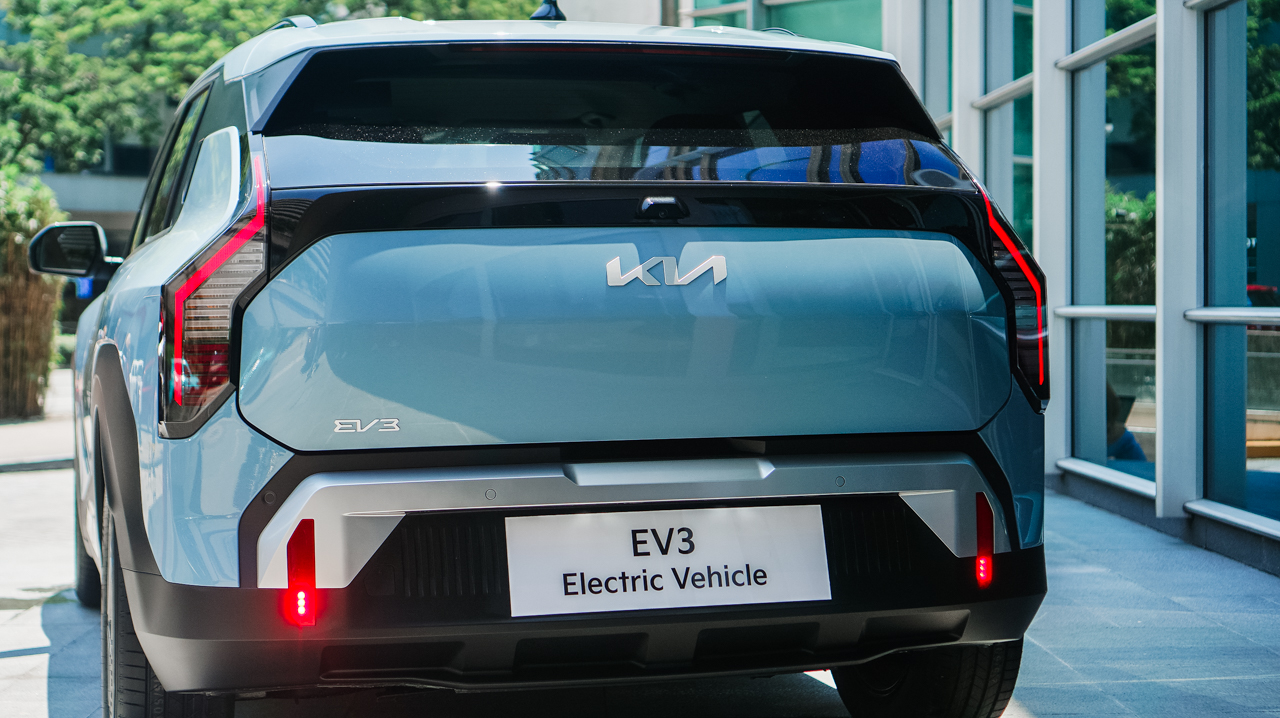
Seven airbags protect the front, side, and curtain areas. Electronic Stability Control, Hill-Start Assist, parking sensors, and a rear-view camera complete the protective core.
Price, availability
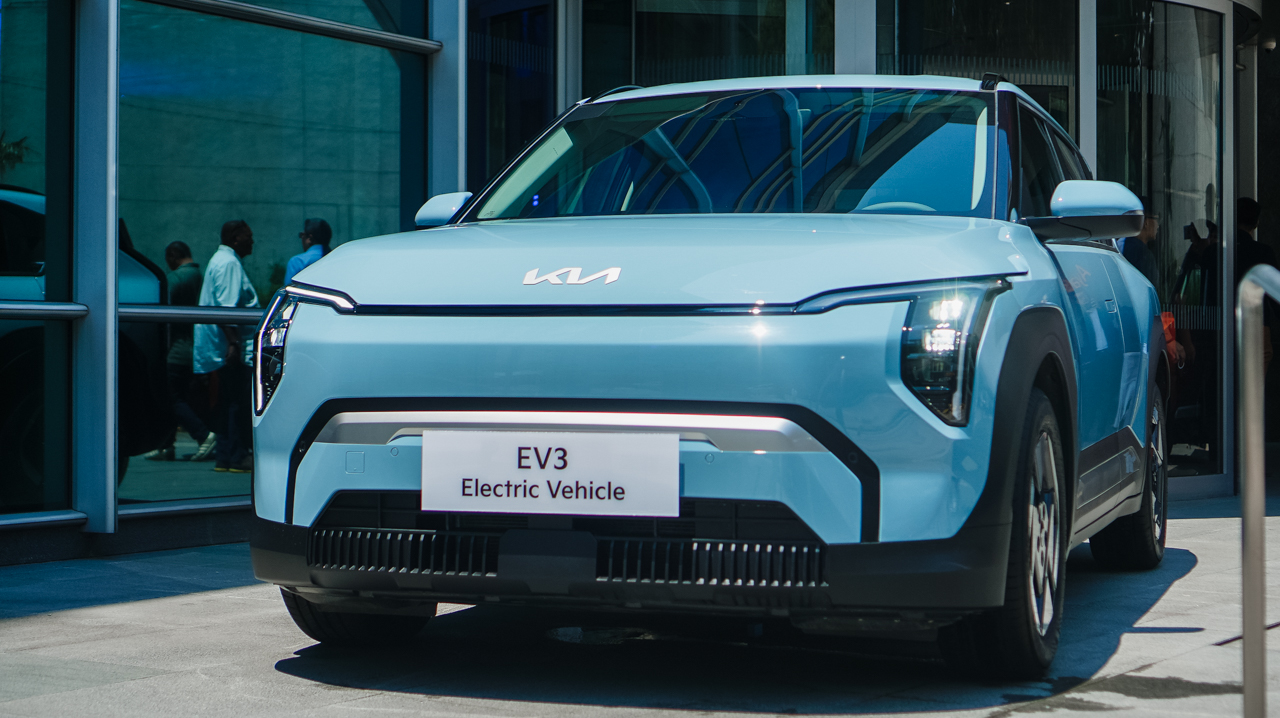
The Kia EV3 starts at PhP 1,898,000, inclusive of a home wall charger. An introductory offer reduces the price to PhP 1,868,000, saving early buyers PhP 30,000. Reservations also include five years of free Preventive Maintenance Service.
Kia provides a five-year or 160,000-kilometer vehicle warranty. The high-voltage battery carries an eight-year or 160,000-kilometer warranty.
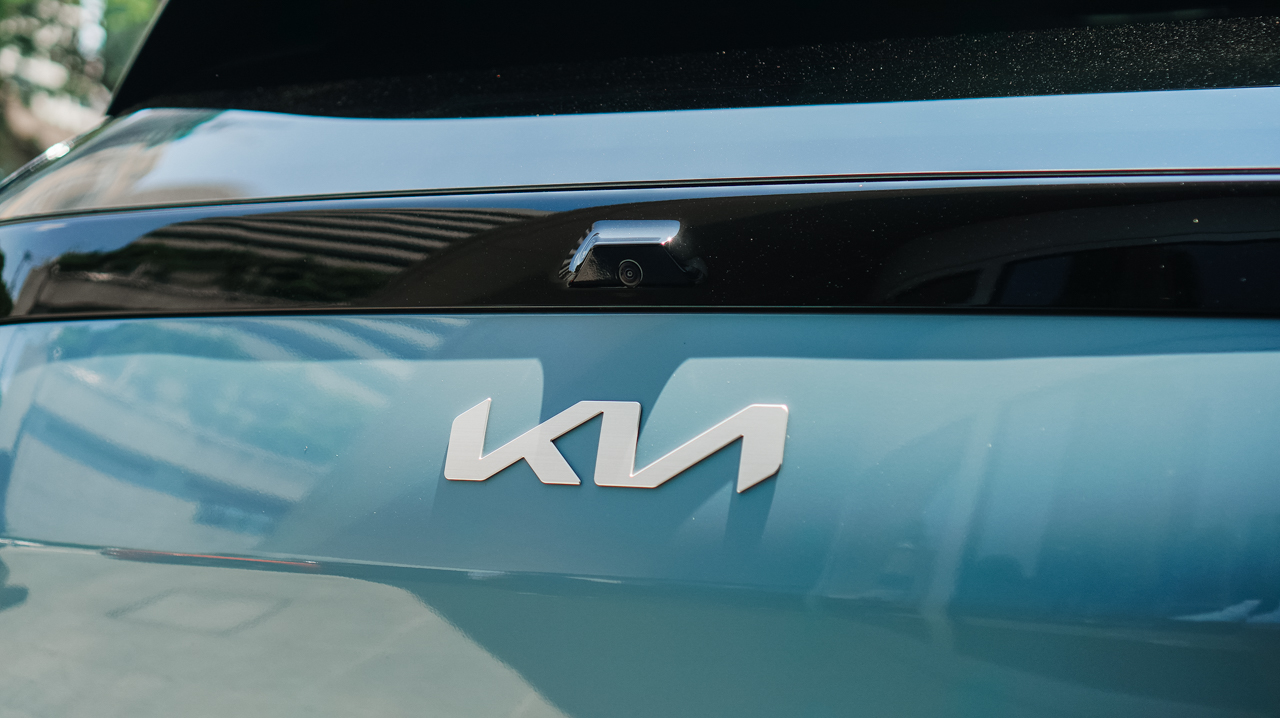
The EV3 comes in seven curated exterior colors. Options include Aventurine Green, Snow White Pearl, Aurora Black, Terra Cotta, Frost Blue, Shale Grey, and Ivory Silver.


Now Playing: ACE Combat 8: Wings of Theve
A refreshing change of pace

TECNO POVA 8 Pro Tonino Lamborghini review
Truly a rare gem in 2026


DJI Lito X1 review: Is this the best lightweight drone for creators?
Making a strong case as a travel companion and a capable B-cam!

HUAWEI WATCH GT 7 Pro: What’s actually under the hood?

HONOR Magic9 Pro Max launches in China with ARRI-powered imaging

TECNO and Angélica Dass visit the Philippines next for its grand portrait project

BYD says that way better EV batteries are coming next year

Globe records fastest average download speed of 2026 in August

HUAWEI Pura X View is 2026’s first WIDE slab-type smartphone

The CAMON Slim 5G is TECNO’s latest ultra-slim smartphone

iPhone 18 Pro series: Price, availability in the Philippines

DJI Osmo 360 II review: Going all-in on the ecosystem

iPhone 18 Pro series: Price, availability in Singapore


-
 News1 week ago
vivo X500 Series launches with major imaging upgrades
-

 News7 days ago
OPPO Find X10 Pro Max is the first phone with a triple 200MP camera system
-

 Reviews2 weeks ago
REDMI Note 17 Pro Max review: A new breed born from AI greed
-
 Singapore1 week ago
Epson Lifestudio Grand Plus EH-LS970B with 4K projection, more launches
-
Drones2 weeks ago
DJI Lito X1 review: Is this the best lightweight drone for creators?
-

 News1 week ago
vivo introduces OriginOS 7 with smarter multitasking and AI features
-

 Philippines2 weeks ago
REDMI NOTE 17 Series: Price, availability in the Philippines
-
 Gaming2 weeks ago
Valve unveils price of the Steam Frame