
Lifestyle
Google ends support for original Chromecast
No more updates or technical support

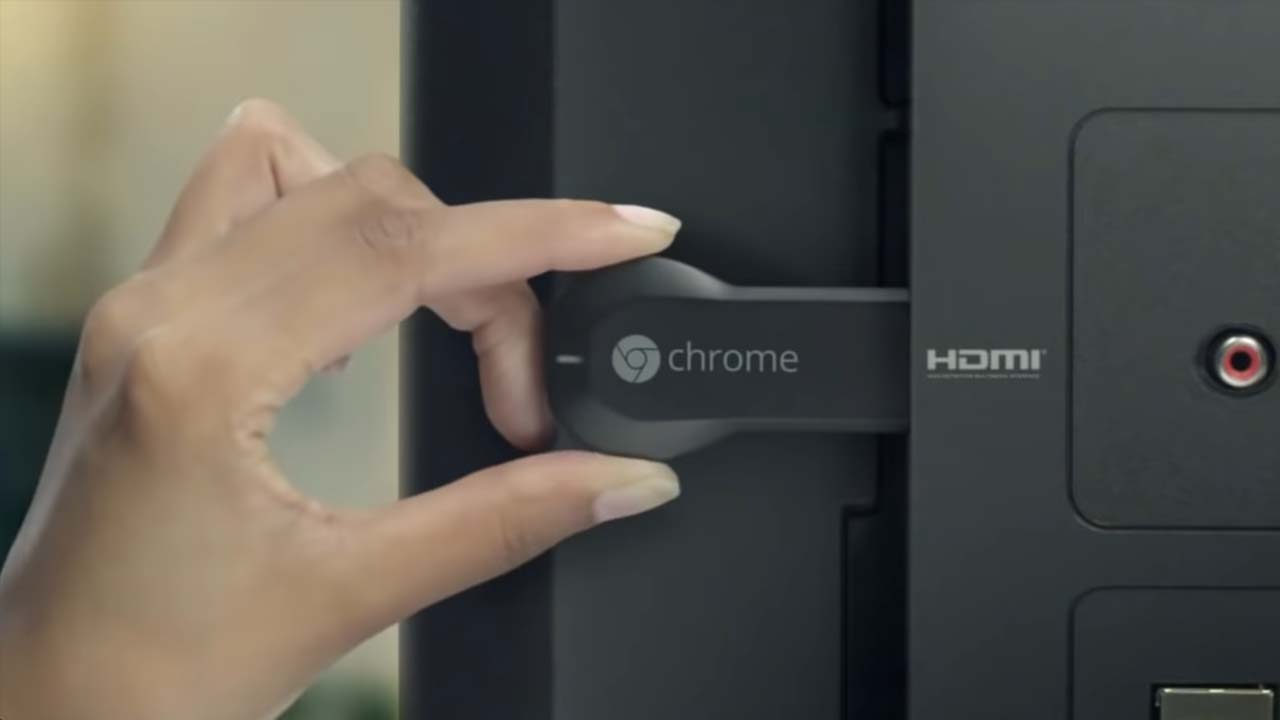
It wasn’t the most popular product, but surely other people remember the Chromecast, right? Well, if you’re one of the few who keep fond memories about the device, it’s time to say goodbye. Google has quietly terminated support for the first-generation Chromecast.
Released almost a decade ago, the original Chromecast blossomed in a world that wasn’t ready for smart TVs. The HDMI-based dongle allowed users to broadcast media from their smartphones and tablets onto their television sets. In a nutshell, it was an easy way to turn an older TV into a smart device for an affordable price.
Back in April (or a few months shy of the device’s tenth birthday), Google officially ended support for the first-generation dongle. A short announcement (spotted by 9to5Google) simply states that the device will no longer receive any software updates, and Google will no longer service them. Its last firmware version shipped in November last year. Google also notes that users who continue to use the original dongle might “notice a degradation in performance.”
Unfortunately, that’s just the way the technology goes. The issue it sought to solve — that is, the continued existence of older TVs without smart capabilities — is largely obsolete. Most TVs today have smart features built in, eliminating the necessity for a smart dongle.
However, for those who still have less intelligent sets, Google still sells a newer version of the Chromecast built with Google TV. Instead of controlling the screen with another smartphone, the newer version of the Chromecast packs in the software itself.






Smartphones
When TECNO-logy meets Tonino Lamborghini legacy
Meet the TECNO POVA 8 Pro Tonino Lamborghini Limited Edition

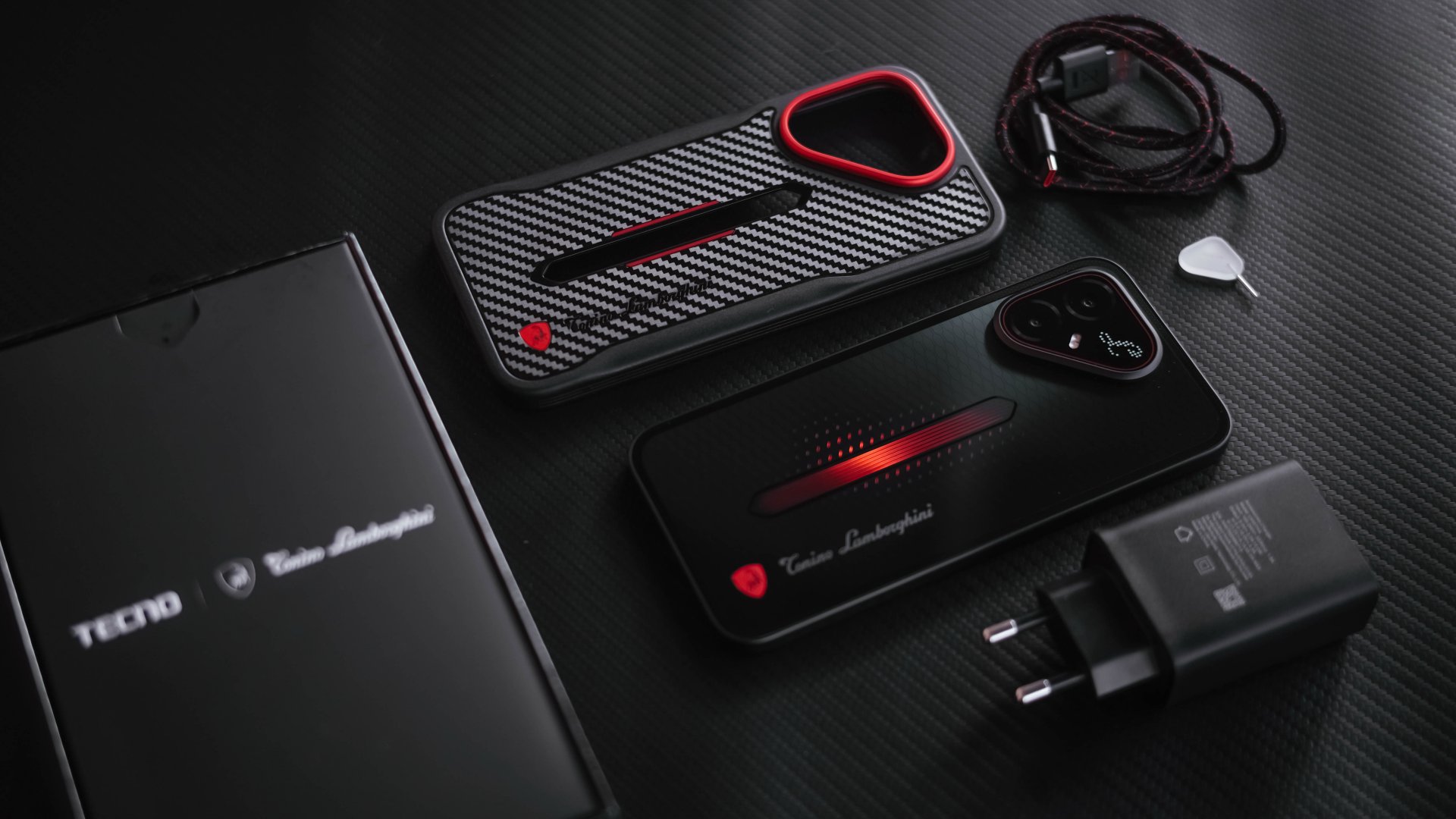
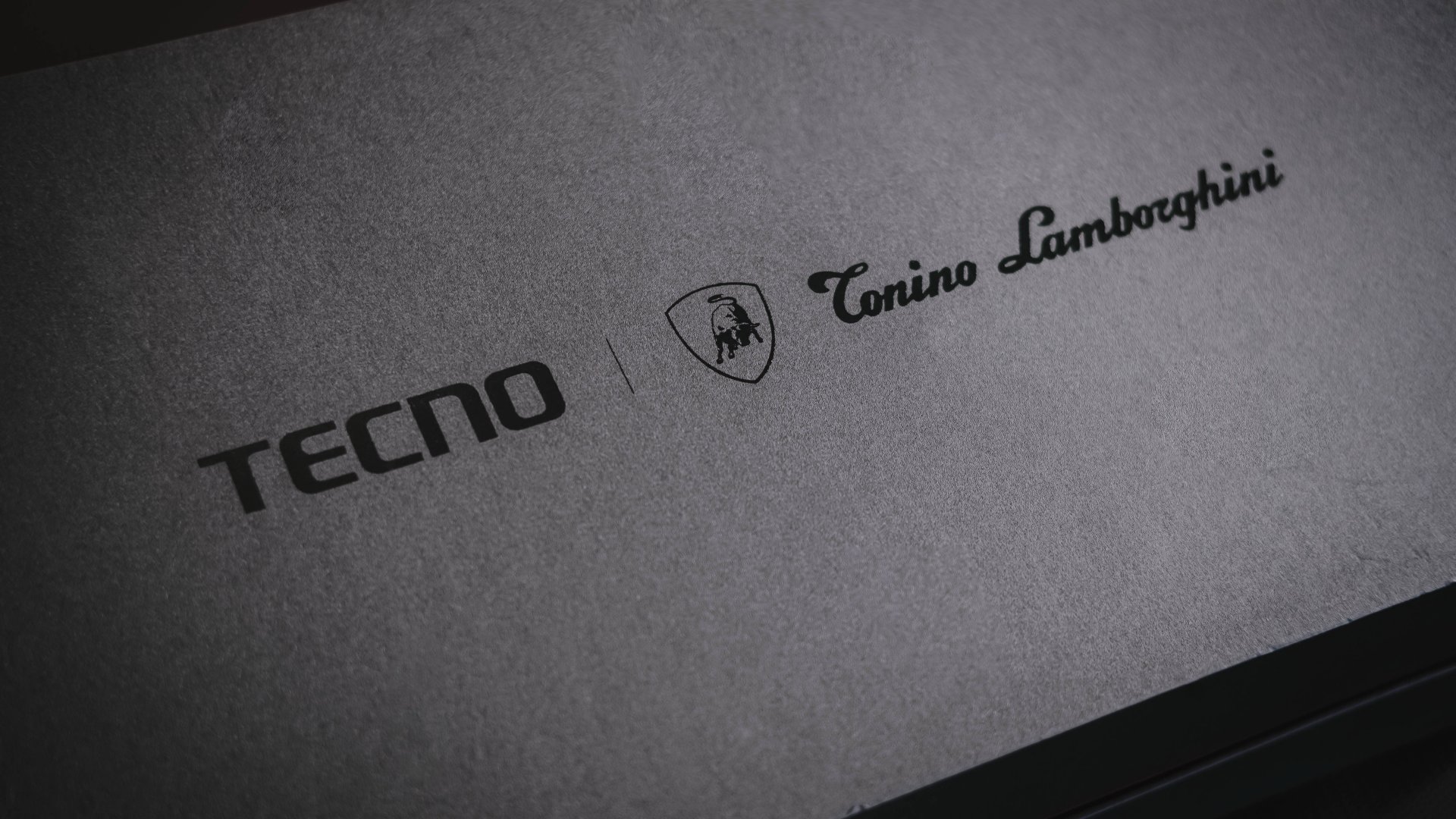
Tonino Lamborghini has built an identity around Italian design, craftsmanship, and a bold sense of individuality. Now, that identity is being translated into a smartphone through its collaboration with TECNO.
The result is the TECNO POVA 8 Pro 5G Tonino Lamborghini Limited Edition.
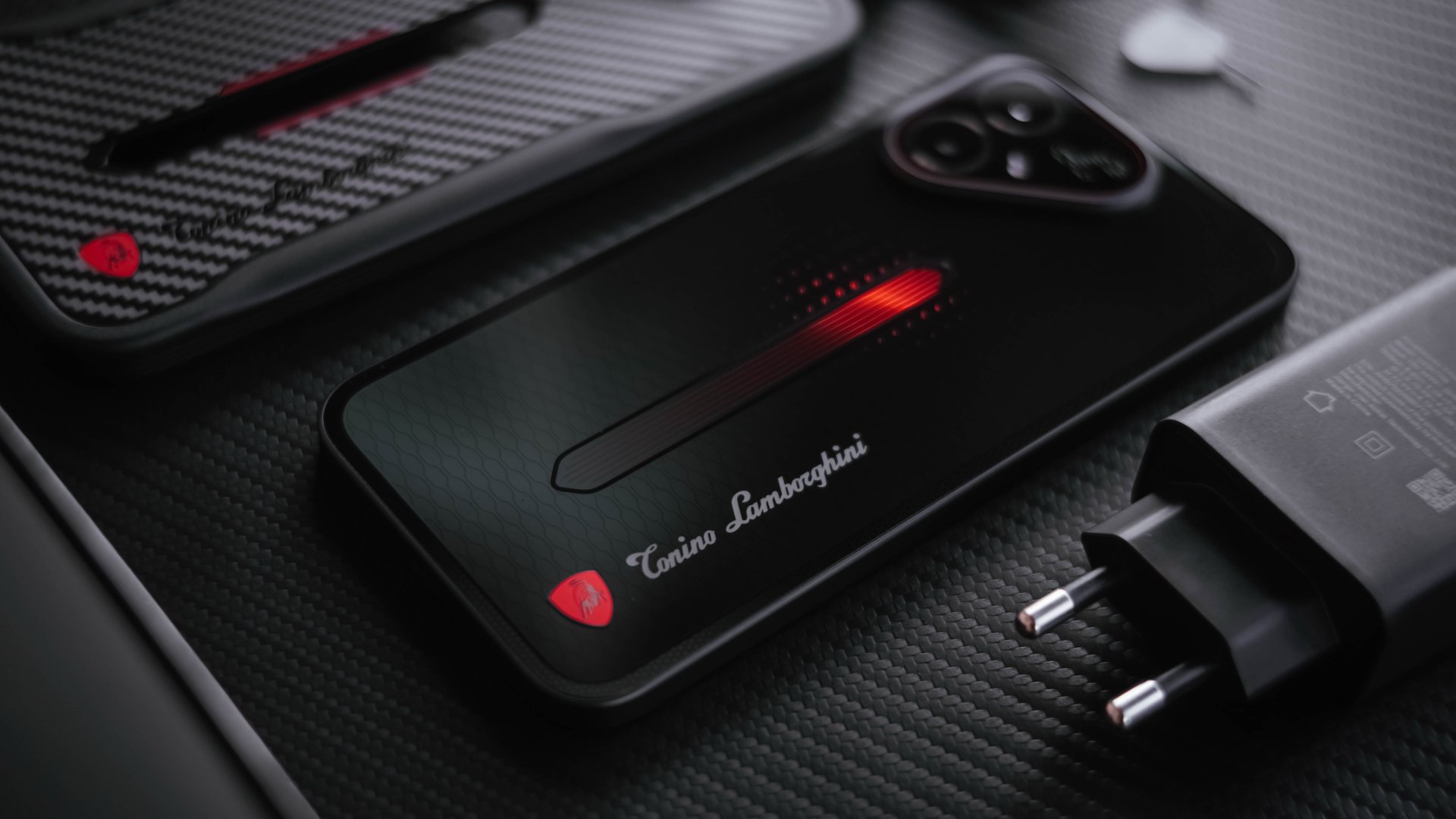
Rather than simply placing a recognizable logo on a phone, the two brands worked to bring Tonino Lamborghini’s distinctive design language into the POVA experience. And there’s more to it than its black-and-red color scheme.
A design built around bold expression
The POVA 8 Pro 5G Limited Edition takes inspiration from Tonino Lamborghini’s visual language, incorporating elements such as geometric patterns, structured lines, and layered textures.
The rear panel uses black as its dominant color, accented by red details.
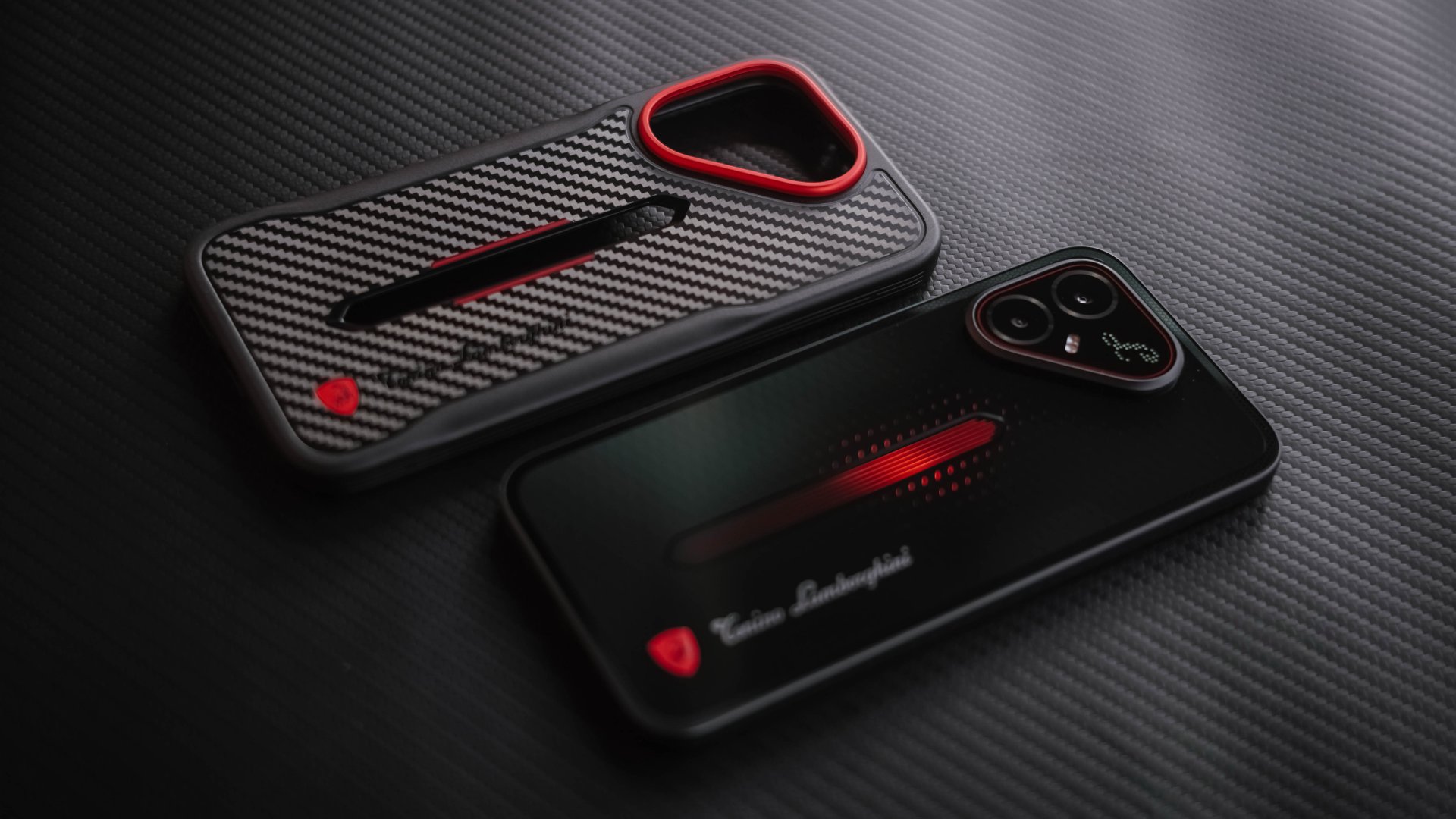
At the center is the Pulse Line, representing energy and movement. Meanwhile, the Signature Shield draws from Tonino Lamborghini’s distinctive shield identity.
Then, a metallic Tonino Lamborghini logo completes the composition. Together, these elements give the phone a recognizable personality without relying solely on the branding.
The rear panel reveals more as you move it
One of the more interesting aspects of the design is how TECNO created depth on the rear panel.
The company developed a dual-layer stacking process that combines different treatments and material layers. Internal mirror structures allow hidden red elements to appear differently depending on how light hits the phone.
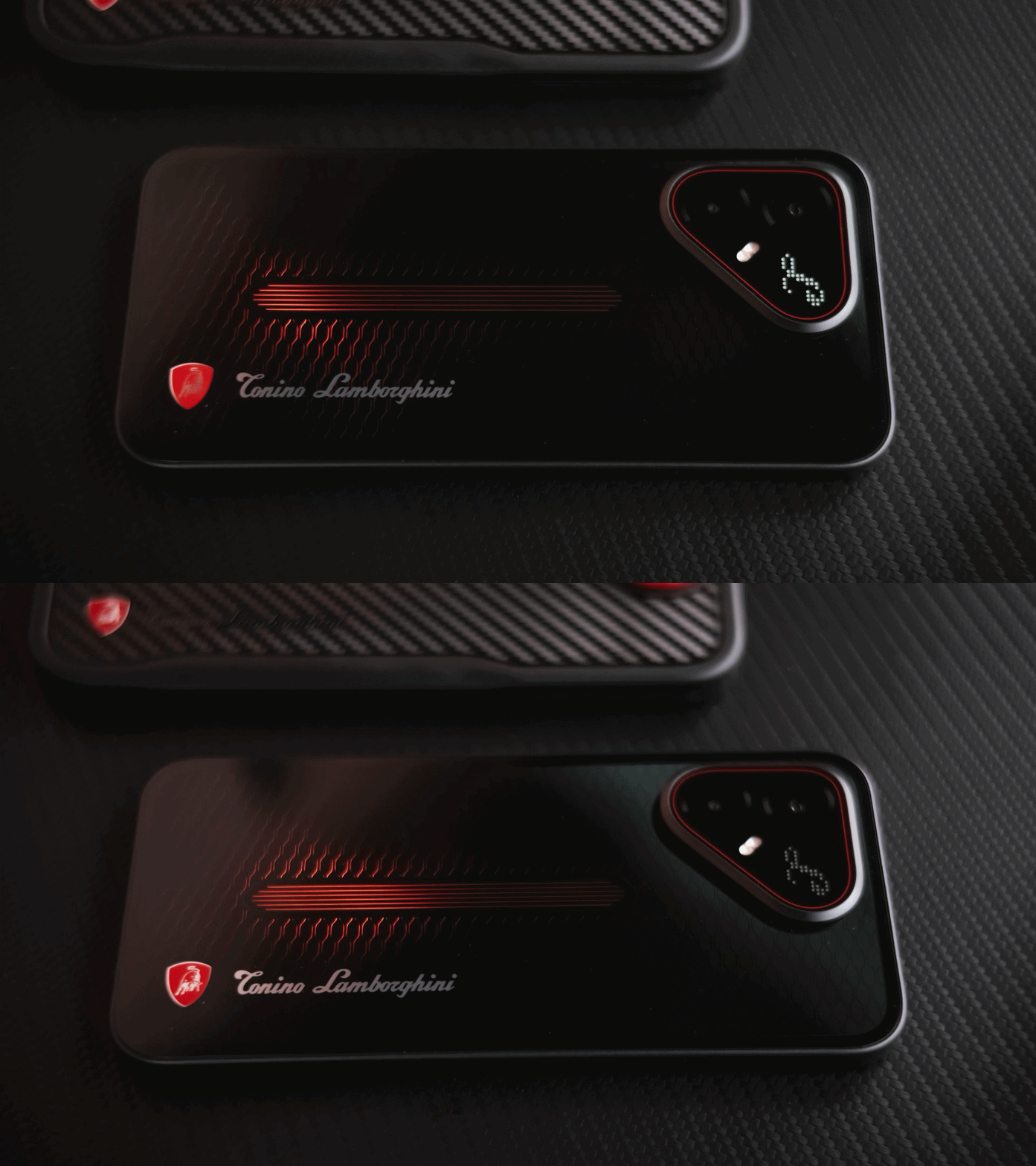
There is also a physical difference in height between the layers, creating a three-dimensional effect rather than a completely flat surface.
It’s a subtle detail, but one that makes the design feel more dynamic in the hand.
The experience continues beyond the hardware
TECNO also carried the Tonino Lamborghini identity into the software.
The customized interface uses the same black-and-red palette, while icons feature sharper, more geometric shapes inspired by the brand’s visual identity.
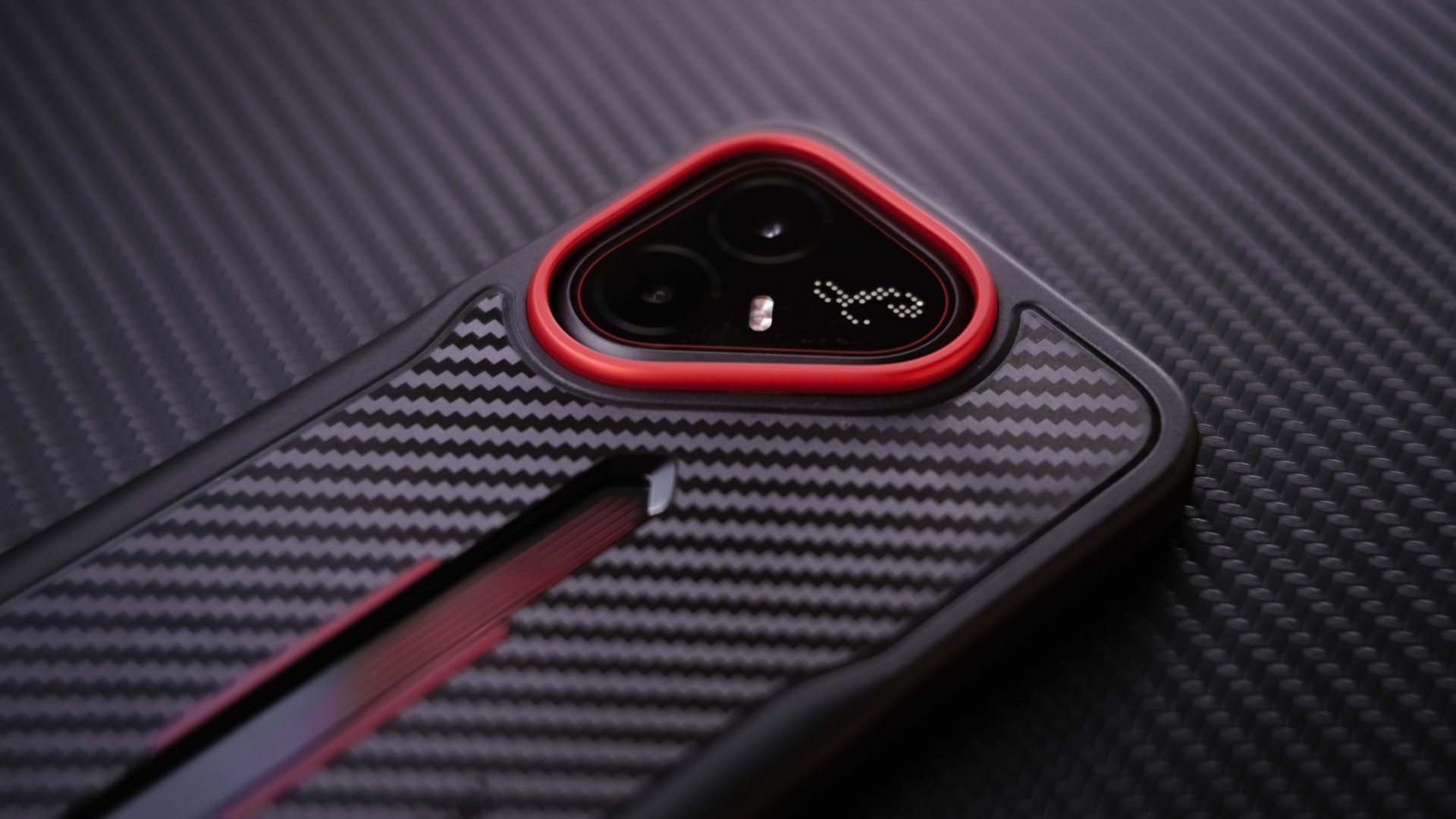
TECNO says it spent nearly four months developing the customized experience, including dynamic wallpapers, ringtones, and an Alive Matrix Display featuring a Tonino Lamborghini “L” effect.
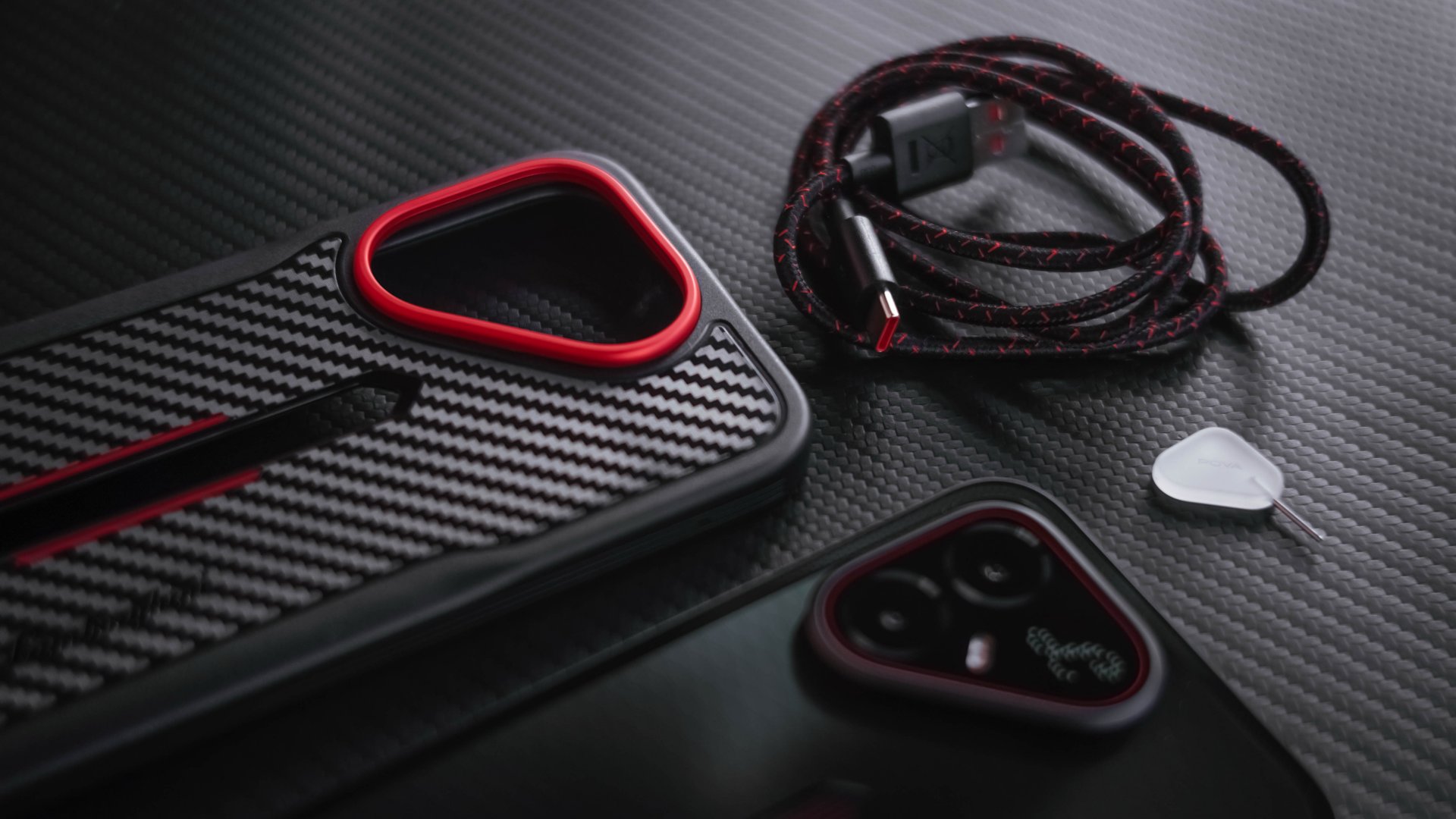
The accessories follow the same design direction, with a black-and-red braided cable, customized charger, and protective case. The case combines TPU and PC with a precision-carved, Kevlar-inspired carbon-fiber texture.
More than just a co-branded smartphone
What makes this collaboration interesting is that Tonino Lamborghini’s identity isn’t limited to a logo or a special colorway.
The Pulse Line, Signature Shield, layered rear panel, customized interface, and accessories all contribute to one cohesive visual language.
For TECNO, it brings a distinct design identity to the POVA 8 Pro 5G. For Tonino Lamborghini, it offers another way to express its approach to Italian design, craftsmanship, and individuality.
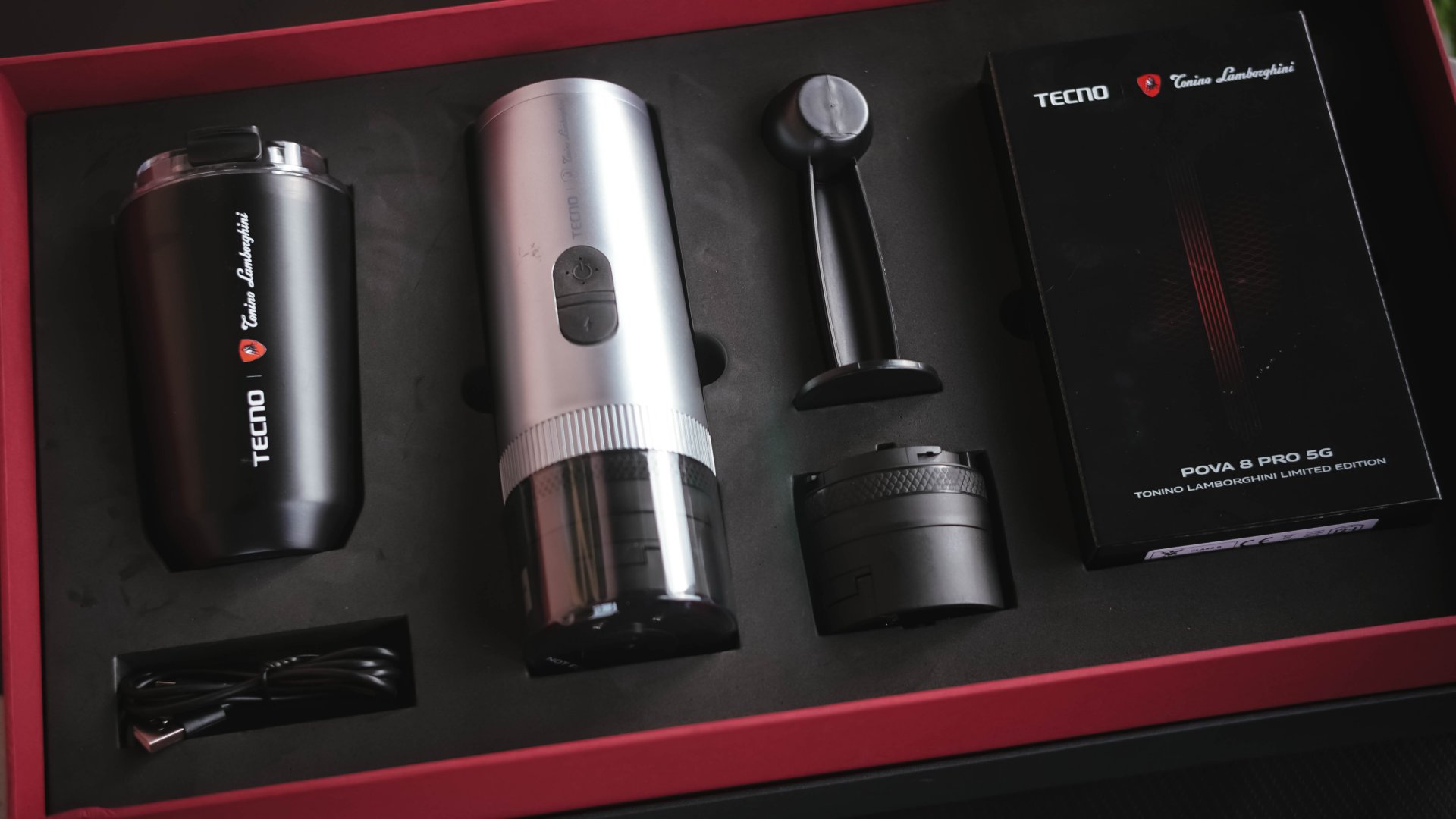
The result is a smartphone designed to stand out on its own terms — all while showing how two distinct design philosophies can come together in a single product.
SEE ALSO: TECNO POVA 8 Pro Tonino Lamborghini Limited Edition review
Enterprise
Chimelong’s newest attraction might be the robots themselves
The future of travel is here, and it knows tai chi!

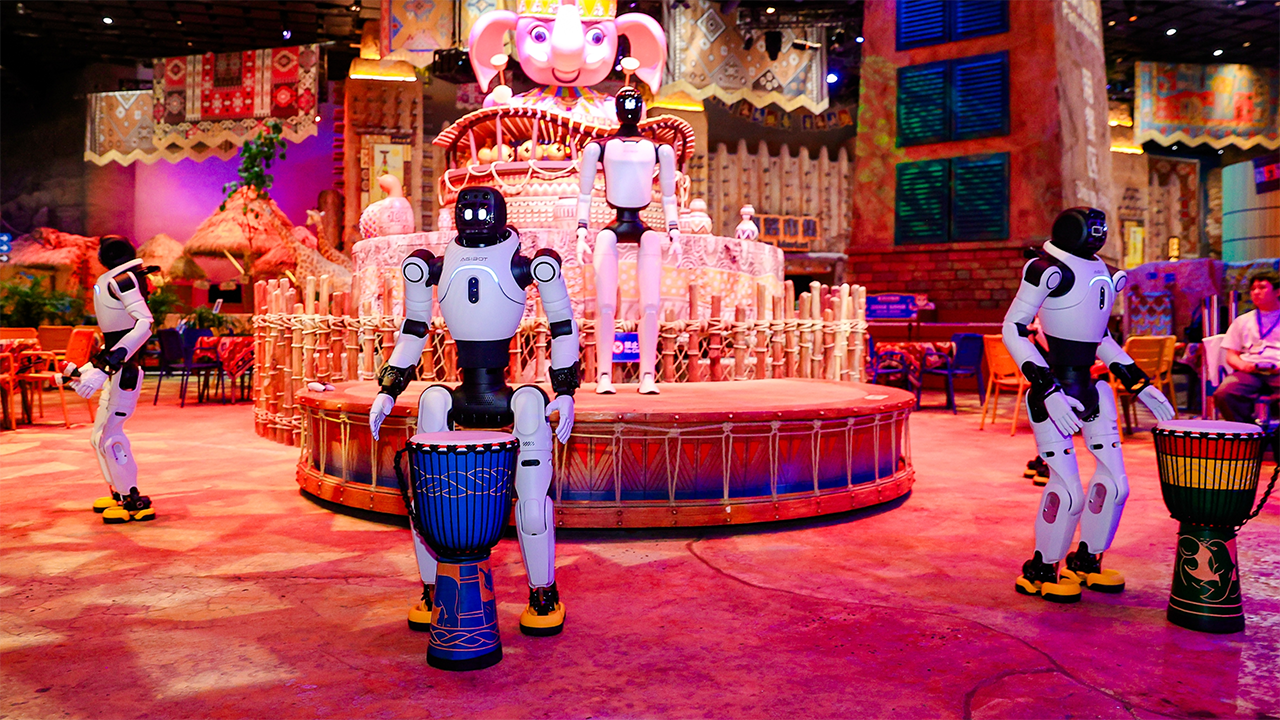
Imagine checking into a theme park and greeting a humanoid robot. A few hours later, you watch one perform tai chi. Another challenges you to table tennis. Yet another helps you navigate to the next attraction. By nightfall at your hotel, robots enhance the experience again.
This vision drives the latest collaboration between AGIBOT and Chimelong Group. Together, they brought over 300 robots to Chimelong Spaceship Park in Zhuhai, China.

This launch represents a massive real-world application of embodied AI in tourism. AGIBOT and Chimelong integrated these robots across entertainment, education, visitor services, retail, and hospitality. They act as active participants rather than remaining confined to a single demonstration area.
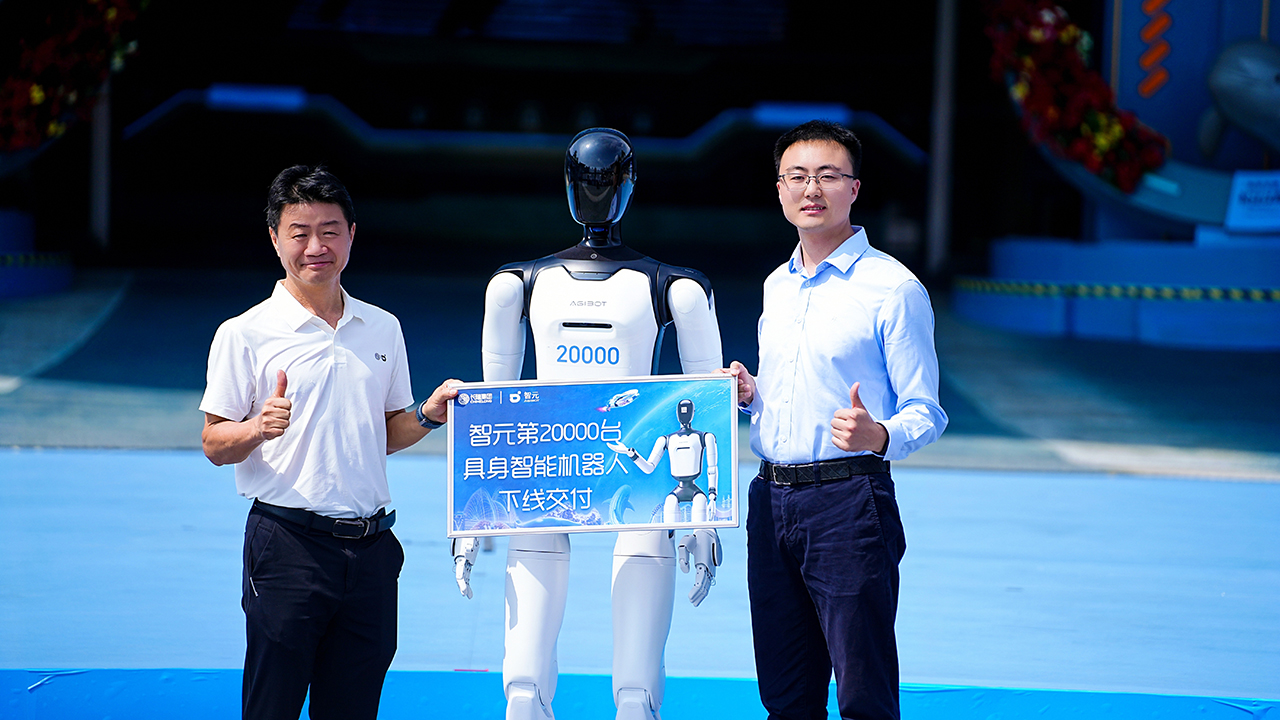
The timing celebrates a notable milestone, too. During the launch, Chimelong received the 20,000th robot to roll off AGIBOT’s production line.
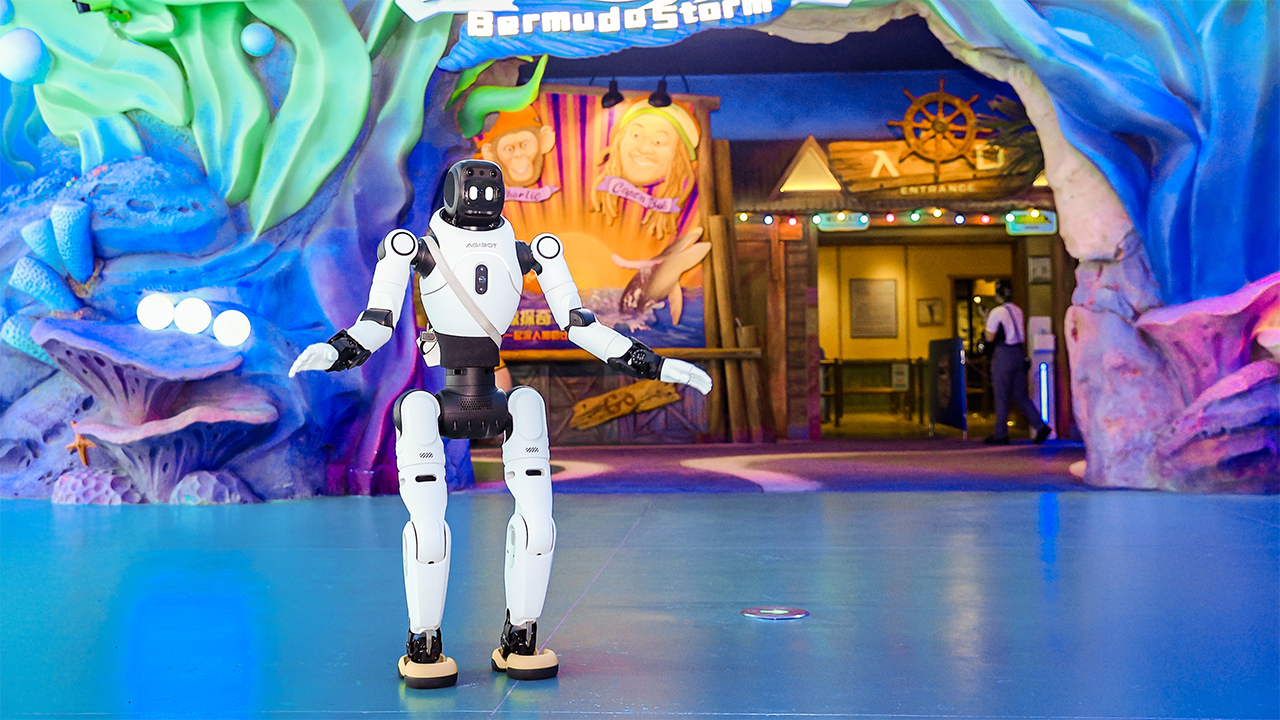
Your next theme park companion could be a robot
At Chimelong Spaceship Park, robots act as part of the total visitor experience. Guests don’t just stop to watch them from afar.
Some take on entertainment roles by performing martial arts, gymnastics, and tai chi. Others interact directly with guests through table tennis and hands-on manipulation challenges.
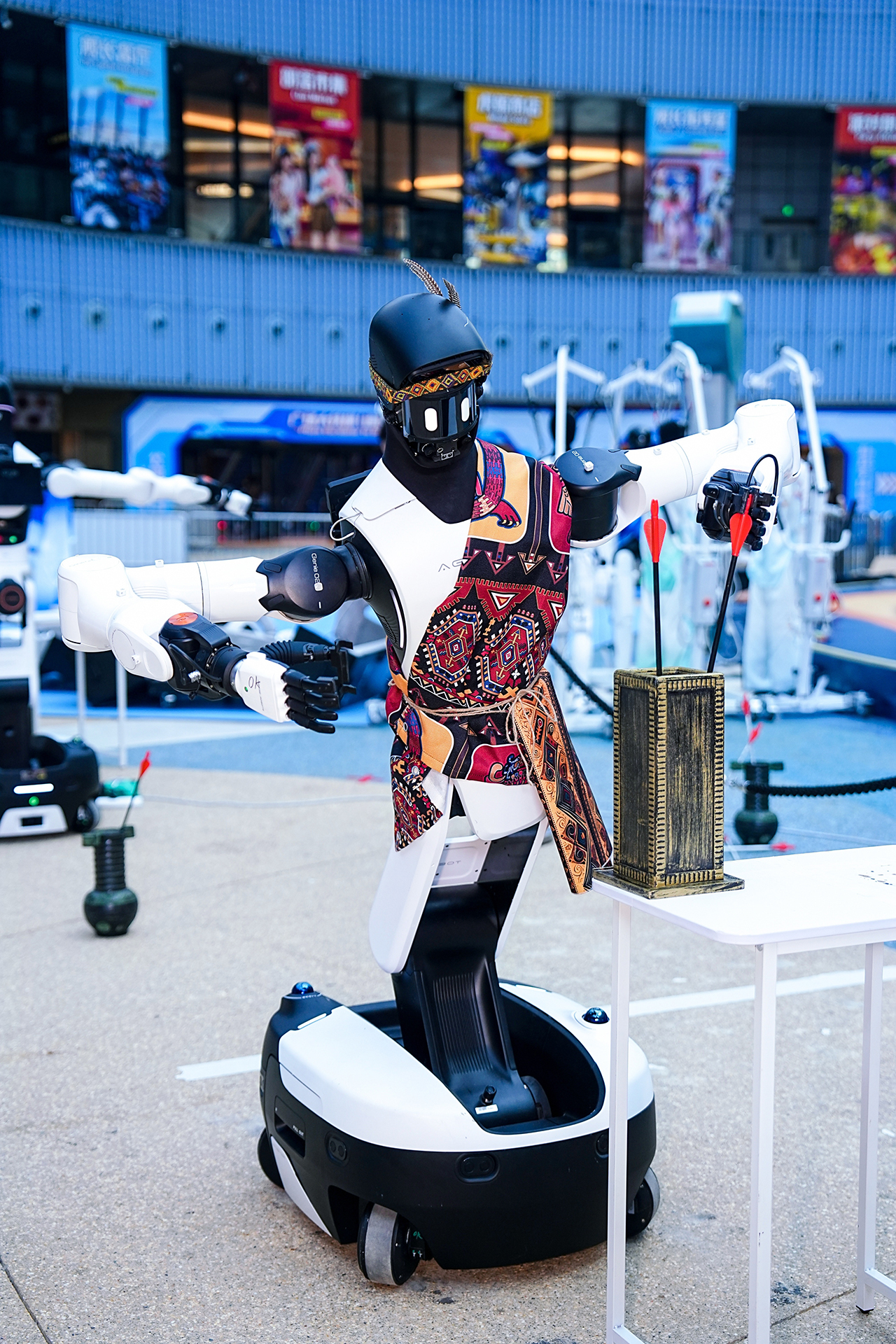
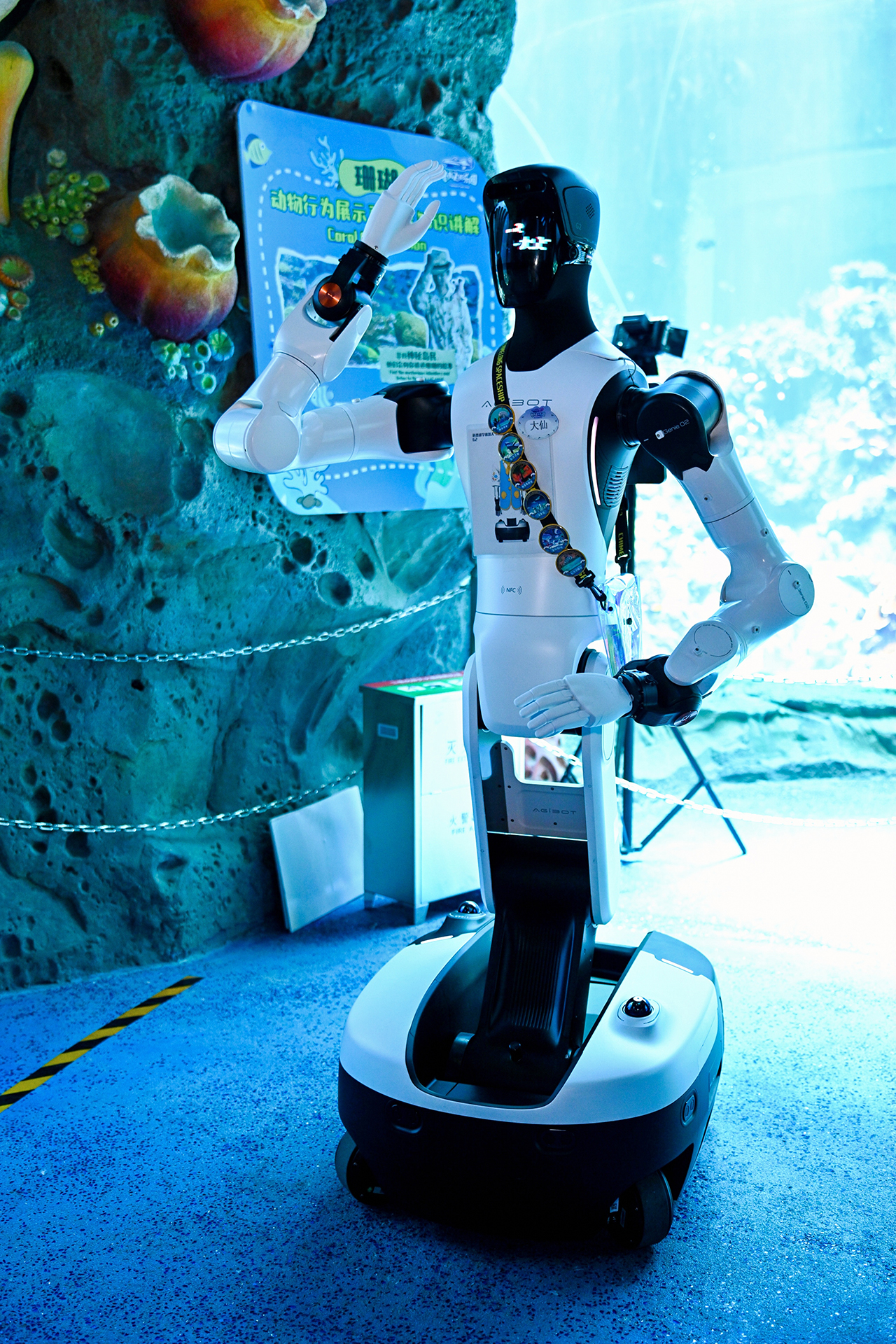
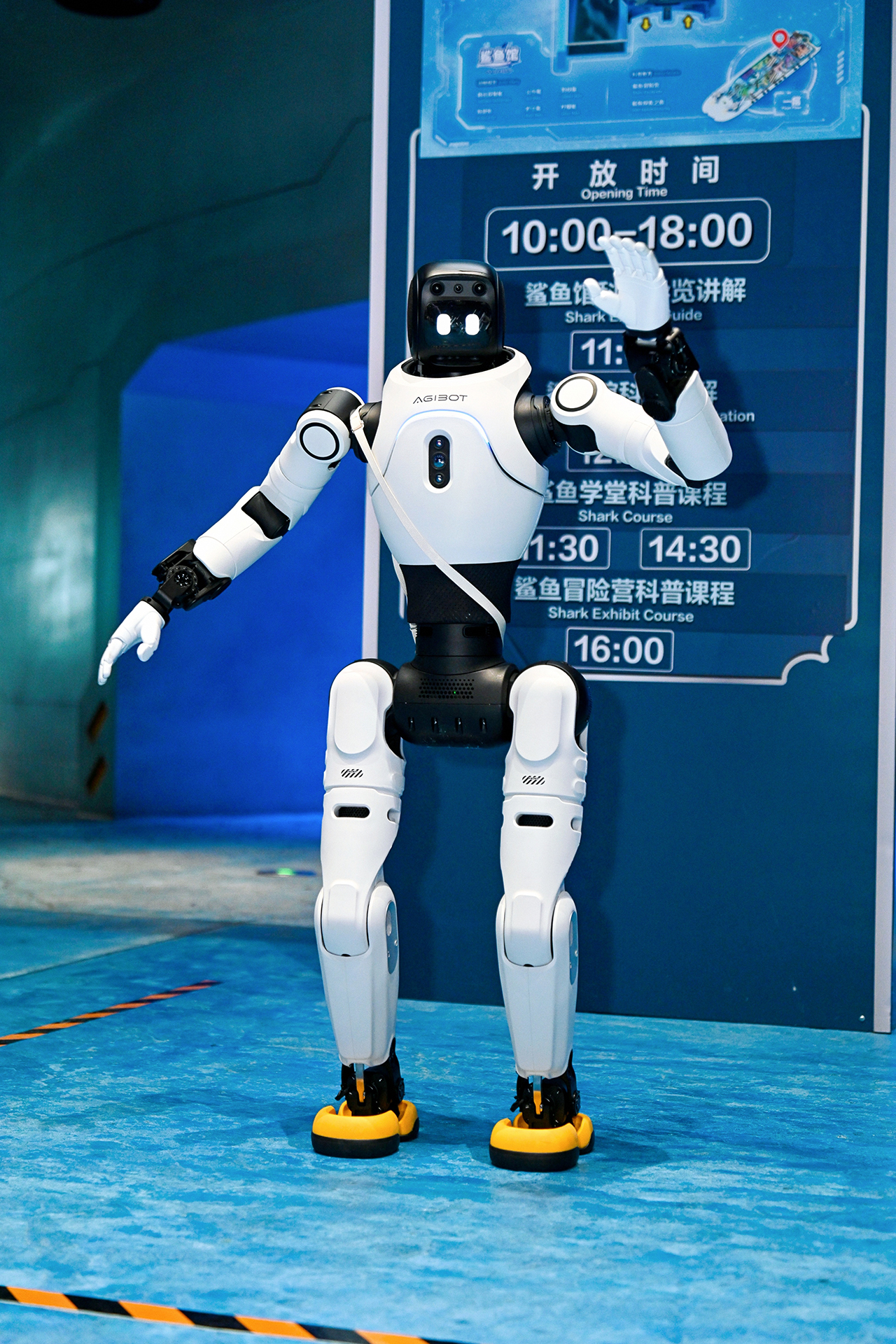
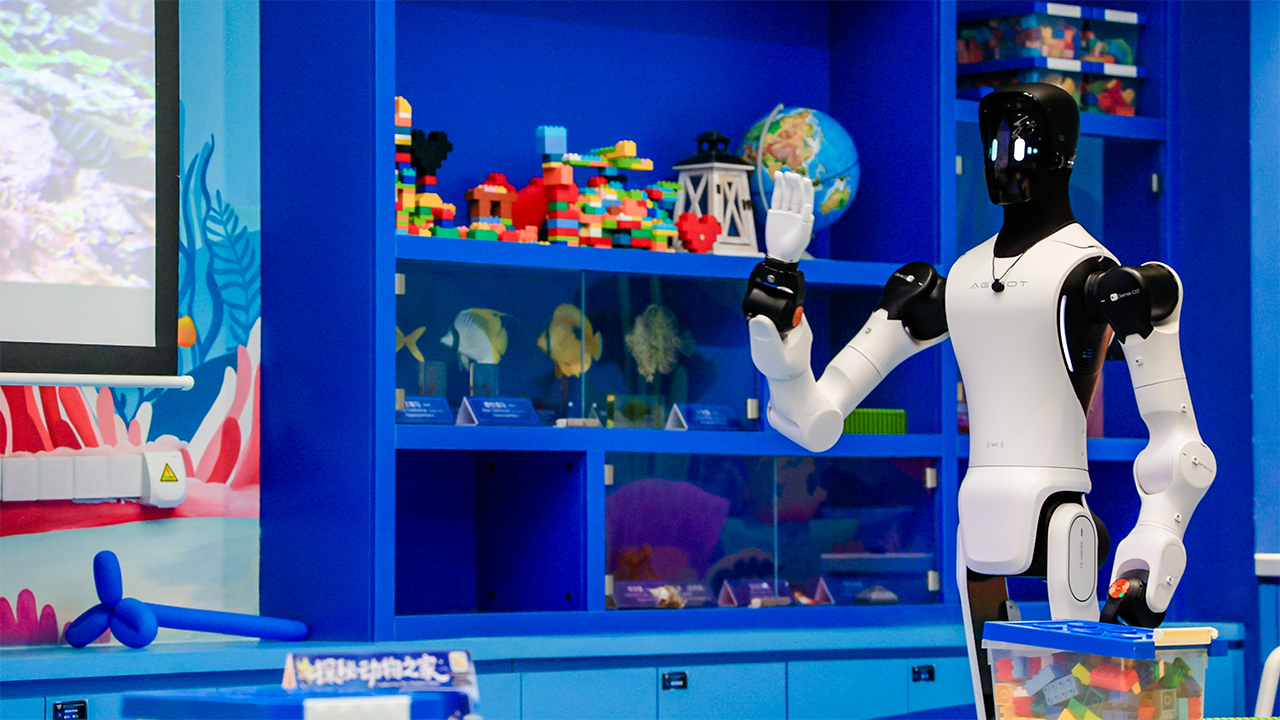
Designers also created robots for the quieter moments of a park day. They answer questions, introduce exhibits, and guide visitors through designated areas.
In retail settings, robots assist shoppers with their purchases. Meanwhile, hotel deployments place them in guest-facing roles to welcome visitors and hold multi-turn conversations.
Consequently, your trip involves encountering robots in several different contexts. The journey stretches seamlessly from your park arrival to your hotel return.
When the robots become part of the show
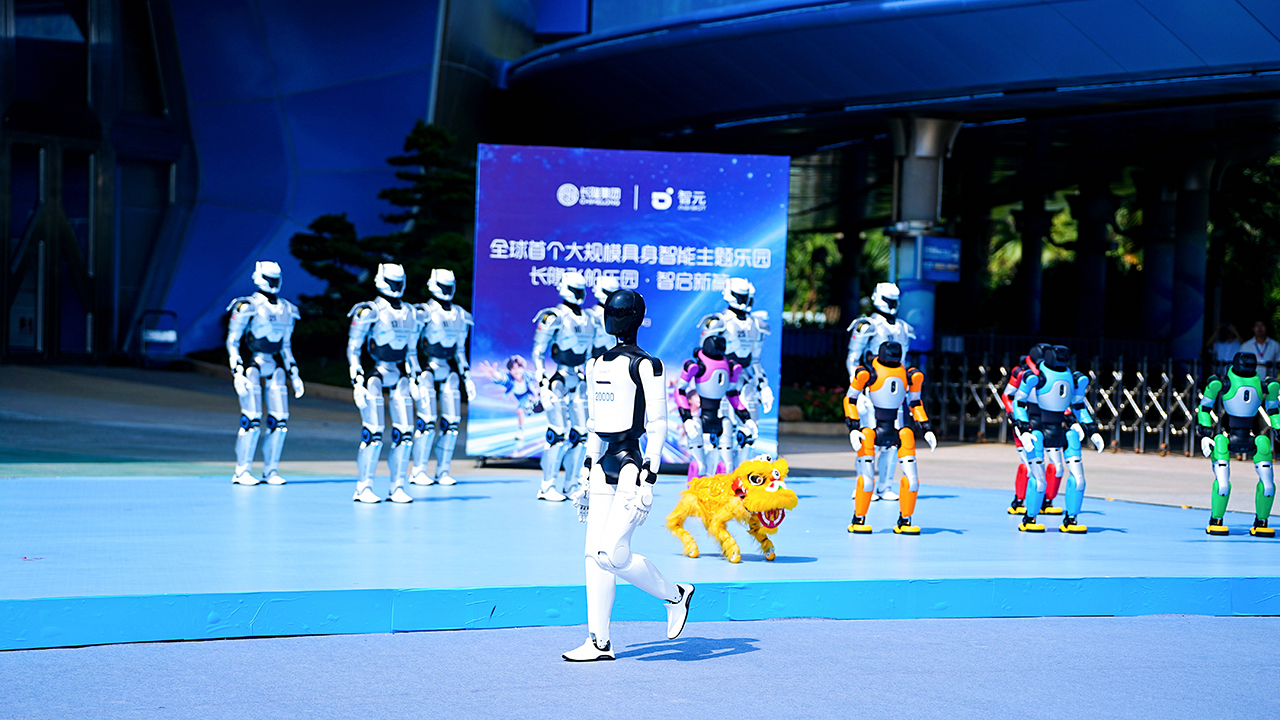
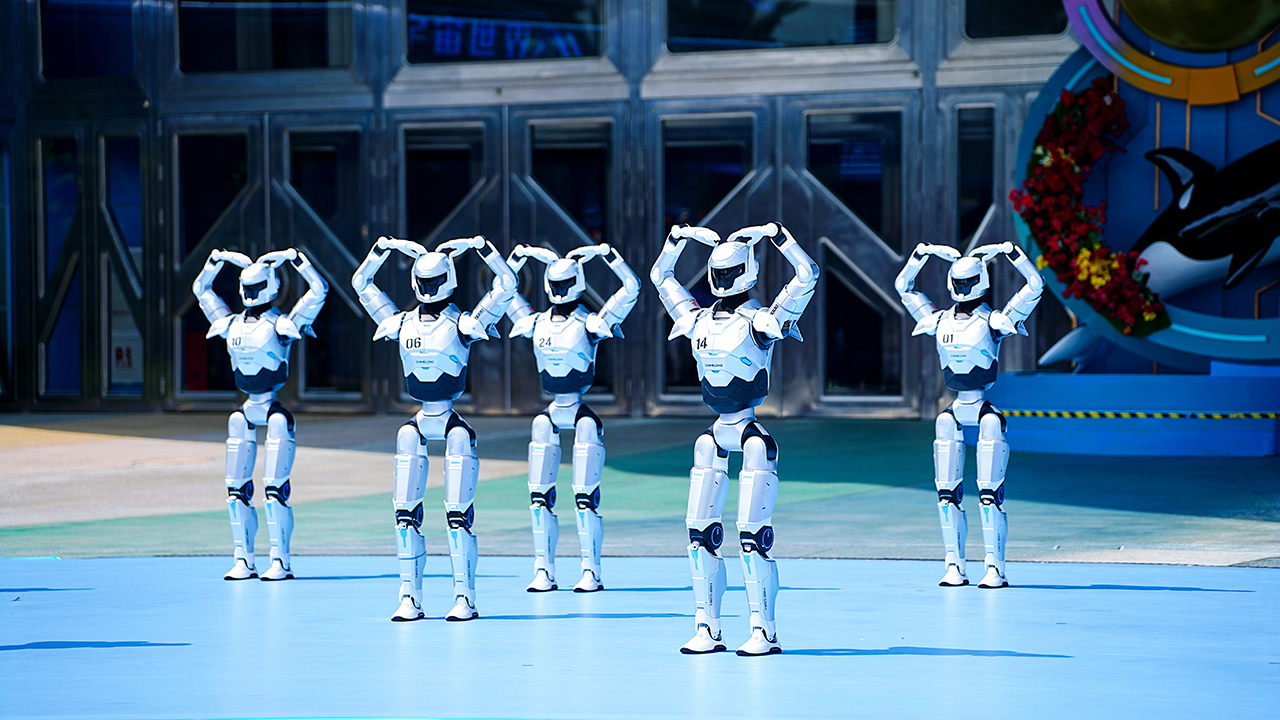
Theatrical applications are perhaps the easiest to picture. AGIBOT and Chimelong incorporate robots into live performances alongside human actors, music, and lighting.
Rather than treating a humanoid robot as a mere technological curiosity onstage, creators coordinate multiple robots into fluid routines.
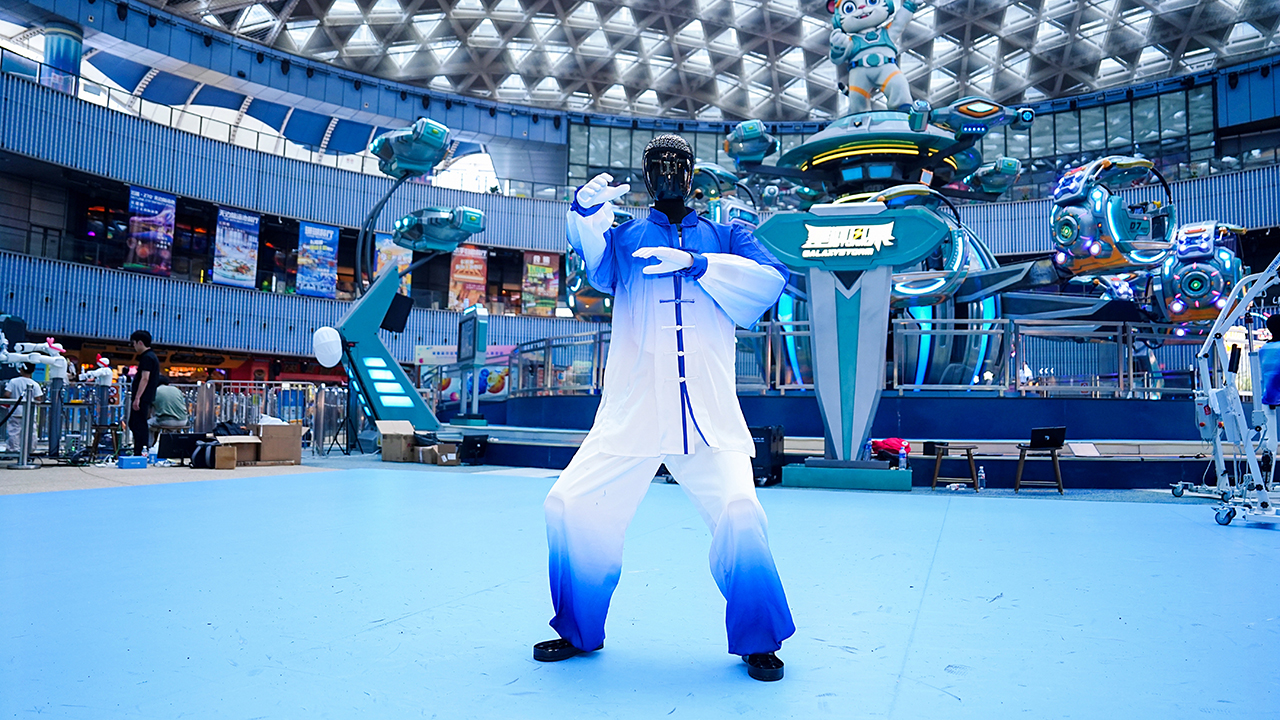
Elsewhere, visitors engage with robots through games and educational activities. This creates a highly interactive, hands-on introduction to embodied AI.
Theme parks offer a perfectly fitting setting for this technology. Parks historically excel at making technology disappear into the magic. Engineers design animatronics, immersive environments, special effects, and automated rides to serve the story.
Humanoid robots push this idea into new territory. They communicate, navigate physical spaces, respond to people, and adapt to different settings with ease.
A robot-filled day does not stop at the park gates
The collaboration naturally extends into Chimelong’s hospitality operations.
Robots welcome hotel guests, hold complex conversations, and offer highly personalized interactions. This introduces an interesting possibility for resorts. Technology can now follow visitors beyond the main attraction and enhance the broader destination.

Travelers will soon experience trips where the boundaries between attraction, service, and technology blur entirely.
A robot might serve as your tour guide. Next, you could watch a robotic entertainment performance. Finally, a mechanical host could wait downstairs in your hotel lobby.
Potentially, the robot you meet in one area connects directly to the wider system operating backstage.
Making hundreds of robots work together
Deploying over 300 robots into a busy tourism destination requires massive coordination.
AGIBOT, Chimelong, and China Mobile established a dedicated 5G network. This ensures stable connectivity across high-traffic areas. The team uses centralized coordination to manage robots moving through various park and hotel environments.

Comprehensive operational systems also handle network security, privacy protection, charging, and fire safety.
Guests easily overlook this infrastructure while watching a robot perform tai chi. Yet, this backend framework remains one of the most fascinating aspects of the project. A theme park represents a highly complicated environment. Thousands of people constantly move through spaces shifting rapidly from one experience to another.
Making robots useful here means teaching them to embody the destination itself.
The beginning of a bigger experiment
AGIBOT and Chimelong are establishing a joint research institute for embodied AI in tourism.
This institute will explore new applications, operating models, and technologies. Researchers will draw directly from the experience of this massive deployment. The first project phase lays the groundwork to expand robot usage across all Chimelong properties.
For now, the appeal remains fairly simple. Creators build theme parks on the promise of making ordinary life feel extraordinary.
Chimelong bets that humanoid robots will increasingly spark that exact magic.
Automotive
The Kia EV3 brings gallery-worthy design in a compact electric form
The 2025 World Car of the Year turns daily driving into functional art.
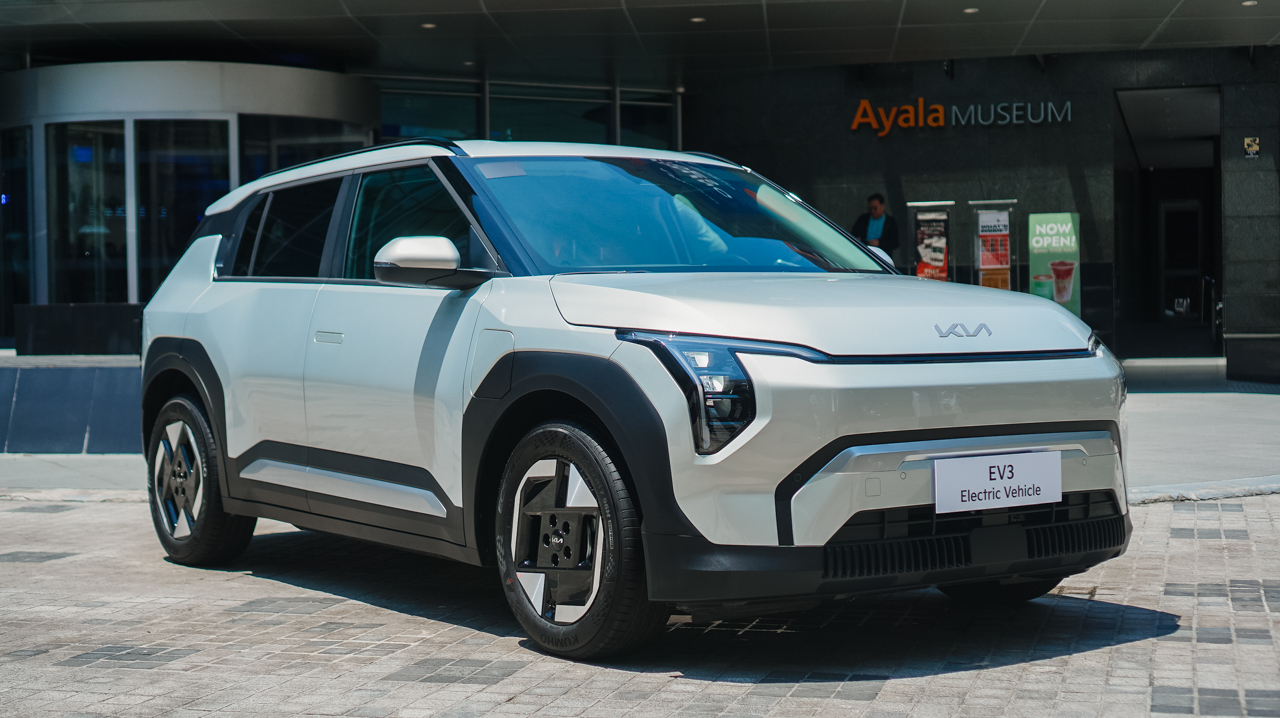
The all-new Kia EV3 officially debuted against the architectural backdrop of the Ayala Museum.
Named the 2025 World Car of the Year, the compact electric SUV redefines daily driving as functional art. It also holds prestigious Red Dot “Best of the Best” and iF Design awards.
Sculpted like a modern piece of design
The EV3 shares the forward-thinking design philosophy of the acclaimed EV5 and EV9.
Its exterior features an evolved Digital Tiger Face paired with signature LED lighting. Sculpted geometric surfaces and flush door handles maintain a smooth silhouette.
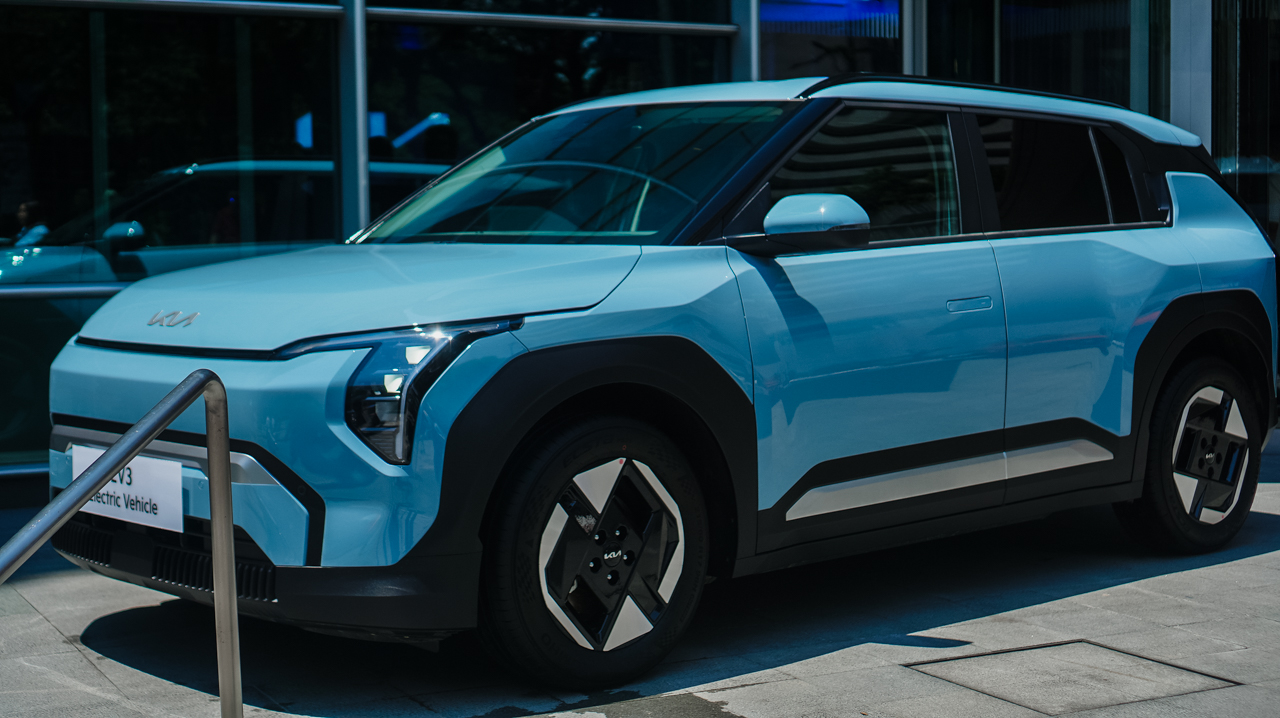
A tailored rear spoiler, roof rails, and 17-inch alloy wheels complete the profile. The result looks composed and elegant, especially when parked outside a contemporary gallery.
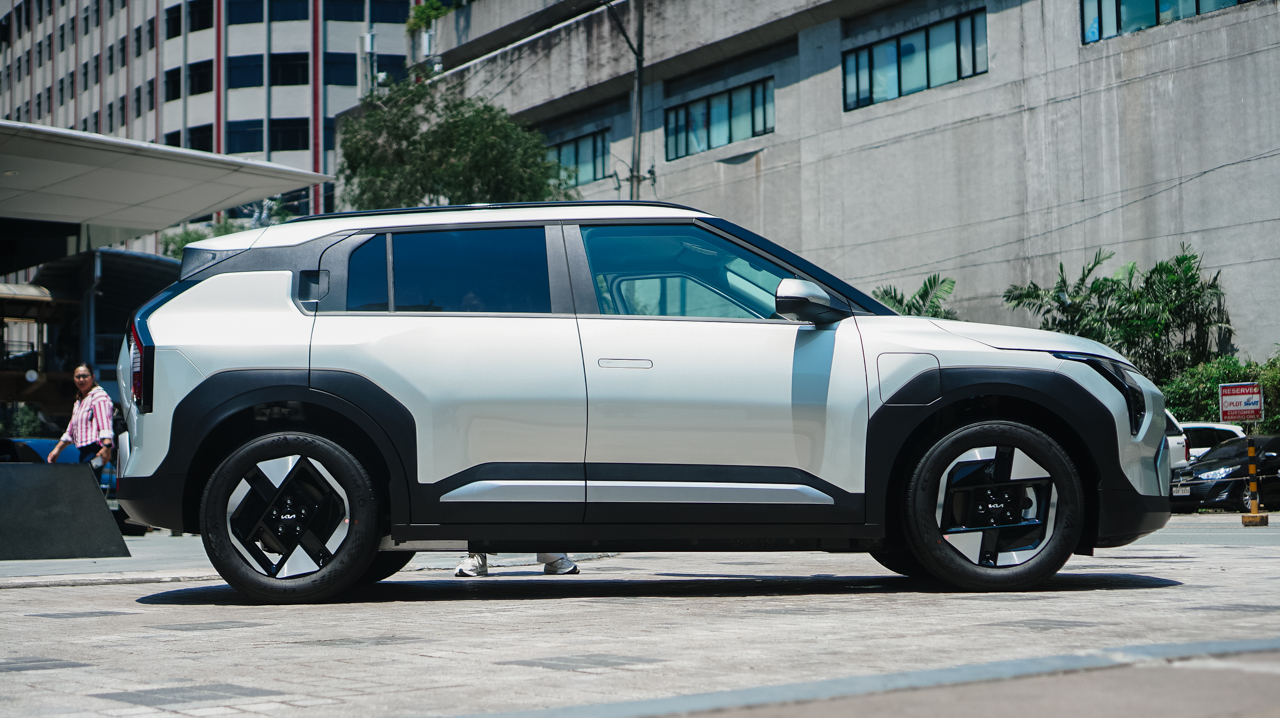
Beneath its sculpted skin lies instant, whisper-quiet electric power. A front-mounted motor generates 204 PS and 283 Nm of torque.
A 58.3 kWh battery delivers up to 511 kilometers of range on a single charge (NEDC). Replenishing energy fits seamlessly into a busy lifestyle.
Standard 11 kW AC charging goes from 10 to 80 percent in roughly 5 hours and 20 minutes. Meanwhile, 350 kW DC Fast Charging restores the same charge in just 29 minutes.
A digital sanctuary, literally
Inside, the cabin opens into a clean, modern sanctuary.
A striking 30-inch Triple Panoramic Display centers the dashboard. It unifies the instrument cluster, climate settings, and infotainment beneath one sweeping glass surface.
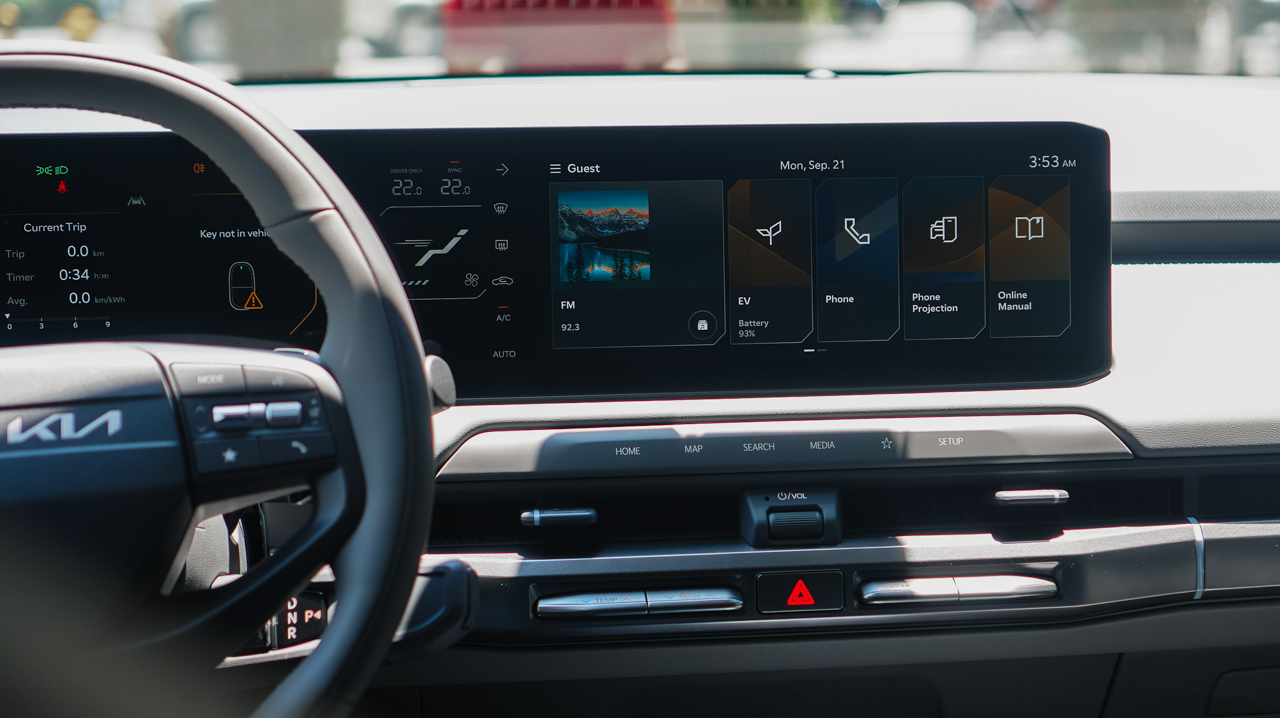
Leather upholstery and an eight-way power driver’s seat prioritize comfort, and the power lumbar support ensures relaxed driving on longer journeys.

There’s also a sliding central console tray that creates an adaptable workspace on the go. On another note, connectivity remains effortless throughout the interior space. The system supports wireless Apple CarPlay and Android Auto.
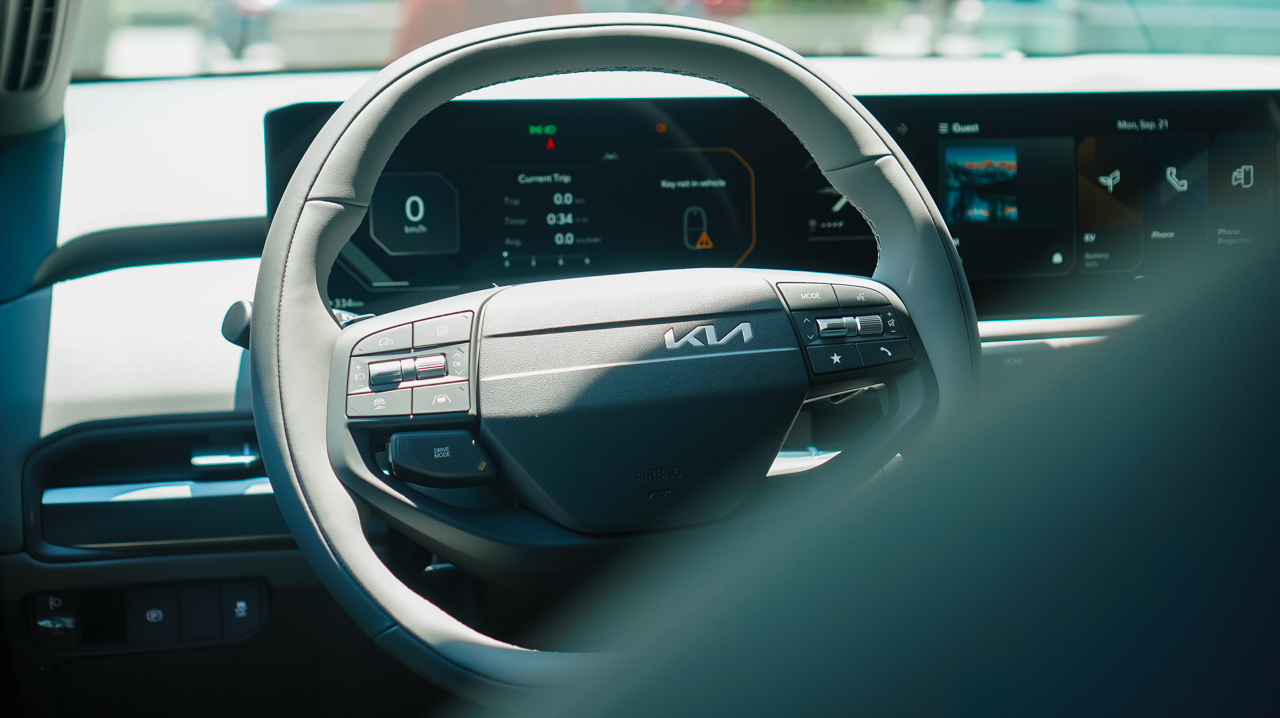
Additionally, dual wireless charging pads, five USB-C ports, and six speakers keep devices powered and entertained. For weekend getaways, 60:40 split-folding rear seats easily expand cargo capacity.
Intuitive safety
Intelligent peace of mind comes standard through the Kia DriveWise suite.
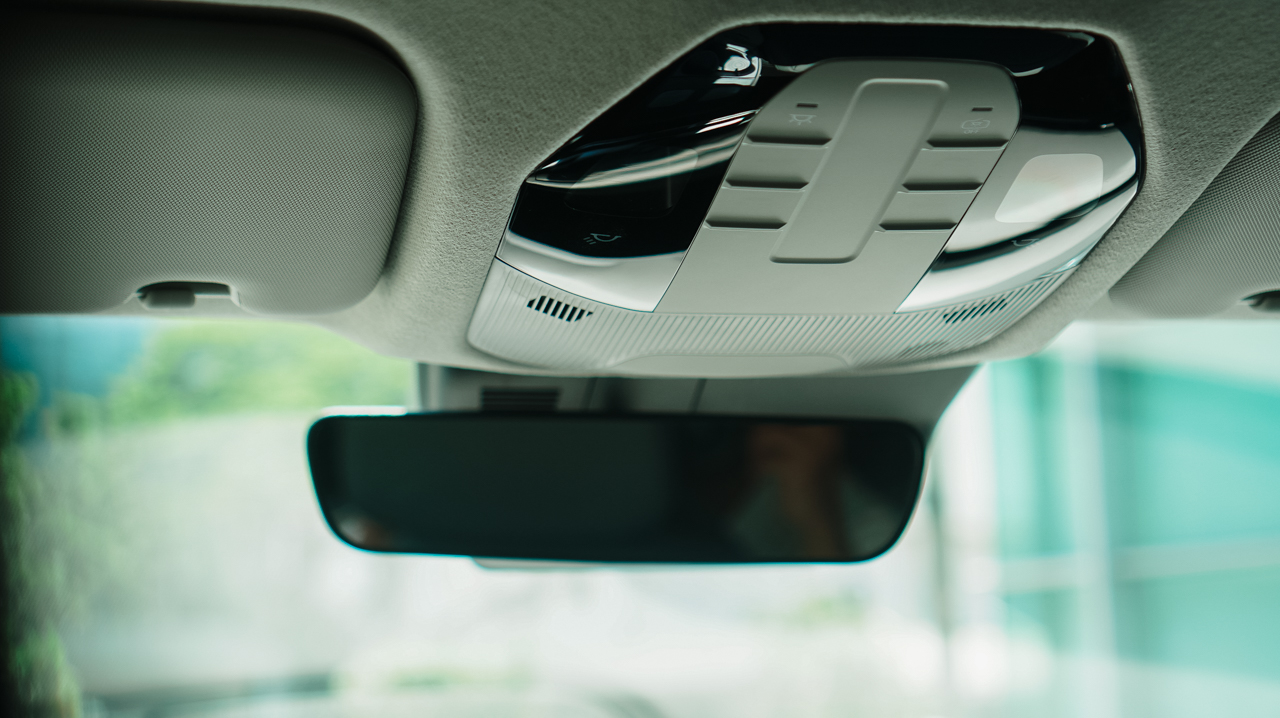
Active features include Advanced Smart Cruise Control and Forward Collision Avoidance with Autonomous Emergency Braking.

Lane Keeping Assist, Lane Following Assist, Blindspot Safety Warning, and Rear Cross Traffic Safety assist at every turn.
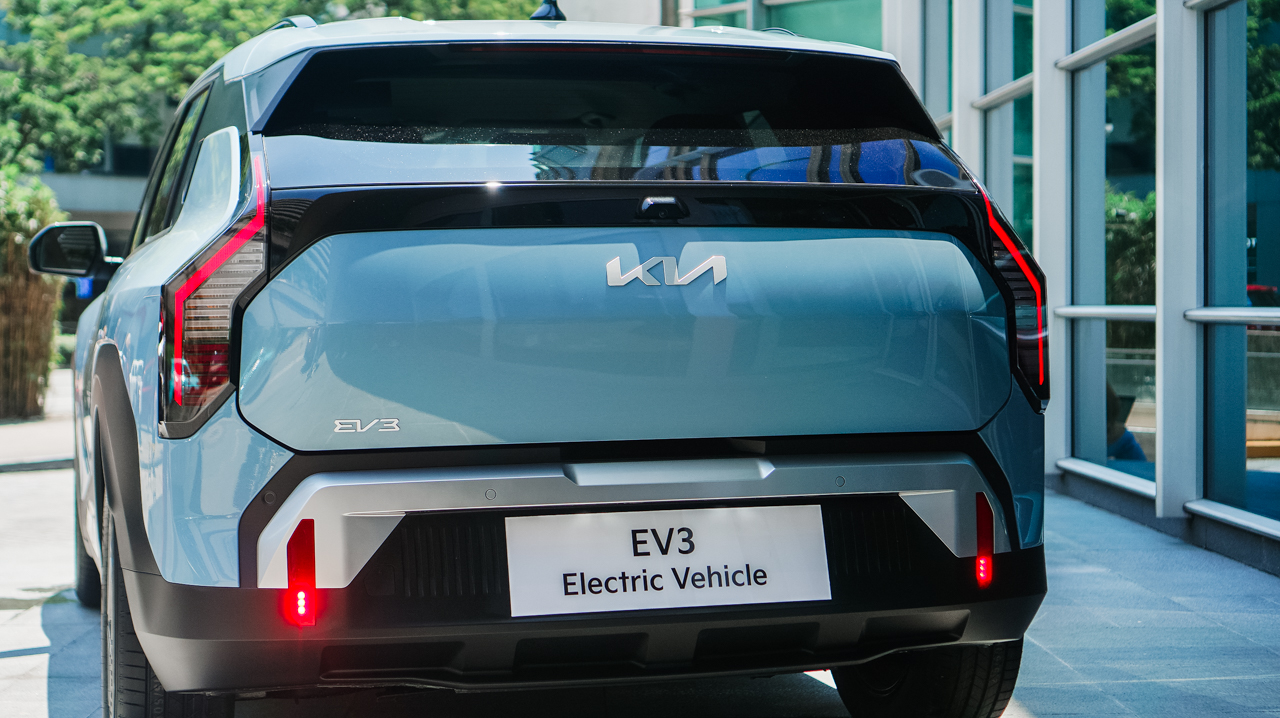
Seven airbags protect the front, side, and curtain areas. Electronic Stability Control, Hill-Start Assist, parking sensors, and a rear-view camera complete the protective core.
Price, availability
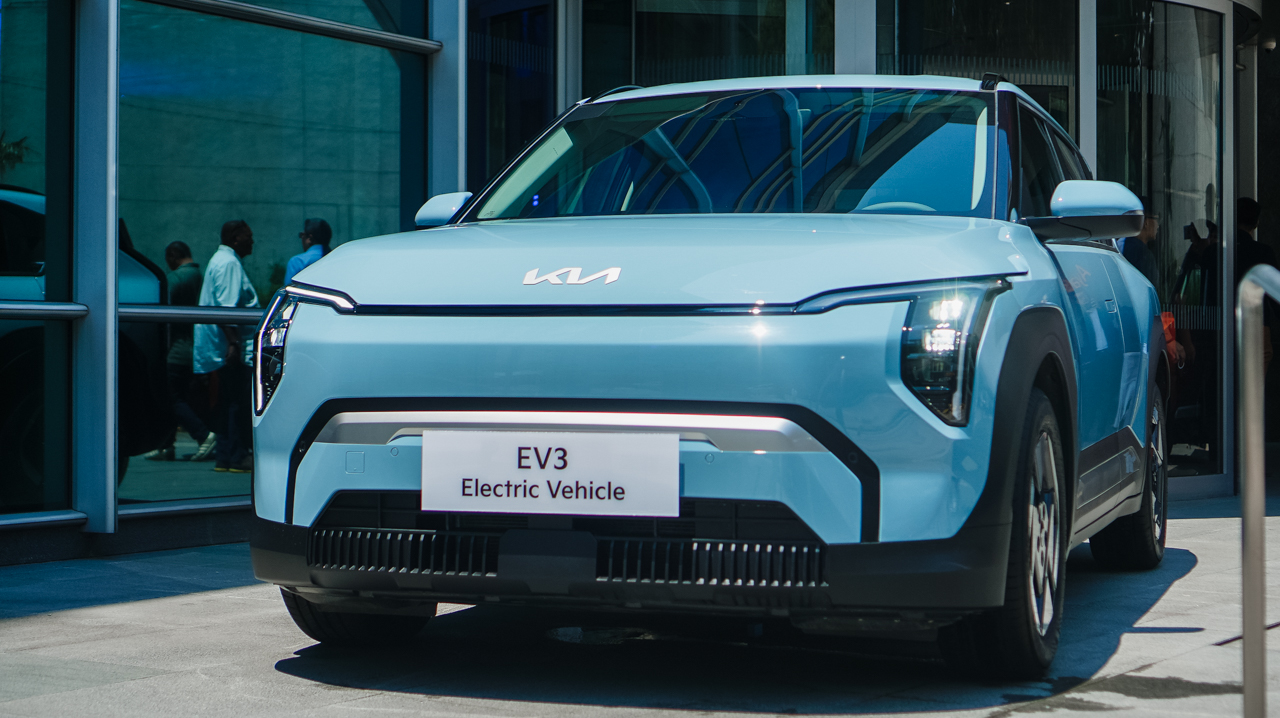
The Kia EV3 starts at PhP 1,898,000, inclusive of a home wall charger. An introductory offer reduces the price to PhP 1,868,000, saving early buyers PhP 30,000. Reservations also include five years of free Preventive Maintenance Service.
Kia provides a five-year or 160,000-kilometer vehicle warranty. The high-voltage battery carries an eight-year or 160,000-kilometer warranty.
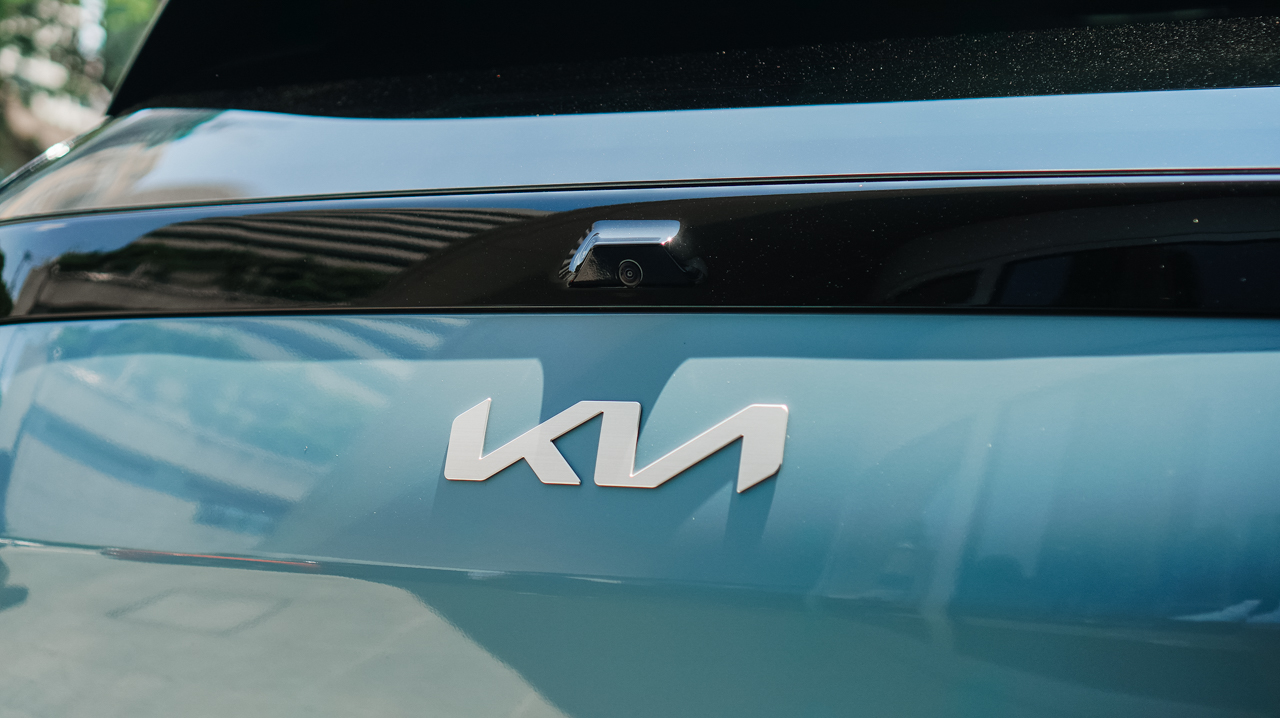
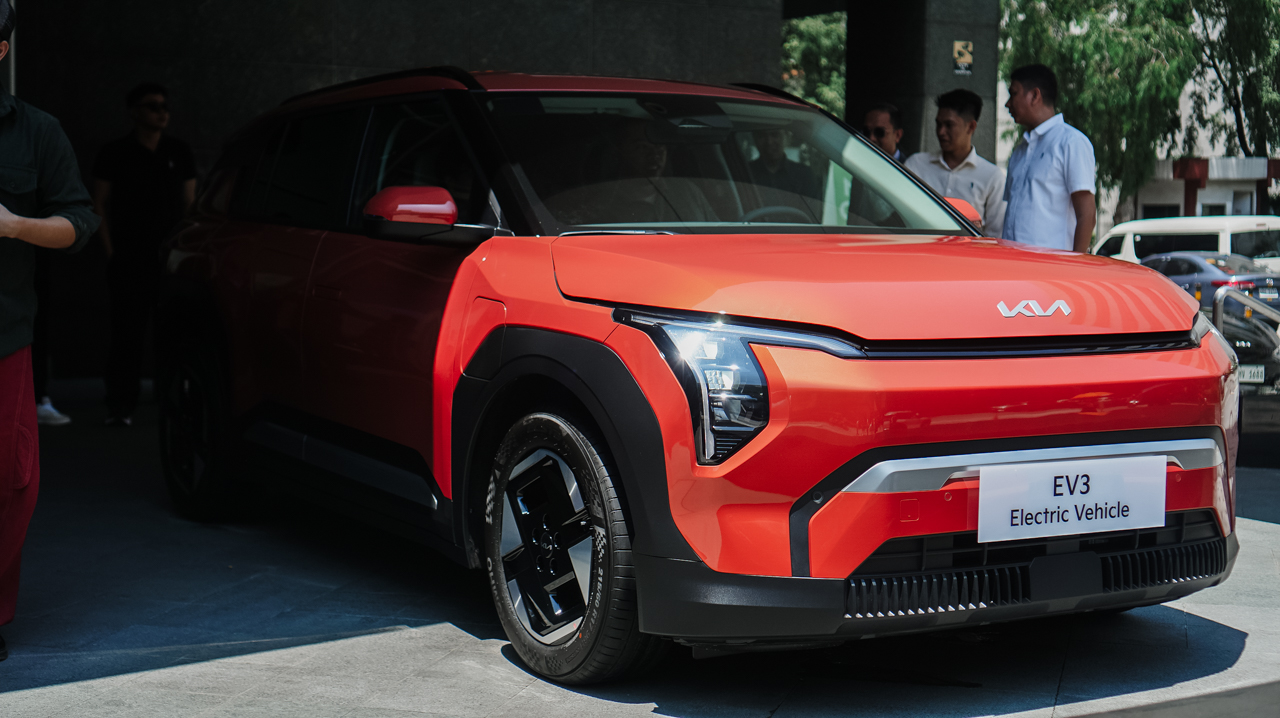
The EV3 comes in seven curated exterior colors. Options include Aventurine Green, Snow White Pearl, Aurora Black, Terra Cotta, Frost Blue, Shale Grey, and Ivory Silver.


DJI Lito X1 review: Is this the best lightweight drone for creators?
Making a strong case as a travel companion and a capable B-cam!


REDMI Note 17 Pro Max review: A new breed born from AI greed
Welcome to the new normal


Marvel’s Wolverine review: When the claws come out
A brutal, cinematic superhero adventure

When TECNO-logy meets Tonino Lamborghini legacy

Spotlight: Amazon Kindle Scribe Colorsoft

Chimelong’s newest attraction might be the robots themselves

Xiaomi 18 Pro series is launching globally, Xiaomi confirms

Google Photos can now censor your kid’s face better

realme 16T 5G with 8000mAh battery, IP69 Pro rating launches in PH

HUAWEI Pura X View is 2026’s first WIDE slab-type smartphone

The CAMON Slim 5G is TECNO’s latest ultra-slim smartphone

iPhone 18 Pro series: Price, availability in the Philippines

DJI Osmo 360 II review: Going all-in on the ecosystem


-
 News5 days ago
vivo X500 Series launches with major imaging upgrades
-
 Hands-On2 weeks ago
Apple iPhone 18 Pro Series Hands-on
-

 News4 days ago
OPPO Find X10 Pro Max is the first phone with a triple 200MP camera system
-

 Gaming2 weeks ago
BlizzCon 2026 announces World of Warcraft: Forever and Diablo V
-
Reviews2 weeks ago
REDMI Note 17 Pro Max review: A new breed born from AI greed
-
 Singapore1 week ago
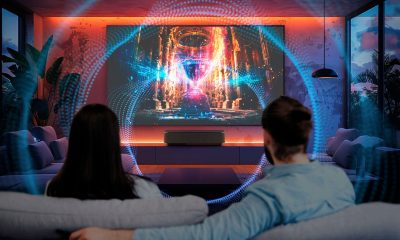
Epson Lifestudio Grand Plus EH-LS970B with 4K projection, more launches
-

 News5 days ago
vivo introduces OriginOS 7 with smarter multitasking and AI features
-
 Gaming2 weeks ago
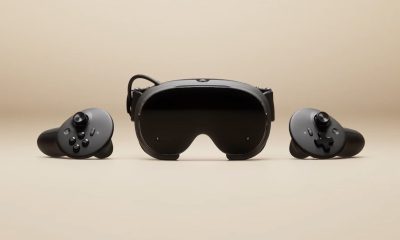
Valve unveils price of the Steam Frame