
News
HONOR Robot Phone’s camera can move on its own
Its built-in gimbal lets the camera move itself.

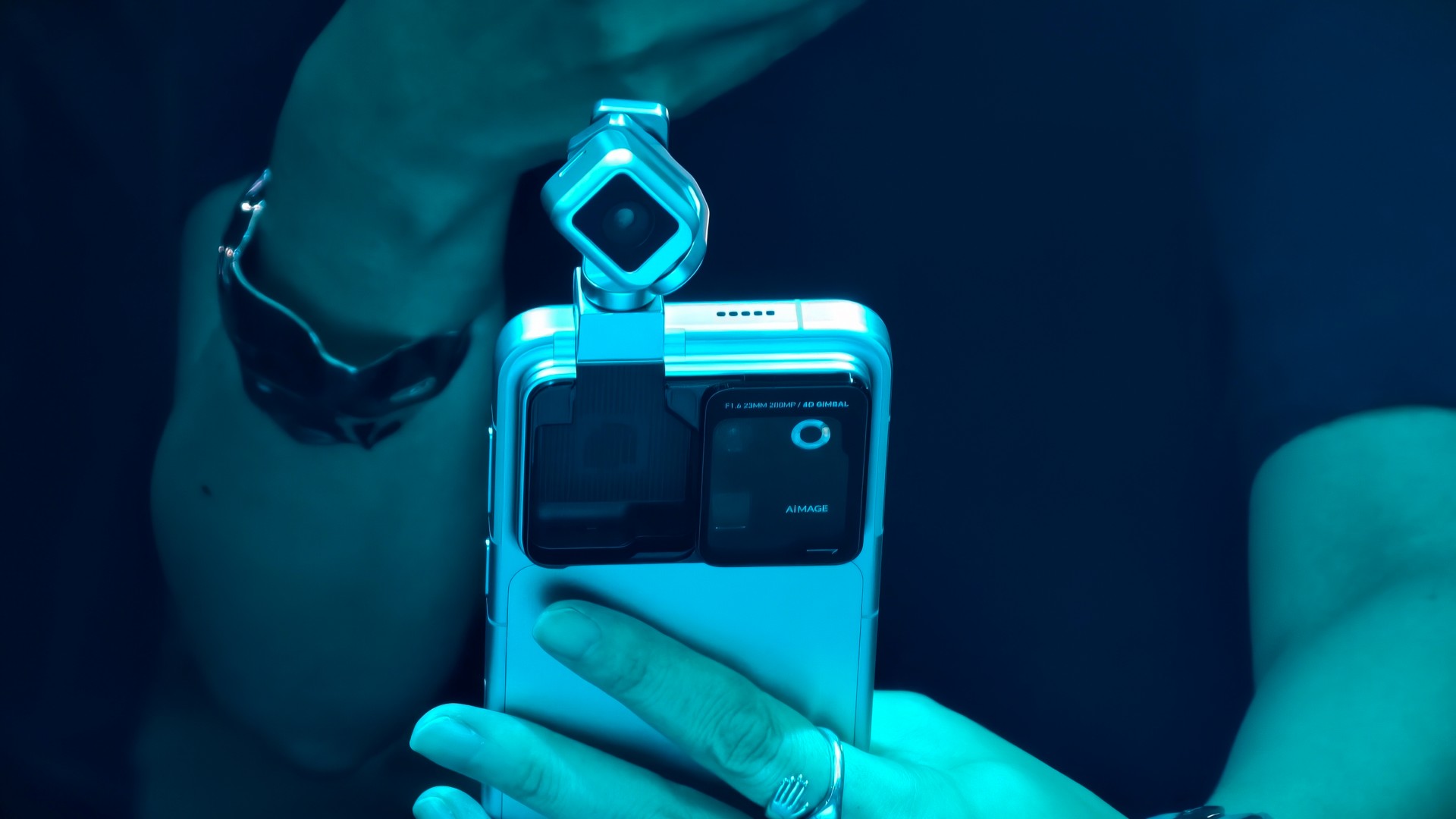
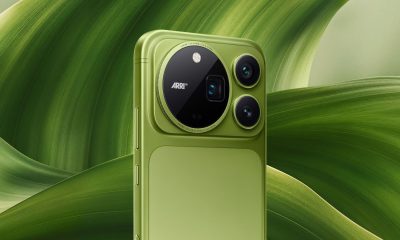
The HONOR Robot Phone’s biggest trick is also the easiest to understand: its camera can physically move.
Instead of keeping its cameras fixed inside the phone, HONOR built a mechanical gimbal directly into the device. The system can tilt, rotate, and reposition the camera, opening up movements that aren’t possible with a conventional smartphone camera.
HONOR calls it the Titanium Agile Gimbal, and the company says it is the industry’s smallest 4DoF gimbal system. It packs more than 100 precision components into a module that’s just 9.59mm thick.
A tiny gimbal inside the phone
The 4DoF mechanical system is designed to deliver the benefits of a separate gimbal without requiring users to carry another piece of equipment.
HONOR says it reduced the gimbal’s overall volume by 65% compared with traditional gimbals while increasing its structural strength by 200%. The system uses more than 100 precision components and is backed by more than 100 patents.
At its core is a 2.6-gram titanium gimbal motor that can rotate at up to 360 degrees per second. A separate HONOR Shield Steel Flip Motor provides a torque density of 120 Nm/L.
Those numbers sound impressive, but their practical purpose is straightforward: the camera needs to move quickly and precisely while remaining small enough to fit inside a smartphone.
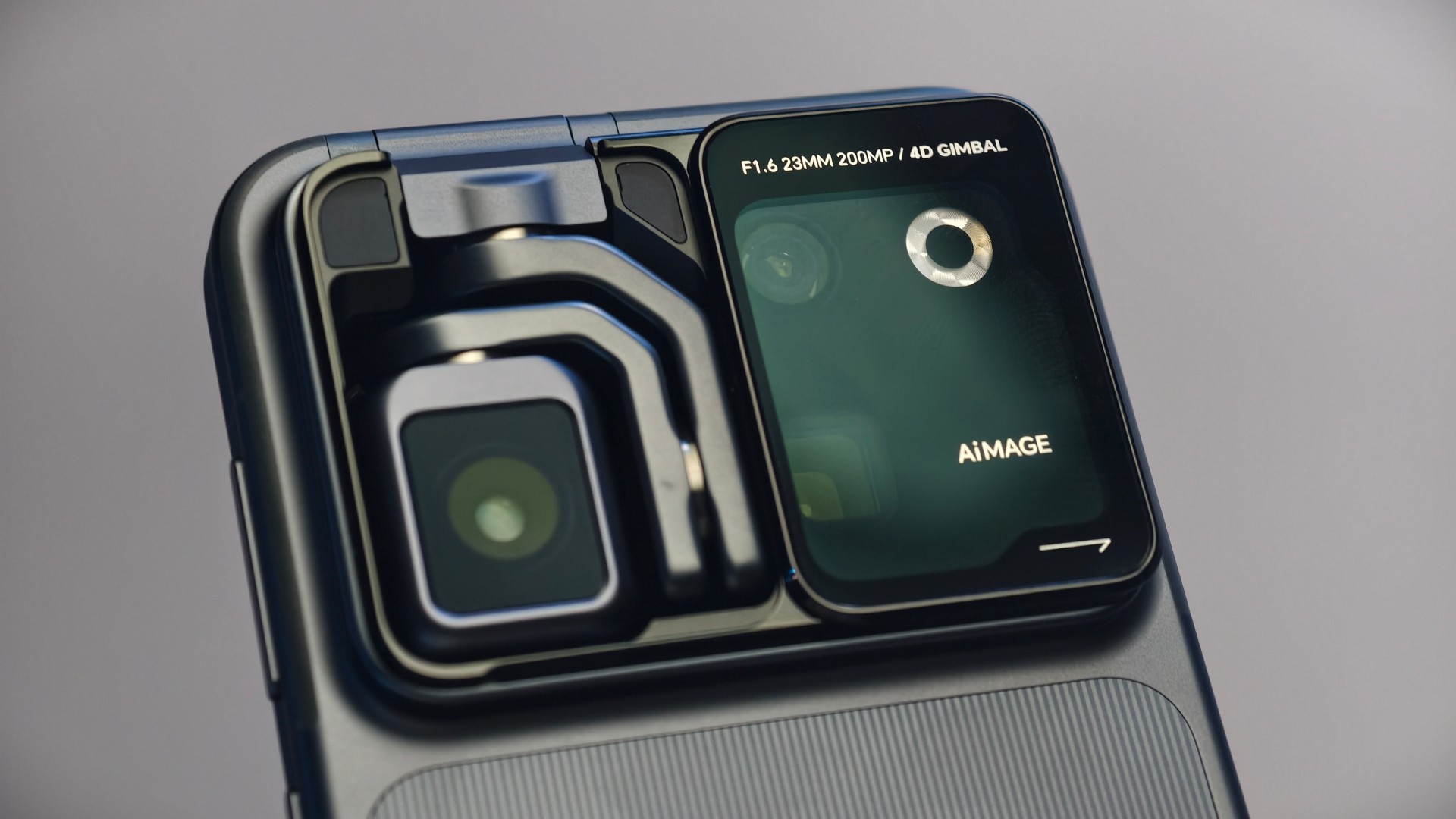
The camera can move on its own
The Robot Phone’s gimbal isn’t limited to simply stabilizing the camera.
It supports six dynamic camera movement modes: AI SpinShot, Default Stabilization, Tilt Locked, Super Steady, FPV, and FPV Vertical. AI SpinShot, for example, can perform 90- or 180-degree camera rolls, while the other modes are designed for different types of movement and shooting.
The phone also has three smart tracking modes: Gimbal Tracking, Subject Tracking, and Pre-Composition. These are designed to help the camera follow a subject or maintain a particular composition while the phone moves.
That’s the important distinction between the Robot Phone and a conventional smartphone with image stabilization. The camera isn’t just correcting for your movement. It can actively move to create or maintain a shot.
You can tell it what to do
HONOR also gives the gimbal its own set of AI-powered controls.
Through YOYO Robot Mode, the Robot Phone can combine voice commands, gesture recognition, AI perception, and physical movement. Users can wake the mode and deploy or stow the gimbal with a flip gesture.
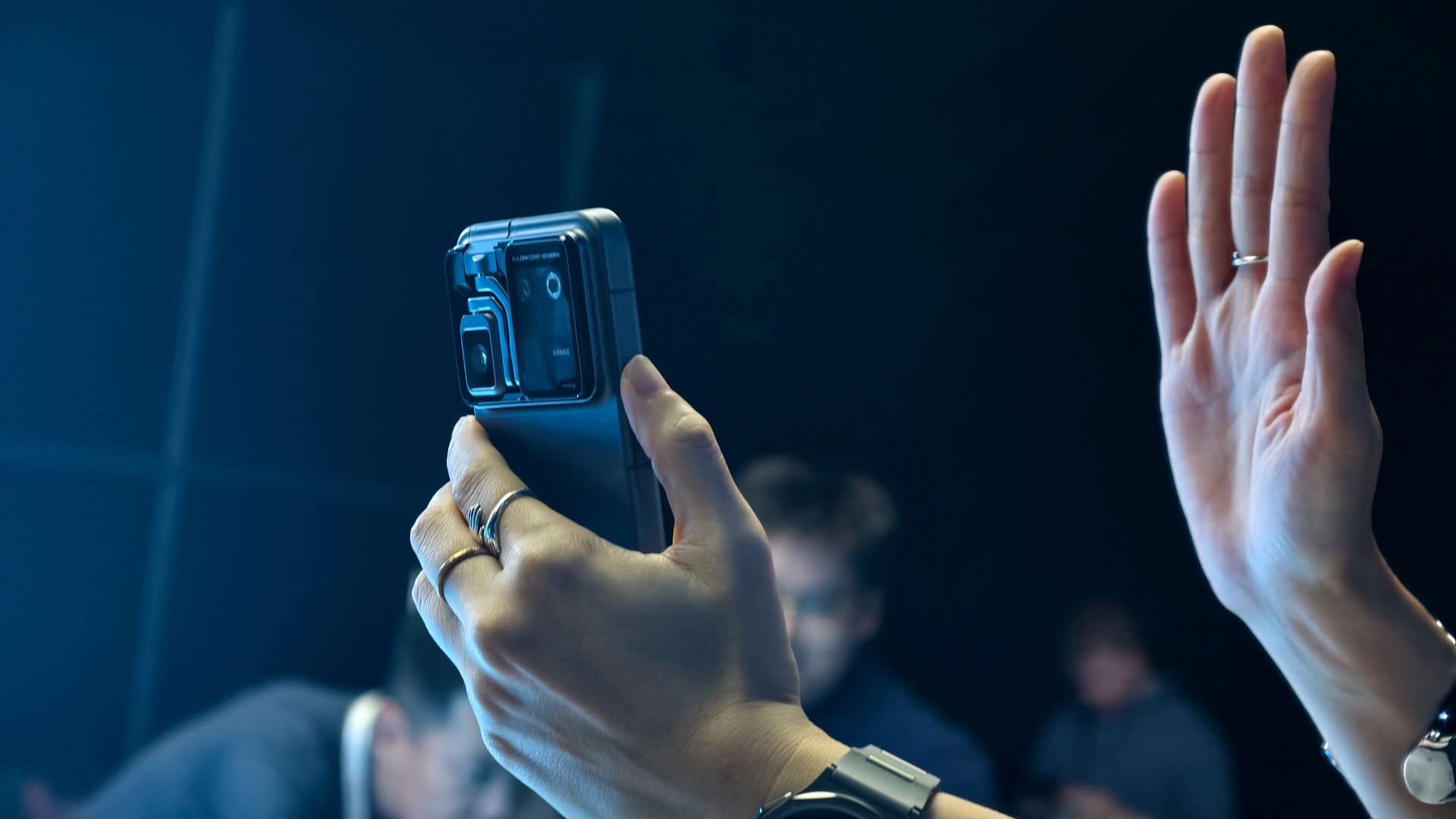
Voice commands can be specific, too. HONOR says users can tell the gimbal to turn left by a certain number of degrees, look toward the sky, or rotate for a specified amount of time.
The phone can also use AI Subject Tracking to automatically frame and follow people during video calls, vlogging, and livestreaming.
That makes the Robot Phone particularly interesting for people who regularly shoot themselves. Instead of setting up a phone and constantly checking whether they’re still in frame, the camera can do some of that work itself.
The real question is how naturally all of this works in practice. We’ll get to answer that when we spend more time with the Robot Phone.





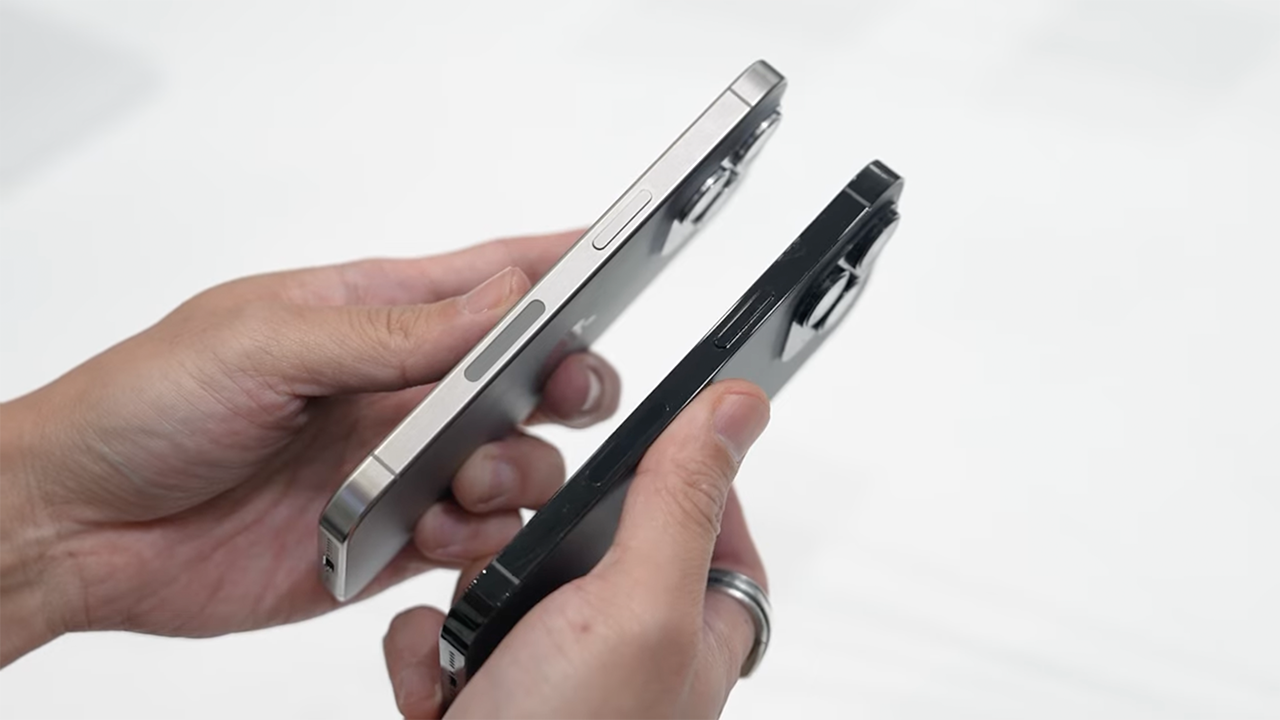
In a world with a love-hate relationship with extra buttons on a phone, Apple has gone to the deeper end and included two buttons in the latest iPhones: the Action Button and the Camera Control. Next year, Apple might consolidate the two buttons into one, ridding itself of the Action Button.
According to a Weibo leak from Instant Digital, Apple will merge the two buttons starting with next year’s iPhones. Though technically a new button in itself, the merged version will, based on the leak, retain more Camera Control than the Action Button.
Of course, both functions can coexist in the same button. The Camera Control activates with a single press, while the Action Button needs a longer press. In the merged button, a single press can still open the camera and a longer press can activate whatever the user sets it to.
Both buttons have had a storied past. The Action Button came in 2023, replacing the Ring/Silent Switch. Meanwhile, the Camera Control debuted a year later, offering control over the camera with a capacitive button. The current iterations retain both buttons on the same phone.
Personally, as someone used to creating content, the Camera Control button is ultimately a boon to get those shots quickly while in the moment. Retaining that functionality is definitely worthwhile.
Enterprise
NVIDIA CEO admits to having an affair with alleged Chinese spy
The company is currently investigating the allegations.


In one of the craziest headlines this year, NVIDIA CEO Jensen Huang has admitted to having an affair with an alleged Chinese spy.
Over the weekend, a heavy allegation claimed that the NVIDIA CEO had a relationship with a person actively involved in Chinese intelligence. Since Huang is involved in business globally, the accusation isn’t a light one. In fact, it’s serious enough that Huang admitted to the affair late this past Sunday.
In an internal letter reported by Associated Press, the CEO acknowledged the existence of the affair with a business executive. Of note, Huang did not confirm the executive’s ties to Chinese intelligence. NVIDIA, however, will conduct its own investigations regarding the allegations. Despite the allegations, Huang will remain as the company’s CEO. The company is also confident that the alleged spy did not compromise NVIDIA’s secrets.
According to The New York Times, the executive, Alice Huang, was reportedly feeding information back to Beijing, despite being an executive of the Singapore-based Megaspeed, which is already a serious customer of NVIDIA.
Now, NVIDIA is currently in a prime position when it comes to the industry today. Formerly a huge proponent of gaming peripherals, the company is now one of the biggest names in AI hardware, allotting a lot of its products for data centers. Huang’s allegations come at an interesting time.

Sony is bringing back one of its iconic Walkman-era headphones with the MDR-3R. The new wired headphones modernize the original MDR-3 with USB-C connectivity and updated features.
Introduced in 1979, the original Walkman and MDR-3 headphones helped popularize portable music listening. The MDR-3R carries that legacy forward with a familiar design and modern conveniences.
The headphones retain the original’s lightweight, open-ear construction. They also feature interchangeable blue and orange ear pads. Sony even gives the packaging and instruction manual a design inspired by the original model.
The MDR-3R connects to compatible smartphones and other devices through USB-C. Users can listen to music without charging, pairing, or installing updates. A built-in microphone and in-line remote also make calls and playback controls more convenient.
Sony equipped the headphones with the same 23mm driver units as the original MDR-3. The company also tuned them to closely reproduce the original’s sound signature. They deliver balanced audio, natural vocals, and the emotional richness associated with Sony headphones.
Sony MDR-3R gets a Stranger Things edition
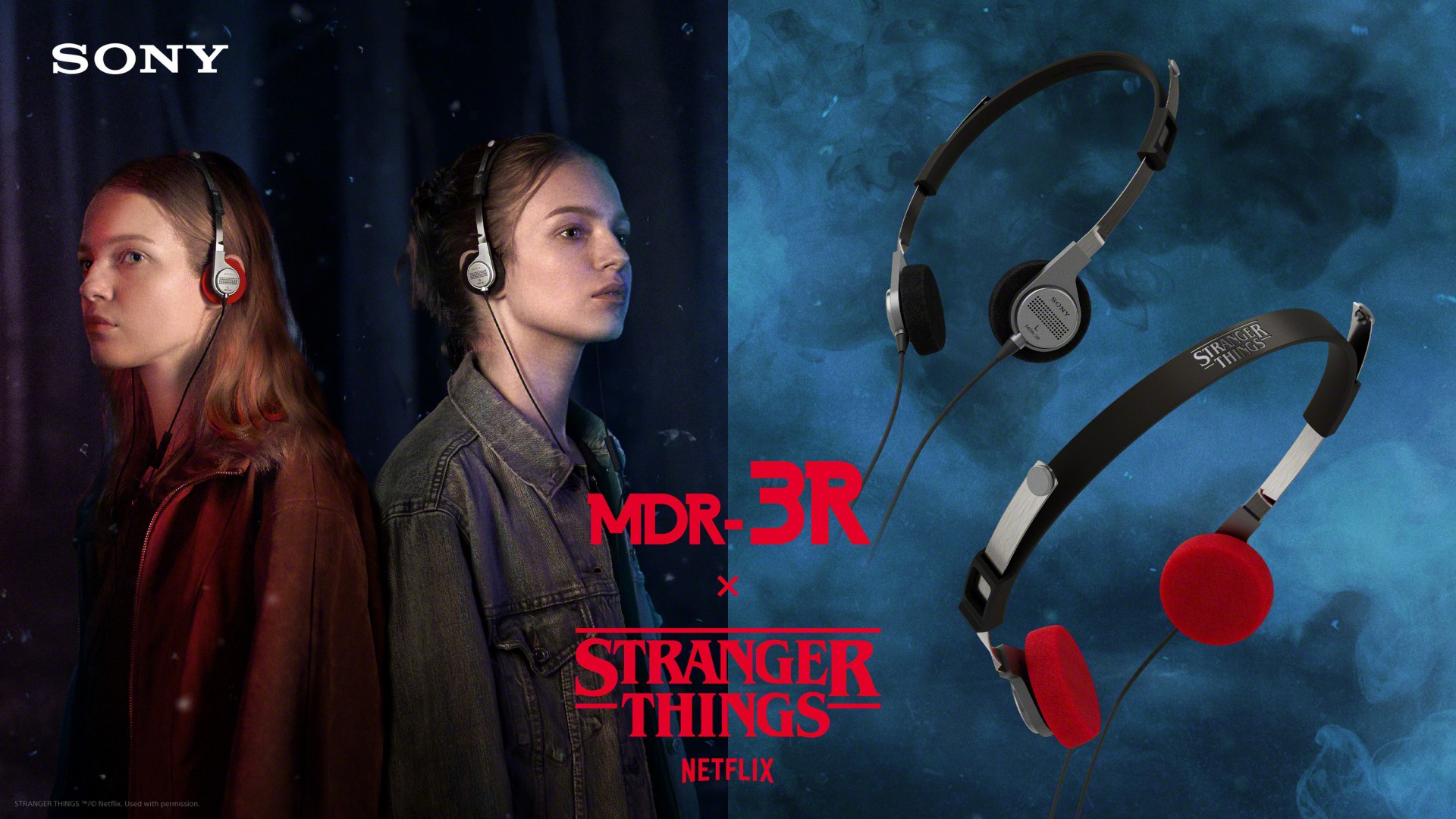
Sony is also launching a special MDR-3R Stranger Things Edition. The collaboration celebrates the 1980s inspiration shared by the Walkman era and Netflix’s popular series.
Inspired by Max’s signature headphone style and the mysterious Upside Down, the special edition features exclusive design details. These include an engraved Stranger Things logo and custom packaging.
Sony also considered environmental impact when developing the headphones. Approximately 25 percent of the plastic used in the product comes from recycled materials. The packaging is also plastic-free.
Price and availability

Sony has opened preorders for the MDR-3R and MDR-3R Stranger Things Edition. Availability and pricing vary by market.
In the United States, the standard MDR-3R costs US$59.99, while the Stranger Things Edition costs US$79.99. The standard model is available through Sony and authorized retailers.
In Singapore, both models will launch in December 2026. The standard MDR-3R costs SG$89, while the Stranger Things Edition costs SG$129. Both are exclusive to Sony Stores and Sony Store Online.
In the Philippines, Sony has yet to announce local pricing and availability. Based on US pricing, the headphones would cost approximately PHP 3,500 for the standard edition and PHP 4,700 for the Stranger Things Edition, before local taxes and retail adjustments.


Apple iPad mini OLED review
Has the mini gone PRO?!


ROG G700 review: The best prebuilt PC you can get off the shelf
This PC will make you stop worrying about specs.


HP OMEN Max 16 review: Gamer-maxxing in deep black
Peripherals deemed necessary to max this out

Is it comfortable to sleep on a Secretlab Atlas?

ASUS and ROG Grand Tech Fair 2026 offers holiday deals

Next iPhone might get rid of the Action Button

NVIDIA CEO admits to having an affair with alleged Chinese spy

Sony revives classic Walkman headphones with USB-C MDR-3R

Your coffee nook is getting a makeover with Starbucks’ holiday collections

vivo V80 debuts with ZEISS cameras

vivo V80 review: Good phone, tough sell

Dragon’s Dogma 2: Dark Arisen launches with new Official Pawns

Score PhP 22,000 in guaranteed freebies when you pre-order the iPhone 18 Pro at Beyond the Box


-
 Lifestyle1 week ago
Your coffee nook is getting a makeover with Starbucks’ holiday collections
-

 Lifestyle1 week ago
Sticker season is back, and so is the planner your ~friends~ might fill in for you
-

 Gaming1 week ago
Wild Rift Patch 7.3, celebrates K/DA comeback
-
Gaming2 weeks ago
ROG G700 review: The best prebuilt PC you can get off the shelf
-
 News4 days ago
Sony revives classic Walkman headphones with USB-C MDR-3R
-

 Gaming2 weeks ago
PlayStation unveils Prism Collection
-

 Laptops2 weeks ago
Apple unveils MacBook Pro with PROLED XDR display and Touch
-

 Gaming2 weeks ago
FromSoftware’s The Duskbloods delayed to 2027