
Philippines
HONOR X9c Smart: Steady performer, intriguing package
Budget? Lower mid-range? A mix of both

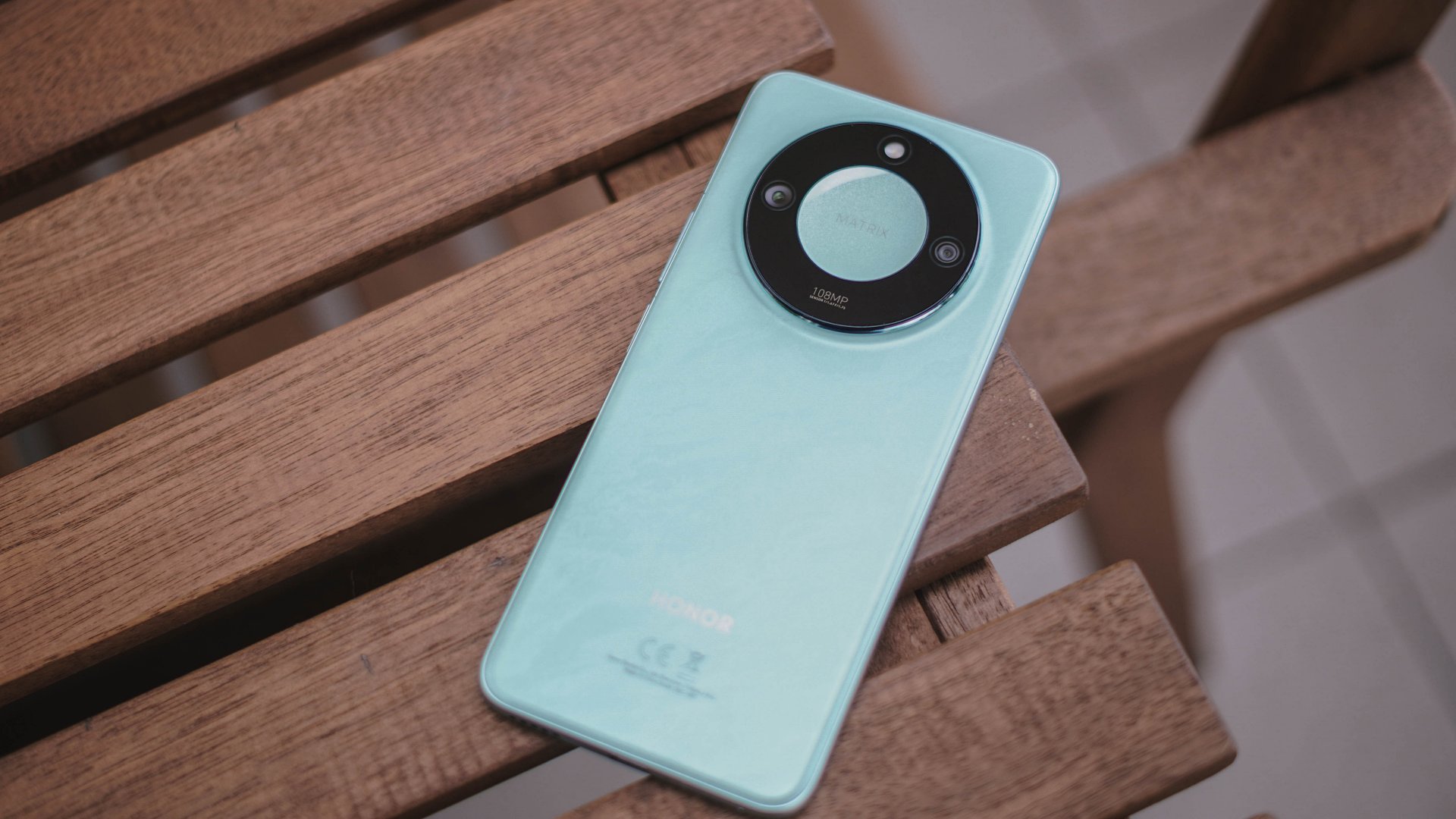
The HONOR X9c Smart 5G was announced with relatively much less fanfare, compared to its bigger brother, the HONOR X9c 5G. It’s just meant to be the more affordable counterpart to the X9c 5G, for those who have a smaller spending capacity.
HONOR made it available exclusively on Shopee initially. At a glance, this particular handset combines features we usually see on budget phones, as well as some usually reserved for lower mid-rangers.
The smartphone has since had a rousing opening day during the 3.3 sale. HONOR offered it for as low as PhP 10,799 with discounts, a generous reduction from its PhP 13,999 original asking price.
Before we scroll down further, here’s our review of the HONOR X9c 5G: HONOR X9c 5G review: Tough and steady

It’s not required reading, however, having experienced the X9c 5G prior, it’s hard to make a take about the Smart counterpart without considering all my a posteriori knowledge.
Having put all of that out of the way, this article will focus on some of the similarities and differences between the two models, and if the HONOR X9c Smart is worthy of consideration as a BudgetMatch.
HONOR X9c Smart overview

Here’s a quick rundown of the HONOR X9c Smart’s main specs:
- Processor: MediaTek Dimensity 7025 Ultra
- Platform: MagicOS 8.0 (Android 14)
- RAM: 12GB (plus up to 12GB virtual RAM)
- Storage: 256GB
- Cameras: 108MP main, 5MP ultra-wide, 16MP selfie
- Display: 6.8-inch 120Hz TFT LCD, 2412 x 1080, 850nits HBM brightness
- Battery: 5,800mAh Li-ion Polymer, up to 35W fast charging
It’s not specified what the X9c Smart’s actual waterproof or durability ratings are, but it can withstand accidental splashes or a couple of knee-level accidental drops.
The 5G connectivity is a great selling point, since most budget-level offerings selling for about PhP 10,000 and below usually do not have that.
Appearance, feel
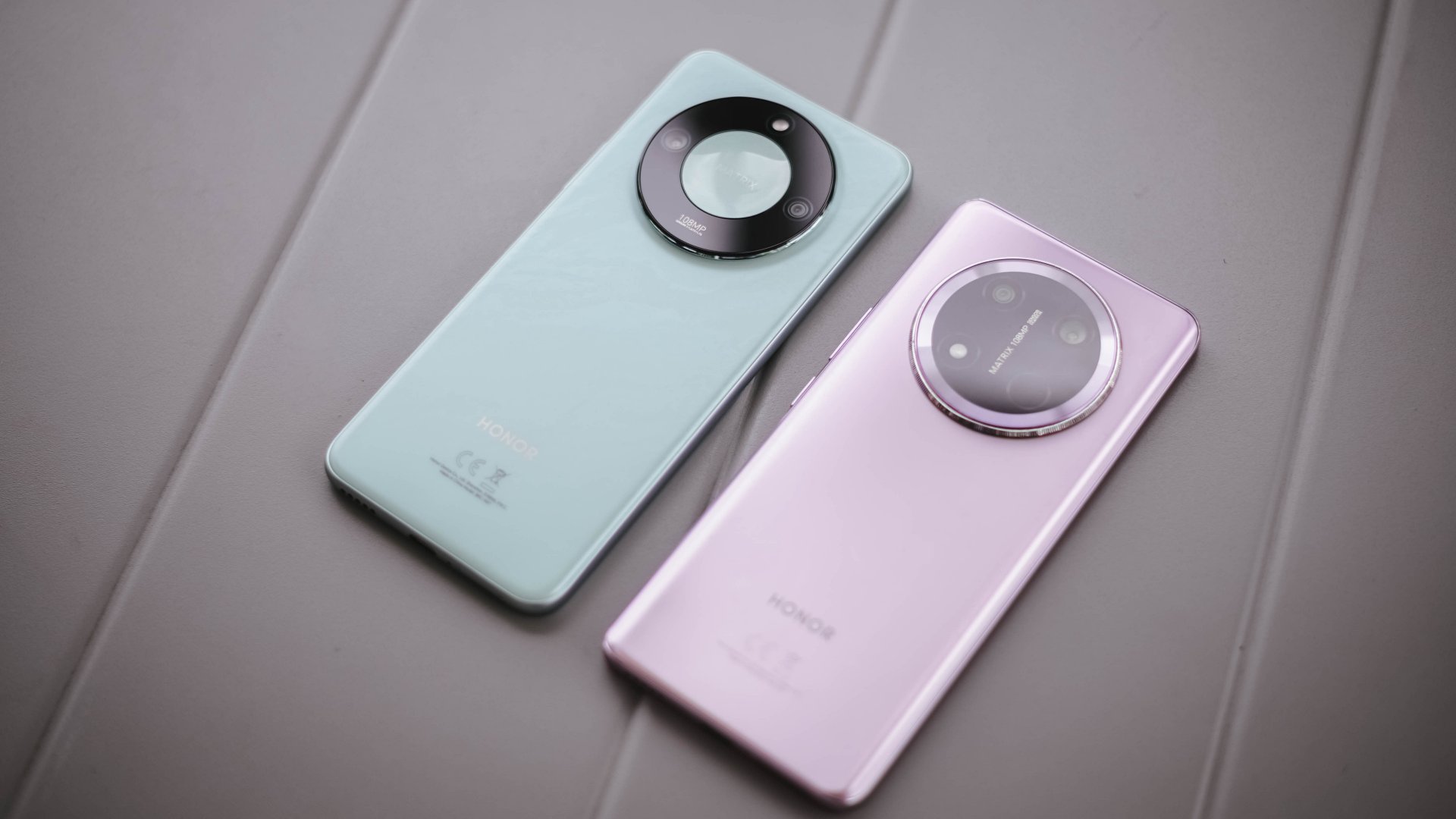
The review unit we got came in Jade Cyan; Midnight Black is its only other color option. The two phones virtually have the same width, with the X9c 5G just thicker by 0.01 inches.
But since the X9c sports a curved display and the X9c Smart doesn’t, it kind of feels that the latter is significantly wider. At least, that’s how felt during actual usage. I also mentioned before that I am generally not a fan of curved displays.
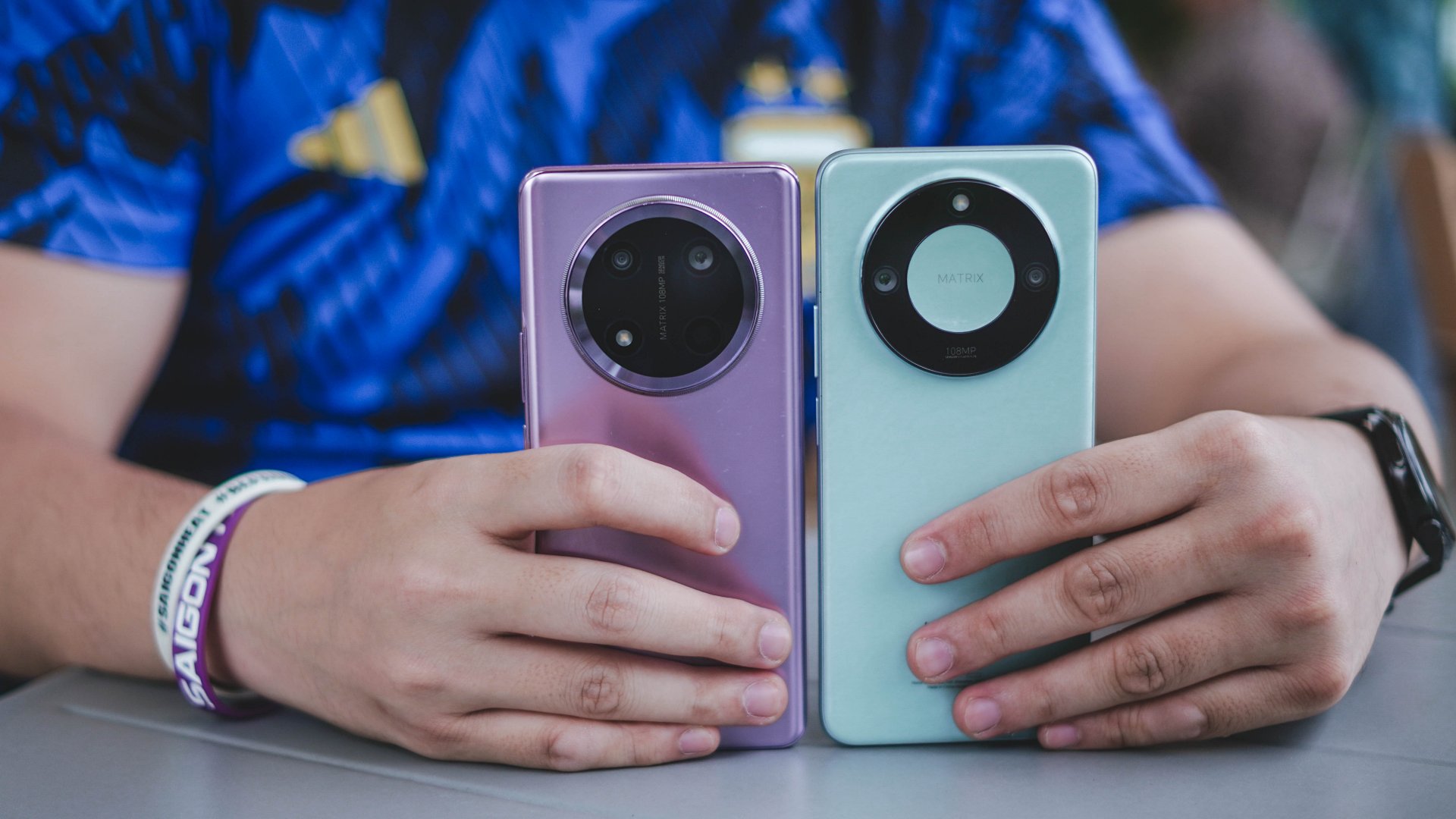
Funny enough, the X9c Smart is also slightly taller than its “bigger brother”. That makes this more affordable release ideal for content consumption and gaming, as there is more real estate in front.
At the back, the X9c Smart’s donut-style camera island reminds of the HONOR X9b. It’s also a little larger than that of the X9c 5G’s.
The X9c Smart has a smooth back cover that kind of just lets your fingers glide past it. The same goes for its frame. There’s a little slipperiness to it, so just have the right amount of care. There’s a clear case for extra friction, if needed.
Display and audio: Obvious differences
One of the obvious differences between the two handsets is their displays. The X9c 5G uses AMOLED material. The X9c Smart, meanwhile, utilizes a TFT LCD panel.
Naturally, the X9c Smart’s display looks inferior when compared to other midrange devices. But LCD screens are usually cheaper, and it’s definitely a factor for the Smart’s cheaper price tag.
In my experience, having an LCD display on the HONOR X9c Smart makes it difficult for browsing at night. That’s because the light feels more intense on the eyes.
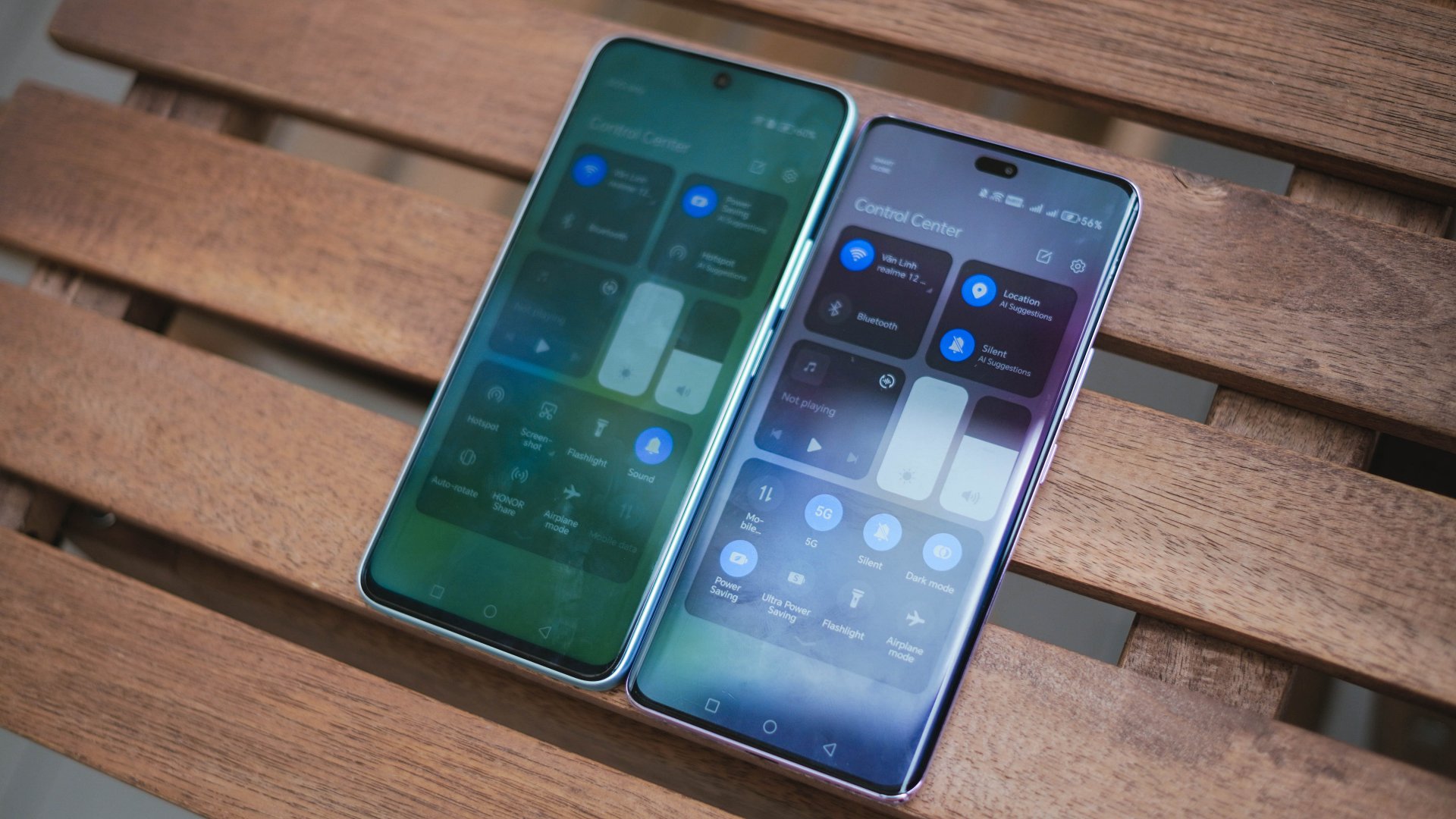
I have this usual habit of browsing until the minute I decide to sleep — with the room’s lights already turned off. It’s just something more difficult to do on an LCD screen, compared to more expensive devices. That’s even when brightness is set to its lowest setting, or eye comfort turned on.
Moreover, the X9c also has a higher pixel density at 437ppi compared to just 389ppi for the X9c Smart. That may not seem like a lot, but if you’re big into graphics or watching 1920 x 1080 videos, there will be an “eye test” difference.
Another glaring difference is the maximum brightness. It’s challenging to see what’s on your screen on the X9c Smart, especially when outdoors. It’s a sucker for reflection too.
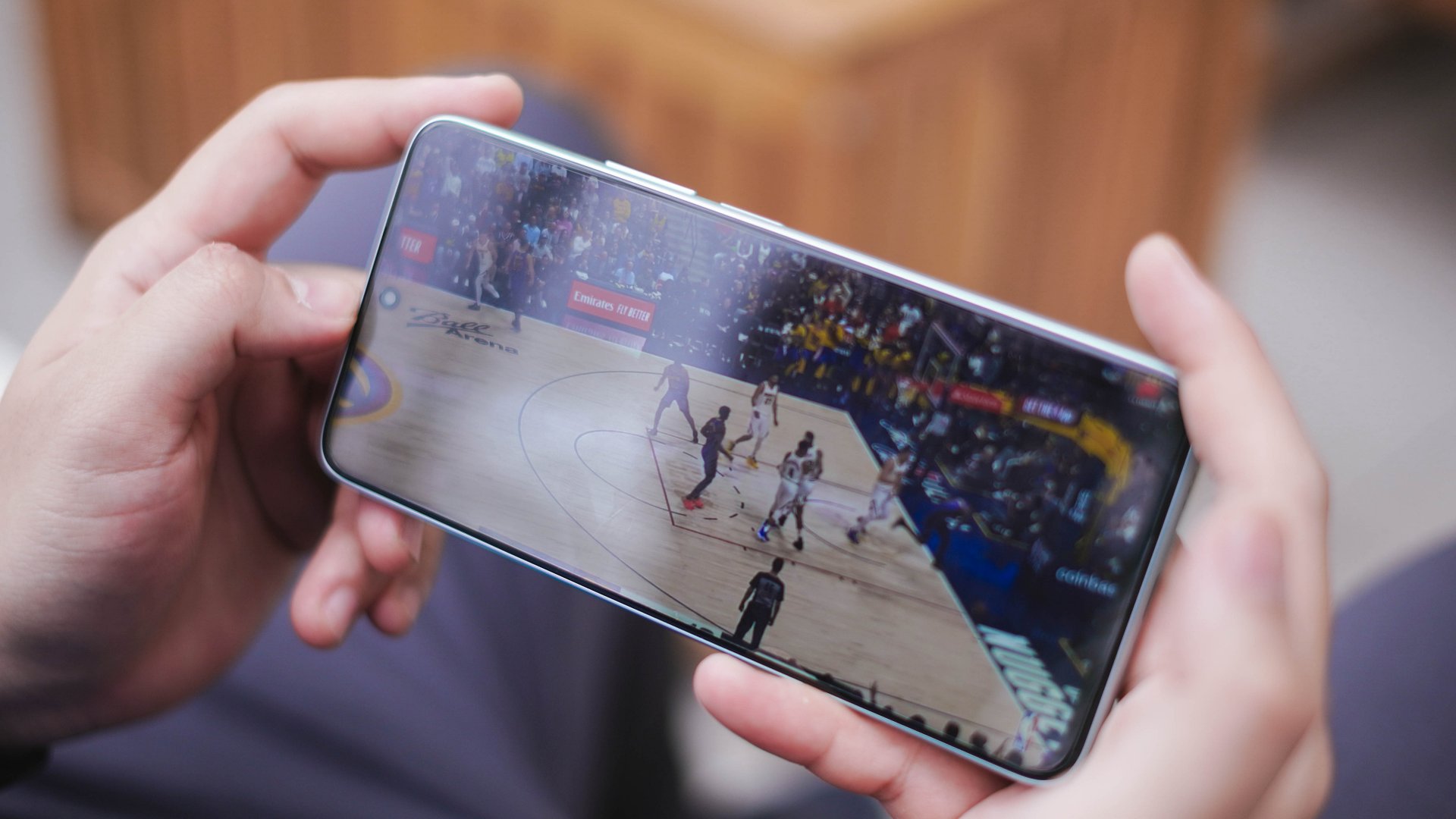
If we are to isolate this department, the HONOR X9c Smart feels more of a “budget” device than a “mid-ranger”.
Furthermore, the X9c Smart also has just one speaker, located on the bottom of the phone. It blasts sound that kind of feels a bit more dull compared to the rich and high-quality audio you’d hear from the X9c 5G.
The X9c 5G has dual speakers, one on each edge, to give users a more immersive soundscape whether at home or outdoors. It’s also a lot louder when set at about 50% or 60%.
Same operating system
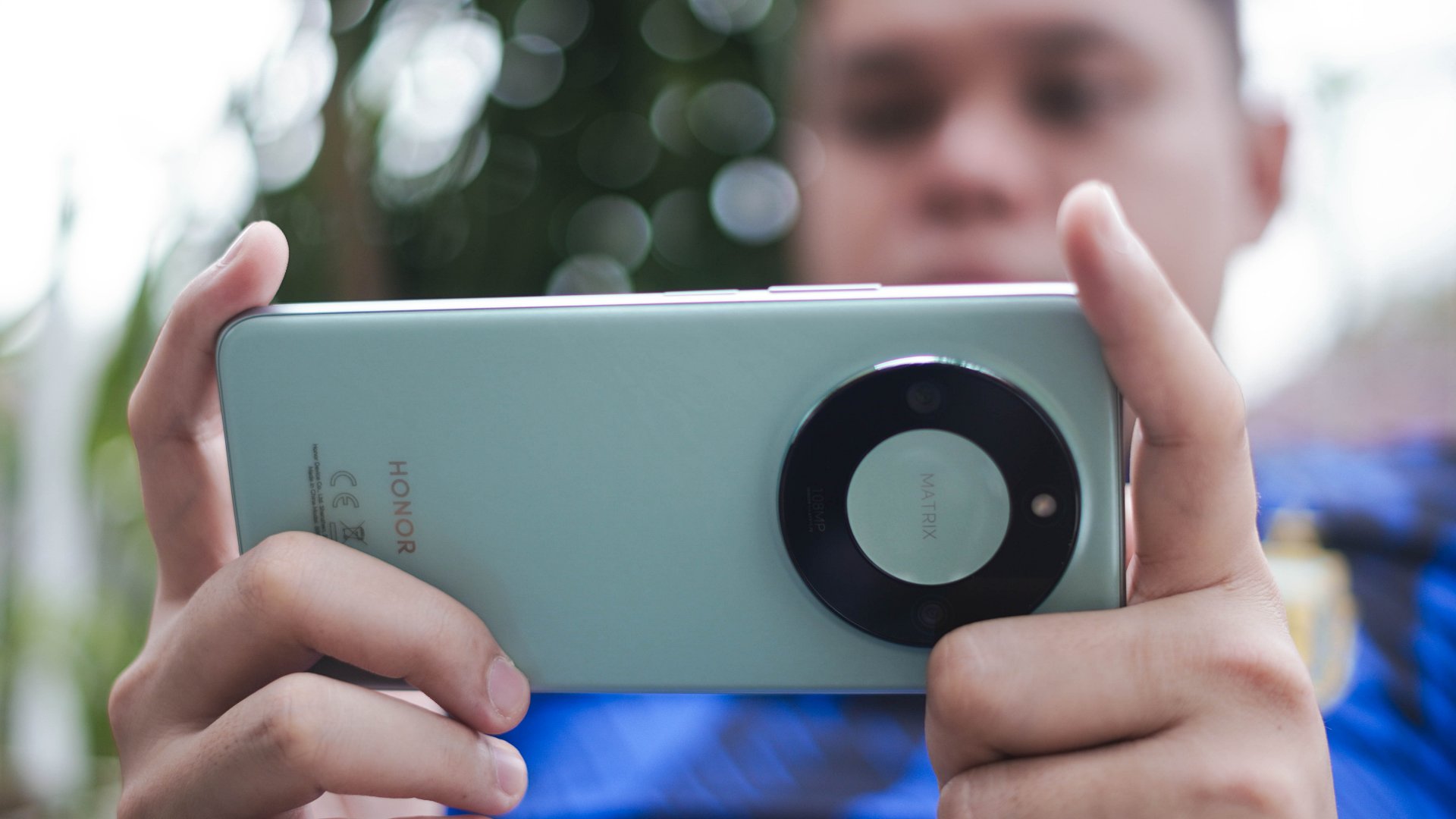
If anything, it’s good of the Smart variant to have the same MagicOS 8.0 platform. There was no bloatware whatsoever upon setup.
Although again, I had to download Google Keyboard, as the X9c Smart had Microsoft SwiftKey by default. Still not a fan having to swipe left for notifications and right for the settings drawer either.
On the positive end, there’s still Magic Portal for quick noting down or saving bits of information and other media. HONOR Share allows you to send files in just a matter of seconds.
I also happen to own an HONOR Magicbook Pro 16, so it took me just a breeze to transfer files for this very article.
Also, AI Eraser performs decently. It’s something you can use to just take off unwanted elements on your photos.
Here are a few instances:


Performance: Just about right
When it comes to performance, the X9c operates on the 4nm process, while the X9c Smart operates “only” on the 6nm process. Although, the latter has two 2.5GHz cores compared to the X9c’s four 2.2GHz cores, which allows for more multitasking.
Understanding how all of this works is key to utilizing your daily driver. Users can still harness capable performance from the X9c Smart given the maximum clock speed on those two main cores to power tasks like gaming or browsing. The key here is to limit the apps opened at a time.
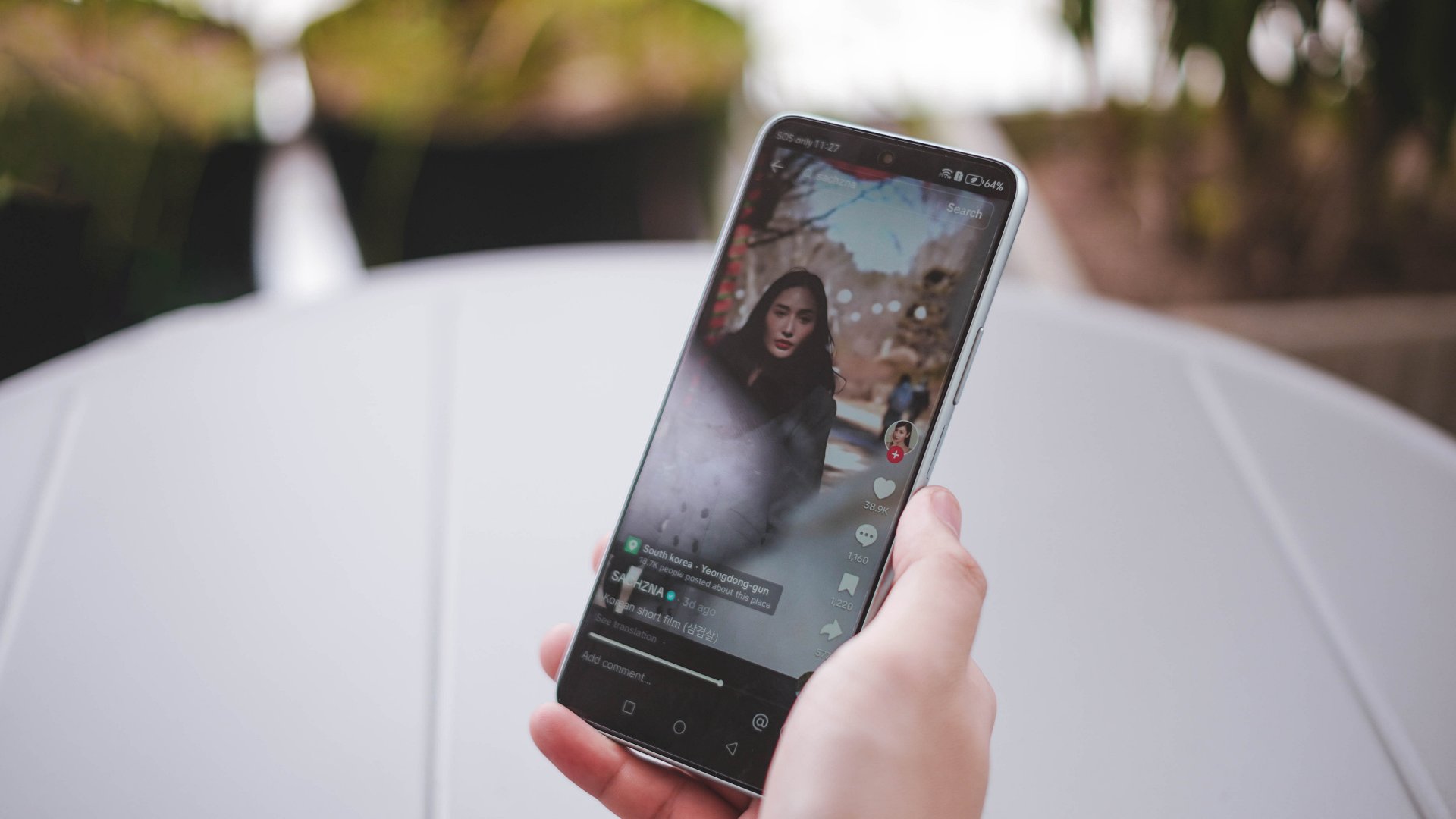
It helps that the X9c Smart also has 12GB of base RAM, which sets it apart from budget phones. Keeping a few social media, music streaming, and navigation apps open doesn’t slow it down too much.
Naturally, notifications or messages may still show up a bit delayed when you reconnect it to the internet after hours offline. But swiping on the display, switching from one app to the other, and more executing more tasks feel smoother compared to cheaper offerings.
Steady for gaming
Onto gaming, the X9c Smart likewise has a dedicated Gaming Manager when you open mobile gaming titles. You can switch from Balanced and Game modes.

But again, you was still able to swipe and trigger the currently opened apps view on Do Not Disturb mode, which shouldn’t be happening.
In any case, the phone holds up well for usual titles like Honor of Kings or Need For Speed: No Limits. You can set the graphics settings to high, and it won’t bulge. I don’t recall the phone heating up too much, either.

Cameras: A deal-breaker?
When it comes to the X9c Smart’s cameras, it actually has the same hardware as those of the X9c’s. There’s a 108MP main camera and a 16MP selfie counterpart. But obviously, hardware is just one half of the equation.
The imaging engine on the X9c Smart leads to captures that lean on the more high-contrast side. It’s not dull, but I am not a fan of how it’s processed. The color science is a bit off, too.
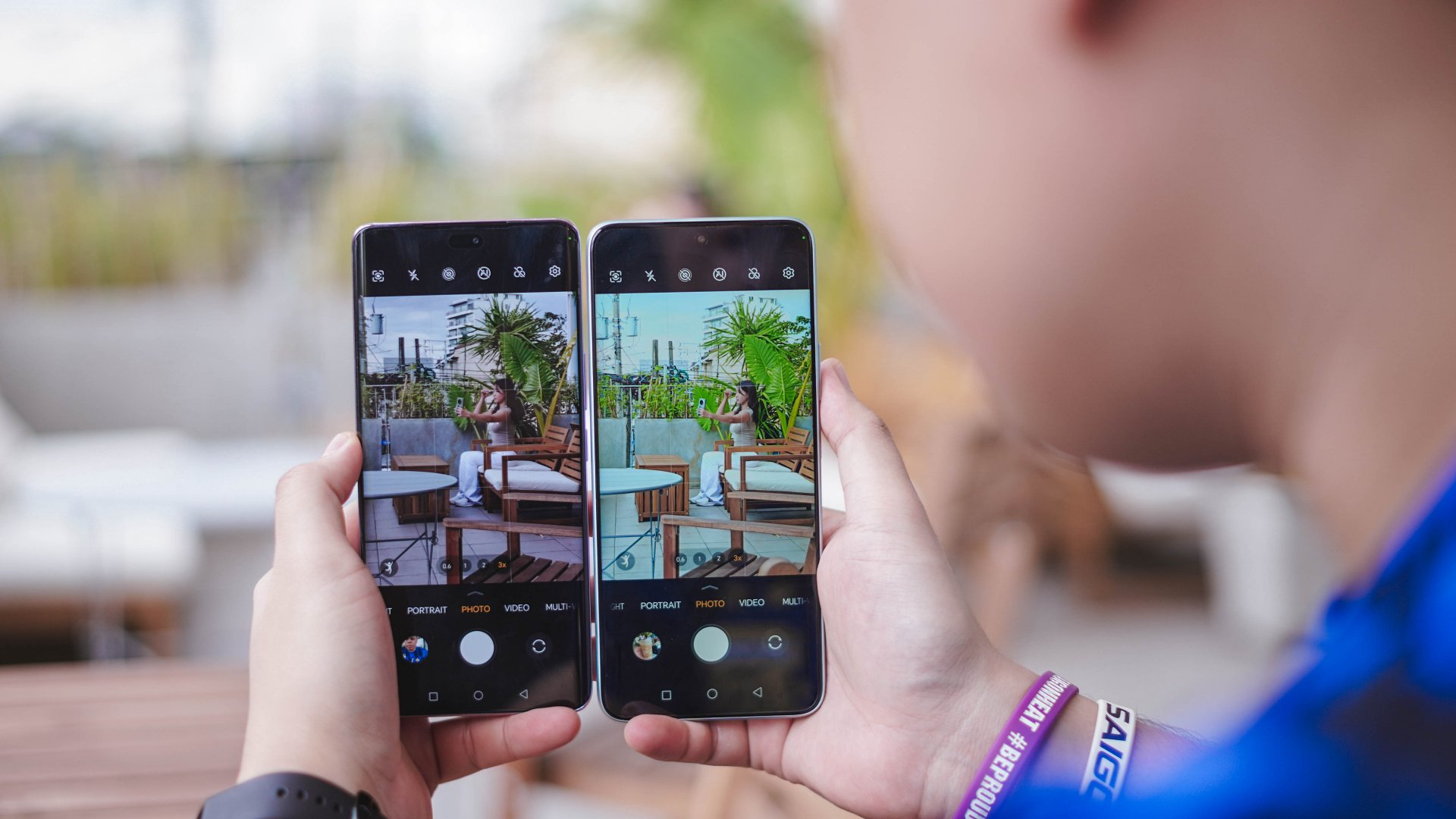
Quality wise, as the camera allows for a large pixel count and has a decently-sized lens opening, you can still get some sharpness, clarity, and detail on some snaps.
It’s just how they look overall that isn’t 100% appealing to the eye. Still, you can pull off above par captures with the appropriate framing, lighting, and other factors. It doesn’t hurt to edit them too afterwards.
Here are a few samples:






With the proper tinkering, you can retain some detail against the light:

You can retain detail at up to about 3X zoom, before subjects get smudgy-looking.


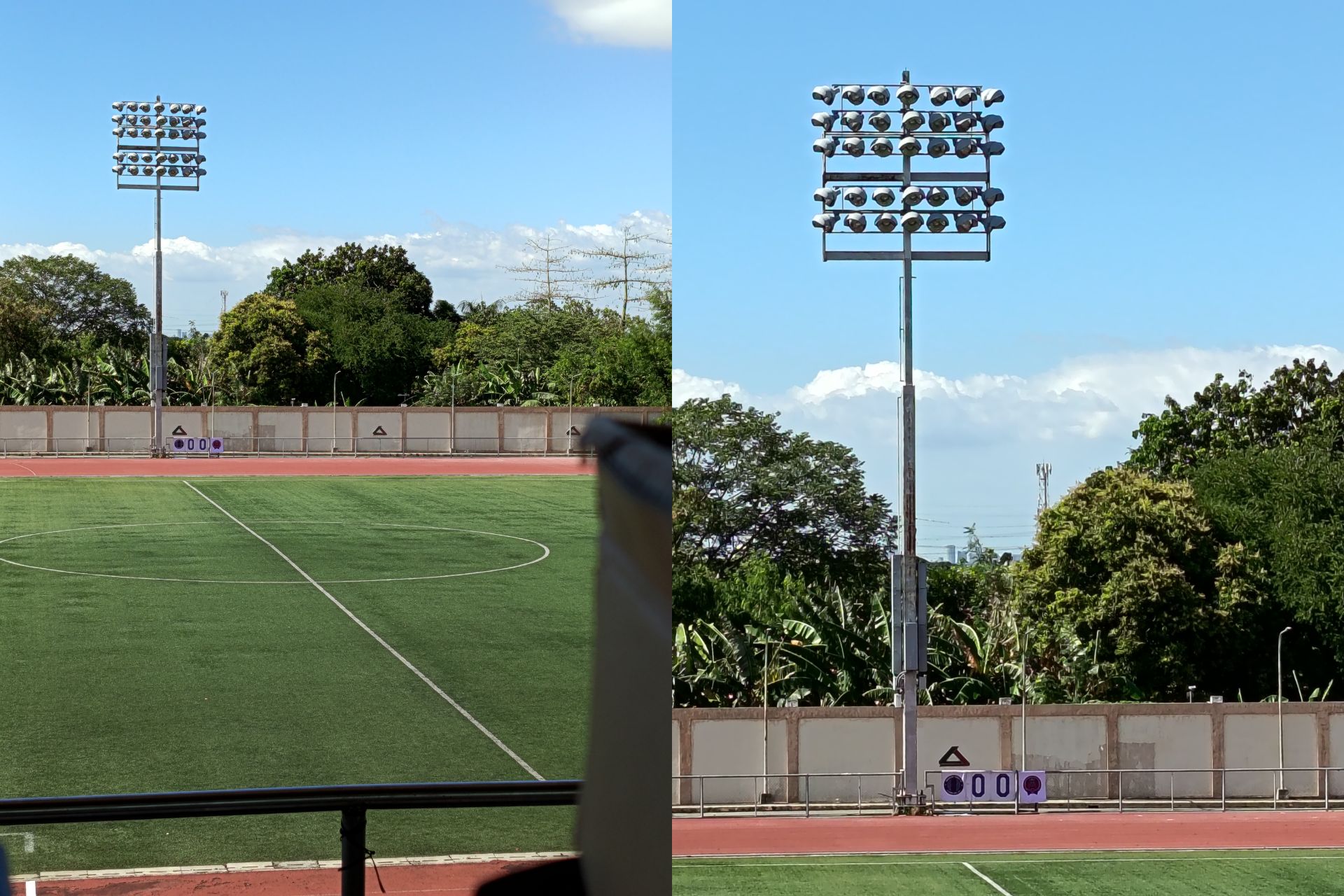
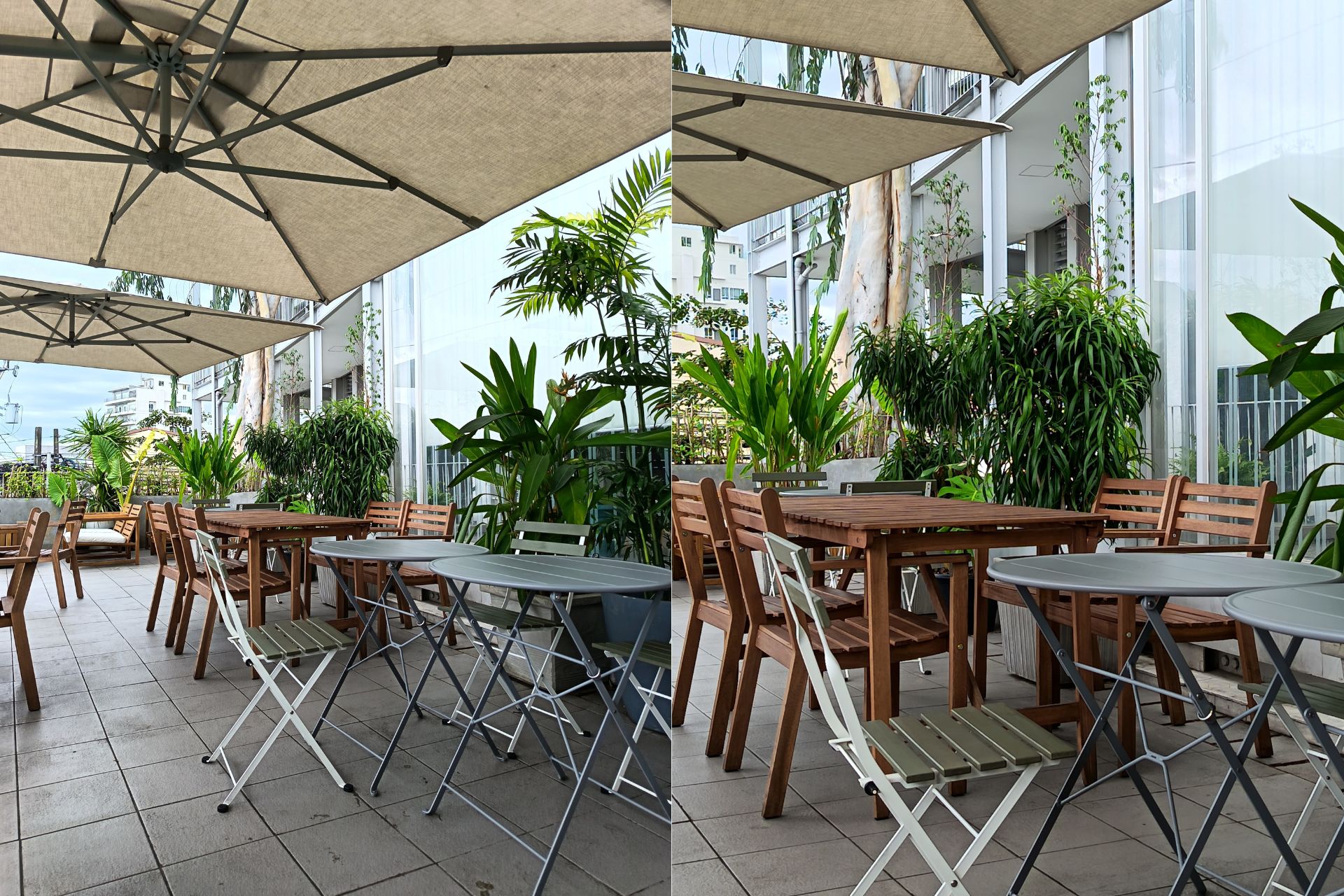
Portraits are tough to execute. The camera cannot tell the main subject apart from what you intend to blur. But that’s asking too much. Nevertheless, if you manage to pull off some portraits, they look decent too.


The selfie camera produces generally good results. There’s plenty of detail. Although sometimes, the tone looks warmer than it is in real life.


Where it gets tough is during nighttime or under low-light conditions. You have to be incredibly still to retain detail or clarity.


The X9c Smart also lacks stabilization for filming, unlike its X9c 5G counterpart. You have to either use a gimbal or do your best to be still while shooting videos. If it’s a factor, the Smart also supports up to a 30fps frame rate.
As expected, photography and videography are both just better on the HONOR X9c 5G.
Your BudgetMatch?
There’s no doubt the HONOR X9c Smart has a good mix of features from both lower and upper segments. I don’t see why it isn’t a Swipe Right, especially if you’re coming from 4G-capable-only devices, or previous generation handsets with lower memory and storage and more inferior displays.

It’s a decent upgrade, especially for students or entry-level workers. It can provide steady performance and long-lasting battery life for everyday use.
With 5G connectivity, this can serve as a hotspot for others who have a lot on their plate. It’s great to have useful functions like AI Eraser, Magic Portal, and Magic Capsule, too.
However, if you’re asking PhP 13,999 from me, I’d say it’s a Swipe Left. But if it’s for the introductory price of PhP 10,799, or even about PhP 12,000, I’d consider the X9c Smart.
Likewise, if you’re big on camera performance, Swipe Left. There are other devices that can give you better captures, for just about the same asking price.



Apps
Smart launches LiveSmart App for exclusive deals
Exclusive deals, cashback, and bill payments in one app.


Smart Communications, Inc. (Smart) and TNT have launched the LiveSmart App, a new platform that combines loading, bill payments, exclusive offers, and other everyday transactions in one app.
The app is available on the Google Play Store and Apple App Store. It is open to Smart, TNT, and subscribers of other mobile networks.
The LiveSmart App gives users access to exclusive deals and savings. These include cashback offers, discounted Smart and TNT data packages, and limited-time access to AI.Smart.
“Filipinos are becoming more deliberate about where they spend and how they can get more value from every peso,” said Lloyd R. Manaloto, FVP and OIC for Smart. “The LiveSmart App is designed to help make those everyday decisions a little smarter, by giving users convenient ways to load, pay bills, and access exclusive savings and offers in one place.”
Exclusive deals and perks
Smart and TNT are rolling out several offers on the LiveSmart App starting September 18.
Smart and TNT subscribers can get 5% cashback when they purchase load or pay their Smart Postpaid bill through the app.
The app also offers data packages at exclusive prices. Smart Prepaid subscribers can get Power All 109 for PHP 105, while TNT subscribers can get Saya All 109 for PHP 105.
Users who download the LiveSmart App may also receive limited-time free access to AI.Smart.
AI.Smart combines multiple AI models, including AWS Nova, ChatGPT, Claude, Google Gemini, and Thinking Machines, in one workspace. Users can use it to generate images, create presentations, draft documents and spreadsheets, and get help with schoolwork, content creation, and other projects.
To claim the free AI.Smart credits, users need to tap the AI.Smart banner in the LiveSmart App. They then need to create an AI.Smart account using their Smart or TNT number.
Smart says users can also expect more exclusive deals and perks from lifestyle partners as it expands the LiveSmart App.
Powered by Smart 5G
The LiveSmart App runs on Smart’s network. Smart 5G supports activities such as video streaming, gaming, and real-time social media sharing.
The company said Ookla recently recognized its network for the Best Mobile Video Experience in the Philippines for the first half of 2026. Smart recorded a Video Score of 72.82, which it said was the highest among mobile operators in the country.
The LiveSmart App is now available on the Google Play Store and Apple App Store. Users can learn more about the app through Smart’s website.
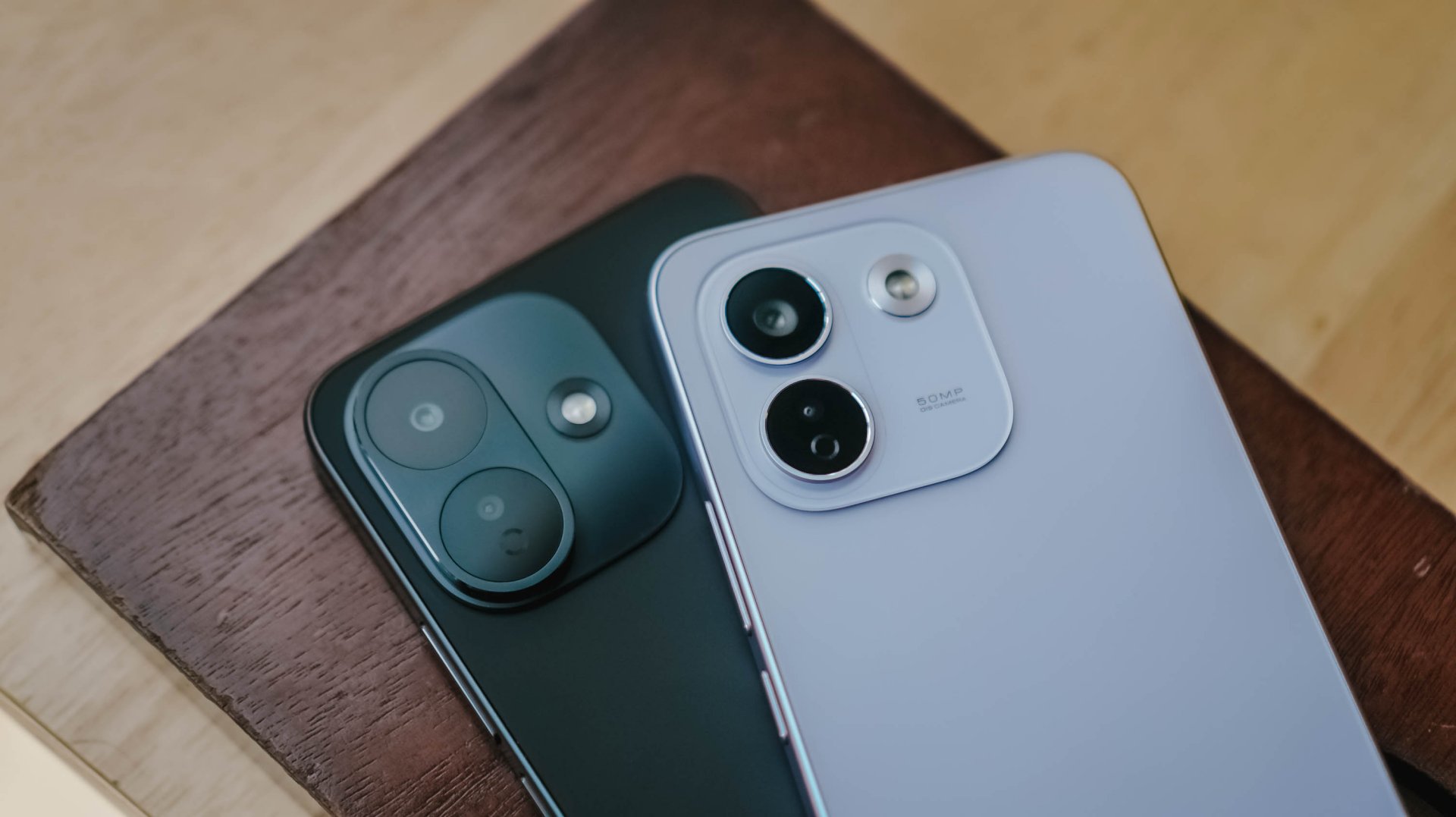
Xiaomi has officially launched the REDMI Note 17 Series in the Philippines, introducing four smartphones led by the new REDMI Note 17 Pro Max 5G. The lineup focuses on durability, battery life, and long-term performance.
Battery beasts
The REDMI Note 17 Pro Max 5G features Xiaomi’s largest-ever smartphone battery at 10,000mAh. It supports 100W HyperCharge and 27W reverse charging. The REDMI Note 17 Pro 5G has an 8,340mAh battery with 67W HyperCharge. Meanwhile, the REDMI Note 17 5G and REDMI Note 17 pack 7,700mAh batteries with 45W charging.
All four models use Xiaomi’s REDMI Titan Battery System with silicon-carbon battery technology. Xiaomi says the batteries can retain at least 80 percent of their original capacity after 1,600 charge cycles. That is equivalent to around six years of typical use.
The lineup also receives up to six years of security updates. The Pro Max gets a six-year like-new software experience.
Durability is another major focus. The REDMI Note 17 Pro Max 5G and REDMI Note 17 Pro 5G are the first smartphones to receive TÜV SÜD 5-star Titan Durability Certification. The certification covers drop resistance, water resistance, and battery performance.
Both Pro models feature IP66, IP68, IP69, and IP69K ratings. They also passed a 2-meter, 72-hour water-resistance test and support Underwater Mode. The phones have been tested for drops of up to three meters onto granite surfaces. Corning Gorilla Glass Victus 2 provides additional protection.
Refreshed design
The series also gets a refreshed design. Xiaomi redesigned the camera module and gave the phones flat displays, rounded corners, and dual-finish back panels.
The REDMI Note 17 Pro Max 5G comes in Cloud Blush, Purple, and Black. The Cloud Blush variant features a photochromic back that changes from white to a pink-orange tone under UV light.
For displays, the Pro models have 6.83-inch panels with 1.5K resolution and up to 3,500 nits peak brightness. They also support a 3200Hz instantaneous touch sampling rate.
The REDMI Note 17 5G and REDMI Note 17 have larger 6.99-inch displays.
The REDMI Note 17 Pro Max 5G runs on the Snapdragon 6 Gen 5 Mobile Platform. It supports up to 24GB of RAM through Memory Extension.
The Pro Max and Pro 5G also get additional AI features. The entire series supports Google Gemini and Circle to Search with Google.
For photography, the Pro Max offers enhanced portrait processing, dual-video recording, and 4K 30fps video.
Both Pro models also get Professional Video mode, Live Moment, AI Glare Removal, AI Erase Pro, and AI Beautify.
Price and availability
The REDMI Note 17 Pro Max 5G starts at PHP 28,999 for the 8GB+256GB configuration. The 12GB+256GB Shopee-exclusive variant costs PHP 30,999. The 16GB+512GB model costs PHP 32,999.
The REDMI Note 17 Pro 5G starts at PHP 20,999 for 6GB+128GB. The REDMI Note 17 5G starts at PHP 15,999, while the standard REDMI Note 17 starts at PHP 13,999.
These prices are part of an early-bird promotion running from September 15 to October 1, 2026. Buyers can also receive a REDMI Watch 6 Active or REDMI Buds 8 Lite as a freebie.
Xiaomi is also offering trials for Google One, YouTube Premium, and Spotify Premium, subject to eligibility.
The REDMI Note 17 Series officially launches in the Philippines on September 15 through participating Xiaomi channels. These include Lazada, Shopee, and the Official Xiaomi Store.
Entertainment
PH to celebrate 1st ever National Cinema Day; movies start at less than $2
Watch a movie on September 12 for a fraction of the cost

The Philippines will be celebrating its first ever National Cinema Day on September 12. On this day, movie tickets will go for as low as PhP 100 (US$ 1.60) at regular 2D cinemas.
The campaign aims to make moviegoing more accessible to audiences. This includes families, friends, students, and cinephiles in general.
Such initiative has been a staple in other countries, like the United States, United Kingdom, Spain, Germany, Australia, New Zealand, and more. The same concept applies, with movie tickets going on sale for a lot less.
What’s great about the celebration is that all movies scheduled for exhibition on September 12, whether local or international, shall get the special admission price.
Advanced tickets sales have already begun. Customers can purchase through participating box offices, official websites, mobile apps, and authorized platforms.
Tickets will be sold on a first-come, first-served basis and remain subject to theater capacity. Prices vary for other viewing formats like Director’s Club or IMAX, for instance.
The campaign is organized by the Cinema Exhibitors Association of the Philippines (CEAP), along with industry and government partners.
The initiative is supported by the Film Academy of the Philippines (FAP), Film Development Council of the Philippines (FDCP), Movie and Television Review and Classification Board (MTRCB), and the Metro Manila Film Festival through the MMDA.
Participating cinemas include Ayala Malls Cinemas, SM Cinemas, Robinsons Movieworld, CityMall Cinema, Megaworld Cinemas, and more.


DJI Lito X1 review: Is this the best lightweight drone for creators?
Making a strong case as a travel companion and a capable B-cam!


REDMI Note 17 Pro Max review: A new breed born from AI greed
Welcome to the new normal


Marvel’s Wolverine review: When the claws come out
A brutal, cinematic superhero adventure

Nike’s Alphafly 4 is built for the part of the marathon ~that actually hurts~

SEGA, Netflix announce Crazy Taxi film adaptation

Smart launches LiveSmart App for exclusive deals
DJI Lito X1 review: Is this the best lightweight drone for creators?

Now Playing: Resident Evil

TECNO MEGAPAD 2 review: Eyes on the size

realme 16T 5G with 8000mAh battery, IP69 Pro rating launches in PH

HUAWEI Pura X View is 2026’s first WIDE slab-type smartphone

REDMI reveals the refreshed Note 17 and Note 17 Pro series

REDMI Note 17 Series: Price, availability in Singapore


-
 News2 weeks ago
HUAWEI Pura X View is 2026’s first WIDE slab-type smartphone
-

 News2 weeks ago
The CAMON Slim 5G is TECNO’s latest ultra-slim smartphone
-

 News1 week ago
iPhone 18 Pro series: Price, availability in the Philippines
-

 Automotive2 weeks ago
Ford’s new Everest lineup brings V6 engine to the top, tech down the line
-

 Singapore1 week ago
iPhone 18 Pro series: Price, availability in Singapore
-

 News1 week ago
iPhone Duo: Price, availability in the Philippines
-

 Philippines2 weeks ago
Smart cuts 5G Home WiFi price
-

 IFA 20262 weeks ago
XGIMI announces AURA 3 Series 4K 120Hz UST projectors