
News
Only iPhone 14 Pro series will have A16 chip, report says
Others will have A15 chip


This year, Apple is potentially asking users to make a difficult decision. Current rumors are hinting that the company is increasing the differentiation between the four different iPhone models coming later this year. Besides size differences, the lineup will also rely on specs. Now, Apple fans can add the chipset in their list of things to consider. According to a new report, the upcoming A16 chipset will be an exclusive to the iPhone 14 Pro duo.
Reported by famed analyst Ming-Chi Kuo, Apple will lock its next chipset behind the two premium versions of the upcoming iPhone 14 series. As always, the lineup will have four variants. According to Kuo, the four will be called iPhone 14, 14 Max, 14 Pro, and 14 Pro Max.
Though the jury is still out on what the four will call themselves, they will still fall under two camps with two variants each: a regular duo and a premium duo. While the former represents the starting entries, the latter are bigger and are traditionally positioned for power-heavy content creators. With an upgraded chipset, the Pro versions will have more leverage to attract that specific market. Meanwhile, the two regular versions will still have the A15 chipset.
If Kuo’s report is true, this is the first time in a while that Apple is attaching different chipsets in a single iPhone generation. The last time was all the way back in the iPhone 5 series.
SEE ALSO: Apple iPhone 14 Rumor Roundup: Goodbye notch, hello punch-hole Face ID

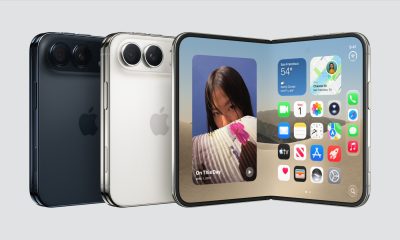
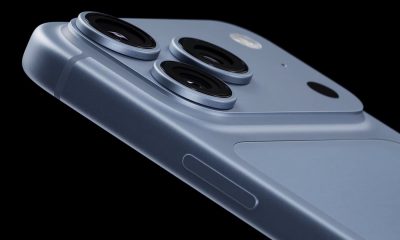


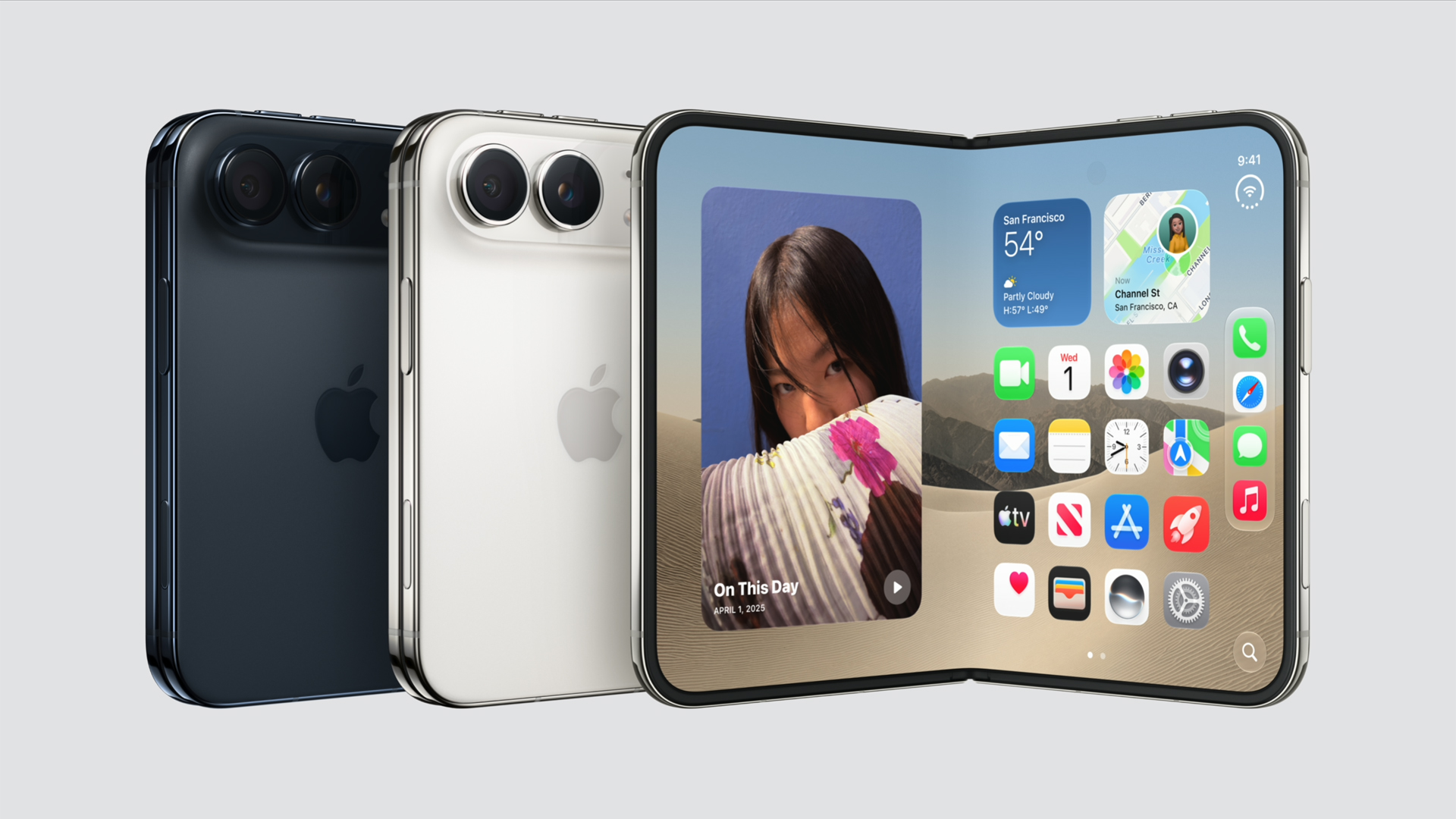
Apple has officially entered the foldable smartphone market with the iPhone Duo, its first foldable iPhone. It uses a passport-style design that opens into a larger display while retaining a more conventional smartphone experience when folded.
Price and availability
The iPhone Duo starts at PhP 159,990 in the Philippines for the 256GB model as listed on the Apple website.
Here’s the full local pricing:
- 256GB — PhP 159,990
- 512GB — PhP 175,990
- 1TB — PhP 207,990
- 2TB — PhP 254,990
The iPhone Duo comes in Star White and Night Sky.
Actual availability in the Philippines has yet to be officially announced.
A foldable design with two displays
The iPhone Duo has a 5.4-inch outer display when folded and expands to a 7.6-inch main display when opened. Both orientations use the same aspect ratio, allowing iOS to transition between them seamlessly.
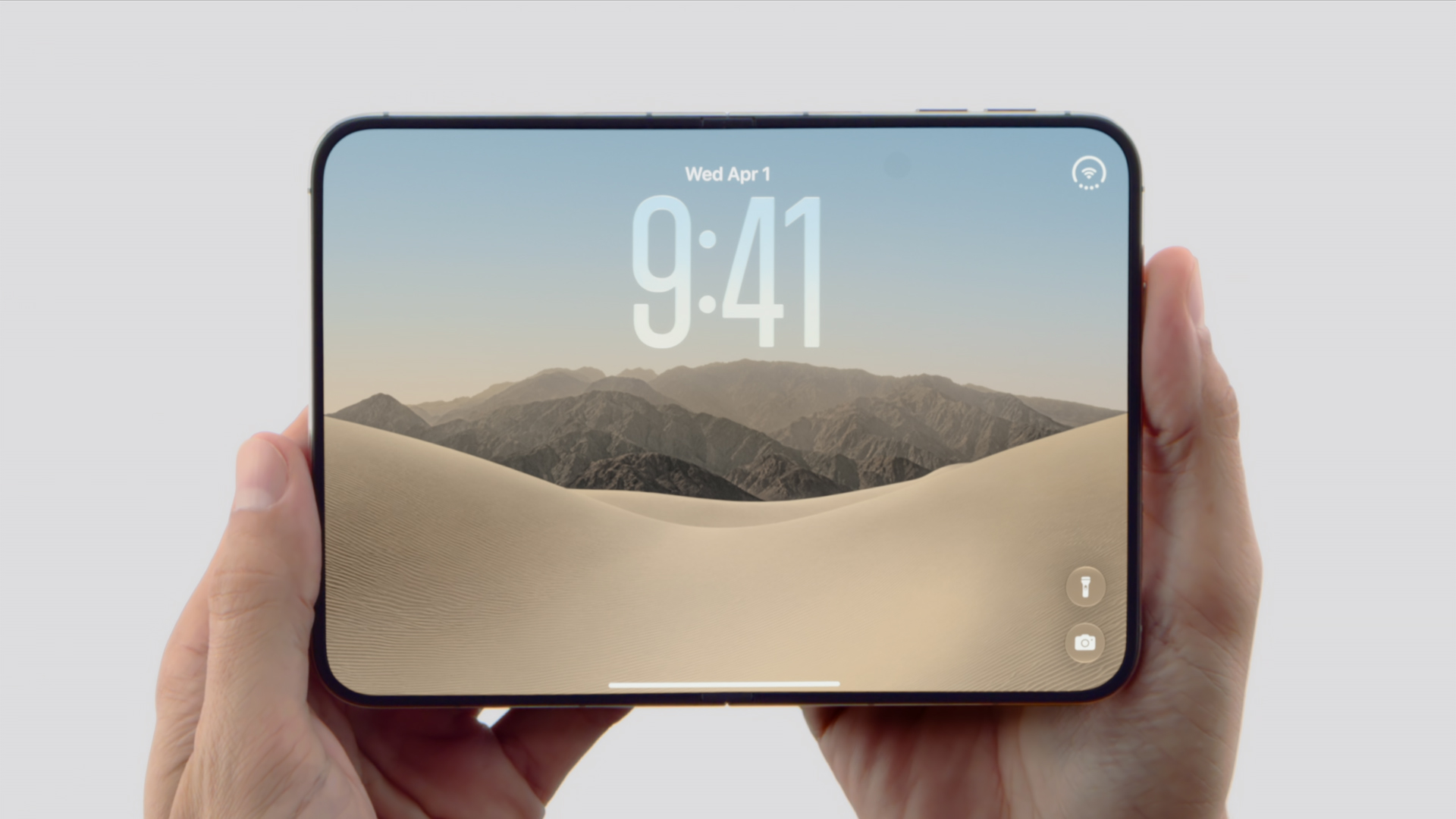
The rear chassis uses Ceramic Shield, while the front display gets Ceramic Shield 2. The device is also IP68-rated for dust and water resistance.
Its hinge uses carbon fiber supports and magnets that produce an audible click when the phone is folded.
A20 Pro brings flagship performance
The iPhone Duo is powered by the A20 Pro, the same chip found in the iPhone 18 Pro series. Apple says the chip delivers 35 percent better sustained performance than the iPhone 17 Pro.
It also comes with the new C2 cellular modem, which provides up to 50 percent faster uploads. Like other foldables, the Duo can be used in different configurations, including tent mode and a partially folded book-like position.
48-megapixel camera system
The iPhone Duo gets a 48-megapixel Fusion Main camera alongside a 12-megapixel 2x telephoto camera.
For selfies and video calls, it has a 12-megapixel Center Stage camera. The inner display also uses an under-screen camera for a cleaner look.
Battery life goes beyond a day
The iPhone Duo offers up to 31 hours of video playback using the inner display and up to 44 hours using the outer display.
Charging is also quick. Apple says a 20-minute charge can replenish half the battery, while a five-minute charge can provide up to five hours of video playback.
For the complete specifications and first-look details, check out our main iPhone Duo launch coverage.
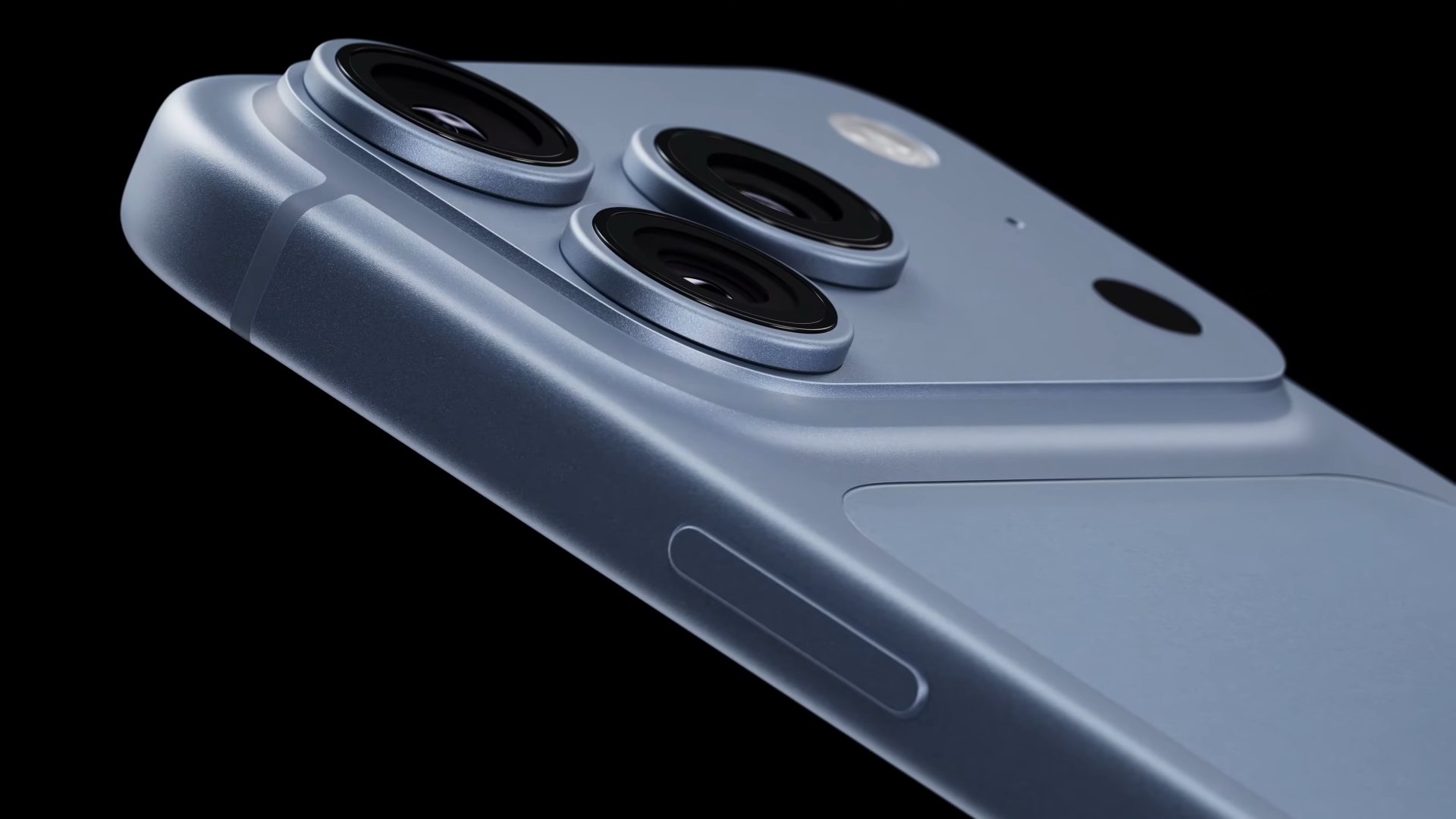
Apple’s latest Pro iPhones are now listed on the Philippine Apple website, with local pricing starting at PhP 94,990. The iPhone 18 Pro and iPhone 18 Pro Max bring a new A20 Pro chip, a variable-aperture main camera, longer battery life, and a redesigned Dynamic Island. (Apple)
iPhone 18 Pro and Pro Max price in the Philippines
The iPhone 18 Pro starts at PhP 94,990 for 256GB. The iPhone 18 Pro Max starts at PhP 99,990.
| Storage | iPhone 18 Pro | iPhone 18 Pro Max |
|---|---|---|
| 256GB | PhP 94,990 | PhP 99,990 |
| 512GB | PhP 110,990 | PhP 115,990 |
| 1TB | PhP 142,990 | PhP 147,990 |
| 2TB | PhP 189,990 | PhP 194,990 |
Both models come in black, silver, glacier, and burgundy. Apple offers both Pro models with up to 2TB of storage.
A variable-aperture 48-megapixel camera
The iPhone 18 Pro series gets a new 48-megapixel Fusion Main camera with variable aperture. It can open as wide as ƒ/1.48 for low-light photography, while narrowing to ƒ/4 can keep more of a group in focus.
Apple also adds Pro controls that let users manually adjust aperture, shutter speed, white balance, and exposure through a histogram.
A20 Pro brings more performance
Both models run on Apple’s A20 Pro, built on a 2nm process. It has a six-core CPU, seven-core GPU, and a Dual 16-core Neural Engine.
Apple says the GPU is up to 40 percent faster than A19 Pro, while memory bandwidth increases by 50 percent. A redesigned vapor chamber also has three times the surface area of the previous generation, enabling up to 40 percent higher sustained performance.
A smaller Dynamic Island
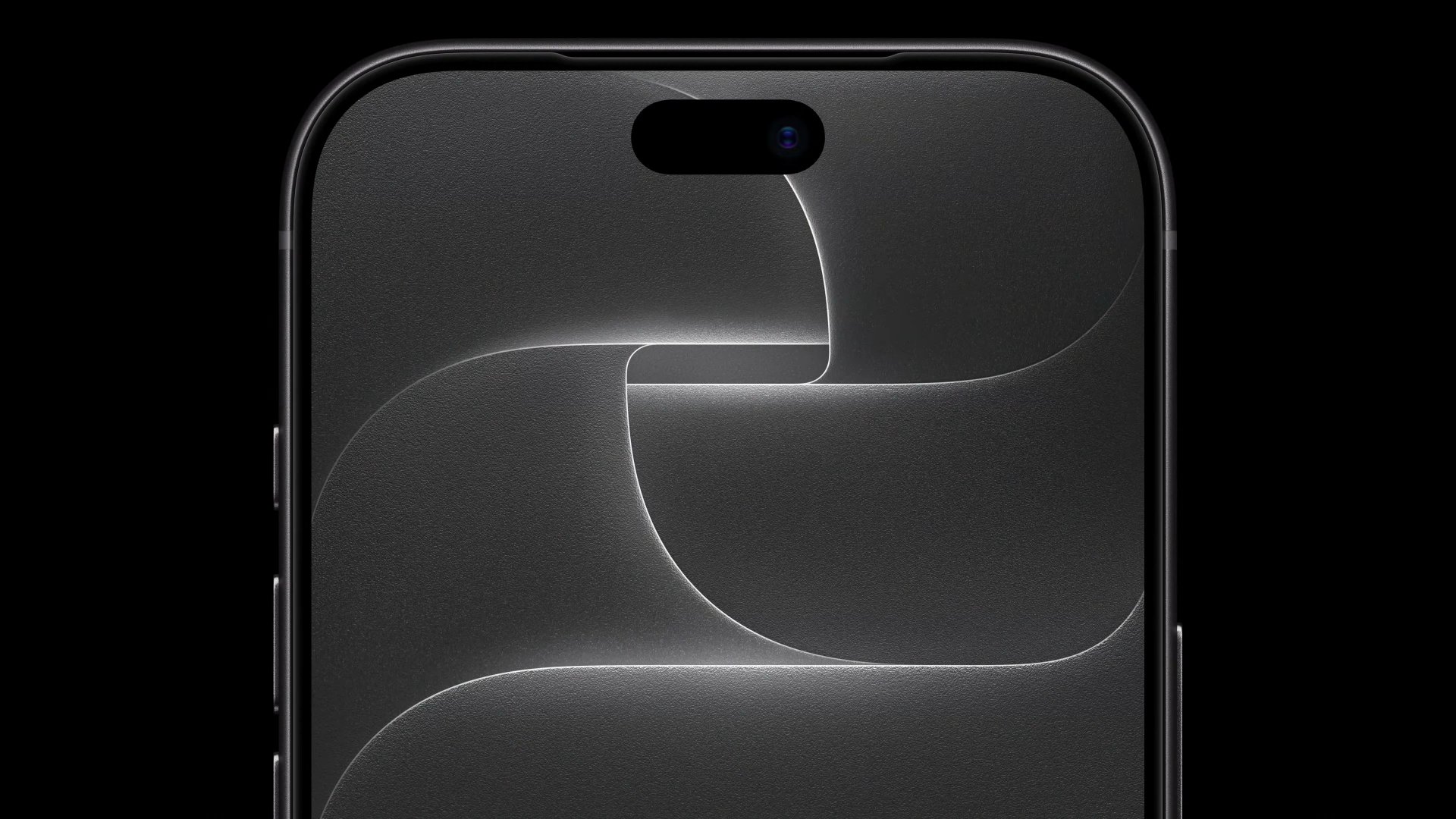
Apple redesigned the Dynamic Island to make more room for information. It can now display up to three Live Activities at once while retaining Face ID for authentication and unlocking.
Battery life gets a major boost
The iPhone 18 Pro delivers up to 36 hours of video playback, while the iPhone 18 Pro Max reaches up to 45 hours on eSIM-only models.
The Pro can reach 50 percent charge in around 15 minutes, while the Pro Max can get around seven hours of video playback from five minutes of wired charging.
Philippine availability
Apple has confirmed September 18 availability for more than 65 countries and regions, including Singapore. It also says the iPhone 18 Pro and Pro Max will reach another 20 countries and regions starting September 25. However, Apple has not yet specified the Philippines in its published launch-day country list, so a Philippine release date has not been officially confirmed.
The Philippine Apple website does list the iPhone 18 Pro as a new model with local pricing, however.
News
iPhone Duo: Price, availability in Singapore
Apple’s first foldable iPhone arrives in Singapore.

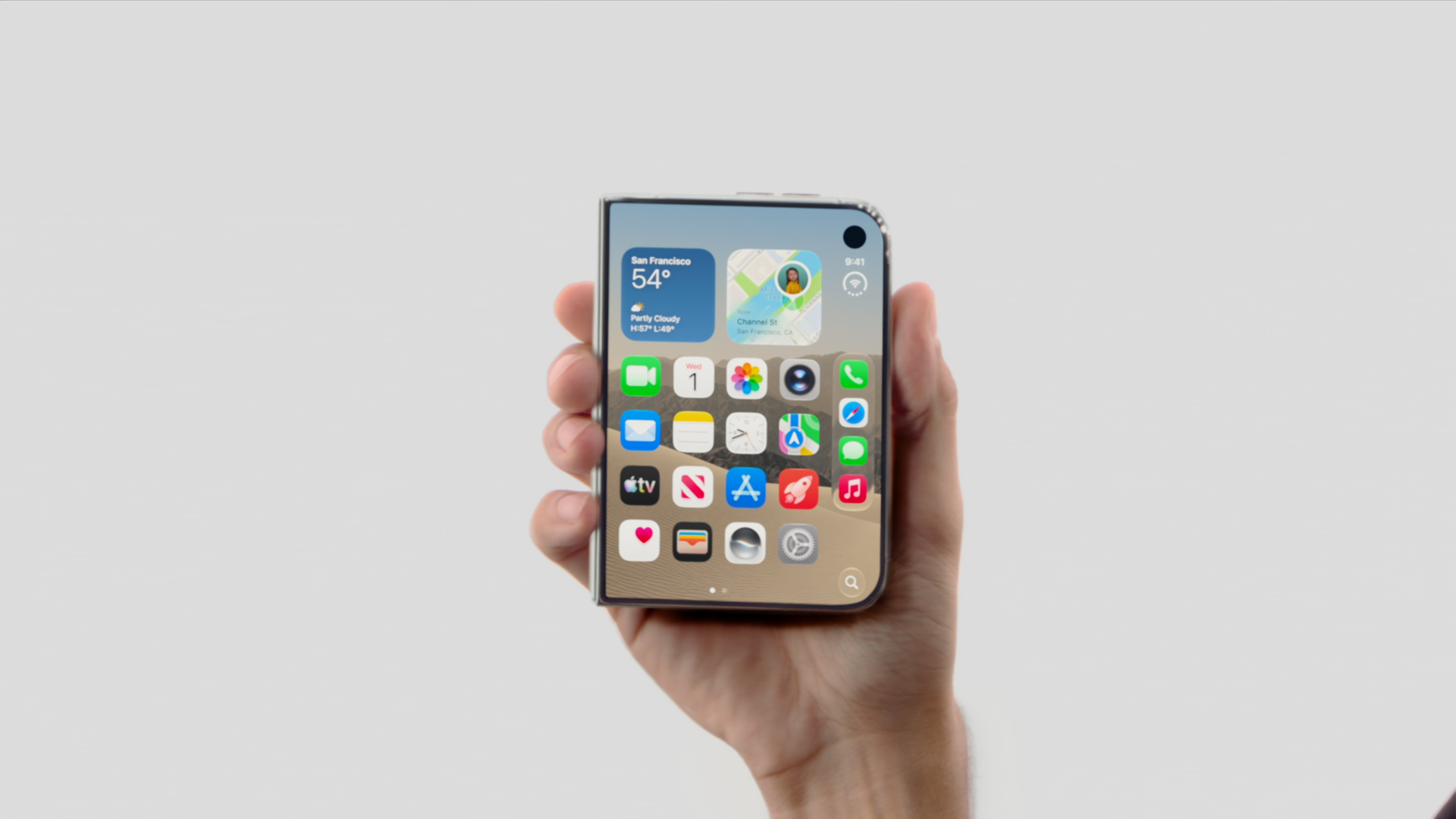
Apple has officially entered the foldable smartphone market with the iPhone Duo, its first-ever foldable iPhone. It uses a passport-style design that opens into a larger display while retaining a conventional smartphone experience when closed.
Price and availability
The iPhone Duo starts at SGD 3,099 in Singapore for the 256GB model.
Here’s the full Singapore pricing:
- 256GB — SGD 3,099
- 512GB — SGD 3,399
- 1TB — SGD 3,999
- 2TB — SGD 4,899
The iPhone Duo comes in Star White and Night Sky. Apple will make it available starting October 23.
A foldable design built around two displays
The iPhone Duo has a 5.4-inch outer display when folded and a 7.6-inch main display when opened. Both displays share the same aspect ratio, allowing iOS to transition smoothly between the two orientations.
The rear chassis uses Ceramic Shield, while the front display gets Ceramic Shield 2. The phone is also IP68-rated for dust and water resistance.
Its hinge uses carbon fiber supports and magnets. Apple also designed the camera plateau with a curved edge that flows into the rear chassis.
A20 Pro powers the foldable experience
The iPhone Duo runs on the A20 Pro, the same chip found in the iPhone 18 Pro series. Apple says it delivers 35 percent better sustained performance than the iPhone 17 Pro.
It also comes with the new C2 cellular modem, which provides up to 50 percent faster uploads. The foldable can be used in different configurations, including tent mode and partially folded like a book.
A 48-megapixel camera system
The iPhone Duo gets a 48-megapixel Fusion Main camera alongside a 12-megapixel 2x telephoto camera. A 12-megapixel Center Stage camera handles selfies and video calls.
Apple also places the front camera under the display for a cleaner inner-screen experience.
Battery life that lasts beyond a day
The iPhone Duo offers up to 31 hours of video playback using its inner display and up to 44 hours when using the outer screen.
Charging is also fast. Apple says a 20-minute charge can replenish half the battery, while a five-minute charge can provide up to five hours of video playback.

Setting your bedsheets ablaze with the Lovense Solace Pro
The closest proxy I could find where I'm guilty as sin


Now Playing: Elden Ring Tarnished Edition
Is the Switch 2 port worth the price?


NBA 2K27 review: A two-way All-Star
Better ball game, same 2K?

The keyword for the Apple Watch Series 12 is heartrate variability

iPhone Duo: Price, availability in the Philippines

iPhone 18 Pro series: Price, availability in the Philippines

AirPods 5 boasts better ANC and sound quality for the same price

iPhone Duo: Price, availability in Singapore

TECNO MEGAPAD 2 review: Eyes on the size

realme 16T 5G with 8000mAh battery, IP69 Pro rating launches in PH

HUAWEI Pura X View is 2026’s first WIDE slab-type smartphone

REDMI Note 17 Series focuses on long-term reliability

realme 16T to come with 8,000mAh battery, 7-year battery health guarantee


-
 News2 weeks ago
realme 16T 5G with 8000mAh battery, IP69 Pro rating launches in PH
-
 News3 days ago
HUAWEI Pura X View is 2026’s first WIDE slab-type smartphone
-
 News2 weeks ago
REDMI reveals the refreshed Note 17 and Note 17 Pro series
-
 Singapore2 weeks ago
REDMI Note 17 Series: Price, availability in Singapore
-
 Reviews2 weeks ago
REDMI Note 17 Pro review: What a rollercoaster ride!
-

 Features2 weeks ago
The designated photographer’s new favorite phone: OPPO Reno16 Series 5G
-
 Cameras1 week ago
DJI Osmo 360 II review: Going all-in on the ecosystem
-

 IFA 20266 days ago
TECNO MEGABOOK T15 360 unveiled at IFA 2026