
Smartphones
iPhone 15 Pro touts the new A17 Pro chip with USB-C
Plus a better camera


We all saw the new iPhone 15 series. While the regular series offers an iPhone 14 Pro-sized upgrade, the iPhone 15 Pro series offers much, much more.

Titanium design
Apple touts that the iPhone 15 Pro series has the most advanced design for an iPhone ever. The smartphone will use Grade 5 titanium for better durability. Despite the stronger design, it will be lighter for easier grip.
As was revealed in leaks before, the iPhone 15 Pro series will replace the Ring silent switch with a customizable Action button. Users can easily customize which functionality the button will open.
Much like the regular series, the iPhone 15 Pro series will come in 6.1- and 6.7-inch flavors for the Pro and the Pro Max, respectively. The screens will feature Super Retina XDR, ProMotion, and Standby mode.

A17 Pro
For performance, the series will tout the new A17 Pro chip. The new 3nm chipset offers 10 percent faster performance “than any smartphone.” It sports two high-performance cores, four efficiency cores, and sixteen neural engine cores. With the new USB-C cable, the chip will have a USB controller, boosting transfer speeds 20 times faster.
The chipset will boast a new Pro-class GPU. It features Apple-designed shader architecture. It will also have better ray tracing. It will work with the neural engine to maximize performance while minimizing power usage.

Better zoom, better quality
Like the regular series, the iPhone 15 Pro will have a 48-megapixel camera. With the improved Photonic engine, the camera promises better low-light photos with better HDR. It will also have a 12-megapixel telephoto with a larger 5x optical zoom. Finally, it will have a 12-megapixel ultrawide camera.
With all of these cameras, the series touts better zooming from macro distances to 120mm. Despite the improved zoom, it still boasts better image quality.
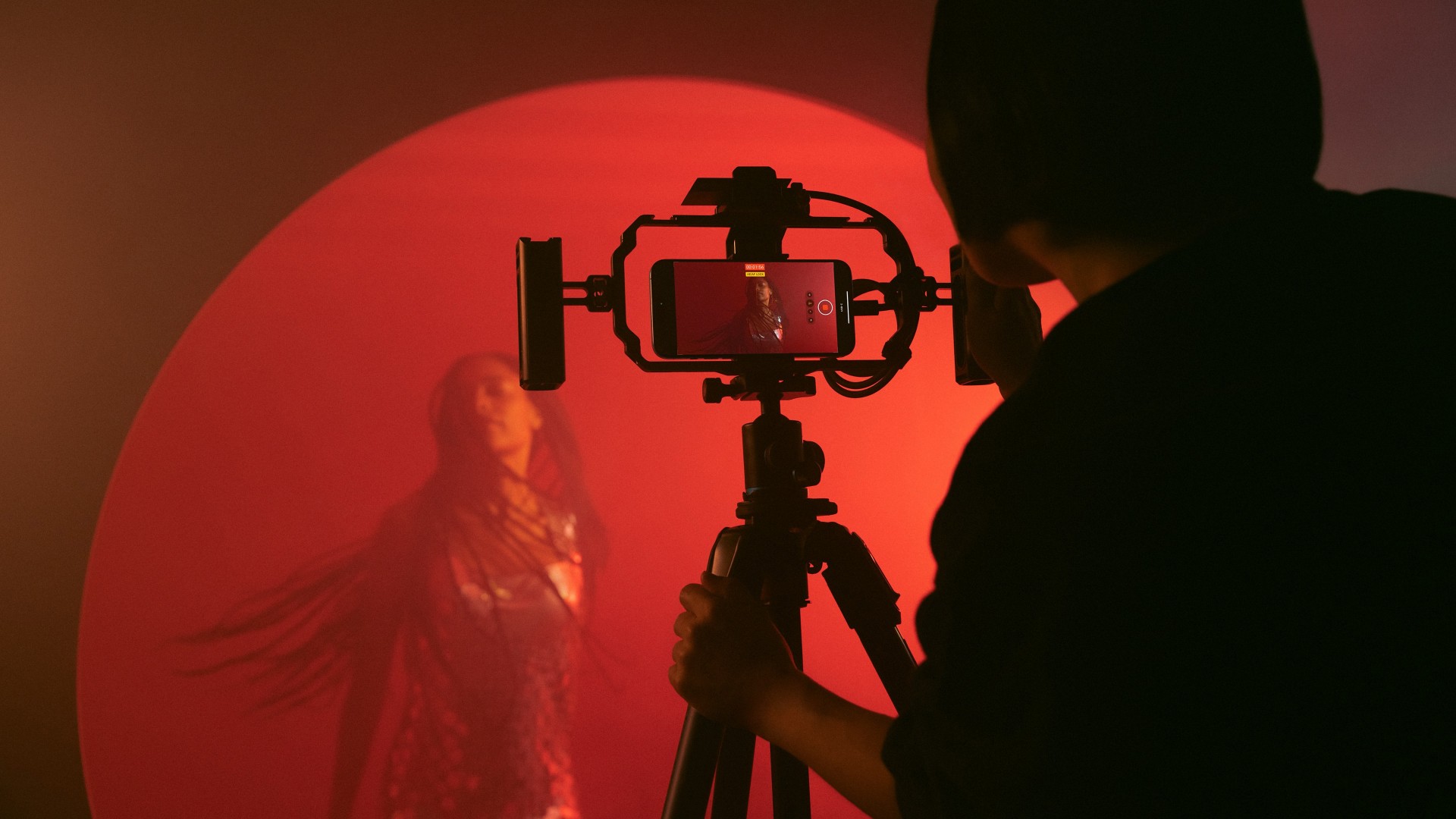
Also, paving the way for better integration with the upcoming Apple Vision Pro, the series will allow users to capture Spatial video, a format designed especially for the wearable.
Price and availability
The iPhone 15 Pro series will come in four different titanium colors. Preorders will start on Friday, September 15. Availability will begin on September 22. The iPhone 15 Pro will start at US$ 999. Meanwhile, the iPhone 15 Pro Max will start at US$ 1,199.






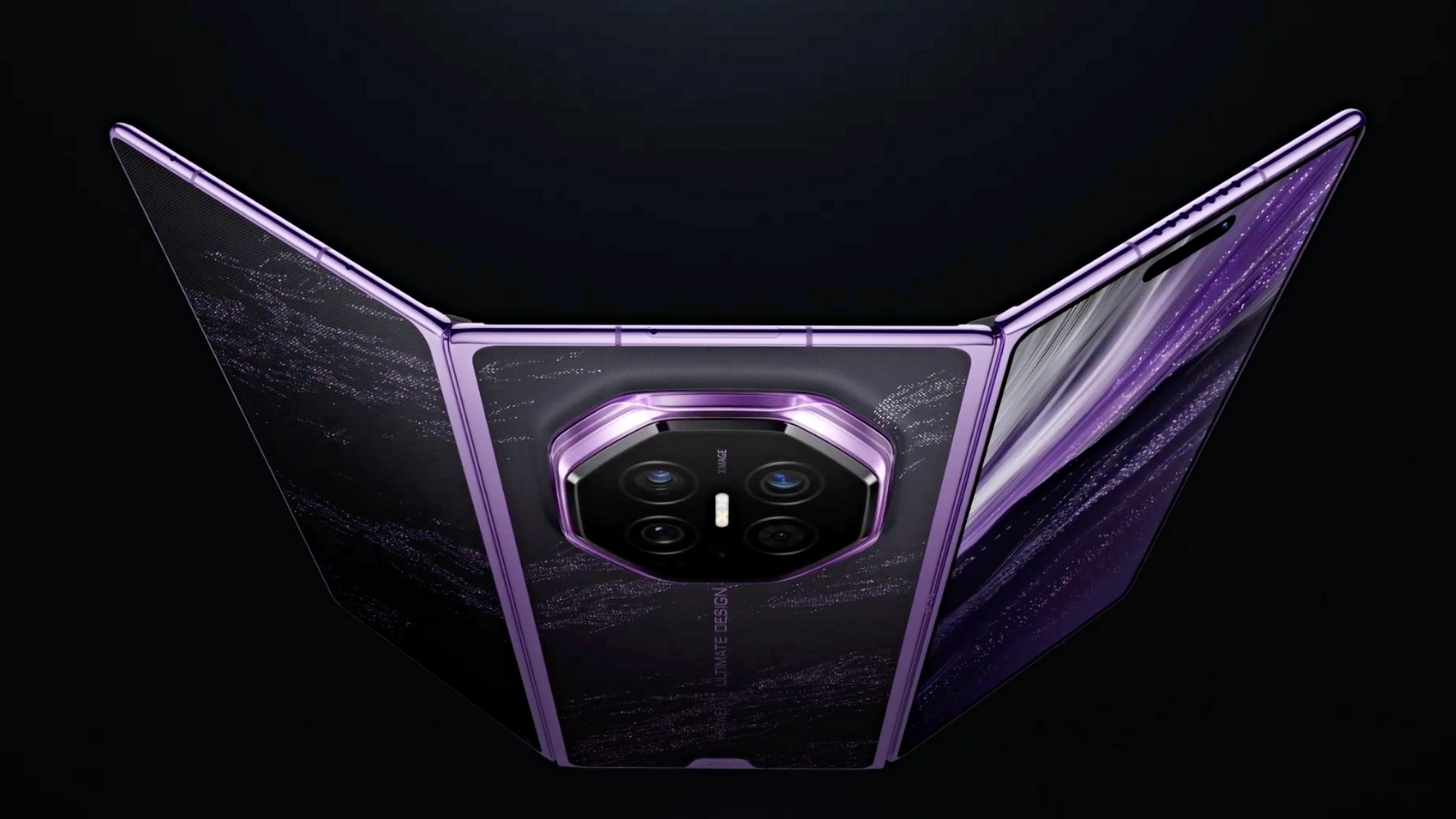
Huawei has officially unveiled the HUAWEI Mate XT 2 | ULTIMATE DESIGN, its latest tri-fold smartphone. The new device is the first smartphone to feature the LogicFolding Tau (τ) Chip and marks the technology’s entry into mass commercialization.
The Mate XT 2 introduces a wing-like tri-fold design that opens from both sides. It also brings the Kirin 9050 Pro chipset, Xuanwu Ultra-Durable Tri-Fold Architecture, Smart Shield Privacy Screen, True-to-Color Camera 3.0, and HarmonyOS 7.
A wing-like tri-fold design
The HUAWEI Mate XT 2 | ULTIMATE DESIGN uses a wing-like form that folds from both sides for what Huawei describes as a more intuitive unfolding experience.
The design draws from Chinese aesthetics. Its back panel features a cloud pattern created using Brocade Cloud craftsmanship. The phone comes in Purple, White, and Black.
Its camera ring continues Huawei’s Star Diamond Glow design. It uses Yttrium Crystal fired at 1,800°C and undergoes eight polishing steps to create 33 star diamond facets.
Huawei also redesigned the phone’s durability system. The Xuanwu Ultra-Durable Tri-Fold Architecture reworks the hinges and display structure to provide protection across multiple layers.
The Mate XT 2 is the first tri-fold phone to support IP58 and IP59 dust and water resistance. Its cover display uses Xuanwu Kunlun Glass with scratch and impact resistance, along with anti-glare technology.
The main display uses a multi-layer composite structure with a large UTG glass layer, aerospace-grade ultra-thin high-strength steel, and a carbon fiber support layer.
The Advanced Precision Hinge System 2.0 uses a five-curved-arm structure and synchronized linkage mechanism to distribute force more evenly.
Kirin 9050 Pro powers the tri-fold
The Mate XT 2 is the first smartphone to use Huawei’s Kirin 9050 Pro chip. Huawei claims overall device performance improves by 42 percent over the previous generation through closer integration between its hardware, software, chipset, and cloud technologies.
The LinxiCore CPU works with the HUAWEI Ark Engine to improve large-file loading and multitasking. The Maleoon GPU doubles its computing units and cache, while gaming supports up to 50 MRPS hardware-level real-time ray tracing.
The HUAWEI Da Vinci Architecture NPU also boosts on-device AI performance. Huawei says the phone natively supports its Pangu 30B-A2B MoE large language model, enabling features such as on-device AI album management through Celia.
Huawei has also spread the Mate XT 2’s heat sources across its three frames. Large vapor chambers and thermally conductive graphene help move heat across the device.
The phone uses 32 distributed antennas and multiple communication systems for 5A connectivity. It also supports Tiantong satellite communication and Beidou satellite messaging.
For security, the Mate XT 2 combines a Mobile Security Processor with an independent security chip. Huawei says the system supports post-quantum cryptography algorithm detection and has passed EAL5+ CCRC security certification.
Privacy comes to the foldable display
The Mate XT 2 introduces Huawei’s Smart Shield Privacy Screen, which the company calls the industry’s first foldable privacy screen with hardware-level protection.
The system uses an independent dual-pixel design to maintain the same screen resolution before and after Privacy mode is activated. It can also detect situations such as entering airports or train stations and provide privacy reminders.
Users can activate the mode by double-tapping the cover screen or using the Smart controls button.
The phone also includes ECG analysis software and has received an NMPA Class II Medical Device Registration Certificate. Users can perform an ECG measurement by holding the unfolded display with both hands, after which Celia can interpret and analyze the results.
True-to-Color Camera 3.0
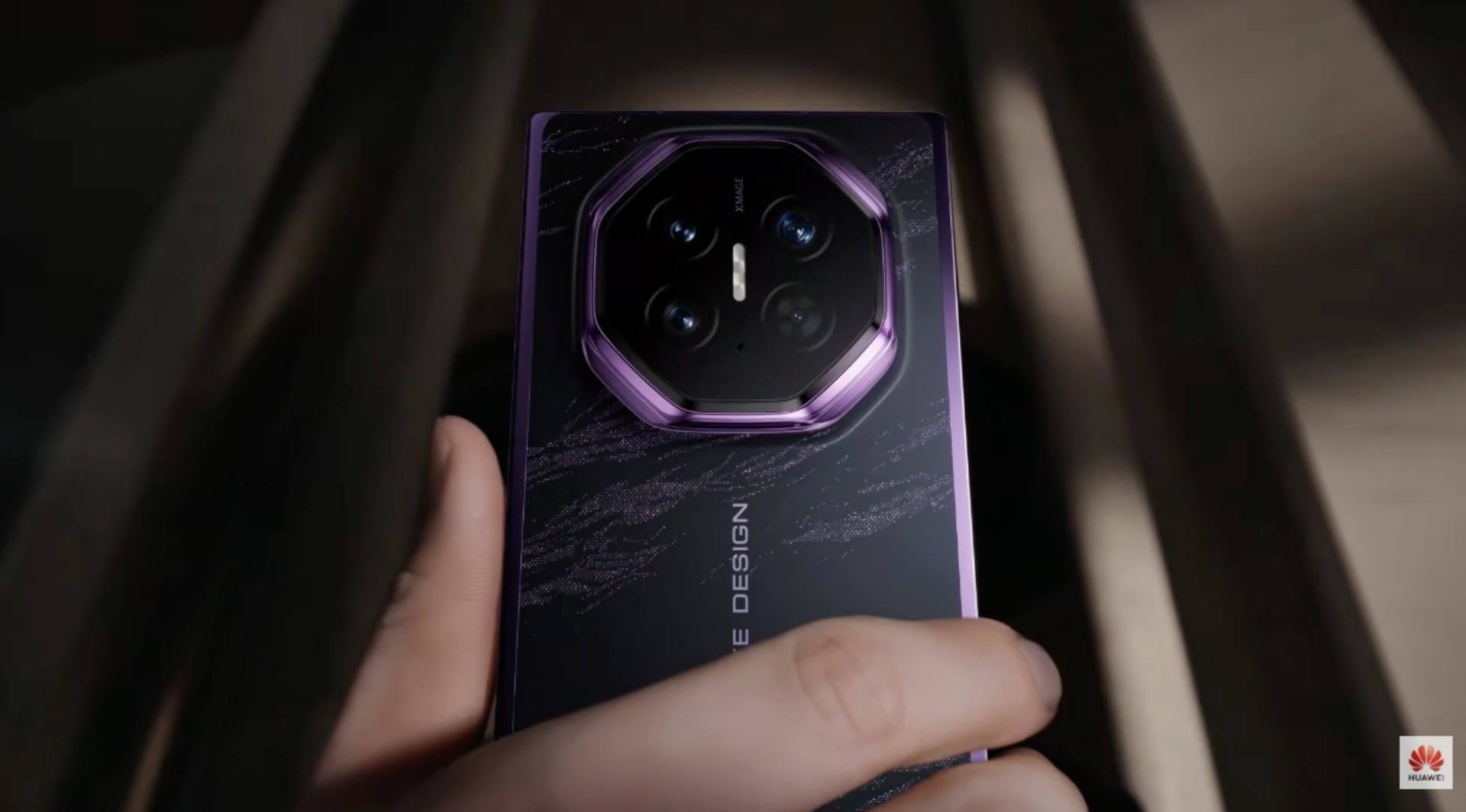
Huawei has also upgraded the Mate XT 2’s camera system with True-to-Color Camera 3.0.
The system is designed to filter infrared light interference and improve color reproduction by 95 percent compared with the previous generation, according to Huawei.
The camera setup includes an ultra-HDR main camera, an ultra-wide-aperture periscope telephoto camera, and an ultra-wide-angle camera. Huawei says the system is designed to deliver more accurate colors, realistic portraits, and clearer night shots.
Video recording supports an ultra-high dynamic range of 18 EV.
XMAGE SmartCapture can recognize people, scenery, and food, while AIGC-powered real-time previews provide composition and lighting recommendations.
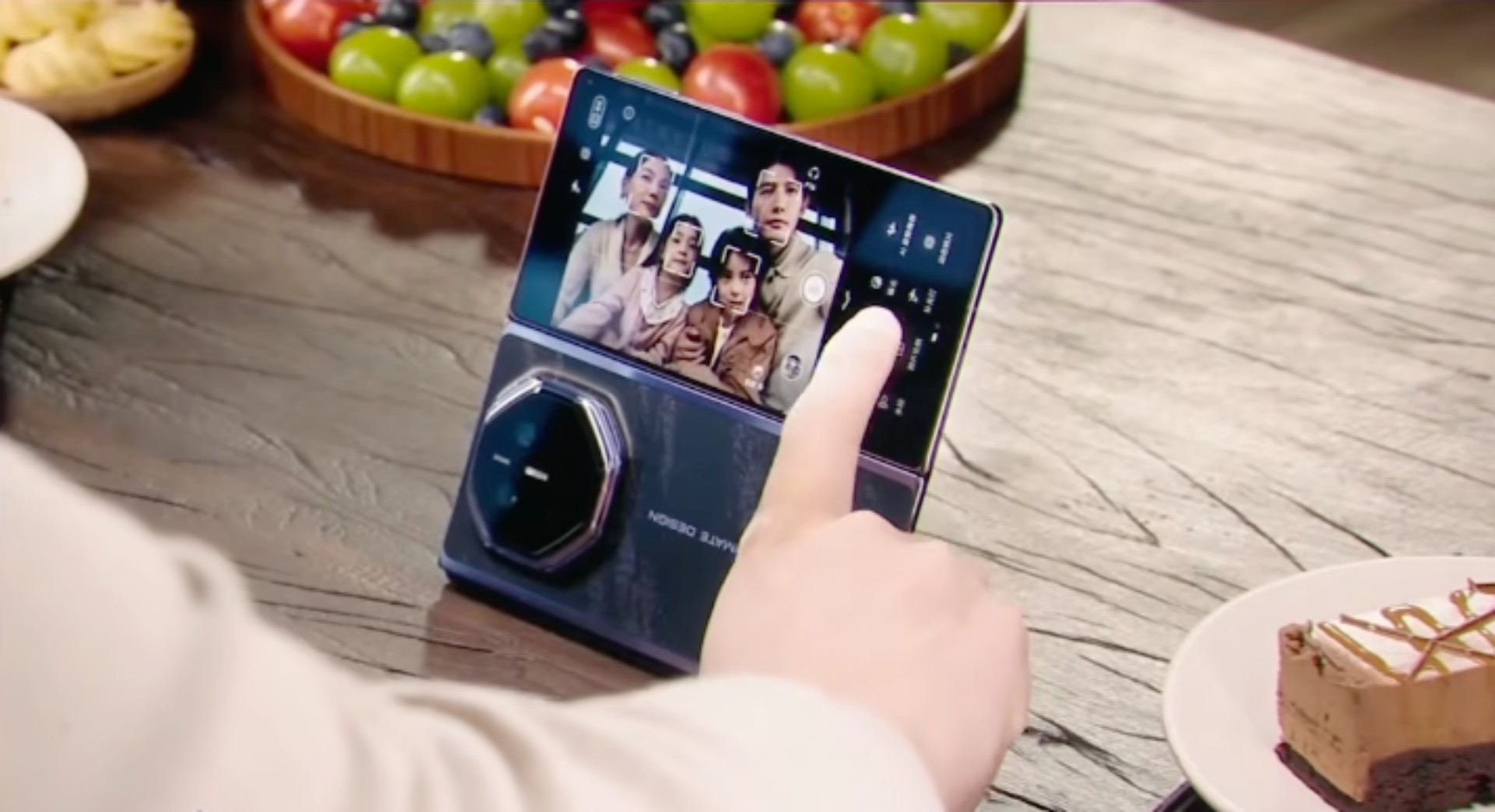
The tri-fold design also enables a Desk-calendar mode for taking selfies and group photos.
HarmonyOS 7 for the large screen
The HUAWEI Mate XT 2 runs on HarmonyOS 7, which adds new large-screen features to take advantage of its tri-fold display.
Its Live-Multitask feature supports three windows displayed in parallel. Users can adjust the size of each window and control their volume independently.
Huawei says the experience has been optimized for scenarios including financial management, social entertainment, office work, shopping comparisons, and travel planning. The company has also adapted the device for major apps as it continues expanding its tri-fold ecosystem.
The HUAWEI Mate XT 2 | ULTIMATE DESIGN starts at RMB 19,999. It will also be available with a stylus set, with sales beginning at 10:08AM on September 12.
News
HUAWEI Pura X View is 2026’s first WIDE slab-type smartphone
2026’s first non-foldable WIDE smartphone makes its surprising debut

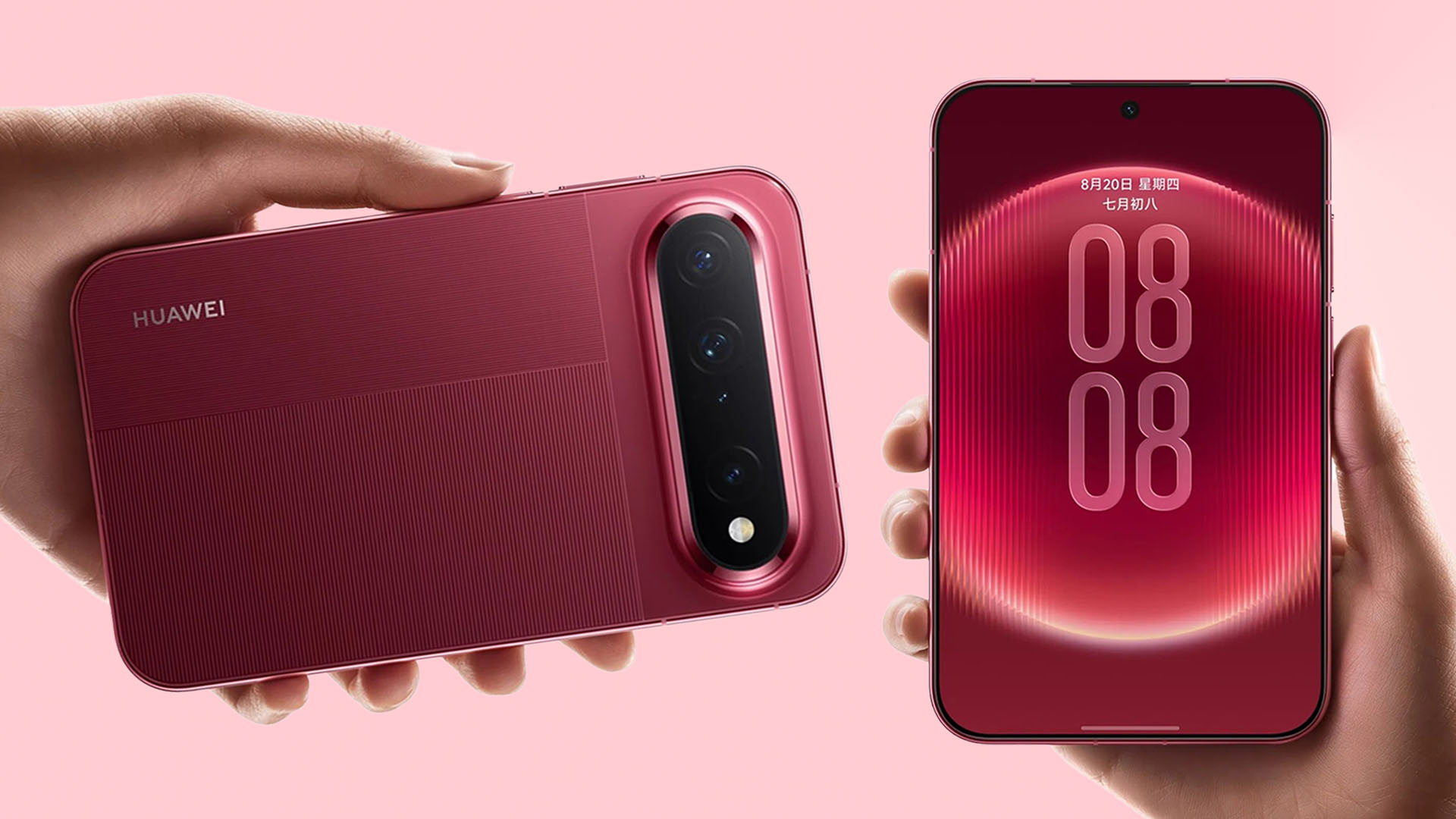
It seems like the WIDE smartphone craze is getting out of hand.
Surprise, surprise! Out of nowhere, HUAWEI reveals the Pura X View — 2026’s first WIDE smartphone that does not fold at all.
Tied to WIDE
With the massive success of HUAWEI’s Pura X Max as well as the newly-released Samsung Galaxy Z Fold8, it’s hard to ignore the sudden trend behind WIDE smartphones. Let alone, Apple’s much-awaited iPhone foldable (dubbed the “iPhone Ultra”) will be announced in less than a month.
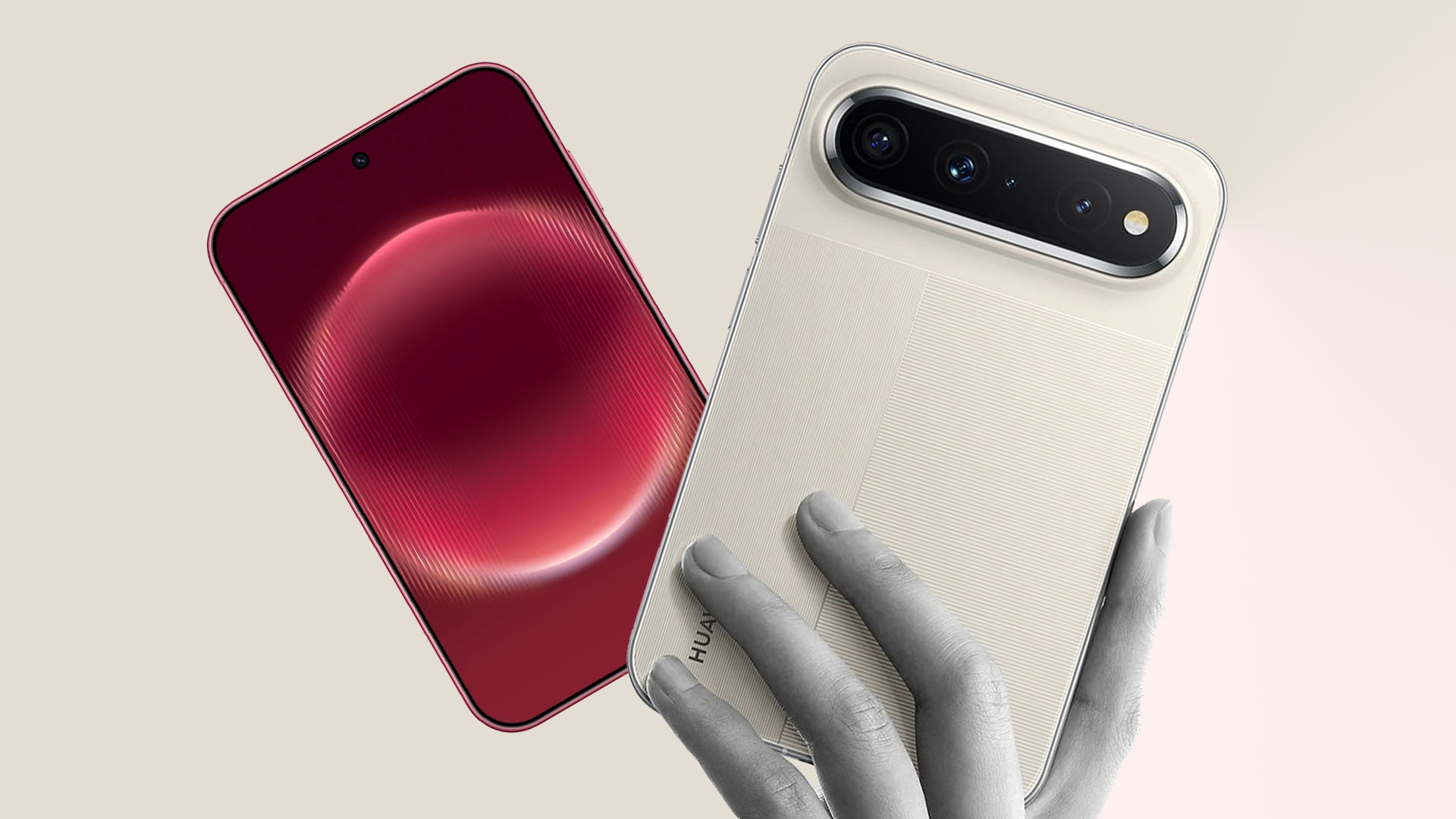
Graphics by Vincenz Lee | GadgetMatch
Opposed to the usual tall and narrow form factor, the Pura X View comes in a wider body with a 16:9.5 aspect ratio. Display bezels are extremely narrow too at just 1.09mm and StB (Screen-to-Body) ratio reaches a whopping 96.1%.
This wider than usual body means better ergonomics with better content consumption — from images, books, documents, all the way to movies and shows, as well as games.
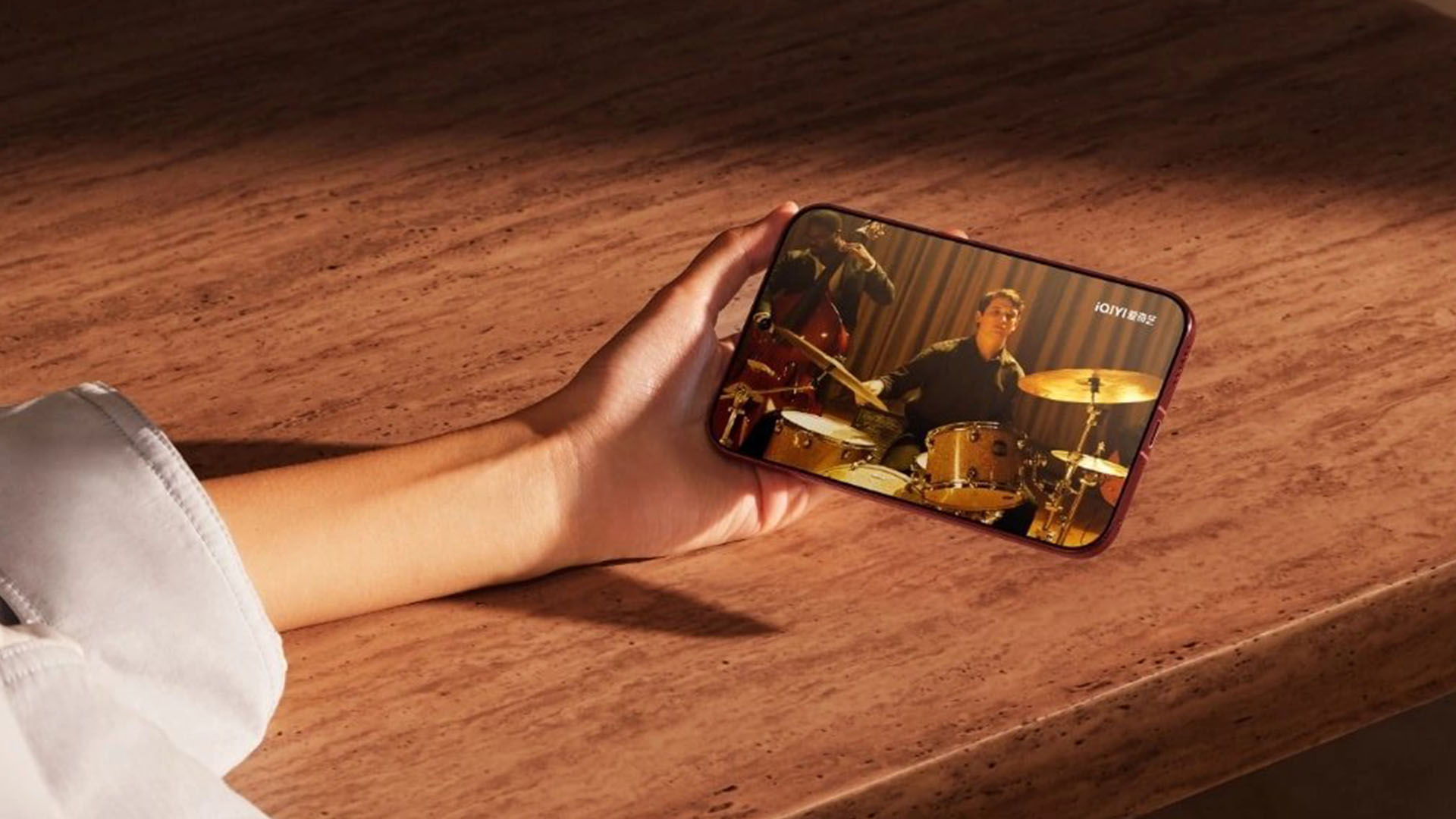
While it has a smaller 6.39-inch display, the Chinese electronics giant says it has greater content area compared to 6.9-inch flagship smartphones.
Other display feats include a 2160Hz PWM Dimming, resolution of 2232 × 1320, and max brightness of up to 6500 nits.
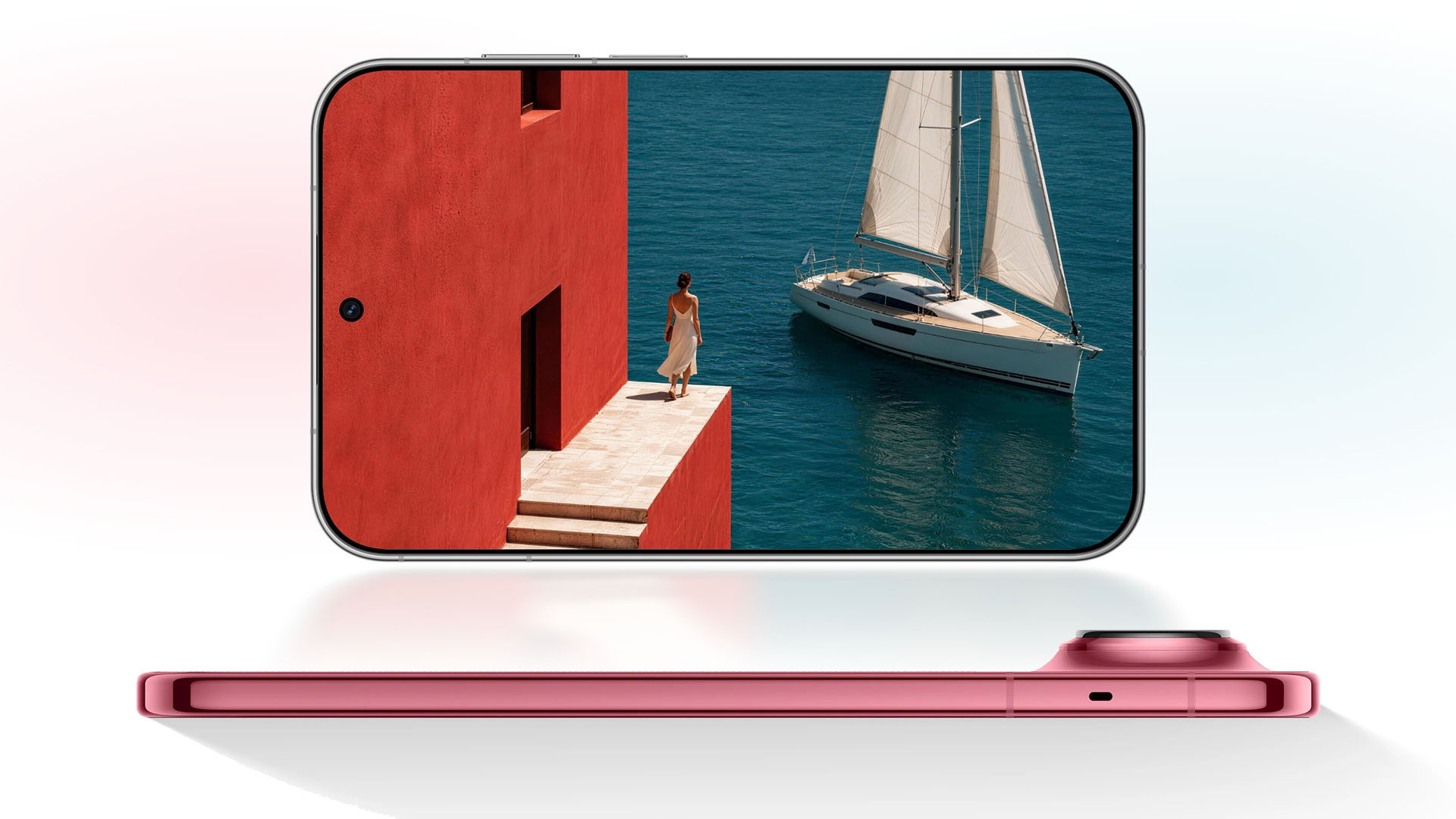
Graphics by Vincenz Lee | GadgetMatch
Despite all these, HUAWEI still managed to put a monstrous 7000mAh battery capacity inside its super slender 6.68mm chassis — which also happens to be lightweight at only 201 grams.
The much-needed updates
After 17 long days, HUAWEI finally releases the rest of Pura X View’s specs.
First and foremost, it’s powered by HUAWEI’s very own Kirin 9030s 8-core chipset based on a 5nm process.
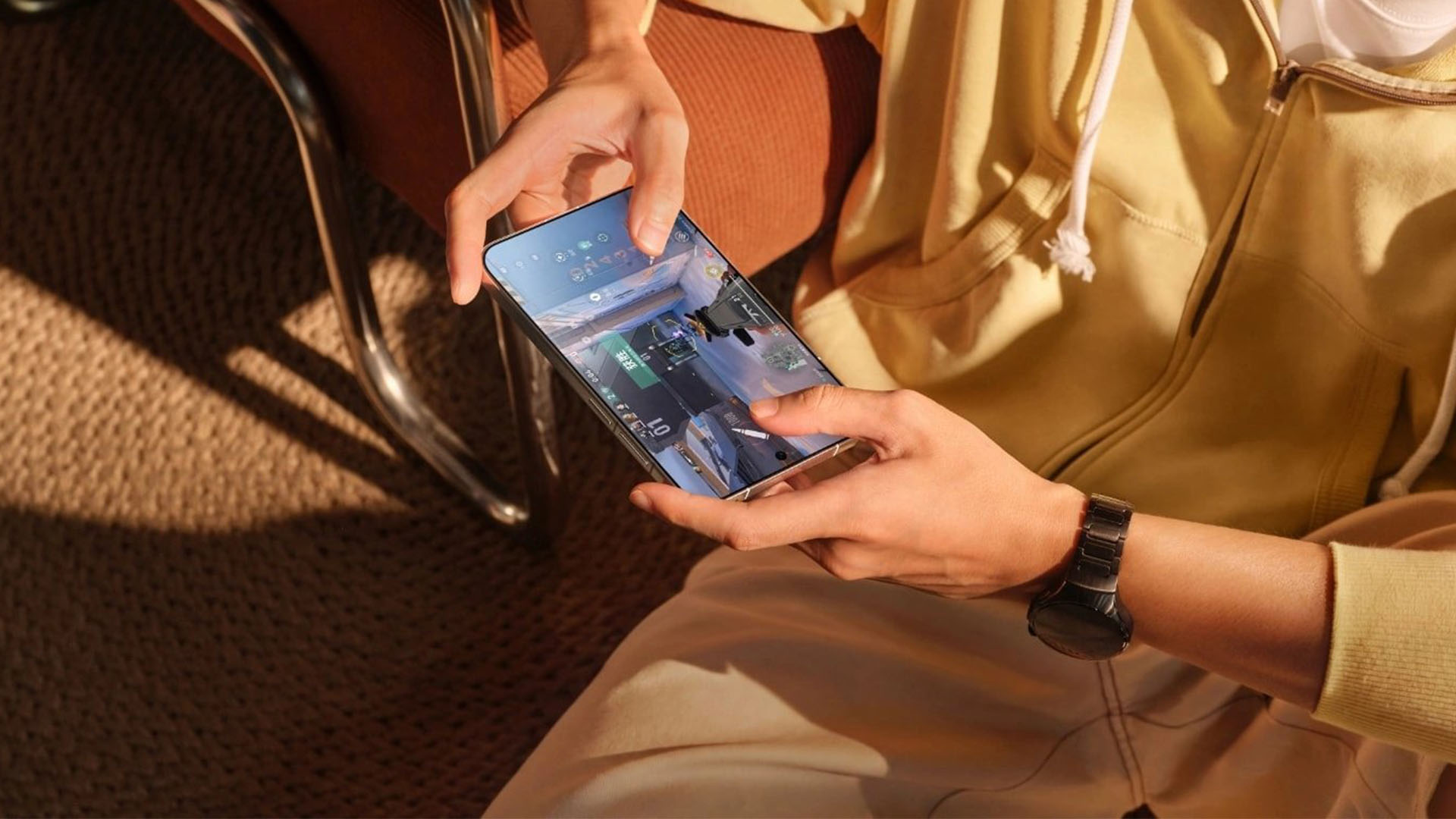
Furthermore, it has a triple-rear camera system powered by XMAGE.
- 200MP f/1.8 1x wide (main)
- 8MP f/2.2 UWA (ultra-wide angle)
- 50MP f/2.6 Telephoto (3.7x optical ~ 100x digital zoom)
There’s even the second-gen Red Maple Multispectral Sensor for better color accuracy.
Up front is where the 50MP f/2.4 selfie shooter sits.
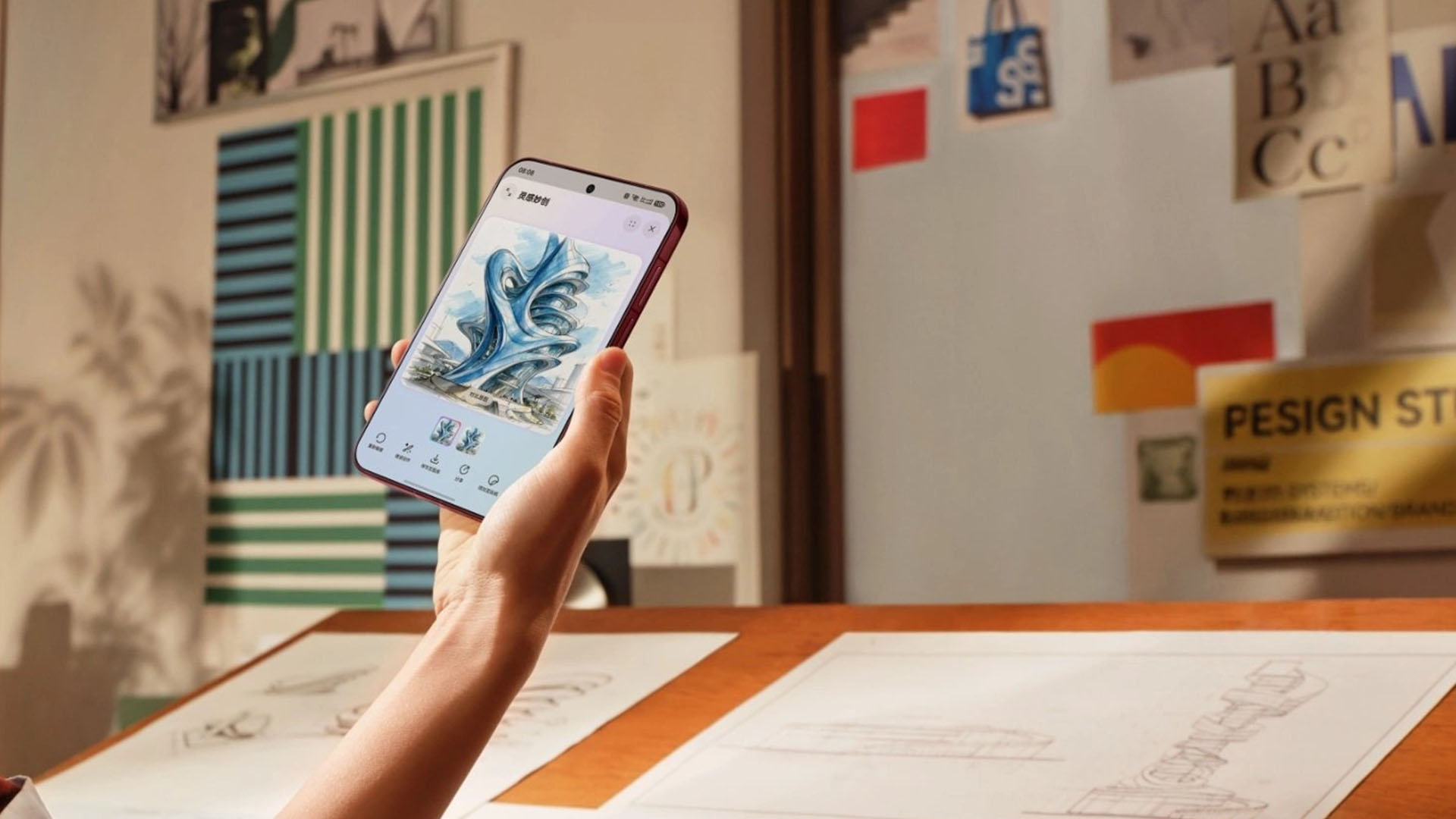
Both cameras are capable of shooting up to 4K or 1080p at 960 / 120fps respectively.
That beastly battery can be filled up with HUAWEI’s 66W SuperCharge speeds plus 50W wireless SuperCharge.
Durability wasn’t forgotten with its dual IP68 and IP69 water and dust resistance ratings.
Pricing and Availability
The HUAWEI Pura X View comes in four colorways: Illusion Dark Night, Zero-degree White, Leap Shadow Red, and Linen Ash.
It’s currently open for pre-orders in China alongside three configurations:
- 12+256GB = CNY 5999 (US$ 845 / EUR 730 / GBP 635 / SG$ 1095 / MYR 3560 / PhP 49,085 / INR 74,715)
- 12+512GB = CNY 6999 (US$ 980 / EUR 835 / GBP 730 / SG$ 1260 / MYR 4130 / PhP 56,440 / INR 87,110)
- 12+1TB = CNY 8499 (US$ 1185 / EUR 1020 / GBP 870 / SG$ 1520 / MYR 4925 / PhP 67,670 / INR 101,930)
Much like any China-exclusive release, there’s no word on international availability.
Hopefully, HUAWEI brings this to global markets this time.
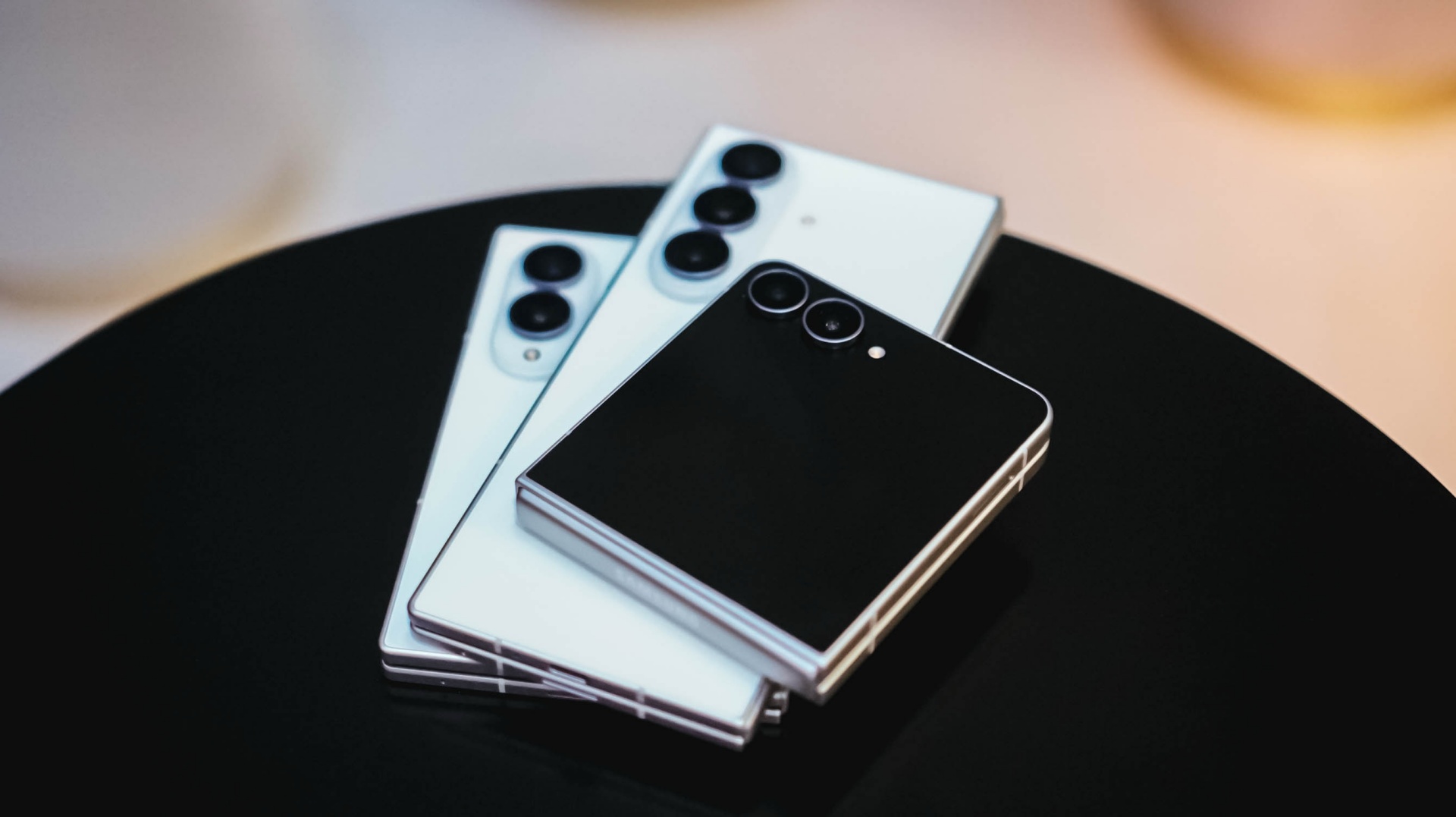
For years, the pitch for a foldable smartphone was remarkably simple: look, it folds.
That was enough when the category was new. Samsung had to prove that a smartphone could have a hinge, bend in half, and still work like a phone.
Eight years later, that is no longer the interesting part.
The question has shifted from can a smartphone fold? to what does folding actually let people do?
For Samsung, the answer increasingly seems to be about making the phone fit the person, rather than asking the person to adapt to the phone.
That shift is reflected in the latest Galaxy Z lineup. The Galaxy Z Fold8, Galaxy Z Fold8 Ultra, and Galaxy Z Flip8 don’t simply offer different specifications or screen sizes. Samsung sees them as different expressions of how people use their phones — whether that means watching, working, creating, communicating, or simply carrying the device around.
Jun Guevara, Head of Corporate Marketing at Samsung Philippines, says this reflects a broader change in how people think about smartphones.
“Before, it’s always about the specs — what the camera is like, how big or heavy it is, what’s the process, etc. But now with AI in the picture and it becomes more personal, contextual and action-oriented, people will expect their devices to adapt more closely to what they are trying to do.”
That makes the foldable form factor particularly interesting.
A foldable can be compact when portability matters, then become larger when more space is useful. It can change how you interact with the same device depending on the task at hand.
In other words, the screen doesn’t have to stay the same just because the phone does.
Eight years of listening
Samsung’s foldable journey began with a much more fundamental problem: convincing people that the concept was viable in the first place.
The company says it has spent more than seven years making thousands of engineering decisions across materials, displays, hinges, software, and overall design. But some of its most important lessons didn’t come from the lab.
They came from people actually using foldables.
Durability, in particular, became a major area of focus. Samsung says real-world usage helped inform improvements to display durability, crease visibility, the opening experience, materials, and overall device thickness and weight.
That accumulated experience has also changed what people expect from a foldable.
Consumers now judge them against the same fundamentals they expect from any flagship: can it hold up, can I carry it comfortably, is it powerful enough, and will it remain useful over time?
For Samsung, that means the foldable experience can’t be reduced to the hinge or the display. It has to work as a whole.
That sounds obvious. But it is also a meaningful shift.
The novelty of folding can get someone to try a device once. Making it a daily driver requires everything around the fold to work naturally.
That may be the biggest lesson from Samsung’s years of listening: people don’t use their phones in exactly the same way. So why should every foldable be designed to serve them the same way?
There isn’t one way to fold
Samsung isn’t trying to establish a single “best” foldable. Instead, its latest Galaxy Z lineup is built around different ways people want to use their phones.
The Galaxy Z Fold8 Ultra is positioned as the most capable option of the three. Samsung describes it as a device for people who need to do more, combining expansive multitasking and pro-level creation with its most advanced foldable design.
The Galaxy Z Fold8 takes a slightly different approach. Samsung sees it as the next evolution of the traditional Fold, balancing flagship performance with greater everyday usability and an immersive viewing experience.
Then there’s the Galaxy Z Flip8, which goes in the opposite direction. It is about portability, quick interactions, personal expression, and bringing AI experiences closer to the moments when you actually need them.
The distinction is important because Samsung isn’t arguing that everyone needs the biggest screen or the most powerful foldable.
Instead, it is arguing that there should be a foldable that makes sense for you. Your foldable match, if you will.
“We do not believe a single foldable form factor can meet the needs of every user,” Guevara says.
That idea runs through Samsung’s broader approach to the category. When evaluating new form factors, the company says it starts with real-world user value — whether a design meaningfully improves portability, productivity, content consumption, multitasking, or AI experiences.
The hardware, in that sense, is becoming a means to an end.
The right screen for the right moment
This is where Samsung’s vision for foldables starts to extend beyond simply having more screen.
Guevara describes a future where the mobile experience becomes less about having one fixed screen and more about having the right screen for the right moment.
Need something pocketable? Keep it compact.
Need more room to work? Open it up.
Want a more immersive viewing experience? Give yourself a larger canvas.
Want a quick interaction? Use the screen that’s already available.
The physical flexibility of a foldable gives AI more ways to respond to those situations, too. Samsung sees larger displays enabling deeper multitasking and content experiences, while cover screens can make interactions more glanceable and immediate.
“The mobile experience will become less about one fixed screen and more about giving users the right screen for the right moment.”
That also explains why Samsung isn’t predicting that foldables will replace traditional smartphones altogether.
Bar-type phones will remain important because they’re familiar, powerful, and portable. The point isn’t necessarily to eliminate one form factor in favor of another.
It’s to give people more choice.
And, perhaps more importantly, to make that choice feel right.
Technology in action
Samsung’s partnership with Spider-Man fits into that idea in an interesting way.
Rather than treating the devices purely as technology products, Samsung describes its cultural collaborations as “Technology in Action.” The goal is to place its products inside stories and narratives where their different capabilities can be demonstrated in context.
In the Spider-Man partnership, that means seeing a Galaxy Z Flip used for portability, a Galaxy Z Fold used for seeing the Spider-tracker map bigger, and a Galaxy Watch notifying Ned Leeds that Spider-Man is in the vicinity.
It’s a very literal demonstration of Samsung’s argument: the form factor matters because of what it lets people do.
A Flip can disappear into a pocket. A Fold can give you more room to work. A Watch can help you stay connected without reaching for your phone.
In that sense, Spider-Man becomes more than a backdrop for the latest Galaxy Z devices. It’s a way for Samsung to show its technology in action, inside a story about connection, community, and self-expression.
Making the foldable fit
There is still a perception that foldables are niche products.
Samsung doesn’t see it that way anymore.
Guevara points to repurchase rates for the previous generation — 32 percent for Fold7 and 37 percent for Flip7 — as evidence that once people adopt foldables, many choose to stay with the category. He also points to Fold7 attracting more former Ultra users, suggesting the category is expanding beyond its traditional early adopters.
Whether foldables eventually become the default smartphone remains to be seen.
Samsung isn’t betting on that, either.
Instead, it is betting on something more flexible: that people will choose devices that match how they actually live.
That’s a different proposition from the one Samsung made when the first Galaxy Fold arrived.
Back then, the company had to prove that a smartphone could fold.
Now it has to prove that a foldable can belong in everyday life.
And after eight years of engineering refinement and listening to how people actually use these devices, Samsung believes the next step isn’t making people adapt to the foldable.
“Our goal is not to make users adapt to foldables. It’s to make foldables fit more naturally into how people work, watch, create and communicate.”
It’s making the foldable match them.
Perhaps that’s where the Galaxy foldable story is heading next.
Not toward a phone that can do everything.
But toward a phone that knows when to become what you need.





adidas’ hybrid training shoe gets a Solar Turbo makeover

How to spot scam emails and messages before they get you

Sony resurrects the WH-1000XM4 with a refreshed model

HUAWEI Mate XT 2 tri-fold launches with Kirin 9050 Pro

HUAWEI Pura X View is 2026’s first WIDE slab-type smartphone

TECNO MEGAPAD 2 review: Eyes on the size

realme 16T 5G with 8000mAh battery, IP69 Pro rating launches in PH

REDMI Note 17 Series focuses on long-term reliability
HUAWEI Pura X View is 2026’s first WIDE slab-type smartphone

realme 16T to come with 8,000mAh battery, 7-year battery health guarantee


-
 News1 week ago
realme 16T 5G with 8000mAh battery, IP69 Pro rating launches in PH
-
 News1 day ago
HUAWEI Pura X View is 2026’s first WIDE slab-type smartphone
-
 News2 weeks ago
REDMI reveals the refreshed Note 17 and Note 17 Pro series
-
 Singapore2 weeks ago
REDMI Note 17 Series: Price, availability in Singapore
-
 Cameras2 weeks ago
Insta360 Luna Ultra review: My new solo coverage camera
-
 Reviews2 weeks ago
REDMI Note 17 Pro review: What a rollercoaster ride!
-

 Features1 week ago
The designated photographer’s new favorite phone: OPPO Reno16 Series 5G
-
 Cameras6 days ago
DJI Osmo 360 II review: Going all-in on the ecosystem