
News
iPhone SE 3, new iPad Air rumored to launch around April
Spring is loaded

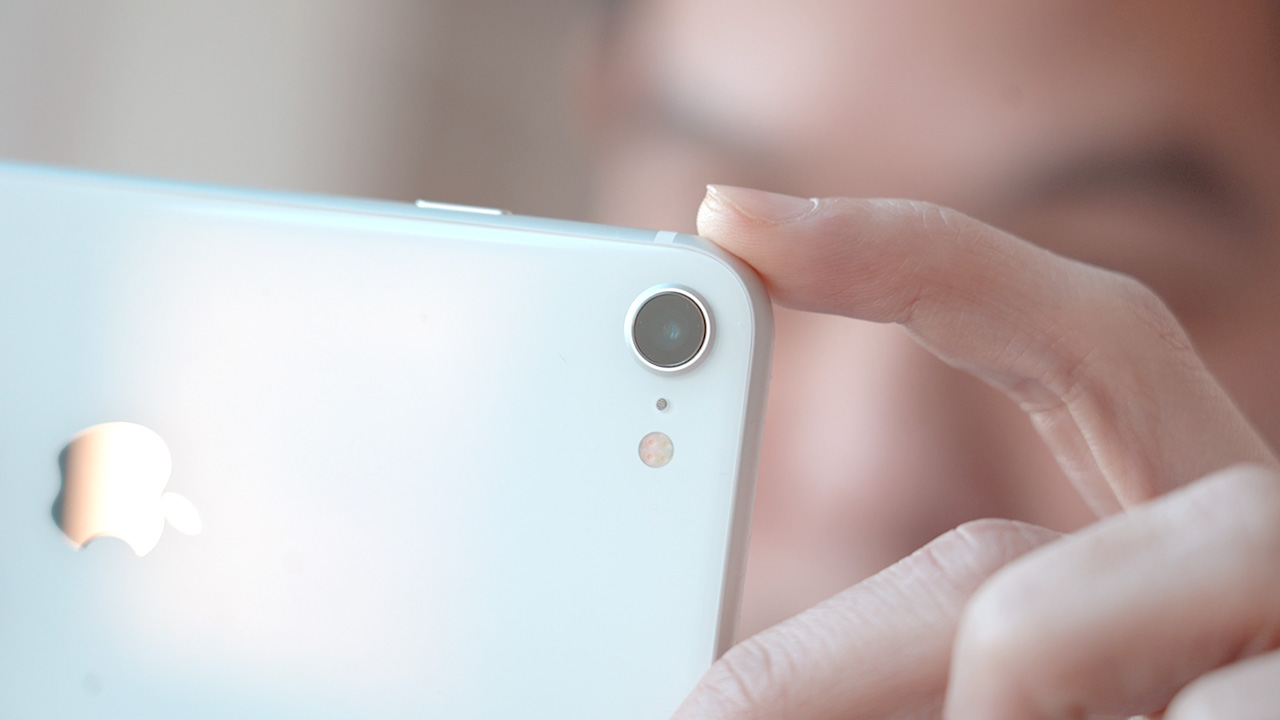
Since the beginning of the pandemic (and arguably before that), Apple has hosted more cinematic launches for its upcoming gallery of products. From a viewer’s standpoint, the company has successfully infused more excitement into their launches, debuting devices in more showy formats than standard show-and-tells. That said, speculation on what the next Apple event will contain is always fun. With the spring event right around the corner, what is Apple planning to launch this time around?
According to Bloomberg’s analyst Mark Gurman, Apple is gearing for the launch of the new iPhone SE 3. The more affordable iPhone series is getting its third entry after the successful sequel back in 2020. Of course, it’s not an incredibly huge surprise at this point. The company was already pegged to launch another model sometime soon.
However, the new iPhone SE won’t be alone. The report also reveals that Apple is launching a new iPad for the event. But it’s not a new iPad Pro this time. Instead, the company is focusing on the iPad Air series. Much like the iPhone SE series, the last iPad Air update was in 2020.
Finally, Gurman says that a new Mac will likely round out the entire launch, further bolstering the M1’s presence for Apple. The launch could either update the Mac mini or the iMac series.
Take note, though. Apple has not confirmed the event yet. Though Apple does space out its events throughout the year, it might take a while before the brand confirms the date and the theme for the spring event.
SEE ALSO: iPhone SE 3 will launch with 5G and A15 chip, report says






Accessories
Apple is working on AirPods with built-in cameras
References to the wearable were spotted inside a new macOS beta.
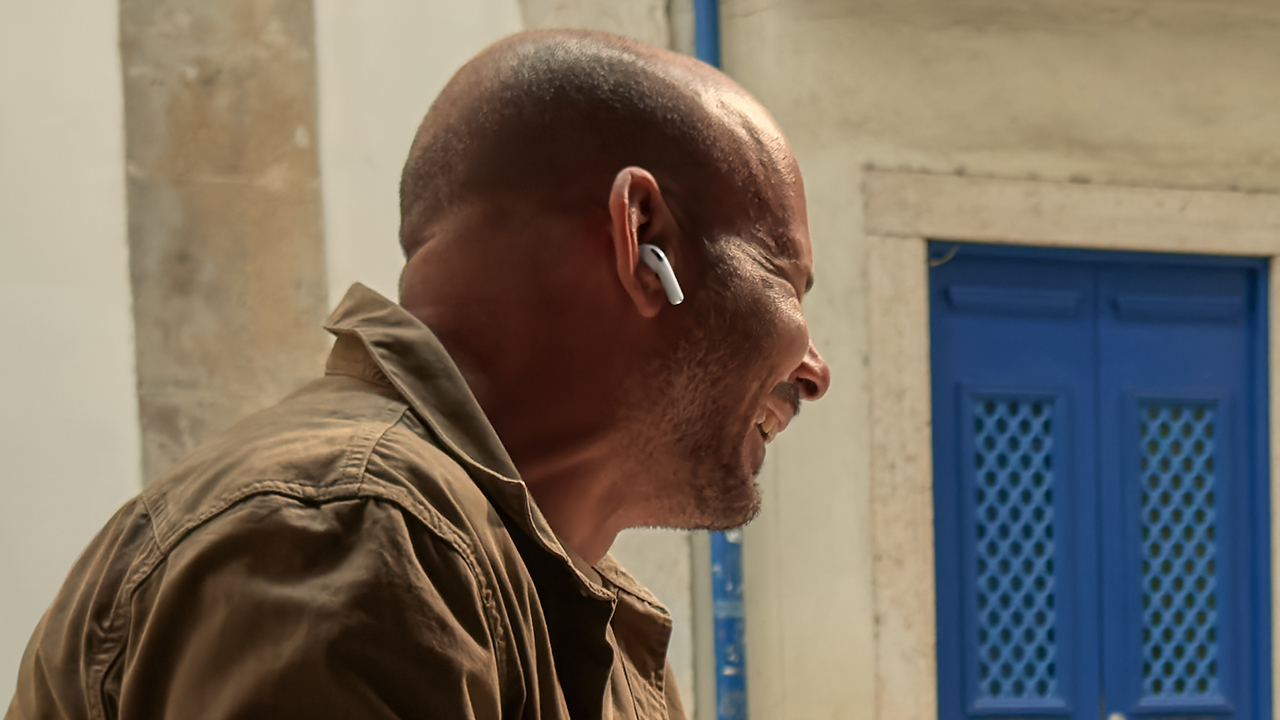
The launch of operating system betas is a cause of celebration for those digging into what’s next for a brand. No other company does that better than Apple. Today, Apple released a new release candidate for macOS Tahoe 26.7. As expected, the release has a treasure trove of references to unreleased devices, including a new type of AirPods with built-in cameras.
Let’s get the obvious out of the way first. The references include a slew of unreleased iPads, Macs, and HomePods. Since these devices are already expected to come out, they’re hardly worth nothing. This includes the iPhone 18 series. If anything, the references confirm the iPhone Ultra, the rumored entry into the foldable market, but that’s it.
Now, the more interesting inclusion is a pair of AirPods with cameras. Despite the controversies surrounding cameras on smart glasses, Apple is reportedly building audio-based wearables with cameras themselves.
In a short demo video (also obtained from the macOS beta via MacRumors), the AirPods can apparently “save” things that it sees, including a book you might want to search for later. In that way, the built-in camera acts more like a voice assistant, rather than a recording device.
Though the references don’t confirm a launch date, it’s likely that the camera-based AirPods will come out sometime soon. After all, why would a blatant reference be inside a publicly available beta?
SEE ALSO: The iPhone 18 might sell out for an unexpected reason
News
Samsung might be working on an even wider foldable
The success of the Galaxy Z Fold8 is pushing Samsung to its next steps.
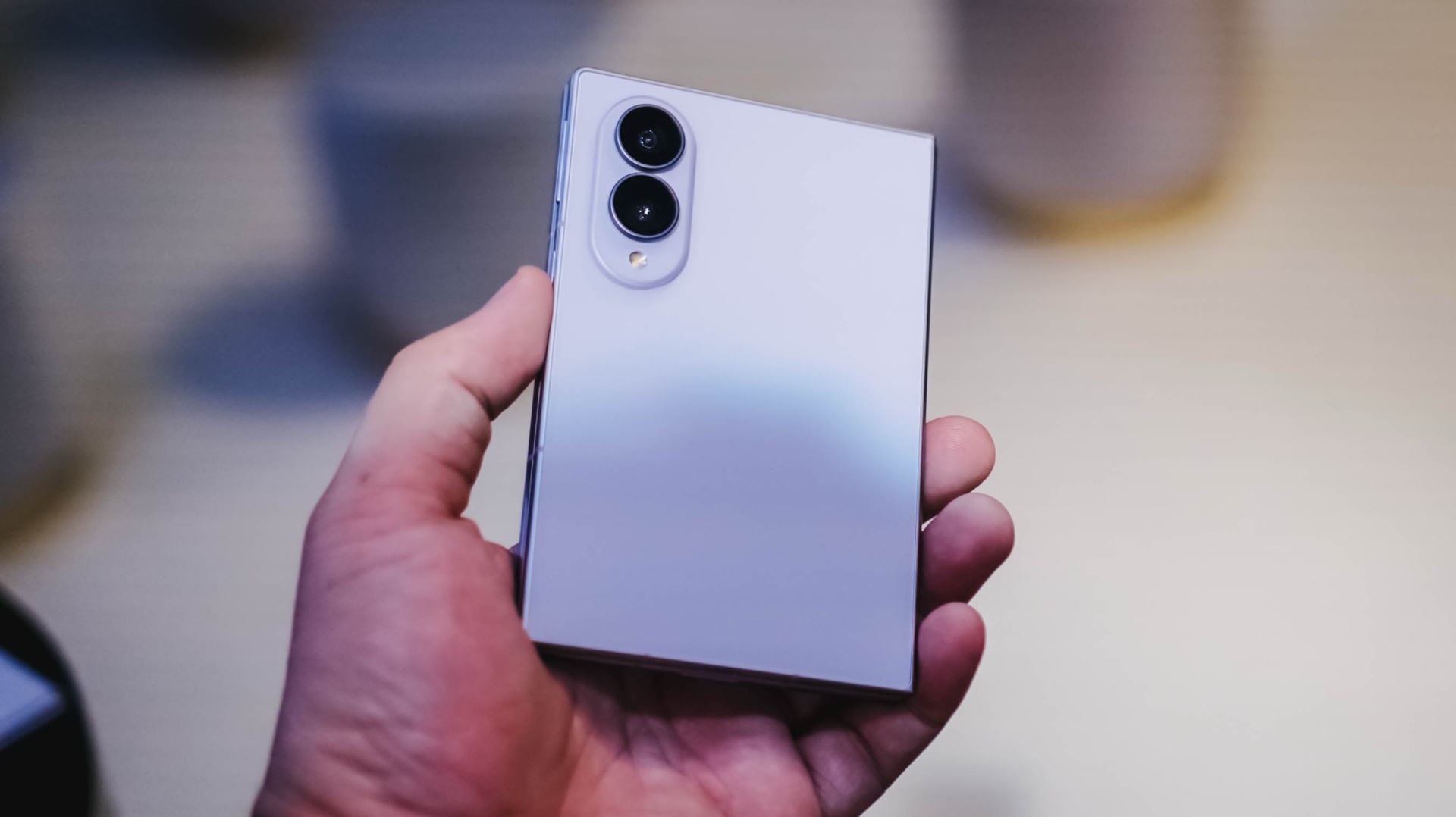
The passport-sized Galaxy Z Fold8 might be one of the best ideas for a foldable ever. Hardly anyone thinks that Samsung’s latest foldable type was a misstep for the brand. Other companies are even rumored to bring out their own passport-sized foldable soon. Now, Samsung is reportedly going further in the same direction by working on an even wider foldable.
Compared to traditional book-style foldables, the Galaxy Z Fold8 has a more squarish shape when folded. Naturally, the phone’s unfolded state is more rectangular, allowing for more screen real estate for full-screen content. It feels much more immersive to watch movies and shows on the foldable.
Now, according to ETNews, Samsung is working on an even wider foldable, potentially for next year. Though sparse on more technical details, the report hints that the next iteration will focus on better video playback, which does indicate a better aspect ratio.
Though foldables have been under the spotlight for a while now, this year might be the moment that the segment reaches its maturity. A lot of brands today have worthy alternatives for foldables. Some are also working on passport-style ones. Apple, the last holdout among the big names of the industry, is rumored to launch its first foldable later this year. There is no better time to try a foldable than this year.
SEE ALSO: Samsung Galaxy Z Fold8 Review
News
realme 16T to come with 8,000mAh battery, 7-year battery health guarantee
Power and endurance designed to last for years

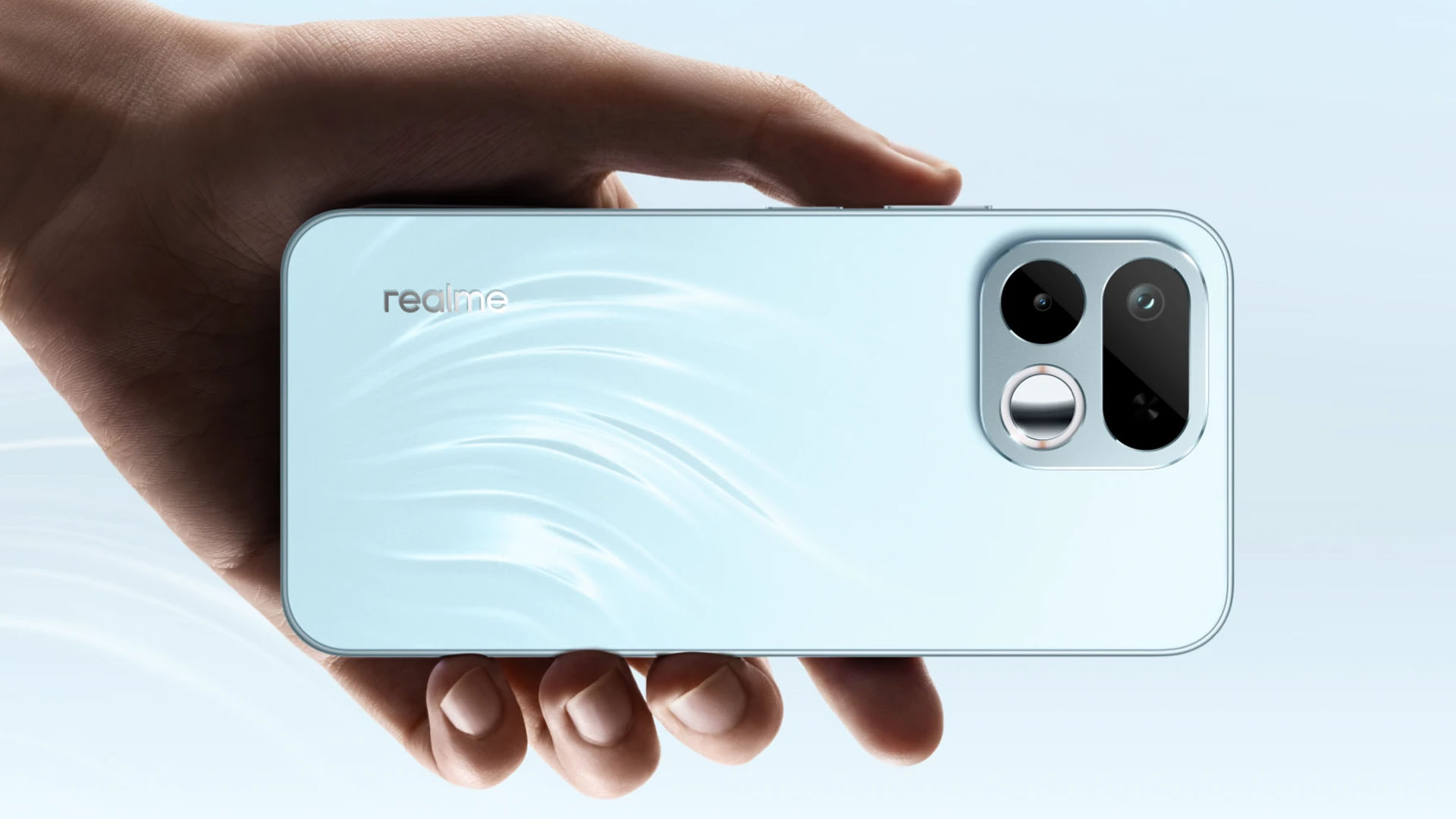
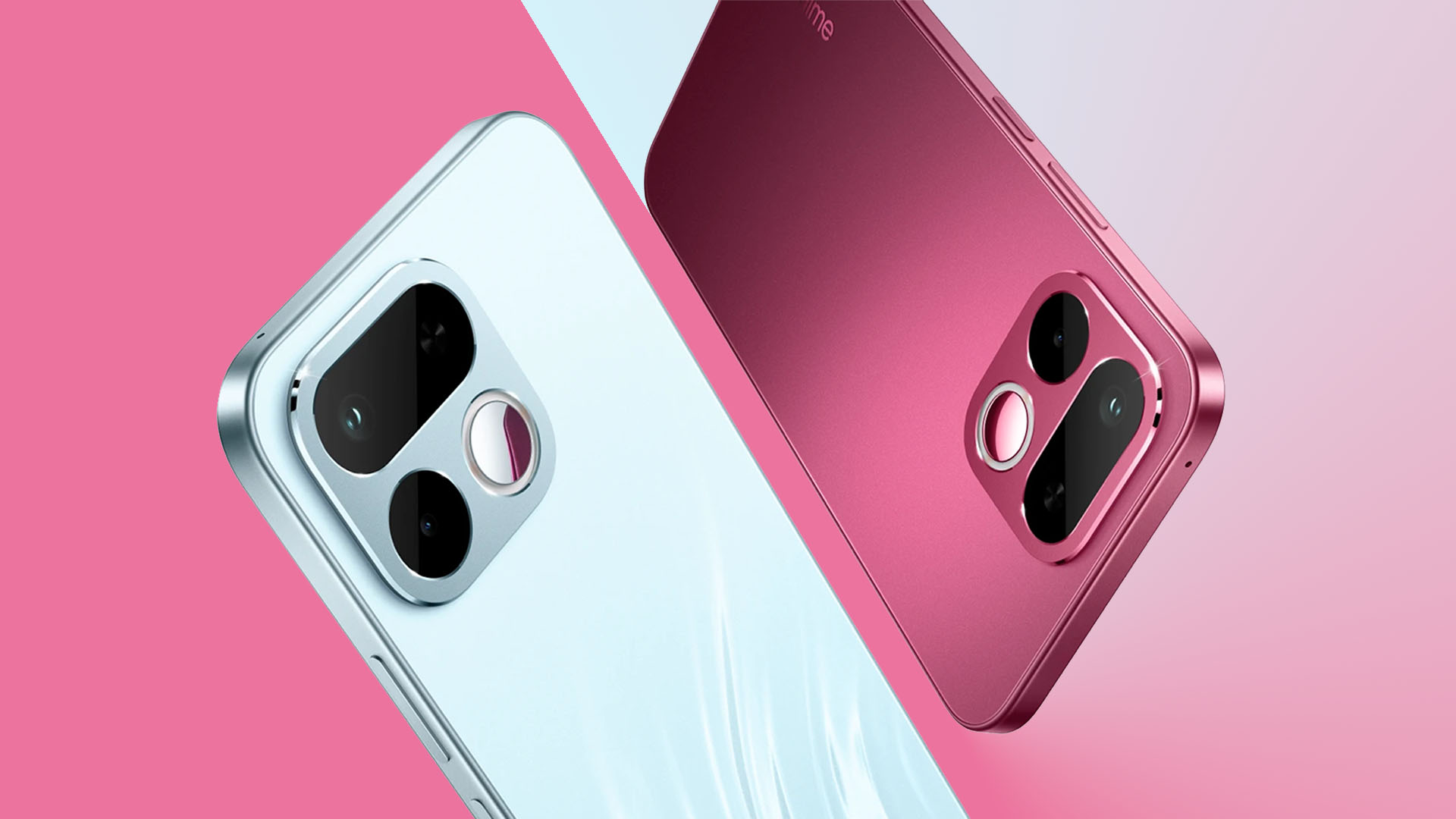
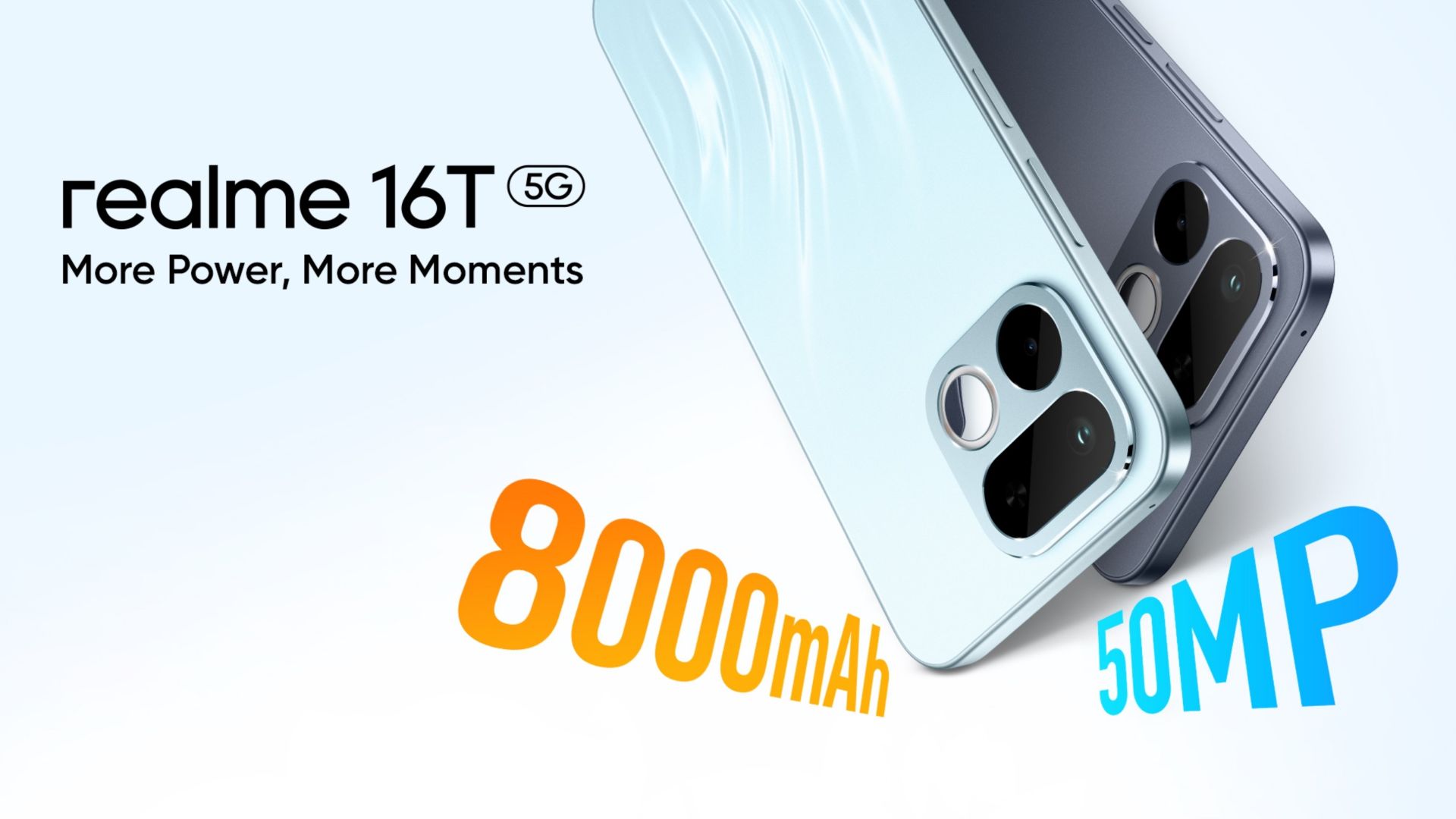
The upcoming realme 16T will have an 8,000mAh Titan Battery and a 7-Year Battery Health Guarantee for power and endurance designed to last for years.
The brand credits this to its Titan AI Deep Power and Extended Use Care, which work to slow down battery wear over time.
Moreover, the device is also backed by a 6-year Guaranteed Smooth Performance with AI Boost to help keep thing running steadily even after years of daily use.
Graphics by Vincenz Lee | GadgetMatch
The realme 16T’s battery supports 45W SUPERVOOC Charge, along with Bypass Charge and Reverse Charge.
These features come handy for keeping the phone cool while plugged in, and for topping up other devices when needed.
Furthermore, the device comes with All-Around Water & Drop Protection, carrying an IP69 Pro rating and Military-Grade Shock Resistance. This way, it can withstand daily bumps, spills, and dust exposure.
Alongside long-term durability, realme is offering added value to early buyers.
Customers who blind pre-order the realme 16T from August 17 to 27 and claim their reserved unit on the First Selling Day on September 4 can enjoy freebies and discounts worth PhP 8,097.
The exclusive offer includes a free TechLife Bluetooth Speaker 3, free Laifen SE Lite Hair Dryer, a Privilege Card with six-mnth extended warranty and six-month screen damage protection. To top it all off, there will be a PhP 2,000 off discount.
More details about the realme 16T like its price, full specs, and launch date will be revealed soon.


Now Playing: Assassin’s Creed Black Flag Resynced
Nostalgia does a lot of heavy lifting.


Samsung Galaxy Z Fold8 Review
8 Galaxy Folds later, Samsung finally nailed It!


30 days later with the ASUS ExpertBook Ultra: Like seeing an ex
Felt exactly as I remembered.

Apple is working on AirPods with built-in cameras

Samsung might be working on an even wider foldable

Here’s what you should watch before Avengers: Doomsday

realme 16T to come with 8,000mAh battery, 7-year battery health guarantee

TCL unveils C7L SQD-Mini LED TV, new entertainment lineup

Hands-on: Samsung Galaxy Z Fold8, Flip8, Ultra

VinFast debuts two-wheeler models, opens 21 e-motorcycle showrooms

Garmin launches its first screenless fitness band

Sony announces new FX5 full-frame camera

NBA 2K27 cover athletes unveiled: Wemby, Clark, DRose


-

 News2 weeks ago
OnePlus officially leaves the United States and Canada
-
 Laptops1 week ago
ROG STRIX G16 Review: Building for the moment
-

 Gaming2 weeks ago
Tides of Annihilation opens first public demo at Gamescom 2026
-
 News2 weeks ago
Google will force Android users to use Gemini next month
-

 Gaming2 weeks ago
Gangstar Mirage City launches on August 20 with SEA localization
-

 Gaming2 weeks ago
Street Fighter 6 adds first Filipino fighter Yasmine to its roster
-

 Deals2 weeks ago
nubia expands gaming lineup with Neo 5 Max, Neo 5 GT Special Edition
-
Laptops1 week ago
30 days later with the ASUS ExpertBook Ultra: Like seeing an ex