
Lifestyle
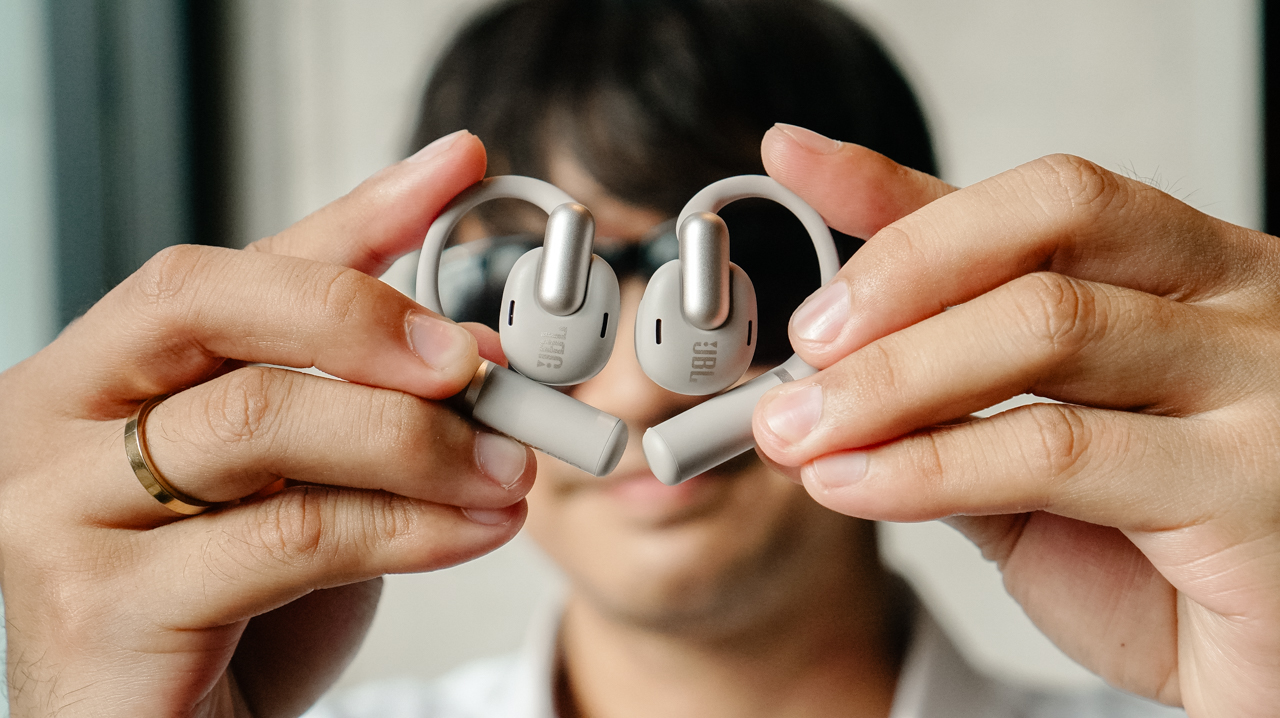
JBL Sense Pro review
My daily driver met a loud and capable rival in this quest for a superior training companion.

I consider my relationship with my workout gear to be a very serious, long-term commitment.
I’m a creature of habit when a product truly understands my everyday life. For the past year, I have depended on my Shokz OpenFit 2+ as if it were a physical extension of my morning.
When I lost my original pair, I didn’t even browse for alternatives before I secured a replacement. I knew exactly what worked for my ears and my life.
When the JBL Sense Pro arrived, it didn’t feel like a necessity so much as a very expensive curiosity.
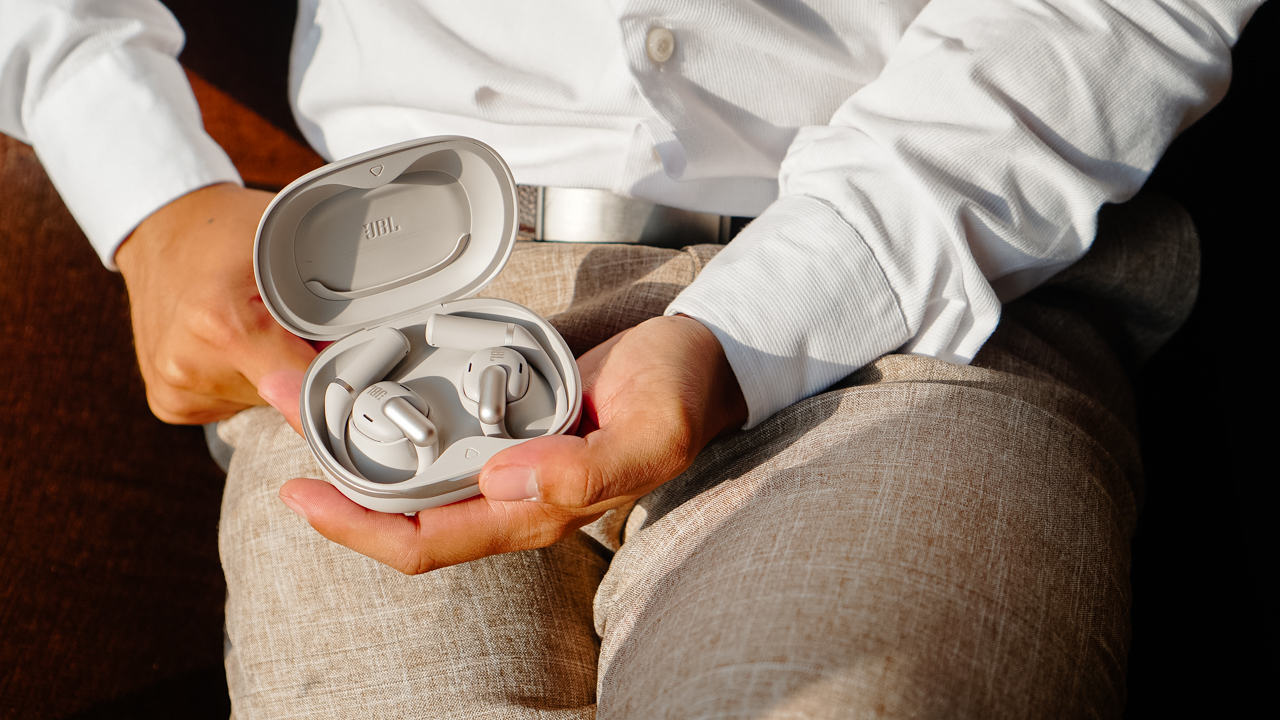
I wanted to see whether the “Pro” label could actually offer more than the weightless comfort I already loved. I decided to treat this as an essential research project into whether my standards could actually be raised.
Weight of a secure fit
I find that gear often reveals its true character at the exact moment I am negotiating with my willpower to finish a final rep.
This is the time when I realize if my earbuds are truly supporting my ambitions or if they are simply getting in the way of my progress.
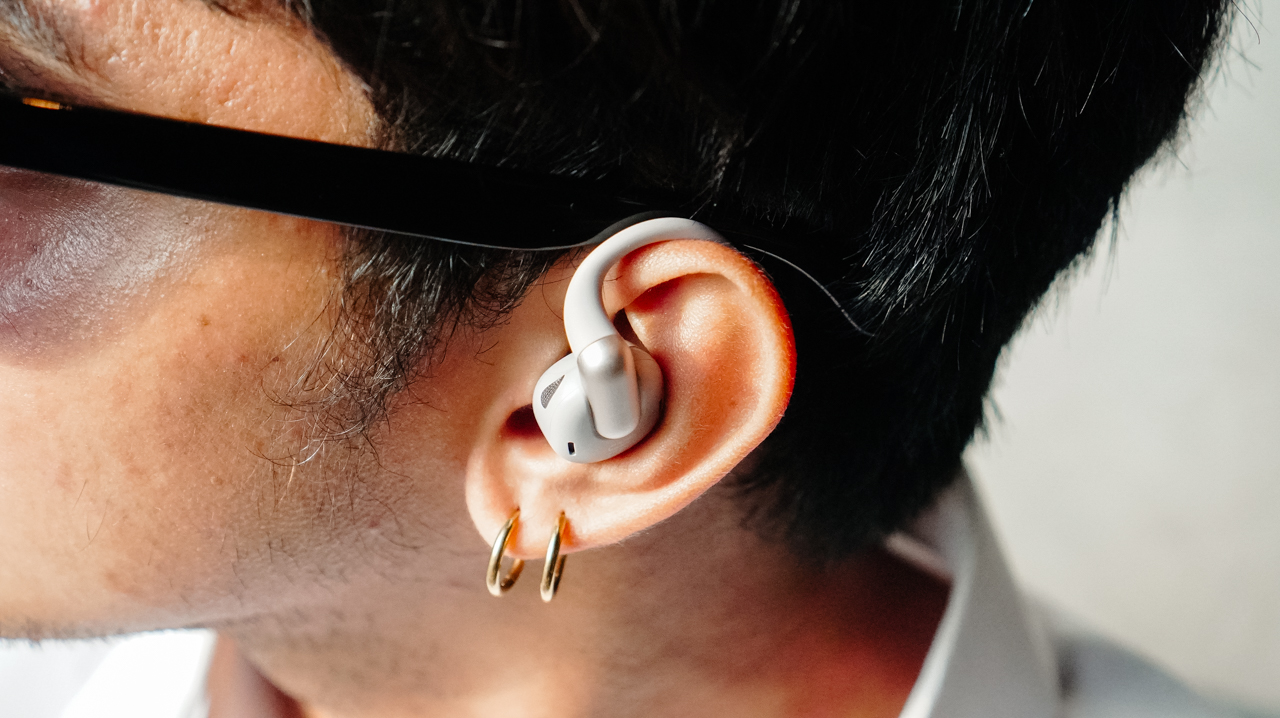
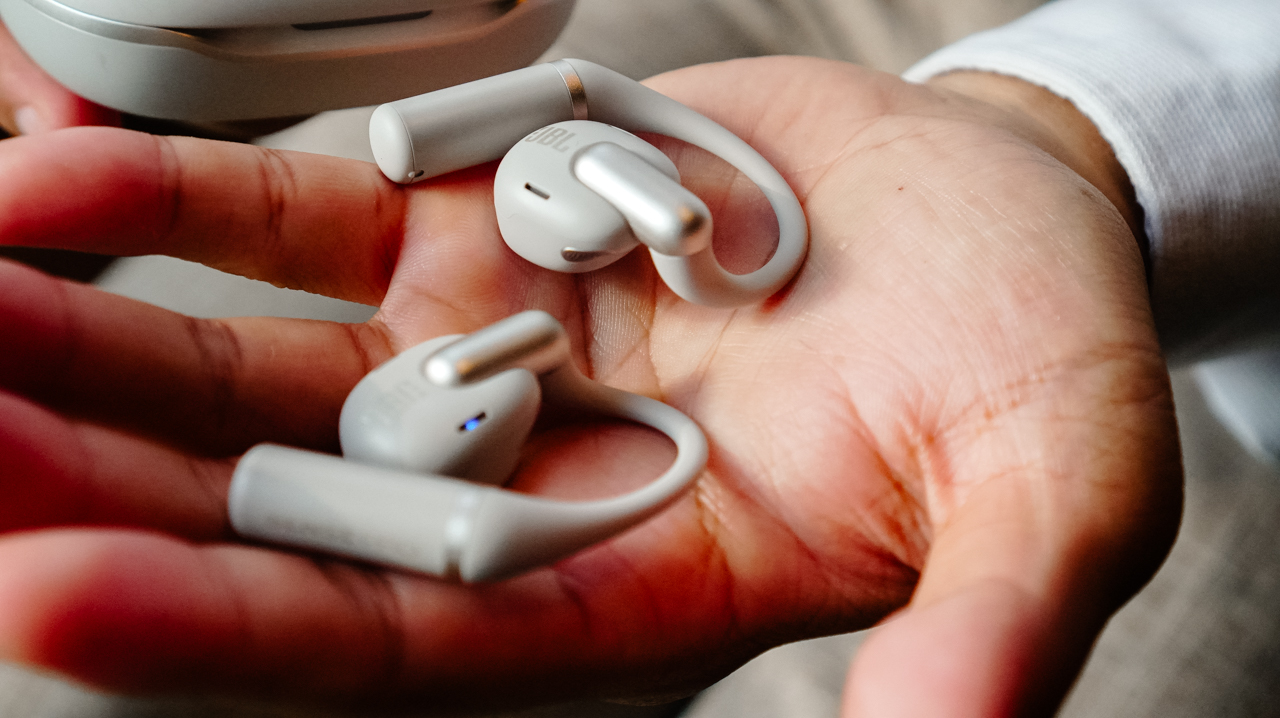
The JBL Sense Pro surprised me with its 20-degree adjustable hinge. During a light warm-up, the fit sits relaxed on my ear and feels remarkably airy.
However, when I transition into high-intensity movements like box jumps or plyometric exercises, I instinctively click the buds closer to my ears to ensure a tight grip.
The titanium memory wire wraps around the ear with a firm security that avoids the suffocating pressure I often feel with standard in-ear buds.
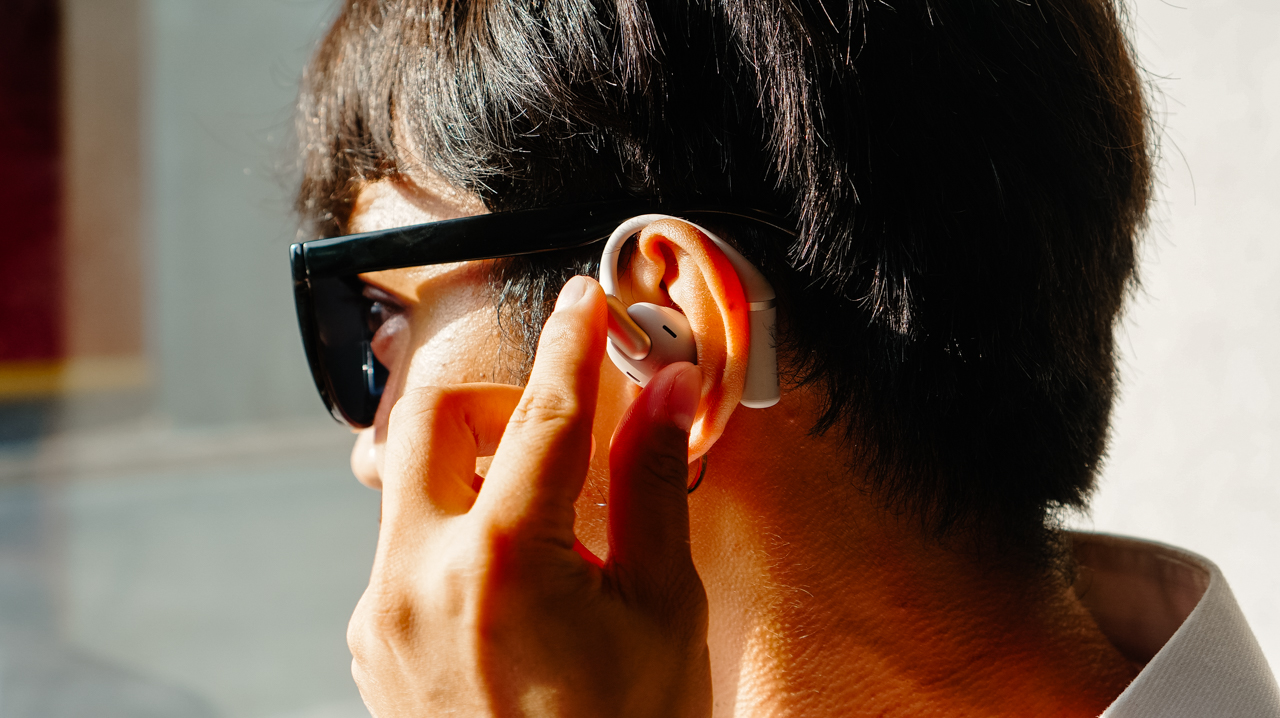
Even with that clever hinge, the presence of the device remains noticeable to me. After an hour of movement, I begin to feel the weight of the buds sitting against my skin.
Unlike my Shokz OpenFit 2+, which disappears even during long sessions, the JBL Sense Pro reminds me that it’s there.
I find myself adjusting the buds in between my sets to keep it snug, which is a small interruption I never experienced with my Shokz or even my previous Xiaomi OpenWear Stereo.
Soundstage for my private performance
Open-ear audio is usually a lesson in compromise where I expect to trade deep bass for environmental awareness.
Most music sounds thin and distant in these designs, which is why I was skeptical of the performance claims.
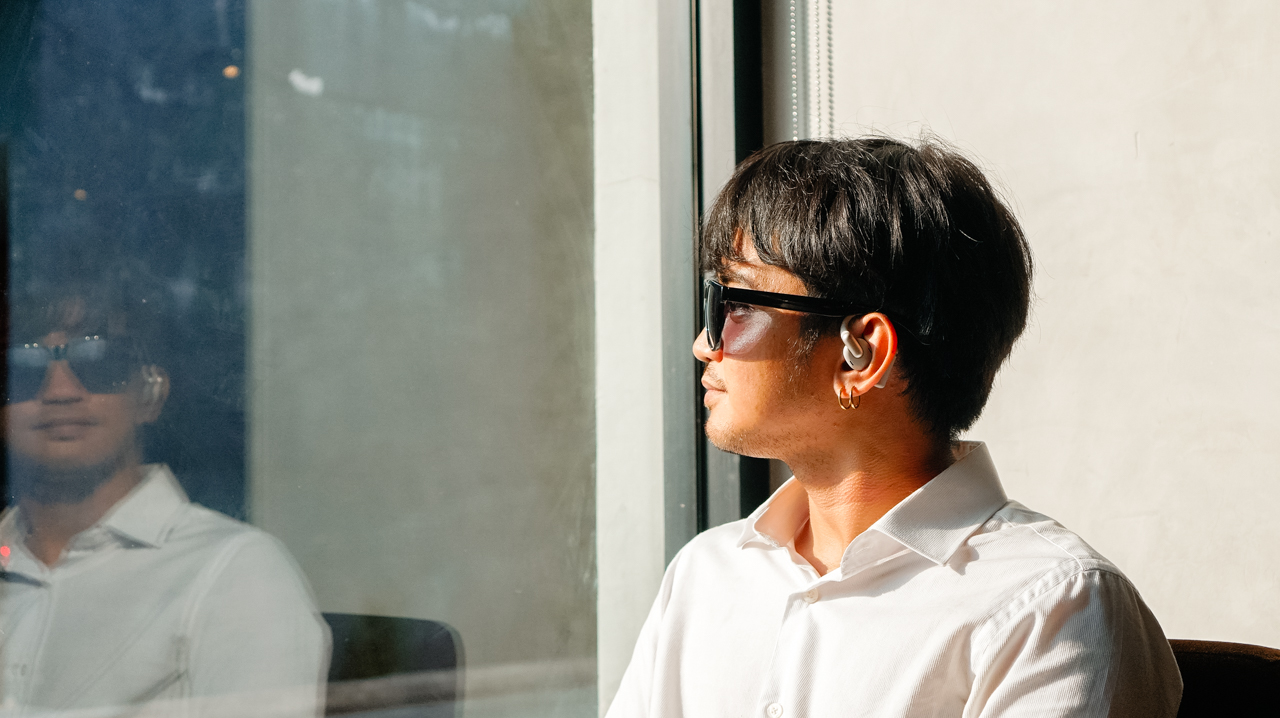
JBL is known for bass, and the 16.2mm drivers combined with LDAC support ensure the sound carries a level of authority I did not expect. The audio feels full and lush even when I am running on a busy street with heavy traffic.
The adaptive bass boost compensates for the wind and noise in real time so my power songs, specifically “Breaking Dishes” by Rihanna, never lose their emotional impact.
I appreciate hearing the full range of a track while remaining completely aware of the world around me.
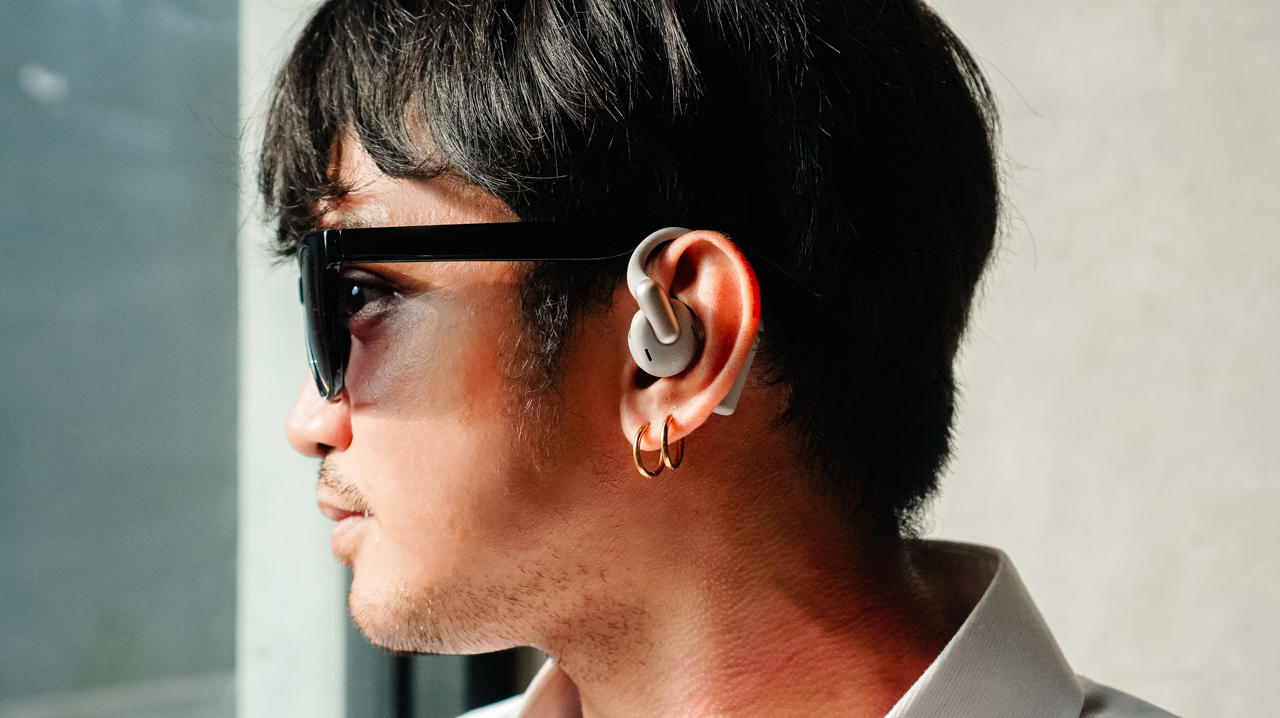
The spatial audio feature turns a standard gym session into something that feels like a professional sports film shooting.
It creates an atmosphere where the music feels like it’s following me from one weight station to the next rather than just playing in my ears.
One thing I did notice is the occasional static during my tests, which served as a tiny reminder that I was dealing with a complex piece of technology rather than a seamless part of my body.
Technology that understands my hustle
The real value of a professional device lives in the features I don’t see… until I actually need them.
For the Sense Pro, the bone vibration sensor is that essential investment. It sounds quite technical until I have to take an urgent client call while I’m huffing and puffing on the treadmill.
Instead of relying on microphones that catch every gust of wind, the sensor reads vibrations from my jaw to ensure my voice remains clear.
My Accounts Team was actually surprised to learn that I was running during our last meeting. They didn’t notice the gym environment at all when I told them I would send the presentation deck after my workout.
The sensor understands my voice even when I am in the middle of a busy setting. That said, its battery life supports my busy schedule without requiring constant attention.
The 38-hour total capacity means I can go an entire week without looking for a charging cable. Meanwhile, the quick-charge feature provides four hours of playback from just ten minutes of charging, which is my ideal safety net for those mornings when I’m rushing out the door.
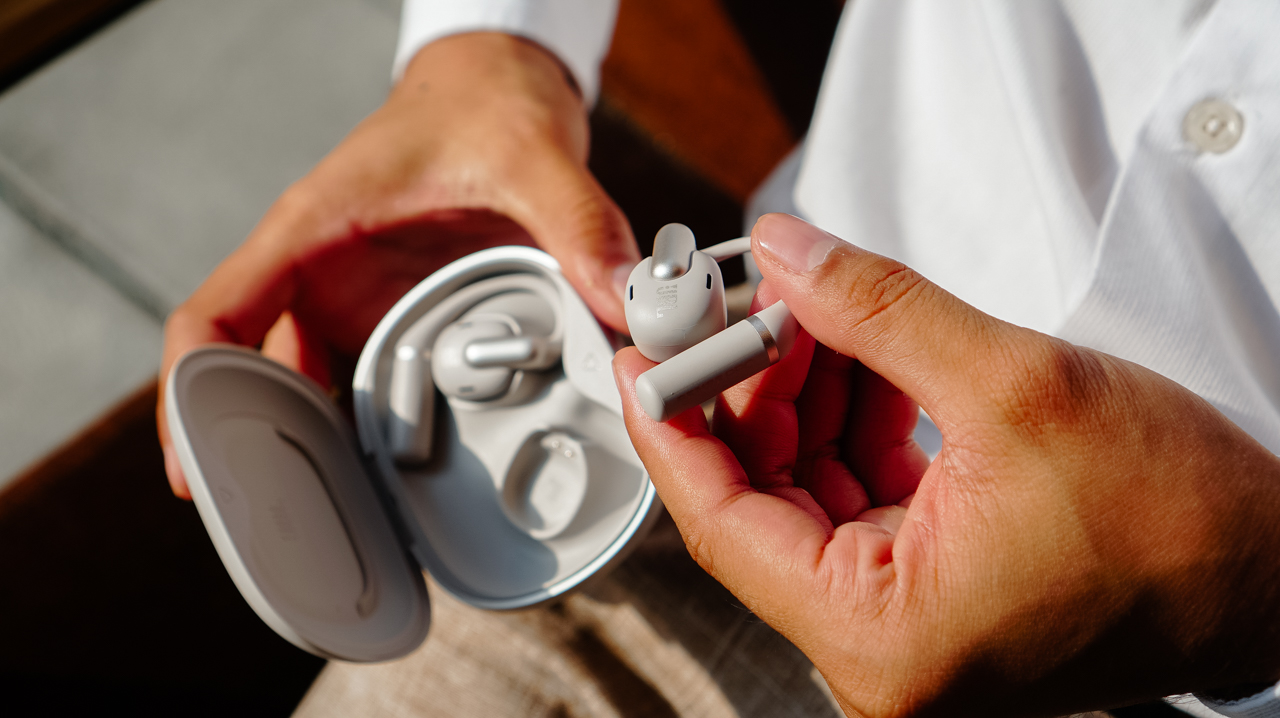
On top of that, I can easily monitor my juice through the JBL Headphones app along with the various settings I like to tweak.
Is this your GadgetMatch?
The JBL Sense Pro is a serious piece of equipment for those who need their audio to perform in loud, chaotic environments.
It offers a richer sound and better call quality than almost anything else I have tried in the open-ear category.
However, it cannot quite match the weightless comfort that makes the Shokz OpenFit 2+ (or the cheaper Xiaomi OpenWear Stereo) so easy to live with day after day.
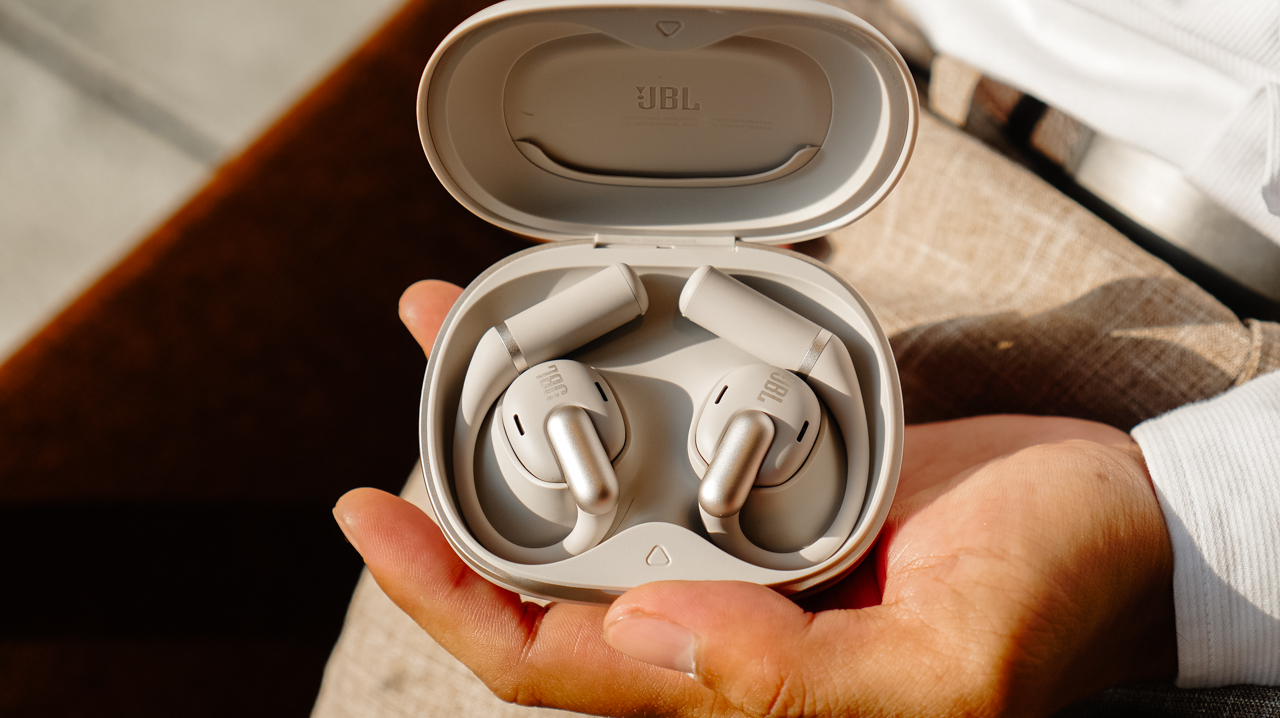
Swipe Right if you prioritize deep, immersive audio and need a secure, adjustable fit for explosive workouts. It’s a good choice if you take frequent professional calls outdoors and want a battery that can keep up with a high-performance lifestyle.
Swipe Left if you have sensitive ears and want a weightless, invisible feel for long hours of wear. If you already own Shokz or Xiaomi’s Open-ear wearables, you might find the JBL feels a bit too present for a routine that you might have already perfected.
The JBL Sense Pro retails for PhP 9,599 and is available in official JBL stores and authorized retailers.




Enterprise
Chimelong’s newest attraction might be the robots themselves
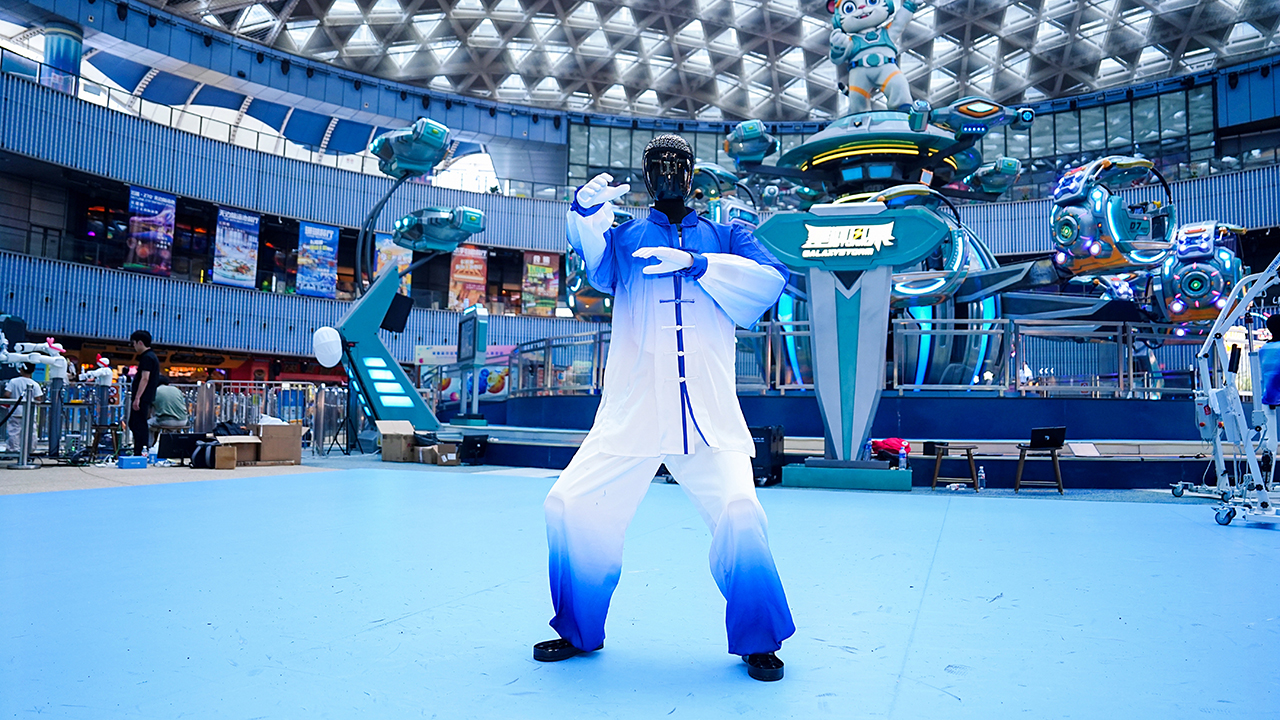
The future of travel is here, and it knows tai chi!
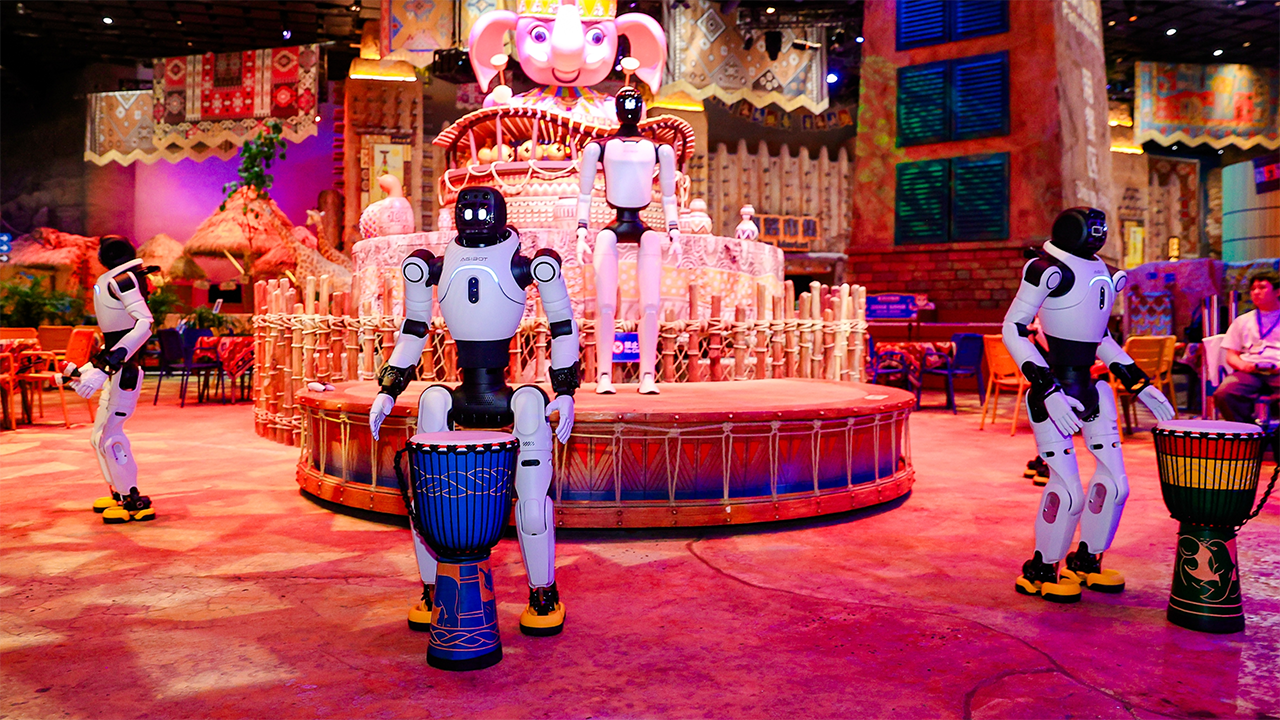
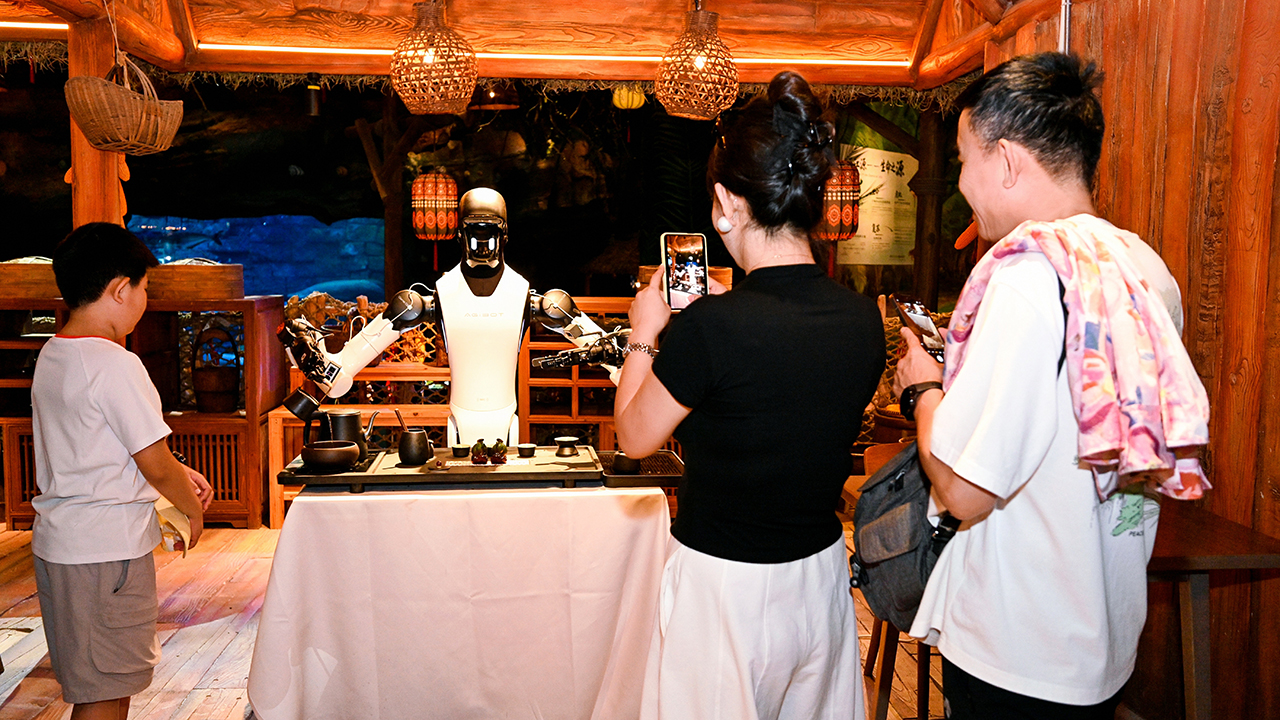
Imagine checking into a theme park and greeting a humanoid robot. A few hours later, you watch one perform tai chi. Another challenges you to table tennis. Yet another helps you navigate to the next attraction. By nightfall at your hotel, robots enhance the experience again.
This vision drives the latest collaboration between AGIBOT and Chimelong Group. Together, they brought over 300 robots to Chimelong Spaceship Park in Zhuhai, China.

This launch represents a massive real-world application of embodied AI in tourism. AGIBOT and Chimelong integrated these robots across entertainment, education, visitor services, retail, and hospitality. They act as active participants rather than remaining confined to a single demonstration area.
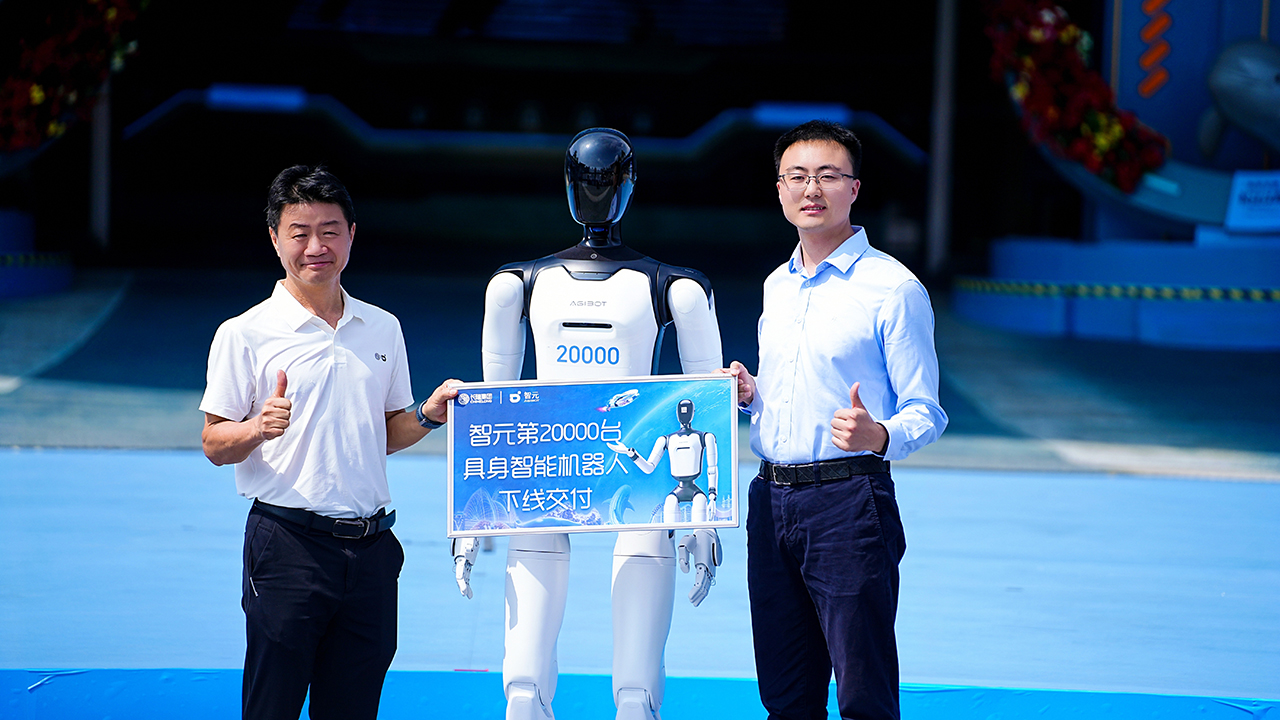
The timing celebrates a notable milestone, too. During the launch, Chimelong received the 20,000th robot to roll off AGIBOT’s production line.
Your next theme park companion could be a robot
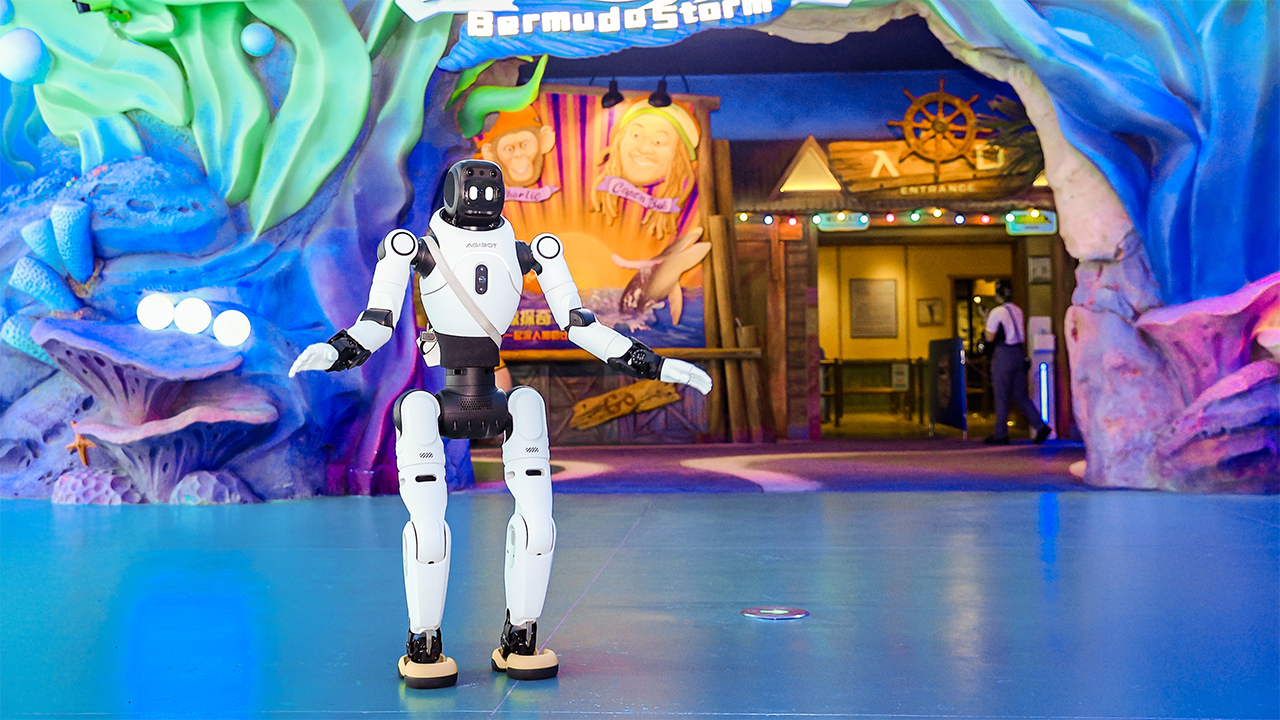
At Chimelong Spaceship Park, robots act as part of the total visitor experience. Guests don’t just stop to watch them from afar.
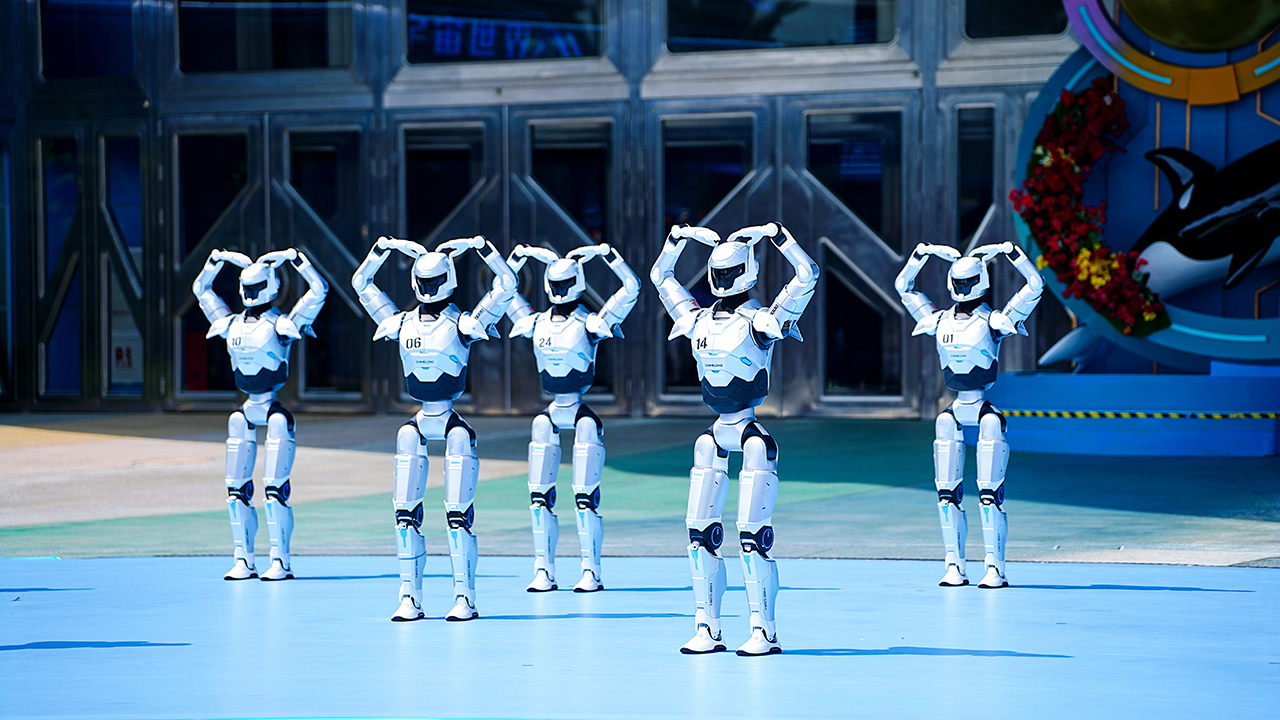
Some take on entertainment roles by performing martial arts, gymnastics, and tai chi. Others interact directly with guests through table tennis and hands-on manipulation challenges.
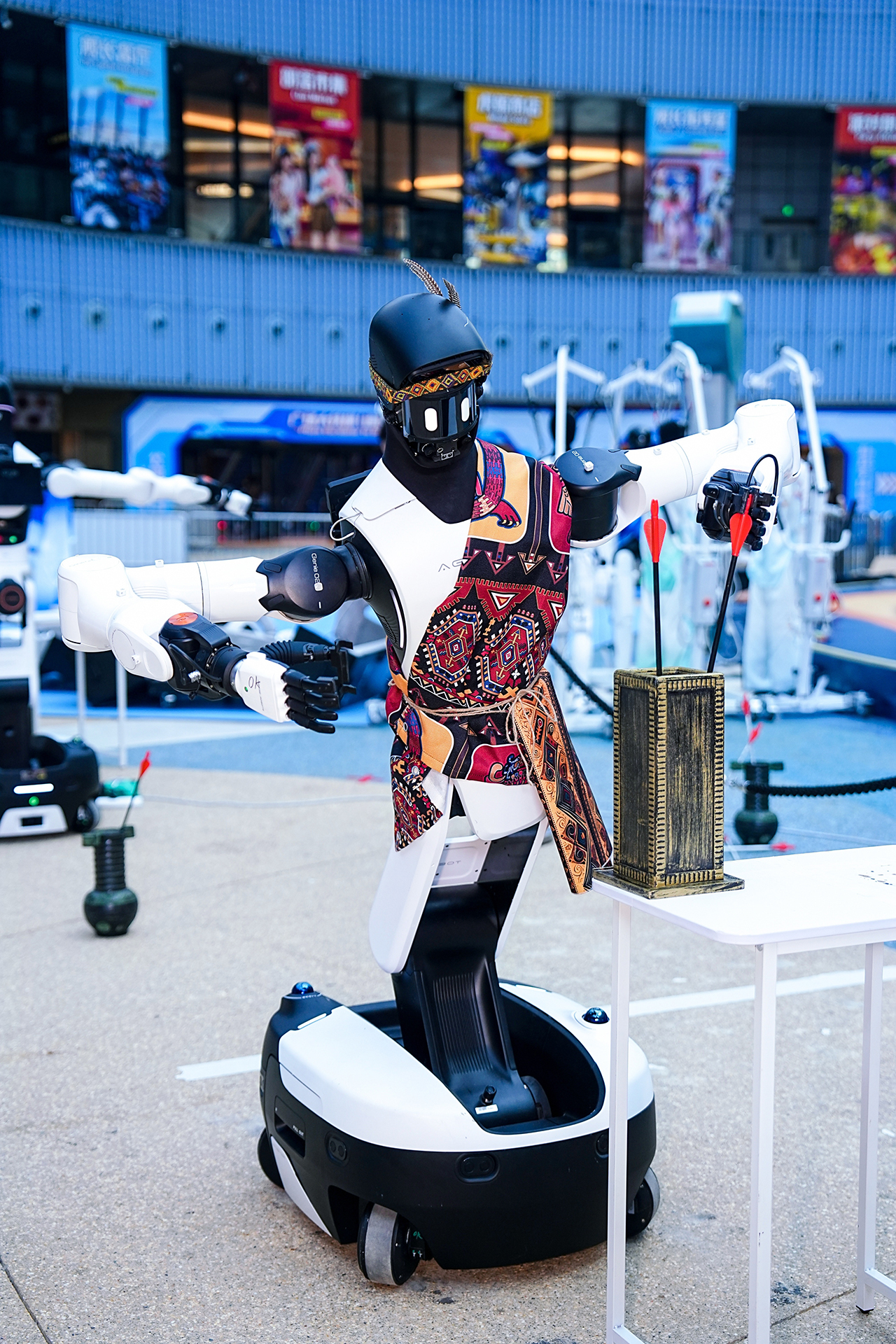
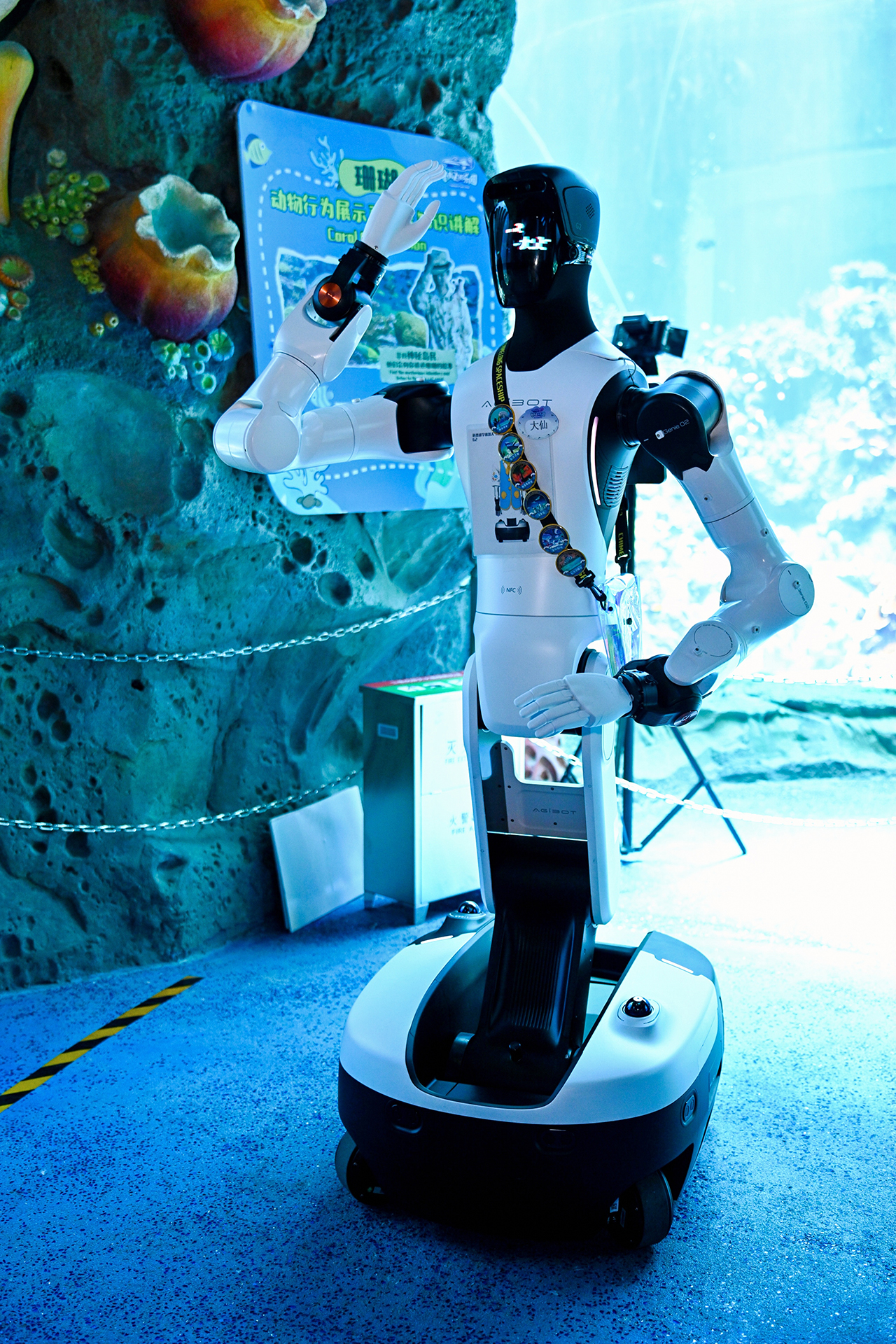
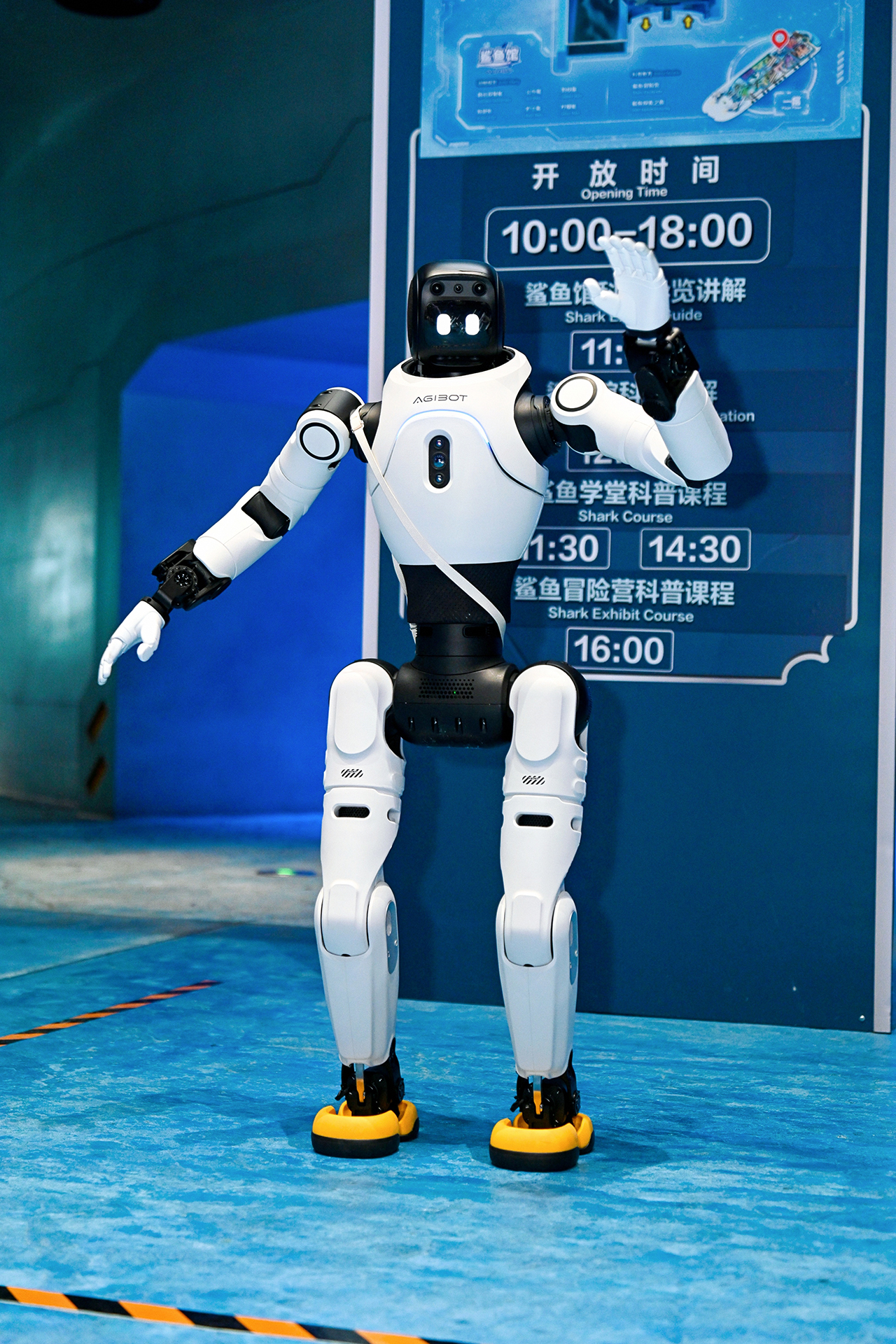
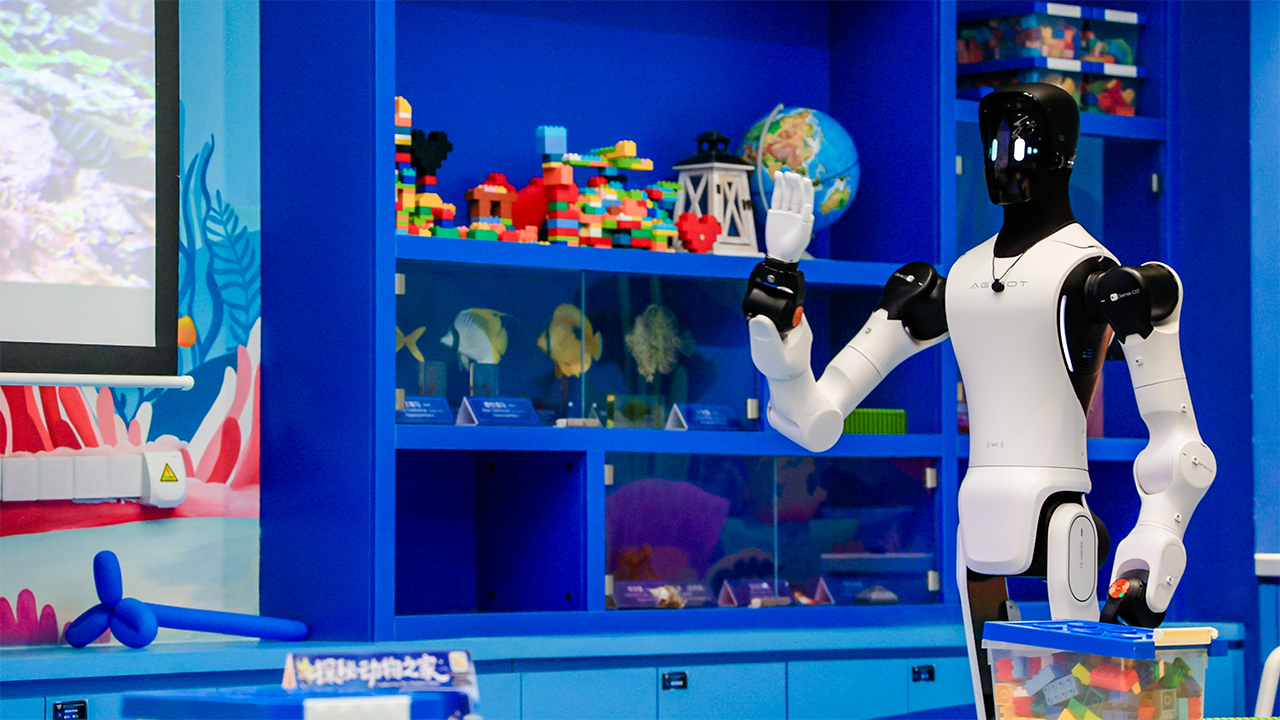
Designers also created robots for the quieter moments of a park day. They answer questions, introduce exhibits, and guide visitors through designated areas.
In retail settings, robots assist shoppers with their purchases. Meanwhile, hotel deployments place them in guest-facing roles to welcome visitors and hold multi-turn conversations.
Consequently, your trip involves encountering robots in several different contexts. The journey stretches seamlessly from your park arrival to your hotel return.
When the robots become part of the show
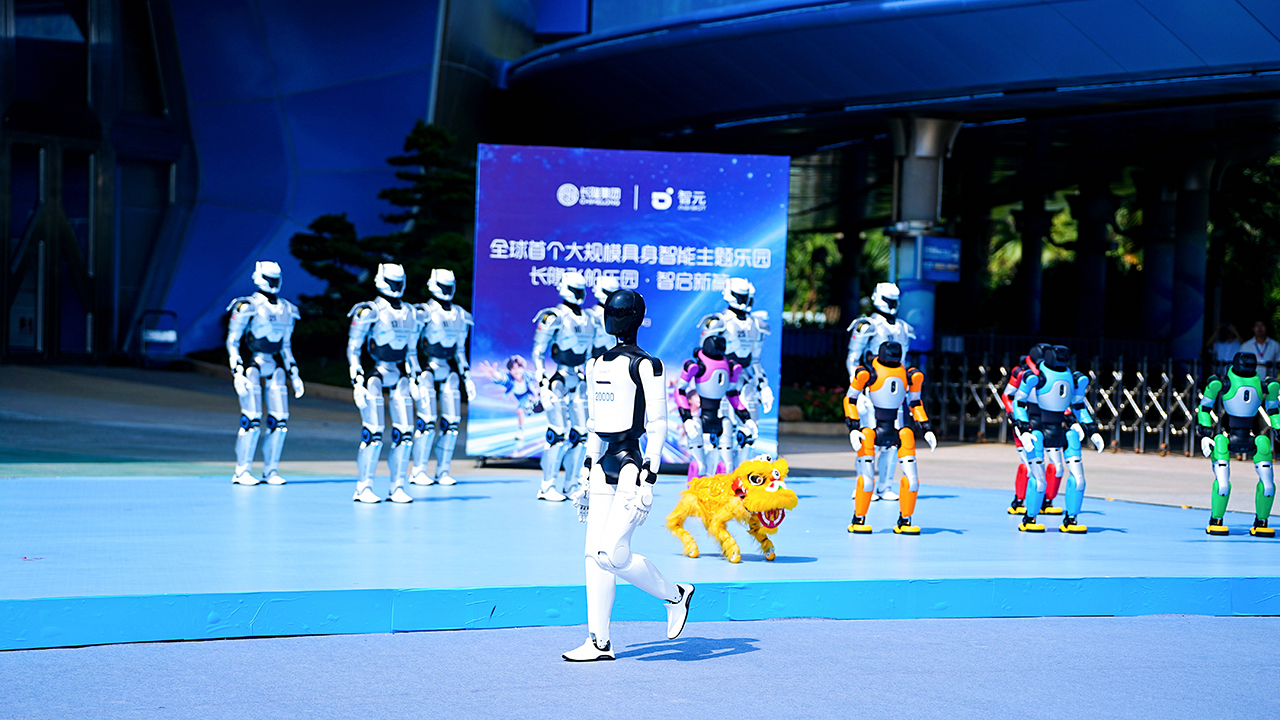
Theatrical applications are perhaps the easiest to picture. AGIBOT and Chimelong incorporate robots into live performances alongside human actors, music, and lighting.
Rather than treating a humanoid robot as a mere technological curiosity onstage, creators coordinate multiple robots into fluid routines.
Elsewhere, visitors engage with robots through games and educational activities. This creates a highly interactive, hands-on introduction to embodied AI.
Theme parks offer a perfectly fitting setting for this technology. Parks historically excel at making technology disappear into the magic. Engineers design animatronics, immersive environments, special effects, and automated rides to serve the story.
Humanoid robots push this idea into new territory. They communicate, navigate physical spaces, respond to people, and adapt to different settings with ease.
A robot-filled day does not stop at the park gates
The collaboration naturally extends into Chimelong’s hospitality operations.
Robots welcome hotel guests, hold complex conversations, and offer highly personalized interactions. This introduces an interesting possibility for resorts. Technology can now follow visitors beyond the main attraction and enhance the broader destination.

Travelers will soon experience trips where the boundaries between attraction, service, and technology blur entirely.
A robot might serve as your tour guide. Next, you could watch a robotic entertainment performance. Finally, a mechanical host could wait downstairs in your hotel lobby.
Potentially, the robot you meet in one area connects directly to the wider system operating backstage.
Making hundreds of robots work together
Deploying over 300 robots into a busy tourism destination requires massive coordination.
AGIBOT, Chimelong, and China Mobile established a dedicated 5G network. This ensures stable connectivity across high-traffic areas. The team uses centralized coordination to manage robots moving through various park and hotel environments.
Comprehensive operational systems also handle network security, privacy protection, charging, and fire safety.
Guests easily overlook this infrastructure while watching a robot perform tai chi. Yet, this backend framework remains one of the most fascinating aspects of the project. A theme park represents a highly complicated environment. Thousands of people constantly move through spaces shifting rapidly from one experience to another.
Making robots useful here means teaching them to embody the destination itself.
The beginning of a bigger experiment
AGIBOT and Chimelong are establishing a joint research institute for embodied AI in tourism.
This institute will explore new applications, operating models, and technologies. Researchers will draw directly from the experience of this massive deployment. The first project phase lays the groundwork to expand robot usage across all Chimelong properties.
For now, the appeal remains fairly simple. Creators build theme parks on the promise of making ordinary life feel extraordinary.
Chimelong bets that humanoid robots will increasingly spark that exact magic.
Automotive
The Kia EV3 brings gallery-worthy design in a compact electric form
The 2025 World Car of the Year turns daily driving into functional art.
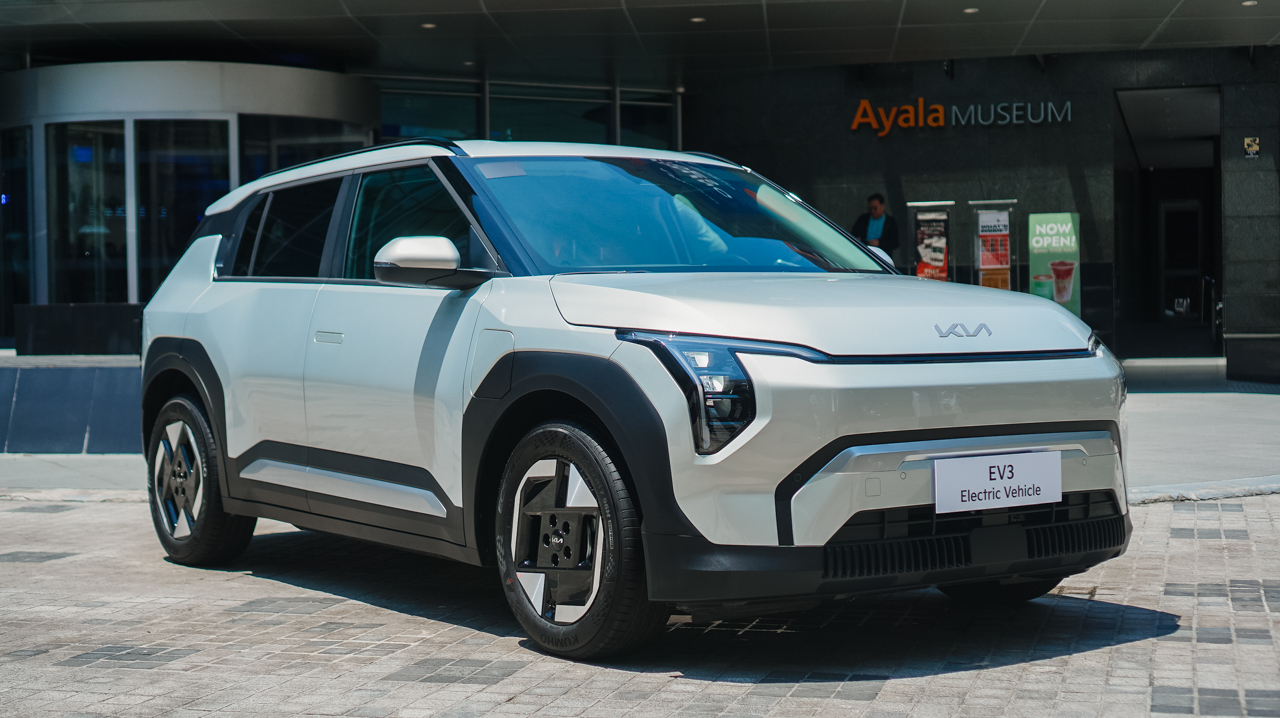
The all-new Kia EV3 officially debuted against the architectural backdrop of the Ayala Museum.
Named the 2025 World Car of the Year, the compact electric SUV redefines daily driving as functional art. It also holds prestigious Red Dot “Best of the Best” and iF Design awards.
Sculpted like a modern piece of design
The EV3 shares the forward-thinking design philosophy of the acclaimed EV5 and EV9.
Its exterior features an evolved Digital Tiger Face paired with signature LED lighting. Sculpted geometric surfaces and flush door handles maintain a smooth silhouette.
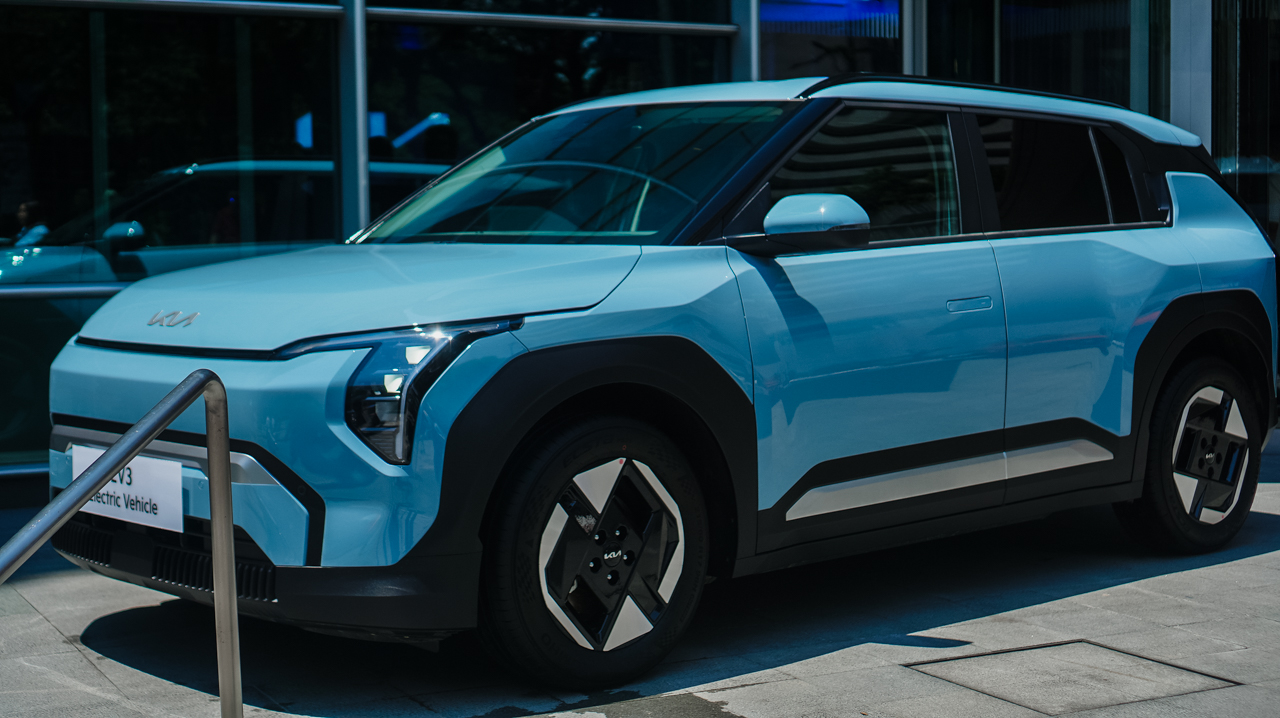
A tailored rear spoiler, roof rails, and 17-inch alloy wheels complete the profile. The result looks composed and elegant, especially when parked outside a contemporary gallery.
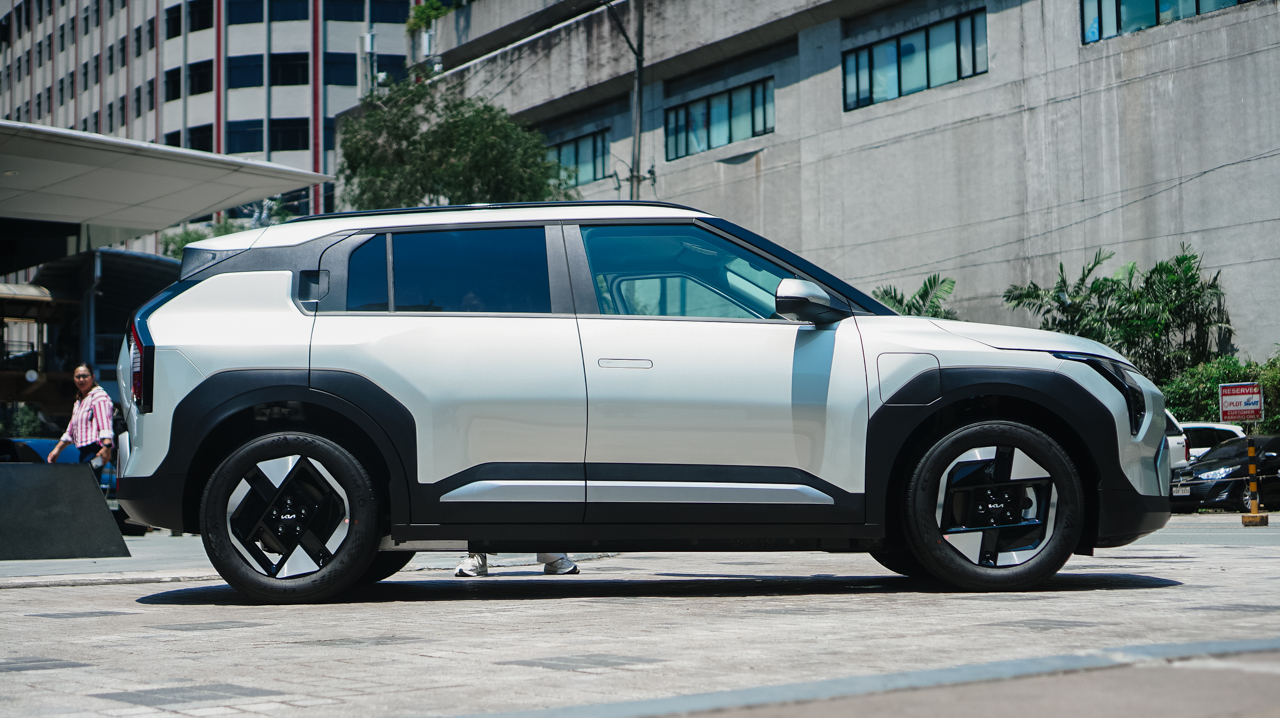
Beneath its sculpted skin lies instant, whisper-quiet electric power. A front-mounted motor generates 204 PS and 283 Nm of torque.
A 58.3 kWh battery delivers up to 511 kilometers of range on a single charge (NEDC). Replenishing energy fits seamlessly into a busy lifestyle.
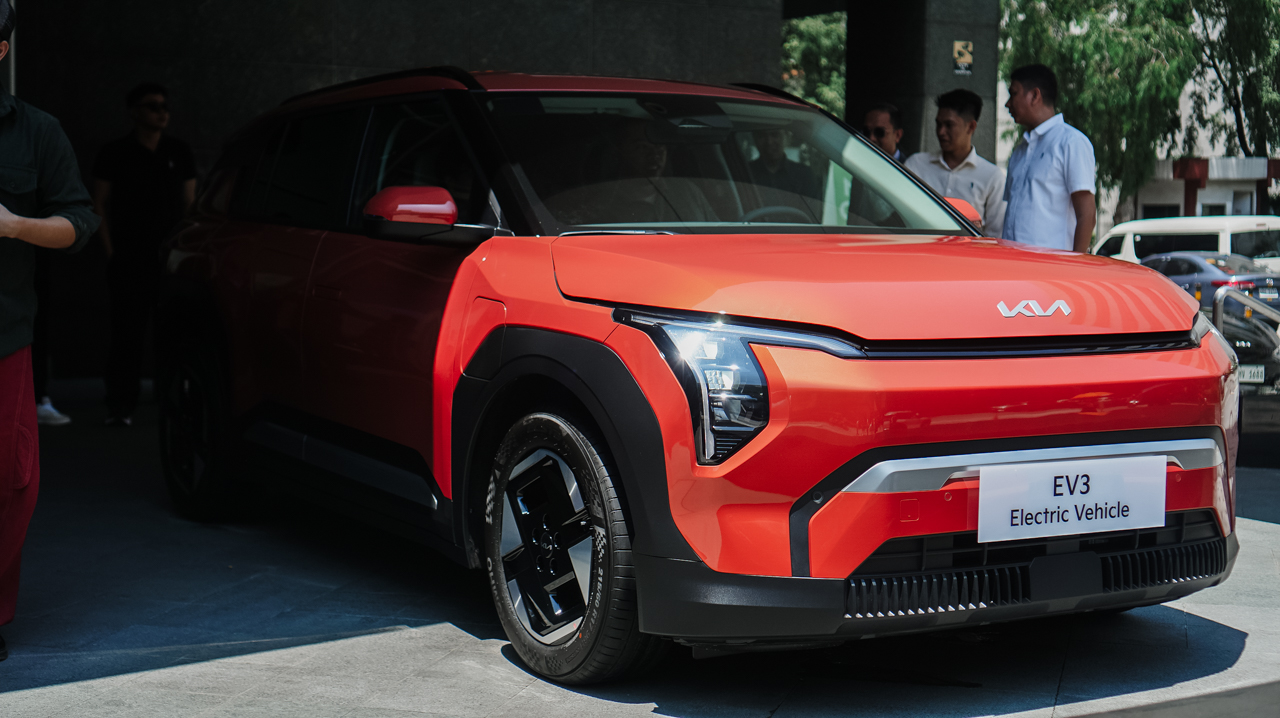
Standard 11 kW AC charging goes from 10 to 80 percent in roughly 5 hours and 20 minutes. Meanwhile, 350 kW DC Fast Charging restores the same charge in just 29 minutes.
A digital sanctuary, literally
Inside, the cabin opens into a clean, modern sanctuary.
A striking 30-inch Triple Panoramic Display centers the dashboard. It unifies the instrument cluster, climate settings, and infotainment beneath one sweeping glass surface.
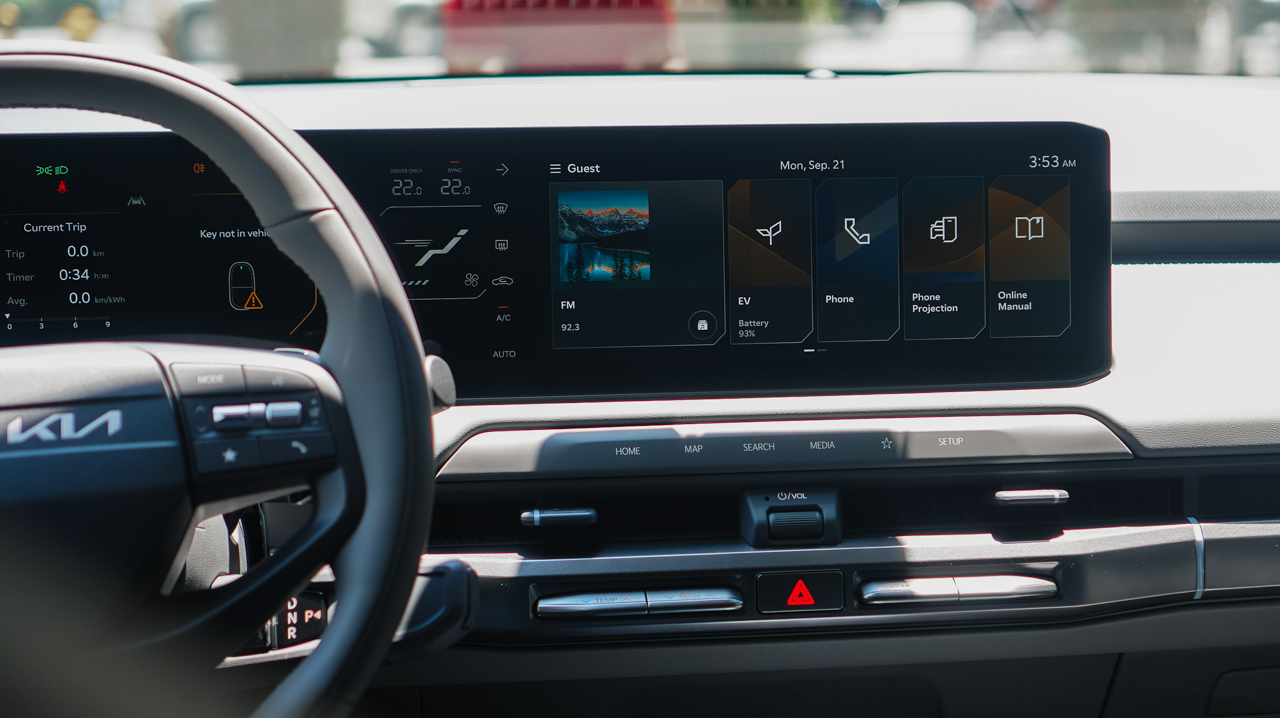
Leather upholstery and an eight-way power driver’s seat prioritize comfort, and the power lumbar support ensures relaxed driving on longer journeys.
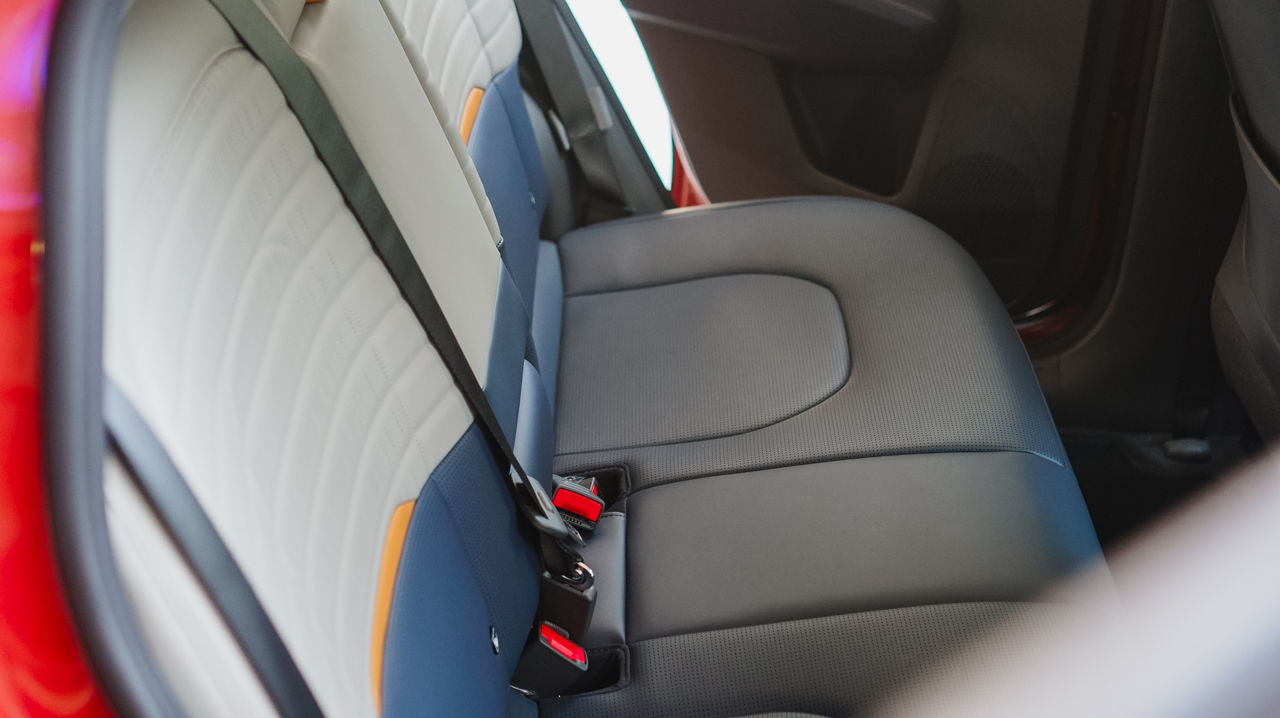
There’s also a sliding central console tray that creates an adaptable workspace on the go. On another note, connectivity remains effortless throughout the interior space. The system supports wireless Apple CarPlay and Android Auto.
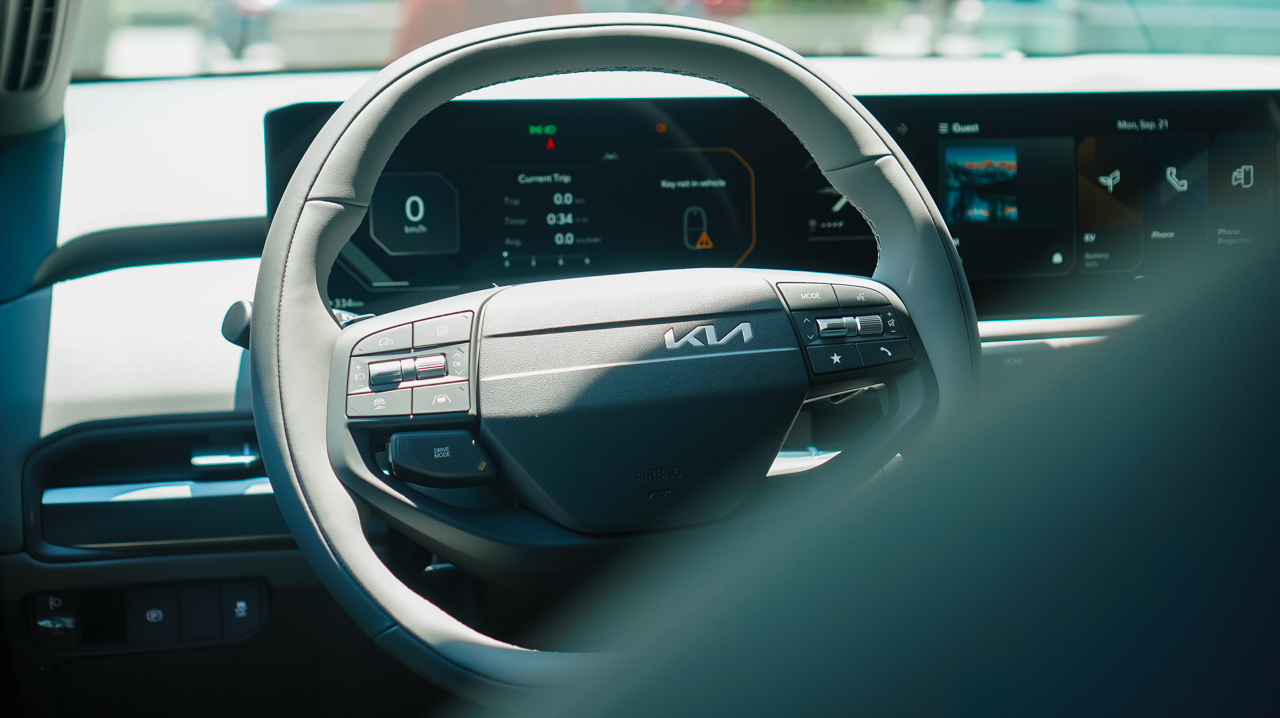
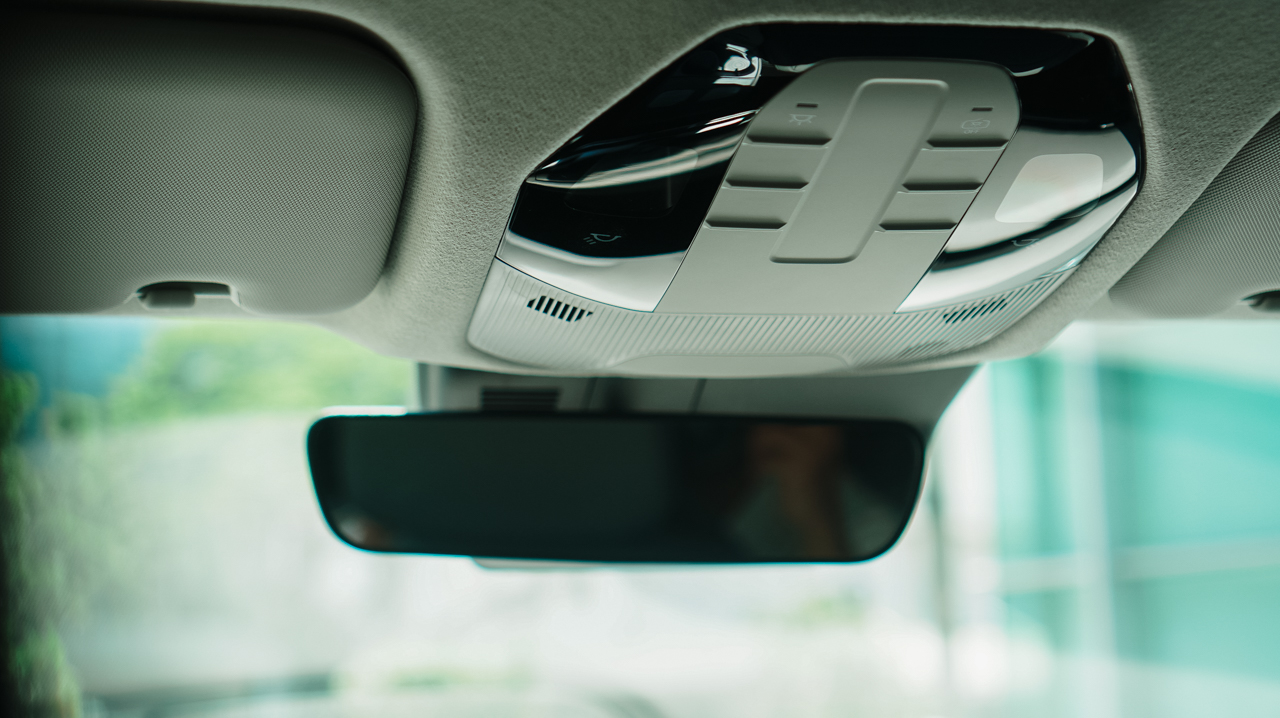
Additionally, dual wireless charging pads, five USB-C ports, and six speakers keep devices powered and entertained. For weekend getaways, 60:40 split-folding rear seats easily expand cargo capacity.
Intuitive safety
Intelligent peace of mind comes standard through the Kia DriveWise suite.
Active features include Advanced Smart Cruise Control and Forward Collision Avoidance with Autonomous Emergency Braking.

Lane Keeping Assist, Lane Following Assist, Blindspot Safety Warning, and Rear Cross Traffic Safety assist at every turn.
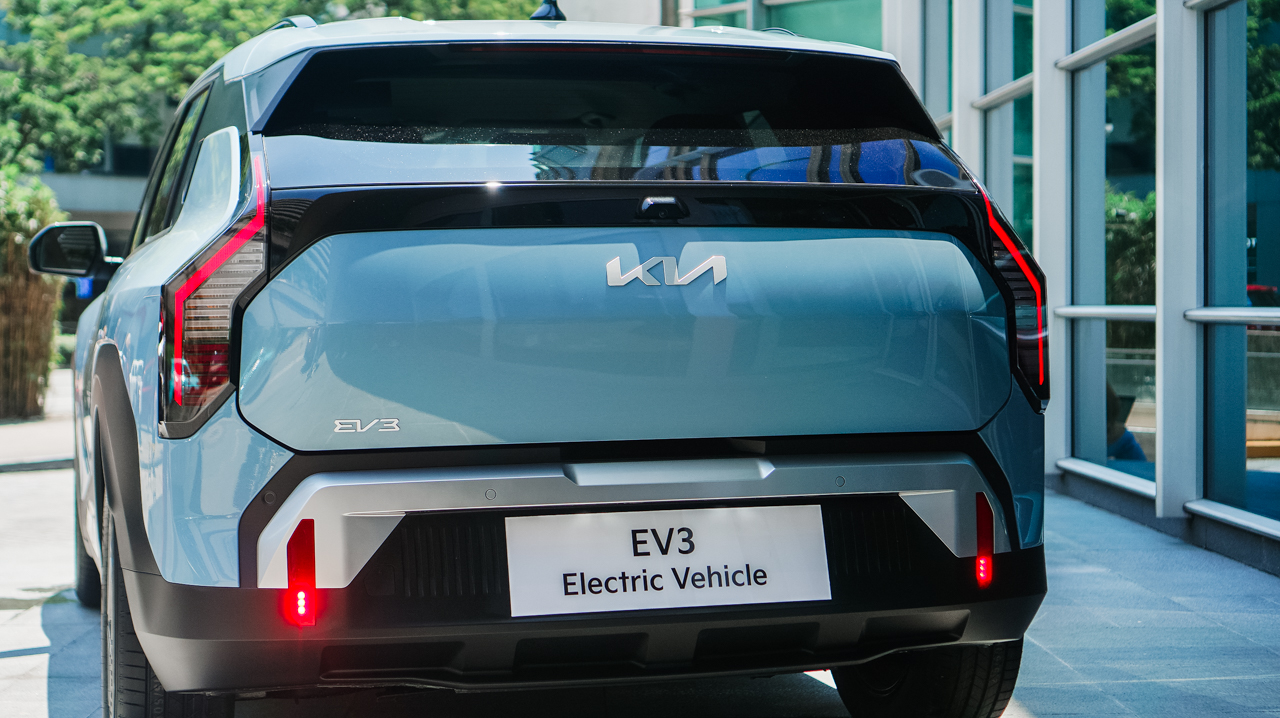
Seven airbags protect the front, side, and curtain areas. Electronic Stability Control, Hill-Start Assist, parking sensors, and a rear-view camera complete the protective core.
Price, availability
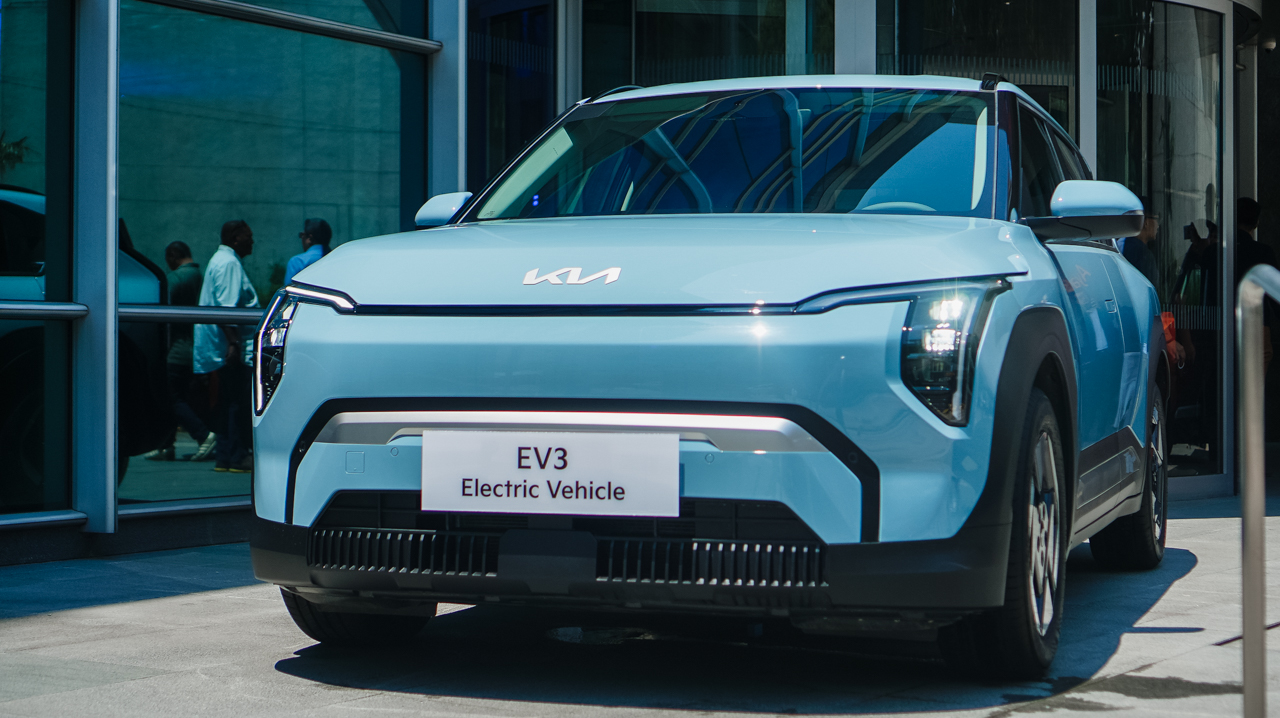
The Kia EV3 starts at PhP 1,898,000, inclusive of a home wall charger. An introductory offer reduces the price to PhP 1,868,000, saving early buyers PhP 30,000. Reservations also include five years of free Preventive Maintenance Service.
Kia provides a five-year or 160,000-kilometer vehicle warranty. The high-voltage battery carries an eight-year or 160,000-kilometer warranty.
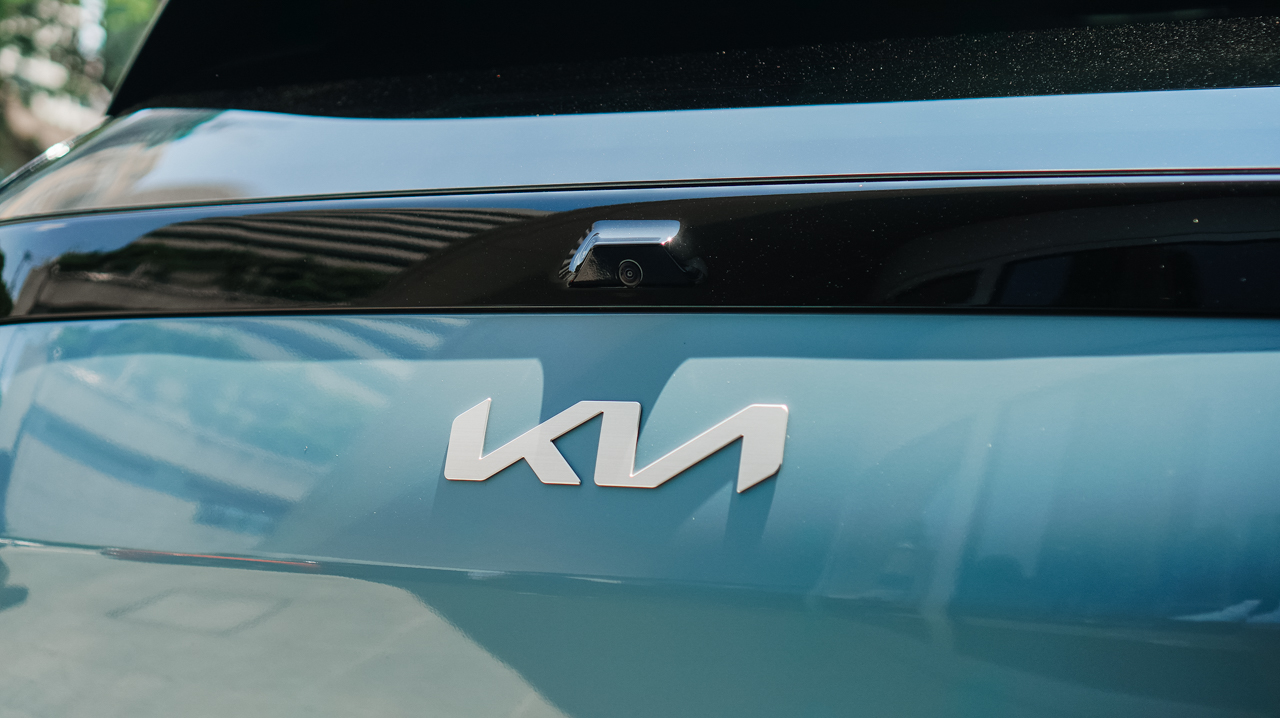
The EV3 comes in seven curated exterior colors. Options include Aventurine Green, Snow White Pearl, Aurora Black, Terra Cotta, Frost Blue, Shale Grey, and Ivory Silver.
Accessories
Manila turns up the volume at COVE
Sony Philippines launched its ULT TOWER lineup at Beyond the Beat, with SB19 joining the ULT Squad.
Sound and style shared the floor at COVE Manila in Okada Manila. Sony Philippines opened its doors for Beyond the Beat: The Next-Level ULT POWER SOUND Experience.
The event marked the company’s biggest ULT POWER SOUND launch in the country, and Sony paced the program like an exclusive night out.
Stacked ULT Towers filled the space. Guests styled themselves with designer pieces from Alser Lumawag, and SB19 closed the evening as the newest Sony ULT Squad members.
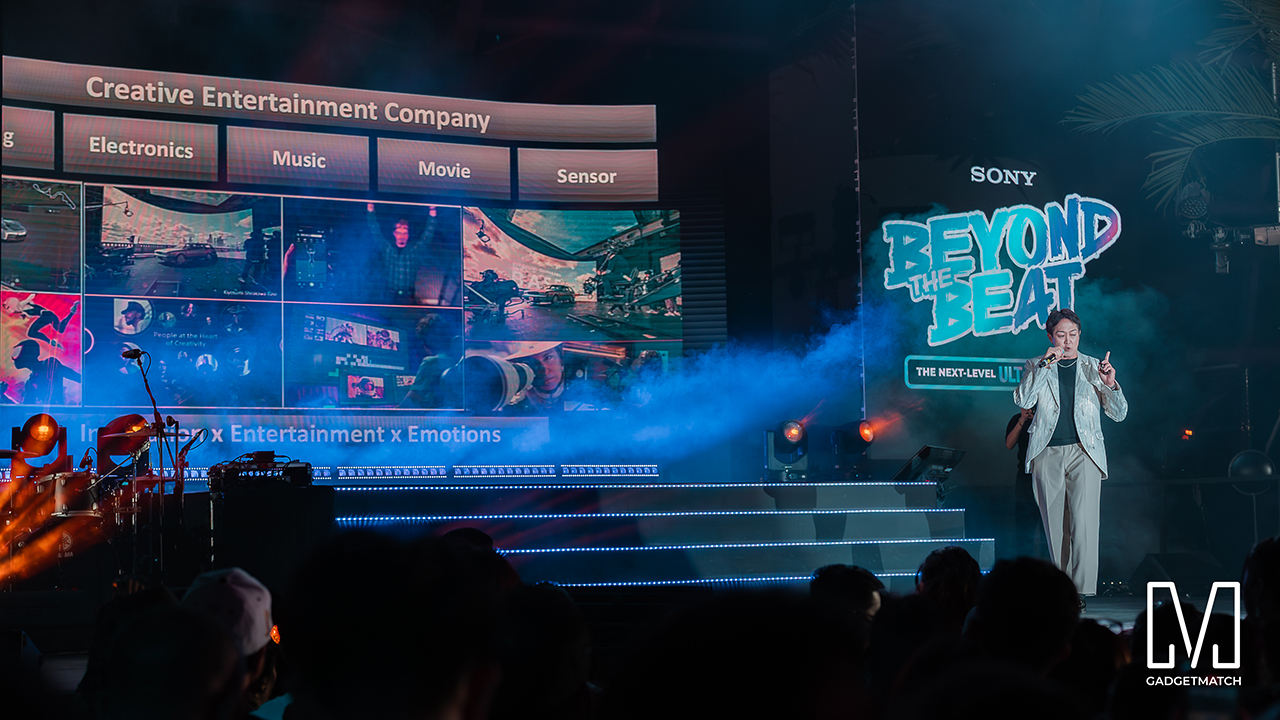
MySony members from every tier joined industry guests while the new ULT TOWER lineup set the tempo.
The towers take center stage
Shuhei Sugihara, Sony Philippines’ President and Managing Director, opened the program.

Product Marketing Specialist Keira Ambubuyog then introduced the newest additions to the lineup.
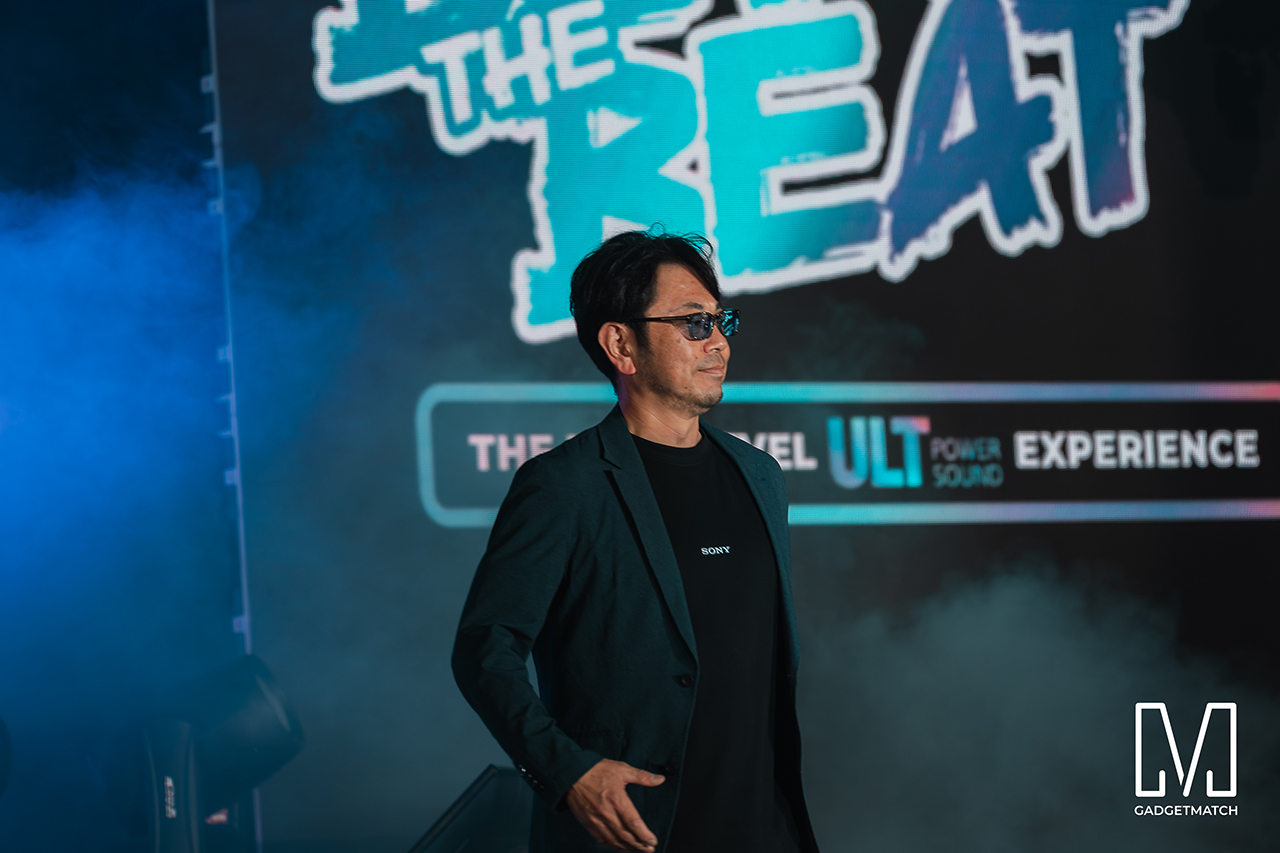
Arbie Bandiling of Personal Audio Systems unveiled the latest ULT Squad video. The clip introduced the artists and personalities fronting the campaign.
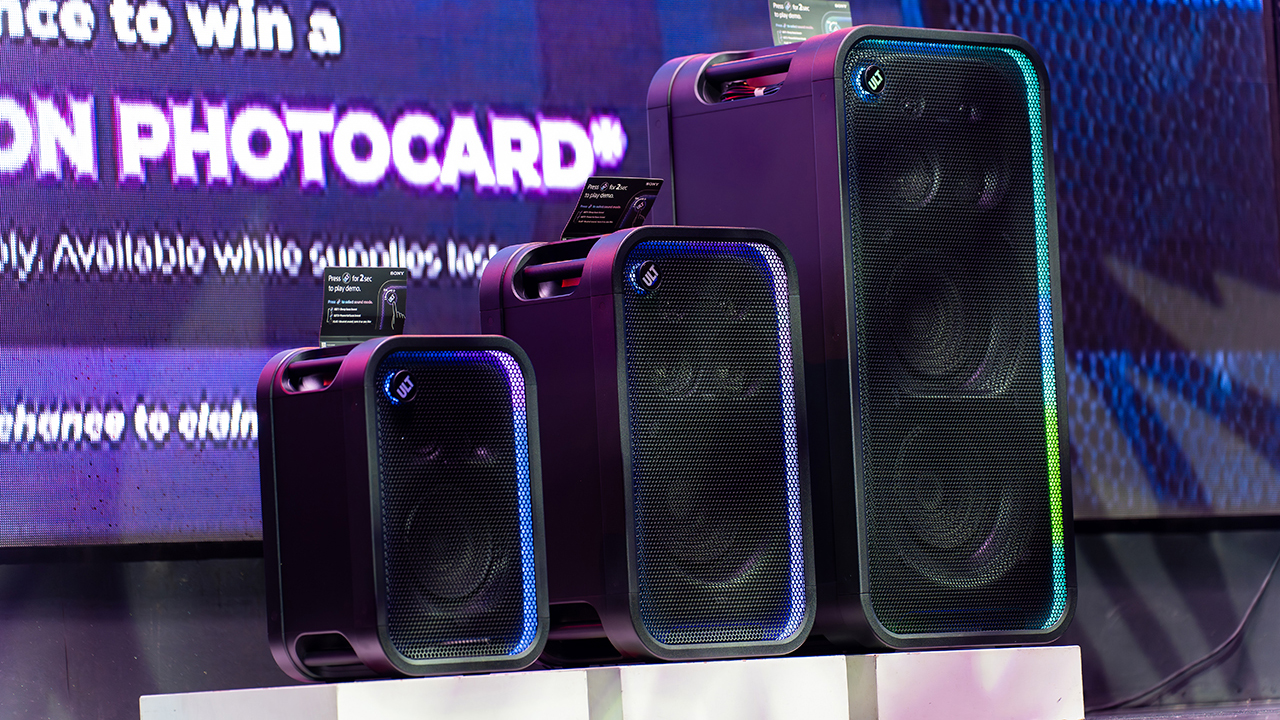
The lineup features the ULT TOWER 5, ULT TOWER 7, and ULT TOWER MAX. The new series pairs large circular woofers and high-capacity cabinets with ULT DUCT technology.
This design delivers stronger low-frequency bass than earlier models. The ULT TOWER MAX leads the series, described as Sony’s most powerful bass speaker yet.
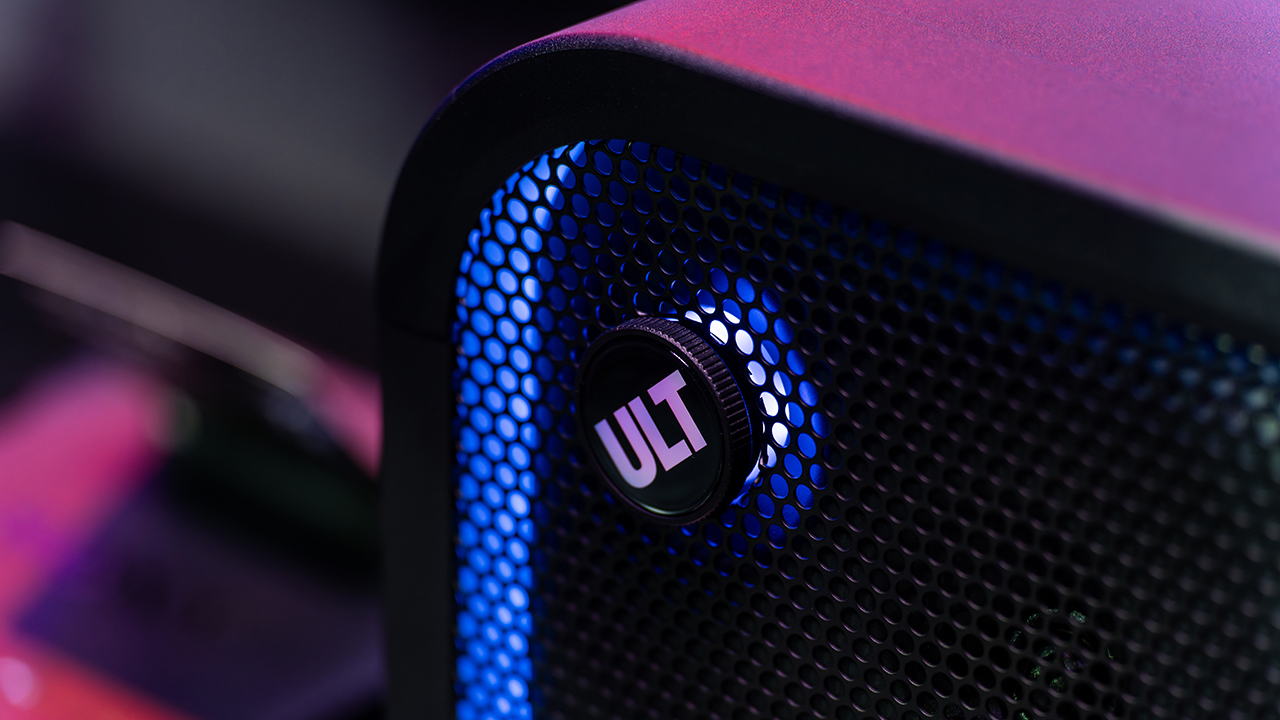
On another note, Sony pitches the ULT TOWER 7 as stage-worthy sound in a portable frame. Meanwhile, the compact ULT TOWER 5 targets smaller gatherings and features karaoke and DJ capabilities.
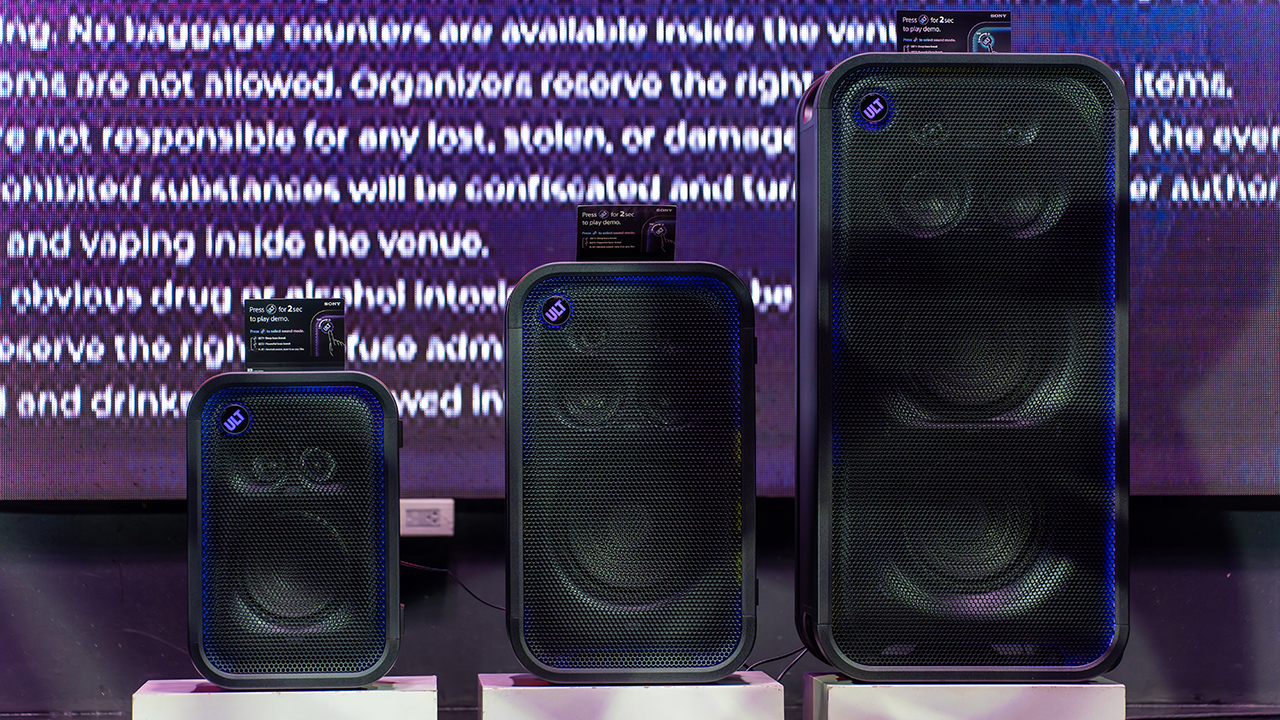
Experiential zones bring the sound to life
Guests explored the lineup across several interactive event zones. Step into the Beat paired an arcade-inspired setup with stacked ULT Towers and a dance pad. ULT Selfie Club handled photo ops.
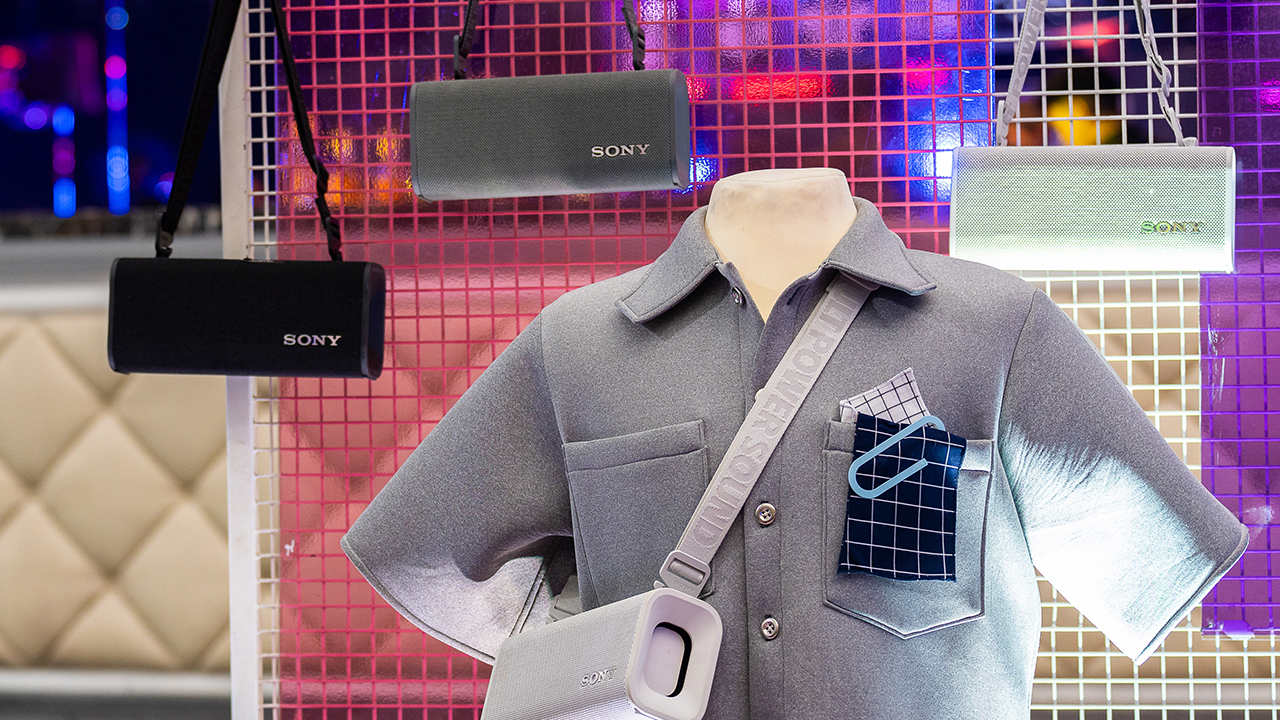
Nearby, ULT Cover Star let guests style ULT Field speakers alongside designer pieces from Alser Lumawag. Here, the speakers served as chic fashion accessories.
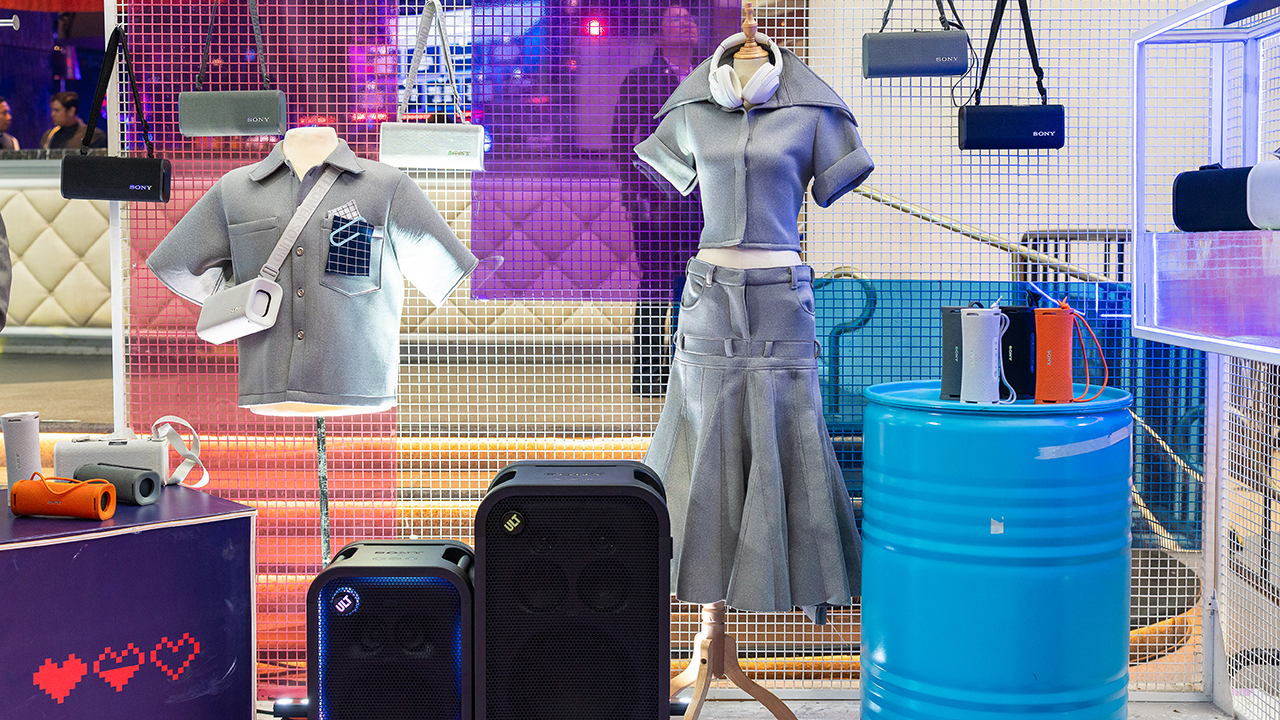
The Bass District gave VIPs and influencers a private, nightlife-inspired lounge. Karaoke Lounges invited everyone else to grab a mic and test the party-ready towers firsthand.
The ULT Squad shows up
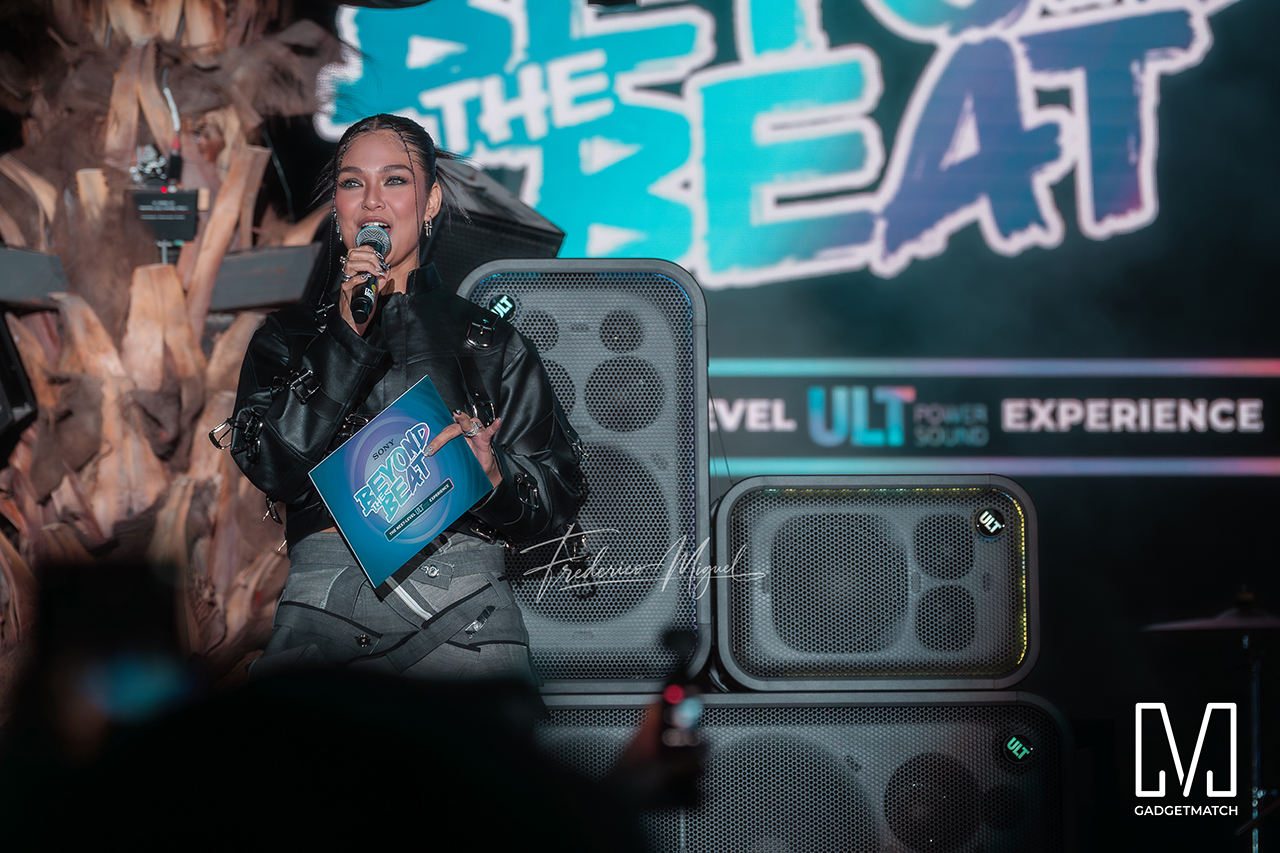
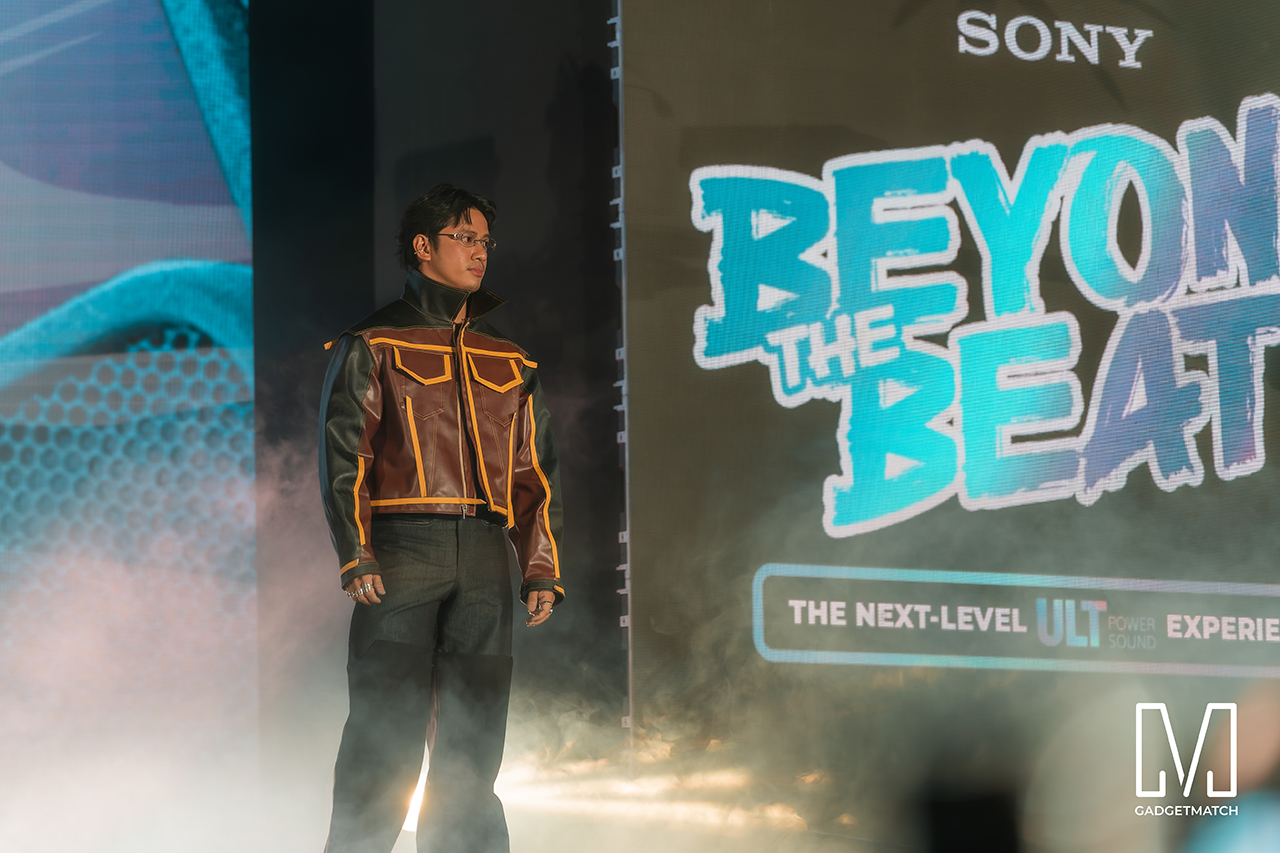
Fashion influencer and ULT Squad member Angelique Manto-Guison hosted the night.
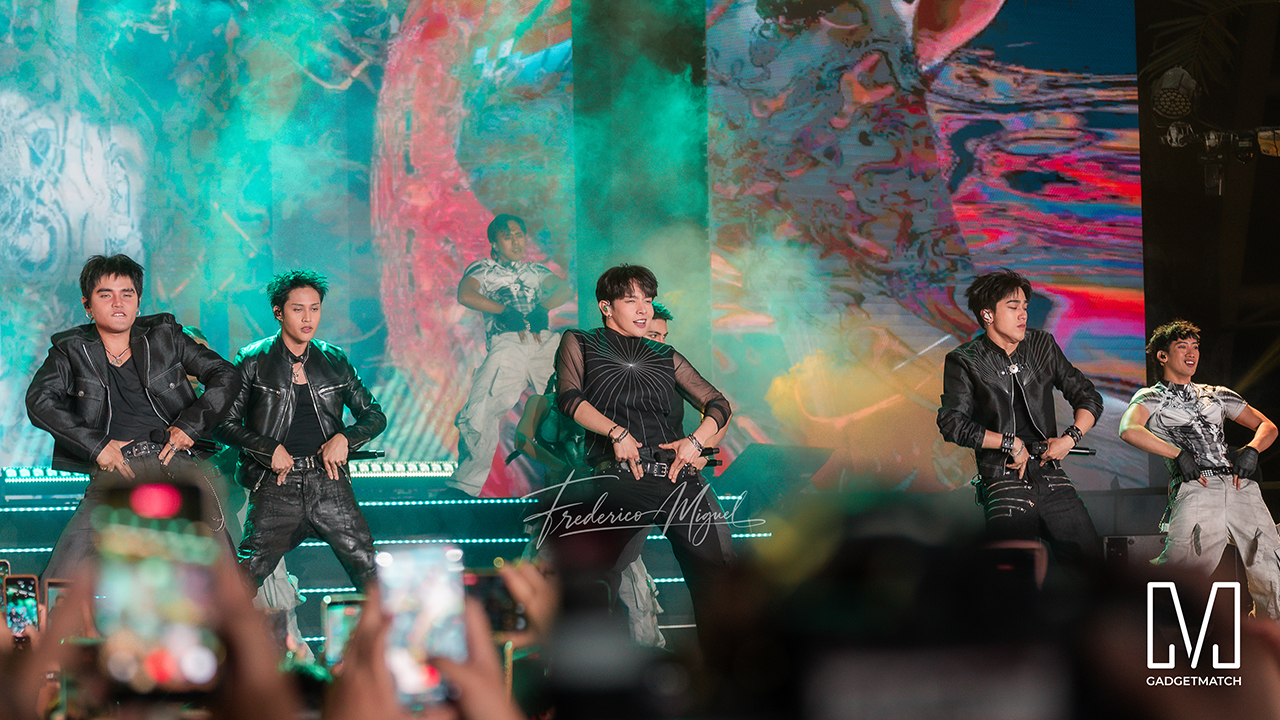
A-Team opened the show with a high-energy routine before Carlos Serrano III took the stage. David Guison and Jacqueline Jala walked the stage with ULT Models in elevated fashion, and Jeremy G followed with a dynamic musical performance.

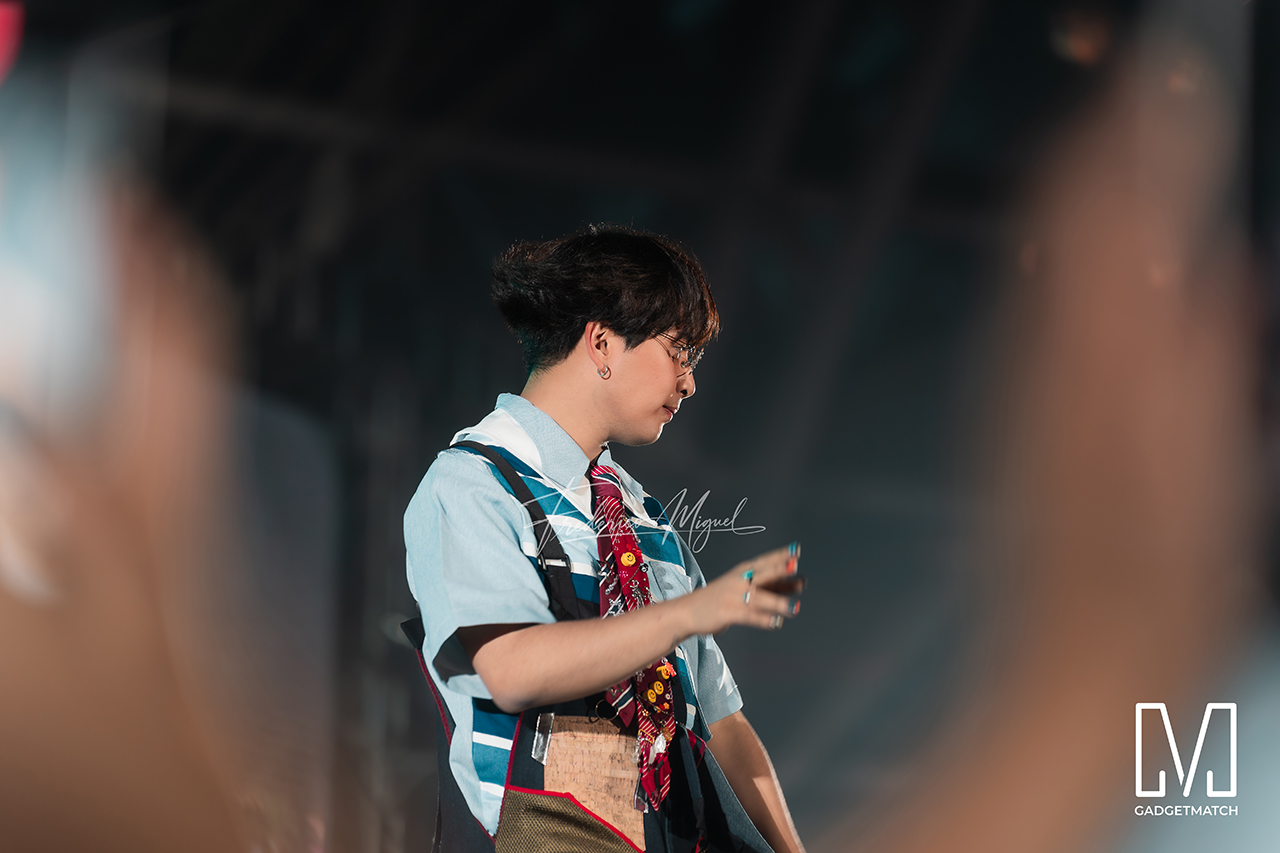
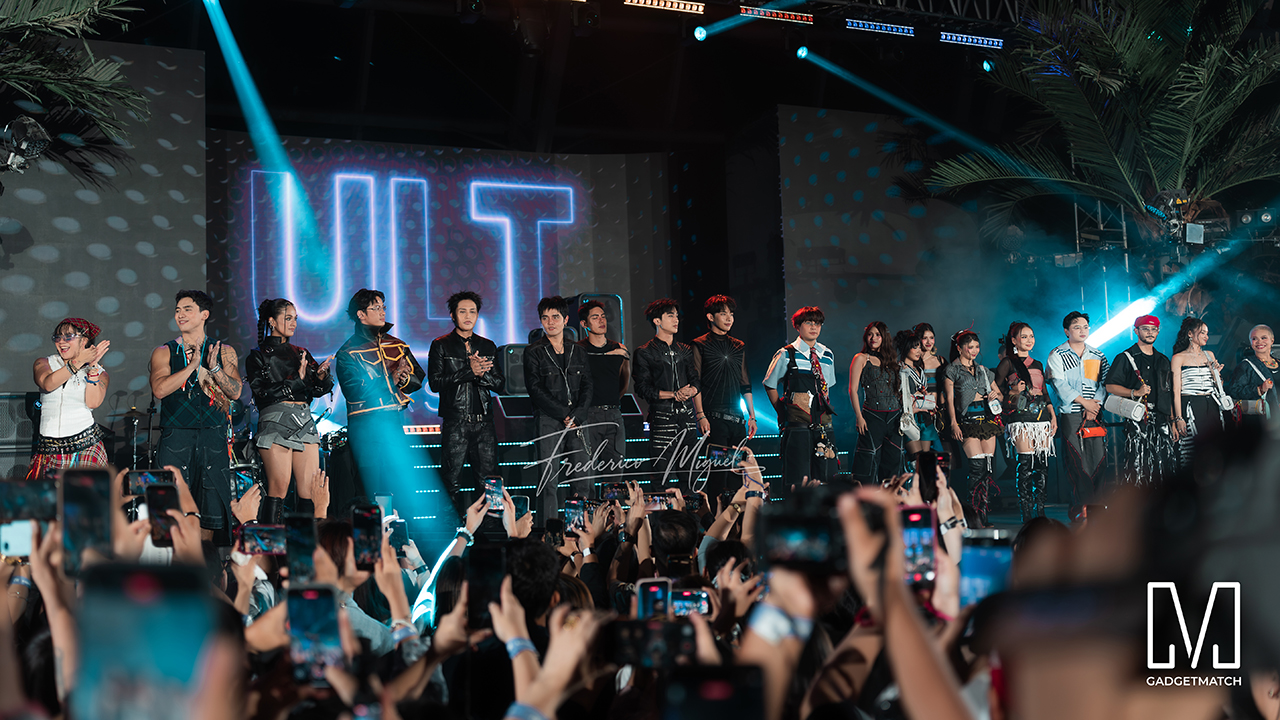
KAIA brought a youthful pop sound, while Maki delivered a set in his signature style.
SB19 closed the night, making their debut as the newest Sony ULT Squad members. Sony pairs its sound technology with the group’s influence in Filipino music. This collaboration positions the Squad as a platform for artists shaping contemporary music culture.
The ULT TOWER MAX, ULT TOWER 7, and ULT TOWER 5 are now available at Sony Centres and authorized dealers nationwide.


DJI Lito X1 review: Is this the best lightweight drone for creators?
Making a strong case as a travel companion and a capable B-cam!


REDMI Note 17 Pro Max review: A new breed born from AI greed
Welcome to the new normal


Marvel’s Wolverine review: When the claws come out
A brutal, cinematic superhero adventure

Spotlight: Amazon Kindle Scribe Colorsoft

Chimelong’s newest attraction might be the robots themselves

Xiaomi 18 Pro series is launching globally, Xiaomi confirms

Google Photos can now censor your kid’s face better

CRISIS CORE -FINAL FANTASY VII- REUNION physical edition now available for Switch 2

realme 16T 5G with 8000mAh battery, IP69 Pro rating launches in PH

HUAWEI Pura X View is 2026’s first WIDE slab-type smartphone

The CAMON Slim 5G is TECNO’s latest ultra-slim smartphone

iPhone 18 Pro series: Price, availability in the Philippines

REDMI Note 17 Pro review: What a rollercoaster ride!


-
 News5 days ago
vivo X500 Series launches with major imaging upgrades
-
 Hands-On2 weeks ago
Apple iPhone 18 Pro Series Hands-on
-

 Gaming2 weeks ago
BlizzCon 2026 announces World of Warcraft: Forever and Diablo V
-

 News4 days ago
OPPO Find X10 Pro Max is the first phone with a triple 200MP camera system
-
Reviews2 weeks ago
REDMI Note 17 Pro Max review: A new breed born from AI greed
-
 Singapore1 week ago
Epson Lifestudio Grand Plus EH-LS970B with 4K projection, more launches
-

 News5 days ago
vivo introduces OriginOS 7 with smarter multitasking and AI features
-
 Gaming2 weeks ago
Valve unveils price of the Steam Frame