
Gaming
Legend of Zelda: Tears of the Kingdom trailer shows off Link’s new powers
So many possibilities

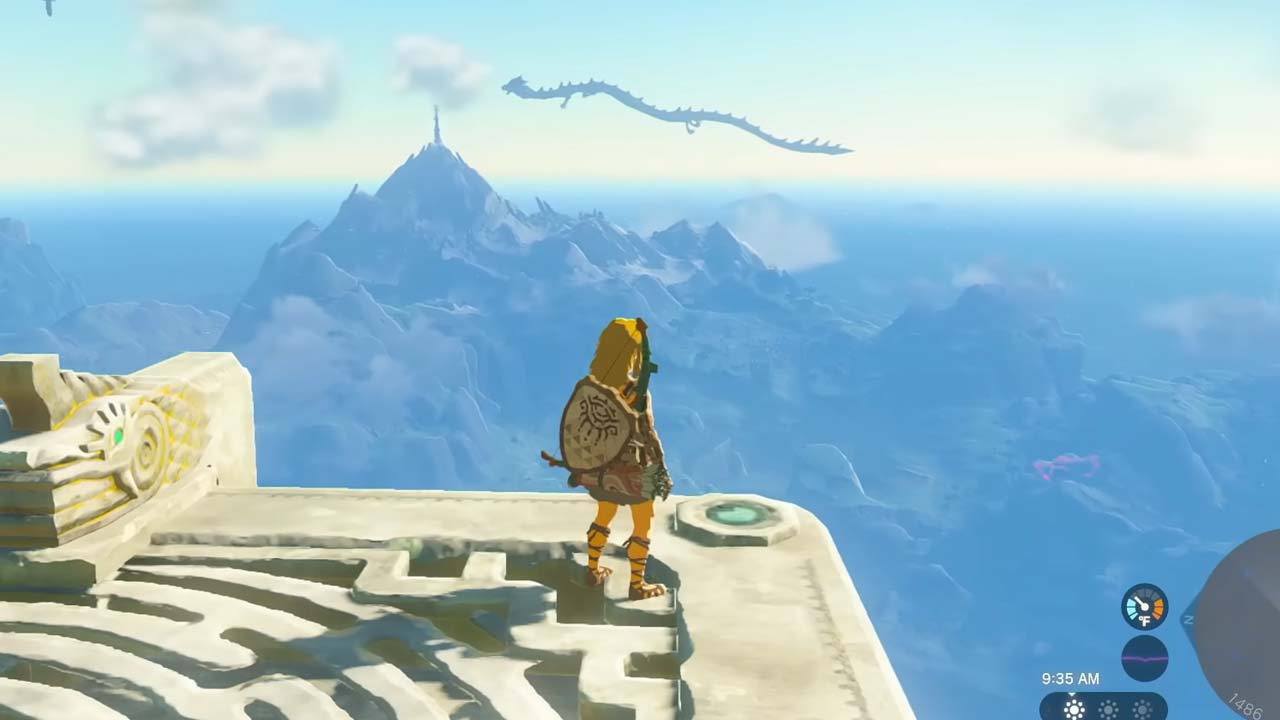
Based on what we’ve seen so far, The Legend of Zelda: Tears of the Kingdom looks like its successful predecessor, Breath of the Wild. But, of course, this is a sequel. To prove that the upcoming sequel is fundamentally different from the first Zelda title on the Switch, Nintendo released a short preview of the title’s gameplay. And there’s a lot to be excited about.
Eiji Aonuma, the franchise’s project lead, did admit that the world looks similar to Breath of the Wild. However, there will be a wealth of differences to separate the one title from the other, starting with Link’s abilities.
For example, the Recall ability can rewind time for targeted objects. Aonuma used a falling rock from a sky island — one of the sequel’s biggest differences — to demonstrate the ability. Using Recall, Link zipped up to the sky island as if in an elevator.
Arguably, the next ability, Fuse, is the one we’re most excited for. Using the ability (and a complementary ability called Ultrahand), Link can combine objects together to make new ones. The video demonstrated different combinations like fusing a meager stick and a boulder to create a hammer-like weapon. Or an eyeball with an arrow to create a homing missile. Or a bunch of logs together to make a raft. The possibilities are endless, and Aonuma invites everyone to test the limits of their imagination.
A final ability, called Ascend, lets Link swim through ceiling to the surface above — reimagining vertical traversal on foot.
There are a lot more tidbits that Aonuma showed in the video but didn’t explain. Thankfully, the wait won’t be long. May 12 can’t come soon enough. Additionally, Nintendo is launching a Tears of the Kingdom-themed OLED Switch on April 28.
SEE ALSO: Zelda sequel Tears of the Kingdom has a release date





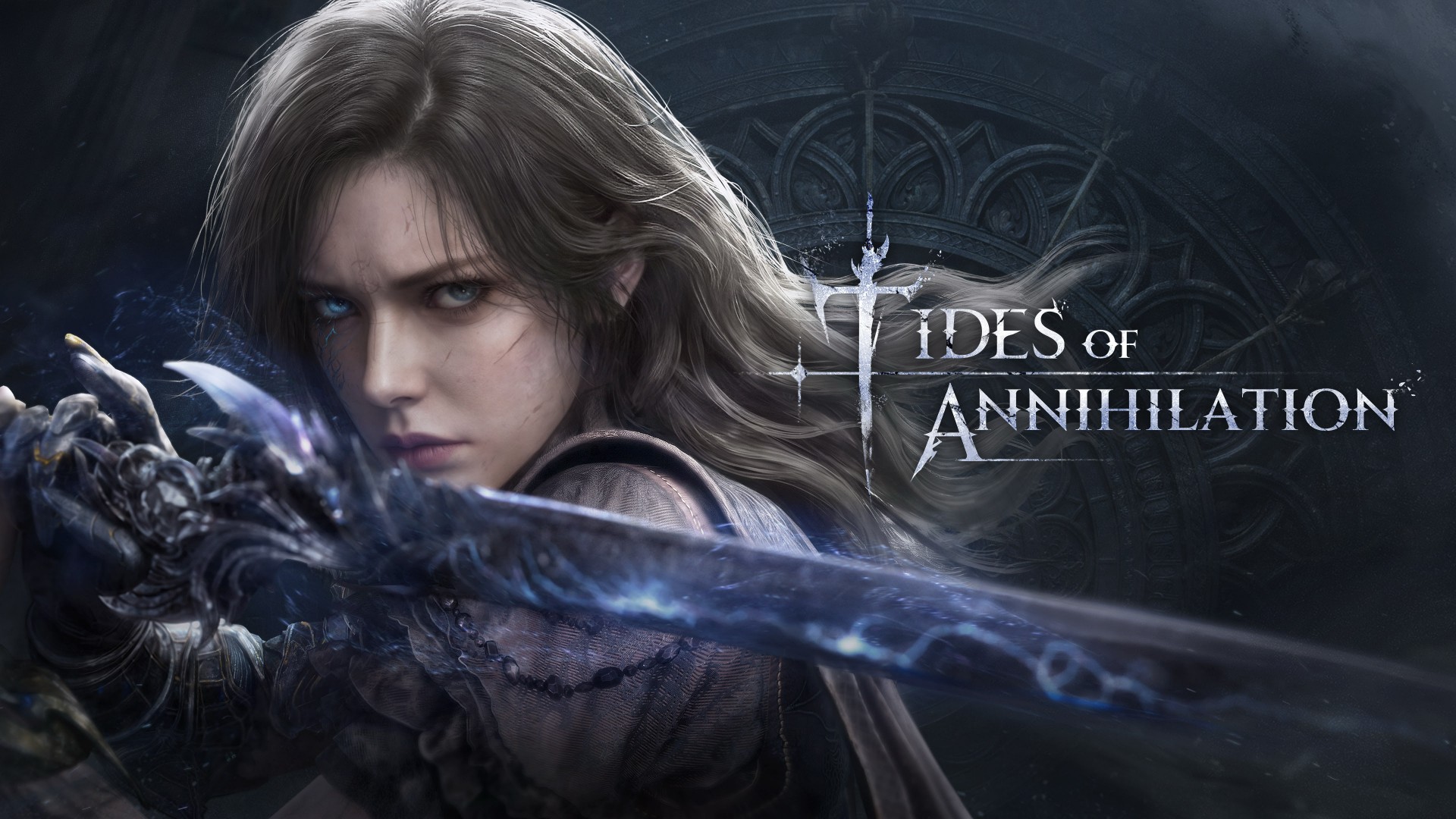
Tides of Annihilation will make its public playable debut at Gamescom 2026.
Developer Eclipse Glow Games announced that attendees can try an extended demo of the upcoming action-adventure game during the event in Cologne, Germany. Players can find the demo at Hall 6, Booth B-050 inside Koelnmesse.
The studio will also reveal a new trailer during Gamescom Opening Night Live on August 25, before the show floor opens.
Demo offers more exploration and combat
The Gamescom demo gives players a longer look at Tides of Annihilation. It features branching paths that lead to different exploration routes and combat encounters. Players can also explore key locations and experience several of the game’s biggest set pieces.
“Gamescom will be an incredibly important moment for our team since this will be our first global playtest and we’re excited to see how first-time players experience our game,” said Ary Chen, Game Director and Co-CEO of Eclipse Glow Games.
“The team has poured heart, soul, and maybe even a few tears into developing the game over the last few years, and it’s finally our opportunity to share it with players. We’re looking forward to seeing their reaction.”
Members of the press and content creators can also schedule private hands-on sessions with the development team during the event.
Arthurian-inspired adventure
Tides of Annihilation blends fast-paced action with a Neo-Medieval vision of modern London. The story follows Gwendolyn after an Outworld invasion leaves the city in ruins.
Driven by a mission to save her sister, she travels between a shattered London and the mythical realm of Avalon. Along the way, she uncovers the mystery behind her newfound powers. She must also decide the fate of reality itself.
Eclipse Glow Games is developing Tides of Annihilation for PC via Steam and the Epic Games Store, Xbox Series X|S, and PlayStation 5.
Gaming
Street Fighter 6 adds first Filipino fighter Yasmine to its roster
Eskrima fighter joins battle

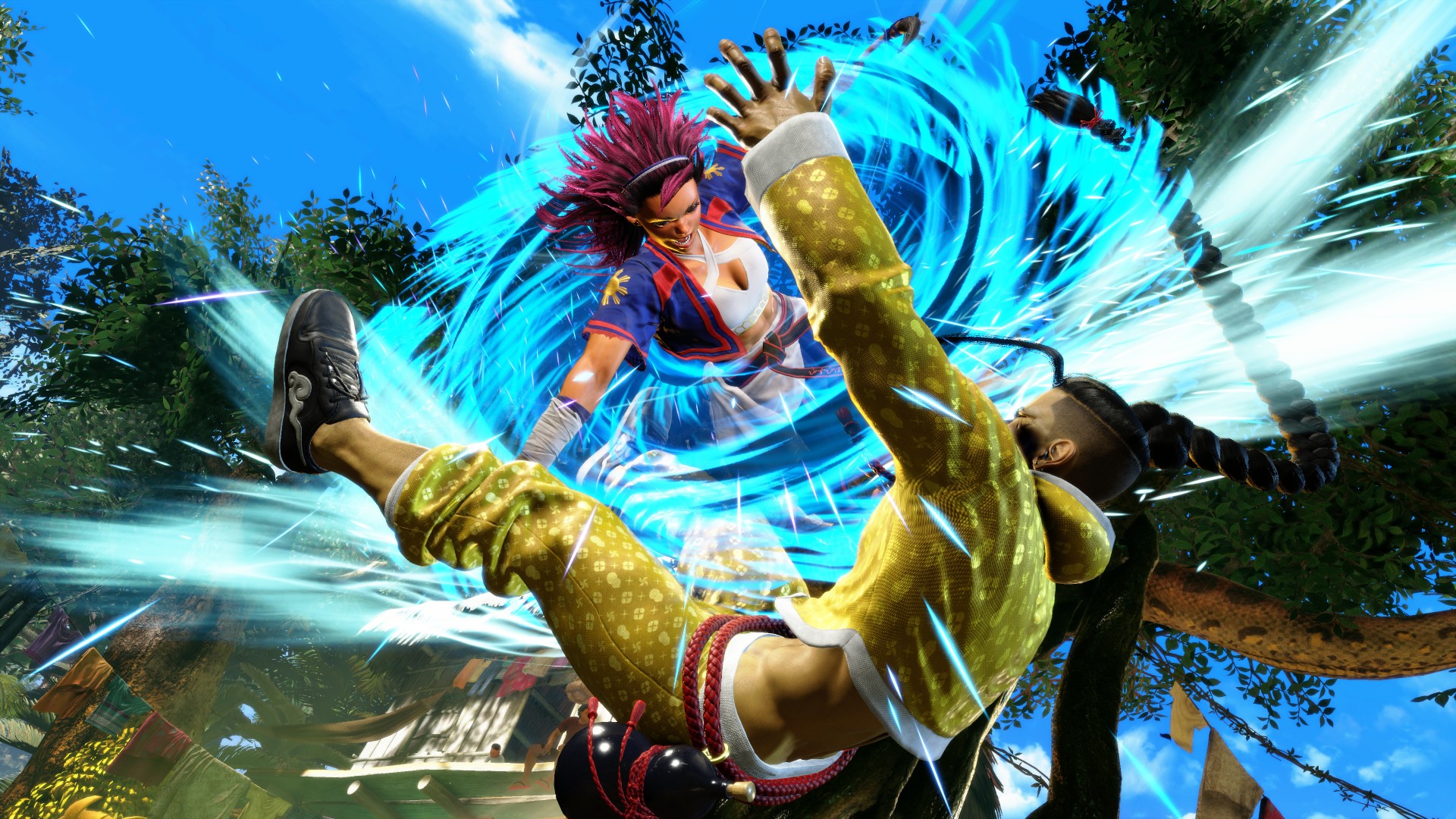
Street Fighter 6 has officially welcomed Yasmine, making history as the first Filipino martial artist to join the franchise’s playable roster. The new character is now available across PlayStation 5, PlayStation 4, Xbox Series X|S, PC, and Nintendo Switch 2 as part of the game’s Year 4 content.
Yasmine practices Eskrima, having learned the Filipino martial art alongside her older brother under their grandfather’s guidance. She wields Karambit knives in battle and embarks on a journey to find her missing brother.
Players can access Yasmine by purchasing the Year 4 Character Pass or Year 4 Ultimate Pass. Her default outfit features traditional Eskrima-inspired combat attire, while a school uniform serves as her second costume. In combat, she specializes in fast, aggressive attacks that build toward an enhanced Bayani Mode.
Yasmine is the first of four Year 4 fighters, followed by Arjun, Tifa from the Final Fantasy VII Remake series, and Bosch. Her release also arrives alongside battle balance adjustments affecting the entire roster.
Onimusha crossover arrives this week
Capcom also announced a limited-time collaboration between Street Fighter 6 and Onimusha. Running from August 7 to August 31, 2026, the event introduces Oni EX character colors, themed Battle Hub decorations, avatar items, and additional rewards for players who log in during the event.
The update also adds new Avatar Arcade courses, additional ending scenes, a Frame Meter option for Avatar Random Match, and refreshed Master ACT rewards.
Philippine launch event set for August 9
Capcom will celebrate Yasmine’s debut with an official Philippine community launch event on Sunday, August 9, at Salud! by Primera Bar & Restaurant in Palanan, Makati. The event runs from 2:00 PM to 9:00 PM and features a double-elimination tournament, gameplay showcases, giveaways, and community activities.
Attendees can also receive limited-edition Yasmine merchandise, including event T-shirts, lanyards, and collectible keychains while supplies last. Special guests and cosplayers are also scheduled to appear. Admission will be on a first-come, first-served basis and is subject to venue capacity.
Gaming
Gangstar Mirage City launches on August 20 with SEA localization
Join a faction now for a chance to win rewards

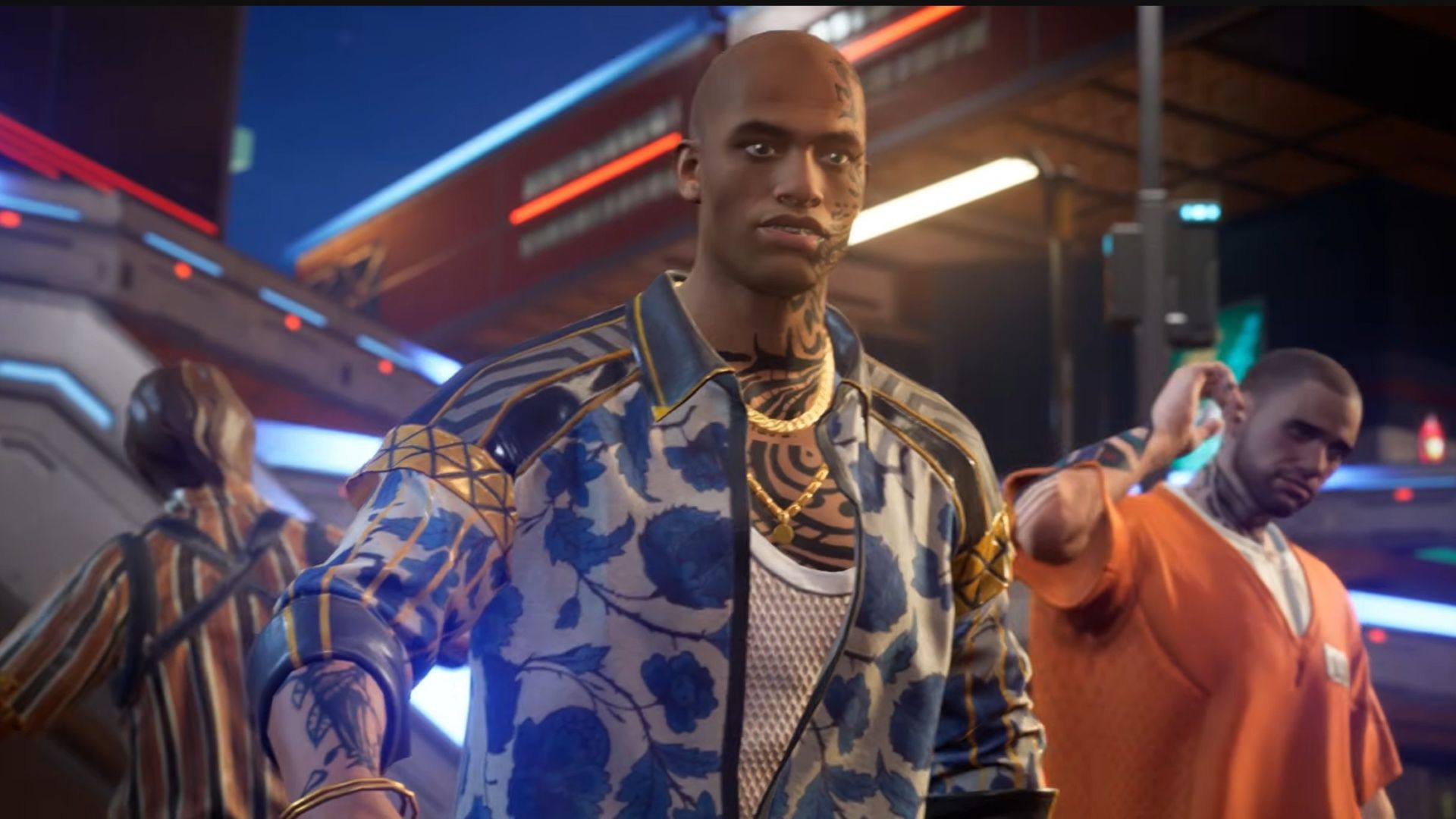
Gangstar Mirage City is set for a full regional launch on August 20, with localization for the Southeast Asia region.
Published by Level Infinite, the free-to-play multiplayer, urban, open-world action game is available for download on iOS and Android.
The full regional release features an expanded open world, a new PvP Arena mode, and local languages.
In Gangstar Mirage City, players can team up for up to 4-man co-op heists, drive powerful vehicles, customize their arsenal, build an empire, and fight for control of Rooklyn City.
Players can register on gangstarmiragecity.com for in-game rewards.
In Southeast Asia, players can also register as a member of their respective local faction and get an exclusive in-game Avatar to represent their loyalty:
- Philippines: Manila Brigade
- Indonesia: War Kanda
- Malaysia: Taiko Tedung
- Thailand: SIAM APEX
Factions will be ranked based on how many players join and support them. The winning faction will enable all members to get 300 Diamonds, sent directly to their accounts.
Meanwhile, all players, including those who already began their journey in Rooklyn City with the soft launch last July, are invited to join the Global Vault Heist.
Reaching the final Registration Milestone will unlock the Full Tilt Vehicle Pack. These are the rewards up for grabs per milestone:
- 5 million players: 100 Diamonds
- 10 million players: 200 Diamonds
- 20 million players: Vehicle Upgrade Vouchers x5
- 30 million players: Full Tilt Vehicle Pack
All Global Vault Heist and Faction rewards can be claimed via the in-game mail system on August 20.


realme C100: Enduring and durable in spite of entry-level realities
Enough power but needs more agility


The ASUS ExpertBook Ultra wins you over
The laptop sneaks up on you


Nexal Watch Sport review: A rugged watch for small budgets
I couldn't believe that watches this good could come for this cheap.

The iPhone 18 might sell out for an unexpected reason

These “smart” glasses just sold out in under a week

New Yorkers compete in Ted Lasso lookalike contest at Apple Fifth Avenue

nubia expands gaming lineup with Neo 5 Max, Neo 5 GT Special Edition

Sony launches FE 100-400mm F5.6-8 OSS telephoto zoom lens

New York becomes first state to ban smart glasses

Sony launches IER-M500 in-ear monitors

Microsoft dictates that a new Fallout game is coming

HoYo FEST 2026 details announced; tickets on sale from July 16
realme C100: Enduring and durable in spite of entry-level realities


-

 Automotive4 days ago
VinFast debuts two-wheeler models, opens 21 e-motorcycle showrooms
-

 Computers1 week ago
AMD launches Radeon RX 9050 graphics card
-

 Computers2 weeks ago
AORUS MASTER 16 Gen 2 2026 AI gaming laptop launches
-

 Gaming2 weeks ago
God of War Laufey finally confirms its highly anticipated launch date
-

 Automotive6 days ago
Xiaomi debuts SkyNomad Series featuring new Kunlun platform
-

 News2 days ago
OnePlus officially leaves the United States and Canada
-

 Gaming1 week ago
NBA 2K27 gameplay trailer showcases new dunk mechanics, Rucker Park, and more
-

 Gaming5 days ago
Call of Duty: Modern Warfare 4 clip shows Losing Ground 1st look