
News
Xiaomi 17, Xiaomi Pad 8 series price, availability in PH
Xiaomi’s latest flagship devices have arrived

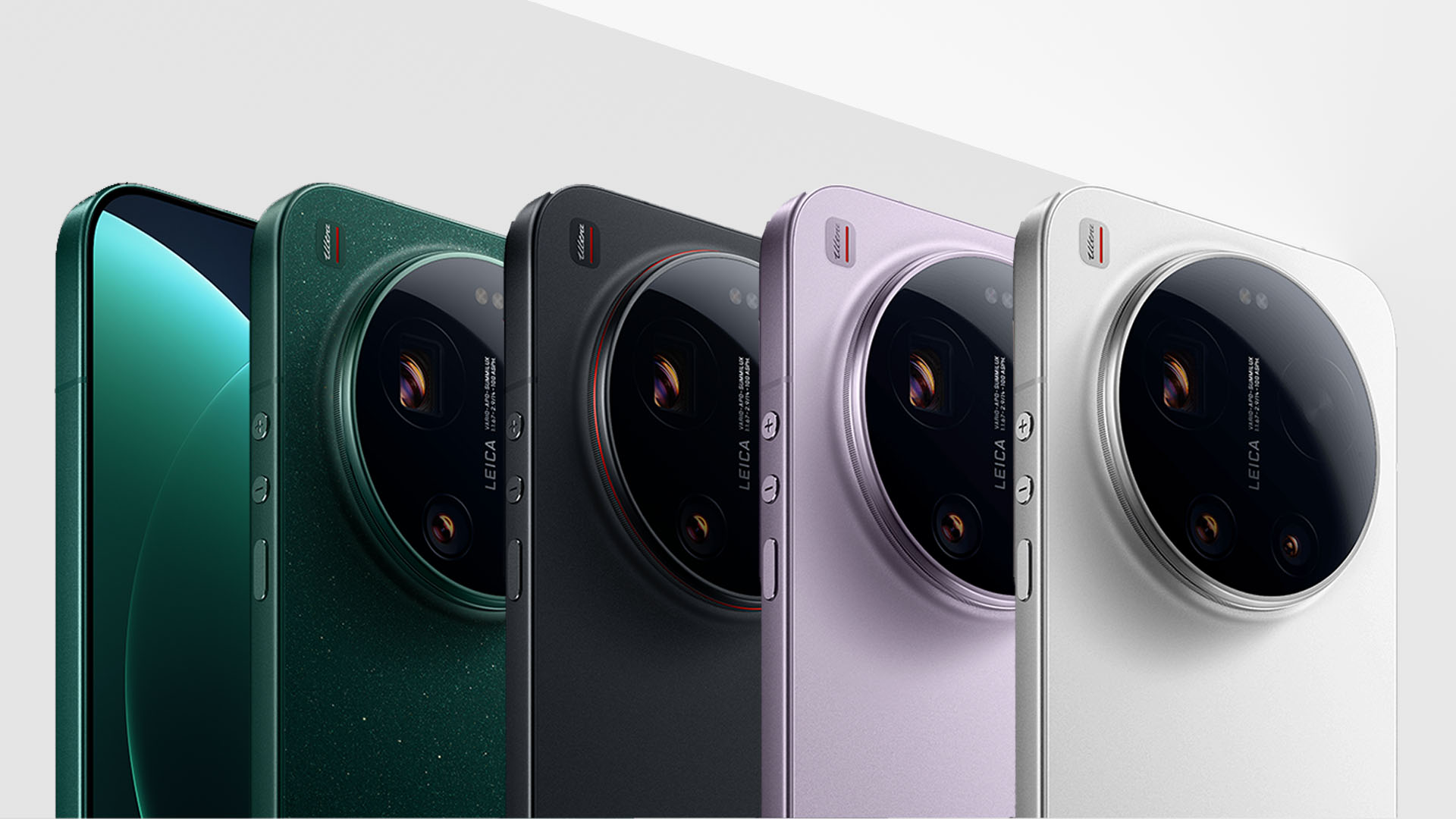
Xiaomi has officially launched its latest flagship smartphone series, the Xiaomi 17, in the Philippines. The lineup consists of two models: the Xiaomi 17 and the Xiaomi 17 Ultra.
Customers can get the Xiaomi 17 in four color options: Alpine Pink, Ice Blue, Venture Green, and Black. The base model is available via Lazada, Shopee, and Xiaomi authorized stores for the following prices:
- 12GB+256GB: PhP 49,999 (from 53,999) until March 19
- 12GB+512GB: PhP 53,999 (from 55,999) until March 19
Early purchases also come with the following perks:
- Up to PhP 4,000 off on Shopee
- Up to PhP 2,000 off on Lazada
- Free Xiaomi Watch S4 41mm worth PhP 7,799
- Chance to win a Leica Q3 worth PhP417,000 (only one entry per customer per purchase)
Meanwhile, the Xiaomi 17 Ultra is available at PhP 84,999 for the 16GB+512GB configuration. That’s a generous reduction from its base price of PhP 99,999.
Exclusive Shopee online perks until March 19 include:
- Free Xiaomi Watch 5 worth PhP 18,999
- Free Xiaomi Photography Kit
- Raffle entry to win Leica Q3
The Xiaomi 17 Ultra features an outstanding camera system, making it one of the best camera-focused flagships available now.
It comes with a 50MP f/1.67 main Leica Optical Summilux high-speed lens, with a large 1-inch sensor size.
This camera is complemented by a 50MP f/2.2 ultra-wide camera and a 200MP f/2.39~2.96 telephoto camera with 3.2x~4.3x continuous optical zoom. The latter uses a 1/1.4-inch Samsung ISOCELL sensor.
The Ultra is powered by a Snapdragon 8 Elite Gen 5 processor, and has a large 6.9-inch 120Hz 2k display.
For a comprehensive review, read here: Forget the Phone: Xiaomi 17 Ultra Is A CAMERA!
On the other hand, the Xiaomi 17 has a more compact 6.3-inch design, Leica triple cameras, a 6,330mAh battery with support for 100W charging, and the same Snapdragon 8 Elite Gen 5 processor.
Xiaomi Pad 8 series
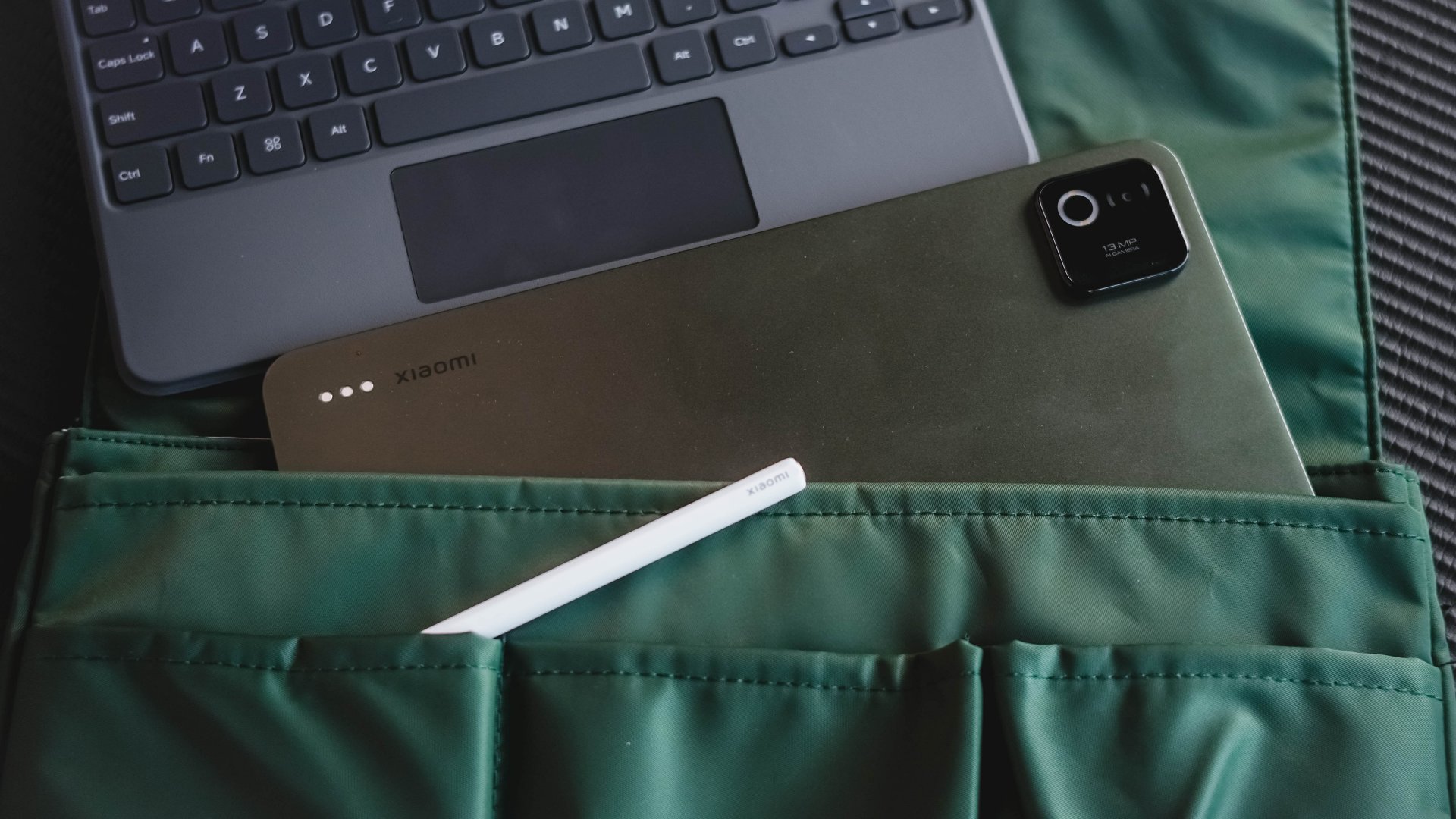
In addition to Xiaomi’s latest flagships, the company has also launched its latest premium tablet locally.
The Xiaomi Pad 8 series is now available in the Pad 8 and Pad 8 Pro variants. Both come in Pine Green, Gray, and Blue color options. Exclusive pre-order bundles are available until March 26:
- Pad 8 Pro: PhP 36,999 (from 38,999) with Touch Keyboard, free Focus Pen Pro
- Pad 8: PhP 27,999 (from 29,999) with Normal Keyboard, free Focus Pen Pro
In addition, there is also a Matte Glass version available from PhP 45,999.
The Xiaomi Pad 8 has an 11.2-inch 144Hz IPS LCD display with ample 3.2K resolution, 345ppi pixel density, and 800 nits peak brightness.
It comes in a lightweight body at 485 grams, and is even thinner than its predecessor at 5.75mm. The slate is also equipped with a 9,200mAh battery for longer use.
Professional workflows are likewise supported with integrated WPS Office PC.
Meanwhile, the Pad 8 Pro is powered by a Snapdragon 8 Elite. It even has a 50MP rear camera, 32MP front camera, and up to 512GB of storage, as well as 67W HyperCharge.
For the full review, read here: Xiaomi Pad 8 review: Slab that slaps!









Recently, Apple CEO John Ternus declared his intentions to make his company release new devices more regularly. Well, he isn’t playing around. So soon after the launch of the new iPhone 18 Pro series and the iPhone Duo, Apple has just scheduled a new event on October 13 titled “Welcome Home.”
As the name implies, this isn’t an event for more iPhones. Rather, the event will likely focus on Apple’s suite of home-related products. We might see an all-new HomePod and an Apple TV. Plus, it’s been rumored that the company will launch a new smart home hub.
Besides new mobile products, Apple is focusing on adding more ways to have their ecosystem inside your home. Naturally, this could mean that Apple is improving the ecosystem itself, ensuring that all of its products work seamlessly with one another.
Sadly, that’s all we can say about the upcoming October 13 event. This is, after all, a new era for Apple after Tim Cook stepped down from his post as the company’s CEO. We don’t know if the company wants a grand entrance for its new products or a more subtle one. Either way, stay tuned next week for a preview of whatever the brand has cooking in the kitchen.


OPPOOPPOOPPO has announced that the Find X10 Series will launch globally on October 21 in Mallorca, Spain.
The latest flagship lineup focuses heavily on mobile photography, with OPPO positioning the series as a “Hasselblad True-to-Life Camera.” It combines new camera hardware with OPPO’s next-generation LUMO True Image Engine for more natural detail, color, and tones.
Two phones, up to three 200MP cameras
The Find X10 features a Dual 200MP Camera System co-developed with Hasselblad. Meanwhile, the Find X10 Pro Max takes things further with a Triple 200MP Camera System.
The Pro Max is equipped with 200MP sensors for its ultra-wide, main, and telephoto cameras.
OPPO’s LUMO True Image Engine is designed to make the most of the new hardware. It combines computational photography with Master Mode and color information from the True Color Camera to produce more natural-looking images.
The company says the system is designed to preserve details such as skin tones and fine textures while maintaining natural contrast.
4K 120fps and 8K video
The OPPO Find X10 Series also gets upgraded video capabilities.
The Find X10 Pro Max supports 4K video recording at 120fps and 8K at 30fps across all three rear cameras. The Find X10 offers the same capabilities on its two 200MP cameras.
Both models also introduce Open Gate Capture. The feature uses the sensor’s full imaging area, allowing creators to capture more of a scene and later crop or reframe footage for different formats.
Flagship MediaTek chips and 8,000mAh batteries
The Find X10 is powered by the MediaTek Dimensity 9600M, while the Find X10 Pro Max is among the first smartphones to use the 2nm MediaTek Dimensity 9600 Pro.
Both phones pack an 8,000mAh OPPO Silicon-Carbon Battery. OPPO claims the battery can provide up to two days of typical use and retain more than 80 percent of its original capacity after five years of typical use.
The series will also ship with ColorOS 17, which introduces a new Living Flow Design and AI Mind Pilot with Agent Mode. The latter connects agentic AI with files and photos on the phone to help users complete more complex tasks through a single prompt.
Find X10 Series design
OPPO is giving the Find X10 Series a minimalist design with its new Borderless Design. One-Piece Sculpted Glass flows into the camera module, creating a more seamless look around the camera bump.
The Find X10 will be available in Glacier Blue, Glow Coral, and Mist Grey. The Find X10 Pro Max comes in Titanium Grey and Luna White.
OPPO will reveal the Find X10 Series’ full specifications, pricing, and availability during its global launch event in Mallorca on October 21.
News
Amazon launches new Alexa+ tablets with full Google Play access
Alexa+ arrives on three tablets.

Amazon has introduced its new Alexa Tablets, a lineup of Android tablets built around its Alexa+ assistant and full access to the Google Play Store.
The lineup consists of the Amazon Alexa Tablet 12 Pro, Amazon Alexa Tablet 11, and Amazon Alexa Tablet 8. All three feature aluminum designs, high-resolution displays, and Alexa+ built into the core tablet experience. The Alexa Tablet 12 Pro leads the lineup
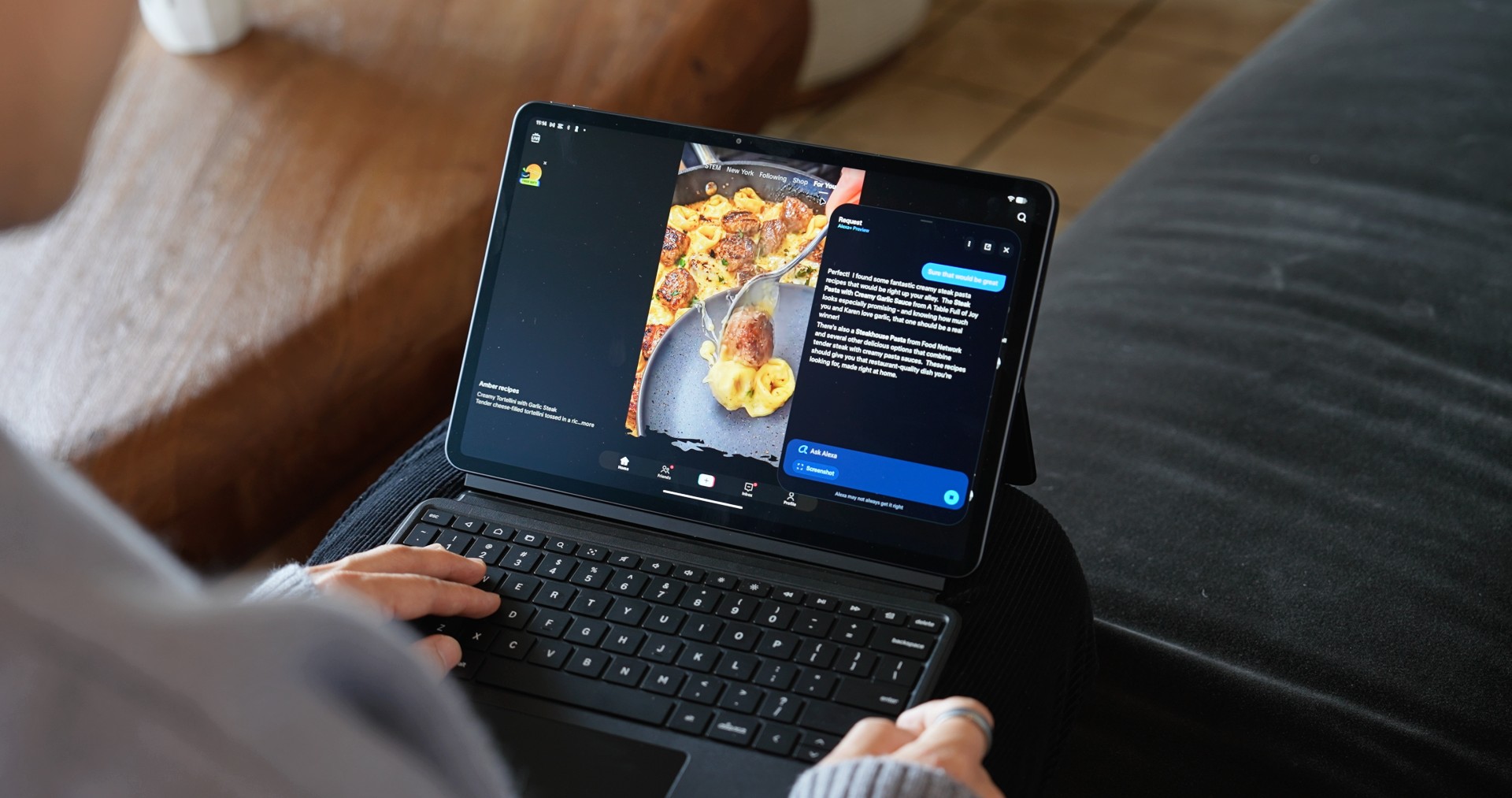
The Amazon Alexa Tablet 12 Pro is the flagship model. It features a 12-inch 2800 x 1840 display with a 120Hz refresh rate and 3:2 aspect ratio. It measures just 6.5mm thick and weighs 550g.
The tablet runs on a 4nm MediaTek Dimensity 8400 processor with up to 16GB of RAM. Amazon claims it delivers nearly three times faster processing and nine times faster graphics than any tablet it has previously shipped.
The tablet also has quad Dolby Atmos speakers, Wi-Fi 6E, and up to 16 hours of video playback.
An optional Nanomatte display uses an etched anti-glare surface designed to reduce reflections while retaining detail and color accuracy. Amazon says it is designed to remain readable in different lighting conditions.
The company is also offering a Pro Pen and Pro Keyboard for the 12 Pro. The pen supports 4,096 levels of pressure sensitivity, tilt detection, magnetic docking, and wireless charging, while the keyboard turns the tablet into a more traditional productivity setup.
Alexa+ is built into the tablets
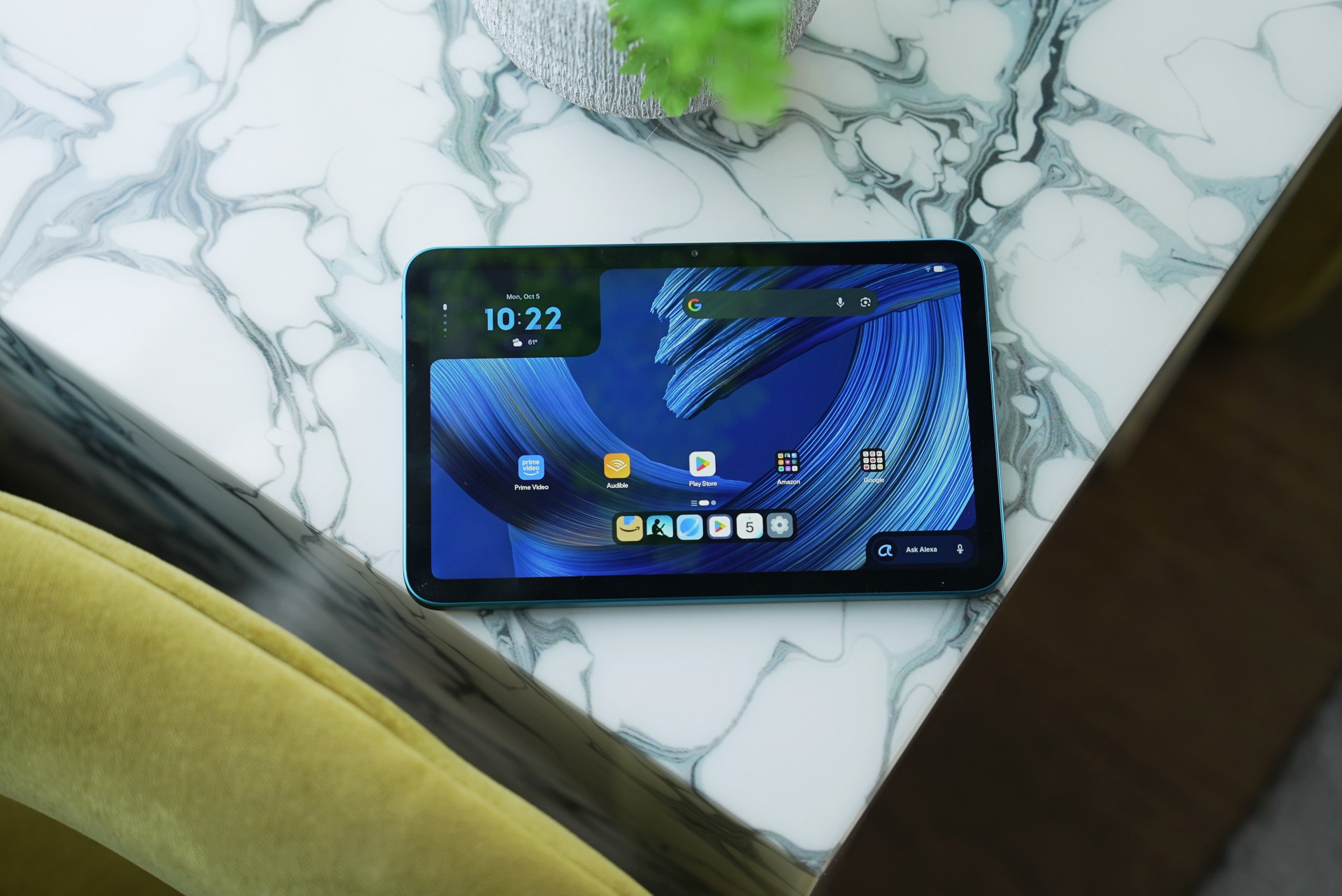
Alexa+ is integrated throughout the new tablets. Users can activate it by saying “Alexa” or tapping the Ask Alexa button without leaving their current app.
The assistant can also use On-Screen Intelligence to understand what’s displayed on the tablet. Users can ask Alexa to analyze information, help plan activities, or perform tasks based on what’s on screen.
Alexa+ also supports hands-free live sessions, allowing users to have continuous conversations without repeating the wake word.
Amazon says these screen-related features are off by default and require users to opt in. A visual indicator appears whenever Alexa is active.
The other two tablets
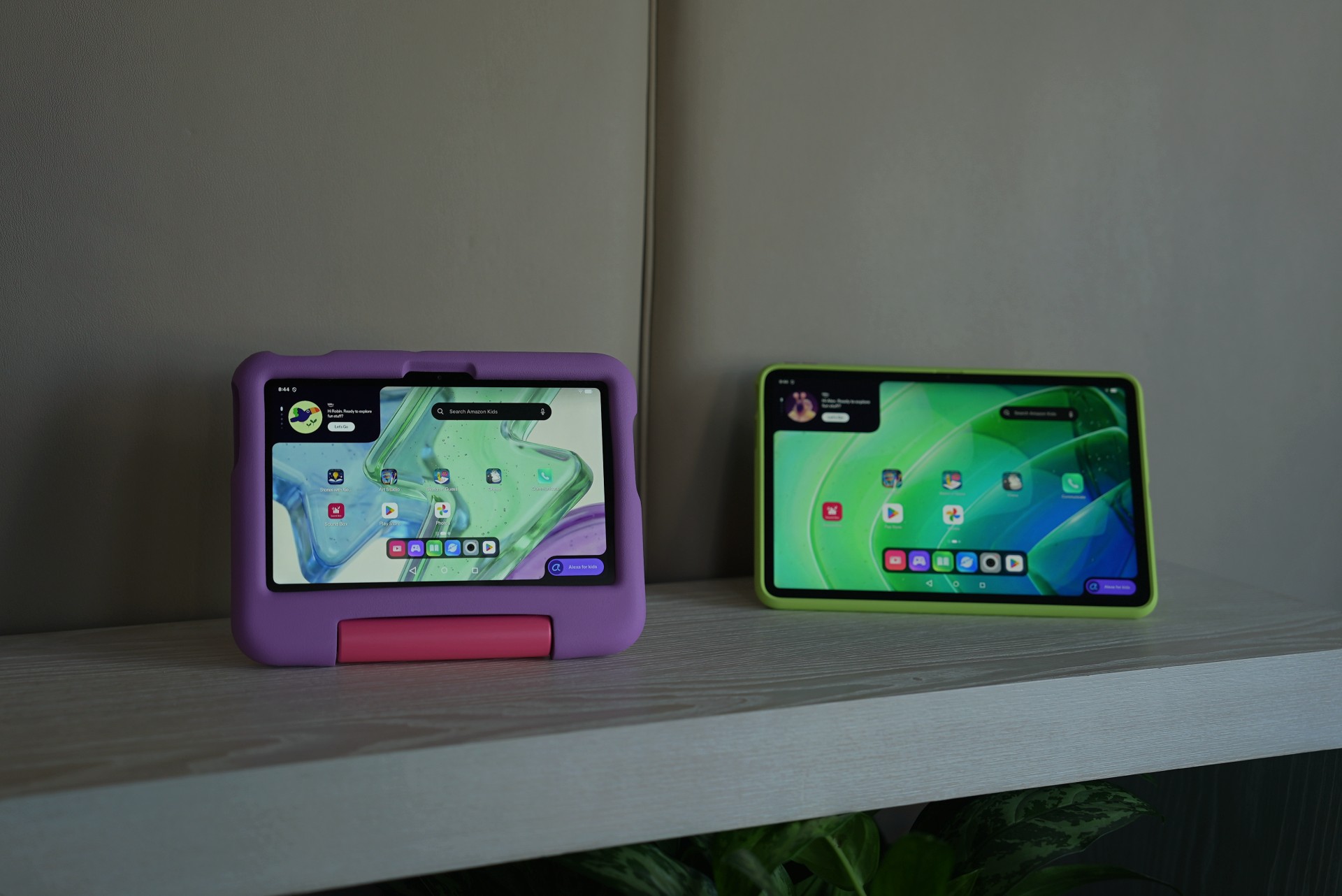
The Amazon Alexa Tablet 11 has an 11-inch 2560 x 1600 display with a 90Hz refresh rate and 16:10 aspect ratio. It uses an 8-core processor with 8GB of RAM, dual Dolby Atmos speakers, and offers up to 15 hours of video playback.
Meanwhile, the Amazon Alexa Tablet 8 is the most portable model. It has an 8.7-inch display, weighs 329g, and measures 7.95mm thick. It offers up to 14 hours of video playback and comes with the same Alexa+ integration as the larger models.
All three tablets run Android 16 and include Google Play Store access, alongside Amazon’s own apps such as Prime Video, Kindle, Audible, Amazon Music, Amazon Quick, and Amazon Luna.
Pricing and availability
The Amazon Alexa Tablet 12 Pro starts at US$499.99, while the Nanomatte version starts at US$549.99. The Amazon Alexa Tablet 11 starts at US$329.99, and the Amazon Alexa Tablet 8 starts at US$229.99.
The Pro Keyboard costs US$149.99, while the Pro Pen costs US$89.99.
The tablets will go on sale October 14, 2026 in the US, Mexico, and Canada. They will arrive in the UK, Germany, France, Italy, and Spain on October 19.
Amazon has not listed the Philippines among the initial launch markets.





Spotlight: Marshall Heston 60

Apple sets home-themed event on October 13

ASUS Zenbook 14 lineup expands with new colors and processors

OPPO Find X10 Series launches globally October 21

Amazon launches new Alexa+ tablets with full Google Play access

vivo X500 Series launches with major imaging upgrades

OPPO Find X10 Pro Max is the first phone with a triple 200MP camera system

BYD says that way better EV batteries are coming next year

TECNO CAMON Slim 5G: Price, availability in the Philippines

HONOR Magic9 Pro Max launches in China with ARRI-powered imaging


-
 Automotive2 weeks ago
BYD says that way better EV batteries are coming next year
-
 Philippines1 week ago
TECNO CAMON Slim 5G: Price, availability in the Philippines
-
 News2 weeks ago
HONOR Magic9 Pro Max launches in China with ARRI-powered imaging
-

 Reviews1 week ago
TECNO CAMON Slim 5G review: Slim on size, big on surprise
-

 Smartphones2 weeks ago
TECNO CAMON Slim 5G teases an ultra-slim design ahead of launch
-

 Reviews2 weeks ago
TECNO POVA 8 Pro Tonino Lamborghini review
-
 Smartphones2 weeks ago
When TECNO-logy meets Tonino Lamborghini legacy
-

 News1 week ago
Apple wants to release new iPhones more regularly