
Cameras
Fujifilm Introduces X-S10 mirrorless digital camera
Compact, lightweight, and high-end

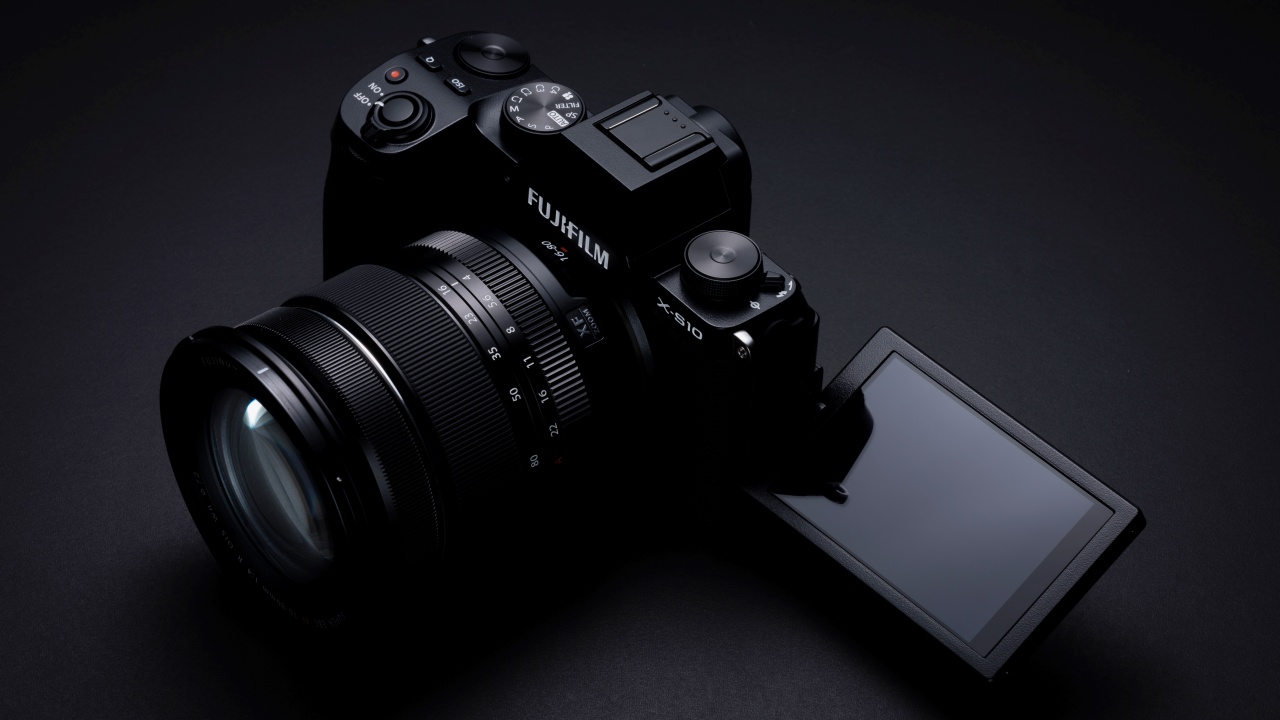
The newest addition to Fujifilm’s X Series family of compact and lightweight digital cameras is the Fujifilm X-S10.
Being relatively small and light, Fujifilm hopes this camera will appeal to everyone. It has professional features for both photo and video, while also having the AUTO/SP (Scene Position) Mode. It automatically adjusts the camera settings without the need for tinkering from the user’s end.
Smaller IBIS for compact body
The camera’s in-body stabilization (IBIS) is around 30% smaller than the previous model. Despite this, it’s able to deliver up to 6.0-stop so five-axis image stabilization. The less shaky the footage, the better.
It’s the first midrange X Series camera with a motion sensor retention mechanism. It’s a mechanical shock absorber that guards against slight vibrations.
For more hand-held stability, the X-S10 has a large, ergonomic magnesium-alloy grip. This should make it easier to hold the camera even when a larger lens is mounted.
Film Simulations, updated AUTO functions
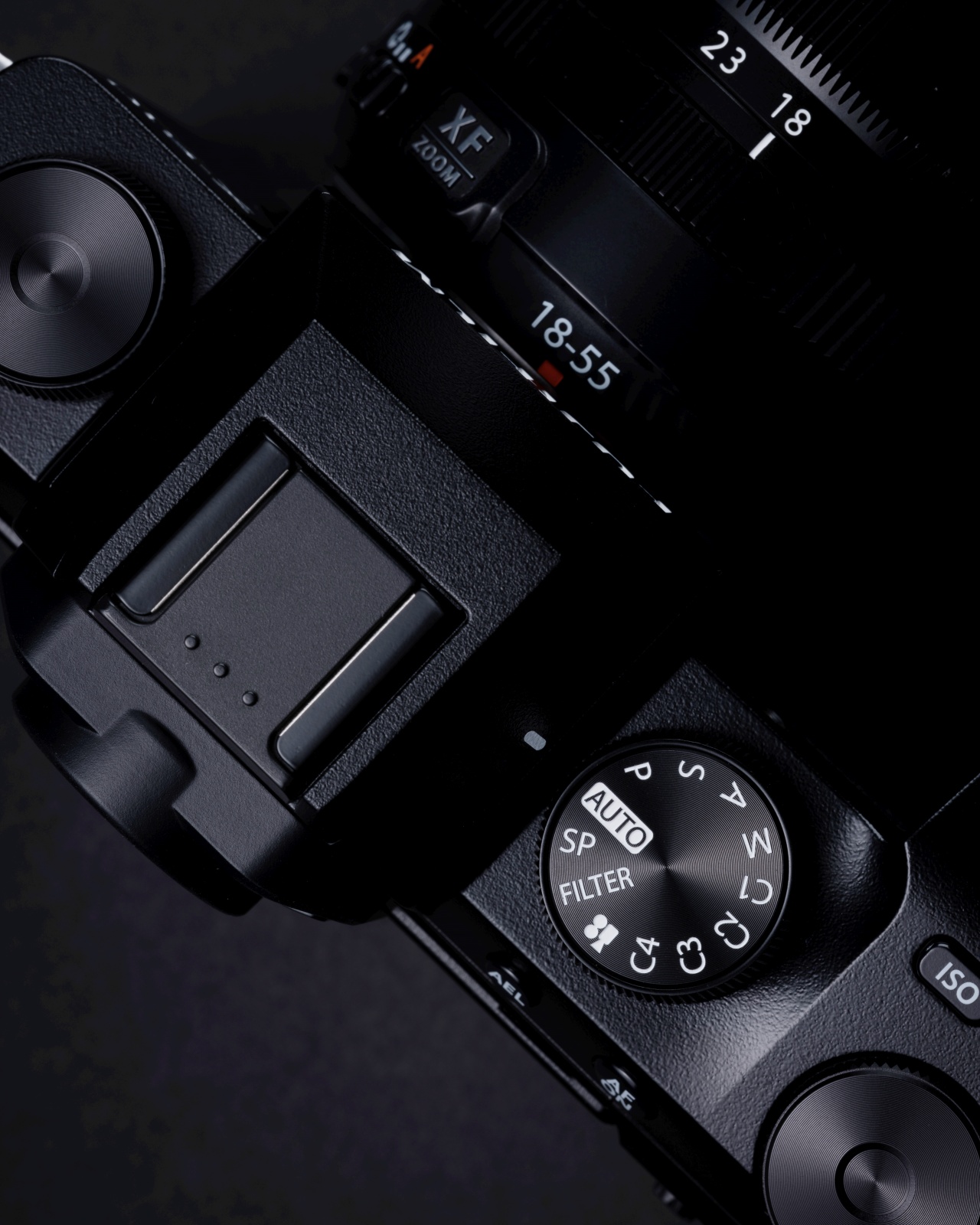
One of the X Series’ appeals is its ability to cater to both experience and beginner users. As mentioned earlier, the X-S10 will have the AUTO/SP Mode. This will have the camera automatically adjust the settings to suit the scene.
Whether you’re shooting landscapes or portraits, you’ll come away with a photo with your desired clarity, vividness, and tones no matter your skill level.
It also has Film Simulation modes. Fujifilm says this is to celebrate the history of photographic film. It mimics the look of most iconic analog films. There are 18 exclusive modes.
Capture with focus and speed
For quick and accurate autofocus, Fujifilm combines the X-S10’s high-speed AF woith the X-Trans CMOS 4 sensor’s 2.16 million phase detection pixels. What you get is an AF as fast as 0.02 seconds.
It has high-precision Tracking AF for moving subjects along with Face/ Eye tracking.
For capturing high-movement activities, the X-S10 has blackout-free high-speed burst shooting of 8fps.
Flexible LCD monitor
Shooting from different angles is easier too with the vari-angle LCD monitor and viewfinder. It can rotate up to 180 degrees so it’s also ideal for getting yourself in the frame.
The viewfinder’s Live View function has three boost modes: Low Light Priority, Resolution Priority, and Frame Rate Priority.
Extensive video-recording
The X-S10 generates 4K video from the amount of data equivalent to 6K for a high resolution, low noise footage. It supports recording 4K/30p 4:2:0 u-bit video onto an SD inserted in the camera, and outputting 4K/30p 4:2:2 10-bit video via the HDMI port.
It can also record FullHD at 240p. That’s up to 10x slow-mo footage of a split-second motion of a fast-moving subject.
The X-S10 also has Digital Image Stabilization (DIS) mode to assist its IBIS. It’ll compensate for any camera shake when walking with it.
The dedicated recording button is on its top plate, letting users record while taking still images. Exposure and focus settings are automatically recorded in AUTO mode.
Pricing and availability
|
Model |
Color |
Release Date |
SRP |
| Fujifilm X-S10 body only | Black | Mid-november 2020 | PhP 55,990 |
| Fujifilm X-S10 with Fujinon XF 19-55 F2.8-4 R LM OIS | Black | Mid-november 2020 | PhP 78,990 |





Cameras
30 days with the DJI Osmo Pocket 4P
This is the camera that made solo travel filmmaking finally feel possible.

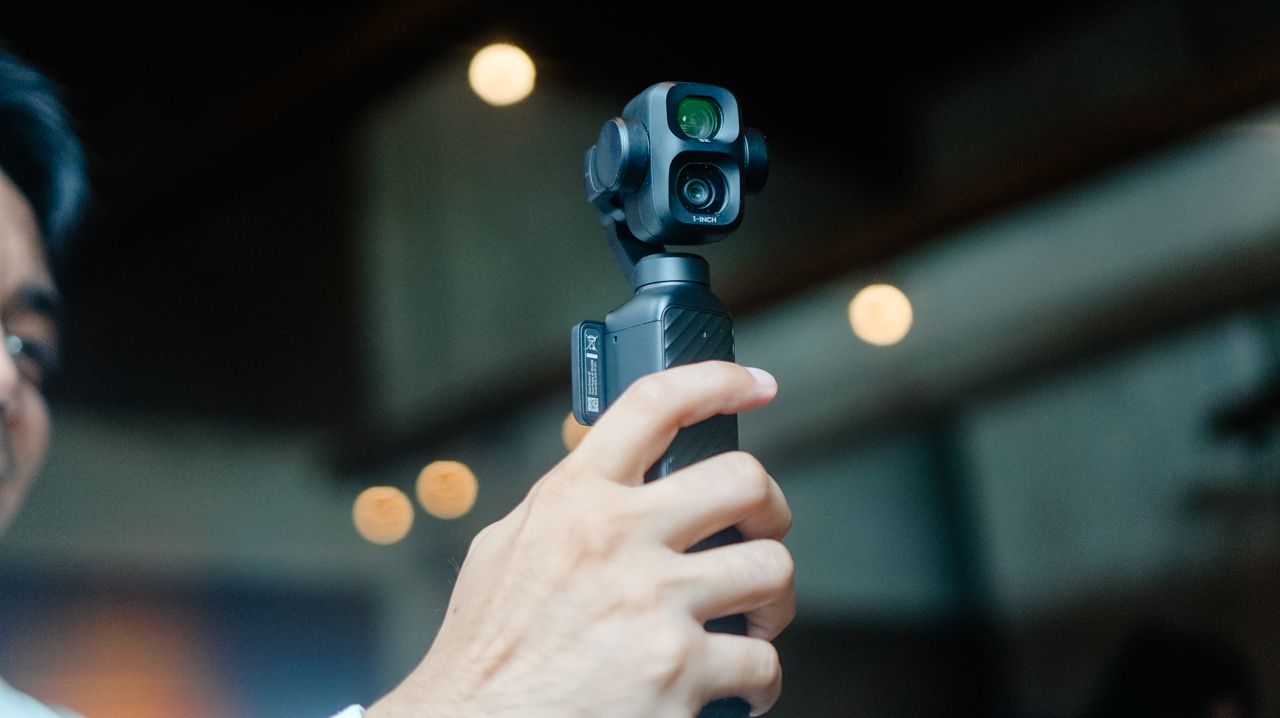
Not too long ago, I had my hands on the DJI Osmo Pocket 4, and I’ve taken to calling it a solo creator’s very own production crew. Rumors about a two-lensed Osmo Pocket had circulated for months. I’m not one to revel in hot goss, so I waited. And waited.
And while waiting, turning 30 crept up on me. The DJI Osmo Pocket 4P arrived like a small, well-machined reminder of a life I didn’t end up living.
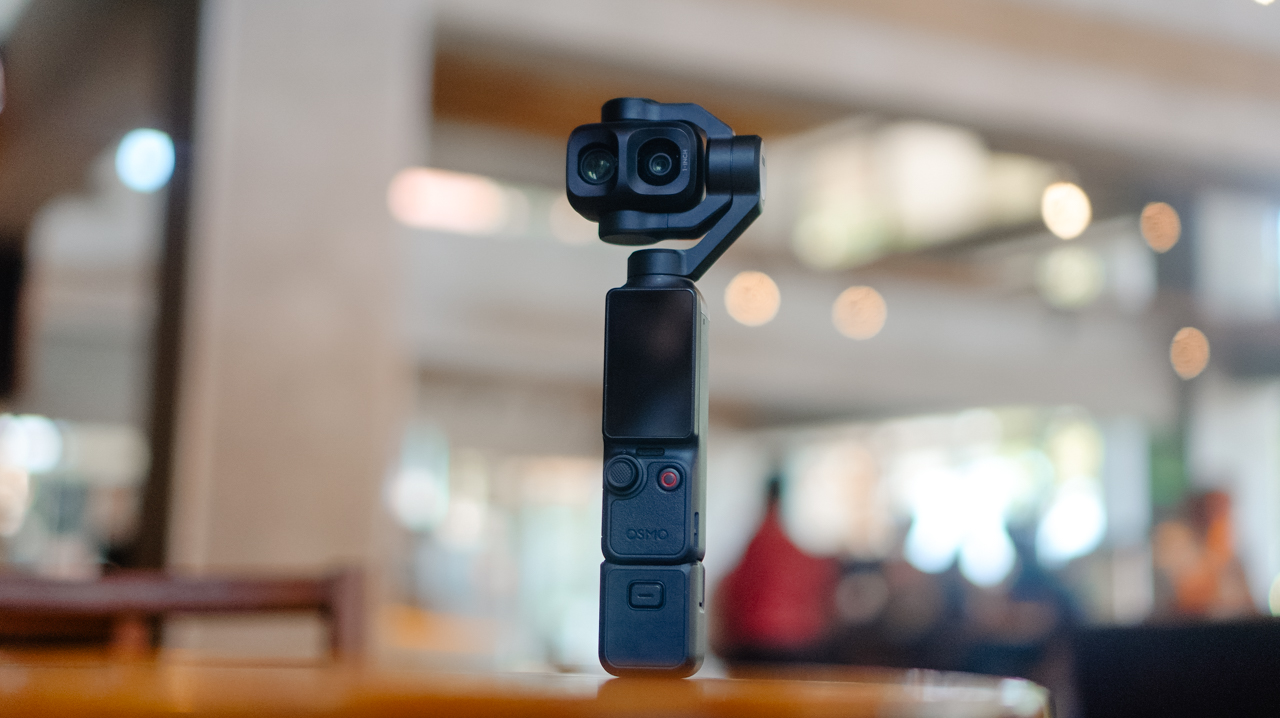
If I’d pursued filmmaking the way I once wanted to, this is the camera I would’ve dreamed up for myself. After all, the Osmo Pocket 4P is a creative director’s fantasy, built at the scale of a passport.
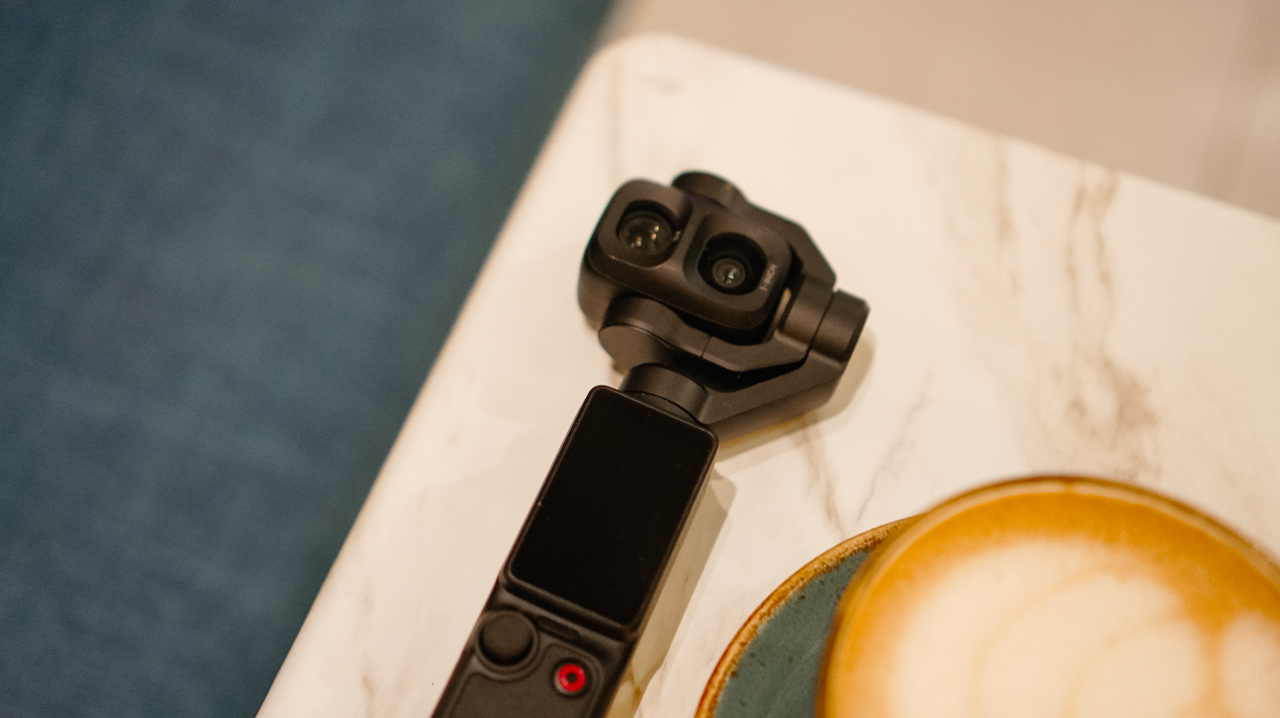
The unit landed on my desk just days before launch, with barely enough runway to put it through its paces properly.
Luckily, it arrived right as July began, which happens to be the month I always disappear on a long vacation. It’s my birth month, and I treat it accordingly. There’s no better way to test a device built for cinematic shooting than to hand it a full month of actual life.
The filmmaker I almost was
I always dreamed of directing sweeping cinematic films. As a broke teenager with big ambitions, I strategically pivoted into advertising instead.
I convinced myself it was a clever way to stay close to film sets while guaranteeing a steady paycheck. That creative pull never really vanished. It resurfaced in my early twenties during an extended phase of chasing beaches and climbing mountains.
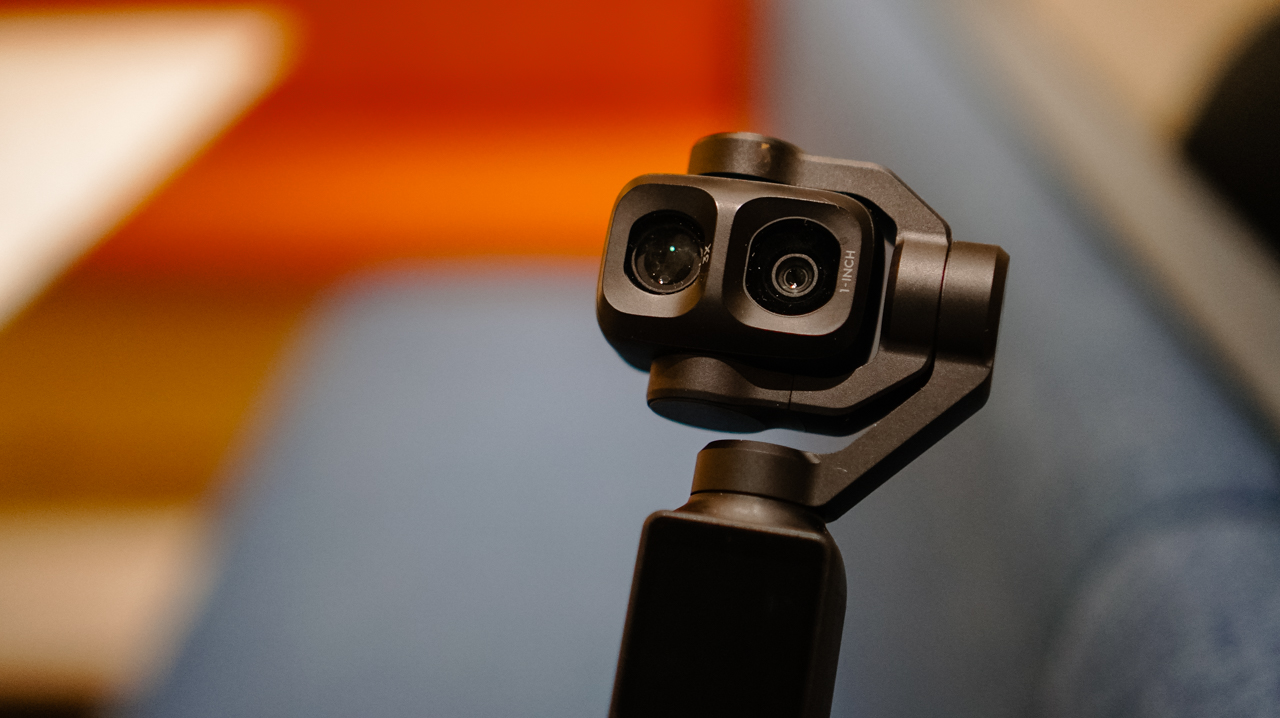
I spent those trips half-watching travel vloggers and wondering why they were living my dream life instead of me. The Osmo Pocket 4P dug up an ambition I thought I had buried under sensible career choices.
I once wanted to be a National Geographic Explorer, mapping gorgeous terrain for a living. Instead, I became a competitive trail runner who works as a creative director, which brings its own chaotic terrain.
Life did not give me the exact script I wrote as a teenager, but this camera gave me a way to direct my story anyway on my own terms.
Earning its keep
To celebrate my birth month properly, I took the camera to Cagayan de Oro City, sprinted across the wild landscapes of Bukidnon, and boarded a flight to London for a dose of summer style and city architecture.
Both trips are honest reflections of who I am: a person pulled toward nature, and a person who will always, at heart, be a city boy. London doubled as work, too. I was there to cover Samsung’s Galaxy Unpacked.
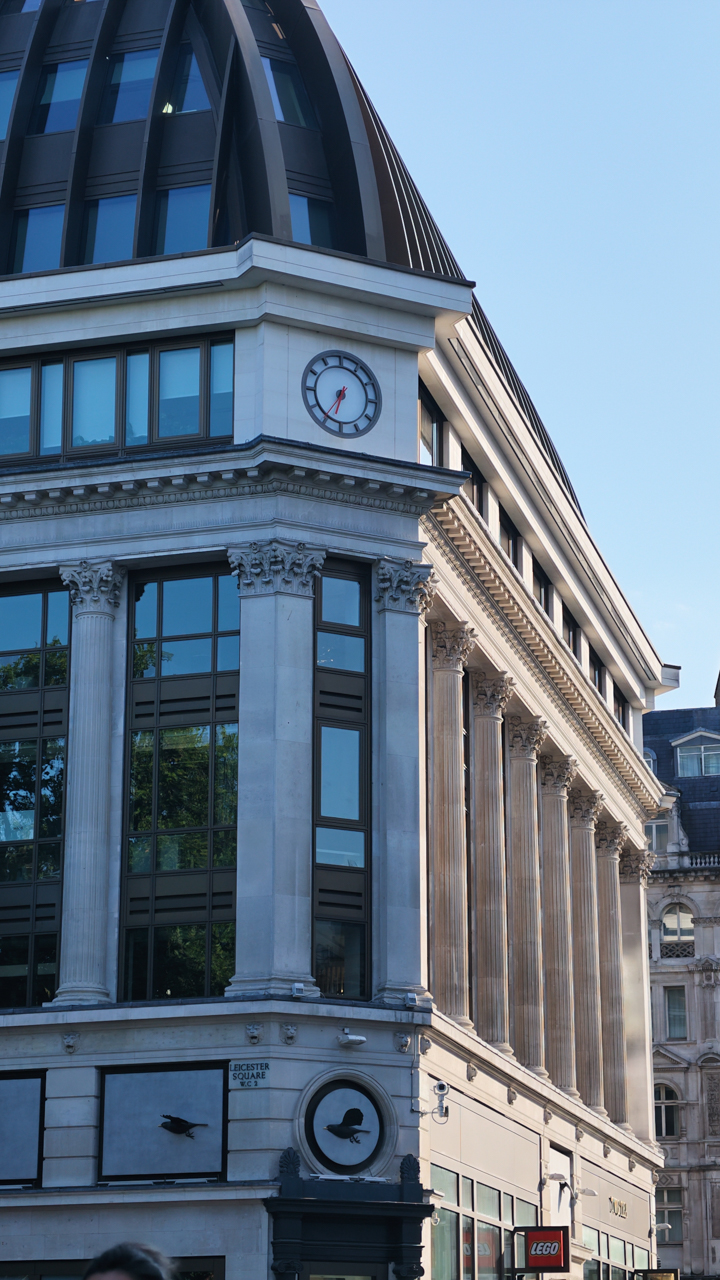
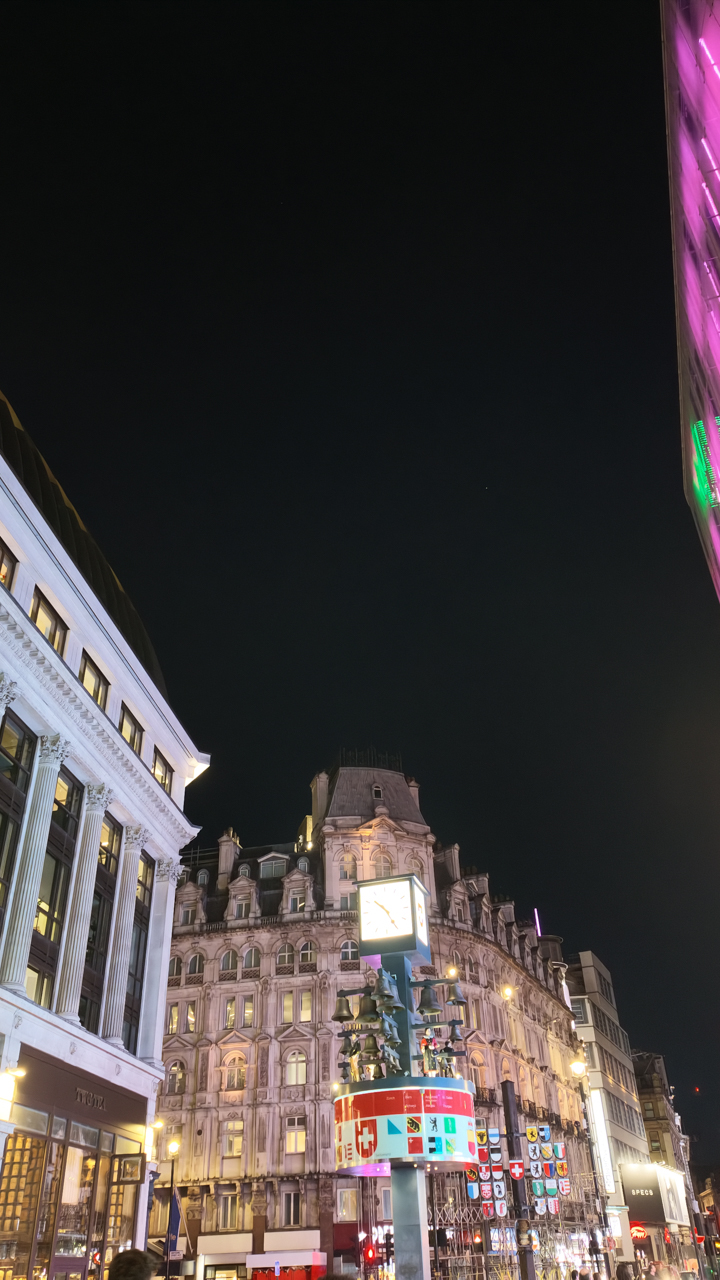
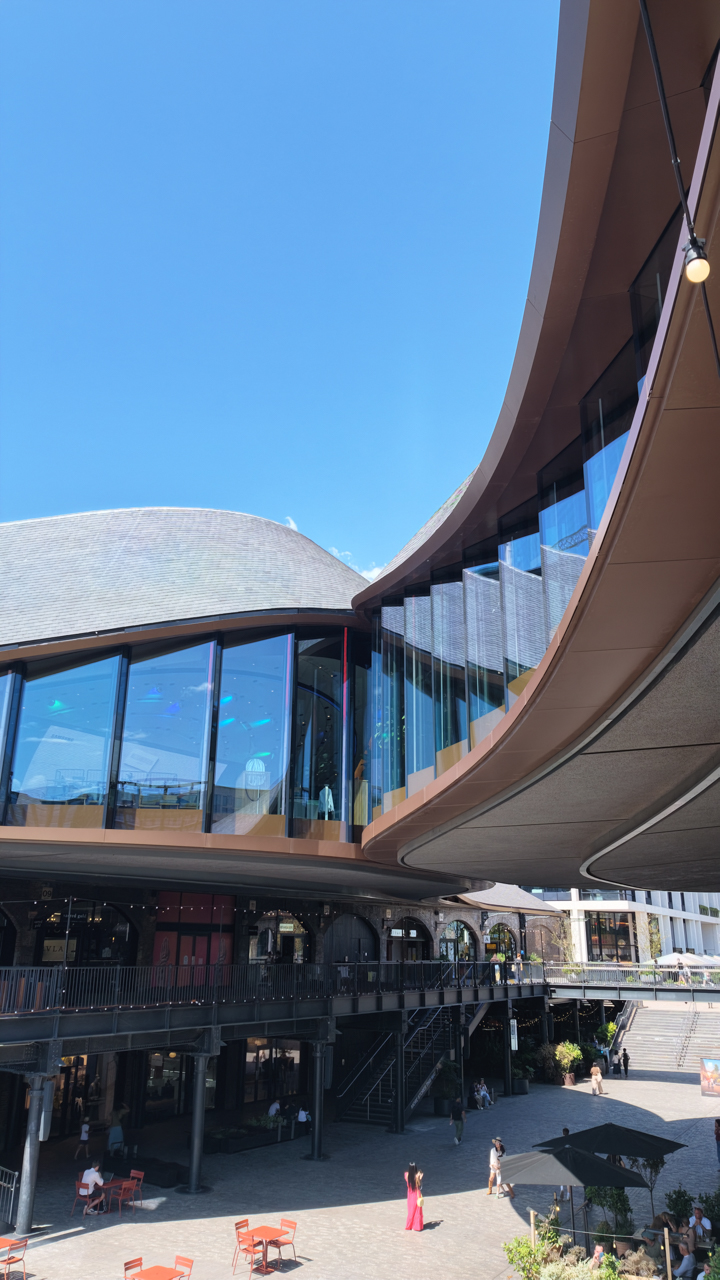



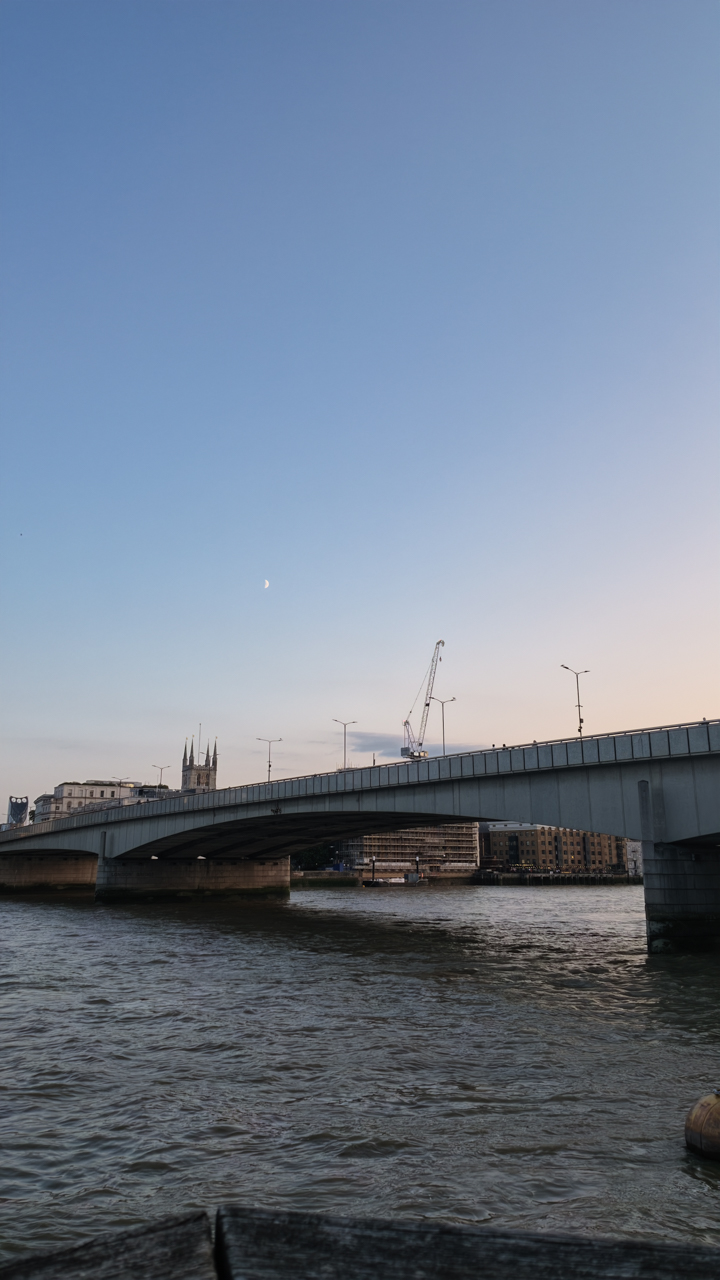
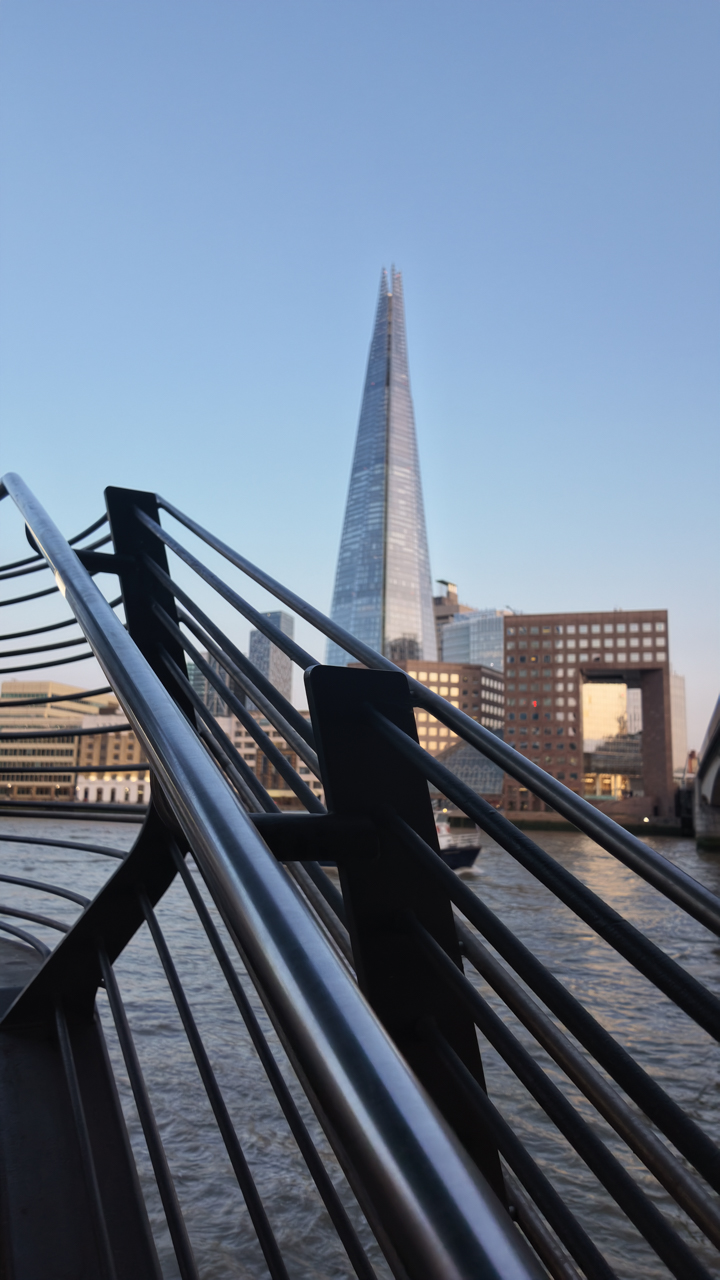
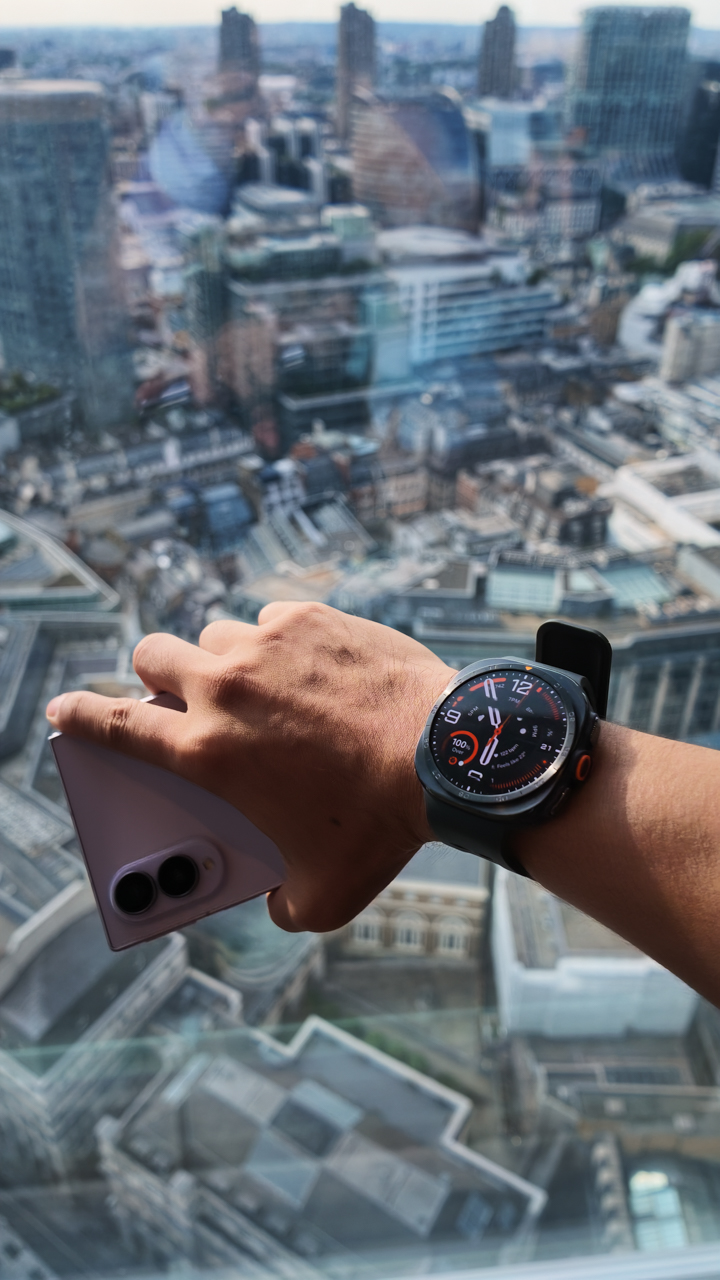
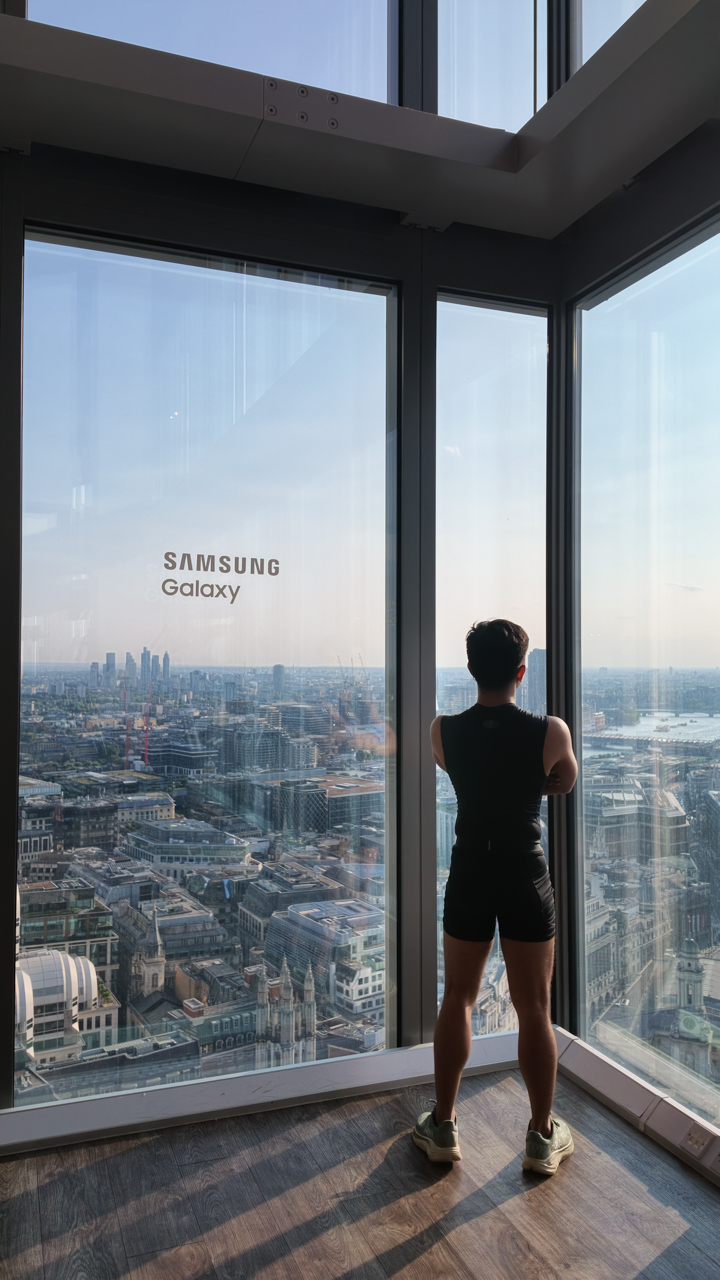


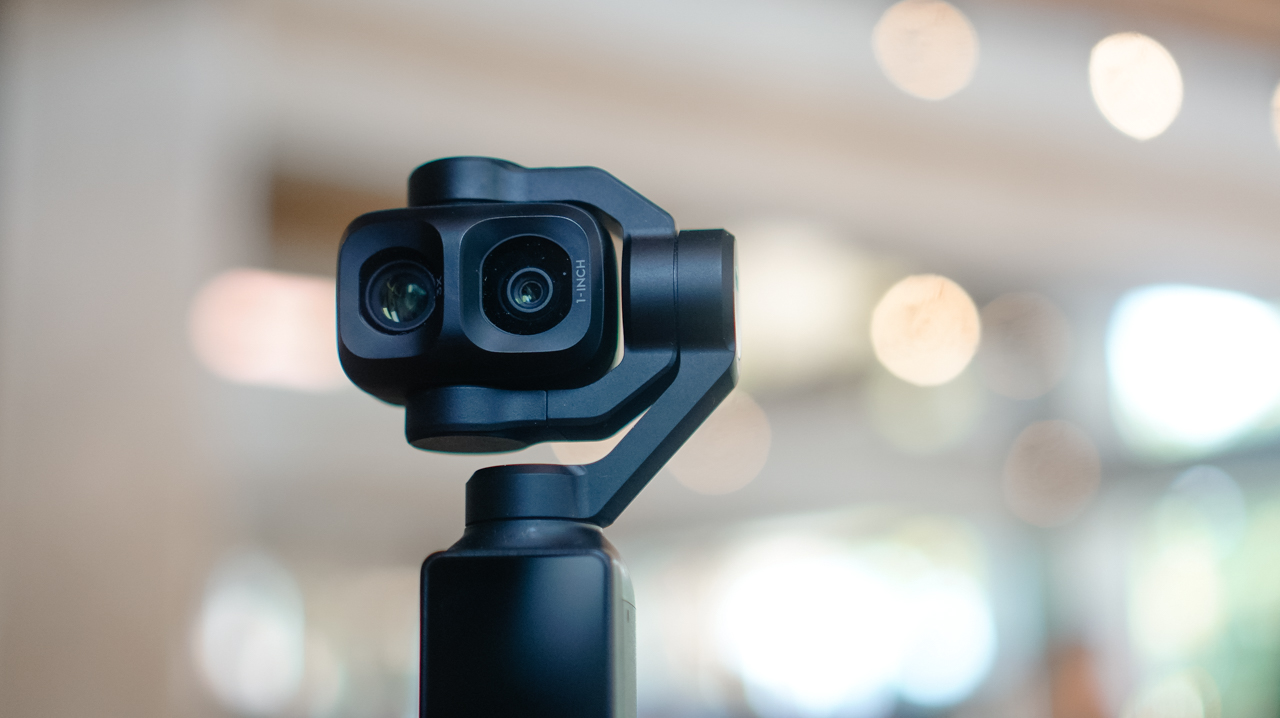
Across both continents, the dual lenses earned their keep. I captured crisp architectural details from miles away using the 240mm 12x zoom.
View this post on Instagram
However, I spent most of my time using the 60mm 3x medium telephoto lens. It delivered a natural background blur that made mundane street moments look like movie stills.
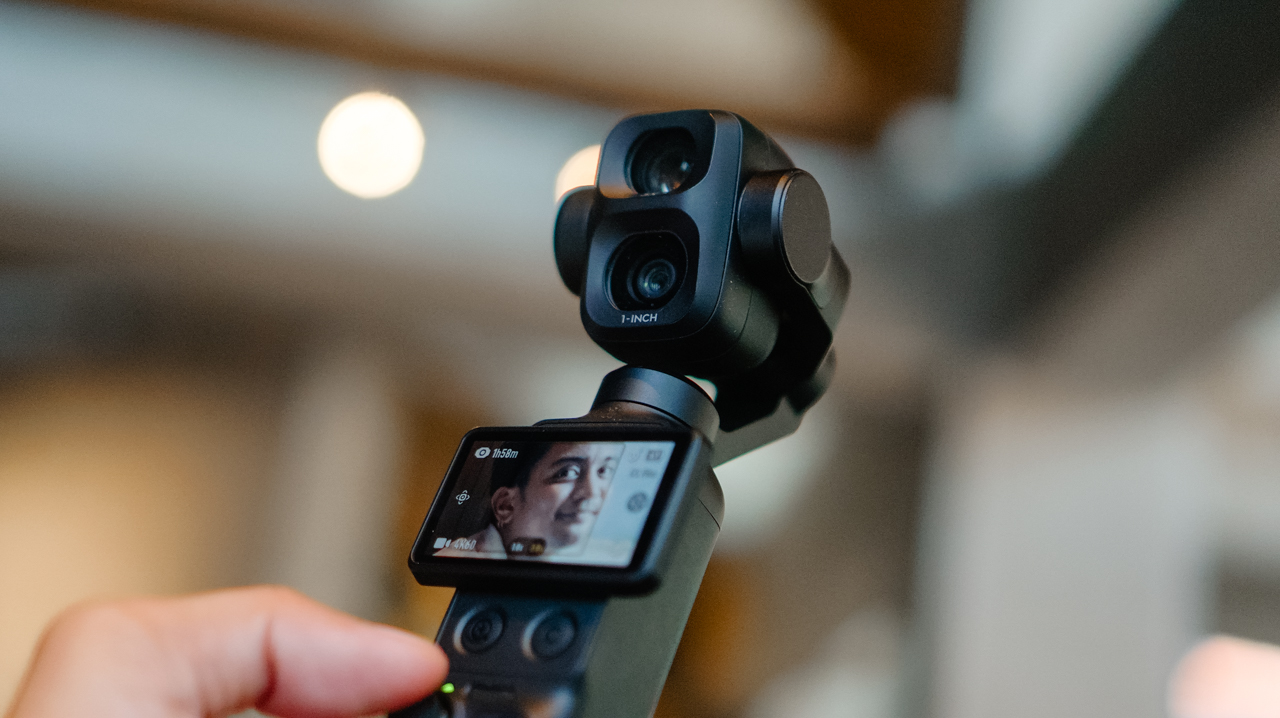
In Cagayan de Oro, I checked into a Marrakesh-inspired boutique hotel filled with intricate design details. I relied mostly on the 20mm 1x and 60mm 3x range for the entire stay.
Knowing I had 6x and 12x zoom in reserve gave me a sense of security, like carrying a luxury safety net in my handbag.
A sensor built for the way light actually behaves
The new 1-inch CMOS sensor is what changes the equation for cinematic travel footage. Light does most of the emotional work in a shot, and this is the first Pocket that seems to understand that instinctively.
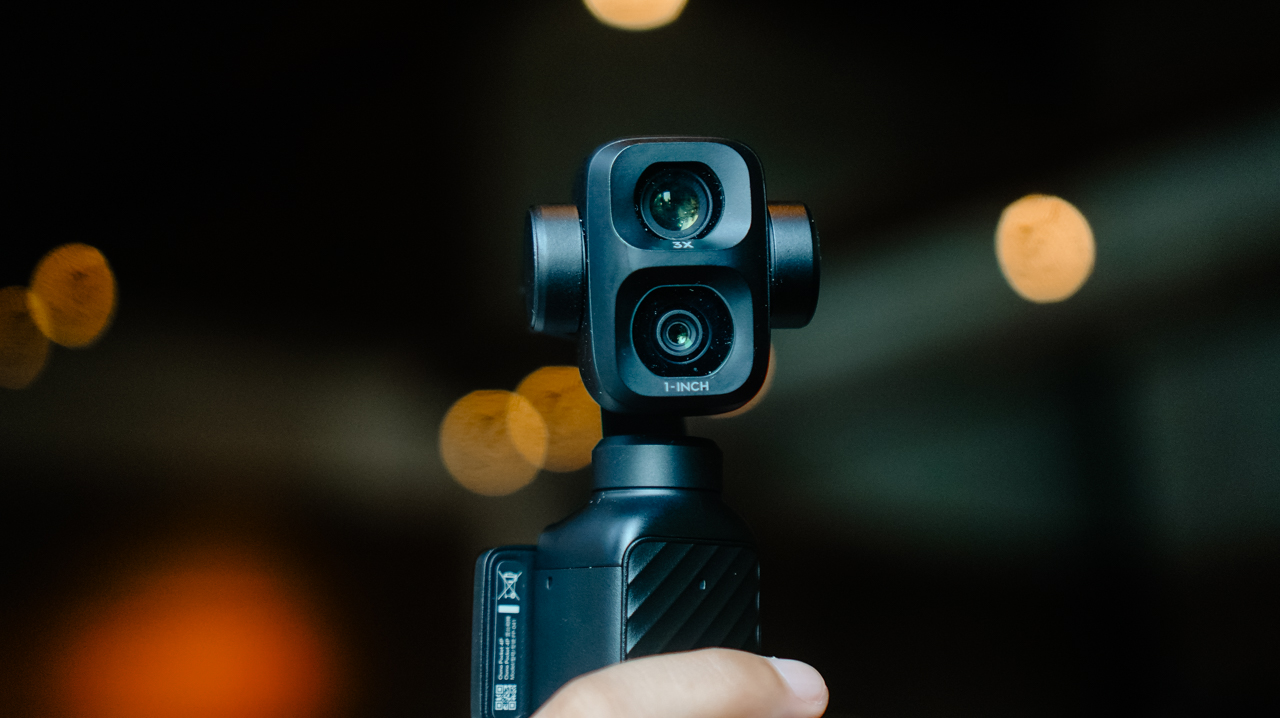
With the new sensor, I didn’t have to fight to keep a face lit while the background held its own exposure. It also preserved highlight and shadow detail cleanly, even in scenes with harsh contrast, the kind that used to flatten out or blow up on older pocket cameras.
View this post on Instagram
That said, auto exposure wasn’t flawless. On a handful of occasions, it leaned toward overcorrecting and blowing everything out a touch too bright. Switching to manual, or Pro Mode, put me back in control and kept the shots true to what I was actually seeing.
View this post on Instagram
What I appreciated most was shooting solo for a Samsung campaign and having nearly every take be usable footage for my editor. Fewer discarded clips means less footage lost to the compromises of shooting alone.
View this post on Instagram
That’s mostly thanks to ActiveTrack, which now extends to the Med-Tele lens. Shooting portraits at 3x zoom, it delivers precise face recognition and tracking, holding exposure steady and skin tones consistent even while the subject is moving.
Shooting solo is genuinely difficult. With ActiveTrack, especially in portrait framing, it made the footage look more considered than the reality behind it… which was one person, alone, trying to land a single good shot without a crew to call it.
View this post on Instagram
Built-in polish, without the retouching pass
This is the section that matters most if you’re the kind of traveler who shoots, stars in, and edits your own content, because you don’t have the luxury of a color grade session or a retouch pass before something goes up. The Osmo Pocket 4P seems to understand that, and builds the polish in at the point of capture instead of leaving it for later.
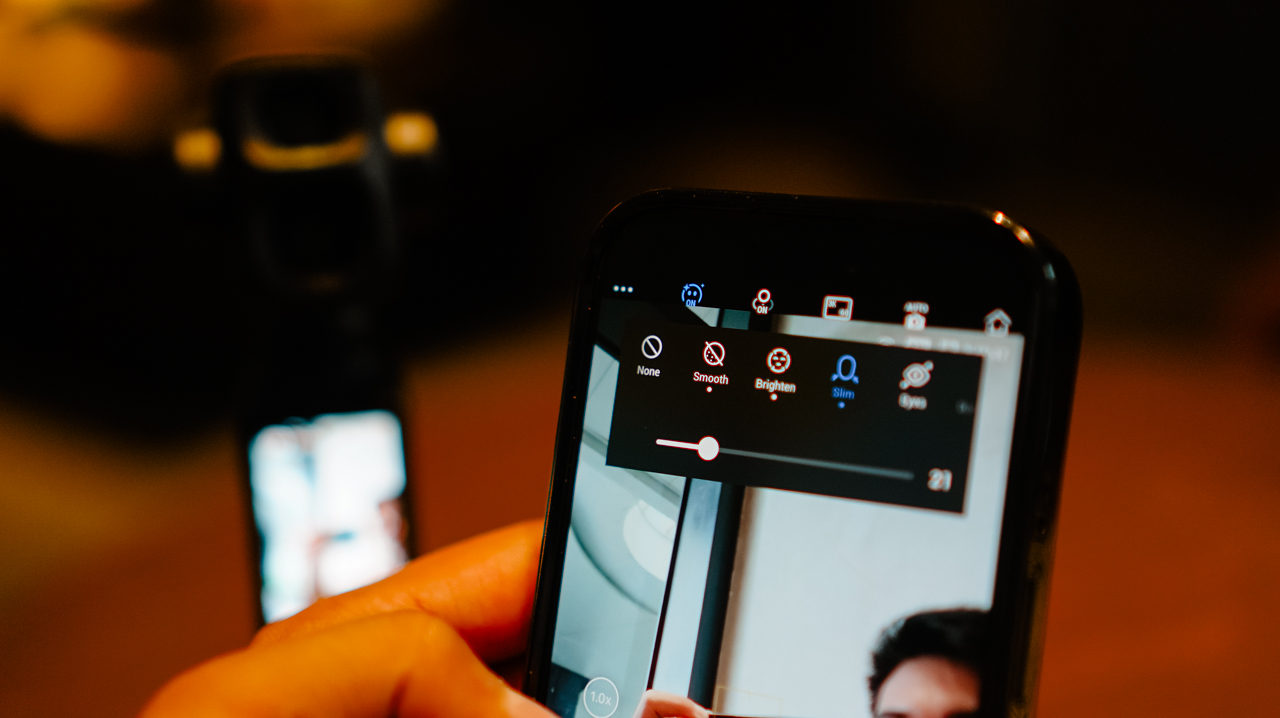
Glamour and Film Tones work as an in-camera pass on skin, handling softening, brightening, and color temperature so a face still reads clean and true even lit by a random hotel lamp or the wrong side of a sunset.
Paired with that are stylized film filters that lean into an instant Fuji aesthetic. They give that warm, slightly desaturated look that used to take a preset and a few minutes in an app. Here, it’s baked into the file before you’ve even opened your phone.
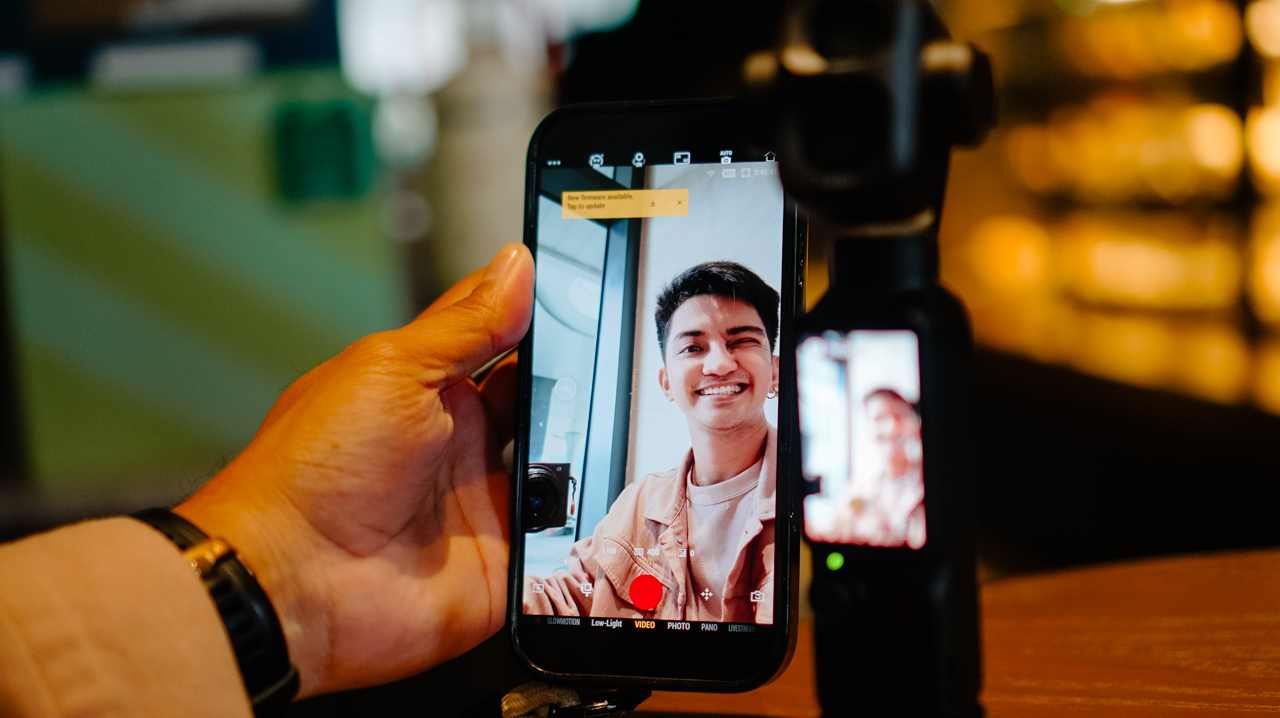
That instant polish is the difference between going to sleep after a long day of travel and staying up until midnight editing clips. I’d land at a hotel after a full day, pull the footage straight off the camera, and post it with barely any correction. There was nothing to hide, and nothing left to fix.
Fill Light does the same job on the physical side of things. It adds soft, flattering light in night and backlit scenes. It balances uneven indoor lighting that usually ruins a vlog, and gives selfies and portraits a lift without a ring light or a second person holding one.
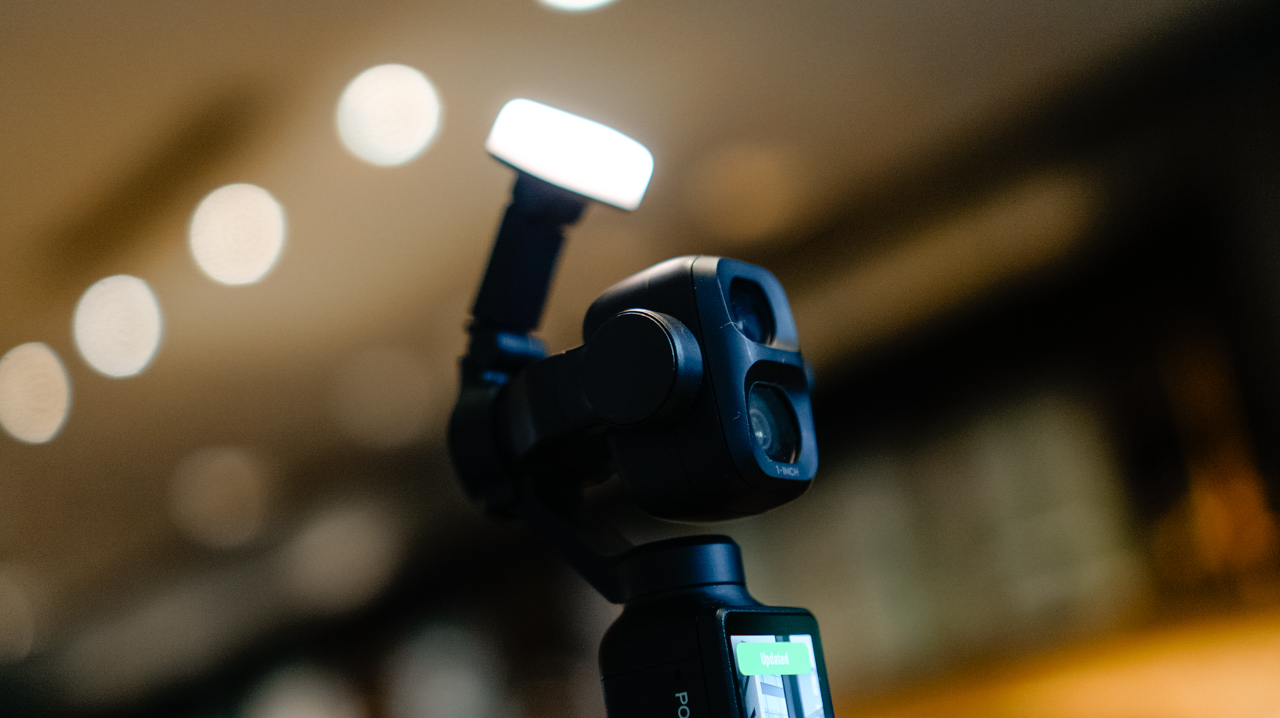
More importantly, shooting alone at night in an unfamiliar city is usually where a solo creator’s footage falls apart. Here, it held up.
Between the two, the camera is doing a version of the job a beauty producer and a gaffer would normally split between them, in real time, for a crew of one.
Room to actually direct
Beyond the automated conveniences, the Osmo Pocket 4P gives you real creative range if you want to reach for it.
D-Log and the newer D-Log 2 color profiles hold onto far more dynamic range than a standard picture profile, which matters if you’re planning to grade footage later rather than post it straight off the card.
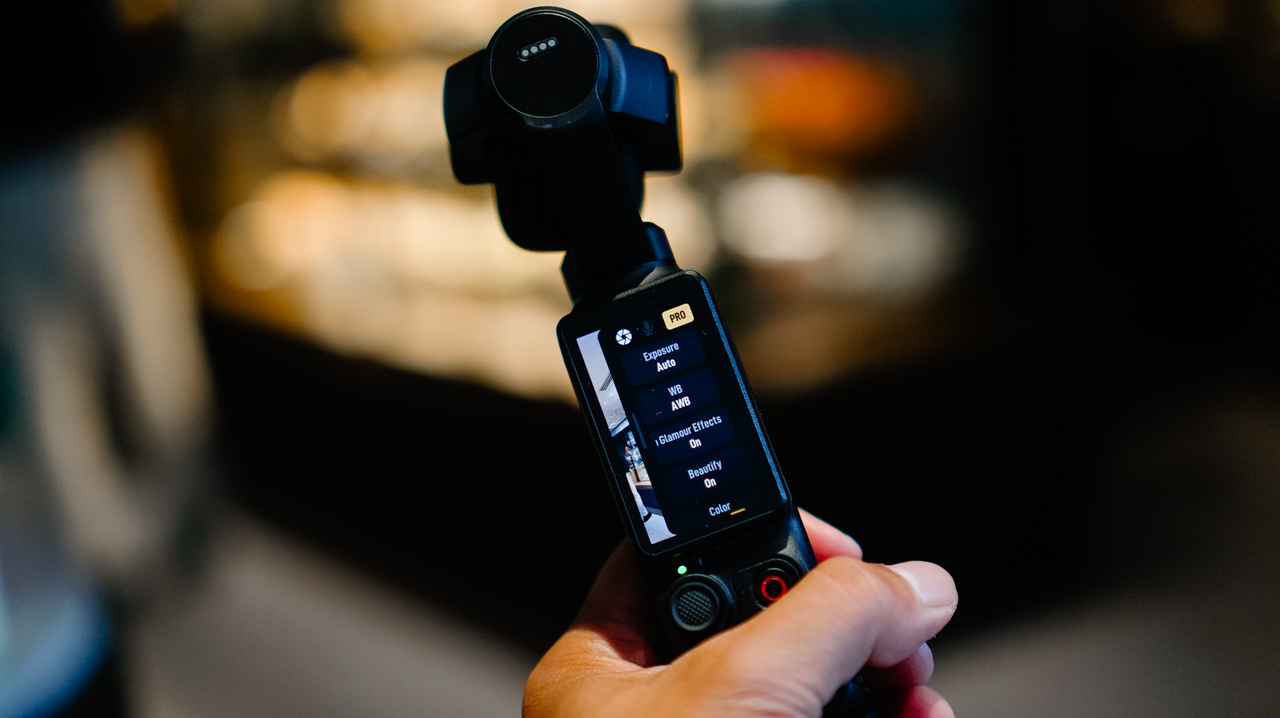
Slow motion goes up to 4K at 240fps, which is enough headroom to pull dramatic, controlled slow-motion out of moments that happen far too fast to shoot deliberately.
Slow-shutter video is the underrated feature here, but it’s the one that can give you the most cinematic frames: light trails pulling through a night street, clouds smearing gently over a skyline. They’re mostly shots that usually needs a tripod and a plan, but done handheld and on instinct.
Made to disappear into a trip
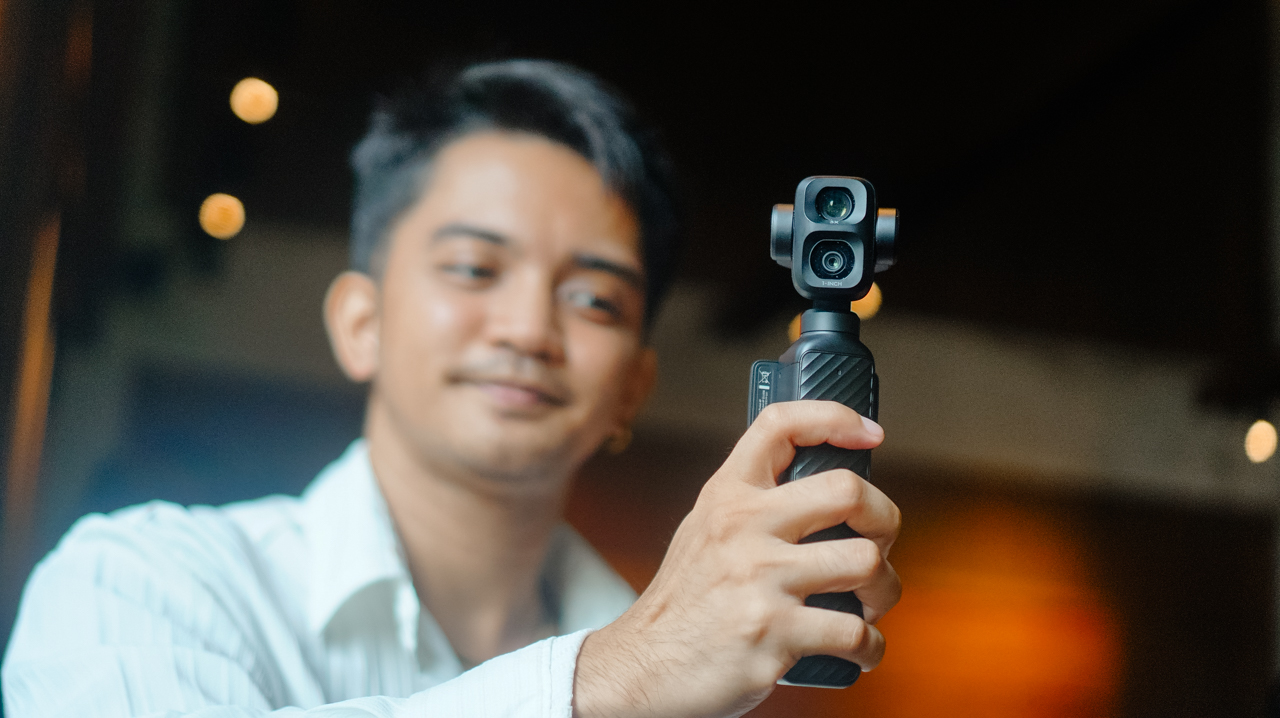
None of this matters if the camera can’t survive the actual mechanics of travel. This is where the Osmo Pocket 4P does the most work. At 230 grams, it’s compact and portable enough to live in a jacket pocket.
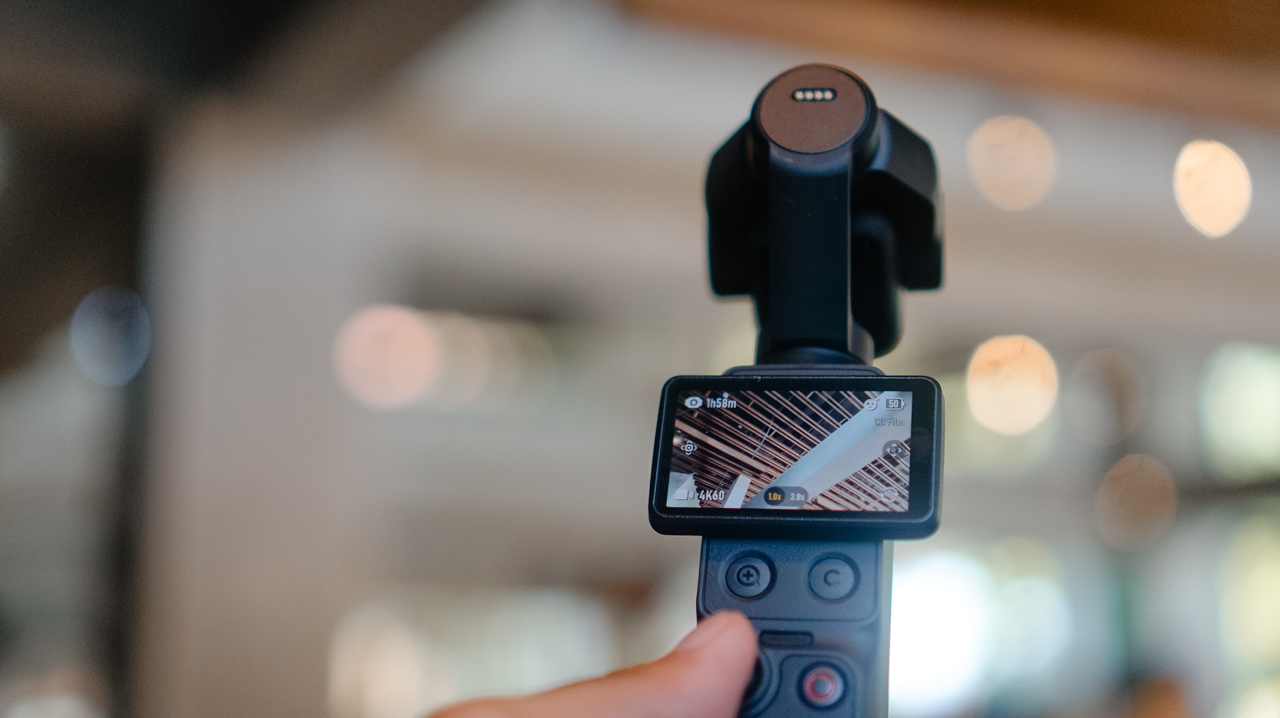
The physical joystick and quick shortcuts save the day when you are shooting one-handed on the go.
The 4K Live Photo feature captures a short burst of motion around a photo, which turned out to be the most authentic way to remember my race finishes. Meanwhile, the 37-megapixel stills were crisp enough to capture fine architectural textures across London.
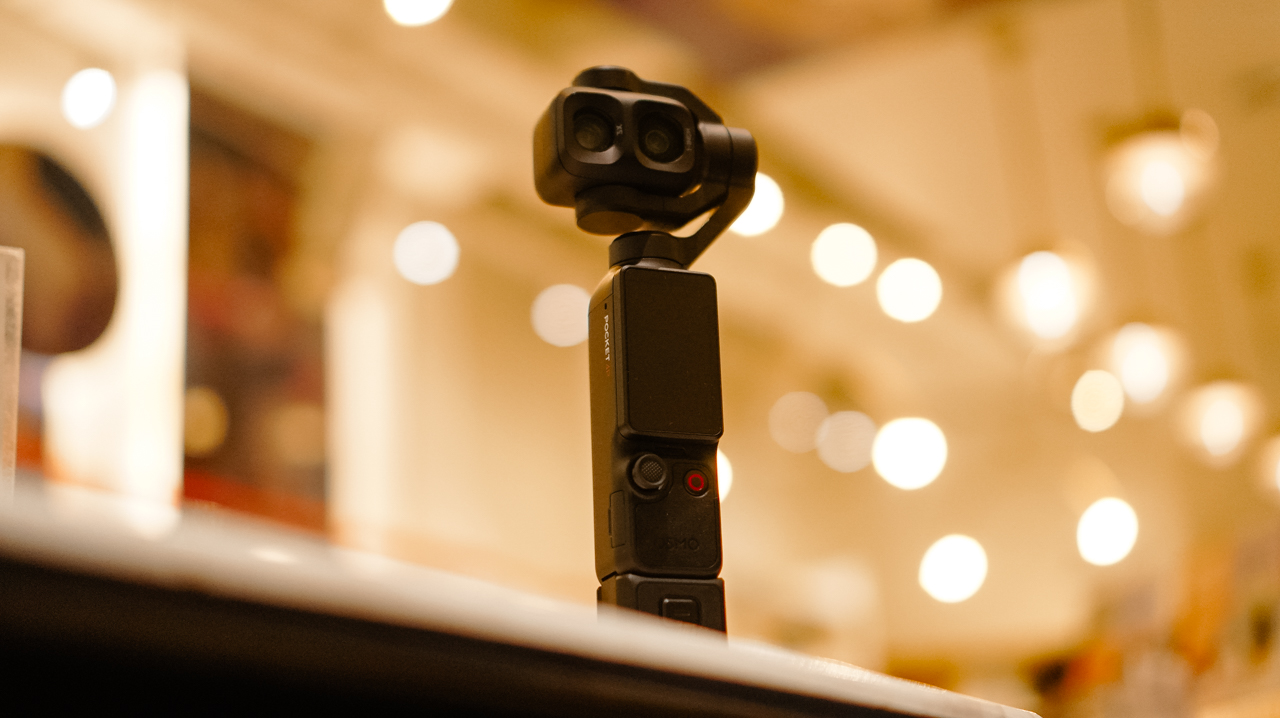
Storage rounds it out sensibly: 103GB built in, with transfer speeds up to 800MB/s. Between a race in Bukidnon and a flight to London, the last thing I wanted to manage was a memory card. This let me not think about it at all.
Is the DJI Osmo Pocket 4P your GadgetMatch?
I didn’t become the National Geographic Explorer I once imagined for myself. I became something adjacent to it instead, a trail runner with a day job in creative direction, chasing landscapes on weekends and screens on weekdays.
The DJI Osmo Pocket 4P didn’t hand me back the life I once mapped out as a teenager. It just made the life I actually have look, for a month at least, exactly as cinematic as I’d always wanted it to be.
Swipe right if you’re the kind of traveler who shoots alone and needs a camera doing the work of a small crew, handling color, light, and tracking without anyone else in the room.
It rewards creators who jump between wide landscapes and close portraits with zero lens changes. And if you’ve ever landed somewhere with a dying memory card and no laptop in sight, the built-in storage and fast transfer solve a problem you’ll actually recognize.
Swipe left if your bag already has a mirrorless body and a gimbal in it, since the Pocket 4P will mostly repeat what you’re already carrying.
It’s also not the camera for someone who shoots static, tripod-locked setups and wants manual control as the default. And if the price sits well above what you’d normally spend on a pocket camera, it’s worth being honest with yourself about how often you’d actually reach for this over your phone.
For a solo creator who travels for both work and the version of themselves that only comes out on a trail or in a new city, the DJI Osmo Pocket 4P earns its spot in the bag. It’s not trying to replace a full production; it’s trying to be one. And for that, it deserves the GadgetMatch Seal of Approval.
Cameras
These Polaroid x Pokémon cameras are just the cutest things
There are three cameras and a set of custom film.

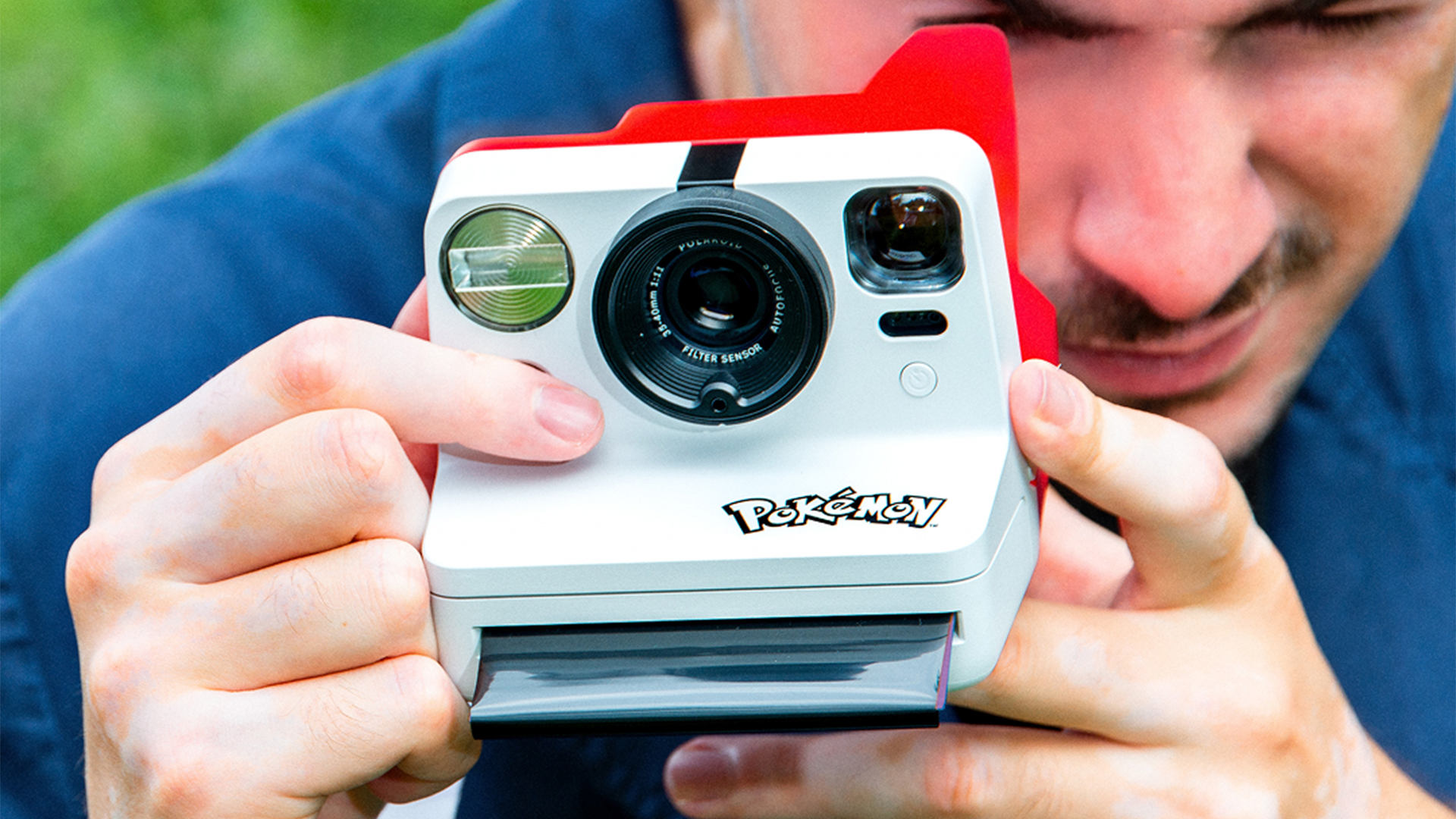
Nothing will ever stop us from desiring everything Pokémon-related. Now, the world’s most popular series of critters and creatures is lending its adorable appeal to the world of Polaroids. To celebrate Pokémon’s 30th anniversary, Polaroid is releasing a trio of cameras themed after the catchable monsters.
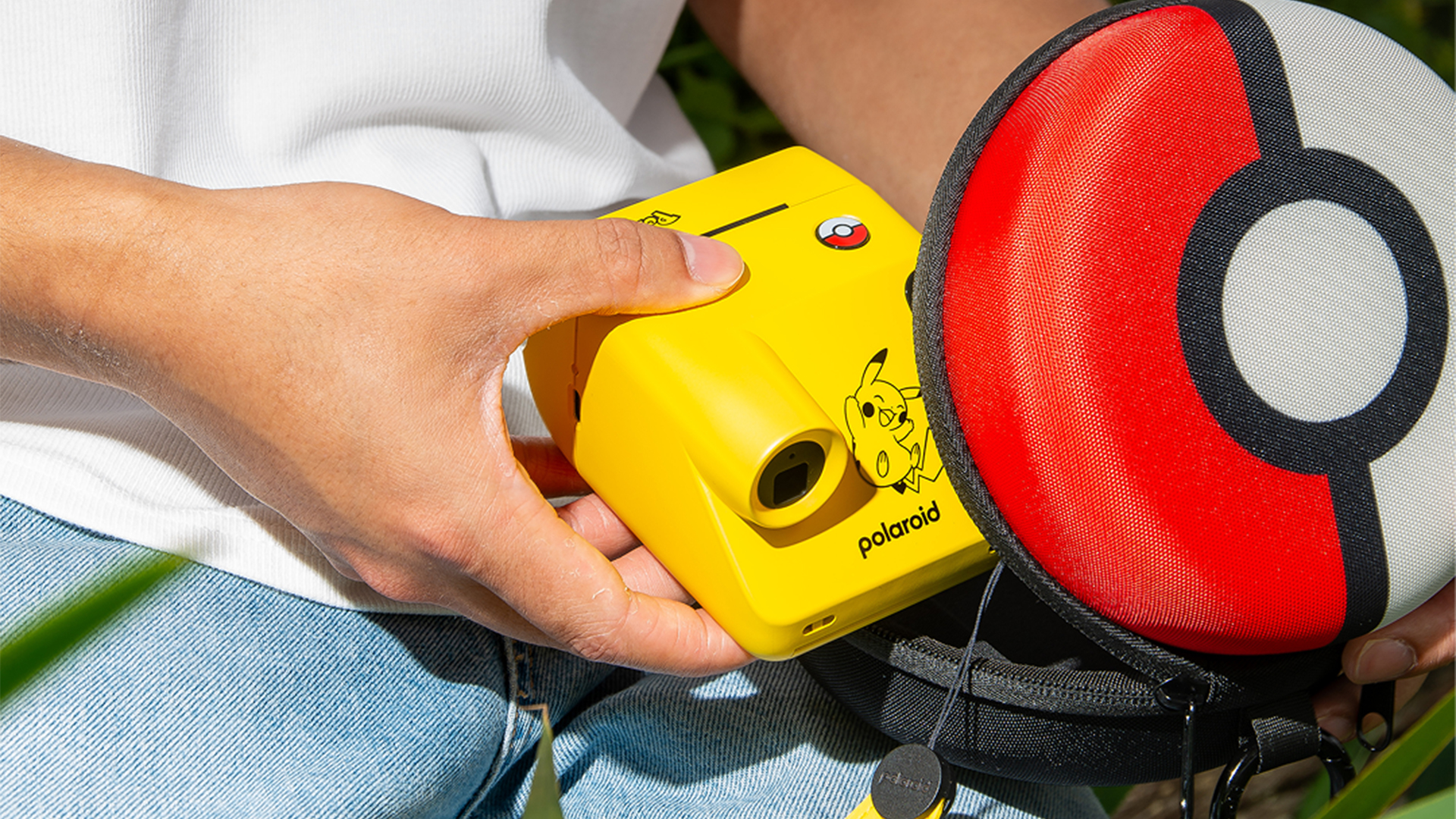
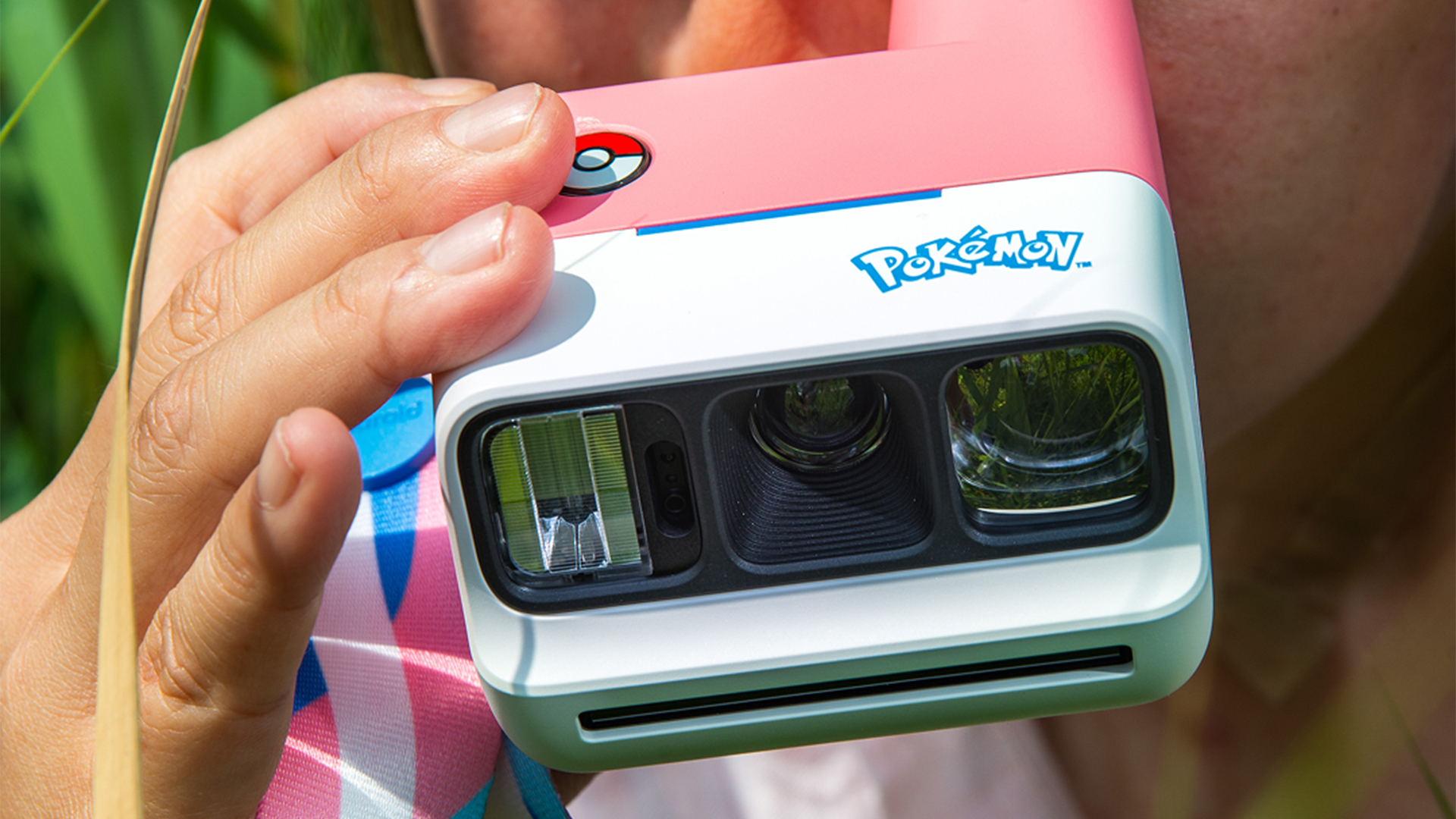
Let’s start with the smaller two. Making two-thirds of the trio, a couple of Polaroid Go Generation 3 cameras will don two iconic Pokémon: Pikachu and Sylveon. Though both models are technically identical to their non-themed siblings, their stylings are well worth the price. The Pikachu Edition, for one, has a yellow body and a strap shaped to look like the Pokémon’s tail. Meanwhile, the Sylveon Edition’s strap looks just like the Pokémon’s ribbons.
If you want a bigger one, Polaroid is also selling a Polaroid Now Camera Generation 3 – Pokémon Edition. Rather than focusing on a single character, the edition comes with the iconic red, white, and black of the franchise. The shutter button looks like a Poké Ball too. Specs-wise, the Now has a bigger lens (and a two-lens autofocus system) compared to the Go models.
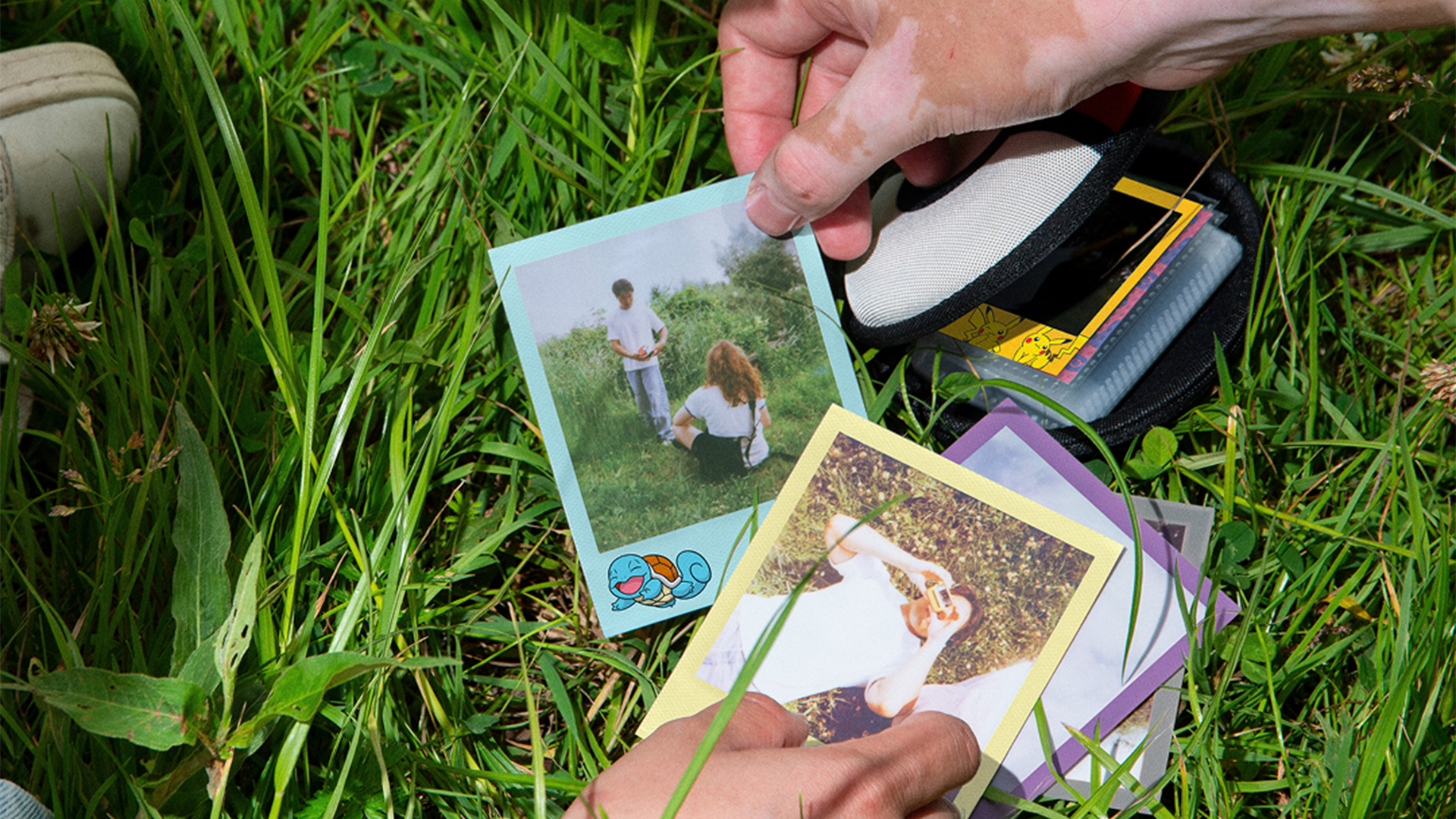
Now, a Polaroid kit is incomplete without a set of film. Alongside the themed cameras, Polaroid is releasing a series of themed frames. The two Go models will have custom frames stylized after the two Pokémon. Meanwhile, the Now Camera will get more options. All of which will have numbered dark slides so you can, like the game, catch ‘em all.
Coming out on October 5, the two Go cameras will sell for US$ 100, and the Now Camera will sell for US$ 140. A double pack of the Go Color Film will go for US$ 25, and a single pack of Color i-Type Film goes for US$ 23.
SEE ALSO: Pokémon at 30: Massive slate of events, pop-up store, more to highlight anniversary
Cameras
Insta360 X6 brings 8K 360 capture, AI-powered editing
Sharper 360 footage, longer battery life, and an AI that edits your clips while you charge?!
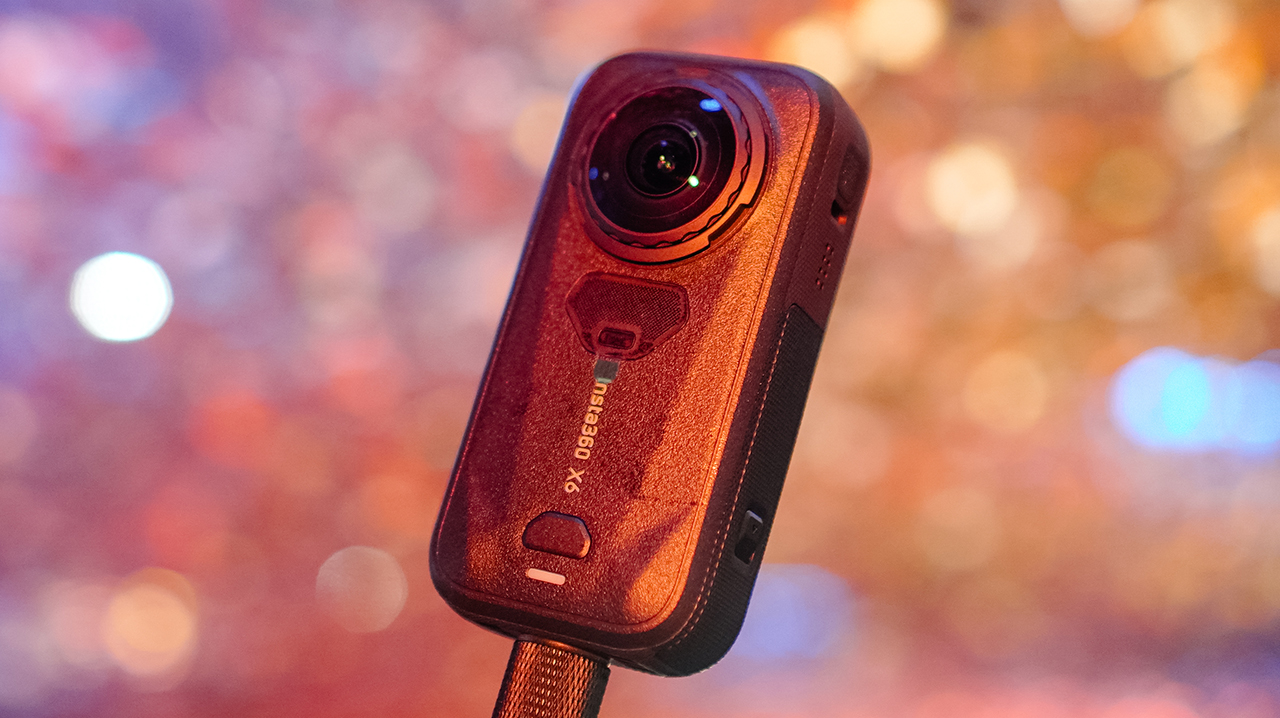
Fresh off its global release, Insta360 brings its latest entry in the X series, the Insta360 X6, to the Philippines.
Upgraded imaging for every moment
The headline upgrade lands straight in the image sensor. Dual custom Sony 1/1.1-inch square sensors power the Insta360 X6, delivering a full 1-inch equivalent 360 imaging experience.
This hardware update brings noticeably sharper detail and stronger low-light performance compared to older X Series cameras. It shoots up to native 8K at 50fps with 10-bit color and native in-camera Dolby Vision, giving creators maximum flexibility during post-production.
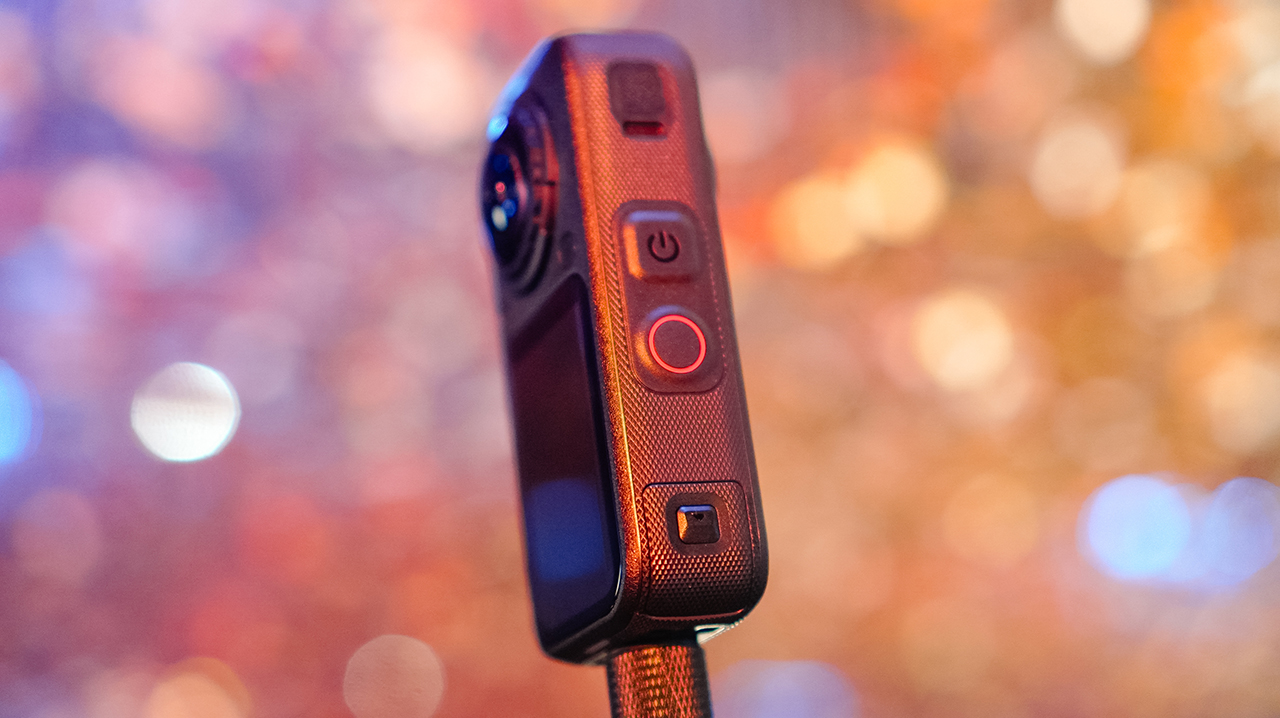
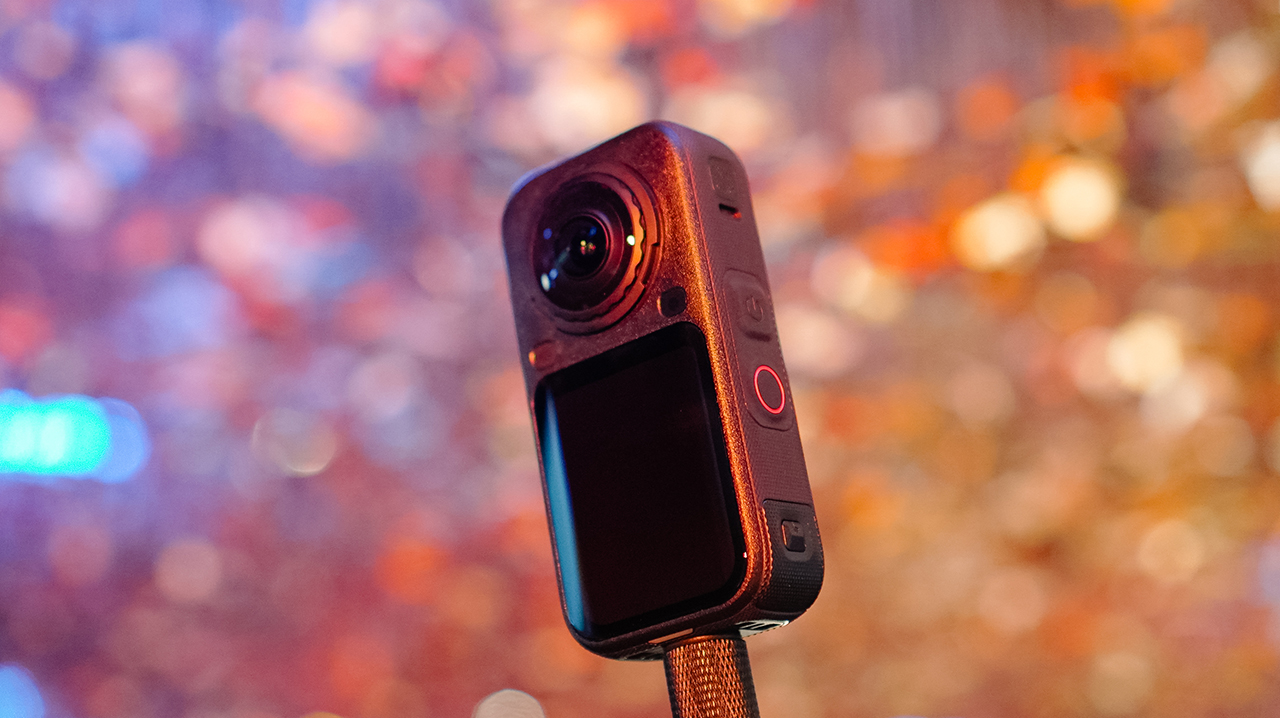
Beyond the larger sensor, the X6 functions as three cameras in one: a full 360 shooter, a subject-tracking camera, and a single-lens action camera. You can capture everything around you now and pick your angle later. Alternatively, you can pull flat 4K footage through InstaFrame 2.0 or switch to single-lens mode for a traditional action cam experience.
Battery life sees a major boost as well. The new 2600mAh Xtreme Battery offers up to 140 minutes of continuous 8K30fps recording. Meanwhile, a Star-Ridge cooling system keeps the camera cool during longer 8K sessions. You also get 64GB of built-in storage (47GB usable), allowing you to start shooting immediately without a microSD card on hand.
For anyone building out a rig, the X6 supports over 100 accessories. It easily adapts to travel, motorcycle rides, cycling, diving, and other high-action pursuits.
Intelligent AI editing
Software plays an equally big role in this launch. Insta360 introduces PanoMind, its first AI model built specifically for 360 footage. Instead of analyzing a flat frame, PanoMind reads full spherical scenes.
Through AI Director, the X6 reviews your footage while charging, generates highlight edits on its own, and sends them directly to the Insta360 app. This feature saves you from spending hours scrubbing through raw clips for key moments.
If you want more say in the final cut, Auto Edit 2.0 turns single or multiple clips into finished videos, handling framing, camera movement, cuts, music, and transitions automatically. For deeper workflows, the X6 still supports I-Log, 10-bit recording, Insta360 Studio, and Insta360+ cloud editing tools.
Price, availability in the Philippines
The Insta360 X6 is now available in the Philippines through authorized retailers and official online channels.
The Standard Bundle costs PhP 45,390 and includes the X6 camera, a USB-C cable, a protective pouch, and a lens cloth.
Meanwhile, the Essentials Bundle costs PhP 49,990. It adds an extra Xtreme Battery, a 114cm Invisible Selfie Stick, a lens cap, and a Fast Charge Case on top of the base package.
Insta360 Philippines is also expanding its retail footprint across key cities while hosting hands-on community workshops tailored for travel, riding, cycling, and filmmaking enthusiasts.


TECNO MEGAPAD 2 review: Eyes on the size
The MEGA pad for two base users

30 days with the DJI Osmo Pocket 4P
This is the camera that made solo travel filmmaking finally feel possible.


MARVEL Tōkon: Fighting Souls review: Easy to pick up, hard to put down
Welcomes casual and experienced fighting game players

New Mac mini starts at a whopping $899, only 256GB of storage

Mega Man: Dual Override shows off new gameplay

The Witcher 3 Remastered launches September 29

Final Fantasy VII REVELATION trailer showcases Weapons, more

HONOR Magic V6: Price, availability in the Philippines

VinFast debuts two-wheeler models, opens 21 e-motorcycle showrooms
TECNO MEGAPAD 2 review: Eyes on the size

OnePlus officially leaves the United States and Canada

REDMI Note 17 Series focuses on long-term reliability

Xiaomi debuts SkyNomad Series featuring new Kunlun platform


-
Reviews4 days ago
TECNO MEGAPAD 2 review: Eyes on the size
-
 Singapore1 week ago
REDMI Note 17 Series focuses on long-term reliability
-

 News1 week ago
realme 16T to come with 8,000mAh battery, 7-year battery health guarantee
-

 Gaming2 weeks ago
Marvel Wolverine Limited Edition PS5 bundle SEA pricing
-
 Accessories7 days ago
Jackery expands Explorer Series portable power stations
-

 Reviews2 weeks ago
Samsung Galaxy Z Fold8 Review
-

 Entertainment2 weeks ago
Box office: Brand New Day set to surpass US$ 2 billion, drives Marvel’s Spider-Man 2 resurgence
-
 News2 weeks ago
HONOR Robot Phone officially launches after its MWC debut