
Automotive
Next-Generation Ford Territory: Price, availability in the Philippines
Creature comforts are just all over it!

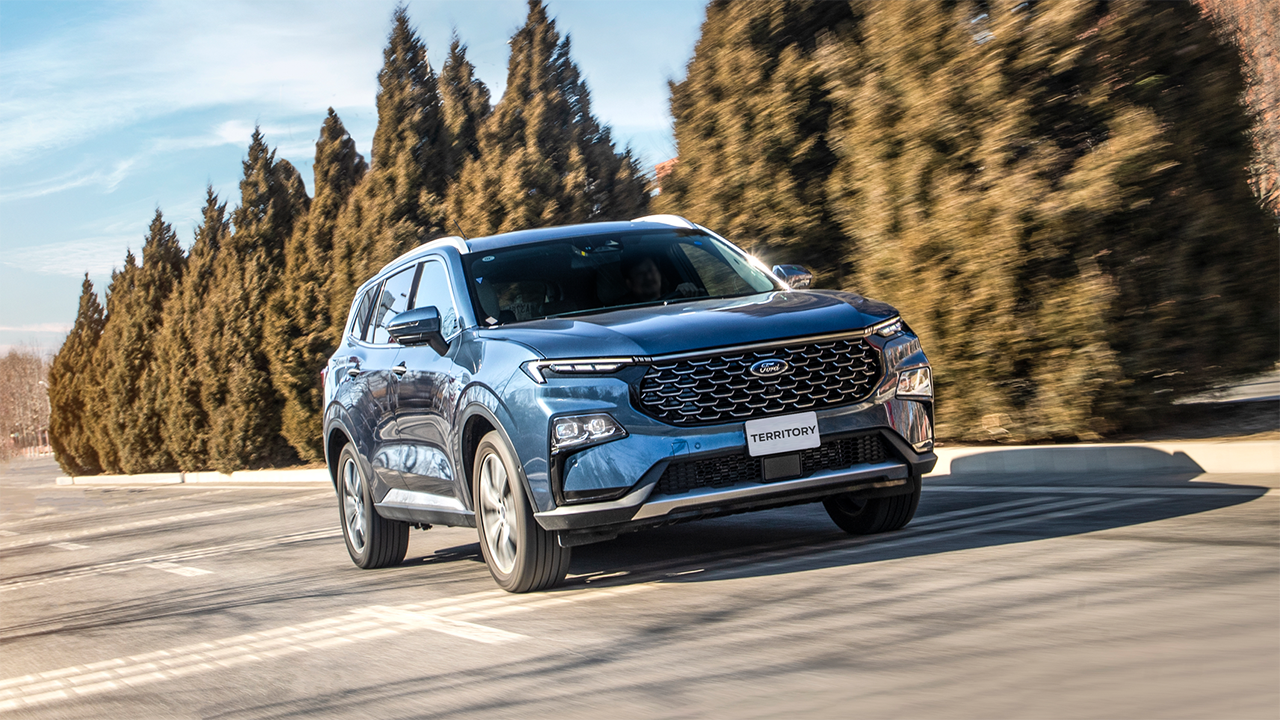
The Ford Territory is back!
This time around, the fast-selling 5-seater SUV comes with the latest generation comprised of striking design, premium interiors, efficient performance, and smart technologies.
The Territory portfolio comes with a premium variant called the Territory Titanium X, offering a 5-year warranty or up to 150,000km (whichever comes first), the same as the Territory Titanium.
It’s a Ford vehicle through and through
The Next-Gen Ford Territory embodies Ford’s new design philosophy: commanding, responsive, and smart. The interiors and exterior exhibit the Ford DNA. Up front, you can easily see the integrated honeycomb grille, signature daytime running lamps, and full LED headlights.
Its contemporary design language is evident, exuding a youthful energy from its front to side, and even rear. It also boasts of 18-inch and 19-inch Alloy Wheels for Titanium and Titanium X, respectively. Adding a more premium feel, the Titanium X variant comes with a Panoramic Moonroof.

Inside, the Next-Gen Ford Territory houses a convenient yet sophisticated space. It evokes openness with its spacious interiors, along with a well-designed cabin with harmonious color arrays.
The combination of white and other color options created a unique aesthetic contrast, in harmony with its blue and dark wood tones.
Comfort at its best
If there’s anything that customers like about Ford’s vehicles, it’s the comfort felt by its drivers and passengers. The Titanium X comes with perforated and ventilated leather seats, with 10-way Power Adjust for the driver’s seat and 4-Way Manual Adjust for the passenger seat — in both variants.
The Titanium and Titanium X are also equipped with Dual-Zone Electronic Automatic Temperature Control. Its system will continuously check the air quality in the vehicle.
On another note, the Next-Gen Ford Territory comes with spacious storage compartments and a big trunk that can hold up to 448 liters.
Smart technologies are also incorporated to make the experience convenient and comfortable. A large 12-inch central touch screen is mounted in the center cabin, incorporating a 7-inch (Titanium) or 12-inch (Titanium X) digital instrument cluster supporting the driver with easier access to controls of all vehicle functions.
A rotary e-shifter also helps change gears with ease, while providing access to audio and other function controls in just a click.
Packed with creature comforts
Technology is at the heart of the Next-Gen Ford Territory. Inside, you can find wireless charging, USB Type-C and Type-A charging, Wireless Apple Carplay, and Android Auto capability. You can also find a center console with two cup holders, an adjustable tray, and a windscreen-mounted USB port for your dashcam.

It also comes with advanced Driver-Assist Technologies to enhance the driving experience.
These include, but are not limited to Active Park Assist to help in parallel and perpendicular parking; a 360-degree camera mounted on its front, rear, and sides; a Blind Spot Information System that helps in changing lanes or merging into a highway; Adaptive Cruise Control with Stop & Go for Titanium X that helps maintain a set distance from the vehicle ahead; and Autonomous Emergency Braking that detects a potential collision with another vehicle, pedestrian, or cyclist in front of the vehicle.
Power in every drive
The Next-Gen Ford Territory houses an EcoBoost 1.5L engine across its variants, delivering up to 248 Nm of torque and impressive power of up to 160 PS.
This is mated with a 7-speed automatic transmission with wet-type Dual-Clutch engagement system, tried and tested
by Ford and easily helps drivers with fast gear changes for better handling and improved fuel efficiency.
Moreover, the Territory has a longer wheelbase at 2,726mm and a higher ground clearance at 190mm, giving the 5-seater SUV not just a tougher stance but good overall visibility and capability to take on a variety of road conditions.
Both variants are equipped with four selectable drive modes including Eco, Normal, Sport, and Mountain to provide drivers with confidence and enhance their driving experience across a variety of terrains.
Price and availability
The Next-Generation Ford Territory comes in six colors which include Blue Metallic, Crystal Pearl White (exclusive to Titanium X), Lustrous Grey, Panther Black, Ruby Red (exclusive to Titanium), and Star White (exclusive to Titanium).
The Next-Gen Territory Titanium is available at P1,335,000 while the Titanium X is available at P1,599,000.







Automotive
What Qualcomm and VinFast say about the future of driver assistance
TheV-Creator All Star Summit 2026 puts the spotlight on AI-powered driving technology

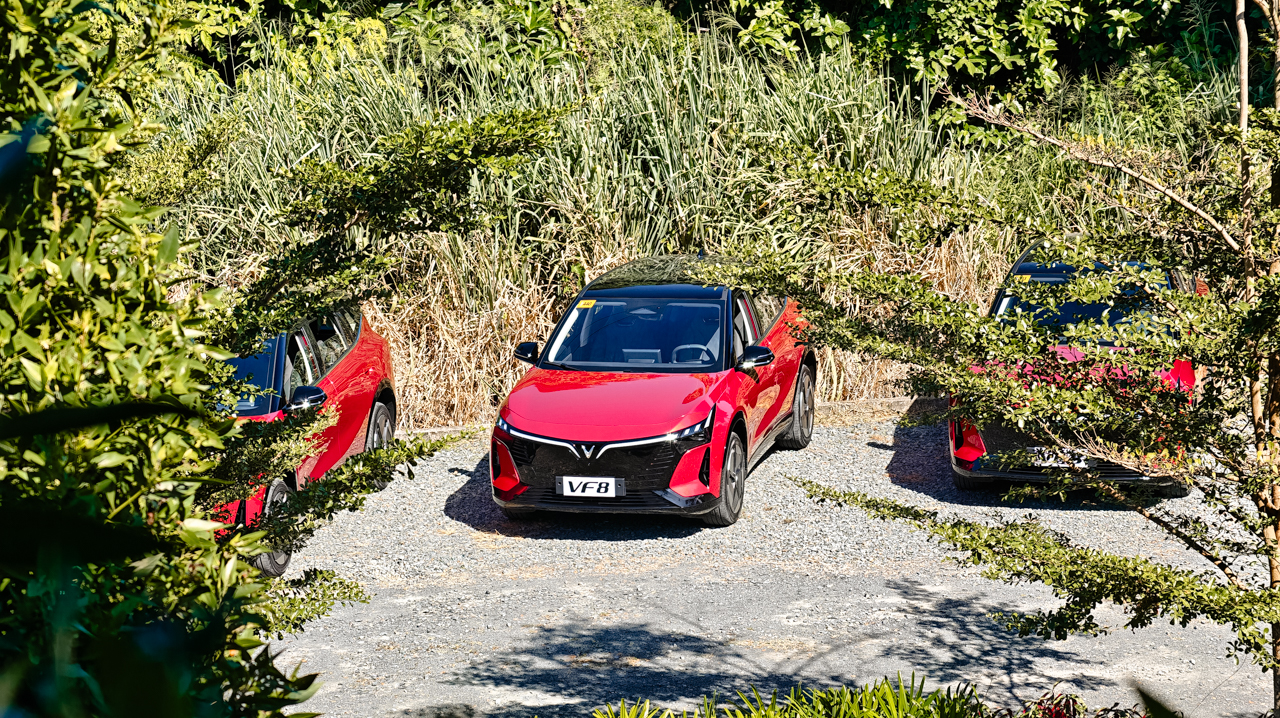
Cars are getting smarter, and new vehicle technology is steadily changing what everyday driving looks like.
From lane-centering tools to hazard detection, advanced driver assistance systems (ADAS) are becoming standard in modern cars.
This shift took center stage at VinFast’s V-Creator All Star Summit 2026 in Nha Trang, Vietnam. There, leaders from Qualcomm and the auto industry joined academics to discuss the future of mobility.
How AI is reshaping driver assistance
Abhay Rai, Vice President of ADAS Product Management at Qualcomm, led a session on the evolution of automated driving.
He explained how AI and high-performance computing are powering more advanced features. Paired with software-defined vehicle architectures, these tools allow cars to process data faster and smarter.
For everyday motorists, this means vehicles can better read their surroundings and react to road hazards. Depending on the model, ADAS features often include lane-keeping assistance and automatic emergency braking.
These systems also sit at the center of talks on road safety and accessibility. As the tech advances, automakers face a clear challenge: making these features reliable and affordable enough for everyday vehicle segments.
Inside VinFast’s automated driving roadmap
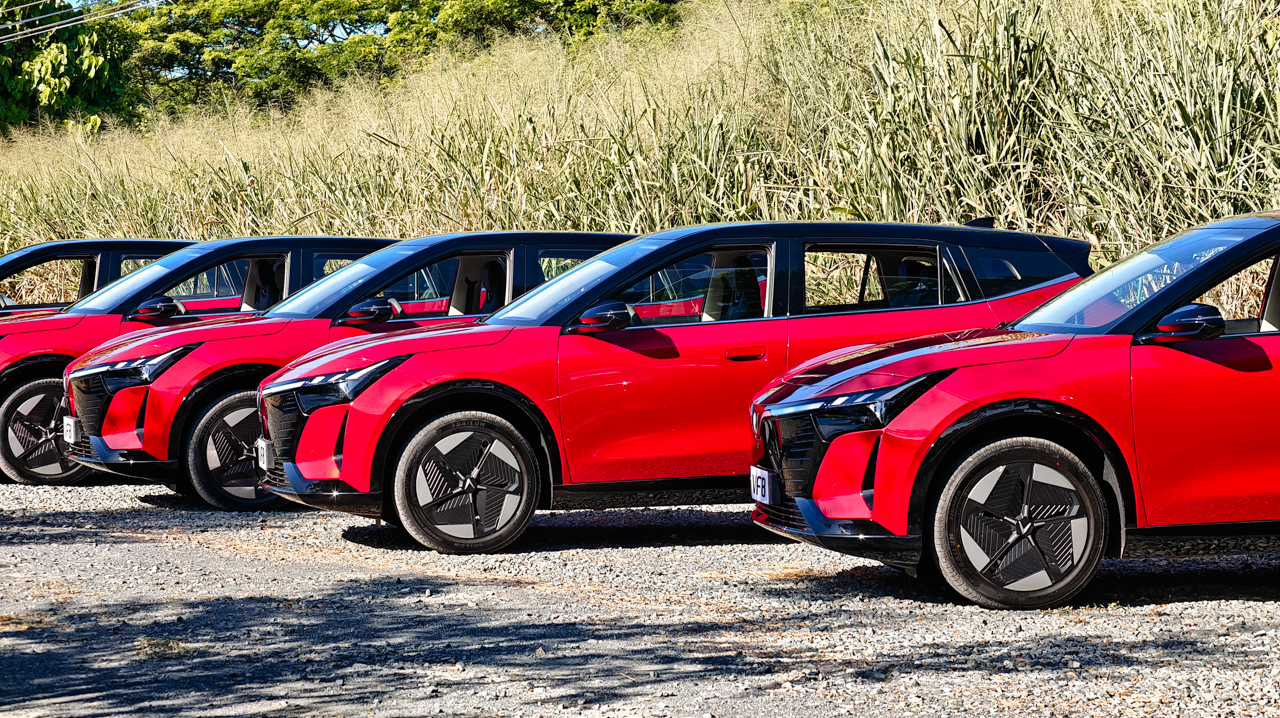
VinFast also highlighted its own progress in this space. Professor Dr. Van Duong Nguyen, who specializes in ADAS and autonomous driving at the company, presented their latest work.
The session covered VinFast’s Level 2 and Level 2+ systems, alongside emerging approaches using end-to-end AI and Vision-Language-Action models.
These levels matter because automated driving arrives in stages. Level 2 systems can manage steering, acceleration, and braking at the same time. Even so, drivers must stay attentive and remain responsible for the car.
Meanwhile, the industry uses “Level 2+” to describe more capable assistance, though it is not a standardized SAE automation tier.
Making EVs practical for everyday drivers
Beyond intelligent driving, the summit looked at what makes electric vehicles a practical choice for everyday consumers.
VinFast Asia CEO Tapan Ghosh outlined the key drivers of wider EV adoption. He pointed to vehicle affordability, charging infrastructure, ownership policies, and reliable customer support.
Those points apply directly to Asian markets like the Philippines. For local buyers, going electric depends on easy charging, fair pricing, and a smooth ownership experience. All of these factors will shape how readily consumers embrace the technology.

The summit took place on November 17 and brought together more than 500 international participants, including journalists and content creators from several Asian markets.
These conversations show how closely the auto industry is now tied to AI, computing, and consumer technology. As these innovations reach more vehicles, driving could look very different in the years ahead.
Automotive
The all-new VinFast VF 8 arrives in Manila with a battery subscription option
Starting at PhP 1,548,000
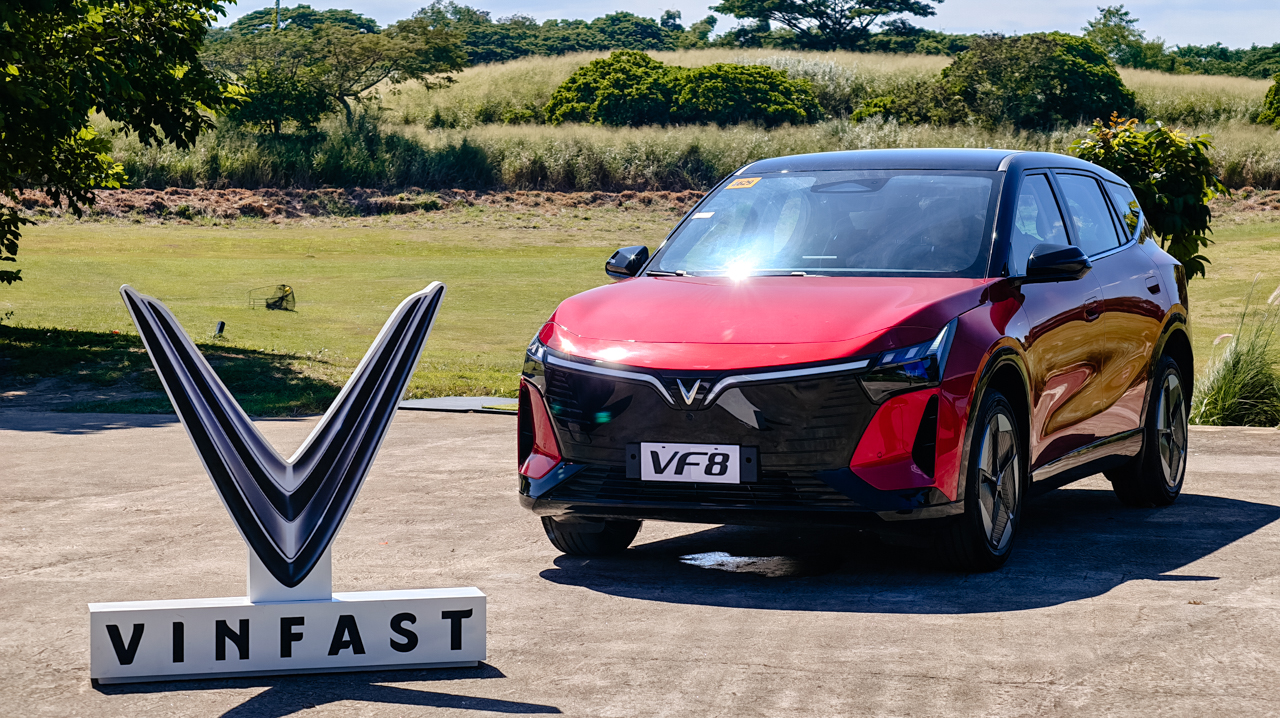
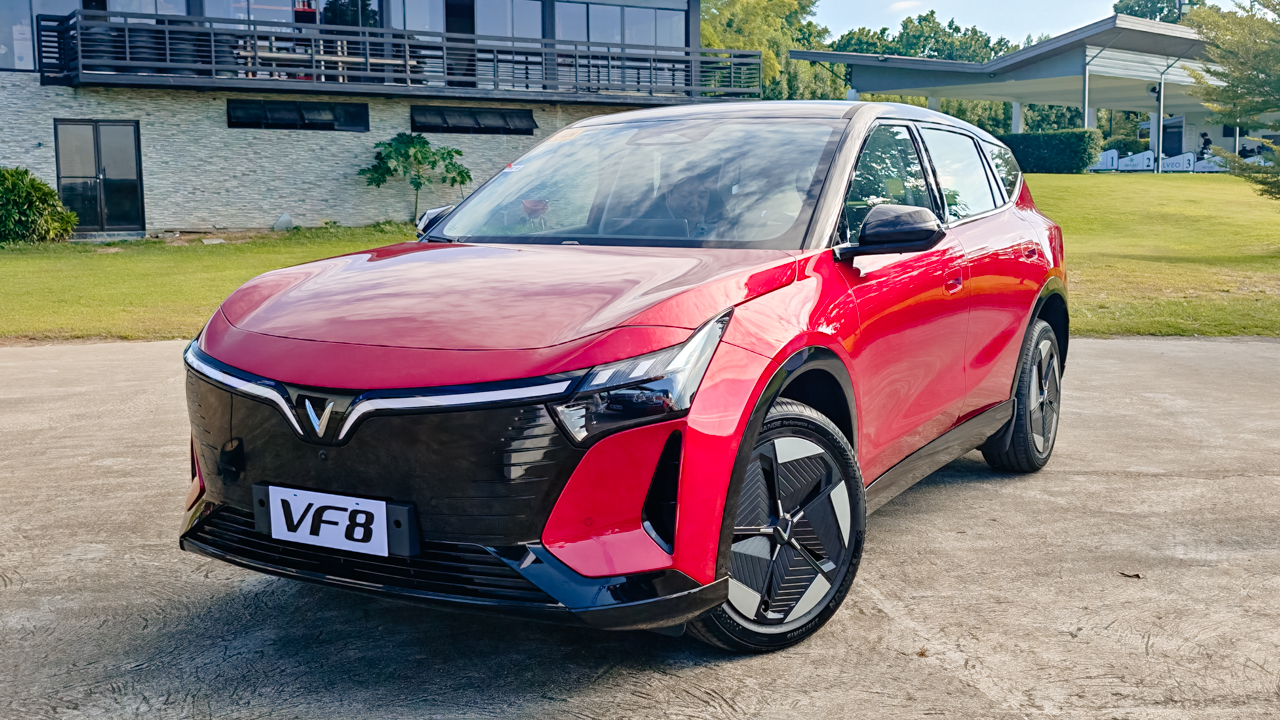
VinFast has officially launched the All-New VF 8 in the Philippines. The all-electric D-segment SUV is aimed at families and at buyers who are making their first switch to an EV, and the first customer deliveries are expected to begin in November 2026.
Updated design, dimensions
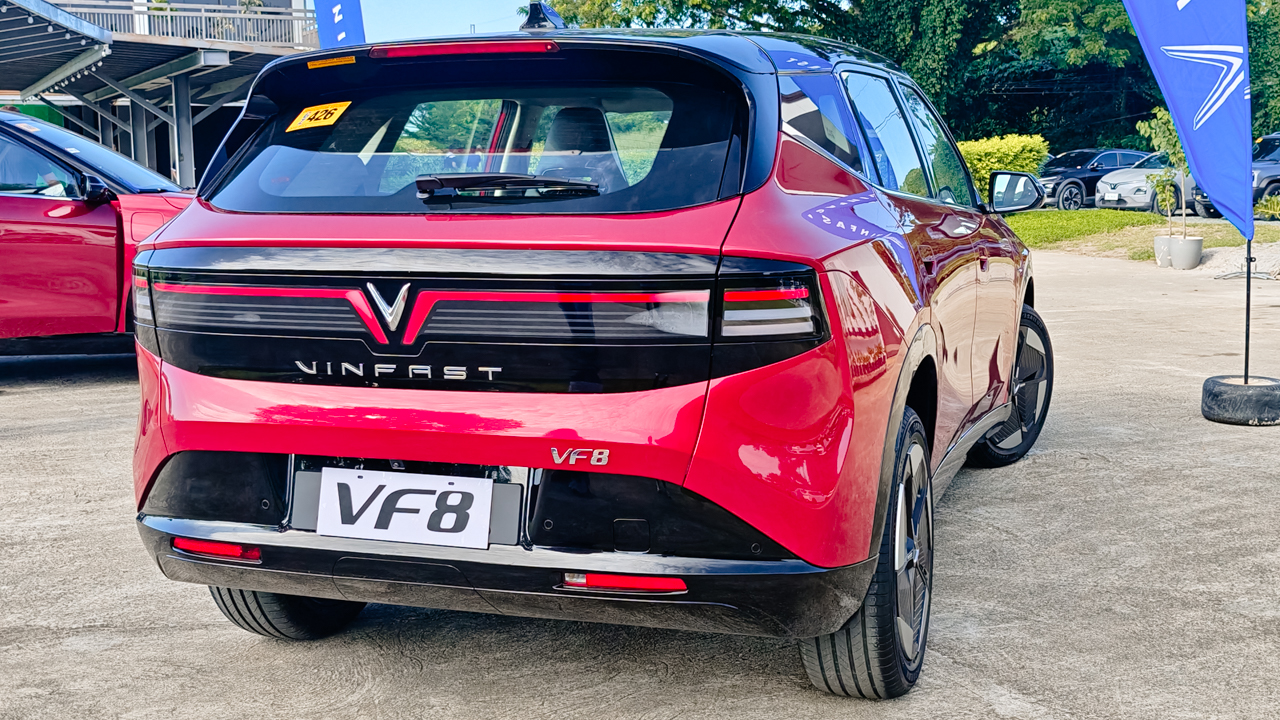
VinFast overhauled the VF 8’s design, chassis, electrical architecture, and vehicle systems for a smoother, more responsive ride. Its exterior follows the brand’s “Tech Fluid” design philosophy, which balances modern styling with everyday practicality.
The five-seater measures 4,701 mm long, 1,872 mm wide, and 1,670 mm tall, with a 2,840 mm wheelbase. Its 170 mm ground clearance and 19-inch wheels help handle varied road conditions, though performance depends heavily on road quality.
Inside, a 12.9-inch central display controls the main vehicle functions. A second screen behind the steering wheel displays essential driving data. Mounting the gear selector on the steering column keeps the center console clear and simplifies daily driving.
Powertrain, range, and charging
A single electric motor drives the front wheels, producing up to 170 kW and 330 Nm of peak torque. Drivers can choose between Eco, Normal, and Sport driving modes.
The 60.13 kWh battery delivers up to 480 km under the NEDC standard, though real-world range typically runs lower. Fast charging boosts the battery from 10% to 70% in under 30 minutes.
Buyers can purchase the vehicle with the battery included or subscribe to the battery separately to match their budget. A seven-year or 160,000 km warranty covers the vehicle. The high-voltage battery gets 10 years or 200,000 km of coverage, whichever comes first.
Price, availability in the Philippines
The VinFast VF 8 is priced at PhP 1,548,000 with a battery subscription, or PhP 1,799,000 with the battery included.
VinFast Philippines CEO Antonio “Toti” Zara III called the launch another milestone in the brand’s local commitment. He added that the VF 8 strengthens VinFast’s premium EV lineup for Filipino drivers with diverse mobility needs.
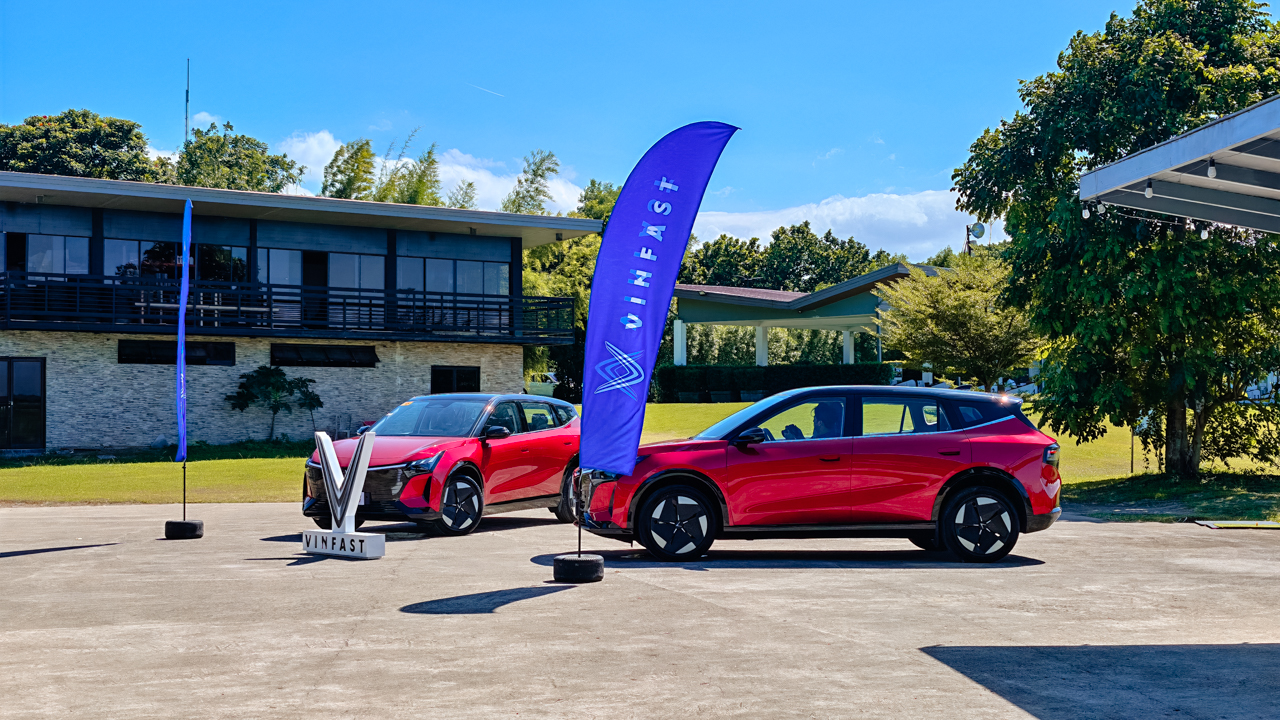
The Philippines serves as the first international market to receive the All-New VF 8. VinFast is also expanding its dealerships, aftersales services, and charging network alongside V-Green and local partners.
Automotive
Inside Xiaomi’s world of possibilities
A visit to Xiaomi’s Beijing campus reveals how the technology giant is imagining a more connected way of living.

The first time I encountered Xiaomi, I was tinkering with the Xiaomi Mi Max 2 and Mi Mix 2 in 2017. Yes, that was almost a decade ago. They were among the first gadgets I worked on after I took the leap into the world of consumer technology journalism.
That career move eventually turned my curiosity about shiny new things into an actual profession. (My younger self would be delighted to know that shopping for gadgets could, in fact, become part of the job description.)
Back then, I was far more familiar with writing travel essays and lifestyle features. Consumer technology was an entirely different playground. At that time, Xiaomi was beginning to spread its wings beyond China. Its smartphones were reaching more markets and earning attention for their hardware and competitive pricing.
In 2026, I found myself in Beijing, walking through the company’s sprawling headquarters. Autumn foliage surrounded me, along with futuristic electric vehicles and enough technology to make any gadget enthusiast feel a ~little~ giddy.
The Xiaomi Science and Technology Park was a fitting backdrop for this full-circle moment. What began with a handful of smartphones I once had to familiarize myself with has grown into a global technology company. Its ambitions now cover personal devices and smart homes, and they extend to electric mobility.
Catching the right wind
The park was inaugurated in July 2019 as the company’s global headquarters in Beijing’s Haidian District. It spans approximately 340,000 square meters across eight interconnected buildings.
The campus brings together Xiaomi’s core research and development, along with its software engineering and executive operations.

My visit coincided with Beijing’s autumn season, which made the grounds particularly picturesque. Golden ginkgo leaves shimmered against the crisp sky, while vibrant maples and fiery red smoke trees added splashes of color to the modern architecture.
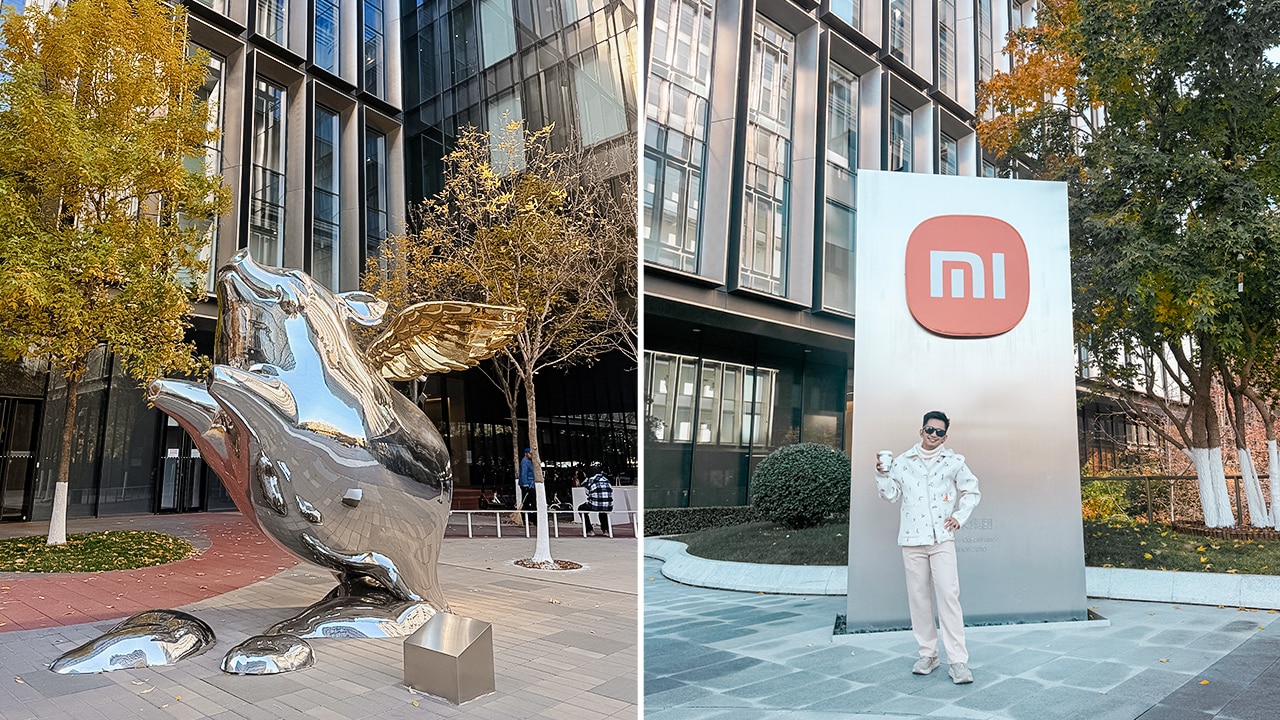
It made me want to put my phone away for a moment and simply appreciate being somewhere beautiful. Eventually, something unexpected stole my attention: a metallic pig with wings.
Known as “The Flying Pig,” the sculpture was first installed in 2021. It represents founder Lei Jun’s business philosophy.
“Even a pig can fly if it catches the right wind.”
The idea speaks to timing and market momentum. For Lei Jun, it captures how Xiaomi positioned itself during the early 2010s mobile internet boom, when the industry was going through a massive transformation.
The philosophy resonated with me more than I expected. I’ve always believed that a little luck can go a long way, although it helps when you’ve done the work before the opportunity arrives. You have to build the foundation and develop your capabilities so you can take advantage of the moment when it comes. After all, you can catch the right wind, but you still need wings.
The pig also reflects Xiaomi’s willingness to chase seemingly impossible ambitions. Since the company has expanded from smartphones into electric vehicles, it’s an amusingly fitting mascot. Apparently, pigs can fly. They can also drive now.
A little electricity, a lot of ambition
Inside the campus, I gravitated toward the in-house café, tucked beside enormous floor-to-ceiling windows that overlook the colorful autumn landscape. The contemporary, understated space invites you to linger over coffee, even with an entire itinerary waiting.
I ordered an oat latte and paid with GCash through Alipay. It was a small reminder of how seamlessly technology has become part of everyday transactions. With a warm cup in hand, I settled in to admire three electric vehicles displayed nearby.
Behind them was a showcase of Xiaomi’s wider ecosystem, with tablets, laptops, wearables, accessories, and smartphones. It was familiar territory for someone who has spent nearly a decade writing about consumer technology.

Still, my attention kept wandering back to the cars. Xiaomi built much of its global identity around smartphones, so its automotive push is one of its most fascinating developments.
The vehicles on display showed how the company is applying its technology expertise to a different industry, with software and connectivity mattering as much as the hardware itself.
And if the cars were anything to go by, Xiaomi wasn’t planning a subtle entrance.
A pink car made for the Elle Woods
First on display was the Xiaomi SU7, the company’s first electric vehicle. The electric sports sedan entered a competitive market alongside established names such as the Tesla Model 3 and Porsche Taycan. Xiaomi says it secured nearly 90,000 firm orders within the first 24 hours of launch, at an introductory starting price of RMB 215,900.
The unit at the campus came in Dawn Pink, and I was immediately sold on the color. The finish debuted on the YU7 in June 2025 and later made its way to the sedan lineup.
View this post on Instagram
It’s inspired by golden sunlight hitting snow-capped mountains at sunrise. It has a soft blush-pink base layer beneath a clearcoat infused with fine light-gold metallic flakes. Depending on the light, the finish shifts subtly between warm rose and champagne gold.
It’s a rather sophisticated shade of pink. Think Elle Woods after graduating from Harvard Law, building a successful career, and deciding that her next major purchase should have four wheels and serious horsepower. (I’d happily take it for a spin!)
The SUV gets a performance makeover
Xiaomi later expanded its lineup with the YU7, its first all-electric SUV, which entered the market in 2025 as a competitor to the Tesla Model Y. In May 2026, the company introduced the YU7 GT, positioned as the performance-focused flagship of the SUV lineup.
The example on display came in Crimson Red, a fitting choice for a vehicle with considerably more visual aggression. It has flared wheel arches, a unified front splitter, an active rear diffuser, carbon fiber mirror housings, and 24K gold carbon fiber badges.
View this post on Instagram
Inside, the cabin pairs suede and leather sport upholstery with heated, ventilated, and massaging seats across both rows. It also runs Xiaomi’s HyperOS-powered Human x Car x Home ecosystem, which connects the vehicle with the company’s wider range of smart devices.
It’s an interesting take on a performance SUV. The exterior is sporty and the hardware appears to match, while the interior still looks after the important business of keeping everyone comfortable. Apparently, even a performance car understands that we all deserve a little pampering.
Room for the whole family, and then some
Further up the lineup is the Xiaomi SkyNomad, officially unveiled in July 2026 ahead of its China launch in September.
It marks Xiaomi’s entry into the large family SUV segment and the extended-range electric vehicle category. Its proposition revolves around the idea of a mobile living space, with an interior designed to accommodate longer journeys and the practicalities of family travel.
View this post on Instagram
The SkyNomad is built on Xiaomi’s Kunlun Architecture, which began development in 2023. It has a completely flat floor and five extended sliding rails. The second-row seats can slide, rotate, and recline into zero-gravity lounging positions.
The cabin also extends the Human x Car x Home philosophy into a larger living space. Features include a nine-liter heating and cooling compressor refrigerator, a 21.4-inch rear entertainment display, and an audio system with up to 25 speakers.
On the tech side, Xiaomi lists assisted-driving capabilities powered by a 700 TOPS NVIDIA Drive Thor chip and LiDAR. It also reports a 650 to 750mm water-wading capability and an emergency water-floating function.
It’s an interesting direction for Xiaomi’s automotive ambitions. The company is looking past the idea of a vehicle as a way to get from one place to another and exploring how the cabin itself can extend the connected home.
At this rate, the family road trip might come with its own refrigerator and cinema screen. A comfortable place to nap is included. I can already see the appeal.

Building an ecosystem that moves with you
Xiaomi’s Human x Car x Home philosophy became even more relevant once the company entered the automotive industry. The strategy connects its smartphones and smart home devices with its vehicles so they can work together as one ecosystem.
For Lei Jun, the automotive venture represents the “last major entrepreneurial project” of his life. It’s backed by a 720,000-square-meter manufacturing base equipped with more than 700 industrial robots.
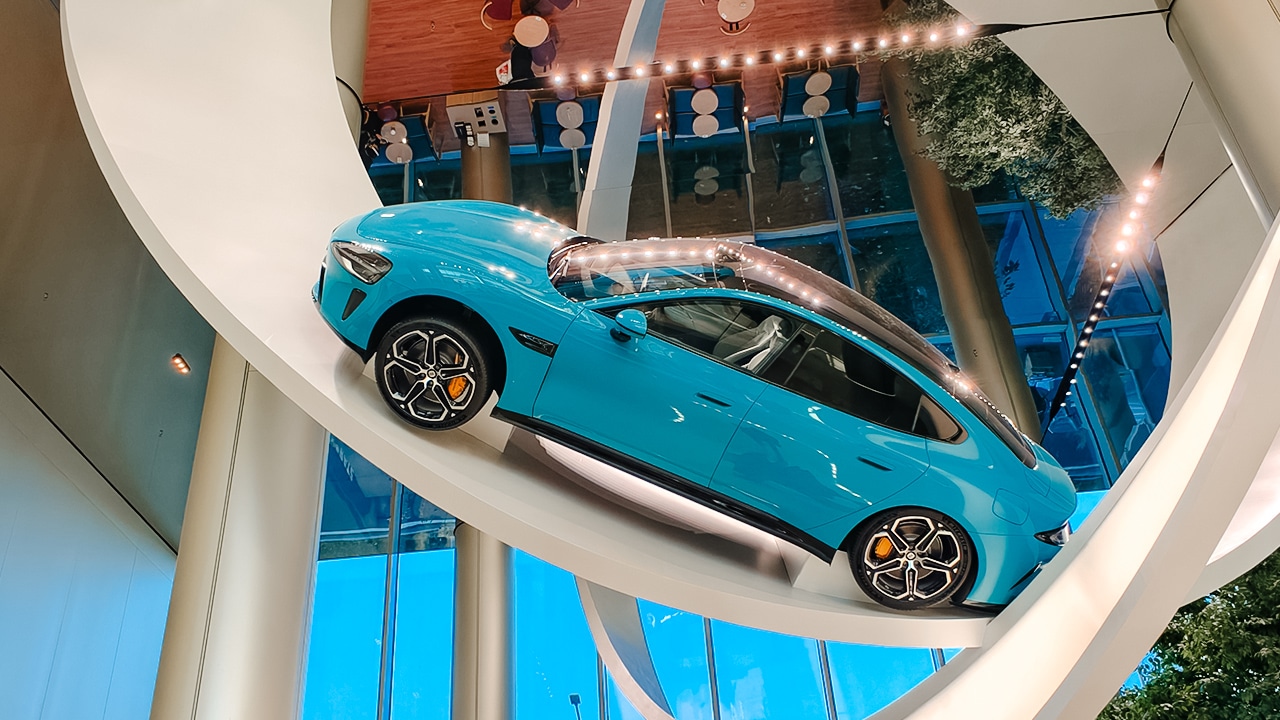
At peak efficiency, the production line can roll out a finished vehicle every 76 seconds. Let that sink in for a moment. Before I’ve even decided what to order for lunch, Xiaomi could have another electric vehicle rolling off the line.
During our visit, we also got to see the machinery behind that production. Xiaomi says approximately 91 percent of the factory is automated, and watching it was quite an experience.
Large industrial robots moved components into place in motions that almost looked choreographed, and they synchronized so well that the entire line seemed to have its own rhythm.

I’ve always found industrial robots fascinating, especially when they take on physically demanding or hazardous work. I could probably spend another afternoon watching them do their thing.
Human oversight still has a place, though. Workers continue to inspect and supervise production to make sure the finished vehicles meet the company’s standards, which is a reminder that the human eye remains part of the process even in a highly automated factory.

One ecosystem, an entire lifestyle
Beyond the machinery, what interested me most was how the automotive venture fits Xiaomi’s larger ambitions. The Human x Car x Home strategy is about making technology feel like a continuous part of everyday life, with your smartphone as the control center and your electric vehicle extending the connected experience onto the road.

Think about how much of your day already revolves around technology. Your smartphone wakes you up, your wearable tracks your activity, your appliances help run your household, and your car gets you where you’re going.
Xiaomi wants these experiences to feel like parts of the same connected lifestyle, with HyperOS helping the products work together across different scenarios.

It’s an ambitious proposition for a company that many consumers first came to know through its smartphones. Xiaomi is moving from supplying the gadgets we carry to wanting a place in the environments we inhabit.
Perhaps the biggest lesson here is that the future of technology lies in making the devices we already live with work better together. And if the “flying pig” is any indication, the sky isn’t even the limit.


My latest fashion accessory happens to play music
The JBL Soundgear Clips are the finishing touch my outfits needed!


Fujifilm instax Pal 2 review
A tiny digital camera that’s all about the keepsakes.

vivo X500 Pro Max review: 500+ hours later
Is Pro Max the new Ultra?

Avengers: Doomsday releases final trailer

Smart Postpaid Plans+ offers zero lock-in

HONOR Magic9 Pro Max brings ARRI cinematic imaging to Malaysia
My latest fashion accessory happens to play music

NVIDIA votes unanimously to reinstate Jensen Huang as CEO

Your coffee nook is getting a makeover with Starbucks’ holiday collections

Sticker season is back, and so is the planner your ~friends~ might fill in for you

Wild Rift Patch 7.3, celebrates K/DA comeback

ROG G700 review: The best prebuilt PC you can get off the shelf
vivo X500 Pro Max review: 500+ hours later


-
Reviews1 week ago
vivo X500 Pro Max review: 500+ hours later
-

 Gaming6 days ago
Five new (and better) games you can play instead of GTA VI
-
Cameras3 days ago
Fujifilm instax Pal 2 review
-

 Accessories2 weeks ago
Secretlab brings Pikachu, Gengar, and Eevee to its Pokémon gaming chair collection
-

 Smartphones1 week ago
Spotlight: OPPO Find X10 Pro Max
-

 Smartphones6 days ago
The iPhone Duo is replacing my Kindle
-

 Tablets1 week ago
Infinix XPAD 30 launches, comes with AI features and expansive display
-

 Buyer's Guide1 week ago
Buyer’s Guide: 2026 Amazon Kindle