
Cameras
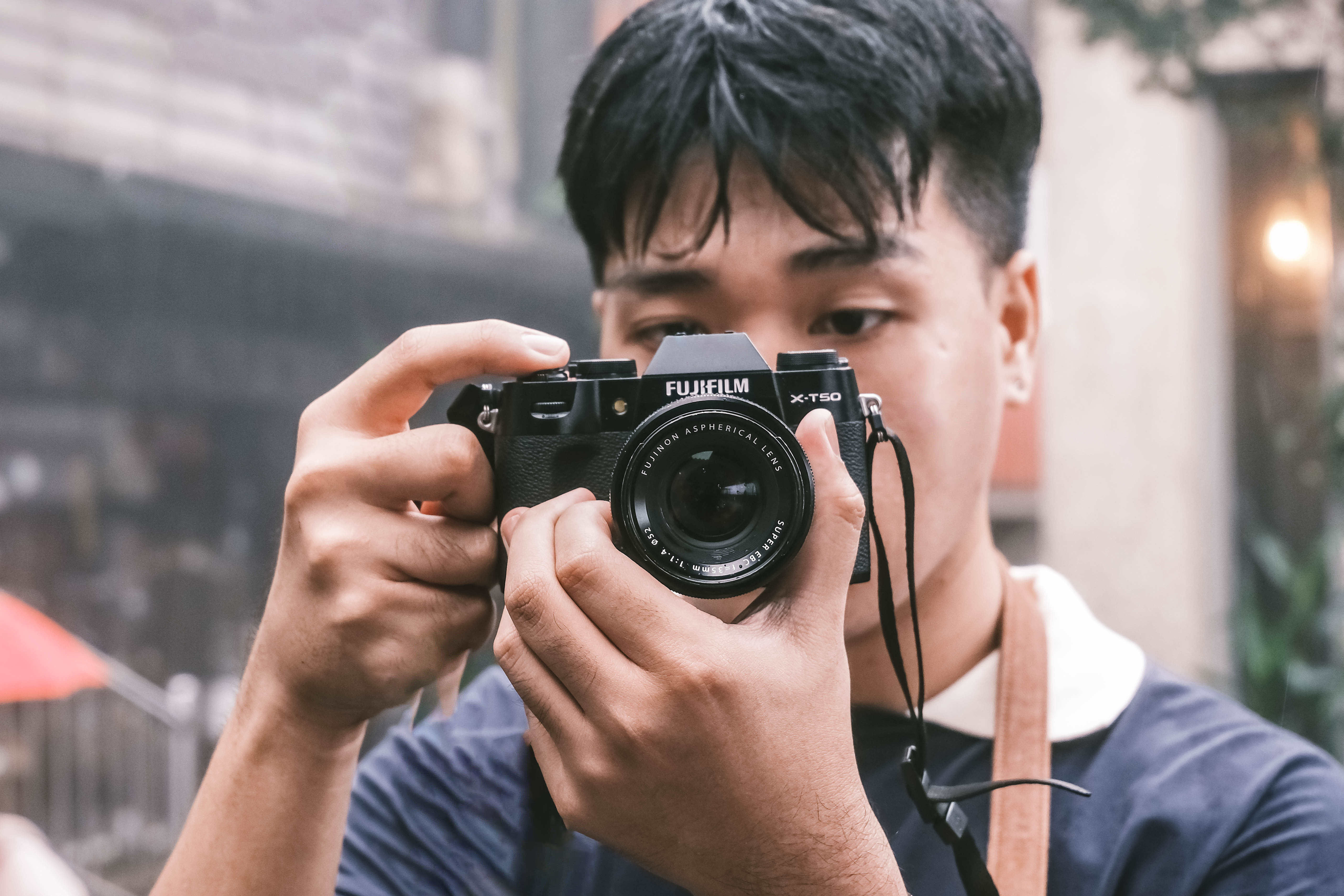
The Fujifilm X-T50 reignited my photography passion
Smartphone cameras can only imitate the look but not the actual feel

During my teenage years way back in 2011, I was astounded by the crater-filled moon shots I saw on Flickr. Surprisingly, it was taken by Nikon’s point-and-shoot camera with a 21x optical zoom — which I consider a prime during its time. Although I never had the chance to own one, that particular moment inspired me to pursue photography.
Three years later, I received the Canon EOS 60D as a reward for my great track record in high school. That unlocked the door for me and opened a whole new world of possibilities in my journey as a creative.
View this post on Instagram
From college works to post-grad travels, shots taken in that DSLR never disappointed. It even lasted long enough for me to use it in some product shots I did during the pandemic — all before I put it to rest after seven long years.
Bewitched to switch
As much as I am happy with my first (and only) DSLR, its bulky weight simply is the huge downside. That’s why the mirrorless camera revolution was a true blessing for me.
View this post on Instagram
Being able to pack an APS-C or even a full-frame camera sensor at half the size and weight is a great tech marvel. IMHO, the crowns in this camera category both go to Sony and Fujifilm.
But having to spend more time with several Sony cameras during the past six years, the brand’s familiarity, flexibility, and all-around compatibility in their wide selection of mirrorless shooters (regardless if APS-C or full-frame) simply made me prefer it over anything else.
Saving a dying flame
The headliner isn’t a clickbait. My burning passion for photography simply vanished just like the last flame in a candle’s wick. The depressing pandemic halted my travel trips, and so as my desire to shoot with a professional camera.

Xiaomi 13 Pro | 2023
Moreover, the dawn of the second decade of the third millennium introduced computational photography, AI post-processing algorithms, lens imitations, and even countless camera partnerships in smartphones.
With the never-ending reviews and camera shootouts I did as GadgetMatch’s ~ camera guy ~, little did I know, I had forgotten the actual feeling of using a pro-grade camera for photography’s sake.

But when Fujifilm reached out to us for a limited review period with the X-T50, I immediately accepted the opportunity.
Truth be told, this mirrorless camera reignited my passion in photography after using it for a week in Taiwan.
Comeback is real?
Although Fujifilm may NOT be the first camera that contributed to my photography aspirations, this popular Japanese camera brand still made me rethink what a professional camera should be.
Having to use a pro-grade Fujifilm isn’t a first for me. My very first encounter was the X-H1, or the brand’s first video-centric camera — and also the first one to have IBIS (in-body image stabilization).
To highlight X-H1’s capability in videography, the director of the production house I held my first internship tasked me to shoot and edit BTS (Behind The Scenes) clips of the music video set starred by a well-known Filipino indie band called IV OF SPADES.
A year later, I became a part of the GadgetMatch team. I then had another chance to test out Fujifilm’s latest offering that time — the Fujifilm X-T30.

Fujifilm X-T30 | 2019
I tested the camera not just during a short day trip in Caliraya, Laguna. I was also able to spend more time with it during our overnight stay at a beach in Calatagan, Batangas.
The result? Well, this single long-shutter shot of our very own Milky Way Galaxy from earth’s perspective.

Shot on Fujifim X-T30 by Vincenz Lee | GadgetMatch
That’s one big check ticked off of my bucket list as a budding photographer.
Not only that, the introduction of Fuji’s Film Simulation modes in this camera truly amused me. The feeling of having several color calibrations right out of the camera itself is just a wonderful feature I’ve thought of while using the camera five years ago.
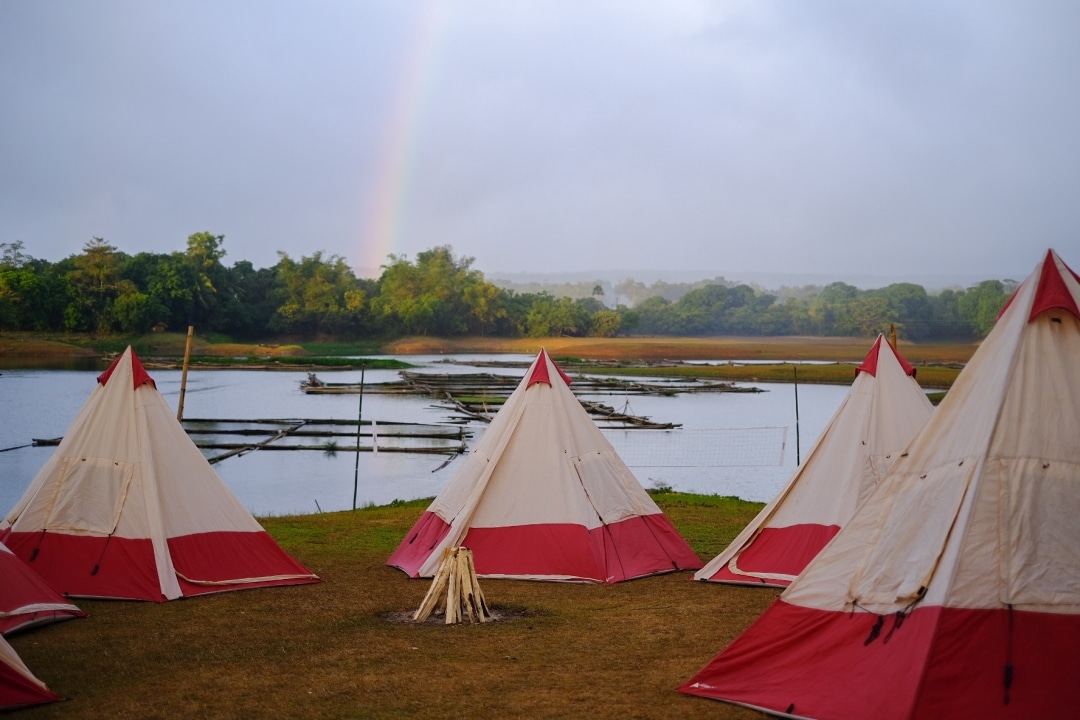
Shot on Fujifim X-T30 by Vincenz Lee | GadgetMatch
Admittedly, my memory reminded me that I only liked the photo-shooting mastery it had. The video output of the X-T30 isn’t up to X-H1’s strength simply because it missed that much needed in-body stabilization for a well-rounded video prowess.
X-Traordinarily Powerful
With the long and very personal Fuji-story out of the way, it’s high time to talk about the Fujifilm X-T50 itself.
For the hardware-obsessed, the X-T50 packs a serious photography punch.

There’s a 40.2MP APS-C sensor under its hood. Dubbed as the X-Trans CMOS 5 HR, Fujifilm’s special sensor has an enhanced image-processing algorithm that boosts resolution and has enough power to eliminate image noise without compromising an image’s overall quality.
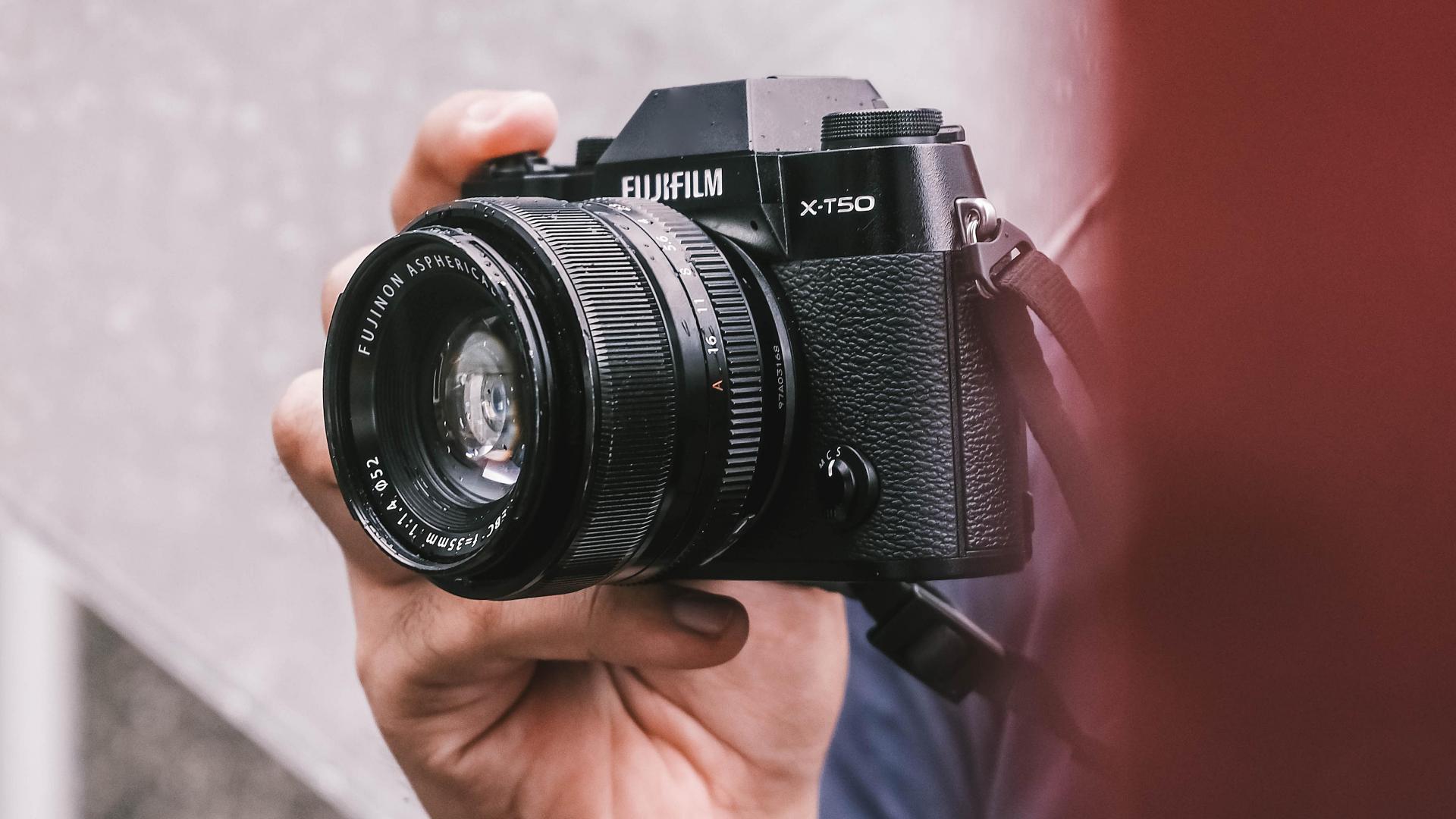
Speaking of noise, it has an ISO Sensitivity of up to 51,200 in stills and ISO 25600 in videos — through extended mode.
Alongside that is Fujifilm’s very own X-Processor 5 processor that promises twice the speed without sacrificing much of its power compared to its predecessor.
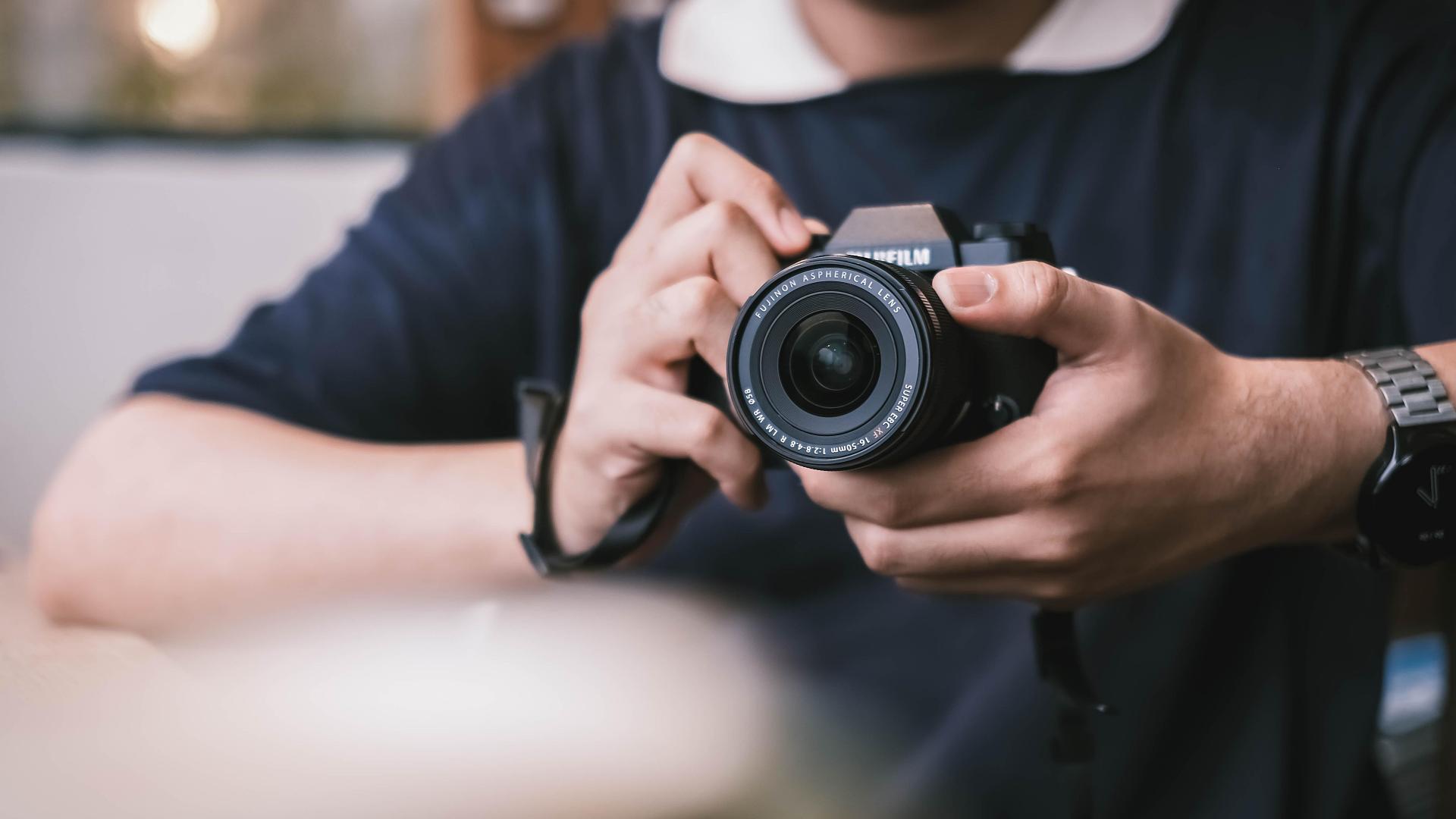
For those with shaky hands, fret not as it has a 7.0-stop 5-axis IBIS. While on the same topic, it can record between Full HD, 4K (which also include 4K HQ and DCI 4K HQ), up until 6.2K footages. Slo-mo videos are only limited to 240p capped at Full HD.
Cannot sacrifice that DSLR-like viewfinder? Well, the X-T50 makes up for its OLED EVF (Electronic Viewfinder) with approximately 2.36-million color dots and 100% viewing coverage.
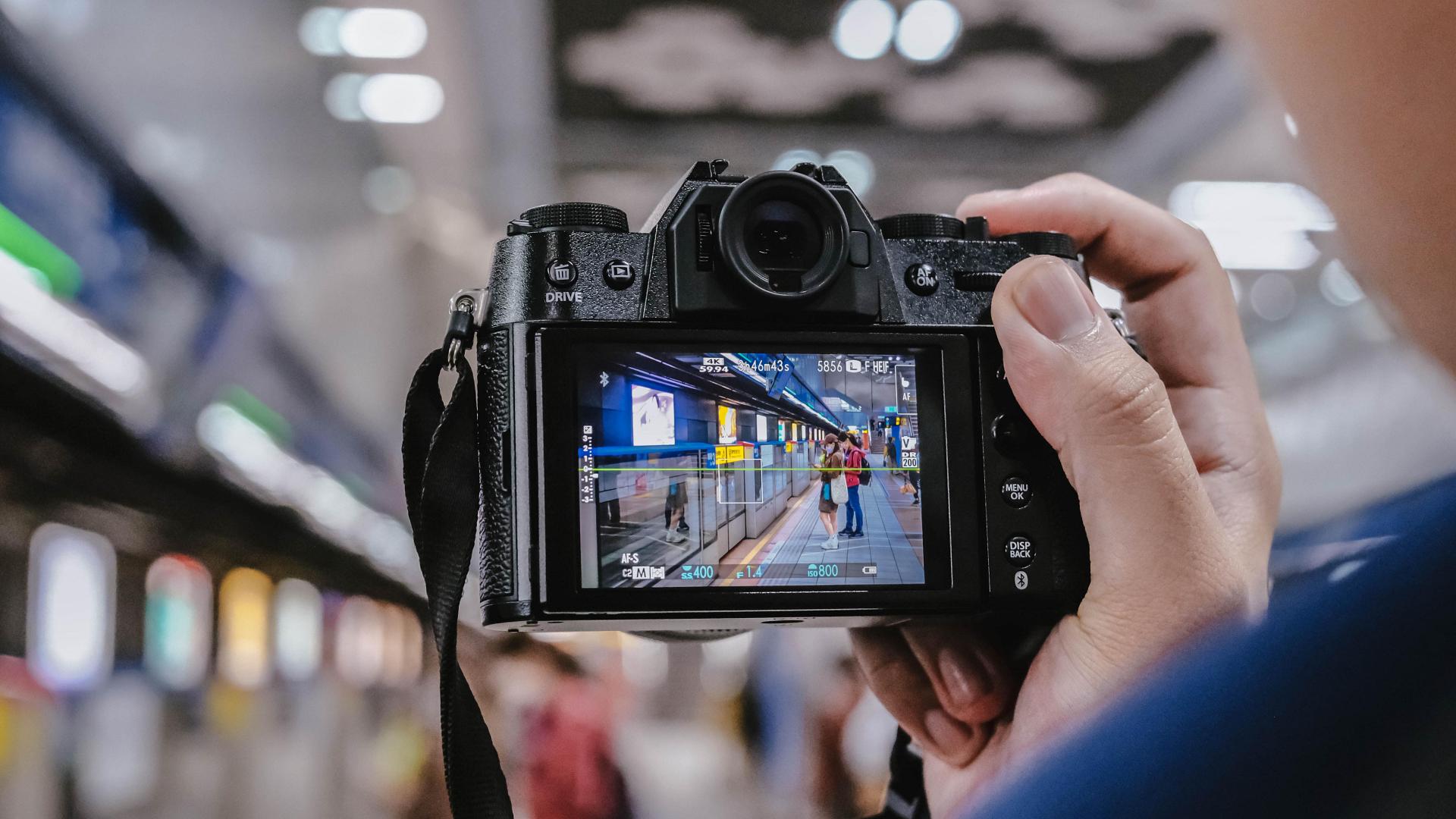
Lastly, there’s a 3-inch touchscreen LCD that can be tilted (not swiveled) when shooting in tighter angles.
The Fujifilm X-perience
With my limited time using this camera, it took a steeper learning curve than I initially imagined. Even if I was able to use Fuji cameras in the past, I was still so accustomed to Sony’s UI (User Interface) and system of settings and controls.

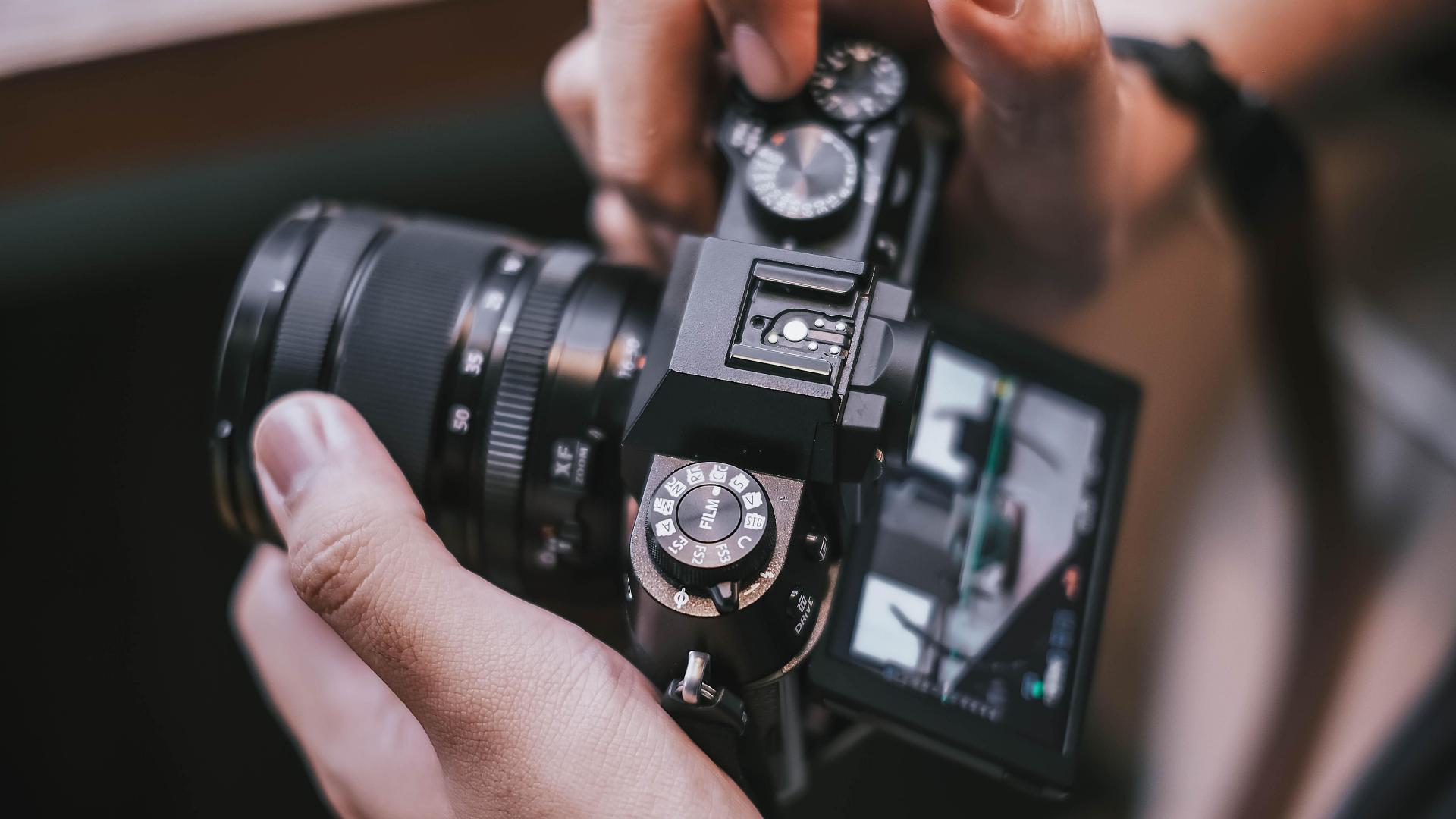
The Fujifilm X-T50 has three different dials found on top.
The left one serves as the dial when switching between Fujifilm’s Simulation Modes (more on that later). I love the overall feel of it when you turn one. There’s even a lever beside it where you can pull it down for the flash unit to pop-up.

However, I find the dial on the right a bit tricky to use. That’s likely my muscle memory using Sony’s mode switcher instead of Fujifilm’s dedicated dial for shutter speed (SS).
And even if the second right dial in our Sony camera is also used for switching Exposure Value (EV), it’s also user-programmable unlike the X-T50.
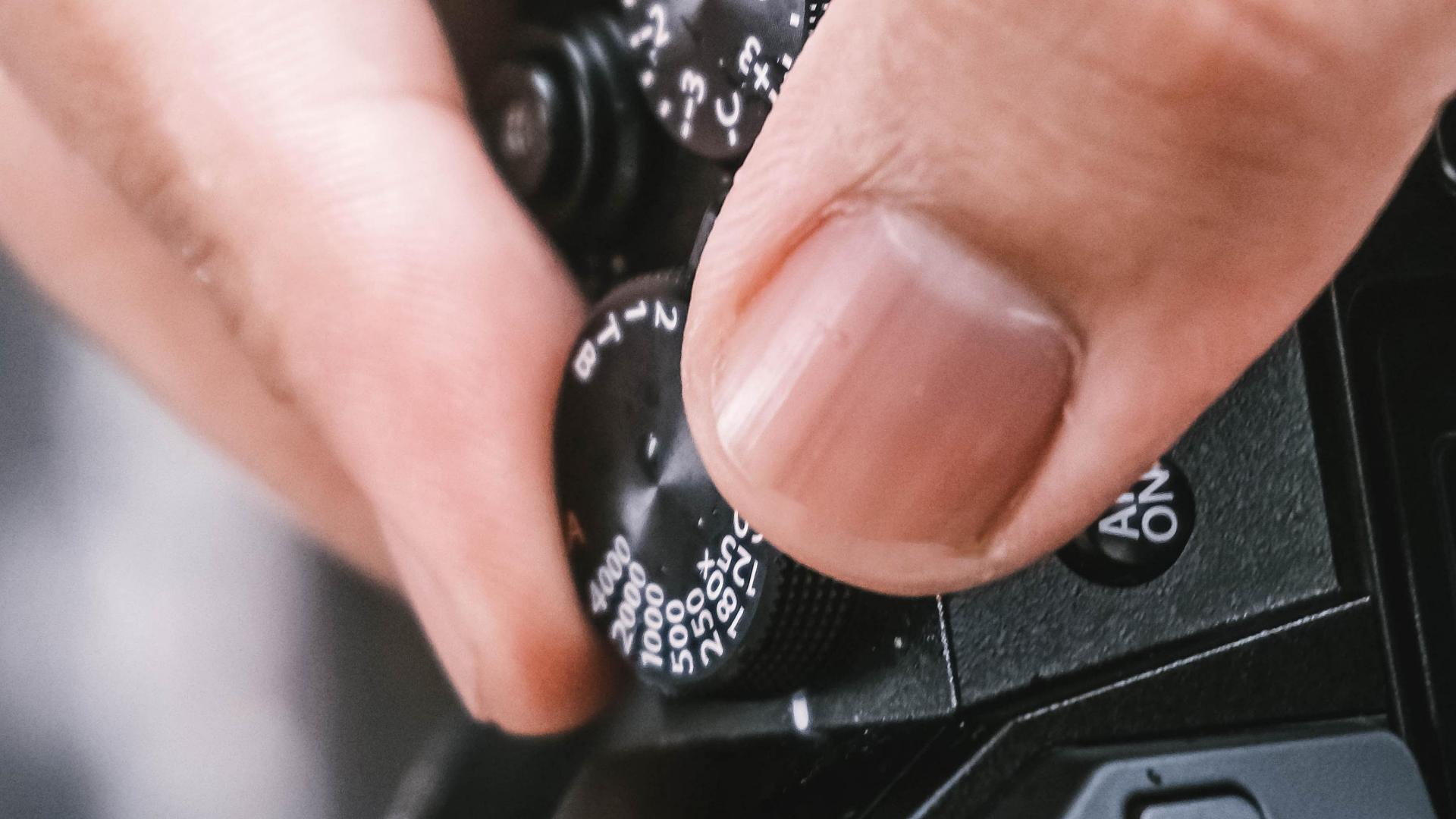
That’s when I also wish it had a proper D-pad plus scroll wheel combo for switching between ISO, shutter speed, WB (White Balance), and EV values instead of just a pointer tracker — that’s only used either for navigating through its not-so-simplistic menu and settings or for selecting specific focus point/s prior to shooting.
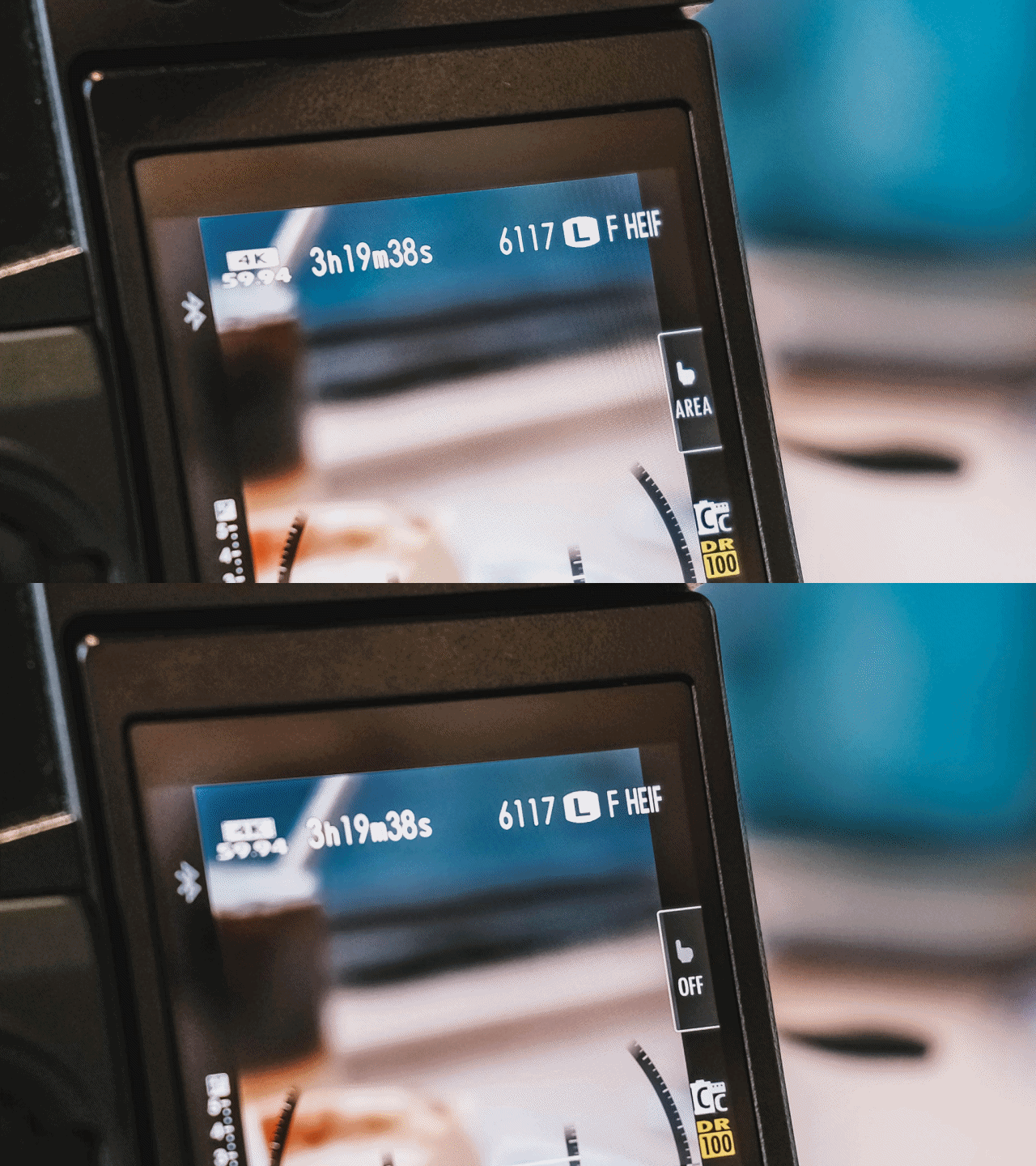
And speaking of focus, I find it frustrating how it automatically switches between using the touch for shutter, focus, or completely disabling that touch function.
TL;DR — I barely shoot RAW as it’s a massive storage hog. More so, I noticed how photographs under the JPEG format also take a lot of space.
Luckily, the X-T50 has a native HEIF support. This file format is still rarely used as it’s mostly found on iPhones (under HEIC) but it’s something worth pointing out. With it you get 50% more compression while preserving the same image quality as the traditional JPEG format.
Uniquely Fuji
Frankly, a camera’s strength doesn’t solely rely on its sensors, lens optics, and intricate hardware. It’s also through the built-in software a brand offers.
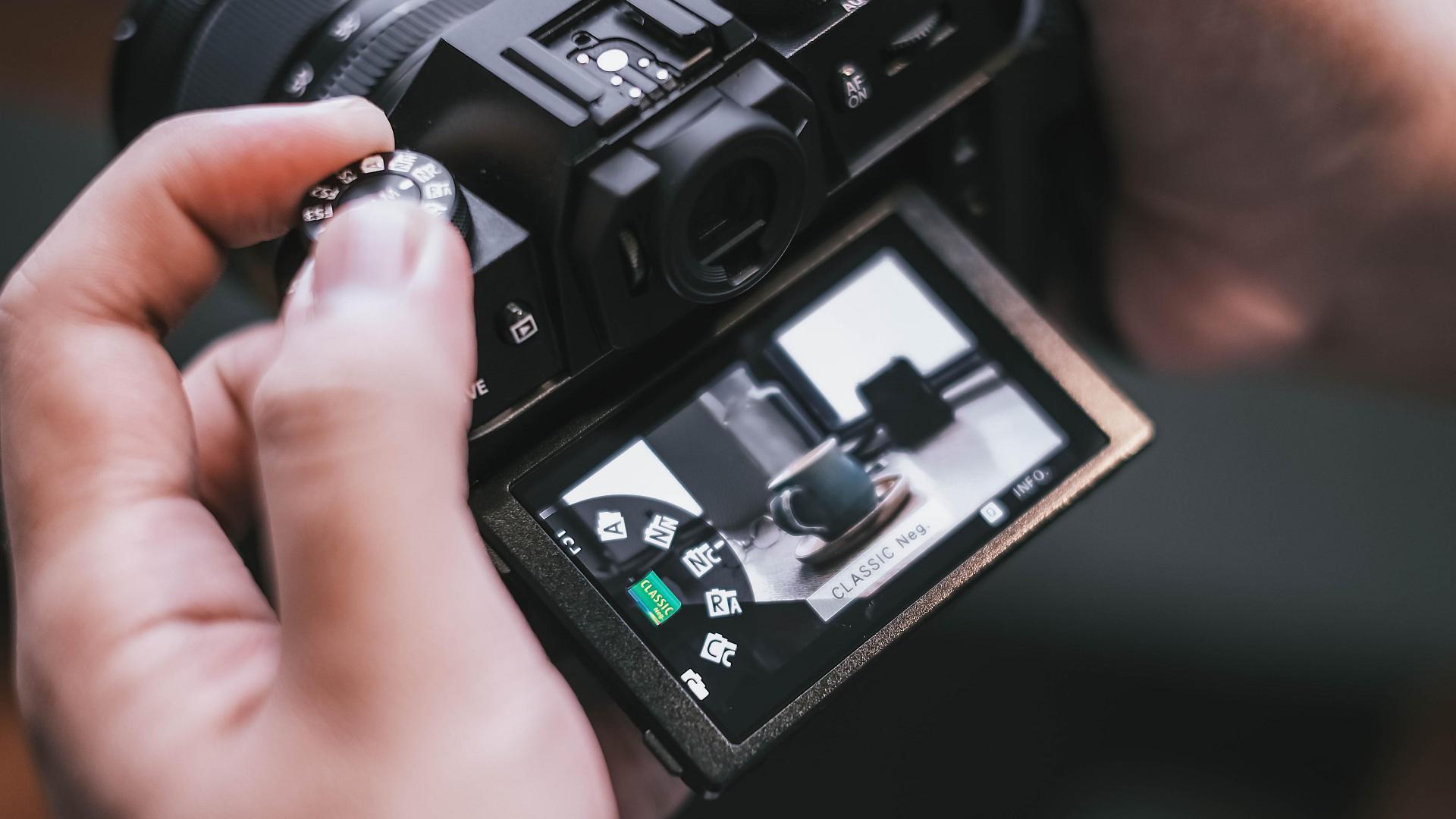
What makes a Fuji camera uniquely Fuji are none other than its film recipes — or “Simulation Modes” in Fujifilm’s own terminology. These originate back to the camera company’s roots when it was pretty big in the traditional film camera industry.
In the X-T50, there are a plethora to choose from:
PROVIA / Standard (Default) |
Classic Neg. |
VELVIA / Vivid |
Nostalgic Neg. |
ASTIA / Soft |
ETERNA / Cinema |
Classic Chrome |
ETERNA BLEACH BYPASS |
REALA ACE |
ACROS (+ Ye / R / G Filters) |
PRO Neg.Hi |
Black & White (+ Ye / R / G Filters) |
PRO Neg.Std |
Sepia |
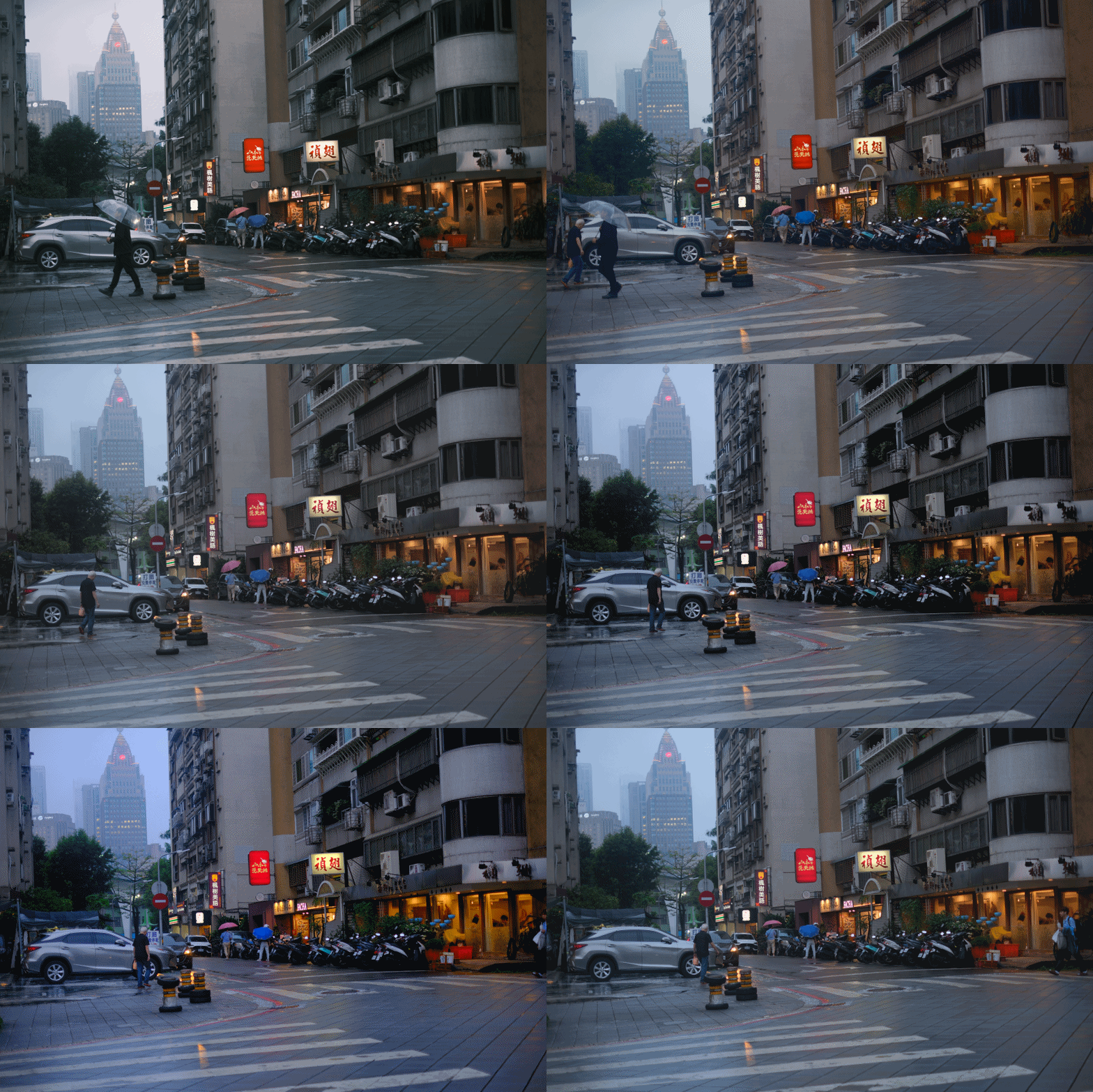
I wouldn’t get into the nitty-gritty of each and every film simulation here.
Just like how each and everyone of us have varying preference, it’s a similar case when choosing the film simulation that best suits both a user’s taste and the subject they are trying to capture.

Personally, my most used recipes are Classic Chrome, Classic Neg., and PRO Neg. Std. That’s also because I love my photos to be less saturated with a reduced amount of contrast and/or shadows.
As cool as Taiwan’s Breeze
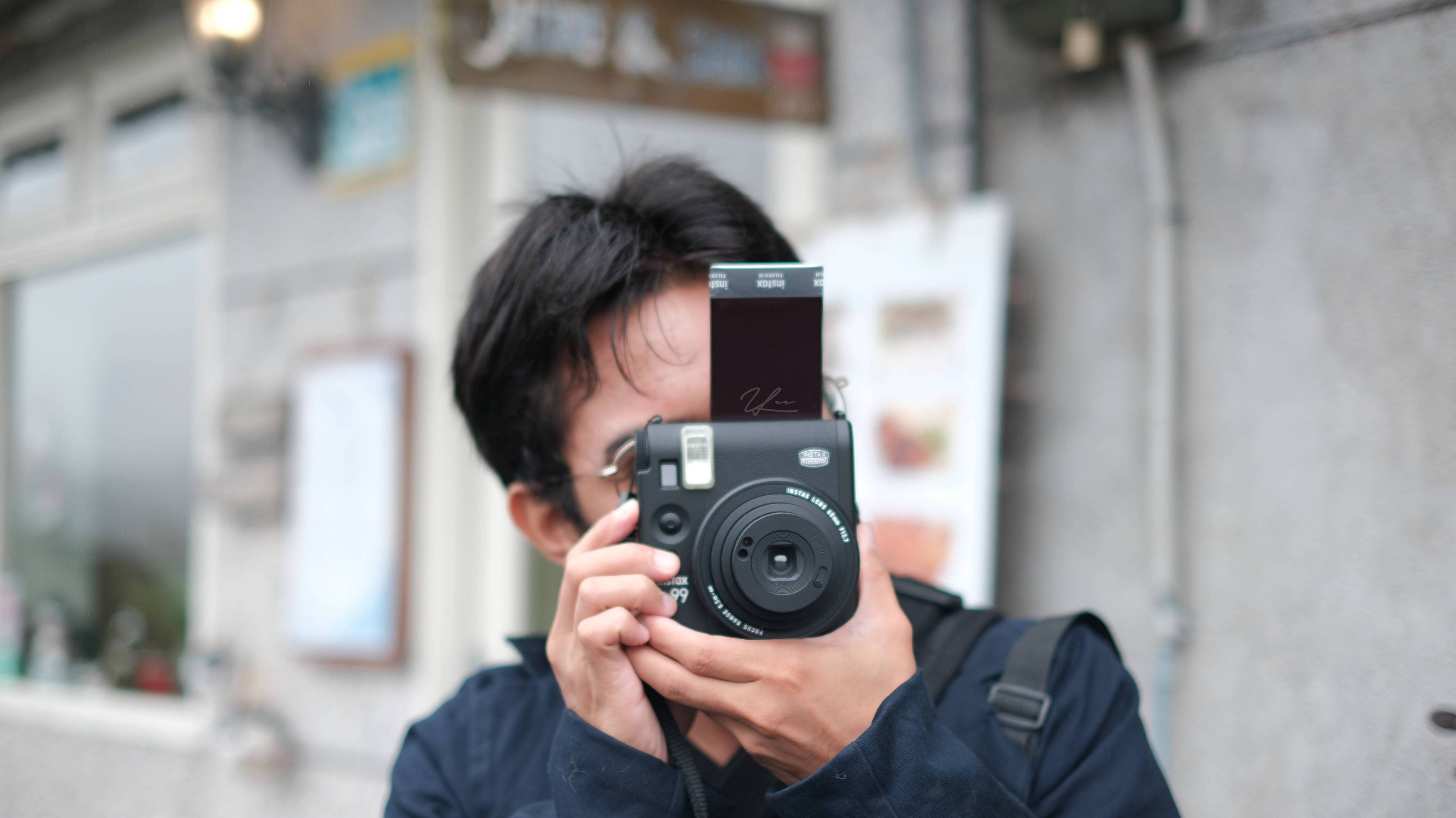
What I like about the Fujifilm X-T50 is how it keeps its classic SLR-like look.
Although I prefer wearing black most of the time, I find its silver colorway more appealing rather than the classic black coating.
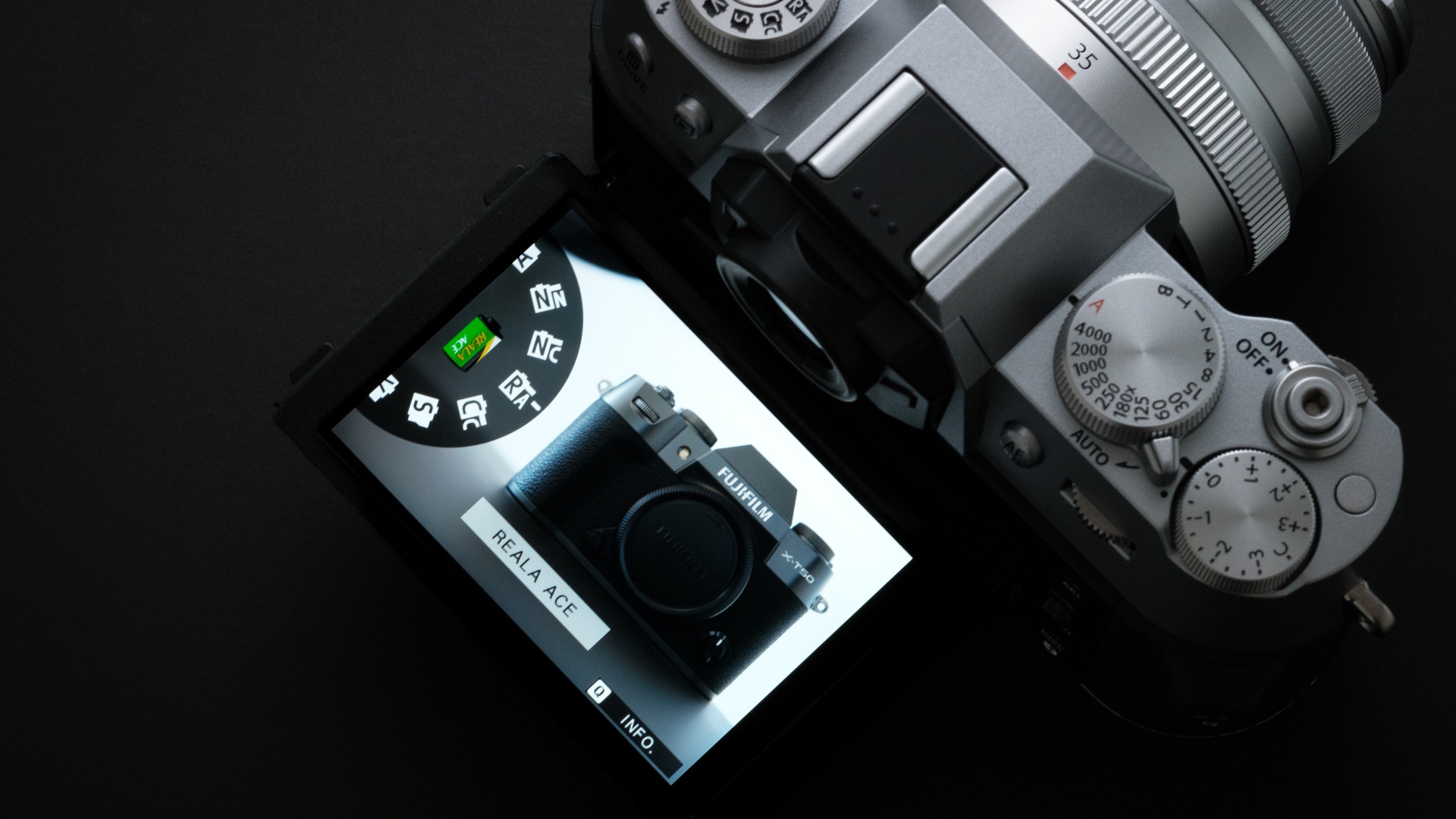
Fujifilm X-T50 in Silver colorway
Speaking of coolness, I find so much solace when it’s drizzling. More so, when I’m in a climate condition much like Taiwan’s breezy, pre-summer weather.
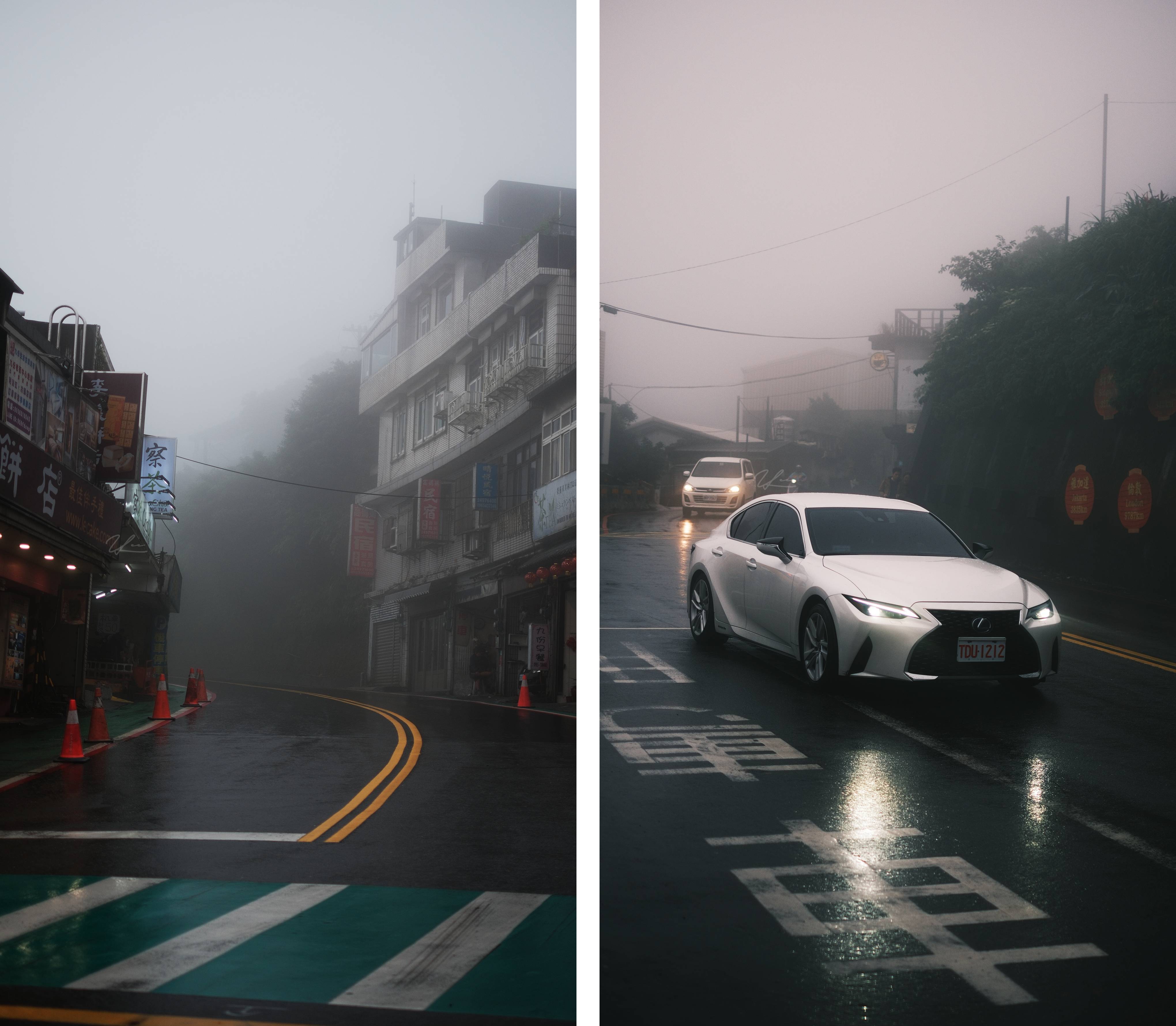

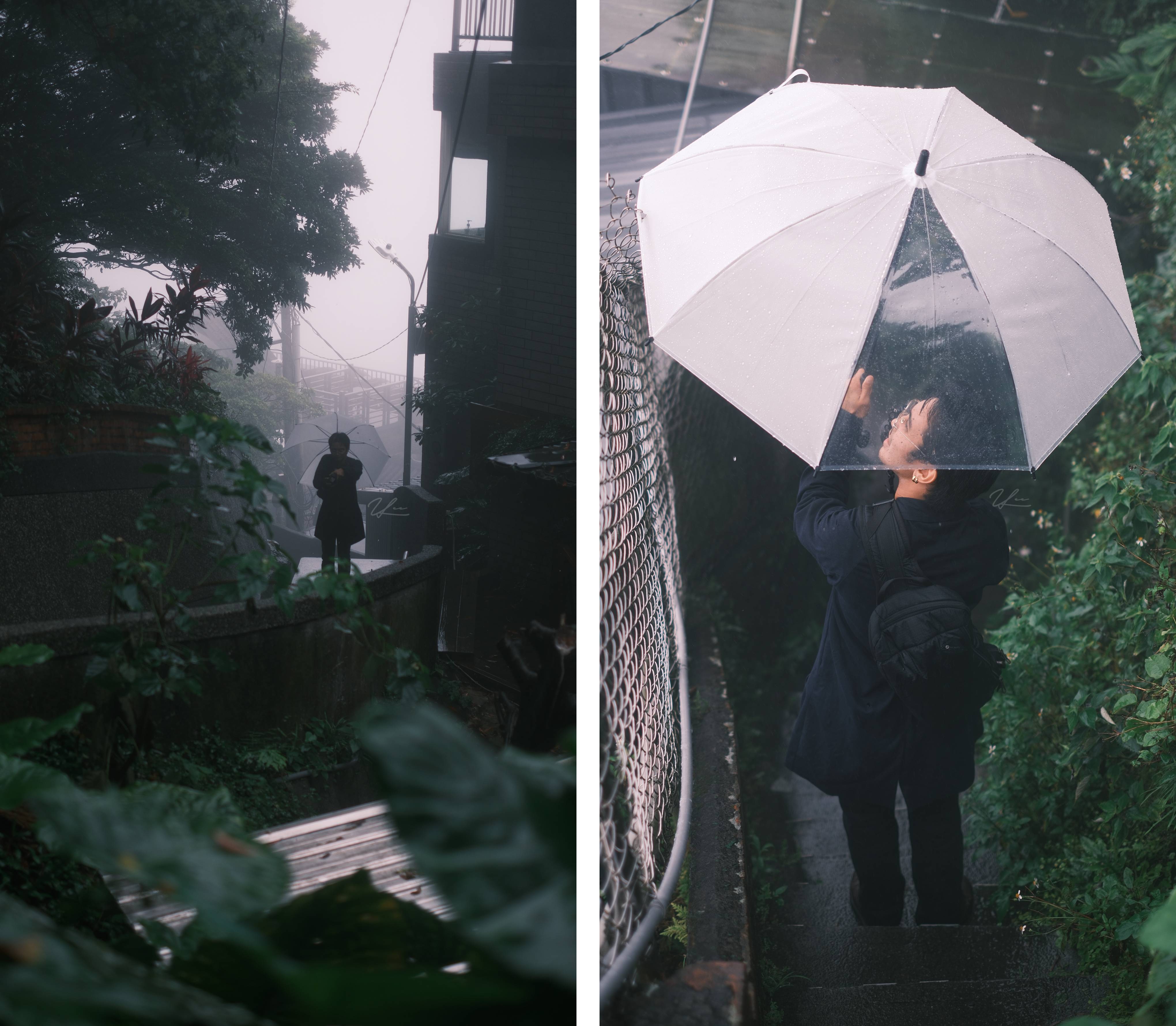

Maybe this is more of the many reasons why I romanticize myself along concrete jungles of East Asian countries instead of tropical islands and beaches in Southeast Asian nations.

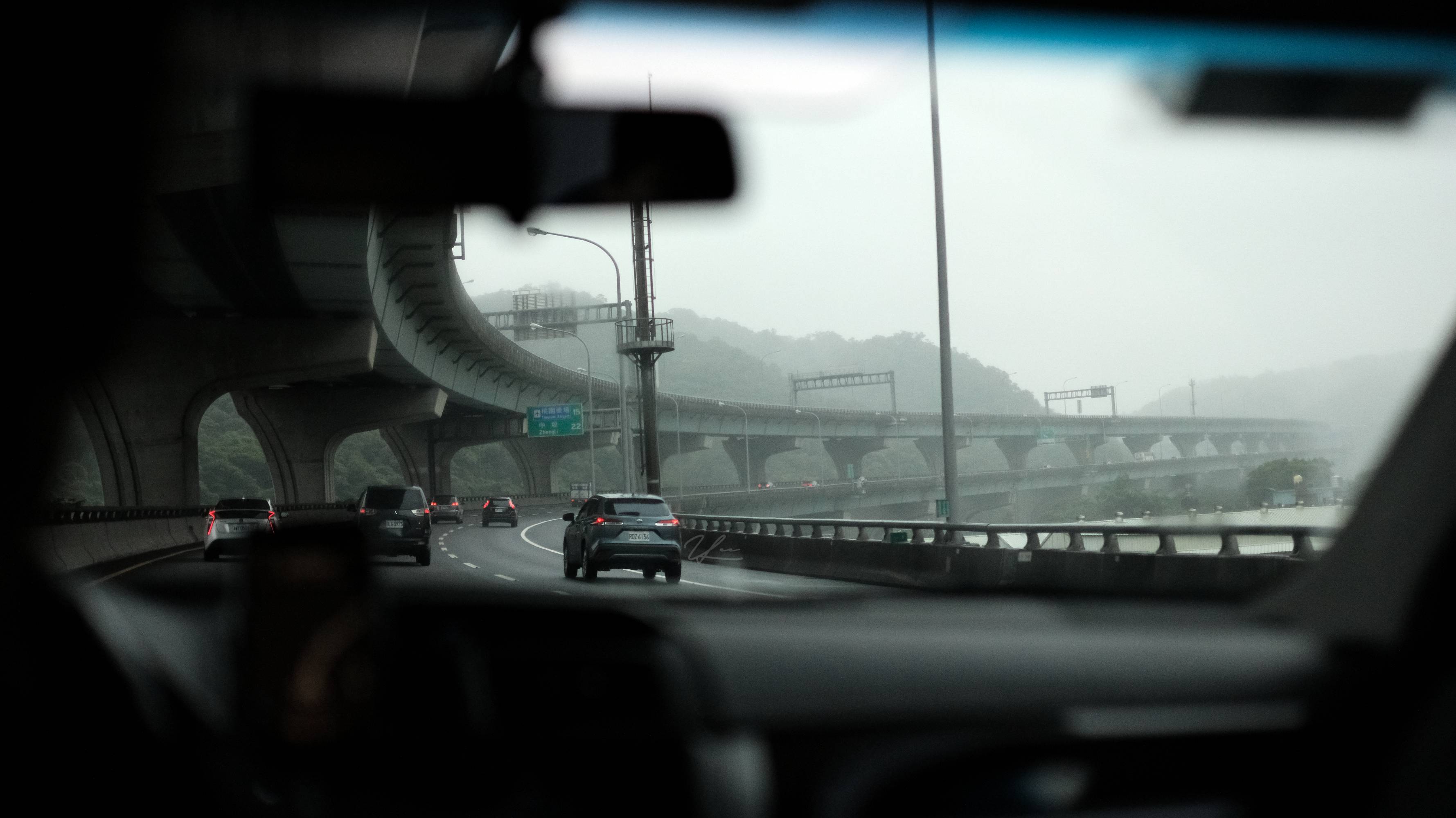
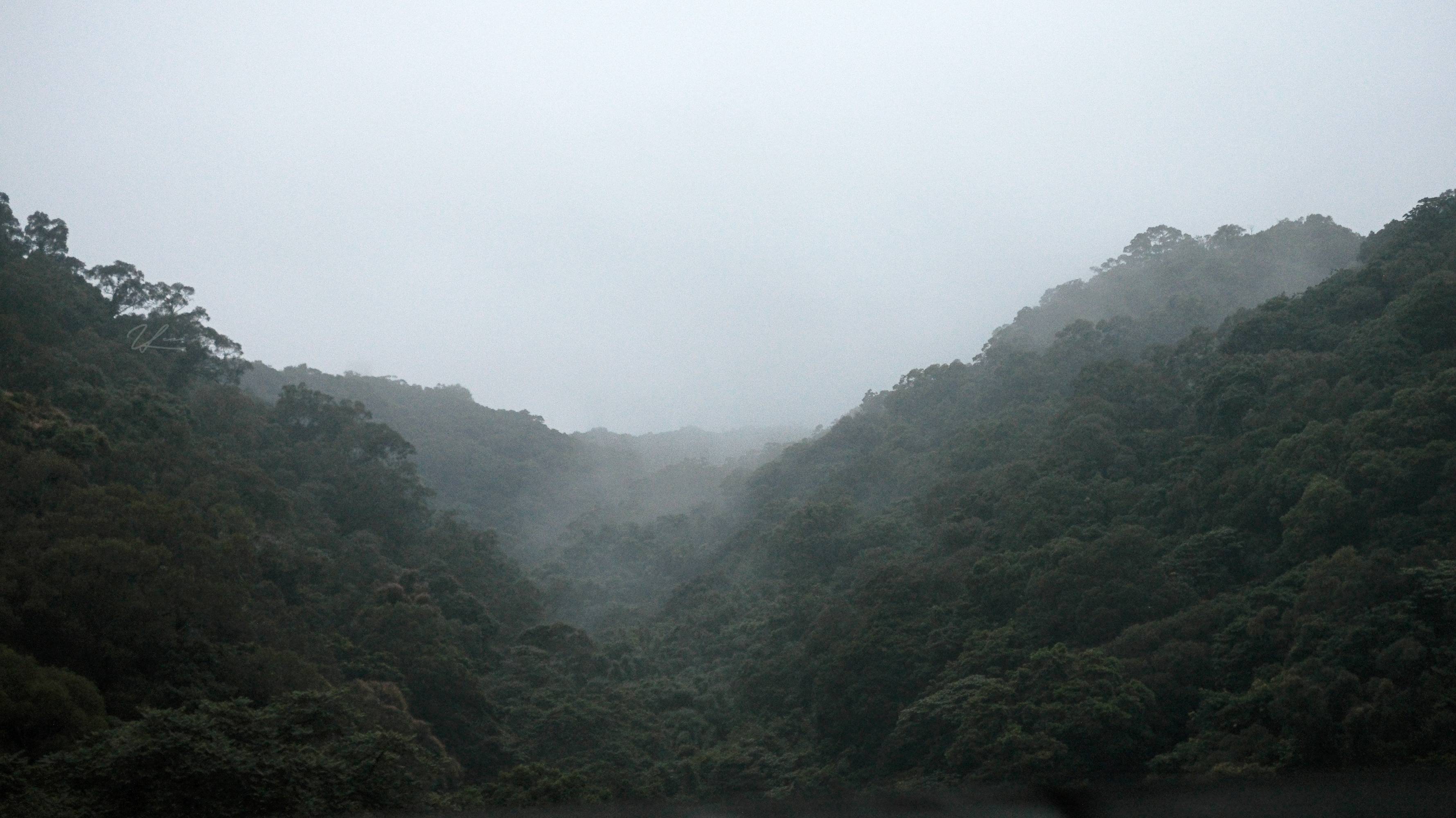
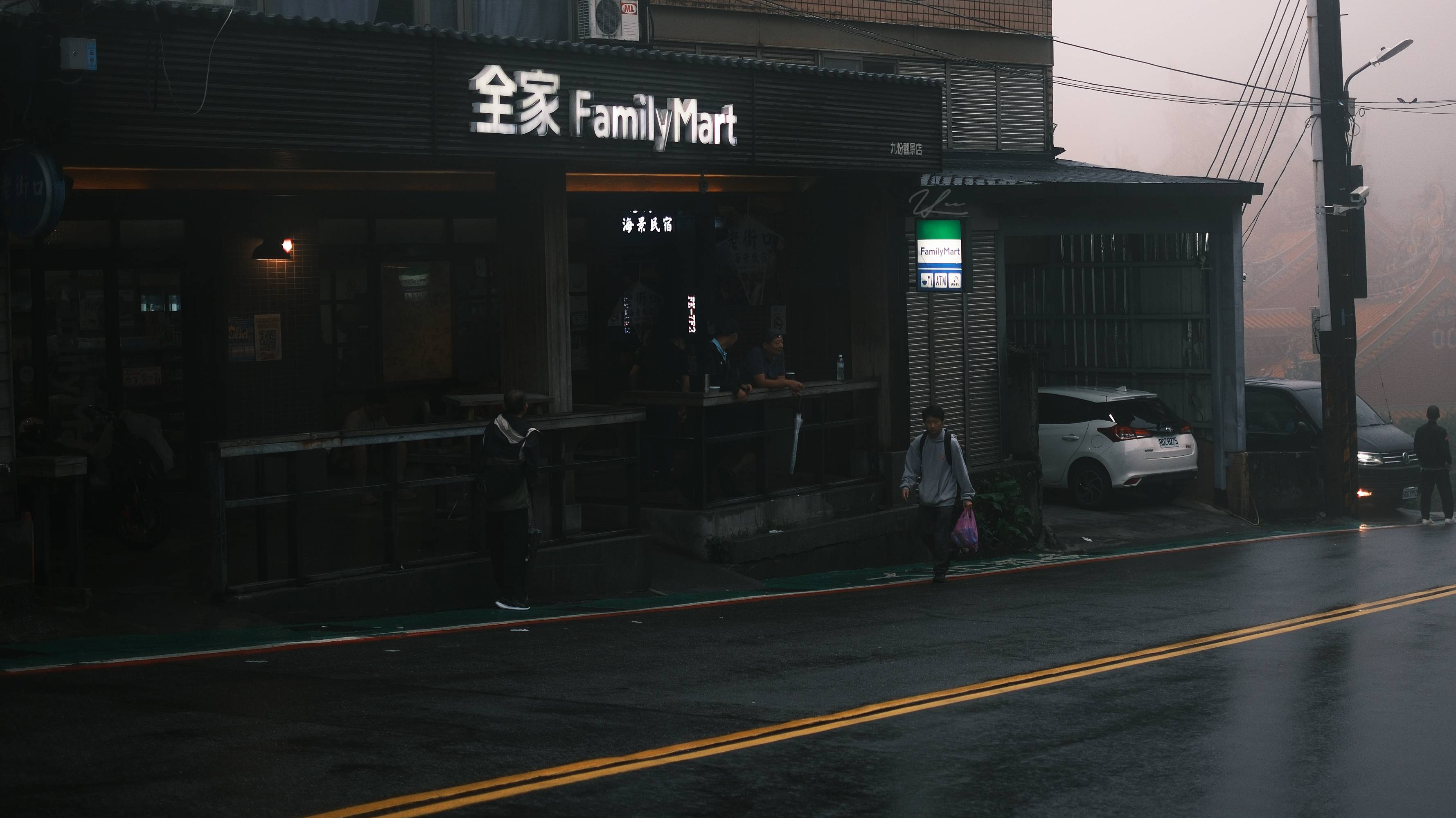
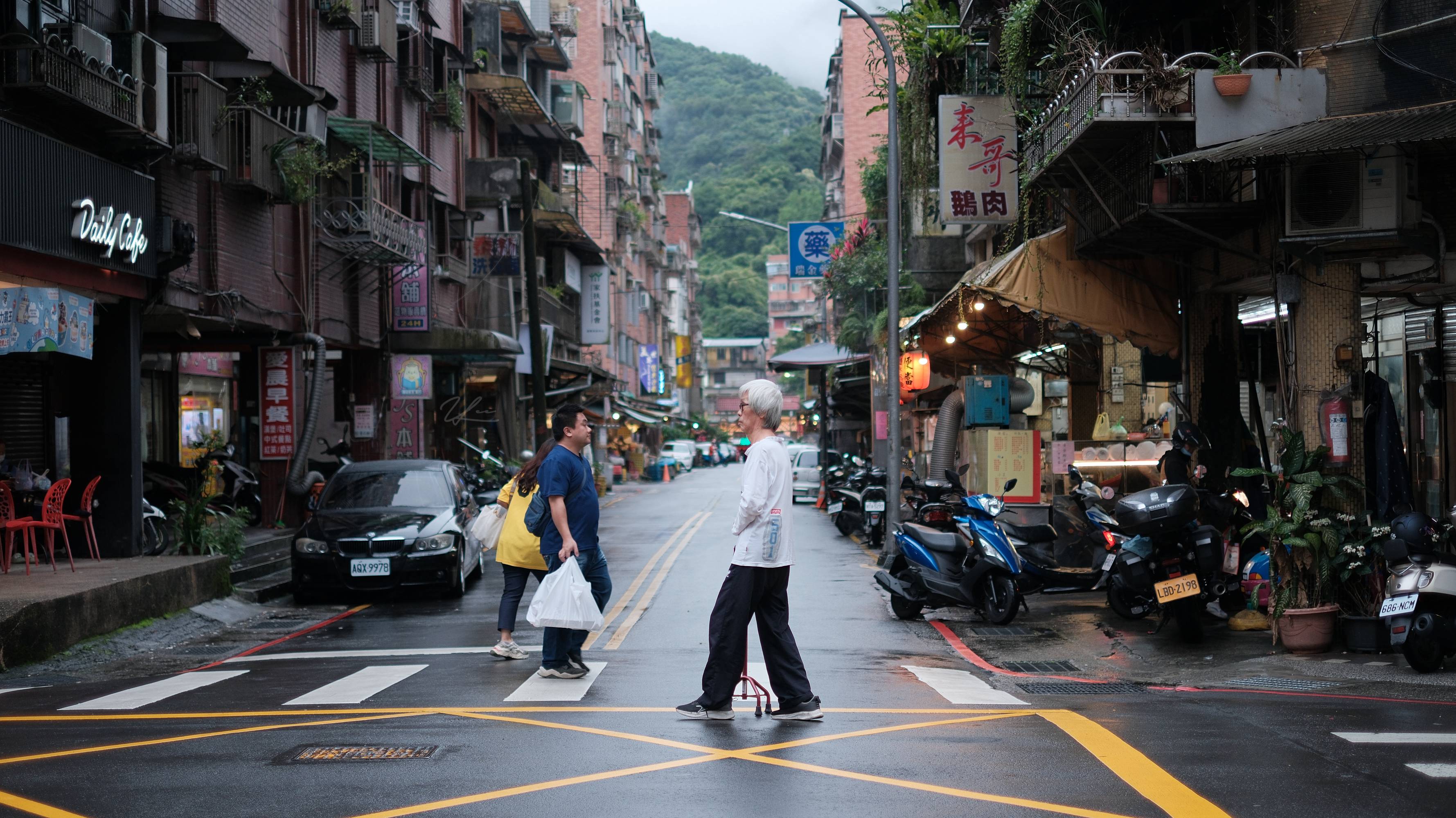
Better late than never! These stills were captured way back in the month of June. This month in Taiwan isn’t as refreshing as summer starts around July.
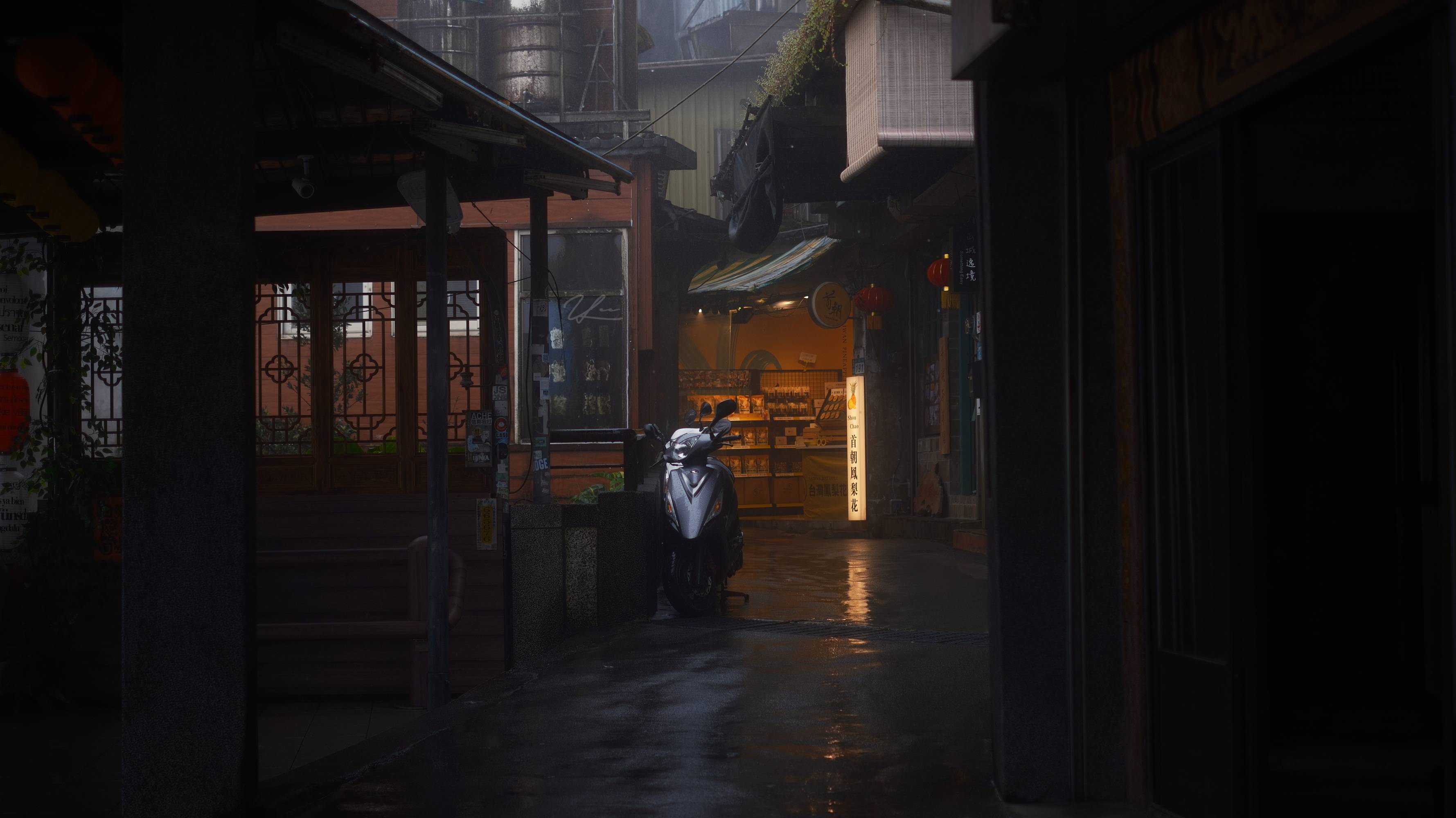
Still, the shots I took with the Fujifilm X-T50 gave me chills (literally and figuratively) with how all of my snaps turned out.
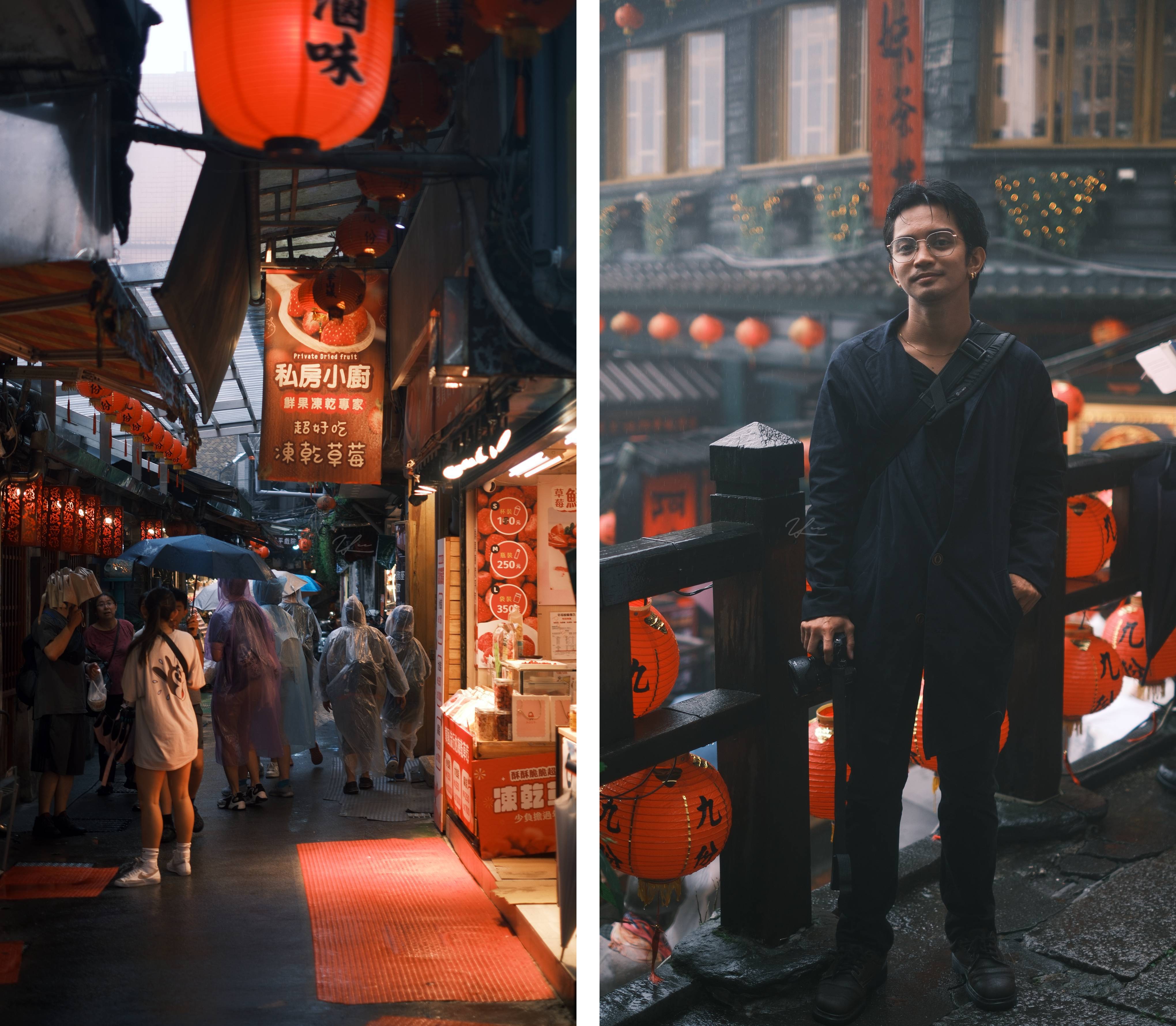
Mind you, these were mostly shot in two of my favorite film recipes.
Light yet heavy
While all the daze and craze are focused on the X100 VI a.k.a Fujifilm’s tiny but mighty wonder, the Fujifilm X-T50 still is the right camera match for me. Even if it’s not the lightest and smallest out there, its weight of just 438 grams hits my sweet spot in pro-grade cameras.
This heft gives me enough grip whenever I decide between taking snaps, shooting videos, or just fiddling around knobs and previewing media. It’s even evident when I hold the camera one-handed.
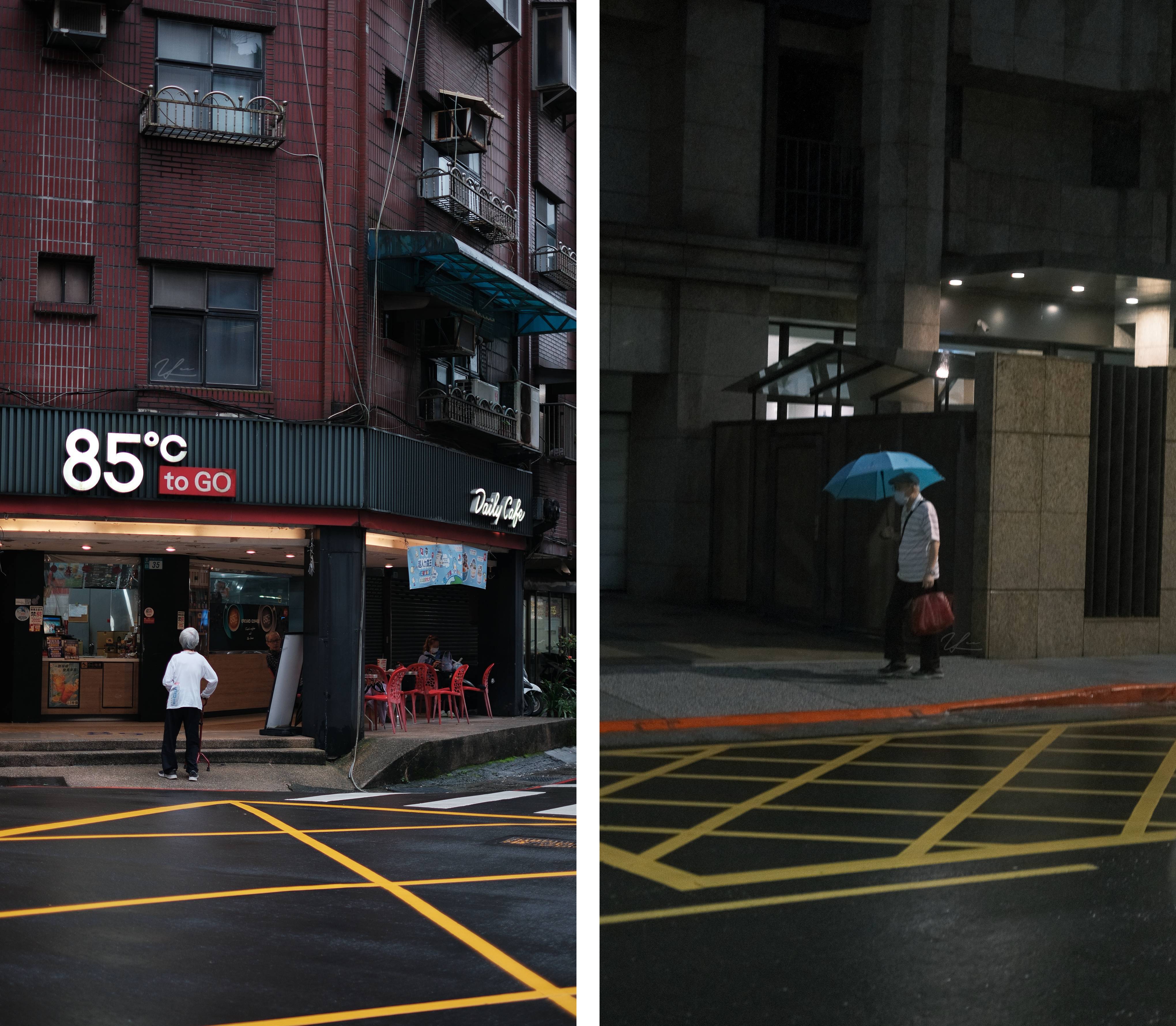
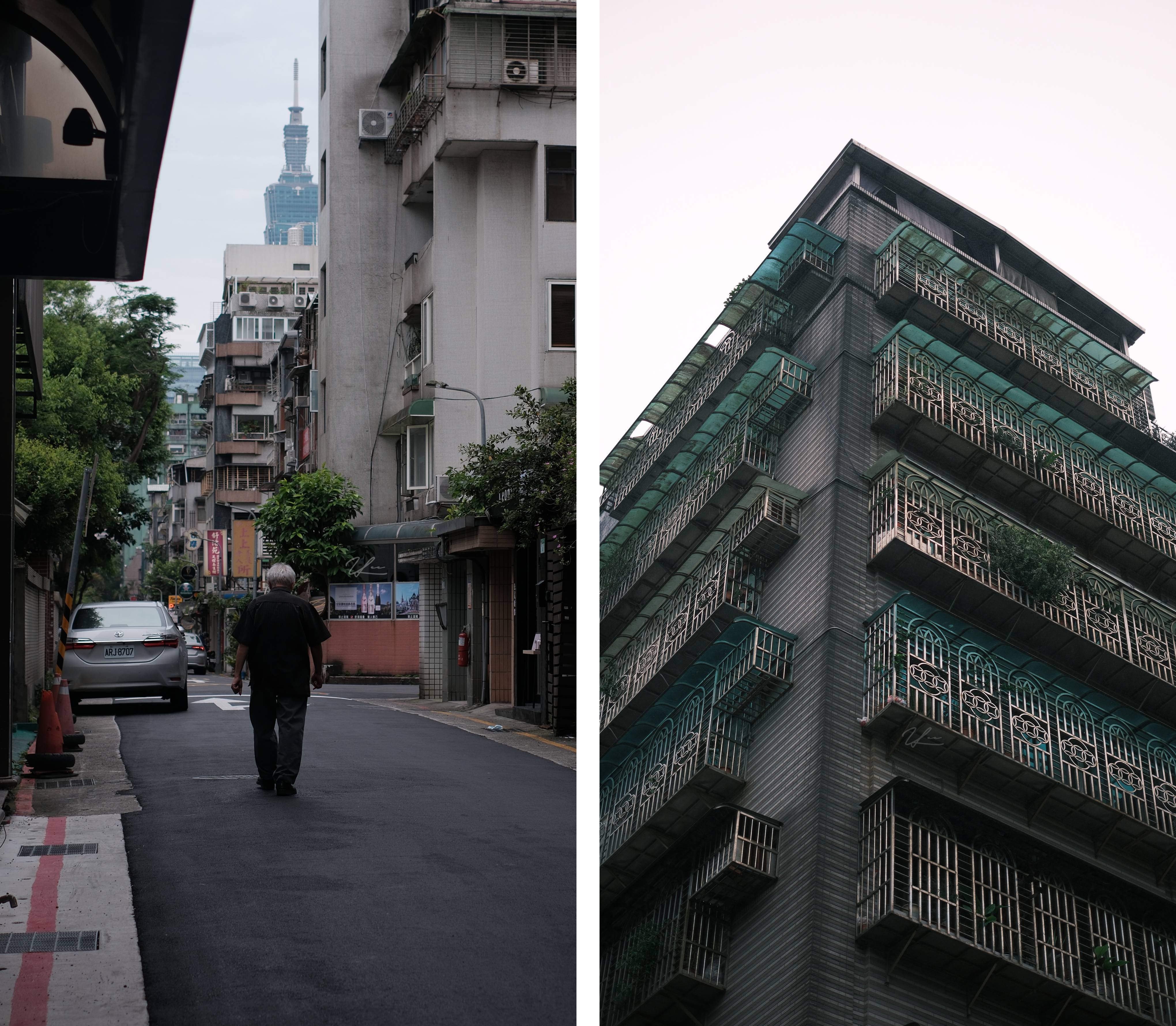
And even with its considerable lightness physically, the Fujifilm X-T50 is still heavy in terms of power-packed photography.
Shallow but never hollow
Much like how I consider the X-T50’s weight being the optimal choice in the professional mirrorless segment, a 35mm prime lens is also my sweet spot in the varying choices of focal lengths. It’s not too close as 50mm or 85mm, neither as wide as 18mm, 20mm, or even 24mm lenses.
And with the Fujinon XF 35mm F/1.4R prime lens offering, it’s credible and commendable for swift-moving subjects — especially when you primarily do street and action photography, as well as photojournalism.
BTW, all photos from the very beginning ’til the end were shot using this lens.

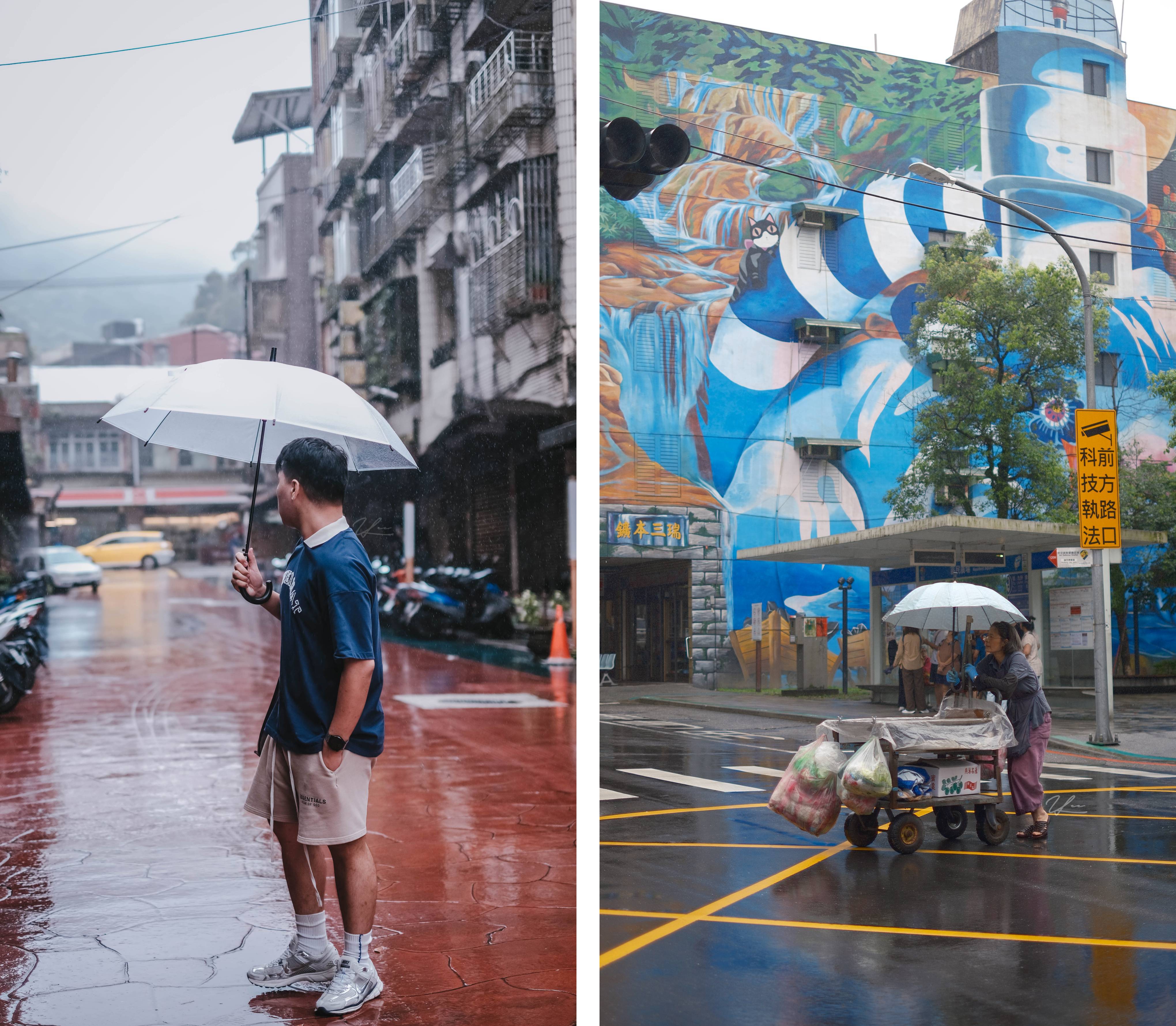
This lens is even more enjoyable when shooting portraits — evident in that bokeh-licious goodness.
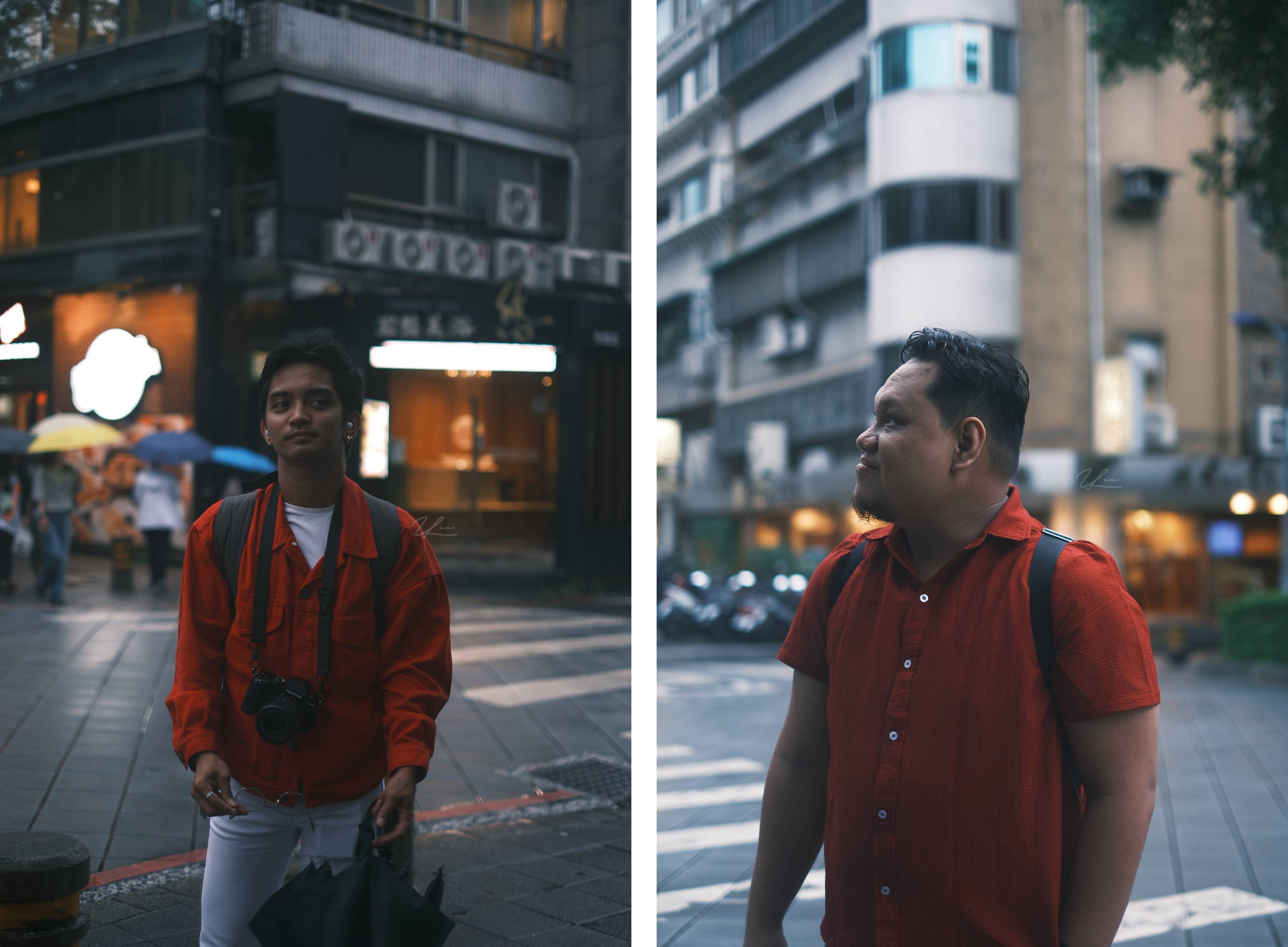
Not just that, its Subject Tracking AF also comes in very handy especially with frisky pets in the frame — much like these cute cattos in Houtong.




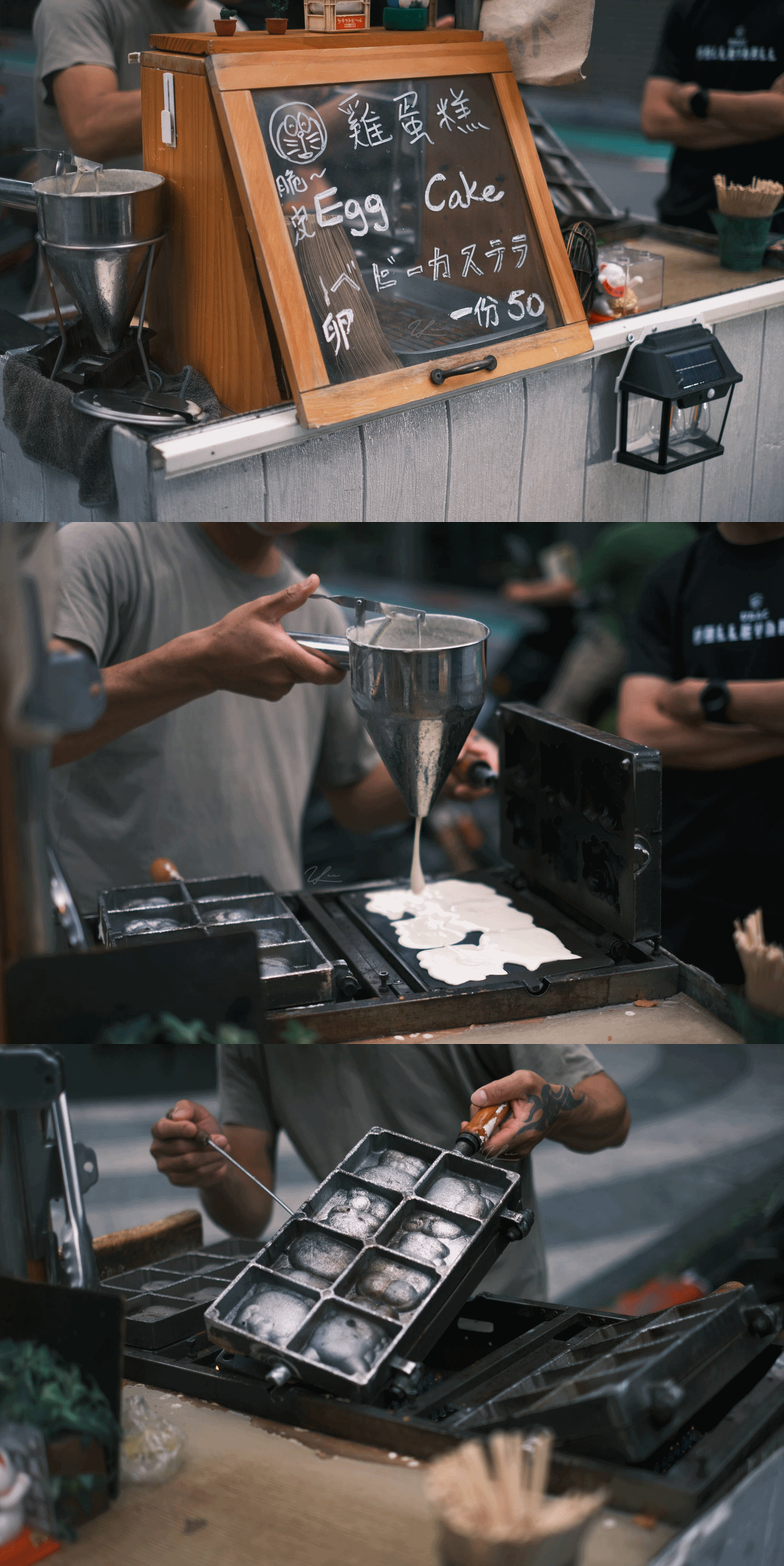
This type of lens is also favorable when it comes to food — another photography subject I’m enticed shooting.


Fast and efficient
Much how I love Taiwan’s very fast and efficient mass transit system, the same thing can be said with the Fujifilm X-T50.

Soaring high above the clouds of Taiwan’s air space…

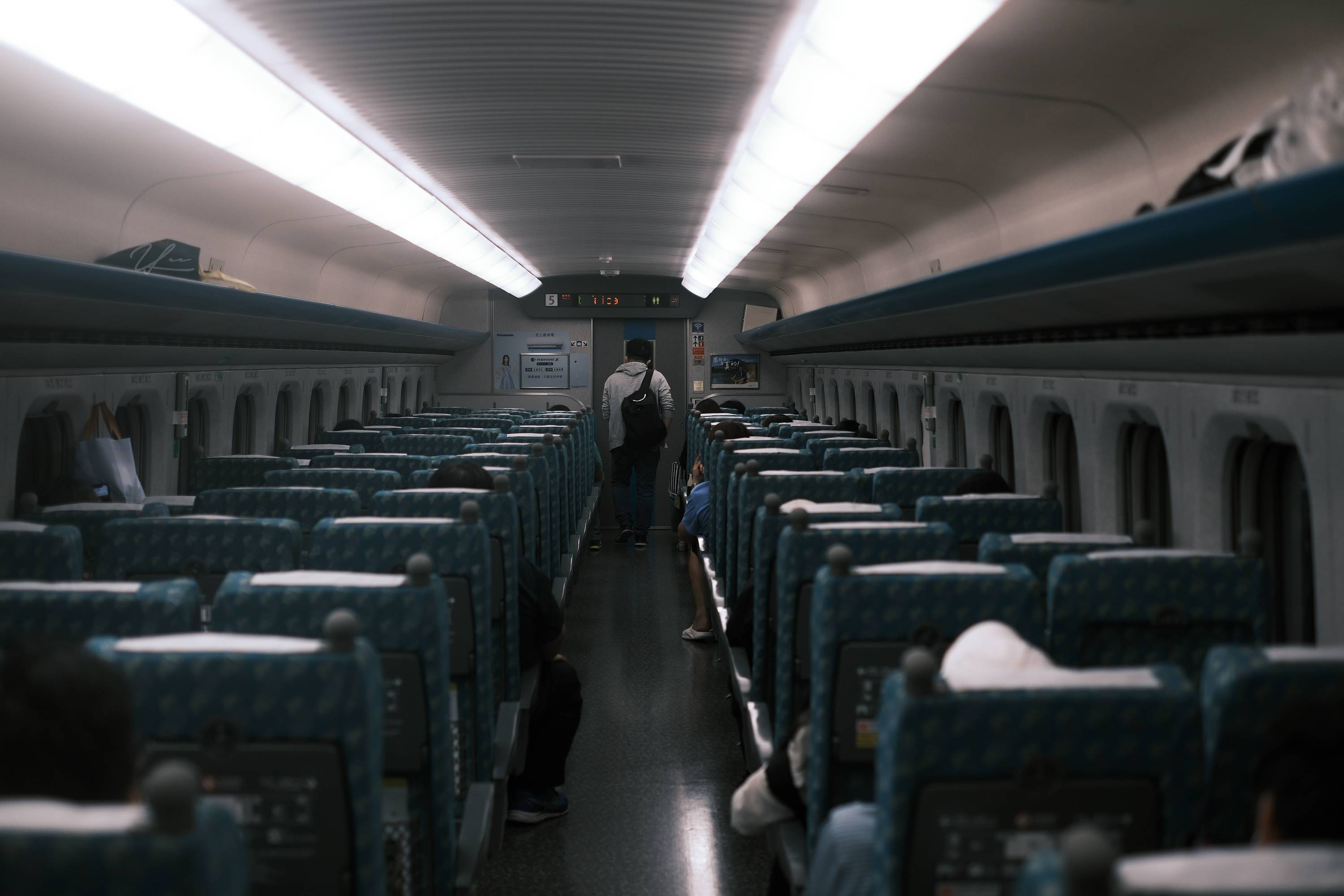
down towards the speedy and always on-time HSR (High Speed Rail)…

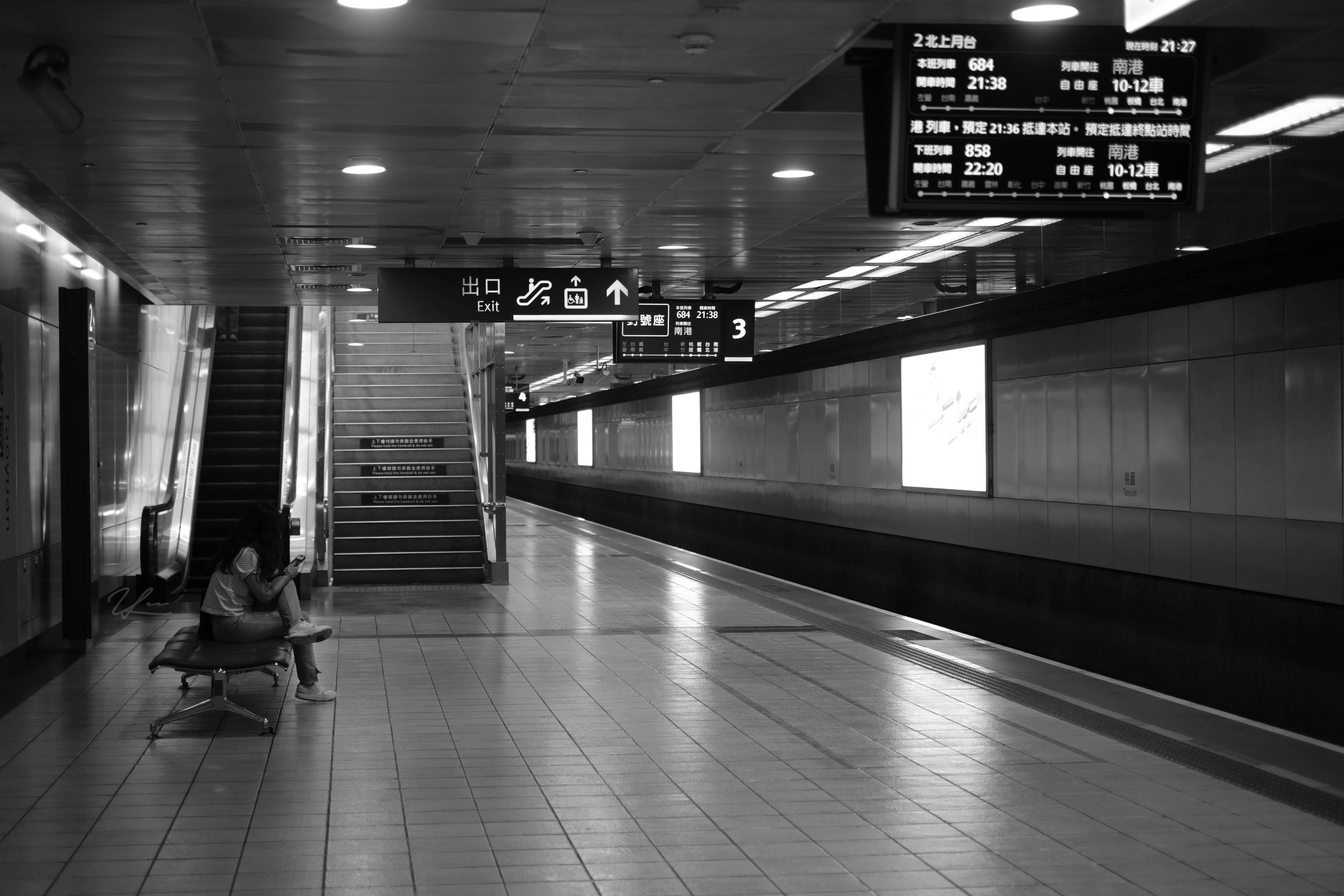
the structured and very-systematized metro line…



and even the cost-effective local train route…



all looked firmly captured even when everything was in full swing.

The clip below also proves how capable it is when it comes to video shooting. I love how the lens gives that shallow DoF (Depth of Field) of the view outside the train’s window.
TL;DR the clip was actually recorded through Fujifilm’s XApp. Connecting the camera using the brand’s app felt seamless. In the time of the recording, I used my iPhone 13 Pro Max running iOS 18 Developer Beta. However, I cannot attest if the experience is / will be the same among Android smartphones.
I won’t even say it’s a downside but even if the X-T50 can shoot up to 6.2K footages, the app records only at a maximum resolution of Full HD 1080p / 30fps in H.264 codec.

Moreover, it also made me capture time-frozen photos in this speeding bus along Ruifang and Jiufen’s curvy (and wet) roads.
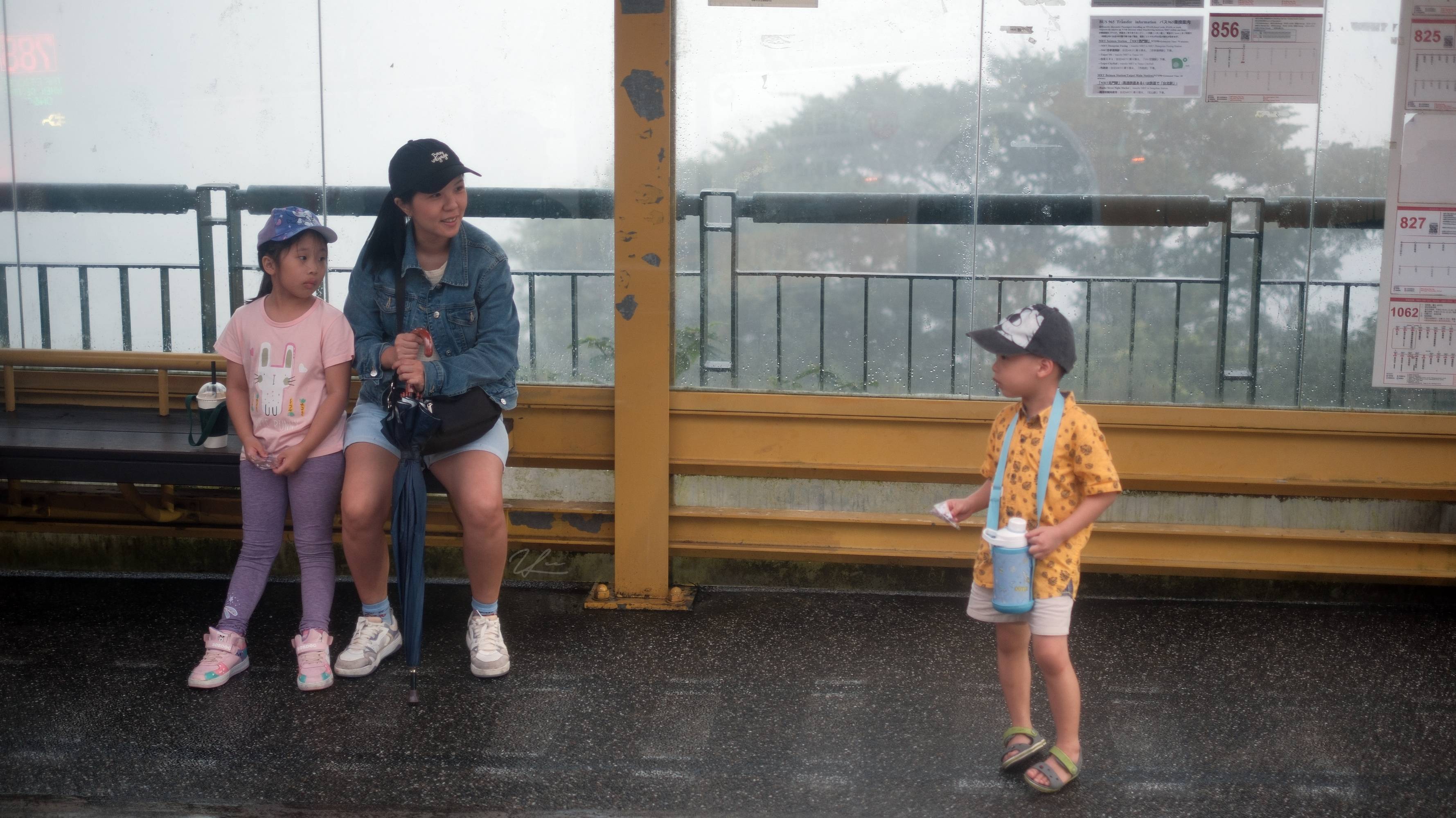
Believe it or not, I shot this through the bus’ window on a foggy, drizzling day
Additional note: I took my photographs with Mechanical Shutter (MS) turned on as it gives me that DSLR-like clicking mechanism when shooting.
If you want a more silent shooting method, you can opt for Electronic Shutter (ES). It’s more beneficial when you do Continuous Shooting between 8 to 13fps.
Rightly bright even at night and low-light
With the combination of X-T50’s high ISO sensitivity plus the wide aperture of the XF 35mm prime lens I used, it also gives the best in class low-light and night-time photographs.
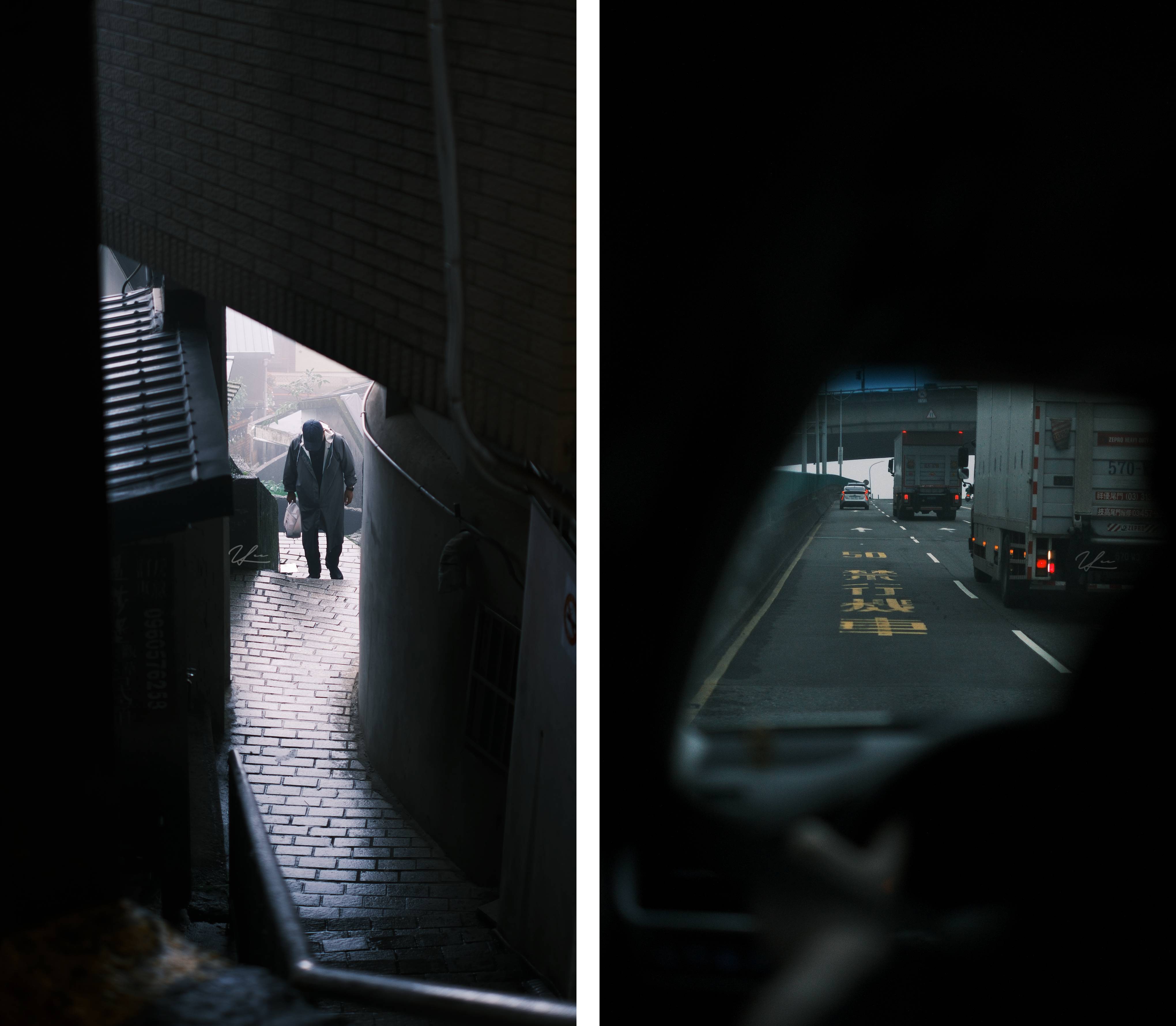

Whether it’s an indoor shot of a tricky tunnel, or just anything and everything happening in the dusk, this marvelous pairing can keep up with my photography needs nevertheless.
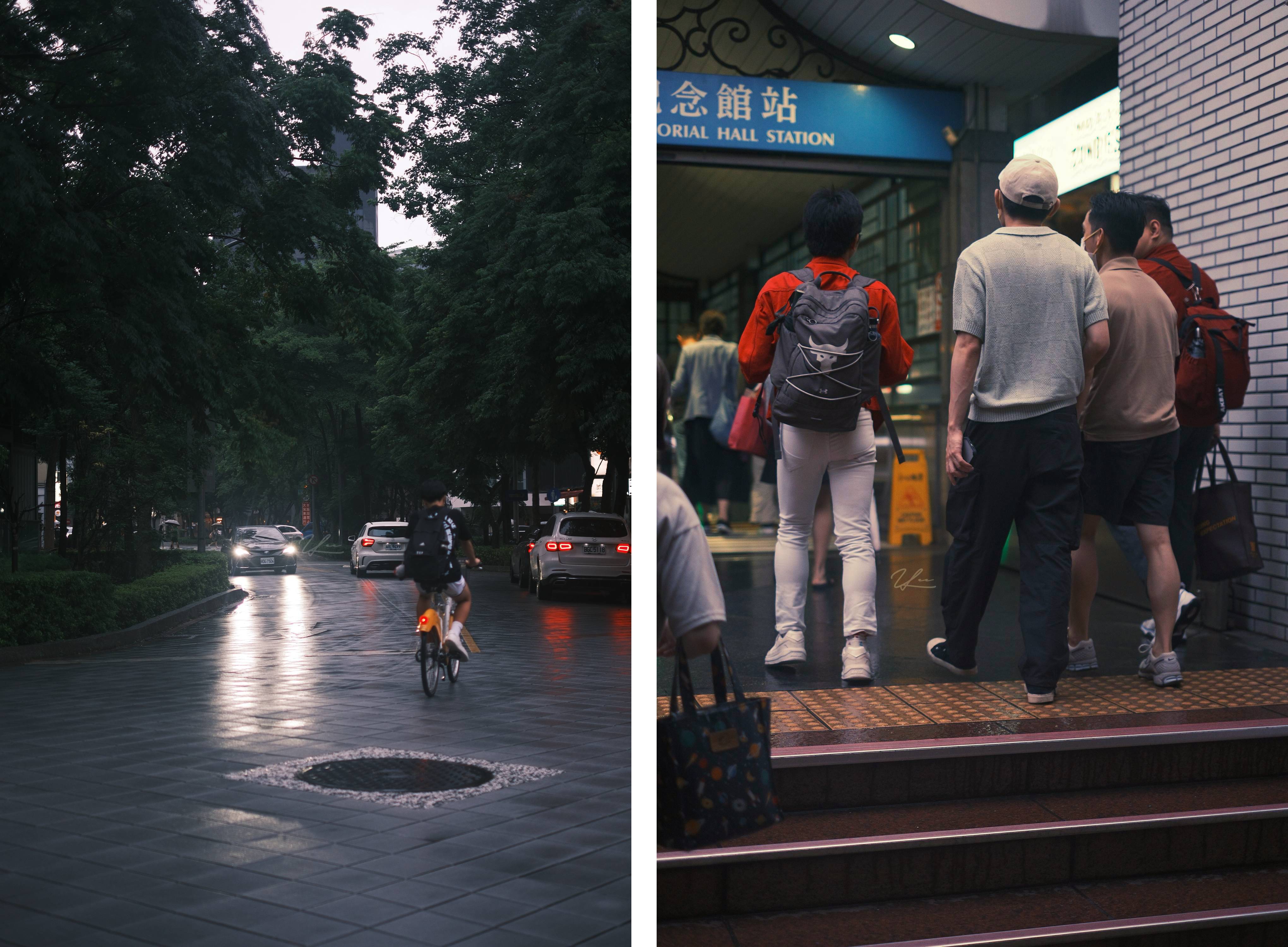

My intrusive thought told me to take the snap above with flash. I love how “artsy” it turned out.

This grumpy cat is my spirit animal


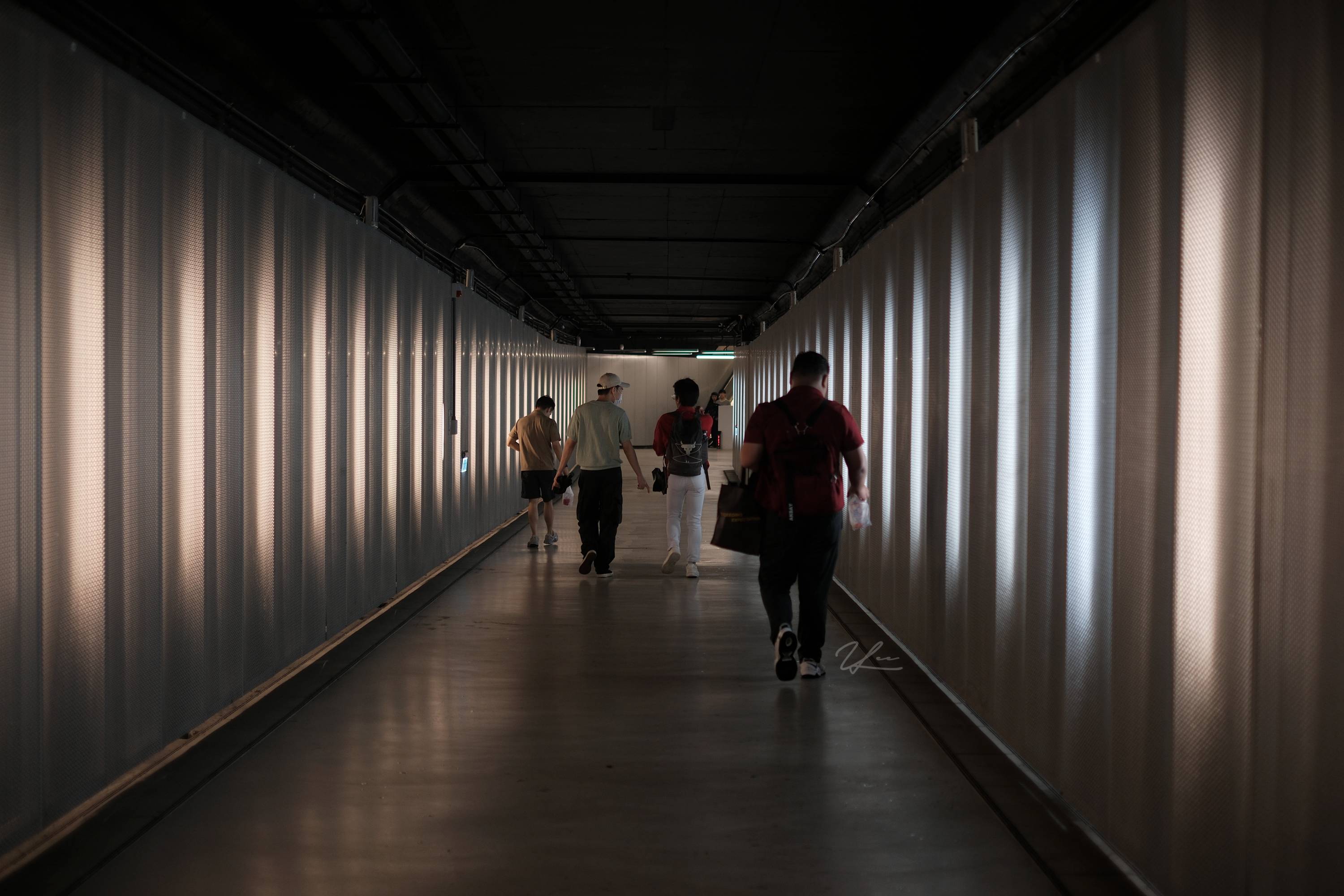
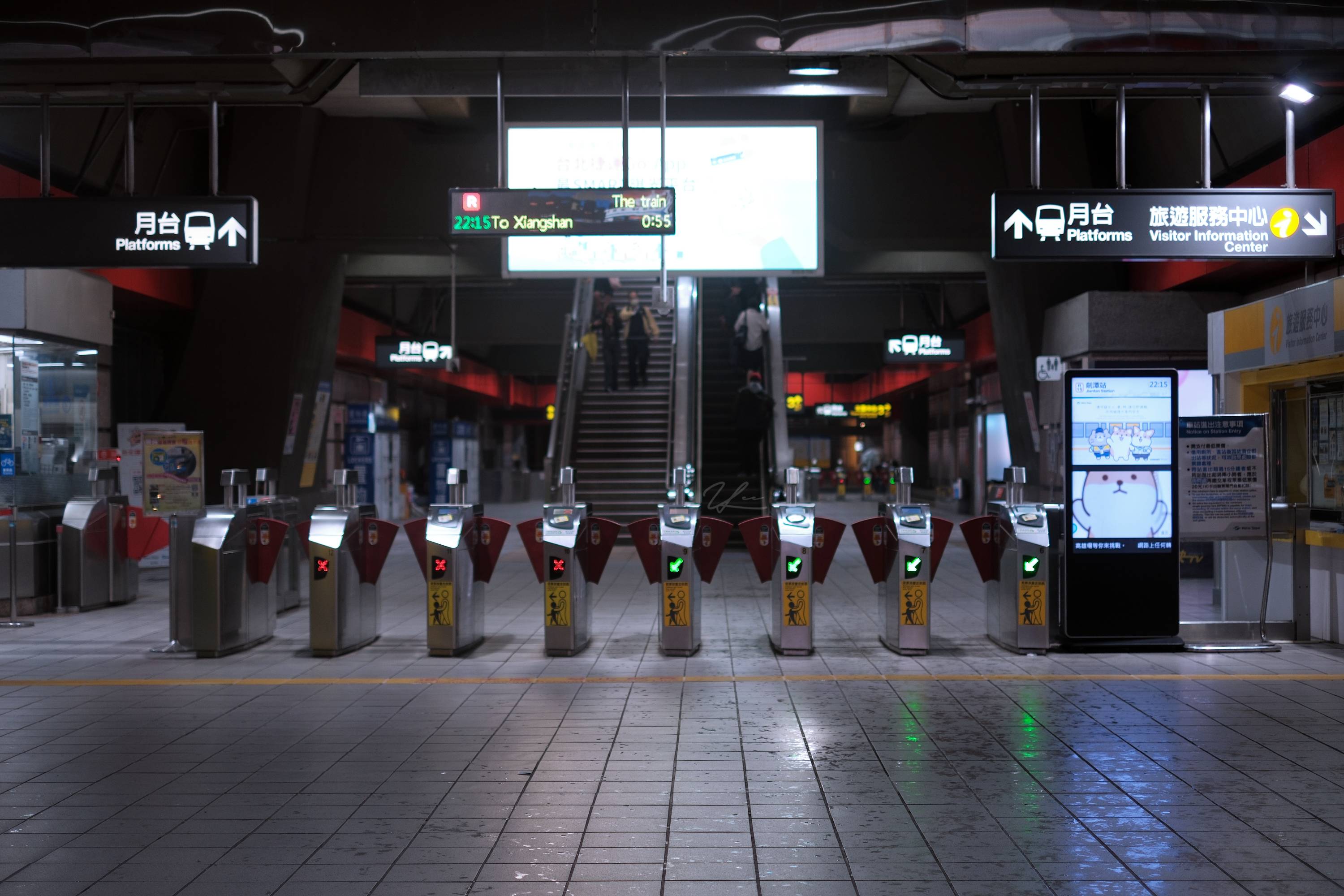
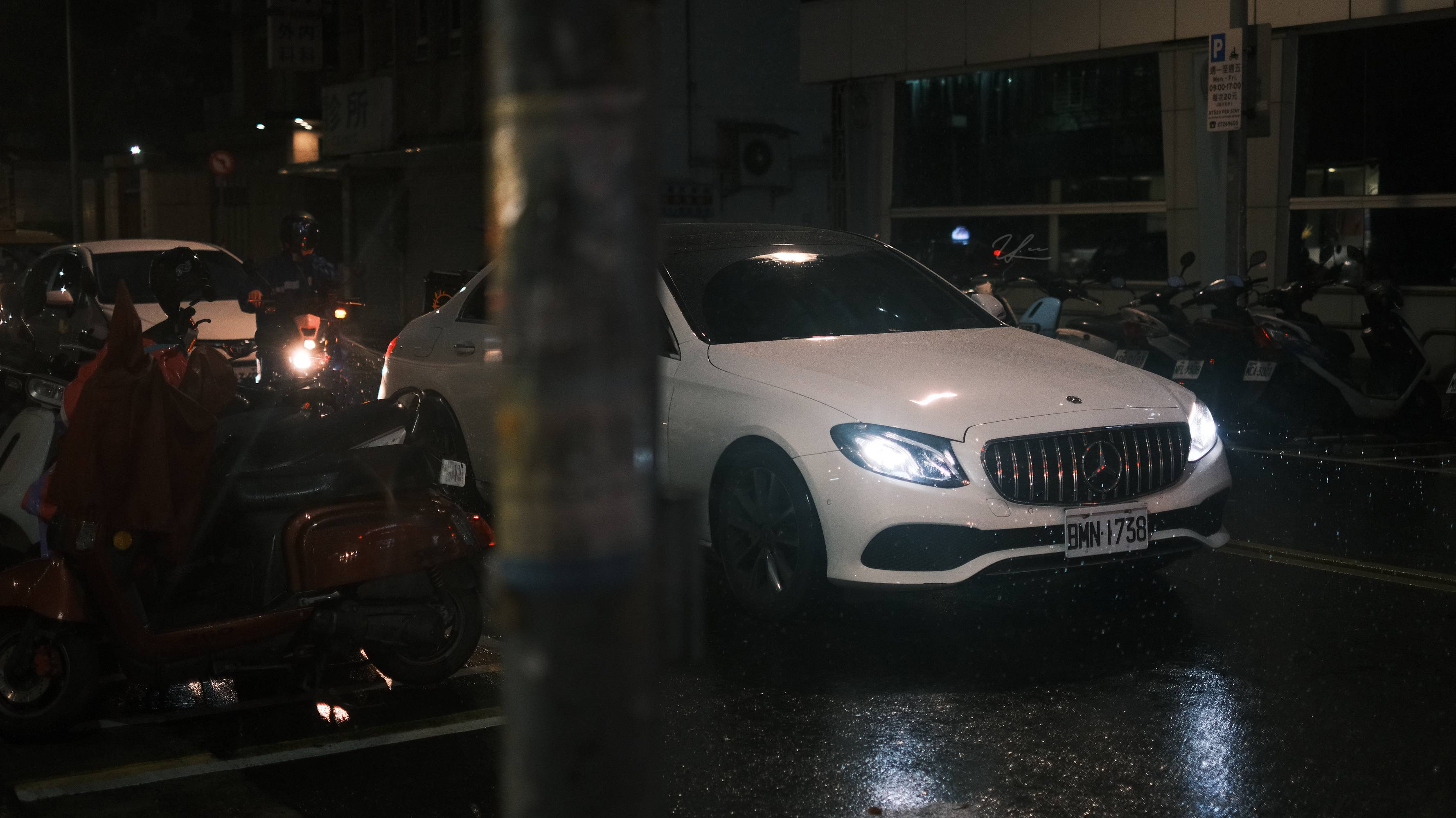
I managed to take these low-light shots even with a low ISO 800 ~ 1000 sensitivity plus a sufficiently-fast shutter speed all thanks to the wide f/1.4 aperture of Fujifilm’s 35mm prime shooter.


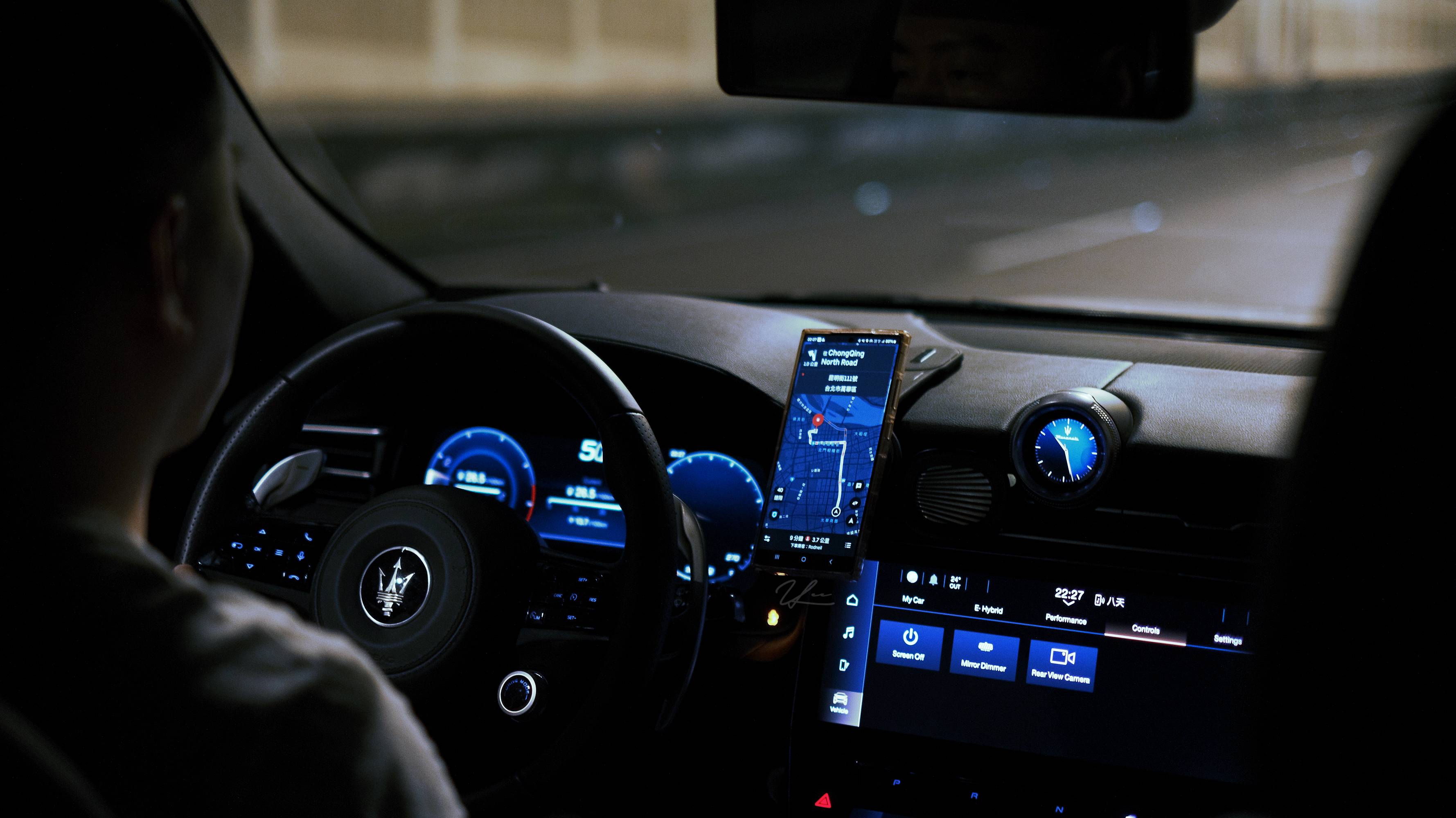
BONUS: We’ve had our very special Uber ride with a Maserati (YES, with emphasis).

Then again, here’s another unedited video sample showcasing the X-T50’s video quality and its great stabilization, even at night.
P.S: This one was natively taken with the camera. Thus, 4K / 60fps playback is possible.
Coverage Companion
I also took the Fujifilm X-T50 with me during our comeback coverage at Computex 2024. The pandemic has halted our annual visit so this event meant a lot to me as this is only my second time covering.
During the four-day convention, I dared to go out of my Sony “comfort zone” and held the X-T50 whether it’s for stills or clips.


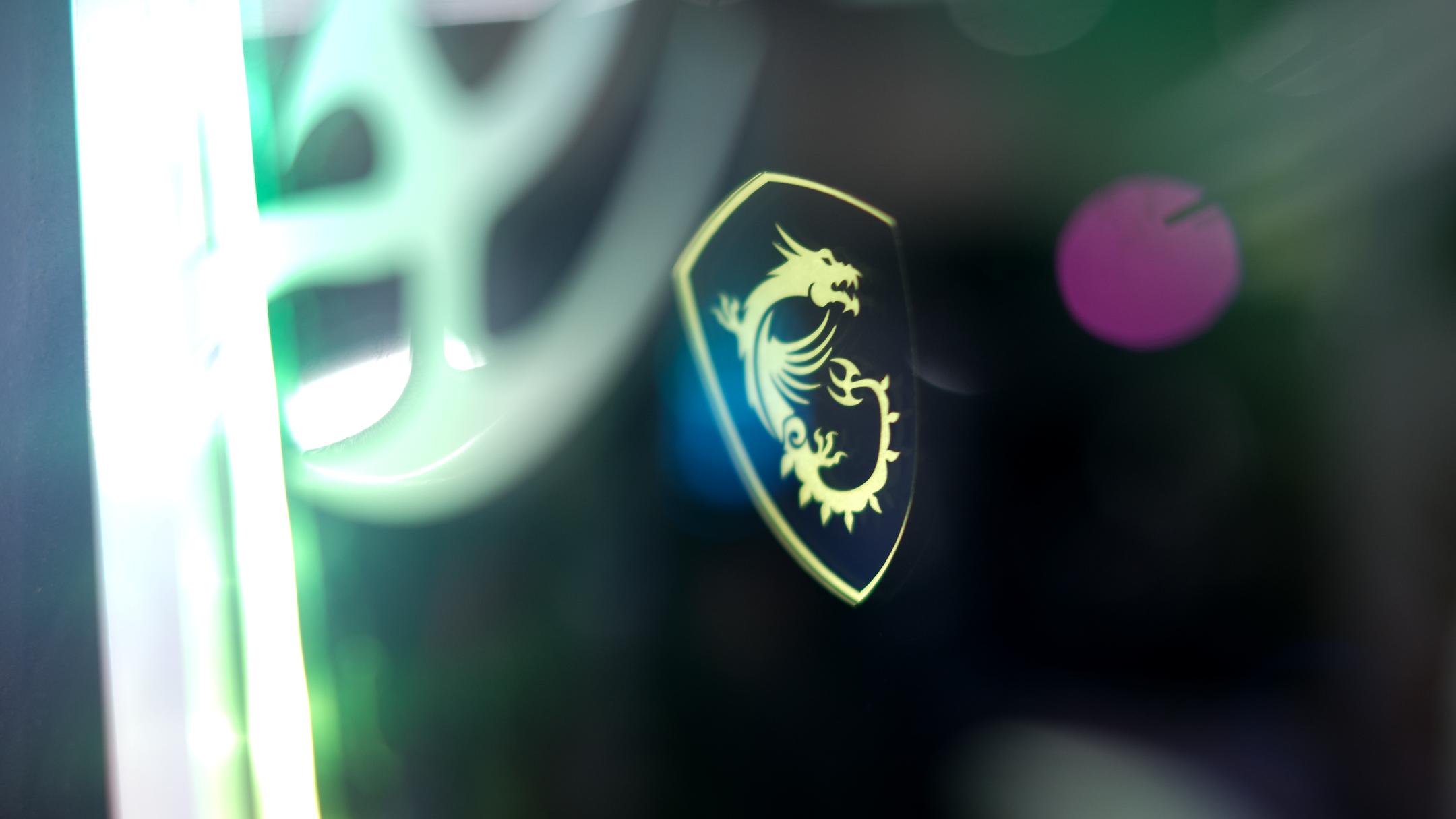
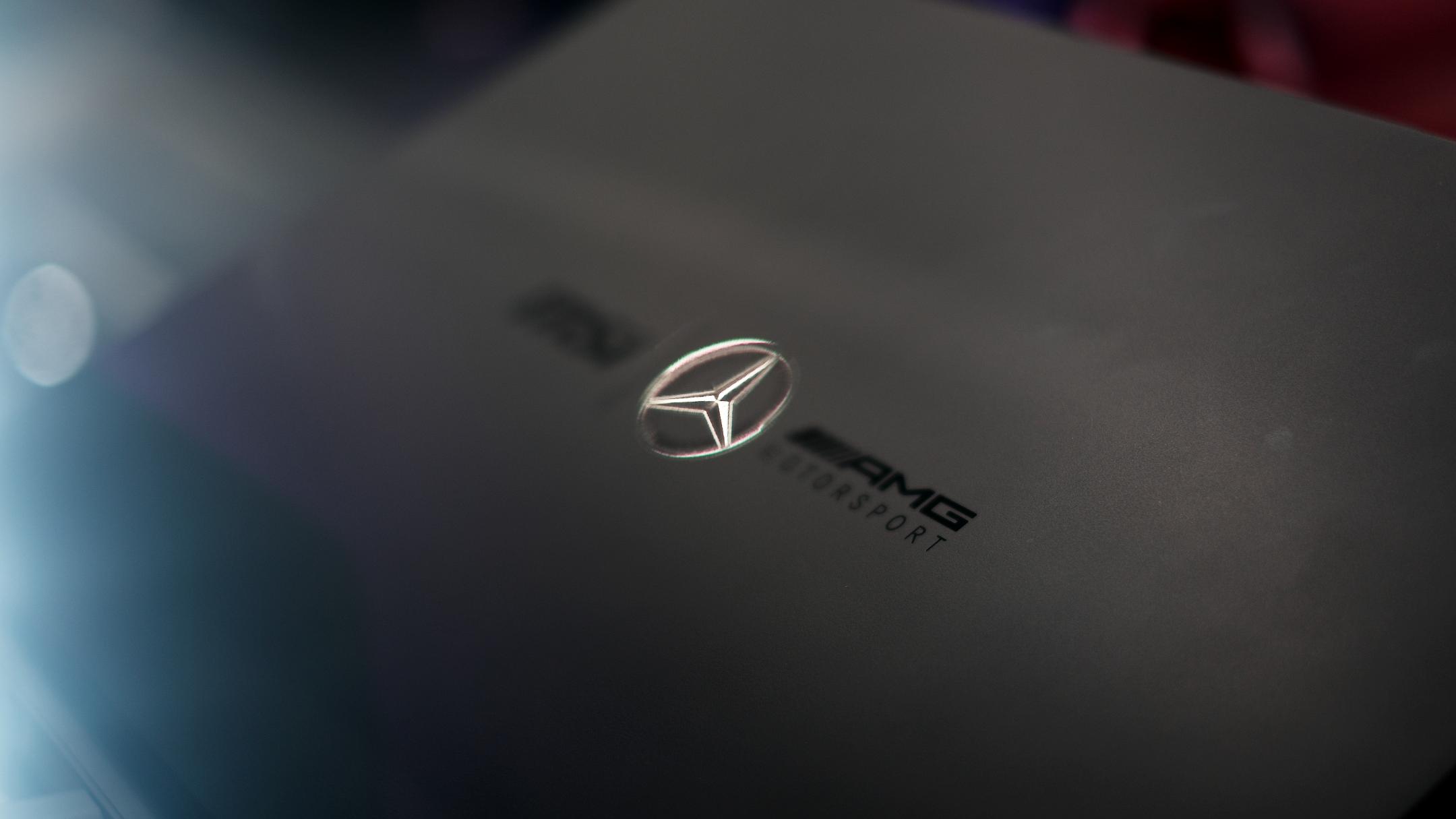
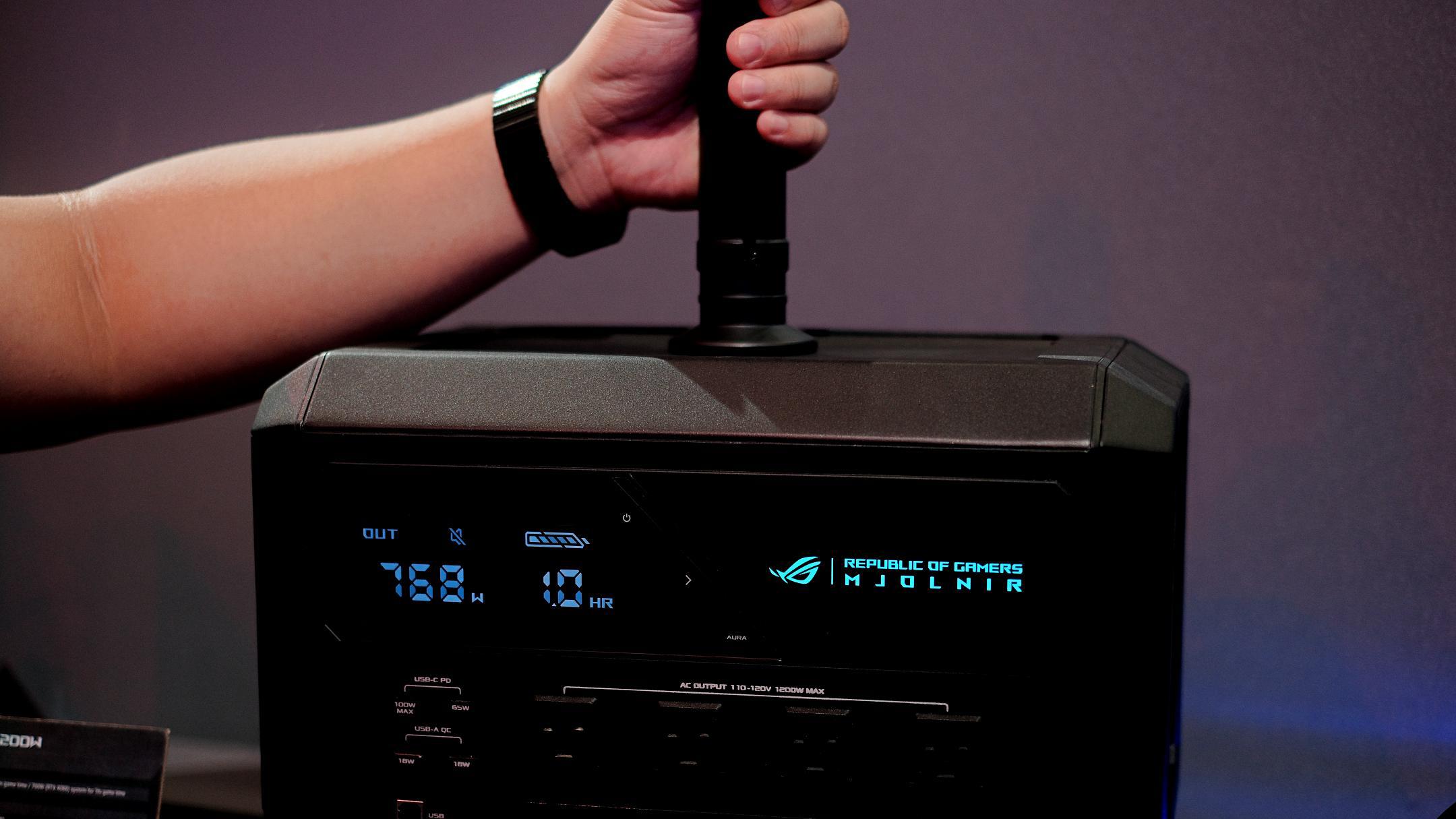

I usually color-grade photographs in Lightroom but admittedly, Fuji’s built-in film simulation sufficed.
@gadgetmatch Meet MSI’s new AI-powered laptops with Copilot 🫡 #laptops #laptop #msi #ai #computex2024 ♬ original sound – GadgetMatch
@gadgetmatch Luxury and a powerhouse. This is the MSI Stealth 18 Mercedes-AMG Motorsport. ✨ #msi #mercedesamg #mercedesbenz #laptop #laptops ♬ original sound – GadgetMatch
@gadgetmatch #JustForFun: Are you really well-nourished or you’re just pregnant? 😂 Find out with this portable Ultrasound from ASUS 🩵 #asus #ultrasound #ultrasoundtech ♬ original sound – GadgetMatch
@gadgetmatch Even external displays are foldable now 😮#ZenScreenFoldOLED #ASUS #Computex2024 ♬ original sound – GadgetMatch
@gadgetmatch Are you worthy? The ROG Mjolnir is MASSIVE. #ASUS #ROG #Computex2024 @ROG Global ♬ original sound – GadgetMatch
@gadgetmatch This portable MagSafe SSD is what you need ✨ #Lexar #Computex #iPhone #Accessories #MagSafe #Fyp ♬ bounce (i just wanna dance) – фрози & joyful
@gadgetmatch Thin. Light. Iconic. Meet the ASUS Zenbook S 16 #ASUS #Computex2024 @ASUS @asusph ♬ original sound – GadgetMatch
@gadgetmatch Bigger and better. The MSI Claw 8 AI+ comes with significant upgrades for handheld console gamers. #MSICaw #MSI @MSI ♬ original sound – GadgetMatch
These TikTok embeds also prove that the X-T50 is as capable as any major mirrorless cameras when it comes to footage shooting while on the move.
Is the Fujifilm X-T50 Your GadgetMatch?
In the Philippines, the body-only Fujifilm X-T50 retails for PhP 92,990 (US$ 1399 / SG$ 2299).
It also comes in two kit versions:
-
with XF 15-45mm = PhP 8,990 (US$ 1499 / SG$ 2499)
-
with XF 16-50mm = PhP 117,990 (US$ 1799)

Meanwhile, the Fujinon XF 35mm F/1.4R prime lens I have used in the entirety of this review period is for an additional PhP 32,990 (US$ 599.95 / SG$ 919).
Despite my slight frustrations when it comes to Fuji’s controls and overall system (and also the lack of weather-sealing), there are still many reasons why I love it.
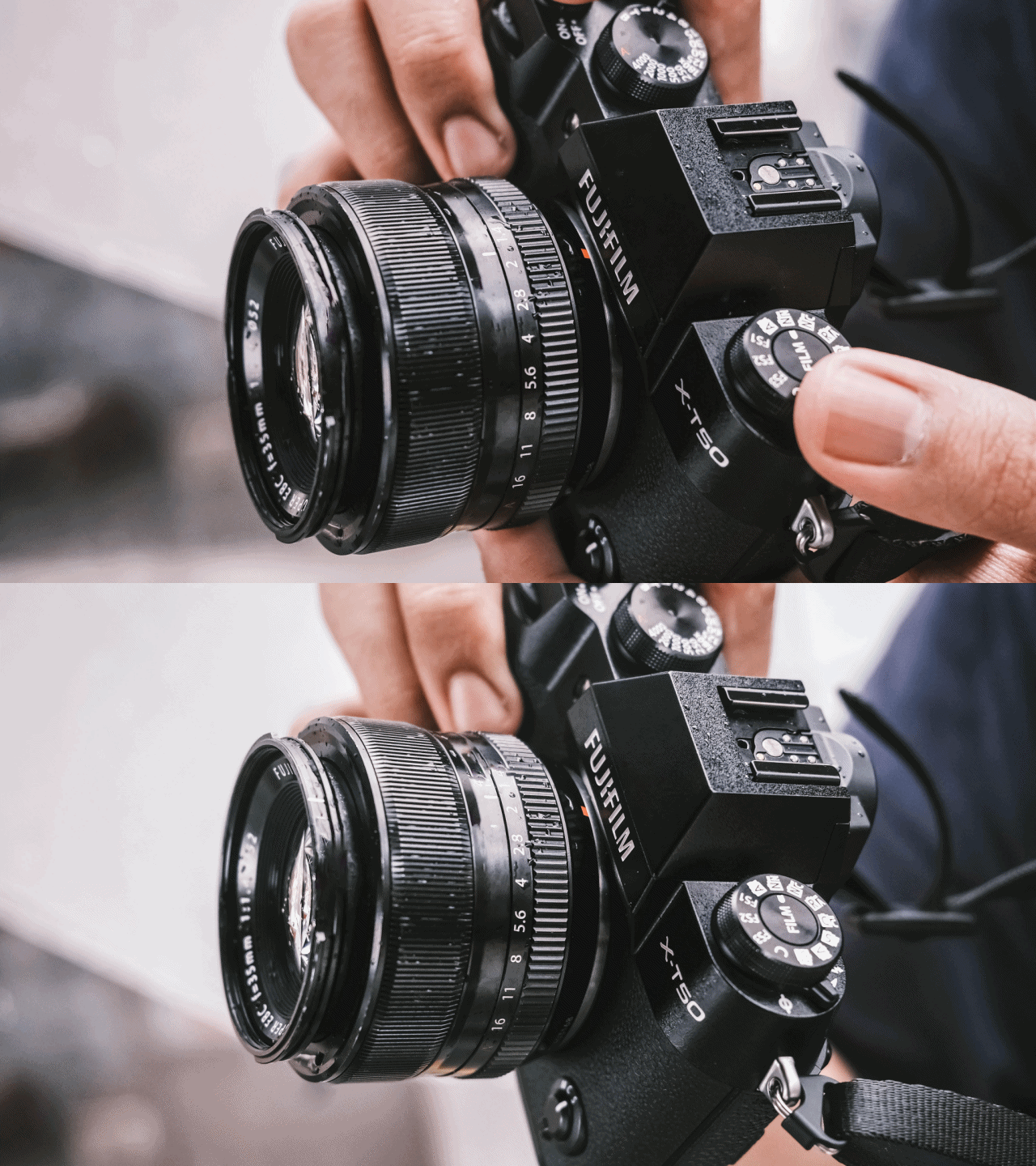
The Fujifilm X-T50 is never a sloucher. It’s more than capable both for your photography and videography needs.
Sure, it may not have a full-frame sensor but its APS-C sensor does the job well. Pair that with the company’s 35mm prime lens I’ve used, you get fast and bright snaps whenever, wherever.

If you’re a long-time Fujifilm user and has the means to upgrade from the older X-T series (or even X-A and X-E) that lack IBIS, the X-T50 simply is the upgrade you are waiting for.
Some users in the community have called the X-T50 as the “watered-down” version of the X-H2. But with an almost identical core hardware, the higher-class Fujifilm X-H2 requires more to spare at PhP 123,990 / US$ 1999 / SG$ 3259.

Admittedly the X-T50 is NOT a camera meant for beginners. There are compelling yet pocket-friendly options that are already enough for the needs of any hobbyist or a budding photographer.
Needless to say, if you have all the money to splurge whether you’re a novice or a full-on pro, this is a camera candidate worthy to consider.

Its outstanding hardware, lens flexibility, stable and higher-quality video output, and the abundance of Fuji’s classic film recipes are enough reasons for me to give the Fujifilm X-T50 the GadgetMatch Seal of Approval.




Cameras
Sony introduces its 1st Fisheye Zoom G Lens
Broad range for landscapes, architecture, sports, and video production

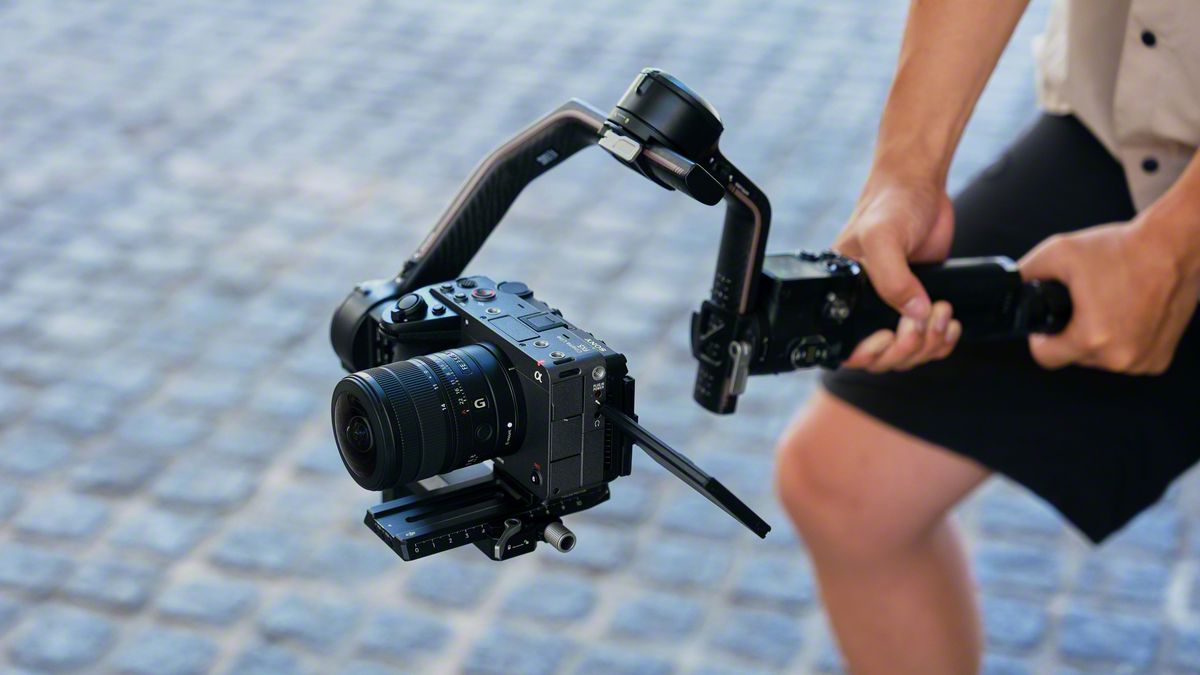
Sony has just launched its first fisheye zoom G Lens for full-frame Alpha E-mount cameras: the Sony FE 8-14mm F3.5 Fisheye G. It will be available from late September for an SRP of US$ 1,599.99 / SG$ 2,049.
The 8 mm to 14 mm zoom focal range covers a broad set of fisheye perspectives in one compact lens.
At 8 mm, the lens shoots circular fisheye with a 180-degree angle of view projected as a circular image on a full-frame sensor.
Meanwhile, at 14 mm, it shoots diagonal fisheye across the full frame with a 180-degree diagonal angle of view.
Users can match the angle of view and composition to the subject and creative intent, across various scenarios like landscapes, architecture, sports, and more.
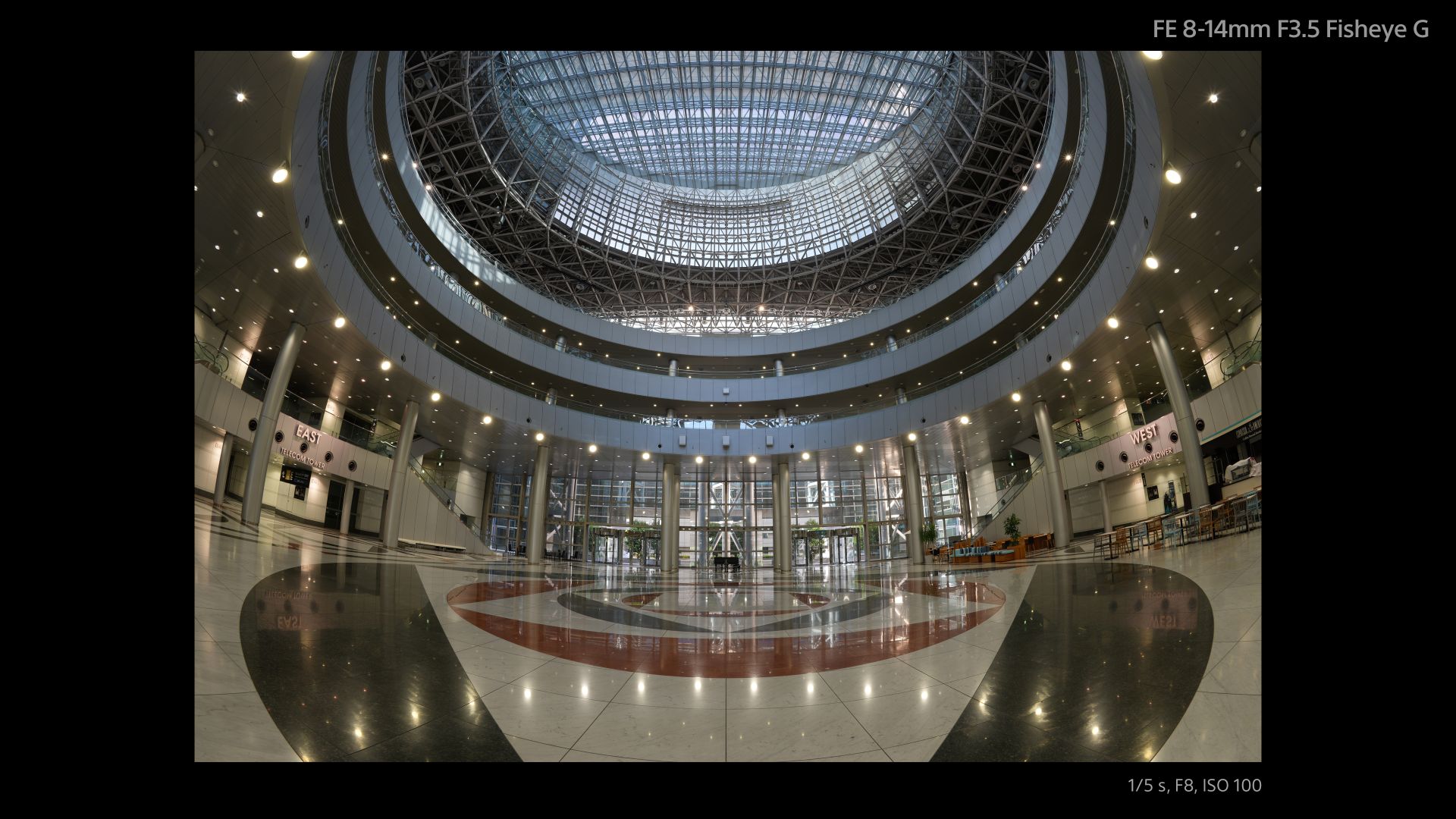
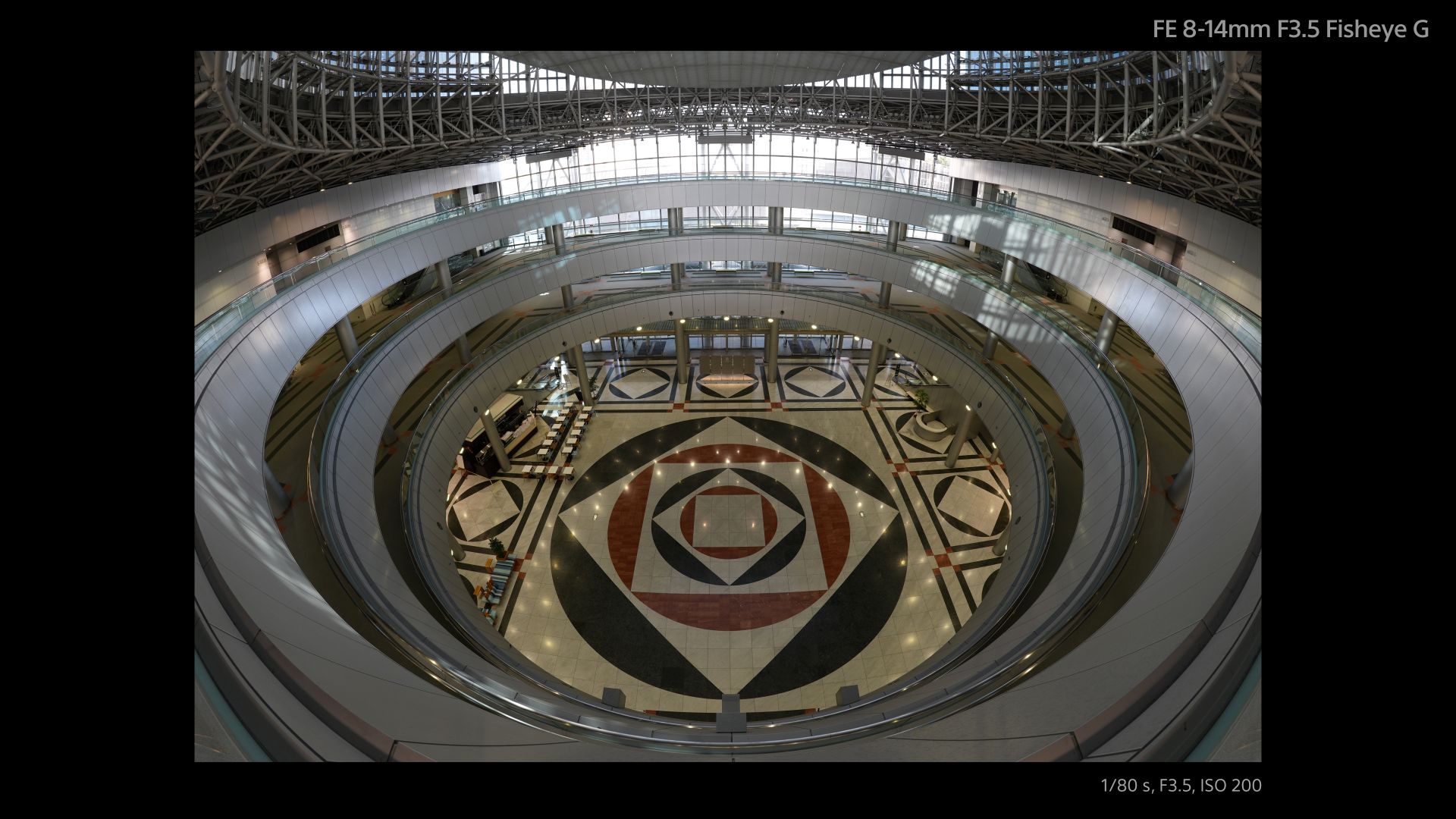
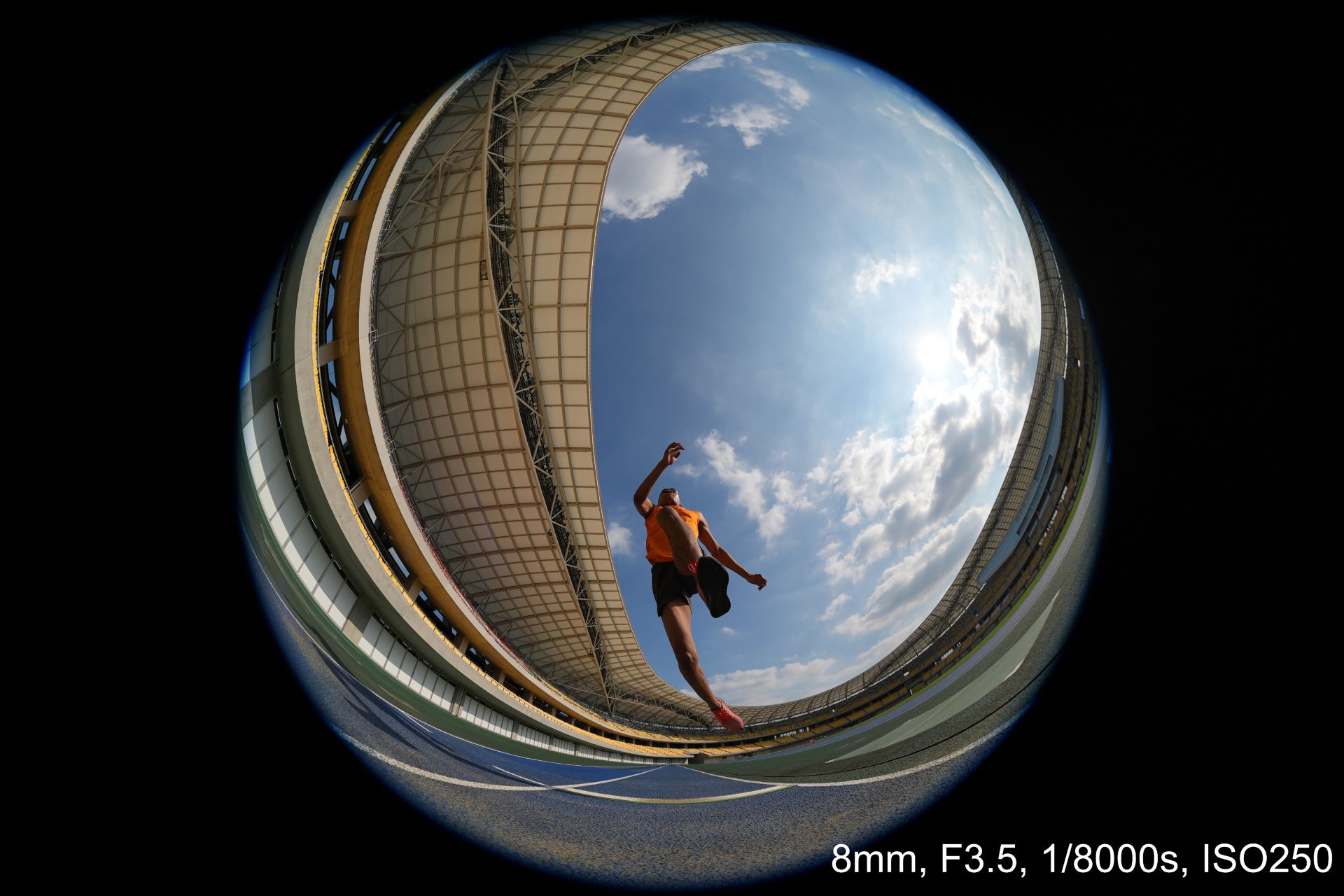
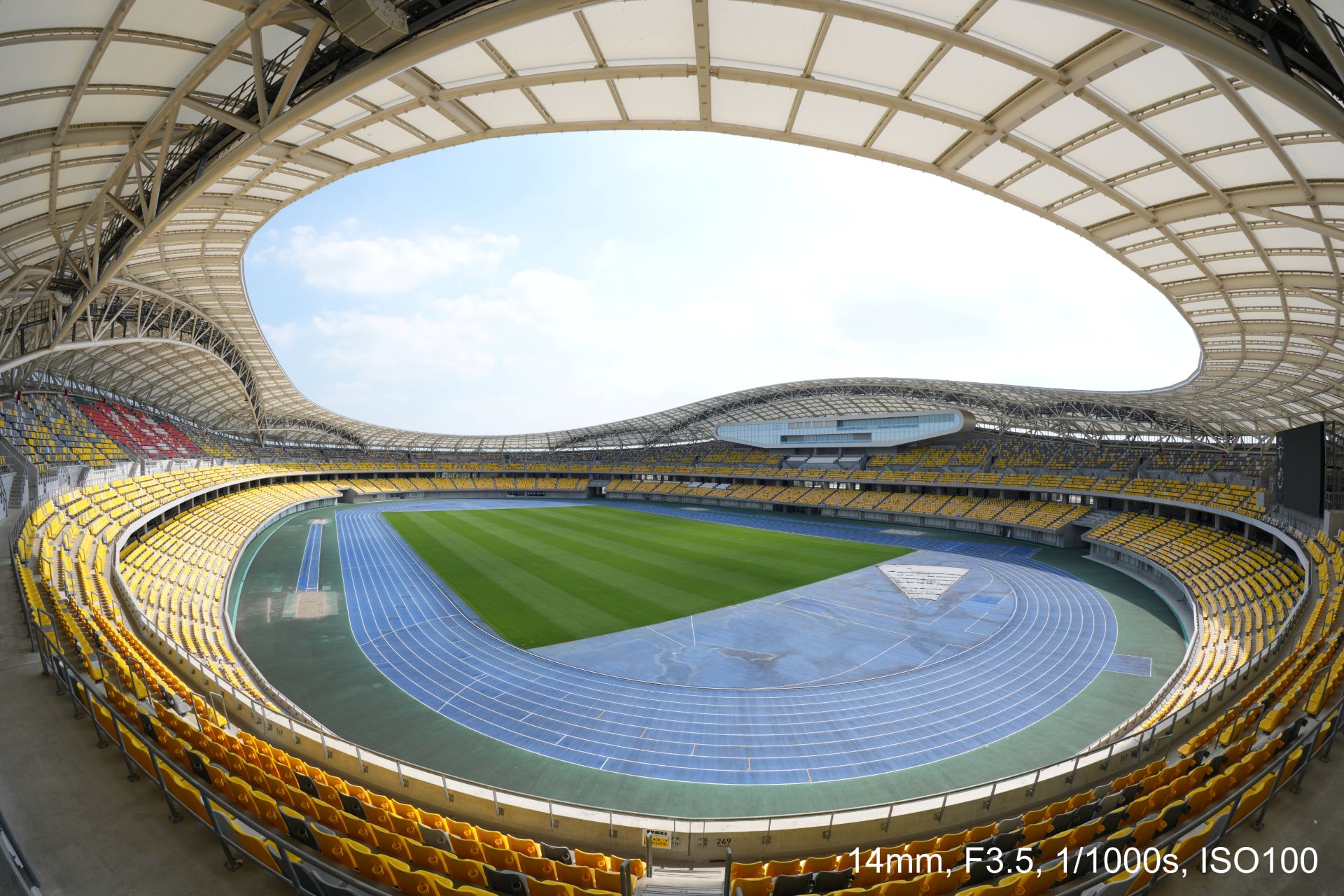


An optical design with ED (extra-low dispersion) glass and aspherical elements suppresses chromatic and other aberrations across the image area.
This enables high resolution throughout the zoom range with fast and precise autofocus and Linear Response MF. All these while suppressing focus breathing and operating quietly for movie production.
Controls include a focus mode switch, zoom lock switch, and an aperture ring with switchable click stops.
A minimum focusing distance of 0.15 meters and maximum magnification of 0.22x at the telephoto end also allow close-up fisheye perspectives both for stills and movies.
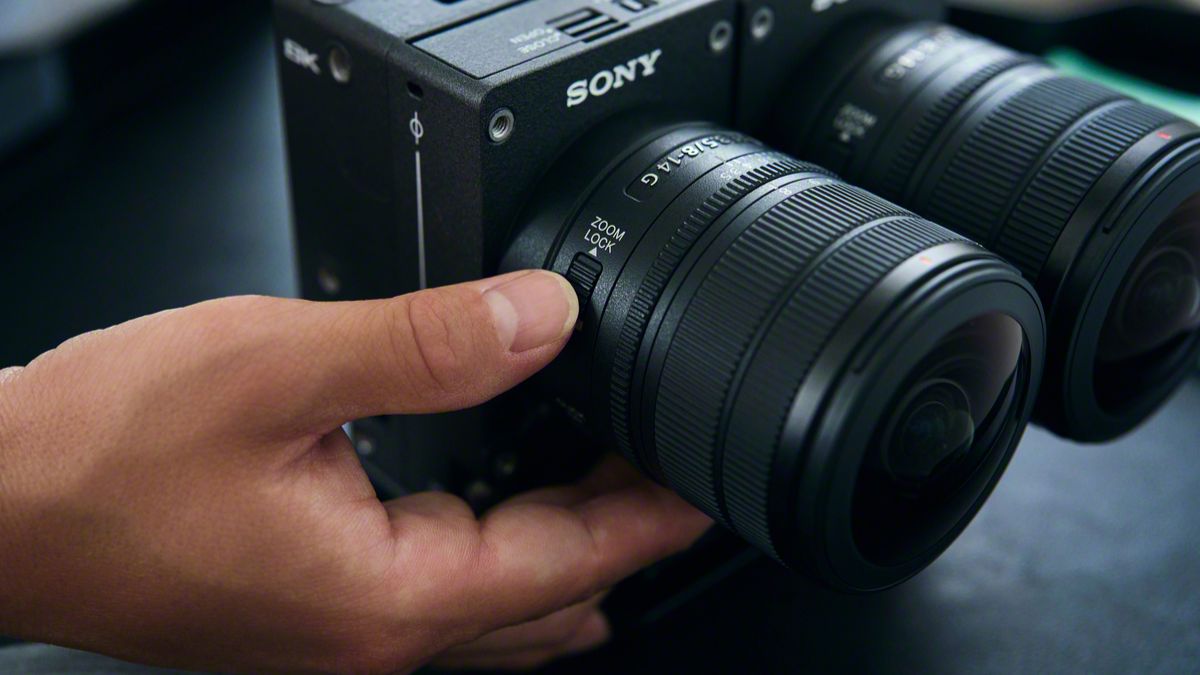
The Sony FE 8-14mm F3.5 Fisheye G measures about 63.1 mm in maximum diameter and 82.8 mm in length.
It weights about 314 grams, giving it mobility for handheld, gimbal, and rig-based shooting. It is also dust and moisture-resistant with a fluorine coating on the front.
In addition, users can opt for a dual-lens configuration with the VENCE Extension System Mini.
Cameras
DJI Osmo 360 II review: Going all-in on the ecosystem
I’m finally leaving my Insta360 X5 behind!

I’ve been shooting with the Insta360 X5 for a year. Trail runs, races, city trips, training sessions, all of it in 360.
I’ve held onto footage from that camera that I still watch back for no reason other than to remember what a particular morning felt like. I liked it enough that I wasn’t in a rush to switch anything.
After a month-long vacation carrying only the DJI Osmo Pocket 4P, I started thinking about consolidating it into a full DJI ecosystem instead, since I’d already tested and geared up with a Pocket, a Nano, an Action 6, and most recently, the Lito X1. The X5 was the one outlier left.
I never got to try the original Osmo 360, not until I saw my friend, Kyle Vergara, using one when we were in Boracay. Watching him shoot with it planted the idea before I even knew I wanted it.
So I waited for the DJI Osmo 360 II to see if it was worth the switch, half hoping it wouldn’t be, since switching meant admitting I was ready to let go of a camera that had been good to me.
Insta360 released the X6 around the same time, and as a creator, it was tempting. But between the workflow I already had and the cost of the gear, the math didn’t work out.
Anything leaning hard into AI these days comes with a jacked-up price tag, and the X6 wasn’t an exception. The Osmo 360 II has its own AI features, but the price is still bearable.
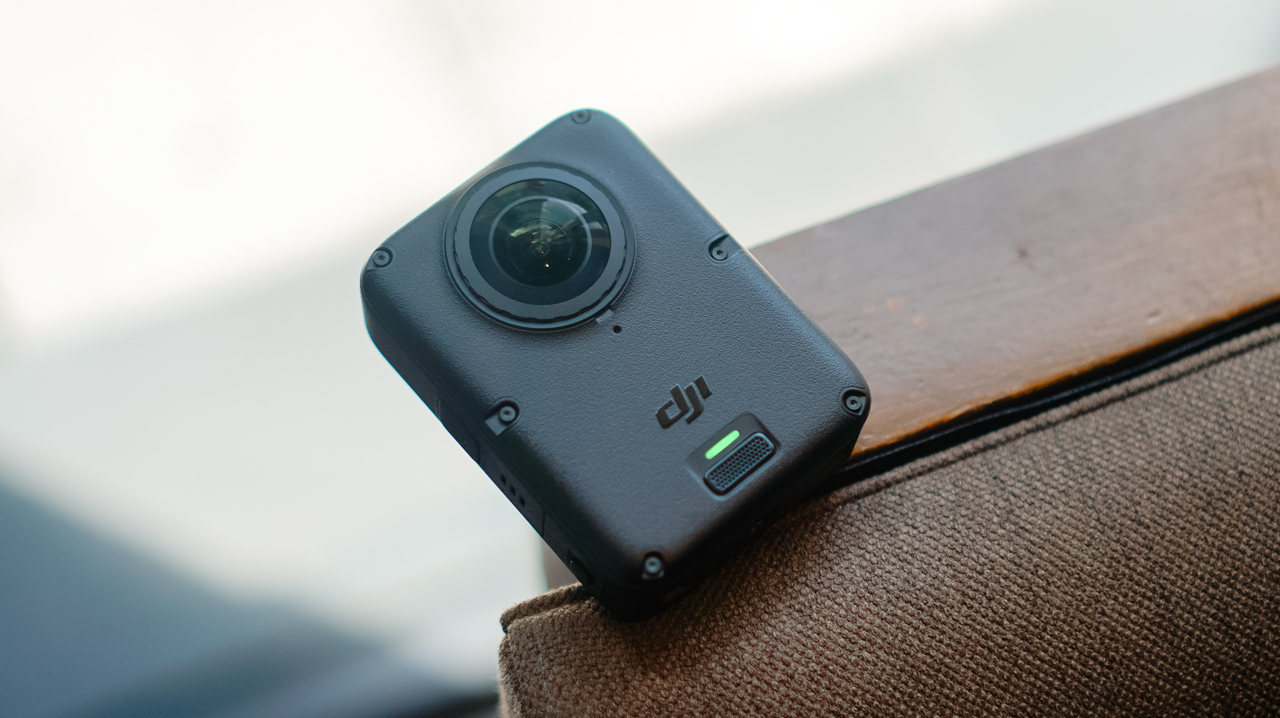
Price
The Standard Combo starts at PhP 32,490, with the Osmo Extreme Battery Plus, a Camera Protective Pouch, a cleaning cloth, an Osmo 360 Silicone Lens Cap, and a USB-C to USB-C PowerDelivery cable included.
@gadgetmatchThe new DJI Osmo 360 II is here with 1-inch 360° imaging, native 8K/60fps, and AI SuperNight 2.0! ✨♬ original sound – GadgetMatch
The Adventure Combo, which is what I got, runs PhP 39,490 and adds two extra Osmo Extreme Battery Plus (2150mAh), an Osmo Multifunctional Battery Case 3, an Adjustable Dual-Direction Quick-Release Adapter mount, and a 1.2m Invisible Selfie Stick.
For rider friends, there’s also a Limitless Riding Combo at PhP 34,490, which pairs the Standard Combo with an Osmo Heavy-Duty Clamp Mount kit.
Build
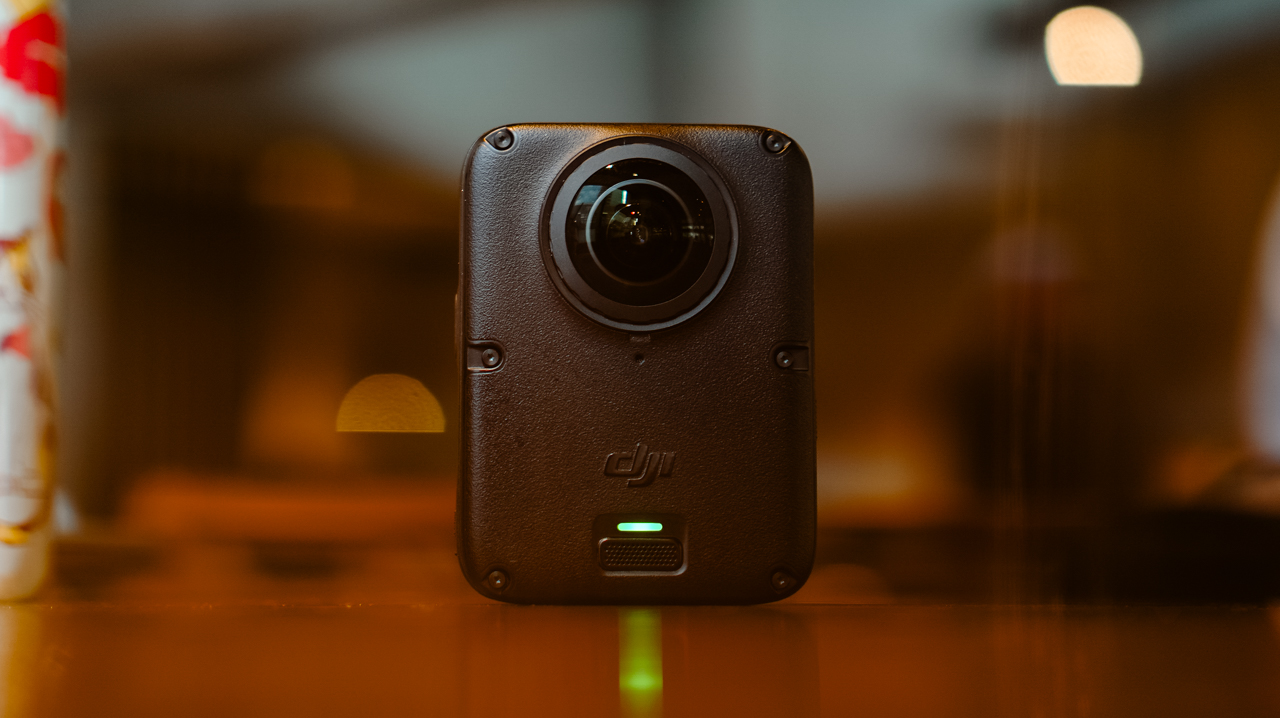
Coming from the X5’s lengthy monolith shape, the Osmo 360 II looks like a square monolith that fits in the palm of my hand.
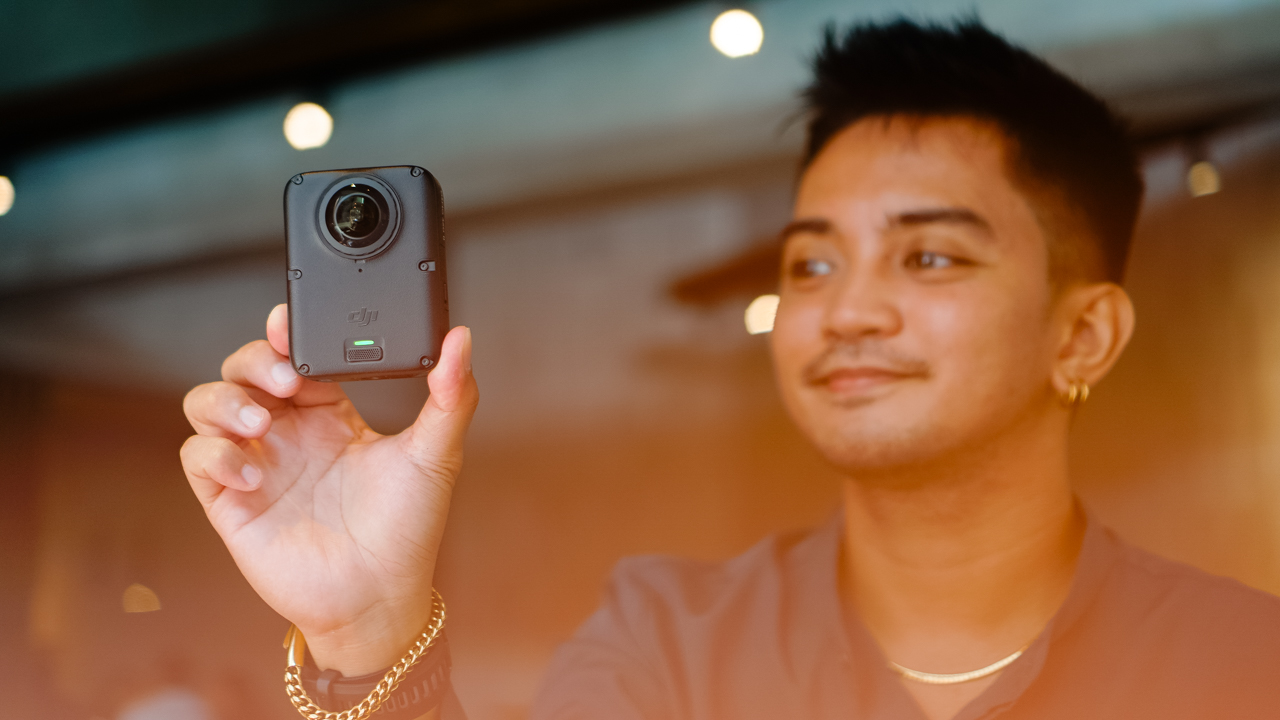
The smaller footprint makes it easier to switch between portrait and horizontal orientation when shooting single-lens.
It’s heavier than the X5, though, and I noticed that weight almost immediately the first time I clipped it onto a mount, like the camera wanted me to know it meant business.
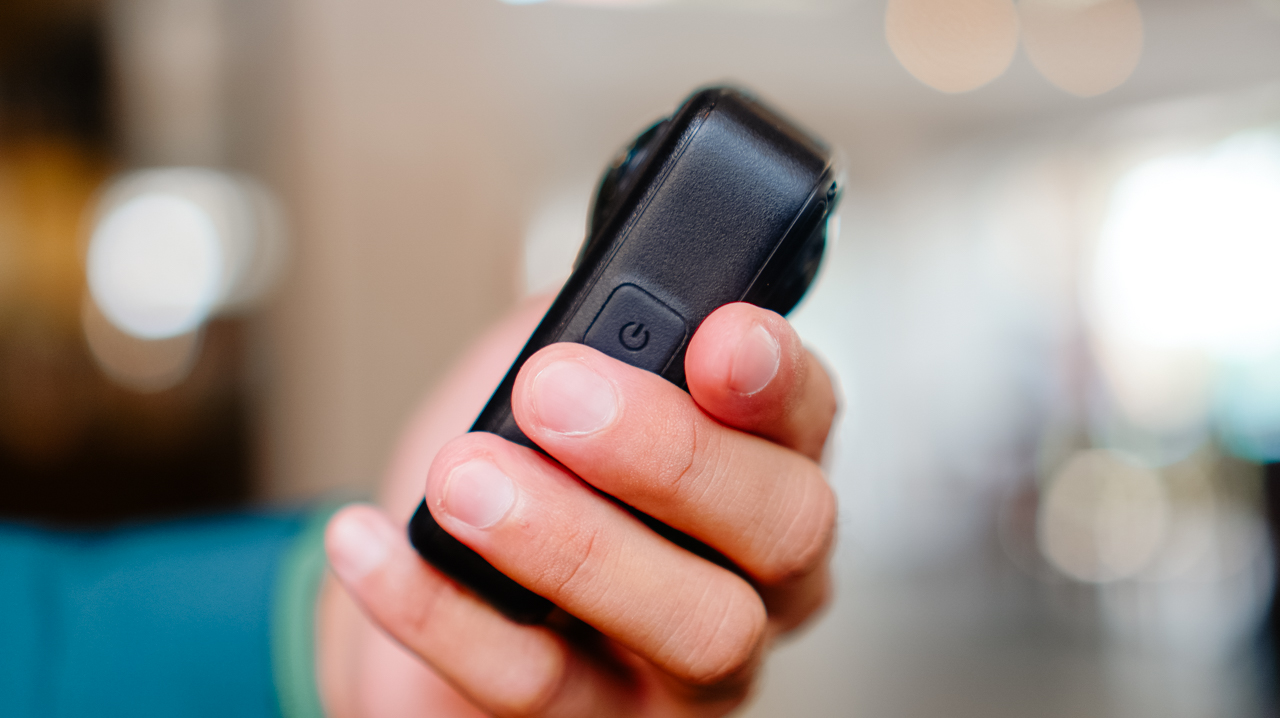
The design feels sturdier than its predecessor, and it now has a replaceable lens for when you scratch it, instead of a trip to a service center.
Performance
The Osmo 360 II arrived during a rough month for shooting in the Philippines. We were hit by one storm after another, with barely any sun in between, and there were days I genuinely wondered if I’d get to test this camera the way I wanted to before a deadline caught up with me.
I’d planned to test it on my usual trails, but landslides closed them off, so the next best option was a car-free Sunday in Ayala Triangle while the sun cooperated.
View this post on Instagram
It wasn’t the adventure footage I had in mind, but making a plain Sunday in the city look like it mattered turned out to be its own kind of satisfying.
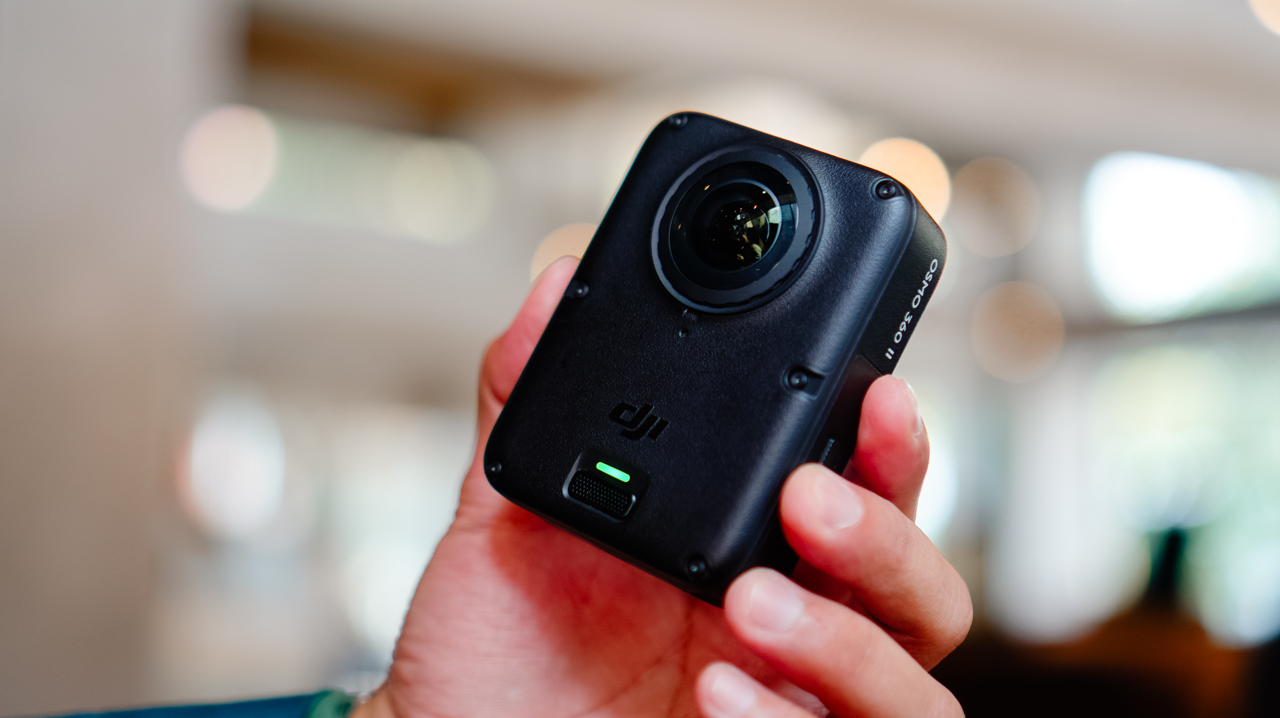
360 video now shoots at 8K60, up from 8K50 on the previous model, with the bitrate raised from 170Mbps to 220Mbps.
Single-lens shooting tops out at 4K60, though 4K50 is the recommended setting. Daytime footage looks excellent, especially for anything meant for social with a slightly different perspective than the usual flat shot.
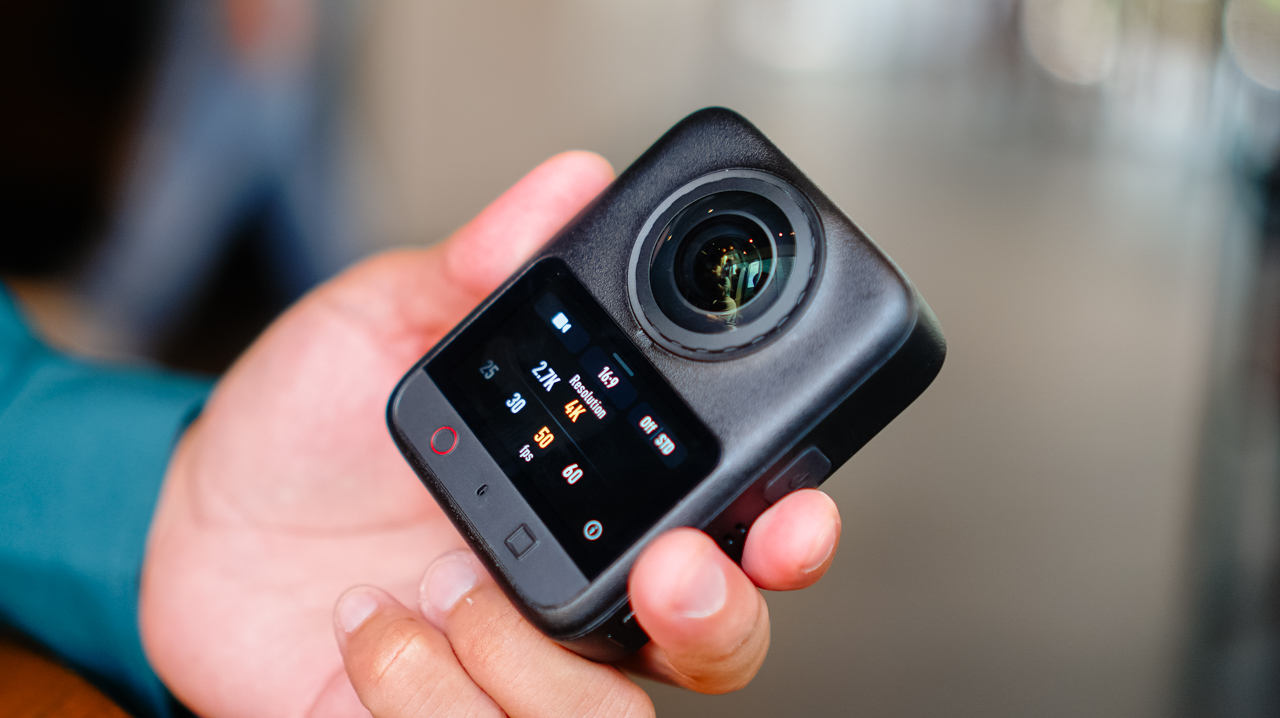
Scrolling back through those Ayala Triangle clips later that night, I caught myself smiling at angles I wouldn’t have thought to frame on a regular camera.
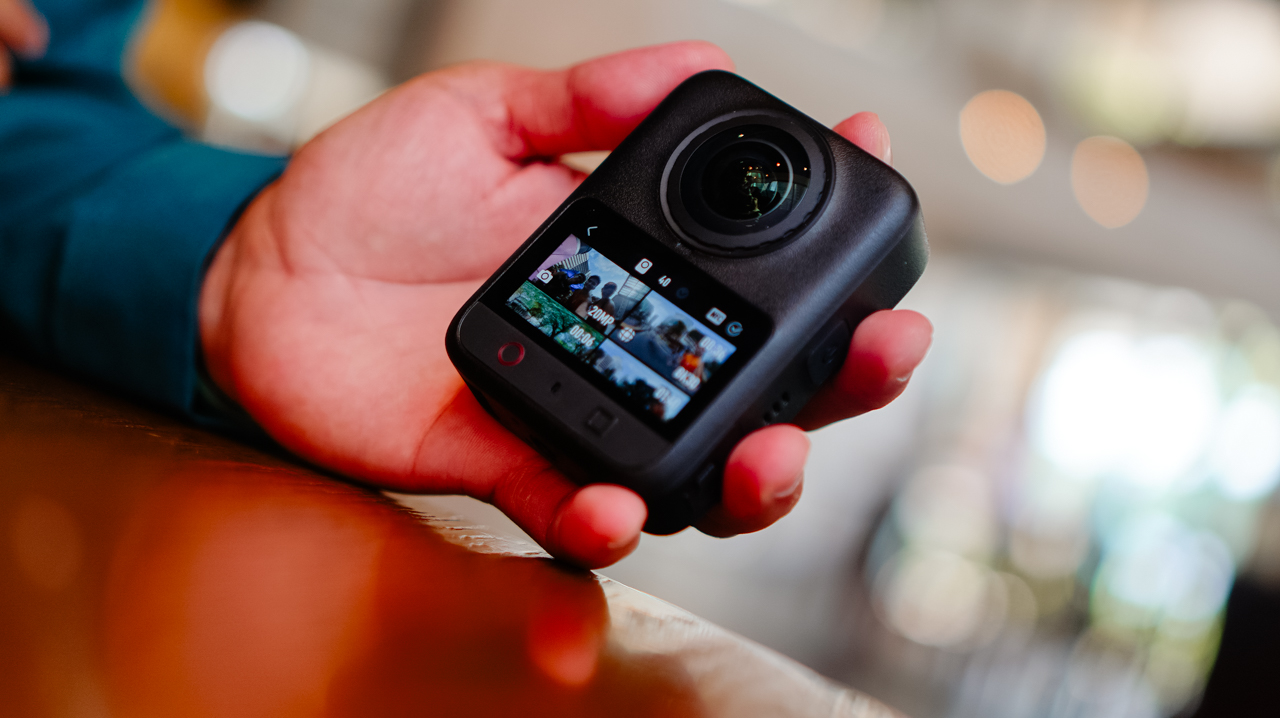
Night footage is where I’ve historically had issues with this category of camera, and I still don’t love straight Video mode after dark. But the new model claims 14.5 stops of dynamic range with its low-light processing, and shooting in Boost Video and SuperNight modes noticeably improves low-light results.
Photos hold up well too. Single-lens stills shoot ultra-wide at up to 30MP, and panoramic 360 photos go up to 120MP HDR.
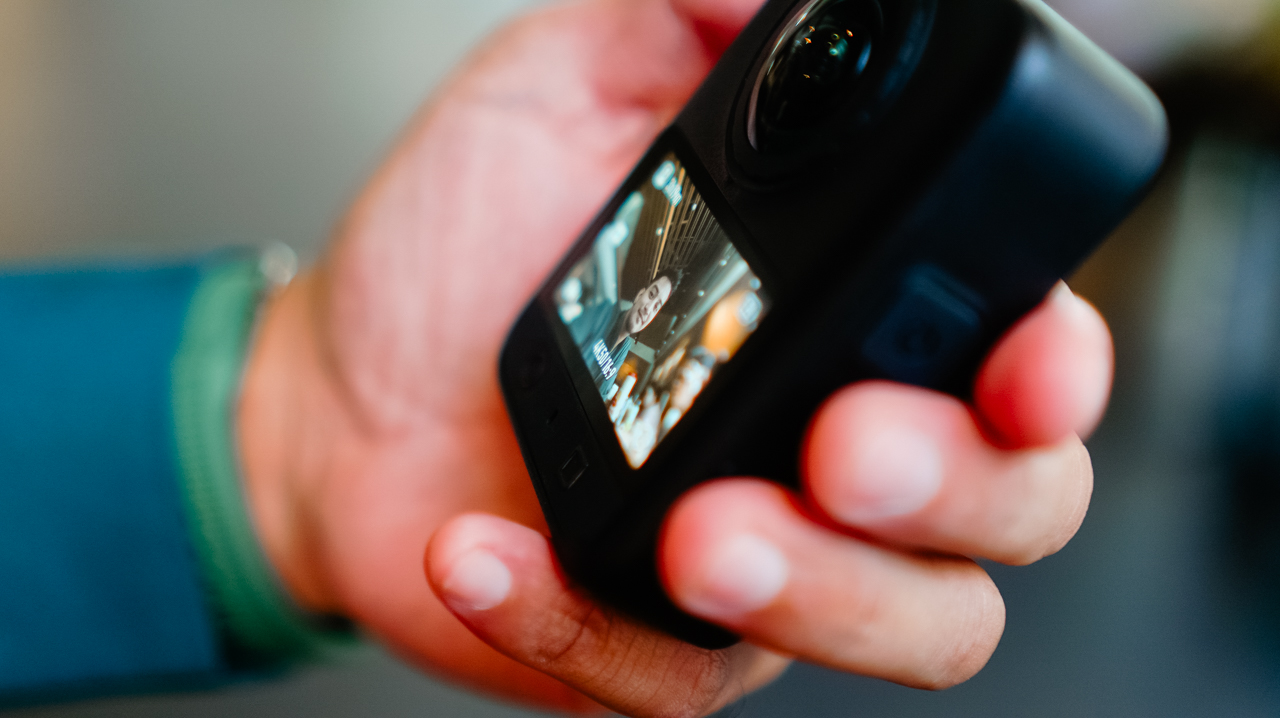
RAW photo support is new this generation, and it’s this type of addition that made me want to slow down and actually shoot stills again instead of treating this as a video-only device.
Storage
AI features pushing further onto these devices has driven up demand, and prices, for RAM and storage across the board.
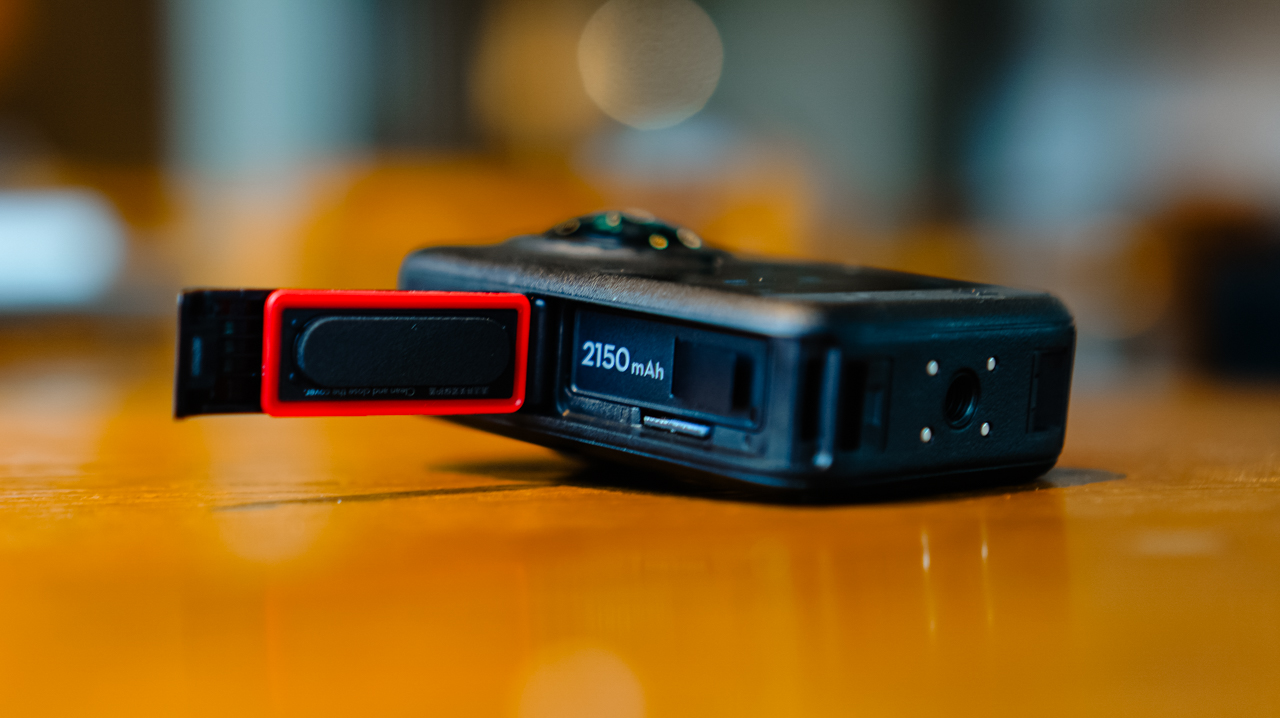
MicroSD cards, SSDs, even cloud storage all cost more than they used to, and I’ve felt that pinch every time I’ve had to buy a new card just to keep shooting through a busy week.
What I appreciate about DJI’s new lineup this year is the built-in storage, over 100GB on the Osmo 360 II. Paired with a microSD card, I’m not scrambling to back up mid-shoot just to free up space, which matters given how fast 4K and 8K footage eats through storage.
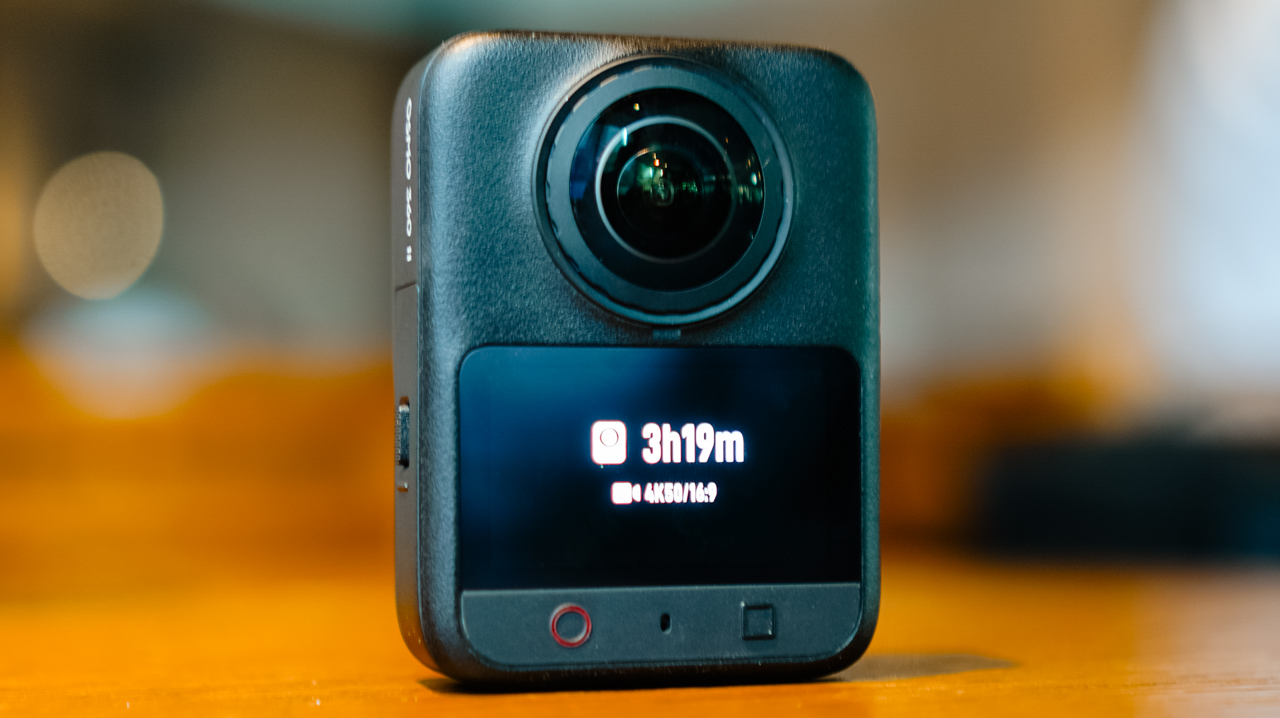
Not watching a storage warning pop up in the middle of something I can’t reshoot is a relief I didn’t know I needed.
Ecosystem
Before this, the X5 was the one device in my kit that didn’t run on DJI. Now that the Osmo 360 II is in the mix, footage lands in the DJI Mimo app the same way it does from everything else I own.
I’m not juggling two apps or two export flows anymore. Previously, files from the X5 would sit untouched longer than I wanted, simply because everything else I owned already funneled into Mimo and this one didn’t.
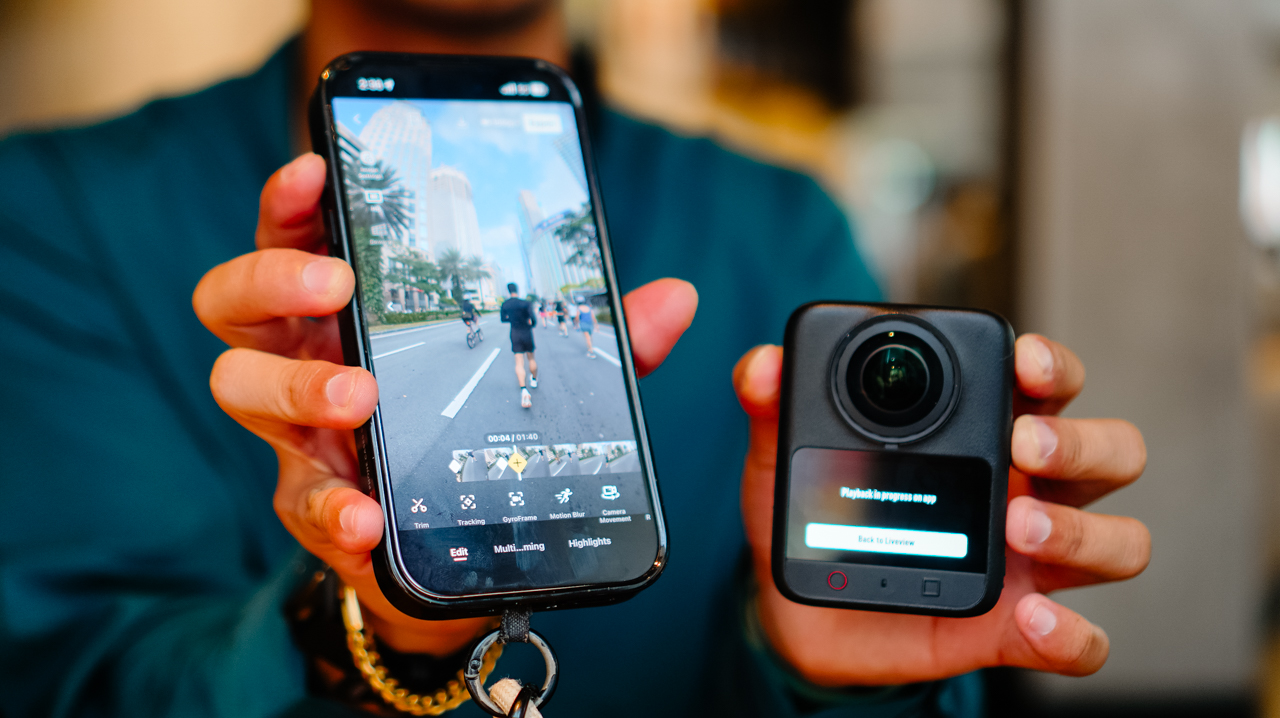
I can’t count how many times I opened my phone meaning to edit something, only to close it again because the file was sitting in the wrong app.
Editing 360 footage in the app is straightforward, with tools built for actually shaping the story rather than handing it off to AI.
Trimming, tracking, GyroFrame for dynamic movement, motion blur adjustments, multi-clip cuts and exports in one pass. If you do want AI in the loop, there’s Highlight Auto Selection to help surface usable scenes for reels.
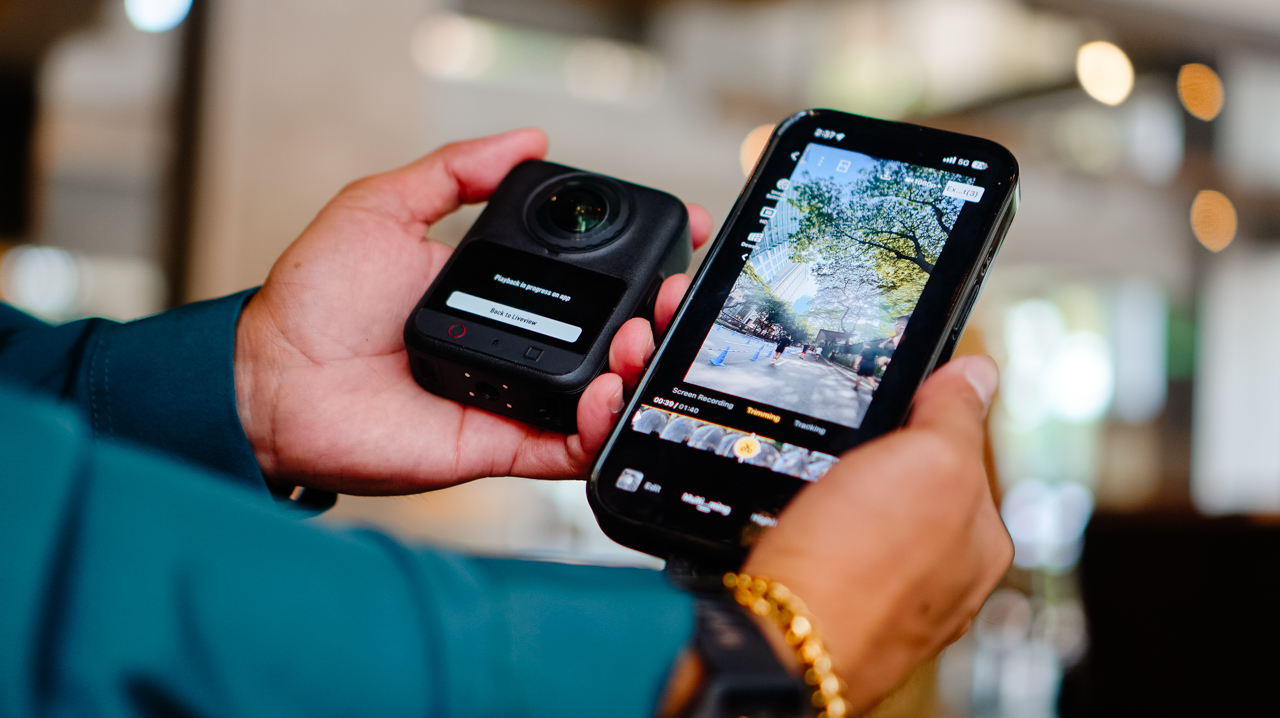
Insta360’s ecosystem likely has comparable editing depth. What’s different for me is having it all live in one app instead of splitting my workflow across two, and how much lighter that’s made the whole process feel by the end of a shoot day.
Is the DJI Osmo 360 II your GadgetMatch?
If you’re already using DJI across your gear and your workflow, the Osmo 360 II is an easy yes.
It fixes a real complaint from the first generation, folds into one ecosystem instead of two, and comes in at a price that’s hard to argue with.
Letting go of the X5 turned out to be less of a loss than I expected. It’s more like finally closing a tab I’d left open for a year.
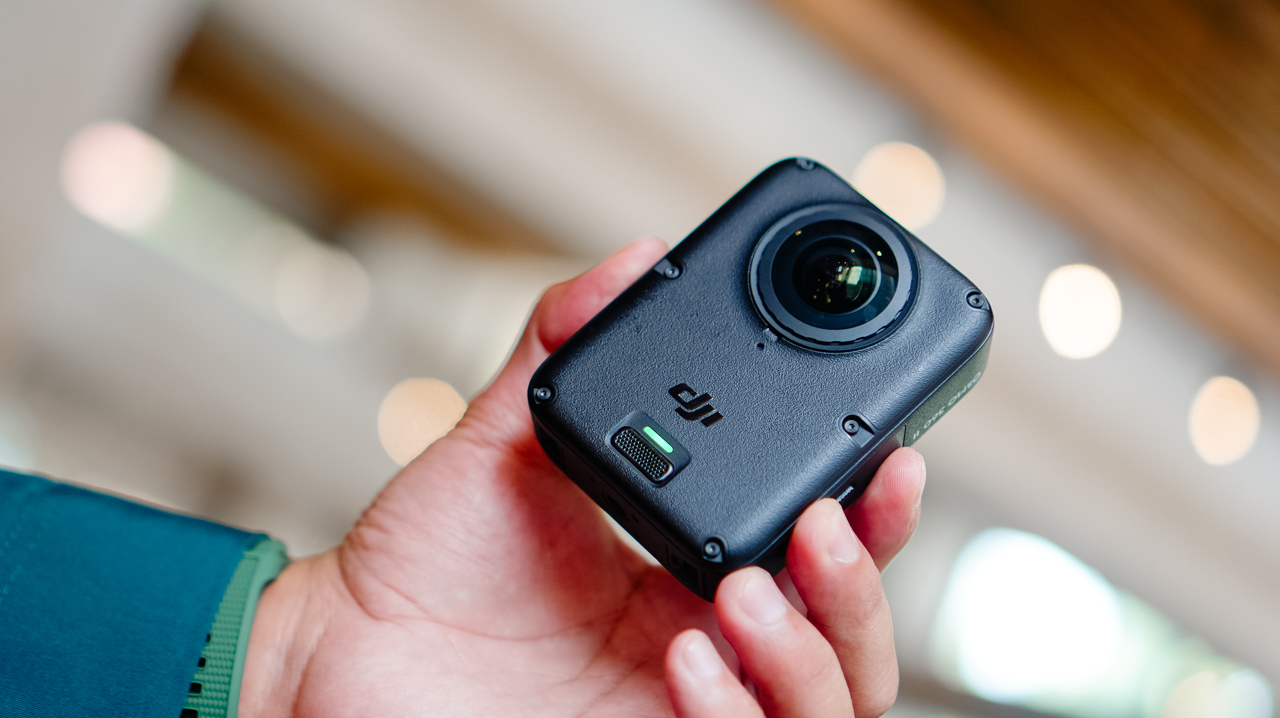
Swipe Right if you want hardware upgrades that solve a genuine complaint from the first generation, one ecosystem instead of two, and a real price advantage.
The DJI Osmo 360 II is built for someone focused on storytelling and getting the most out of the gear they already own, rather than someone chasing the newest AI-editing tools.
Swipe Left if you want AI-driven editing front and center, or you’re already settled into Insta360’s ecosystem.

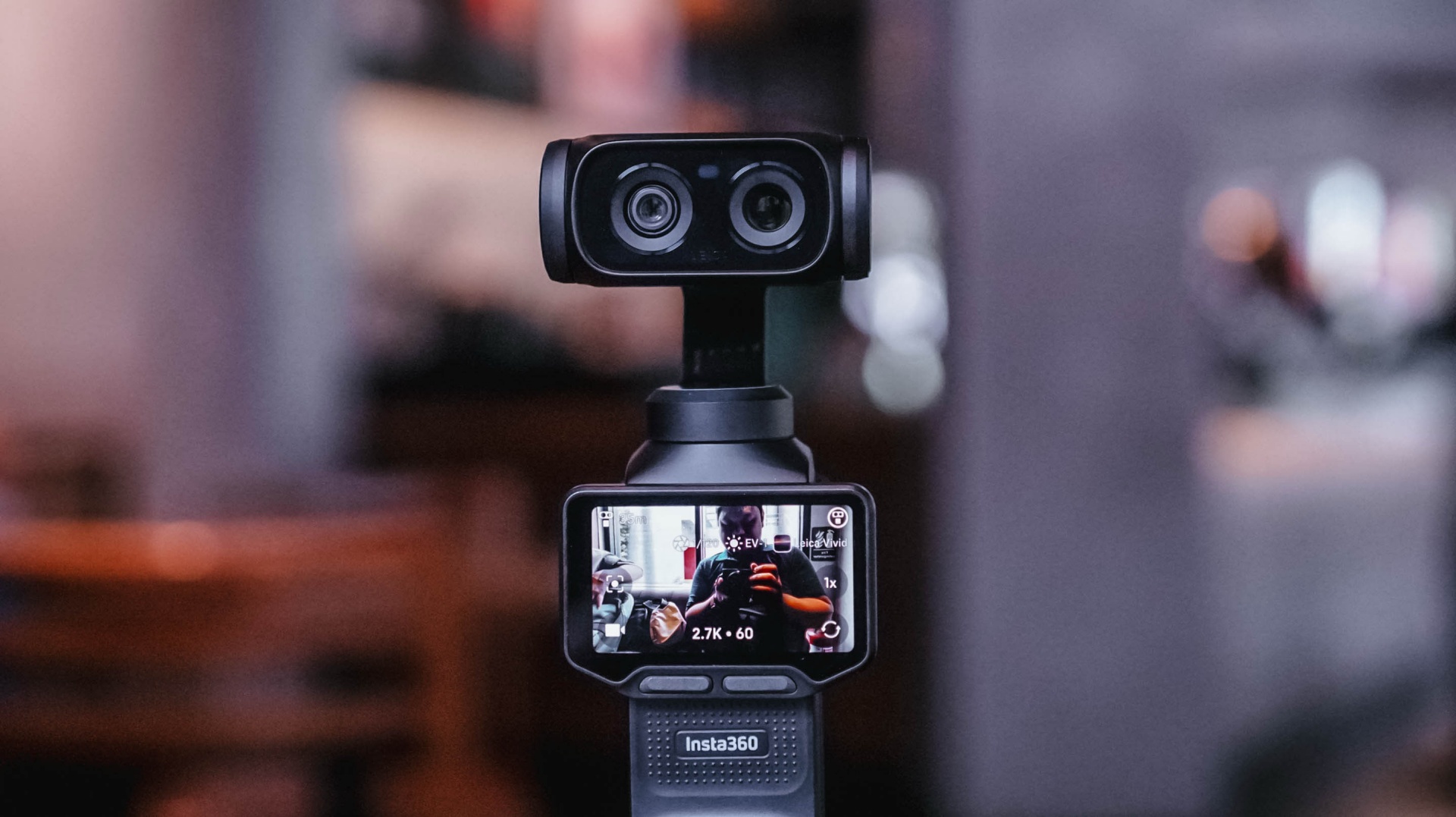
I’ve been using the Sony a6500 with a 35mm f/1.8 lens for the past six or seven years. There’s a certain level of comfort and familiarity that comes with using the same camera for that long. My workflow with it is automatic at this point.
That’s why it took some time for me to get comfortable with the Insta360 Luna Ultra.
I wasn’t familiar with using a gimbal camera. When I first started using the Luna Ultra, it felt awkward. I was also trying to figure out too many things at once.
But after several weeks of using it for different kinds of coverage, I’ve reached a point where I’m comfortable leaving my old reliable behind, especially when my priority is making Reels.
And it was my most recent overseas work trip to Shenzhen, China, where I finally realized that.
Finding my footing
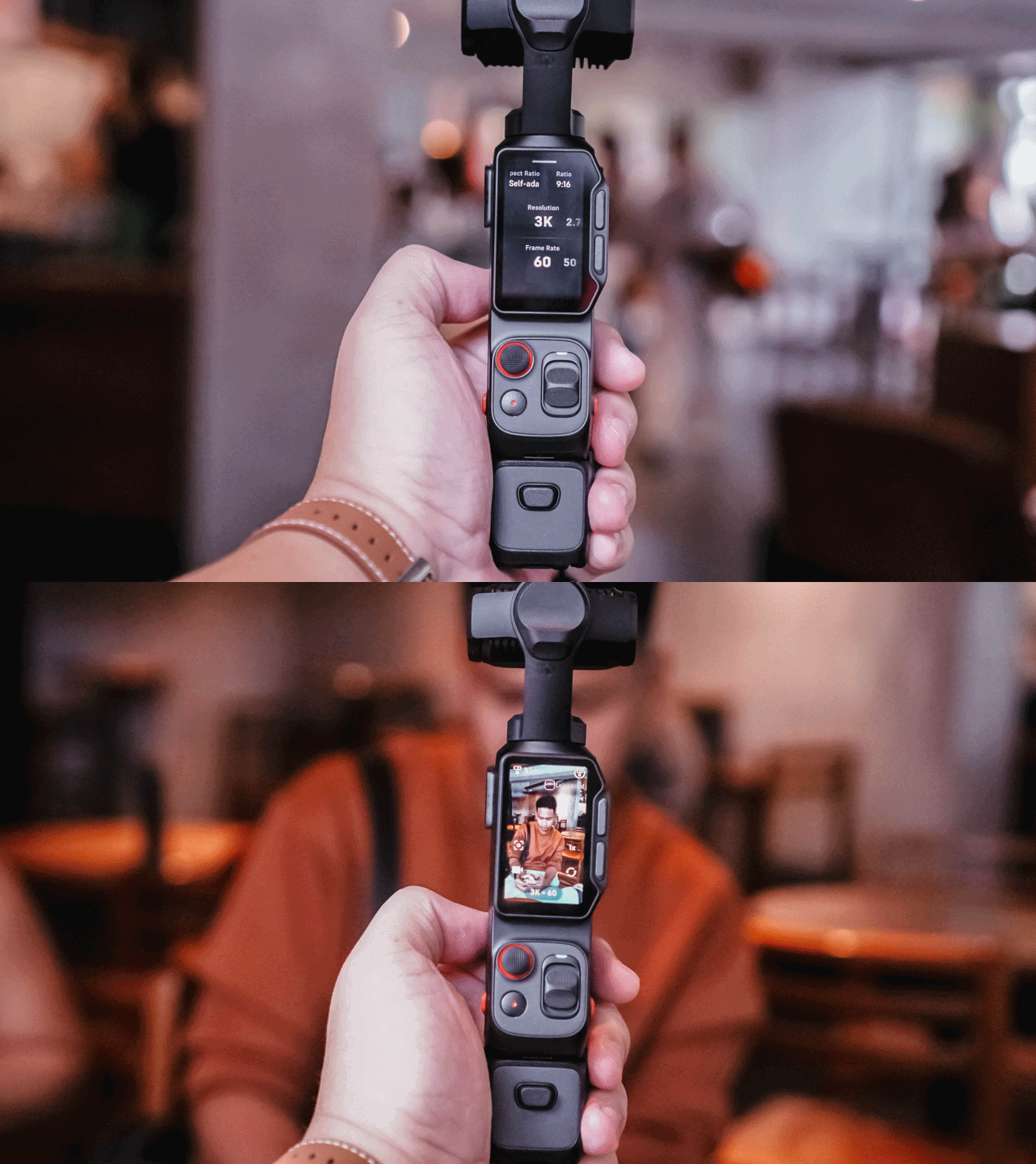
I brought the Insta360 Luna Ultra to three events almost immediately: Samsung Vision AI, the TCL A400 Art Launch, and an ROG event.
That first week was really experimental. I was trying out multiple features of the device for this review. I tried shooting horizontally because it seemed like that’s what the Luna Ultra was made for.
But my work over the past few years has focused heavily on vertical short-form video, so that contributed to the awkward feeling.
I also defaulted to PureVideo after a while because I tend to shoot in really not-well-lit locations. The colors look good as is, anyway.
I experimented with I-LOG, too. That taught me that it should probably be reserved for actual experimental outputs, rather than anything tied to a deadline. Our workflow is built for speed with quality, and I-LOG adds another step that isn’t always necessary for the kind of news-oriented Reels we make.
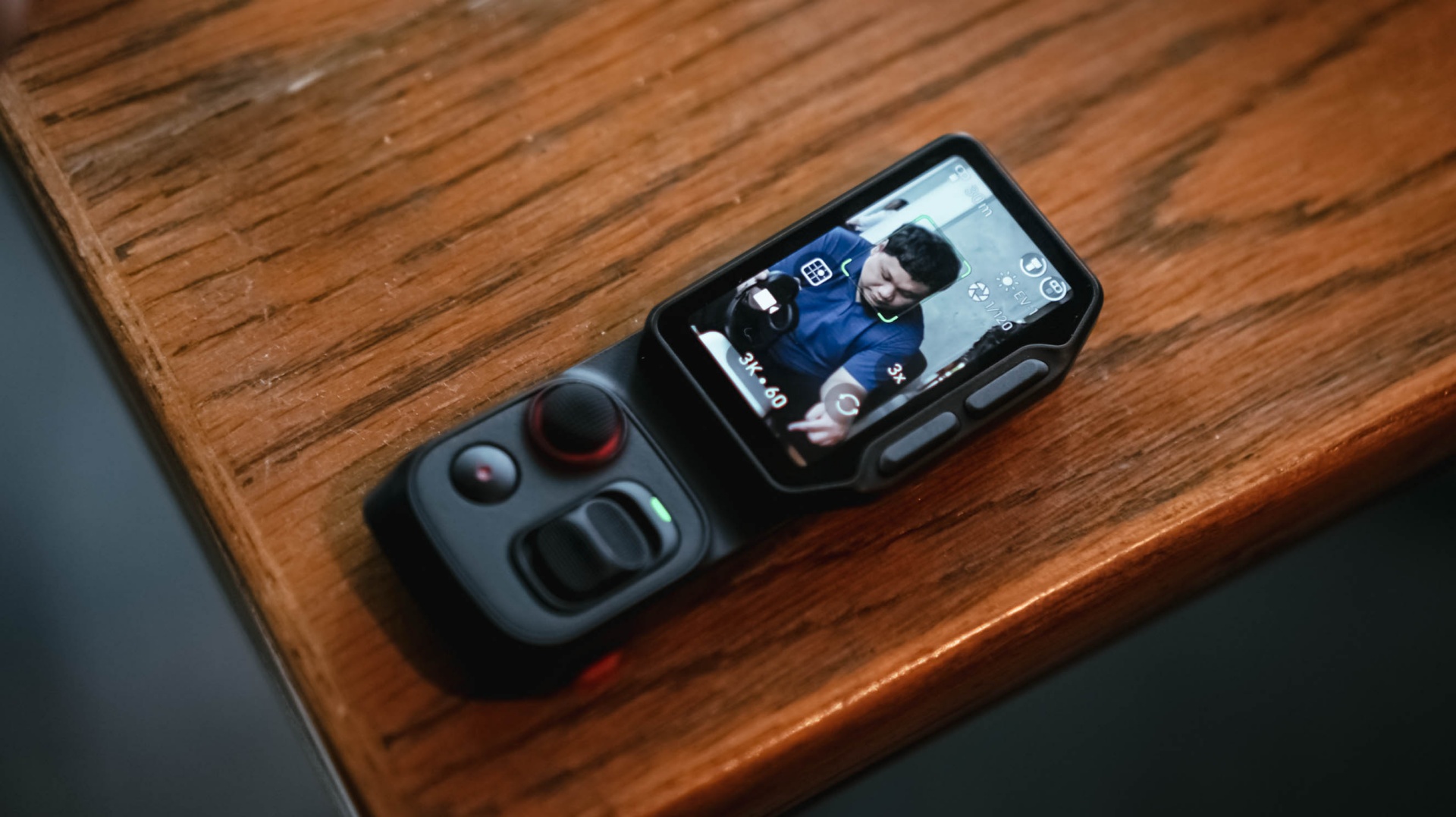
The detachable controller, meanwhile, was a godsend when I’m shooting by myself and want the Luna Ultra to be at a distance. I still had the preview and controls nearby, and that was extremely helpful.
The biggest thing I learned during that first week was that I was trying to speed-run through all of the features instead of figuring out which ones actually made sense for the Reels I needed to make.
It was only when I decided what I actually needed for each coverage that the Luna Ultra really clicked with me.
@gadgetmatchThe best way to test a creator camera? Use it while creating. We brought the Insta360 Luna Ultra to multiple media events to see how it handles real-world coverage. From low-light venues to fast-paced launches. Here’s what we learned so far. Full review coming soon. #Insta360 #LunaUltra♬ original sound – GadgetMatch
Getting more comfortable
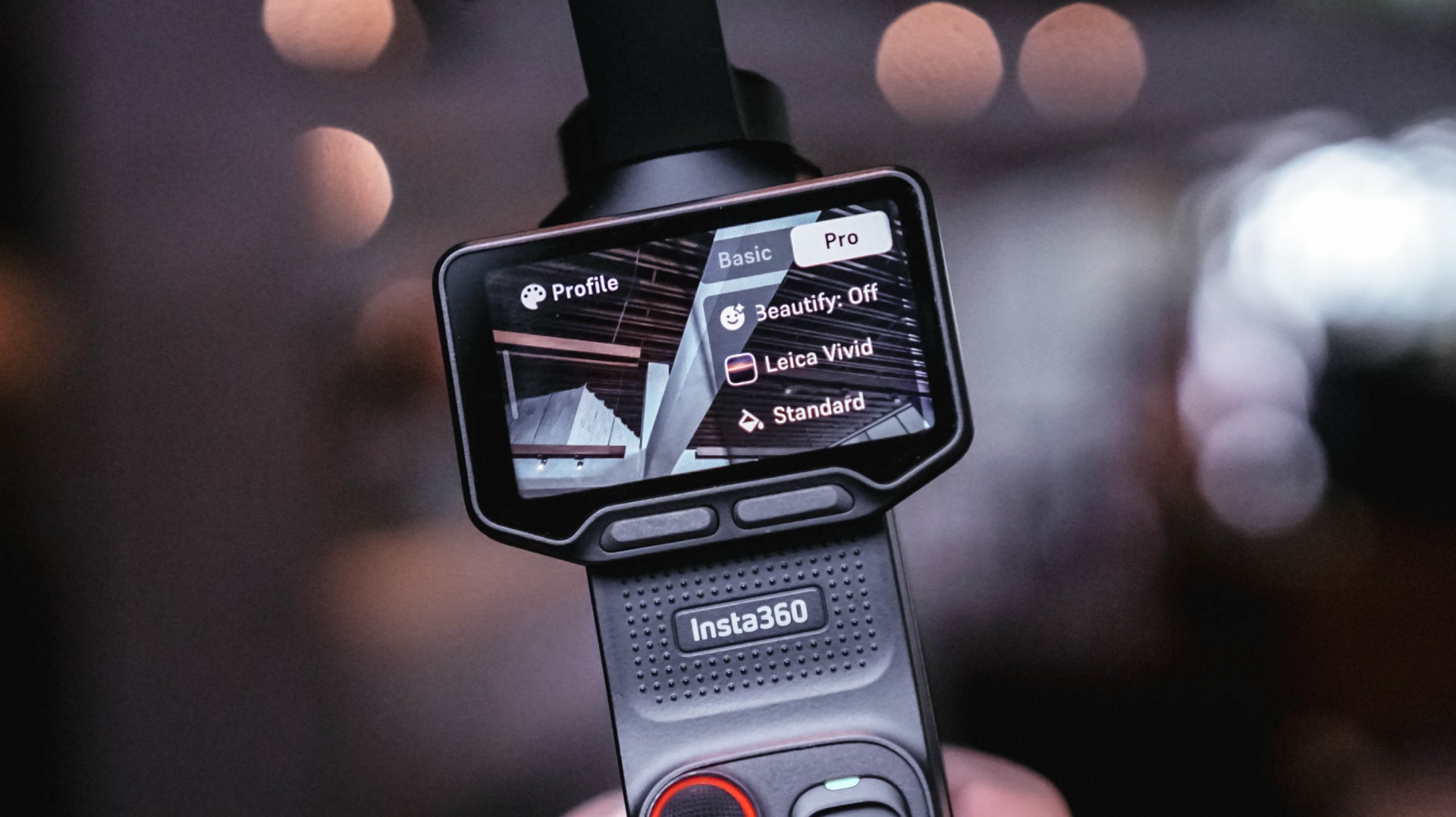
Most of the learning curve came down to overall usage and figuring out how I could maximize the camera.
There’s still plenty that I don’t know about the Luna Ultra. There are camera tricks and shots that can certainly elevate some of my footage. But I’ve decided to lock in on how it’s useful to me during fast-paced coverage and slowly unlock its capabilities as I spend more time with it.
Getting reps with a device is the best way to become familiar and comfortable with it.
For now, I can say I’ve found my preferred base settings that cover most of my needs. The next goal is to slowly level up, learn its capabilities more, and figure out how I can apply them to the Reels I make.
That process continued outside of traditional tech events.
Putting it to work
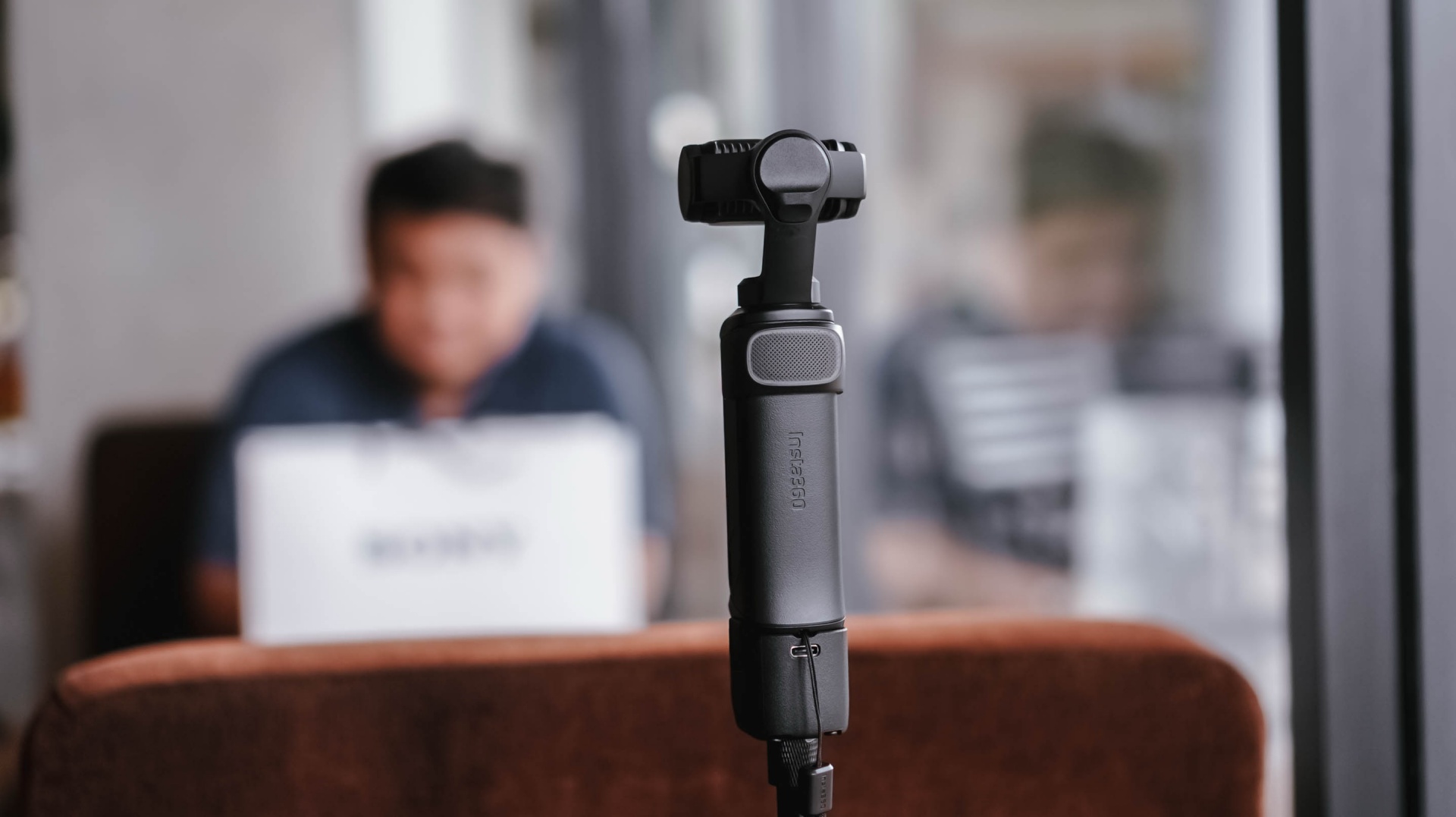
I brought the Insta360 Luna Ultra to a pottery session arranged by Shokz. It was a completely different kind of environment from the launches and media events I usually cover.
For the most part, I just set it up, pointed it at me, and let it roll.
My hands were busy, so I found myself wishing it had a way to automate certain capture features. Hands-free controls would be useful, for example. I’d also love an option to automatically record 30-second clips at a time for a set amount of time.
That would be useful when you’re shooting solo and doing an activity.
It was also around this time that I started figuring out some of the conditions necessary to get the bokeh effect I wanted.
@gadgetmatch Came for the pottery. Stayed for the vibes. 🏺 Featuring the Shokz OpenDots 2, because apparently good audio is required while discovering you have zero pottery skills. #PowerMacCenter @Power Mac Center @SHOKZ ♬ original sound – GadgetMatch
While unboxing the Shokz OpenDots 2 right before the pottery session, I got a sense of the distance needed when using 1x zoom to get that bokeh effect. Not long after, I also figured out the conditions necessary to get that effect with 3x zoom.
That was crucial for the mostly product-focused stuff that I shoot.
The more I used the Luna Ultra, the more I started understanding not just what it could do, but what I could realistically ask it to do during my work.
Then came the real test.
Shenzhen was the turning point
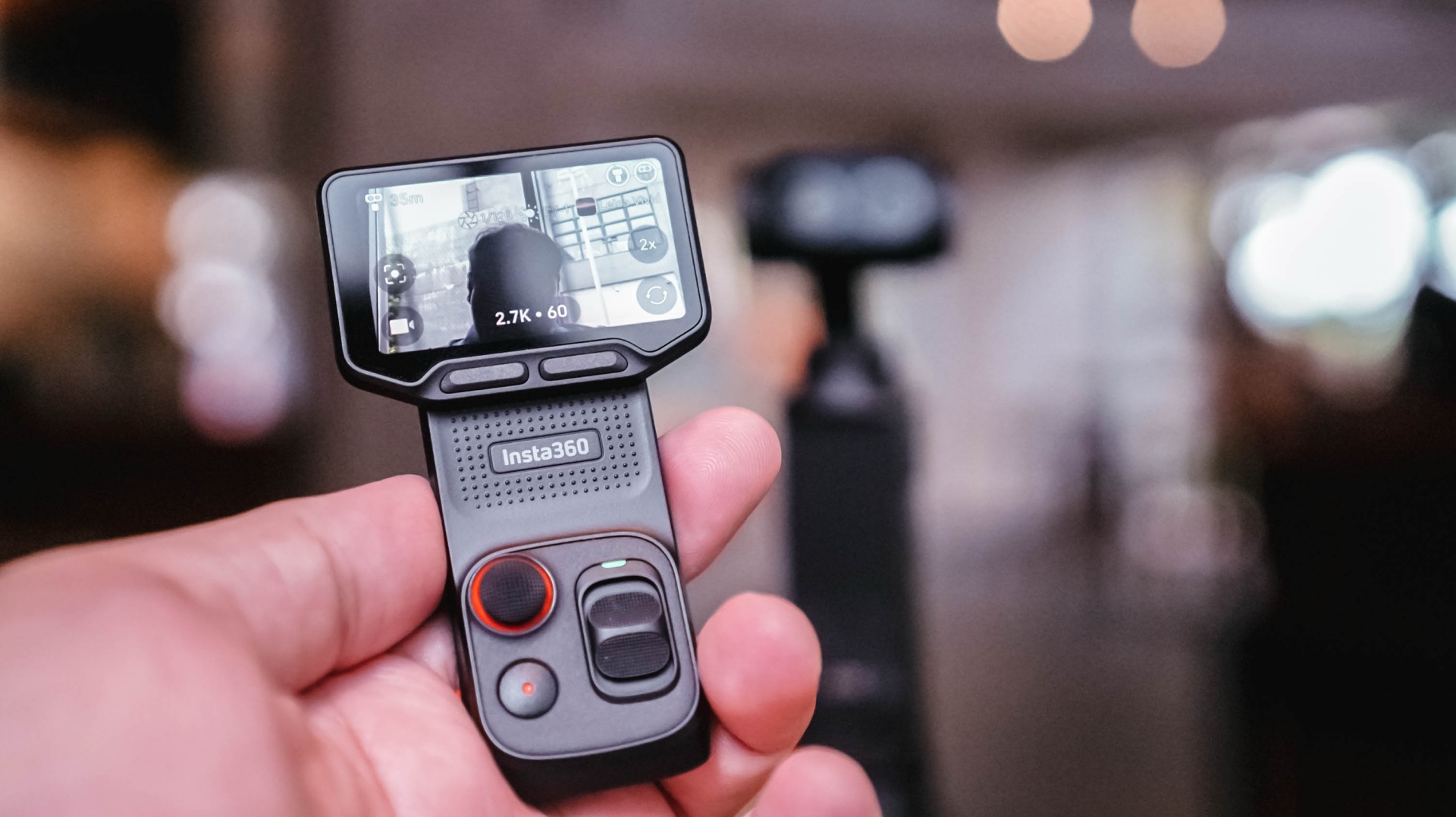
When I went to Shenzhen, China, to cover the launch of the HONOR Robot Phone, I didn’t have my old reliables as a crutch.
It was a make-it-or-break-it situation.
I needed to get as many product shots as possible. I had to show the design of the phone, its mechanical gimbal camera, and what it was like to shoot with it.
And the Luna Ultra was very capable.
The real issue was my unfamiliarity with it.
Once I figured out the settings I needed and narrowed down the shots I had to take, everything flowed rather smoothly.
@gadgetmatch HONOR Robot Phone 🤖📱 ✅ 4DoF mechanical gimbal ✅ 200MP Agile Gimbal Main Camera ✅ 200MP periscope telephoto camera ✅10-bit ARRI LogC3 recording ✅ 50MP ultra-wide camera ✅ Snapdragon 8 Elite Gen 5 Mobile Platform ✅ 7,060mAh silicon-carbon battery #HONORRobotPhone @honorglobal ♬ original sound – GadgetMatch
Some of it still felt unnatural because I’m used to using my camera for both photo and video. This time, I focused on shooting video with the Luna Ultra and used a flagship smartphone for the photos.
That whole setup still needs refinement, but I feel like I found a workflow I can lean on.
Most importantly, I got all the shots I needed.
Any challenges I faced were mostly due to the shooting environment and my own general familiarity with the Luna Ultra. As for the tool itself, it was fantastic.
The moment that really solidified this for me was when I started reviewing the footage and saw that many of the shots came out better than I expected.
That’s when I realized I could actually use this as my coverage camera.
View this post on Instagram
A different kind of coverage camera
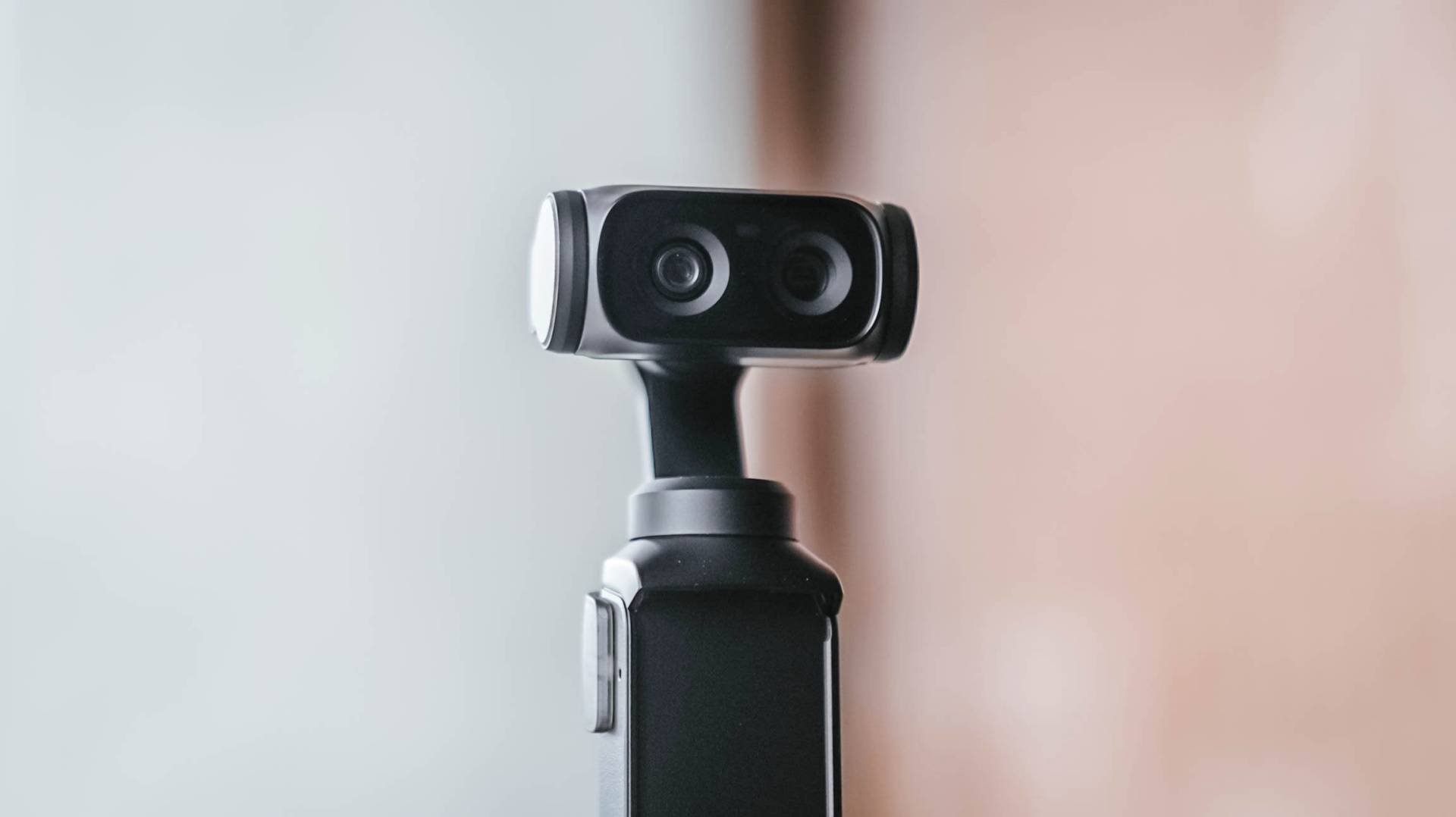
My usual event workflow is pretty straightforward. I secure the device, then get as much footage of it as possible from different angles, show different use cases, and capture its features as quickly as I can.
The Luna Ultra fit into that workflow better than I expected.
For one, I can include myself in the frame while still being able to preview what I’m shooting. That’s something I couldn’t easily do with my old reliable setup.
It’s also much lighter and thinner, making it easy to position in ways I couldn’t with my old setup.
I think the video quality is overall better than the smartphones I use, too. The bokeh I get is also natural.
That doesn’t mean my Sony a6500 is suddenly obsolete.
I think dedicated mirrorless cameras, paired with the right lenses, just have a certain look to them that I generally prefer. I’d definitely still reach for the a6500 for photos and shoots where I have a team with me.

But for solo coverage, my go-to video gear will now be the Luna Ultra.
That’s the biggest change for me.
The Luna Ultra didn’t necessarily change what I consider worth shooting at an event. That’s still a case-by-case thing.
Instead, it enabled me to shoot better even when I’m on my own, which honestly isn’t always the case.
There’s still room to grow
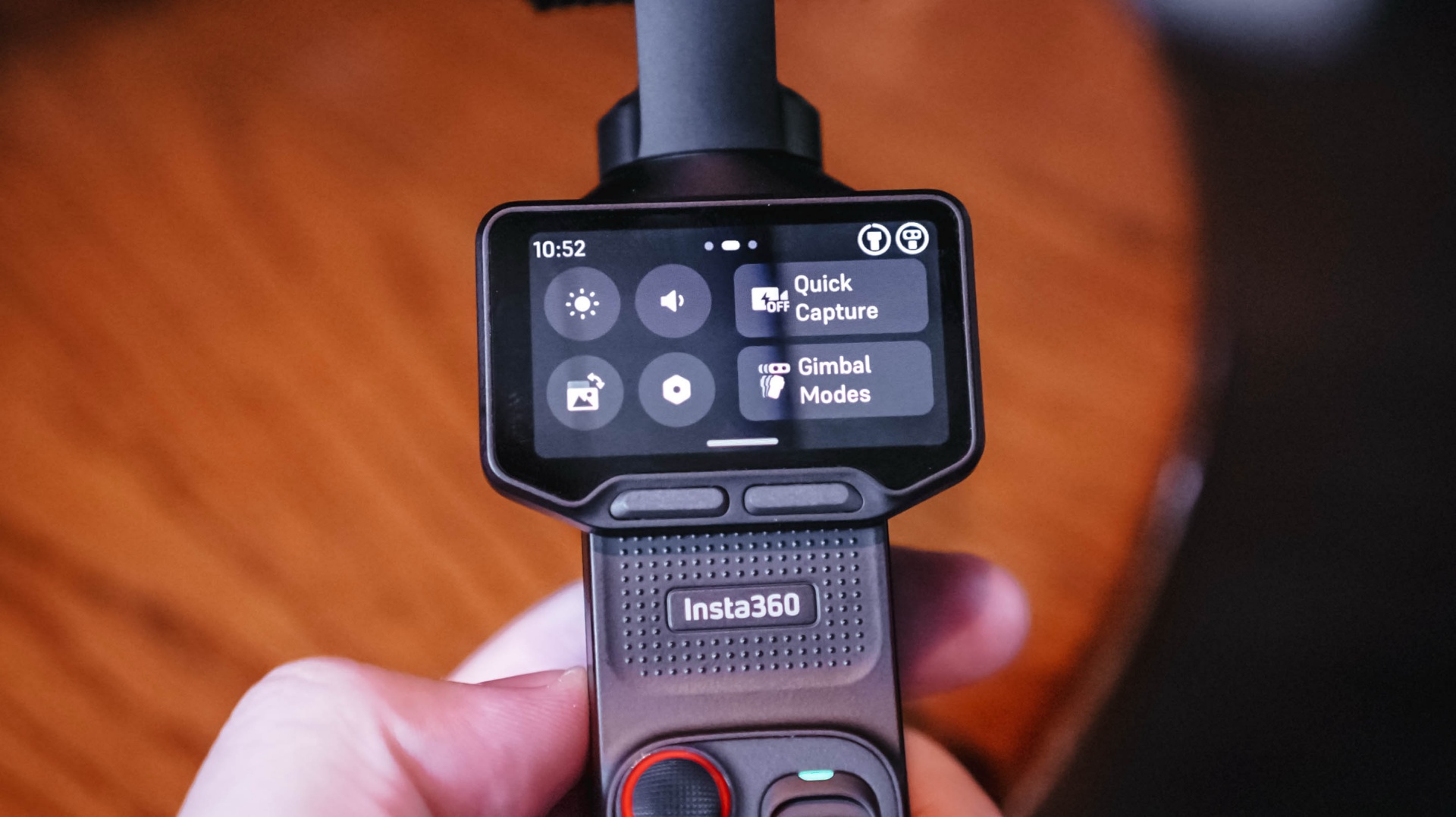
I don’t think I’ve come close to unlocking everything the Luna Ultra can do.
I-LOG is one obvious example. But that feels like something for a different type of project rather than the generally news-type Reels we do.
Our workflow is built for speed with quality, and the Luna Ultra, even when using its basic settings, fulfills that.
I definitely want to try more experimental shots, more shots with movement, and the like. I just haven’t found the right opportunity for them yet.
There are also some things I’d like to see improved.
As mentioned earlier, hands-free and preset shooting automations could help, especially for solo creators. That could make it easier to capture activities without having to comb through too much footage with enormous file sizes.
I also wish it had some form of open-gate recording. That would give the footage more versatility and make it easier to use the same footage for multiple aspect ratios.
And while the Luna Ultra is now my preferred tool for solo video coverage, I’d still choose the a6500 for photography or when I have another team member shooting with me.
Is the Insta630 Luna Ultra your GadgetMatch?
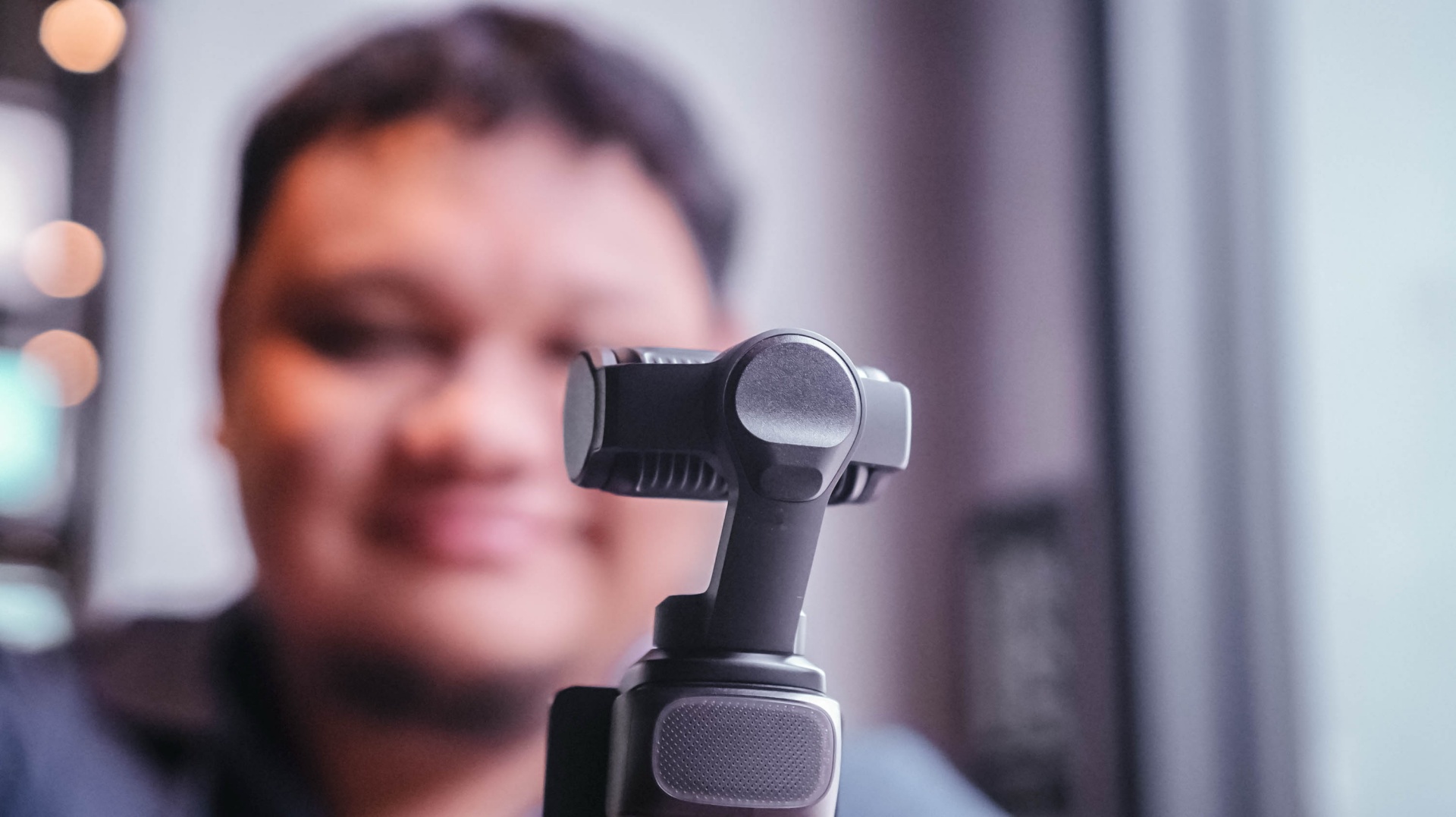
For anyone looking for a dedicated video-taking tool.
Content creation focused on video has skyrocketed. If you’re part of that movement, the Insta360 Luna Ultra is certainly a good investment to add a little extra to your videos.
It’s fairly easy to use, but it also supports deeper features that can elevate your footage and your content.
I think you should consider the Luna Ultra if you want to upgrade from shooting primarily with a smartphone, or if you want a video-shooting device that’s much easier and lighter to carry around than most traditional mirrorless cameras.
For me, the answer is a little more specific.
It’ll be my go-to now, especially for solo coverage trips.
If you asked me to leave just one camera at home tomorrow, though? Oof. Just one?
Maybe still the a6500. It’s hard to break a habit.
But the Luna Ultra is a very close second.
Still discovering what’s possible
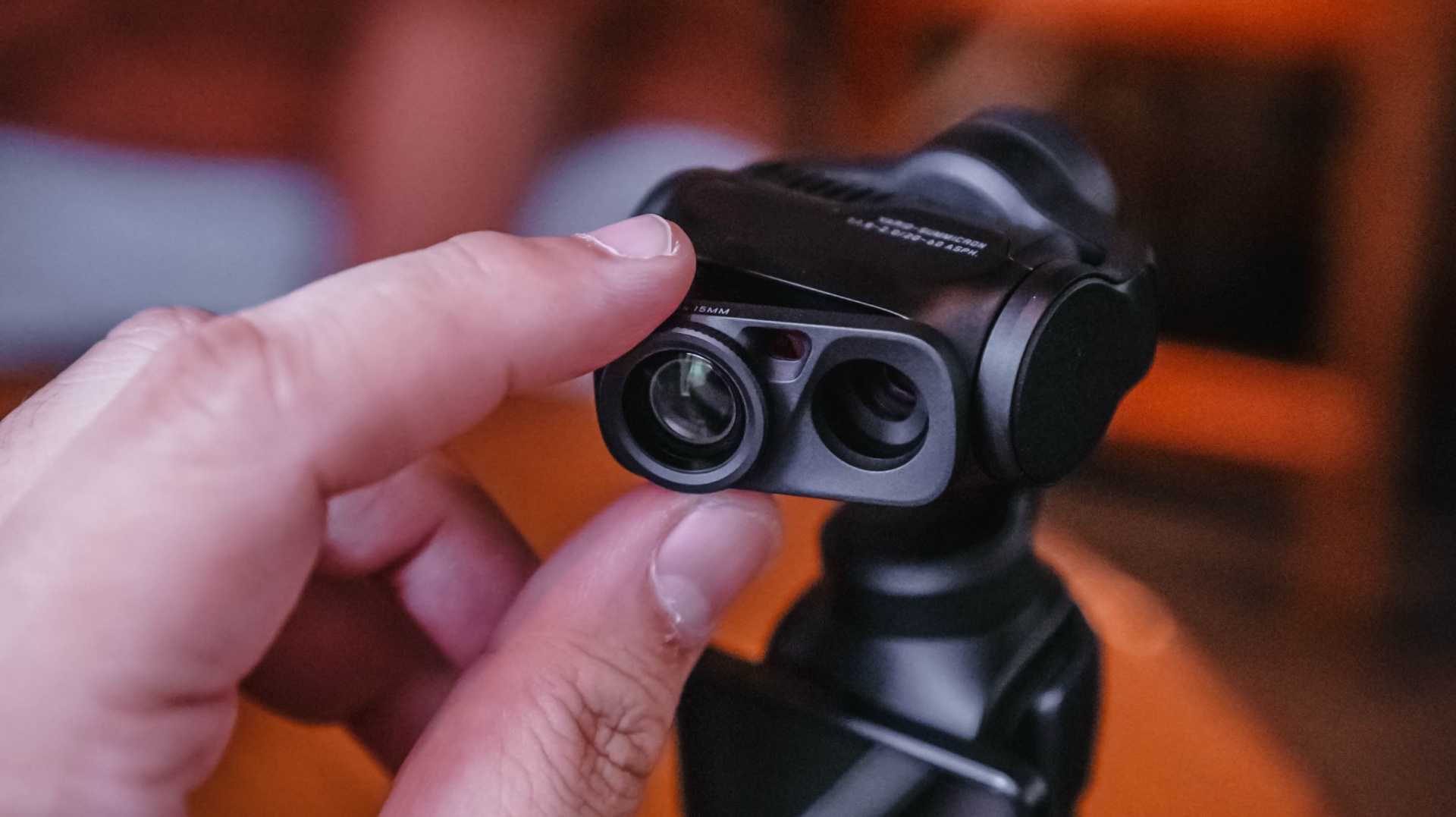
After using the Luna Ultra for all of this, I think it’s opened up new possibilities for the way I personally handle solo shoots.
It’s unlocked certain shots for me, and I haven’t even used it to its full potential.
That’s what excites me most.
I already found a workflow that suits the way I cover events. I already know I can leave my old reliable behind when the priority is video.
Now I want to see what happens when I actually learn everything else the Luna Ultra can do — that makes this an easy Swipe Right for me.
Pricing and availability
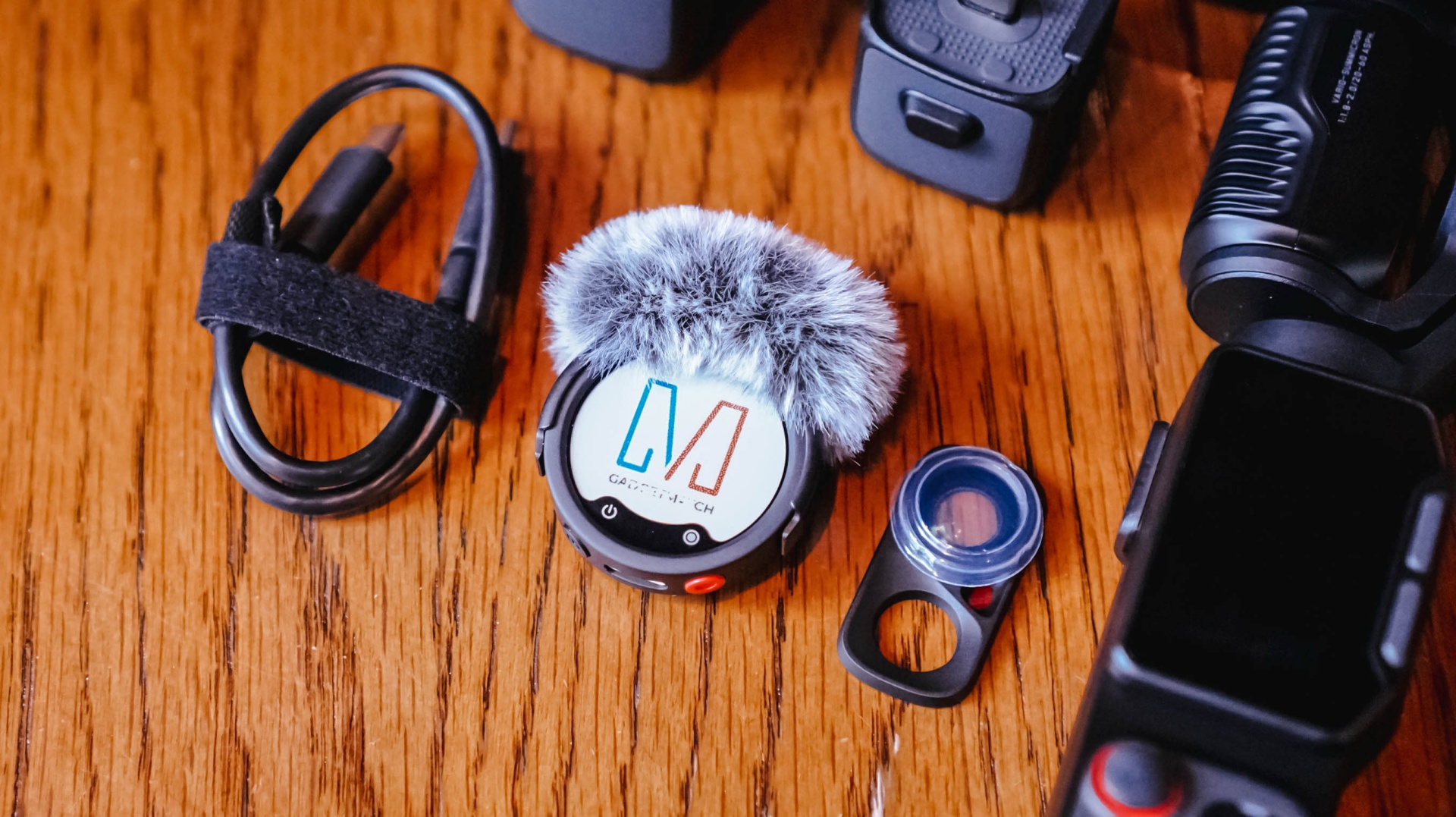
The Creator Bundle comes with the Insta360 Mic Pro which is great but I haven’t had the chance to use all that much because I am not a yapper on video.
The Insta360 Luna Ultra starts at US$799 (₱46,790) for the Standard Bundle, while the Creator Bundle retails for US$999 (₱59,490). It is available now through Insta360’s official channels and authorized retailers.
-

 Automotive1 week ago
BYD says that way better EV batteries are coming next year
-

 News1 week ago
HONOR Magic9 Pro Max launches in China with ARRI-powered imaging
-

 Philippines7 days ago
TECNO CAMON Slim 5G: Price, availability in the Philippines
-
 Reviews1 week ago
TECNO CAMON Slim 5G review: Slim on size, big on surprise
-

 Smartphones1 week ago
TECNO CAMON Slim 5G teases an ultra-slim design ahead of launch
-
 Reviews2 weeks ago
TECNO POVA 8 Pro Tonino Lamborghini review
-
 Smartphones2 weeks ago
When TECNO-logy meets Tonino Lamborghini legacy
-

 News1 week ago
Apple wants to release new iPhones more regularly