
Apps
10 free-to-play mobile games for Android and iOS


A good mobile game could save you from getting bored out of your wits. Mobile games land their charm in the portability your consoles and PCs don’t have and the availability of games your handhelds don’t own. Granted that some of these games end up incentivising in-app purchasing or dump a crap-ton of ads, they are still fun to play.
With that, here are my top ten picks:
Magic Tiles 3
If you were playing Tap Tap Revenge when it was released around the early 2000s, Magic Tiles 3 isn’t a far cry. Magic Tiles 3 is a popular piano game that has you tap on black tiles before they reach the bottom of the screen. The game will seem simple at first but, once you get into the groove, it’ll get addictively difficult. Magic Tiles 3 has various quests that let you unlock more songs to try out and play. It even has a battle mode to compete against your friends and other players.
Vainglory
It’s one of everyone’s favorite mobile multiplayer online battle arena games. Having quickly built a community after its initial release late 2014, Vainglory manages to integrate the MOBA playing style and compact it into a snug mobile game. You can play the game on casual, quick-play, or ranked.
It makes use of touch controls, so I don’t recommend playing the game on a tiny phone, especially when you have stubby fingers. A tablet would be best for this one but, if you think your handset is big enough or has a good stylus, this is a must-install.
Hearthstone
Hearthstone is an online collectible card dueling game where you unlock cards, build decks, and duel other players. Hearthstone extends the already existing lore of the Warcraft series by using the same elements, characters, and relics.
This is one of my favorites on this list. I’ve been playing since around a year ago, and if there’s anything you should know about any card game, it’s to believe in the heart of the cards. If you want to test your deck out, you can go against bots. As for testing your skill with building decks on the fly, you might want to try out the Arena. Though Blizzard Entertainment sometimes trips out on silly tavern brawls and new card releases, the game is a whole lot of fun. Sign into your Blizzard account to play it on PC, tablet, or your phone without losing progress!
Super Mario Run
A game that simplifies the nostalgic platformer. Super Mario Run lends itself like the generic mobile platformer with taps and holds for jumping and leaping, just with a charming plumber with a red hat. You can time your taps to pull off mid-air spins, jumps, and wall jumps. You can gather coins and reach the goal just like the original Super Mario. Even if it can get frustrating because Mario is locked on running forward (you read that right: there’s no turning back in this one), it’s still a fun casual game.
Mmm Fingers
Need something to play while waiting? Don’t have mobile data? Mmm Fingers is a simple game that threatens your fingers from getting chomped on by hungry monsters. It’s a game from the creators of Small Fry and Flappy Golf. Mechanics are easy: touch and hold your finger against the screen as long as you can. Stay away from anything with teeth, and whatever you do, don’t lift your fingers. You can show off your score and compete against your friends. It’s that easy!
Eternium
Eternium is an action role-playing game resembling the awesome classics: Diablo and Torchlight. With touch and swipe cast controls, this game sticks out. Even if the game seems to be exclusively playable online, you can actually play it offline when the content download completes. The best part? In-app purchasing for this game is generally frowned upon, so playing more gets you farther than paying for it. Be careful: I’ve seen our producer get sucked into playing it non-stop. It’s a familiar game with lots of perks — definitely something you should install.
Yu-Gi-Oh! Duel
If you grew up playing the trading card game, Yu-Gi-Oh!, you’re going to lose your stuff with this mobile game. Konami stepped into mobile games with voices straight out of the anime, intuitive controls, and 3D animations on signature monsters.
Before I stop speaking coherently because of how much I love this game, let me tell you why this is something I am absolutely floored to play. During the Yu-Gi-Oh Trading Card days, it was tough to find original cards. There were too many fakes lying around; not to mention, maintaining the quality and simply not losing them were difficult. Now, a mobile game that allows you to play just like in the anime series including fancy animations? This game is god-sent.
Hungry Shark World
Hungry Shark World is perfect for when you feel like rampaging around and seeing your shark grow. In this game, you play as a shark and basically feast on everything and anything in the ocean with the probable exception of naval mines. You can upgrade your shark and customize items to give you an upper-hand on your next feasting. This is one of those games I find myself laughing maniacally to — I can’t help it. Sticking a rocket on your shark’s tail to give it a reliable boost out the water to munch on birds is a sight I’ll cherish from now on.
Last Day on Earth: Survival
Last Day on Earth is a massively multiplayer online zombie shooter survival and strategy game, where all survivors are driven by a single task: staying alive. You spawn with just your underwear and have to survive as long as you can in a zombie apocalypse. The game is simple and competitive. With lots of items you can pick up and use as weapons, it can get pretty silly really fast. If you’re up to beat up the undead, you should give this a go.
Titanfall: Assault
Titanfall is a mobile real-time strategy game where you deploy Titans, Pilots, Sim Ninjas, Boomers, and a ton more to siege the Frontier. If you think this strategy game is a walk in the park, think again. Titanfall: Assault takes the game to a whole different level because you’ll be playing against someone else in real time. You can collect and upgrade cards along the way, and have fun uniting with your guild and conquering the Front with your friends!
SEE ALSO: Best Video Games of 2017 (Q2 Edition)
[irp posts=”15643″ name=”Best Video Games of 2017 (Q2 Edition)”]






Disney is rolling out its new Disney+ app to markets that have been using a separate, Hotstar-derived version of the service.
The change is already happening across several regions, with Southeast Asia among the markets affected. Disney+ subscribers in the Philippines, Malaysia, Thailand, Indonesia, and other countries will transition to the newer app experience as Disney works toward a more unified global platform.
For Philippine subscribers, Disney+ has confirmed that the migration will happen on October 7, 2026.
The company notified subscribers this week that the existing app will eventually be replaced by a new Disney+ app. No action is required yet, and subscribers can continue using the current app until Disney provides further instructions.
The migration is part of a broader effort to bring Disney+ users onto the same core platform.
From Hotstar to a global Disney+ app
The distinction between the old and new experiences goes back to Disney’s international expansion.
Disney used a Hotstar-derived version of its streaming platform in several markets, including the Philippines, Malaysia, Thailand, Indonesia, South Africa, and markets across the Middle East and North Africa.
That version provided a localized Disney+ experience, but it operated separately from the main Disney+ platform used across many other international markets.
Disney began simplifying its streaming brands in 2025. In Southeast Asia, Disney+ Hotstar was rebranded simply as Disney+, while the Star general-entertainment brand was replaced by Hulu. At the time, Disney said the rebrand would bring a more consistent Disney+ experience, although the available content would remain tailored to each market.
The next step is now happening at the app level.
Egypt began moving to the new Disney+ app on September 2, followed by Indonesia on September 3. South Africa is scheduled for September 9, while Thailand is set to follow on September 16. Malaysia and the Philippines are scheduled for October 7.
This makes the Philippine migration part of a much larger transition rather than an isolated local update.

A more familiar Disney+ experience
The new app brings affected markets closer to the current Disney+ experience elsewhere.
Disney redesigned the global app earlier this year with a new For You homepage, improved personalization, redesigned navigation, more prominent profiles, and additional content hubs. Depending on the market and subscription, the interface can also surface Disney+, Hulu, and ESPN sections.
Disney has also been expanding the platform’s international language support. In July, the company added 17 languages, bringing Disney+ to 58 audio languages, with the user interface available in more than 30 languages and subtitles or closed captions available in as many as 42. The expansion included Thai, Indonesian, Malay, Arabic, Hindi, Tamil, and Telugu.
The company has described these updates as part of its effort to make Disney+ a more accessible and localized service for audiences around the world.
The migration also brings practical changes for subscribers.
In the Philippines, Disney says existing subscribers can continue using their current account and subscription. However, profiles, watchlists, and viewing history will not transfer to the new platform. Philippine subscribers will therefore need to set up their profiles and watchlists again after moving to the new app.
The subscription itself does not require an additional charge because of the migration. Existing billing cycles will also remain in place.
The catalog will still depend on where you are
Moving to the global Disney+ app does not mean every country will suddenly receive the same library.
Disney continues to operate its streaming service according to regional content rights. Its own Help Center notes that content availability can differ by country or region, and that some titles may not be available in a subscriber’s current location.
That means a subscriber in the Philippines, for example, will still see a catalog determined by the rights Disney has for the Philippine market. The same applies to subscribers in Thailand, Indonesia, Malaysia, South Africa, or any other market making the transition.
What is becoming more global is the platform itself.
That brings Disney+ closer to the model used by other major streaming services, where subscribers can use a common app experience across markets while the actual catalog changes depending on where they are.
The distinction is particularly relevant for people who travel. Disney’s global Help Center says subscribers abroad can stream content available in the country or region they are visiting, meaning the service’s location-based availability rules still apply even on the unified platform.
Disney has been signaling this direction for some time. In 2025, the company said its redesigns were leading toward a “fully integrated unified app experience” in 2026. The latest migrations appear to be the next major step toward that goal.
For subscribers in the remaining Hotstar-derived markets, then, the biggest change isn’t necessarily what’s available to watch.
It’s where and how they access Disney+.
Apps
Canva teams up with SB19 to turn A’TIN’s passion into creativity
Campaign lets fans access assets, editable templates, more

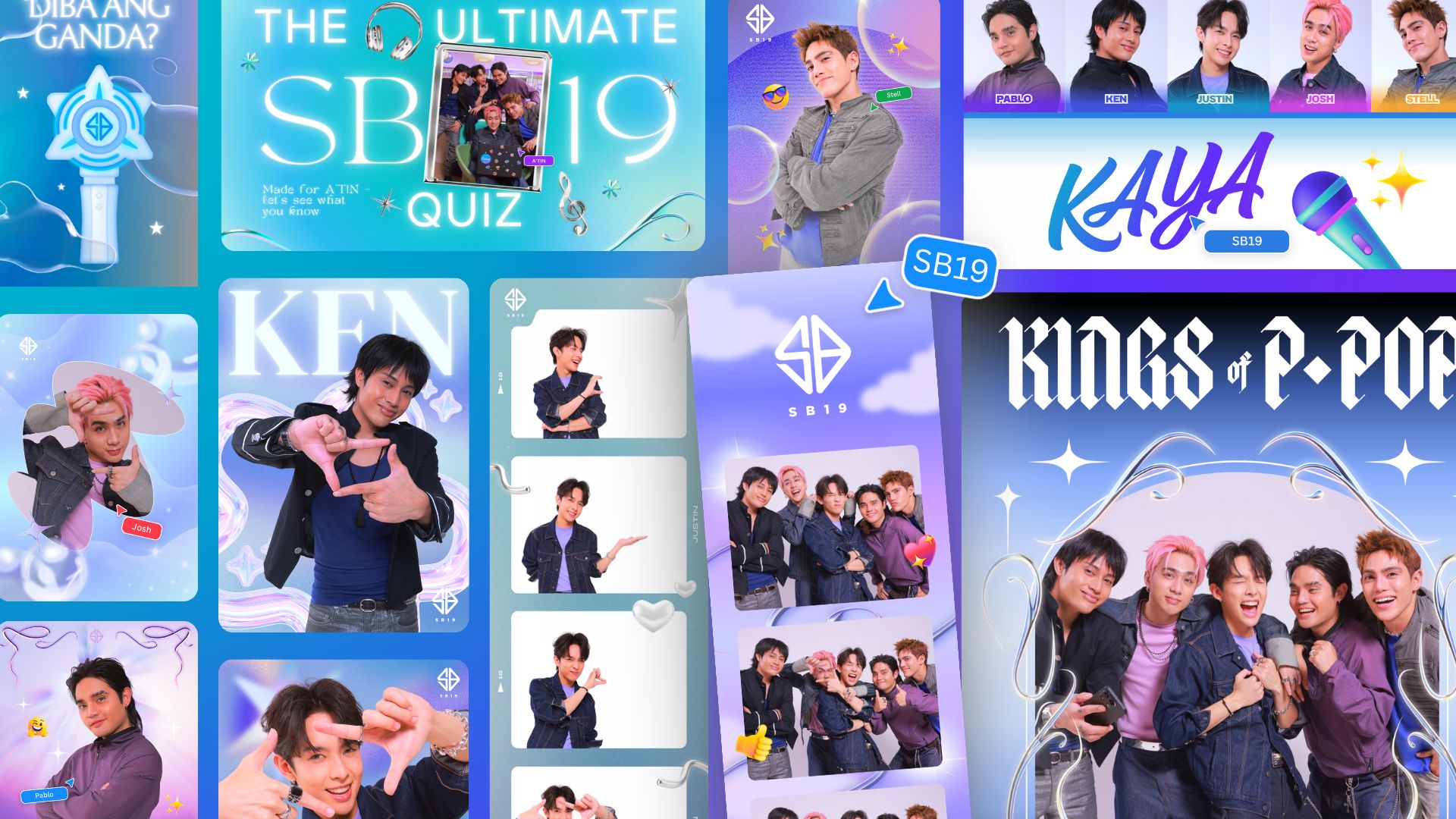
Canva Philippines has joined forces with SB19 and Sony Music Entertainment to launch the “Kaya sa Canva” campaign.
This first-of-its-kind initiative is aimed at transforming the popular Filipino boy band’s fanbase into creators by giving them access to official design assets, exclusive templates, and powerful creative tools.
That’s of course as fans have a way of creating artwork, banners, and more outputs to honor their idols.
As such, the partnership enables the A’TIN (SB19’s fanbase) to access the Canva-exclusive SB19’s Creative Hub.
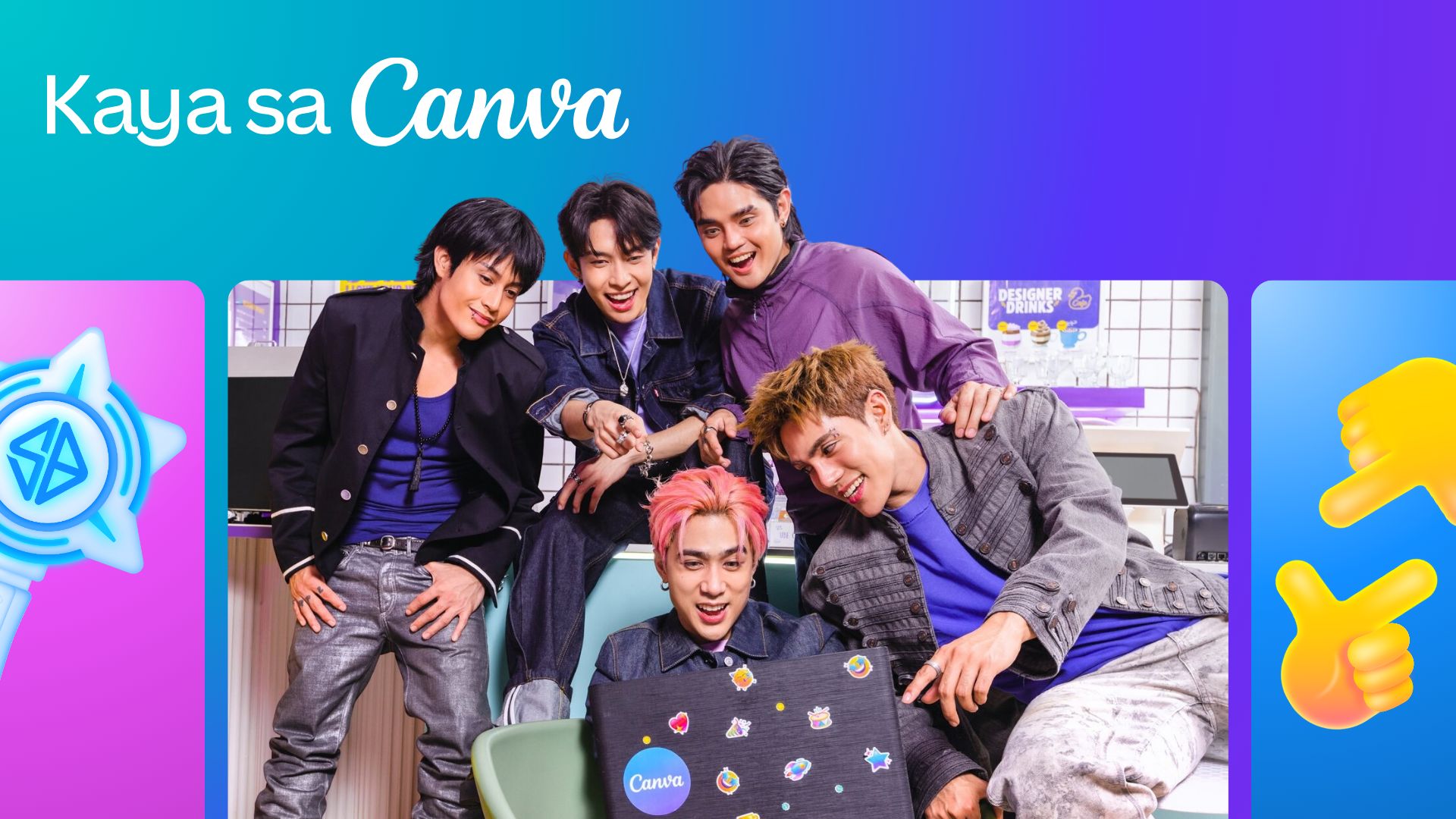
This dedicated space lets fans access assets, including SB19-inspired sticker packs, custom typography, and editable templates inspired by the group.
Fans around the world will initially have access to templates for photo-booth strips, wallpapers, posters, and videos.
The campaign will then expand with Canva-exclusive assets celebrating the group’s New Era, as well as their latest single, “Lawless”.
Meanwhile, the original song “KAYA” is accompanied with an upbeat music video, doubling as a love letter to A’TIN and a masterclass in Canva’s tools.
Every visual and animation is fan-inspired, a celebration of the creativity, passion, and dedication that’s defined in the community from day one.
Apps
Samsung’s bet on the future of connected health: Less data, more action
Inside Samsung’s plan to close the gap between your wearable and your doctor

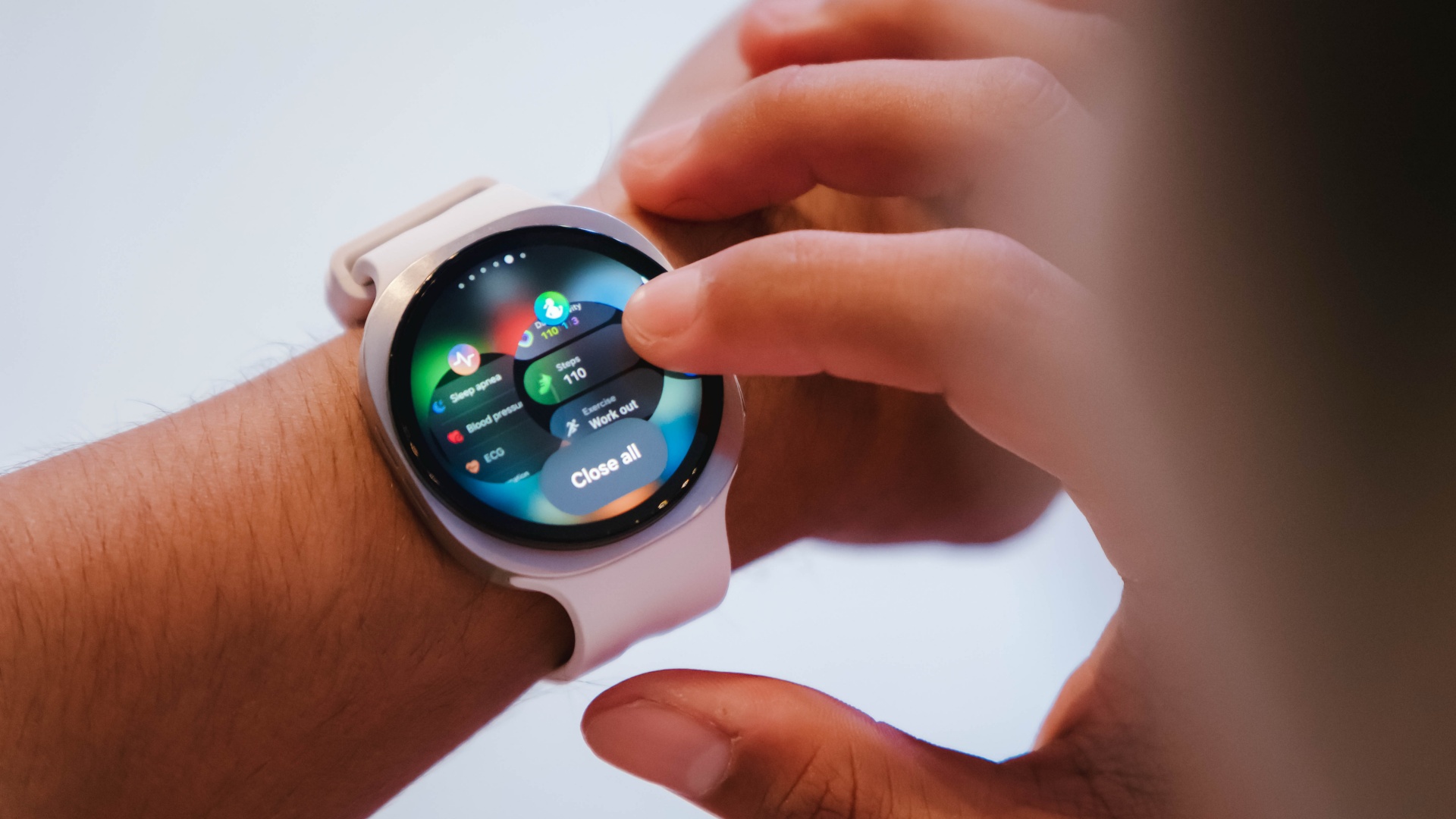
Here’s a paradox worth sitting with: Wearable adoption keeps climbing. A lot of people now walk around with a sensor on their wrist, tracking heart rate, sleep, steps, sometimes ECG. And yet chronic disease rates haven’t moved.
That’s the problem Dr. Hon Pak, Samsung’s Head of Digital Health globally, opened with at a recent panel on the future of connected care. More data hasn’t meant better healthcare. His diagnosis: a first-mile, last-mile issue.
The first mile is that all this wearable data rarely makes it to a doctor in any usable form. The last mile is that even when a doctor says “lose weight, eat better, move more,” that advice tends to dissolve the moment real life takes over.
Picking up kids, caring for parents, getting through a Tuesday, it’s not that people don’t know what to do. It’s that knowing and doing are two different problems.
Samsung’s answer involves three things it says connected care needs to mature: meeting people where they actually are, building enough trust that people rely on the data, and using AI to turn that data into something a person can act on rather than just look at.
The Tuesday evening problem
Karthik Poriya, Head of Product at Samsung Food, framed the everyday failure point clearly. Picture it: long day, you’re tired, staring into the fridge. You’re not reaching for the healthiest option in that moment, you’re reaching for whatever’s fastest and most satisfying.
For years, nutrition tracking has focused on logging what already happened. Poriya’s team wants to intervene right at that decision point instead, pairing Samsung Health’s underlying data (BMI, antioxidant index, glycation markers) with Samsung Food’s recipe index of roughly 40,000 dishes mapped across 34 nutrients, so a health number turns into an actual dinner suggestion rather than another stat to check later.
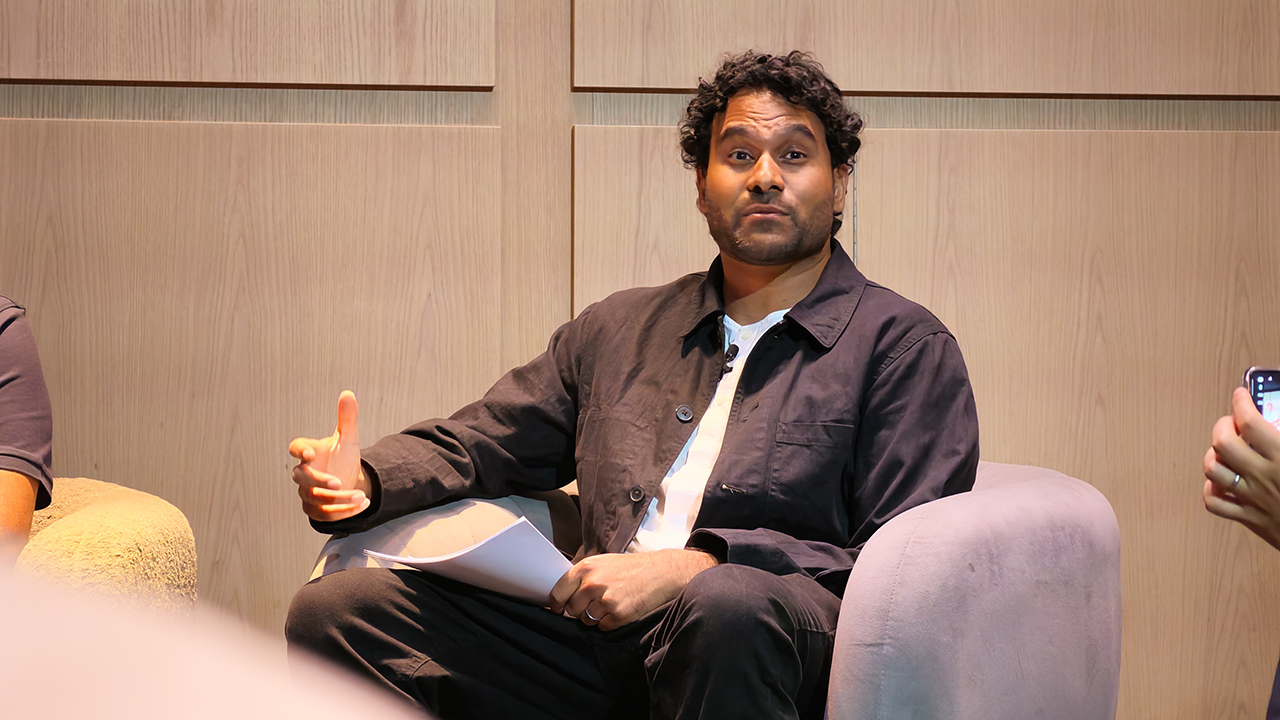
Dr. Pak backed this with a small, concrete example from his own family: moving leftover cheesecake out of eye-level in the fridge and putting washed, sliced carrots there instead.
Kevin Duffy, CEO of connected fitness company iFit, made a similar point about exercise. The most effective tool for sticking to a fitness plan is a personal trainer, he said, citing roughly 80% higher adherence compared to going it alone.
The problem is cost: US$100 an hour or more in a major city puts that out of reach for most people. iFit’s bet is that AI can deliver something closer to a personal trainer’s precision and motivation at a price that isn’t elitist.
Duffy pointed to three reasons his company partners with Samsung specifically: reach (Samsung hardware is already in people’s homes, on their wrists and TVs), access to the biomarker data needed to build an accurate plan, and the fact that fitness goals don’t exist in isolation from sleep and nutrition data.
Trust has to come before any of this works
None of the behavior-change ambitions matter if people don’t trust the data or the company holding it. Rohit R. L., who heads Samsung’s Technology Innovation Lab in the UK, laid out how his team approaches that.
Privacy comes first: Samsung, he said, treats itself as a custodian of user data rather than an owner of it. On top of that sits clinical validation, meaning published, peer-reviewed evidence that a feature actually works in the real world, not just in a lab.
He gave a specific example: Samsung’s ECG and irregular heart rhythm notifications have been clinically validated and cleared by regulators to detect signs of atrial fibrillation. He was careful with the wording there, detect signs of, not diagnose, since that distinction matters both medically and legally.
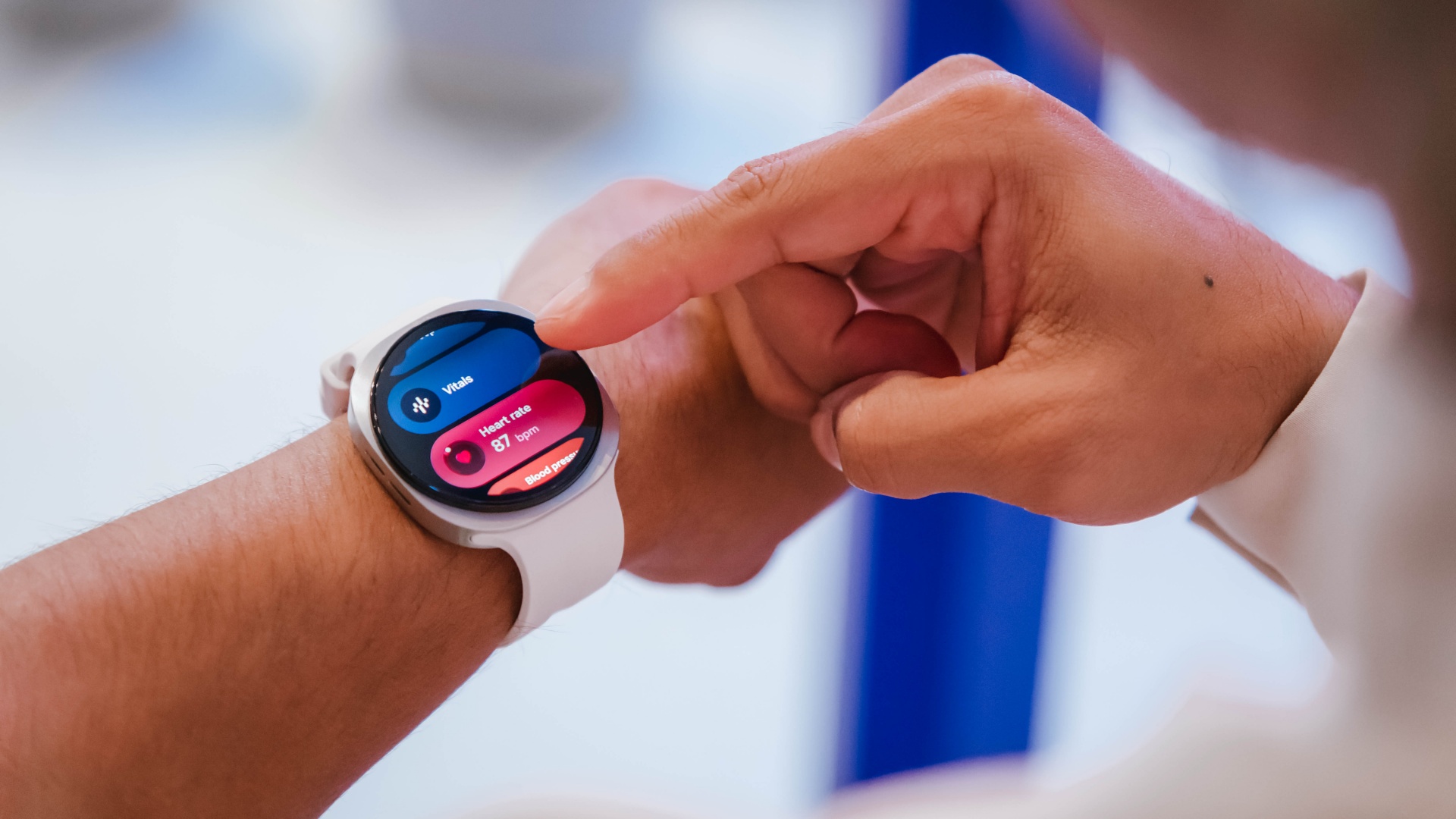
A separate study on fall detection for elderly users turned up a more human finding. The detection algorithm worked well in testing, but in real life people don’t wear their watches around the clock, and falls don’t happen on a schedule.
Dr. Pak drew a useful comparison: nobody tells their MRI technician they’re going to fidget through the scan, but with a wearable, you don’t get to control how or when someone wears it. Real-world validation has to account for that.
On the infrastructure side, Rohit described a three-layer privacy approach: on-device protection through Samsung’s Knox security framework, GDPR-compliant data handling, and alignment with the European Health Data Space, including a decentralized clinical trial system where patient identity stays with the hospital rather than moving to Samsung’s side.
Where AI actually comes in
The most technically dense part of the discussion came from Otavio Penatti, who leads Samsung’s Health AI R&D team in Brazil.
His team works on foundation models, the same category of large-scale AI models trained on unlabeled data that underpin most of today’s popular AI systems. Trained once on a huge amount of sensor data, these models can then be fine-tuned for many specific health applications, which tends to make them more accurate than models built for a single narrow task.
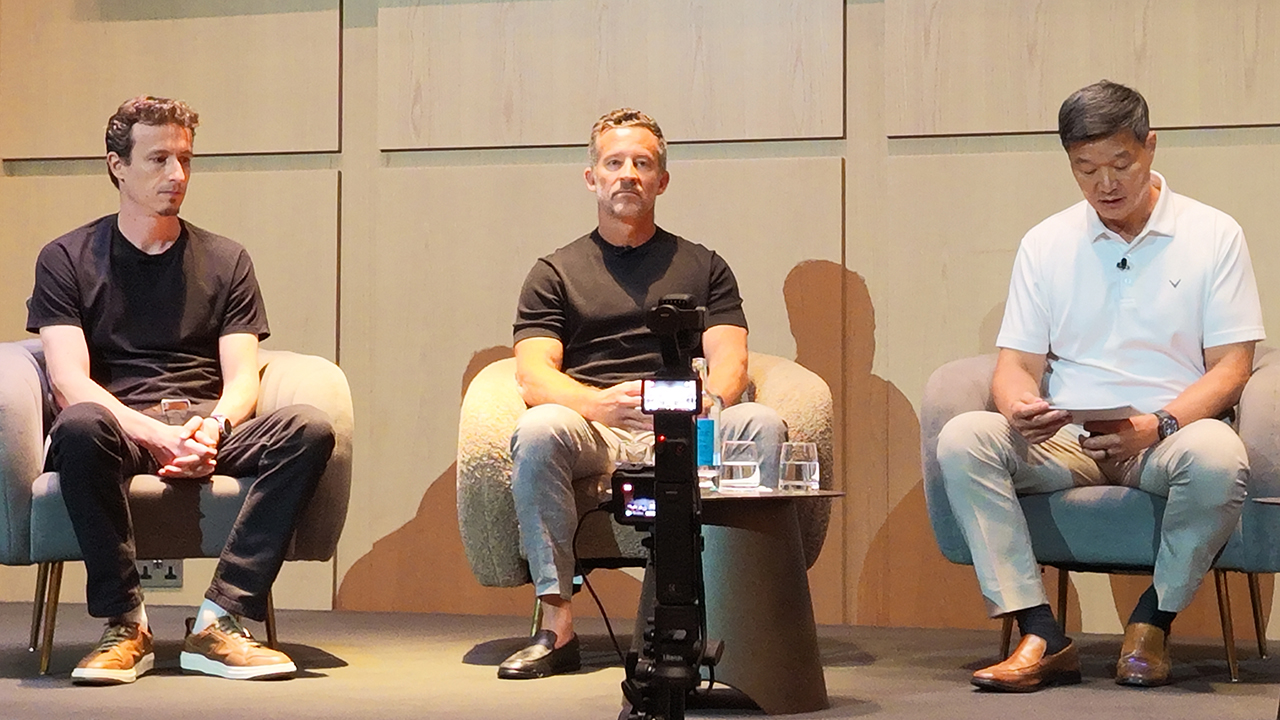
Penatti’s team is training these models on wearable sensor data (PPG, ECG, accelerometer) with the goal of getting the model to, as he put it, understand the body’s own signals well enough to translate them into something useful. Longer term, he sees potential in correlating that sensor data with clinical records to flag disease risk before symptoms show up.
Dr. Pak added a striking data point from Stanford research: a foundation model trained on sleep study data was able to look at just a 24-hour window of sleep and predict risk across more than 130 different diseases.
His takeaway was that the signals for a lot of future health problems are already sitting in the data being collected today, we just don’t yet know how to read all of them.
He closed this part with a number worth sitting with. A recent American Medical Association survey found that 97% of physicians have looked at wearable data at some point. Only 15 to 16% actually use it in day-to-day practice.
The top reason cited wasn’t distrust of the data, it was that the data doesn’t plug into existing clinical workflows. That’s part of why Samsung acquired health data platform Xealth, to build a pipeline that gets wellness data into the systems doctors already use.
Five years out
Asked to look five years ahead, each panelist’s answer tracked closely to their own corner of the problem. Poriya described a proactive dietitian in your pocket, one that doesn’t wait to be asked.
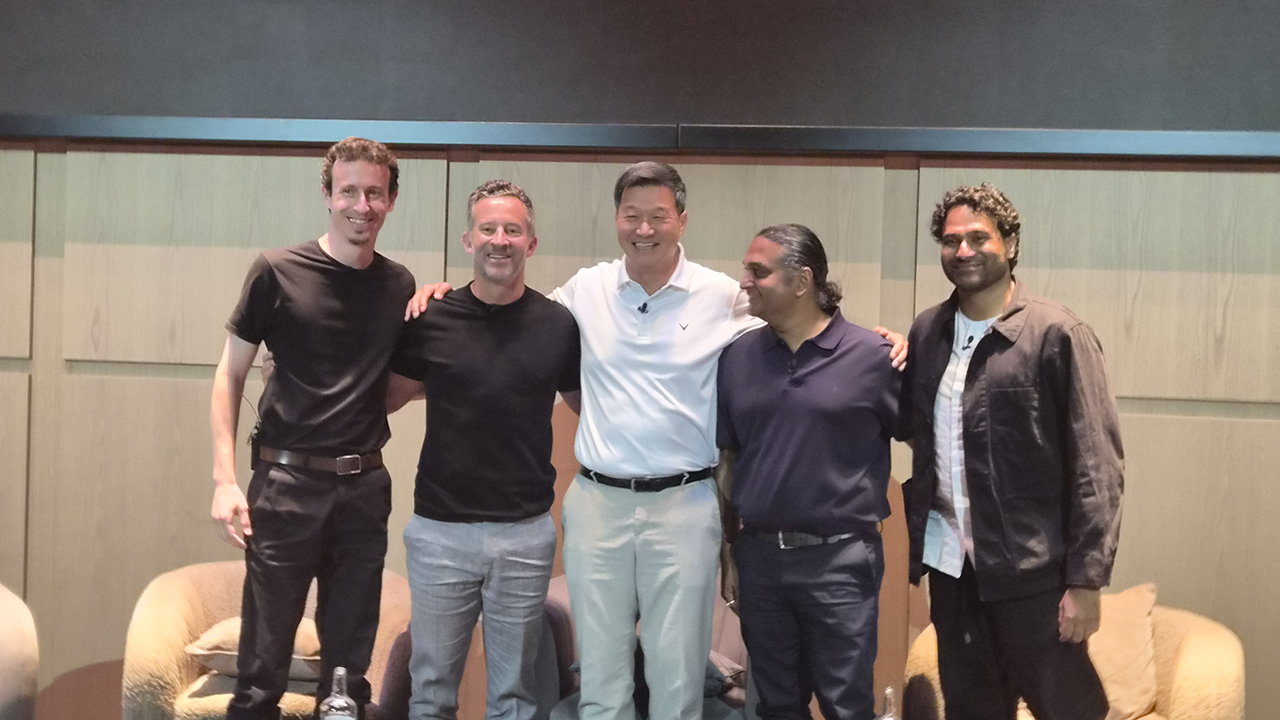
Rohit pointed to connected care that clinicians actually trust and patients fully control. Penatti envisioned AI that continuously links everyday behavior to clinical outcomes, catching problems before they start. Duffy’s version was a constant personal wellness coach, sifting through the data noise to tell you exactly what to do next.
The throughline across all four answers is the same: less raw data, more action. Samsung’s panel made the case that the wearable industry has spent the last decade solving for collection, more sensors, more metrics, more dashboards, while the harder problem, turning that information into something a tired person actually does on a Tuesday night, has barely been touched.
Whether foundation models and better clinical integration actually close that gap is still an open question. But it’s clearly the one Samsung is choosing to spend its next five years on.

Setting your bedsheets ablaze with the Lovense Solace Pro
The closest proxy I could find where I'm guilty as sin


Now Playing: Elden Ring Tarnished Edition
Is the Switch 2 port worth the price?


NBA 2K27 review: A two-way All-Star
Better ball game, same 2K?

The keyword for the Apple Watch Series 12 is heartrate variability

iPhone Duo: Price, availability in the Philippines

iPhone 18 Pro series: Price, availability in the Philippines

AirPods 5 boasts better ANC and sound quality for the same price

iPhone Duo: Price, availability in Singapore

TECNO MEGAPAD 2 review: Eyes on the size

realme 16T 5G with 8000mAh battery, IP69 Pro rating launches in PH

HUAWEI Pura X View is 2026’s first WIDE slab-type smartphone

REDMI Note 17 Series focuses on long-term reliability

realme 16T to come with 8,000mAh battery, 7-year battery health guarantee


-
 News2 weeks ago
realme 16T 5G with 8000mAh battery, IP69 Pro rating launches in PH
-
 News3 days ago
HUAWEI Pura X View is 2026’s first WIDE slab-type smartphone
-
 News2 weeks ago
REDMI reveals the refreshed Note 17 and Note 17 Pro series
-
 Singapore2 weeks ago
REDMI Note 17 Series: Price, availability in Singapore
-
 Reviews2 weeks ago
REDMI Note 17 Pro review: What a rollercoaster ride!
-

 Features2 weeks ago
The designated photographer’s new favorite phone: OPPO Reno16 Series 5G
-
 Cameras1 week ago
DJI Osmo 360 II review: Going all-in on the ecosystem
-
 IFA 20267 days ago
TECNO MEGABOOK T15 360 unveiled at IFA 2026