
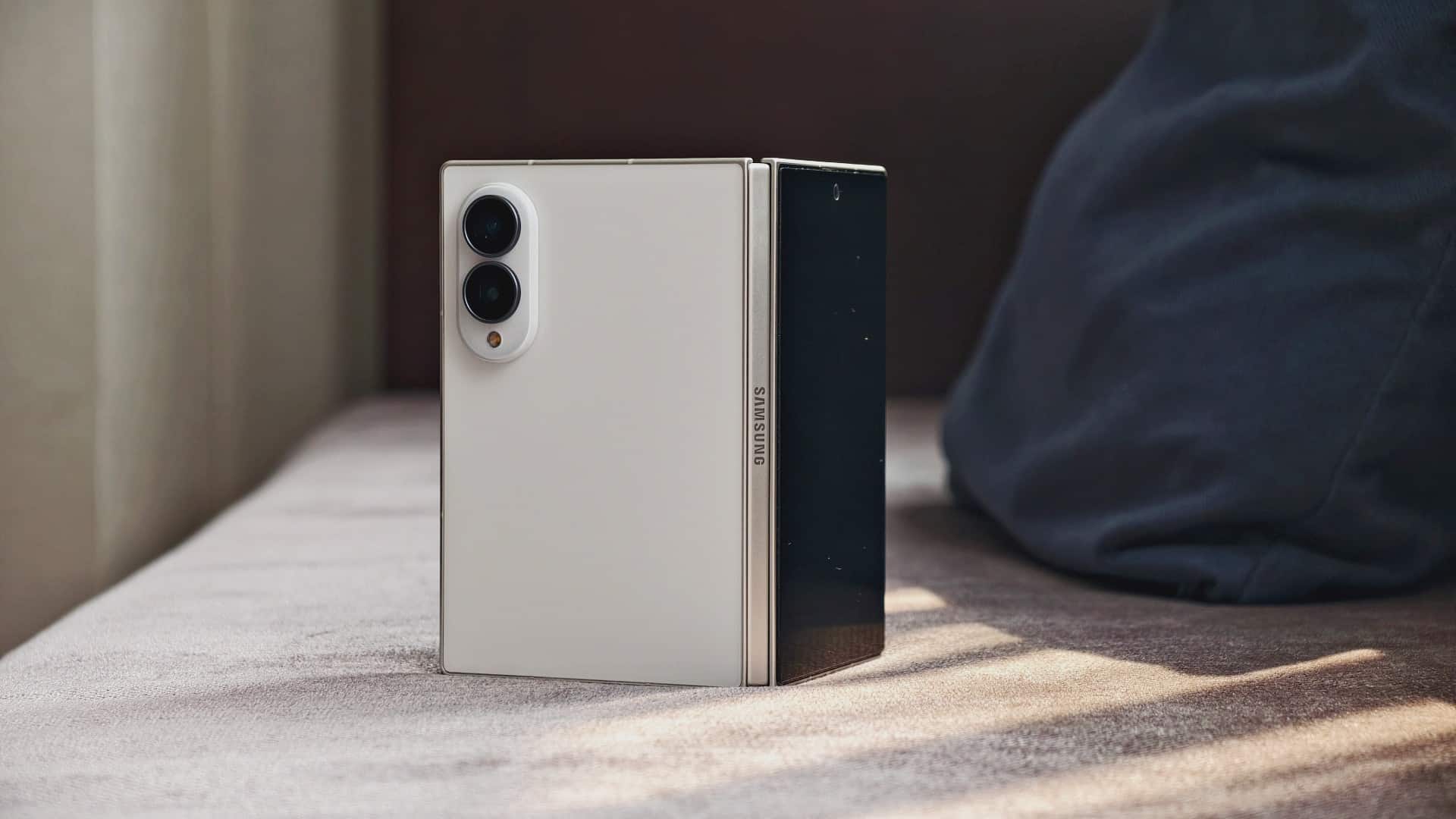
Features
I don’t want a phone that unfolds — the Galaxy Z Fold8 gets why
I want a tablet that shrinks

I’ve been using foldables full-time for roughly four to five years now.
So I’m well past the “getting used to opening and closing my phone” stage. At this point, folding a phone is one of the most natural things I do with a smartphone. Mileage will vary, of course, but if you’re coming from a regular slab, I’d say give it two to three weeks and you’ll start feeling right at home.
When I wrote about why wide foldables genuinely excite me, I already had a pretty good idea of what I wanted from this form factor. After living with the Galaxy Z Fold8 for a month and change, I can say that hunch was pretty much right.
I’ve always had a thing for mini tablets. I loved the Nexus 7 back in the day. I still have an iPad mini. There’s something about having a small screen with just enough room to do more without committing to carrying around a full-sized tablet.
And the Galaxy Z Fold8 feels like that idea got remixed.
I don’t want a regular smartphone that unfolds into something bigger.
I want a mini tablet that shrinks into a smaller phone when I don’t need all that extra space.
Here are some things I’ve noticed after living with the Galaxy Z Fold8.
1. The Fold8 made regular phones feel too tall

Galaxy Z Fold8 and Galaxy S26 Ultra
After more than a month with the Galaxy Z Fold8, my usage has settled into a pretty healthy 50/50 split between folded and unfolded.
When it’s folded, I use it like a regular phone. Quick chats. Five to 15 minutes of social media. Doomscrolling Reels, TikTok, and Shorts. Checking my bank account. Making payments. When I need more room, I open it up.
YouTube and streaming are more comfortable. Websites have more breathing room. Writing is easier. I can even do some basic video editing without immediately wishing I had a bigger screen.
It’s also made me notice something I didn’t expect.
Regular phones now feel unnecessarily tall to me.
I’ve gotten so used to having a wider screen when I want one that going back to a tall slab feels strange. The Fold8 gives me a smaller phone when I want a smaller phone, then a wider screen when I actually need the space.
2. My desk fits in my pocket now
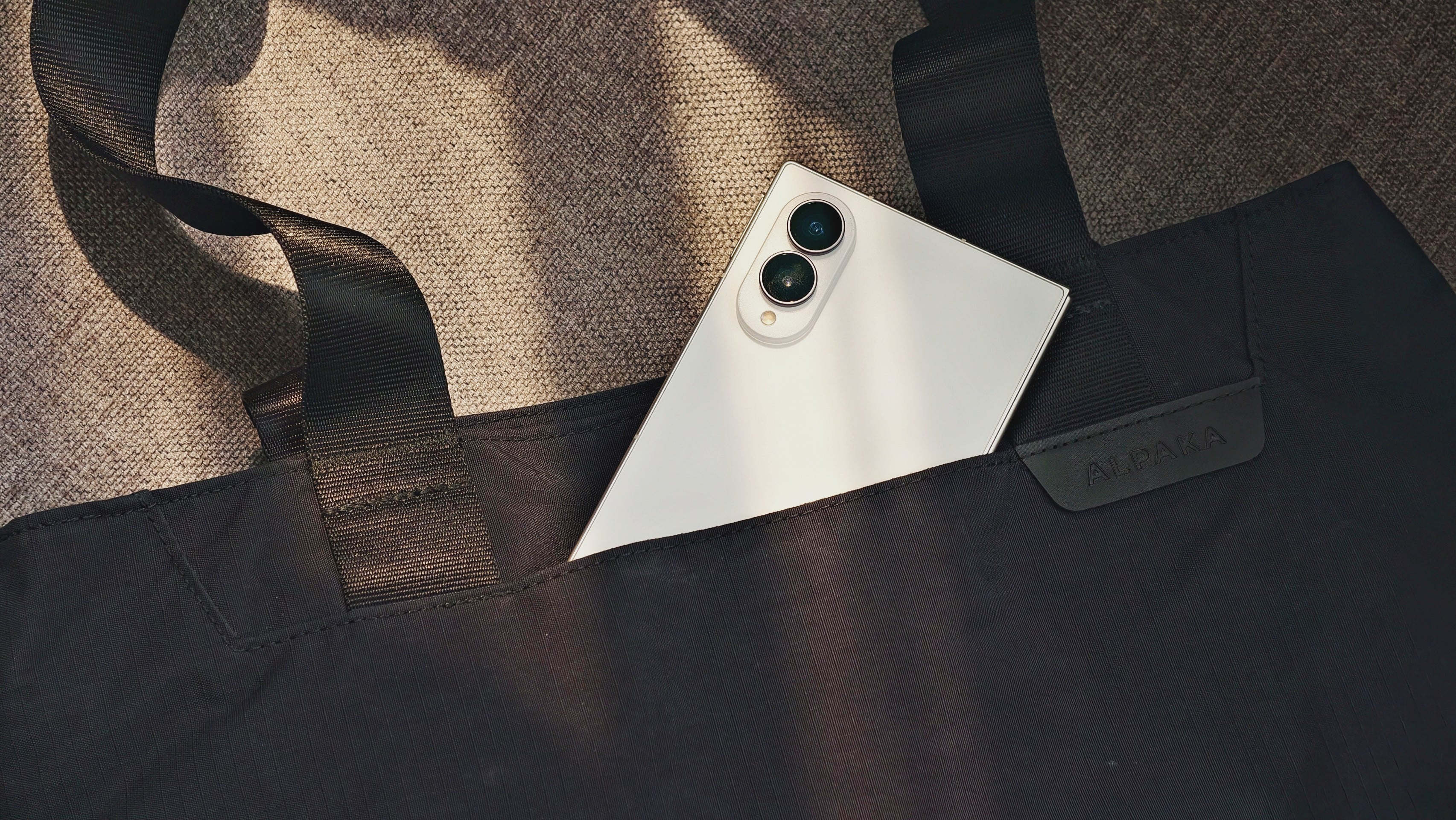
The Fold8 is my main phone. I still carry a dedicated smartphone for photos when I’m on coverage, and I have an Insta360 Luna Ultra for Reels.
But I can do around 70 percent of my work away from my desk or laptop.
A lot of that is correspondence — email, chats, and the endless back-and-forth that comes with work. I also write scripts, emails, reviews, and articles on it. I’ve even done basic cut-to-cut Reel edits.
I edited the Wolverine PR Package on the Fold8.

I’ve also put together seven to nine fancams of STAYC’s Isa, who currently lives in my head rent-free.

It’s not replacing my laptop. But there are plenty of moments when I don’t need my laptop anymore.
I can pull out the Fold8, open it, and get things done.
3. Actually useful split-screen scenarios
I’ve used split-screen on Android before. But the Fold8’s wider display makes me use it more often.
The useful examples are pretty simple.
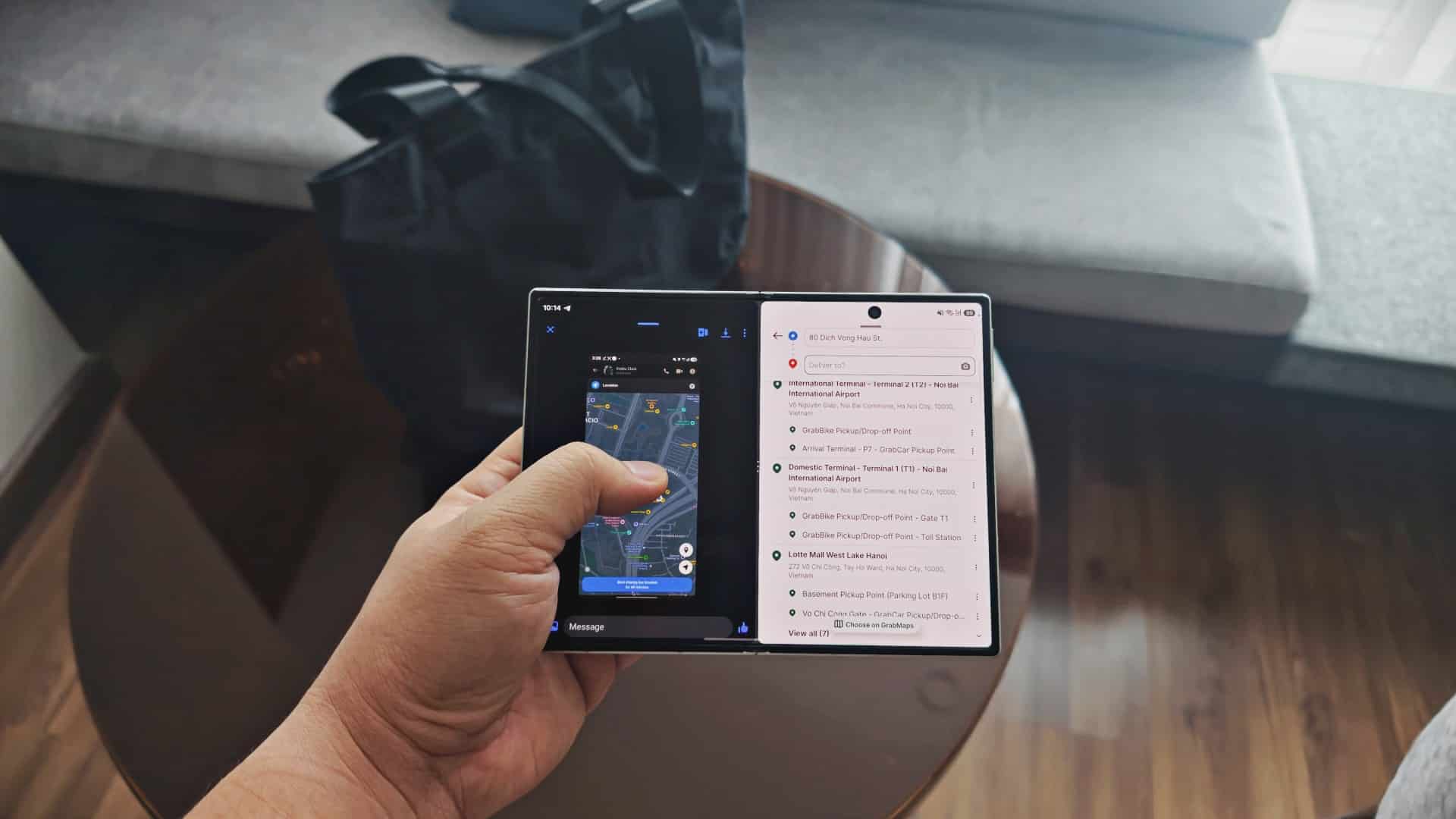
I’ll have an address or contact details open on one side while copying them into a delivery app on the other. I’ll copy sensitive financial details from one app while filling out an online purchase on another. I’ll pull up a caption from my documents app and paste it directly into whatever social platform I’m scheduling for.
Then there are the more important use cases.
I’ve watched two Isa fancams at the same time.
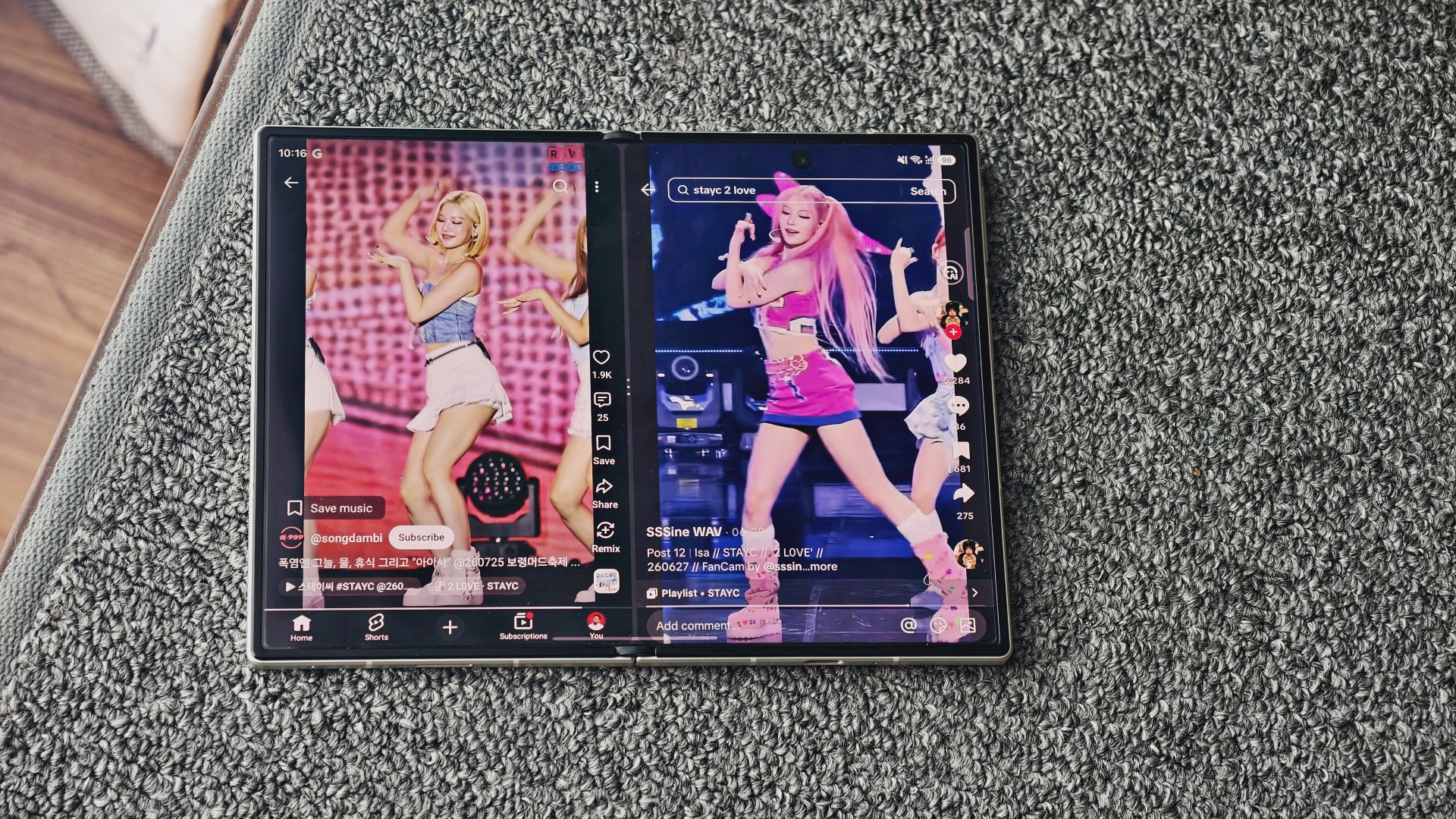
2 LOVE: Android 18 Isa and Pink pigtails Isa
Or, you know, watching Momo and Chaewon at the same time. Gotta make sure my Top 3 are all represented.
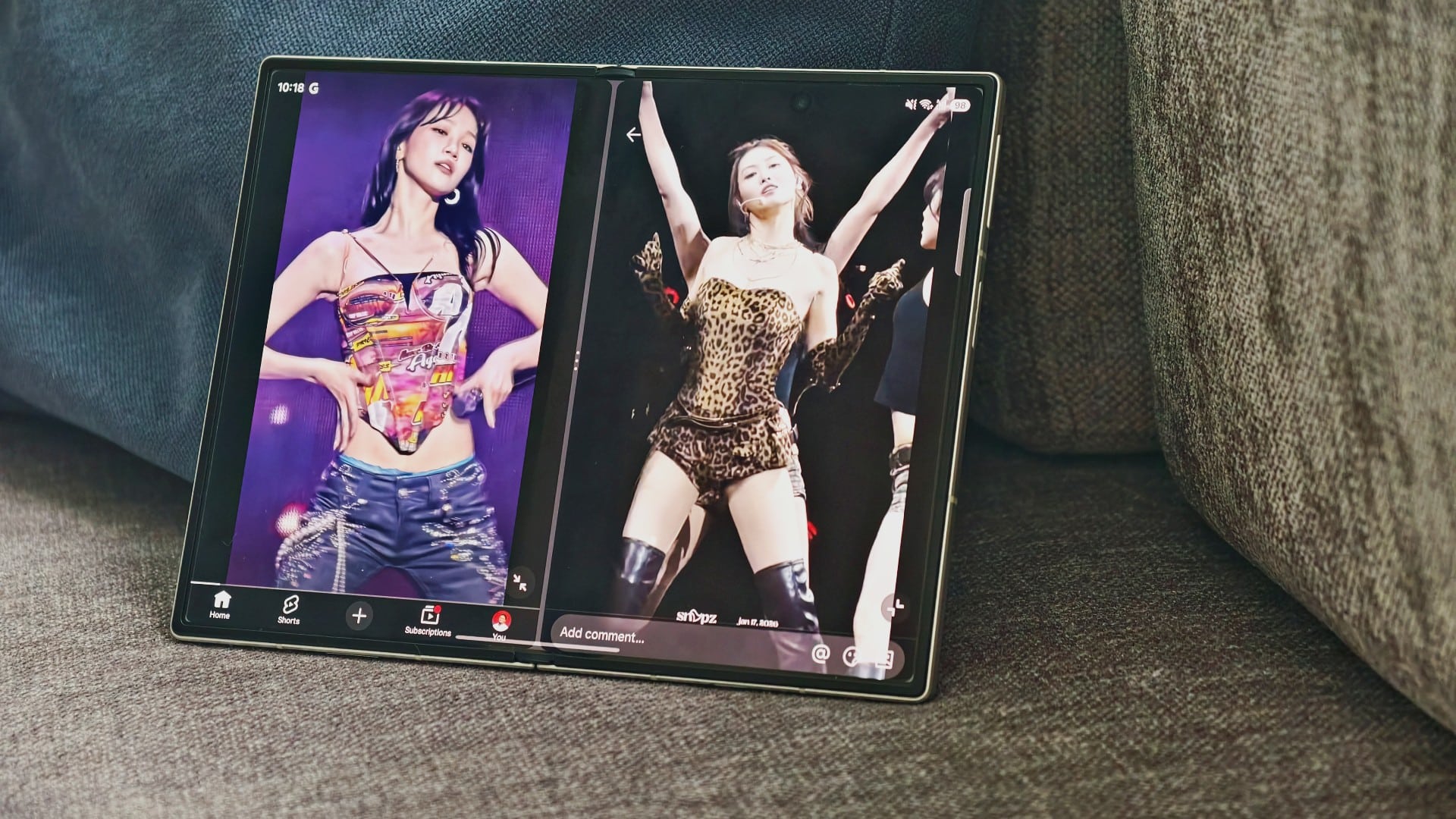
The wider screen makes these scenarios feel much more comfortable than trying to do the same thing on a regular phone.
4. Landscape mode just makes sense
This is probably one of the stranger things I’ve noticed with the Fold8.
Portrait still works. In fact, the aspect ratio works really well for it. Browsing, scrolling, and plenty of regular phone stuff still feel natural that way.
But when I unfold it, landscape somehow feels more natural.

I think part of it is that the wider screen harkens back to a time before smartphones started becoming extra long and extra tall. It feels closer to the way we used to think about larger screens: something wider, rather than just a really tall phone.
Even on apps and websites that aren’t perfectly optimized for the form factor, landscape just feels right to me.
It’s not that I always want to use the Fold8 that way.
It just feels like the orientation the bigger screen was meant to have.
5. The Fold8 killed my tablet habit
I still travel with a lot of devices.
That’s not going away anytime soon.
What has changed is that I mostly stopped bringing a small or medium-sized tablet with me. The Fold8 covers that particular role well enough that I don’t feel the need to add another screen to the pile.
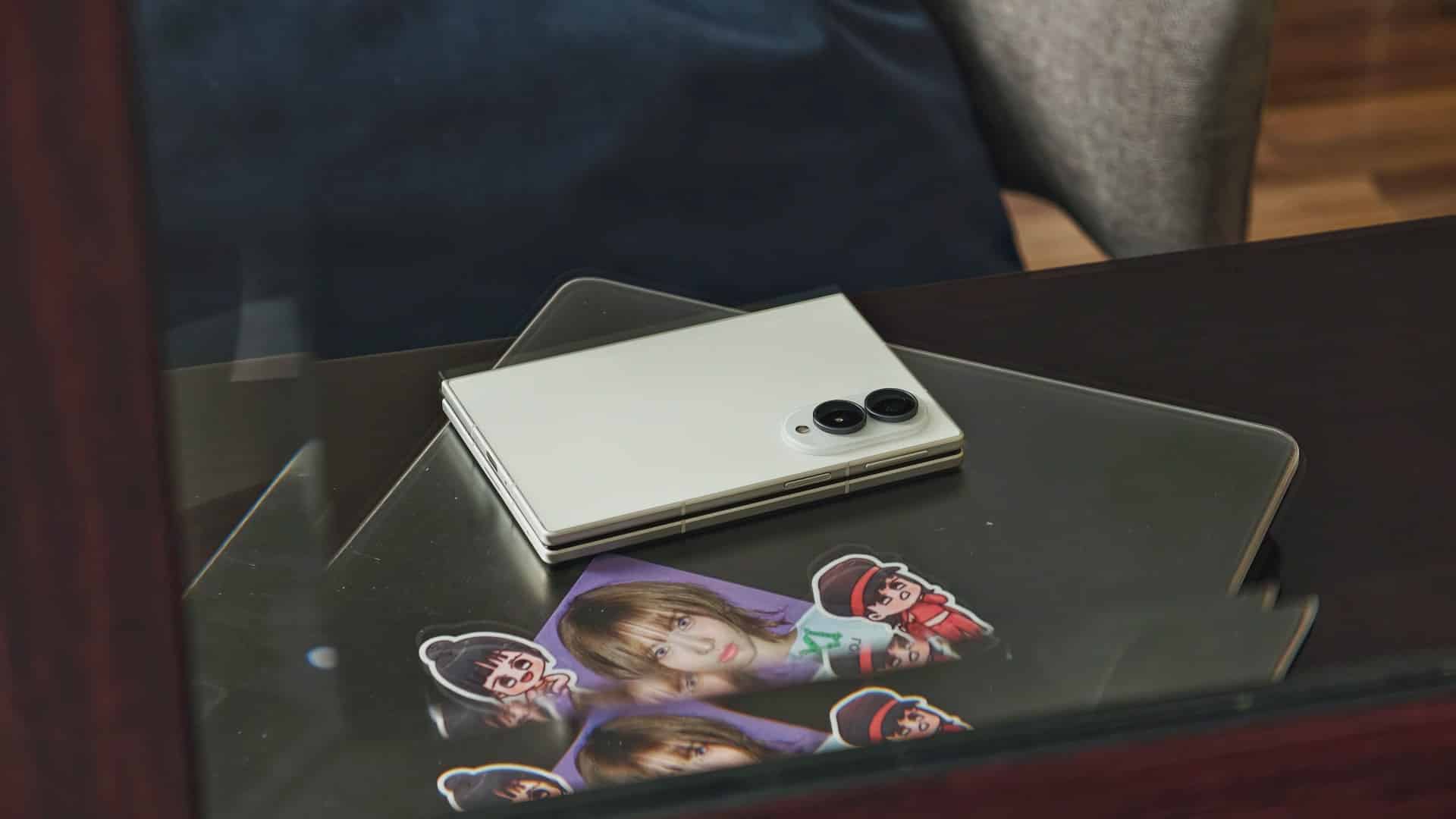
That’s one less thing to pack and, more importantly, one less thing to take out at airport security.
It has also changed how I wind down at night during work trips.
I usually don’t watch shows or movies when I’m overseas. I don’t really use them as something to lull me to sleep.
But the Fold8 makes catching up on shows easier. The unfolded screen gives me enough room to watch comfortably, while still being easier to hold than a tablet.
I’ve watched Lanterns, Smoking Behind the Supermarket with You, The Rookie, and, naturally, various STAYC appearances.
I’m also slowly looking to get into reading comics on it. I’m still figuring out the most economical way to do that, but the screen makes me want to explore it.
The Fold8 hasn’t made me stop traveling with multiple devices.
It has just given me one less screen to bring.
6. The camera hasn’t convinced me to consolidate everything
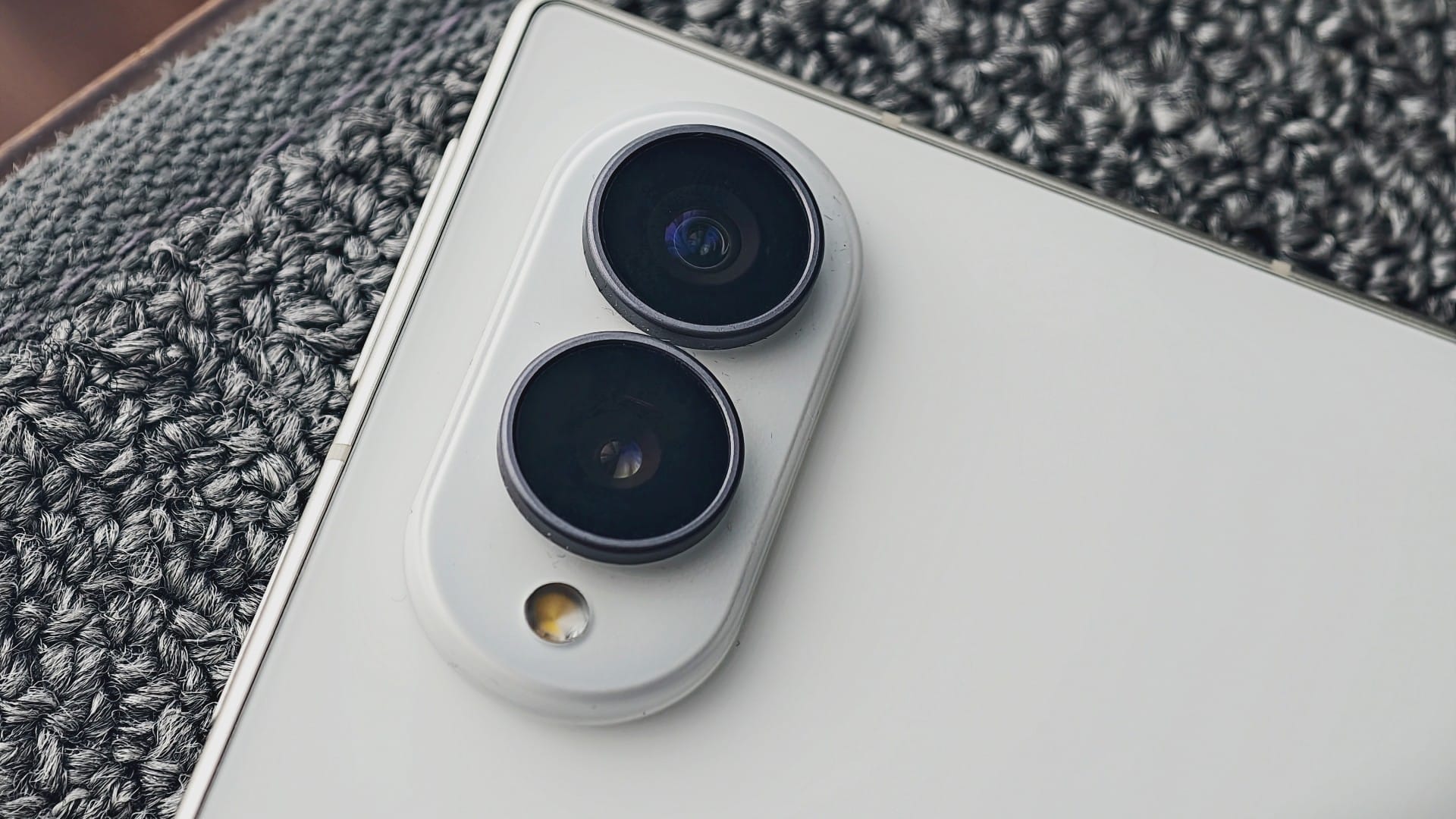
The Fold8’s cameras are serviceable.
I’ve taken plenty of casual photos with it, and some have turned out well enough that I’ve happily posted them. A recent photoset on Threads even got a nice reaction.
View on Threads
For everyday shooting, I’m not particularly worried about it.
For work, though, I still bring a dedicated camera phone when I’m covering an event. I wouldn’t rely on the Fold8 as my only camera for coverage.
There’s also a very specific problem I have with it.
I have chubby hands and fingers.
I’ve occasionally covered part of the camera while shooting because of how I’m holding the phone. That’s more of a me problem than a Fold8 problem, but it’s something I’ve had to keep in mind.
So while the Fold8 has replaced my tablet habit, it hasn’t convinced me to consolidate everything into one device.
7. I just want a case that doesn’t ruin the Fold
Cases have been surprisingly difficult.
What I want isn’t complicated: something thin, back-only, with good hand feel, MagSafe support, and preferably in red.
I’ve tried a few cases from Shopee. CASETiFY was also gracious enough to send me some options.
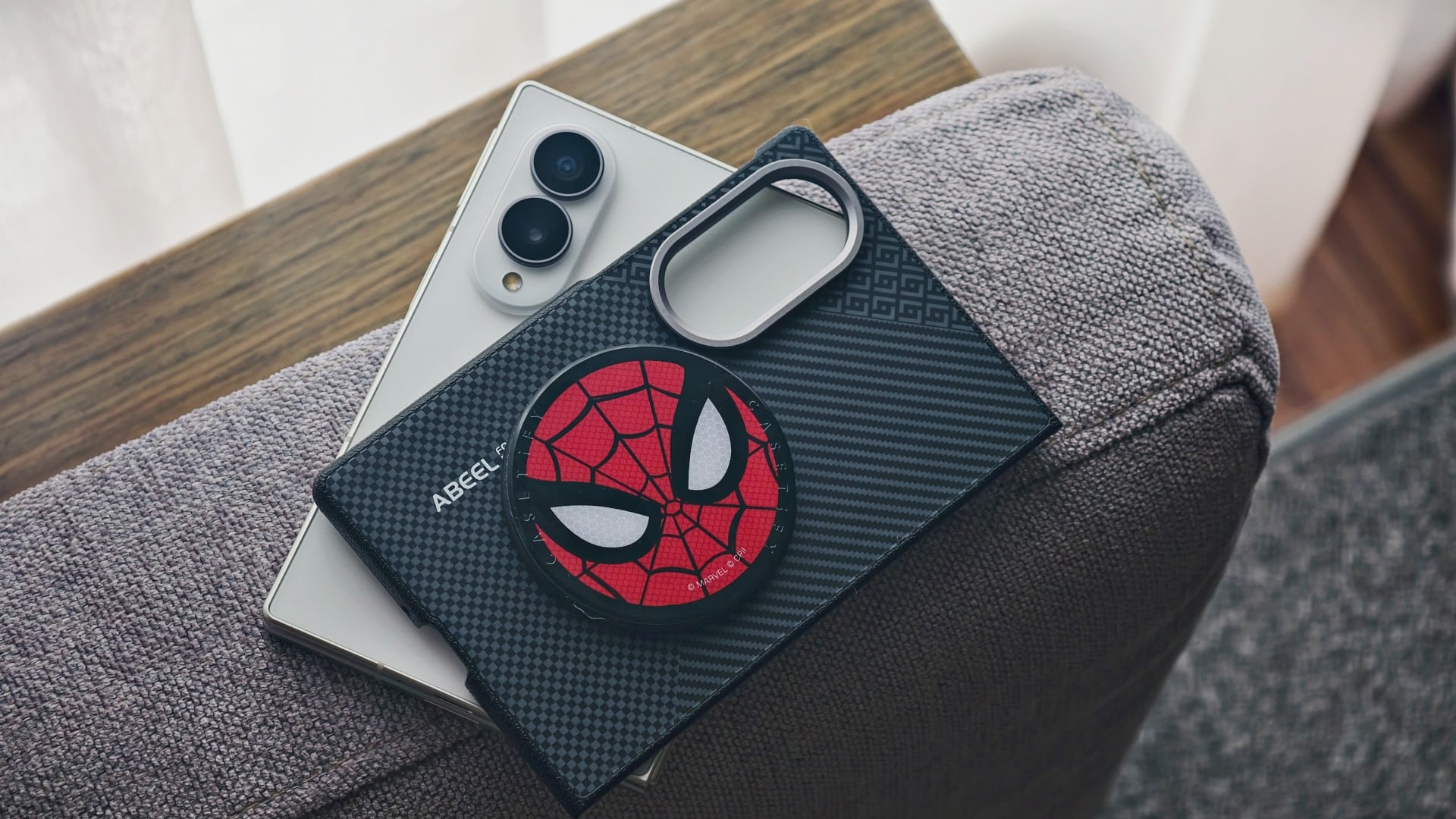
The problem is that after a few days with the bulkier ones, I kept coming back to the same thought: I like the Fold8’s size and shape. I don’t want to cover that up with something that makes it feel like a completely different phone.
The accessory ecosystem also hasn’t completely caught up.
Most MagSafe accessories are still designed with regular slab phones in mind. That’s understandable. Slab phones have been around forever.
But as more people start using foldables like this, I expect the accessory market to catch up too.
For now, I’m still looking for that one case that gives me the protection I want without getting in the way of the phone I actually enjoy using.
8. This is the kind of foldable I want
I’ve been using foldables long enough to know that I’m not particularly interested in the novelty of a phone that folds.
What I want is a specific kind of foldable.
I want a mini tablet that shrinks into a phone.
That’s what the Galaxy Z Fold8 feels like to me.
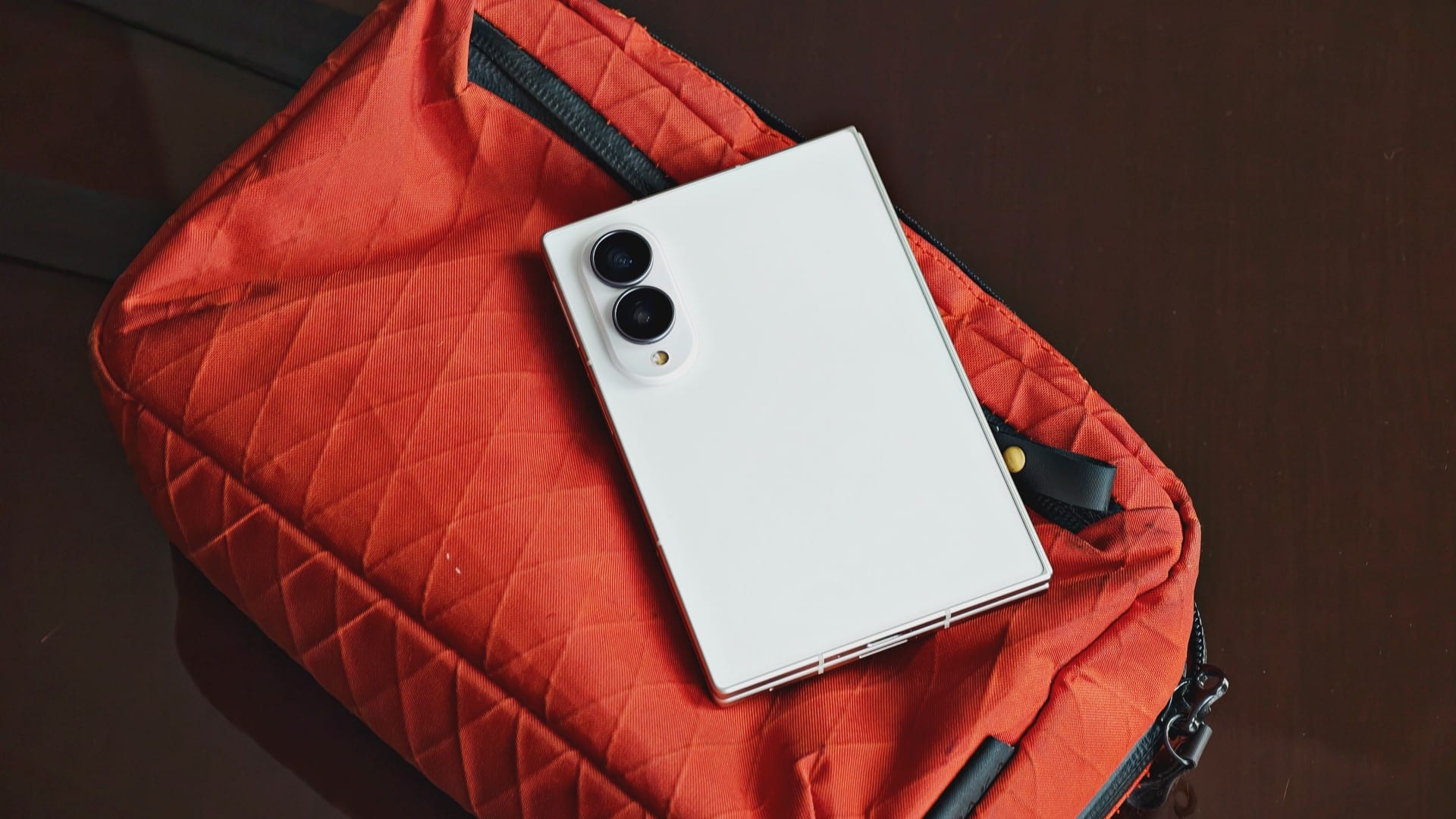
Folded, it’s there when I need to answer a message, scroll through social media, check my bank account, or stare at photos of my favorite K-pop girlies.
Unfolded, it gives me the room to write, work, edit, watch, multitask, and eventually, hopefully, read more comics.
It has also meant carrying one less device when I travel.
That’s basically the pitch for me.
Give me the screen when I need it. Get out of the way when I don’t.
That’s the kind of foldable I want.



Features
When your internet ruins the moment
The worst interruptions happen when you’re already invested.

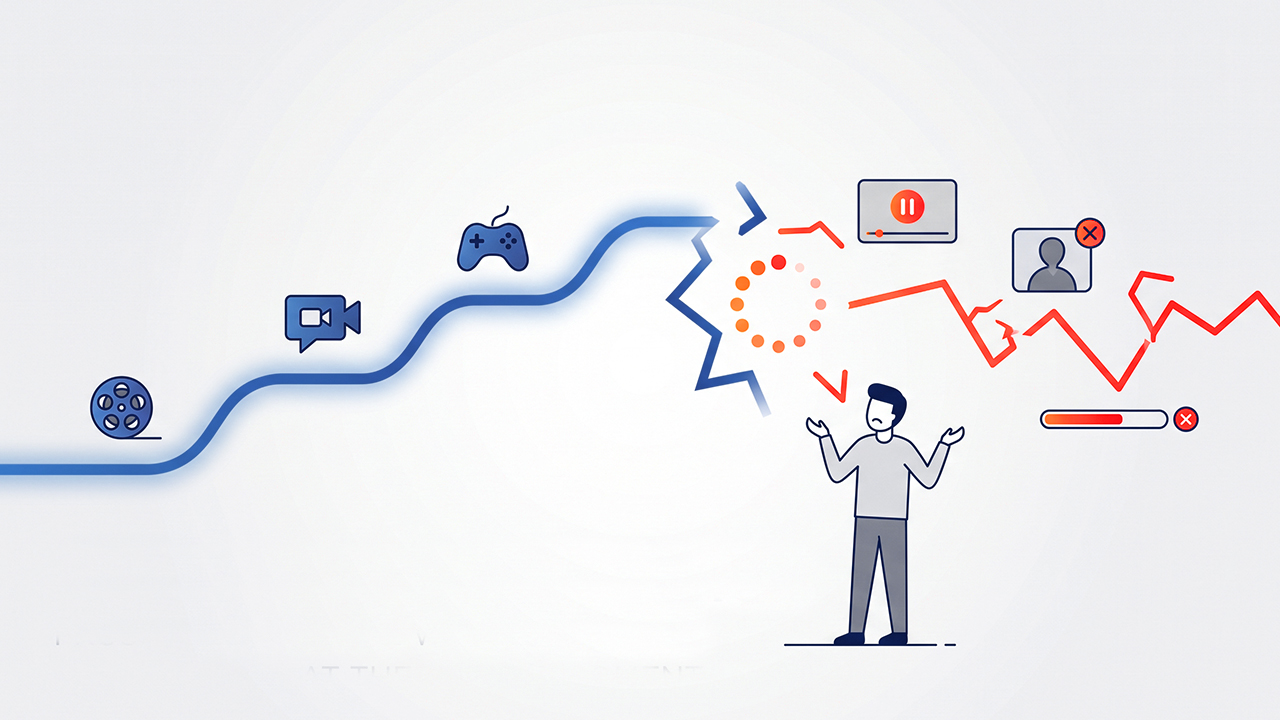
A fast internet connection means little if it fails when you need it most.
We often think about internet quality in terms of speed. How quickly can a page load? How fast can a file download? How quickly can a video start streaming?
Those numbers matter, but they only tell part of the story. A connection can feel fast when everything is working and still become frustrating when it suddenly drops, stalls, or struggles to maintain a stable connection.
That is the idea behind this series of short videos, which looks at familiar moments where a connection can suddenly get in the way. From watching a K-drama and catching up with someone on a video call to gaming, dancing, and sharing travel memories, each scenario shows how frustrating an interruption can become when it happens at the worst possible time.
When the episode gets good
You have been following a K-drama all episode, waiting for the moment when everything finally comes together. The characters are finally about to reveal something important when the video suddenly buffers.
@gadgetmatchA good internet connection isn’t the fastest one. It’s the one that doesn’t stop. ✨♬ original sound – GadgetMatch
The frustration comes from more than the interruption itself. You were already invested in the story, and the connection stopped you just when you wanted to see how it unfolded.
When a conversation gets interrupted
A video call can make distance feel a little smaller, especially when you are catching up with someone you have not seen in a while.
The conversation is flowing until the other person starts telling you something important. Then the call freezes.
@gadgetmatchA good internet connection isn’t the fastest one. It’s the one that doesn’t stop.♬ original sound – GadgetMatch
You can wait for the connection to come back, but you have might already missed a lot.
Conversations do not always pause neatly when the internet does. When a call freezes in the middle of a thought, you can miss a reaction, a story, or even a few seconds that change the context of what someone was trying to say.
When you are about to win
Few things are more frustrating in gaming than losing control when victory is within reach.
You and your team have pushed through the match. The opposing team is almost down, and you are ready to make the final move. Then your character stops responding.
@gadgetmatchA good internet connection isn’t the fastest one. It’s the one that doesn’t stop. ✨♬ original sound – GadgetMatch
The problem is not simply that the connection slowed down. It failed at the moment when you needed it to stay consistent.
You were almost there, and the interruption took that moment away.
When you find the perfect travel shot
Going through photos after a trip can bring the experience back to life. You scroll through your camera roll, find a photo you love, and decide that it is the one you want to share.
You start the upload and watch the progress bar move.
Then it stops.
@gadgetmatchA good internet connection isn’t the fastest one. It’s the one that doesn’t stop. ✨♬ original sound – GadgetMatch
The frustration comes from more than a failed upload. You had already found the moment you wanted to share, but an unreliable connection put it on hold.
When the music cuts out
A good song can pull you completely into the moment. You start dancing casually, get more into the beat, and eventually find yourself waiting for the next big part of the song.
Then the music stops.
@gadgetmatchA good internet connection isn’t the fastest one. It’s the one that doesn’t stop. ✨♬ original sound – GadgetMatch
The sudden silence breaks the momentum. It feels frustrating because the song had already taken you somewhere, and the connection interrupted that experience just before the payoff.
A reliable connection should let you stay in the moment instead of making you wait for it to come back.
How much speed do you actually need?
For many everyday online activities, you may need less speed than you think. Netflix recommends 5 Mbps for Full HD streaming and 15 Mbps for 4K, while Zoom recommends around 3 Mbps download and 3.8 Mbps upload for a 1080p one-on-one video call.
Those numbers show that speed is only one part of the equation. A connection can meet the recommended speed for an activity and still feel frustrating if its performance fluctuates or drops when you need it most.
That is why a speed test does not always tell the whole story. What matters is whether your connection can consistently deliver the performance you need while you are streaming, gaming, making a call, or sharing files.
Keep the moment going
These situations have one thing in common: the interruption happens after you have already invested in the experience.
We rely on the internet for much more than simply getting information from one place to another. We use it to watch the shows we follow, stay in touch with people, play games, listen to music, preserve memories, and share those memories with others.
In each of these situations, speed can help you get started. Consistency is what helps you stay in the experience.
A connection that starts quickly but keeps dropping can still disrupt a video, interrupt a conversation, affect a game, stop a song, or prevent a photo from uploading. The impact may only last a few seconds, but those seconds can matter when they happen at the exact moment you are most engaged.
That is why a good internet connection is not only about how quickly it gets you started. It also needs to stay consistent when you are watching a show, talking to someone, gaming, listening to music, or sharing memories.
Reliability gives these experiences room to continue without forcing you to stop, reconnect, or wait for the moment to return. It lets you focus on what you are doing instead of thinking about whether your connection will hold.
A good connection should not just get you there. It should help you stay there.
Features
A Morning with the Galaxy Wellness Club
An endurance athlete takes on high-intensity interval training with the Galaxy Watch9.

It has taken me more than four weeks to sit down and write this confession… primarily because my cardiovascular system required atleast thirty-day grace period before it could revisit the trauma.
I have spent more than half a decade in the fitness world, which means I mastered the art of pacing and calculated effort. Most importantly, I developed an absolute refusal to exert myself at sunrise.
As an endurance athlete, I belong on mountain trails. I prefer spending an entire day navigating winding inclines. Out there, I can micromanage my cadence and treat my heart rate like an agreeable, soft-spoken acquaintance.
When Samsung invited me to the inaugural Galaxy Wellness Club in Makati, I arrived fully prepared for an aesthetically pleasing Saturday.
I had imagined a breezy morning run through Salcedo Village or a graceful, low-impact barre session where one stretches delicately in coordinated athleisure.
The schedule promised three distinct paths across the city: Train with Galaxy, Run with Galaxy, and Recover with Galaxy. The universe, however, had other plans for my dignity.
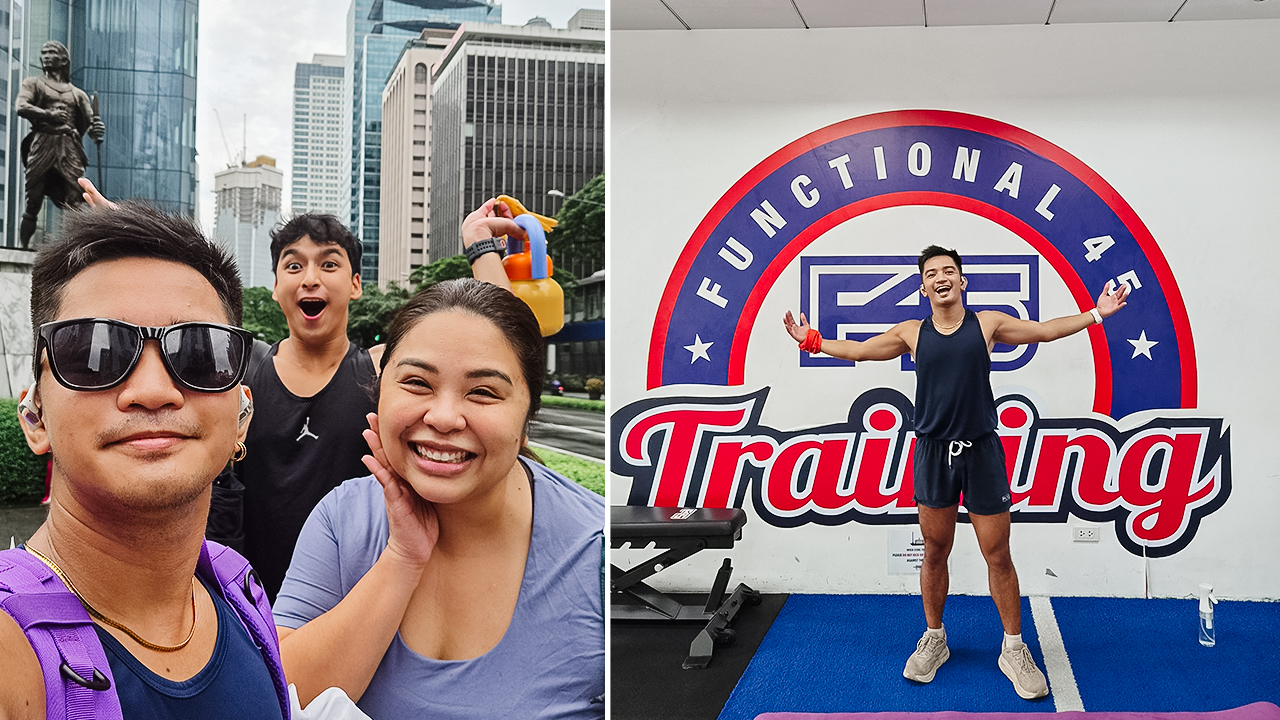
In photo: MJ Jucutan, Kyle Vergara, and Anna Abjelina (Samsung Philippines)
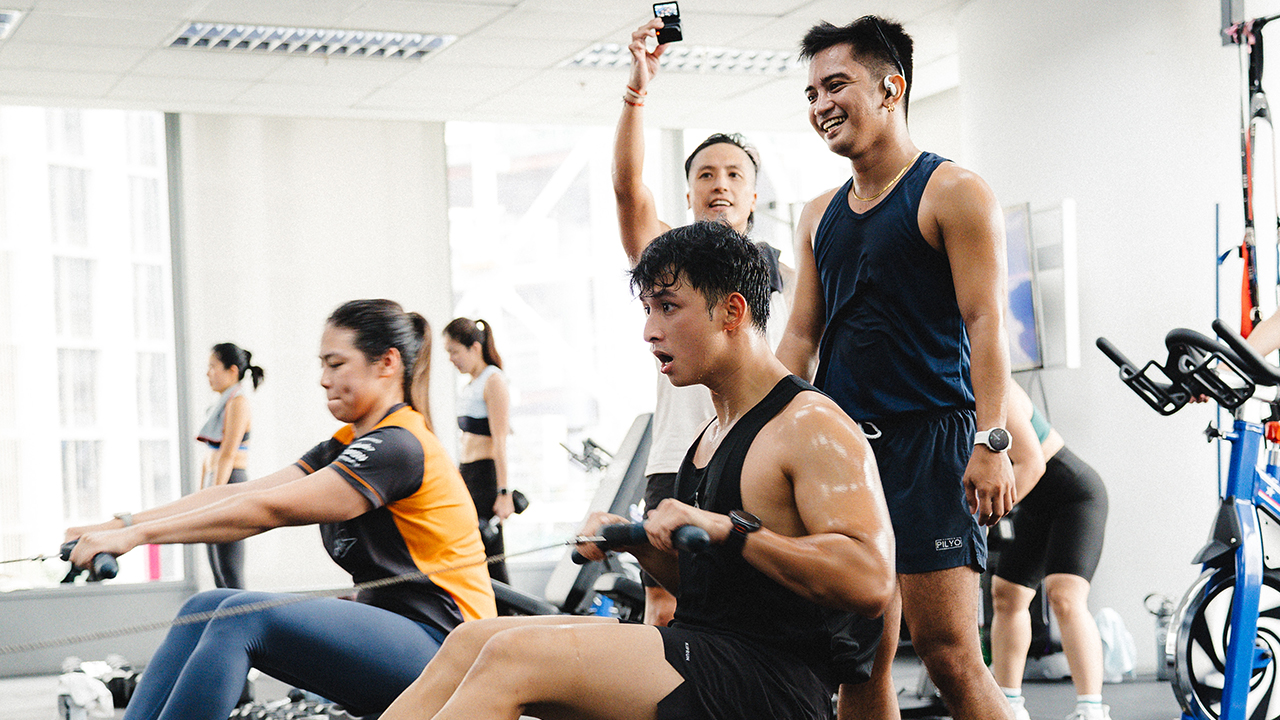
Samsung didn’t hand me a scenic running route or a calming studio mat. Instead, I discovered that I had been assigned to a high-intensity interval training session at F45. At nine in the morning!
To make matters considerably more perilous, I hadn’t even eaten breakfast. I stood on the studio floor in matching workout gear, clutching my morning optimism, and realized that my fate was already sealed.
When my watch decided to tell the whole truth
My saving grace was my workout partner, Kyle Vergara, whom I had met during the Galaxy Summer Club.
Misery truly loves company! Having a familiar face in the room provided a brief sense of security before the first timer started counting down.
The intervals began immediately, and any lingering composure vanished within ninety seconds.
HIIT is built on rapid bursts of violence followed by rests that are insultingly short. My endurance background had prepared me to run for hours at a steady rhythm. But it hadn’t prepared me for the sudden shock of explosive plyometrics on an empty stomach.
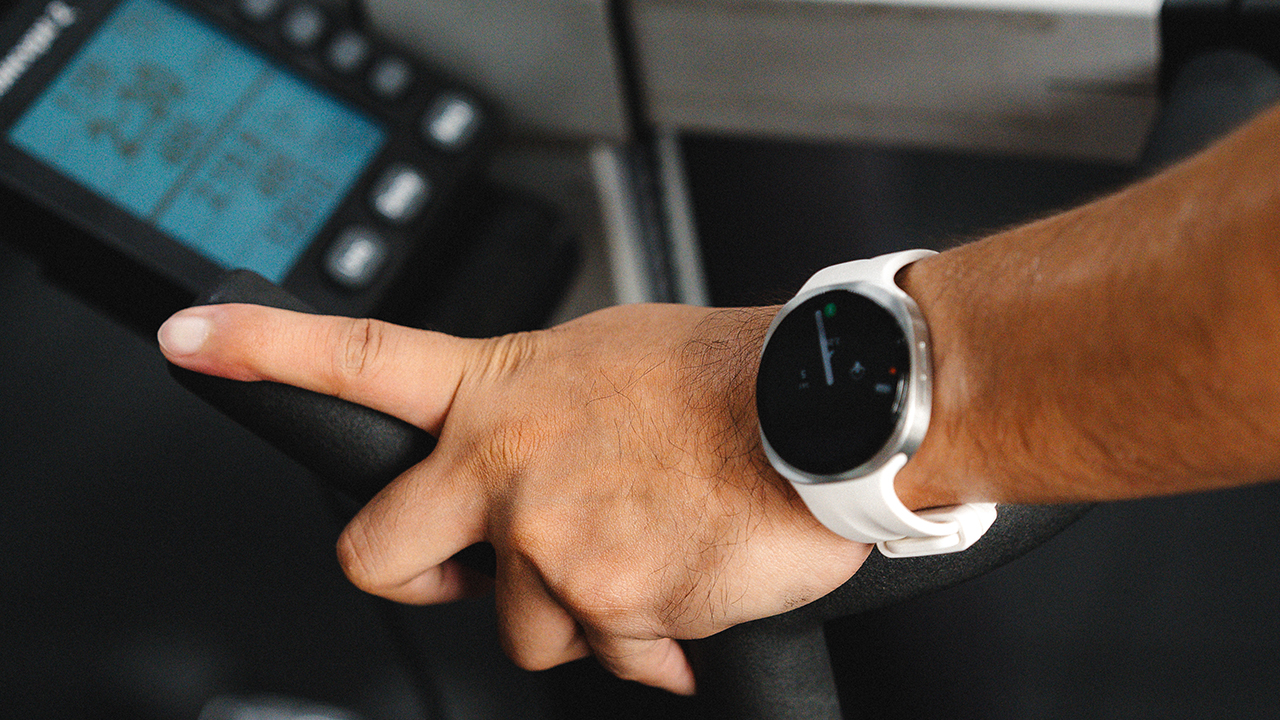
My wrist began vibrating with theatrical urgency. Glancing down at the Samsung Galaxy Watch9, I found a bright display practically begging me to reconsider my life choices.
The watch was showing numbers that belonged in an emergency room triage unit, informing me that I was operating far beyond my target heart rate zone.
I wanted to dispute the reading, but my chest felt like an over-caffeinated bass drum. My body was just as offended by the workout as my mind was.
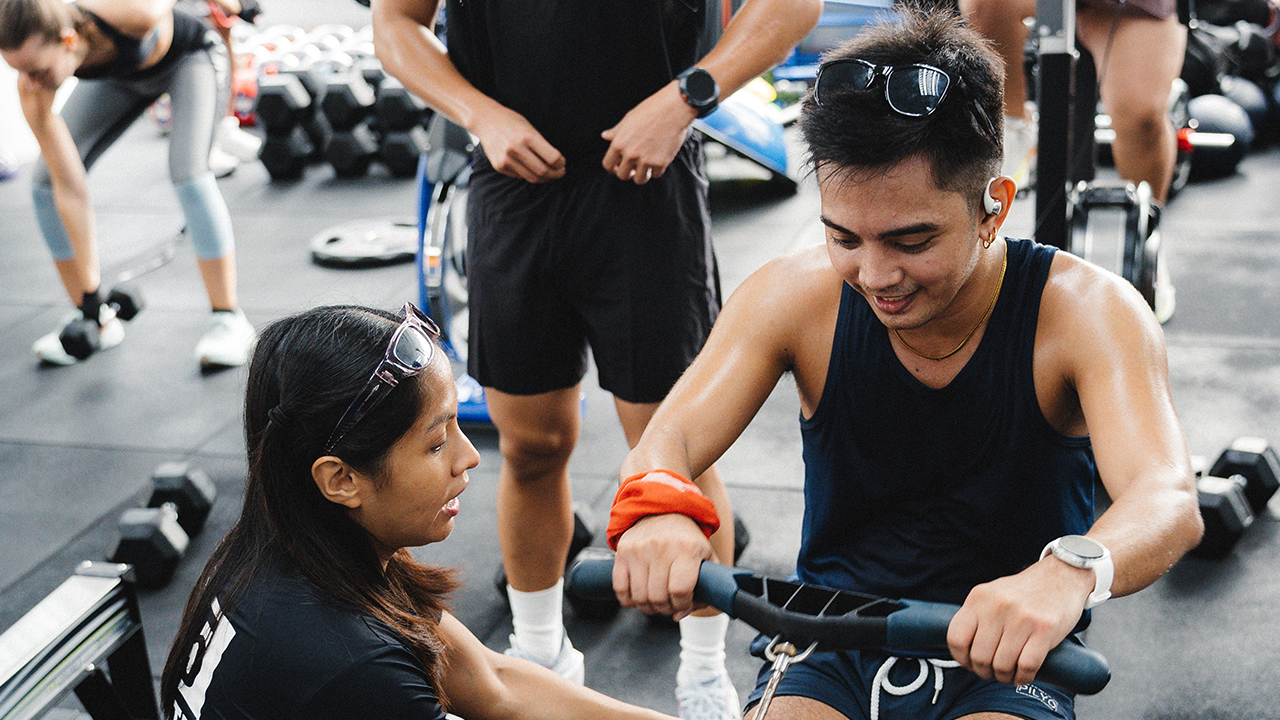
The saving grace of the session arrived when Kyle and I rotated to the ergs. The moment we reached the stationary bike, the rowing machine, and the ski erg, my muscle memory returned.
These machines offered fixed time blocks where I could finally establish my own cadence instead of matching the frenetic energy of the room.
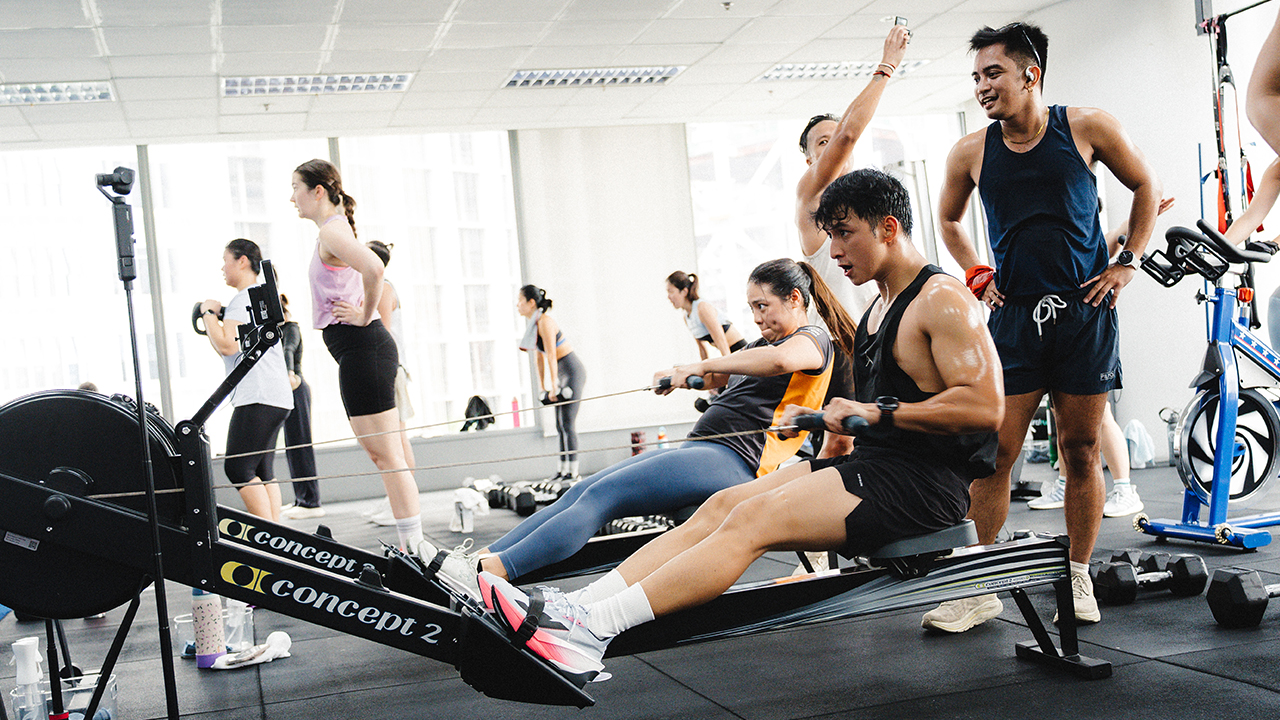
I took comfort in checking the display between intervals. The screen remained sharp and clear through the sweat, giving me immediate visibility over my pace, output, and heart rate without requiring me to break my rhythm.
I don’t enjoy being forced into someone else’s tempo, but I do expect my wearable to follow mine without missing a beat.
By minute forty, the novelty had thoroughly expired. My supersets in the gym usually wrap up within forty-five minutes, but those sessions allow room to breathe.
This class offered no such luxury, and I spent the final rounds mentally drafting a formal letter of complaint to whoever invented interval training.
Sugar cravings and receipts
The immediate aftermath was remarkably unglamorous. My vision swam and my gut protested. I found myself seated on the floor feeling the familiar, hollow dizziness that usually only arrives during brutal track repeats or HYROX simulations.
I’ve made peace with the reality that looking effortless during speed work is simply not my aesthetic. My engine was built for aerobic endurance, and there is no reason to fight my own biology.
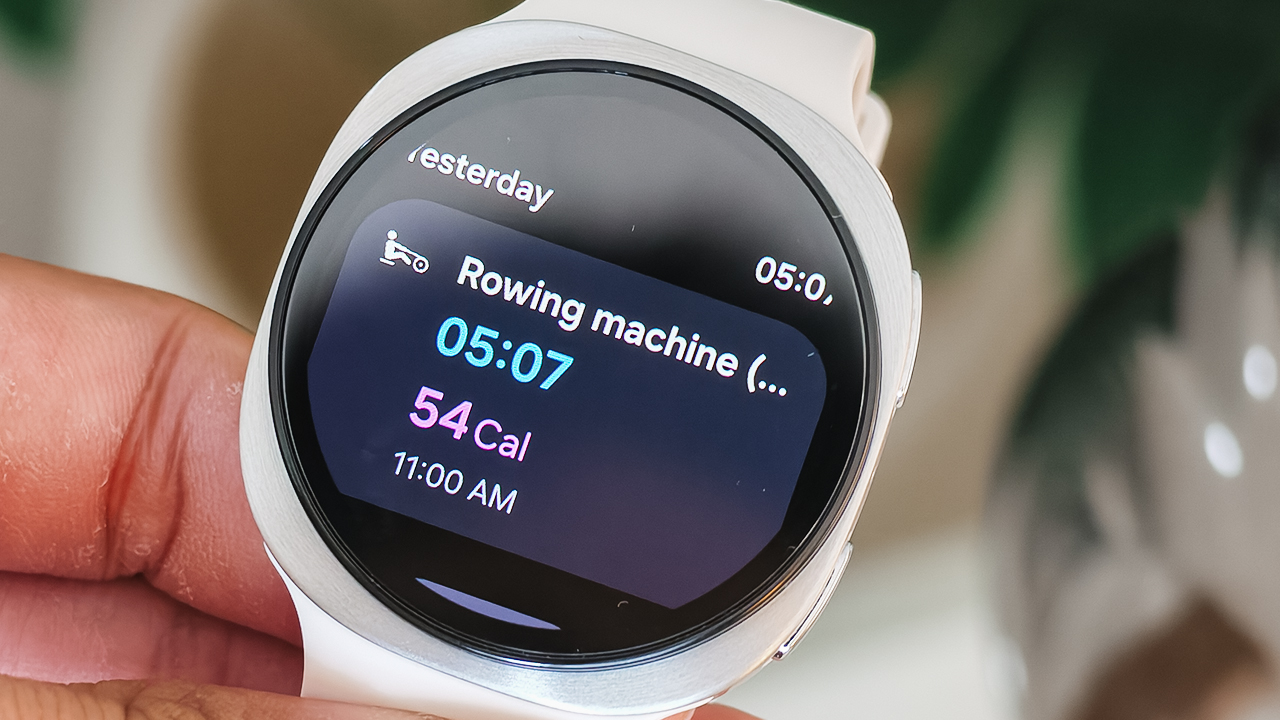
While Kyle and I caught our breath and contemplated our desperate need for refined sugar, I flipped open my Samsung Galaxy Z Flip8 to inspect the damage on Samsung Health.
This is where the Galaxy Watch9 redeems the suffering. It doesn’t just hand you a collection of cold, terrifying heart rate spikes; it organizes your physical output into meaningful context.
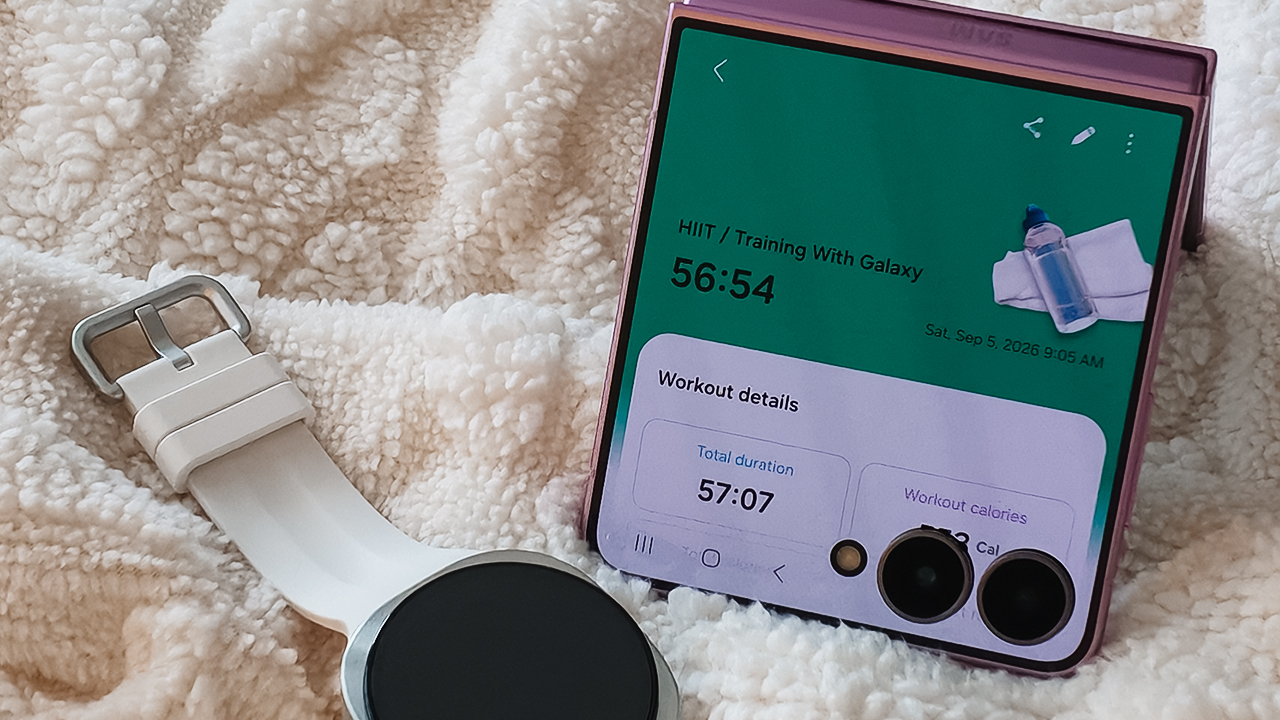
The Fitness Index offered a clear snapshot of my cardiovascular response under acute stress. Meanwhile, the Daily Cardio Load feature accounted for how much structural strain that sudden forty-five-minute shock placed against my ongoing weekly training block.
The Heart Health Score provided a broader perspective on my recovery and overall cardiac trends, confirming that while the workout felt lethal, my body was already adapting.
Finding balance beyond the numbers
We eventually relocated to brunch to reunite with the rest of the Galaxy Summer Club crew, exchanging war stories over plates of food that vanished within minutes.
The runners delivered glowing accounts of their pacing data through Salcedo Village. Then, the group assigned to the barre class looked rested and radiant. (How are they entirely unbothered by mortality?)
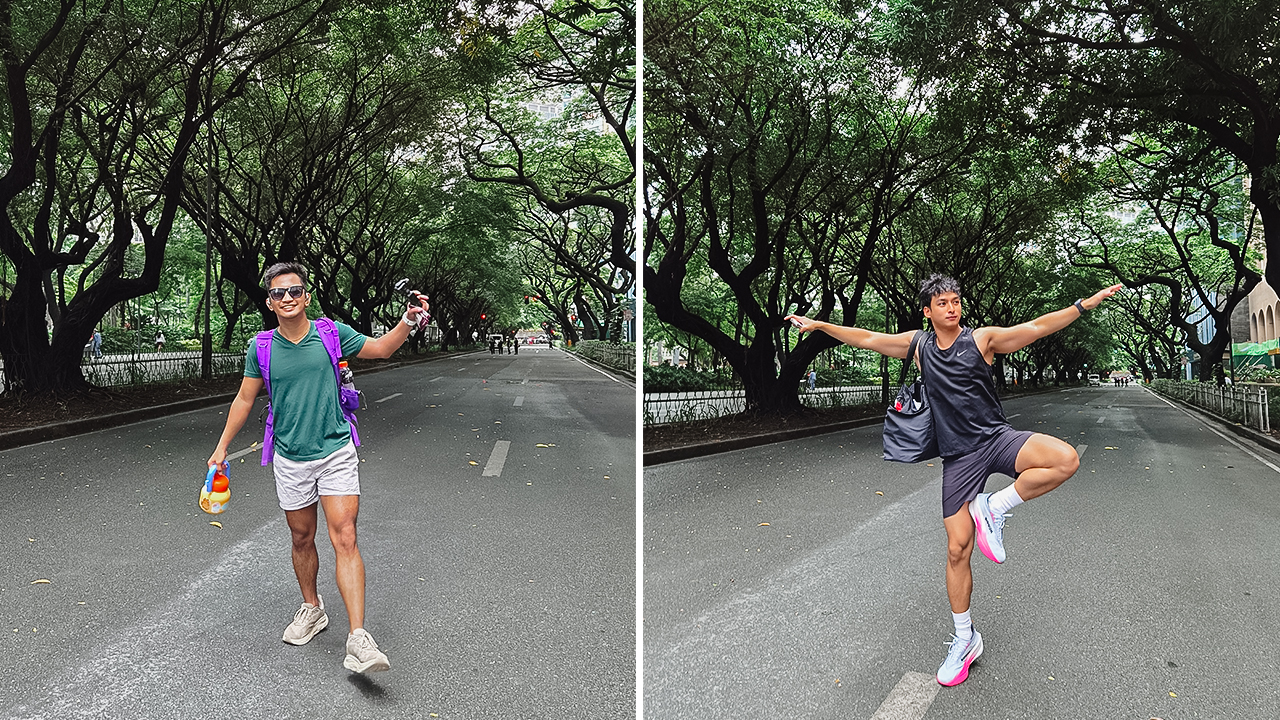
Kyle Vergara and I en route to Wildflour for a much-needed brunch
Every activity had been tracked through either the streamlined Galaxy Watch9 or the rugged Galaxy Watch Ultra2, with all metrics feeding neatly into the Samsung Health ecosystem.
Browsing through the dashboard reminded me of how far fitness tracking has evolved. Beyond workout stats, the platform pulls together continuous vital tracking, sleep apnea insights, and overall energy management into a daily narrative.
A month has passed since that morning. I have happily returned to my heavy strength supersets and my unhurried mountain trails.
I have zero intention of signing up for another HIIT class anytime soon.
Even so, that morning left me with a renewed appreciation for looking at health through a wider lens. When you spend years obsessing over performance metrics, you easily forget that real longevity is about balance and recovery.
The right technology doesn’t exist to push you to exhaustion every morning. It exists to help you understand your limits and respect your rhythm. And sometimes, they remind you when it’s time to sit down, order brunch, and let your body rest.
@gadgetmatch Samsung kicked off the Galaxy Wellness Club with a HIlT Session that puts the #Galaxy Watch9 to work, tracking heart rate and effort in real time. The event showcased how Samsung’s newest wearable fits into an active lifestyle, from high-intensity training to everyday movement, helping you train, run, and recover with Galaxy. #UnlockWellness #GalaxyWatch9 #TrainWithGalaxy @hemjaye ♬ som original – mishDd

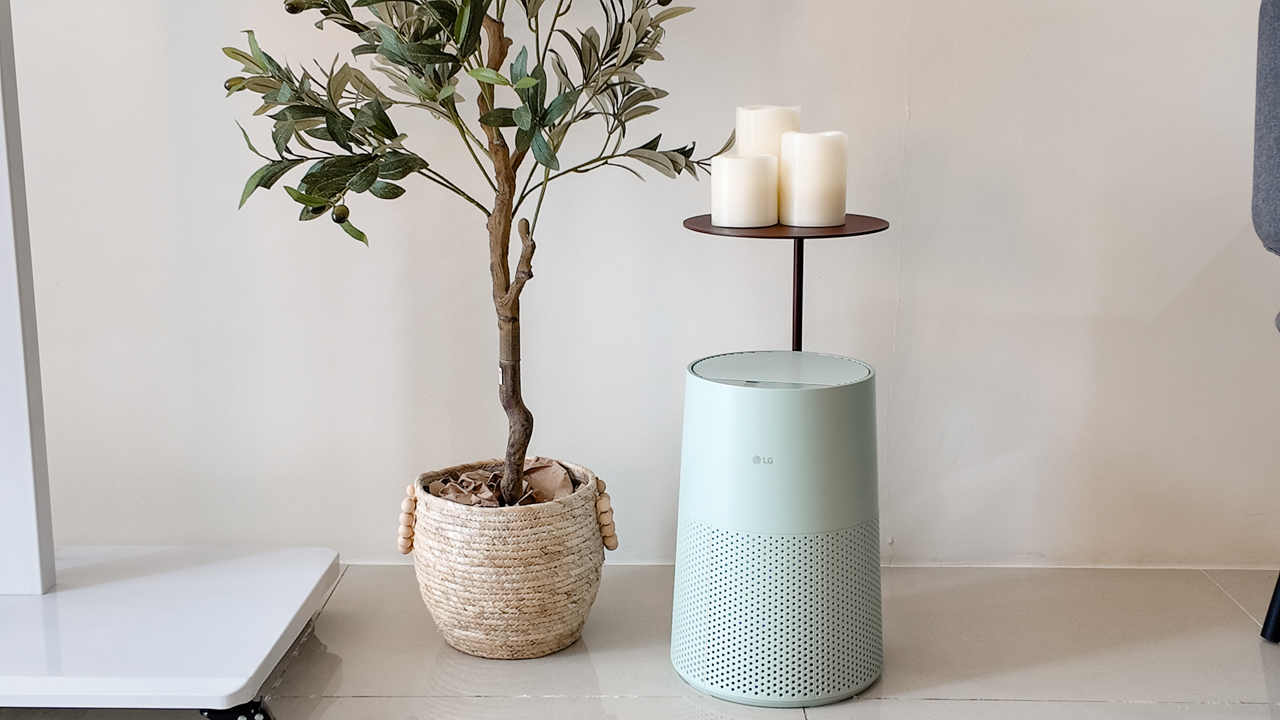
Moving into a new space comes with a long list of things to figure out, and lately, I’ve been paying more attention to something that’s easy to overlook: air quality.
After using the LG AeroMini for about a month, it has become a subtle but welcome addition to my space. It helps make the room feel fresher, while its compact and stylish design fits naturally into my setup. Here are the things that stood out to me most after living with it for a month.
360° purification for a fresher space
One of the things I appreciate about the AeroMini is its 360° air purification, designed to bring purified air in every direction.
For me, this is particularly useful in a new space where I’m spending a lot of time working, relaxing, and just settling in.
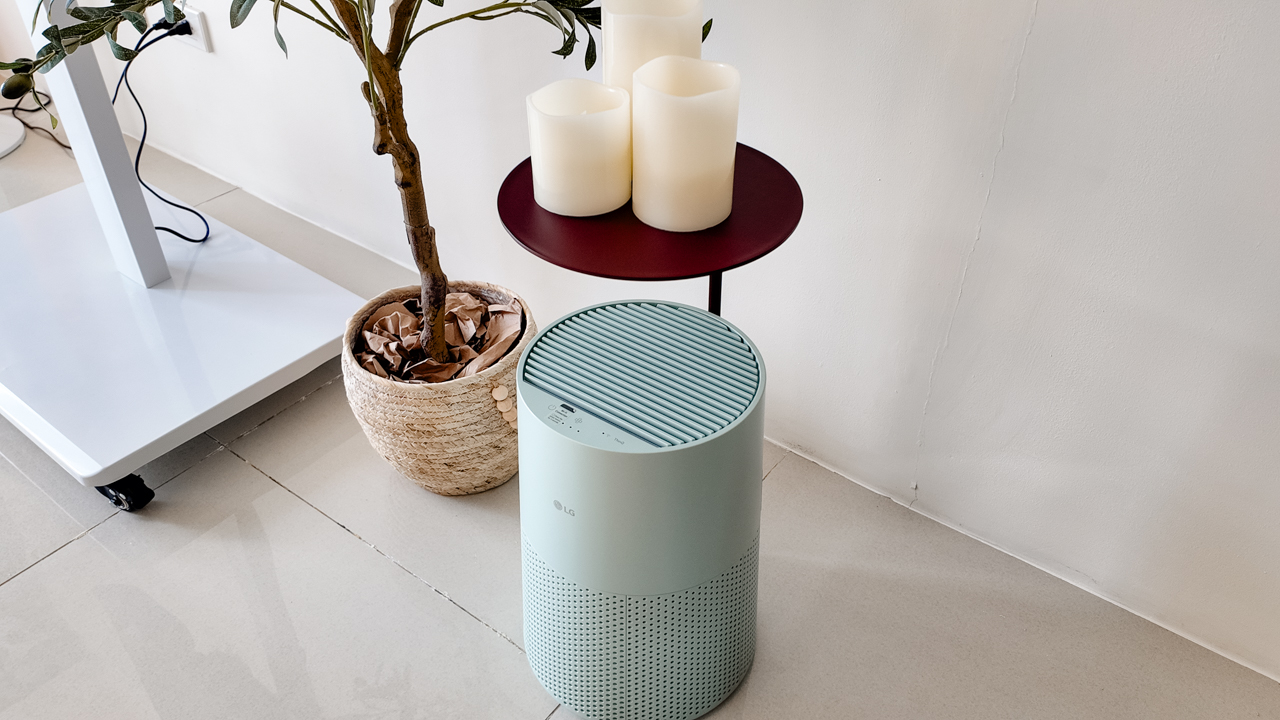
Combined with its True HEPA filter, which is designed to remove 99.999% of 0.01μm fine dust and allergens, it gives me added peace of mind about the air I’m breathing every day.
After a month, I can genuinely say that the space feels fresher with it running.
Surprisingly quiet
This is probably my favorite feature.
The LG AeroMini operates at just 26dB, and after using it for a month, what stands out is how easy it is to forget that it’s even running.

I can have it running while I’m working or sleeping without the noise becoming a distraction. For an appliance that’s designed to continuously improve the air around you, I think that’s a big deal.
Sometimes, the best feature is the one you barely notice.
Design that fits my space
Since I recently moved, I’ve been pretty conscious about what I bring into the space. I want things to be functional, but I also don’t want appliances that feel like they’re taking over the room.
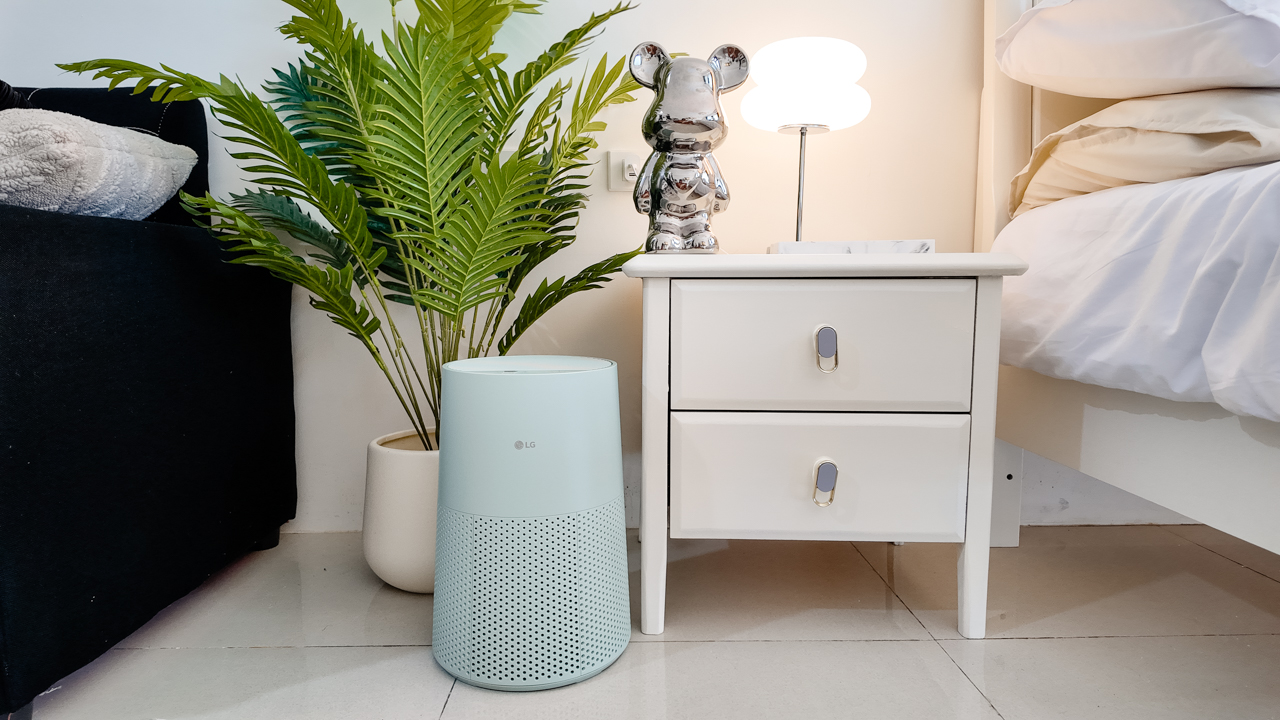
The AeroMini’s slim and compact design makes it easy to incorporate into my setup. It doesn’t feel bulky or industrial, and I like that I can leave it out without feeling like I need to hide it away.
For me, that balance between functionality and aesthetics makes it feel more like part of the space rather than just another appliance.
Air quality at a glance
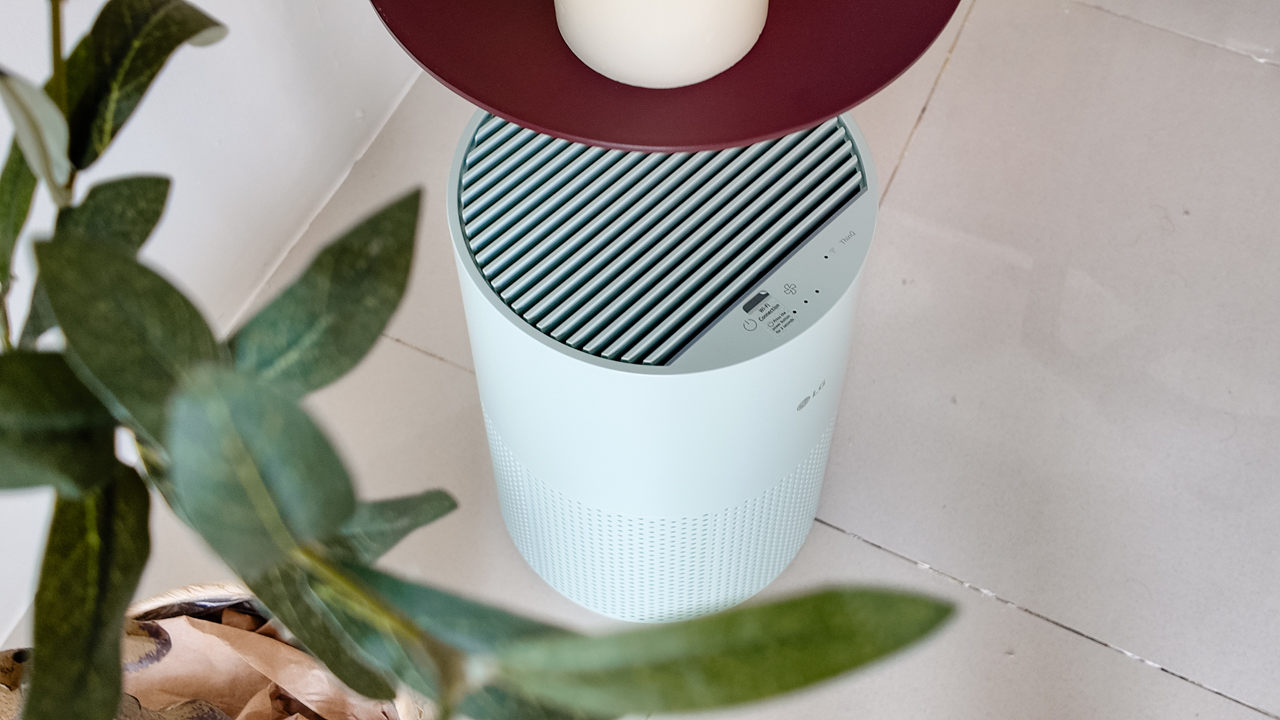
Another feature I’ve found convenient is its Smart Control. Through the app, I can monitor and control the AeroMini while getting real-time updates on the indoor air quality.
It’s a small convenience, but being able to check the air quality without having to interact with the purifier directly makes it easier to keep track of what’s happening in the room.

Easy to maintain
I also appreciate that the AeroMini is designed with an all-in-one dust and deodorization filter that makes replacement and maintenance easier.
That matters to me because the best home gadgets are the ones that don’t create another complicated chore. I want something I can set up, use regularly, and maintain without too much fuss.

After a month, would I keep it?
Yes, and mainly because it quietly fits into my everyday routine.
The LG AeroMini has helped make my new space feel fresher and more comfortable, while its compact design means it doesn’t compromise the look of the room. But if I had to pick just one thing I appreciate most, it’s still how incredibly quiet it is.

It’s one of those upgrades that doesn’t demand your attention. It simply works in the background.
If you’re also looking to make your home a fresher and more comfortable space for yourself and your family, visit https://www.lg.com/ph/ to learn more about the LG AeroMini and how it can fit into your everyday life.


I don’t want a phone that unfolds — the Galaxy Z Fold8 gets why

NBA experimenting with smart basketballs, wrist wearables

Apple introduces new Home Collection

When your internet ruins the moment

A Morning with the Galaxy Wellness Club

vivo X500 Series launches with major imaging upgrades

OPPO Find X10 Pro Max is the first phone with a triple 200MP camera system

TECNO CAMON Slim 5G: Price, availability in the Philippines

BYD says that way better EV batteries are coming next year

HONOR Magic9 Pro Max launches in China with ARRI-powered imaging


-
 Philippines2 weeks ago
TECNO CAMON Slim 5G: Price, availability in the Philippines
-
 News2 weeks ago
Apple wants to release new iPhones more regularly
-
 News2 weeks ago
vivo X Fold6 makes global debut with 200MP camera and 6900mAh battery
-
 Reviews2 weeks ago
HONOR 600S review
-

 Gaming2 weeks ago
Ghost of Yōtei Complete Edition review: More of a great thing
-
 Philippines2 weeks ago
HONOR 600S price, availability in the Philippines
-

 Philippines2 weeks ago
Bambu Lab opens first Authorized Store in the Philippines
-
 News7 days ago
OPPO Find X10 Series launches globally October 21