
Computers
ASUS ROG GR8 II Review


When you think of gaming PCs, large immobile machines come to mind. ASUS has other plans with its ROG-branded GR8 II, which is smaller than Sony’s PS4 Pro but with the might to take on the latest AAA titles.
And it’s not an ugly sight either; in fact, I’d say it’s the most attractive gaming PC in the market right now.
See for yourself:
This is as compact as a gaming PC can get
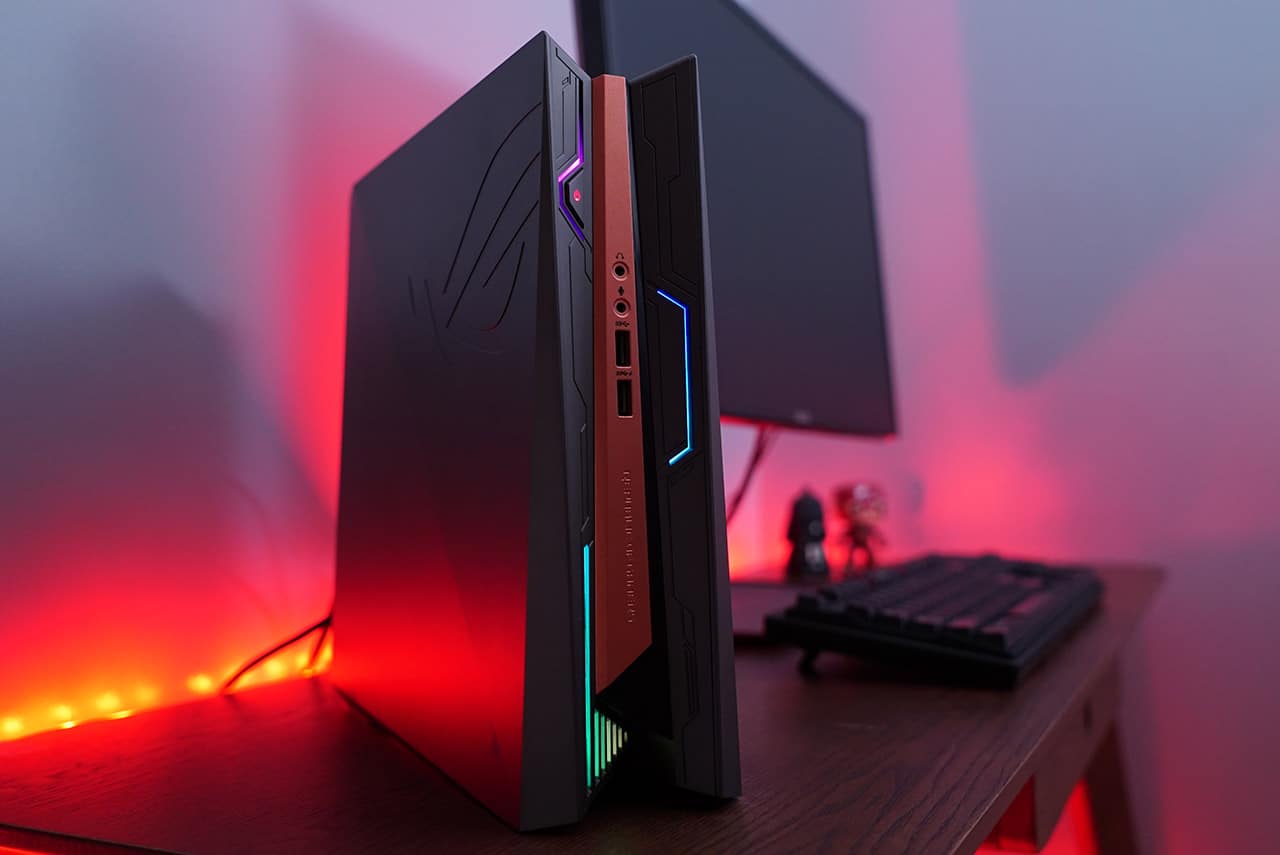
Dimensions: 88 x 299 x 281.3mm; weight: 4kg
And is slim enough to fit into cramped spaces
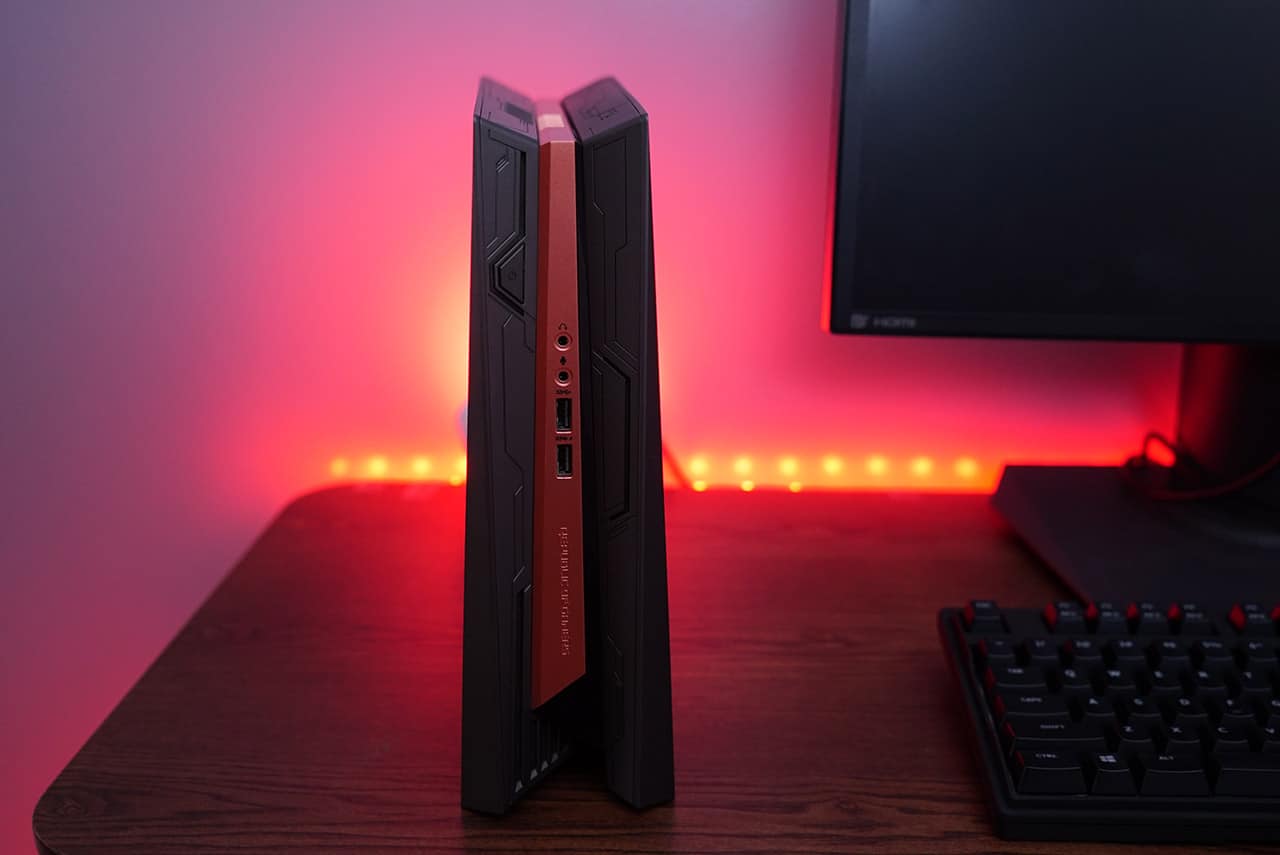
Standing it up is the only practical position, though
You get basic ports in front
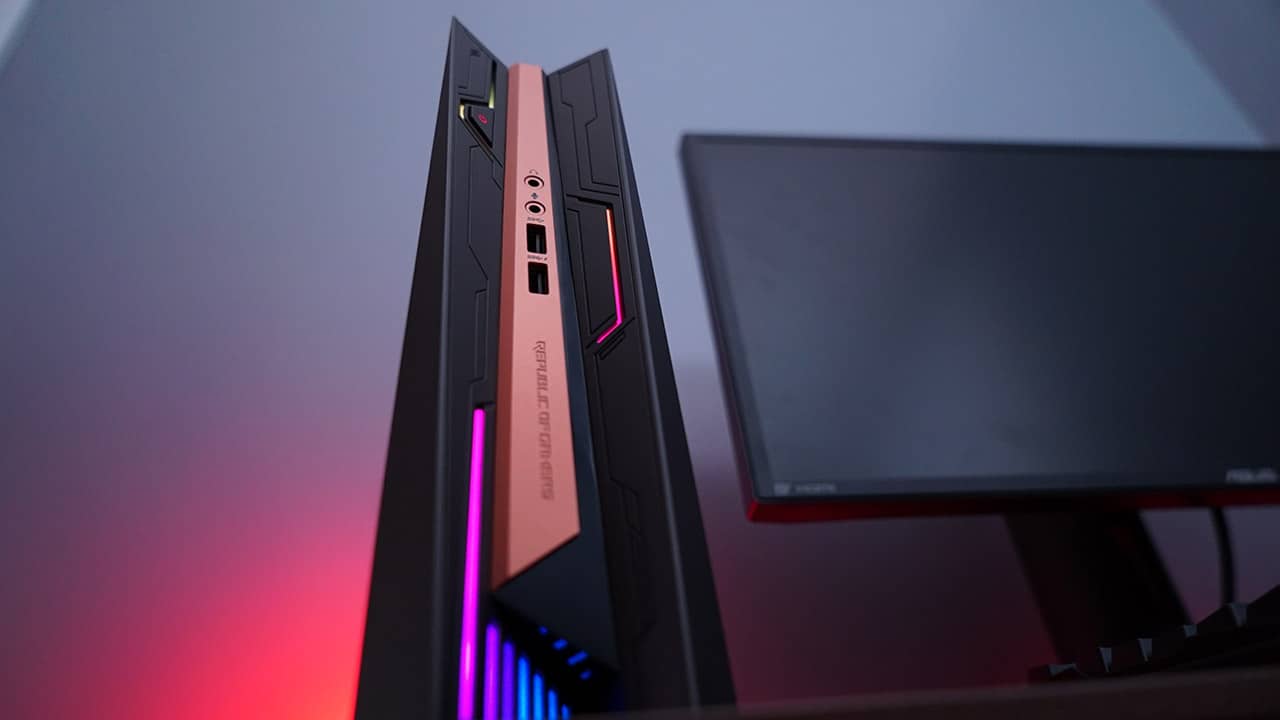
Two USB 3.0 ports and audio outputs, plus gorgeous RGB lighting
And all the rest at the back
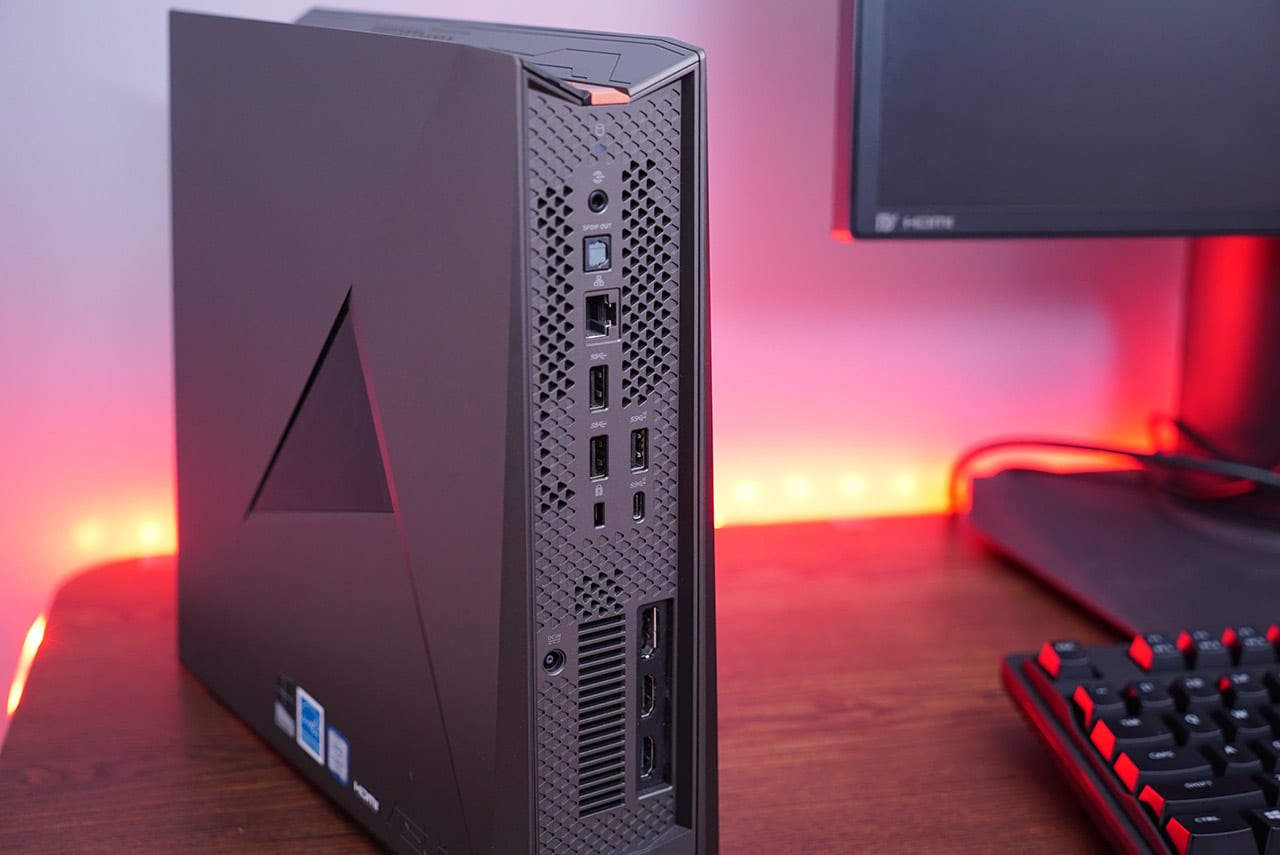
1x USB 3.1 Type-A, 1x USB 3.1 Type-C, 2x USB 3.0, 2x HDMI, 1x DisplayPort, Ethernet, Optical S/PDIF out
Most of the heat comes out from the top vent
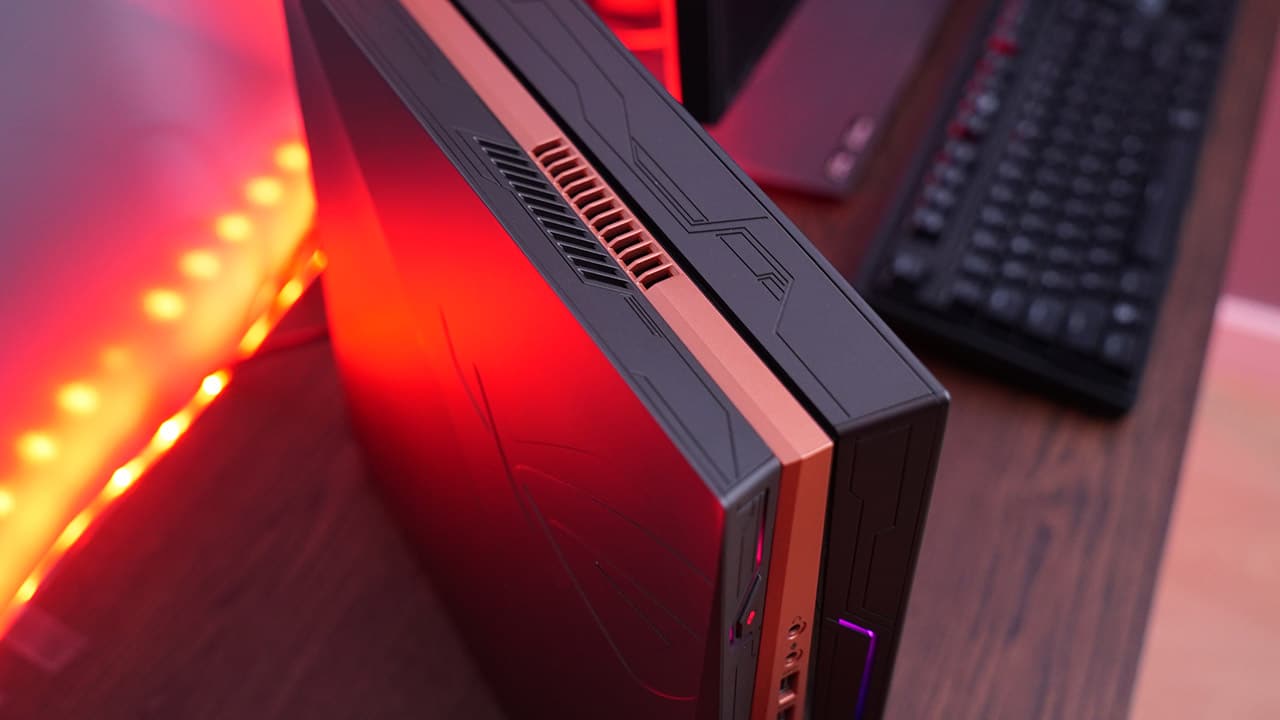
Be sure not to place anything like headphones on top
You need a single Philips screwdriver to open it up

Only four screws need to be removed to remove the side panel for upgrades
Once set up, it looks especially nice with matching ROG equipment
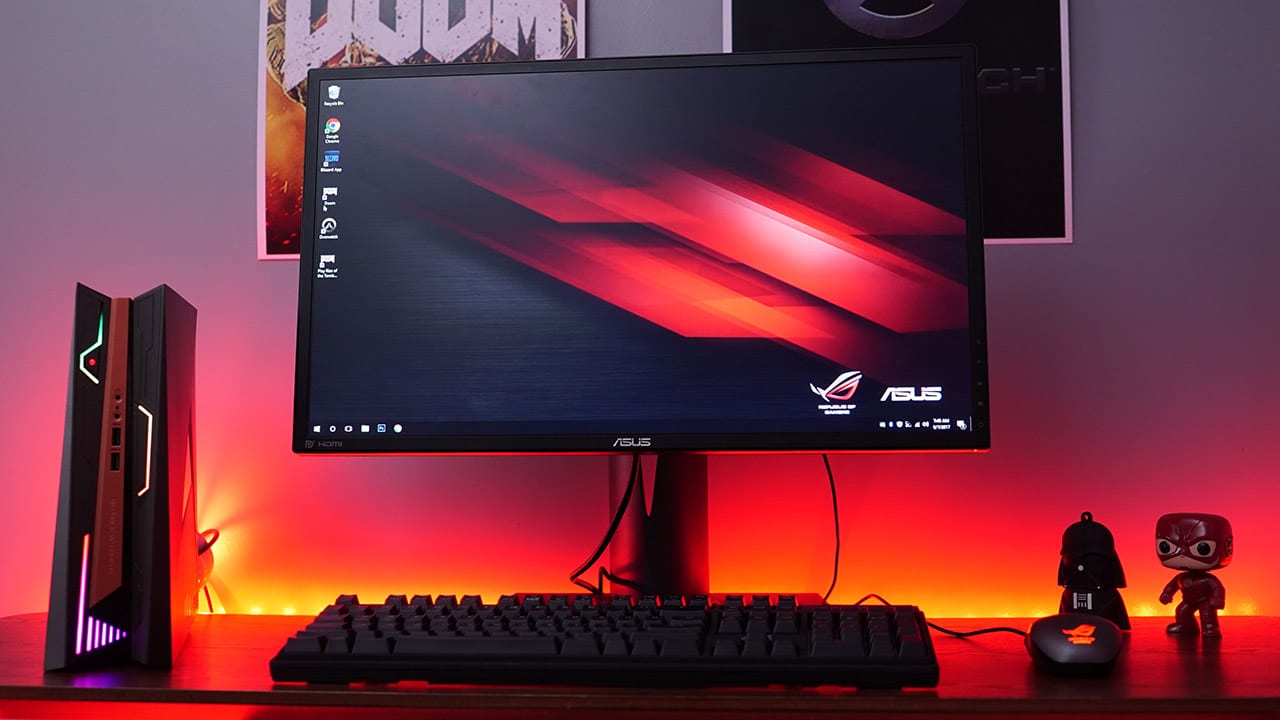
The 24-inch Full HD ROG Swift PG248Q with its 180Hz refresh rate is perfect for high-speed games
How well does it perform?
What’s a good-looking gaming PC without fitting specs to back it up? The GR8 II isn’t going to impress you with Zephyrus-like numbers, but it’s definitely good enough for gaming on high settings at 1080p.
We have an Intel Core i7-7700 processor, a single stick of 8GB DDR4 RAM, 1TB HDD, and NVIDIA’s midrange GeForce GTX 1060 graphics card. These all connect to a custom H110 motherboard.
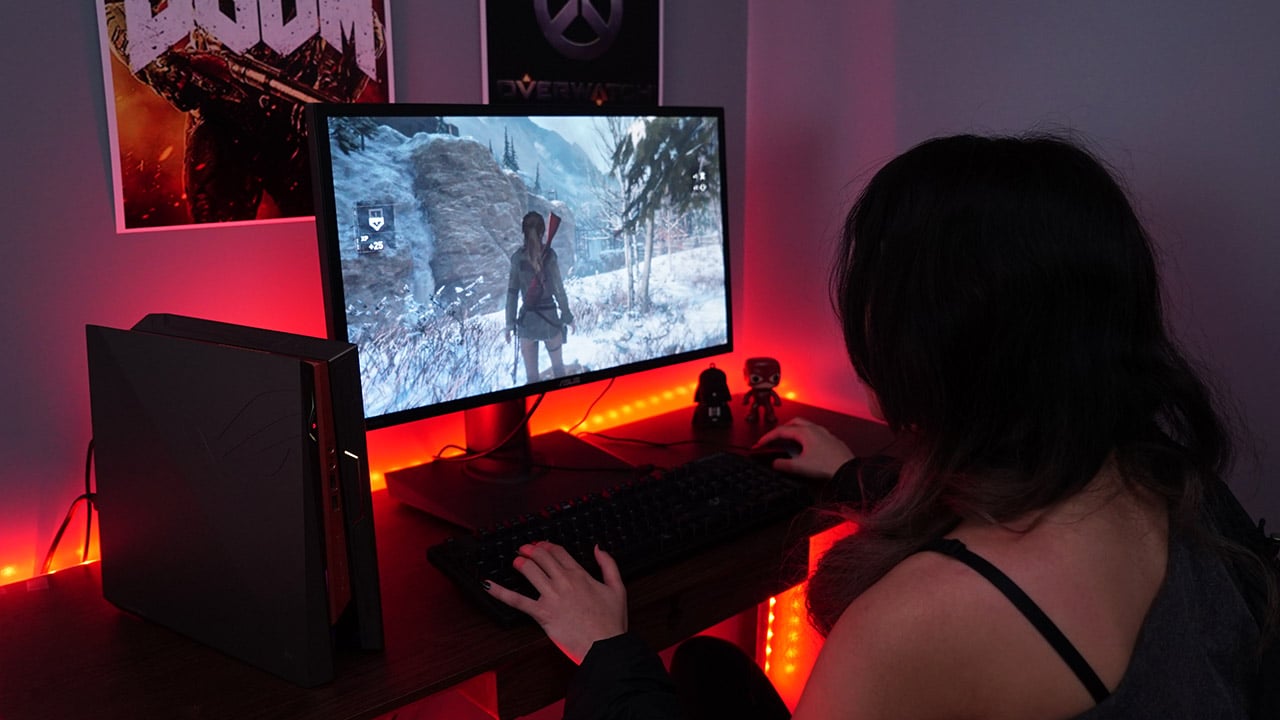
Playing DOOM on Ultra graphics settings consistently gave us over 90fps on our 1080p monitor; and as expected, Overwatch was an absolute cinch, providing us with over 150fps on optimized graphics settings to maximize the same monitor’s G-Sync-enabled 180Hz refresh rate.
The only game that pushed the GR8 II during our tests was Rise of the Tomb Raider. Although it got 68fps according to the built-in benchmark on the highest settings, actual gameplay wasn’t as smooth. It was only when we lowered some of the more intensive settings like hair effects and texture rendering that the game became playable on high settings.
What else is there to know?
A common concern with cramming so much power into a tiny frame is noise and heat build-up. We were expecting the GR8 II to get loud and warm under heavy load because of its lack of ventilation and relatively small fans, but the results were still pleasant.
Thanks to some strategic chopping up of the motherboard, vents and fans are placed where they need to be. It was only while playing games in an absolutely quiet room when we’d hear the roaring of the fans. Definitely nothing that would wake up a sleeping baby, so you can game with peace of mind.

Speaking of the custom motherboard design, it sadly holds back the upgradability of the GR8 II. You can only swap the RAM and HDD, and add an SSD to the lone M.2 slot. The CPU, GPU, and motherboard would need assistance from an ASUS service center for replacements.
The other drawback is the separate 230W power adapter that acts as the unit’s power supply. This is ASUS’ trick to lowering the weight and size of the GR8 II, but this just means more things to carry with you when you transfer battle stations for LAN parties.
Why choose this over a gaming laptop?
This is the question that went through our minds as we used the GR8 II: Doesn’t an equally priced gaming notebook offer a more complete experience with added mobility?
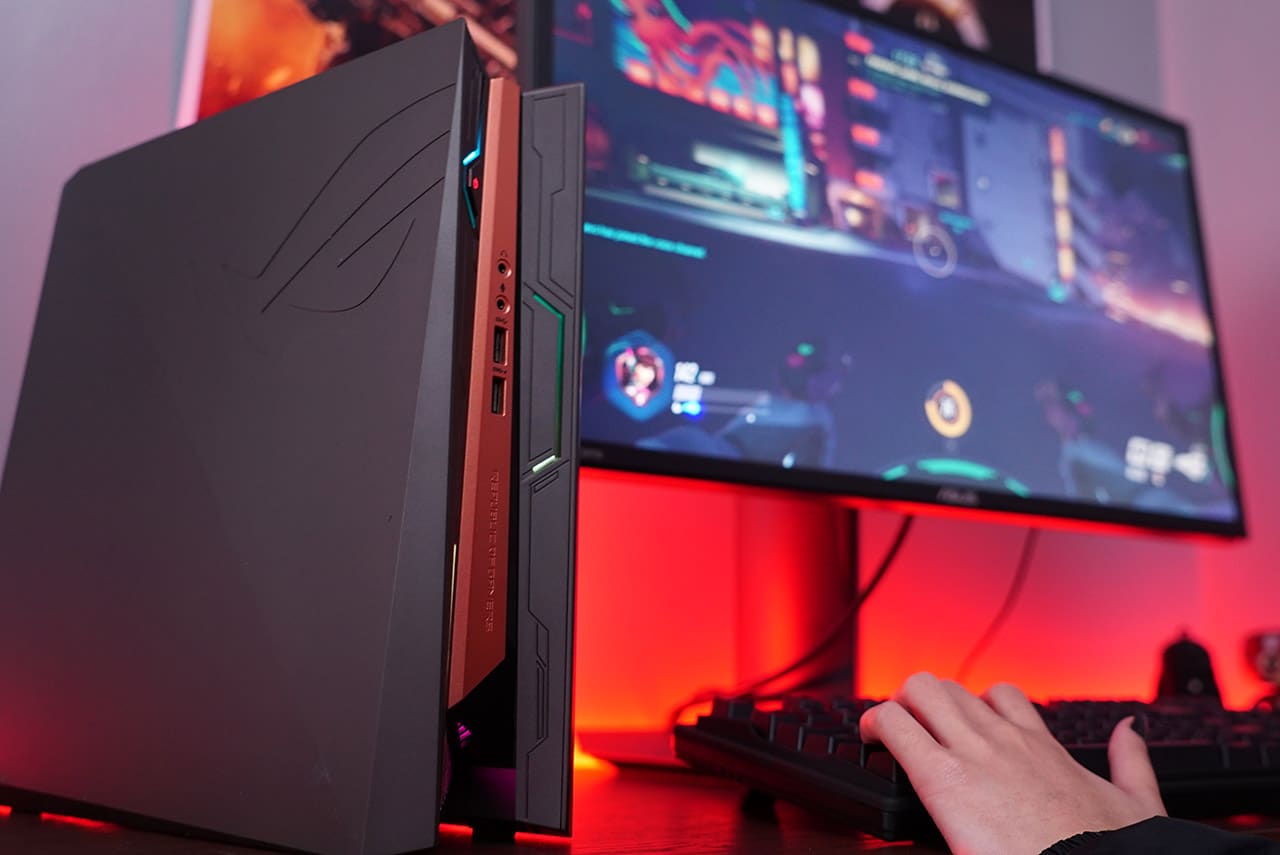
It’s definitely something to ponder over. A gaming laptop owns the same expandability (user-replaceable storage and memory components), wireless connectivity (Wi-Fi and Bluetooth), and an external power supply, but comes with a built-in monitor, keyboard, and battery for short trips. However, what the GR8 II does better is port selection and saving space on a tight desk.
Is this your GadgetMatch?
It all boils down to your gaming needs. While there’s no doubt the GR8 II is more than enough for 1080p gaming at high frame rates, the previous question establishes the compact PC’s position in the market.
The GR8 II feels like a gaming laptop in the body of desktop PC, with the limited upgradeability of the former and immobility of the latter. At the same time, it also doesn’t have the mobility of a notebook nor the sheer possibilities of a true PC tower.

Considering all those factors, it’s clear the GR8 II is somewhere in between the two segments. You’re buying into the idea of a sleek gaming machine that’s designed to look good and deliver respectable performance beyond the minimal physical space it consumes.
Price relies heavily on what configuration you choose; the setup we reviewed costs PhP 69,990 (US$ 1,375) in the Philippines, but you can find a cheaper setup with a Core i5 processor and less storage for around US$ 1,000.
SEE ALSO: ASUS ROG Strix GL702VM Review: Portable gaming powerhouse




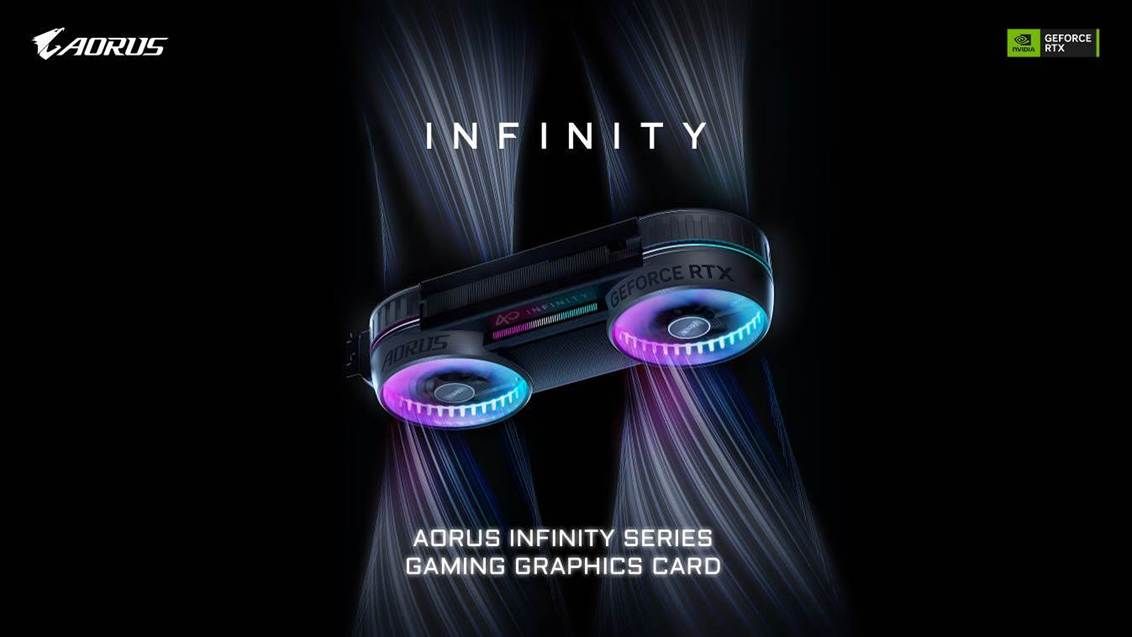
GIGABYTE has launched two new AORUS INFINITY graphics cards in celebration of its 40th anniversary, giving PC builders more options for their custom builds.
These are the AORUS GeForce RTX 5080 INFINITY 16G and the unique, nature-inspired AORUS GeForce RTX 5080 INFINITY WOOD 16G.
These high-end components are genuine design objects meant to elevate the look of one’s entire setup, while also providing topnotch GPU performance.
The new models build on the design language of the AORUS GeForce RTX 5090 INFINITY and further evolve the signature aerospace turbine-inspired aesthetic with integrated RGB lighting elements.
Particularly, the WOOD edition integrates wood-grain elements as its core design language, blending the warmth of natural textures with high-performance hardware.
As such, it is a crown jewel for lifestyle-focused users and interior design lovers, bringing a sense of warmth and emotional resonance.
At the same time, both are absolute powerhouses inside. GIGABYTE packed the new AORUS INFINITY models with the WINDFORCE Hyperburst cooling system.
The patented Hawk fan design minimizes airflow turbulence and noise while achieving higher air pressure and greater air volume.
In the thermal design is a large vapor chamber making direct contact with the GPU. This is paired with composite copper heat pipes to effectively accelerate heat transfer efficiently.
Both new AORUS INFINITY graphics cards support the Project Stealth series for a streamlined building experience.
The concealed power connector design neatly hides cables within the graphics card structure for a cleaner, less cluttery look.

At WWDC 2026, Apple unveiled Siri AI, a smarter version of Siri powered by Apple Intelligence, with personal context, onscreen awareness, deeper app integration, and a brand-new experience across iPhone, iPad, Mac, Apple Watch, and Vision Pro.
Apple also announced new Apple Intelligence features, Google Gemini-powered foundation models, smarter photo editing tools, improved parental controls, faster performance across iPhone and iPad, and the next version of macOS: Golden Gate.
In this WWDC 2026 Rewind, Michael Josh breaks down the biggest announcements, what actually matters. And, whether Apple finally delivered on the promises it made last year.
Computers
ASUS at COMPUTEX 2026
NVIDIA RTX Spark ProArt laptops, Zenbook 14, ROG XBOX Ally X20 Bundle, and more!

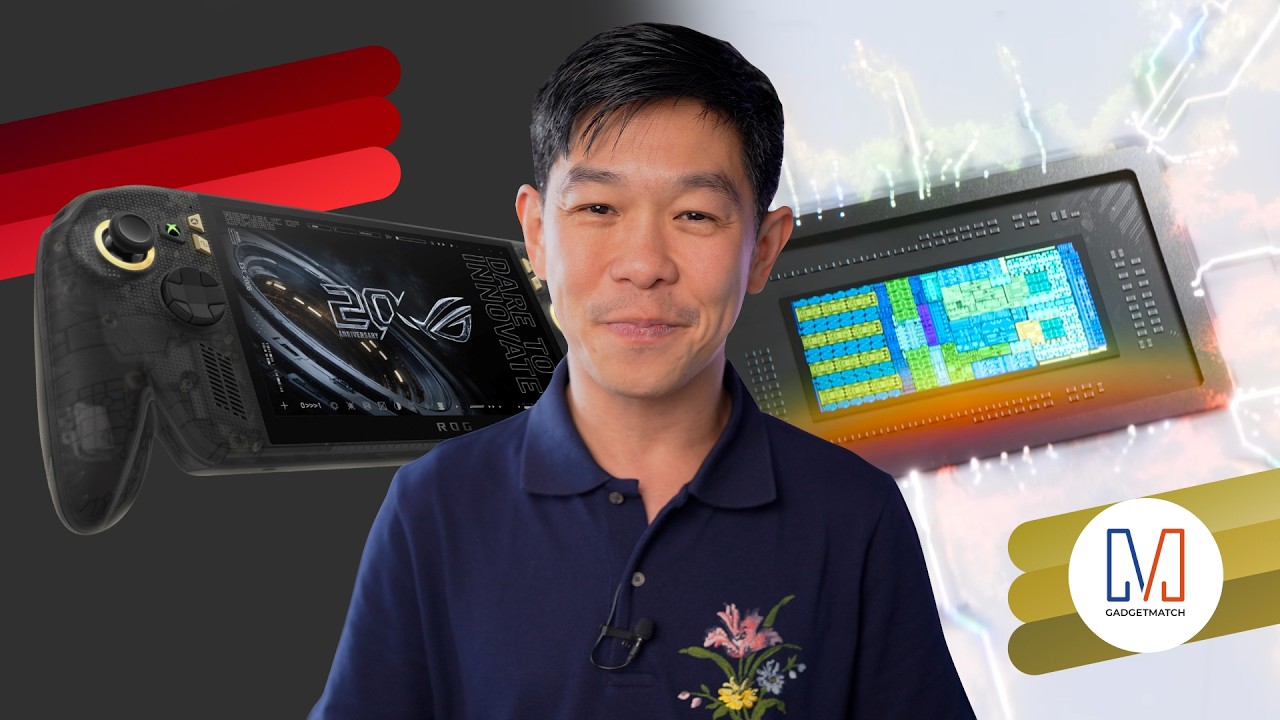
ASUS had a packed COMPUTEX 2026.
in this video we’re taking a look at our favorite announcements from the show: the ultra-portable and colorful Zenbook 14 all the way to the practical Vivobook S series.
There are also some cool new stuff including the debut of NVIDIA RTX Spark-powered ASUS ProArt laptops. PLUS, ROG’s 20th Anniversary!
To celebrate that, they announced a whole bunch of Edition 20 collection — including the nostalgic yet futuristic ROG XBOX Ally X20 with a bundled XREAL R1 Edition 20 Gaming AR Glasses.
Check them out here:


realme C100: Enduring and durable in spite of entry-level realities
Enough power but needs more agility


The ASUS ExpertBook Ultra wins you over
The laptop sneaks up on you


Nexal Watch Sport review: A rugged watch for small budgets
I couldn't believe that watches this good could come for this cheap.

Mercedes-Benz celebrates 140th anniversary at the Presidential Car Museum

Street Fighter 6’s first Filipina fighter arrives August 3

Samsung releases teaser with Spider-Man: Brand New Day Easter eggs

iOS 27 public beta gives us our first taste of Siri AI

The case for traveling without a plan

Buyer’s Guide: TECNO SPARK 50 Pro vs SPARK 50 5G

New York becomes first state to ban smart glasses

vivo X300 Ultra review: A “Whole Different Animal”

DJI Osmo Pocket 4P launches with dual lenses and a 1-inch sensor

HONOR Watch 6 review: Less guessing, more knowing


-
 News1 week ago
New York becomes first state to ban smart glasses
-

 Singapore6 days ago
Sony launches IER-M500 in-ear monitors
-

 Gaming1 week ago
Microsoft dictates that a new Fallout game is coming
-

 Computers1 week ago
GIGABYTE releases new AORUS RTX 5080 INFINITY graphics cards
-

 Gaming1 week ago
HoYo FEST 2026 details announced; tickets on sale from July 16
-

 Gaming1 week ago
Assassin’s Creed Black Flag Resynced available worldwide now
-
Reviews6 days ago
realme C100: Enduring and durable in spite of entry-level realities
-

 Automotive2 weeks ago
The Kia Carnival Hybrid is a gentle giant