
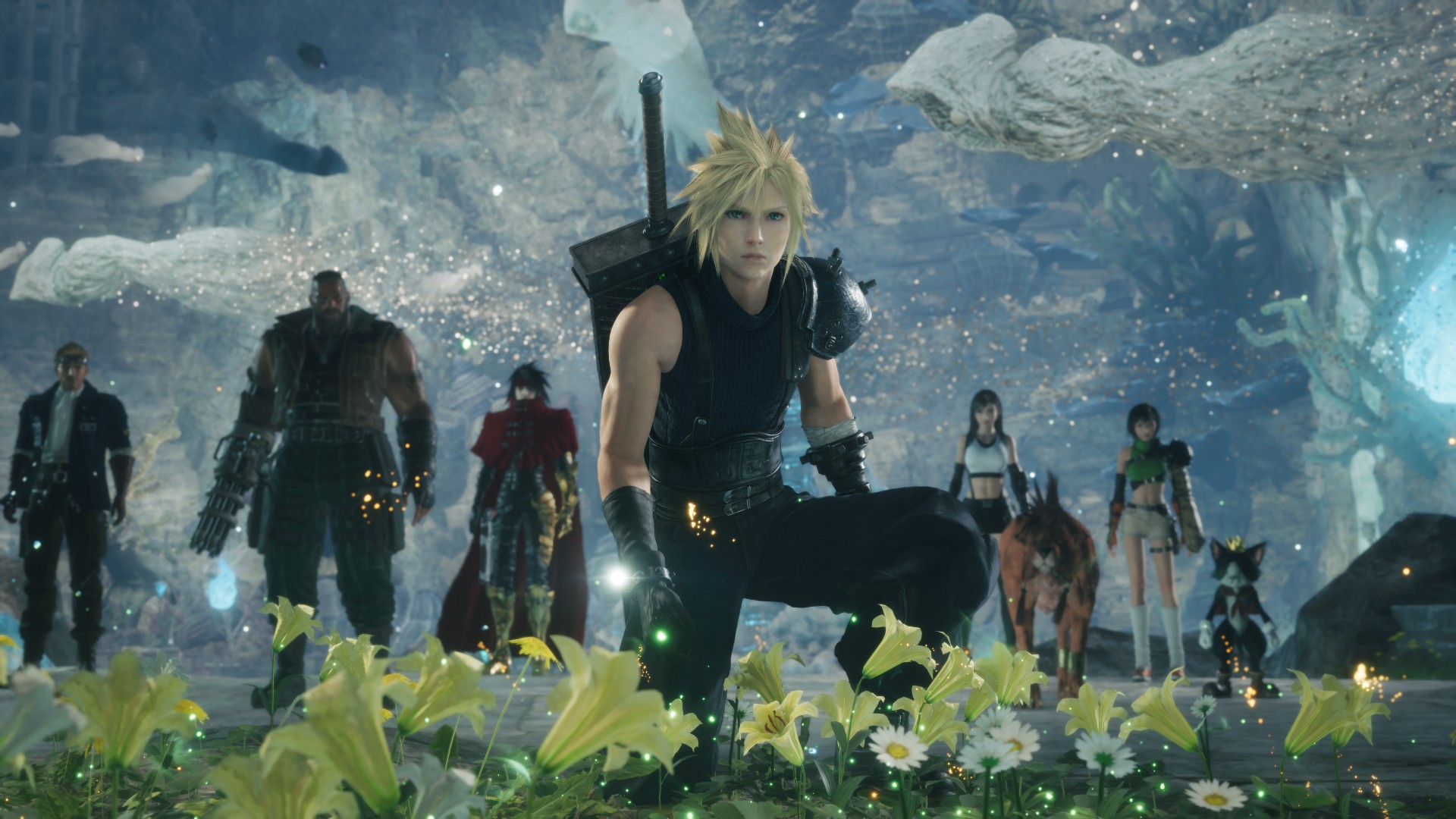

I have had the privilege of interviewing Final Fantasy VII Revelation game director Naoki Hamaguchi before, back when Final Fantasy VII Rebirth was still on its way to release.
So, naturally, I have massive FOMO seeing all the interviews that have come out since Tokyo Game Show.
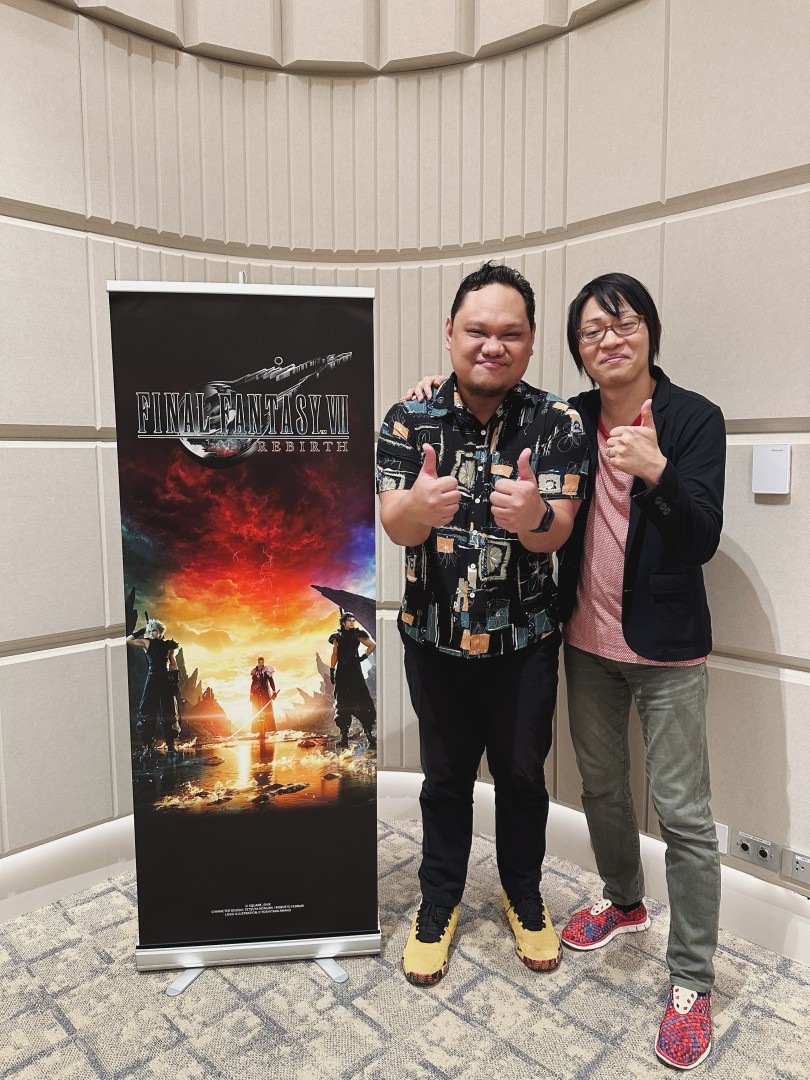
GadgetMatch Managing Editor Rodneil Quiteles with Final Fantasy VII Rebirth game director Naoki Hamaguchi
Rather than sulk about it, we’re doing the next best thing: collecting the bits and pieces Hamaguchi has shared across those interviews, along with his own comments and clarifications, as we get closer to the final installment of the Final Fantasy VII Remake trilogy.
We’re now roughly six months away from Revelation’s April 8, 2027 release, and there’s already a surprising amount we know about the game.
You’ve probably already heard about the huge open world, the Highwind, new playable characters, FITS, and the two story DLCs.
But Hamaguchi has also dropped plenty of smaller details that haven’t received nearly as much attention.
Here are 11 things you probably missed.
1. Some armor can link three Materia together
Let’s start with one of the biggest gameplay deep cuts.
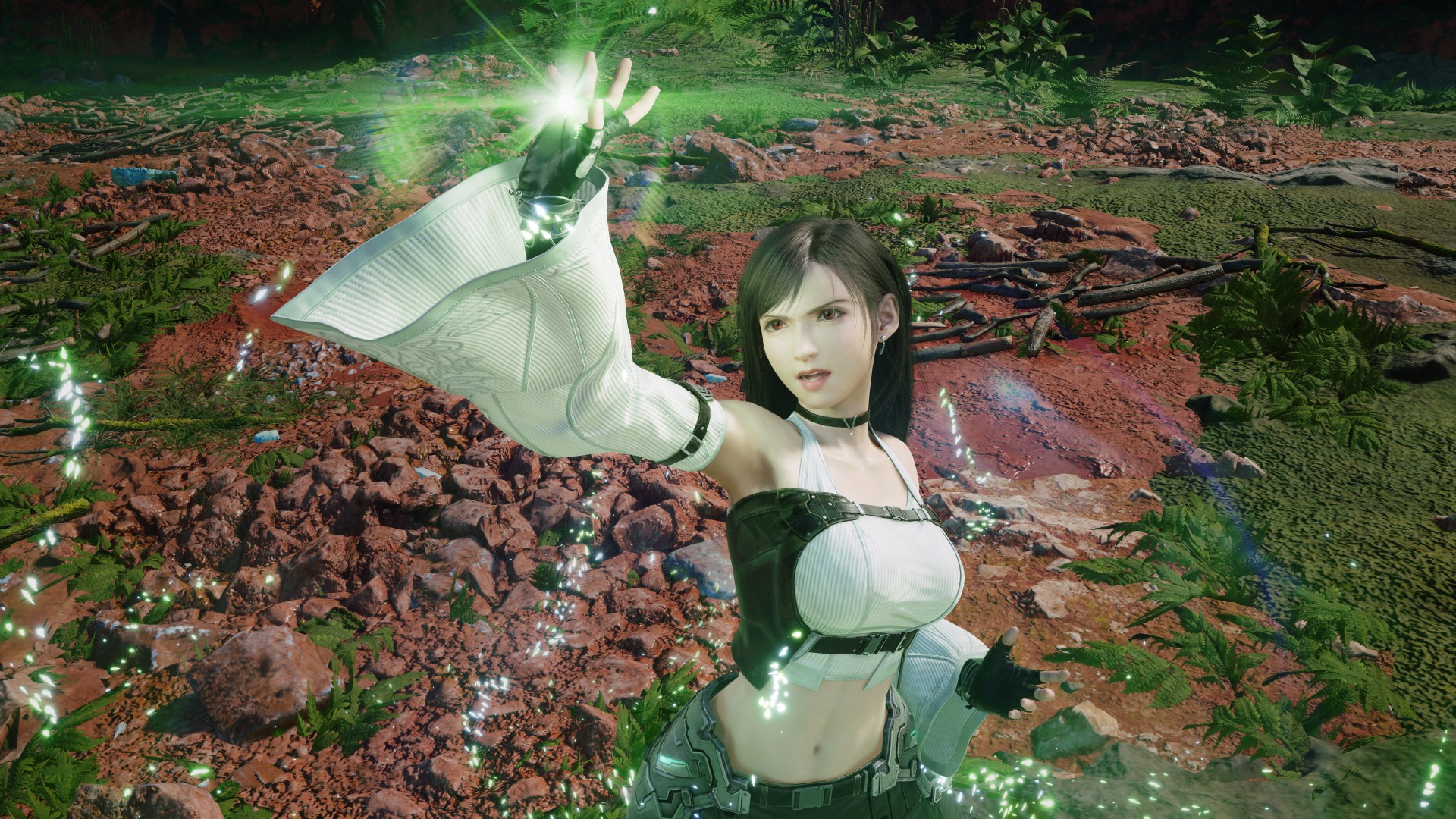
Revelation will have armor with three linked Materia slots.
That might sound like a small upgrade, but linked Materia are fundamental to how Final Fantasy VII‘s build system works. More linked slots mean more room to experiment with combinations and create specialized setups.
Hamaguchi also revealed that some Materia are restricted to specific FITS, meaning the game’s new outfit-based combat system isn’t purely about choosing a role and calling it a day.
The Materia system is getting its own layer of experimentation on top of FITS.
Interestingly, Hamaguchi told Wccftech that this was a detail nobody had asked him about before. Wccftech interview on Materia and FITS
And that makes this exactly the kind of detail we wanted to dig up.
2. Master Materia isn’t coming back
Here’s another one for longtime Final Fantasy VII players.
Don’t expect to eventually turn your Materia collection into the original game’s ridiculously powerful Master Materia.
Hamaguchi explained that Master Materia was deliberately left out because it could break the game’s balance, particularly when it comes to summons.
That makes sense in a game where combat is much more action-focused than the original.
Instead, Revelation is expanding the existing Materia system with new combinations and more ways to customize characters.
It’s a very different approach from simply recreating the original game’s endgame progression. Wccftech interview on Materia and FITS
3. Some Materia are locked to specific FITS
FITS already looks like one of Revelation’s biggest changes to character customization.
The four combat-oriented outfits aren’t just cosmetic loadouts, either.
Hamaguchi revealed that certain Materia can only be equipped to specific FITS.
That means the game is effectively asking you to think about two layers of character customization at once: which FITS you’re using and which Materia you’re slotting into it.
It could also mean that the “best” setup isn’t necessarily about stacking the strongest Materia on your favorite character.
You’ll have to work around the rules of each FITS. Wccftech interview on Materia and FITS
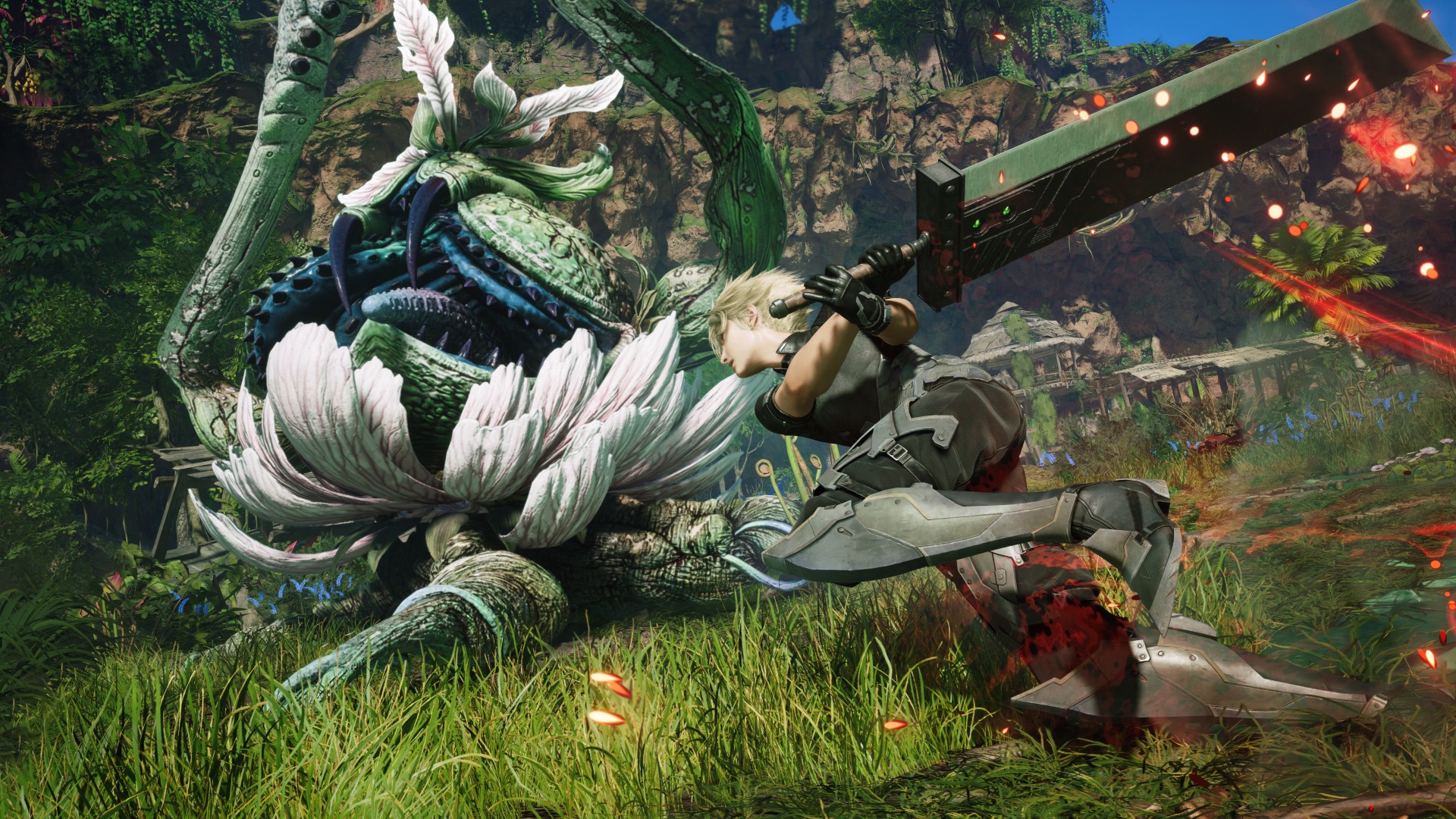
4. The team considered bringing back Double Cut and 4x Cut
Here’s one that could easily disappear beneath all the bigger announcements.
Hamaguchi discussed how the team considered bringing back classic Materia such as Double Cut and 4x Cut.
Ultimately, those ideas didn’t fit the game’s action-oriented combat particularly well.
It’s a fascinating example of the team deciding where Revelation should preserve the original game’s ideas — and where simply recreating them wouldn’t make sense.
The Remake project has always involved translating systems designed for a turn-based RPG into a modern action RPG.
This is another example of that process happening behind the scenes. Wccftech interview on Materia and FITS
5. Knights of Round gets its own storyline
We knew Revelation would bring back plenty of familiar elements from the original.
But Knights of Round isn’t simply returning as another summon.
Hamaguchi has described dedicated content surrounding the summon, structured similarly to how Gilgamesh received his own story content in Rebirth.
That means one of the most iconic summons in the original Final Fantasy VII is being given considerably more room to exist as part of the world.
For longtime fans, this is exactly the kind of expansion that makes the Remake trilogy interesting.
The team isn’t merely recreating the things we remember. It’s finding ways to turn familiar elements into new experiences. JCR Comic Arts‘ reproduction of the interview
6. Yes, Johnny’s clones are back
Of all the things to survive into the final game, this might be one of the most delightfully ridiculous.
Johnny returns.
And, somehow, his clones return too.
Hamaguchi has confirmed that Johnny will have his own side content in Revelation, continuing one of Rebirth’s strangest recurring bits.
It’s also a reminder that the Remake trilogy isn’t suddenly going to become completely serious just because we’re approaching its conclusion.
If anything, Revelation appears to be bringing along plenty of the weirdness that made Rebirth such a bizarre and memorable RPG. Wccftech‘s Hamaguchi interview
7. The snowy section brings back stamina management
Remember the Great Glacier?
That icy section of the original Final Fantasy VII is making a return in Revelation, and Hamaguchi has confirmed that stamina management will once again be part of the experience.
This isn’t simply a matter of walking through another snowy environment.
You’ll have to manage Cloud’s stamina as you make your way through the area, creating a gameplay sequence that deliberately echoes the original.
It’s another example of Revelation using nostalgia as a starting point rather than simply recreating an old location. Shacknews‘ interview with Hamaguchi
Update: After this article was published, Final Fantasy VII Revelation director Naoki Hamaguchi responded to our roundup, confirming that stamina management while climbing the snowy mountain is indeed part of the game’s gameplay. He also encouraged players to look forward to other elements inspired by the original Final Fantasy VII.
8. The PC version is being built to run more smoothly than Rebirth
PC players have another reason to pay attention.
Hamaguchi has specifically talked about making Revelation’s PC version run more smoothly than Rebirth.
That’s significant because Rebirth’s PC release became a major talking point around its performance and image quality.
Rather than treating the PC version as an afterthought, Square Enix says the lessons from Rebirth are feeding into the final game’s development.
We’ll obviously have to wait until we can actually play it to judge whether those ambitions translate into a better release.
But at least the team knows exactly what players will be watching for. Wccftech on Revelation’s PC version
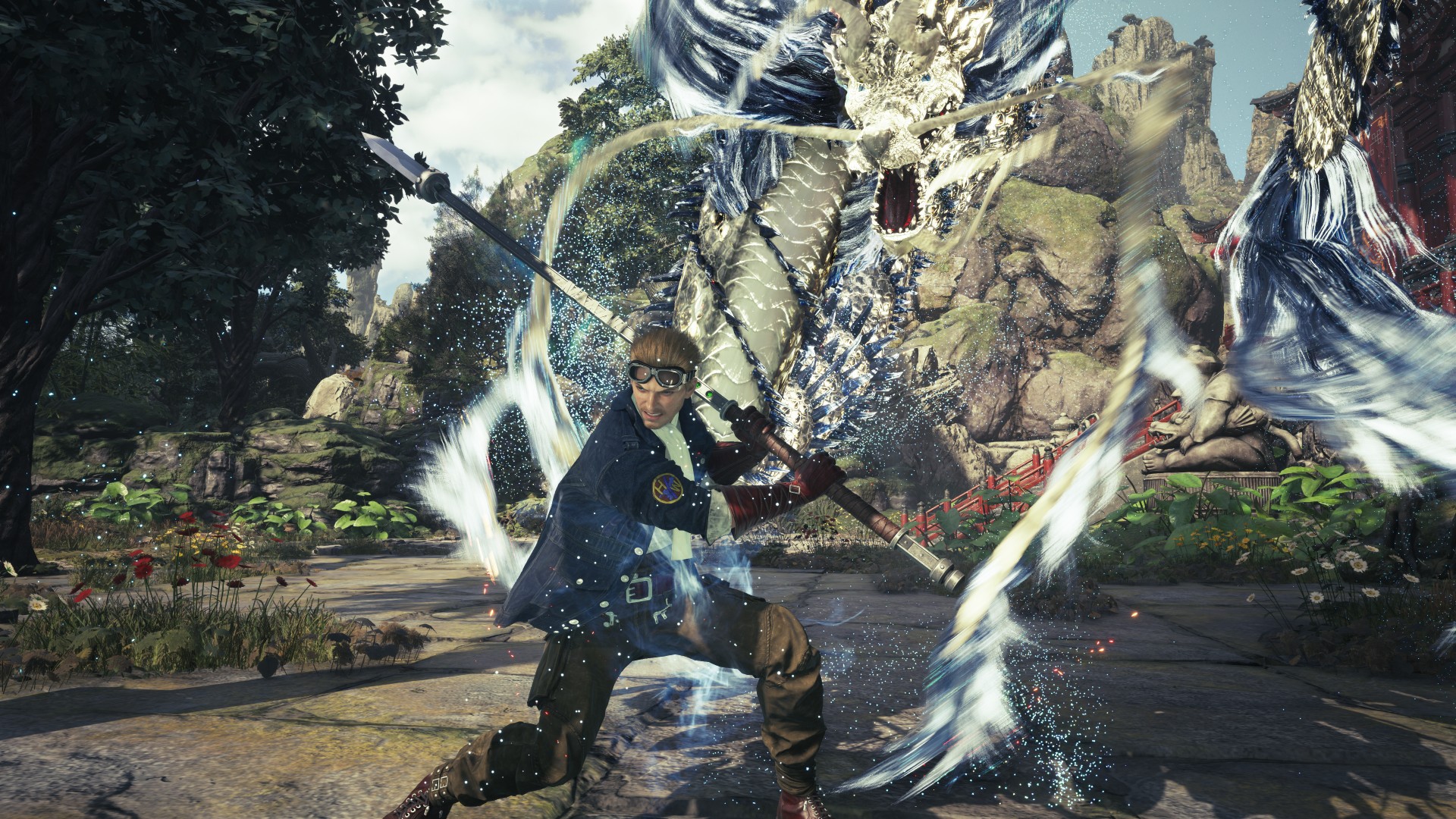
9. FITS started as something much simpler
FITS looks like a major part of Revelation’s identity now.
But the idea apparently started much smaller.
Hamaguchi explained that the team initially considered simply putting Warrior or Black Mage symbols on the characters’ outfits.
That eventually evolved into the full FITS system, with distinct outfits representing different combat roles.
It’s a neat example of how a seemingly small visual idea can eventually become an actual gameplay system.
And it explains why FITS feels like more than just an excuse to give the cast new outfits for the finale. Wccftech‘s Hamaguchi interview
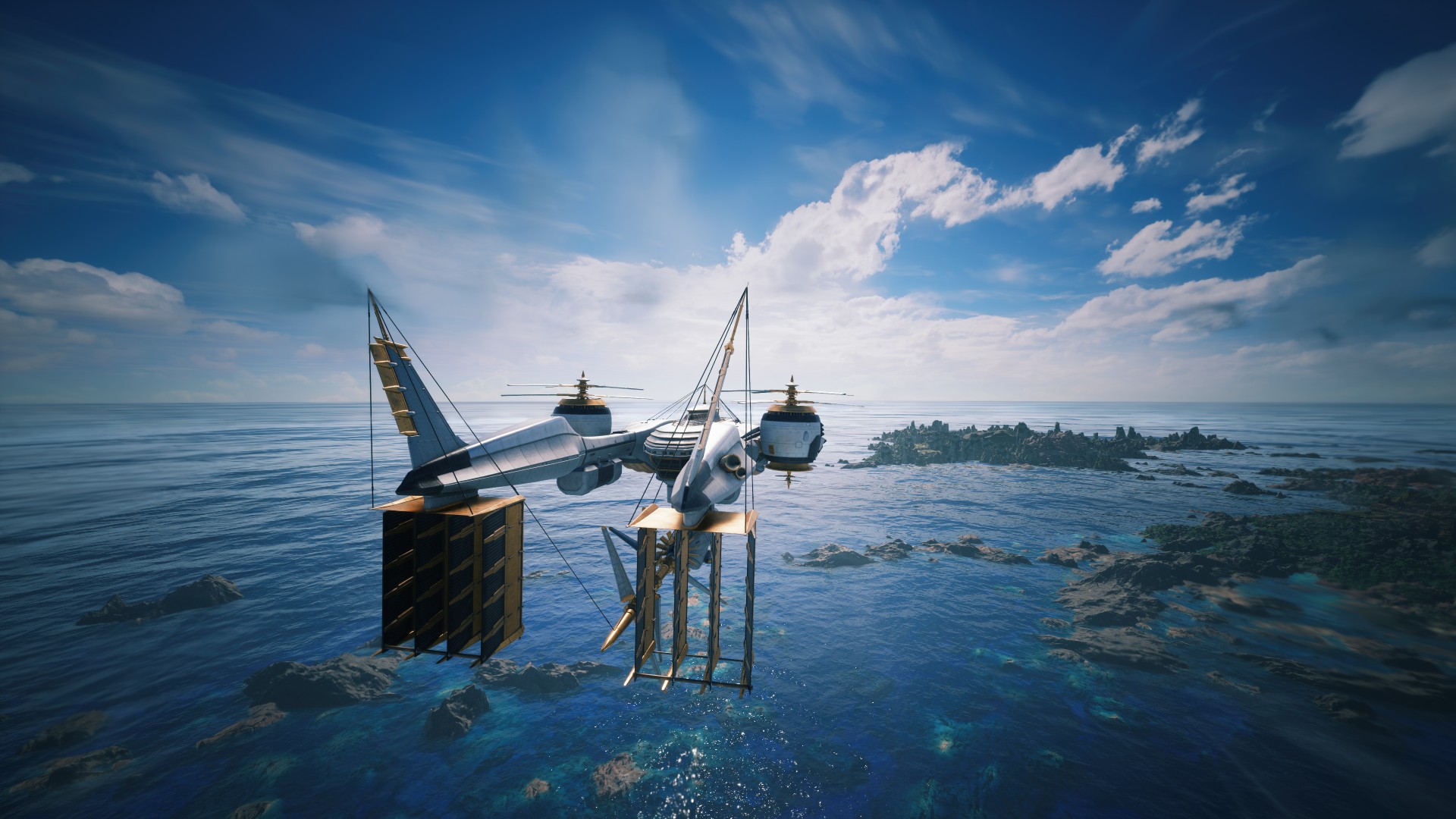
10. The Highwind actually changes as you explore
The Highwind isn’t just your fancy new way of getting around the world.
As you explore Revelation’s massive world, the airship will also become more lively, with changes to the people aboard it and their dialogue.
That makes the Highwind feel more like a moving part of the world rather than another menu disguised as a vehicle.
It also fits with Hamaguchi’s broader philosophy for Revelation: the game is supposed to give players more freedom while still making the journey itself feel meaningful. GamerBraves‘ interview with Hamaguchi and Kitase
11. Hamaguchi really doesn’t want this to become “his” Final Fantasy VII
And this might be the most important detail of all.
Hamaguchi has repeatedly emphasized that the original Final Fantasy VII remains at the heart of the project.
In a recent post, he clarified that the Remake trilogy has always been developed with fans in mind, rather than as his own personal reinterpretation of the classic.
That philosophy is particularly interesting heading into Revelation.
The trilogy has made enormous changes to the original story. It has introduced new characters, expanded existing ones, changed the structure of the world and played with expectations about where the story is going.
But Hamaguchi says the goal isn’t to turn Final Fantasy VII into something that exists purely because the developers wanted to make their own version of it.
It’s still Final Fantasy VII first.
And that philosophy could ultimately be what determines whether the trilogy sticks its landing. GamesRadar on Hamaguchi’s “personal fan project” comments
That’s only the stuff you might have missed
The 11 details above are the ones that stood out to us precisely because they aren’t the usual Revelation talking points.
But Hamaguchi has shared a lot more over the past few months.
So, if you’re trying to keep track of where we actually stand six months before launch, here’s everything else we know.
Story and structure
This is still one connected trilogy
Hamaguchi recently clarified something that had apparently been misunderstood in some of his earlier comments.
Remake, Rebirth, and Revelation are intended to be experienced as one connected journey.
However, Square Enix doesn’t view them as one RPG artificially chopped into three pieces.
Instead, the team considers them three full-scale RPGs, each designed to provide a satisfying standalone experience while contributing to the larger trilogy. Hamaguchi’s clarification on X
That’s an important distinction when we eventually judge whether Revelation feels like a complete game.
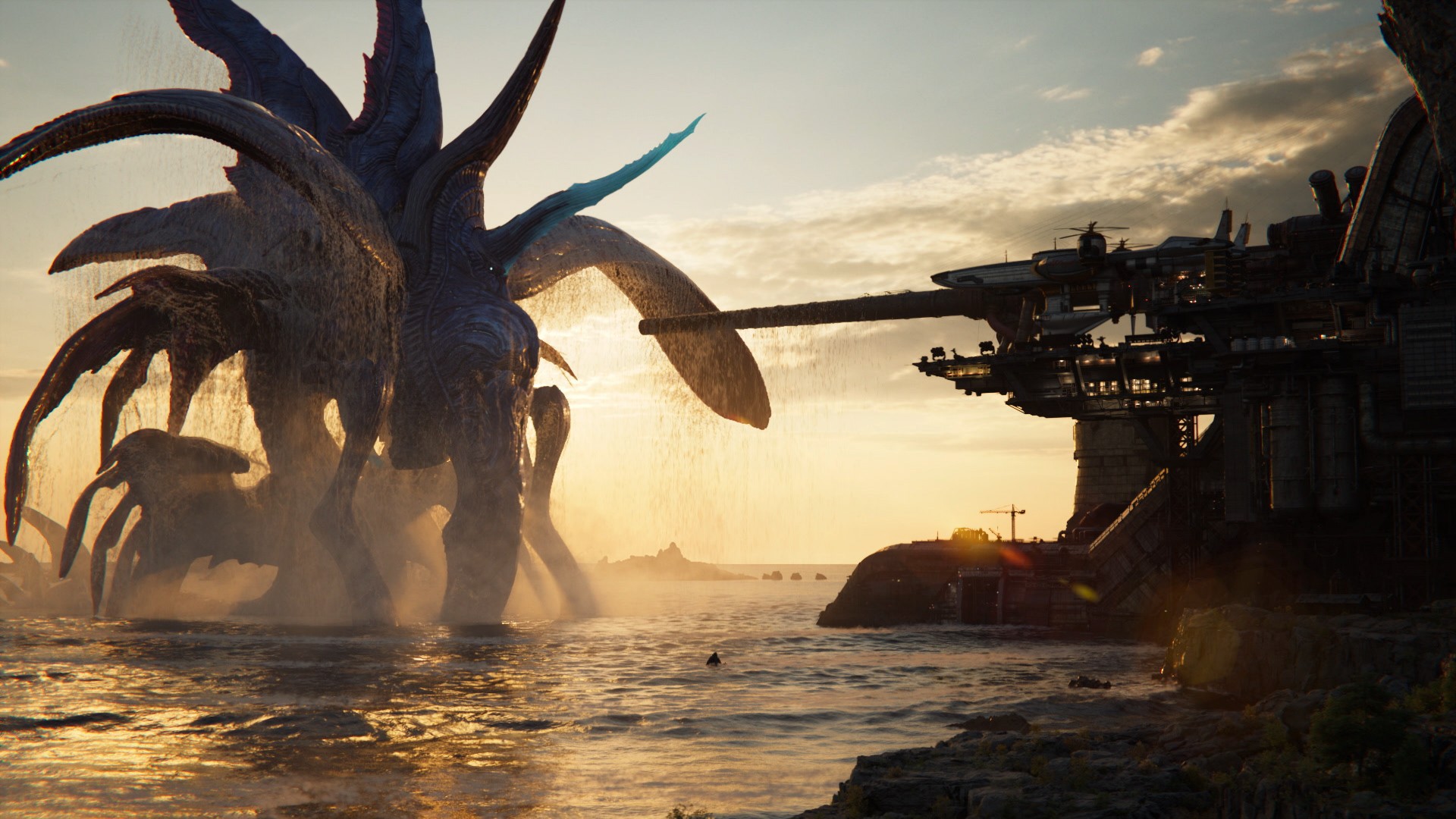
The theme this time is “resolve”
Remake centered on change and the desire to escape fate.
Rebirth placed considerable emphasis on bonds between characters.
For Revelation, Hamaguchi has described the central theme as resolve — the determination to make a choice and see it through.
The Japanese concept is tied to ketsui, which also informed the thinking behind the game’s title. MMO.net‘s Hamaguchi interview
Choices matter more
Hamaguchi has also said Revelation contains more situations where player choices can influence not just progression, but the direction of the storytelling itself.
That makes the game’s “resolve” theme more than just a marketing phrase.
We’ll have to see how substantial those choices actually are. Automaton‘s interview with Hamaguchi
The world and exploration
It’s the biggest world yet
Remake was focused and densely packed.
Rebirth opened things up into a traditional open-world structure.
Revelation takes another step by adding verticality to that formula.
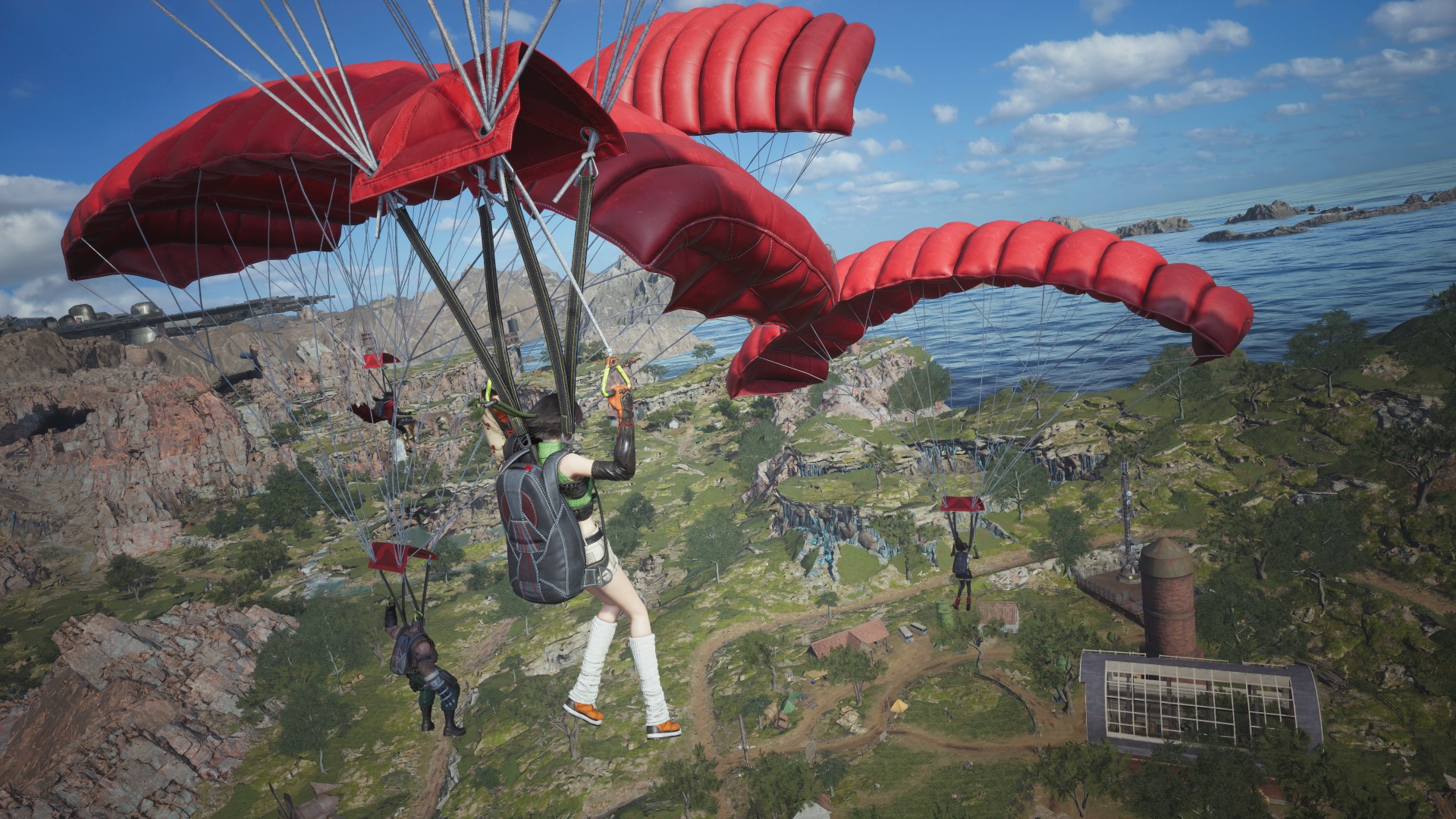
Hamaguchi describes it as a “spatial open-world experience.” RPG Site‘s interview with Hamaguchi
The Highwind arrives relatively early
One of the biggest structural changes is how quickly the game gives players access to the Highwind.
Once players have it, the game essentially tells them to go wherever they want.
That is a major philosophical shift from the more directed opening portions of the trilogy. Automaton‘s interview with Hamaguchi
Guidance is stronger — perhaps too strong
Square Enix has added more on-screen guidance specifically because the developers don’t want players who aren’t familiar with open-world games to get lost.
But there was an interesting twist: experienced players told Hamaguchi the guidance could be too aggressive.
The team is therefore considering ways to let players customize how much guidance they receive. Hamaguchi’s guidance clarification on X
Combat and progression
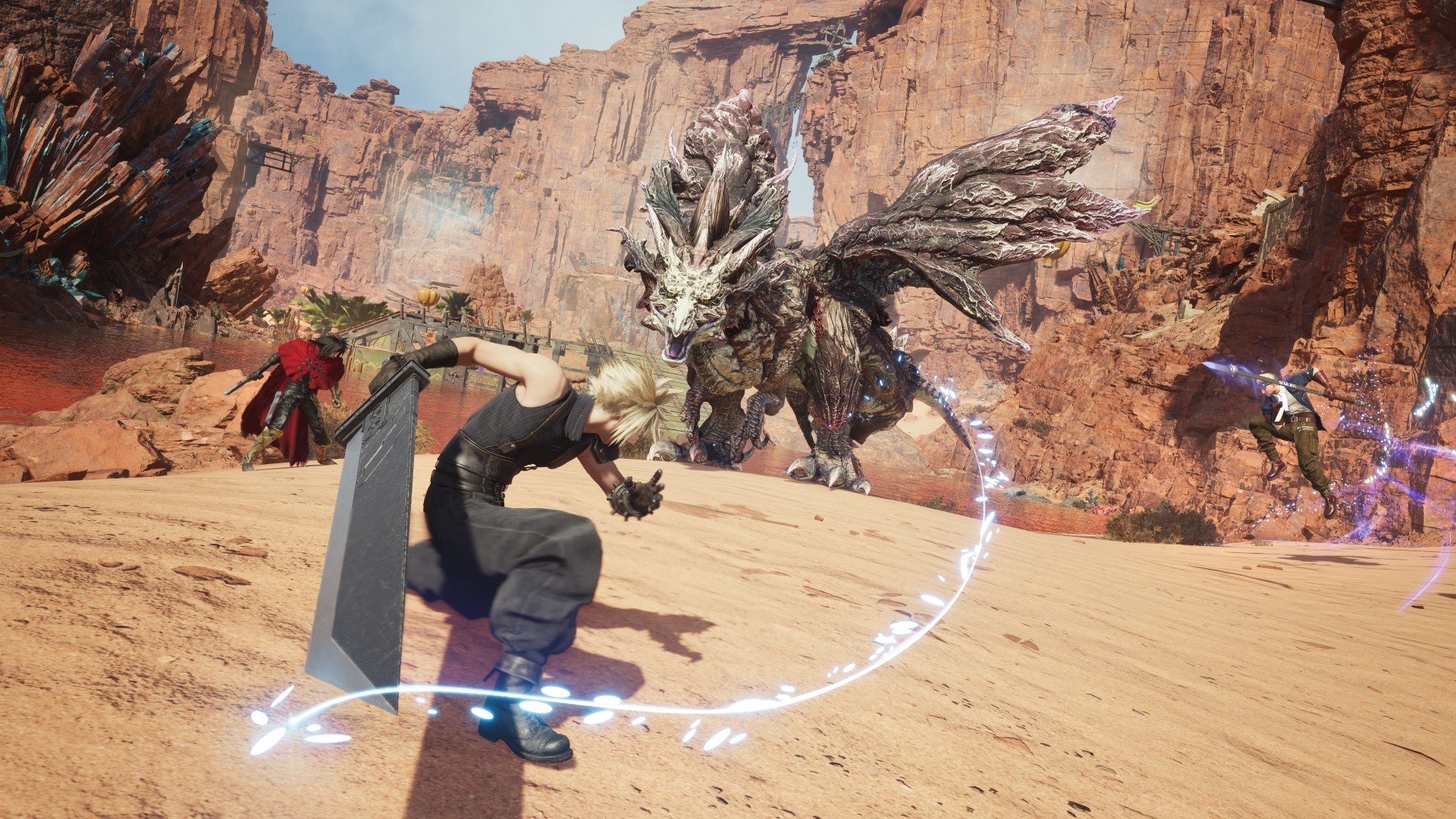
FITS is a major new layer
The four FITS roles are built around combat functions rather than simply representing the developers’ favorite Final Fantasy jobs.
Hamaguchi has also explained that FITS evolved specifically from the team’s desire to expand the combat possibilities introduced in Rebirth. Wccftech‘s Hamaguchi interview
Auto-leveling is optional
Players who don’t want to spend as much time grinding can automatically bring characters up to the recommended level for the story.
It’s another example of Revelation trying to accommodate different types of players without removing progression altogether. Hamaguchi’s auto-level clarification on X
You won’t need to restart from Level 1
After finishing the story, Chapter Select returns.
That’s particularly important because Hamaguchi says there are objectives, outcomes and discoveries that players won’t necessarily see in a single playthrough.
The team wants players to experiment without feeling like they’re throwing away an entire save. Hamaguchi’s multiple-playthrough clarification on X
Side content and minigames
The minigames aren’t going away
If you were hoping Revelation would finally calm down with the minigames, sorry.
Hamaguchi considers their sheer variety an important part of what makes Final Fantasy VII feel like Final Fantasy VII.
The difference this time is that minigames are less tied to combat progression.
Instead, their rewards lean more toward cosmetics and customization. Automaton‘s interview with Hamaguchi
Minigames can be made easier or skipped
Players can adjust minigame difficulty, including setting them to Easy.
More importantly, they can skip them immediately rather than being forced to complete a minigame just to move on.
That’s a potentially significant quality-of-life improvement after some of Rebirth’s more divisive side activities. Automaton‘s interview with Hamaguchi
Rewards should be clearer
Hamaguchi also says the team has worked to make the reward structure more transparent.
Players should have a better idea of what they’ll get for completing a particular activity before investing their time in it.
Again, that’s something we’ll want to test ourselves.
DLC and the finale
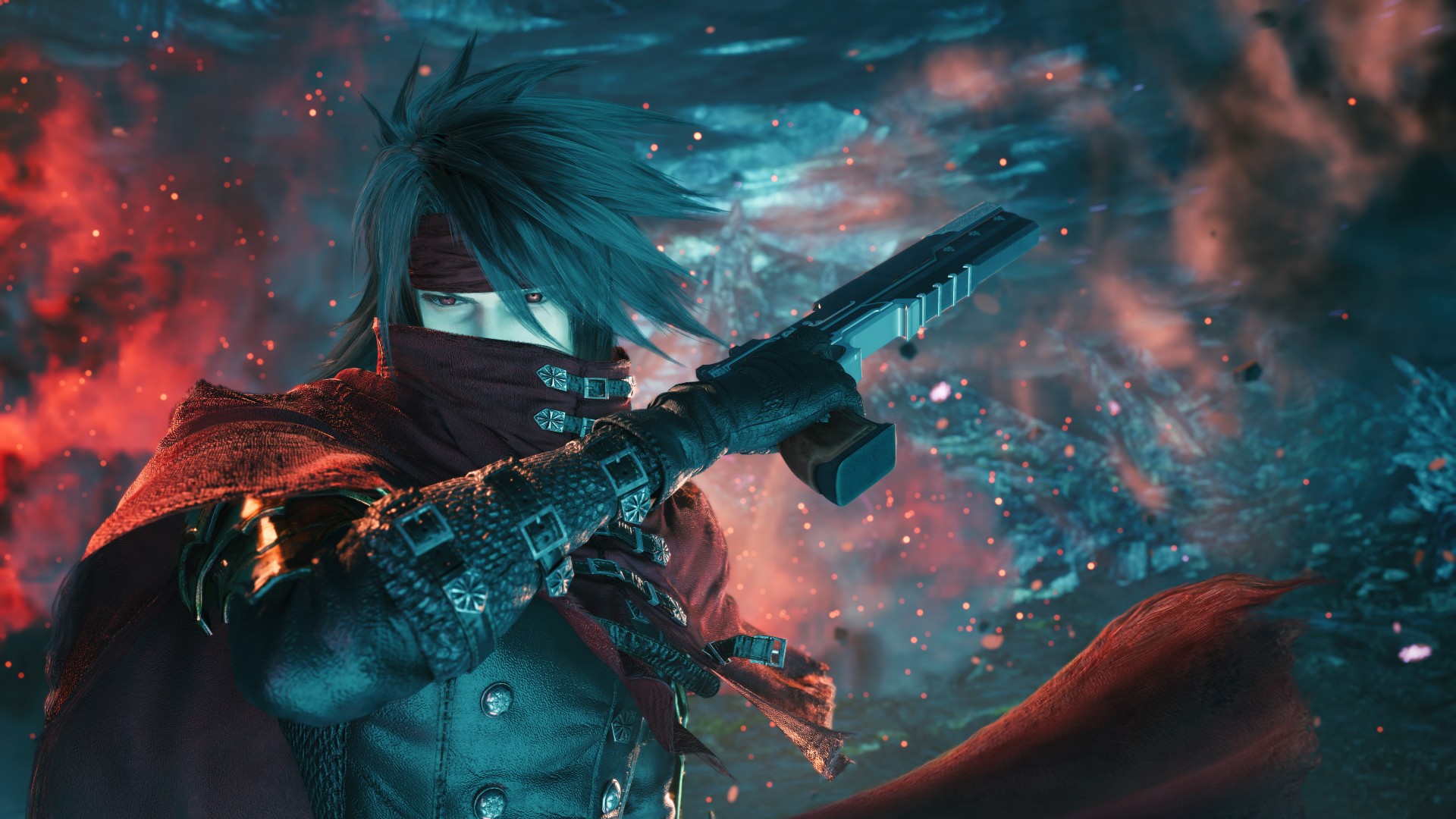
Fan Favorite Vincent Valentine
Sephiroth and Vincent are getting story DLC
Square Enix has announced two story DLCs, one focused on Sephiroth and another on Vincent.
Hamaguchi says the decision was inspired by the response from fans after Revelation was announced.
He also stresses that these stories aren’t intended to replace anything from the main game’s conclusion. Hamaguchi’s DLC announcement on X
The original story remains the priority
This is important because it’s easy to interpret DLC announcements as Square Enix holding things back for post-launch content.
Hamaguchi has framed the DLC more like the character-focused expansion seen with Episode INTERmission: additional stories that explore characters without replacing the main narrative. Ourinsaneblogs‘ TGS interview with Hamaguchi
What we still don’t know
And this might be the most important section to keep updated as we get closer to launch.
How exactly does it connect to Advent Children?
Hamaguchi has acknowledged the wider Final Fantasy VII universe and the importance of things like Advent Children, Crisis Core, and Dirge of Cerberus.
But there is no clean confirmation that Revelation simply ends by directly setting up Advent Children.
That’s still something we’ll have to discover.
How much do our choices actually matter?
We know choices can affect progression and aspects of storytelling.
We don’t yet know the full extent of those consequences.
That’s going to be one of the biggest things to investigate once we can play the finished game.
How big is “big”?
We’ve heard a lot about scale.
We’ve seen the world.
We’ve heard about the Highwind and vertical exploration.
But there’s still a difference between a large map and a world that genuinely feels worth exploring.
That’s another question for the eventual review.
The bottom line
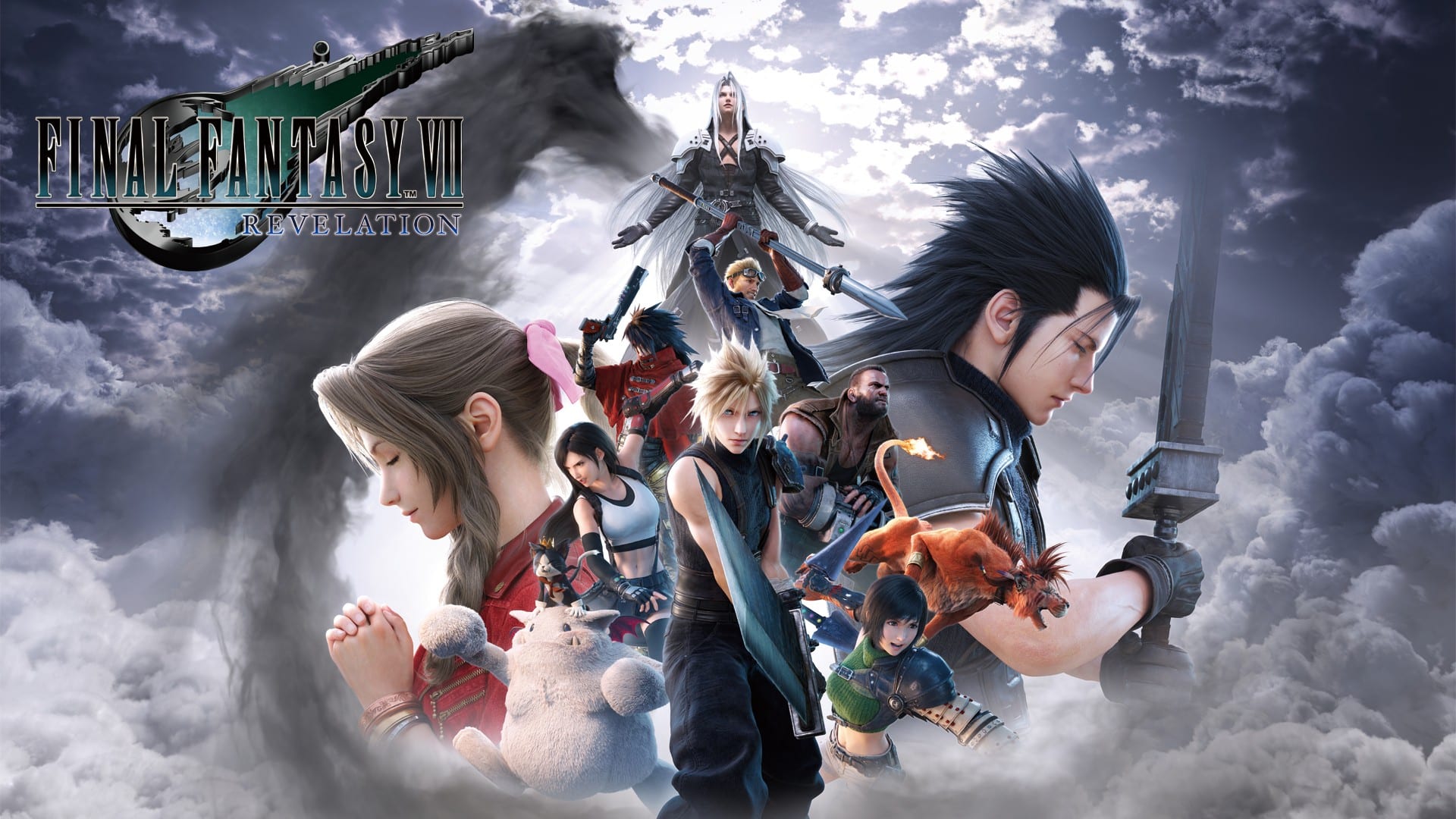
Six months before release, Final Fantasy VII Revelation is already shaping up to be an absurdly ambitious finale.
It’s bigger than Rebirth. It’s more open. It’s more vertical. It has a new combat customization system, a revamped Materia setup, more meaningful choices, an earlier Highwind, a ridiculous number of minigames, and two post-launch story expansions.
But the smaller details are arguably more interesting.
- Three linked Materia slots.
- FITS-locked Materia.
- No Master Materia.
- Johnny’s clones.
- Knights of Round getting its own storyline.
- A returning stamina mechanic in the snow.
- A PC version specifically targeting better performance.
- And a combat system that started life as nothing more than symbols on everyone’s clothes.
Those are the details that make Revelation feel less like “the third Final Fantasy VII Remake game” and more like a game that has spent years trying to figure out exactly what the finale should be.
We’ll find out whether all of those ideas come together when Final Fantasy VII Revelation launches on April 8, 2027.
And yes, we will absolutely be keeping this list updated as Hamaguchi inevitably gives us even more things to obsess over.




Gaming
Five new (and better) games you can play instead of GTA VI
There are so many worlds to explore besides Vice City.

In case you’ve been living under a rock, everyone right now is head over heels playing Grand Theft Auto VI. If you’re not playing the most anticipated game of the decade yet, it’s probably because of a few reasons: no console to play it on, no 60fps mode, or the insane price tag. Now, if you fall under any of these reasons, here are a few (arguably better) games you can sink your teeth into, instead.
The Legend of Zelda: Ocarina of Time
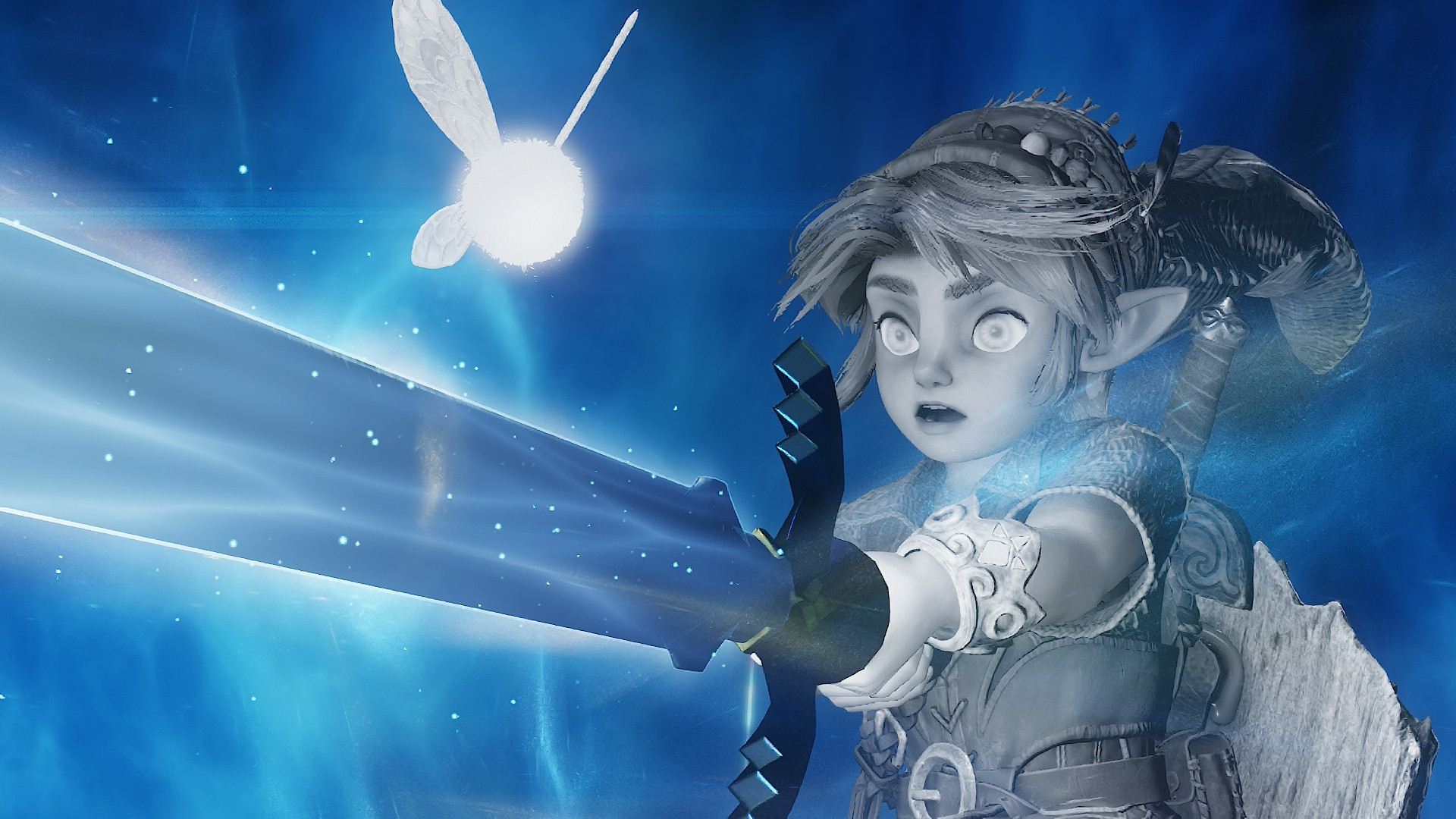
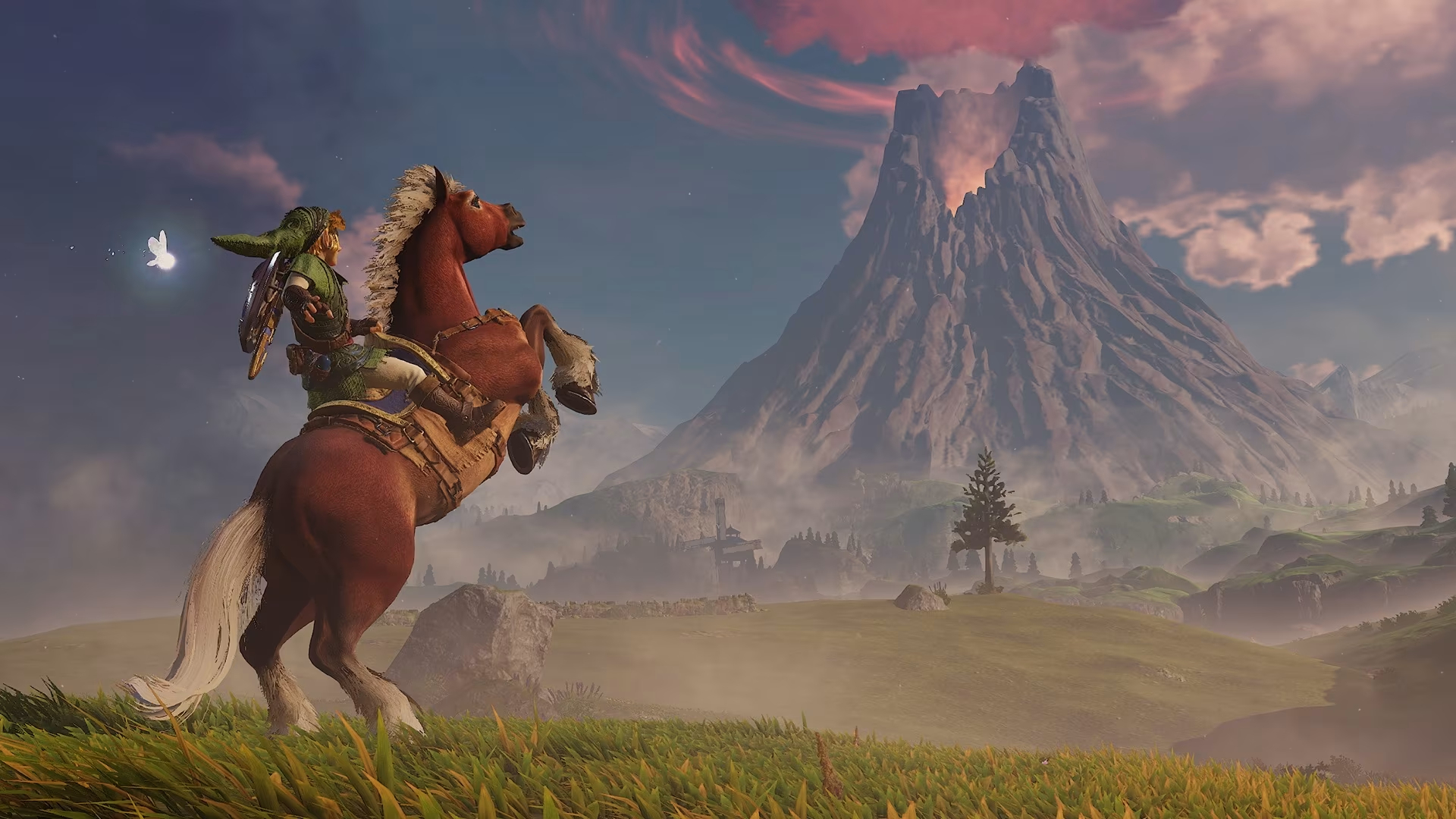
Let’s get the obvious out of the way first. Ocarina of Time is one of the best games in history. Though released in 1998, the original title still holds up to scrutiny. And now, the 2026 remake reintroduces the game to a newer audience.
And make no mistake: The Ocarina of Time remake is just as good as the original. It uses every bit of the Switch 2 to bring Hyrule to life, while retaining the original’s seamless gameplay. The only catch, however, is, like Grand Theft Auto VI, you’ll need a console to play this masterpiece.
Phantom Blade Zero
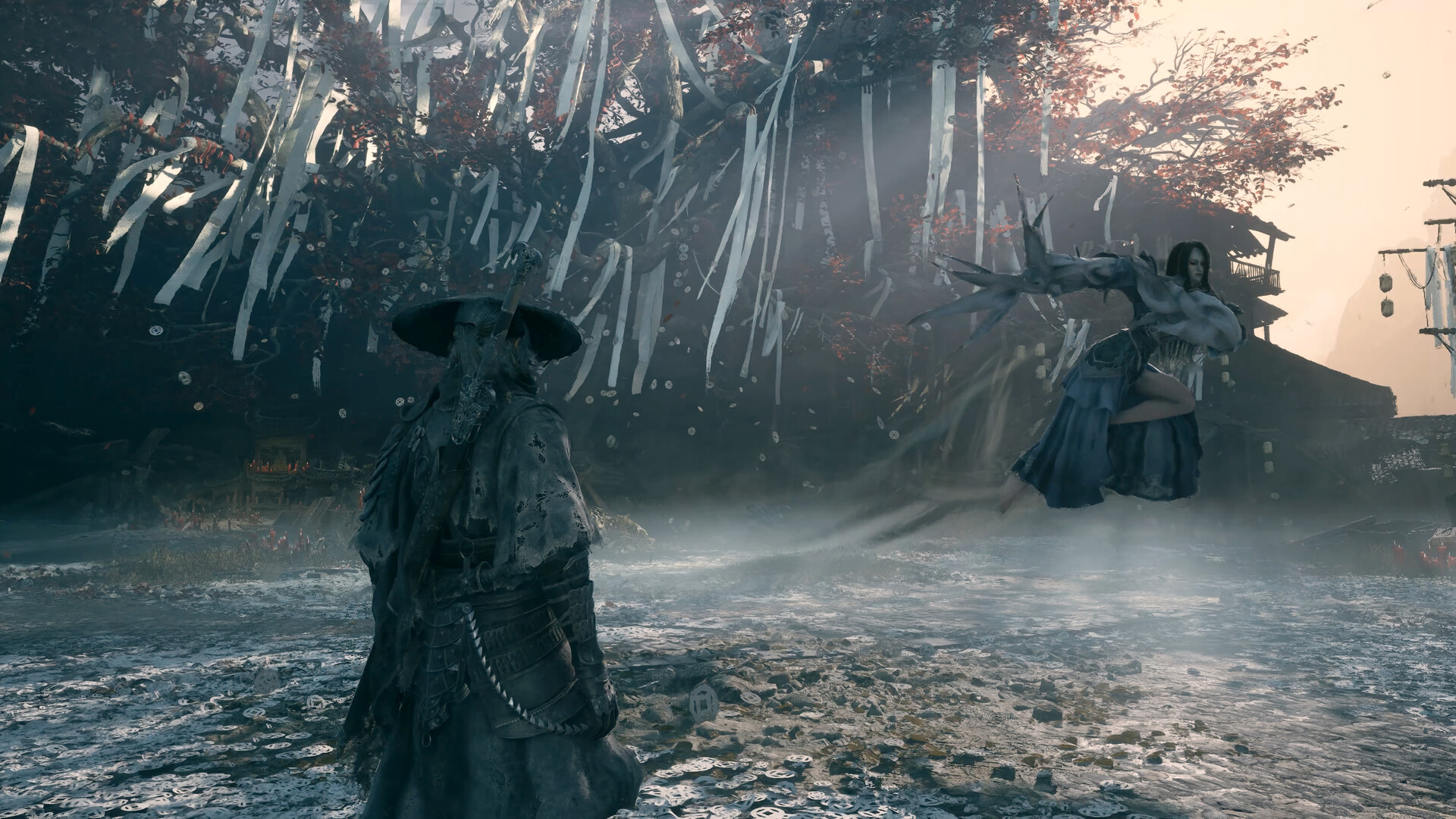
Now, if you prefer bashing your head over difficult bosses, Phantom Blade Zero will give you a challenge. If you’re a fan of the action RPG genre, the title continues the Chinese trend started by Black Myth: Wukong.
It’s not as mythological as Wukong, though. Soul, an elite assassin, is betrayed by his own Order and framed for the death of one of their own. After suffering a fatal wound, the assassin has a little over two months to discover the conspiracy behind his betrayal. The game is available on PC and PlayStation.
Control Resonant
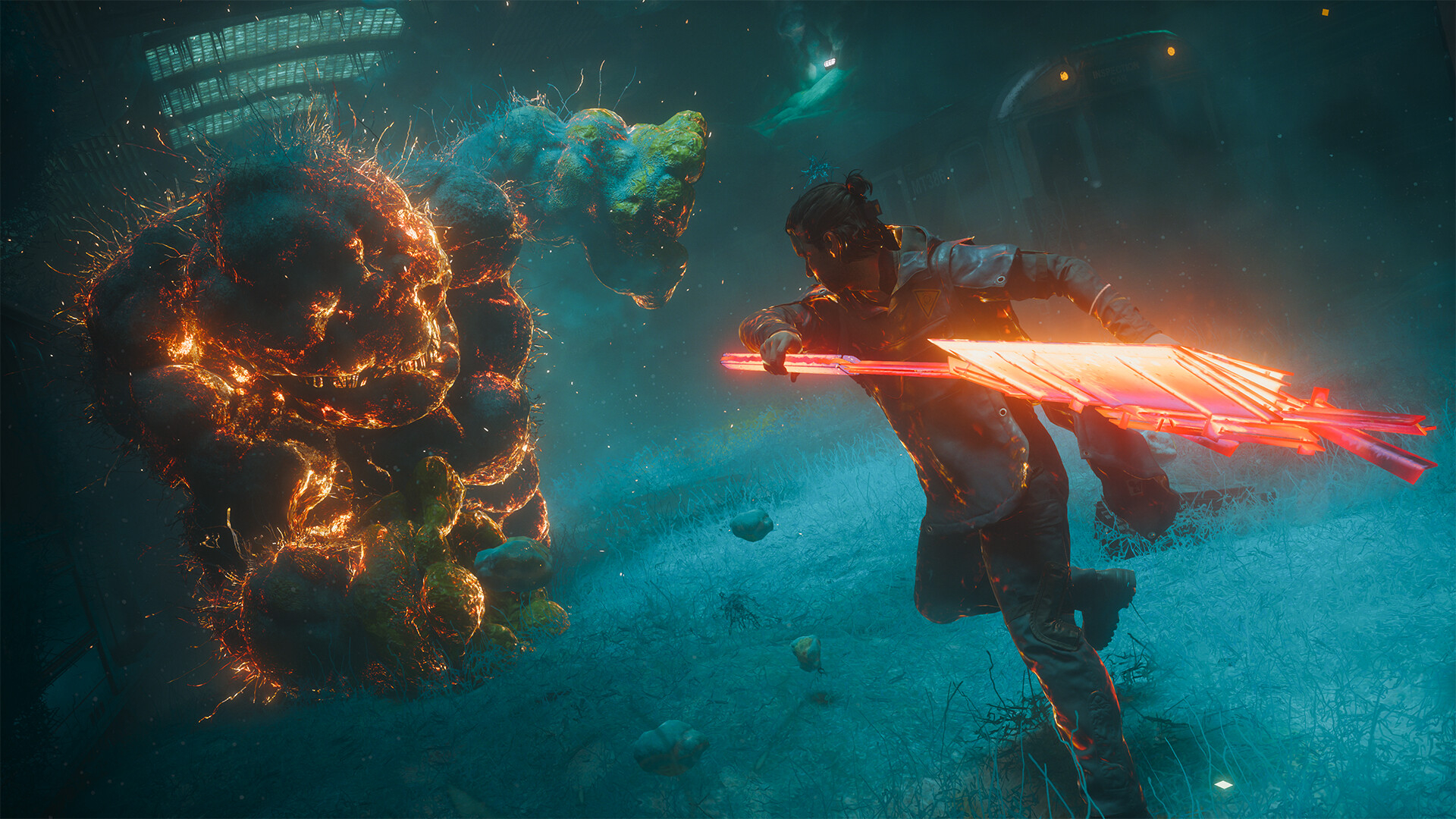
Continuing the story of critically acclaimed Control, Control Resonant gives players control Dylan Faden, a superpowered individual and the sister of original protagonist Jesse Faden. Like his sister, Dylan must save the world from supernatural forces, while trying to save his sibling.
Again, much like the original game, Control Resonant flew under the radar but still proved to be an intensely satisfying game with the original’s unique combat and eerie atmosphere.
Silent Hill: Townfall
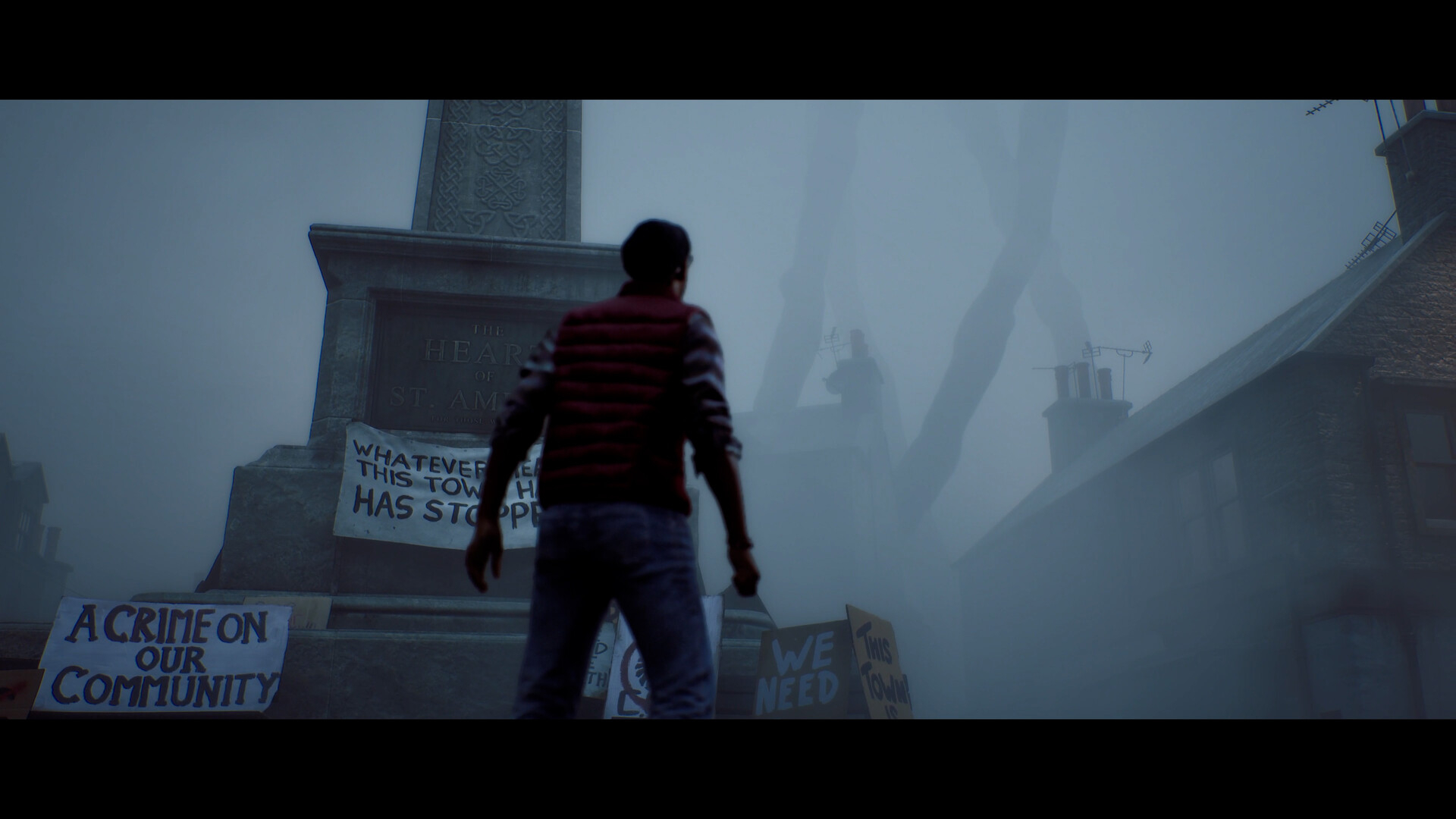
Speaking of eerie atmospheres, let’s not forget one of the creepiest franchises in gaming history. Silent Hill: Townfall once again features a protagonist waking up in a town plagued by mist. Simon Ordell finds himself in the mysterious Scottish town of St. Amelia. Here, amid all the monsters, he finds Zoe Ellis and Richard Shaw, two survivors also trying to make their way through the treacherous town.
Like other games in the franchise, Townfall features terrifying horror while its protagonists struggle through their pasts. If horror is your thing, the new Silent Hill should be your go-to.
9 Kings
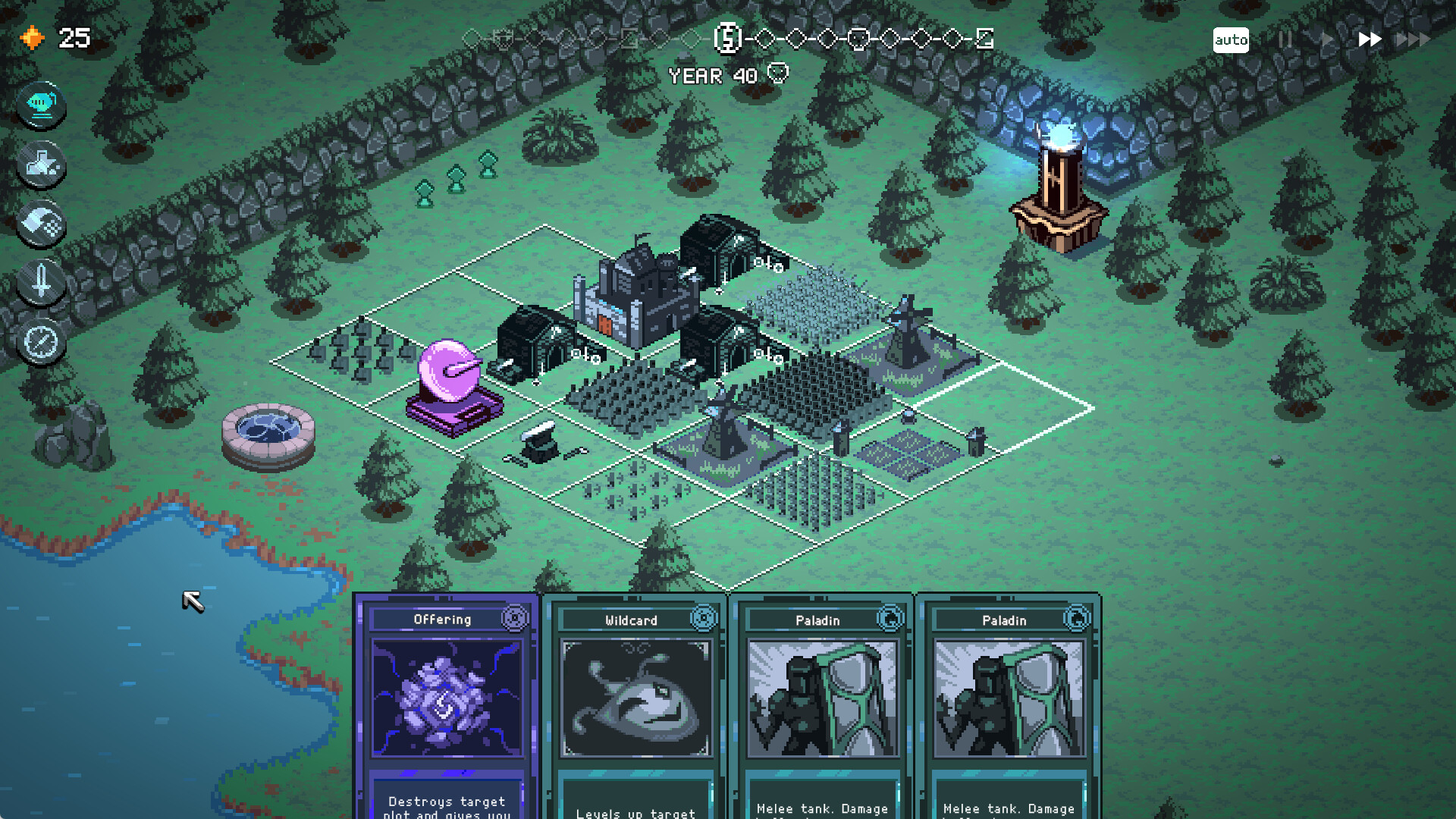
Now, let’s leave behind the world of AAA games. 9 Kings is a small but just-as-fun title that can provide hours and hours of entertainment. It’s difficult to explain what the title is without going through all the genres it plays around with: roguelike, deck-building, base-building, and tower defense. The simple goal is to build up your kingdom while protecting against hordes of enemies.
It’s not story-based like the other entries on this list, but it’s just as entertaining. I’ve heard it described as a cool mix between Teamfight Tactics and Balatro.
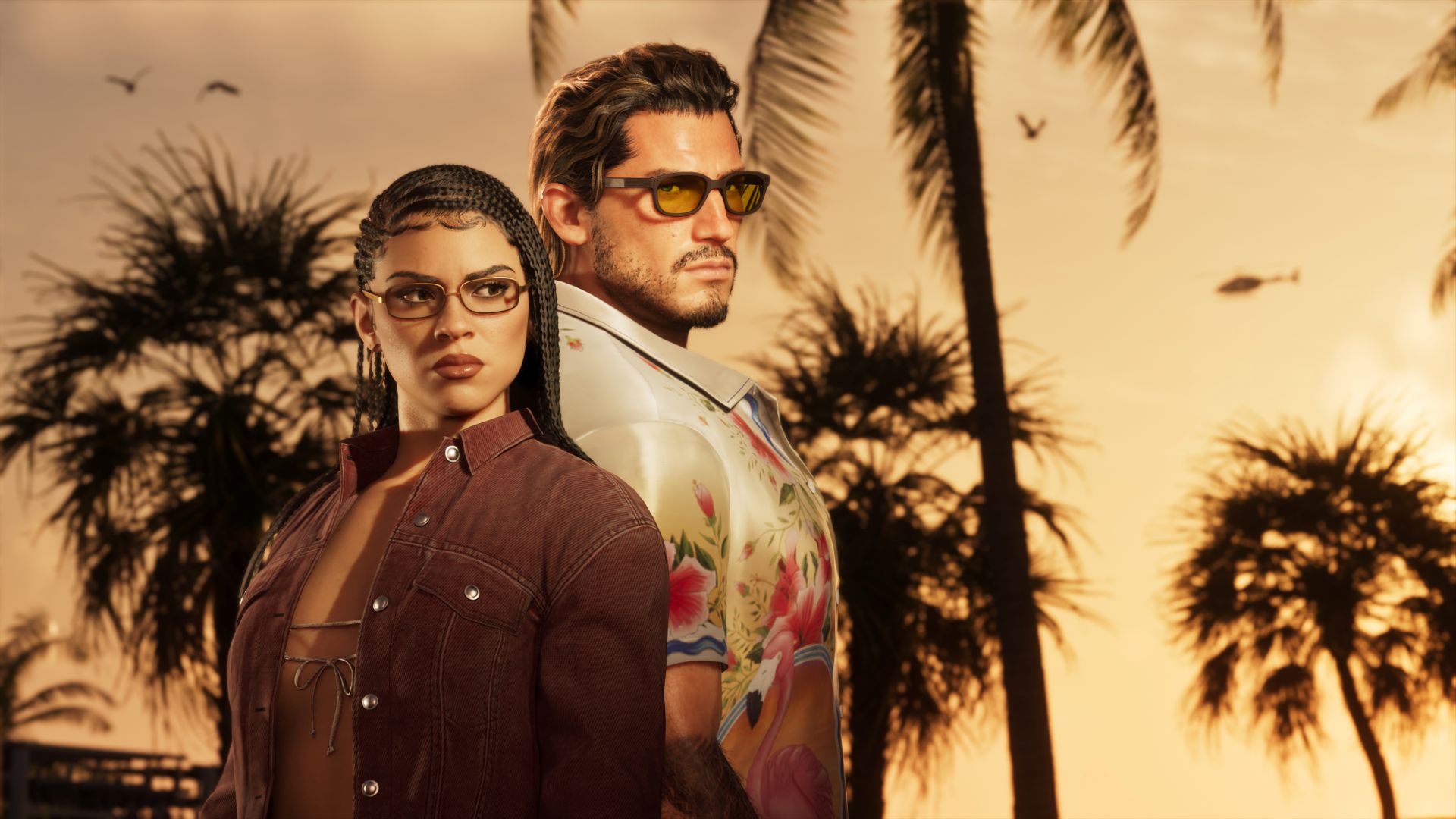
As you can probably read through reviews today, Grand Theft Auto VI might go down as one of the best titles in history. Regardless, it’s not for everyone. If your flavor gaming goes through a different gamut than the Rockstar Games formula, these games will be for you.


The verdict is in. Thirteen years is a long time to wait for a new Grand Theft Auto. It’s even longer when the previous entry becomes one of the biggest entertainment releases in history.
Now, Grand Theft Auto VI is finally here. The review embargo has lifted, and critics have had their say on Rockstar’s long-awaited return to Vice City and the wider state of Leonida.
The early response is overwhelmingly positive. But there’s more to these reviews than a wall of perfect scores. Critics are fascinated by Leonida’s attention to detail, the relationship between Jason and Lucia, and how Rockstar has pushed its open-world formula forward. There are also questions about pacing, controls, and the familiar 30fps limitation.
We rounded up reviews from established international publications and active Southeast Asian gaming outlets. Rather than simply compare scores, we’re looking at what each reviewer believes makes GTA VI special, where they think it stumbles, and whether regional critics bring a different perspective to the conversation.
Why these outlets?
A review score only tells part of the story. Different publications have different review philosophies, audiences, and ways of evaluating games.
This roundup brings together established international gaming publications, independent critics, and Southeast Asian outlets with active gaming coverage. It isn’t an exhaustive list of every GTA VI review. Instead, it’s a curated look at a range of critical perspectives, including voices closer to our own corner of the gaming community.
We’ll also respect each publication’s scoring system. Some use numerical ratings. Others have their own verdicts, while a few don’t assign scores at all. Where there’s no formal rating, we’ll mark it as N/A rather than force a number onto it.

International reviews
IGN
Reviewer: Luke Reilly
Score: 10/10 — Essential
Key takeaway: After more than 120 hours, Reilly calls GTA VI an extraordinary achievement. He highlights the richness of Leonida, the improved driving, dense traffic, and the sheer number of details that keep the world feeling fresh. Even after finishing the story, he was still discovering new animations, pedestrians, and vehicles.
GameSpot
Reviewer: Tamoor Hussain
Score: 10/10 — Essential
Key takeaway: GameSpot believes Rockstar has set an almost impossibly high standard for open-world games. Its review celebrates Leonida’s staggering scope, but focuses just as much on the tiny details that make it feel alive. It’s the kind of world where players can spend hours finding things they didn’t know existed.
Polygon
Reviewer: Giovanni Colantonio
Score: N/A — No numerical score
Key takeaway: Polygon approaches GTA VI through its social commentary. Its review examines who gets to break the rules in modern America, and how power and privilege shape life in Leonida. Jason and Lucia’s relationship gives the story an emotional center, while its depiction of inequality gives the familiar criminal fantasy a sharper edge. The review also notes uneven pacing and repetitive sequences.
Kotaku
Reviewer: Zack Zwiezen
Score: N/A — No numerical score
Key takeaway: Kotaku is particularly enthusiastic about Jason and Lucia, describing them as Rockstar’s most fully realized protagonists. It also praises the open world, smarter police, driving, mission variety, and music. The criticisms are familiar: clunky controls, performance issues during big fights, and a story that loses some momentum in its later chapters. Zwiezen put in 152 hours and completed the main campaign.
Game Informer
Reviewer: Matt Miller
Score: 10/10
Key takeaway: Game Informer argues that GTA VI’s biggest achievement isn’t any single feature. It’s how the world, activities, story, and characters come together to create a believable criminal fantasy. Miller also singles out Jason and Lucia’s relationship as the game’s emotional core.
Skill Up
Reviewer: Ralph Panebianco
Score: N/A — Review in Progress
Key takeaway: Skill Up has completed the main game, but isn’t ready to call his review final. He wants another playthrough to explore more of what GTA VI offers. His review-in-progress is spoiler-free, and the label shouldn’t be mistaken for an unfinished first playthrough. It’s a deliberate decision to spend more time with a game that clearly has plenty left to discover.
The Washington Post
Reviewer: Gene Park
Score: 4 stars
Key takeaway: Park approaches GTA VI through its depiction of human behavior. He highlights how race, class, gender, money, and online attention shape encounters in Leonida. His review makes a compelling case that the game’s greatest achievement is how convincingly its world responds to the player.
Southeast Asian reviews
Geek Culture — Singapore
Reviewer: Kevin Low
Score: 9.6/10
Key takeaway: Geek Culture praises GTA VI’s emergent gameplay systems and one of Rockstar’s most immersive worlds. Low is particularly impressed by how the game brings together the studio’s experience with open-world design. It isn’t just another map to explore; it’s a digital playground that can keep players occupied for hours.
One More Game — Philippines
Reviewer: Chris Garcia
Score/Verdict: 10/10 — Buy it!
Key takeaway: One More Game sees GTA VI as the culmination of Rockstar’s experience with open-world games. The review highlights Jason and Lucia’s relationship, Leonida’s diverse environments, and how exploration and progression encourage players to keep discovering new things. It also flags the lack of a 40fps or 60fps option, familiar Rockstar control quirks, and underused DualSense features.
UnGeek — Philippines
Reviewer: Rob Yatco
Score: 10/10
Key takeaway: UnGeek is particularly impressed by the game’s immersion. The review calls attention to small environmental details, the density of Leonida, its activities, and its soundtrack. Yatco considers GTA VI a potential new standard for the industry, while acknowledging some performance limitations and room for improvement in Jason’s characterization.
Sirus Gaming — Philippines
Reviewer: Lexuzze Tablante
Score/Verdict: 10/10 — Masterpiece
Key takeaway: Sirus Gaming finds GTA VI to be a generation-defining experience. Its review focuses on the relationship between Jason and Lucia, the more grounded approach to gameplay, and the technical achievement of Leonida. Tablante notes occasional frame-rate drops on PS5 Pro, but says they don’t significantly diminish the experience.
GamerBraves — Malaysia
Reviewer: Sean Lim
Score: 10/10
Key takeaway: After more than 75 hours with the game, GamerBraves highlights how GTA VI makes its enormous world feel alive through everyday interactions, unexpected encounters, and activities that can easily pull players away from their original plans. Its review also pays attention to the practical details of exploration, from vehicle systems and weather to underwater activities and random encounters. Beneath all the chaos, it sees a surprisingly human story about two people trying to build a better life together.
What critics generally agree on
The reviews may come from different publications and regions, but several themes keep appearing. GTA VI has clearly impressed critics in more ways than one.
Leonida is the real star
The most consistent praise goes to the world itself. Critics repeatedly point to the density of its environments, the behavior of its NPCs, and the number of things players can stumble upon outside the main story.
This is more than a map that happens to be bigger. Reviewers describe a world that feels lived in, reacts to player behavior, and rewards curiosity. Even seemingly insignificant details contribute to that feeling.
GameSpot, IGN, Game Informer, Kotaku, and the SEA publications all highlight different aspects of this achievement. The common thread is how much Rockstar has packed into Leonida, and how naturally its systems work together.
Jason and Lucia give the story its heart
GTA has always been about crime, ambition, and excess. This time, critics are finding something more personal at the center of it.
Jason and Lucia’s relationship gives the story an emotional foundation that several reviewers consider a major step forward for the franchise. Their contrasting personalities and shared ambitions make the criminal escapades feel more consequential.
Kotaku, Game Informer, One More Game, and GamerBraves all identify the duo as one of the game’s biggest strengths. Polygon also approaches their story through the social and economic circumstances that shape their lives.

Rockstar has made its sandbox more convincing
The evolution of familiar systems is another recurring highlight. Robberies require more planning, stealing vehicles is more involved, and police pursuits demand more thought than simply escaping their line of sight.
These changes make criminal activities feel less like isolated missions and more like interconnected systems. Critics also appreciate how everyday activities fit into the larger experience, giving players reasons to spend time in Leonida even when they’re not following the story.
The 30fps question remains
Not everything is perfect. One recurring criticism is the absence of a 60fps performance mode on current consoles.
Some reviewers accept the 30fps cap as a compromise for the game’s visual fidelity and world density. Others point out that the lower frame rate affects responsiveness, particularly when driving or engaging in combat.
Clunky controls and occasional pacing issues also appear in some reviews. GTA VI might be an extraordinary technical achievement, but it hasn’t escaped every familiar Rockstar design quirk.
Does Southeast Asia see GTA VI differently?

This is where the roundup gets particularly interesting.
The Southeast Asian reviews largely share the international enthusiasm for Leonida’s scale, the game’s presentation, and the relationship between its two leads. There isn’t a dramatic split between regional and international critics. The same strengths are resonating across the board.
However, their individual emphases give us more texture.
GamerBraves goes deep into the everyday details. Its review looks beyond the main missions and highlights the systems and activities that make Leonida feel alive. From vehicle interactions to weather and underwater exploration, it appreciates how much there is to discover. It also keeps returning to the human story beneath all that criminal chaos.
One More Game gives us a practical look at the console experience. Its review discusses performance and DualSense implementation on PS5, alongside the game’s environments, progression, and exploration. It’s a useful reminder that technical execution matters just as much as spectacle.
Sirus Gaming finds a relatable angle in Jason and Lucia’s circumstances. Its review connects their struggle to escape their situation with the everyday pressures of making ends meet. It’s a grounded way to look at a game built around crime, ambition, and the pursuit of a better life.
UnGeek leans into the spectacle and immersion. Its review celebrates the environmental details, activities, presentation, and soundtrack that make Leonida such an absorbing place. It also isn’t afraid to point out where the experience could improve, particularly in Jason’s characterization.
These aren’t perspectives exclusive to Southeast Asia. International reviewers have noticed many of the same things. But they show how regional outlets are engaging with GTA VI beyond its blockbuster reputation.
Southeast Asian critics aren’t necessarily seeing a different GTA VI. They’re noticing different things within the same extraordinary game. And that’s precisely why their reviews deserve a place in this conversation.
A long wait, a massive payoff

If there’s one thing these reviews make clear, it’s that Rockstar had an enormous challenge ahead of it.
Following up GTA V after 13 years meant contending with more than expectations. It meant competing with players’ memories of a game that had become part of popular culture, while also building on everything Rockstar learned from Red Dead Redemption 2.
Based on this collection of reviews, the studio has delivered.
Critics aren’t just praising a bigger map or prettier graphics. They’re responding to a world that feels more dynamic, a more personal story, and systems that make the familiar GTA formula feel fresh again.
There are criticisms, of course. The 30fps cap is difficult to ignore, and some reviewers still have reservations about controls and pacing. But these concerns haven’t stopped the overall response from being overwhelmingly positive.
The international and Southeast Asian reviews point toward the same conclusion: Grand Theft Auto VI is a landmark release for Rockstar and one of the most ambitious open-world games critics have experienced.
And now, it’s time for players to find out what all the fuss is about.
Gaming
No, Grand Theft Auto VI isn’t getting a 60fps mode on any console
All hope lies now on a PC port.

Now that Grand Theft Auto VI is out, you might be wondering when the game is getting a coveted 60fps mode. After all, every gamer today is more used to a smoother framerate. Unfortunately, an update is not coming. Rockstar Games has confirmed that a 60fps update will not come to any launch console.
Speaking to Kotaku, Rockstar’s technology production director Marc Chambers said that all current-gen consoles today just aren’t powerful enough to feature a higher framerate. And yes, that includes the more advanced PlayStation 5 Pro.
It’s not a problem with the graphics card either. Anyone who’s played or seen gameplay of Grand Theft Auto VI will know that the game has one of the most photorealistic graphics available today. A lot of work has been put to bring Vice City, the franchise’s equivalent of Florida, to glorious life. If anything is lacking, it’s not the graphics.
Based on the interview, the problem lies with the CPU. For all consoles playing the game today, the CPU is already maxed out. It’s impossible to extract more performance from these consoles. As such, they’re not getting a 60fps update.
To be fair, the PlayStation 5 Pro can focus on a stabler framerate, while limited to only 30fps. Other technical reviews revealed that performance can dip on slightly older consoles. The only hope then is through a currently unannounced PC port. Right now, Rockstar Games has not revealed when the title will arrive on PC.



HONOR Watch 6 Pro launches globally

The iPhone Duo is replacing my Kindle

Five new (and better) games you can play instead of GTA VI

Instagram adds ability to edit a recently posted Story

GTA VI Review Round-up: International and Southeast Asia

Your coffee nook is getting a makeover with Starbucks’ holiday collections

HP OMEN Max 16 review: Gamer-maxxing in deep black

Sticker season is back, and so is the planner your ~friends~ might fill in for you

Wild Rift Patch 7.3, celebrates K/DA comeback

ROG G700 review: The best prebuilt PC you can get off the shelf


-

 Reviews4 days ago
vivo X500 Pro Max review: 500+ hours later
-
 Accessories1 week ago
Secretlab brings Pikachu, Gengar, and Eevee to its Pokémon gaming chair collection
-

 Gaming2 weeks ago
GTA VI pre-loading now available on PS5, Xbox
-

 Gaming2 weeks ago
Nintendo eShop launches in the Philippines
-

 Smartphones5 days ago
Spotlight: OPPO Find X10 Pro Max
-

 Tablets7 days ago
Infinix XPAD 30 launches, comes with AI features and expansive display
-

 Computers2 weeks ago
ASUS and ROG Grand Tech Fair 2026 offers holiday deals
-

 Philippines5 days ago
Xiaomi teases 18 Pro Series with innovative rear display