
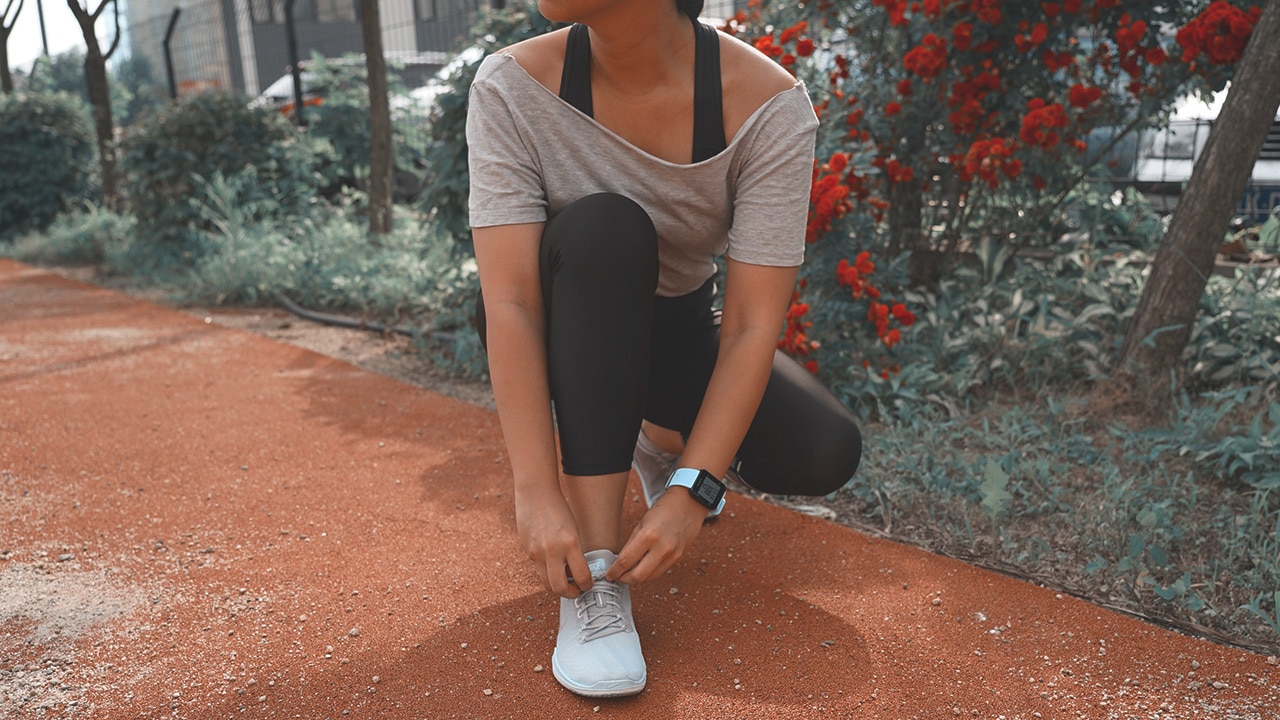

The idea of being healthy and fit wasn’t something I always entertained. The closest I got to a healthier lifestyle was attending yoga classes religiously around four to five years ago. I had a lot of excuses for stopping though: My schedule didn’t allow it, my friends stopped going, it was too expensive, the studio moved, and there was nothing else nearby.
Finding other fitness activities to do since then has been a chore, mostly for the same excuses listed above. While everyone agrees running is one of the easiest and cheapest exercises you can do just about anywhere, it’s simply not something I enjoyed doing. The turning point for me eight months ago was seeing and feeling physical manifestations of being unfit.
Confession #1: My motivation is not abs, but my weaknesses
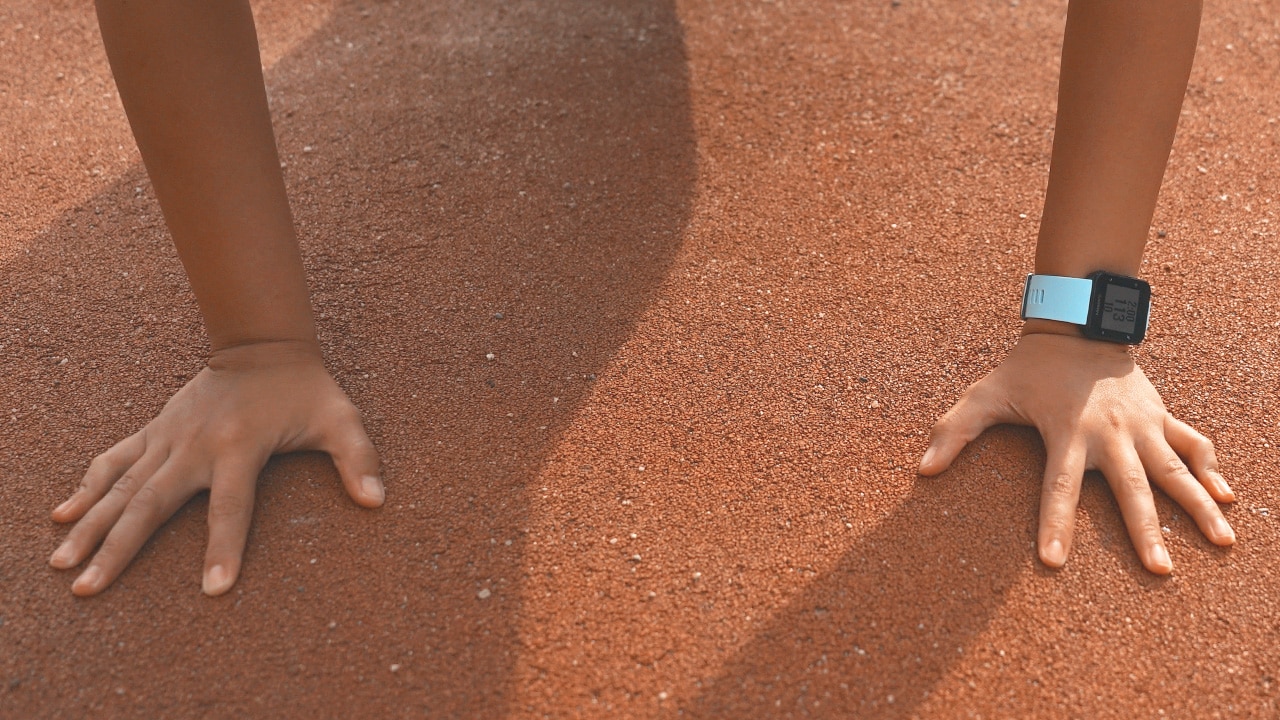
My recent attempt at a healthier lifestyle was not due to any desire to look good in a swimsuit, although getting there wouldn’t hurt because I admittedly cringe at old clips of me with a more prominent double chin.
There is no better motivation for me to exercise than my self-defined weaknesses. Whether that’s not being able to load your own carry-on into the overhead bin, running out of breath during an easy hike, getting too tired and sore from walking and carrying a tripod at a tour or the show floor, not being able to focus at the tasks at hand, and not being able to sleep and wake up at normal hours.
Confession #2: I enjoy working out with weights and machines
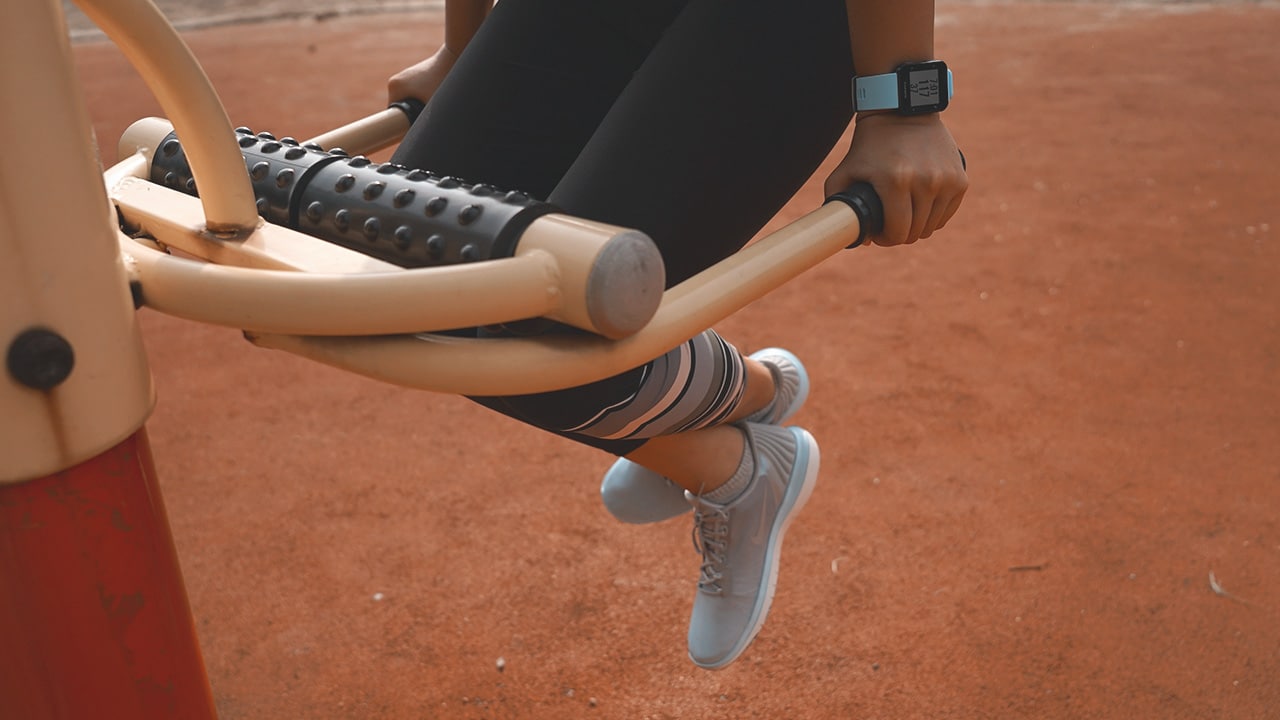
Through the last few months of experimenting with different exercises, I found that strength training is most enjoyable and important to me, especially in addressing my weaknesses.
My only problem is I’m unable to do most of my routine when traveling, which I do often, unless my hotel has its own gym. For those instances, I resort to exercises that don’t require weights or machines, like tricep dips, planking, and crunches.
Confession #3: I hate running as much as I hate counting calories
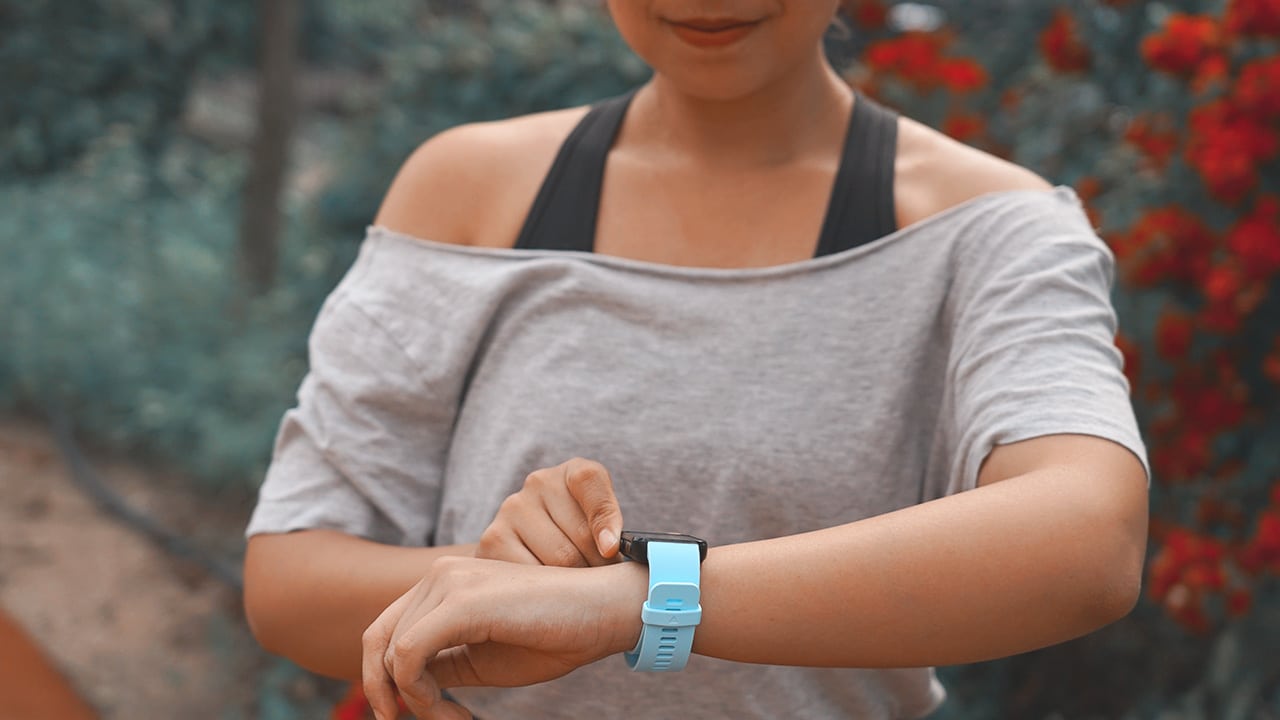
There’s no getting around it: I will most likely be one of the first casualties of the zombie apocalypse. I would rather skip my exercise for the day if running outdoors was my only option.
But I started running anyway — indoors that is — on a treadmill in high-intensity intervals. Telling myself to run for 10 to 20 minutes instead of covering two miles is much easier to commit to, what with the limited time I have in a day. There’s no better feeling than doing something out of my comfort zone and knowing I can survive a quick run tells me I can survive anything, eventually.
Confession #4: I don’t really believe in smartwatches, at least not yet
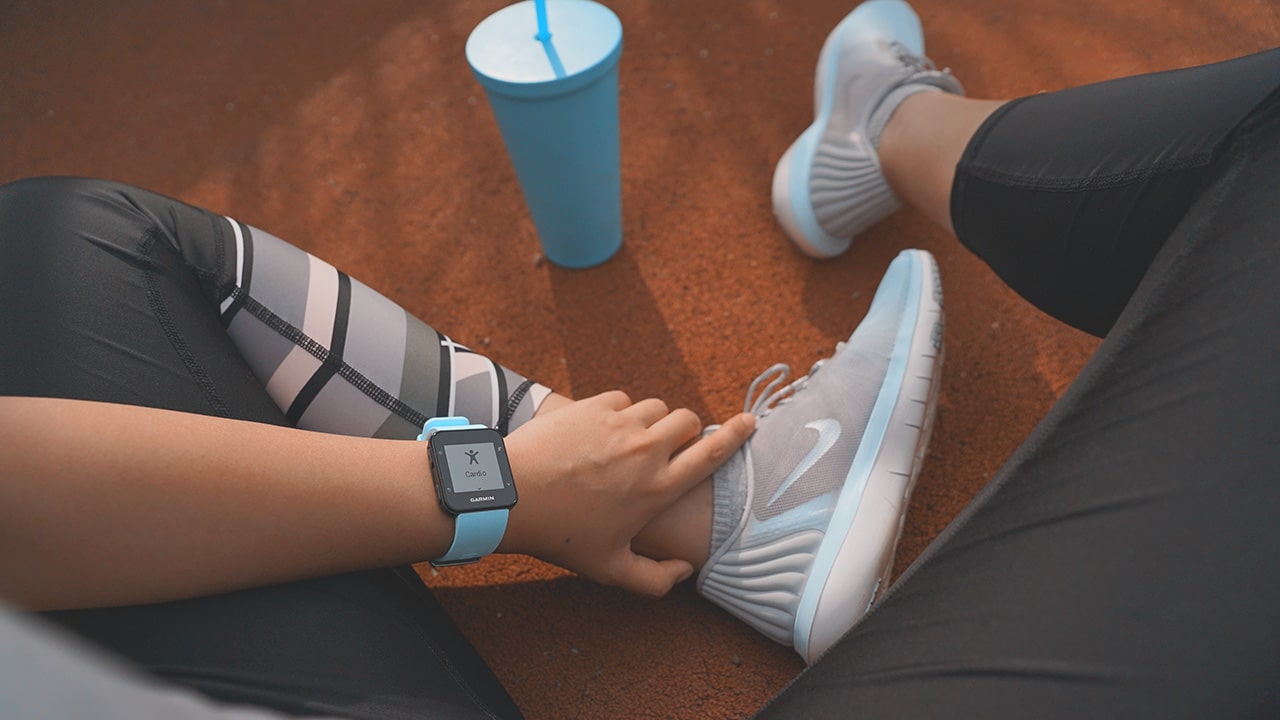
A shiny new thing on your wrist is like a new gym membership; it motivates you at the start, and gives you fake willpower to overcome laziness, mostly because you want to get the most out of the investment you just made. Sometimes you’d even throw in new shoes, a new sports bra, or a fresh pair of cute leggings, just so you’d feel good while working out.
Even for everyday use, I find myself turning off notifications and not using any other function my smartphone can also do on any wearable I get my hands on. I’ve avoided smartwatches ever since the first smartwatch I tried using because of how they look, bad battery life, and not-so-useful functions.
Don’t get me wrong, when it comes to monitoring your health, smartwatches and fitness trackers can be helpful and have improved a lot over the years. But knowing how many calories I’ve burned or steps I’ve taken on a certain day doesn’t mean anything if I didn’t change my habits for the long term. A new piece of tech or clothing can only do so much to motivate me.
Confession #5: I have a fast resting heart rate and that’s not good
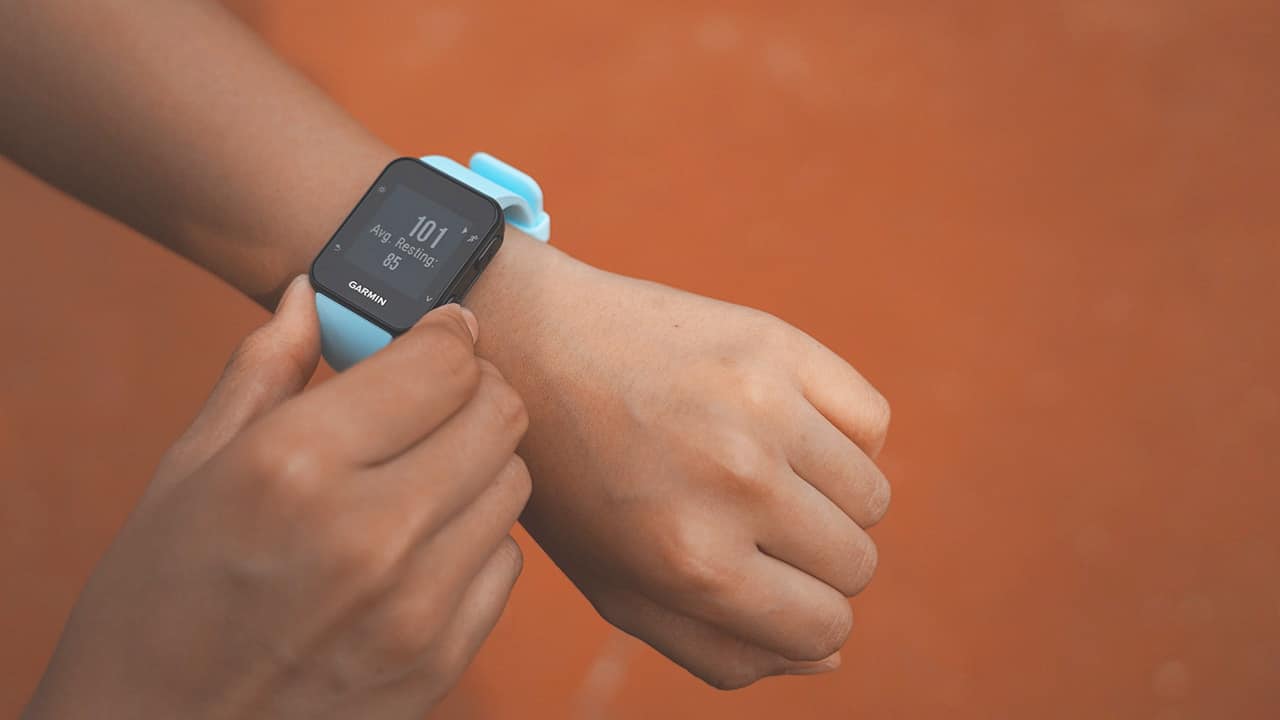
From the overwhelming amount of data a smartwatch gives me, I realized that what matters the most is my heart rate. One’s resting heart rate says a lot about one’s overall well-being, and my average resting heart rate says a lot about the current state of my fitness. I live a very sedentary lifestyle — I sit all day, go in front of my computer, Uber to and from work. I rarely get to walk a lot.
For what it’s worth, using a fitness wearable like the Garmin Forerunner 35 to track how much my heart beats in real time has helped. Seeing how unfit I really am with one press of a button, through a number that isn’t my calorie count and seeing that number lower little by little, motivates me to reach new goals.
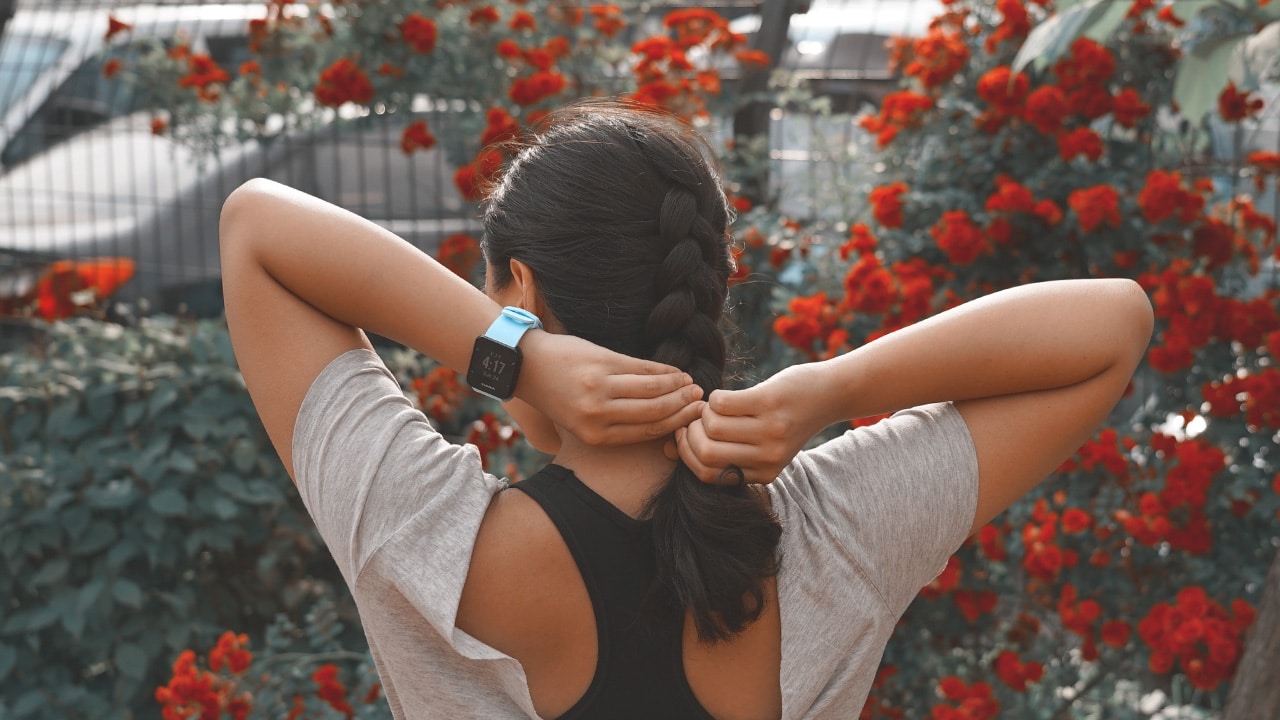
It’s only been four months since I started consistently adding 10-minute running intervals before any of my workout routines and I already feel better. I climbed the easternmost part of the Great Wall of China two months ago and I didn’t get as easily tired compared to when I went up the Geumnyeonsan Mountain in Busan, South Korea back in October.
Aside from surviving easy hikes and having stronger arms that can carry a bag full of camera gear overhead, one of my fitness goals now is to have a more normal heart rate — that whenever I press that button on any smartwatch, it should say anything between 60 to 80 instead of 100 and above. Even if I don’t enjoy it as much, I’ve learned that running is still one of the best ways for me to get there. Slowly building up my running time, running at a faster pace, and maybe eventually running outdoors will help me achieve a healthier heart.
In the last few months, it’s been reinforced to me that being fit isn’t so much about how you look — having a thigh gap or toned abs doesn’t necessarily equate to good health. A healthy heart, after all, is a happy one. Everything else (abs included) will eventually follow.





Phones flip and fold. Now webcams do too.
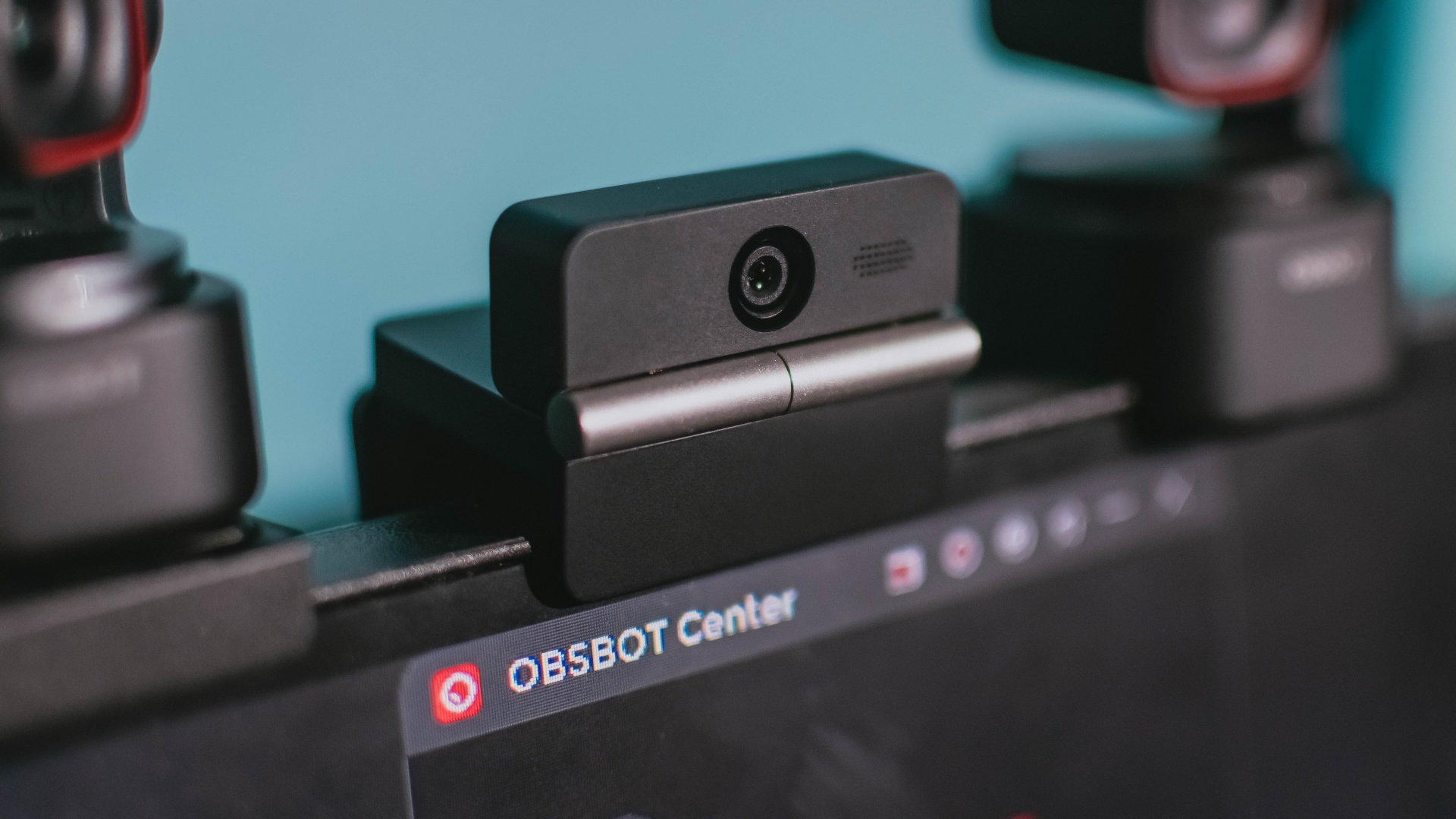
Foldable screens have found their way into phones, tablets, and laptops in recent years. Now, OBSBOT is taking that idea in a considerably smaller direction: the webcam.
The OBSBOT Meet Flip is the company’s first foldable 4K webcam packing:
- 1/2-inch stacked CMOS sensor
- intelligent audio
- a collection of AI-powered meeting tools
All of these inside a body weighing just 37.7 grams.
A fold that does something, not just a gimmick
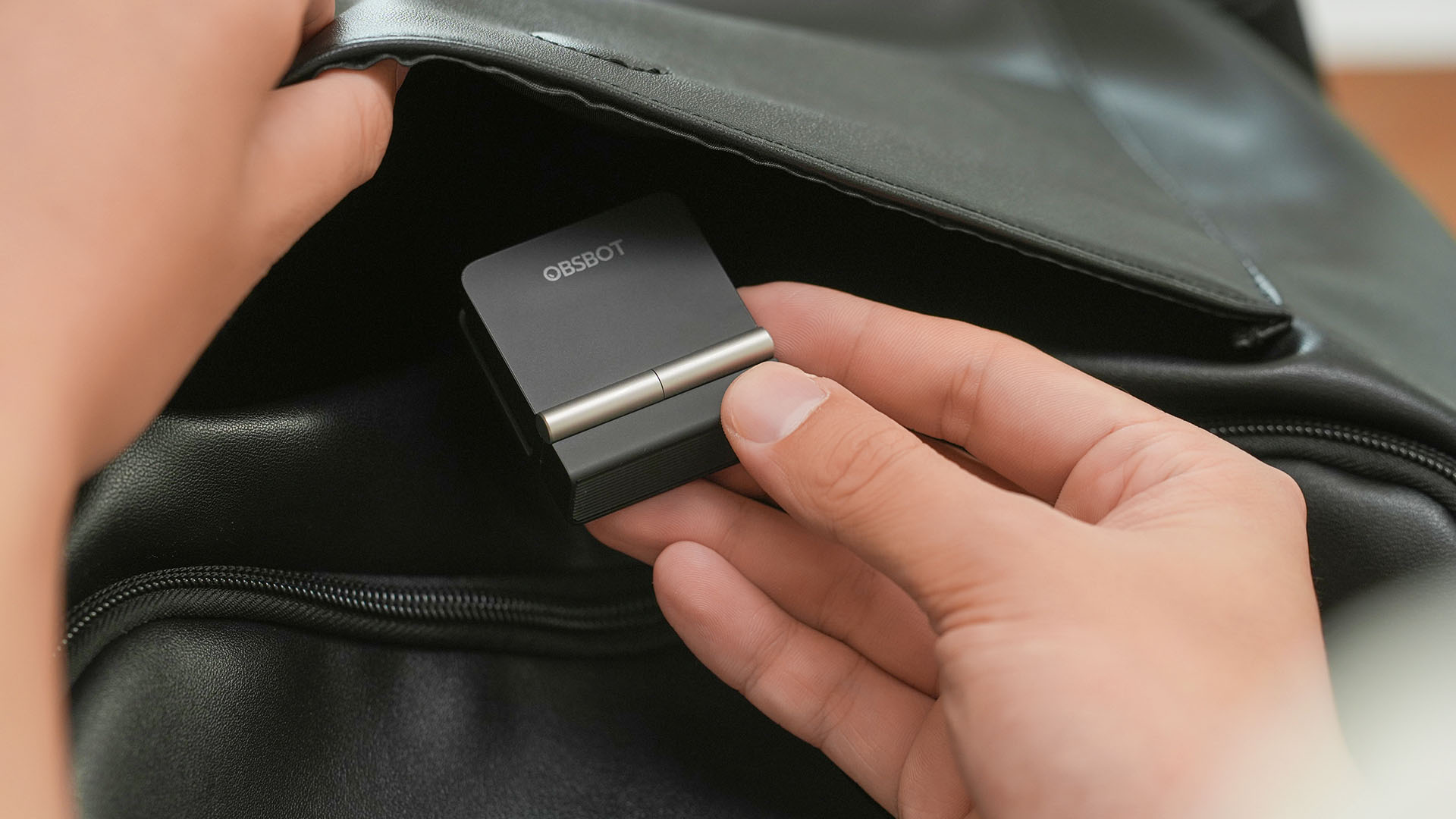
The OBSBOT Meet Flip isn’t foldable just to make it easier to throw into a bag.
Closing the webcam physically blocks the lens and puts the device into sleep mode. Open it when you want to be seen, flip it shut when you don’t.
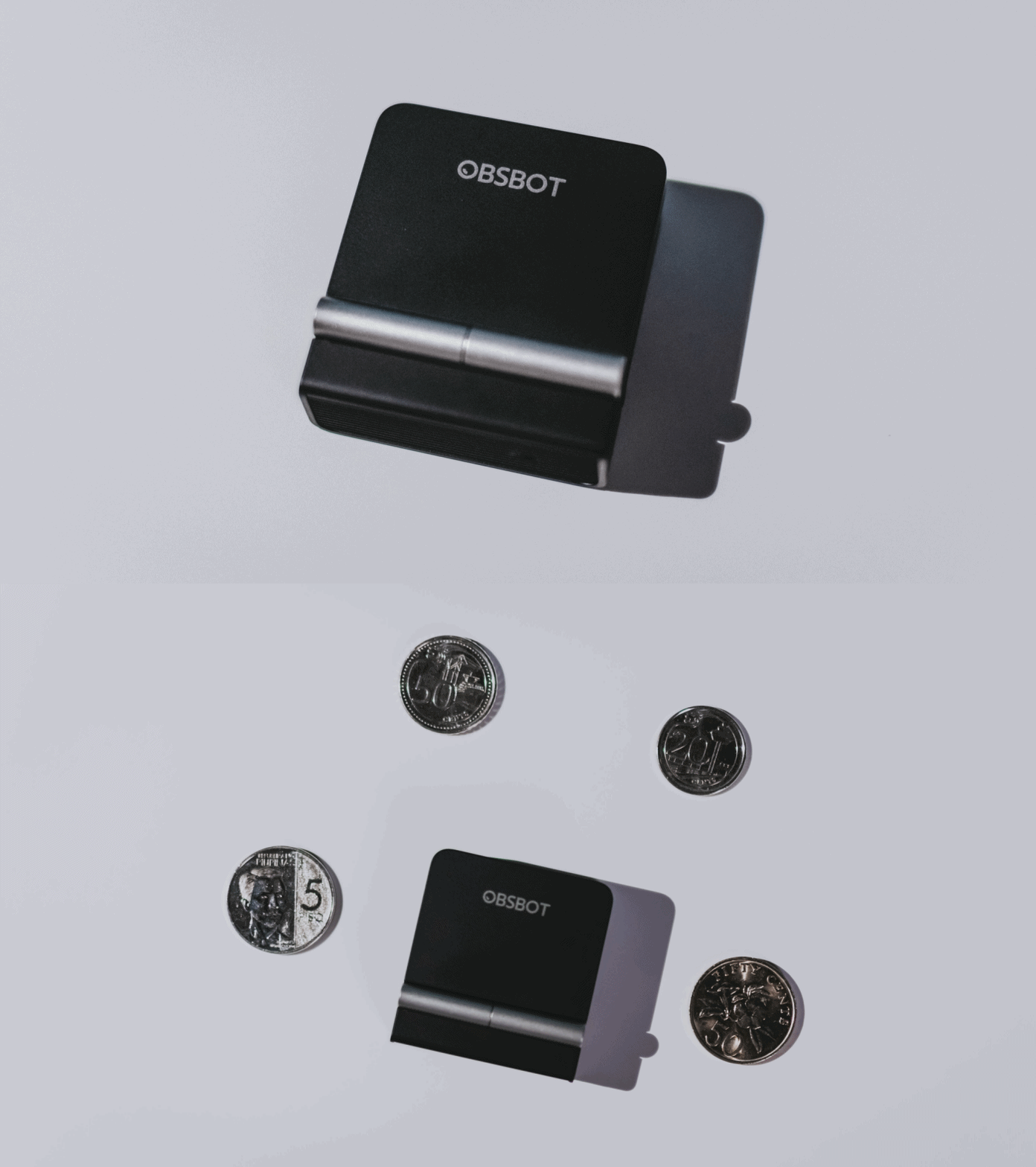
A physical privacy cover isn’t novel in itself. What’s clever here is how it’s part of the folding design.
As someone with a love-hate relationship with data privacy, I almost always keep some physical barrier over my laptop webcam. And if I can avoid having a webcam there entirely, even better.
Serious camera hardware in a pocket-sized webcam
Despite its size, OBSBOT hasn’t treated the Meet Flip like a basic laptop-camera replacement.
Inside is a 1/2-inch Exmor RS stacked CMOS sensor with Quad Bayer technology, capable of recording 4K UHD at 30 fps or 1080p at 60 fps. It also packs an f/1.8 aperture, HDR, PDAF autofocus, ISO 100–6400, and up to 4x digital zoom.
At its core is a 1/2-inch Exmor RS stacked CMOS sensor with Quad Bayer technology.
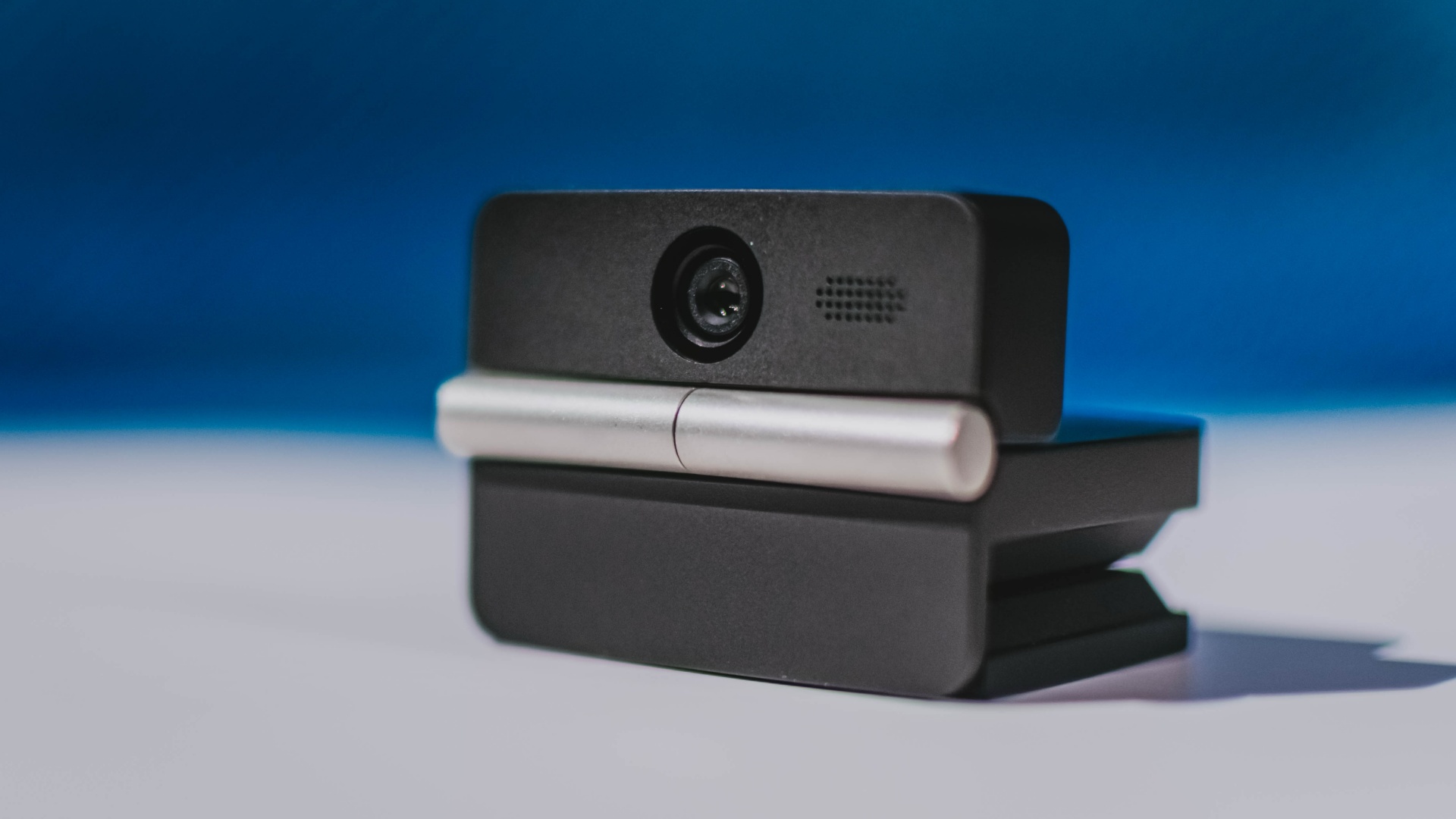
It can record:
- 4K UHD at 30fps
- 1080p at 60fps
You also get:
- f/1.8 aperture
- HDR
- PDAF autofocus
- ISO 100–6400
- up to 4x digital zoom
On paper, that gives the Meet Flip a better shot at handling the situations built-in laptop webcams often struggle with: dim rooms, harsh backlighting, changing lighting conditions, or simply moving around in front of the camera.
HDR helps keep faces visible against bright backgrounds, while PDAF autofocus continuously adjusts focus as you move closer to or farther from the lens.
The wider f/1.8 aperture should also help in less-than-ideal lighting.
The point is that once the Meet Flip is set up, you shouldn’t have to spend much time thinking about the camera itself.
It listens differently depending on the room setup
The Meet Flip also uses an intelligent dual-microphone system combining omnidirectional and directional microphones.
Instead of relying on one pickup pattern for every situation, it offers four audio modes for different setups:
Directional Mode focuses on sound coming from the front, making it the obvious choice for solo calls.
Dual-Directional Mode listens to both the front and rear of the webcam, which could be useful for interviews or conversations between two people sitting across from each other.
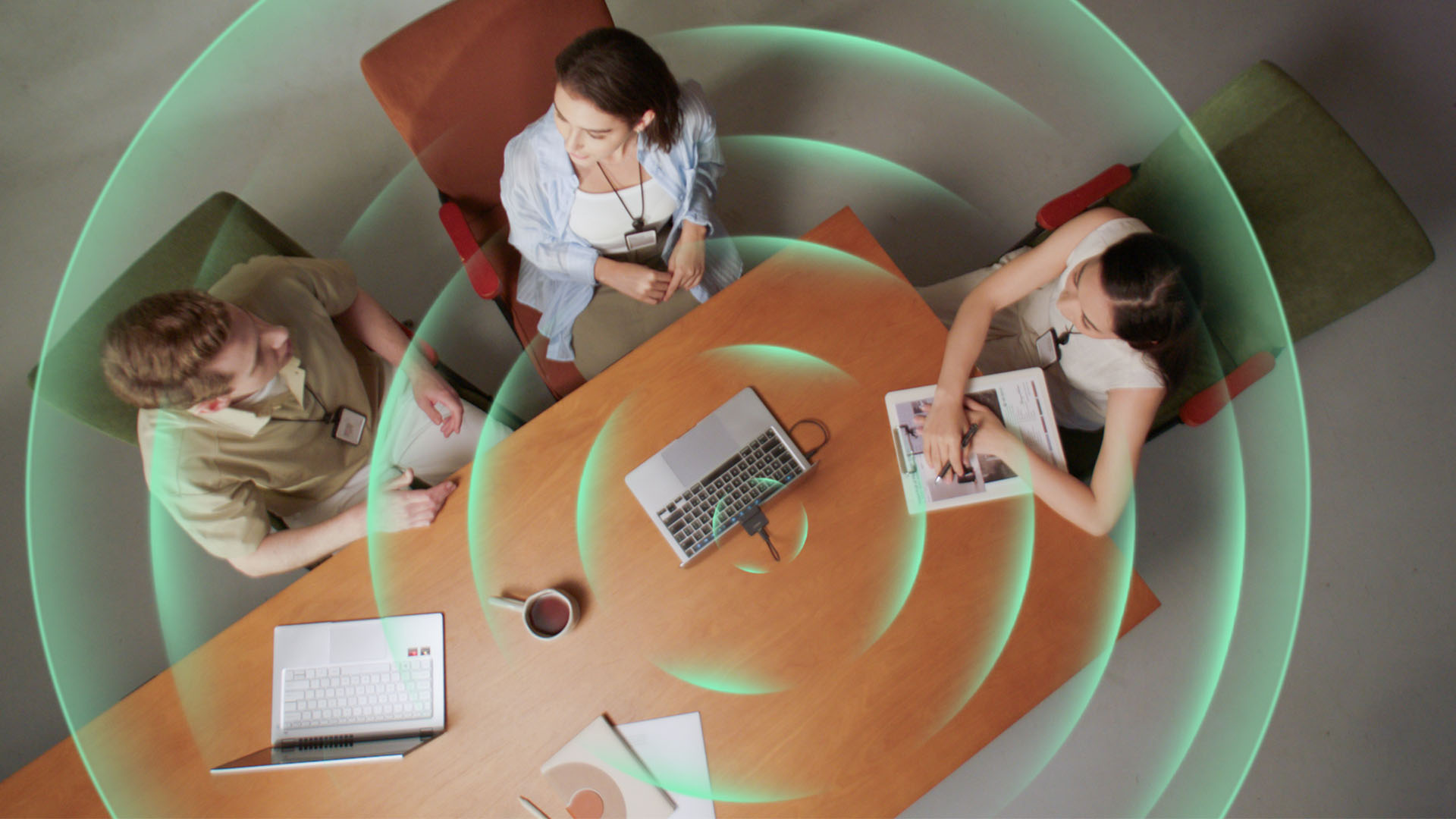
Smart Omni Mode is designed for group meetings, picking up voices from around the room.
And Pure Audio Mode provides unprocessed left and right stereo channels for users who would rather handle the audio themselves in post-production.
Auto Gain and AI Noise Reduction also work across the first three modes, helping clean up audio without requiring much manual adjustment.
It gives the Meet Flip more flexibility than a typical webcam microphone, especially if you regularly switch between solo calls, interviews, and group meetings.
AI that doesn’t intrude
AI has become an almost obligatory addition to new hardware in 2026, but several of the Meet Flip’s features put it to work on real-world meeting annoyances.
AI Auto Framing keeps you in frame, with options for:
- Group
- Single Close-up
- Upper Body
- Full Body
Gesture controls can also toggle Auto Framing or adjust the zoom without reaching for a keyboard or mouse.
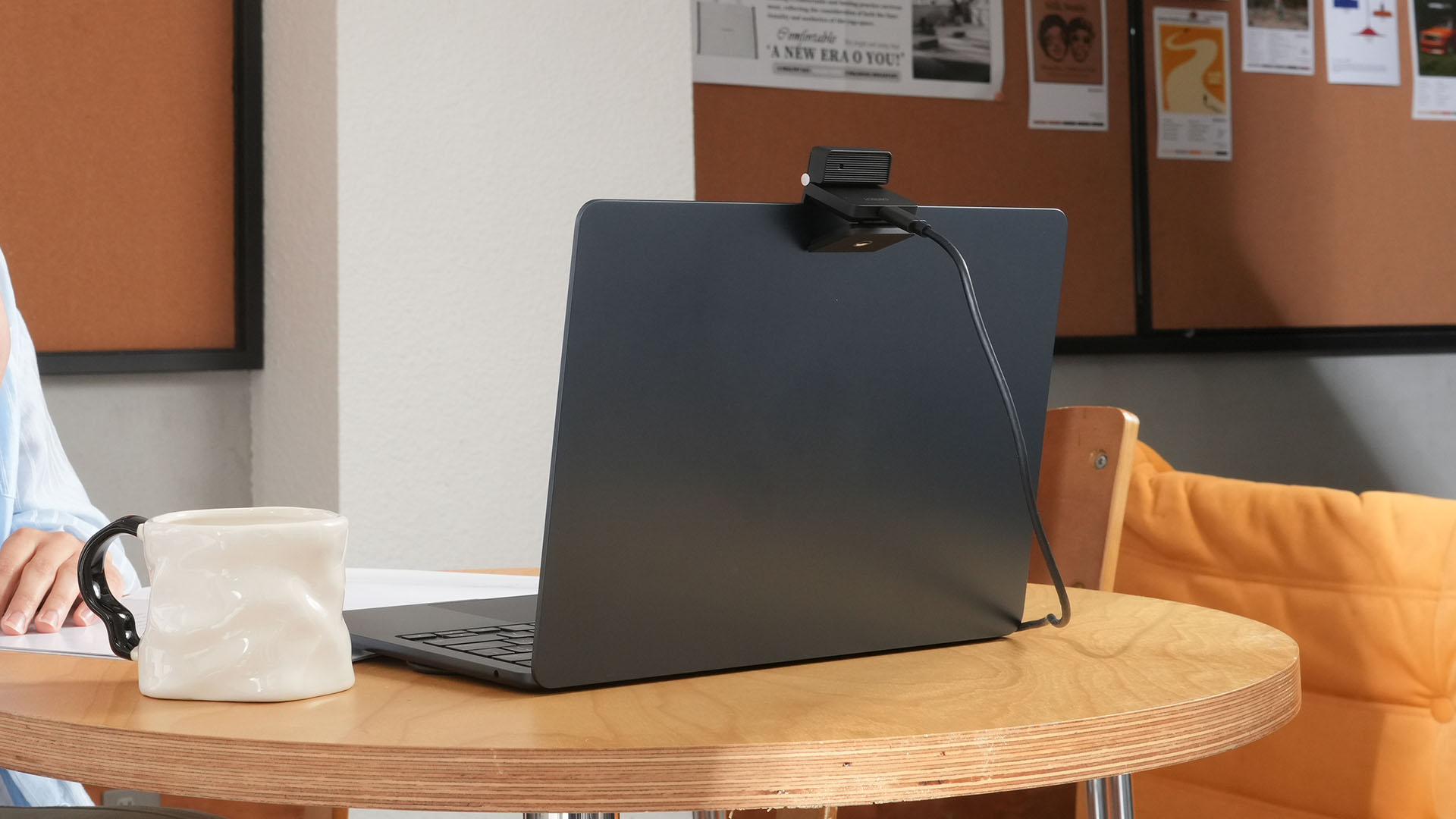
More interesting is AI Magic Notes.
Through OBSBOT Center, it provides real-time transcription and can automatically generate meeting summaries with key points, decisions, and action items. It works across Google Meet, Zoom, and Microsoft Teams.
Although AI Magic Notes is offered as a subscription service, every Meet Flip includes 120 complimentary minutes to get started.
MORE with OBSBOT Center & OBSBOT Live
There are plenty of other software features as well. OBSBOT Center includes:
- Background Blur and Background Replacement
- Real-Time Beauty Mode
- Picture-in-Picture overlays
- Smart Eye Tracking
- Teleprompter support
- Detailed image adjustments
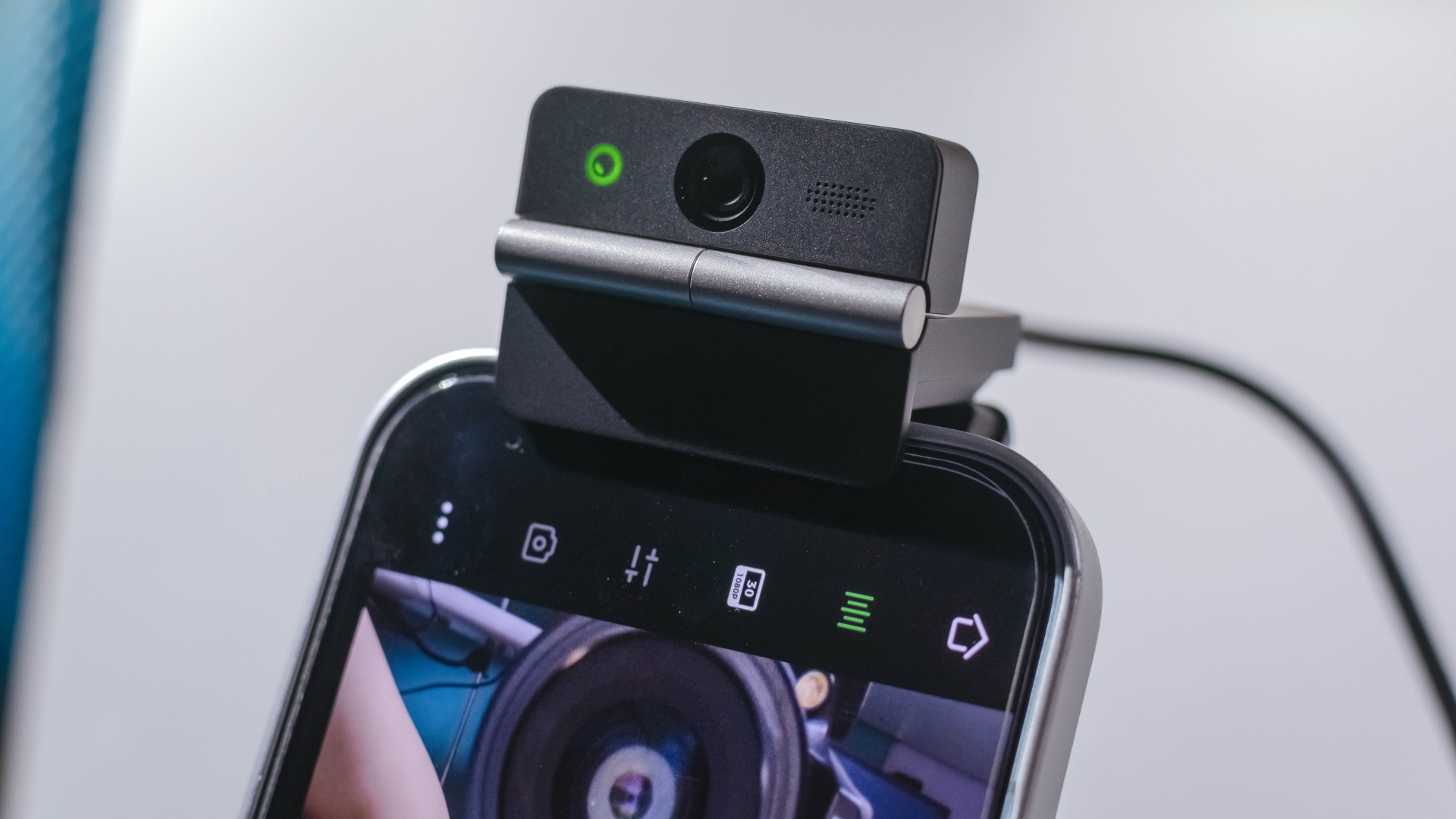
The Meet Flip isn’t limited to laptops or desktops either. Through OBSBOT Live, it can connect directly to smartphones and tablets over USB-C for mobile streaming and content creation.
Flip it open. Fold it away.
None of those features reinvent the webcam on their own.
Taken together, though, they make the Meet Flip a more thoughtful take on a piece of hardware whose basic design and features have barely changed.
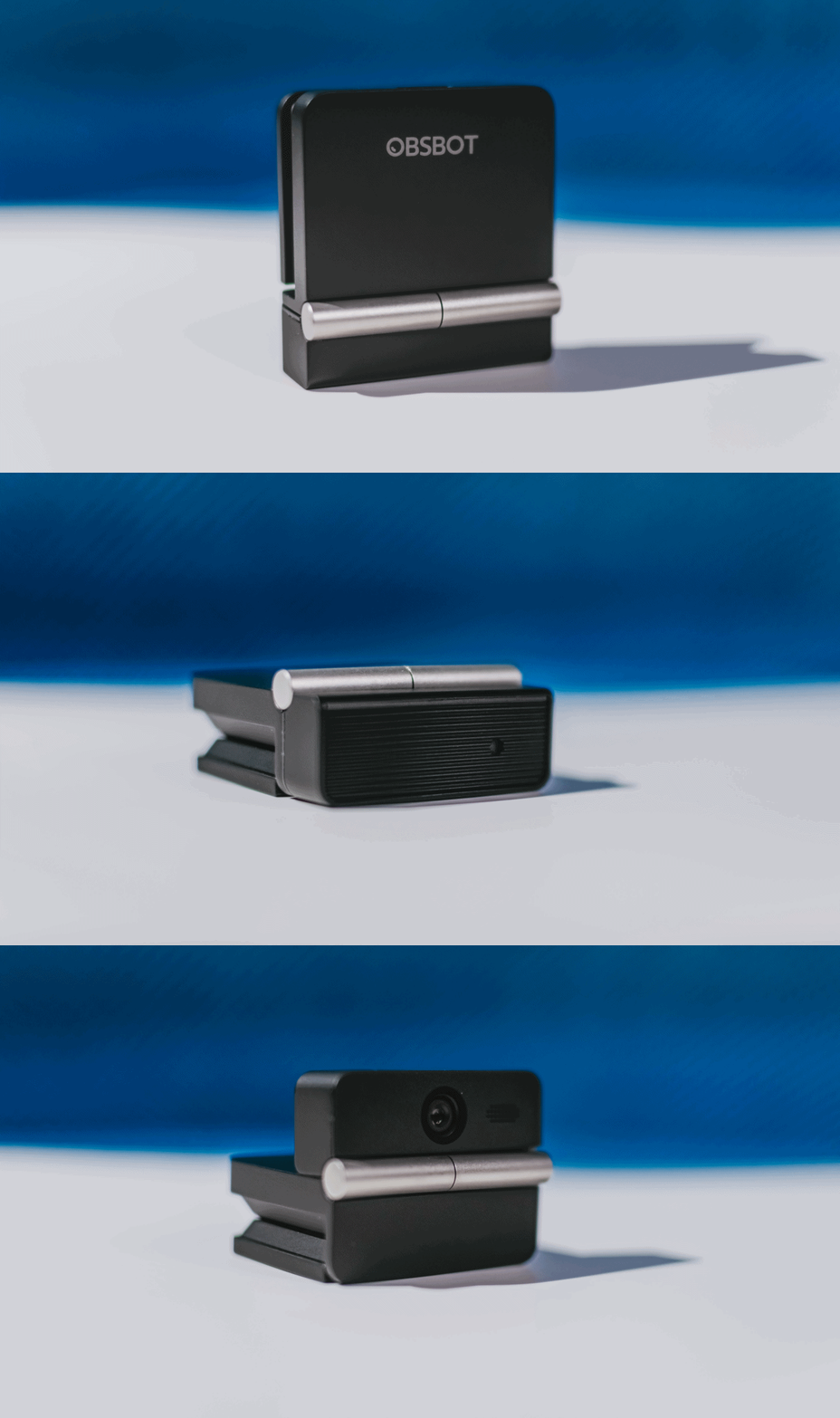
The flip may grab your attention first, but it’s how OBSBOT uses that design alongside its camera, audio, and software features that makes the Meet Flip interesting.
The OBSBOT Meet Flip is now available at US$ 119 and is currently available through OBSBOT’s official store, Amazon US, and select retailers.
Accessories
England, Wales start banning Meta Glasses
The smart glasses are now banned in courtrooms.

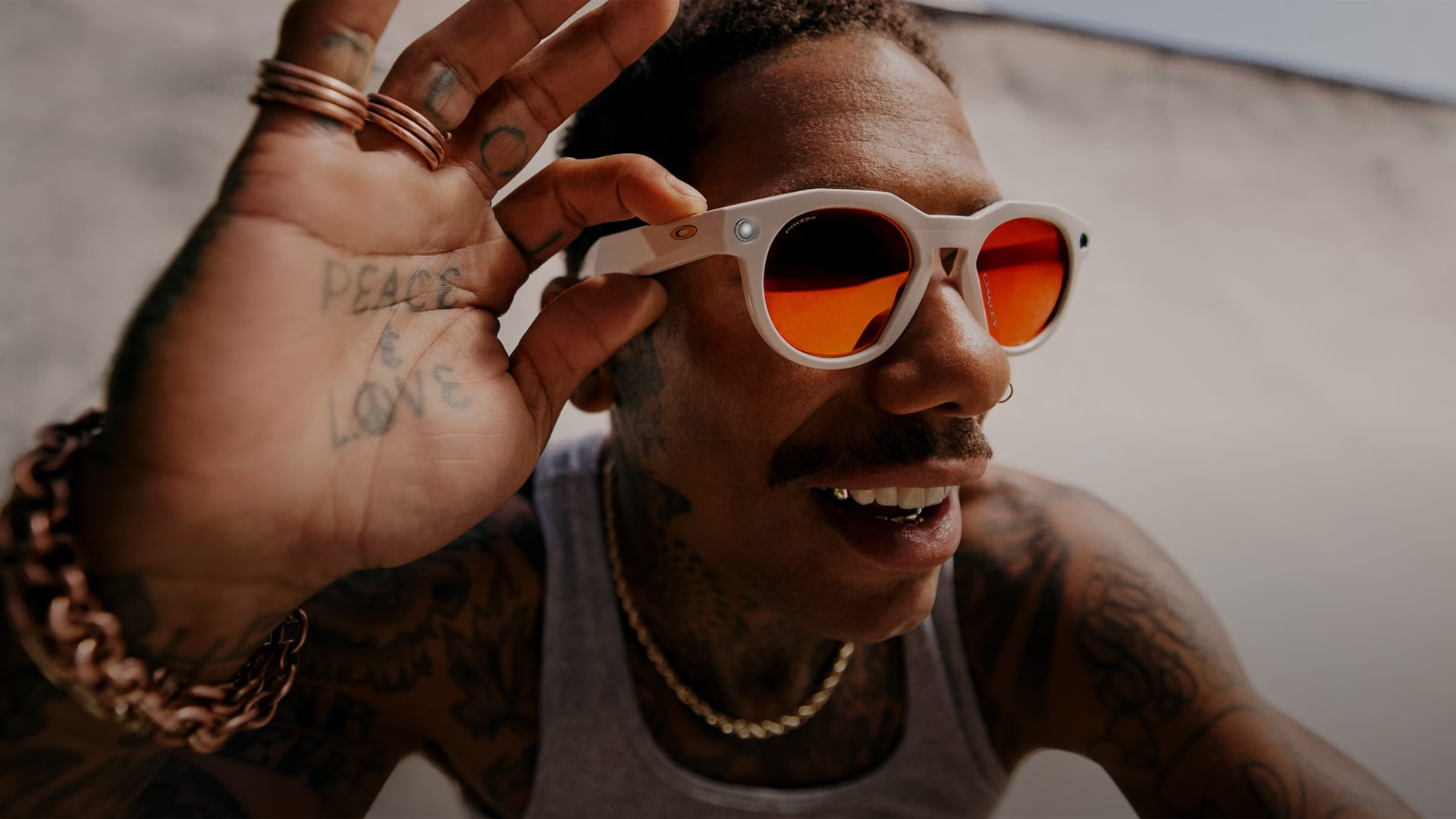
Earlier this year, New York became the first state to issue a blanket ban against smart glasses in courtrooms. The new regulation marks one of the first public spaces to prevent the contentious devices. Now, England and Wales are following suit in their courtrooms by banning Meta glasses inside.
As reported by The Guardian, courtrooms in both countries will confiscate Meta Glasses from those taking them into the building. Owners can retrieve them again upon exit.
Like the decision in New York, the English and Welsh bans are simple enough to follow. As it is everywhere, it’s forbidden to record video inside courtrooms in England and Wales. Because Meta Glasses have cameras (and are primarily used for their video capturing capabilities), they fall under prohibited items.
Notably, smartphones are not included on this list, despite having sizable cameras themselves. Although, to be fair, it’s much more difficult to discreetly record video using a smartphone. Smart glasses pride themselves with the ability to take videos seamlessly.
Meta Glasses are having such a moment today. Though some users, especially creators, are excited for them, a significant chunk of the population is concerned over their ability to take videos without subjects knowing they’re being recorded. Some users have even found ways to disable the built-in LED indicators which should, in theory, warn the public that the glasses are recording. It’s since turned into a privacy nightmare.


What if smart glasses could make you more present instead of recording everything around you? Check out MemoMind or back it up on Kickstarter.
After spending time with the MemoMind One around New York City, THE Michael Josh wanted to answer one question: Do smart glasses actually become more useful when they stop trying to be a camera?
In this video, we take a look at the MemoMind One — a new pair of AI-powered smart glasses that take a very different approach.

Samsung Galaxy Z Fold8 Review
8 Galaxy Folds later, Samsung finally nailed It!
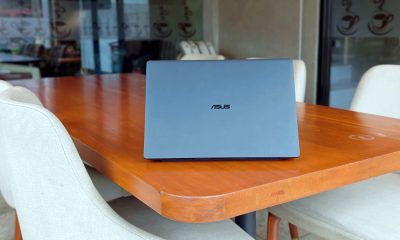

30 days later with the ASUS ExpertBook Ultra: Like seeing an ex
Felt exactly as I remembered.
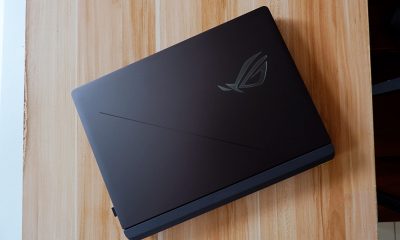

ROG STRIX G16 Review: Building for the moment
Setting it up however you want to make the most out of it

OBSBOT Meet Flip Hands-on
Samsung Galaxy Z Fold8 Review

Smart showcases cloud gaming platform in partnership with Blacknut

What your smartphone color choice reveals about you

New EV player XPENG to launch in the Philippines in September

Hands-on: Samsung Galaxy Z Fold8, Flip8, Ultra

VinFast debuts two-wheeler models, opens 21 e-motorcycle showrooms

Garmin launches its first screenless fitness band

Sony announces new FX5 full-frame camera

Mercedes-Benz celebrates 140th anniversary at the Presidential Car Museum


-
 Automotive2 weeks ago
VinFast debuts two-wheeler models, opens 21 e-motorcycle showrooms
-

 News2 weeks ago
OnePlus officially leaves the United States and Canada
-

 Gaming2 weeks ago
Call of Duty: Modern Warfare 4 clip shows Losing Ground 1st look
-

 Gaming2 weeks ago
Genshin Impact opens Snezhnaya in Version 7.0 this August 12
-
 News1 week ago
Google will force Android users to use Gemini next month
-
Laptops5 days ago
ROG STRIX G16 Review: Building for the moment
-

 Gaming1 week ago
Tides of Annihilation opens first public demo at Gamescom 2026
-

 Gaming1 week ago
Street Fighter 6 adds first Filipino fighter Yasmine to its roster