


Her GadgetMatch
OPPO Find X review: All about style, selfies, and that poppin’ camera
Literally a pop-up camera

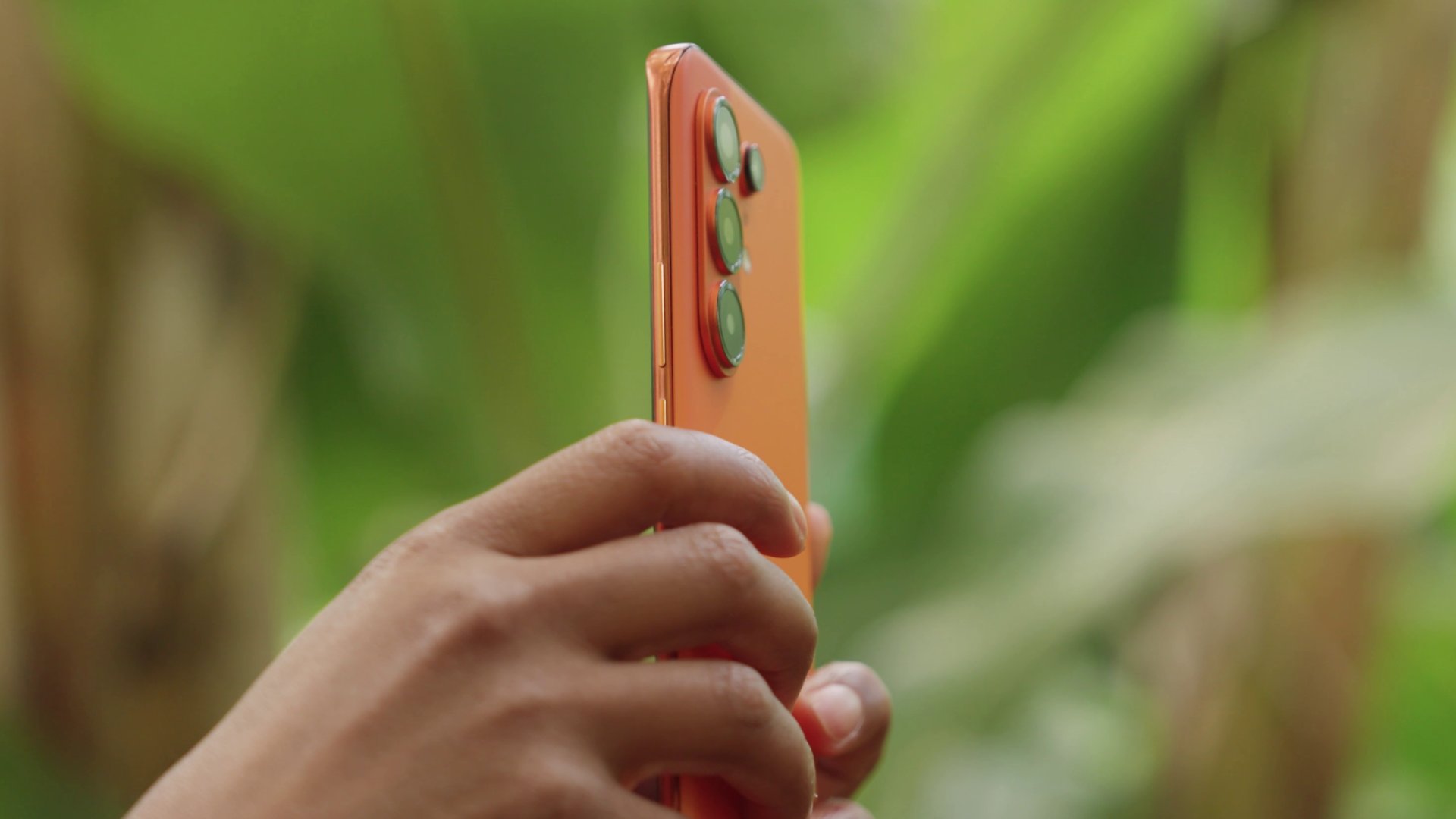
When they were unveiled, pop-up cameras seemed like the coolest thing to me. There’s just something about moving parts in tech that amps up the cool factor. Add the fact that there was no notch (the unsightly things!) and the OPPO Find X was a clear design winner. But, what happens when you actually use a phone that’s this — err — fashion-forward in terms of phone design? Is using a handset with a camera that mechanically slides out even practical. I set out to find answers.

What’s the big deal?
Dear reader, if you don’t follow tech news, let me give you the lowdown. The Find X is OPPO’s newest and most premium flagship in recent years. Launched in Paris earlier this year, it features a high screen-to-body ratio and mechanical sliding cameras.

Why is that so cool? In this notch-filled world (which is a pretty ugly world, TBH), it’s only a few phones which have managed a workaround: The Vivo NEX and now, the OPPO Find X.
Stylish all-screen beaut
How does an all-screen phone look? Well, it looks really good.

The thing with these great big screens is you don’t think you need them until you spend time with them. As I moved back to the smaller Google Pixel 2 I’ve been rocking, I can’t help but miss the Find X’s big and beautiful 6.42-inch display. Everything looked good in it: IG stories, photos, and even Netflix-YouTube viewing was amazing.
And, it’s not just the screen that looks good — the sleek and stylish phone itself has a great premium feel and beautiful reflective back. That glass back, however, seems to scratch almost a little too easily.

Admittedly, I’m still iffy about glass smartphone backs in general as the possibility of breakage is greater. This brings me to another qualm: It’s going to be such a pain to get cases for this uniquely shaped phone. And sure, it comes packaged with a clear jelly case but a girl needs options for her phones, okay!
Despite all that, the Find X looks and feels great in your hands. It’s one of those devices that just has a great feel to it. It’s as if they were made for my teeny hands.

The phone runs on OPPO’s ColorOS which will look familiar to iOS users. Be warned though that it’s still not exactly the same — think of it as an iOS-Android hybrid. Of course, to new OPPO users (i.e. a lot of people from outside Asia), this OS might take a little bit of getting used to. Gesture navigation is also available, but you still have the option to use traditional navigation buttons.
How does it feel to have a pop-up camera?
Admittedly, it’s pretty cool. Anyone who’s ever noticed the cameras pop out has reacted with amazement. I’ve honestly turned into a little show-off and I’m guilty of using this phone as a conversation starter. All this, of course, after I got over the anxiety of thinking I’d probably break the moving part. (I didn’t!)

Expectation
The cameras pop out automatically when you tap the camera icon and retract just as quickly when you exit the app. It’s one solid motion that you can sort of forget about when you get used to being on this phone. Be warned, though, that any pressure on the pop-out will also cause it to retract. Yes, it will close even during a Facebook Live stream.
Aside from my finger getting caught and pinched by the pop up mechanism a few times (ill-placed finger placement, don’t ask), my only other main concern with this unique form factor was that the pop-out cameras were a dirt magnet. Dust and other gunk (probably from my bags or pocket) seemed to find their way into the phone crevice which isn’t ideal, as cameras are best used clean (duh).

Reality
What impressed me most, though, was a feature I’d never really appreciated on any phone. The Find X has a face unlock option (something that the other pop-up phone, the Vivo Nex, doesn’t have) and it’s pretty good. Because of its form factor, OPPO opted to scrap the fingerprint scanner which would’ve been problematic, except it isn’t. This is all owing to the fact that its face unlock is that accurate. You can either opt for the swipe-to-unlock on the lock screen or press the power button which will trigger the camera to pop out, and voila, unlocked!
Of course, the selfies!
If you’ve read my previous reviews, you’d know that I’ve always loved the OPPO beauty mode. In fact, their AI beauty mode was a favorite.
Now, before you lecture me about the wonders of “natural beauty” and preference for non-use of filters, know that most selfies online today featuring that #JustWokeUp look you love so much either feature makeup made to look natural, some kind of airbrushing, or excellent lighting (which can do wonders). So no, a little beauty mode never hurt anyone, so long as it’s not overdone.
But, that was precisely my problem with the Find X’s beauty mode. Unlike AI beauty modes on previous devices like the R11s or the F5 which gave my face slight airbrushing and the freshness of a new born baby, the Find X AI beauty mode seemed to turn me into a completely different big-eyed, thin-chinned, plastic person.
-

- AI beauty mode: WHO IS THIS??
-

- No filter
And sure, added to the mix was a new custom beauty mode function which allows you to scan your face and tweak beauty mode capabilities to your liking, but even this greeted me with too fake a version of myself. I didn’t dare post my selfies.

My custom beauty mode face scan
I daresay this might be the first time I preferred no beauty modes on selfies with an OPPO phone, which is fine as it still takes good selfies — it’s just that I now have to make sure I actually look presentable IRL before taking the photo, something I haven’t needed to do for a while as OPPO’s previous beauty filters have spoiled me.

That being said, the 25-megapixel selfie camera, although not on beauty mode, performs well. Still, my favorite is the palm gesture shutter which allows for beautiful Instagrammable photos taken by yours truly. Exhibit A:

Of course, there are more sample takes, but they’re already all on my IG. 😉
Shooting with the rear camera
I mostly use this non-selfie camera to shoot IG stories and random beautiful sights. Here’s a little peek at the week I had the Find X with me.
-

- It did justice to this beautiful view
-

- This photo came out so well
-

- Contrasts are pretty good
-

- The blues on this one are 👌🏽
-

- A little hazy but pretty nonetheless
-

- Studio lighting mode at the beach cus I can!
-

- Still a little hazy…
-

- This did not do too well with too bright lighting
-

- A little haze but that scene recognition saturated it
This phone was able to capture some pretty scenery, though its HDR capabilities left much to be desired — a couple of times, photos came out hazy when it was too bright out.
The 16- and 20-megapixel shooters are equipped with AI, which recognizes scenes and tends to saturate certain scenarios like food or landscape and I must admit, it has gotten faster and more accurate since I first tried AI on their cameras on the R15. The phone still rocks an iPhone-like portrait mode feature, which isn’t my favorite function but hey, it’s there for when you want to take studio-like photos on your phone on the fly (which is never for me)!
Despite all this, I was able to snap beautiful photos which is what’s important.
Other important stuff that matter
Like mentioned earlier, this is OPPO’s first premium flagship in years. It boasts being powered by a Snapdragon 845, which just means it’s running on one of the best processors out there. This means mobile gaming is a go and your various social media apps will run simultaneously without a hitch. The phone rocks 8GB of memory and 128GB or 256GB of storage.

The Find X now has a USB-C port (finally, OPPO!) and 3730mAh battery capacity. This lasts me almost a day’s use which isn’t bad. OPPO’s signature VOOC charging is also built in which allows for zero to 17 percent charge in just ten minutes. You can get a full charge in just under two hours.
Is the OPPO Find X your GadgetMatch?
Design-wise, this phone may just be the best and coolest. At least for now, there is no other phone in the market that will compare to how well this thing is designed. The wide screen and the premium feel is something I actually miss since letting it go.

But, what I miss more is my natural-looking AI beauty mode. As impressed I am with the phone’s form factor, I’m a little disappointed with the beauty capabilities. For a brand that’s consistently marketed themselves as the go-to for “selfies experts,” it sort of hurts for selfie lovers, such as myself, that OPPO’s first flagship in years would miss in this aspect. OPPO, I just want my beauty mode back. 😢
In addition, the stylish Find X does not come cheap, priced at EUR 999 in Europe and PhP 50,000 in the Philippines.
Is it worth it? For the selfie lovers, you might want to hold off. If you’re the type who values overall design and getting it first, this might just be the phone for you. All things considered, it’s one beautiful device — one that is paving way for a better design language in all smartphones. And maybe, just maybe, that’s worth losing my beauty mode to.




There are two kinds of people during Christmas: those who arrive at the party carrying a bottle of wine, and those who have been in the kitchen since eight in the morning making sure everyone has something to eat.
If you belong to the second group, you probably already know that hosting can be equal parts enjoyable and exhausting.
Between preparing Noche Buena, accommodating everyone’s food preferences, and making sure the drinks keep coming, even a relatively small gathering can turn into a considerable production.
Fortunately, a few well-chosen kitchen appliances can make things easier. And with more Filipinos paying attention to what they eat, versatility has become just as important as convenience.
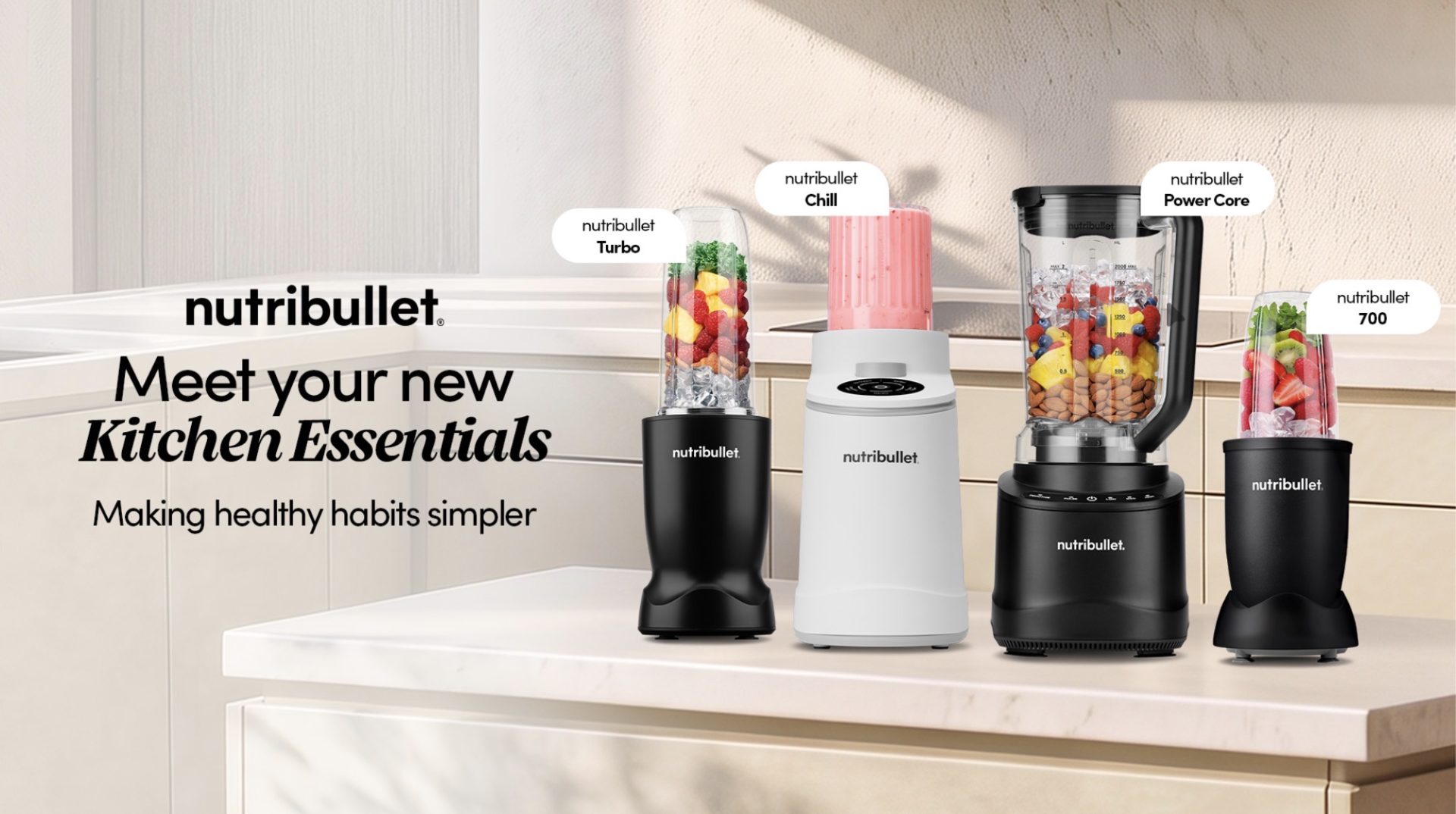
That was the idea behind nutribullet’s recent launch of four kitchen appliances in the Philippines, introducing everything from compact personal blenders to a full-sized machine and an ice cream maker.
Celebrity chef Ylyt demonstrated the appliances during the event, which also brought together content creators, lifestyle enthusiasts, and members of the Tita Run Club.
The new lineup caters to different kitchen needs, whether you’re preparing a quick breakfast before work, experimenting with healthier recipes, or entertaining the entire family.
Here’s what each machine brings to the table.
nutribullet 700: For small kitchens and everyday smoothies
Not everyone has the luxury of a spacious kitchen, especially if you’re living in a condominium where every inch of counter space matters.
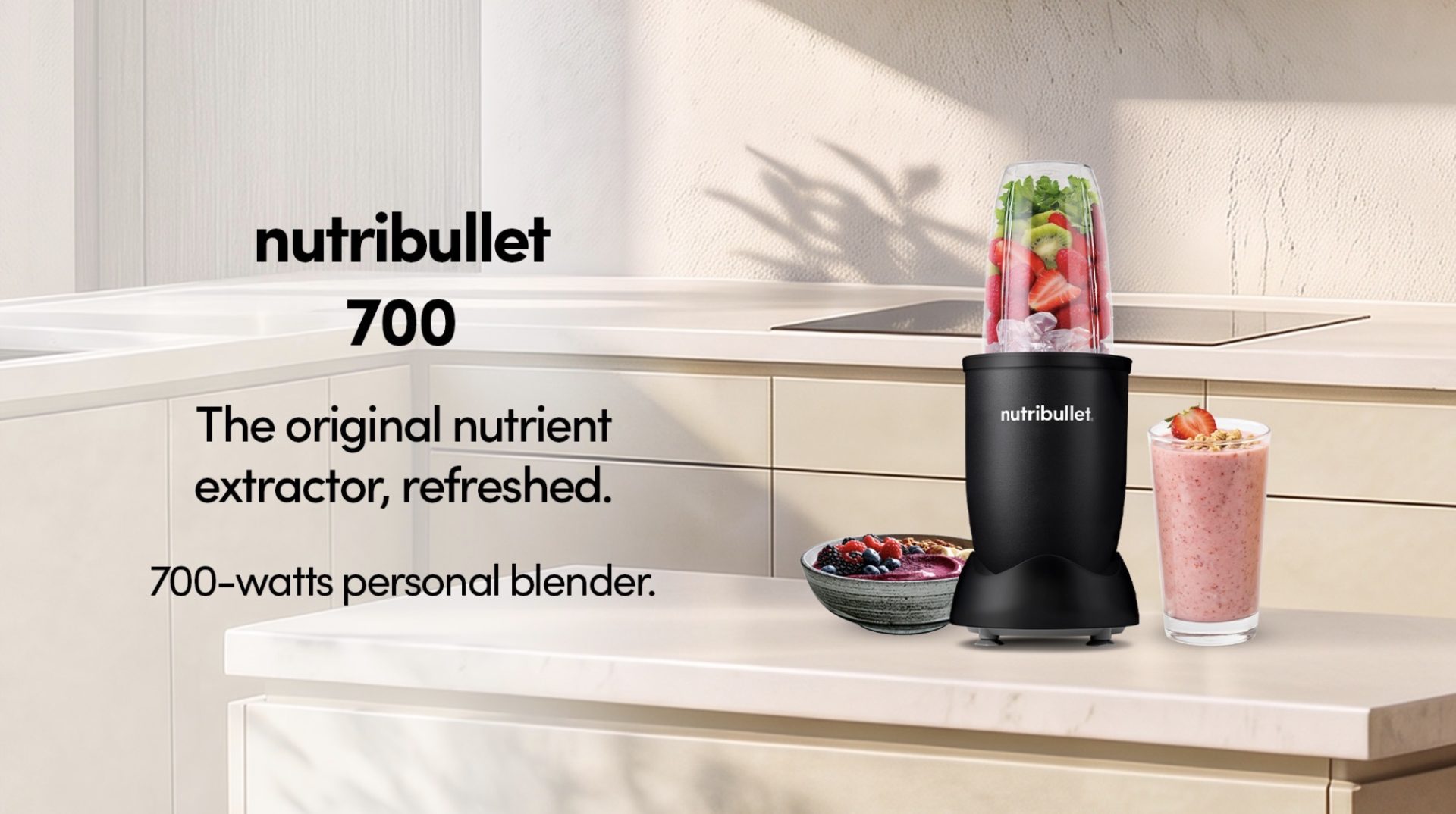
The nutribullet 700 keeps the brand’s familiar compact design while introducing a 700-watt motor intended for everyday blending.
It’s particularly suited to people who want to prepare smoothies, protein shakes, and other single-serving drinks without bringing out a full-sized blender.
And while it’s easy to associate personal blenders with breakfast, they can be useful for other things, too.
Think homemade salad dressings, small batches of sauces, or a quick dip for your holiday appetizers.
Its relatively small footprint also makes it a practical option for anyone who prefers keeping kitchen appliances within easy reach rather than storing them away after every use.
nutribullet Turbo: For busy mornings and more demanding blends
If smoothies are already part of your daily routine, the nutribullet Turbo offers a step up in power.
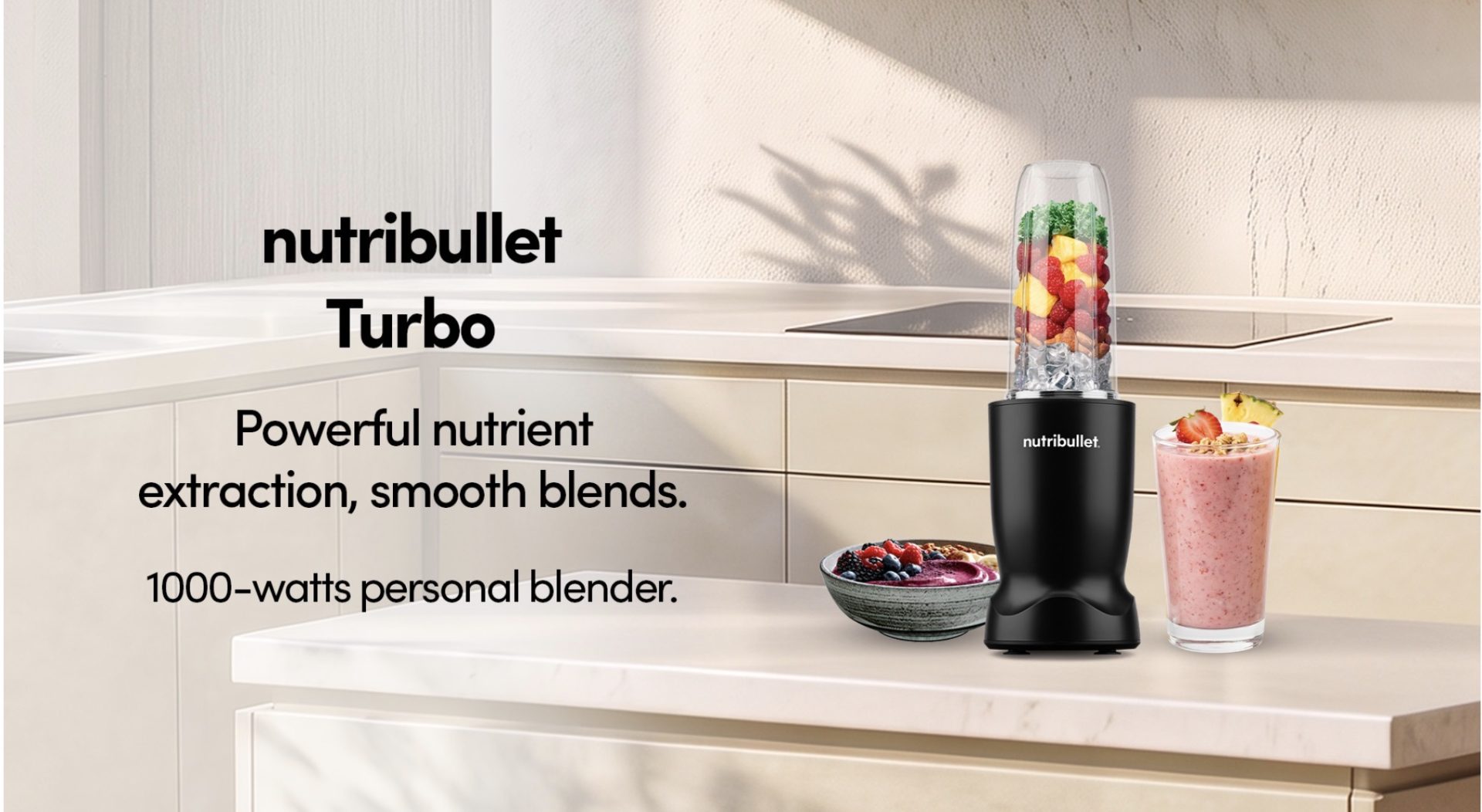
Equipped with a 1,000-watt motor, this personal blender is designed to handle a wider variety of ingredients while maintaining the convenience of a compact machine.
It’s an option for anyone who regularly blends fruit, vegetables, ice, and other smoothie ingredients, particularly when mornings are too busy for elaborate meal preparation.
During the holidays, that same versatility can come in handy for preparing fruit-based drinks, sauces, and other blended ingredients.
The appeal is straightforward: enough power for everyday blending without requiring the space of a traditional countertop blender.
For people trying to maintain their usual routines amid the inevitable Christmas indulgence, it could be one of the more useful appliances to have around.
nutribullet Power Core: For the family that comes over hungry
There comes a point during holiday preparations when making everything in individual portions simply stops being practical.
Especially when the entire extended family is coming over.
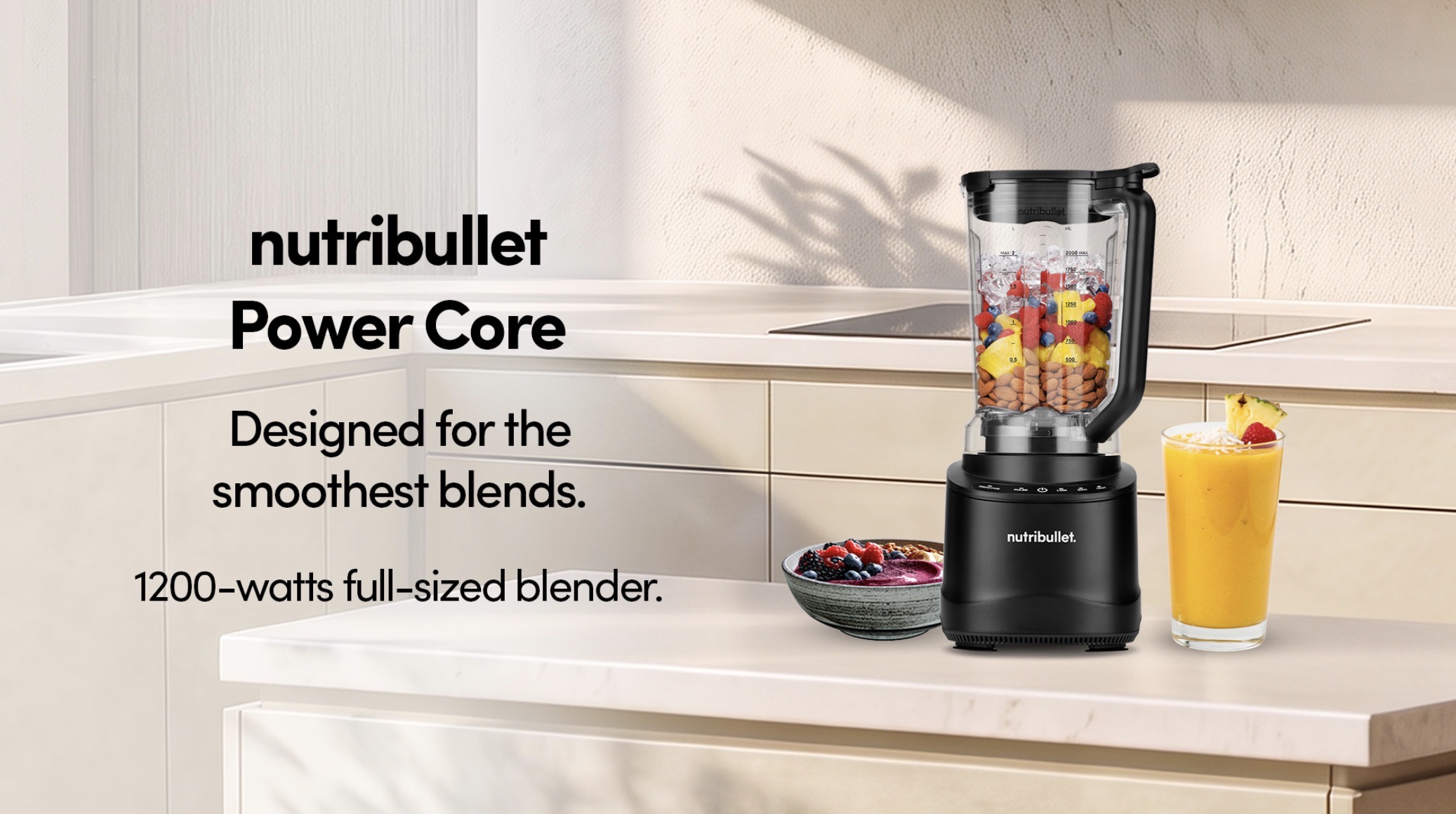
For larger households and people who regularly entertain, the nutribullet Power Core offers a full-sized alternative to the brand’s personal blenders.
The machine features a 1,200-watt motor, according to the product materials, and is designed for preparing larger quantities of blended ingredients.
That makes it useful for everything from smoothies and fruit drinks to soups, sauces, and other recipes that benefit from a more generous blending capacity.
Imagine preparing a batch of pumpkin soup for Christmas dinner, blending a sauce for the main course, or making enough frozen fruit drinks for several guests.
A larger blender also means fewer batches, which is particularly helpful when you’re already juggling several dishes.
And unlike personal blenders designed primarily for individual servings, the Power Core is better suited to households where cooking and entertaining regularly involve more than one or two people.
nutribullet Chill: For anyone who takes dessert seriously
Now, this is where things get particularly interesting.
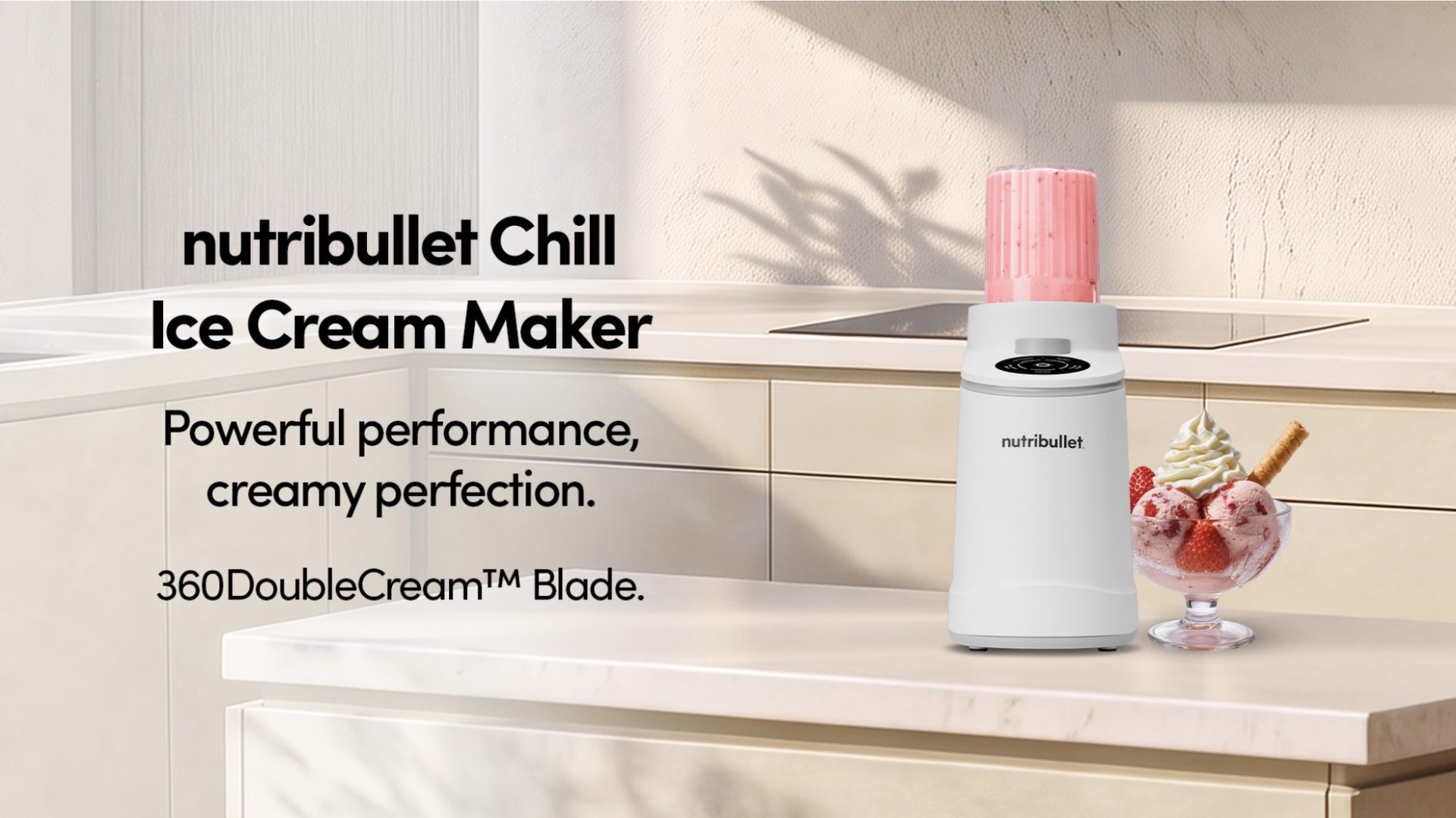
The nutribullet Chill is an ice cream maker designed for preparing frozen desserts at home, giving users more control over the flavors and ingredients they want to use.
It comes with five preset programs for ice cream, gelato, sorbet, frozen yogurt, and smoothie bowls.
The process involves preparing a dessert base, freezing it in the included pint container, and using the machine to process it into a frozen dessert.
According to nutribullet, its 360DoubleCream Blade Technology uses dual-direction rotation to achieve a smooth, creamy consistency.
For Christmas, the possibilities are particularly appealing.
You could prepare mango sorbet, chocolate ice cream, strawberry frozen yogurt, or a dessert inspired by Filipino holiday favorites.
It’s also an opportunity to experiment with ingredients and sweetness levels, particularly if you’re preparing desserts for people with different preferences.
And if you’re hosting, being able to offer several homemade flavors feels considerably more personal than simply opening another tub of store-bought ice cream.
Making room for better everyday habits
Although the holidays provide a good excuse to upgrade kitchen equipment, the more practical consideration is how often you’ll use these appliances once the decorations have been packed away.
A compact blender makes sense for someone preparing breakfast before work. A larger machine is more useful for families who regularly cook together. And an ice cream maker may appeal to people who enjoy experimenting with homemade desserts.
The best choice ultimately depends on your kitchen space, cooking habits, and the kinds of food you actually prepare.
Because while a new appliance can make cooking more convenient, the real value comes from finding one that earns its place on your countertop long after Christmas.
The new nutribullet lineup is available at the brand’s stores on Level 4 of Mega Fashion Hall, SM Megamall, and Level 2 of Glorietta 2, as well as online at nutribullet.ph.

Moving into a new space comes with a long list of things to figure out, and lately, I’ve been paying more attention to something that’s easy to overlook: air quality.
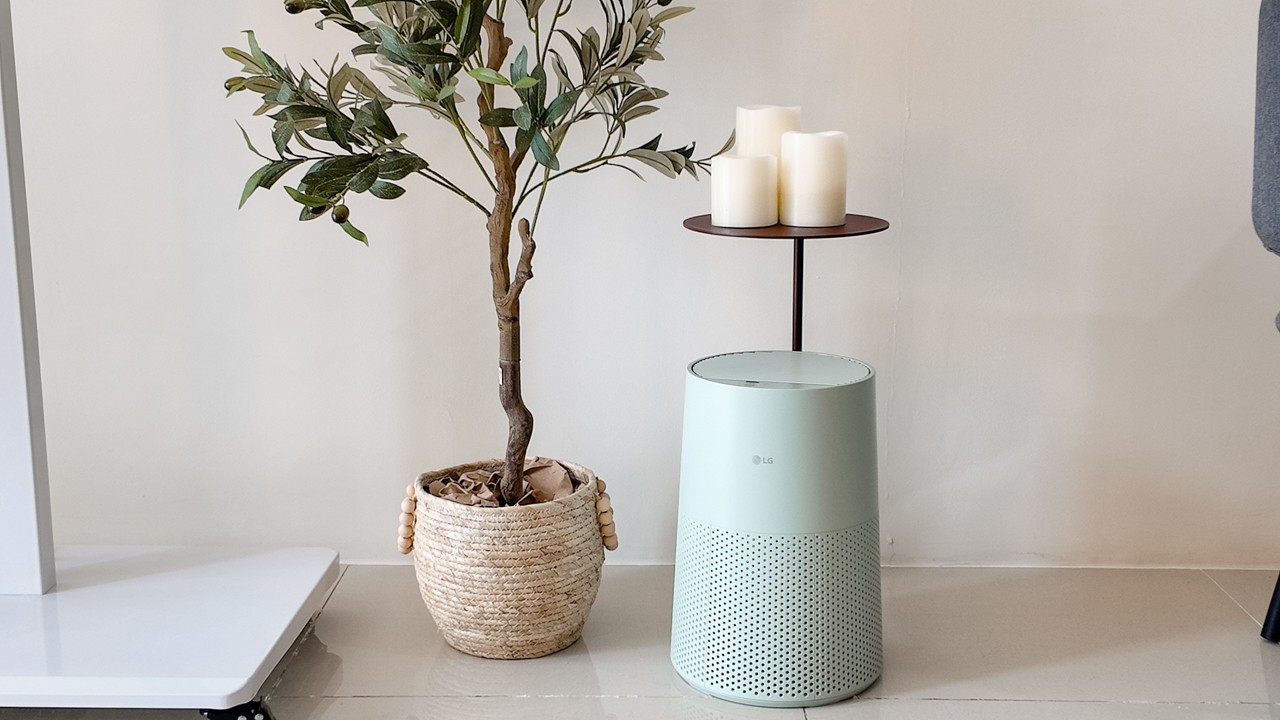
After using the LG AeroMini for about a month, it has become a subtle but welcome addition to my space. It helps make the room feel fresher, while its compact and stylish design fits naturally into my setup. Here are the things that stood out to me most after living with it for a month.
360° purification for a fresher space
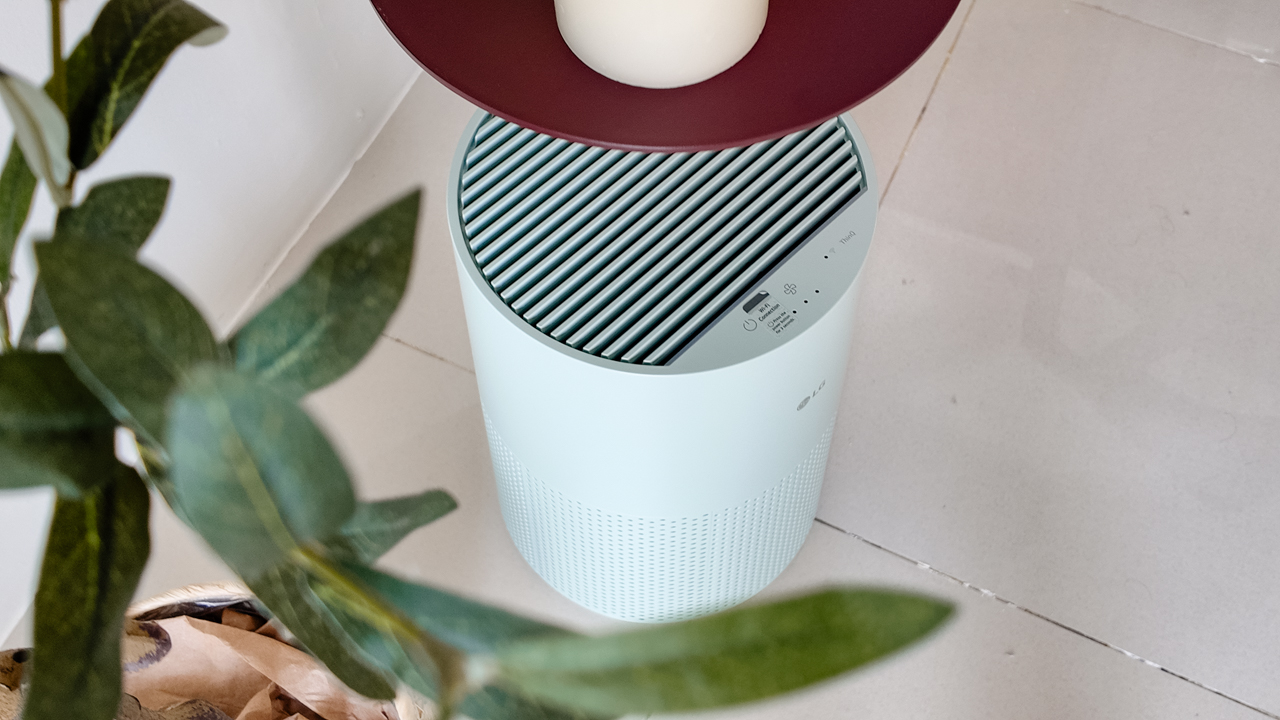
One of the things I appreciate about the AeroMini is its 360° air purification, designed to bring purified air in every direction.
For me, this is particularly useful in a new space where I’m spending a lot of time working, relaxing, and just settling in.
Combined with its True HEPA filter, which is designed to remove 99.999% of 0.01μm fine dust and allergens, it gives me added peace of mind about the air I’m breathing every day.
After a month, I can genuinely say that the space feels fresher with it running.
Surprisingly quiet
This is probably my favorite feature.
The LG AeroMini operates at just 26dB, and after using it for a month, what stands out is how easy it is to forget that it’s even running.

I can have it running while I’m working or sleeping without the noise becoming a distraction. For an appliance that’s designed to continuously improve the air around you, I think that’s a big deal.
Sometimes, the best feature is the one you barely notice.
Design that fits my space
Since I recently moved, I’ve been pretty conscious about what I bring into the space. I want things to be functional, but I also don’t want appliances that feel like they’re taking over the room.
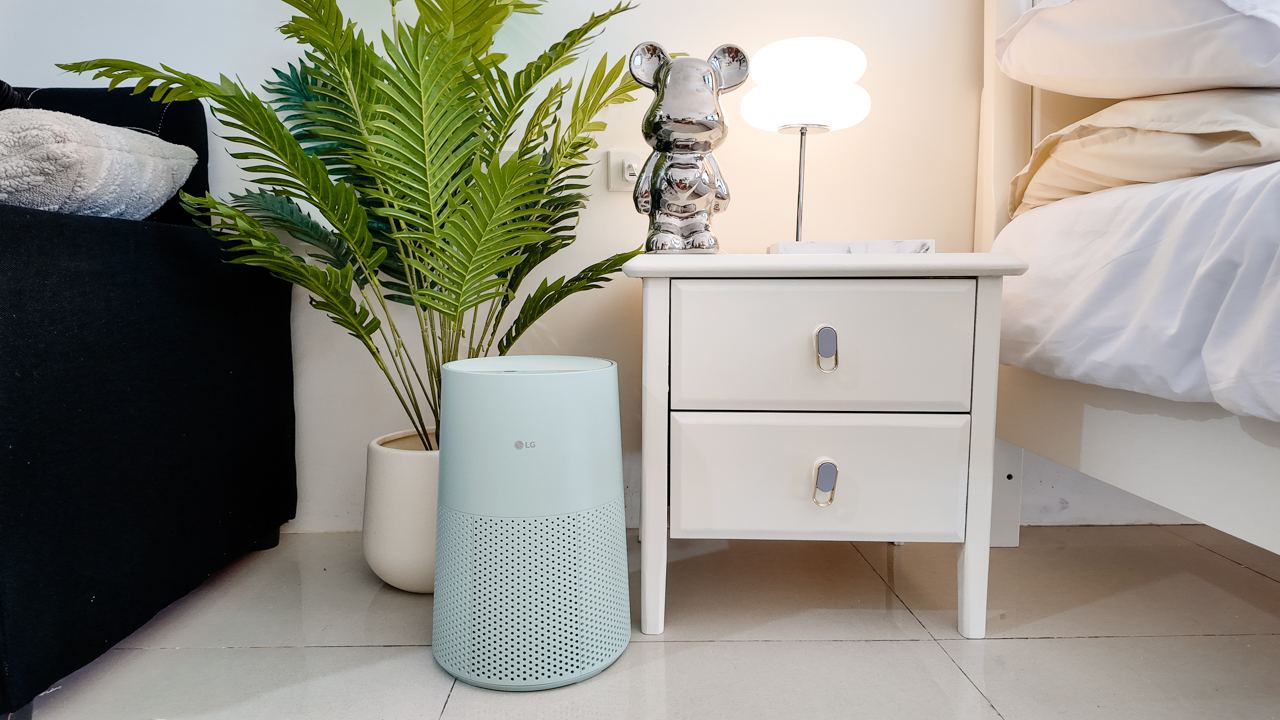
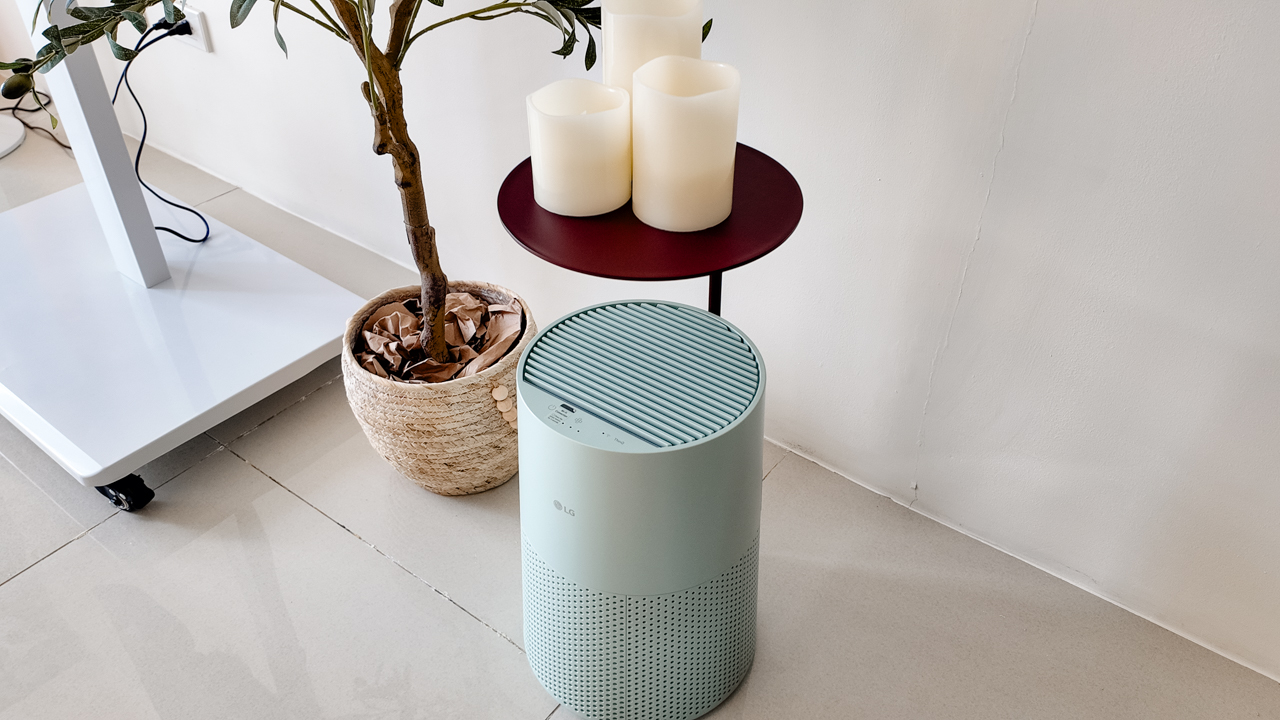
The AeroMini’s slim and compact design makes it easy to incorporate into my setup. It doesn’t feel bulky or industrial, and I like that I can leave it out without feeling like I need to hide it away.
For me, that balance between functionality and aesthetics makes it feel more like part of the space rather than just another appliance.
Air quality at a glance
Another feature I’ve found convenient is its Smart Control. Through the app, I can monitor and control the AeroMini while getting real-time updates on the indoor air quality.
It’s a small convenience, but being able to check the air quality without having to interact with the purifier directly makes it easier to keep track of what’s happening in the room.

Easy to maintain
I also appreciate that the AeroMini is designed with an all-in-one dust and deodorization filter that makes replacement and maintenance easier.
That matters to me because the best home gadgets are the ones that don’t create another complicated chore. I want something I can set up, use regularly, and maintain without too much fuss.

After a month, would I keep it?
Yes, and mainly because it quietly fits into my everyday routine.
The LG AeroMini has helped make my new space feel fresher and more comfortable, while its compact design means it doesn’t compromise the look of the room. But if I had to pick just one thing I appreciate most, it’s still how incredibly quiet it is.

It’s one of those upgrades that doesn’t demand your attention. It simply works in the background.
If you’re also looking to make your home a fresher and more comfortable space for yourself and your family, visit https://www.lg.com/ph/ to learn more about the LG AeroMini and how it can fit into your everyday life.
Her GadgetMatch
TECNO and Angélica Dass visit the Philippines next for its grand portrait project
100 Faces, 100 Stories


A portrait can show what someone looks like, but what about the story behind the face?
TECNO and visual artist Angélica Dass are exploring that question through “100 Portraits of Becoming,” a two-year global portrait project featuring 100 people across Kenya, the Philippines, Saudi Arabia, Türkiye, and Brazil.
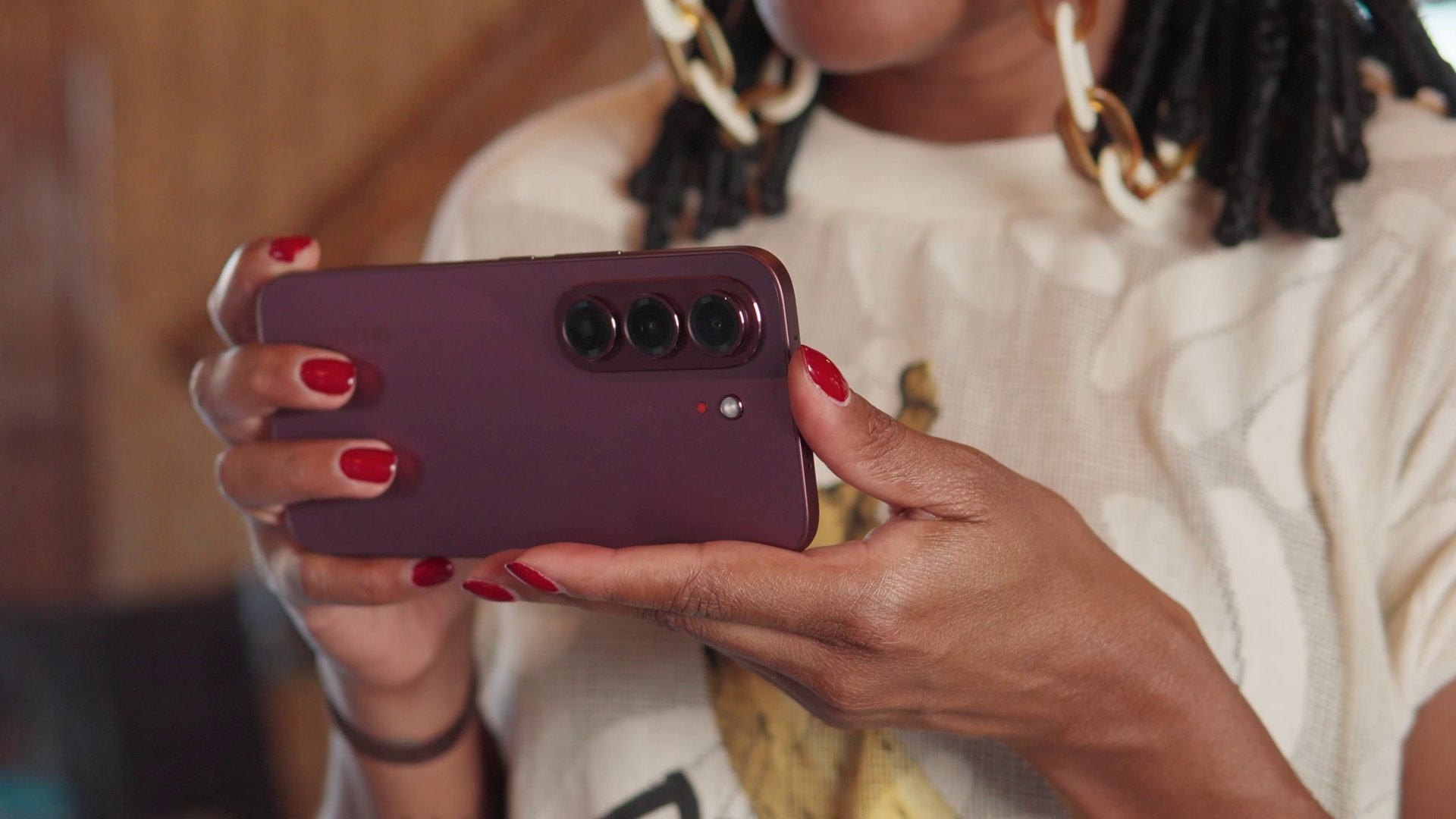
The project begins with 20 portraits from Kenya, each paired with a personal story about identity, choices, change, and growth. Rather than having participants represent an entire culture or generation, the project focuses on their individual experiences.
Beyond inclusive imaging
The project builds on TECNO’s work with Universal Tone, its imaging technology designed to represent diverse skin tones more naturally and accurately.

But “100 Portraits of Becoming” takes that idea further. With AI increasingly involved in capturing, recognizing, and generating images of people, TECNO and Dass want to explore how technology can better represent the individual behind the image.
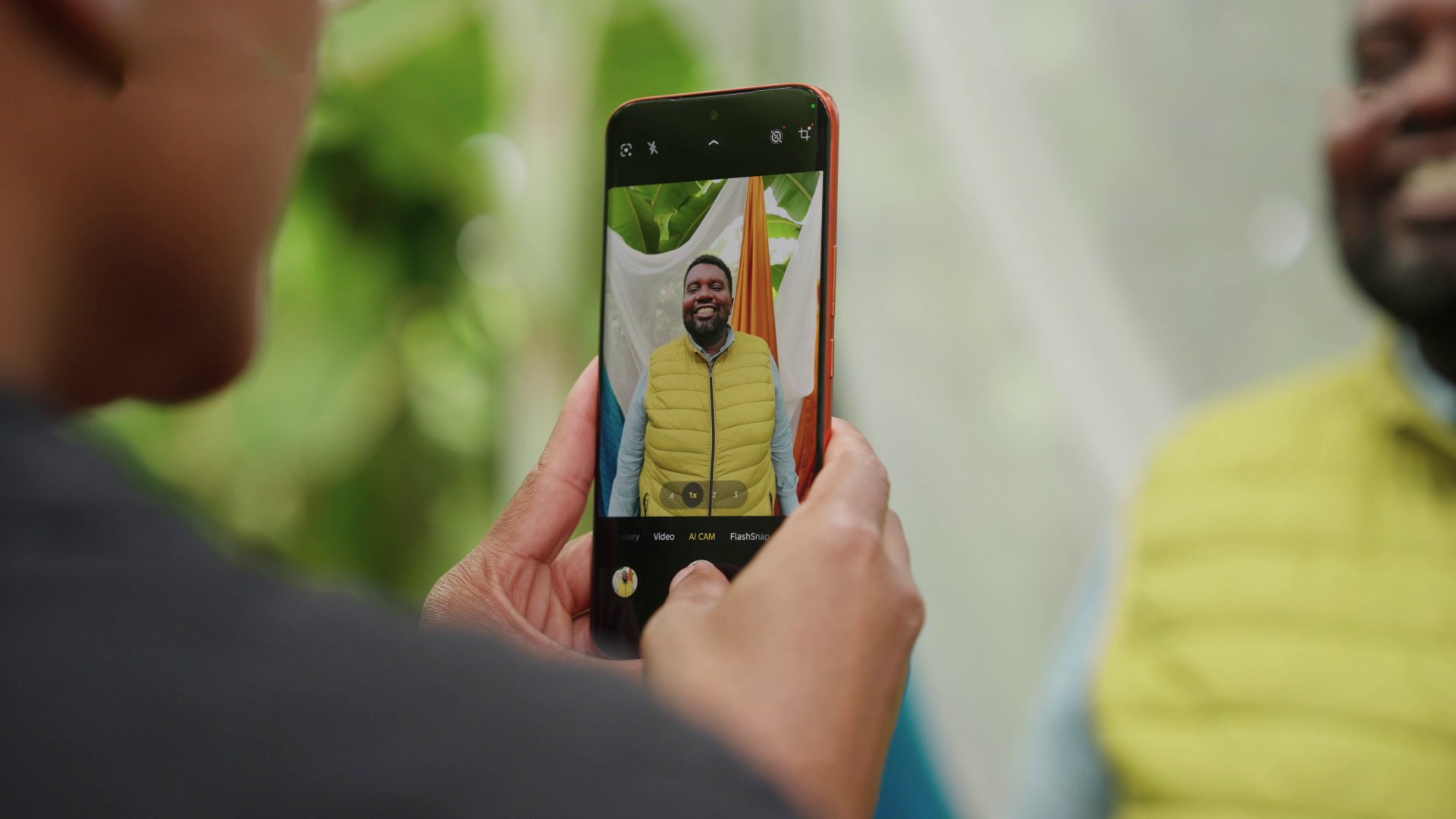
For Dass, meaningful portraiture starts with human connection.
“Meaningful portraits are never created by technology alone.”
She says her experience in Kenya reinforced the importance of trust, listening, and the willingness of people to share their stories.
The Philippines is next
Following Kenya, the project heads to the Philippines for a chapter called “Beyond Many Labels.”
It will feature 20 individuals, including working solo mothers and people whose lives are closely connected to solo parenthood.

Their stories will look beyond labels such as “single mother,” “breadwinner,” and “strong woman,” while exploring their ambitions, relationships, and personal growth.
The chapter will also explore “diskarte” — the ways Filipinos adapt, make choices, and find practical ways forward in everyday life.
After the Philippines, “100 Portraits of Becoming” will continue to Saudi Arabia, Türkiye, and Brazil.
By the end of the project, TECNO and Dass hope the 100 portraits will offer exactly what the title suggests: 100 different ways of seeing humanity.


ROG G700 review: The best prebuilt PC you can get off the shelf
This PC will make you stop worrying about specs.


HP OMEN Max 16 review: Gamer-maxxing in deep black
Peripherals deemed necessary to max this out

vivo V80 review: Good phone, tough sell
A capable travel companion

Smart boosts 5G network in Siargao for World Surf League event

The next Elder Scrolls game is called Sentinel

4 new nutribullet kitchen essentials to make holiday hosting easier

Inside Infinix’s first global concept store in Bali

Wild Rift Patch 7.3, celebrates K/DA comeback

OPPO Find X10 Series launches globally October 21

Sony teams up with Hello Kitty for exclusive limited-edition collection

vivo V80 debuts with ZEISS cameras

Garmin Enduro 4 promises up to 320 hours of battery life

Dragon’s Dogma 2: Dark Arisen launches with new Official Pawns


-

 Lifestyle3 days ago
Your coffee nook is getting a makeover with Starbucks’ holiday collections
-
Gaming2 weeks ago
HP OMEN Max 16 review: Gamer-maxxing in deep black
-

 Lifestyle5 days ago
Sticker season is back, and so is the planner your ~friends~ might fill in for you
-

 Apps2 weeks ago
Apple Music is getting a Liquid Glass makeover
-

 Gaming2 weeks ago
FINAL FANTASY RESONANCE now available across major platforms
-
Gaming1 week ago
ROG G700 review: The best prebuilt PC you can get off the shelf
-
 Gaming3 days ago
Wild Rift Patch 7.3, celebrates K/DA comeback
-

 Gaming1 week ago
PlayStation unveils Prism Collection