
Lifestyle
Trese, Pacific Rim anime coming to Netflix
Get hyped!


Get hyped! A new set of anime is coming to Netflix including popular Philippine comic book Trese and sci-fi film franchise Pacific Rim.
Netflix made the announcement during the See What’s Next Asia event held in Singapore which is geared towards connecting the rest of the world with content with Asian roots.
“The beauty of Netflix is that we can take never-seen before stories from South Korea, Thailand, Japan, India, Taiwan, or elsewhere, and easily connect them to people all over Asia and the world,” said Netflix Chief Content Officer Ted Sarandos.
Netflix has been home to some of the best anime with titles like Fullmetal Alchemist Brotherhood and My Hero Academia currently in their library. Netflix original anime like Castlevania and DEVILMAN crybaby have also been hits.
Banking on the success of those content, the popular streaming service will add the following titles to their library:
Trese
Created by Budjette Tan and Kajo Baldissimo, the story follows Alexandra Trese as she takes on a criminal underworld littered with mythical creatures from the Philippine folklore. The anime will be helmed by Executive Producer Jay Oliva (Wonder Woman, The Legend of Korra) and will be produced by Shanty Harmayn and Tanya Yuson at BASE Entertainment, a studio based in Jakarta and Singapore.
Pacific Rim
If you love giant robots and colossal monsters, then this is right up your alley. Pacific Rim is set in the same universe as the two live-action feature films and follow two siblings — an idealistic teenage boy and his naive younger sister — who are forced to pilot an abandoned Jaeger across a hostile landscape in a desperate attempt to find their missing parents. Co-showrunners: Craig Kyle (Thor: Ragnarok) and Greg Johnson (X-Men: Evolution). Production company: Legendary Entertainment (Kong: Skull Island; Pokemon: Detective Pikachu).
Altered Carbon
This is another series that has live-action roots. The anime will explore new elements of the Altered Carbon mythology. It will be written by Dai Sato (Cowboy Bebop, Samurai Champloo) and Tsukasa Kondo. Animation will be handled by Anima.
Cagaster of an Insect Cage
This is a survival story on steroids. A young couple struggles to stay alive in a post-apocalyptic world hit with a mysterious disease called “Cagaster” that turns people into giant murderous insects. Directed by Koichi Chigira (Last Exile, Full Metal Panic!). Animation studio: Gonzo (Hellsing, Afro Samurai).
Yasuke
A retired ronin in a war-torn feudal Japan of mechs and magic is forced to take up his sword again when he is tasked to transport a mysterious child who’s on the crosshairs of dark forces. It’s created and directed by LeSean Thomas (The Boondocks, Cannon Busters), who is also serving as Executive Producer. Grammy nominee Flying Lotus will compose the music and be an Executive Producer on the show. Lakeith Stanfield (Atlanta, Sorry to Bother You) will be the voice of the protagonist Yasuke (based on the historical samurai of African origin who fought with Oda Nobunaga). Animation studio: MAPPA (Yuri On Ice, Kakegurui).
All these titles look highly promising, so get ready to binge-watch and watch out for these titles when we inevitably include them on our monthly Now Playing list!







Lifestyle
Nike’s Pegasus Plus 2 wants to give you supershoe feel ~without the plate~
Stripping the Pegasus down to its most important parts and builds back up with an exposed Air Zoom unit and ZoomX foam.

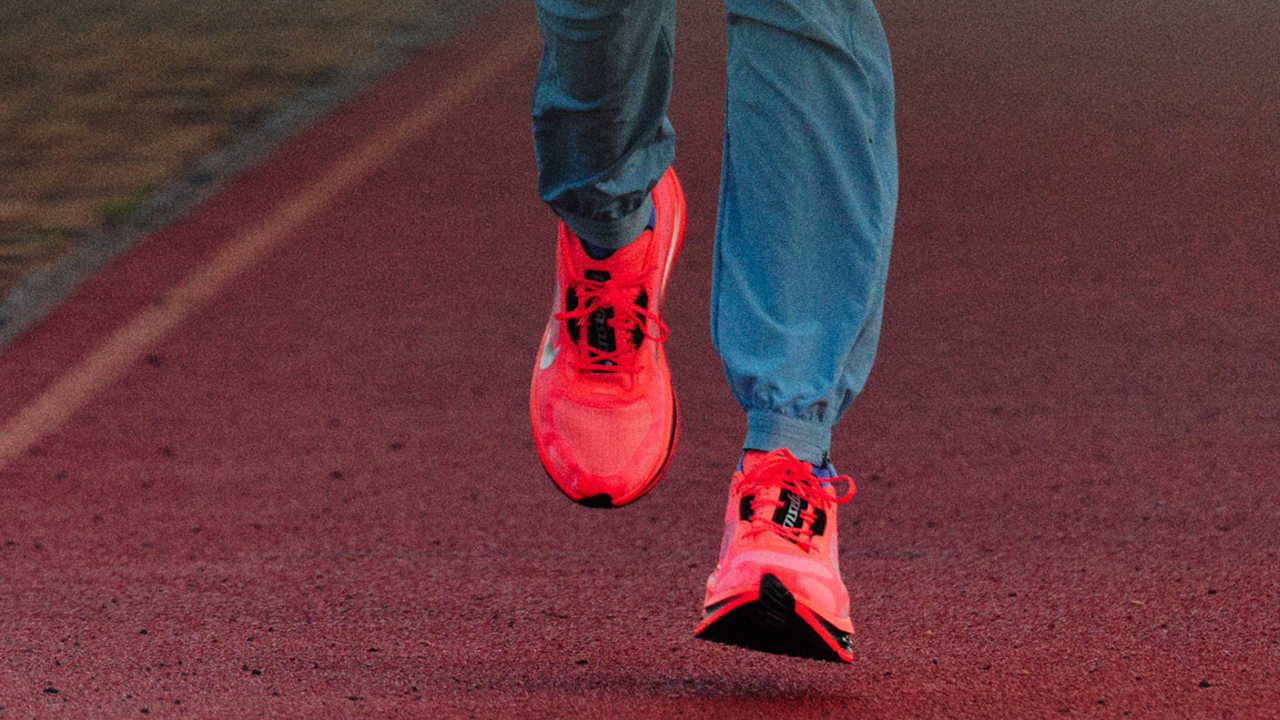
Nike just gave its most recognizable running shoe a new engine. This time, you can actually see it working.
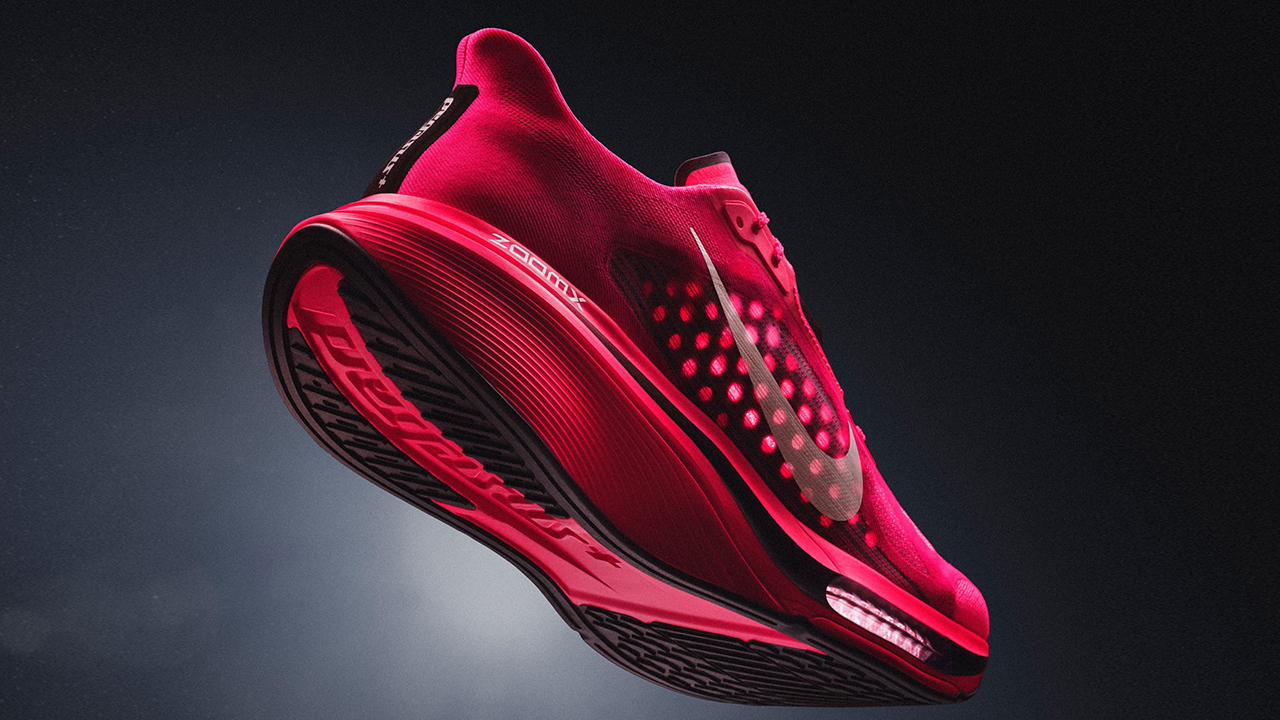
The Pegasus Plus 2 puts an exposed, curved Air Zoom unit right in the forefoot, paired with a ZoomX foam midsole. It’s a setup you’d normally expect from a racing shoe, not a daily trainer.
Nike says the combination pushes energy return up by at least 18 percent compared to the original Pegasus Plus. They spent years tuning every part of the system so runners get what they actually need to feel fast and confident, without extra bulk weighing the shoe down.
What makes the Air Zoom setup different
The curved shape of the Air Zoom unit is designed to help each step roll into the next. This makes the ride feels continuous instead of choppy.
Inside, tensile fibers work like preloaded springs, storing energy from each footstrike and releasing it back with the next stride.
Nike also says the Air Zoom unit uses precise pressure tuning that adjusts across different shoe sizes. It’s aiming for a consistent feel whether you’re a size 7 or a size 13.
Built with input from Nike’s own athletes
The shoe runs on Nike’s MR10 2.0 last, the same platform introduced with the Pegasus 42, giving the forefoot and toe box more room to move.

The midfoot system is built to keep your foot locked in without feeling restrictive. Round it out with reinforced ankle materials, reflective details for low-light runs, and a waffle outsole with flex zones, and you get a shoe built to feel light and connected to the road.
Nike tested the Pegasus Plus 2 with more than 30 elite athletes, from marathoners to track specialists, running the shoe through evaluations at the Nike Sport Research Lab.
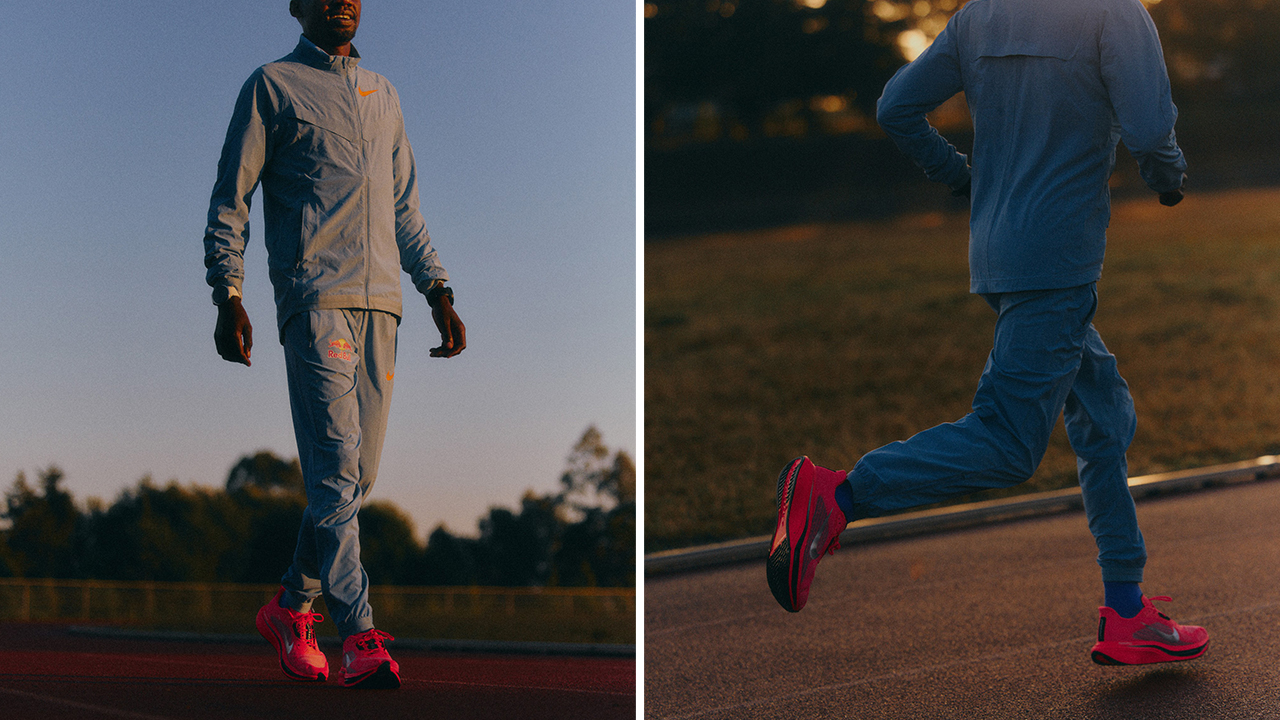
Cameron Myers, Nike athlete and 1,500-meter world leader, described the feel as locked in but still enjoyable, calling the run easy, fast, and smooth.
Where it sits in Nike’s lineup
The Pegasus Plus 2 is part of Nike’s three-tier road running lineup. Pegasus stays focused on responsive, all-day cushioning.
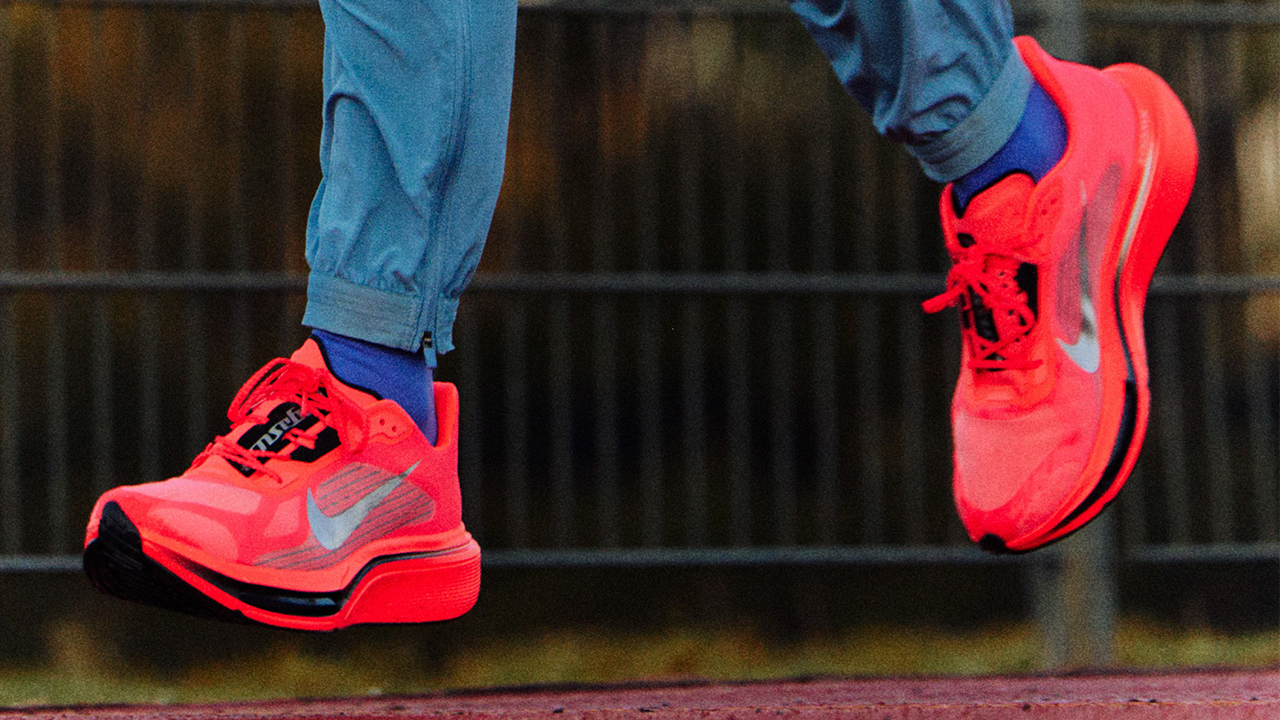
Vomero leans into maximum comfort, while Structure is built for stability. This latest Pegasus update pulls tech from Nike’s racing shoes and folds it into a trainer built for everyday miles.
The Nike Pegasus Plus 2 launches October 1, 2026, on nike.com and at select retailers.
Cameras
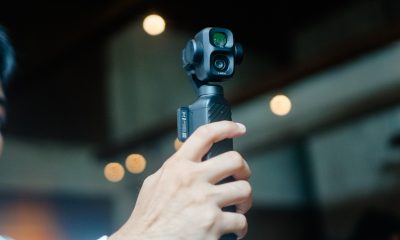
30 days with the DJI Osmo Pocket 4P
This is the camera that made solo travel filmmaking finally feel possible.
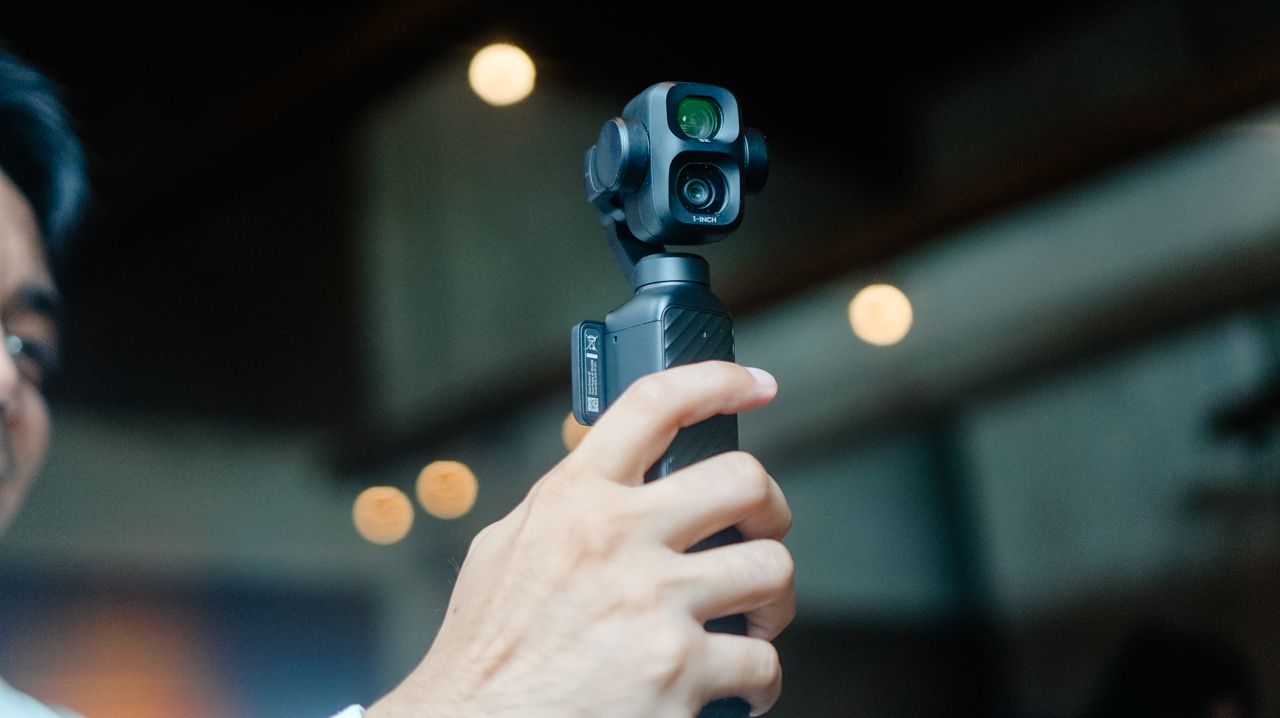
Not too long ago, I had my hands on the DJI Osmo Pocket 4, and I’ve taken to calling it a solo creator’s very own production crew. Rumors about a two-lensed Osmo Pocket had circulated for months. I’m not one to revel in hot goss, so I waited. And waited.
And while waiting, turning 30 crept up on me. The DJI Osmo Pocket 4P arrived like a small, well-machined reminder of a life I didn’t end up living.
If I’d pursued filmmaking the way I once wanted to, this is the camera I would’ve dreamed up for myself. After all, the Osmo Pocket 4P is a creative director’s fantasy, built at the scale of a passport.
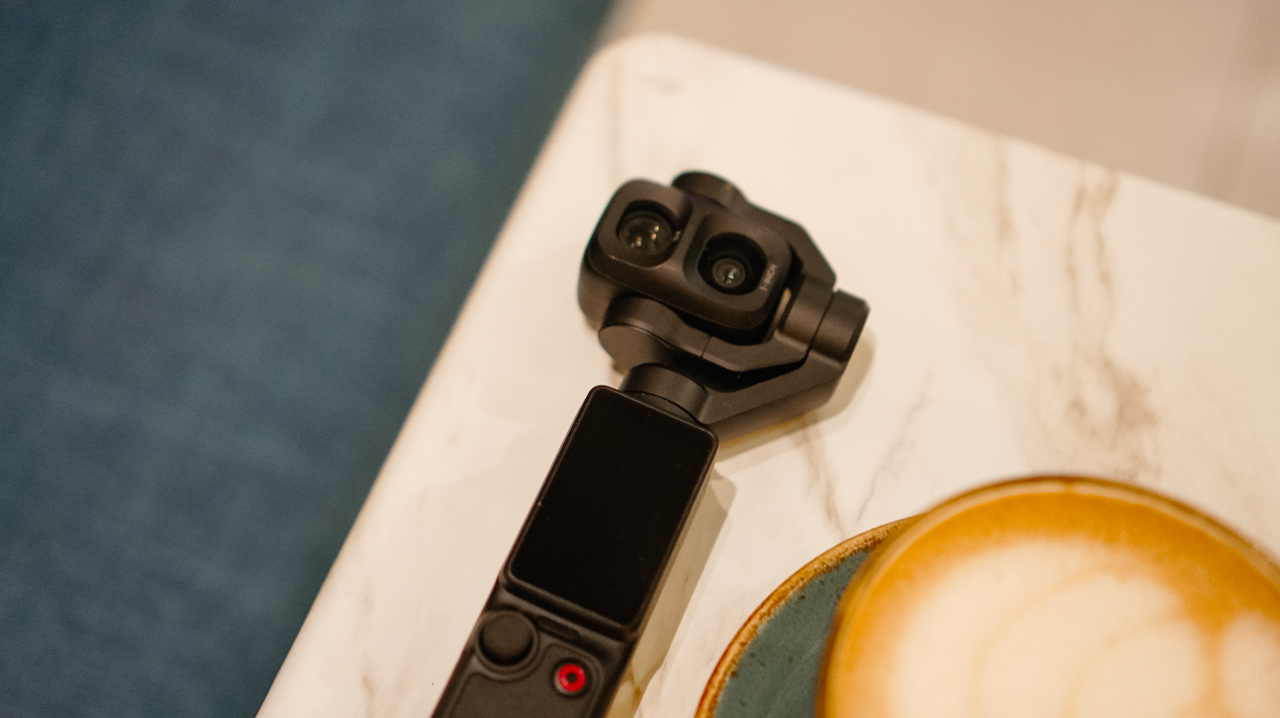
The unit landed on my desk just days before launch, with barely enough runway to put it through its paces properly.
Luckily, it arrived right as July began, which happens to be the month I always disappear on a long vacation. It’s my birth month, and I treat it accordingly. There’s no better way to test a device built for cinematic shooting than to hand it a full month of actual life.
The filmmaker I almost was
I always dreamed of directing sweeping cinematic films. As a broke teenager with big ambitions, I strategically pivoted into advertising instead.
I convinced myself it was a clever way to stay close to film sets while guaranteeing a steady paycheck. That creative pull never really vanished. It resurfaced in my early twenties during an extended phase of chasing beaches and climbing mountains.
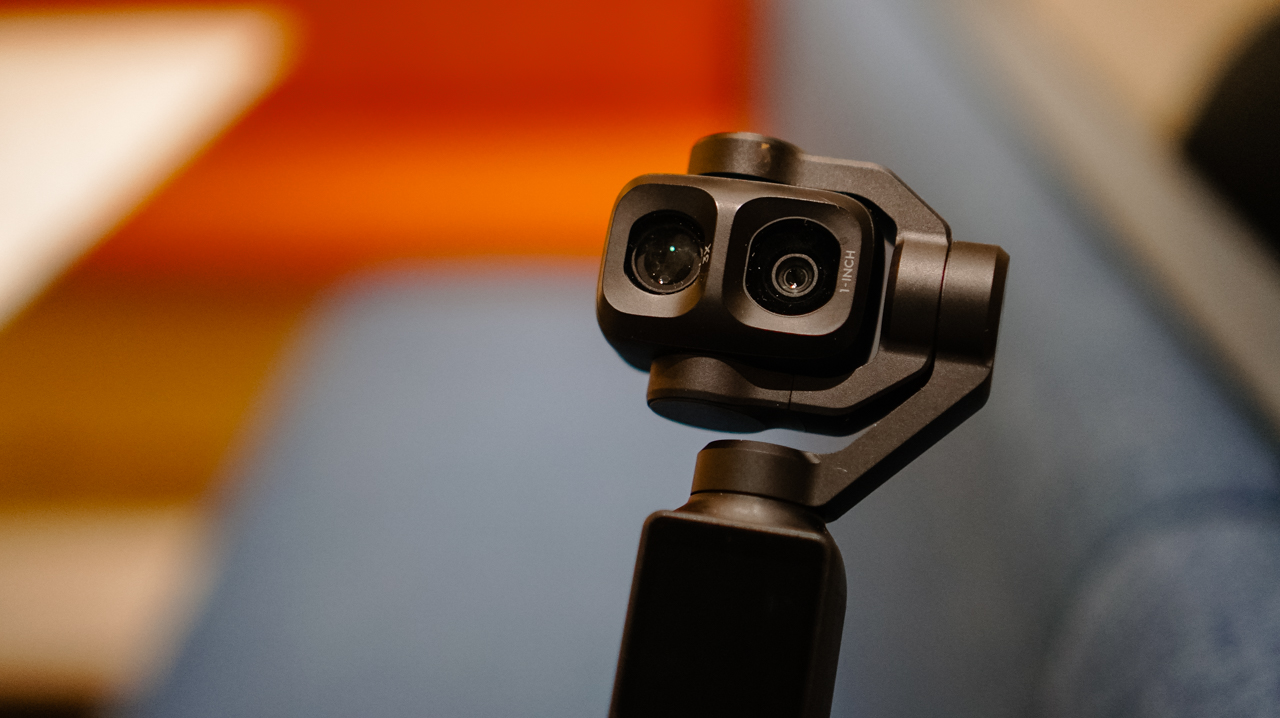
I spent those trips half-watching travel vloggers and wondering why they were living my dream life instead of me. The Osmo Pocket 4P dug up an ambition I thought I had buried under sensible career choices.
I once wanted to be a National Geographic Explorer, mapping gorgeous terrain for a living. Instead, I became a competitive trail runner who works as a creative director, which brings its own chaotic terrain.
Life did not give me the exact script I wrote as a teenager, but this camera gave me a way to direct my story anyway on my own terms.
Earning its keep
To celebrate my birth month properly, I took the camera to Cagayan de Oro City, sprinted across the wild landscapes of Bukidnon, and boarded a flight to London for a dose of summer style and city architecture.
Both trips are honest reflections of who I am: a person pulled toward nature, and a person who will always, at heart, be a city boy. London doubled as work, too. I was there to cover Samsung’s Galaxy Unpacked.
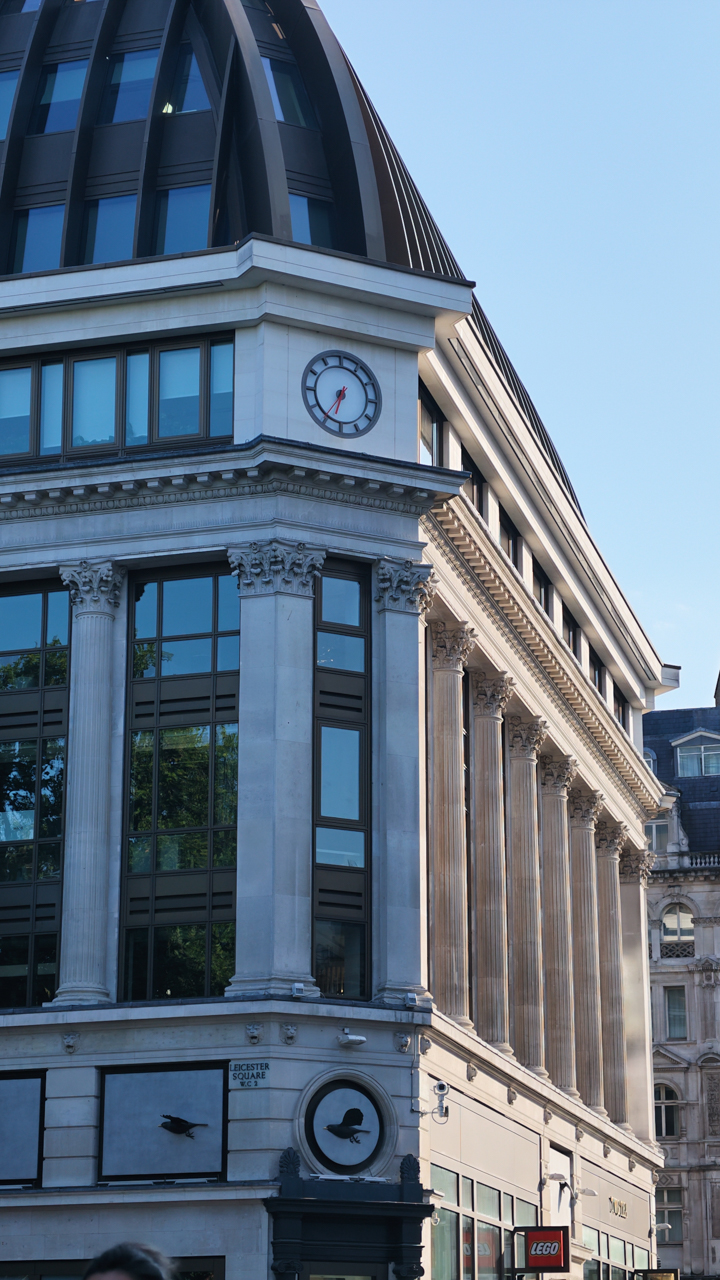
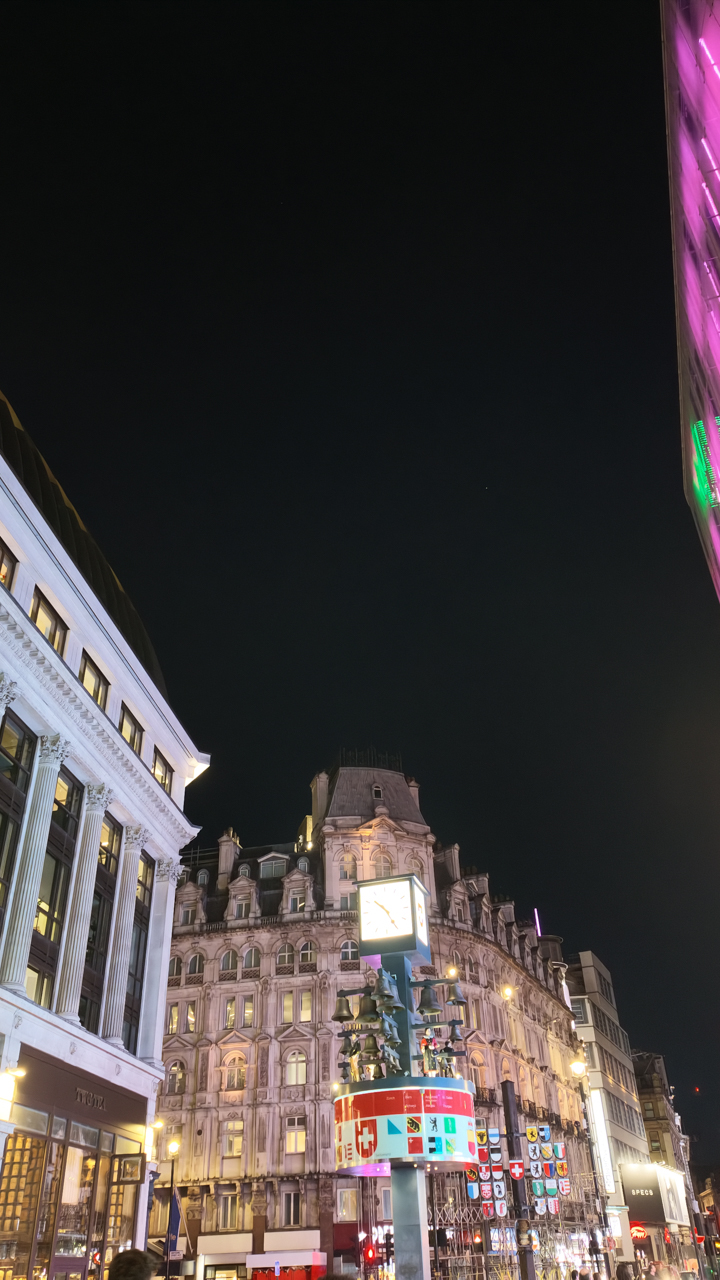
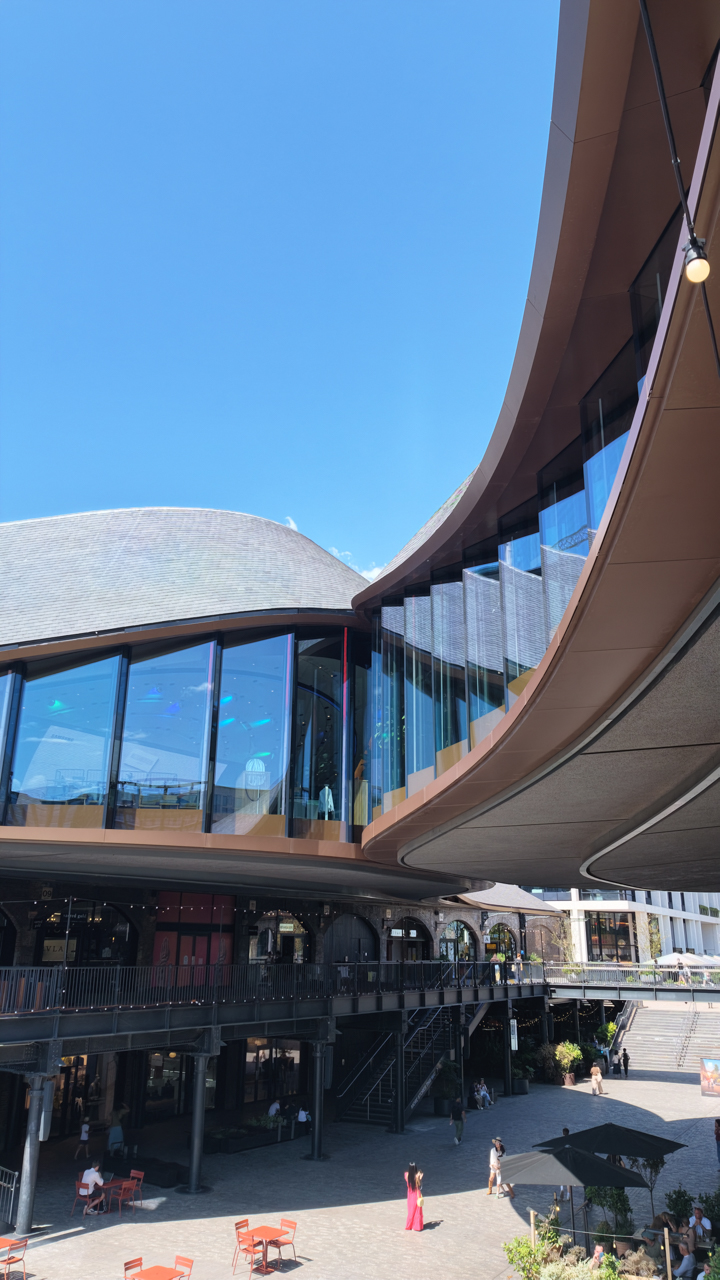


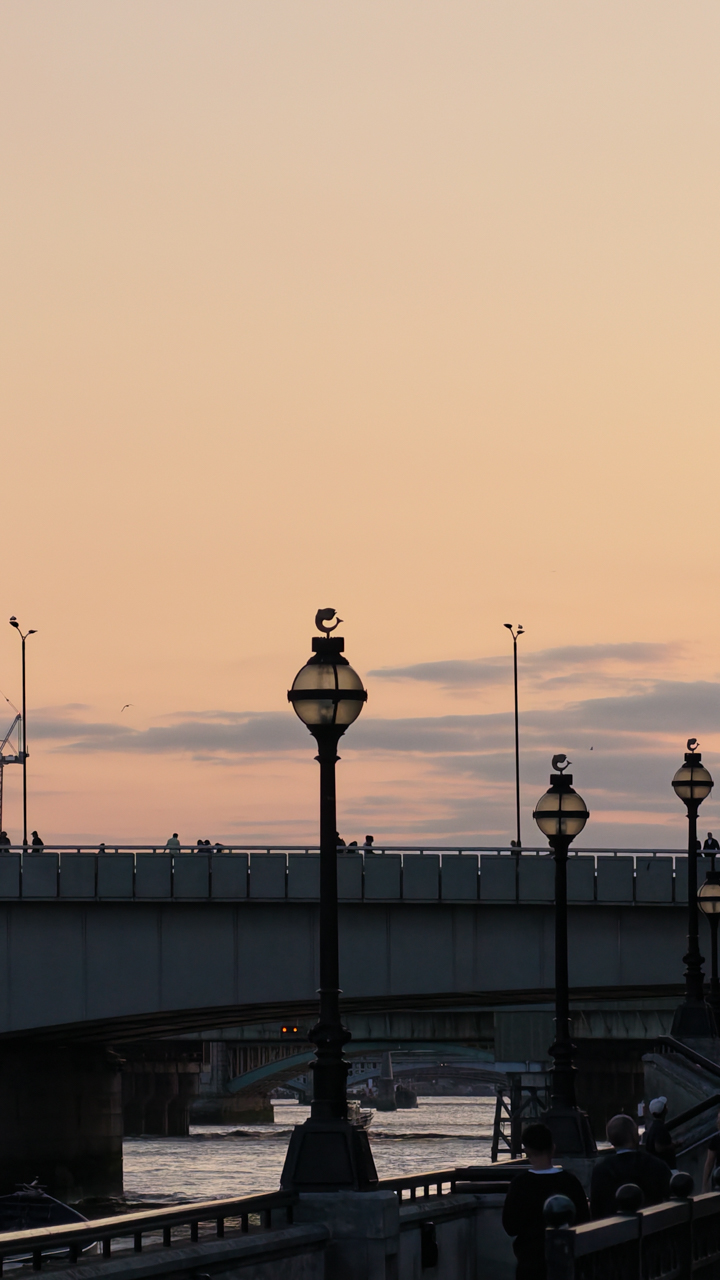
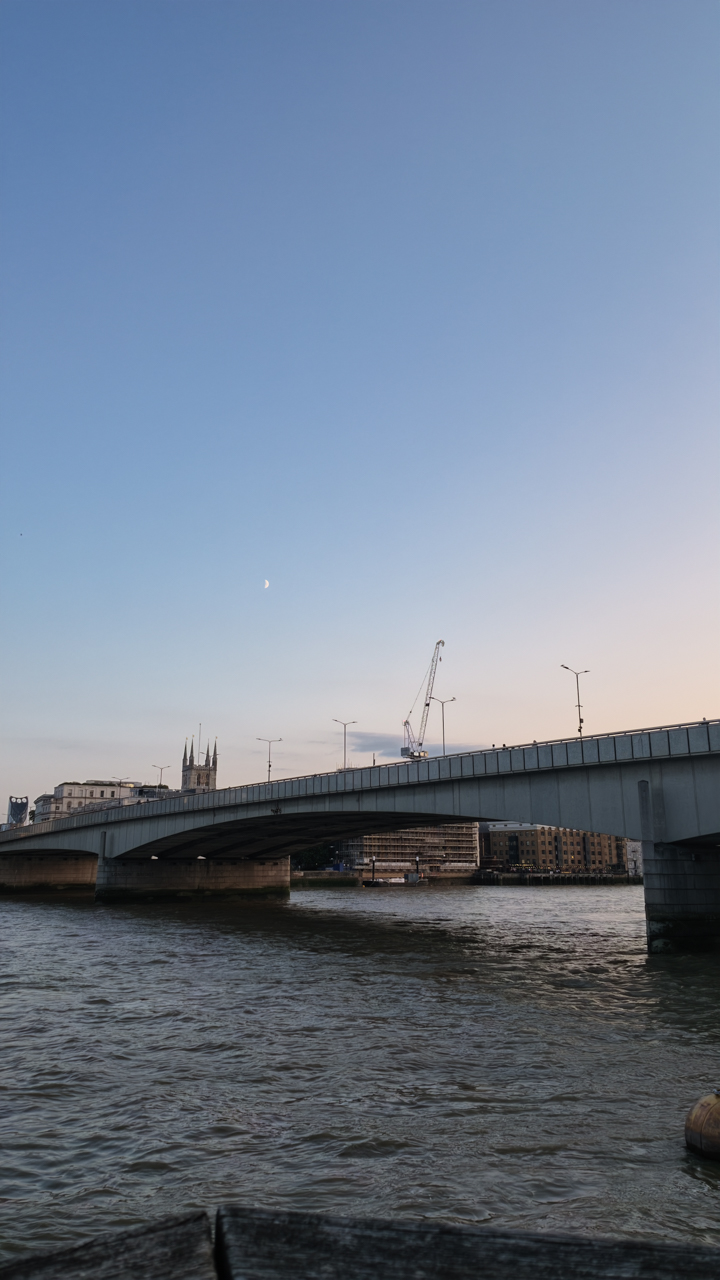
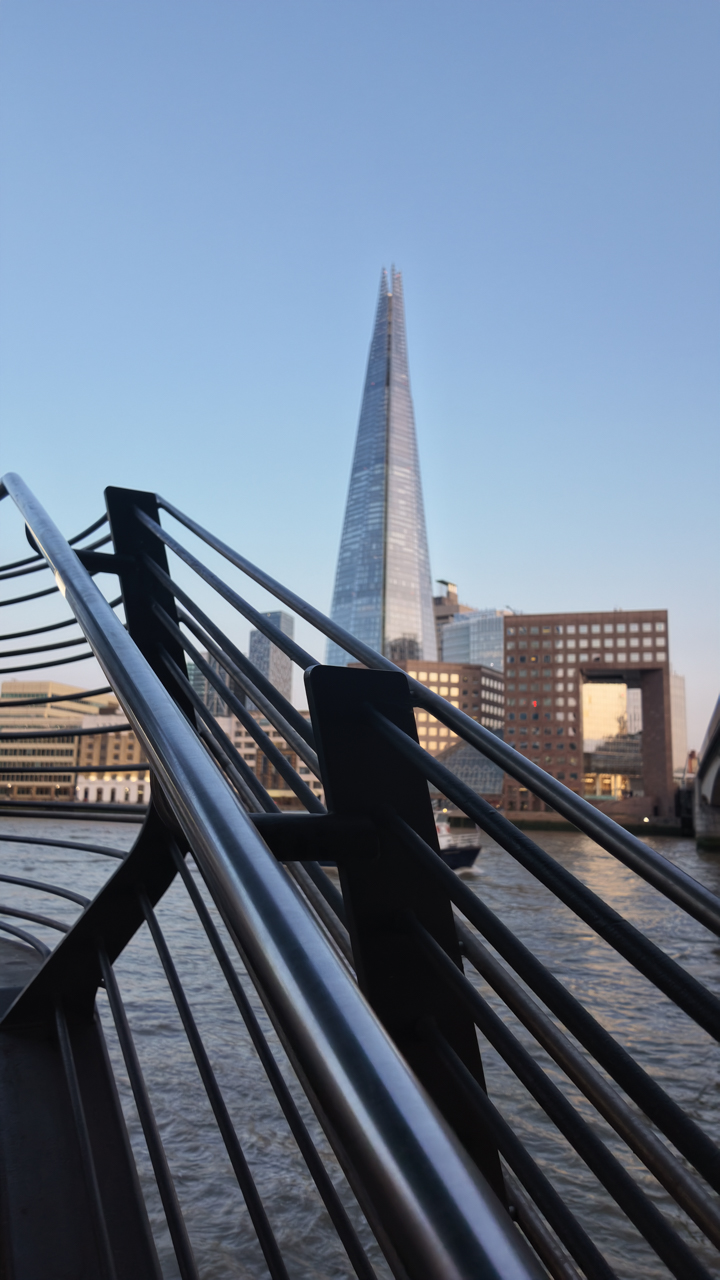
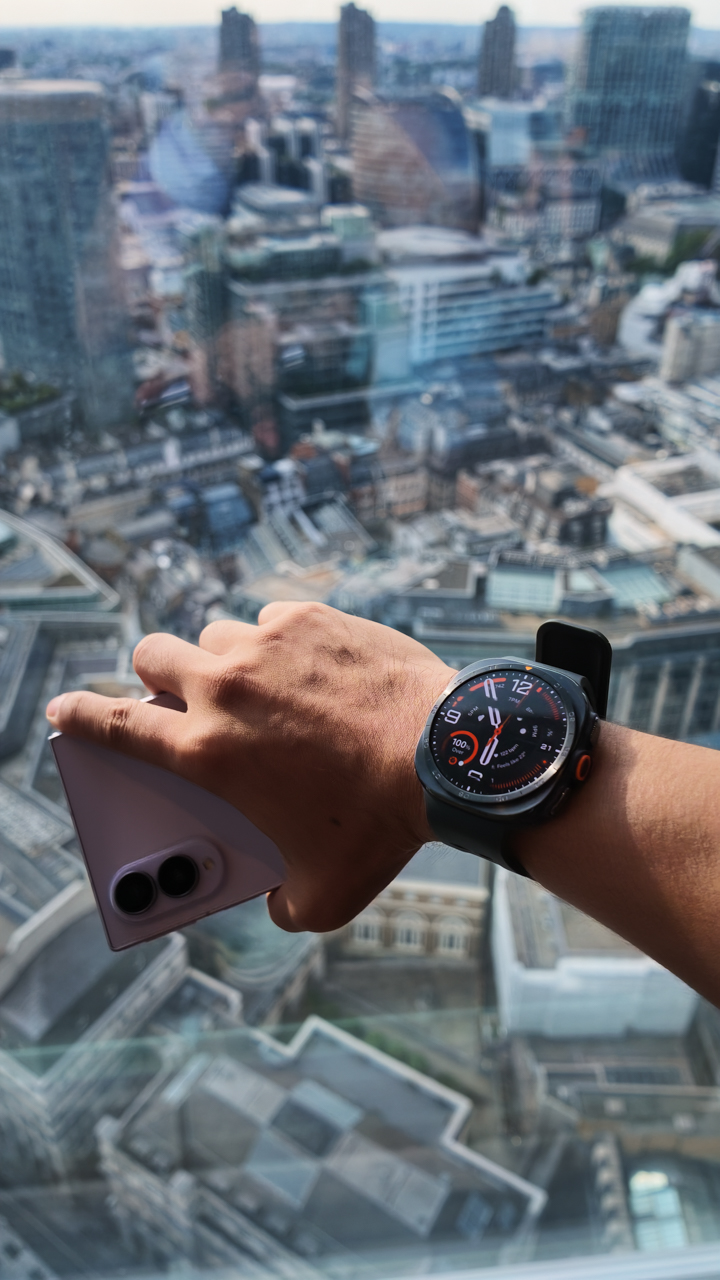
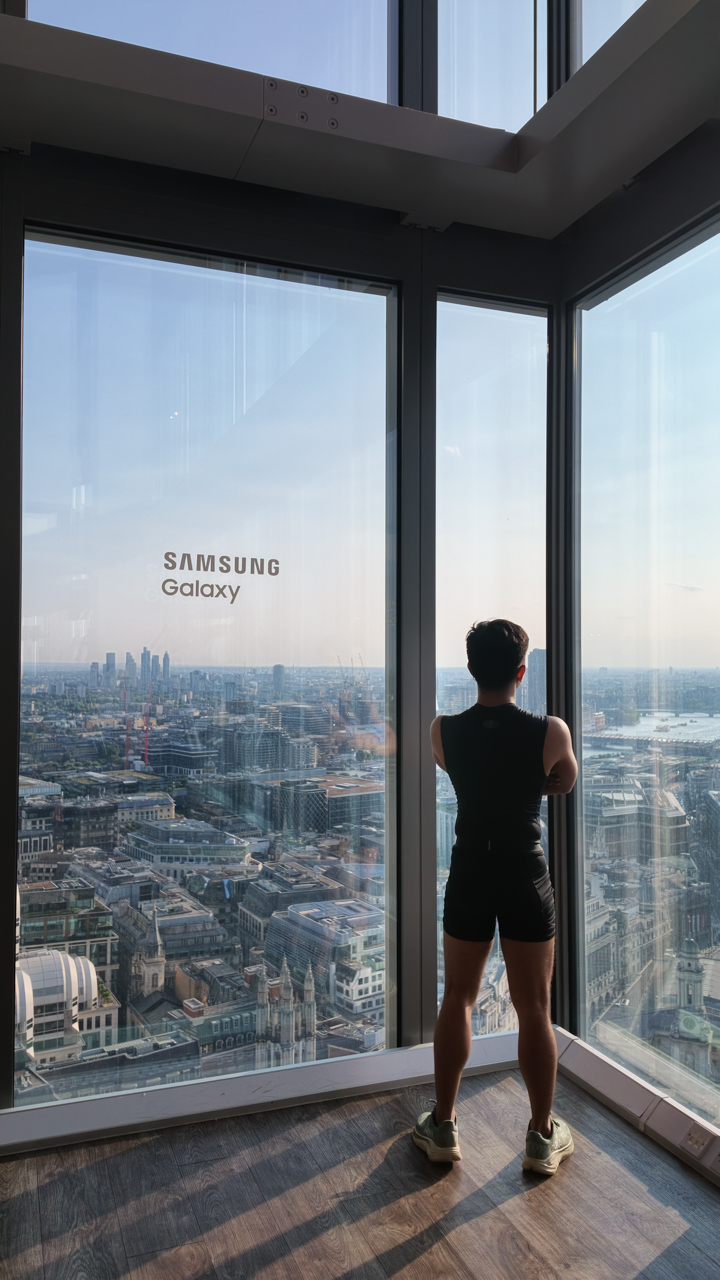

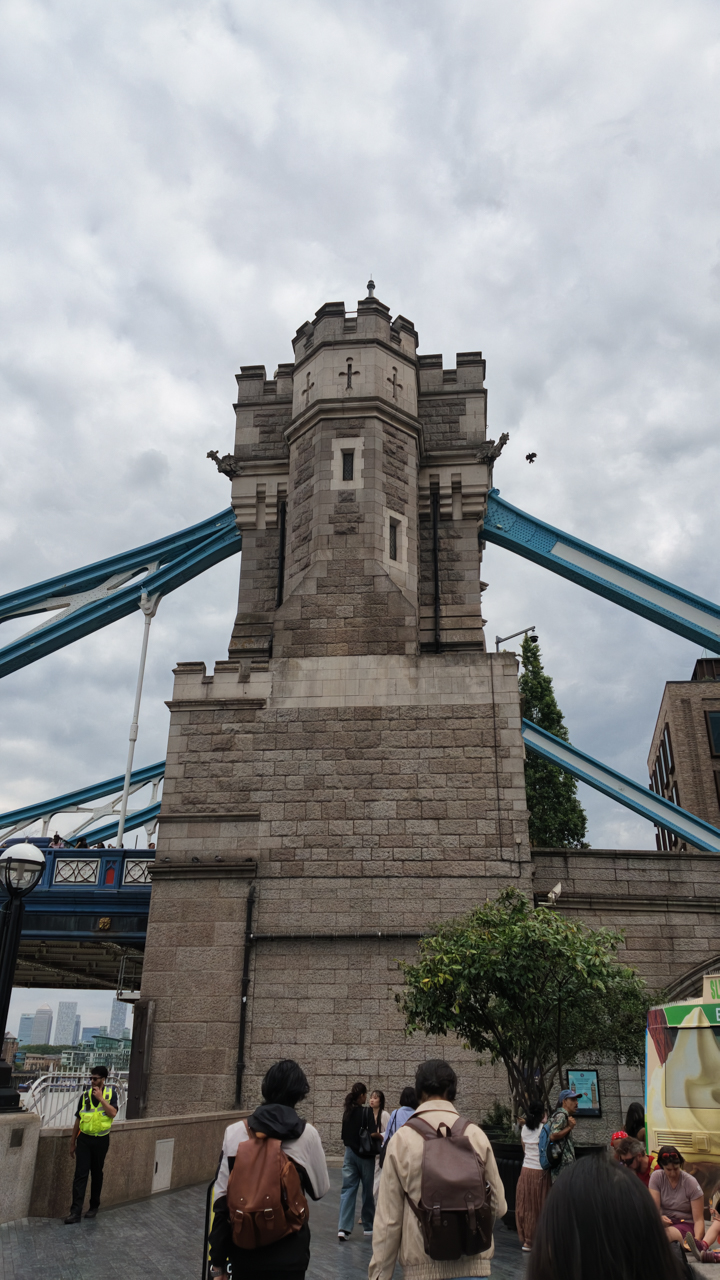
Across both continents, the dual lenses earned their keep. I captured crisp architectural details from miles away using the 240mm 12x zoom.
View this post on Instagram
However, I spent most of my time using the 60mm 3x medium telephoto lens. It delivered a natural background blur that made mundane street moments look like movie stills.
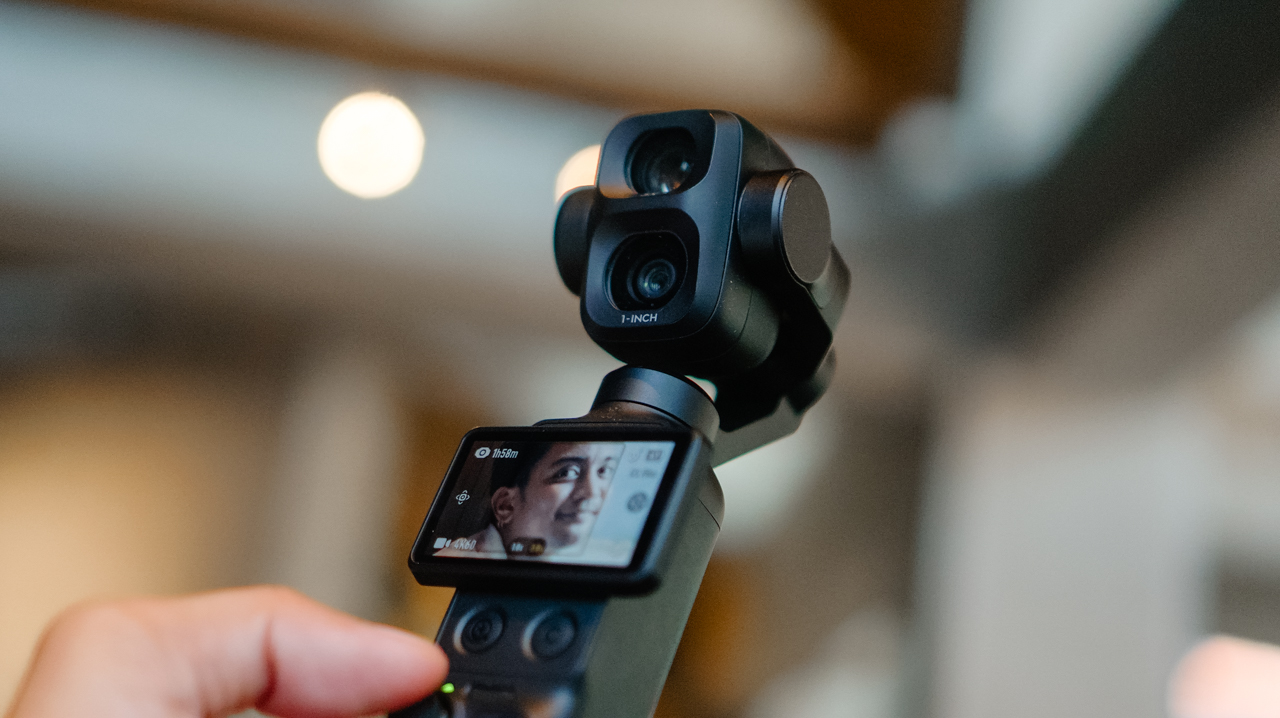
In Cagayan de Oro, I checked into a Marrakesh-inspired boutique hotel filled with intricate design details. I relied mostly on the 20mm 1x and 60mm 3x range for the entire stay.
Knowing I had 6x and 12x zoom in reserve gave me a sense of security, like carrying a luxury safety net in my handbag.
A sensor built for the way light actually behaves
The new 1-inch CMOS sensor is what changes the equation for cinematic travel footage. Light does most of the emotional work in a shot, and this is the first Pocket that seems to understand that instinctively.
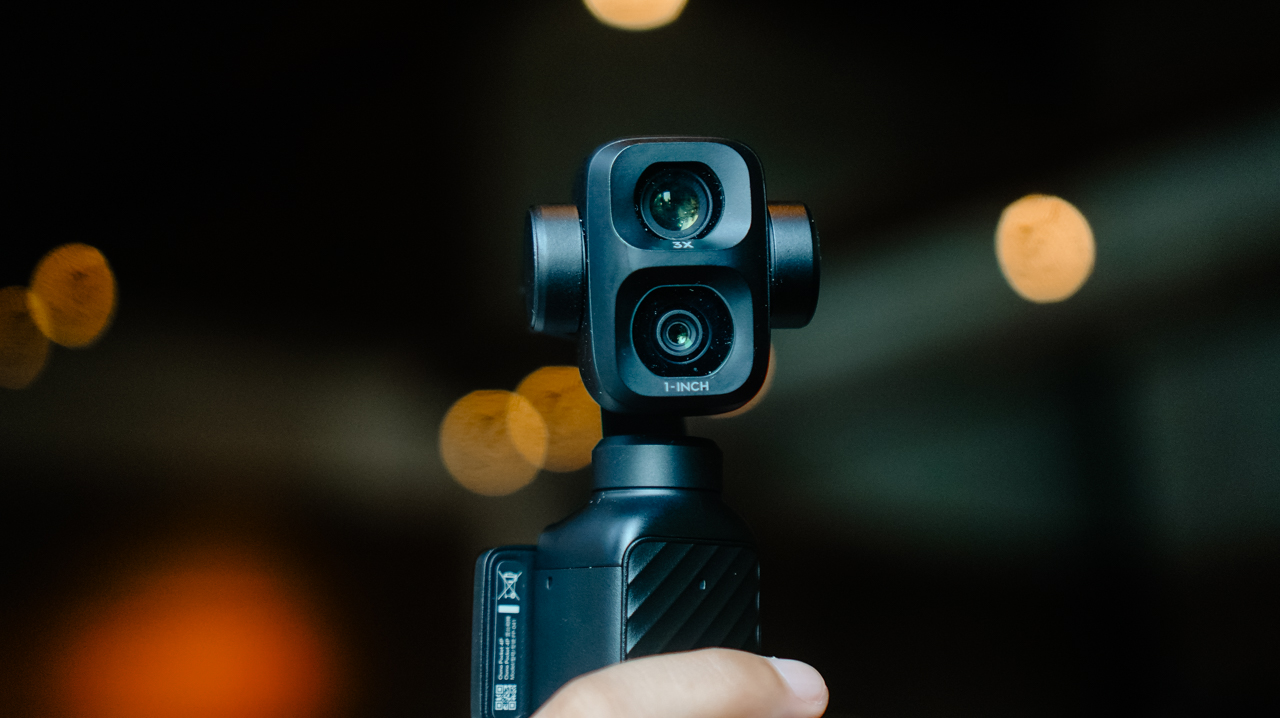
With the new sensor, I didn’t have to fight to keep a face lit while the background held its own exposure. It also preserved highlight and shadow detail cleanly, even in scenes with harsh contrast, the kind that used to flatten out or blow up on older pocket cameras.
View this post on Instagram
That said, auto exposure wasn’t flawless. On a handful of occasions, it leaned toward overcorrecting and blowing everything out a touch too bright. Switching to manual, or Pro Mode, put me back in control and kept the shots true to what I was actually seeing.
View this post on Instagram
What I appreciated most was shooting solo for a Samsung campaign and having nearly every take be usable footage for my editor. Fewer discarded clips means less footage lost to the compromises of shooting alone.
View this post on Instagram
That’s mostly thanks to ActiveTrack, which now extends to the Med-Tele lens. Shooting portraits at 3x zoom, it delivers precise face recognition and tracking, holding exposure steady and skin tones consistent even while the subject is moving.
Shooting solo is genuinely difficult. With ActiveTrack, especially in portrait framing, it made the footage look more considered than the reality behind it… which was one person, alone, trying to land a single good shot without a crew to call it.
View this post on Instagram
Built-in polish, without the retouching pass
This is the section that matters most if you’re the kind of traveler who shoots, stars in, and edits your own content, because you don’t have the luxury of a color grade session or a retouch pass before something goes up. The Osmo Pocket 4P seems to understand that, and builds the polish in at the point of capture instead of leaving it for later.
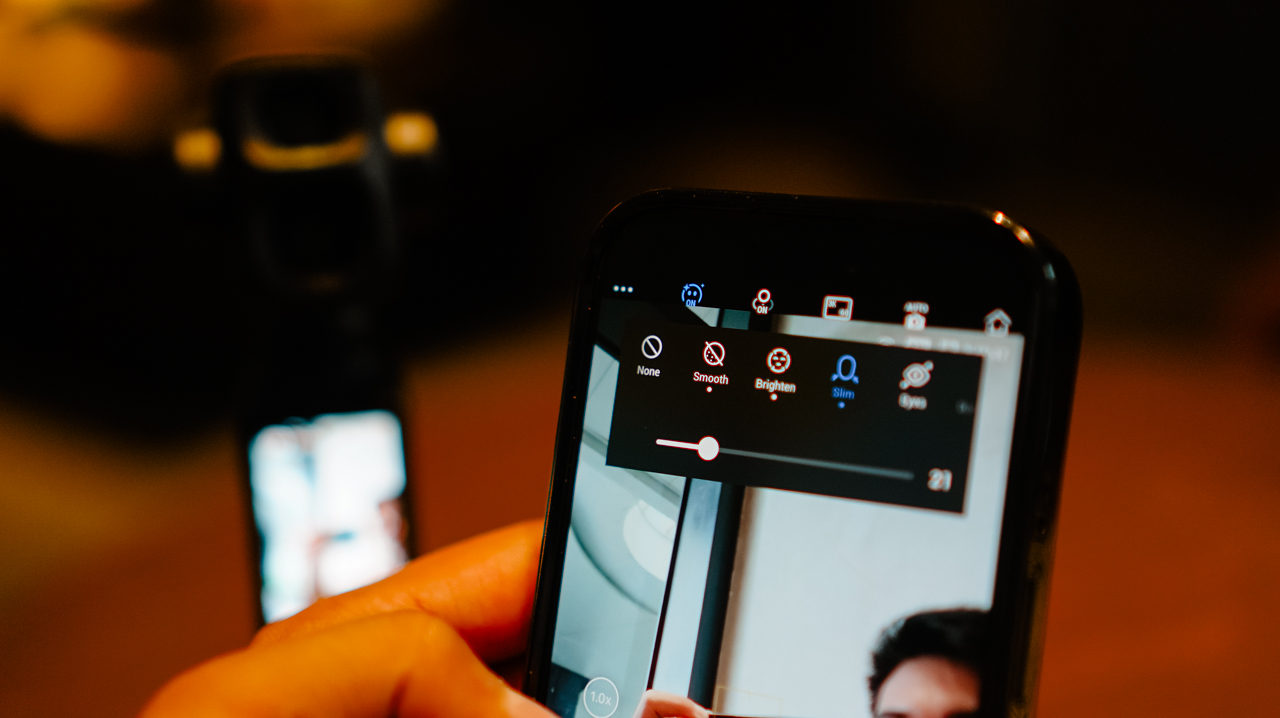
Glamour and Film Tones work as an in-camera pass on skin, handling softening, brightening, and color temperature so a face still reads clean and true even lit by a random hotel lamp or the wrong side of a sunset.
Paired with that are stylized film filters that lean into an instant Fuji aesthetic. They give that warm, slightly desaturated look that used to take a preset and a few minutes in an app. Here, it’s baked into the file before you’ve even opened your phone.
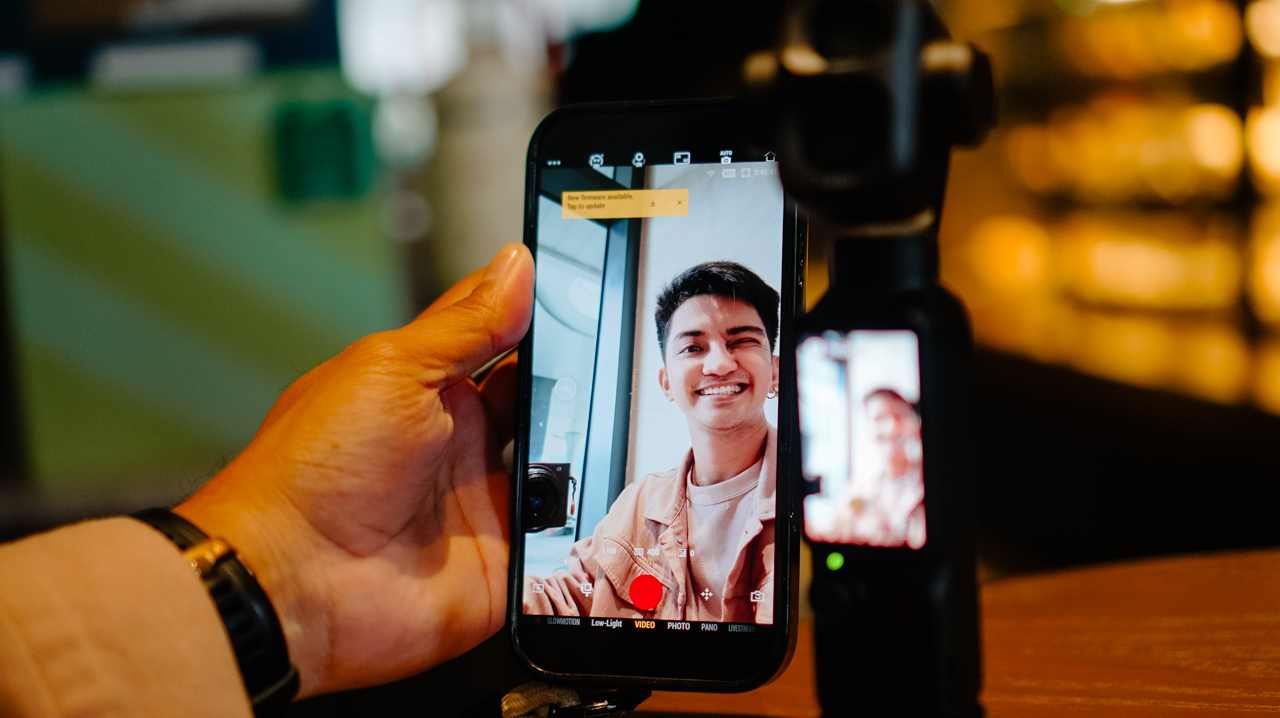
That instant polish is the difference between going to sleep after a long day of travel and staying up until midnight editing clips. I’d land at a hotel after a full day, pull the footage straight off the camera, and post it with barely any correction. There was nothing to hide, and nothing left to fix.
Fill Light does the same job on the physical side of things. It adds soft, flattering light in night and backlit scenes. It balances uneven indoor lighting that usually ruins a vlog, and gives selfies and portraits a lift without a ring light or a second person holding one.
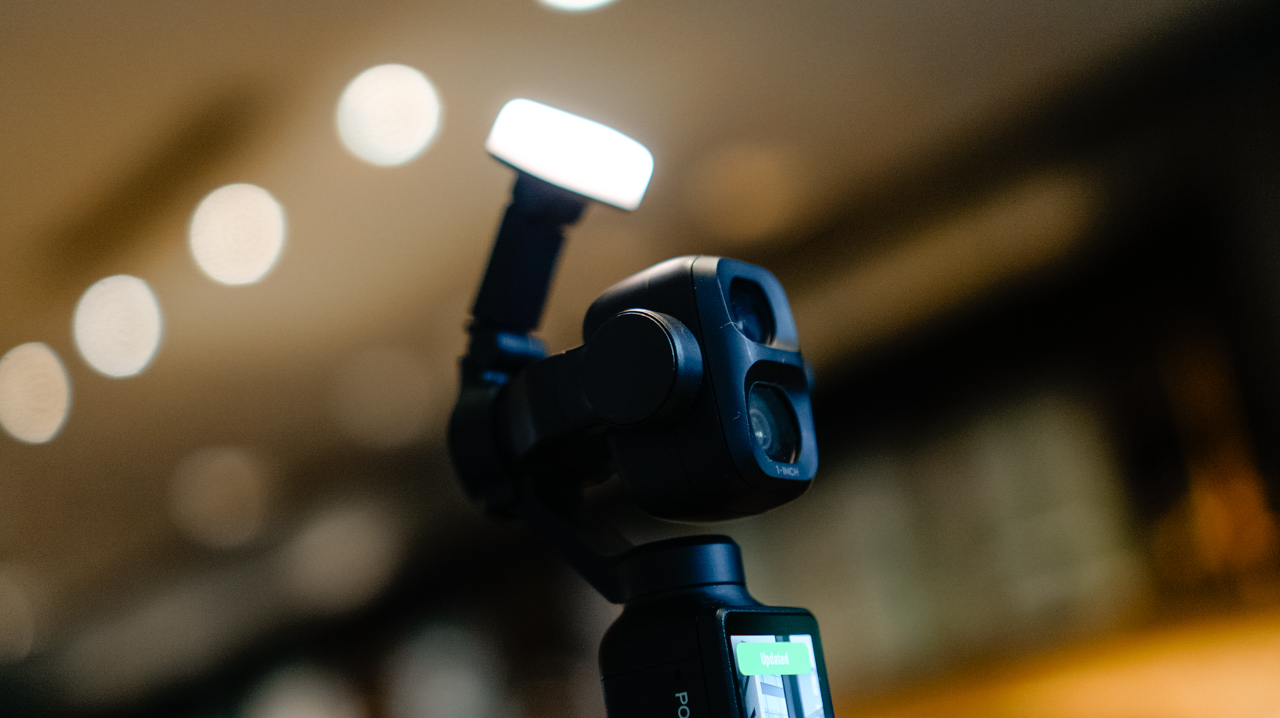
More importantly, shooting alone at night in an unfamiliar city is usually where a solo creator’s footage falls apart. Here, it held up.
Between the two, the camera is doing a version of the job a beauty producer and a gaffer would normally split between them, in real time, for a crew of one.
Room to actually direct
Beyond the automated conveniences, the Osmo Pocket 4P gives you real creative range if you want to reach for it.
D-Log and the newer D-Log 2 color profiles hold onto far more dynamic range than a standard picture profile, which matters if you’re planning to grade footage later rather than post it straight off the card.
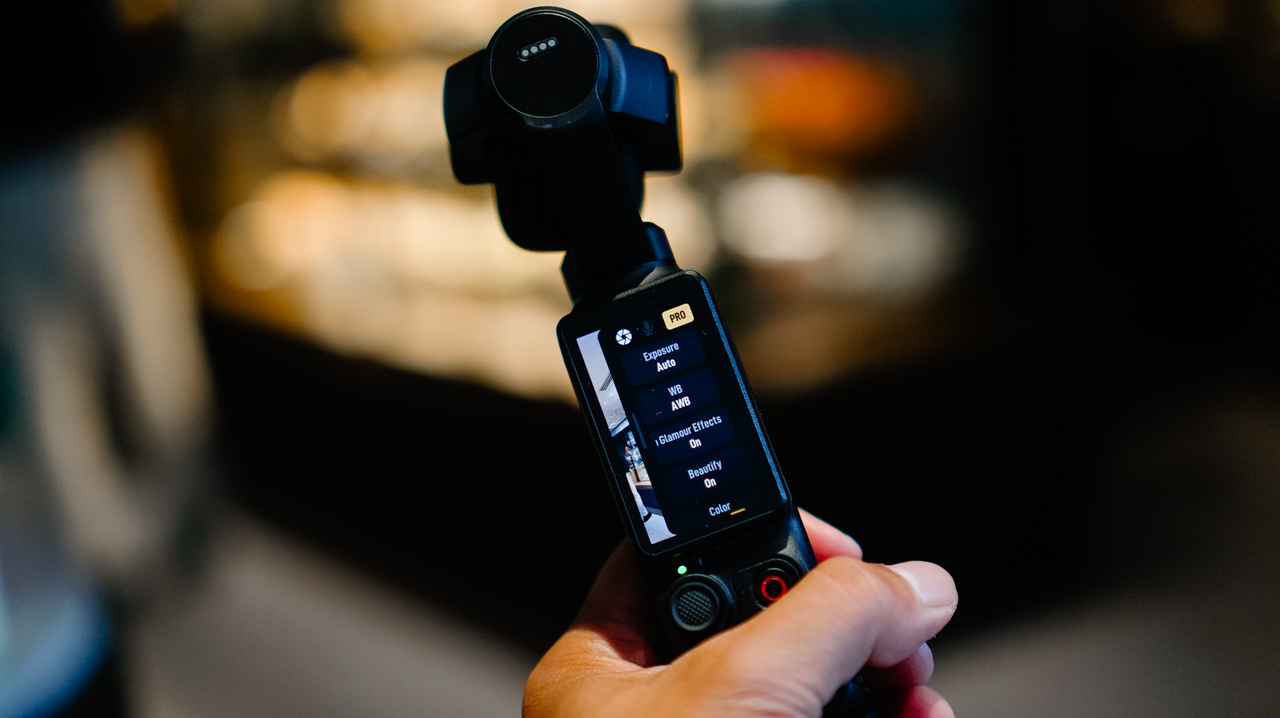
Slow motion goes up to 4K at 240fps, which is enough headroom to pull dramatic, controlled slow-motion out of moments that happen far too fast to shoot deliberately.
Slow-shutter video is the underrated feature here, but it’s the one that can give you the most cinematic frames: light trails pulling through a night street, clouds smearing gently over a skyline. They’re mostly shots that usually needs a tripod and a plan, but done handheld and on instinct.
Made to disappear into a trip
None of this matters if the camera can’t survive the actual mechanics of travel. This is where the Osmo Pocket 4P does the most work. At 230 grams, it’s compact and portable enough to live in a jacket pocket.
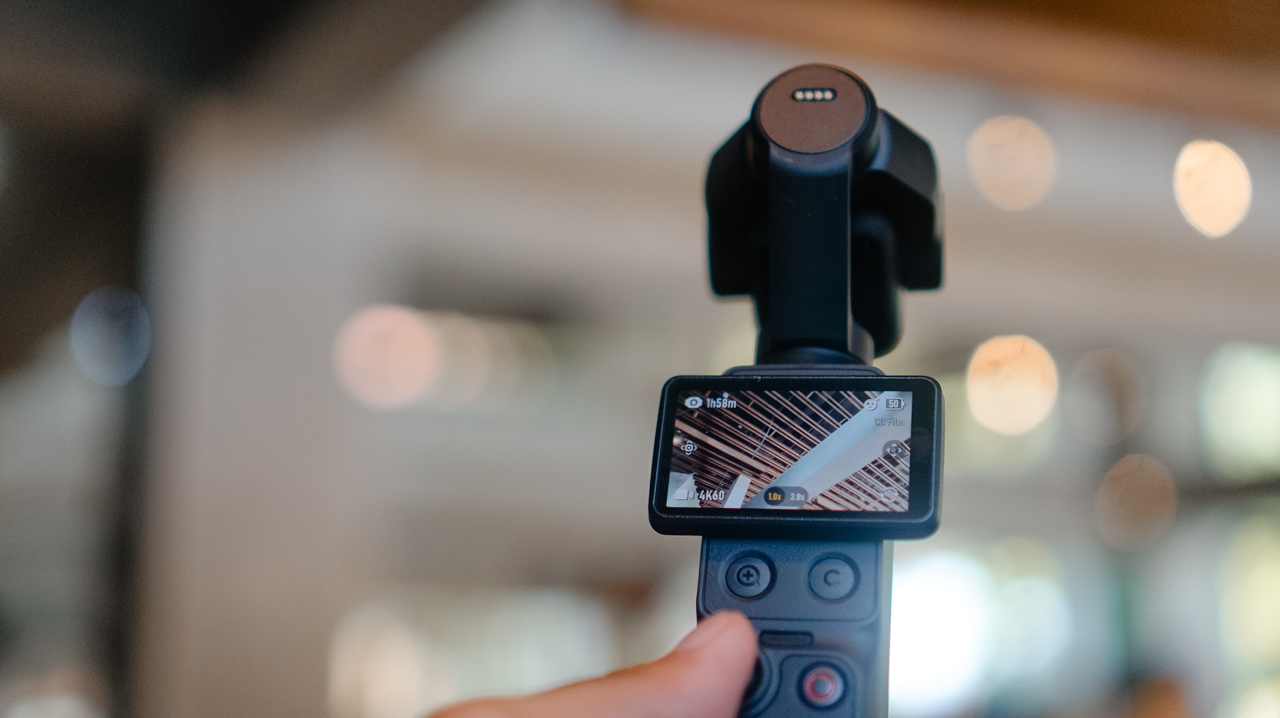
The physical joystick and quick shortcuts save the day when you are shooting one-handed on the go.
The 4K Live Photo feature captures a short burst of motion around a photo, which turned out to be the most authentic way to remember my race finishes. Meanwhile, the 37-megapixel stills were crisp enough to capture fine architectural textures across London.
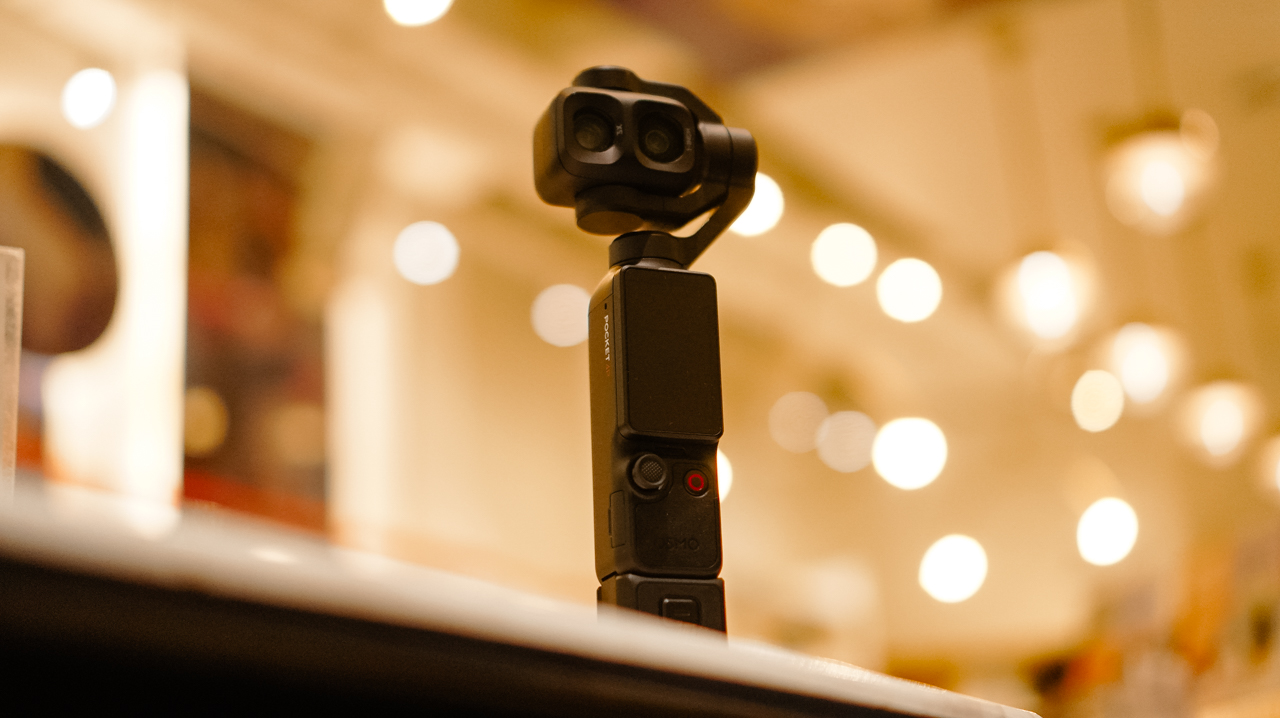
Storage rounds it out sensibly: 103GB built in, with transfer speeds up to 800MB/s. Between a race in Bukidnon and a flight to London, the last thing I wanted to manage was a memory card. This let me not think about it at all.
Is the DJI Osmo Pocket 4P your GadgetMatch?
I didn’t become the National Geographic Explorer I once imagined for myself. I became something adjacent to it instead, a trail runner with a day job in creative direction, chasing landscapes on weekends and screens on weekdays.
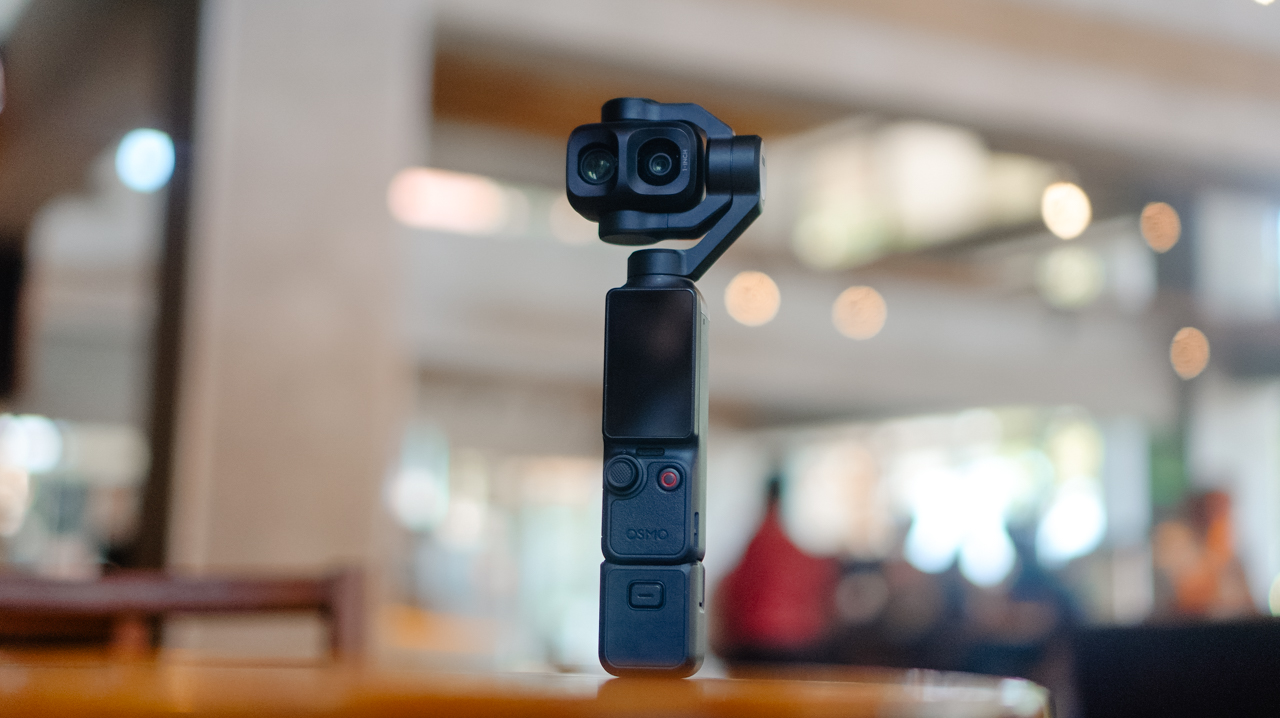
The DJI Osmo Pocket 4P didn’t hand me back the life I once mapped out as a teenager. It just made the life I actually have look, for a month at least, exactly as cinematic as I’d always wanted it to be.
Swipe right if you’re the kind of traveler who shoots alone and needs a camera doing the work of a small crew, handling color, light, and tracking without anyone else in the room.
It rewards creators who jump between wide landscapes and close portraits with zero lens changes. And if you’ve ever landed somewhere with a dying memory card and no laptop in sight, the built-in storage and fast transfer solve a problem you’ll actually recognize.
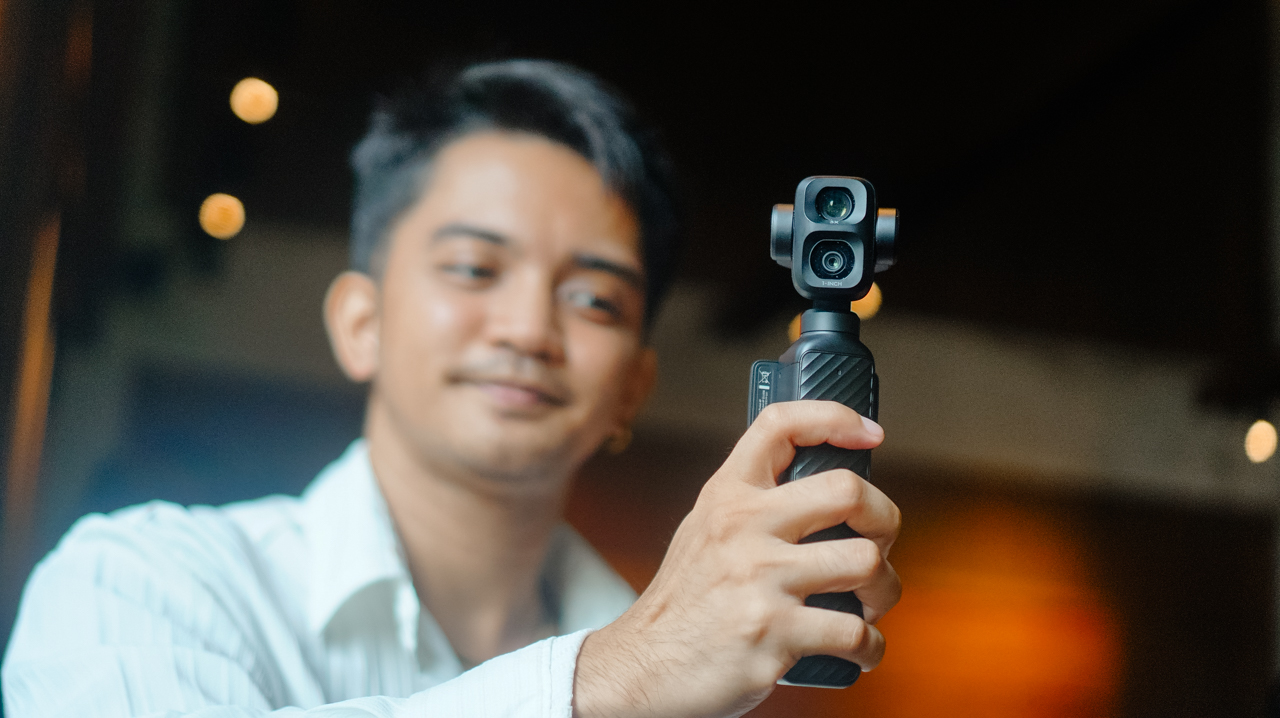
Swipe left if your bag already has a mirrorless body and a gimbal in it, since the Pocket 4P will mostly repeat what you’re already carrying.
It’s also not the camera for someone who shoots static, tripod-locked setups and wants manual control as the default. And if the price sits well above what you’d normally spend on a pocket camera, it’s worth being honest with yourself about how often you’d actually reach for this over your phone.
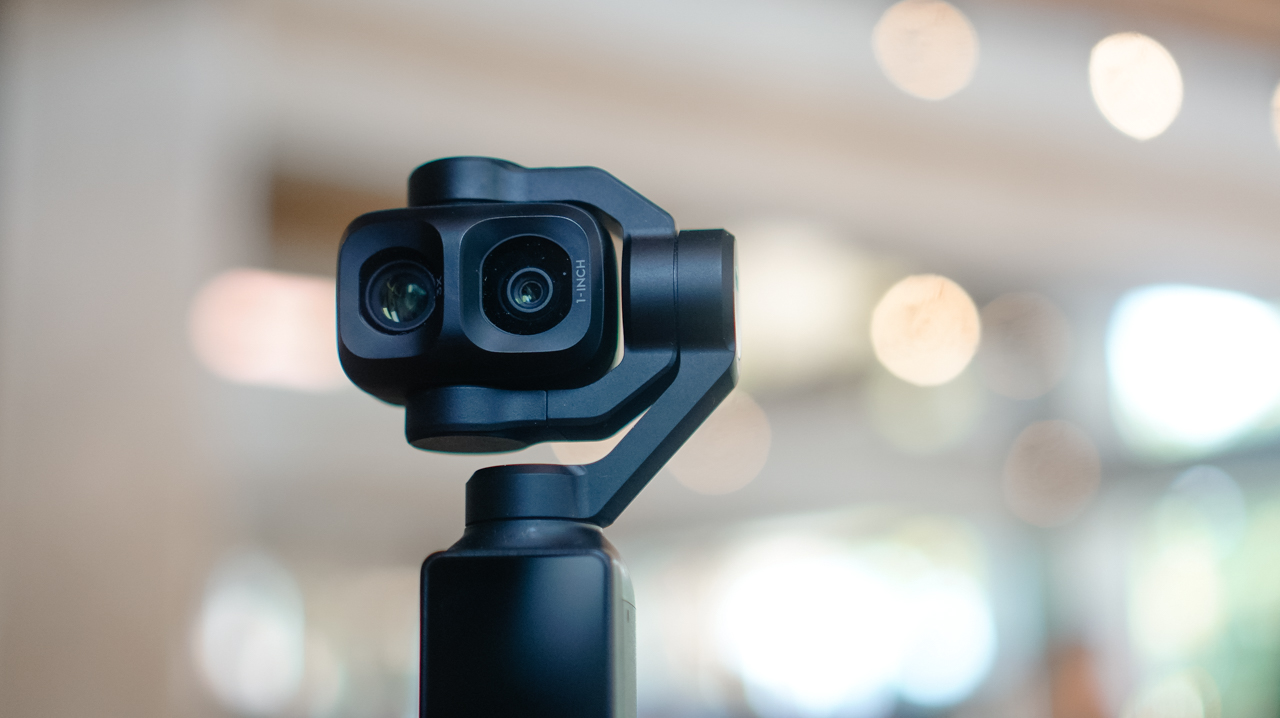
For a solo creator who travels for both work and the version of themselves that only comes out on a trail or in a new city, the DJI Osmo Pocket 4P earns its spot in the bag. It’s not trying to replace a full production; it’s trying to be one. And for that, it deserves the GadgetMatch Seal of Approval.
Entertainment
UNDERTALE: The Determination Symphony gets two more shows
Both shows will be held on the next day.


The Philippines has an unquenchable love for game-based concerts (so *wink wink* please bring more of them). Though these concerts do generate a lot of hype, the drawback is that they often sell out way before most fans can grab tickets. If you’re an UNDERTALE fan, that experience might be rocking you right now, as both shows have already sold out. But fear not: UNDERTALE: The Determination Symphony has just opened two more shows.
Late last month, Film Concerts PH, in partnership with SOHO Live, announced UNDERTALE: The Determination Symphony happening on October 17. As expected, both shows, at 3pm and at 7pm, sold out very quickly after sales opened.
Today, the concert experience is opening two more shows on the next day, October 18. Like the original date, the two shows will happen at 3pm and at 7pm, allowing more fans to experience the concert.
The concert will be performed by the Filharmonika Orchestra and conducted by Thanapol Setabrahmana. Personally curated by creator Toby Fox and developed by Lambert Jackson with Materia Music, the concert experience showcases the game’s most recognizable tunes laid over gameplay footage playing simultaneously. Plus, for the world tour, the experience will have expanded scoring.
Tickets are available through Ticketmelon. Both dates will be held at The Proscenium Theater in Makati.
SEE ALSO: UNDERTALE: The Determination Symphony hits Makati in October

Insta360 Luna Ultra review: My new solo coverage camera
Changed my workflow


TECNO MEGAPAD 2 review: Eyes on the size
The MEGA pad for two base users

30 days with the DJI Osmo Pocket 4P
This is the camera that made solo travel filmmaking finally feel possible.
Insta360 Luna Ultra review: My new solo coverage camera

Nike’s Pegasus Plus 2 wants to give you supershoe feel ~without the plate~

This Nokia phone can also be a powerbank

Inchcape Philippines and Changan are parting ways

Sony Xperia 10 VIII launches with focus on ease of use

VinFast debuts two-wheeler models, opens 21 e-motorcycle showrooms
TECNO MEGAPAD 2 review: Eyes on the size

REDMI Note 17 Series focuses on long-term reliability

OnePlus officially leaves the United States and Canada

Xiaomi debuts SkyNomad Series featuring new Kunlun platform


-
Reviews4 days ago
TECNO MEGAPAD 2 review: Eyes on the size
-
 Singapore1 week ago
REDMI Note 17 Series focuses on long-term reliability
-

 News1 week ago
realme 16T to come with 8,000mAh battery, 7-year battery health guarantee
-
 Accessories1 week ago
Jackery expands Explorer Series portable power stations
-

 Reviews2 weeks ago
Samsung Galaxy Z Fold8 Review
-
 News2 weeks ago
HONOR Robot Phone officially launches after its MWC debut
-

 News6 days ago
HUAWEI Pura X View is 2026’s first WIDE slab-type smartphone
-

 Entertainment2 weeks ago
Box office: Brand New Day set to surpass US$ 2 billion, drives Marvel’s Spider-Man 2 resurgence