
News
Pixel 3 Lite pictured beside other phones
Becoming more real


The Pixel 3 Lite is looking more legit with each passing leak. After seeing it beside the regular Pixel 3, we now have photos of it compared to several more phones from other brands.
These pictures are courtesy of Russian blog Wylsa, which somehow secured a Pixel 3 Lite long enough to photograph it side by side with all these handsets both new and old.
Check ’em out:

Left: Pixel (2016), Right: Pixel 3 Lite
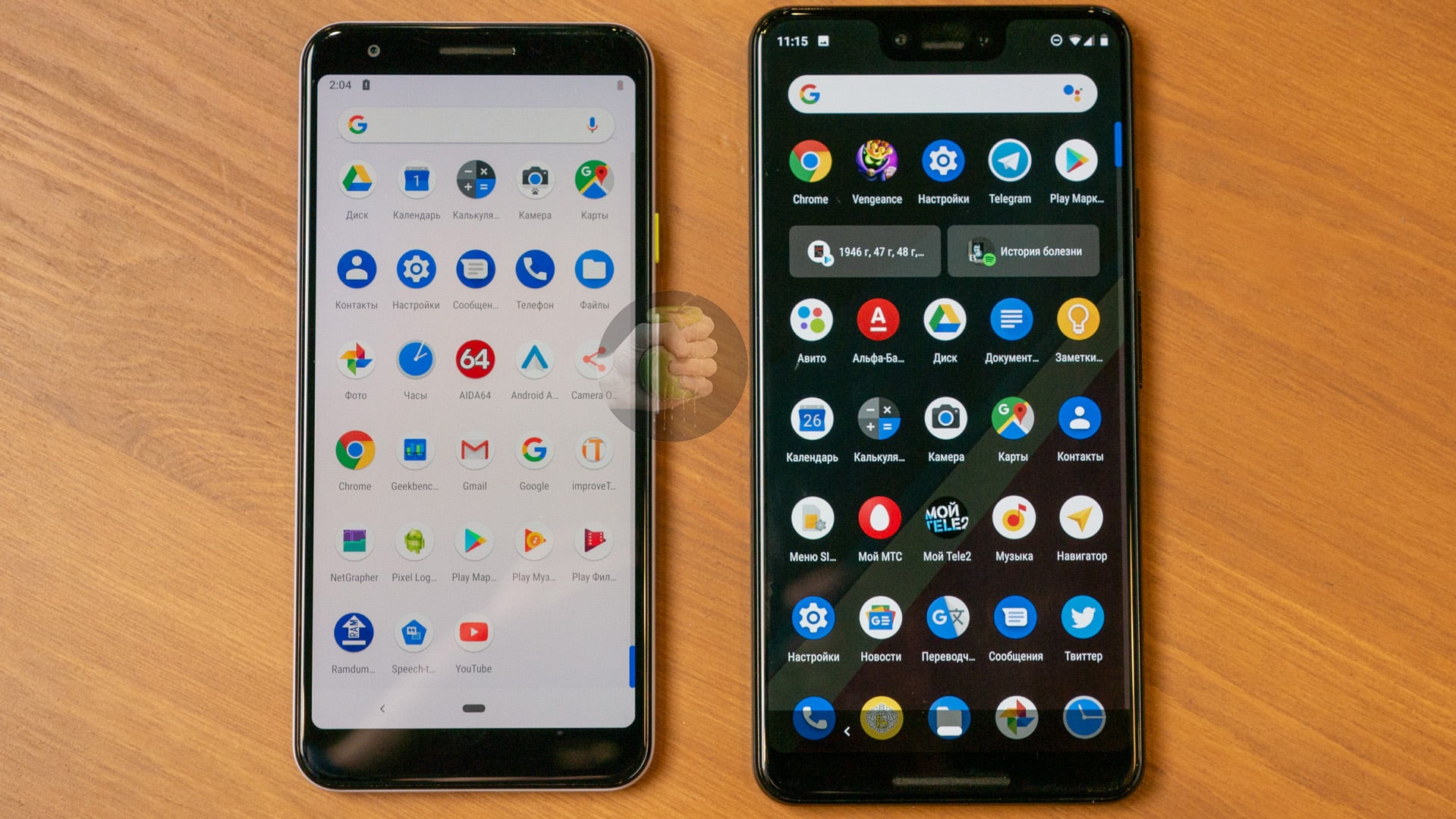
Left: Pixel 3 Lite, Right: Pixel 3 XL

Left: iPhone XS, Center: Pixel 3 Lite, Right: iPhone XR

Left to right: iPhone XR, iPhone XS, Pixel 3 Lite, iPhone 5s
Code-named “Sargo,” the budget-friendlier option of the Pixel 3 looks to be slightly smaller than the original Pixel, less daunting compared to the Pixel 3 XL, and in between the sizes of the iPhone XS and XR.
However, we still see that non-Google-like logo on the back of the phone, giving us more doubt about the legitimacy of these leaks.
The Pixel 3 Lite is rumored to sport a midrange chipset in the Snapdragon 670, along with a 5.56-inch LCD, 3.5mm audio port, and possibly the same rear camera as the Pixel 3’s — the front settles for a single shooter.
Everything else may remain the same, from the stock version of Android to the 2915mAh battery capacity and 4GB of memory of the base Pixel 3.
It’ll be interesting to see if Google actually jumps the gun and launches a midrange Pixel. It would mark the first time the search giant introduces a smartphone of its own below US$ 650.






Gaming
Microsoft dictates that a new Fallout game is coming
Microsoft cancelled an Avowed sequel to focus on Fallout.


Bethesda used to be a bastion for RPG experiences. Today, however, the company prefers living off its older properties such as Elder Scrolls Online and Fallout 76. For a while now, the question has been: When will Bethesda release a new game in either of their two biggest franchises? Well, according to a report, a new Fallout game might be coming soon.
As of late, Microsoft has been restructuring its studios. In fact, the company might shut down the studio behind the Dishonored series and the upcoming game based on Marvel’s Blade. Now, as part of that reshuffling (via Bloomberg), Obsidian Entertainment has been told to cancel a sequel to Avowed and focus on a new Fallout game.
It’s a huge change. Microsoft has notably stayed away from its more popular franchises for a while now. The latest Fallout game is still Fallout 76. The latest Elder Scrolls game has been in development for a long, long time now. Only DOOM, via last year’s The Dark Ages, got a new title recently.
To be clear, it’s unknown whether we’re getting the true Fallout 5 or another iteration of the online 76. If it’s really the fifth mainline entry in the franchise, it’s coming at a very opportune time. The franchise is currently on a high, riding the popularity of the TV series of the same name. Fans will surely enjoy a follow-up.
To fuel things further, Josh Sawyer, the director behind the universally lauded New Vegas, is reportedly spearheading the production of the new game.
SEE ALSO: Fallout on Prime Video: What inspired producers to create series

Excitement over new technology is normal. However, when the dust settles, the rose-tinted glasses come off and reveal the potential concerns of using this new technology. Smart glasses are going through that phase now. While these glasses are all the rage now, some concerned establishments are now banning them. Case in point, the entirety of New York has just banned smart glasses in all of its courts.
In the United States, it’s already prohibited to record video or capture photos inside a court building. Naturally, the world is more complicated now. Anyone can just flaunt eyewear that can capture images for them, leaving bystanders none the wiser. As a result, the state of New York, according to Syracuse, has introduced a blanket ban for all smart glasses in all courtrooms. It’s the first state to do so across all courts.
Under the ban, users will be forbidden from even bringing these wearables into the building. This also includes smart glasses with prescription lenses. Those with affected eyesight can come back with a regular pair of glasses.
It’s a very interesting time for smart glasses. Especially for creators, the wearables have become a popular way to discreetly record events. Users don’t need to fiddle around with their phones or bring a bulky camera around.
However, it’s also a concern for privacy and cybersecurity. Though most of these wearables have a distinguishable LED indicator when they’re recording, they can also be modified to disable these indicators. As a bystander, you can be recorded without your knowledge.
SEE ALSO: ARTMS Heejin shows KPop concert day through Ray-Ban Meta glasses


HoYoverse’s annual flagship fan celebration in Southeast Asia, the HoYo FEST, as officially been announced with tickets selling starting July 16.
Fans across Bangkok, Ho Chi Minh City, Jakarta, Kuala Lumpur, Manila, and Singapore can enjoy four days of interactive experiences, live entertainment, and more activities featuring HoYoverse’s famed titles:
- Genshin Impact
- Honkai Impact 3
- Honkai: Star Rail
- Tears of Themis
- Zenless Zone Zero
In addition, the gathering will spotlight a first look at the upcoming Honkai: Nexus Anima. The game will be offered at the Experience Zone so visitors can be among the first to try through limited hands-on sessions.
Fans can expect the following experiences at each HoYo FEST:
- Check-in Zone: Kick off your journey with activities across all six titles, plus exclusive freebies
- Game Booths: Jump into immersive mini games inspired by the aforementioned titles
- Hands-on experiences for Genshin Impact, Honkai: Star Rail, and Zenless Zone Zero
- Merch: Grab fan-favorite HoYo FEST merchandise from event-exclusive standees and pillows to Character Giftboxes and more
- Artist Alley: An even larger creative hub for artists and fans to showcase, sell, and share HoYoverse-inspired art
- HoYo FEST Stage: Feel the excitement with Open Stage performances, the Cosplay Runway Walk, and vibrant community showcases
Tickets will be available in the following categories:
- 1-Day Pass
- 1-Day Fast Pass with priority access and exclusive collectibles
- 4-Day Pass (3-Day Pass in Singapore)
Venue details:
- Bangkok: Central Ladprao, BCC Hall
- Ho Chi Minh City: Sky Expo, Hall A4
- Jakarta: Pondok Indah Mall 3, City Hall
- Kuala Lumpur: Pavilion Exhibition Centre Bukit Jalil, Hall 1-3
- Manila: SPACE at One Ayala, Hall A-D
- Singapore: Suntec Singapore Convention & Exhibition Centre, Hall 403


realme C100: Enduring and durable in spite of entry-level realities
Enough power but needs more agility


The ASUS ExpertBook Ultra wins you over
The laptop sneaks up on you


vivo X300 Ultra review: A “Whole Different Animal”
Got the beast (finally) unleashed!

Sony launches IER-M500 in-ear monitors
realme C100: Enduring and durable in spite of entry-level realities

Microsoft dictates that a new Fallout game is coming

New York becomes first state to ban smart glasses

HoYo FEST 2026 details announced; tickets on sale from July 16

Buyer’s Guide: TECNO SPARK 50 Pro vs SPARK 50 5G

TECNO’s SPARK 50 Pro is the latest budget smartphone battery beast

DJI Osmo Pocket 4P launches with dual lenses and a 1-inch sensor
vivo X300 Ultra review: A “Whole Different Animal”

Lenovo says RAM prices are not coming back down again


-
 Cameras2 weeks ago
DJI Osmo Pocket 4P launches with dual lenses and a 1-inch sensor
-
 News2 weeks ago
Lenovo says RAM prices are not coming back down again
-
 News3 days ago
New York becomes first state to ban smart glasses
-
Laptops1 week ago
The ASUS ExpertBook Ultra wins you over
-

 Gaming2 weeks ago
PlayStation goes all-digital in 2028
-

 Laptops2 weeks ago
ASUS launches the ExpertBook Ultra
-
 Singapore1 day ago
Sony launches IER-M500 in-ear monitors
-

 Gaming2 weeks ago
Xbox might get rid of physical discs too