
Gaming
Crash Team Racing remaster announced for multiple consoles
Move over, Mario Kart. There’s a new racing game in town!


Yes, you read that right! PlayStation’s lovable bandicoot returns to the race track for another hard-hitting, kart-smashing racing game! Announced earlier during The Game Awards 2018, Sony Interactive and Activision will release a remaster of Crash Team Racing (CTR) for major consoles next year.
Crash Team Racing Nitro-Fueled will feature the same elements and gameplay from the 1999 original, worked from the ground up. Beenox, the studio behind Call of Duty: Black Ops 4 spearheaded the HD remaster, retaining the core game modes the original CTR provided. The game will feature the main cast of Crash and Coco Bandicoot, Dr. Neo Cortex, Tiny Tiger, N. Gin, Dingodile, Polar, and Pura. Not only that, but the remastered CTR will also feature both offline and online play, something that deviates from the original.
The announcement came from a segment during The Game Awards 2018 in Los Angeles. A Crash Bandicoot mascot unveiled the trailer by presenting a crate that contained a trophy inside that you can find in the original CTR. This confirmed rumors from earlier this week.
Crash Team Racing Nitro-Fueled will come out on June 21, 2019 for the PlayStation 4, Xbox One, and Nintendo Switch. Next year marks Crash Team Racing‘s 20th anniversary, and what a way to celebrate it through the remaster.





Gaming
HP OMEN Max 16 review: Gamer-maxxing in deep black
Peripherals deemed necessary to max this out
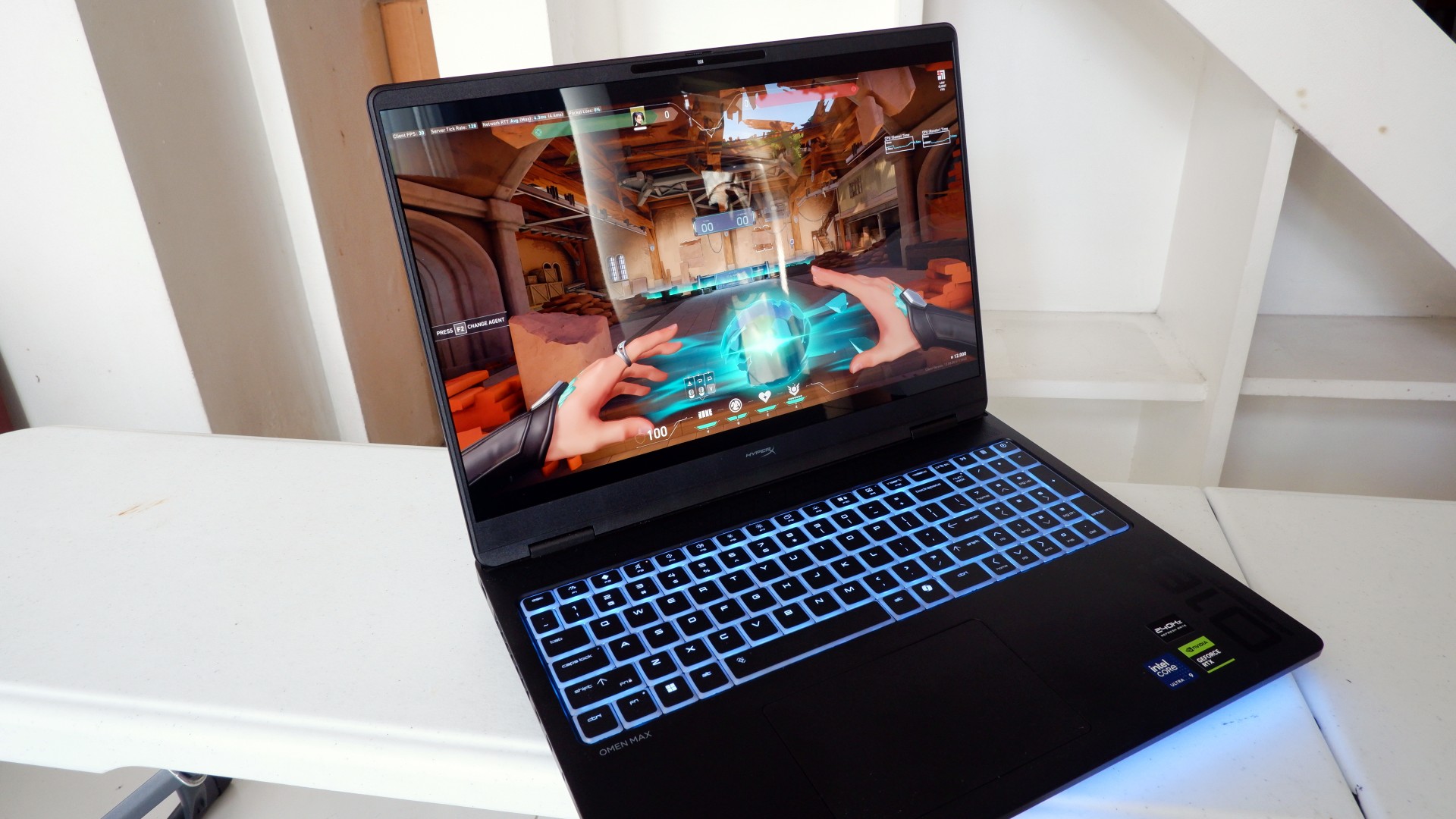
It’s not every day that you come across a machine that looks good and plays even better. Oftentimes, subtle aesthetics take a back seat to sheer performance and power. Whenever a gaming machine looks sleeker, it seems to lack the power to push it forward. Simply put, you can’t have the best of both worlds these days.
But what if you could have it all? Not just money, fame, and other fortunes, but also a machine with everything you’re looking for! Gone are the days of wanting only power to keep you playing all day or wanting to look good while playing. On paper, this is what the HP OMEN Max 16 promises: the best of both worlds.
Unboxing a beast inside
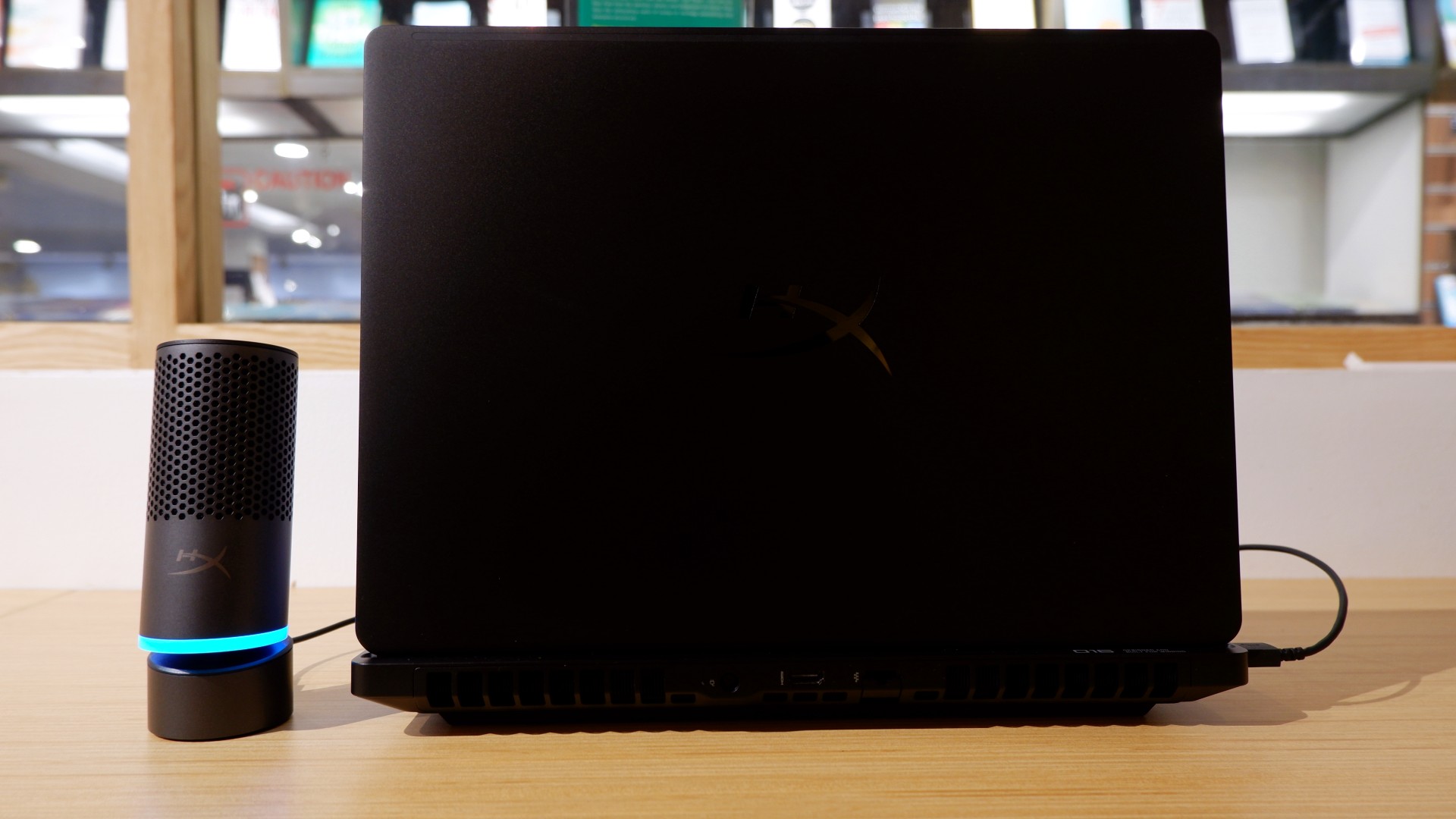
When you first take it out of the box, the HP OMEN Max 16 looks unassuming in its overall design. It’s bulky yet sleek in its Shadow Black colorway, with nothing too fancy or flashy while powered down. From the outside, the machine screams premium, even though its dark color can attract more visible dirt than lighter finishes.

Opening it up reveals a 16-inch OLED display with a peak refresh rate of 240Hz, seamlessly connected to a base with a full-sized keyboard and a large trackpad. The bright, seemingly anti-glare display makes colors pop when watching or editing videos on the go.

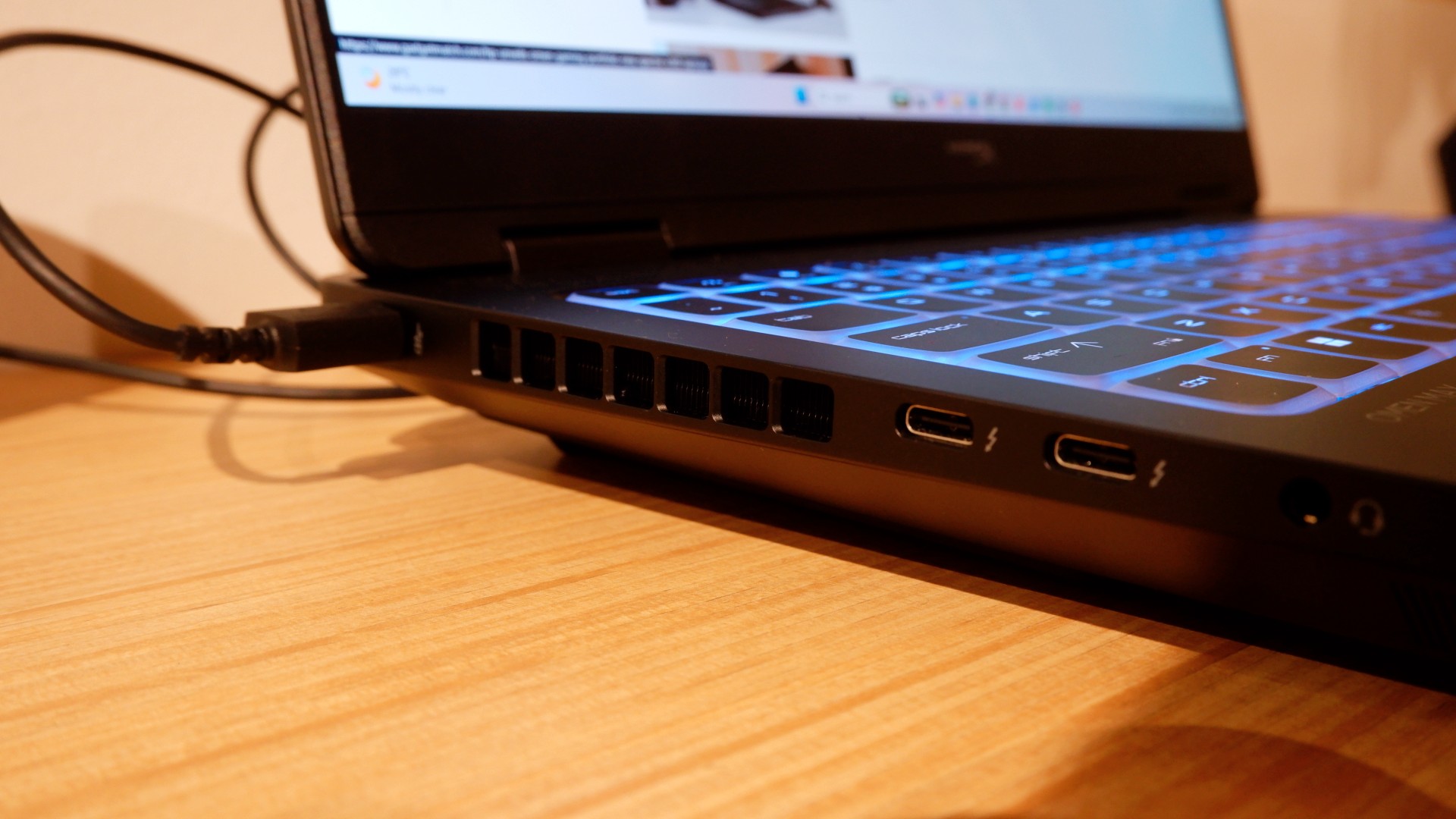
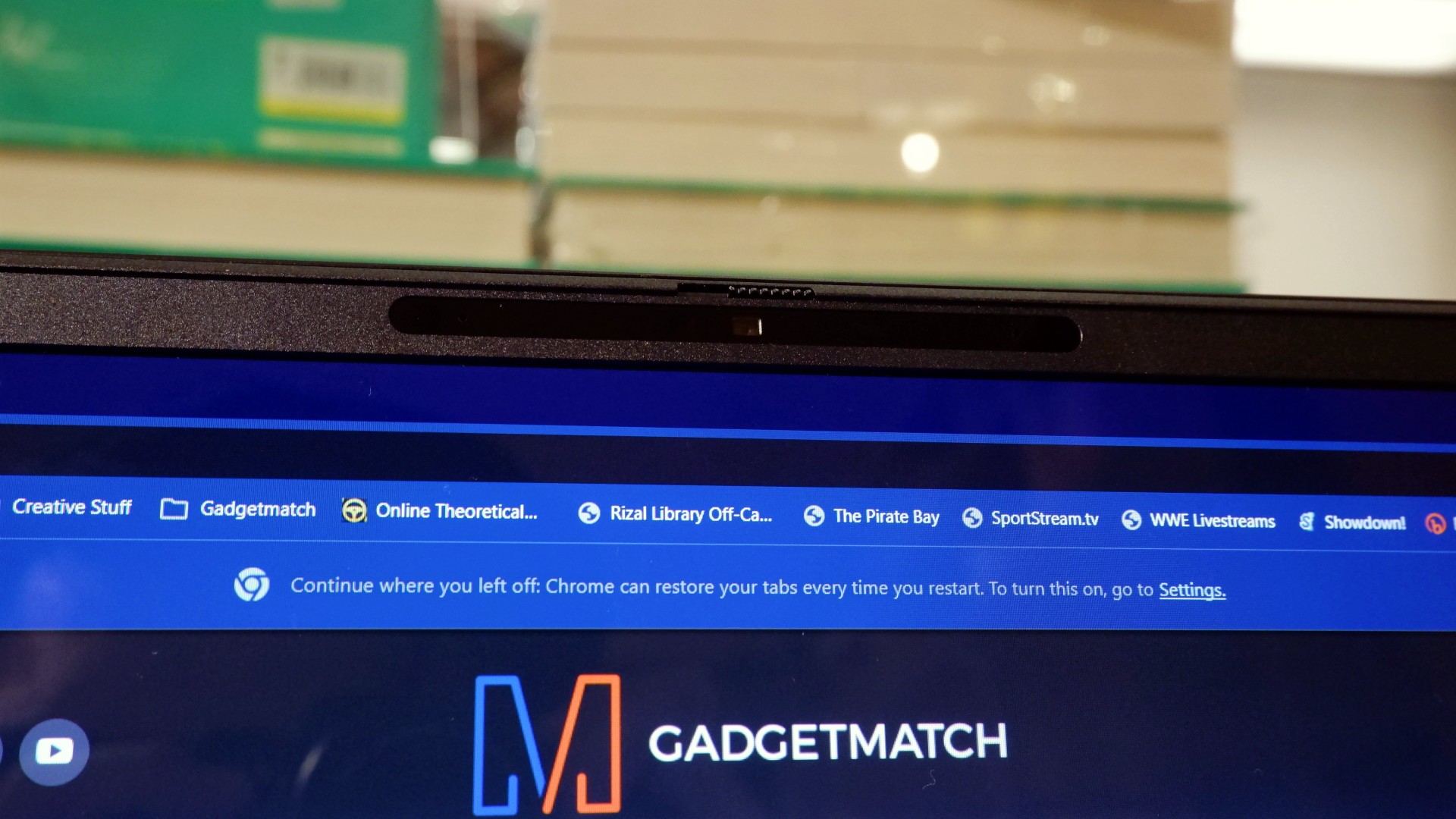
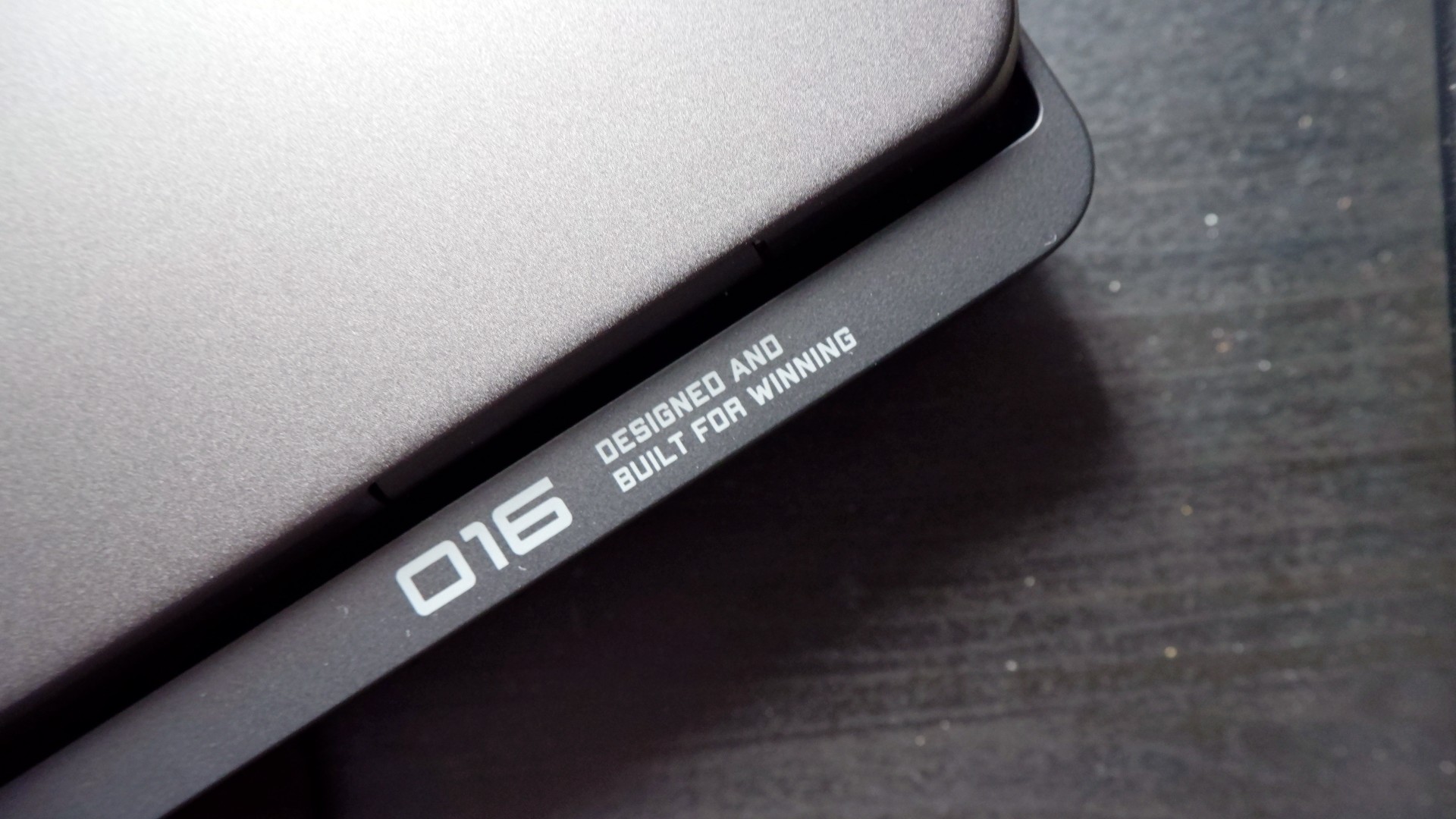
Furthermore, HP places the ports in convenient spots along the rear and sides of the laptop. This makes it incredibly easy to set up and manage external peripherals while providing more room for ventilation under heavy loads.
Of course, the device’s biggest features lie in the hardware powering it from within. An Intel Core Ultra 9 processor, 32GB of RAM, and an NVIDIA RTX 5090 Laptop GPU should give you an idea of how well this machine can perform. It’s also a great combination for demanding productivity tasks and creative work!
Power that AI can only hope to replicate
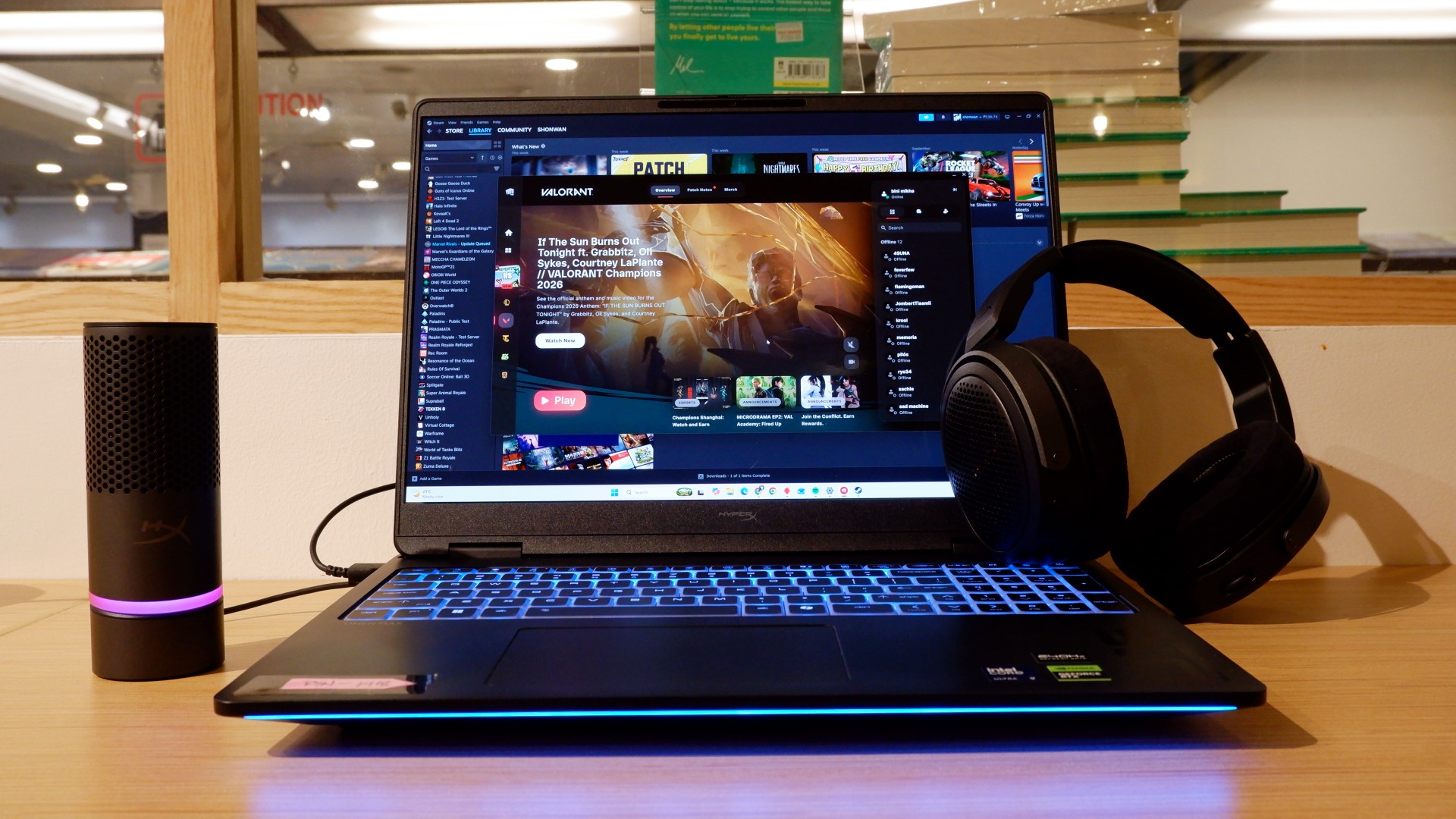
The HP OMEN Max 16 lived up to many of our expectations in terms of performance. From startup to shutdown, it delivered on what its hardware promised. You can watch videos for longer, edit photos and videos to your heart’s content, and enjoy casual gaming without slowing down. Furthermore, the wide display gives you plenty of space to accommodate all these activities.

When you step up to more competitive gaming, the machine doesn’t miss a beat. Most titles deliver high frame rates regardless of the quality or performance settings you choose. With more advanced visual settings enabled, the RTX 5090 does a fantastic job of keeping supported games within a solid 40–50 FPS range. Pair it with a high-refresh-rate OLED display, and you get crisp details and faster input response to help you get ahead in ranked games all day long.
If there’s one thing to complain about, it’s the extra optimization required through the OMEN Gaming Hub. Features such as network prioritization, automatic power-mode switching, and system optimization are useful, but you’ll need to spend time configuring them during initial setup. The laptop also comes with OMEN AI, which promises to maximize FPS with a single click. However, it was only okay at best.
Runs longer, cools off smoother
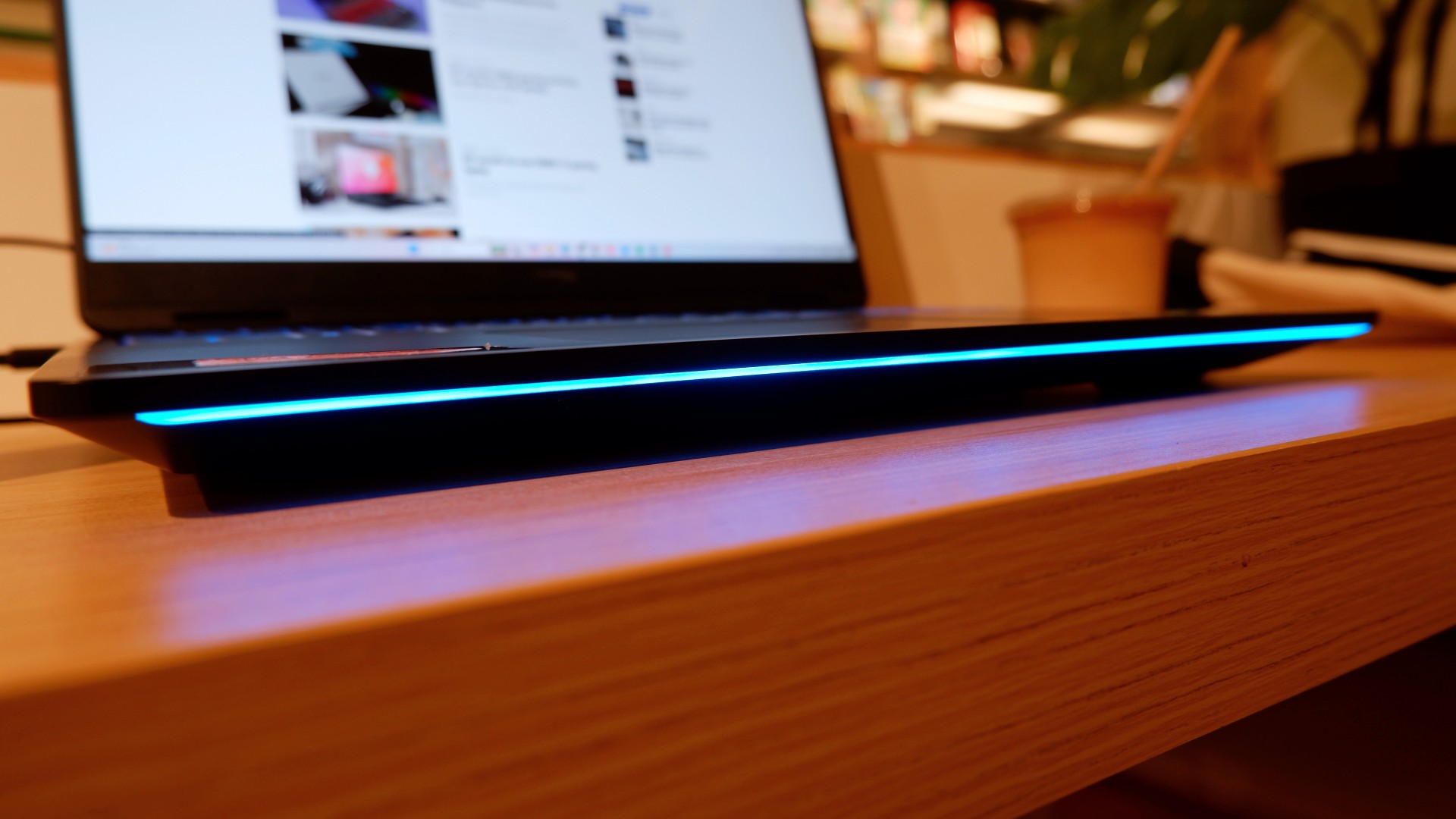
Surely, a gaming laptop this bulky and powerful can’t last that long on battery, right? Well, the HP OMEN Max 16 averages around three hours of battery life during intensive gaming, which gives you a decent amount of playing time. For general use, battery life extends to around five and a half hours with Balanced power settings. It holds up reasonably well if you forget to bring your charger.
When you do have the massive 330W charger with you, charging doesn’t take too long either. During our tests, a full charge took two hours, with charging progressing slightly faster when we left the laptop idle. Charging the battery to 50% took around 20 minutes, giving you enough juice to squeeze in another game!
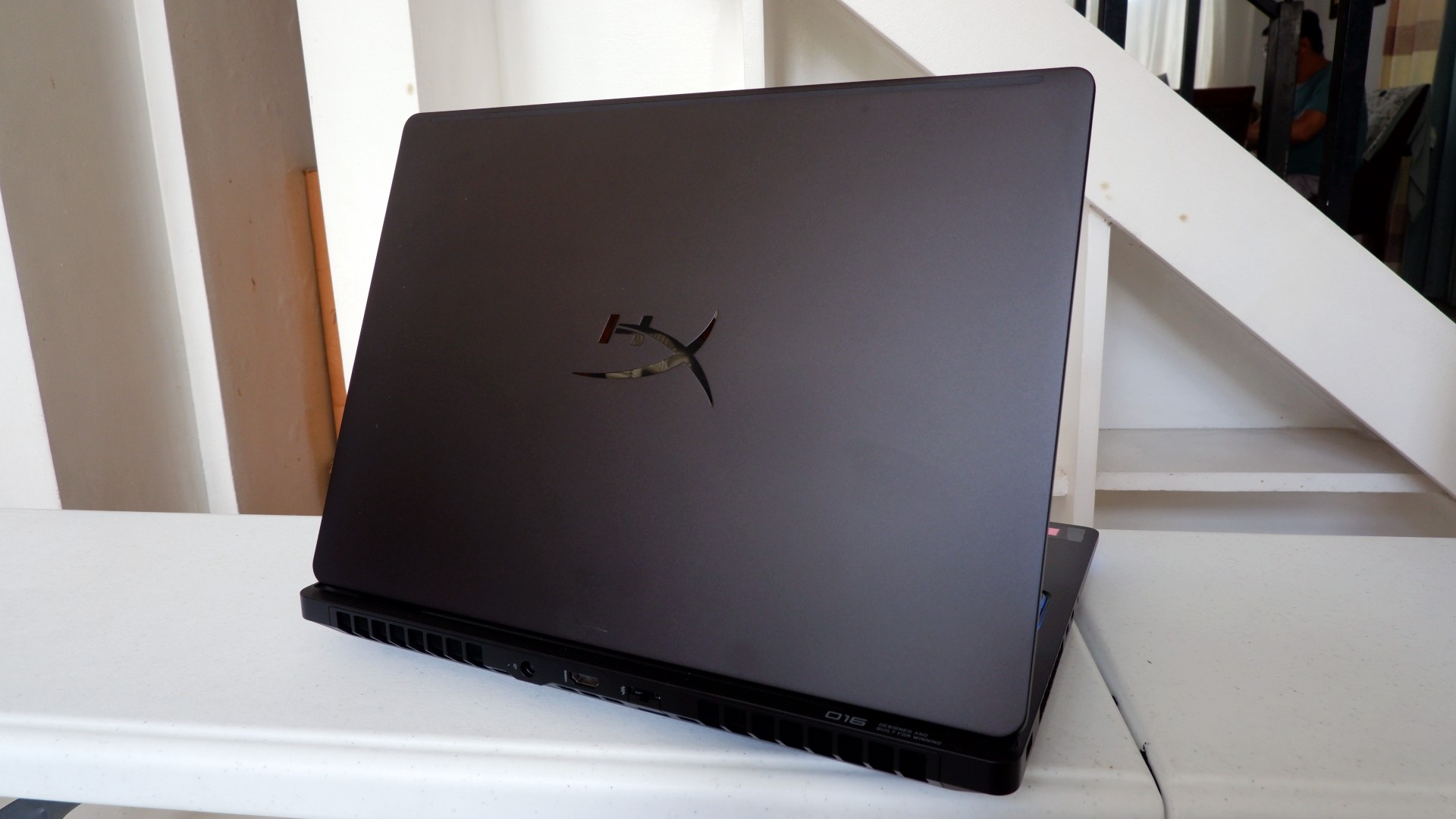
Another factor in prolonged use is how the device expels hot air through its sides and rear. We touched on this earlier, but it bears repeating: the laptop provides plenty of ventilation through its vapor chamber and multiple external vents. Instead of directing heat toward the keyboard, it pushes hot air through the vents, where it can hit your hands or peripherals. At least the keyboard stays cooler, right?
Is this your GadgetMatch?
At PHP 229,990, the HP OMEN Max 16 is a sleek-looking machine with incredible power under the hood. Despite its initial bulk, it delivers impressive performance for both casual and competitive gamers. Inside and out, it packs plenty of hardware and features to let you tailor the experience to your needs.
If you’re looking for a gaming laptop with decent battery life, this is a solid choice, but don’t expect it to last half a day. Of course, you wouldn’t use this machine entirely on its own, even if the unboxing experience might suggest otherwise.
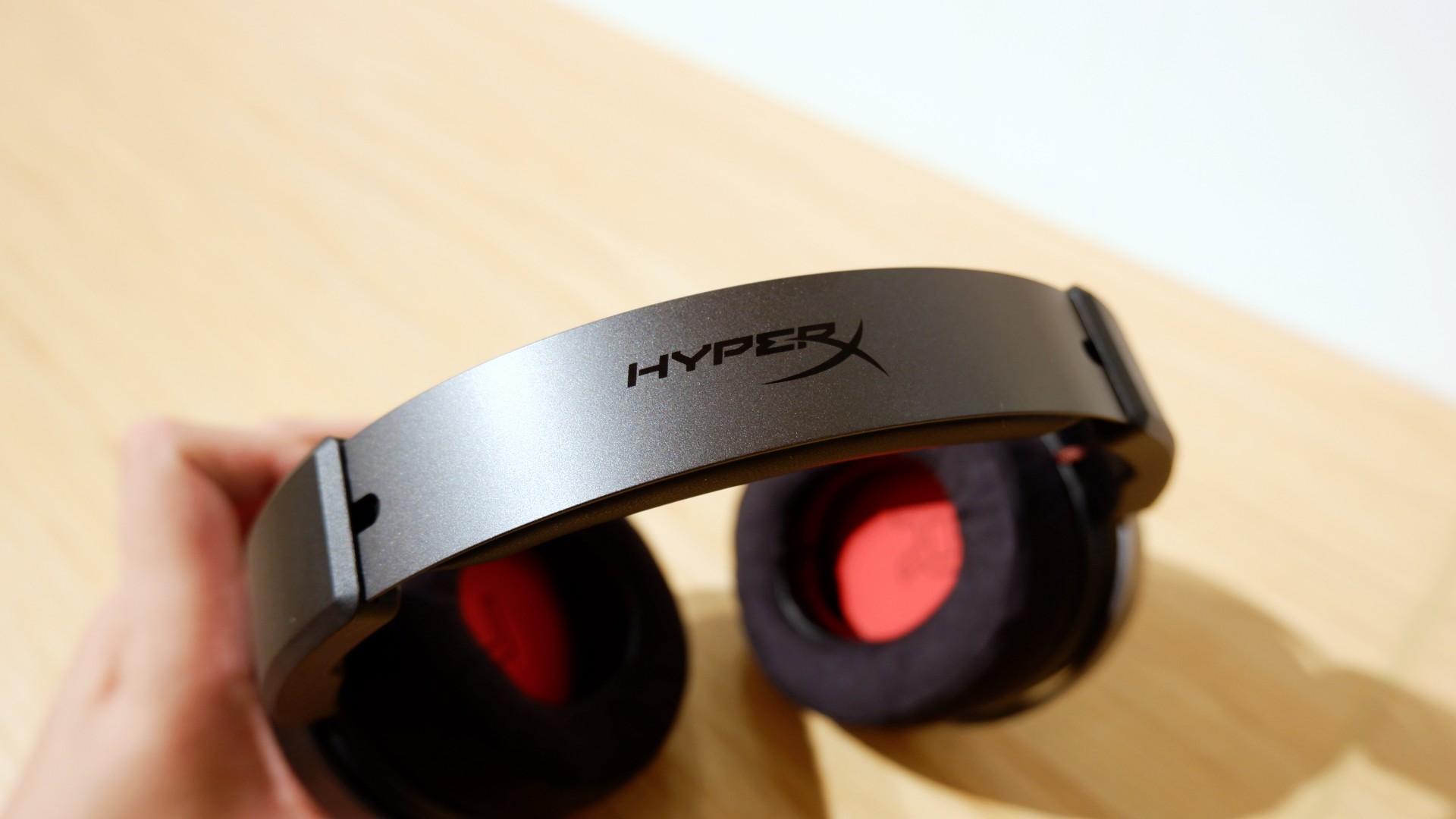
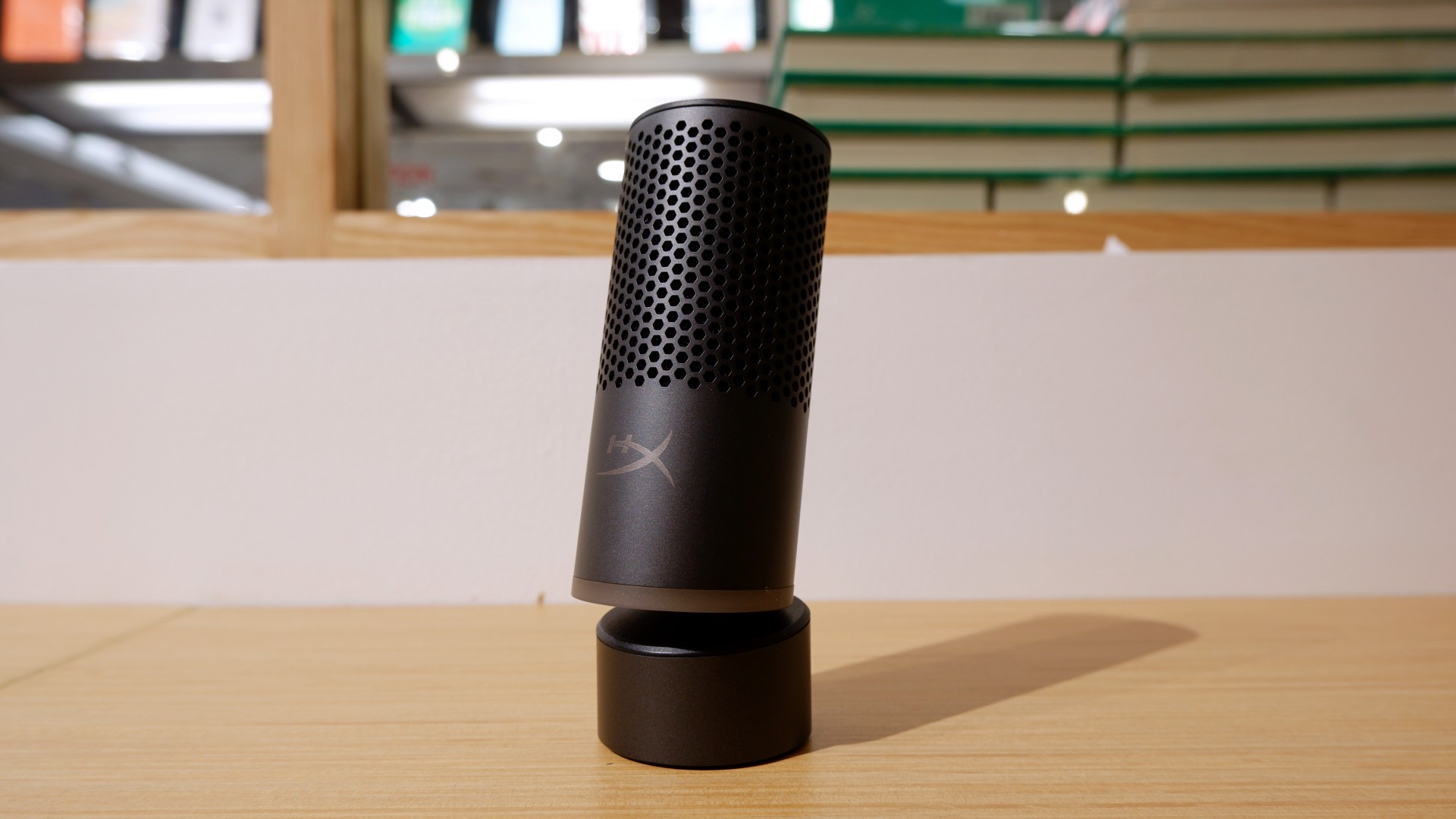

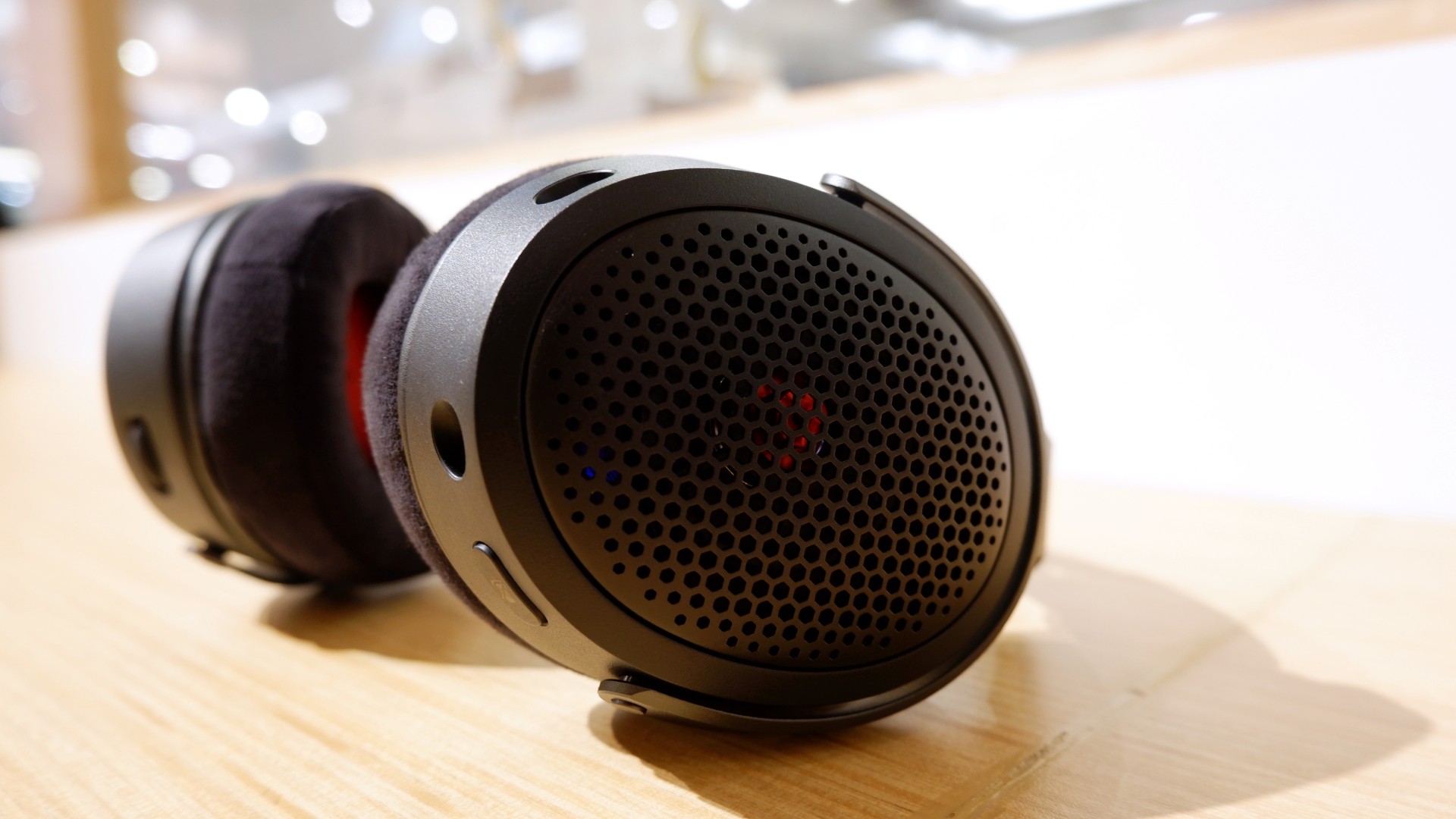
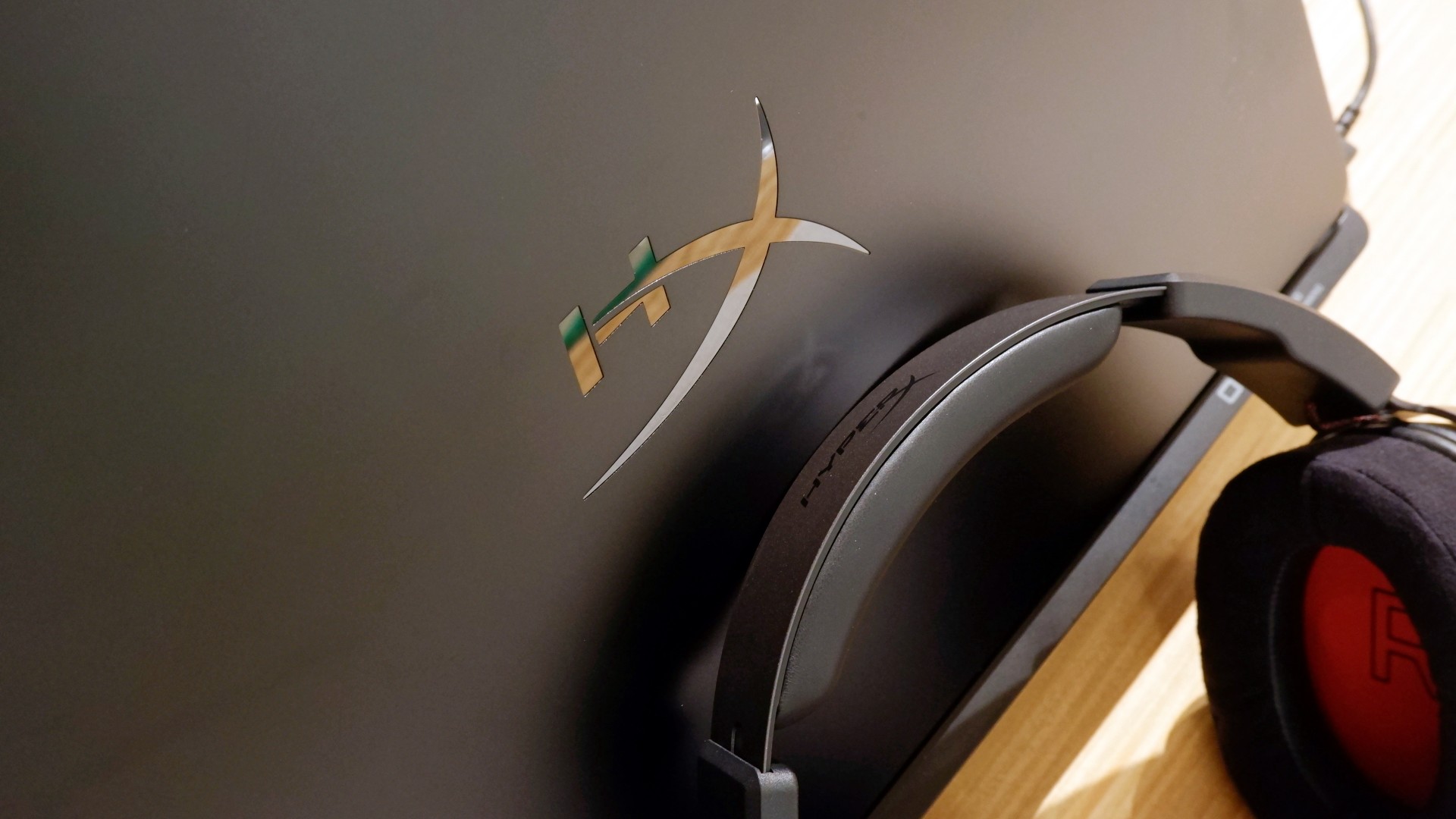
Peripherals such as the HyperX Cloud Alpha Air and Solocast 2 Pro can further enhance the experience.
Overall, this is a Swipe Right for its features, performance, and premium design. However, if you don’t have an infinite money glitch to buy it right now, you’re better off saving up for this beast of a machine!


SQUARE ENIX has released FINAL FANTASY RESONANCE. It’s a new role-playing game that brings the franchise’s classic pixel-art aesthetic into the HD-2D era.
The game launches on October 22, 2026, for Nintendo Switch 2, Nintendo Switch, PlayStation 5, and Xbox Series X|S. The PC version will be available through Steam and the Microsoft Store on Windows starting October 23.
FINAL FANTASY RESONANCE reimagines the first story arc of the mobile game FINAL FANTASY Brave Exvius as a full-fledged RPG experience. It combines retro-inspired pixel art with 3D models and dynamic camera angles.
Strategic turn-based combat returns
Players will explore a world featuring familiar FINAL FANTASY elements, including crystals, airships, chocobos, espers, and moogles.
Combat revolves around exploiting enemy weaknesses to stagger opponents, break their defenses, and gain extra turns. Players can also unleash powerful Resonance attacks to turn the tide of battle.
The adventure features Visions, representations of familiar FINAL FANTASY characters who join the party with their own skills and abilities. These include Cloud, Tidus, and the Warrior of Light.
Beyond the main story, players can discover optional challenges and rewards, including encounters with the wandering swordmaster Gilgamesh, a monster-filled Colosseum, the Chamber of Arms, and Ultima Weapon.
Editions and platforms
FINAL FANTASY RESONANCE is available as a single-player RPG on Nintendo Switch 2, Nintendo Switch, PlayStation 5, Xbox Series X|S, and PC.
A Digital Deluxe Edition includes the base game and the Magitek & Grimoire Deluxe Pack. The bundle features a Magitek Armor Key for a chocobo, an exclusive Archwitch’s Grimoire, a Mastery Ring, and consumable items.
A Collector’s Edition includes the physical Standard Edition alongside an acrylic block set, a pixel-art book, a 120-track original soundtrack on CD, and an exclusive FINAL FANTASY TRADING CARD GAME promotional card.
Availability and release timing may vary by region. Check local digital storefronts for purchasing details.
Gaming
Next Xbox might cost double the price of an Xbox today
The most expensive Xbox Series X costs $900. The next Xbox’s price might double that.

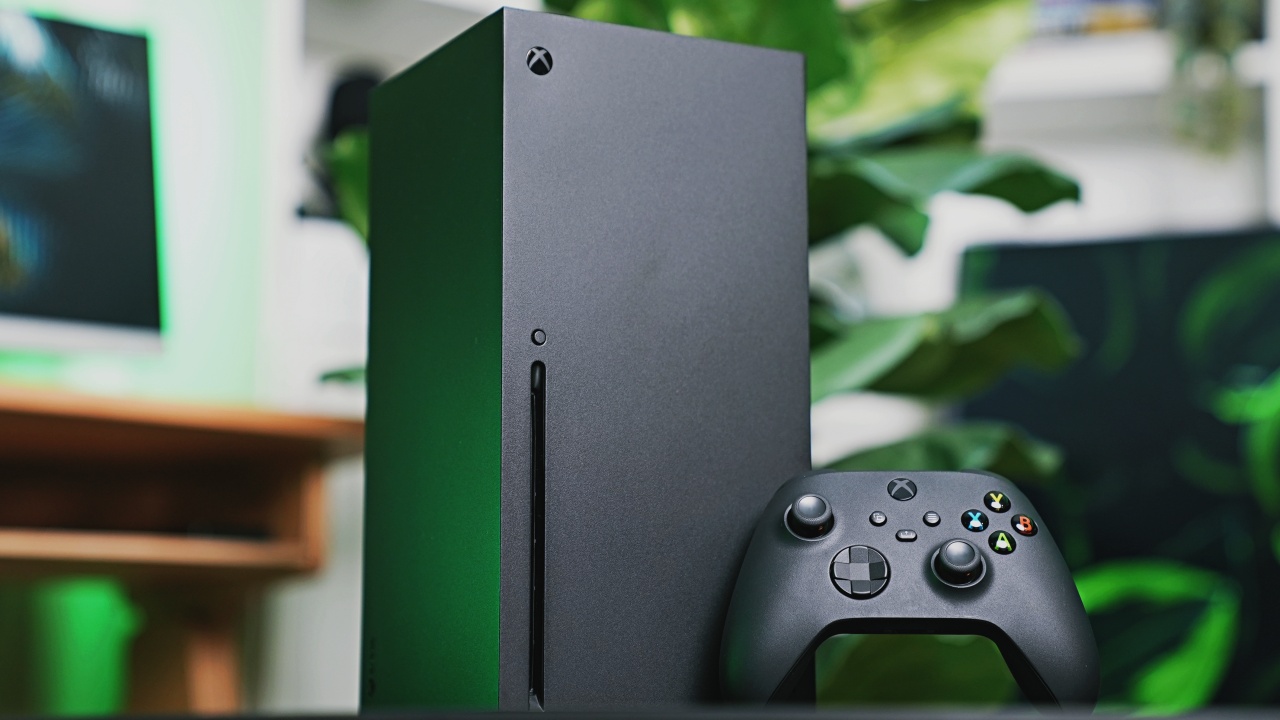
Buying a new gaming setup must be one of the most torturous things you can purchase these days. The rising price of chips has hampered the buying ability of many a consumer today. Sadly, that trend isn’t changing anytime soon. According to new reports, the next Xbox might cost double of what an Xbox costs these days.
The next console is currently codenamed Project Helix. Spearheaded by relatively new Xbox CEO Asha Sherma, Project Helix has hopes of being an all-around gaming machine capable of playing PC games besides console exclusives. Sharma obviously wants the platform to come back as a worthy destination for gamers.
That’s a monumental task, though, especially after the rising prices of chips are constantly threatening the prices of new devices. Now, according to a profile of Sharma published by Fortune, the next Xbox might cost as high as US$ 1,800. For reference, the limited 25th anniversary edition of the Xbox Series X currently costs US$ 899.
Should Fortune’s estimate hold true, a new console in the coming years is double the cost of the most expensive Xbox Series X variant available today. The next generation of gaming might be even more of a luxury than it already is.
Unfortunately, things aren’t getting better across the board. Gaming on PC and on PlayStation aren’t going to be much cheaper as the RAM crisis continues.
SEE ALSO: Xbox might get rid of physical discs too


HP OMEN Max 16 review: Gamer-maxxing in deep black
Peripherals deemed necessary to max this out


vivo V80 review: Good phone, tough sell
A capable travel companion


Ghost of Yōtei Complete Edition review: More of a great thing
Picking up where Atsu left off

Visa: 79% of Filipinos want to learn about stablecoins

CASETiFY Match: Finding the right case for your Galaxy Z8 Series phone
HP OMEN Max 16 review: Gamer-maxxing in deep black

Google illegally destroys 250,000 trees for a single AI data center

FINAL FANTASY RESONANCE now available across major platforms

TECNO CAMON Slim 5G review: Slim on size, big on surprise

TECNO CAMON Slim 5G: Price, availability in the Philippines

HONOR Magic9 Pro Max launches in China with ARRI-powered imaging

BYD says that way better EV batteries are coming next year

HONOR 600S review


-

 Gaming2 weeks ago
Dragon’s Dogma 2: Dark Arisen launches with new Official Pawns
-

 News1 week ago
vivo V80 debuts with ZEISS cameras
-

 Philippines1 week ago
TECNO CAMON Slim 5G gets launch discounts, free MagBadge
-

 News1 week ago
Samsung: Galaxy Z Fold8 demand rose because of iPhone Duo
-
Reviews7 days ago
vivo V80 review: Good phone, tough sell
-

 Features2 weeks ago
I don’t want a phone that unfolds — the Galaxy Z Fold8 gets why
-

 News5 days ago
OPPO Find X10 Series: Price, availability in the Philippines
-

 Philippines1 week ago
Smart opens iPhone Duo pre-orders today