
News
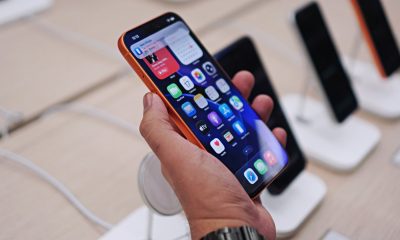
Apple will not change its design next year, report says
Will keep the notch until 2019


For the longest time, the smartphone market has been defined by technology’s ten-year old rule. Typified by Apple and Samsung, companies initially launch revolutionary phone designs, followed by incremental upgrades for the next year. For example, the Galaxy S8 and S9 have similar designs; the iPhone X, XR, XS, and XS Max have near-identical looks. Both Samsung and Apple have two-year cycles. It’s a time-honored tradition.
Now, the rule is finally winding down. According to Nomura Securities Analyst Anne Lee, Apple will not follow that trend next year. Instead, the 2019 iPhones will “likely have the same form factors… as the 2H18 iPhone XR, XS, and XS Max, with some added AR-related features.”
Last year, Apple introduced the polarizing iPhone X form factor. Among others, the design standard popularized the camera notch. Since then, Android-reliant companies have also adopted the design, resulting in a lot of wacky iterations. If Lee’s report is true, the notch still has one year left in its tank. “We think 2019 could be the last year the iPhone uses the iPhone X design architecture,” she said.
Potentially, the move coincides with the company’s strides to adopt 5G technology, which will make its Apple debut in 2020. With that, Apple will likely debut a new design after a working 5G prototype.
Of course, Apple’s defensive approach also hints at the company’s struggles this past year. Notably, the company has been consistently disappointed by its sales columns this year. Apple has even decided to withhold its sales figures for upcoming quarters. On global distribution charts, Huawei has already overtaken Apple for the number two spot.
With the new report, Apple is noticeably doubling down on riskier strategies for the upcoming year. The company already expects to sell fewer units in 2019. On paper, Apple looks like it’s on a downward spiral.
SEE ALSO: Apple iPad Pro (2018) Review: Not just a laptop replacement




Gaming
Call of Duty drops the PlayStation 4 starting with its next game
Is this the beginning of the end for the PlayStation 4?

When can we declare that a console is officially dead? Is it as soon as the launch of the next generation? Is it when games no longer come out on the console? Recently, Call of Duty has confirmed that the next game will not be available anymore on the PlayStation 4, which presents an important question: Is the PlayStation 4 officially dead?
Call of Duty is one of the most persistent gaming franchises today. The last entry, Black Ops 7, is still available for the PlayStation 4 and the Xbox One. Both consoles were launched over twelve years ago. (If that doesn’t make you old, the current generation was launched almost six years ago.)
As such, the franchise is one of the last stalwarts keeping the past generation alive. This week, Call of Duty, via a post on X, confirmed that the next game will not arrive on the PlayStation 4. Presumably, this also means the Xbox One.
Not sure where this one started, but it’s not true. The next Call of Duty is not being developed for PS4.
— Call of Duty (@CallofDuty) May 4, 2026
Currently, we don’t have details about the upcoming game yet. But a new entry is confirmed to arrive later this year.
With the departure of the Call of Duty franchise, it’s fair to ask what will become of the old generation moving forward. Over the years, developers have started shying away from the PlayStation 4 and the Xbox One. Since the franchise still maintains a steady fan base today, a lot of PlayStation 4 users might be forced to make an upgrade to play the latest entry.
SEE ALSO: PC Game Pass gets cheaper, but Call of Duty delays are coming
News
TCL CSOT Unveils ‘APEX Pixel’ innovations at SID Display Week 2026
Breakthroughs in display technologies

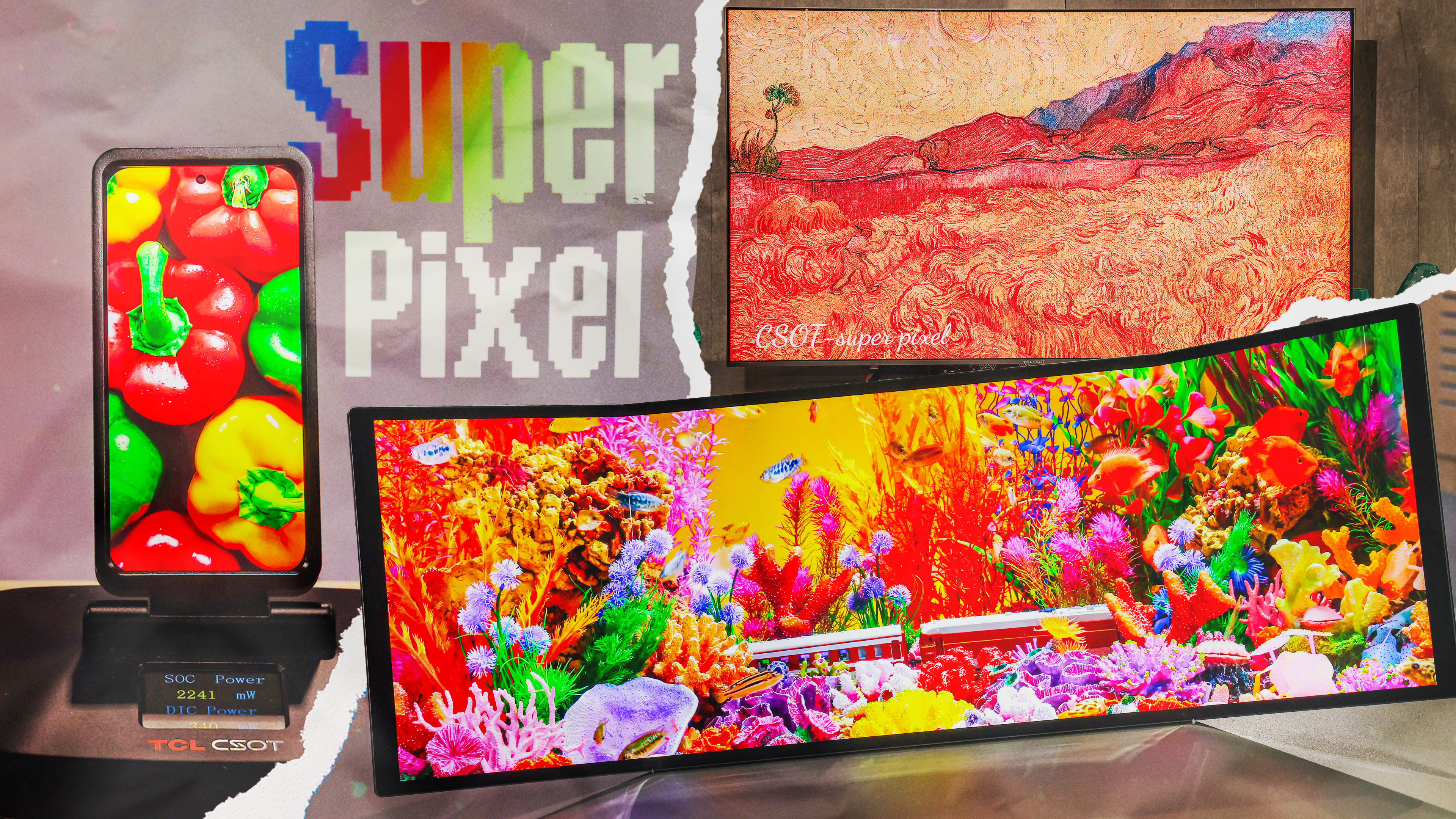
Pushing the boundaries of display physics, TCL CSOT has officially launched its APEX Pixel framework at SID Display Week 2026.
This unified innovation path targets the microscopic architecture of pixels across FMM OLED, Inkjet-printed (IJP) OLED, and LCD panels to redefine clarity, power efficiency, and color volume.
The Super Pixel revolution
The highlight of the showcase is the Super Pixel technology for mobile FMM OLEDs.
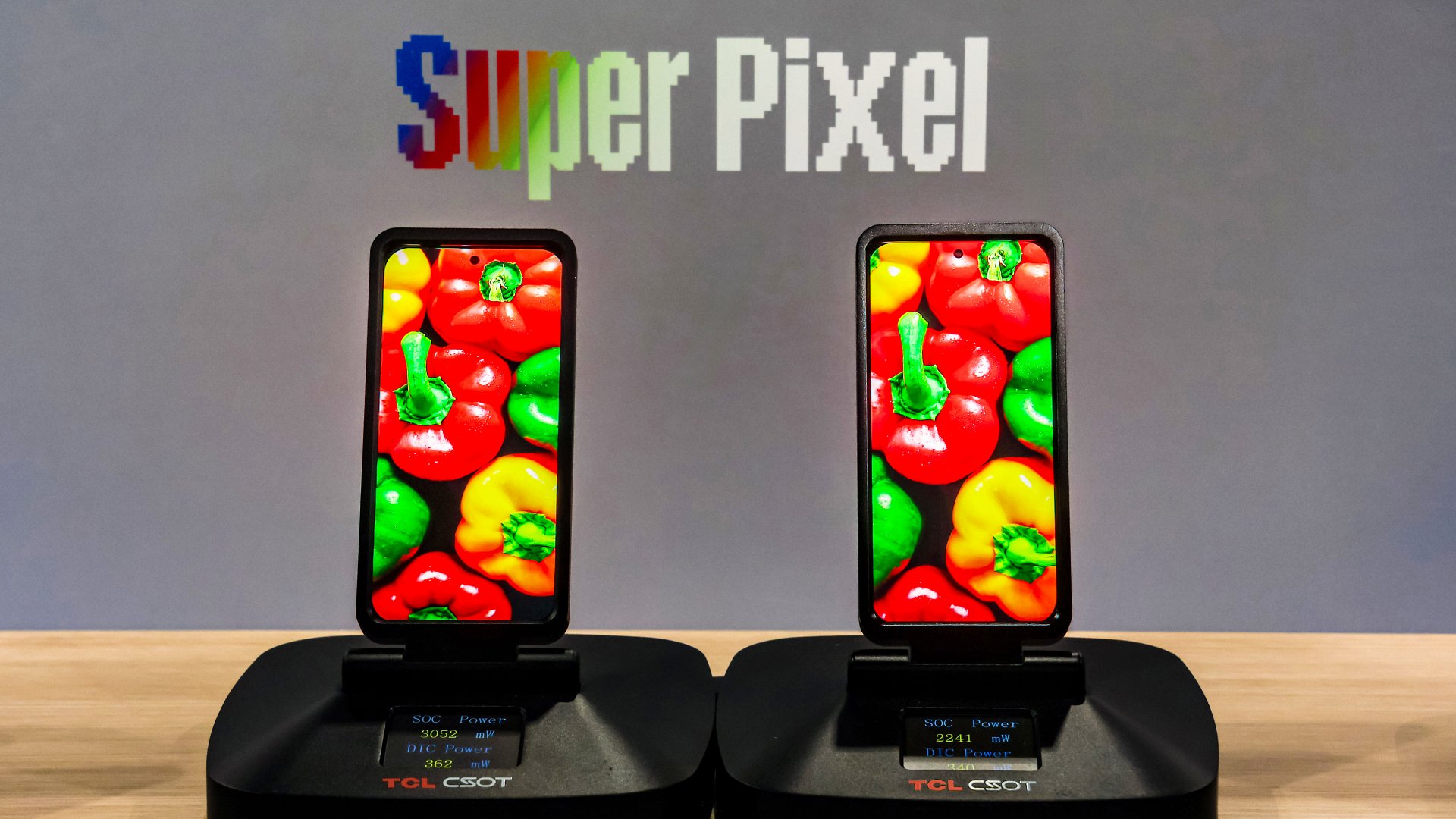
By increasing sub-pixel density by roughly 1.8%, TCL CSOT has achieved sharpness comparable to WQHD standards while slashing power consumption by 25%.
Key mobile prototypes on display include:
- 6.9-inch Ultra-Clarity Display: Features a 2608×1200 resolution with a 0.5mm top bezel
- 165Hz High-Refresh Panel: Utilizes a Real RGB layout to boost motion smoothness by 40% over standard 120Hz screens
- Ultra-Low Power 8T LTPO: A 420PPI powerhouse that reduces SoC power draw by a quarter.
IJP OLED and the Tri-Fold Future
TCL CSOT continues to lead the transition toward Inkjet-printed (IJP) OLED.
By utilizing the world’s first 8.6-generation IJP line, the company has debuted a 28-inch Foldable and Portable IJP OLED Monitor.
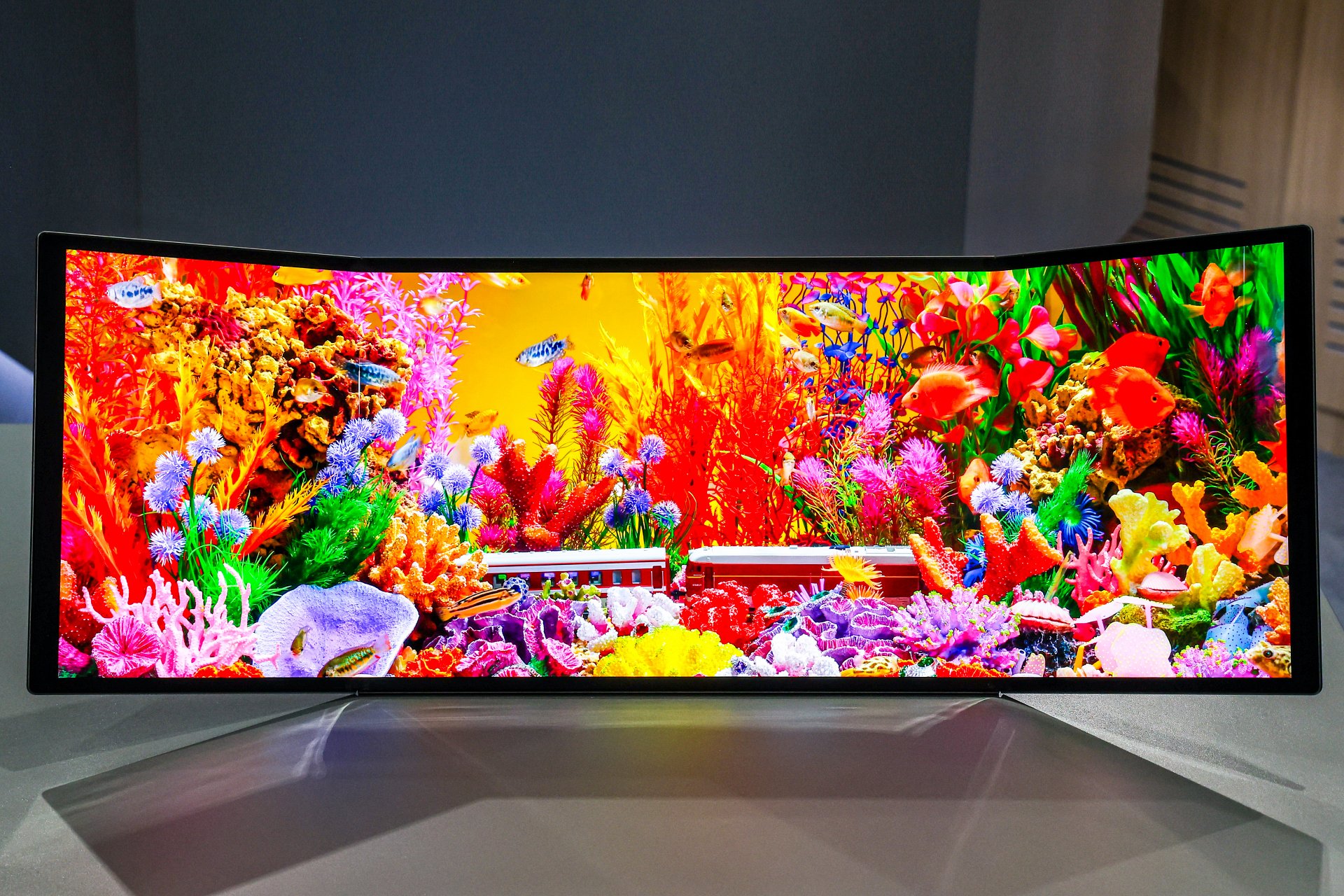
This “Real Stripe” RGB display features a tri-fold design that expands from a 16-inch footprint to a 28-inch workspace.
IJP OLED allows for larger light-emitting areas, occupying 50% to 60% of the pixel. This leads to a significantly enhanced luminous efficiency compared to traditional evaporation methods.
RGBC: The New Standard for LCD
For large-scale cinema experiences, TCL CSOT introduced RGBC Four-Color Technology.
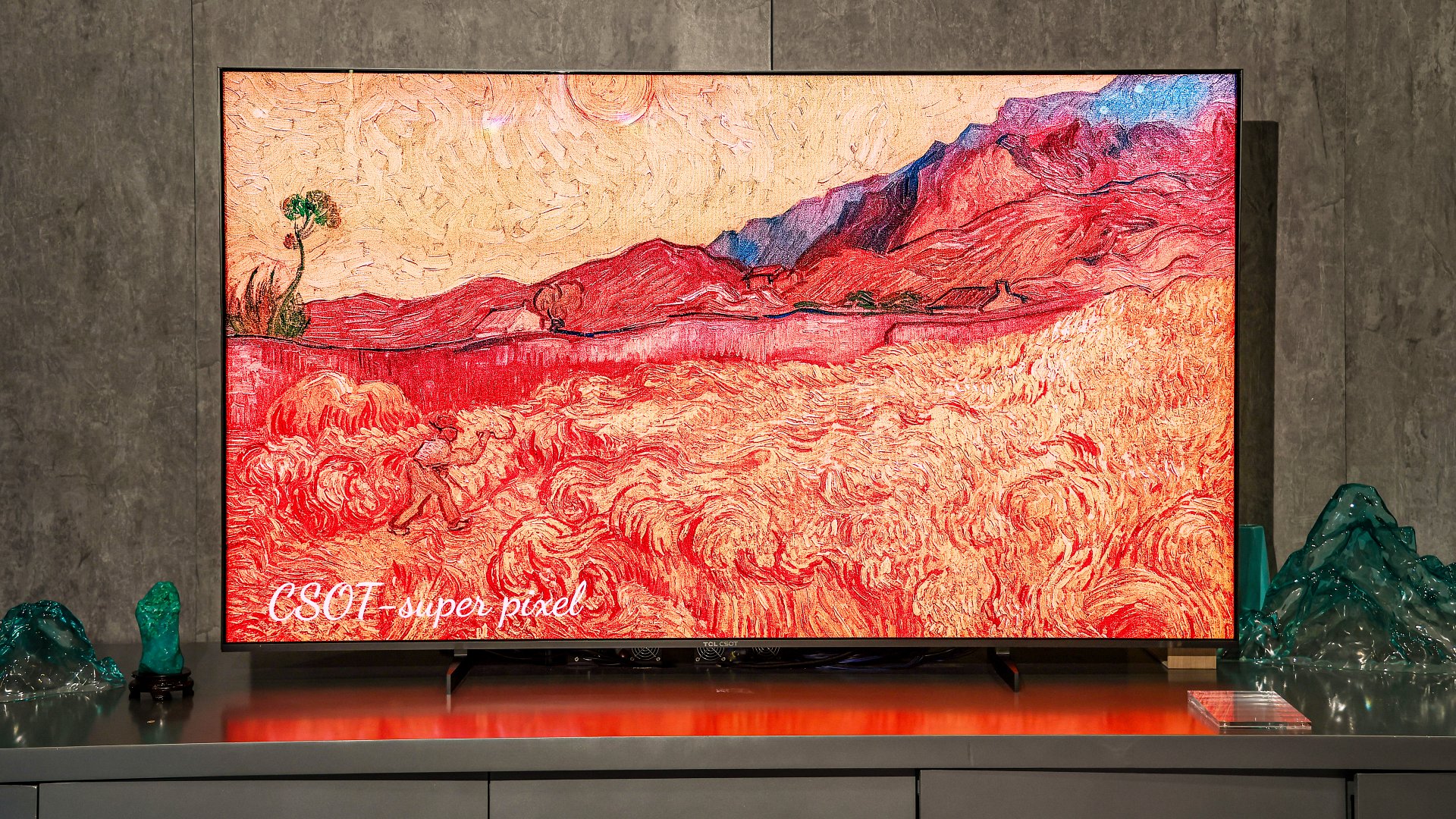
By adding a Cyan sub-pixel to the traditional RGB matrix, the 85-inch WHVA Ultra LCD TV achieves a staggering 131% of the BT.2020 color gamut.
This hardware-level shift allows for more saturated hues and finer resolution rendering that traditional three-color pixels cannot replicate.
Through APEX Pixel, TCL CSOT is no longer just chasing size, but perfecting the very atoms of the digital image.
News
iPhone 17 is the best-selling phone of 2026 so far
Meanwhile, the Galaxy S26 series didn’t make the top ten list.
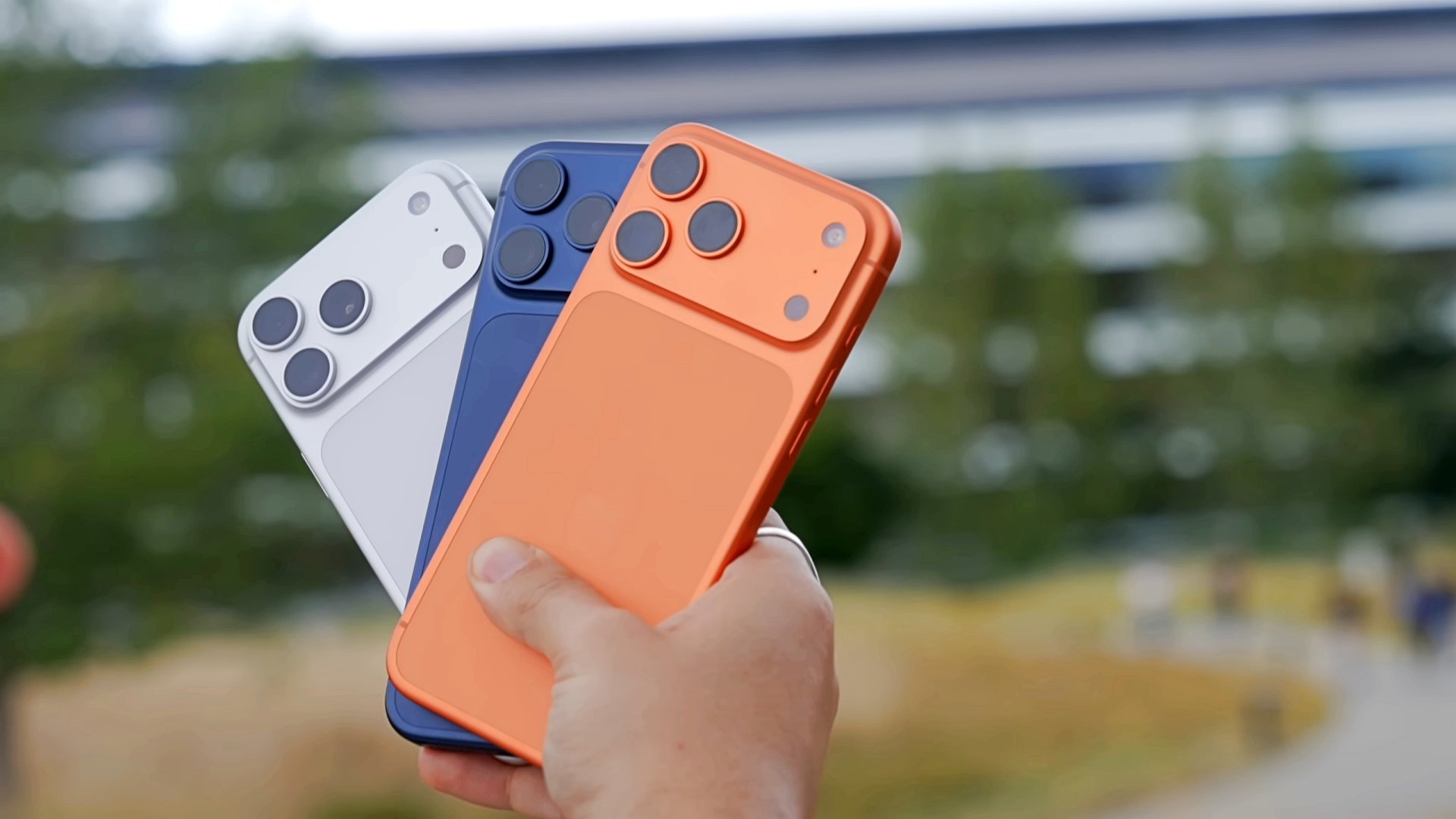
With more than a quarter of the year done and dusted, it’s time to figure out which smartphone has taken the early lead in the charts. According to the numbers, it can’t get any clearer. The iPhone 17 is currently dominating the charts.
According to Counterpoint Research, the bestselling smartphone in the world as of the first quarter is the base iPhone 17. The model took 6 percent of the global share in unit sales. Meanwhile, the iPhone 17 Pro Max and Pro took the second and third spots, respectively. Only a bit surprisingly, Apple rounded out its quarter with the iPhone 16 taking the number 6 slot.
The stranger thing is Samsung’s presence on this list. The South Korean brand took five spots on the top 10 list. However, none of them are of the Galaxy S26 series. All of them are from the Galaxy A series: in order, Galaxy A07 4G, A17 5G, A56, A36, and A17 4G. (The Galaxy S26 series narrowly missed the top 10.)
That makes nine. The final spot was taken by the Xiaomi Redmi A5.
Going only by the last two paragraphs, you’ll likely assume that the midrange market is rightfully dominating the charts in the months following the Christmas season. However, the iPhone 17’s dominance confirms that Apple has not lost its stride.
Plus, with the iPhone 17e only just having launched, Apple might continue its run well into 2026.


PRAGMATA is not for the faint of heart
Already a Game of the Year contender for all the feels

5 games with the nubia Neo 5 GT 5G
Niche device, but is worth the price?

Giving up counter space for reverse osmosis: Living with Waterdrop M6H in NYC
A 7-stage filtration system

Call of Duty drops the PlayStation 4 starting with its next game

Google launches the screen-less Fitbit Air

GadgetMatch makes it back-to-back wins at the Henry Ford Awards

TCL CSOT Unveils ‘APEX Pixel’ innovations at SID Display Week 2026

iPhone 17 is the best-selling phone of 2026 so far


-
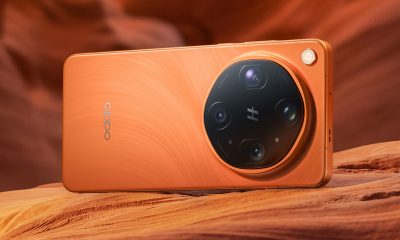
 News2 weeks ago
OPPO Find X9 Ultra lands in PH: Price, availability, pre-order perks
-
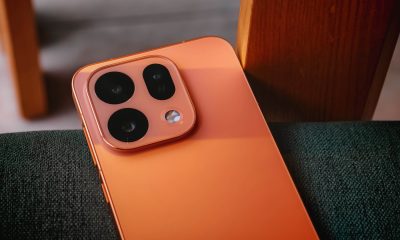
 News2 weeks ago
OPPO Find X9s now official in PH: Price, availability, pre-order info
-
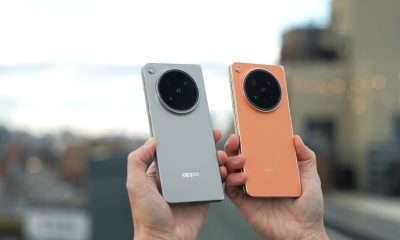
 News2 weeks ago
OPPO Find N6 now in PH: Price, pre-order, availability
-

 Gaming1 week ago
Level Infinite launches Gangstar Mirage City exclusively in PH
-
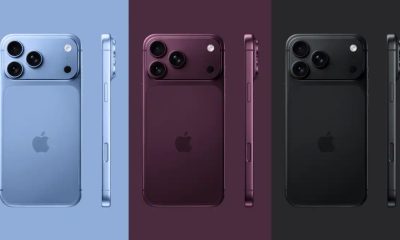
 News2 weeks ago
This rumored iPhone 18 color will make you switch phones
-
Reviews1 week ago
5 games with the nubia Neo 5 GT 5G
-

 Gaming2 weeks ago
Beast of Reincarnation coming to PS5 this August
-
Convenient Smart Home1 week ago
Giving up counter space for reverse osmosis: Living with Waterdrop M6H in NYC