
Apps
FaceApp goes viral again, raises security concerns
Taking social media by storm


FaceApp is taking social media by storm once again. The popular editing app which went viral two years ago has resurfaced after celebrities, YouTubers, and even NBA stars posted elderly versions of themselves.
Quick to jump in the bandwagon, people followed and started posting their aged version on Twitter and Instagram. Fancy seeing a glimpse of yourself in the future, as well? Here’s how you can do it.
Easy, step-by-step guide on FaceApp
Download FaceApp via Google Play Store or the App Store. Open the app and select the photo you want to edit. Pro tip: Avoid using selfies with caps, sunglasses, and other accessories on.
After choosing a photo, you can then pick from an array of filters: Beauty, gender-swap, or the old age filter that everyone is obsessing over, and many more!

Using the old age filter, you can see how you’d look like when you’re over 60 years old. If you want to see how you and your partner look when you’re old and wrinkly, just apply the filter first on your face since you can only apply it one at a time. Then, save it, and upload the saved image to apply the filter once again.
You can do this with group photos, too, except you’ll need more patience. It’s an excruciating process but isn’t it worthwhile?
Is our security compromised?
FaceApp’s sudden virality has raised major privacy concerns, just like when Zepeto went viral last year. This is almost always the case when the app in question appears to be collecting data from its unknowing users.
A report on Fast Company indicates that the Russian company behind FaceApp saves the photos uploaded by transmitting it to their servers back in Russia. While it’s all fun and magic on your end, the report supposes your security may be compromised.
Moreover, the US government poses the app as a threat to national security, prompting the FBI to investigate the Russian startup. Will this be a similar saga between the US and China trade war? Let’s hope it won’t escalate into a bigger issue.
BIG: Share if you used #FaceApp:
The @FBI & @FTC must look into the national security & privacy risks now
Because millions of Americans have used it
It’s owned by a Russia-based company
And users are required to provide full, irrevocable access to their personal photos & data pic.twitter.com/cejLLwBQcr
— Chuck Schumer (@SenSchumer) July 18, 2019
FaceApp has responded to these allegations claiming that images are deleted from their servers within 48 hours from the upload date.
At the end of the day, FaceApp is pretty much similar to Facebook and Google, who have taken more information from us than we realize. If you’re still afraid, the best course here is to stay away from photo editing apps and resist the urge to try senseless features for the sake of fun and likes on social media.






Apps
Firefox ad reunites all your favorite memes from decades ago
The Numa Numa Guy, Annoying Orange, and Chocolate Rain are back!


Before Tung Tung Tung Sahur and Skibidi Toilet, the early internet was populated by charismatic personalities looking to make their presences felt in a land that didn’t have a lot of rules yet. As early users, we danced to “Dragostea din tei,” belted out “Chocolate Rain,” and copied “Shoes” word-for-word. Today, Firefox is bringing all those good memories back for a grand reunion.
In a new ad, the web browser featured ten of the biggest stars of the early internet including the aforementioned Numa Numa Guy, Tay Zonday, and Shoes’ Kelly. You can also see Annoying Orange, Chuck Testa, Overly Attached Girlfriend, Bad Luck Brian, Where the Hell is Matt?, the Apparently Kid, and the Success Kid.
Now, this isn’t just a reunion. The ad has a clear message about today’s most concerning issue: AI. Everything has “built-in AI, always asking, asking, asking,” as the Annoying Orange said.
“They make money by following us, and somehow, I’m the creepy one?” the Overly Attached Girlfriend asked.
All these famous personalities are asking what happened to the internet today. Obviously, the big takeaway is that we should all go back to Firefox.
Compared to other browsers, Firefox has a lot of built-in features that offer a lot of control for users. For one, it has its own VPN for privacy. Secondly, reflecting the ad’s message against AI, the browser has a toggle to minimize AI features.
SEE ALSO: Google illegally destroys 250,000 trees for a single AI data center
Apps
Salesforce introduces Slack Frontline for deskless workers
Simple, secure, mobile-first way for deskless teams across retail, healthcare, manufacturing, field service

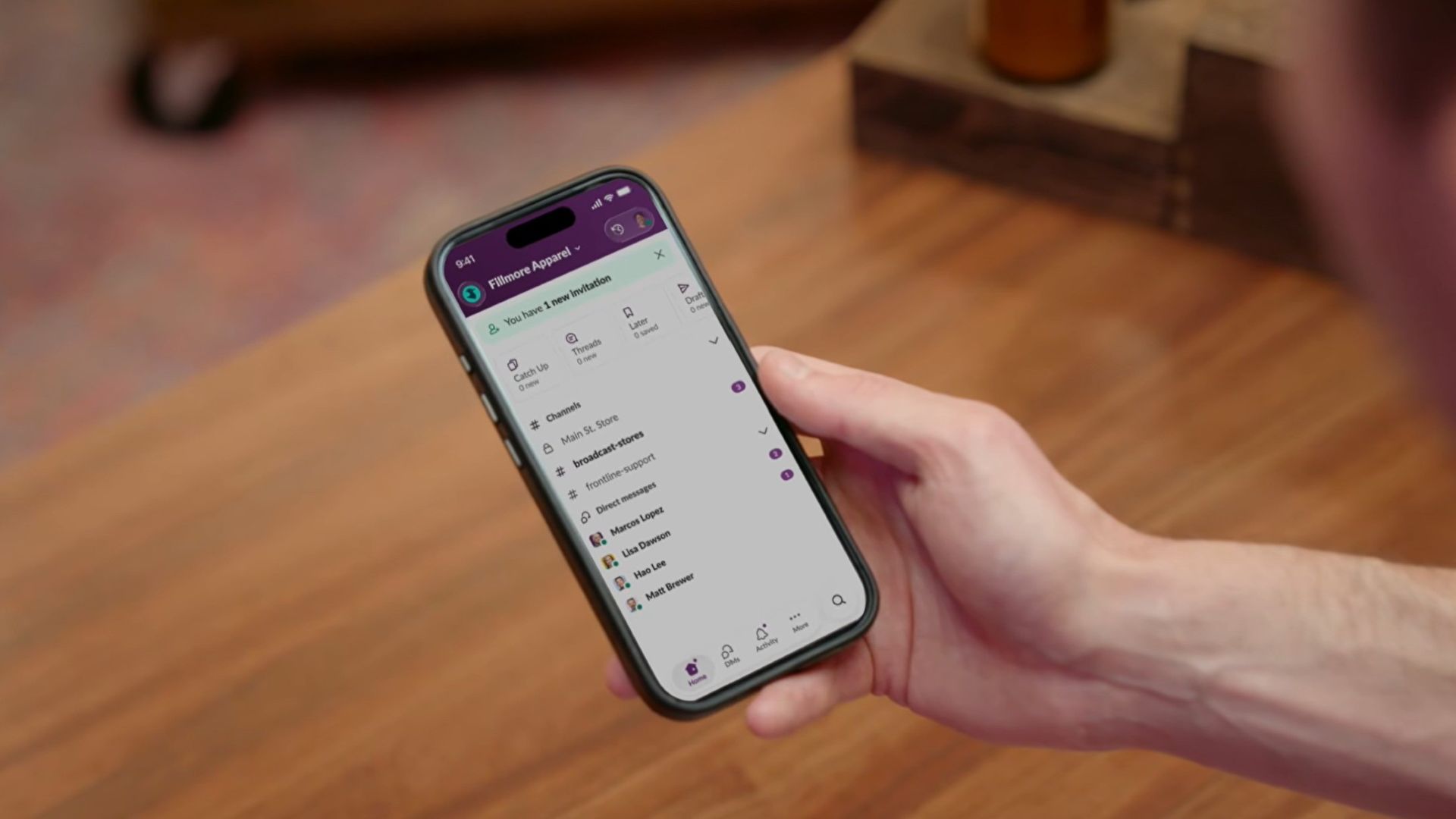
Salesforce is bridging the massive divide between corporate headquarters and deskless workers with the launch of Slack Frontline.
This new solution is designed specifically for retail associates, healthcare providers, factory workers, and field crews.
The mobile-first workspace brings communication, data, role-specific tools, and AI together in a single clutter-free app.
While frontline employees make up about 80 percent of the global workforce, they have historically been left out of workplace transformation, often relying on paper checklists, group texts, and broken communication loops.
Slack Frontline addresses these challenges by giving mobile workers up to 10 role-relevant channels, instant Huddles with headquarters, on-demand AI agents, and automated workflows.
Backed by Salesforce data and enterprise-grade security, the platform lets IT teams govern the entire workforce under one secure layer with employee ID sign-ins, multifactor authentication, and compliance configurations like HIPAA.
This ensures that critical updates, training materials, and shift handoffs reach workers directly in their pockets without needing corporate email addresses or shared terminals.
Moreover, the platform is tailored to transform operations across multiple industries, including retail, home healthcare, manufacturing, hospitality, and field services.
For instance, retail teams can instantly sync promotions and monitor inventory, while healthcare professionals can securely review patient histories and coordinate care on the go.
Manufacturing and hospitality teams benefit from drastically reduced downtime and faster issue resolution, cutting response times significantly.
Slack Frontline is available now as an add-on for businesses on the Slack Enterprise+ plan.
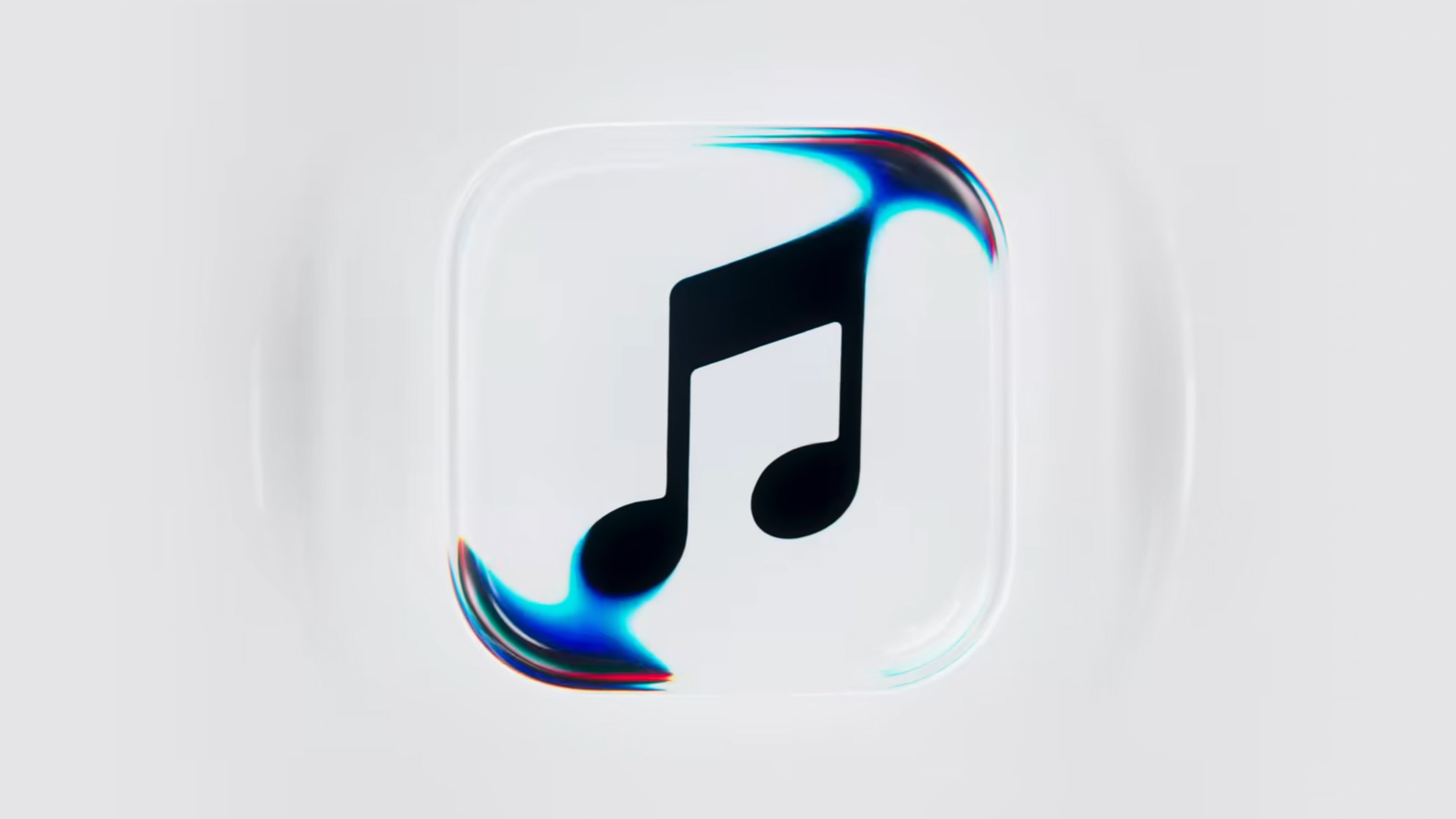
Apple Music is getting a revamp. In one of the tamer things going on with the brand today, Apple has introduced a new design language for its native music streaming platform.
In the midst of all the hubbub surrounding the iPhone Duo, Apple released a change in the visual identity of Apple Music. Rather than a static logo, the platform’s newest evolution offers a dynamic look that melds Liquid Glass and the power of sound together.
Confirmed through a behind-the-scenes video, Apple says that the new aesthetic was made with practical effects. Music producer Fred Again and NEST Acoustics submerged the platform’s logo in a tank of mineral oil and creating ripples with sound. The new language matches well with the chrome aesthetic typical of today’s trends and… well, Liquid Glass, of course.
Apple says that the more ripple-filled version will play before longer content like concert recordings (similar to Netflix’s startup stinger). Meanwhile, a black-and-white version will replace the app’s icon currently colored red and white. Current previews show off a simple logo, but it’s unknown whether Apple is adding a but more elements when the final version drops.
The updated version will debut for users after next week’s iOS 27.2 and macOS 27.2 updates.
SEE ALSO: Apple iPhone Duo Unboxing and Hands-on


Apple iPad mini OLED review
Has the mini gone PRO?!


ROG G700 review: The best prebuilt PC you can get off the shelf
This PC will make you stop worrying about specs.


HP OMEN Max 16 review: Gamer-maxxing in deep black
Peripherals deemed necessary to max this out

GTA VI pre-loading now available on PS5, Xbox

Nintendo eShop launches in the Philippines

Is it comfortable to sleep on a Secretlab Atlas?

ASUS and ROG Grand Tech Fair 2026 offers holiday deals

Next iPhone might get rid of the Action Button

Your coffee nook is getting a makeover with Starbucks’ holiday collections

vivo V80 debuts with ZEISS cameras

vivo V80 review: Good phone, tough sell

Dragon’s Dogma 2: Dark Arisen launches with new Official Pawns

OPPO Find X10 Series: Price, availability in the Philippines


-
 Lifestyle1 week ago
Your coffee nook is getting a makeover with Starbucks’ holiday collections
-

 Lifestyle2 weeks ago
Sticker season is back, and so is the planner your ~friends~ might fill in for you
-

 Gaming1 week ago
Wild Rift Patch 7.3, celebrates K/DA comeback
-
Gaming2 weeks ago
ROG G700 review: The best prebuilt PC you can get off the shelf
-

 News5 days ago
Sony revives classic Walkman headphones with USB-C MDR-3R
-

 Gaming2 weeks ago
PlayStation unveils Prism Collection
-

 Laptops2 weeks ago
Apple unveils MacBook Pro with PROLED XDR display and Touch
-

 Gaming2 weeks ago
FromSoftware’s The Duskbloods delayed to 2027