
News
Samsung launches its first 5G-integrated mobile processor
The future is fast

While Huawei is pushing its enterprise wireless business forward in a bid to secure maximum share in the 5G revolution, Samsung is eyeing the consumer side. The South Korean giant has launched a host of mobile phones that support 5G.
This includes the Galaxy A90 5G, Galaxy S10 5G, Galaxy Note10 5G, and Galaxy Note10+ 5G. However, they are backed by an Exynos 9820 or Snapdragon 855 chipset coupled with the Exynos 5100 and Snapdragon X50 modems.
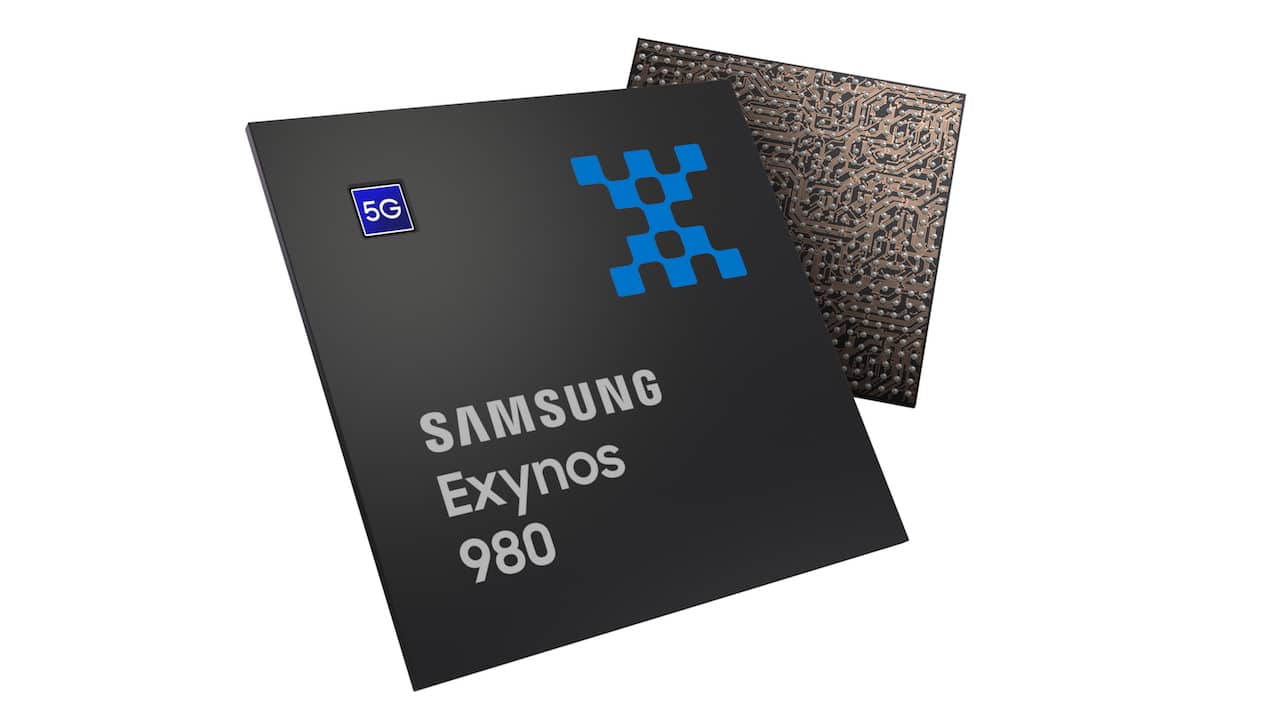
Now, they’ve announced their first processor that integrates 5G connectivity. Dubbed Samsung Exynos 980, the processor comes with AI capabilities and has been manufactured using the 8nm process. It consists of eight CPU cores in total, this includes two Cortex-A77 and six Cortex-A55, paired with a Mali G76 GPU.
The Exynos 980 modem supports 2G to 5G networks and data transfer rates of 2.55Gbps in 5G connectivity. Its neural processing unit (NPU) has also been upgraded and according to the company can deliver performances of up to 2.7 times compared to its predecessor.
It also has a high-performance image signal processor that can process up to 108 million pixel images, and can be synced up to five image sensors.
5G promises to significantly boost the speed, coverage and responsiveness of wireless networks. It’s exponentially faster than existing networks and offer better coverage. Samsung has an edge on the consumer side because Huawei is currently stuck between the US-China trade war.



Accessories
Nothing confirms Ear (3a) is coming this month
It launches alongside the Phone (4b) on July 7.


From being told to not expect anything this year, Nothing fans suddenly have a lot to look forward to. The brand already launched the Phone (4a) series earlier this year, and the new Phone (4b) is likewise coming this month. Now, the Ear (3a) has also been announced.
Through an official teaser on X, Nothing announced that the Ear (3a) is launching alongside the Phone (4b) on July 7. Unfortunately, the short teaser doesn’t spill what the earbuds will look like. However, it does confirm that there will be four colorway options: White, Black, Yellow, and Pink.
Despite being under a relatively new brand, the Ear series carries a lot of history for Nothing. It is, after all, the brand’s first consumer-ready product which came out before the Phones. Since then, the earbuds typify Nothing’s iconic transparent designs. Now, there’s no indication that the Ear (3a) will depart from this tradition, but we’ll see a lot more color, at least.
The Ear (3a) isn’t the only spotlight in this teaser. Nothing also says that the video was shot with the upcoming Phone (4b). Though the video doesn’t spoil the phone’s camera hardware, it’s clear that it can shoot decent videos under relatively low-light conditions. (Of course, we’ll need a better look to confirm that.)
The Phone (4b) and the Ear (3a) are scheduled to launch worldwide on July 7.
News
Samsung is working on the Galaxy Ring 2
It will have better health tracking and a longer battery life.
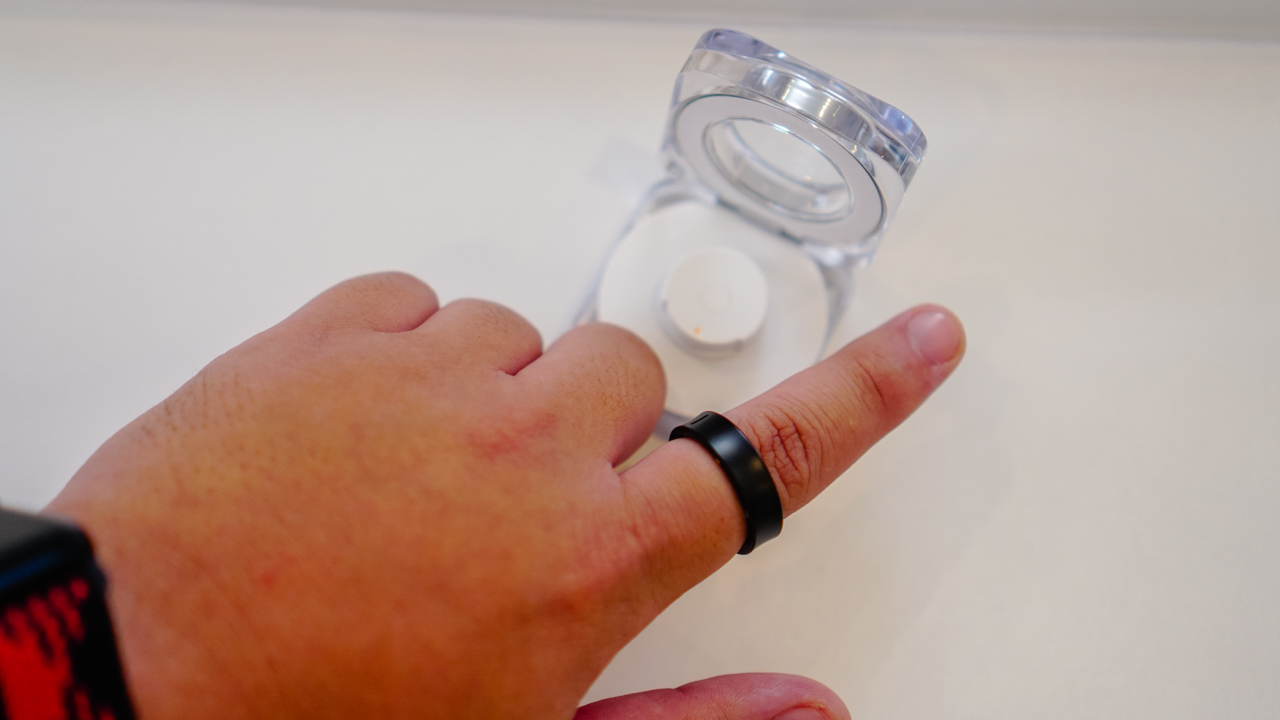
Though the wearable launched with a lot of promise, the Samsung Galaxy Ring never really took off. That said, Samsung isn’t giving up. The company is already working on a Galaxy Ring 2.
In a new Forbes interview (via SamMobile), Dr. Hon Pak, head of Samsung’s Digital Health, has confirmed the development of the wearable’s sequel. The Galaxy Ring 2 will reportedly feature better health tracking and a longer battery life. Additionally, it will add support for iPhone pairing.
Because of its form factor, the original Ring comes off as a convenient health tracker for those who don’t prefer the larger nature of a smartwatch or a fitness band. However, it did have issues including a relatively short battery life and an incident where it swelled over a man’s finger.
Currently, there is no timeline for the upcoming Galaxy Ring 2. For reference, the original wearable launched all the way back in 2024. A follow-up is a reasonable ask at this point, but it’s still good that Samsung decided not to make the Ring an annual release.
Besides the Galaxy Ring 2, Samsung has a lot of tricks up its sleeve. Just today, the brand finally teased its first wide foldable phone. It’s also set to launch the Galaxy Glasses soon. On top of all this, Samsung is also experimenting with the trifold market via the Galaxy Z Trifold.
SEE ALSO:
Gaming
Marvel’s Blade, the videogame, might be cancelled
Microsoft might shut down the studio developing the game.
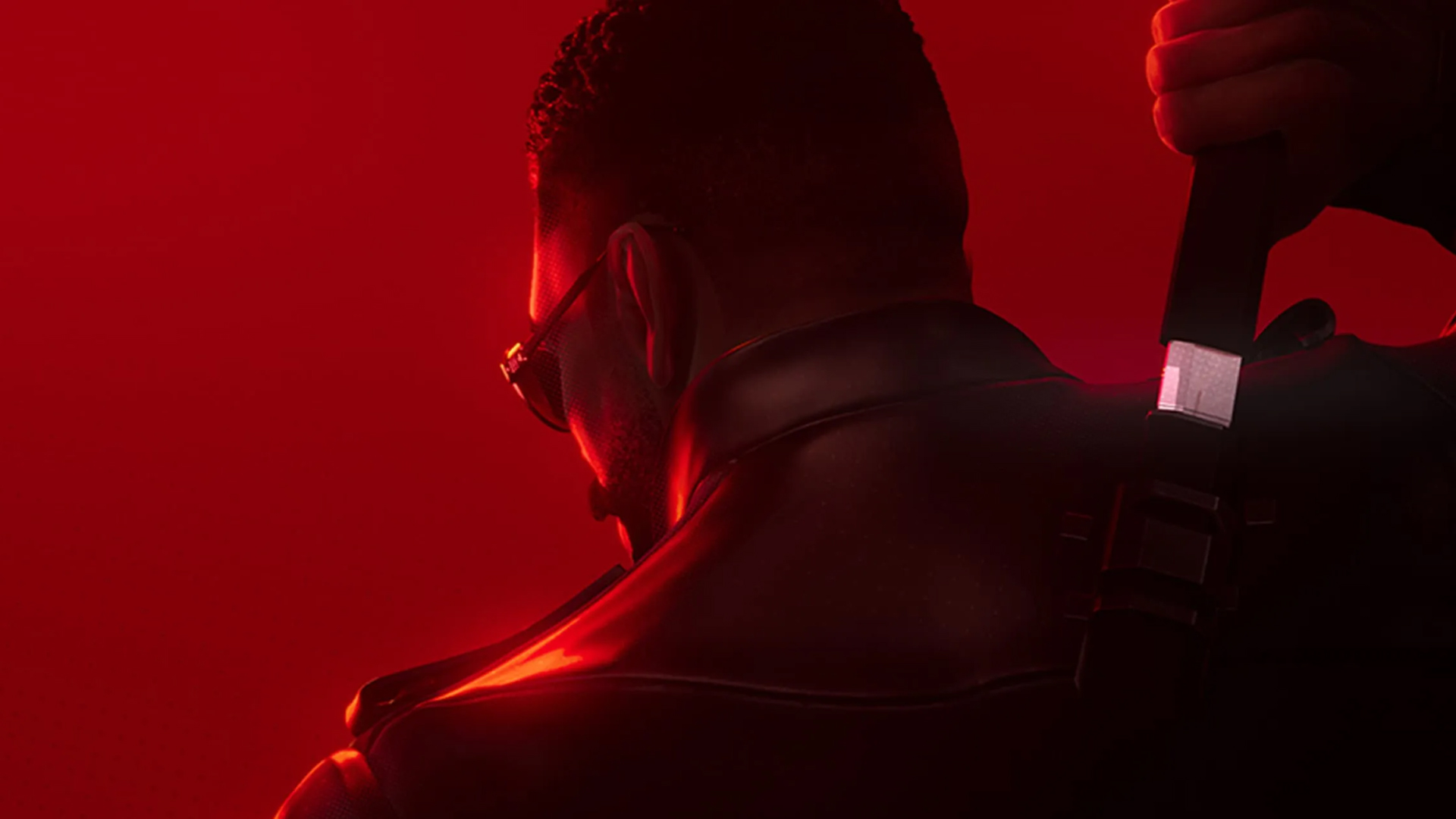
Is there a Marvel franchise more doomed than Blade? On the big screen, Mahershala Ali’s much-awaited depiction has fizzled into obscurity. Now, the videogame might follow suit.
If you haven’t heard (or have forgotten) about Marvel’s Blade, then that’s not on you. Arkane Studios, the developers behind the adaptation, haven’t said a word about the game in years. Today, according to The Verge, Microsoft might shutter Arkane Studios, inevitably leading to a cancellation of Marvel’s Blade.
The source also indicates the game itself was plagued by delays (which we know) and is already above its budget (which we don’t know). Even if Arkane Studios continues its operations, there’s already a substantial chance that the game won’t be made anyway.
Arkane Studios won’t be the only one, according to the report. Microsoft is also considering Compulsion Games, Double Fine, Ninja Theory, and Undead Labs for the chopping block.
Blade won’t be the only loss in an Arkane Studios shuttering. The studio is also responsible for the critically acclaimed Dishonored series and the more recent Deathloop.
However, in the Marvel end of things, fans can still scratch their superhero videogame itch later this year. In September, Insomniac Games, the same studio behind the wildly popular Marvel’s Spider-Man series, is set to launch Marvel’s Wolverine, a promising take on the iconic mutant.
SEE ALSO: Marvel’s Wolverine showcases brutal combat, confirms Jean Grey


vivo X300 Ultra review: A “Whole Different Animal”
Got the beast (finally) unleashed!

The realme P4 Power: realme’s midrange power play?
A power bank and a phone — and more


HONOR Watch 6 Review: Less guessing, more knowing
Beyond educated guesses

Nothing confirms Ear (3a) is coming this month

Samsung is working on the Galaxy Ring 2

Marvel’s Blade, the videogame, might be cancelled

Samsung teases what’s next for Galaxy foldables

Why I stopped chasing grid-worthy and started eating peso-worthy food

TECNO’s POVA 8 5G is both futuristic and future-ready

The Xiaomi Watch S5 proves you don’t have to take it off

realme launches P4 Series 5G, including Power with 10,001mAh battery

Buyer’s Guide: Xiaomi Pad 8 Series

HONOR Magic V6 review: The best version of a book-style foldable?


-
Reviews1 week ago
vivo X300 Ultra review: A “Whole Different Animal”
-
 Buyer's Guide2 weeks ago
Buyer’s Guide: TECNO SPARK 50 Pro vs SPARK 50 5G
-
Reviews2 weeks ago
HONOR Watch 6 Review: Less guessing, more knowing
-
 News2 weeks ago
Budget smartphone realme C100 Series launches
-
Reviews2 weeks ago
The realme P4 Power: realme’s midrange power play?
-
 Camera Shootouts1 week ago
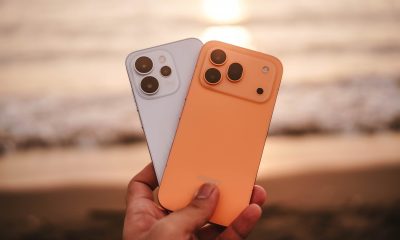
Camera Shootout: HONOR 600 Pro vs OPPO Reno15 Pro
-

 Accessories2 weeks ago
Father’s Day gift guide: Gadgets for every kind of dad
-
 Apps1 week ago
Honor, Xiaomi are working on their own Privacy Displays