

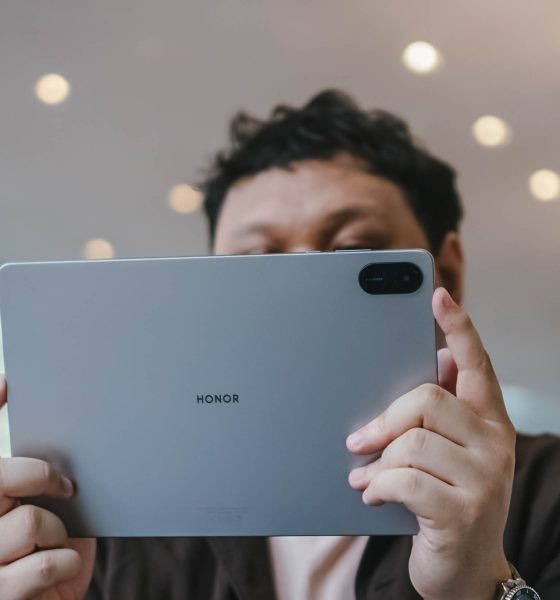

Not every tablet needs to win you over in the first five minutes.
Some are just meant to ease you in—to see if having a bigger screen actually changes how you use your tech day to day.
Instead, it feels like it’s asking a quieter question: Do you even need a tablet?
That’s the space the HONOR Pad X8b seems to occupy. Not a productivity machine. Not a performance-first device. But something that lets you test the waters—see if a tablet fits into your everyday routine at all.
And for a lot of people, that might be exactly the point.
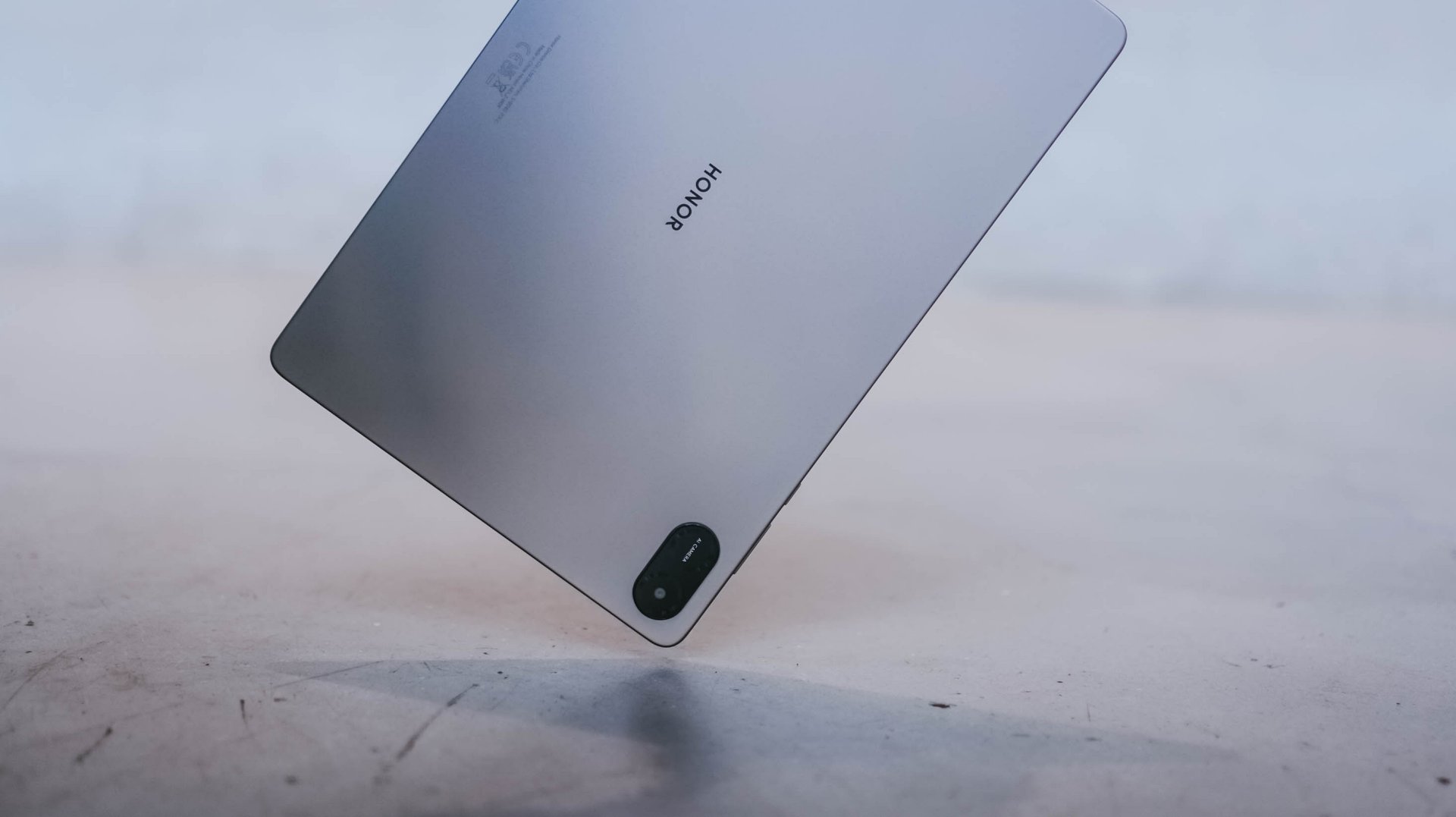
It’s positioned as a “Tablet Made Tough,” and that framing makes a lot of sense here. Because if you’re just starting out, or buying for someone who’s still getting used to tech, you don’t want something fragile. You want something you can be a little careless with—throw in a bag, hand to a kid, leave on a table—and not worry too much about it.
And that’s exactly the kind of role this tablet is trying to fill.
Who this is really for
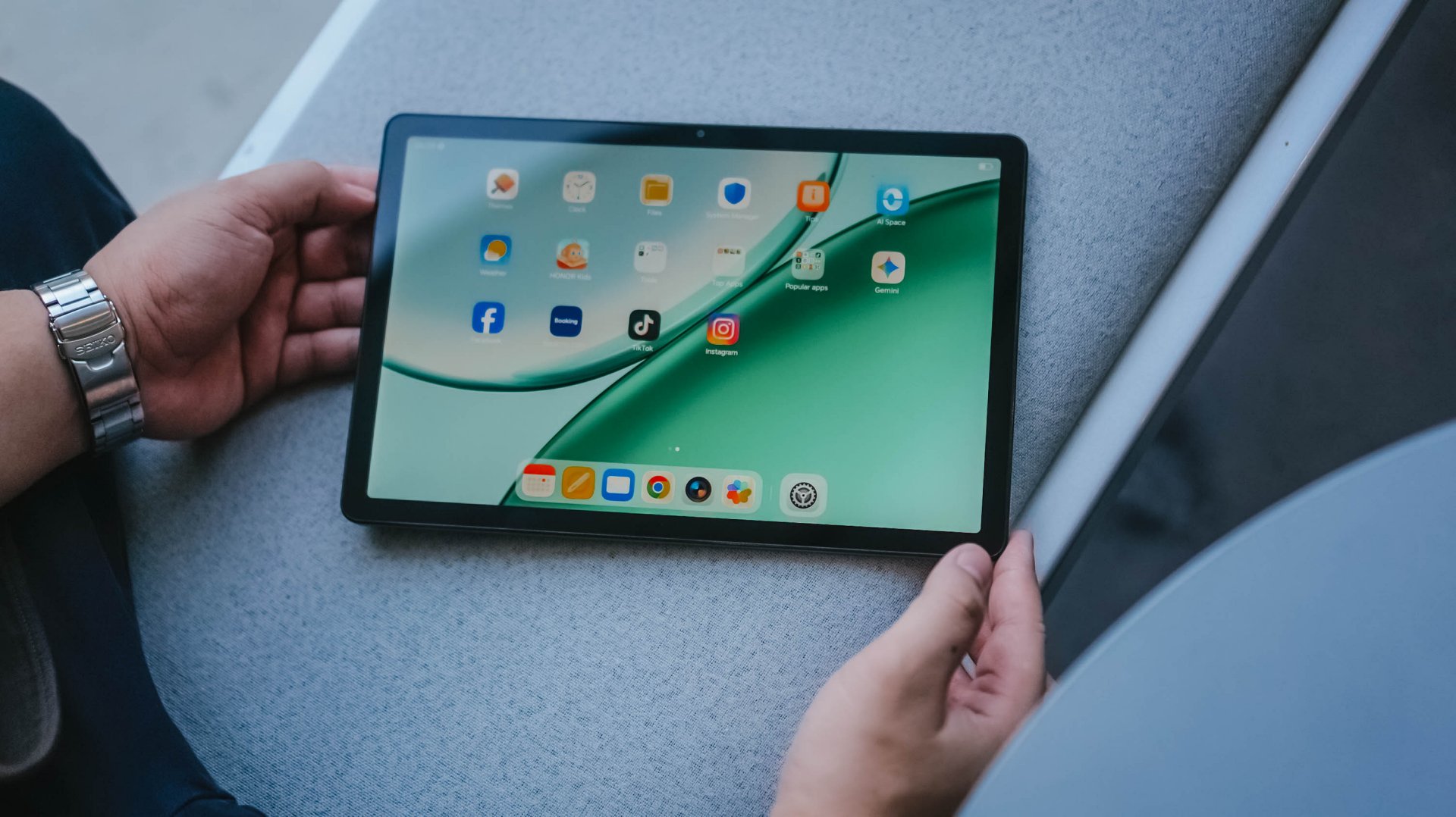
You can feel pretty quickly who this tablet is designed for.
Kids are an obvious fit. Something they can use in short bursts—for watching videos, light learning, or just getting familiar with tech without handing them a more expensive device. The durability angle plays a big role here too. It’s the kind of tablet you won’t panic over every time it slips or gets handled a bit roughly.
But it’s not just for kids.
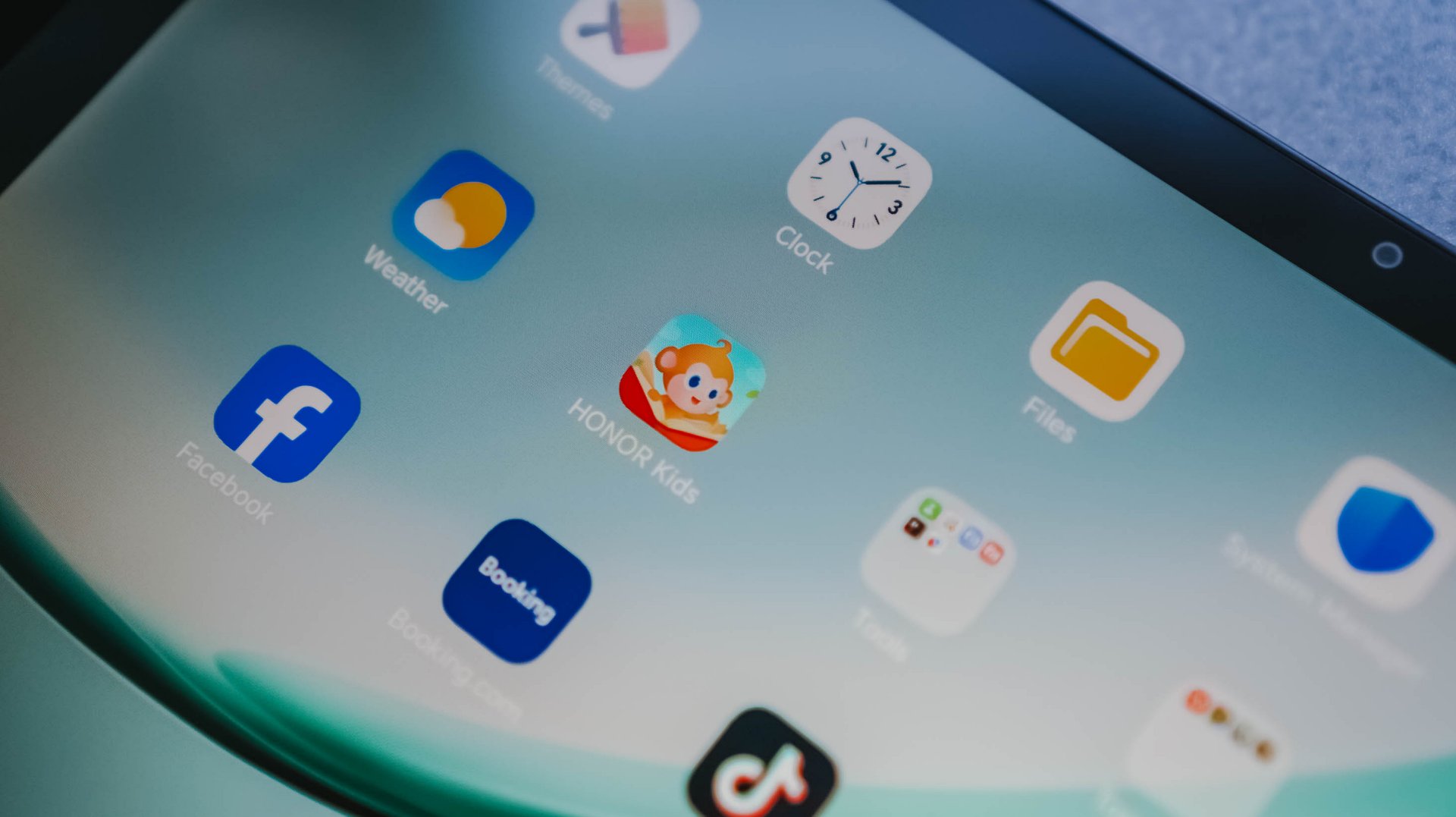
This also makes sense for first-time tablet users in general. If you’ve never owned one, or you’ve always wondered if a tablet fits somewhere between your phone and laptop, this feels like a low-commitment way to find out.
Not a big investment. Not a big adjustment. Just something to try.
Built for watching, not pushing

Julie freaking Han
Most of that experience revolves around media consumption.
The display is… nice enough. It gets the job done. Colors are decent, viewing is comfortable, and for videos, it holds up better than expected.
Case in point: I watched KISS OF LIFE’s “Who is She” music video on this—mostly for miss freaking Julie Han, if we’re being honest—and it looked good.
That may not be what you want your kids watching. But for actual use, it gives you a good sense of what this screen can deliver.
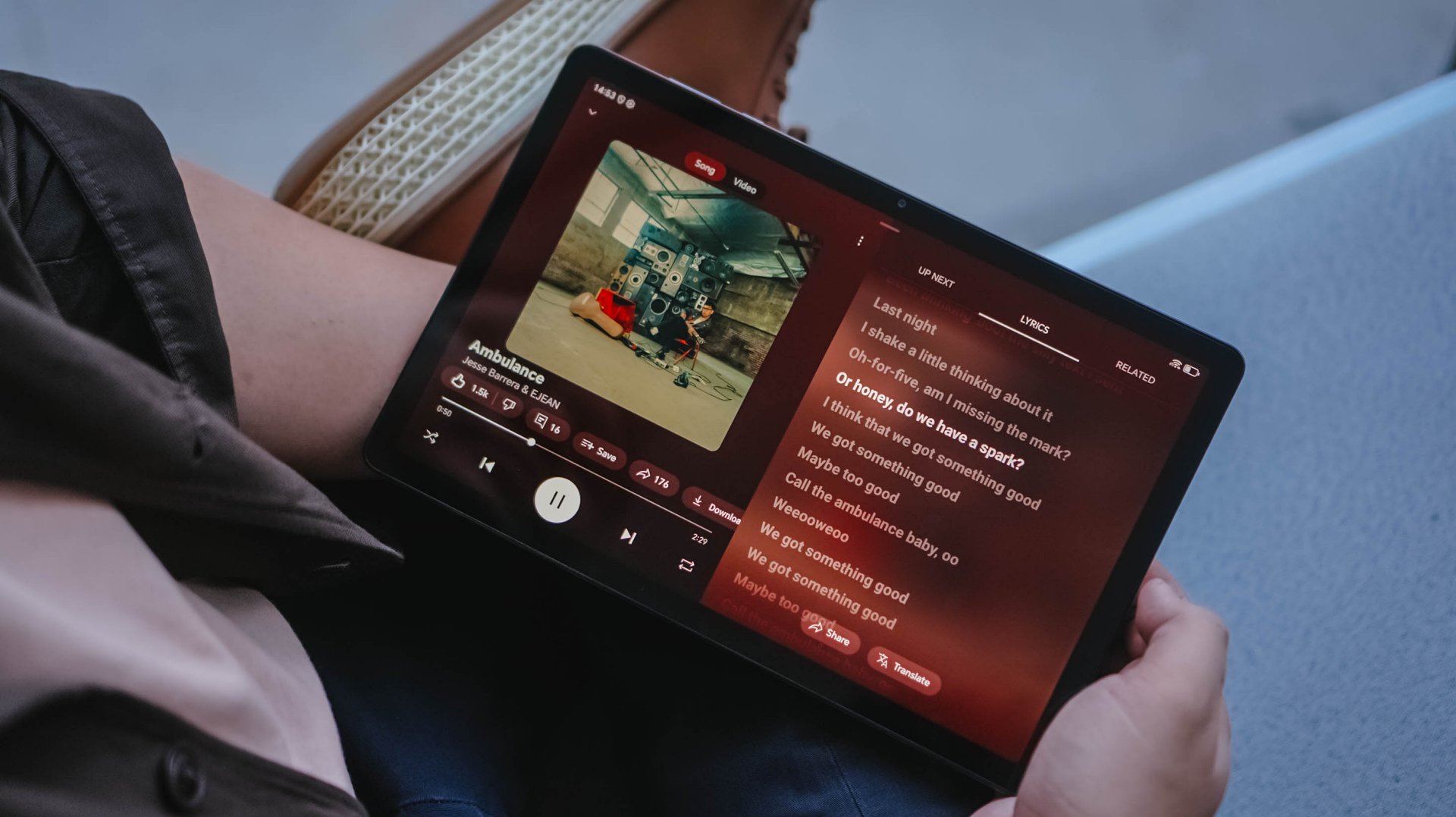
This has been on consistent rotation lately
Audio is also decent. Not groundbreaking, but not thin either. I ran AMBULANCE by Jesse Barrera and EJEAN through it, and it had enough body to feel enjoyable without immediately reaching for headphones.
Put those together, and you get a tablet that’s easy to pick up for Netflix, YouTube, or Spotify. The kind of device that lives on a coffee table or bedside, ready when you just want a bigger screen for casual viewing.
Where you feel the limits

But it doesn’t take long before you notice where things slow down.
Even just swiping around the interface, there’s a certain lack of fluidity. Nothing completely breaks, but it’s not the kind of experience that disappears into the background either. You feel it.
Apps open fine. Navigation works. But everything carries a slight hesitation that reminds you this isn’t built for speed.
And that’s really the trade-off.
This tablet leans heavily into light use—watching, browsing, maybe some casual apps. The moment you expect more responsiveness or try to push it harder, the limits start to show.
What you’re actually getting
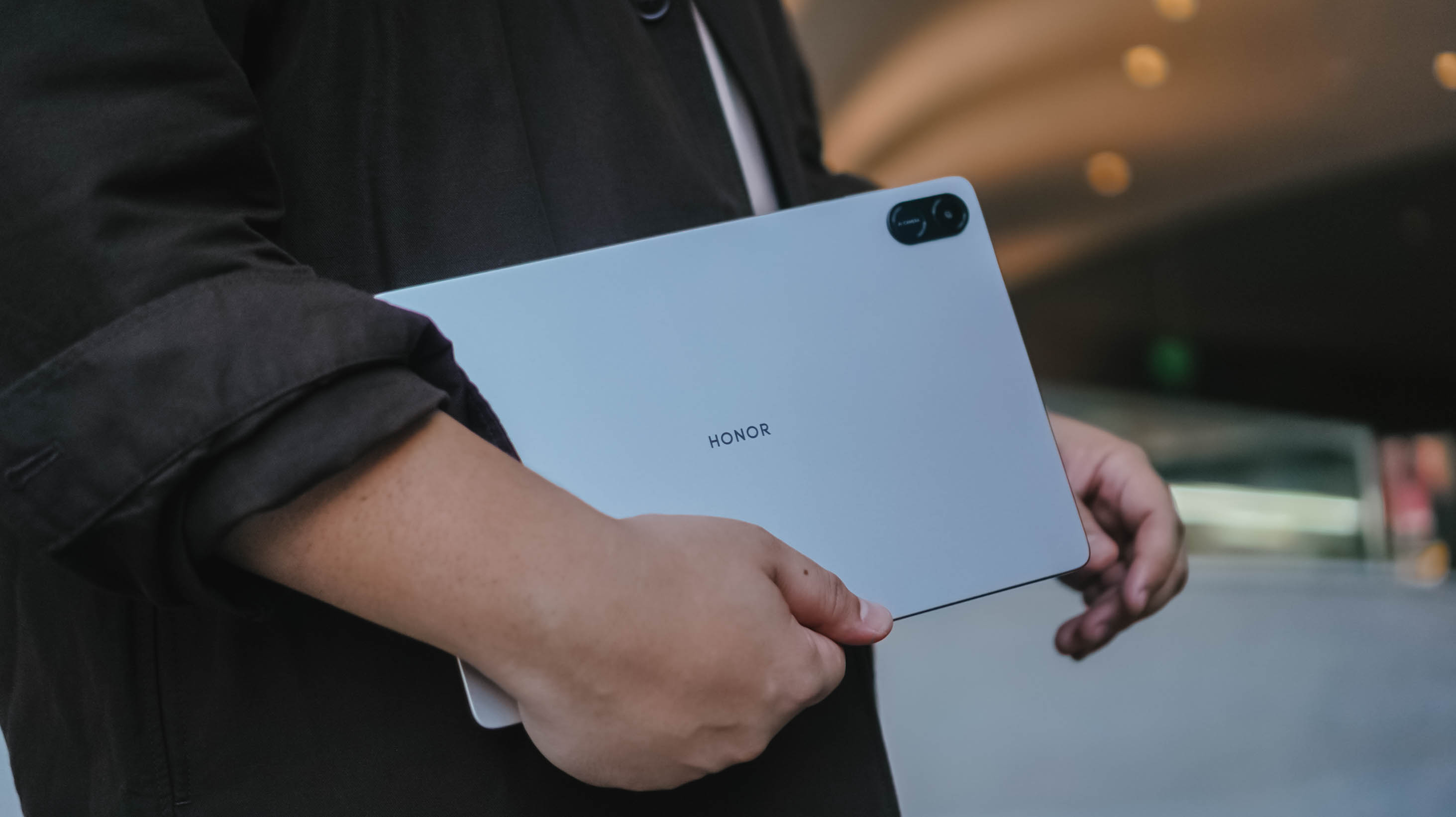
Before we get into pricing, here’s a quick look at what the HONOR Pad X8b brings on paper:
- 11-inch HONOR Eye Comfort FullView display
- 10100mAh battery (up to multiple days of light use)
- Qualcomm Snapdragon 680 processor
- Quad-speaker system
- Storage options up to 256GB with RAM expansion
- Metal body with drop and crush resistance focus
- MagicOS 10 (Android-based)
- HONOR Kids Edition with parental controls
It’s a spec sheet that prioritizes the basics—big screen, long battery, and durability—over outright performance.
So where does it land?

At PhP 9,999 (special TikTok shop price in the Philippines, the HONOR Pad X8b lands exactly where it needs to. Not cheap enough to ignore—but accessible enough to try.
At the end of the day, this isn’t trying to be more than it is. It’s a starting point. A way to figure out if a tablet fits into your routine.
If you’re curious about tablets, this tells you real quick if it’s for you.





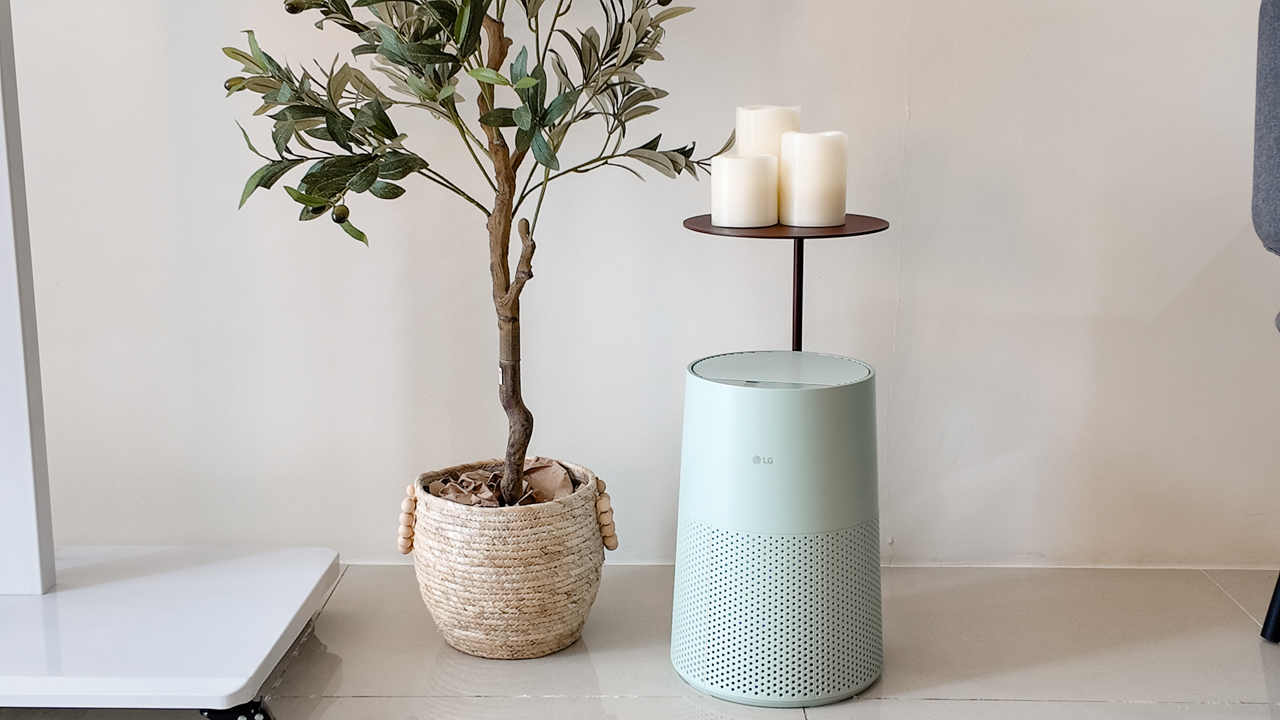
Moving into a new space comes with a long list of things to figure out, and lately, I’ve been paying more attention to something that’s easy to overlook: air quality.
After using the LG AeroMini for about a month, it has become a subtle but welcome addition to my space. It helps make the room feel fresher, while its compact and stylish design fits naturally into my setup. Here are the things that stood out to me most after living with it for a month.
360° purification for a fresher space
One of the things I appreciate about the AeroMini is its 360° air purification, designed to bring purified air in every direction.
For me, this is particularly useful in a new space where I’m spending a lot of time working, relaxing, and just settling in.
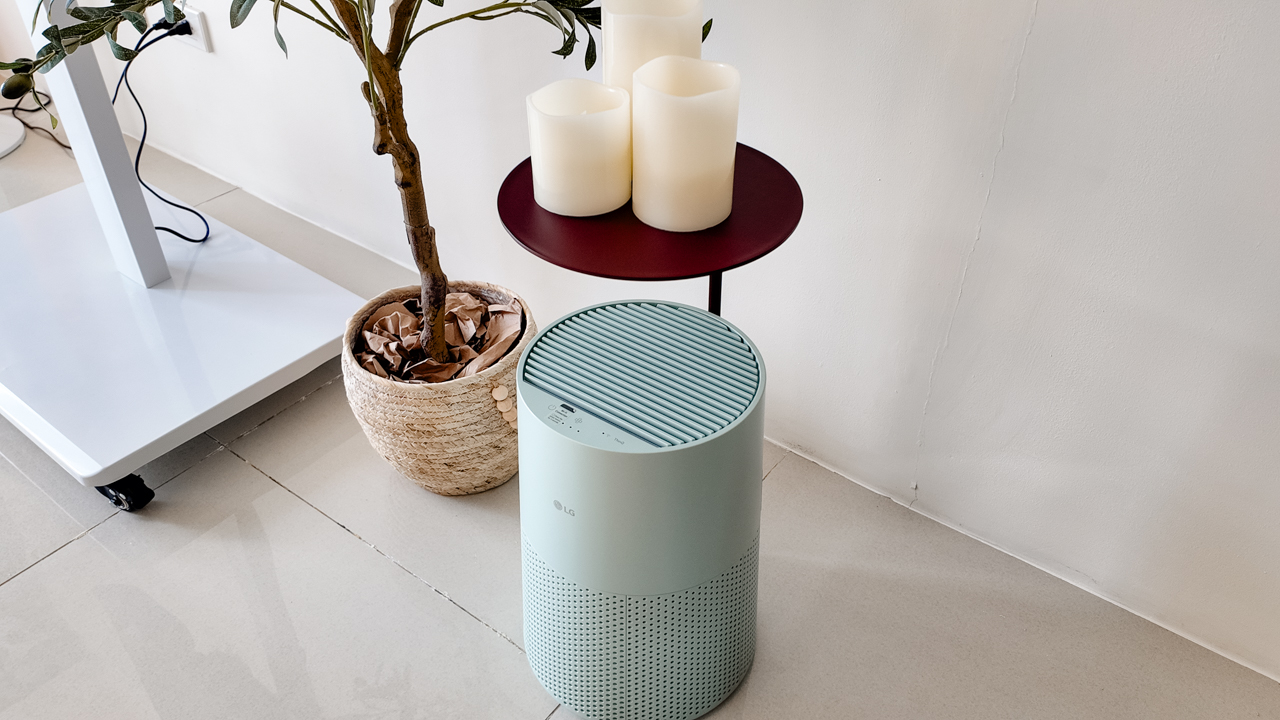
Combined with its True HEPA filter, which is designed to remove 99.999% of 0.01μm fine dust and allergens, it gives me added peace of mind about the air I’m breathing every day.
After a month, I can genuinely say that the space feels fresher with it running.
Surprisingly quiet
This is probably my favorite feature.
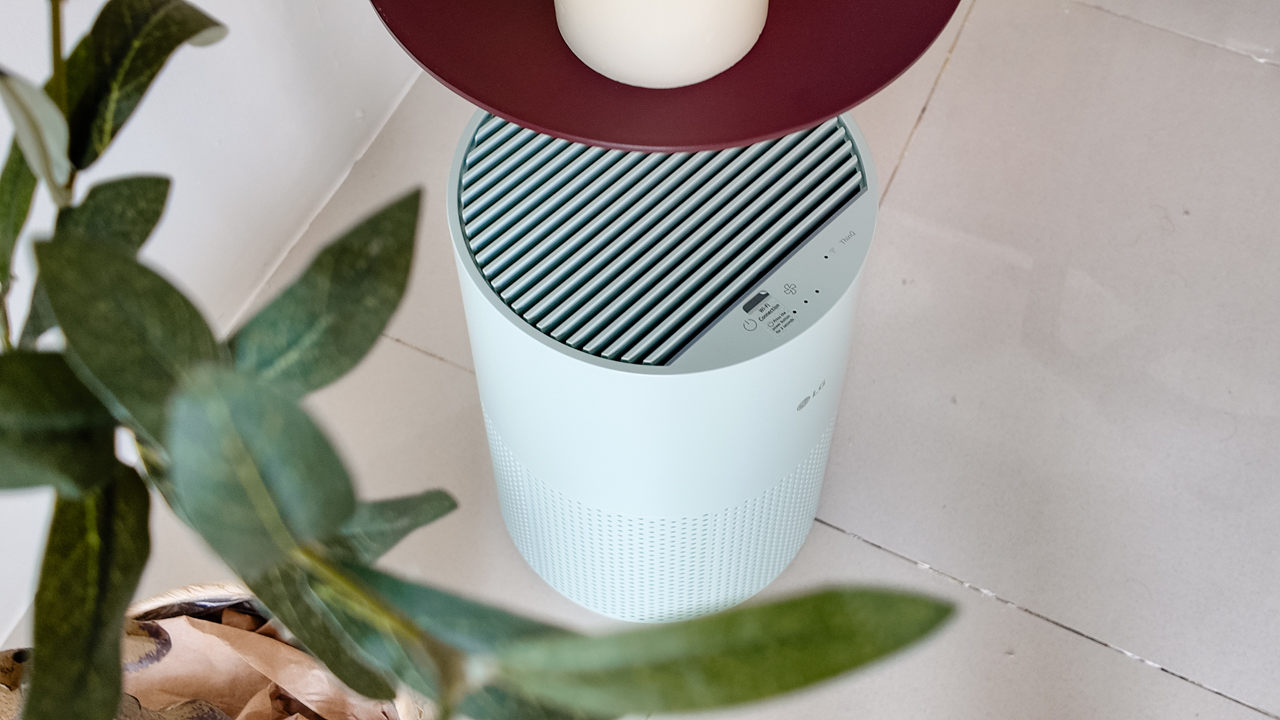
The LG AeroMini operates at just 26dB, and after using it for a month, what stands out is how easy it is to forget that it’s even running.

I can have it running while I’m working or sleeping without the noise becoming a distraction. For an appliance that’s designed to continuously improve the air around you, I think that’s a big deal.
Sometimes, the best feature is the one you barely notice.
Design that fits my space
Since I recently moved, I’ve been pretty conscious about what I bring into the space. I want things to be functional, but I also don’t want appliances that feel like they’re taking over the room.
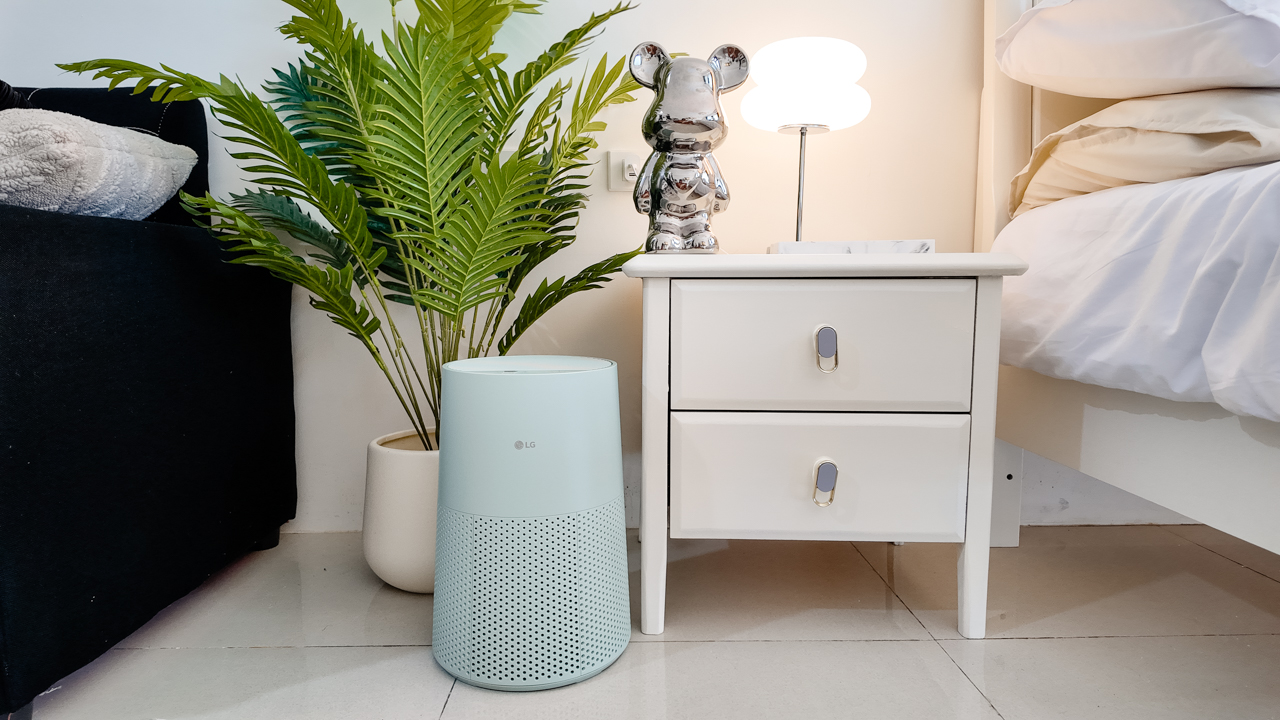
The AeroMini’s slim and compact design makes it easy to incorporate into my setup. It doesn’t feel bulky or industrial, and I like that I can leave it out without feeling like I need to hide it away.
For me, that balance between functionality and aesthetics makes it feel more like part of the space rather than just another appliance.
Air quality at a glance
Another feature I’ve found convenient is its Smart Control. Through the app, I can monitor and control the AeroMini while getting real-time updates on the indoor air quality.
It’s a small convenience, but being able to check the air quality without having to interact with the purifier directly makes it easier to keep track of what’s happening in the room.

Easy to maintain
I also appreciate that the AeroMini is designed with an all-in-one dust and deodorization filter that makes replacement and maintenance easier.
That matters to me because the best home gadgets are the ones that don’t create another complicated chore. I want something I can set up, use regularly, and maintain without too much fuss.

After a month, would I keep it?
Yes, and mainly because it quietly fits into my everyday routine.
The LG AeroMini has helped make my new space feel fresher and more comfortable, while its compact design means it doesn’t compromise the look of the room. But if I had to pick just one thing I appreciate most, it’s still how incredibly quiet it is.

It’s one of those upgrades that doesn’t demand your attention. It simply works in the background.
If you’re also looking to make your home a fresher and more comfortable space for yourself and your family, visit https://www.lg.com/ph/ to learn more about the LG AeroMini and how it can fit into your everyday life.
Hands-On
Apple iPhone 18 Pro Series Hands-on
And everything announced during Apple’s September 2026 Event

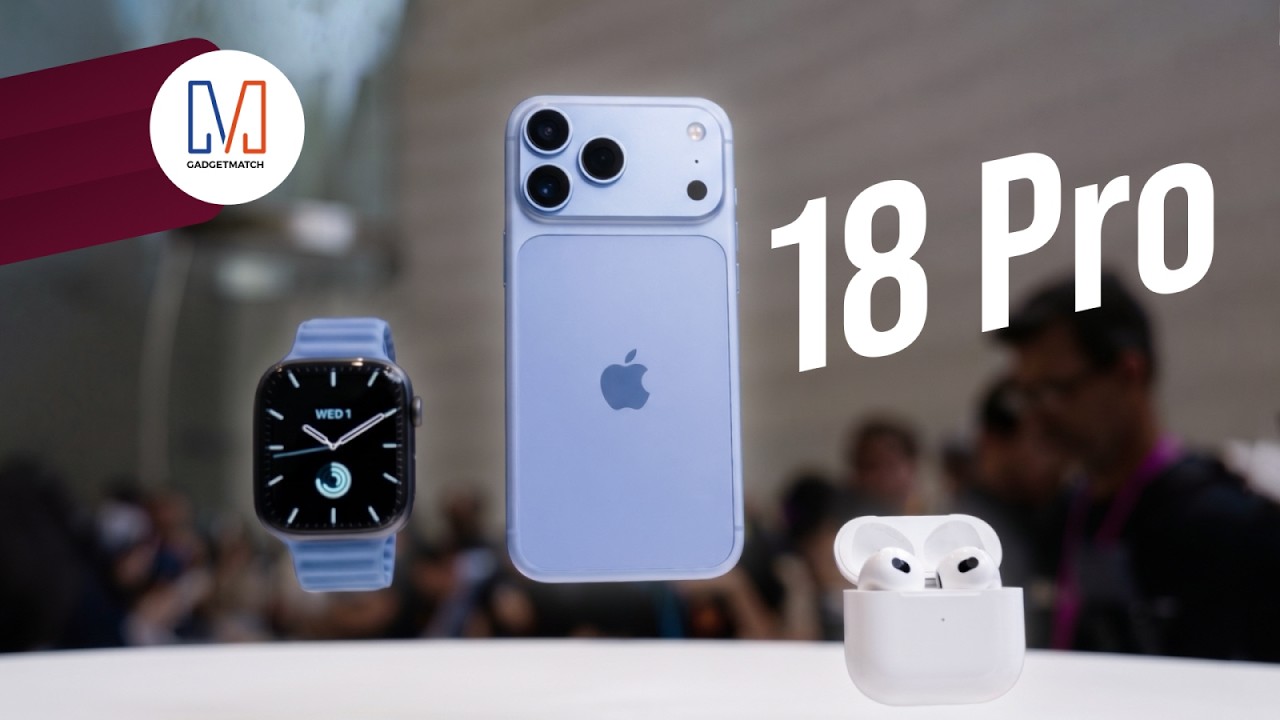
The latest Apple event isn’t just about the shiny new Apple Duo. There’s a lot to talk about!
In this video, we break down everything Apple has announced during their September 2026 keynote.
First, there’s the updated iPhone 18 Pro and 18 Pro Max. That’s alongside their design and color changes, battery and performance improvements. Even that massive camera upgrade.
There’s even the ANC-infused AirPods 5 alongside the newer Apple Watch Series 12 and Apple Watch Ultra 4. Plus, the latest software updates coming to both these wearables.
So, are these worth the upgrade?

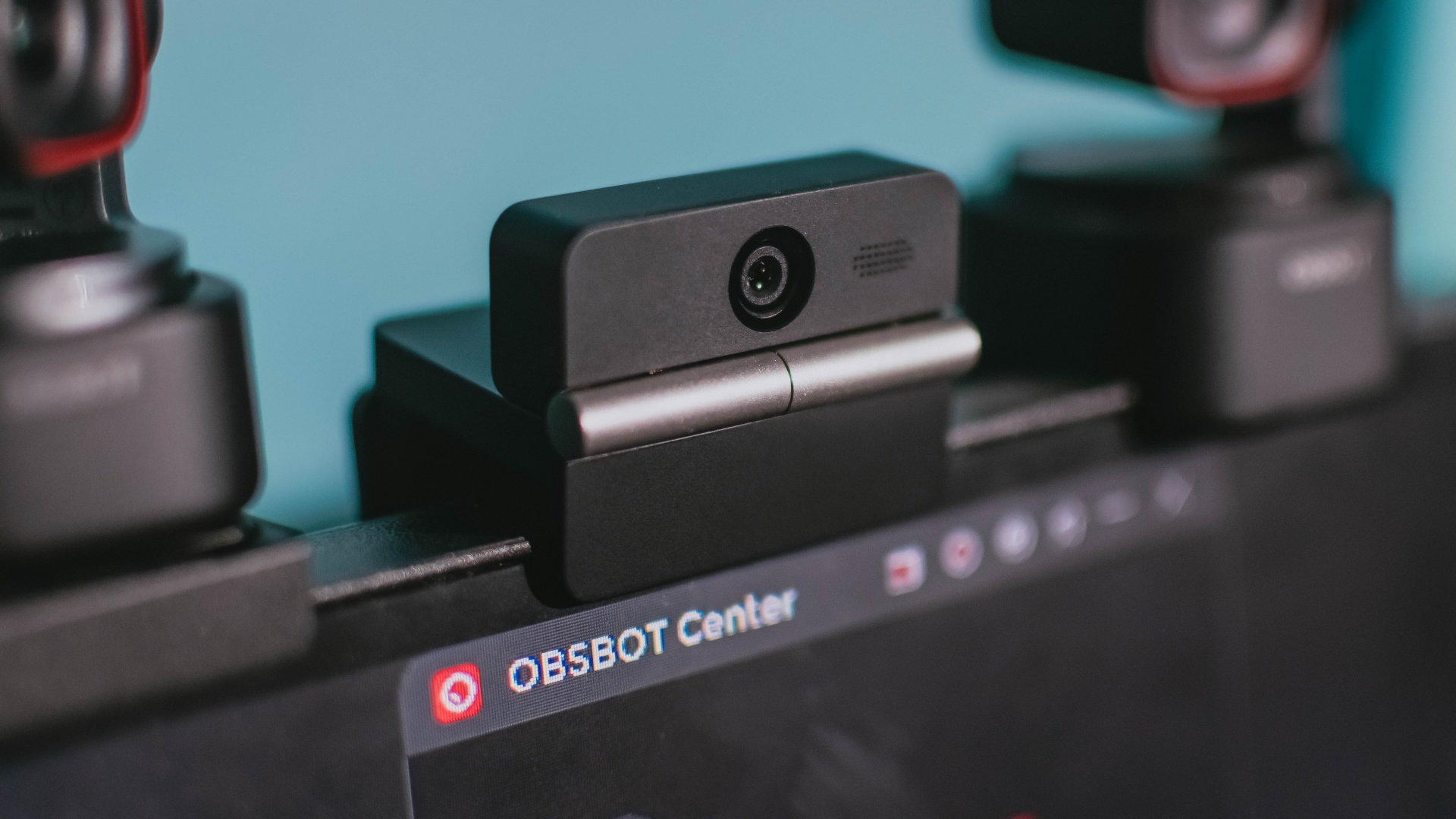
Phones flip and fold. Now webcams do too.
Foldable screens have found their way into phones, tablets, and laptops in recent years. Now, OBSBOT is taking that idea in a considerably smaller direction: the webcam.
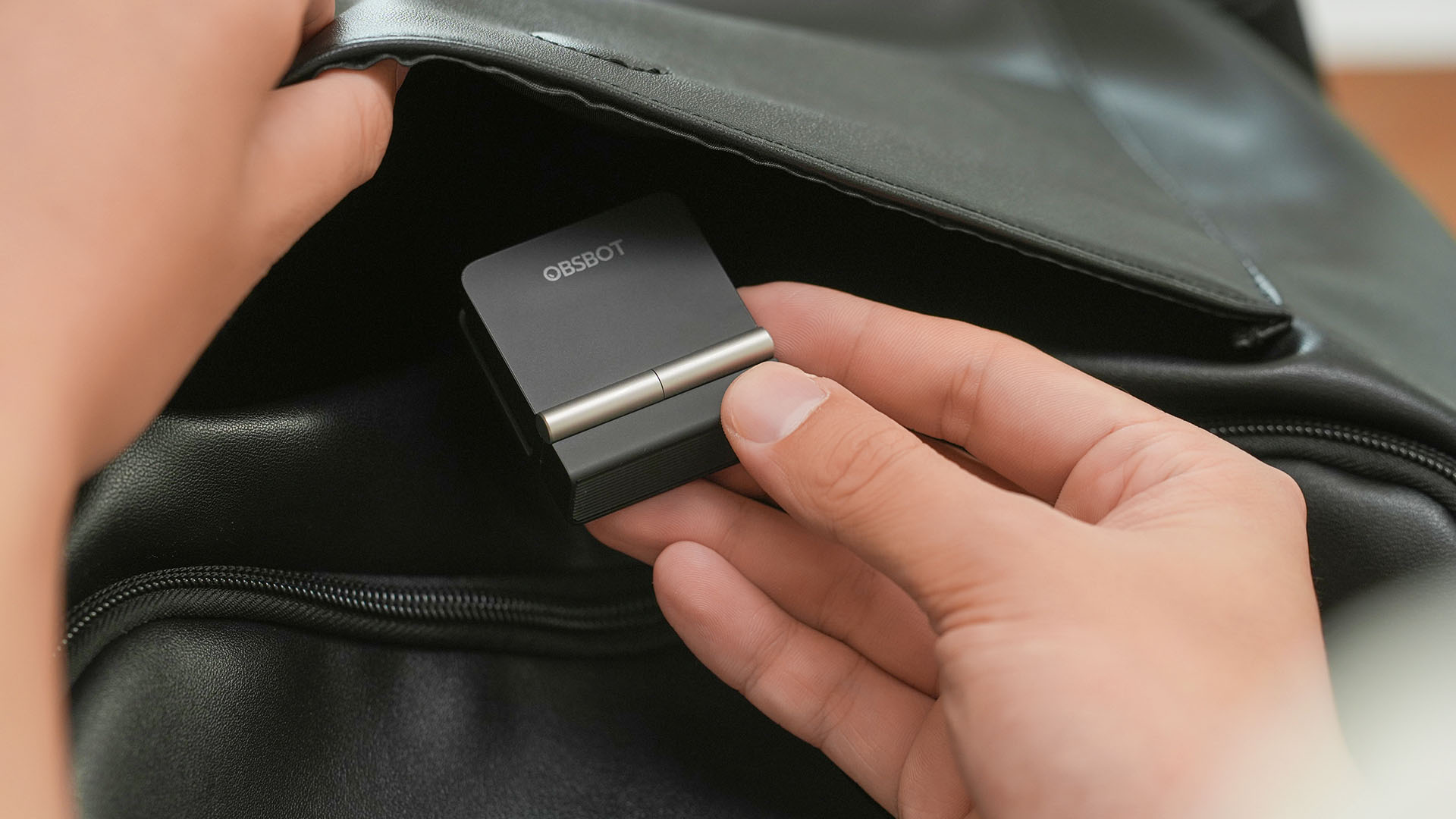
The OBSBOT Meet Flip is the company’s first foldable 4K webcam packing:
- 1/2-inch stacked CMOS sensor
- intelligent audio
- a collection of AI-powered meeting tools
All of these inside a body weighing just 37.7 grams.
A fold that does something, not just a gimmick
The OBSBOT Meet Flip isn’t foldable just to make it easier to throw into a bag.
Closing the webcam physically blocks the lens and puts the device into sleep mode. Open it when you want to be seen, flip it shut when you don’t.
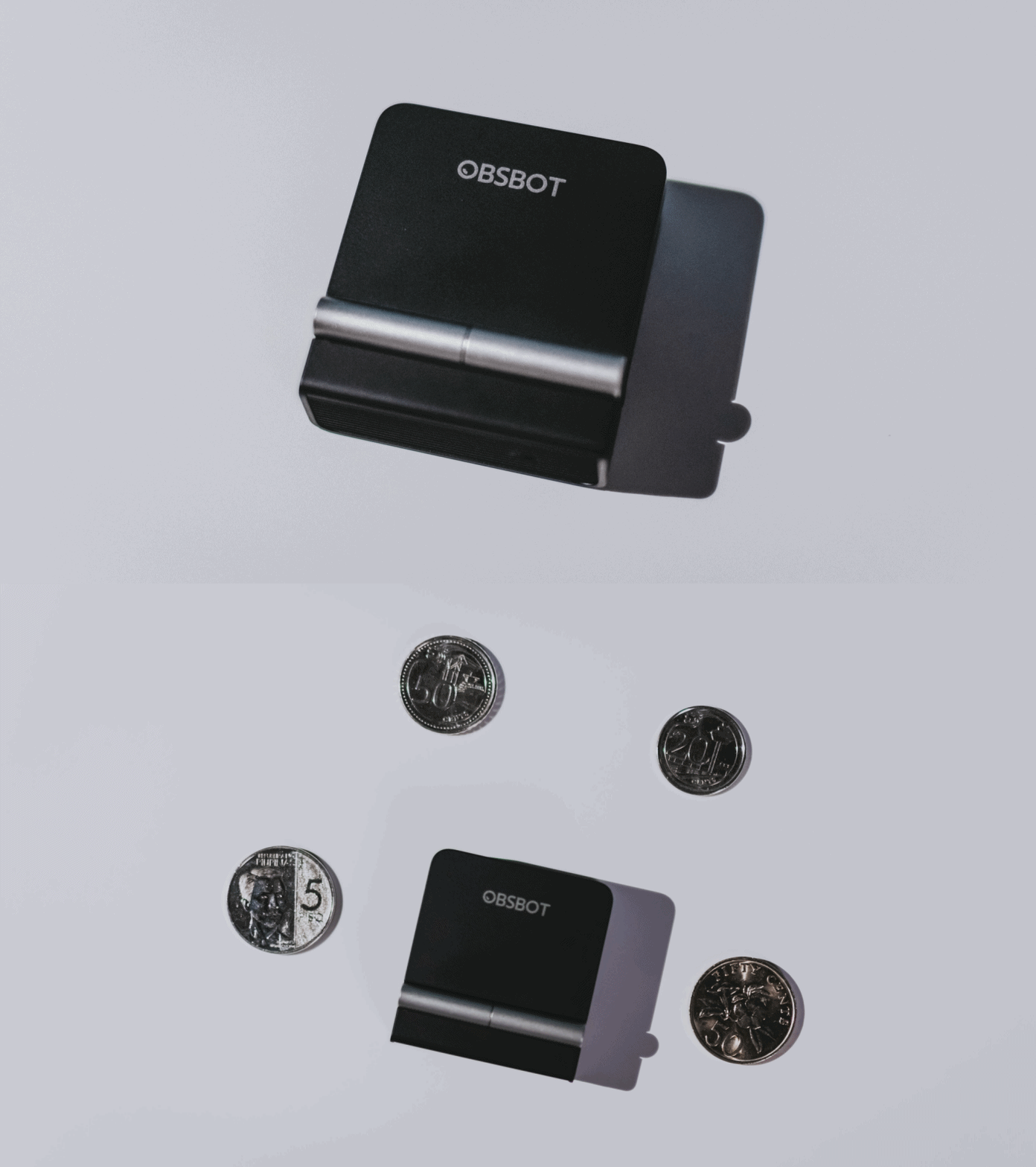
A physical privacy cover isn’t novel in itself. What’s clever here is how it’s part of the folding design.
As someone with a love-hate relationship with data privacy, I almost always keep some physical barrier over my laptop webcam. And if I can avoid having a webcam there entirely, even better.
Serious camera hardware in a pocket-sized webcam
Despite its size, OBSBOT hasn’t treated the Meet Flip like a basic laptop-camera replacement.
Inside is a 1/2-inch Exmor RS stacked CMOS sensor with Quad Bayer technology, capable of recording 4K UHD at 30 fps or 1080p at 60 fps. It also packs an f/1.8 aperture, HDR, PDAF autofocus, ISO 100–6400, and up to 4x digital zoom.
At its core is a 1/2-inch Exmor RS stacked CMOS sensor with Quad Bayer technology.
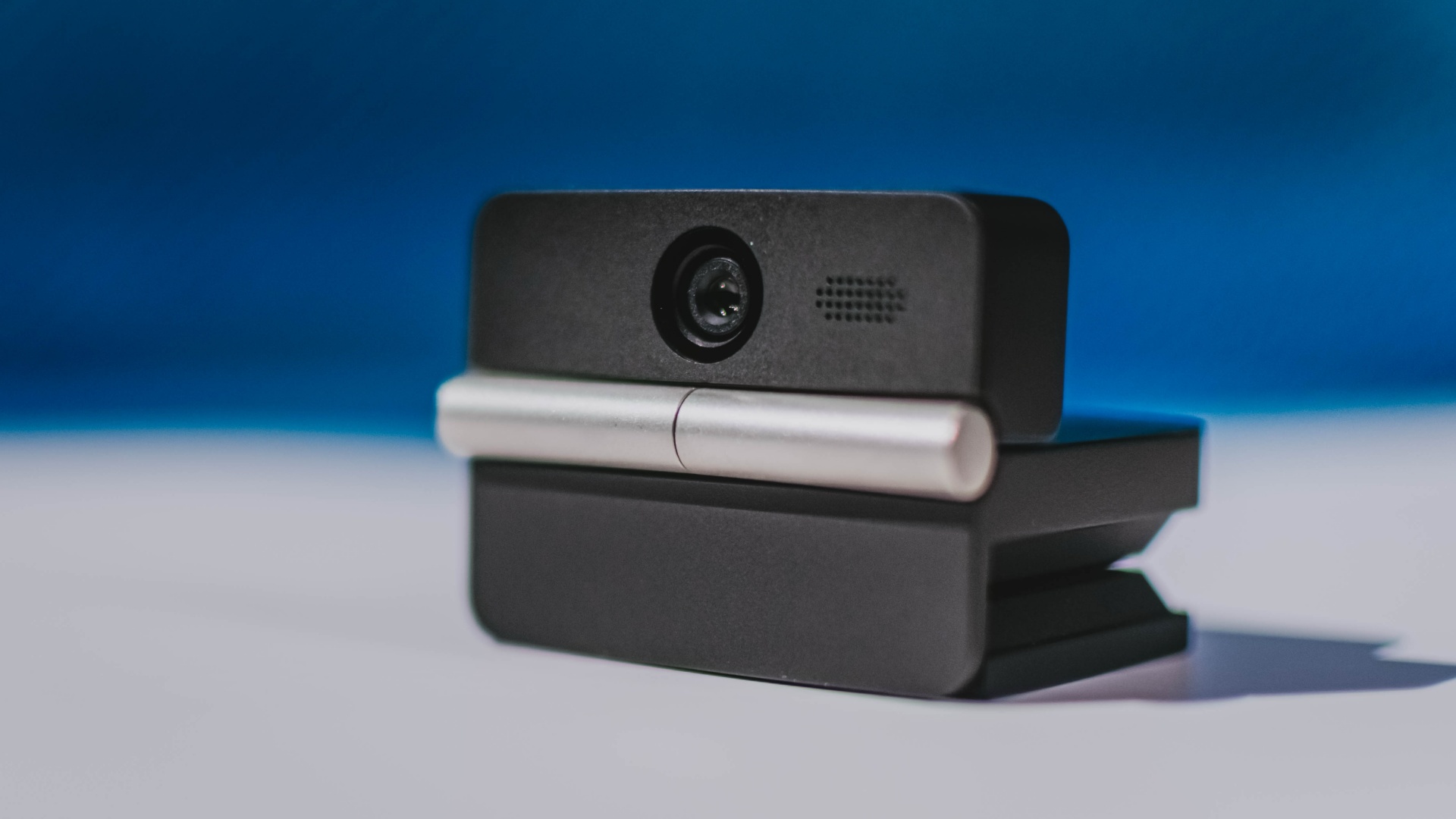
It can record:
- 4K UHD at 30fps
- 1080p at 60fps
You also get:
- f/1.8 aperture
- HDR
- PDAF autofocus
- ISO 100–6400
- up to 4x digital zoom
On paper, that gives the Meet Flip a better shot at handling the situations built-in laptop webcams often struggle with: dim rooms, harsh backlighting, changing lighting conditions, or simply moving around in front of the camera.
HDR helps keep faces visible against bright backgrounds, while PDAF autofocus continuously adjusts focus as you move closer to or farther from the lens.
The wider f/1.8 aperture should also help in less-than-ideal lighting.
The point is that once the Meet Flip is set up, you shouldn’t have to spend much time thinking about the camera itself.
It listens differently depending on the room setup
The Meet Flip also uses an intelligent dual-microphone system combining omnidirectional and directional microphones.
Instead of relying on one pickup pattern for every situation, it offers four audio modes for different setups:
Directional Mode focuses on sound coming from the front, making it the obvious choice for solo calls.
Dual-Directional Mode listens to both the front and rear of the webcam, which could be useful for interviews or conversations between two people sitting across from each other.

Smart Omni Mode is designed for group meetings, picking up voices from around the room.
And Pure Audio Mode provides unprocessed left and right stereo channels for users who would rather handle the audio themselves in post-production.
Auto Gain and AI Noise Reduction also work across the first three modes, helping clean up audio without requiring much manual adjustment.
It gives the Meet Flip more flexibility than a typical webcam microphone, especially if you regularly switch between solo calls, interviews, and group meetings.
AI that doesn’t intrude
AI has become an almost obligatory addition to new hardware in 2026, but several of the Meet Flip’s features put it to work on real-world meeting annoyances.
AI Auto Framing keeps you in frame, with options for:
- Group
- Single Close-up
- Upper Body
- Full Body
Gesture controls can also toggle Auto Framing or adjust the zoom without reaching for a keyboard or mouse.
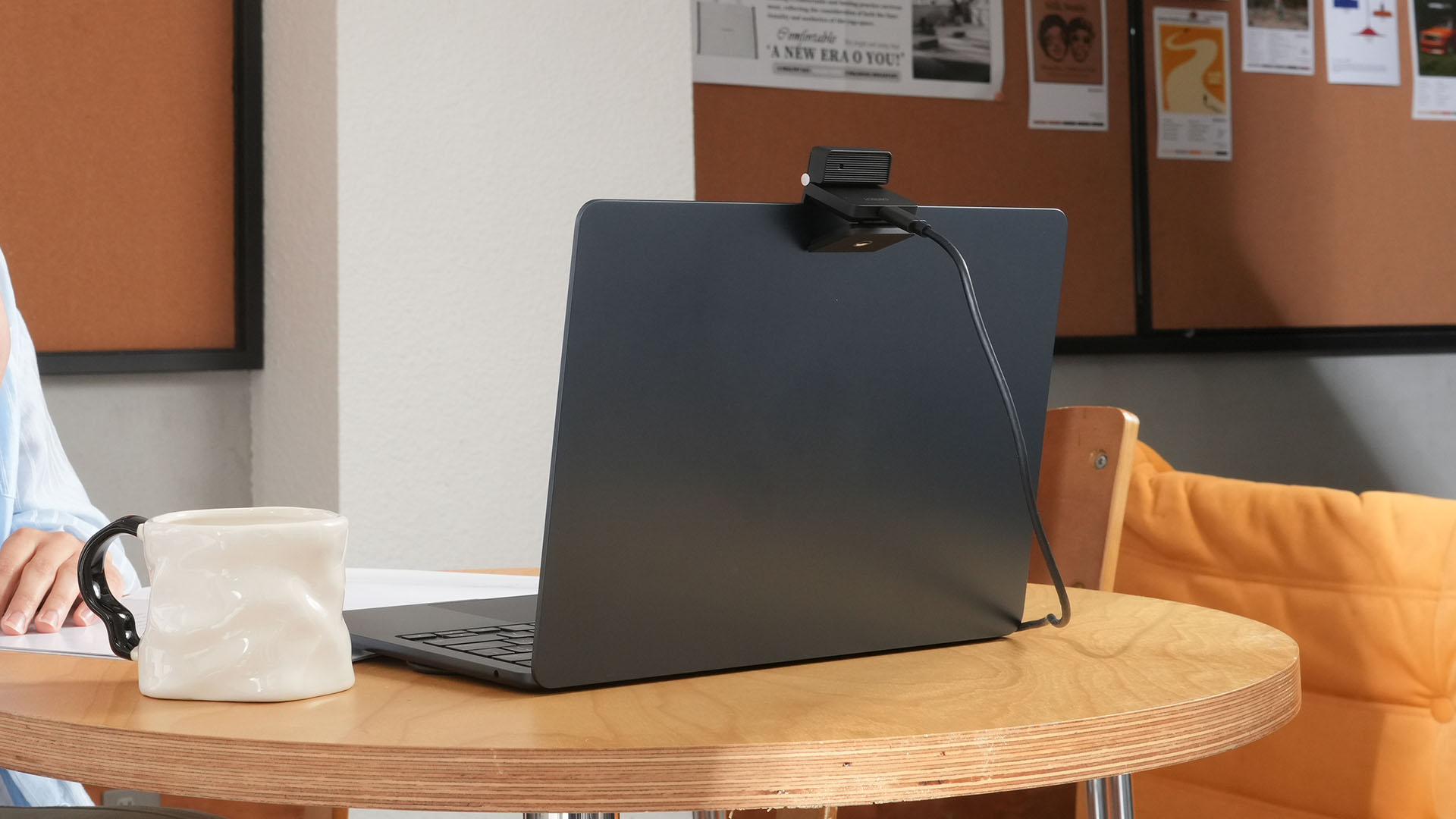
More interesting is AI Magic Notes.
Through OBSBOT Center, it provides real-time transcription and can automatically generate meeting summaries with key points, decisions, and action items. It works across Google Meet, Zoom, and Microsoft Teams.
Although AI Magic Notes is offered as a subscription service, every Meet Flip includes 120 complimentary minutes to get started.
MORE with OBSBOT Center & OBSBOT Live
There are plenty of other software features as well. OBSBOT Center includes:
- Background Blur and Background Replacement
- Real-Time Beauty Mode
- Picture-in-Picture overlays
- Smart Eye Tracking
- Teleprompter support
- Detailed image adjustments
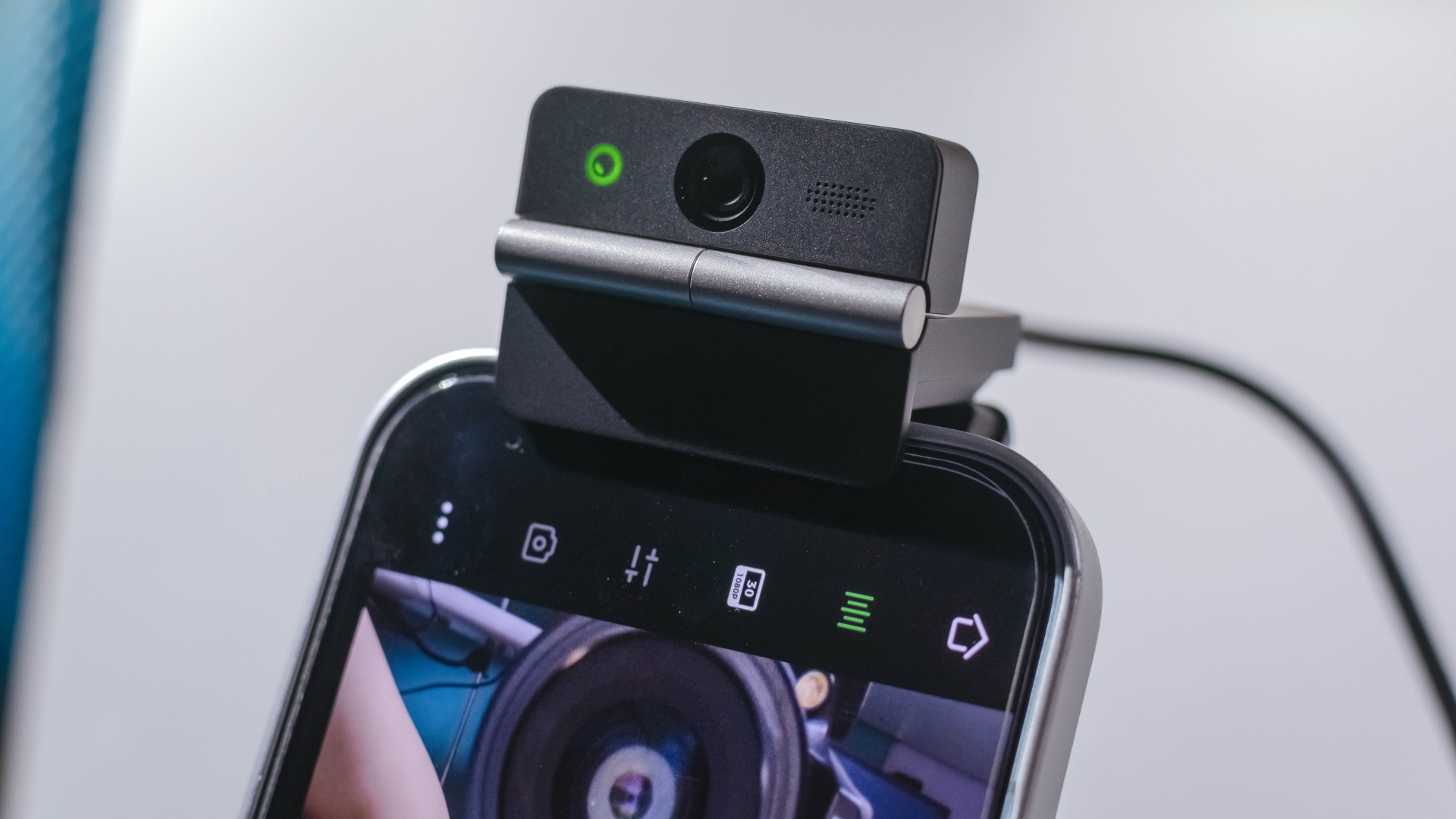
The Meet Flip isn’t limited to laptops or desktops either. Through OBSBOT Live, it can connect directly to smartphones and tablets over USB-C for mobile streaming and content creation.
Flip it open. Fold it away.
None of those features reinvent the webcam on their own.
Taken together, though, they make the Meet Flip a more thoughtful take on a piece of hardware whose basic design and features have barely changed.
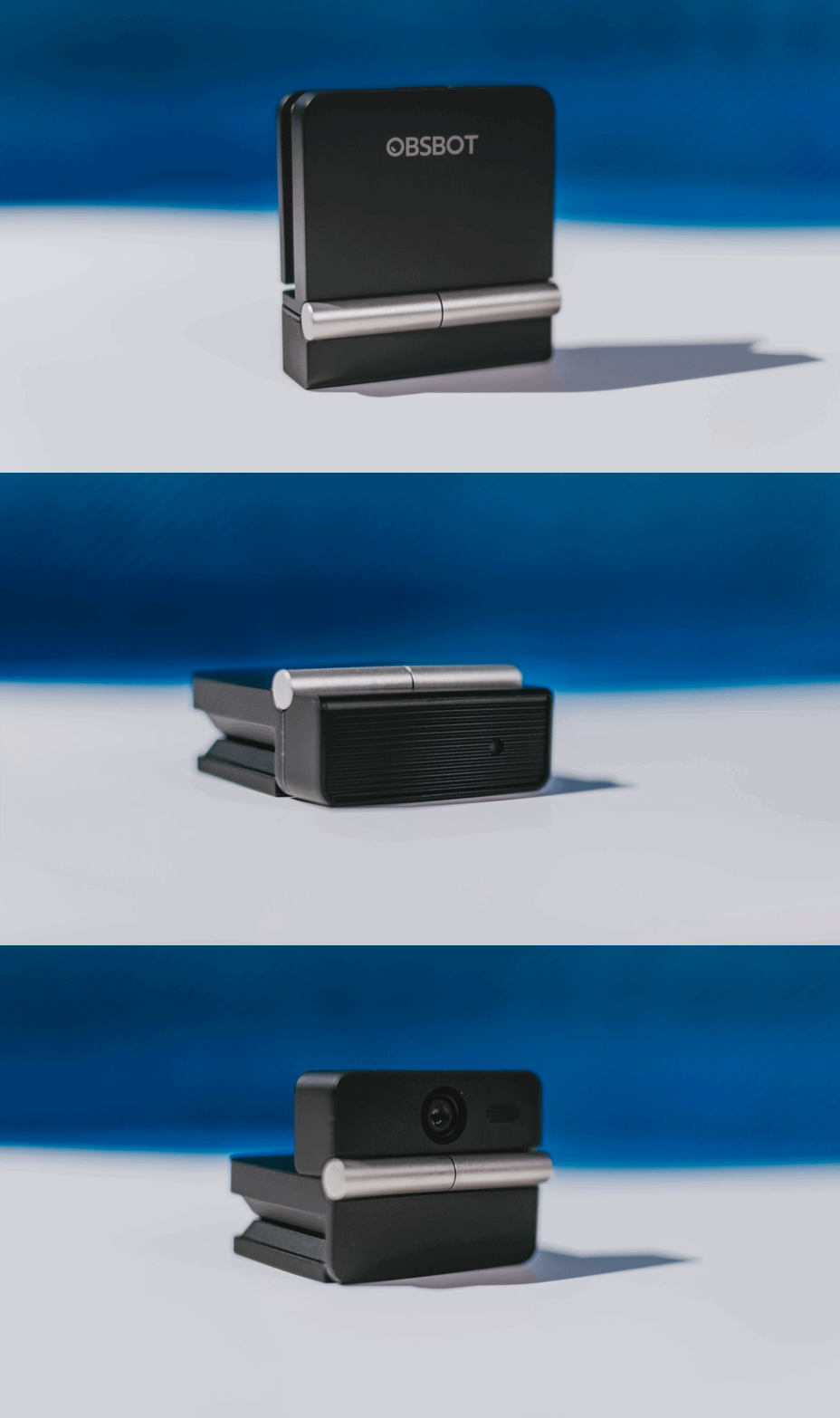
The flip may grab your attention first, but it’s how OBSBOT uses that design alongside its camera, audio, and software features that makes the Meet Flip interesting.
The OBSBOT Meet Flip is now available at US$ 119 and is currently available through OBSBOT’s official store, Amazon US, and select retailers.
&
@gadgetmatchPhones flip. Now webcams do too. 👀 Meet the OBSBOT Meet Flip, a tiny foldable 4K webcam with a lot packed inside. ✨
If you buy one, here’s what you’ll get out of the box!



GrabCar Group Ride now splits the fare automatically

Sony unveils three premium Walkman music players

iPhone Duo Philippines: Prices, installments, and where to buy
![KINGDOM HEARTS Collection [I-III]](https://www.gadgetmatch.com/wp-content/uploads/2026/10/kingdom-hearts-colletion-I-III-202610-80x80.png)
KINGDOM HEARTS Collection [I–III] now available on PS5, Switch 2

TECNO CAMON Slim 5G gets launch discounts, free MagBadge

vivo X500 Series launches with major imaging upgrades

OPPO Find X10 Pro Max is the first phone with a triple 200MP camera system

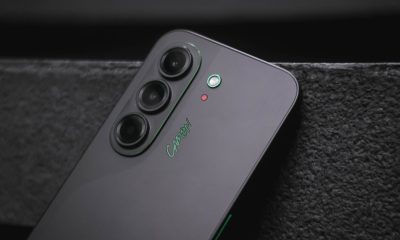
TECNO CAMON Slim 5G: Price, availability in the Philippines

TECNO CAMON Slim 5G review: Slim on size, big on surprise

HONOR Magic9 Pro Max launches in China with ARRI-powered imaging


-

 News1 week ago
OPPO Find X10 Series launches globally October 21
-

 News2 weeks ago
Sony teams up with Hello Kitty for exclusive limited-edition collection
-

 Features2 weeks ago
Nike’s new race-day system, explained
-

 Wearables1 week ago
Garmin Enduro 4 promises up to 320 hours of battery life
-

 Gaming2 weeks ago
The Ace Combat 8: Wings of Theve launch event is happening this week
-

 News2 weeks ago
iPhone 18 series breaks records in Vietnam as pre-orders triple
-

 Gaming7 days ago
Dragon’s Dogma 2: Dark Arisen launches with new Official Pawns
-

 Deals7 days ago
Score PhP 22,000 in guaranteed freebies when you pre-order the iPhone 18 Pro at Beyond the Box