
Gaming
HoYoverse expands to life simulation genre with Petit Planet
Closed beta sign-ups now open

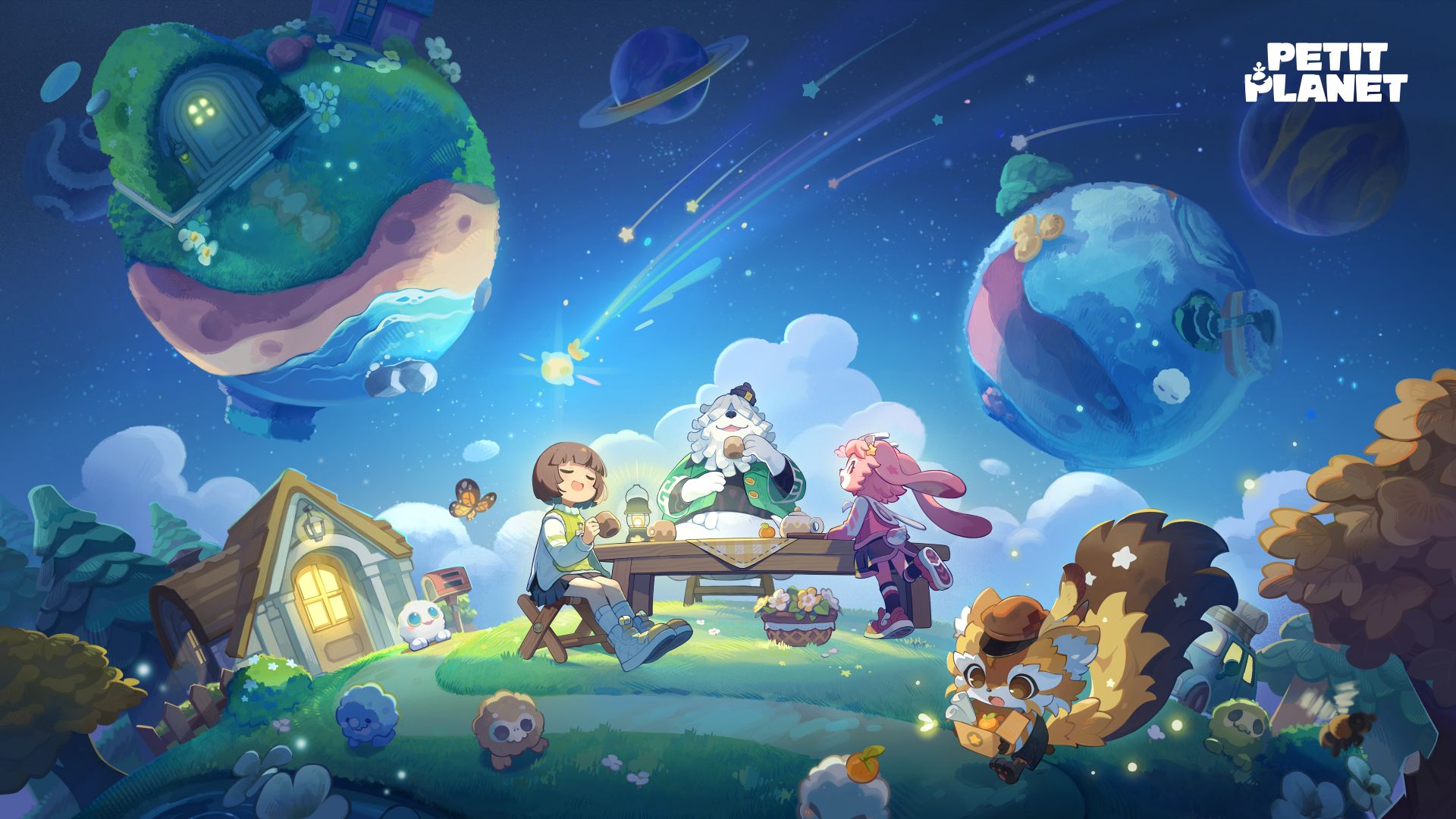
HoYoverse is venturing into the life simulation genre, announcing its very first Cosmic Life sim game, Petit Planet.
The title is confirmed for PC and is currently in development for more platforms. Creators are also exploring more possibilities of social and multiplayer gameplay.
In the meantime, closed beta sign-ups (called the “Coziness Test” sign-ups) are now open here.
In addition, a debut trailer has been revealed. The game carries the slogan “Weave Your Dreams Beneath the Stars”.
All about connections
In Petit Planet, players will embark on a journey fueled by idyllic yet adventurous lifestyles, unique neighbors, and surprising wonders.
As a life sim, the game unfolds everyday life with various joyful yet relaxing activities. There’s planting, fishing, mining, cooking, crafting, and more.
They are entrusted to nurture a planet of their own and gradually form a galaxy by connecting with different planets scattered across the starry sky.
Fuzzy neighbors can connect their home planets. As bonds deepen and planets flourish, Luca, the planet’s vitality, will shape each unique planet with different landscapes to make them brimming with life and energy.
Sparkling life moments also emerge as players progress with different tasks. The game offers customized options for creativity.
Players can stylish characters with favorite outfits, design interiors, or arrange outdoor spaces with themed furniture.
Luca can even transform the sky, grasslands, and beaches into new forms.
Meanwhile, the fuzzy companions each carry their own personalities and stories. Players can invite them to settle, and friendships can grow through several unique interactions.
Moreover, players can also board their trusty vehicles with neighbors to take a Starsea Voyage into unknown Islets for even more discoveries. Beyond exploration, there’s the Galactic Bazaar, an ever-bustling social hub.
Petit Planet weaves relationship building into daily activities so that as the planet prospers, so do the friendships upon it.





Gaming
The regular PlayStation 5 is getting an AI upscaling feature
The feature debuts with Wolverine and Ghost of Yotei.


If you’re an owner of a regular PlayStation 5, watching a PS5 Pro owner might touch you with a tinge of jealousy. Besides the upgraded console’s better hardware, it also has something called the PlayStation Spectral Super Resolution (PSSR), which uses AI to improve resolution and framerate. Unfortunately, that feature isn’t available on the regular console. But Sony is throwing the classic console a bone today by adding Quick Spectral Super Resolution (QSSR), which does the same as PSSR but on the older machine.
Since the introduction of PSSR, fans and developers alike have asked whether the older console can have a version of the technology. Developed with AMD, QSSR is an AI upscaling feature that improves performance for modern games on the PlayStation 5. For now, the feature is debuting first on Ghost of Yotei and Marvel’s Wolverine via a set of patches. Moving forward, Sony will also allow its developers to add the feature for their respective games.
Now, the choice of games is deliberate. Marvel’s Wolverine is still fresh on everyone’s mind. Meanwhile, Ghost of Yotei has just released a Complete Edition, which packs in a new story expansion and a roguelike mode. You don’t even need to Complete Edition or the corresponding paid upgrade to enjoy the new feature.
SEE ALSO: Ghost of Yōtei Complete Edition review: More of a great thing

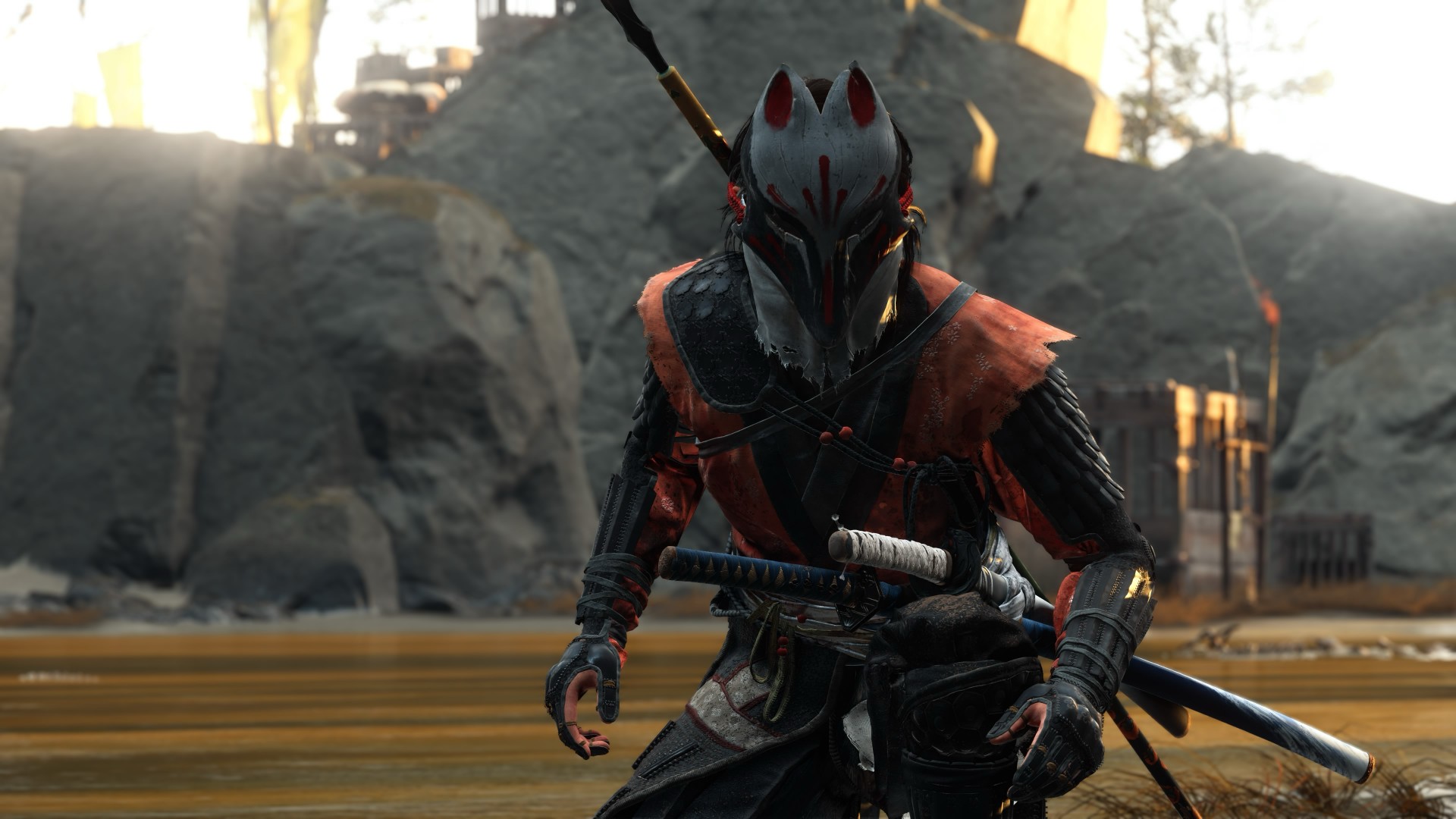
A year away from Ghost of Yōtei was enough to make me rusty. It wasn’t enough to make me forget why I loved it.
What immediately jumped out to me is how beautifully connected this game’s open-world mechanics are. Moving about and exploring felt like picking up where I left off after roughly a year of not really touching the game.
The Guiding Wind, the birds that point you toward locations of interest, and the encounters scattered throughout Ezo all work together to keep you busy without the tasks ever feeling like a chore. There is always something worth looking toward, whether it is a quest, a hidden location, or simply another reason to stop and appreciate the scenery.
And of course, the new area is just as beautiful as everything else we’ve seen in the base game.
That is probably the biggest compliment I can give Ghost of Yōtei Complete Edition. It does not feel like an expansion bolted onto an existing game. It feels like another excuse to step back into a world that already knew how to pull me in.
Picking up where I left off
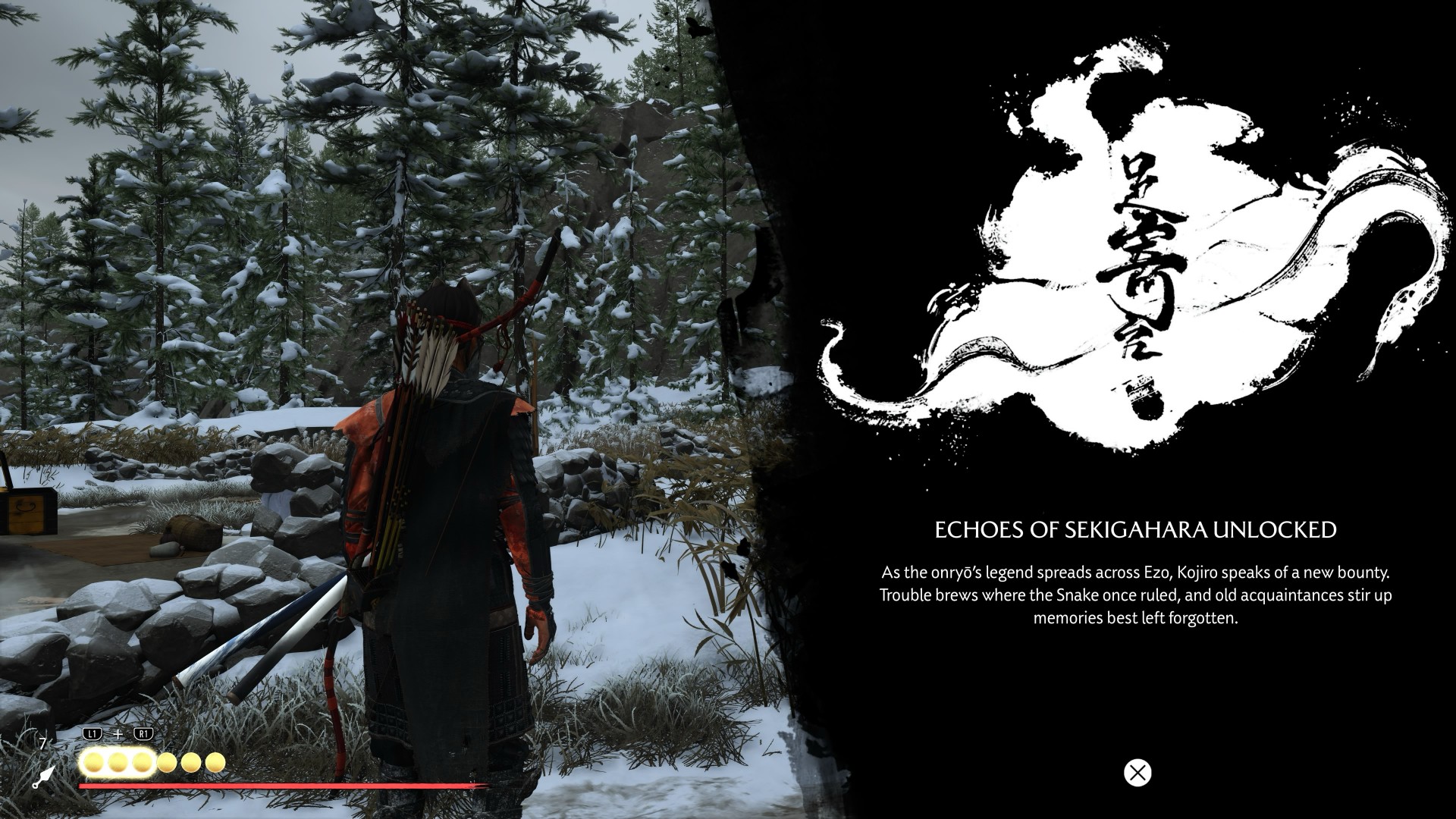
I started my playthrough of the Complete Edition with Echoes of Sekigahara. I thought it was going to be a quick romp, but it’s proving to be a longer experience than I initially thought it would be.
I’ve spent roughly five to six hours playing through it, and I don’t think I’m anywhere near completing the story.
That said, I did get sidetracked quite a bit.
Which tends to happen with these Ghost games.
Not to their detriment, though. Every other quest and encounter in the open world feels like a contained story on its own that is well worth your time. The game has a way of presenting distractions that never really feel like distractions. You can set out with one objective in mind, stumble into something else, and suddenly realize an hour has passed.
That familiarity came back surprisingly quickly.
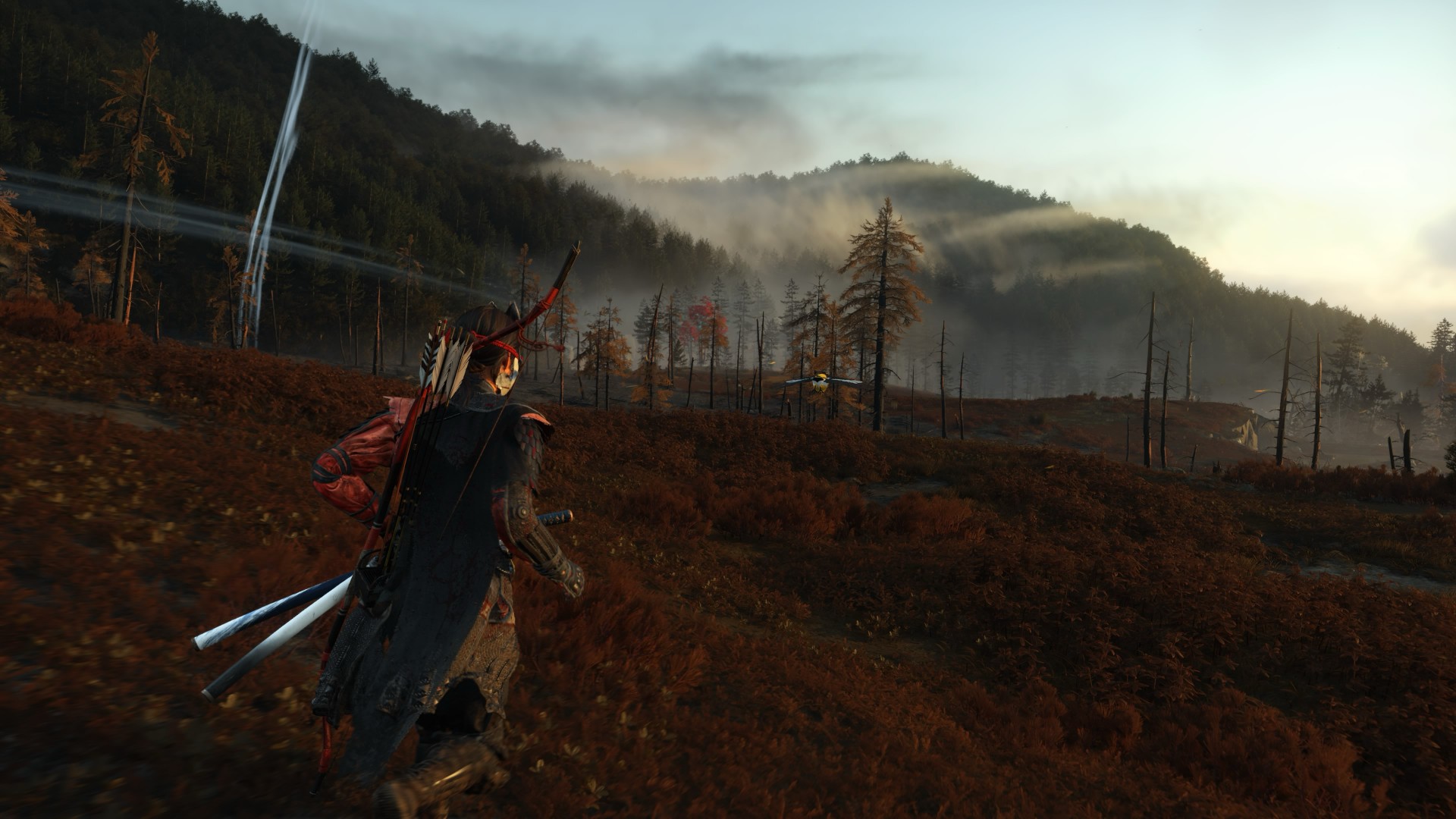
The new region introduced in Echoes of Sekigahara brings unfamiliar enemies, new weapons, and memories tied to Atsu’s past, giving the expansion its own identity while still operating within the systems that made the base game so easy to lose yourself in.
The Wolf quest line in particular was the first one I tackled, and it was quite a ride.
I’m deliberately leaving the details there.
This is the kind of story that is better experienced without knowing too much going in, and the review guidelines themselves ask reviewers to avoid major narrative developments and surprises.
Finding my footing again

While movement and exploration felt natural, it took me a while to get reacquainted with the combat.
My Atsu had many skills mastered, but being a year removed from the game meant I was rusty. I was dying against what I would consider fodder enemies.
There is something humbling about returning to a game where you once felt completely in control, only to discover that your muscle memory has apparently packed its bags and moved somewhere else.
Even now as I write this review, I don’t think I’ve gotten to the level I was when I first completed the game.
But I’m getting by just fine.
And that is partly because Yōtei gives you another toy to play with.
Massive weapons make a massive difference

Massive Weapons
The new wrinkle in combat is the Massive Weapons you get to pick up and swing around.
They are an absolute joy to use.
More importantly, they bailed me out of a few encounters already.
There is a satisfying weight to picking up one of these weapons and simply going to town on enemies. It changes the rhythm of a fight without asking you to relearn the entire combat system. After spending several hours trying to remember how I used to fight as Atsu, having the option to grab something enormous and start swinging was a welcome change of pace.
This was a definite win.
It also highlights one of the strengths of Yōtei’s combat. The foundation is already strong enough that adding another layer does not need to completely reinvent it. Sometimes, giving Atsu something massive to hit people with is enough.
Most Wanted keeps the blade moving
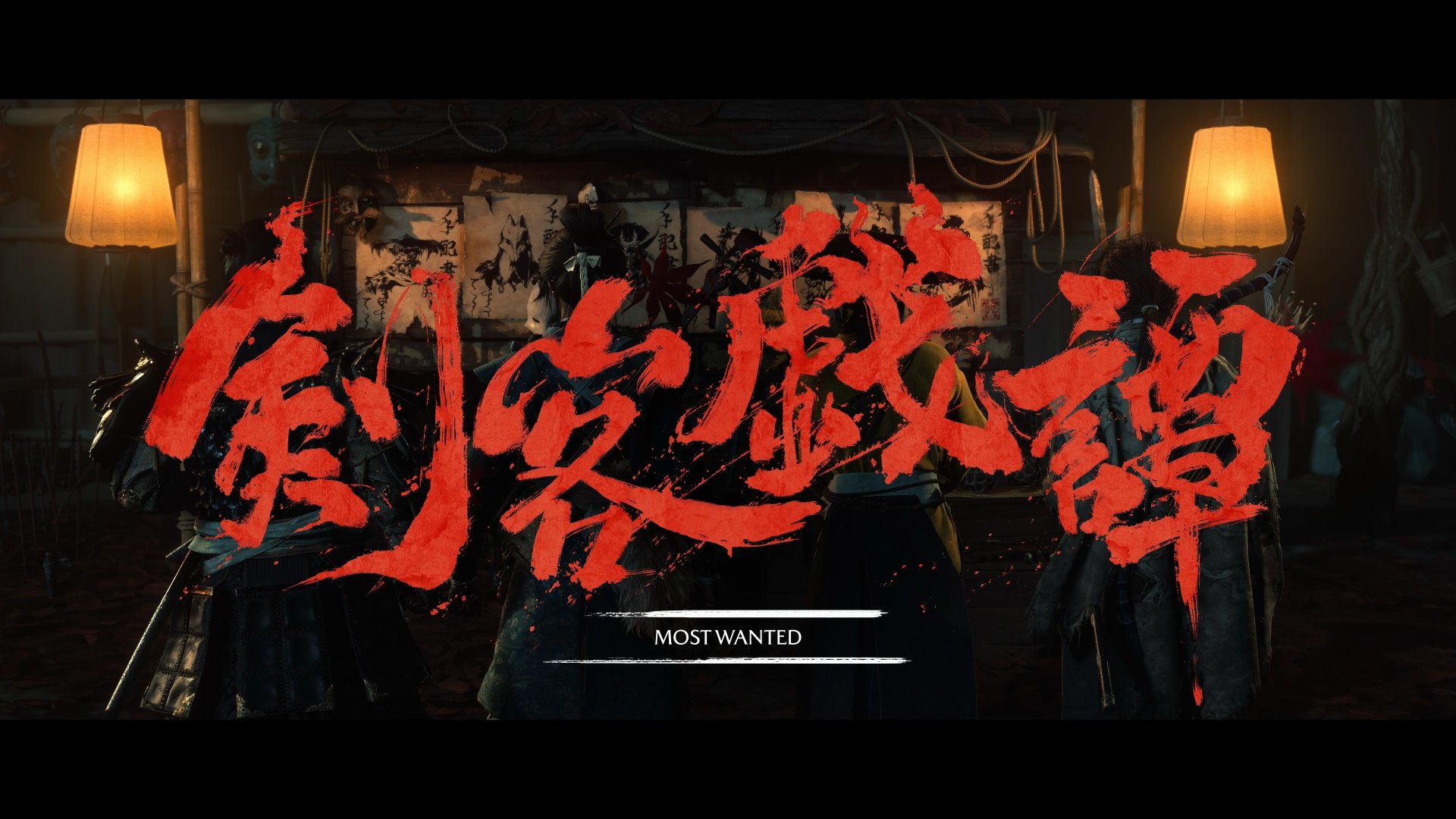
If you want to dive deeper into combat, Most Wanted is where it’s at.
PlayStation first-party games have had a habit of adding these roguelike-inspired modes to some of their games. There’s Valhalla for God of War Ragnarök and No Return for The Last of Us Part II.
Most Wanted takes that idea and puts Yōtei’s combat front and center.
The mode is a single-player combat survival experience built around escalating bounties, different playable characters, and experimenting with the game’s combat system. Unlike Echoes of Sekigahara, you can jump into it immediately without existing save data or base-game progression.
I’ve only had a couple of runs so far, but I can say I thoroughly enjoy the mode.
Mostly because I love the game’s combat mechanics.
That is what you engage with for much of Most Wanted, and it gives you a reason to keep testing yourself. You start a run, make your choices, fight your way through increasingly demanding encounters, and inevitably reach a point where things stop going according to plan.
Then you try again.
And again.
There is a particular satisfaction to a mode like this when the underlying combat is already enjoyable. Losing doesn’t necessarily feel like wasted time because every run gives you another opportunity to get better at the thing you were already having fun doing.
It can also be frustrating.
That is part of the appeal.
More Yōtei is still more Yōtei
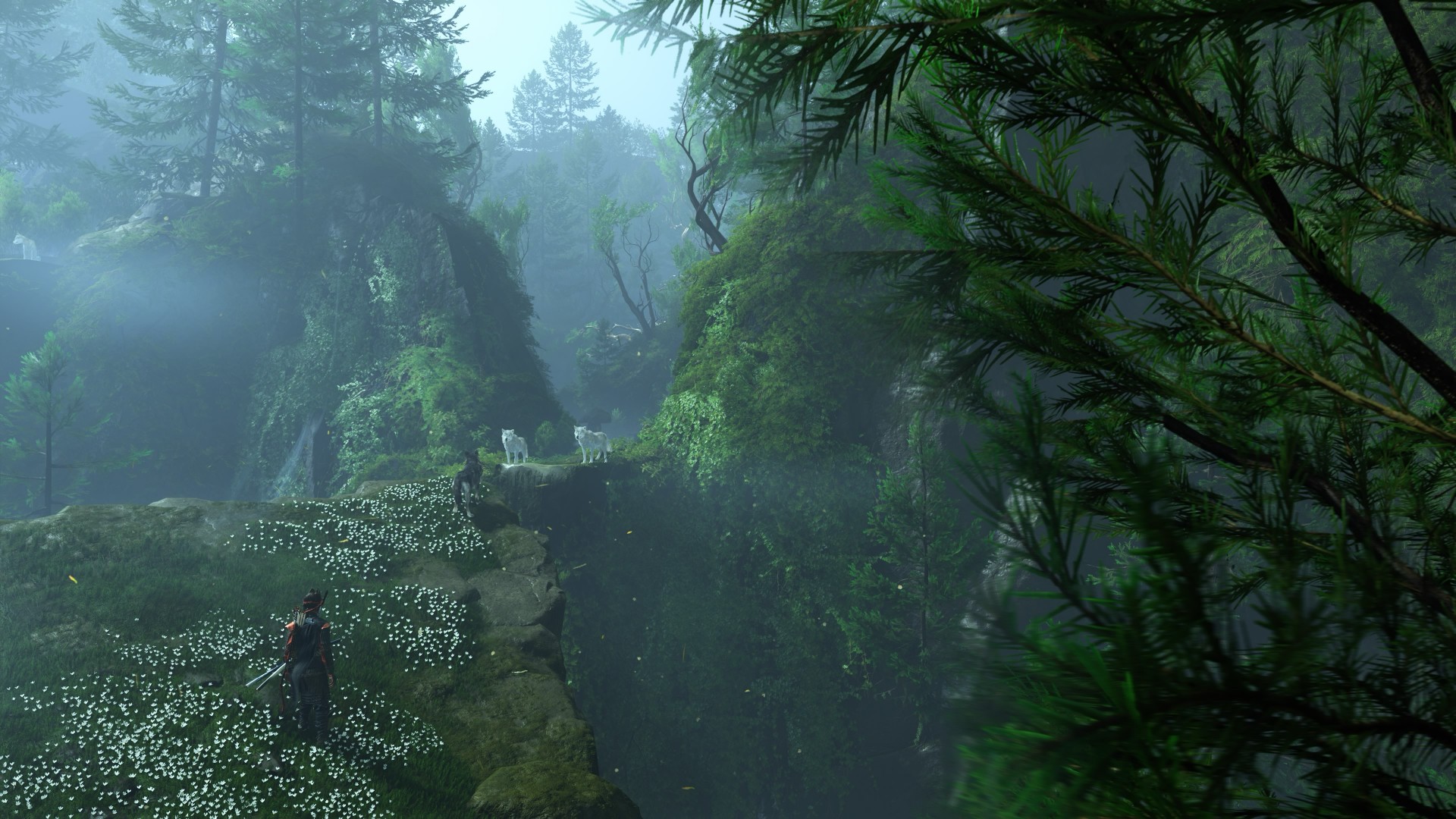
The biggest strength of Ghost of Yōtei Complete Edition is also the simplest.
It gives me more Ghost of Yōtei.
Echoes of Sekigahara gives Atsu another story to tell. Most Wanted gives the combat another place to shine. The Complete Edition also adds cosmetics, Trophies, Photo Mode content, and other extras. Meanwhile, the October 1 update brings additional Watanabe Mode tracks, Beauty of Yōtei mode, quality-of-life improvements, and a new high-contrast accessibility option to all Ghost of Yōtei players.
After roughly a year away, I was surprised by how quickly I settled back into the rhythm.
The wind blew, birds flew, a quest turned into another quest, and a random encounter became a story.
Then I picked up a massive weapon and started remembering why I enjoyed this game so much in the first place.
That cohesion remains Yōtei’s greatest strength. Its world constantly gives you reasons to move forward without making the journey feel like work. The Complete Edition simply gives you more reasons to keep going.
Is Ghost of Yotei Complete Edition your Play Match?

Ghost of Yōtei was already one of the best experiences on PlayStation 5.
The Complete Edition gives you more of it.
Echoes of Sekigahara is shaping up to be a substantial addition rather than a short side adventure, while Most Wanted offers a compelling excuse to keep coming back to Atsu’s combat long after you’ve finished the main story.
I still have plenty more of both to see. But even after only a handful of hours with the new content, I know exactly how I feel about returning to Yōtei.
It feels familiar, fresh, and Most Wanted will both frustrate and hook you.
It’s absolutely thrilling.
Ghost of Yōtei Complete Edition is an easy Swipe Up.
After a year away, I came back rusty.
I’m still swinging. And I’m still having a damn good time.
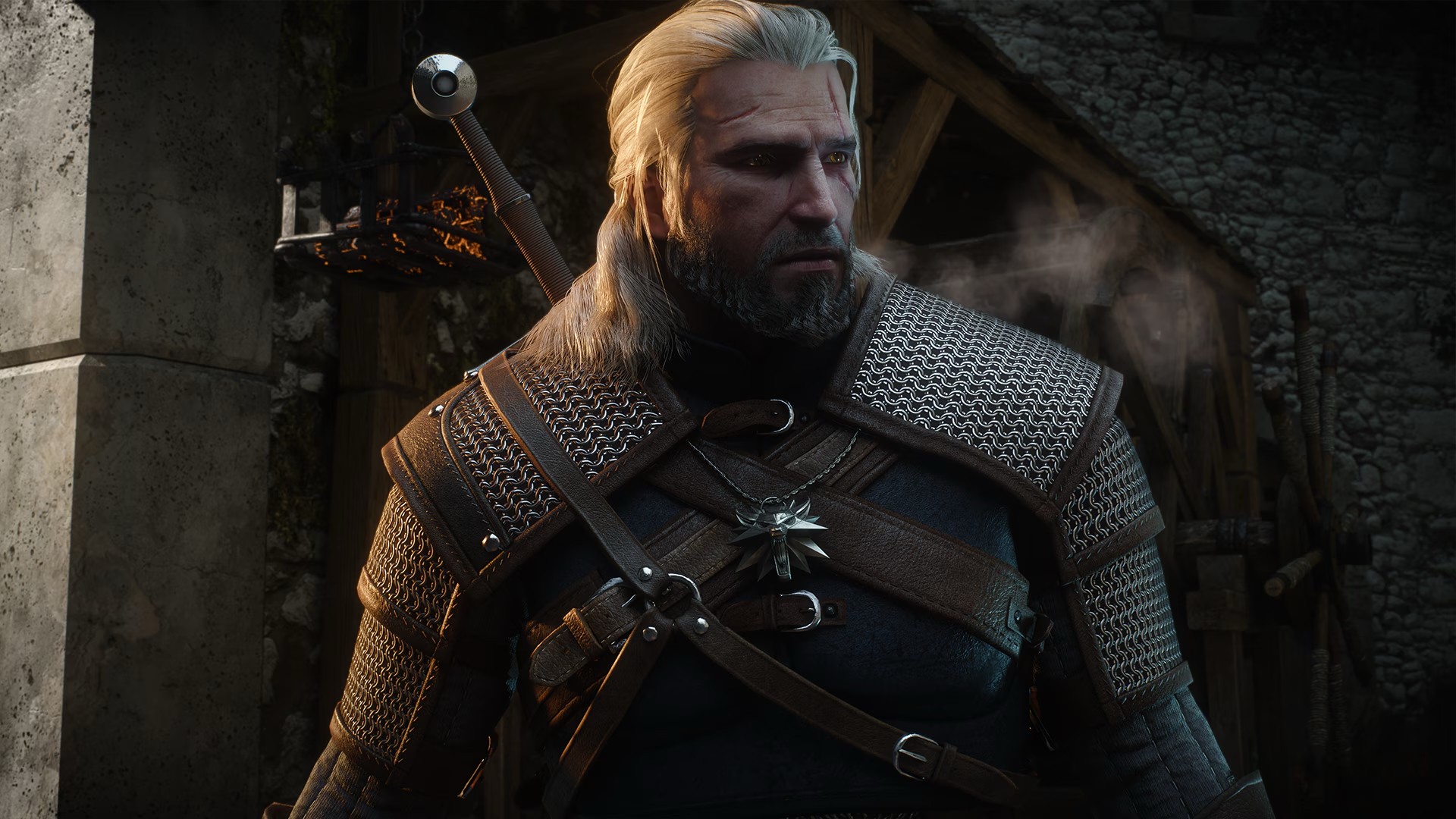
CD PROJEKT RED has released The Witcher 3: Wild Hunt — Remastered, a free upgrade that brings a wide range of visual, performance, and gameplay improvements to the acclaimed RPG.
The remastered version is available as a free upgrade for existing owners on GOG, Steam, Epic Games Store, PlayStation 5, and Xbox Series X|S. Players who own The Witcher 3 on the original Nintendo Switch can also upgrade for free to the native Nintendo Switch 2 version.
The upgrade also includes both expansions, Hearts of Stone and Blood and Wine, even for players who originally owned only the base game.
PC and PS5 Pro
On PC, The Witcher 3 now supports Path Tracing alongside improved textures, foliage, lighting, rendering, and ray tracing. The remaster also adds dedicated PlayStation 5 Pro support, with PSSR enabling ray tracing at 60fps and a performance mode that can reach up to 90fps with VRR.
Gameplay also gets an overhaul. CD PROJEKT RED has rebalanced the skill system, revamped combat animations, added new finishers, and introduced an adaptive camera. Geralt and Roach also receive updated animations, including more fluid traversal, vaulting, and ladder climbing.
The remaster adds cross-platform mod support through mod.io on consoles. Players can access custom content ranging from new quests and equipment to balance changes.
Switch 2
Nintendo Switch 2 gets additional features through its native version. These include motion controls, gyro aiming, mouse controls, and touchscreen support. Players can use motion controls for actions such as aiming the crossbow, throwing bombs, casting Signs, and controlling Roach. The touchscreen can also be used to navigate menus and play Gwent.
The Witcher 3: Wild Hunt — Remastered is also available to purchase on Battle.net and the Microsoft Store, where it supports Xbox Play Anywhere.
The remaster replaces the Complete Edition on supported platforms and includes Hearts of Stone and Blood and Wine as standard. It was developed in close collaboration with Yigsoft.





Lenovo tech behind DreamWorks Animation hit ‘Forgotten Island’

Samsung joins the clip-on earbud trend with the Galaxy Buds On

vivo X Fold6 makes global debut with 200MP camera and 6900mAh battery

Smart opens iPhone 18 Series pre-orders in the Philippines

The regular PlayStation 5 is getting an AI upscaling feature

HUAWEI Pura X View is 2026’s first WIDE slab-type smartphone

The CAMON Slim 5G is TECNO’s latest ultra-slim smartphone

iPhone 18 Pro series: Price, availability in the Philippines

DJI Osmo 360 II review: Going all-in on the ecosystem

iPhone 18 Pro series: Price, availability in Singapore


-

 News2 weeks ago
vivo X500 Series launches with major imaging upgrades
-

 News1 week ago
OPPO Find X10 Pro Max is the first phone with a triple 200MP camera system
-

 Automotive4 days ago
BYD says that way better EV batteries are coming next year
-

 Singapore2 weeks ago
Epson Lifestudio Grand Plus EH-LS970B with 4K projection, more launches
-

 News2 weeks ago
vivo introduces OriginOS 7 with smarter multitasking and AI features
-

 News4 days ago
HONOR Magic9 Pro Max launches in China with ARRI-powered imaging
-
 Accessories1 week ago
70mai launches the A900 series with 4K front, rear recording
-
 Smartphones6 days ago
When TECNO-logy meets Tonino Lamborghini legacy