
Enterprise
Huawei is developing a 135W wired charger
Fastest so far


What’s going on in the charging wars today? Last year (or even the years before), the industry’s biggest players, OPPO, Xiaomi, and vivo, upped one another in outing the fastest wired charging solution for their smartphones. Today, we already have a 125W wired charger coming from OPPO. Another player wants to join the fun. Huawei has successfully certified a 135W wired charger.
Spotted by RootMyGalaxy, the new charging solution recently passed through 3C certification with flying colors. Huawei will be able to develop and use the charging standard until 2025.
As mentioned above, the 135W charging solution will edge out the competition when it comes out. Though the ongoing charging wars present an interesting future for smartphones, it will still take a while before such chargers represent the industry standard. For example, Huawei currently only has a 66W fast charging solution available for consumers.
Even without wired charging in the bag, the industry is also pushing hard for wireless charging adoption. Unfortunately, wireless charging still isn’t up to par with wired charging.
SEE ALSO: After OPPO, realme shows-off 125W UltraDART charging technology





Enterprise
Cebu Pacific becomes 1st SEA low-cost carrier with Starlink Wi-Fi
Rollout expected to begin in 2027


Cebu Pacific has introduced Starlink, making it the first low-cost airline in Southeast Asia to bring Wi-Fi in the sky for passengers.
The rollout is expected to begin in 2027. Starlink delivers an unparalleled broadband experience inflight, with high-speed, low-latency Wi-Fi capable of HD streaming, online gaming, productivity and more.
Beyond enhancing the passenger experience, Starlink will also support improved operational connectivity for Cebu Pacific’s flight crews and operational teams. This enables better operational efficiency.
The collaboration is a significant milestone for Philippine aviation. The rollout forms part of Cebu Pacific’s continued investment in customer experience and digital innovation.
As part of the partnership, Cebu Pacific and Indigo Partners portfolio airlines, Wizz Air, and JetSMART expect to install Starlink on over 1,000 aircraft.
Enterprise
Google ordered to pay EUR 4.1 billion in fines
The EU alleges that Google uses its apps to establish an unfair dominance.
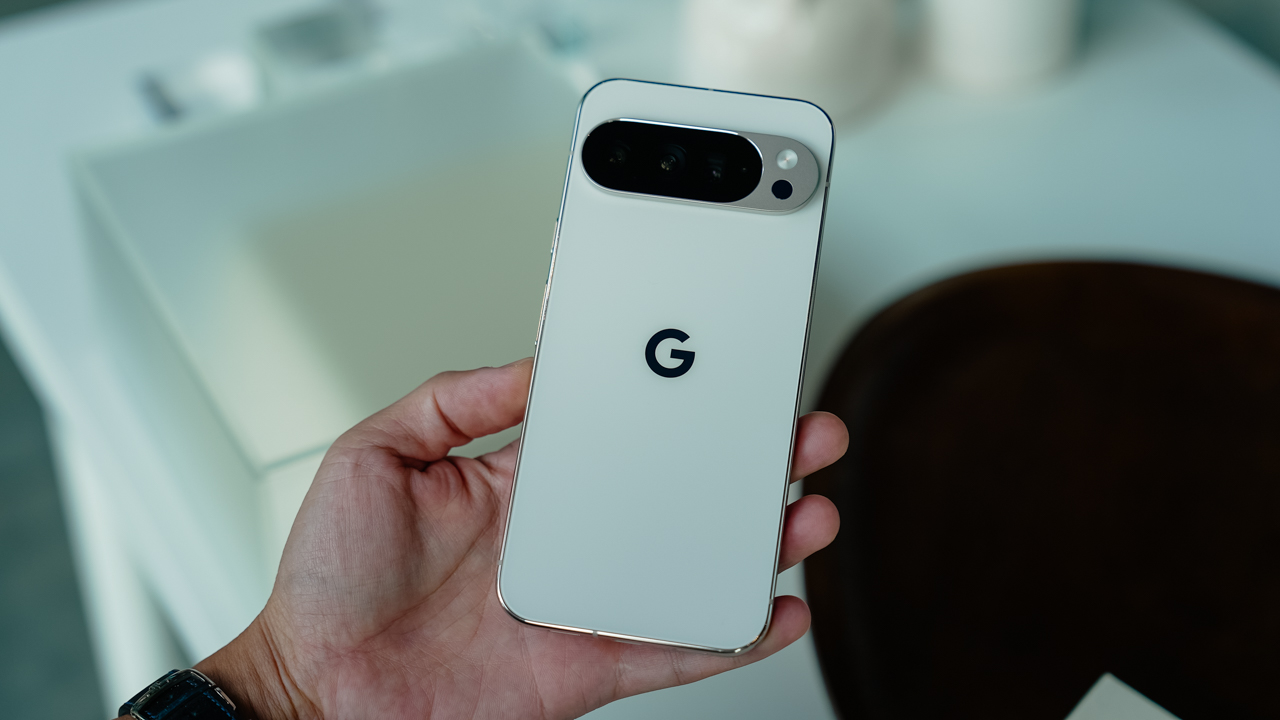
European fines have unintentionally become a normal part of doing business in the American technology space. For too long have American companies paid paltry fines to prevent harsher regulation in the European Union. Now, for the first time, Google is about to pay a record-breaking fine that goes beyond “paltry.”
Today, via CNBC, Google has been ordered to pay an astonishing EUR 4.1 billion (or approximately US$ 4.67 billion) in fines. The fine is in response to an anti-competition case.
This has been a long time coming for Google. The original case started in 2018. At the time, the European Union accused the brand of using anti-competitive practices to ensure its dominance in the smartphone market. According to the courts, the company’s bundling of first-party apps for every Android smartphone gives them an unfair advantage in the market and lessens the user’s choice in selecting apps.
For years, Google has fought the fine to seemingly no avail. Now, the company has lost its final attempt, which means that the fine still stands. On the bright side, they did get it reduced from the original EUR 4.34 billion fine.
The European Union is the scourge of every American tech company (and a godsend to consumers). Most notably, the continent’s government forced Apple to adopt USB-C, leading to a more universal experience across brands.
Google’s hefty fine aims to do the same. And it is quite hefty. Whereas previous fines were in the millions (and hence, negligible for most companies), a fine in the billions is more tangible.
Apps
foodpanda relaunches cult-favorite roast chicken brand after 8 years of persistent search queries
Heritage chain Andok’s returns to the platform, driven entirely by long-term user analytics.


In the world of e-commerce and food delivery, platform algorithms usually dictate what consumers see. But occasionally, consumer behavior is so relentless that it shapes the platform’s strategy.
In a move driven entirely by long-term user analytics, foodpanda has officially relaunched Andok’s, one of the Philippines’ most iconic heritage rotisserie chains, back onto its platform after an eight-year absence.
The search bar as a digital wishlist
The decision to ink the partnership wasn’t just a marketing play. It was a response to an ongoing data anomaly. Despite being offline from the foodpanda platform for eight years, Andok’s consistently ranked as one of the most-searched merchants on the app.
Year after year, users treated the empty search results page as an unofficial wishlist. This persistent search intent gave foodpanda a clear, data-backed signal of pent-up demand.
Prior to the official digital rollout, teaser campaigns on social media validated this demand, generating thousands of organic interactions from users anticipating the return.
Bridging heritage flavor with digital infrastructure
For foodpanda, onboarding a merchant with this level of built-in demand fits its broader strategy of marketplace optimization and hyper-local network expansion, turning a heritage brand into another data point for how legacy retail plugs into delivery infrastructure.
For Andok’s, the integration works as a fast track to digital scale. A legacy quick-service chain skips years of independent app development and reaches customers already using foodpanda’s existing logistics network, on a platform they already check daily.
Andok’s built its following on charcoal spit-roasted chicken, a slow-cooked technique that’s stayed largely unchanged since the brand’s early days, alongside seasoned grilled pork belly.
More recently, the Dokito line extended that following into crispy fried chicken and chicken burgers, broadening the brand’s appeal beyond its original rotisserie format and giving foodpanda a menu with both heritage pull and everyday fast-food convenience.

realme C100: Enduring and durable in spite of entry-level realities
Enough power but needs more agility

The ASUS ExpertBook Ultra wins you over
The laptop sneaks up on you

Nexal Watch Sport review: A rugged watch for small budgets
I couldn't believe that watches this good could come for this cheap.

Avengers: Doomsday trailer assembles Marvel’s biggest heroes against Doctor Doom

Call of Duty, Aston Martin unveil Dreadnought for Modern Warfare 4

Lionel Messi’s face just unveiled the Galaxy Z Fold 8 Ultra early

Mercedes-Benz celebrates 140th anniversary at the Presidential Car Museum

Street Fighter 6’s first Filipina fighter arrives August 3

New York becomes first state to ban smart glasses

vivo X300 Ultra review: A “Whole Different Animal”

DJI Osmo Pocket 4P launches with dual lenses and a 1-inch sensor

Lenovo says RAM prices are not coming back down again

Camera Shootout: HONOR 600 Pro vs OPPO Reno15 Pro


-
 News2 weeks ago
New York becomes first state to ban smart glasses
-

 Singapore1 week ago
Sony launches IER-M500 in-ear monitors
-

 Gaming2 weeks ago
Microsoft dictates that a new Fallout game is coming
-

 Computers2 weeks ago
GIGABYTE releases new AORUS RTX 5080 INFINITY graphics cards
-

 Gaming2 weeks ago
HoYo FEST 2026 details announced; tickets on sale from July 16
-
Reviews1 week ago
realme C100: Enduring and durable in spite of entry-level realities
-

 Gaming2 weeks ago
Assassin’s Creed Black Flag Resynced available worldwide now
-

 News5 days ago
Samsung releases teaser with Spider-Man: Brand New Day Easter eggs