
Enterprise
Huawei involved in wiretapping, Spain confirms
Both Spain and Huawei allege that there is no security risk

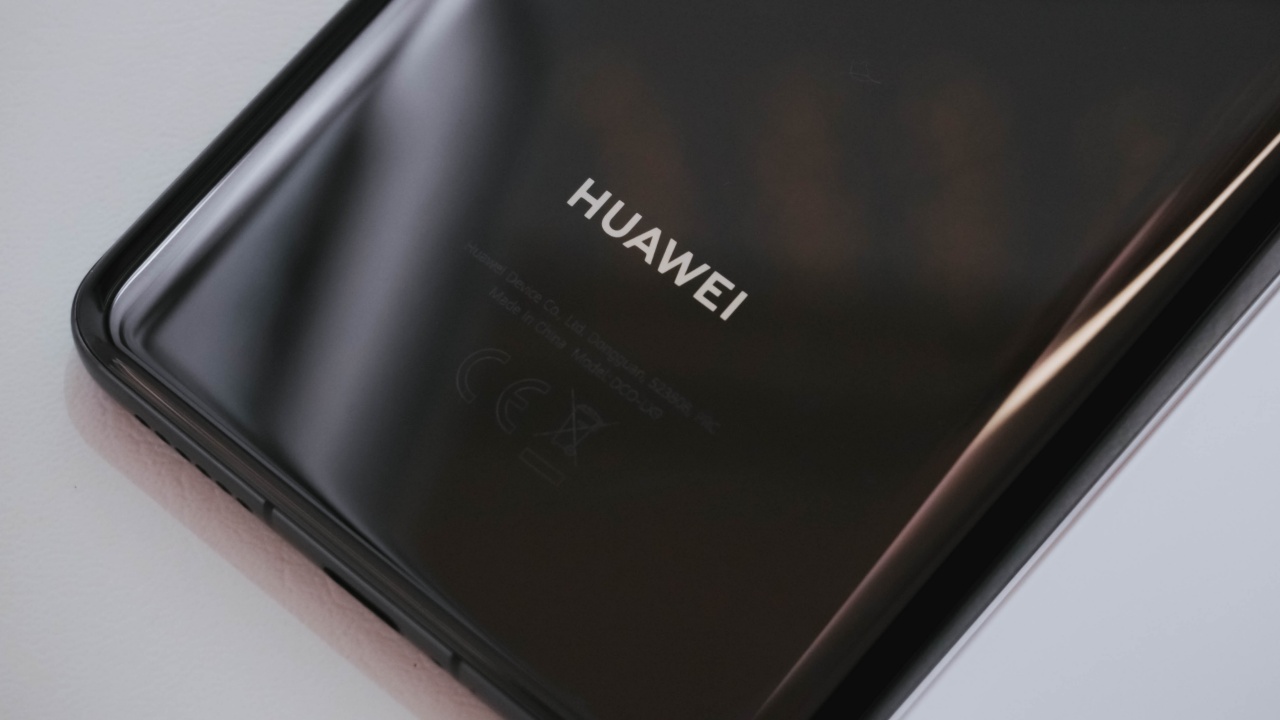
Huawei recently regained the top spot in China as the country’s top smartphone brand. China is, of course, just a microcosm of the world. In other parts of the world, the Chinese brand still gets occasional flak for alleged cybersecurity risks. This time, however, the Spanish government has given confirmation that Huawei is involved with wiretapping activities in the country.
In the United States last week, Senator Tom Cotton and Representative Rick Crawford asked the government to stop sharing intelligence with the Spanish government over wiretapping concerns involving Huawei. According to the lawmakers, Huawei runs the Spain’s wiretapping operations, thereby risking cybersecurity issues with China.
For several years, the United States crusaded against the company for its alleged ties with the Chinese government. The battle resulted in a country-wide ban that still stands today. As a result of the ban, Huawei, at the time, plummeted from atop the smartphone food chain because it also lost access to valuable software from Google.
Now, as reported by Bloomberg, Spain has confirmed that Huawei is, in fact, involved in the country’s wiretapping system called Sitel. However, both Spain and Huawei claim that the company’s involvement is only for a minor part of the system and does not transmit sensitive information to foreign servers. They also say that the system is handled internally and isn’t involved with Spain’s intelligence networks.
In a further response to Huawei’s assurances, the United States still claim that the involvement represents a gaping security hole for the country’s security. Besides the United States, other countries in Europe are also increasingly wary about the role of foreign telecoms companies, such as Huawei, on domestic networks.
SEE ALSO: Huawei regains the top spot as China’s bestselling phone brand





Enterprise
Google ordered to pay EUR 4.1 billion in fines
The EU alleges that Google uses its apps to establish an unfair dominance.
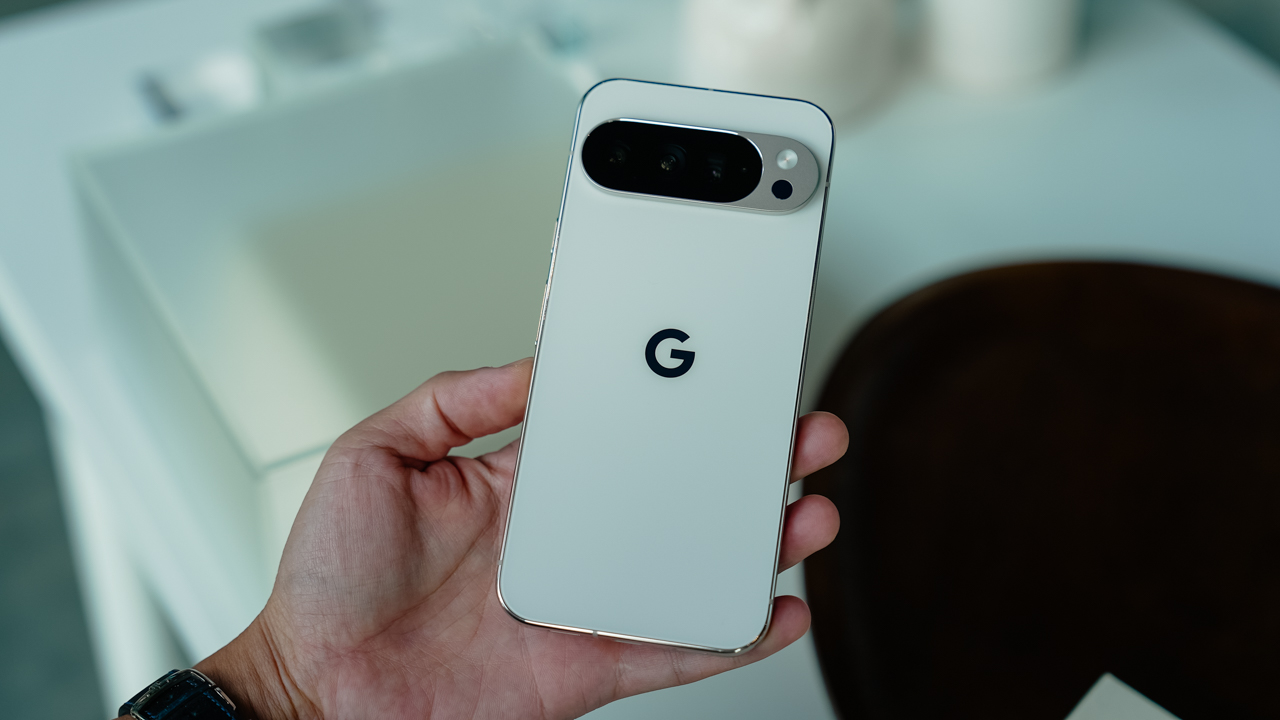
European fines have unintentionally become a normal part of doing business in the American technology space. For too long have American companies paid paltry fines to prevent harsher regulation in the European Union. Now, for the first time, Google is about to pay a record-breaking fine that goes beyond “paltry.”
Today, via CNBC, Google has been ordered to pay an astonishing EUR 4.1 billion (or approximately US$ 4.67 billion) in fines. The fine is in response to an anti-competition case.
This has been a long time coming for Google. The original case started in 2018. At the time, the European Union accused the brand of using anti-competitive practices to ensure its dominance in the smartphone market. According to the courts, the company’s bundling of first-party apps for every Android smartphone gives them an unfair advantage in the market and lessens the user’s choice in selecting apps.
For years, Google has fought the fine to seemingly no avail. Now, the company has lost its final attempt, which means that the fine still stands. On the bright side, they did get it reduced from the original EUR 4.34 billion fine.
The European Union is the scourge of every American tech company (and a godsend to consumers). Most notably, the continent’s government forced Apple to adopt USB-C, leading to a more universal experience across brands.
Google’s hefty fine aims to do the same. And it is quite hefty. Whereas previous fines were in the millions (and hence, negligible for most companies), a fine in the billions is more tangible.
Apps
foodpanda relaunches cult-favorite roast chicken brand after 8 years of persistent search queries
Heritage chain Andok’s returns to the platform, driven entirely by long-term user analytics.


In the world of e-commerce and food delivery, platform algorithms usually dictate what consumers see. But occasionally, consumer behavior is so relentless that it shapes the platform’s strategy.
In a move driven entirely by long-term user analytics, foodpanda has officially relaunched Andok’s, one of the Philippines’ most iconic heritage rotisserie chains, back onto its platform after an eight-year absence.
The search bar as a digital wishlist
The decision to ink the partnership wasn’t just a marketing play. It was a response to an ongoing data anomaly. Despite being offline from the foodpanda platform for eight years, Andok’s consistently ranked as one of the most-searched merchants on the app.
Year after year, users treated the empty search results page as an unofficial wishlist. This persistent search intent gave foodpanda a clear, data-backed signal of pent-up demand.
Prior to the official digital rollout, teaser campaigns on social media validated this demand, generating thousands of organic interactions from users anticipating the return.
Bridging heritage flavor with digital infrastructure
For foodpanda, onboarding a merchant with this level of built-in demand fits its broader strategy of marketplace optimization and hyper-local network expansion, turning a heritage brand into another data point for how legacy retail plugs into delivery infrastructure.
For Andok’s, the integration works as a fast track to digital scale. A legacy quick-service chain skips years of independent app development and reaches customers already using foodpanda’s existing logistics network, on a platform they already check daily.
Andok’s built its following on charcoal spit-roasted chicken, a slow-cooked technique that’s stayed largely unchanged since the brand’s early days, alongside seasoned grilled pork belly.
More recently, the Dokito line extended that following into crispy fried chicken and chicken burgers, broadening the brand’s appeal beyond its original rotisserie format and giving foodpanda a menu with both heritage pull and everyday fast-food convenience.
Enterprise
Global Connect Show Shenzhen empowers Chinese enterprises
Opportune time for new Chinese enterprises to go global


The Global Connect Show Shenzhen 2026 (GCS SZ 2026) was successfully held on June 1 at China’s innovation hub.
More than 100 Chinese enterprises joined the event, encouraged to expand into international markets.
The program focused on three core pillars:
- Chinese brand going global
- Global channel connection
- Dedicated “Into the Enterprise” series
China has developed a new generation of internationally competitive companies across various sectors, including:
- consumer electronics
- smart hardware
- artificial intelligence
- robotics
As these companies enter a new phase of going global, demand is growing for global communications, brand building, market trust, and localized business networks.
As such, the Global Connect Show is one of the platforms to be able to strengthen the relationship across enterprises, partners, business associations, and even media and influencers.
It is a significant window for innovative brands to enter global retail channels by building compelling brand narratives and developing strong localized operations.
This year’s GCS is the third staging of the show, which consistently aims to match Chinese brands with partners through a results-first approach. Such an approach includes hands-on product experiences, presentations, and one-on-one meetings.


Project Hail Mary now on Prime Video

Google ordered to pay EUR 4.1 billion in fines

The ASUS ExpertBook Ultra wins you over

Sony brings 1000X THE COLLEXION to the Philippines

Everyone’s angry at PlayStation’s new no-disc policy, and this is why

TECNO’s POVA 8 5G is both futuristic and future-ready

realme launches P4 Series 5G, including Power with 10,001mAh battery

Buyer’s Guide: Xiaomi Pad 8 Series

HONOR Magic V6 review: The best version of a book-style foldable?

TECNO’s SPARK 50 Pro is the latest budget smartphone battery beast


-

 Reviews2 weeks ago
vivo X300 Ultra review: A “Whole Different Animal”
-

 Cameras5 days ago
DJI Osmo Pocket 4P launches with dual lenses and a 1-inch sensor
-
 News5 days ago
Lenovo says RAM prices are not coming back down again
-
 Camera Shootouts2 weeks ago
Camera Shootout: HONOR 600 Pro vs OPPO Reno15 Pro
-
 Singapore1 week ago
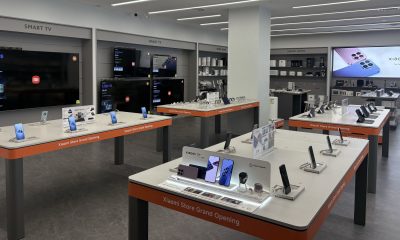
Xiaomi opens largest Singapore store yet at VivoCity
-
 News1 week ago
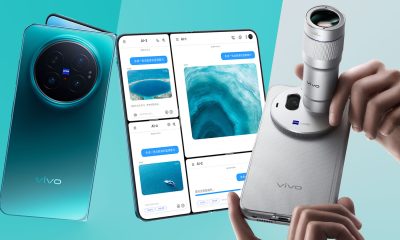
The vivo X Fold6 is the first foldable to support teleconverter lens
-

 Apps1 week ago
HONOR, Xiaomi are working on their own Privacy Displays
-
 Smartphones1 week ago
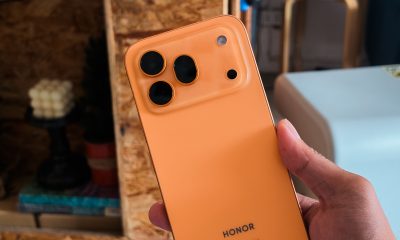
HONOR continues APAC expansion, to launch 600 series in Taiwan