
Laptops
MacBook Neo enters the chat with a $599 starting price
Here comes a new challenger


Apple has a new contender in the ring. And if you grew up on fighting games, the reveal almost feels like that classic moment when the screen flashes: Here comes a new challenger.
Meet the MacBook Neo — Apple’s newest and most affordable laptop yet. Starting at just US$599 (US$499 for education), it aims to bring the Mac experience to a much wider audience.
Despite the lower entry price, Apple isn’t treating this like a stripped-down Mac. The new machine still carries a full aluminum design, a vibrant display, and Apple silicon performance — the same core pillars that define the modern Mac lineup.
The goal is simple: make the Mac more accessible without losing the parts that make it feel premium.
A colorful new entry
At first glance, MacBook Neo looks every bit like a modern Mac. It features a durable aluminum enclosure with soft rounded edges and weighs just 2.7 pounds, making it easy to toss in a backpack or handbag.
Apple is also leaning into color here. The laptop comes in four finishes: blush, indigo, silver, and citrus. The Magic Keyboard matches each colorway with lighter shades, creating a cohesive look across the entire device.
Front and center is a 13-inch Liquid Retina display with a 2408 × 1506 resolution, 500 nits of brightness, and support for one billion colors. Apple says the panel delivers sharper text and brighter visuals than most laptops in this price category.
It’s a display designed to make everyday tasks — browsing, watching videos, editing photos — feel a little more vibrant.
A18 Pro powers everyday performance
Under the hood, MacBook Neo runs on Apple’s A18 Pro chip — the same architecture that powers some of Apple’s most advanced mobile devices.
Apple says the chip delivers up to 50 percent faster everyday performance compared to the bestselling PC powered by Intel Core Ultra 5. For AI-heavy tasks like applying advanced photo effects or running on-device intelligence features, the system can be up to three times faster.
The chip also includes a 16-core Neural Engine for Apple Intelligence features and a 5-core GPU for graphics workloads. The system is completely fanless, which means silent operation even under load.
In practical terms, that translates to smooth multitasking across apps like Messages, Safari, Canva, Excel, and more.
Built for all-day use
Battery life is another highlight. Thanks to the efficiency of Apple silicon, MacBook Neo can run for up to 16 hours on a single charge.
The laptop also includes a 1080p FaceTime HD camera with improved image processing, along with dual microphones that use directional beamforming to reduce background noise during calls.
For audio, dual side-firing speakers support Spatial Audio and Dolby Atmos for a more immersive listening experience.
The device features Apple’s Magic Keyboard and a large Multi-Touch trackpad, while select models include Touch ID for quick and secure logins.
Connectivity includes two USB-C ports for charging and accessories, a headphone jack, Wi-Fi 6E, and Bluetooth 6.
The Mac experience, now more accessible
MacBook Neo ships with macOS Tahoe, complete with built-in apps like Safari, Photos, Messages, and FaceTime. It also supports Apple Intelligence features such as Writing Tools and Live Translation.
For users already in the Apple ecosystem, Continuity features make switching between devices seamless. Tools like Handoff, Universal Clipboard, and iPhone Mirroring let users move between Mac and iPhone without breaking their workflow.
With its $599 starting price, MacBook Neo now becomes the most affordable entry point into the Mac lineup — a position long rumored but never quite realized until now.
In fighting game terms, Apple didn’t just add another character to the roster.
It added one meant for a whole new set of players.
Pricing and availability in Singapore and the Philippines
In Singapore, the MacBook Neo starts at S$849 and S$729 for education. Customers can pre-order the new MacBook Neo from Friday, March 6.
In the Philippines, Apple’s friendliest-to-the-budget MacBook starts at ₱39,990 and ₱33,990 for education. They will be available soon on apple.com/ph/store and Apple Authorized Resellers.







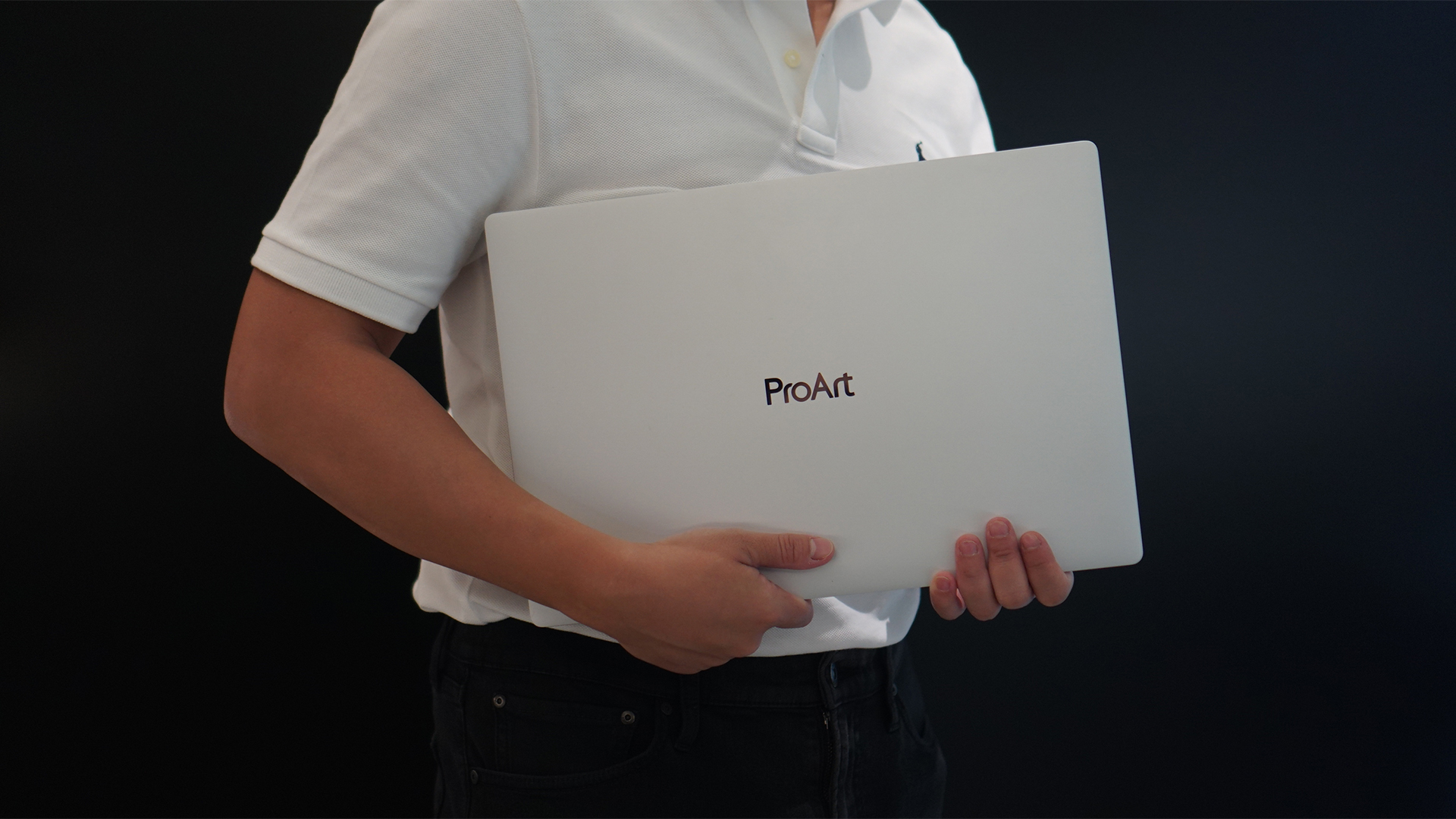
Select ASUS and ROG laptops now come with three months of Google AI Pro or Google AI Plus at no extra cost. The offer starts September 7 and covers eligible models from the 2025, 2026, and upcoming 2027 lineups.
Google AI Pro includes 5TB of cloud storage, while Google AI Plus comes with 400GB. Both plans also provide access to a range of Google’s AI-powered tools and features.
More Google AI on ASUS laptops
Eligible customers can use the Google Gemini app, Deep Research, Google Flow, Gemini in Google apps, and Gemini Notebook, among other features. Availability varies depending on the Google AI plan and supported features.
Google AI Pro offers higher usage limits and expanded access to Google’s more capable Gemini models. It also includes additional developer and agentic tools such as Google Antigravity, Jules, and AI Studio, subject to availability and plan terms.
Google AI Plus provides elevated access to Google’s AI tools alongside features for creative generation and productivity.
The offer covers more than just AI features. Google AI Pro’s 5TB of cloud storage and Google AI Plus’ 400GB give users additional space for documents, photos, videos, research, and other projects.
Available across select ASUS models
The one-year program starts September 7 and applies to selected ASUS and ROG laptops in supported markets. Eligible models span the ROG, TUF Gaming, ProArt, Zenbook, and Vivobook families, including select 2025 and 2026 models and upcoming 2027 devices.
Customers can redeem the offer exclusively through the MyASUS app. ASUS has published the full list of eligible models and the offer’s terms and conditions on its website.
Check the full list of eligible ASUS laptops
ASUS is also running its No. 1 Quality, School-Ready Deals promotion until September 15, 2026. The promo offers additional deals for students, gamers, and professionals buying select ASUS and ROG devices.
The company’s No. 1 Quality and Service package also includes up to three years of international and local warranty, service access across more than 90 countries, and over 100 ASUS Service Centers and Drop-Off Points in the Philippines. Eligible laptops also come with one year of Local Accidental Damage Protection and up to six free device cleaning claims.

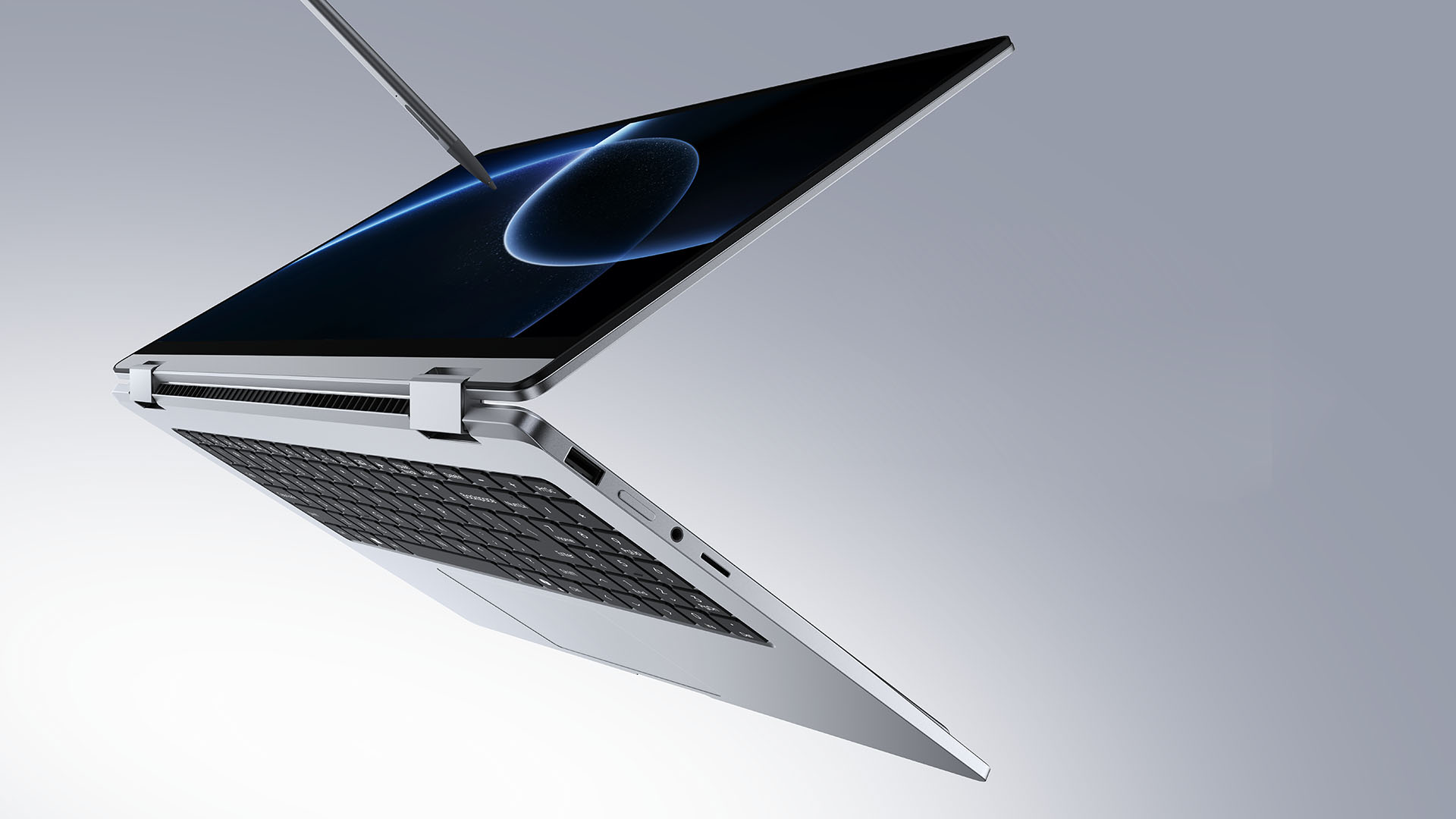
TECNO is making its MEGABOOK lineup a little more flexible.
At IFA ShowStoppers 2026, the uprising tech brand unveils the MEGABOOK T15 360 with two more laptops and three phones tagging along.
One laptop, four modes
The MEGABOOK T15 360 series is the brand’s first laptop lineup with a 360-degree hinge and touchscreen display.
By that, it’s more than just a conventional laptop. It can also be a tablet or a portable display via Tent mode or Stand mode. This added feat makes everything more versatile as TECNO’s existing laptops are only limited to the clamshell form factor.
Both models feature a 15.6-inch screen with the standard 16:9 aspect ratio. As alluded earlier, it’s a touchscreen laptop consisting of 10-point multitouch points. There’s also optional MPP 2.0 active pen support if you want to write or draw directly on the display.
So what’s the difference?
Well, the regular T15 360 gets a Full HD 60Hz panel with 320 nits brightness.
Meanwhile, the Pro version takes it up a notch with a faster 120Hz refresh rate, sharper 2.5K display resolution, full 100% sRGB coverage, and higher 350 nits brightness.
Both laptops come in an all-metal chassis made using CNC machining. The convertible design doesn’t come at the expense of a more conventional laptop build.
Performance uncompromised
TECNO isn’t treating the T15 360 as a lightweight convertible that has to compromise on performance.
You can get up to an Intel Core Ultra 9 185H processor, paired with an LPDDR5X RAM. The storage is based from PCIe M.2 2280 SSD — with select models having a secondary M.2 slot for utmost expansion.
There’s also a 70Wh battery plus support for a speedy 65W PD GaN charger. Connectivity includes up to Wi-Fi 6E and Bluetooth 5.4, alongside seven built-in ports.
Practical stuff were neither forgotten. There’s a backlit keyboard with a dedicated number pad, a fingerprint reader underneath its power button, dual speakers with DTS Ultra, a webcam, and dual digital microphones.
TECNO’s OneLeap feature also rounds things out by letting the MEGABOOK work with other TECNO’s smartphones, tablets, and other PCs for cross-device collaboration.
Two more MEGABOOKs
TECNO also brought two other MEGABOOKs to IFA.
The MEGABOOK K15S WCL is the more straightforward option. It uses Intel’s newer Wildcat Lake platform with a 16:10 display, a 70Wh battery, and 65W GaN charging — all in a premium, all-metal body.
Then there’s the MEGABOOK T17 Ultra. Ultra by its name, it goes big with a massive 17.3-inch 16:9 display. It can be configured with up to an Intel Core Ultra 9 processor and LPDDR5X memory. It also features a massive 99.99Wh battery and speedy 100W GaN PD fast charging.
Wait! There’s even more…
Beyond laptops, TECNO reveals the true form of its Next-Gen Bezelless Concept Phone at IFA 2026.
As announced more than a month ago, this concept uses a redesigned display architecture, internal stacking, structural engineering, and screen packaging to eliminate the physical black border around the display, resulting in what TECNO calls a true 0mm display border.

Beside a phone prototype, there are two consumer-ready products as well.
The POVA 8 Pro 5G Tonino Lamborghini Limited Edition combines the POVA series’ performance-focused approach with Tonino Lamborghini’s design language.
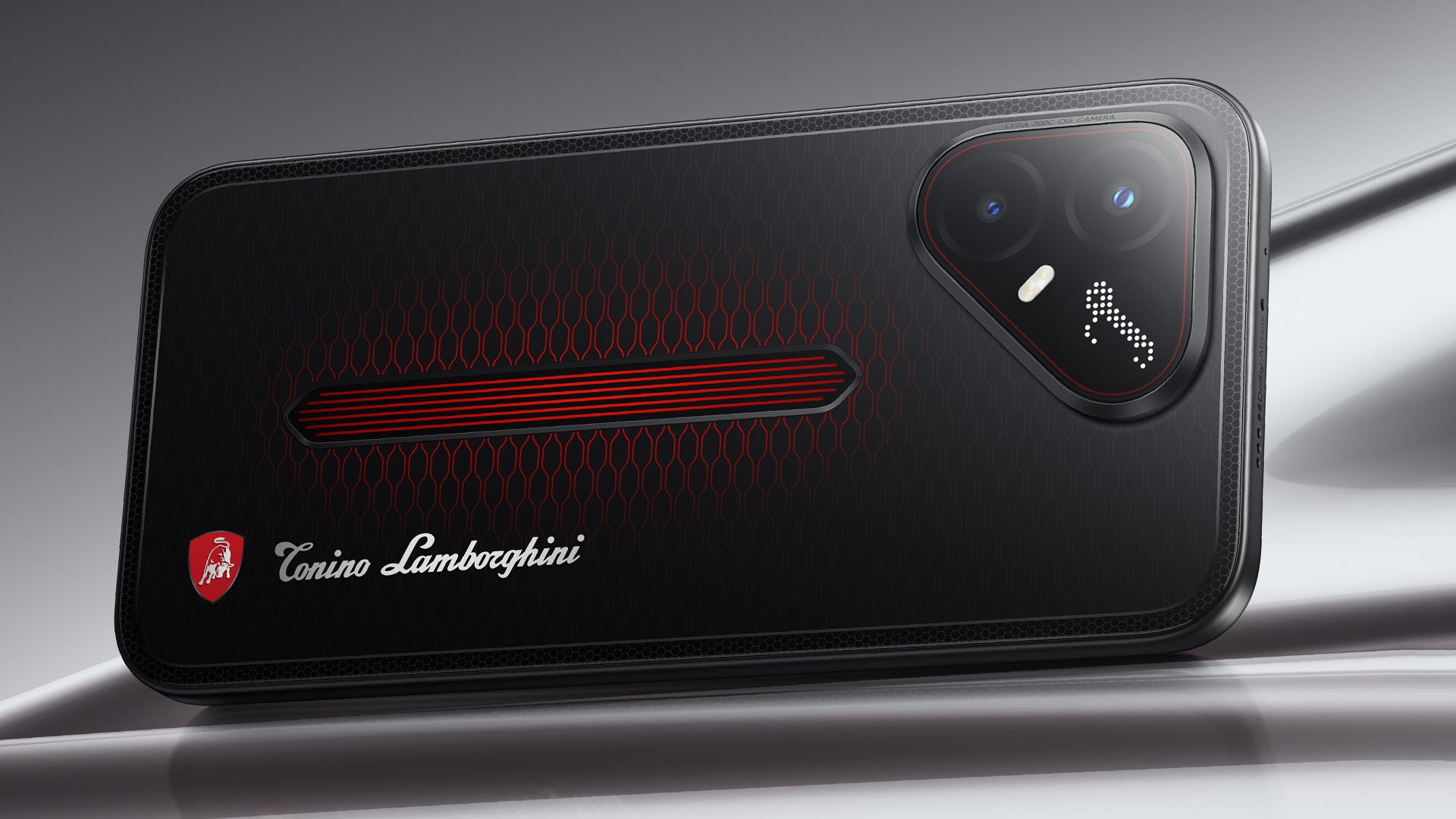
It uses a MediaTek Dimensity 7400 Ultimate 5G chipset alongside TECNO’s custom-made P1 Graphic Chip and a 5K IceShield vapor chamber cooling system. Specific details will be announced on September 4, 2026.
Meanwhile, the CAMON Slim 5G focuses on a thinner form factor, measuring just 6.39mm thick.
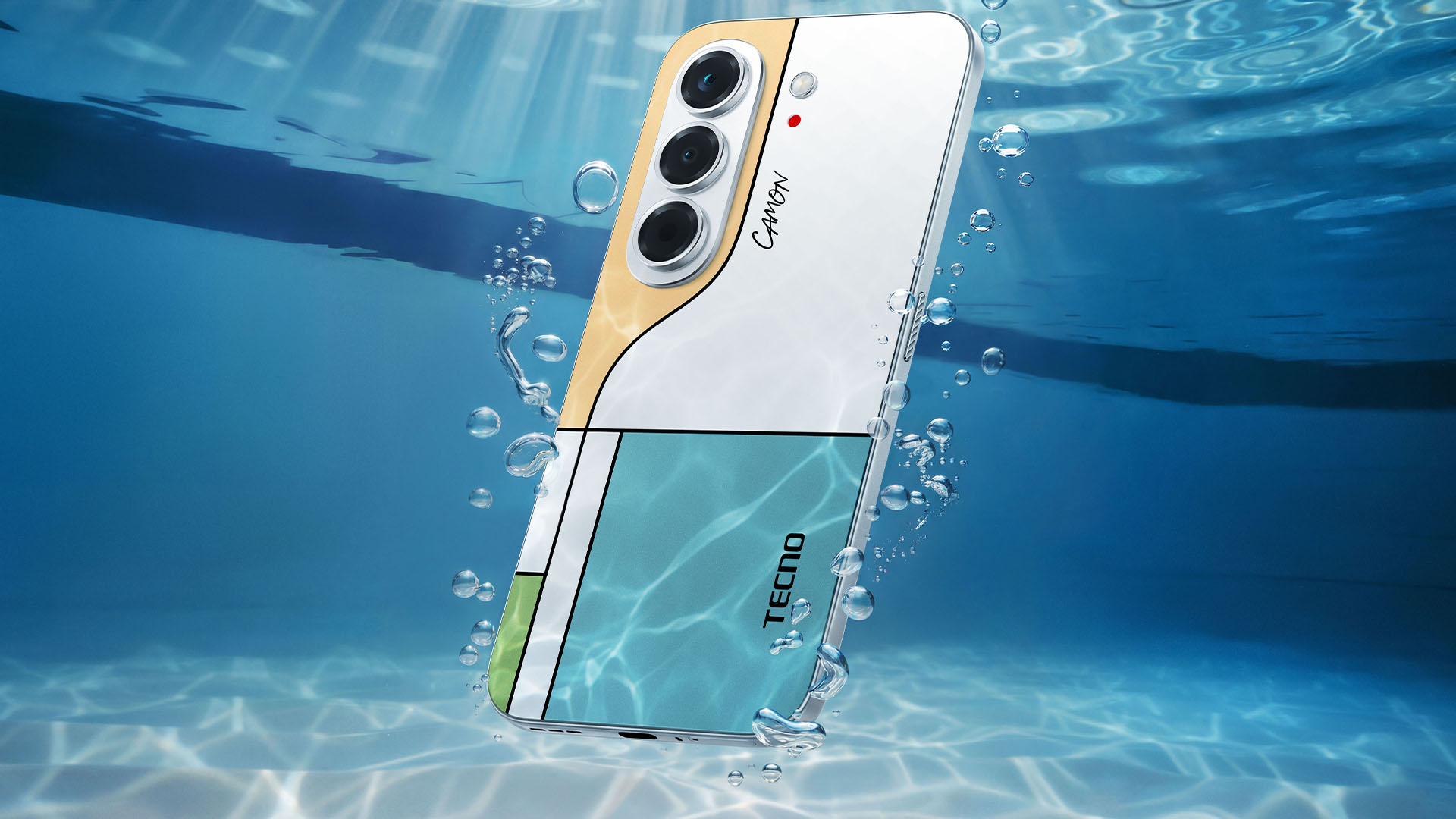
TECNO says it combines the CAMON line’s imaging features with AI capabilities and artistic colorways. More specifications will be revealed on September 7.
Pricing and Availability
The MEGABOOK T15 360 Series is expected to arrive in Europe by Q4 2026.
Depending on the configuration choice, the MEGABOOK T15 360 will start between EUR 899 ~ EUR 999. The MEGABOOK T15 360 Pro will cost as much as EUR 1099.
No pricing info were announced for the other MEGABOOKs and two phones as of writing.
Laptops
Acer expands mobile productivity lineup with Swift Blade 14, Air 16
Portable laptops built for work, play, creativity


Acer has expanded its thin-and-light portfolio with the launch of the Acer Swift Blade 14 laptop.
At just 799 grams, the portable laptop is built for mobile productivity. It is powered by up to an Intel Core 7 processor 350.
This capable processor is paired with 12GB of DDR5 memory and up to 1TB of storage for portable performance for work, play, and creativity.
In front is up to a 3K OLED display with up to 100% DCI-P3 color gamut. The display has a 90% screen-to-body ratio, 4.3mm slim bezels, and a 16:10 aspect ratio.
For connectivity, the Acer Swift Blade 14 has three USB 3.2 Gen 1 Type-C ports. It is also equipped with a 50 Wh battery and an FHD user-facing camera.
In addition, the sleek 16-inch Acer Swift Air 16 laptop has also been announced. Built for work and play, this notebook is powered by up to an Intel Core 7 processor 350 with up to 40 TOPS.
It also has a dedicated NPU, up to 16GB of DDR5 memory and up to 512GB of upgradeable storage.
This variant has an all-aluminum chassis, up to a 3K OLED display, an IPS touchscreen option, and quad-speaker audio. It also comes with a backlit keyboard, and a larger 70Wh battery capable of fast-charging.
General availability
Both the Swift Blade 14 and Swift Air 16 will be available in EMEA in December 2026. The latter will also be available in North America in Q1 2027.





adidas’ hybrid training shoe gets a Solar Turbo makeover

How to spot scam emails and messages before they get you

Sony resurrects the WH-1000XM4 with a refreshed model

HUAWEI Mate XT 2 tri-fold launches with Kirin 9050 Pro

Xiaomi 18 Fold is the next foldable to go WIDE

TECNO MEGAPAD 2 review: Eyes on the size

realme 16T 5G with 8000mAh battery, IP69 Pro rating launches in PH

REDMI Note 17 Series focuses on long-term reliability

HUAWEI Pura X View is 2026’s first WIDE slab-type smartphone

realme 16T to come with 8,000mAh battery, 7-year battery health guarantee


-
 News2 weeks ago
realme 16T 5G with 8000mAh battery, IP69 Pro rating launches in PH
-
 News2 days ago
HUAWEI Pura X View is 2026’s first WIDE slab-type smartphone
-

 News2 weeks ago
REDMI reveals the refreshed Note 17 and Note 17 Pro series
-

 Singapore2 weeks ago
REDMI Note 17 Series: Price, availability in Singapore
-

 Cameras2 weeks ago
Insta360 Luna Ultra review: My new solo coverage camera
-

 Reviews2 weeks ago
REDMI Note 17 Pro review: What a rollercoaster ride!
-

 Features1 week ago
The designated photographer’s new favorite phone: OPPO Reno16 Series 5G
-

 Cameras7 days ago
DJI Osmo 360 II review: Going all-in on the ecosystem