
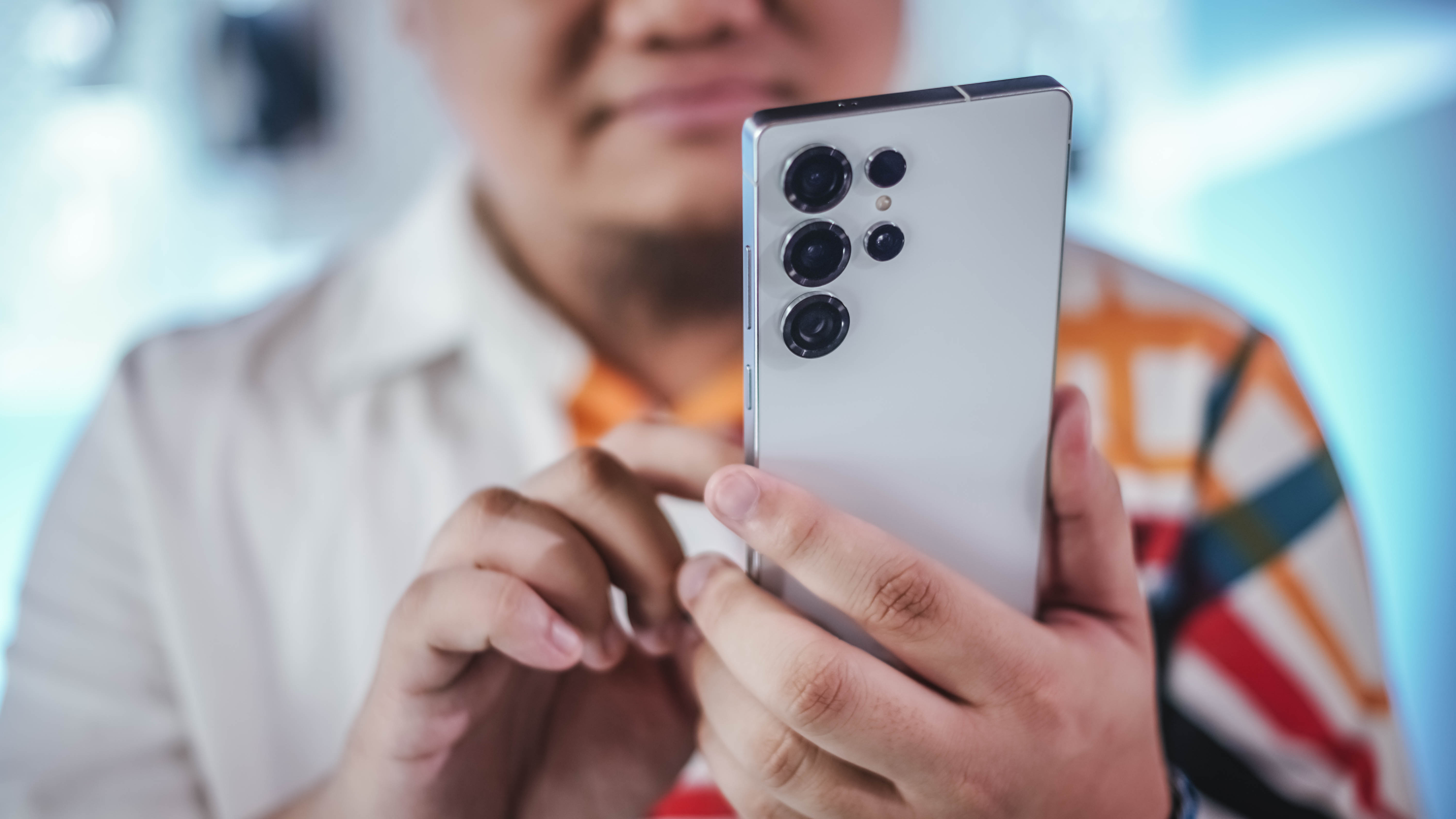

We’ve had a couple of sessions with the Samsung Galaxy S25 series now that it feels like a complete first date and a half experience. With that time spent, we feel we have some grasp of what it has to offer and if it can potentially be a match for us.
So, in this edition of Match Pulse, we’ll share with you what’s new with the Galaxy S25 Series and some quick thoughts on how we feel about them overall.
First Look
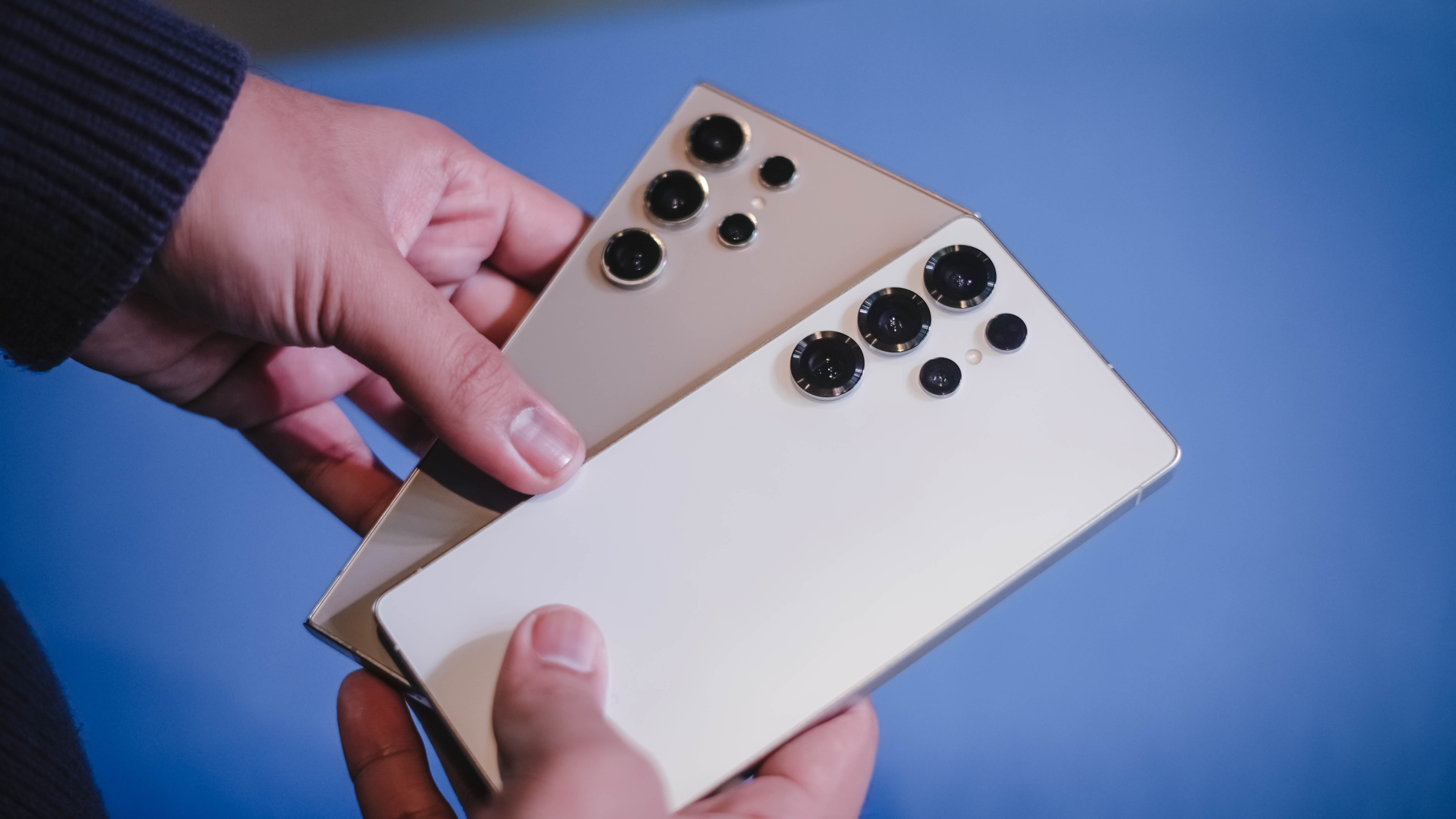
If you’re not actively comparing the Galaxy S25 Ultra with its predecessor, you’ll barely notice the difference. The overall look remains the same, but Samsung did apply a few tweaks here and there.
The Galaxy S25 series is now 15% slimmer and has a thinner bezel compared to its predecessor. The edges have also been rounded, supposedly for an improved grip.
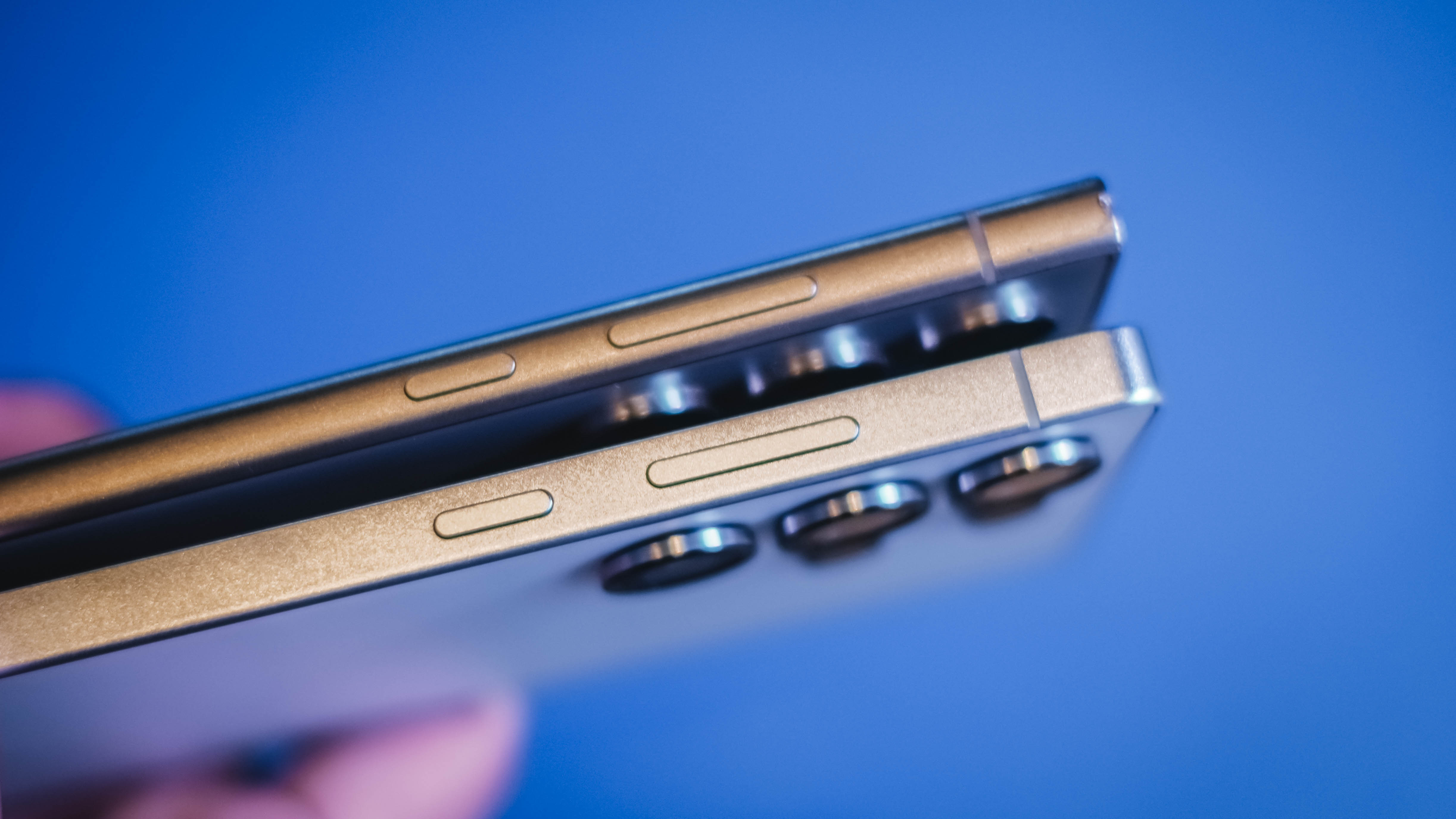
The above mentioned all contribute to a lighter device. This is something you’ll notice even more if you’re jumping from a Galaxy S series older than the Galaxy S24 Ultra.
For durability, it has improved titanium along with Corning Gorilla Armor 2. Again, these are things that have always been there, just updated to the latest level.

Overall, the Samsung Galaxy S series has mostly stuck to the same design language for the better part of the past half decade.
The lack of novelty might be underwhelming, but if you look at it from a consistency standpoint, then the Galaxy S series has certainly excelled. And there’s something sexy about something being consistent and reliable.
First Date
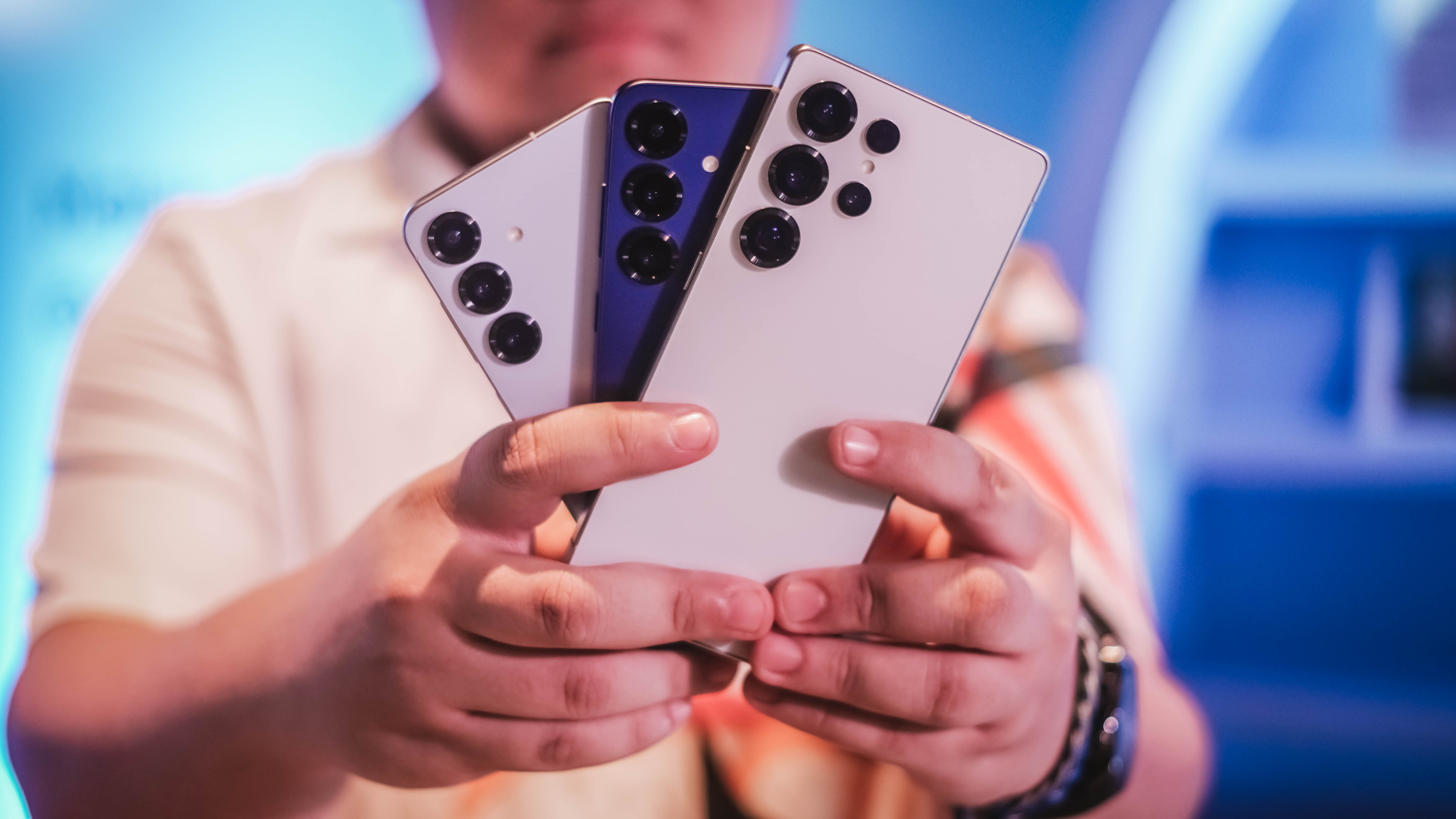
As mentioned above, there’s something sexy about consistency. And for the most part, the Galaxy S25 Ultra, and by extension the entire series, largely handles the same way.
It’s fantastic news that the entire series will get the same SoC – Snapdragon 8 Elite For Galaxy. That means you’re getting flagship performance across the board.
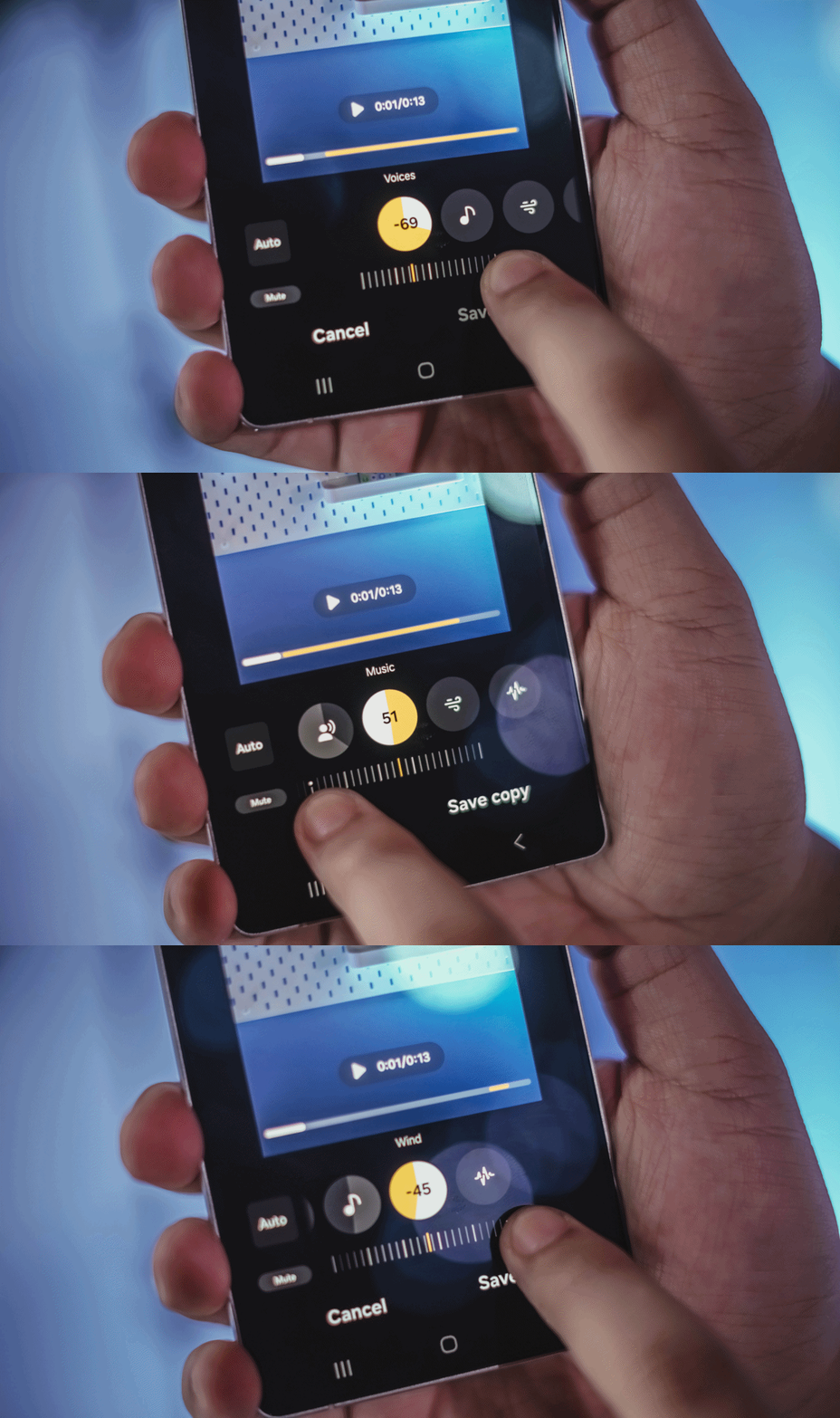
Content Creation tools infused with AI look to be extremely helpful too. Audio Eraser and Nightography Video are two new additions that work great and will immediately be helpful.
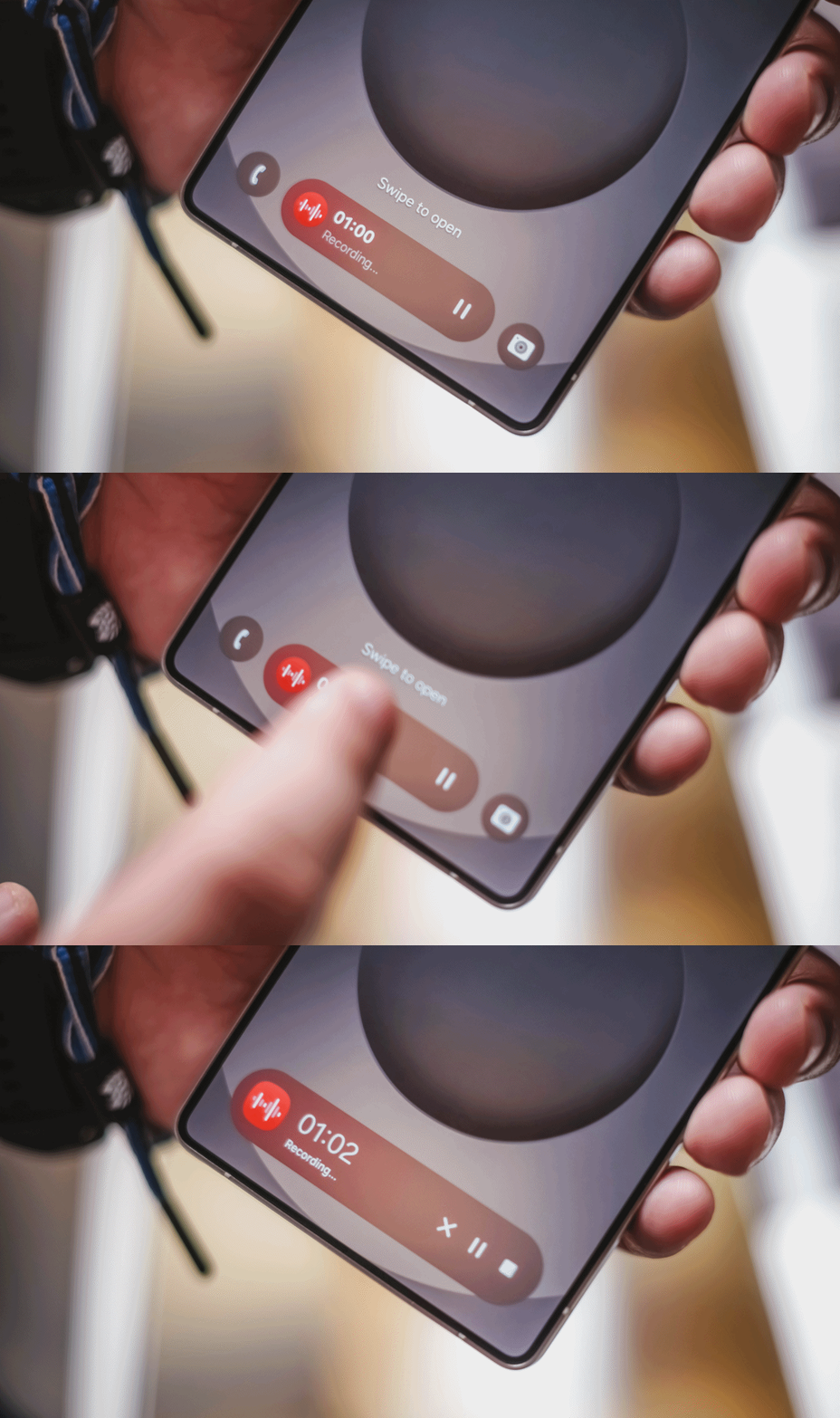
But it’s the Now Brief, Now Bar, and Gemini features that have me intrigued. These are AI tools that permeate across apps and look to improve the way you accomplish things with your smartphones.
The combination of all three aim to provide Galaxy S25 users contextual suggestions and actions. In theory, this should improve your efficiency, lessen the time needed to accomplish certain smartphone tasks, and help you be more present. In practice, it’s a combination of features that will take some getting used to.
First Impressions

So, is the spark there? I have to admit I had once faulted the Galaxy S Series for lacking any real novelty perhaps since the introduction of Galaxy AI. But times have changed and so have I.
The Samsung Galaxy S25 Series, so far, feels like it’s a testament to Samsung’s consistency and their ability to iterate adequately year-after-year. The changes won’t jump out at you. But shock and awe can only do so much. Sometimes, you just need something stable and reliable. Right now, that’s what the Samsung Galaxy S series is all about.
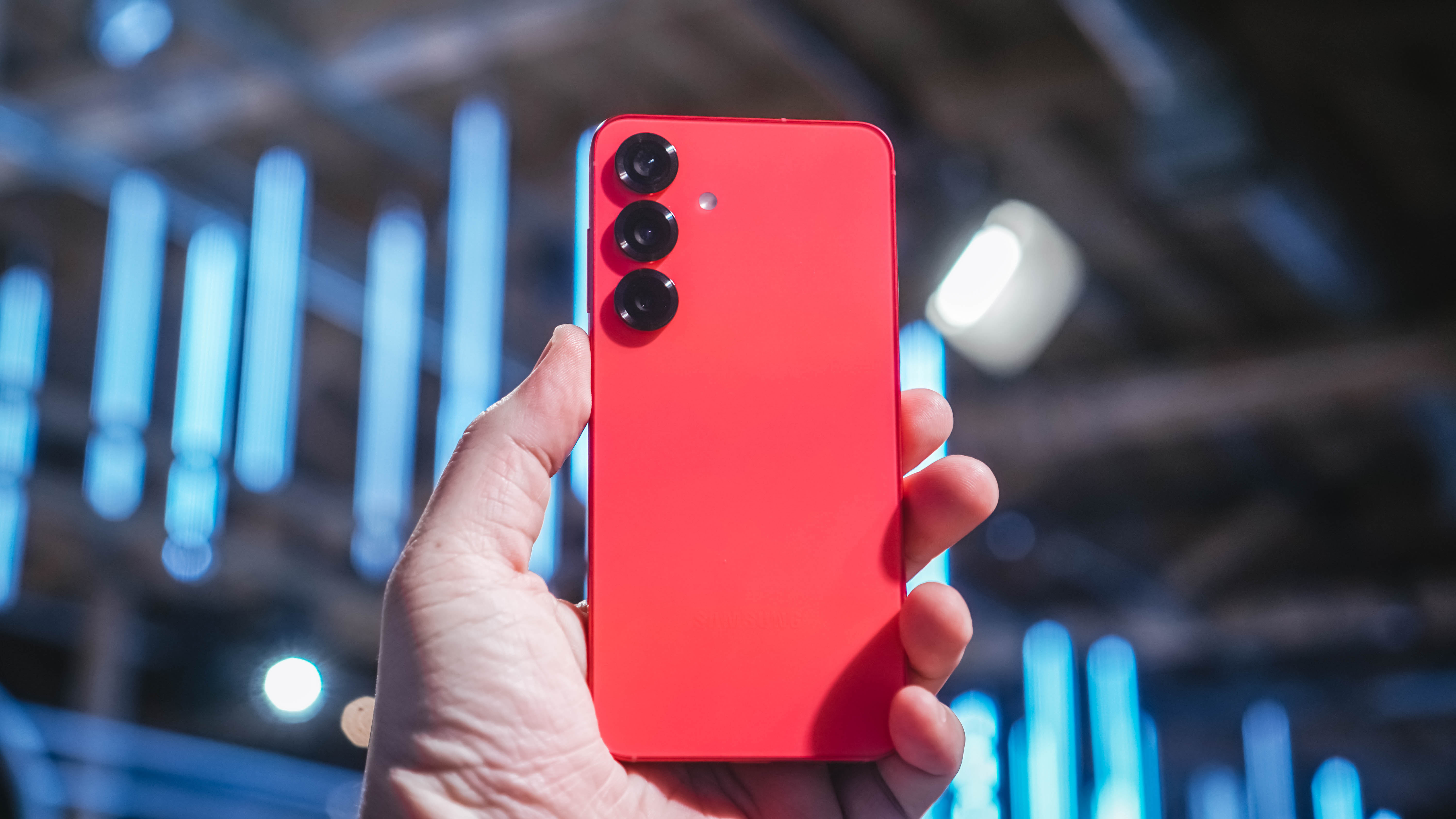
Galaxy S25+ in CoralRed. Wish the Galaxy 25 Ultra also came in this color.
Galaxy S25 Series specs:
| Samsung Galaxy S25 Ultra | Galaxy S25+ | Galaxy S25 | |
| Display | 6.9-inch QHD+ Dynamic AMOLED 2X 1~120Hz Refresh Rate Vision Booster Adaptive Color Tone |
6.7-inch QHD+ Dynamic AMOLED 2X 1~120Hz Refresh Rate Vision Booster Adaptive Color Tone |
6.2-inch FHD+ Dynamic AMOLED 2X 1~120Hz Refresh Rate Vision Booster Adaptive Color Tone |
| Processor | Snapdragon 8 Elite for Galaxy | ||
| Camera | 200MP f/1.7 Main (Wide) 50MP f/1.9 120º Ultra-Wide 10MP f/2.4 3x Telephoto 50MP f/3.4 5x Periscope 12MP f/2.2 Front |
50MP f/1.8 Main (Wide) 50MP f/1.9 120º Ultra-Wide 10MP f/2.4 3x Telephoto — 12MP f/2.2 Front |
|
| Memory & Storage | 12GB + 1TB 12 + 512GB 12 + 256GB — |
— 12 + 512GB 12 + 256GB — |
— — 12 + 256GB 12 + 128GB |
| Battery | 5000mAh | 4900mAh | 4000mAh |
| Charging | 45W Super Fast Charging 2.0 (Up to 65% charge in around 30 mins) Fast Wireless Charging 2.0 Wireless PowerShare |
45W Super Fast Charging 2.0 (Up to 65% charge in around 30 mins) Fast Wireless Charging 2.0 Wireless PowerShare |
25W Super Fast Charging (Up to 50% charge in around 30 mins) Fast Wireless Charging 2.0 Wireless PowerShare |
| OS | Android 15 One UI 7 |
||
| Network and Connectivity | 5G, LTE Wi-Fi , Wi-Fi Direct Bluetooth 5.4 |
||
| IP Rating | IP68 | ||




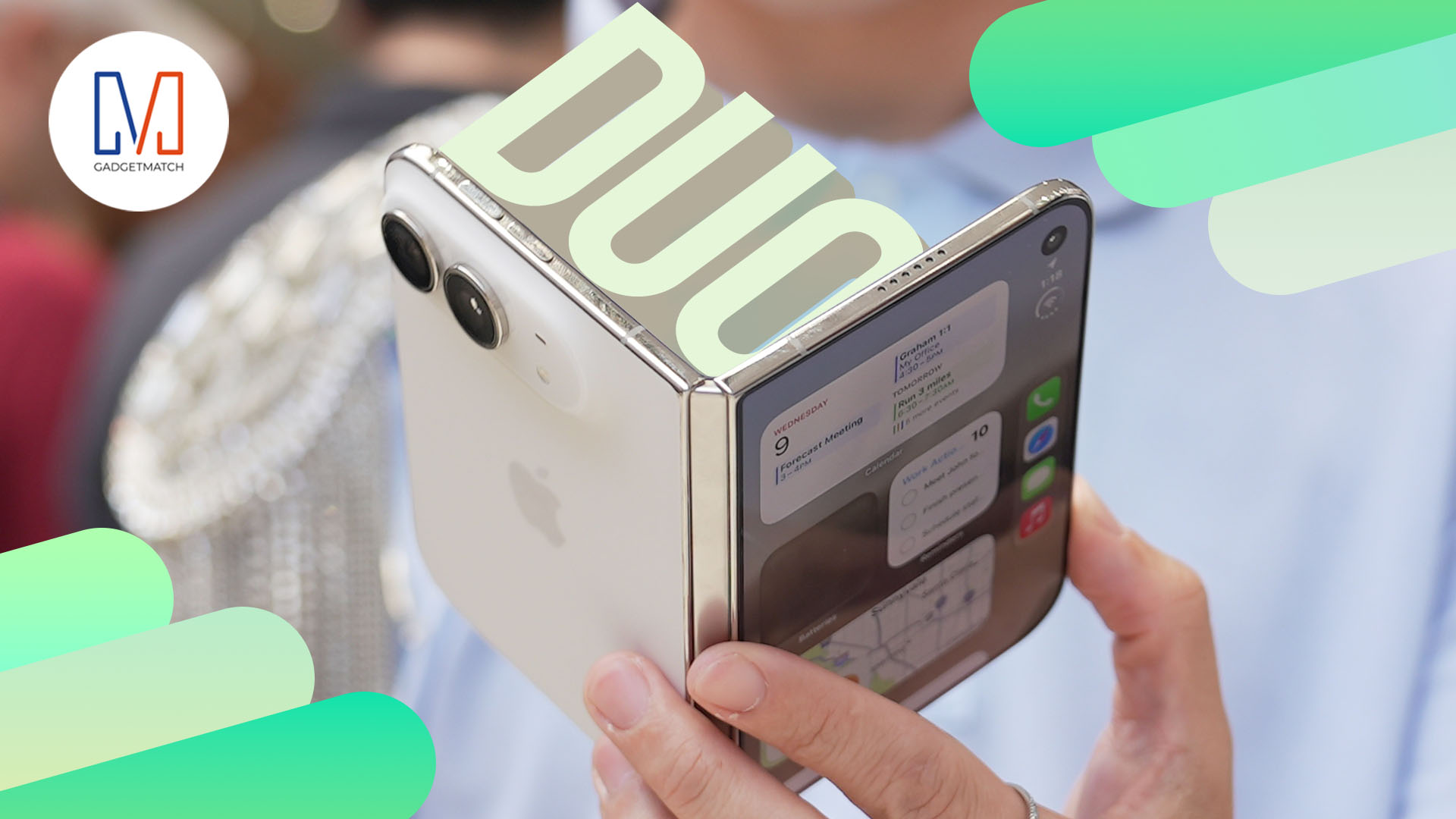
Apple’s first ever foldable is finally here! Say hello to the iPhone Duo.
In this video, THE Michael Josh shares his first impressions.
Those include the design, display, cameras, performance, and what it’s actually like to use Apple’s latest iPhone.
Is the iPhone Duo the future of the iPhone or just an interesting experiment?
We take a closer look and share everything that stood out during our hands-on experience.

I sometimes admittedly fall into the trap of having some good ideas in my head but never actually writing them down.
And specially in this era where you can easily be distracted by the pace of life, the external stimuli, and pretty much just stressful moments, it pays to have a companion to help you become organized.
Otherwise, those thoughts I mentioned about would just fly above my head.
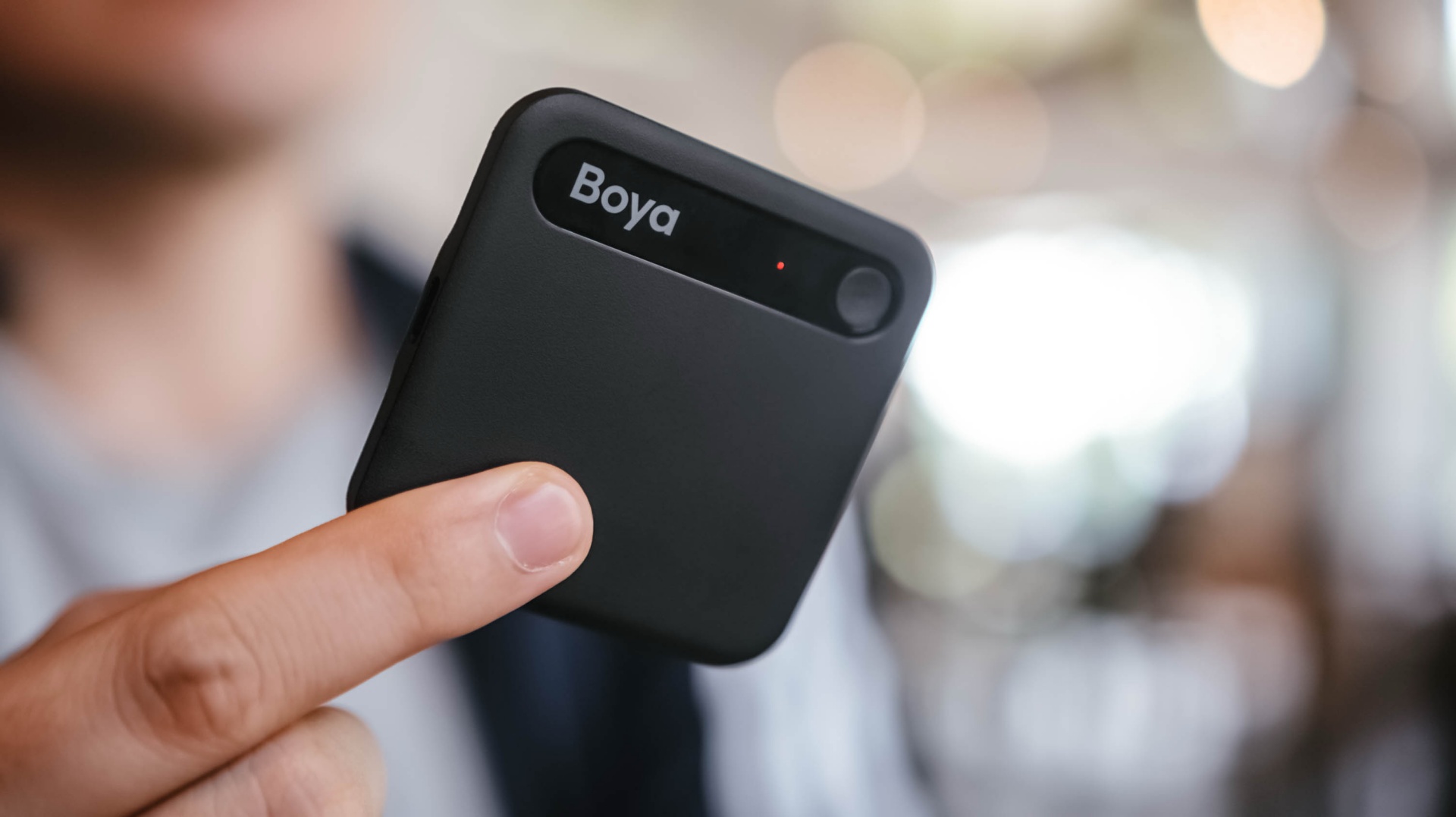
That’s where the Boya Notra Neo comes in. It’s a pretty straightforward portable AI recorder. As its slogan suggests, it’s for meetings, calls, and ideas.
It’s Boya’s more accessible, more affordable answer to the earlier Boya Notra.
Everyday AI note-taking made accessible
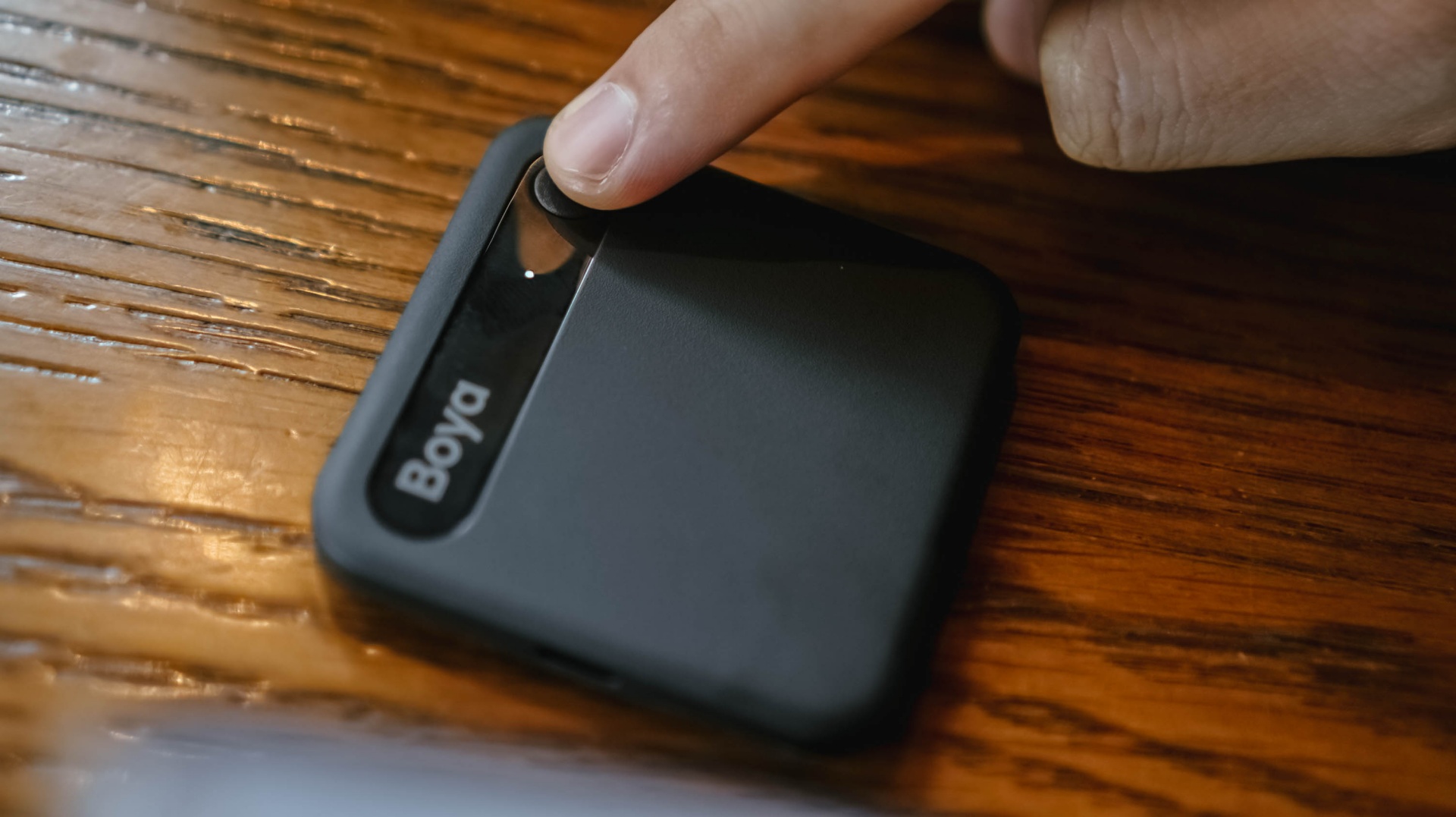
The Neo is incredibly lightweight and something you can sneak into your pocket easily.
I’ve been only able to use it a couple of times in casual settings, when ideas start to flow naturally in the middle of conversations.
Honestly, it’s great to have a companion device for such scenarios.
Although by default, your initial thought when such ideas arise is “Write that down”, sometimes, we are either pre-occupied or distracted by what’s in front of us.
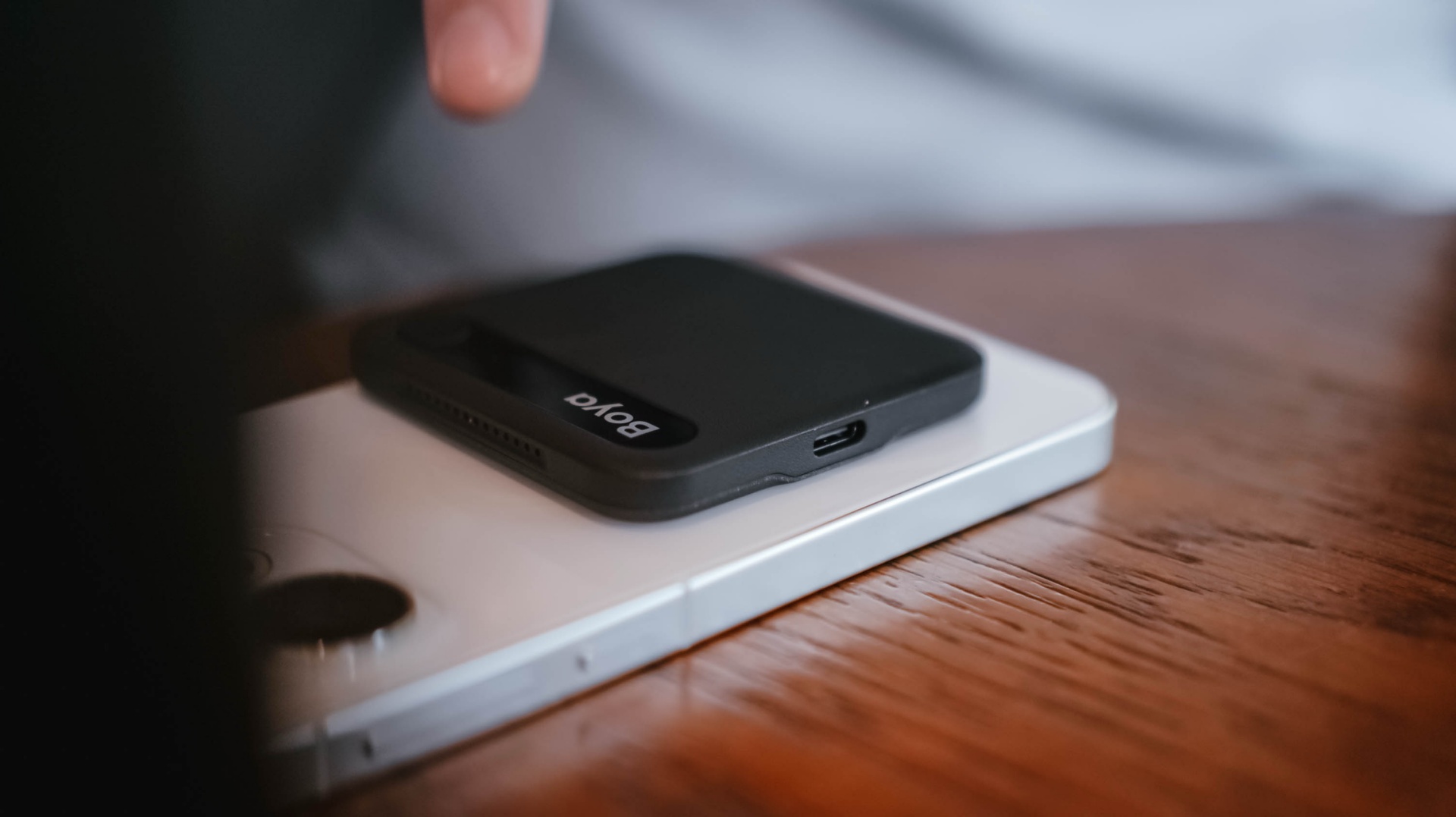
The Boya Notra Neo makes sure we don’t miss note-taking. One tap and it will automatically record audio.
This convenience translates to school group meetings and projects to even more professional settings.
Then, there are journalists like me who occasionally have to interview resource persons and attend press conferences, so this recorder comes in handy.
There are three recording modes to suit real-time needs: Ambient, Phone Call, and Bluetooth.
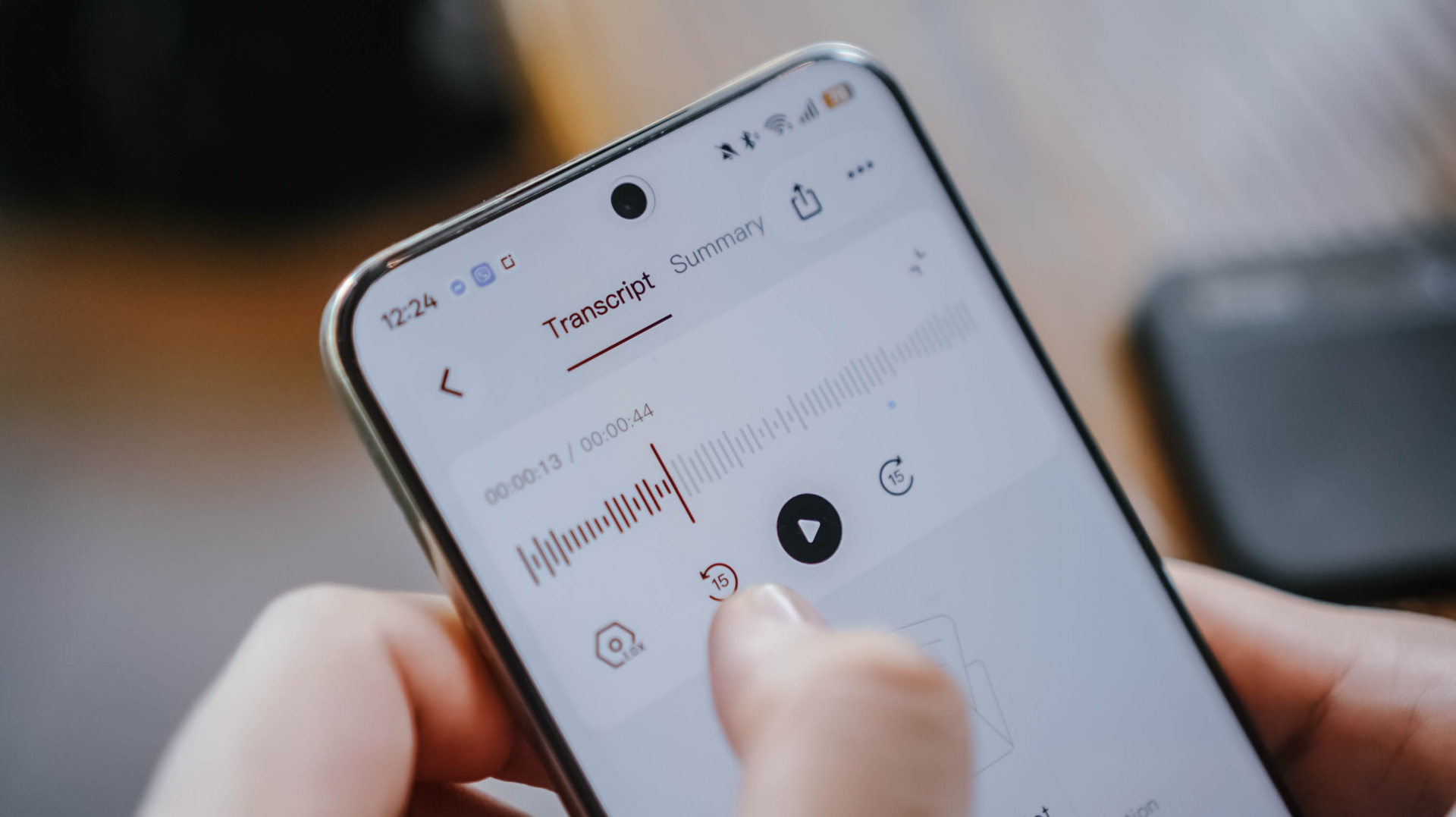
Post-handling of audio recordings are likewise a breeze. Through the Boya OS app, you can connect the device via Bluetooth to sync previous recordings.
If you’re not initially connected to the internet, the device will still be able to record a considerable length with its built-in 8GB memory.
Then, you can just sync the recordings to your device. You can then transcribe the recording on the app with its easy-to-understand interface.
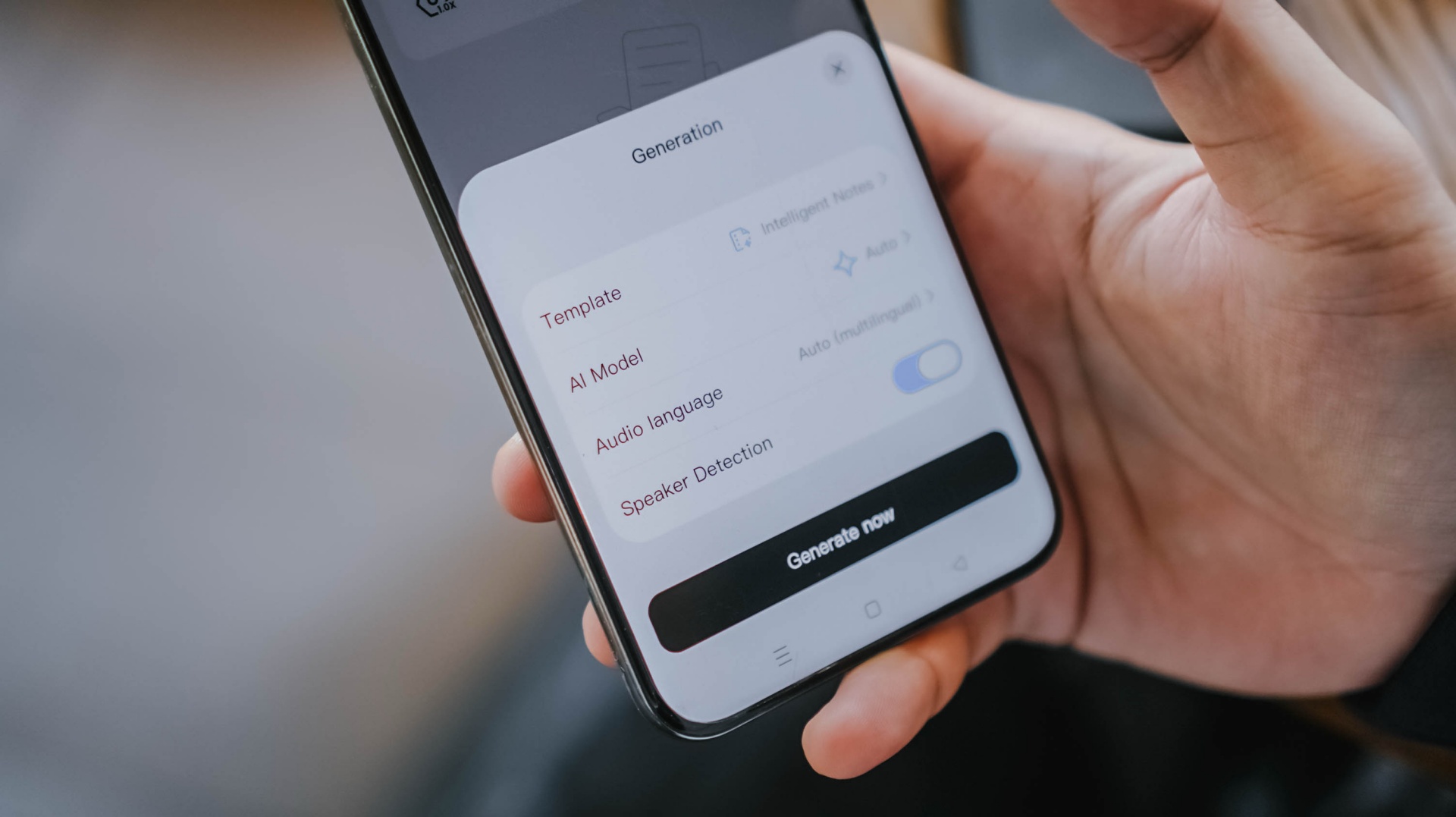
You can even choose from over 140 languages, the style of the transcription from 60 professional templates, and the AI model to help you with generating the text.
Beyond that, you can generate a summary or a mind map to quickly review what has been discussed, be it a meeting, a quick call, or a brainstorming session. You can likewise do an AI search across the recording to find more important notes or quotes and their timestamps.
Boya Notra Neo now available for pre-orders
The Boya Notra Neo is now available for pre-orders, ahead of its September 4 launch at IFA 2026.
Pre-ordering now entitles customers to a discount, so they can get the recorder for just US$ 69.99 (SRP: US$ 79.99).
Customers can purchase here.
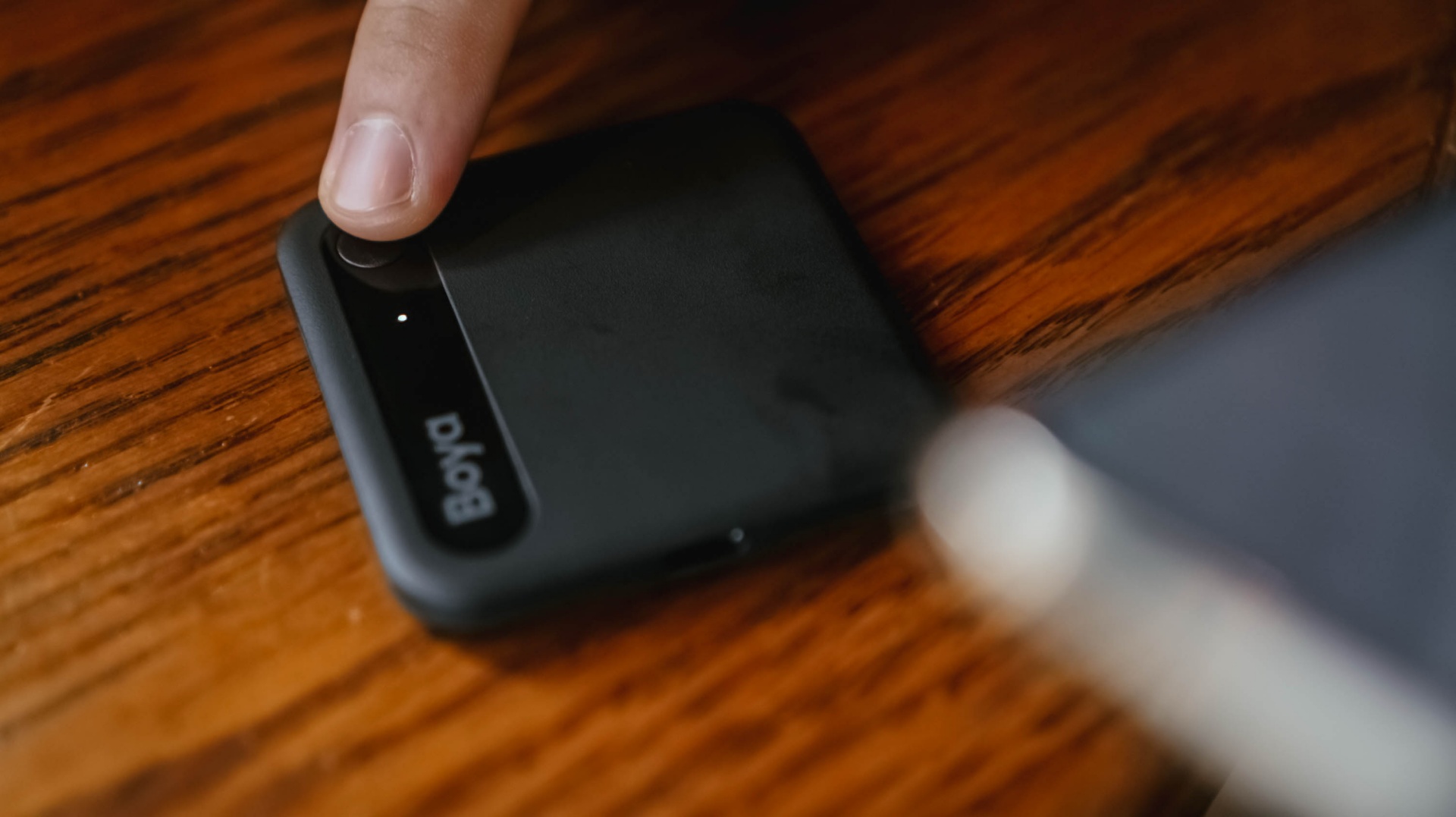
What’s good about the Notra Neo is its ample free recording minutes per month, as it is meant for everyday casual recording to begin with.
This allowance resets every month, so you can start using the device for free.
Subscriptions, on the other hand, are available for those needing more minutes and access to other features.
And oh, there are four colors to choose from to match your smartphone and fashion sense.
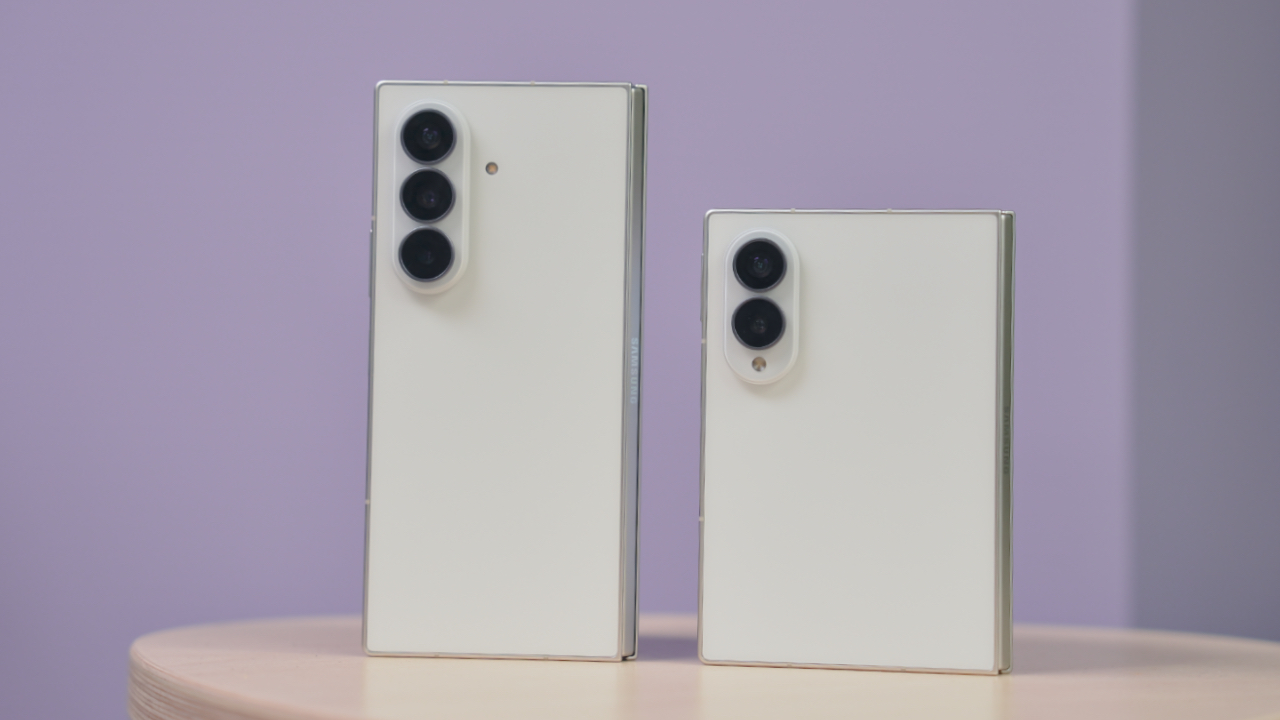
Samsung surprised everyone by introducing not one, but two book-style foldables this year. Alongside the Galaxy Z Fold8 Ultra, the company also unveiled the all-new Galaxy Z Fold8, offering users two distinct takes on the foldable experience.
We’ve only spent a short time with both devices, so this isn’t a full comparison. Think of this as a quick side-by-side look at what immediately stood out during our first hands-on.
In the hand

The biggest difference becomes apparent before you even unfold either device.
Folded shut, the Galaxy Z Fold8 immediately feels more natural in the hand. It’s easier to grip, feels better balanced, and slips into a pocket more comfortably. If you’ve been waiting for a foldable that behaves more like a conventional smartphone when closed, the Fold8 leaves a strong first impression.
The Galaxy Z Fold8 Ultra, on the other hand, feels more familiar. It carries forward the traditional book-style Fold experience with a larger footprint that longtime Fold users will instantly recognize.
When it’s time to work
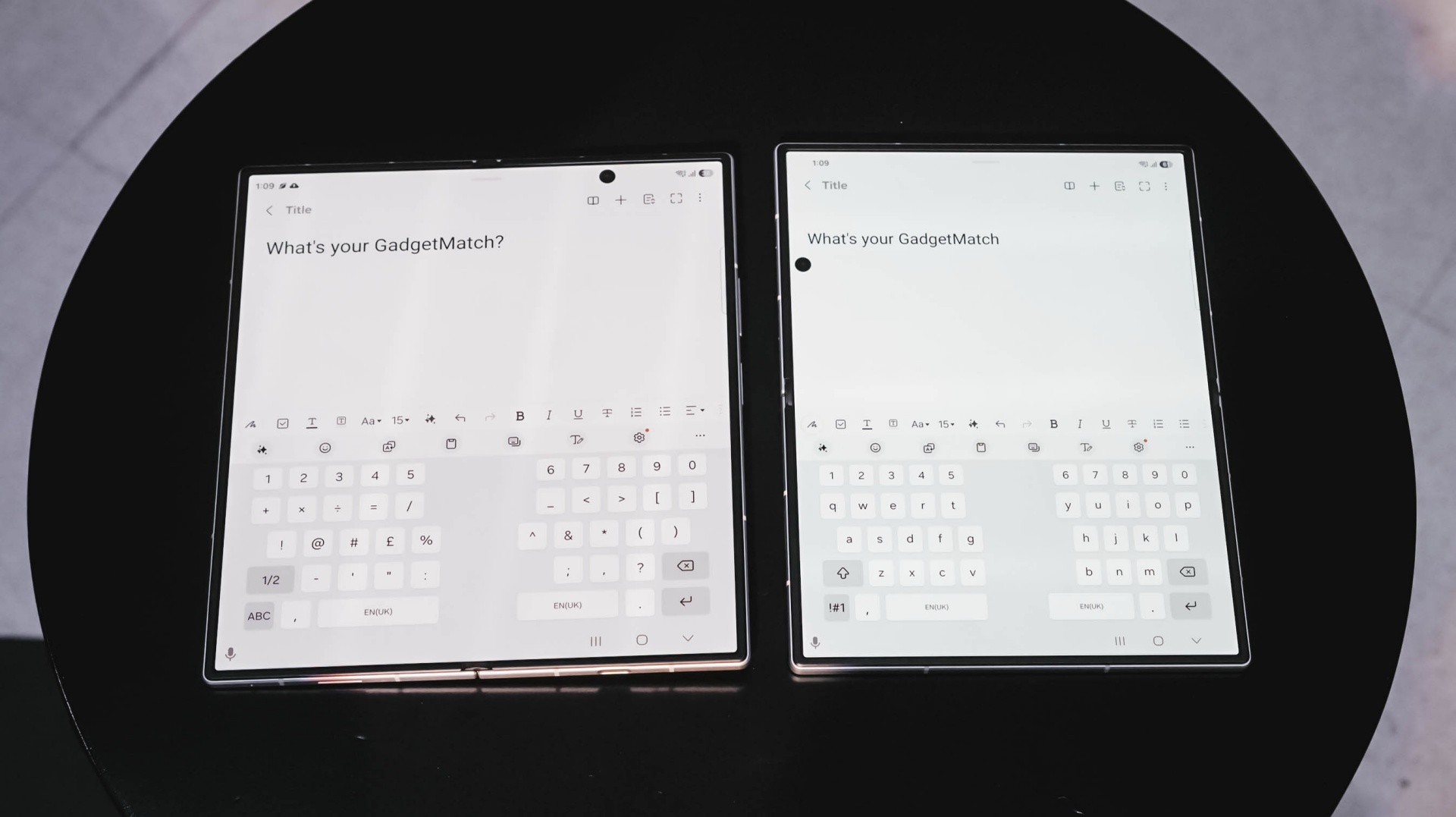
Once unfolded, the gap narrows considerably.
Both devices offer enough room to comfortably write, edit documents, answer emails, or multitask without feeling cramped. During our hands-on, neither device felt noticeably better for productivity.
The same goes for typing. Both provide enough keyboard space to comfortably write articles, answer emails, or even draft letters you’ll never send.
At least from our limited time with both devices, there’s no clear winner here.
Watching videos

Media consumption is where the Galaxy Z Fold8 stands out.
Its wider display makes videos feel more at home, with fewer black bars when watching content like YouTube. It’s a subtle difference, but one that’s immediately noticeable once both devices are unfolded side by side.
The Ultra still offers a larger display overall, but its proportions remain closer to what we’ve come to expect from traditional book-style foldables.
The hinge

Samsung’s two foldables also differ slightly in how they open and close.
The Galaxy Z Fold8 Ultra’s hinge feels firmer and more deliberate. It comfortably holds its position across multiple angles, making Flex Mode feel a little more reassuring.
The Galaxy Z Fold8, meanwhile, feels smoother throughout the motion. Once it reaches a certain point while opening or closing, it naturally continues the movement on its own instead of holding intermediate angles as firmly as the Ultra.
Neither approach is inherently better. They simply offer a different feel in everyday use.
First impressions

After a brief hands-on, it’s clear that Samsung isn’t positioning these devices as direct replacements for one another.
The Galaxy Z Fold8 Ultra continues to refine the company’s established Fold formula. The Galaxy Z Fold8, meanwhile, explores a different direction—one that prioritizes a more familiar in-hand feel while keeping the productivity benefits that make foldables unique.
It’s still too early to draw conclusions about cameras, battery life, or long-term performance. Those answers will have to wait until we’ve spent more time with both devices.
For now, these are the differences that stood out most after our first look.


Marvel’s Wolverine review: When the claws come out
A brutal, cinematic superhero adventure

Setting your bedsheets ablaze with the Lovense Solace Pro
The closest proxy I could find where I'm guilty as sin

Now Playing: Elden Ring Tarnished Edition
Is the Switch 2 port worth the price?

First Look: Apple iPhone Duo

Xbox saves Kojima’s PHYSINT after PlayStation drops support
Marvel’s Wolverine review: When the claws come out

PH to celebrate 1st ever National Cinema Day; movies start at less than $2

New AGON gaming monitor features up to 1000Hz refresh rate

TECNO MEGAPAD 2 review: Eyes on the size

realme 16T 5G with 8000mAh battery, IP69 Pro rating launches in PH

HUAWEI Pura X View is 2026’s first WIDE slab-type smartphone

REDMI Note 17 Series focuses on long-term reliability

REDMI reveals the refreshed Note 17 and Note 17 Pro series


-
 News5 days ago
HUAWEI Pura X View is 2026’s first WIDE slab-type smartphone
-

 News5 days ago
The CAMON Slim 5G is TECNO’s latest ultra-slim smartphone
-
 Cameras1 week ago
DJI Osmo 360 II review: Going all-in on the ecosystem
-

 Features2 weeks ago
The designated photographer’s new favorite phone: OPPO Reno16 Series 5G
-
 IFA 20261 week ago
TECNO MEGABOOK T15 360 unveiled at IFA 2026
-

 Gaming1 week ago
NBA 2K27 review: A two-way All-Star
-
 Reviews2 weeks ago
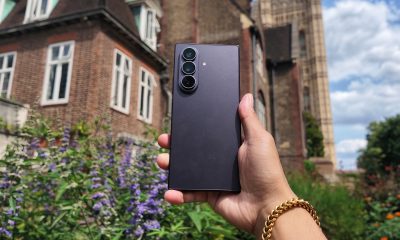
Samsung Galaxy Z Fold8 Ultra review: It’s time to get a foldable
-

 Lifestyle2 weeks ago
NBA, Salmon team up for multi-year partnership