

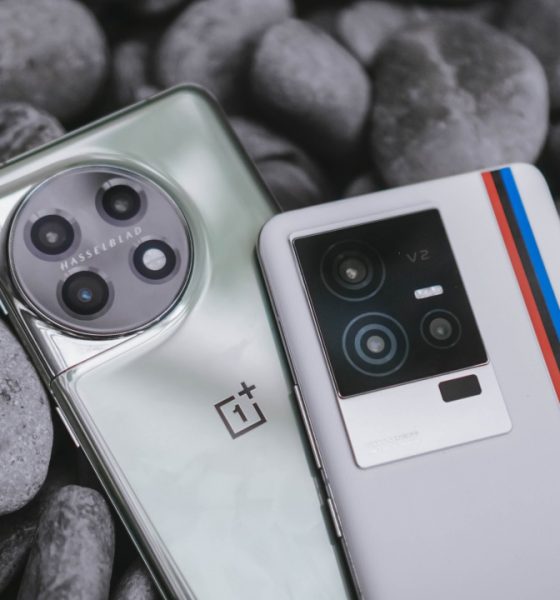

Aside from 10 as my favorite number, 11 is also a special one: IVE’s Eleven, Stranger Things’ Eleven, wishing every 11:11, to name a few. But which “11” will reign in today’s camera smackdown?
Coincidental or not, iQOO and OnePlus both offer “11” as their latest flagship smartphones. Both equipped with the latest Snapdragon 8 Gen 2 chipset and both coming from the same parent company BBK Electronics, a lot of you will probably say they are just similar phones with a different body.
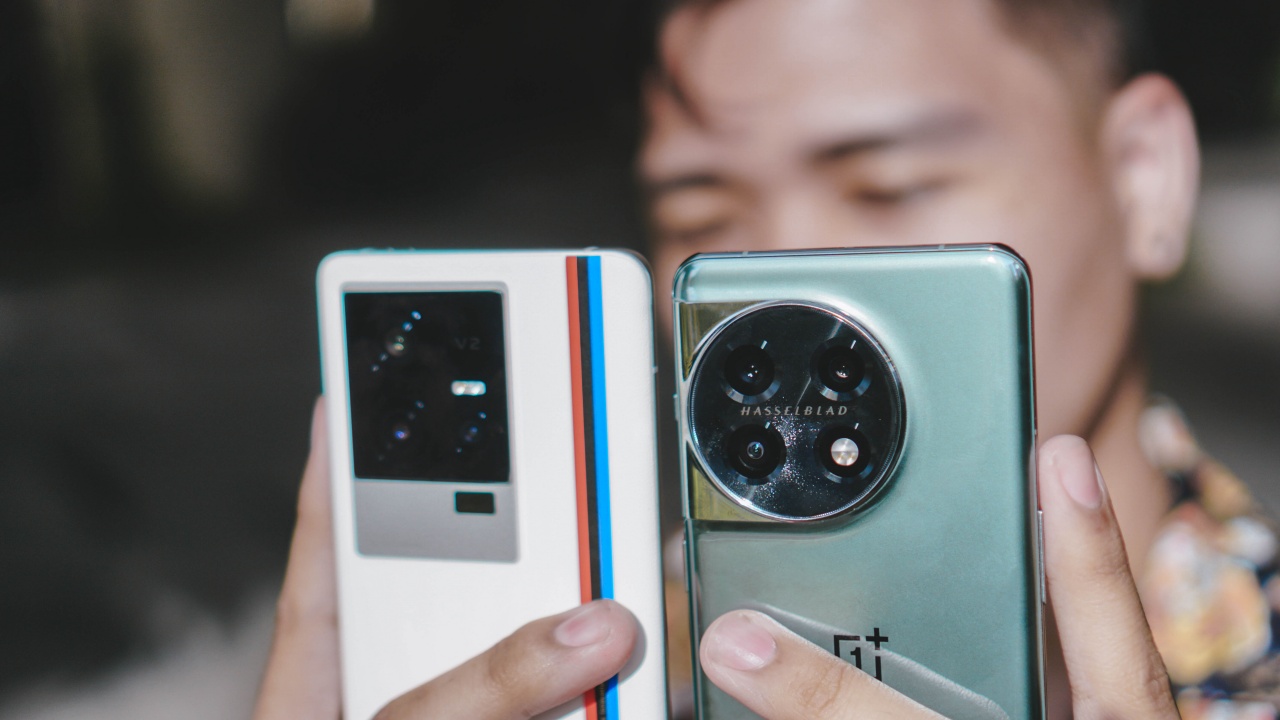
To add more to the guesswork, iQOO’s 11 was launched as early as December 2022. Meanwhile, OnePlus 11 was launched as early as January 2023 in China followed by a global launch in February.
Camera Specs
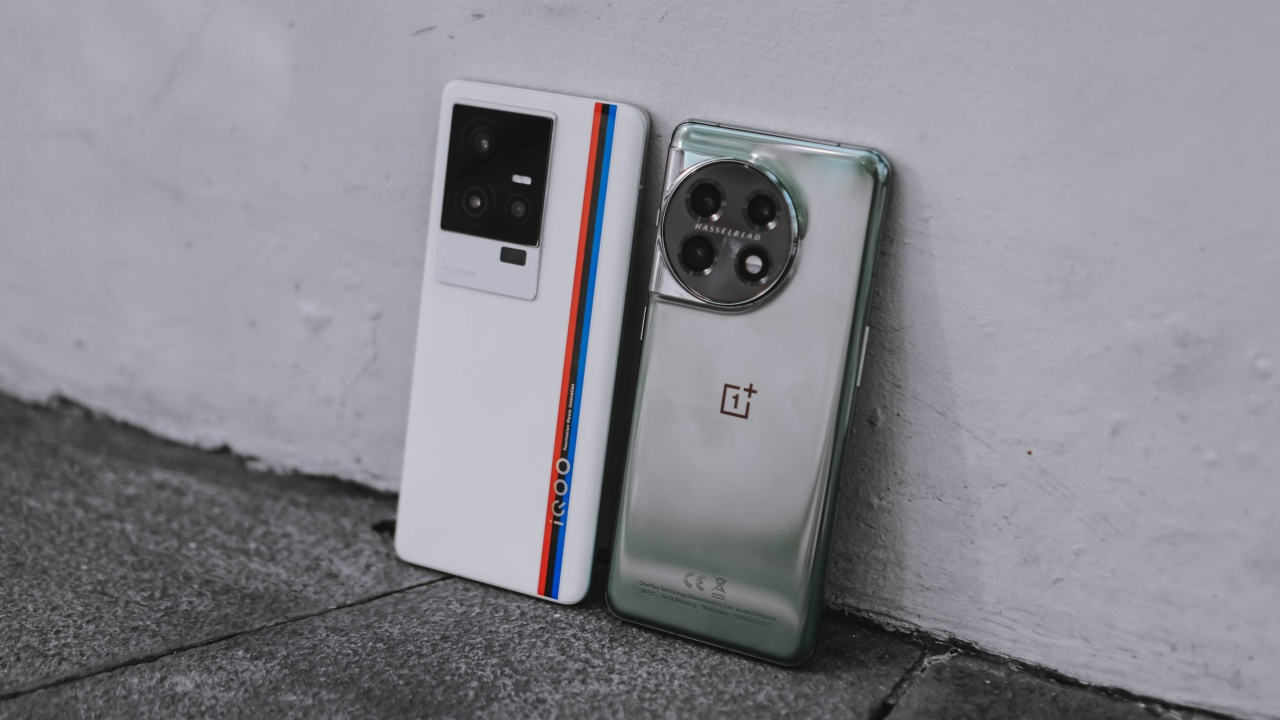
Looking at their specific camera hardware specifications, the only thing that’s quite similar are their main (1x wide) camera sensors. The difference? iQOO 11 uses Samsung’s GN5 which is also the same one from its older sibling, the iQOO 9T. Meanwhile, OnePlus 11 has the newest offering from Sony — the IMX890. Selfie cameras are also the same at 16MP with an f/2.5 aperture.
| OnePlus 11 | iQOO 11 | |
| Wide | 50MP f/1.8 1/1.56” Sensor Size Multi-directional PDAF OIS |
50MP f/1.9 1/1.57” Sensor Size PDAF OIS |
| Ultra-Wide | 48MP f/2.2 115º AF |
8MP f/2.2 116º |
| Telephoto | 32MP f/2.0 2x optical zoom 20x digital zoom PDAF |
13MP f/2.5 2x optical zoom 20x digital zoom PDAF |
| Selfie | 16MP f/2.5 Gyro-EIS |
16MP f/2.5 Gyro-EIS |
Other than that, there are major differences between their ultra-wide (UWA) and 2x telephoto lenses. Most of all, iQOO has vivo’s special V2 imaging chip while OnePlus’ has its Hasselblad partnership for a more accurate camera color calibration plus built-in camera filters (that I didn’t use for fairness’ sake).
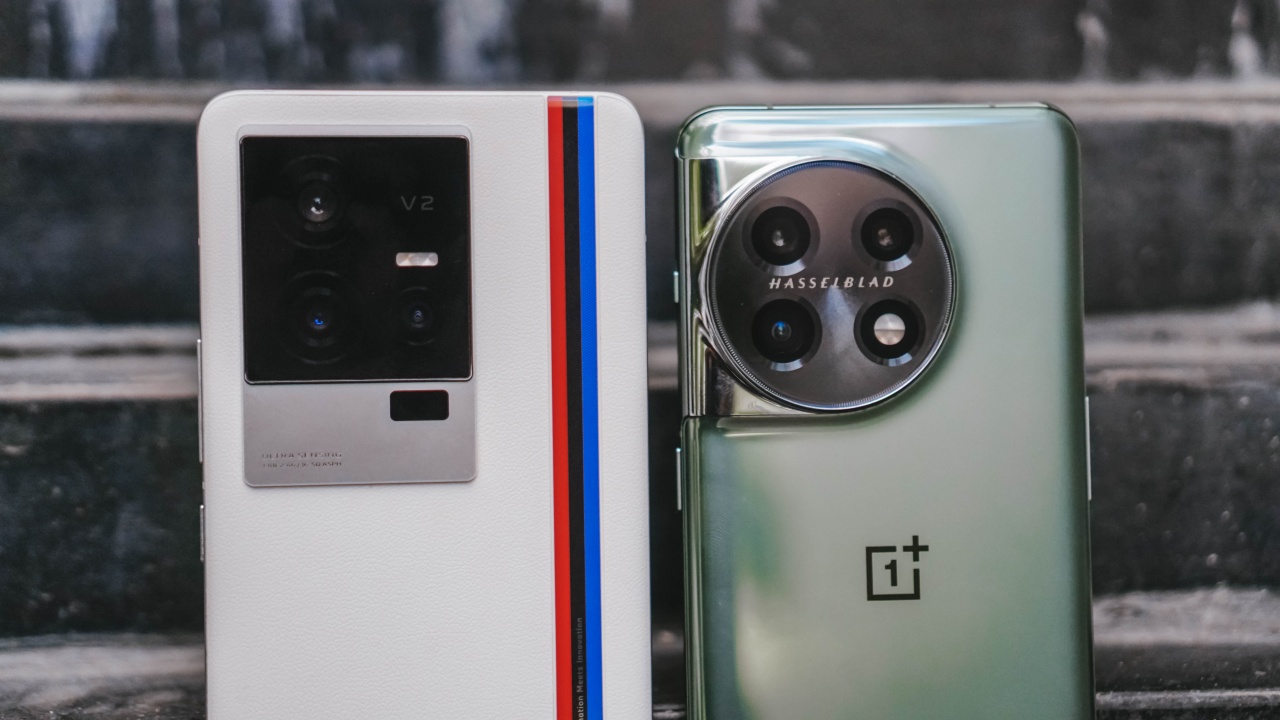
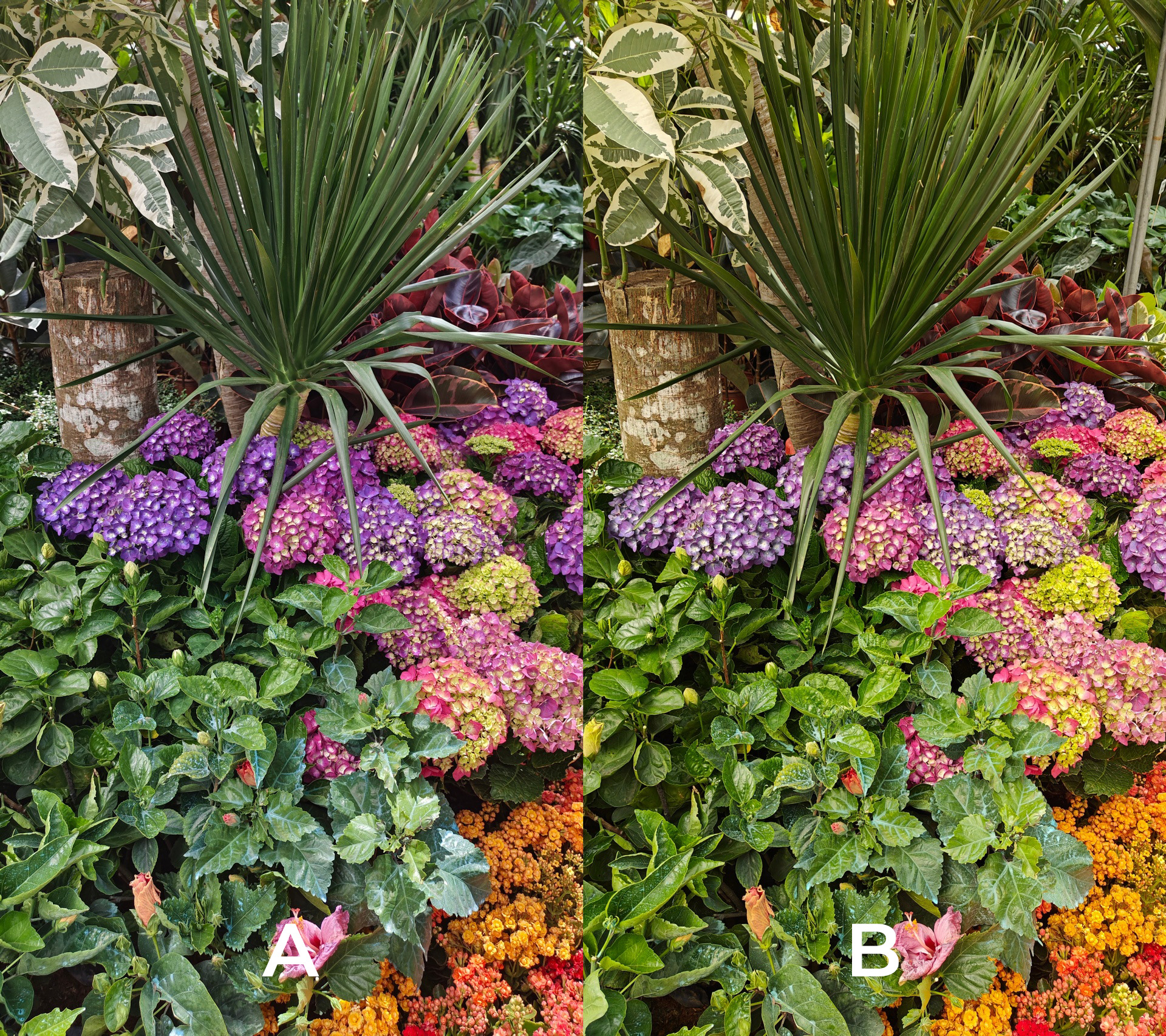
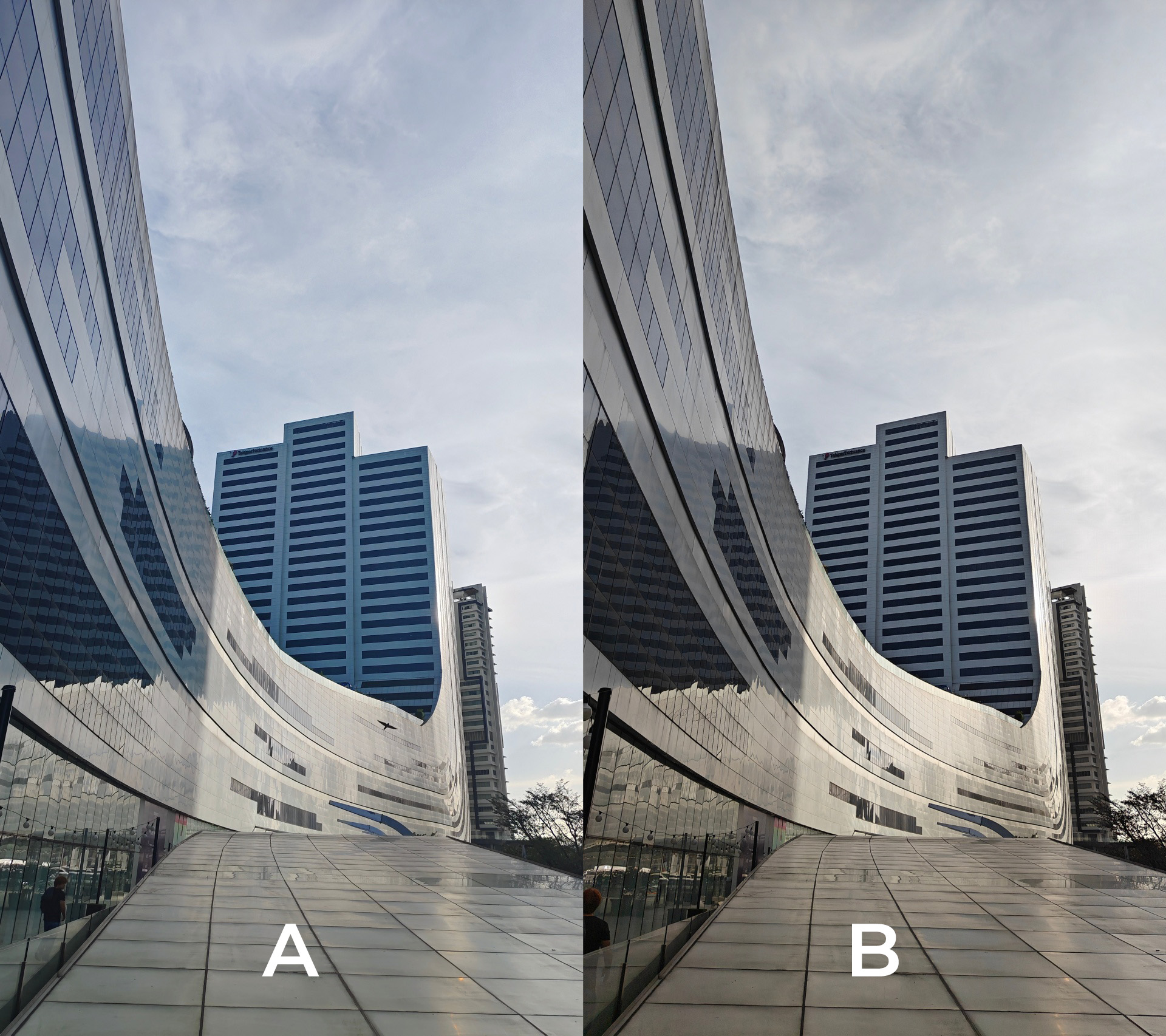
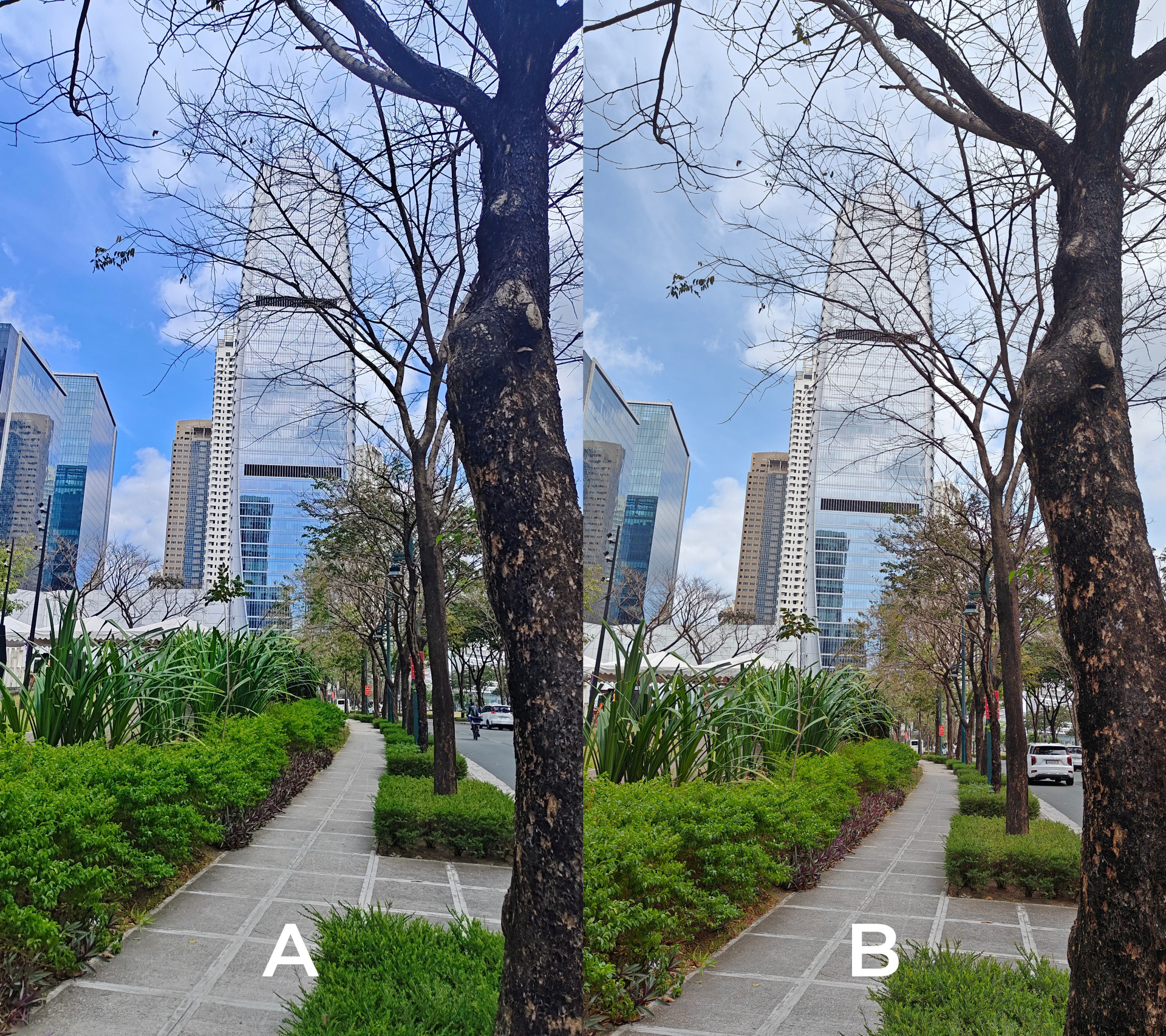
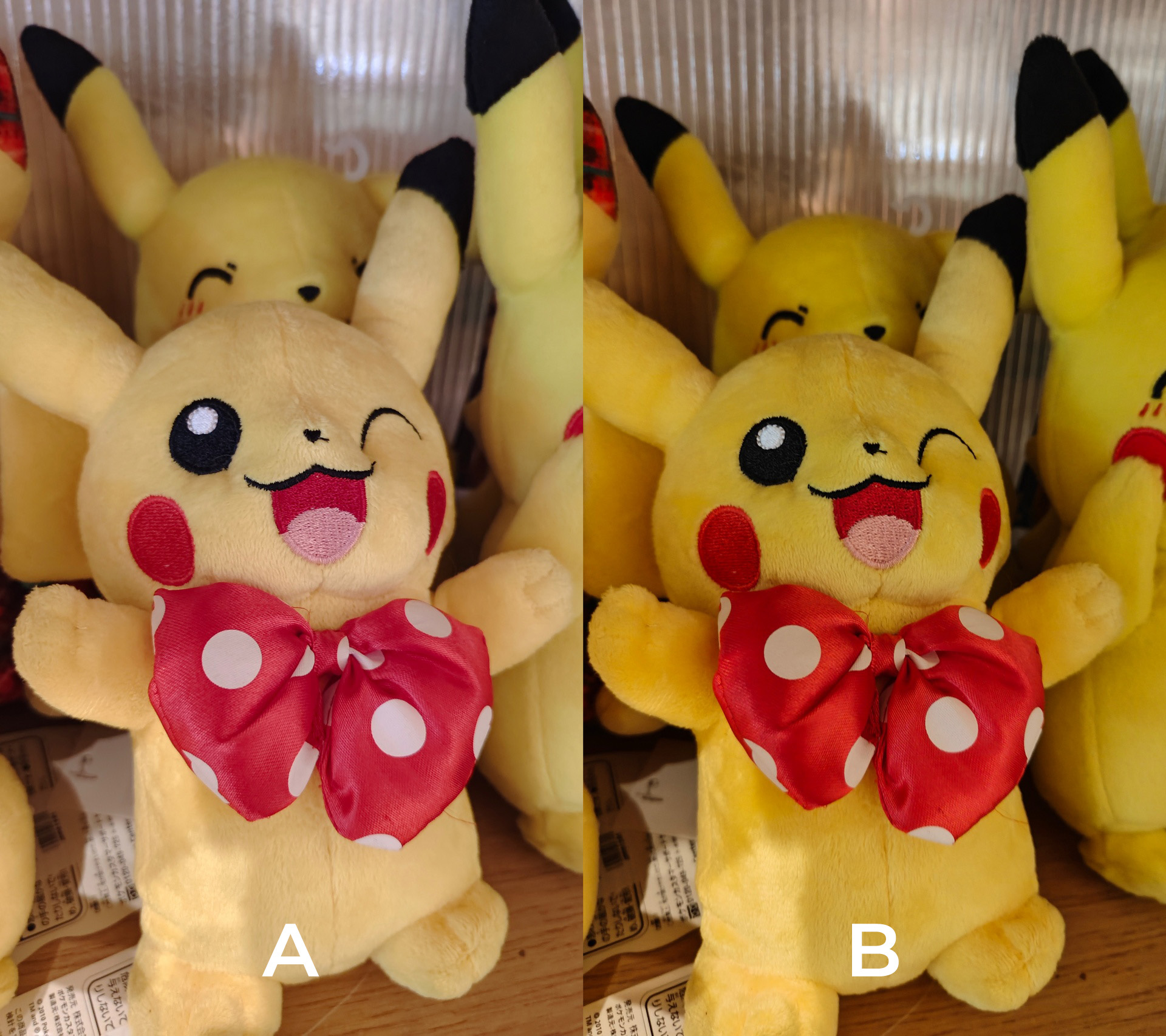
But as we always say, specs are just numbers. What we need to know are the real-world camera performance of each phone. To fully-embody “11” in this specific writeup, I’ve nit-picked 11 sets of photos for each category — together with some bonuses at the end (that are not 11, sorry).
Disclaimer: Just like our previous camera shootouts, photos were collaged, resized, and labeled for faster loading and preview. No other manipulations were applied.
Wide
When it comes to camera hardware, the wide sensors of both phones are a close call. But are they actually close in terms of output quality?
W1
W2

W3

W4

W5

W6
W7
W8
W9
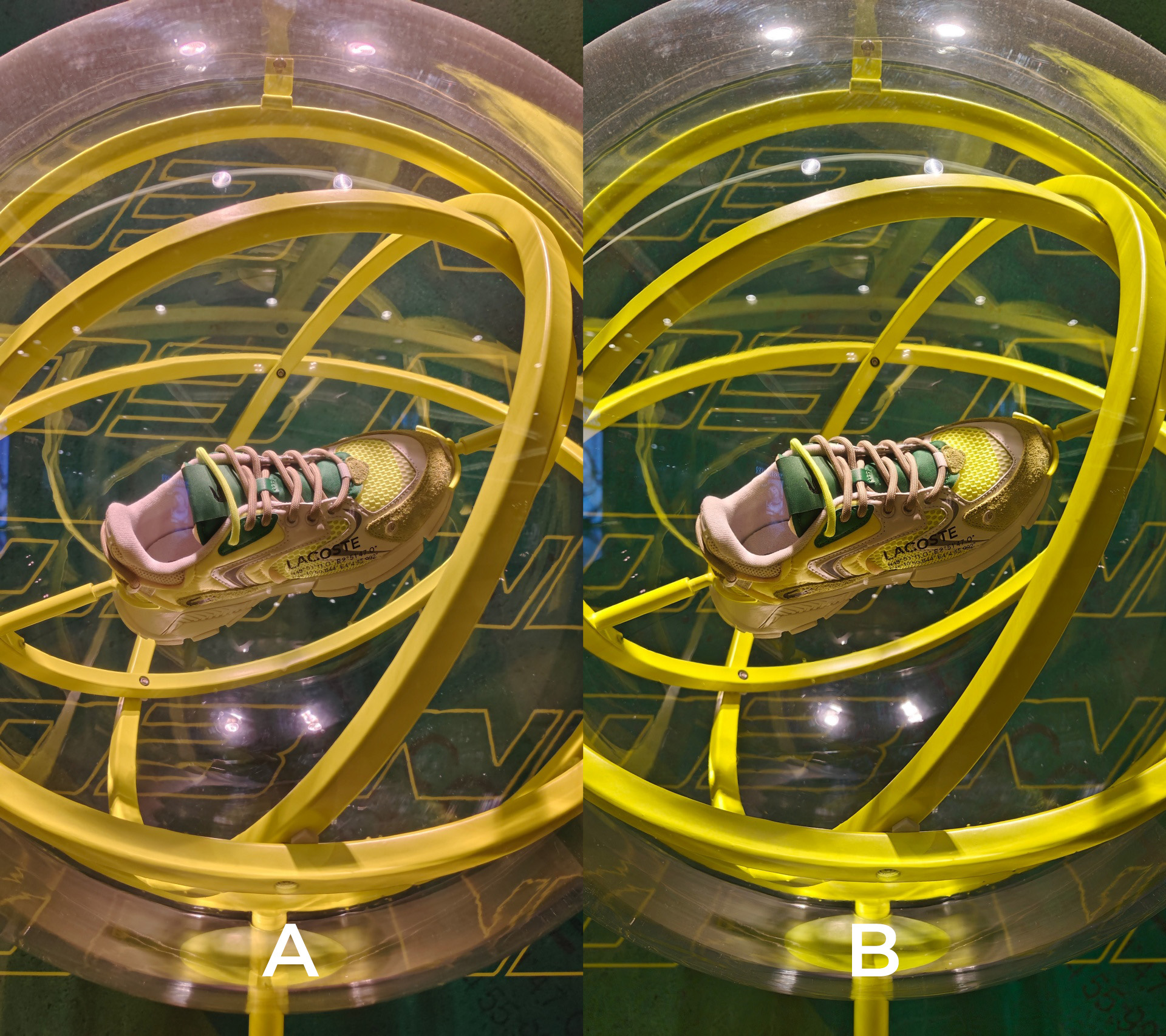
W10
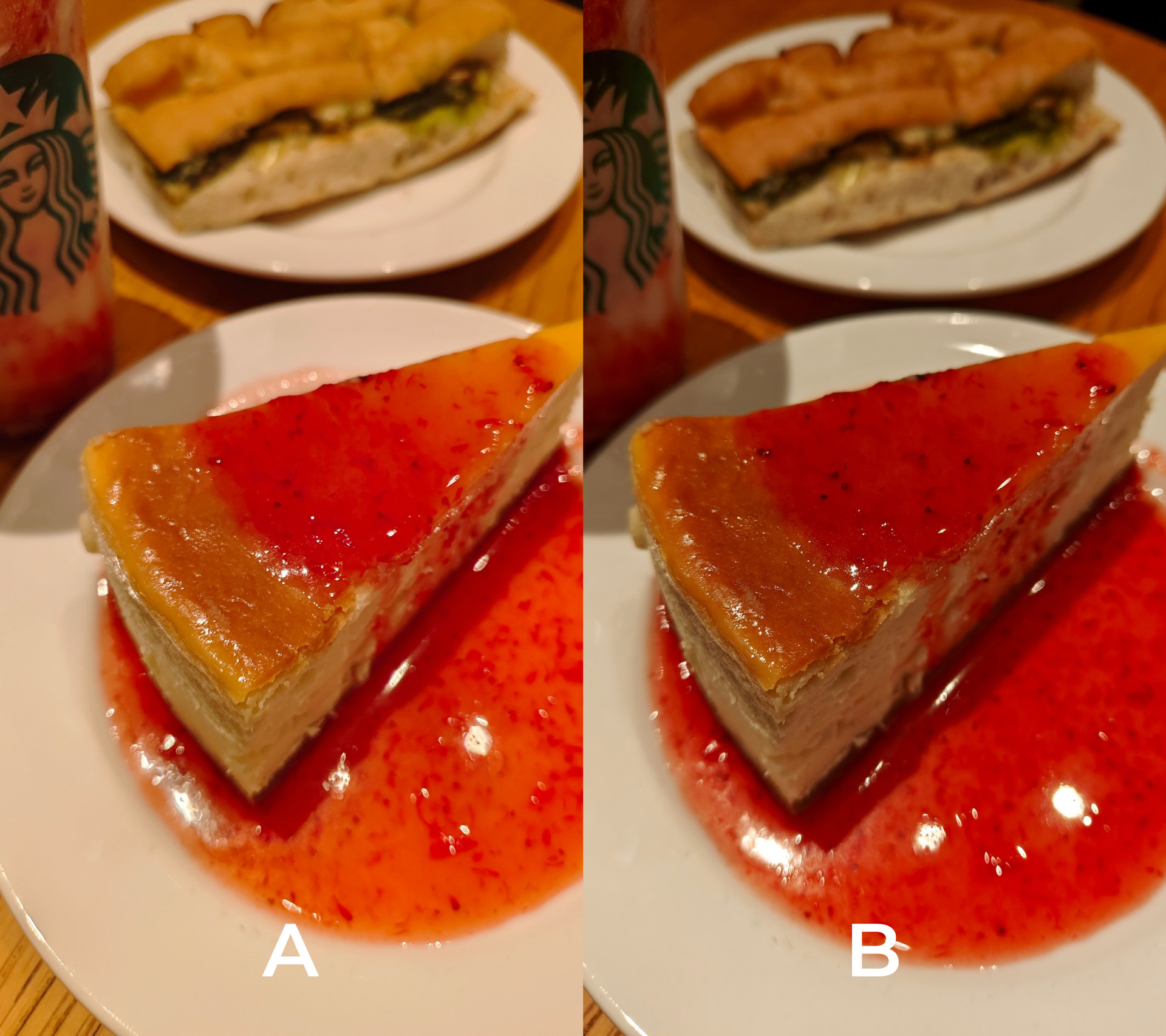
W11

Ultra-wide
Even though the UWA lenses of both phones are close in terms of aperture and FoV (Field of View), the obvious advantage of the OnePlus 11 is its 48MP shooter over iQOO 11’s measly 12MP sensor. But can you actually tell which is which?
U1

U2

U3

U4
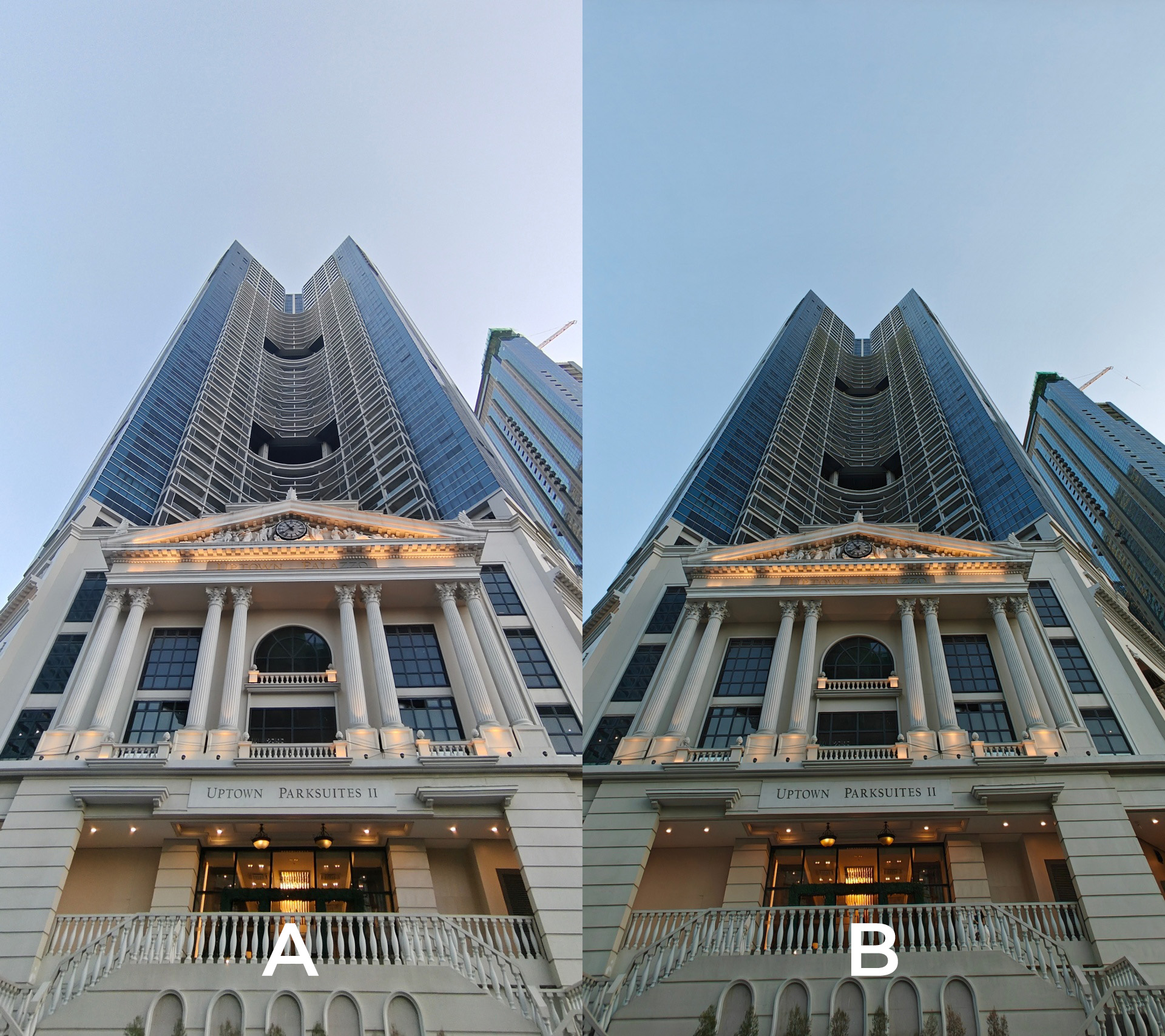
U5
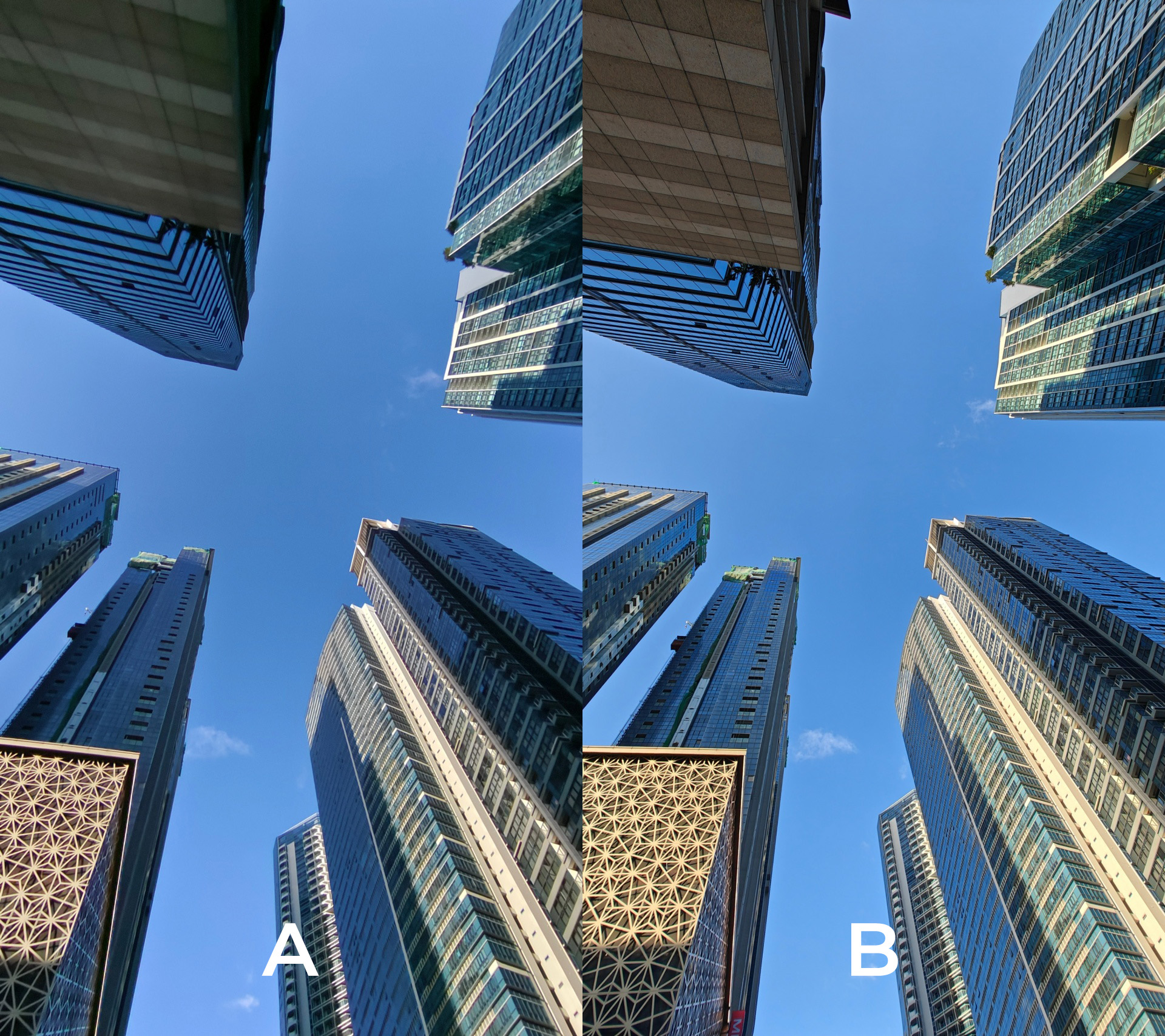
U6
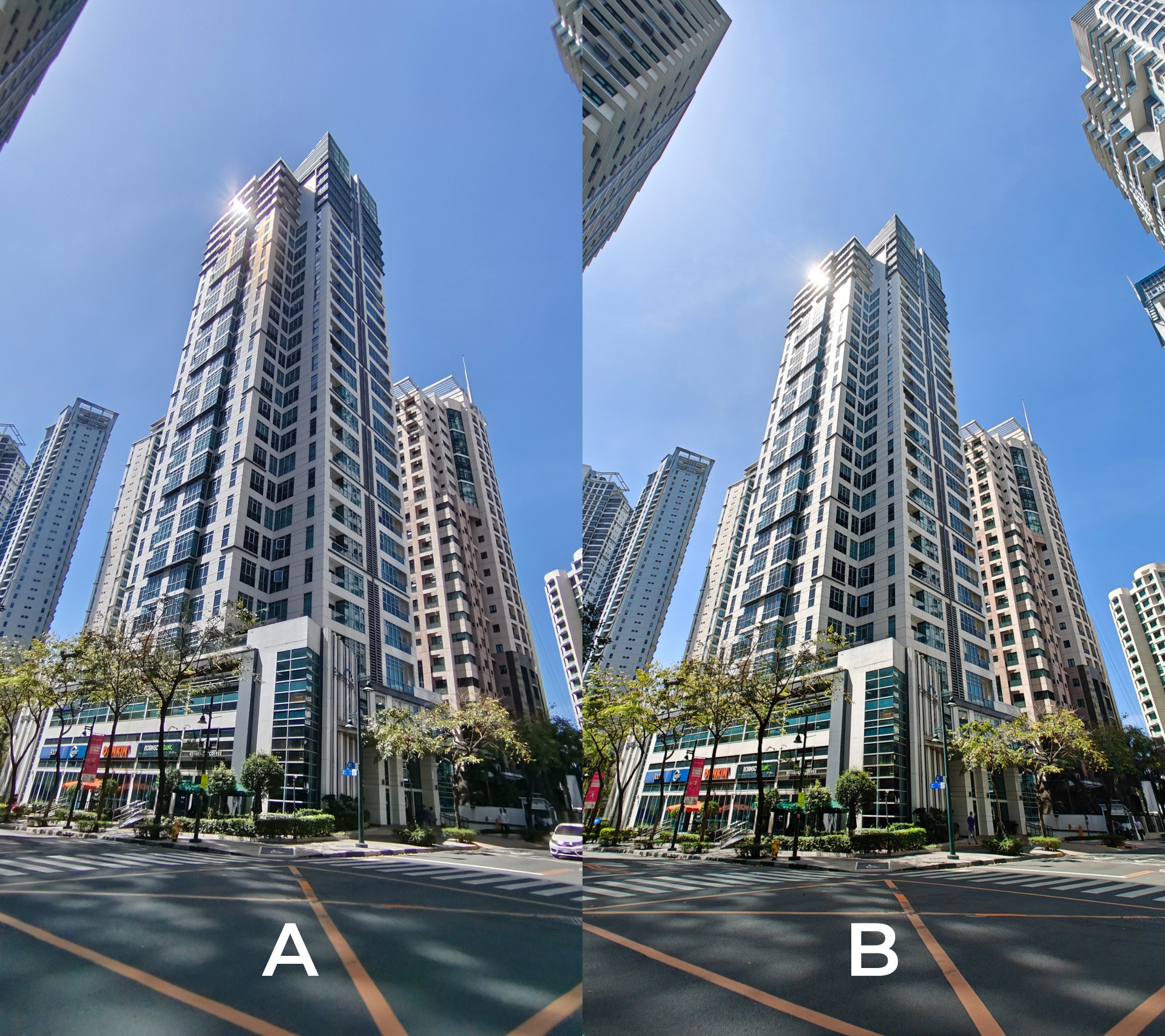
U7
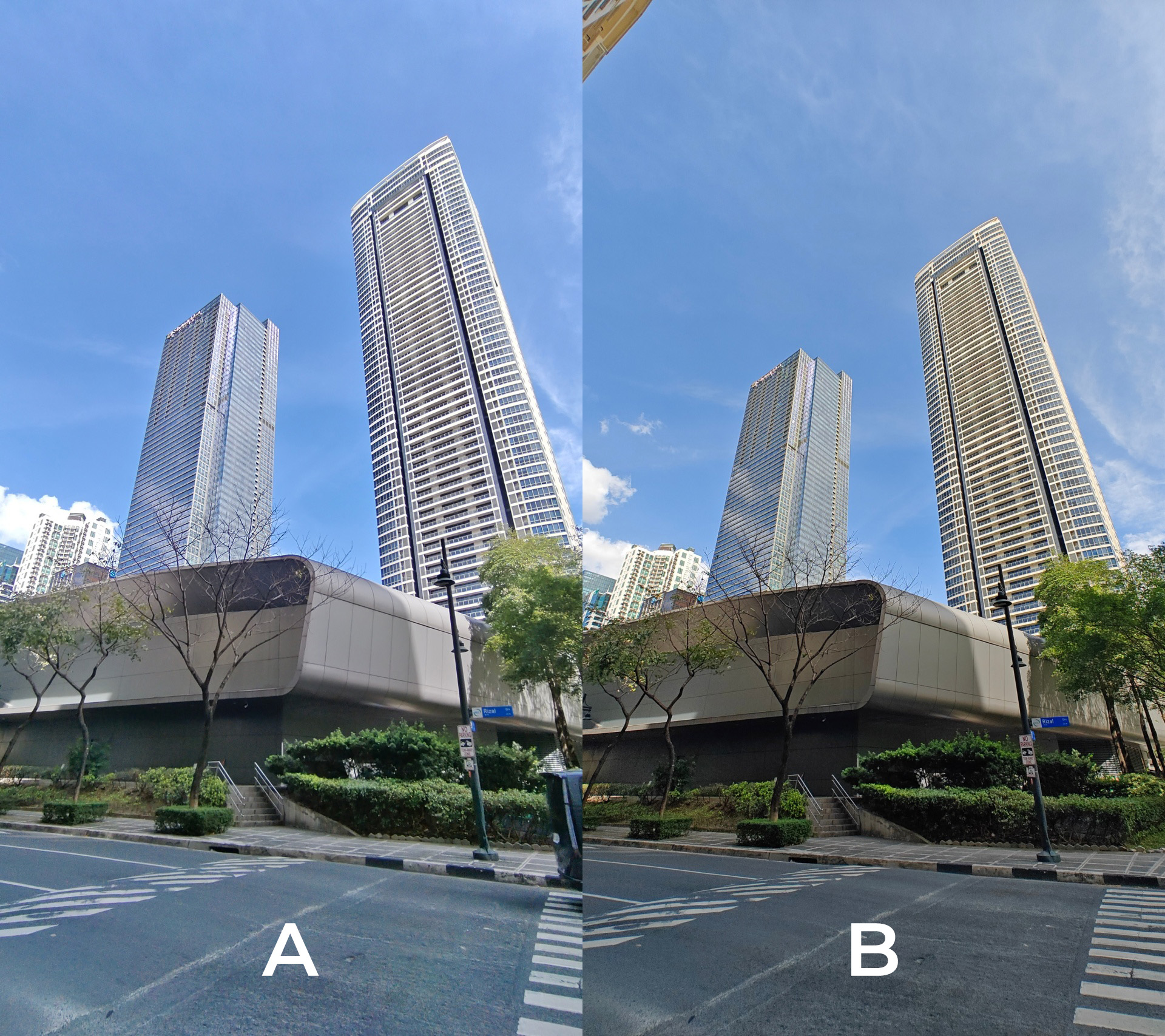
U8
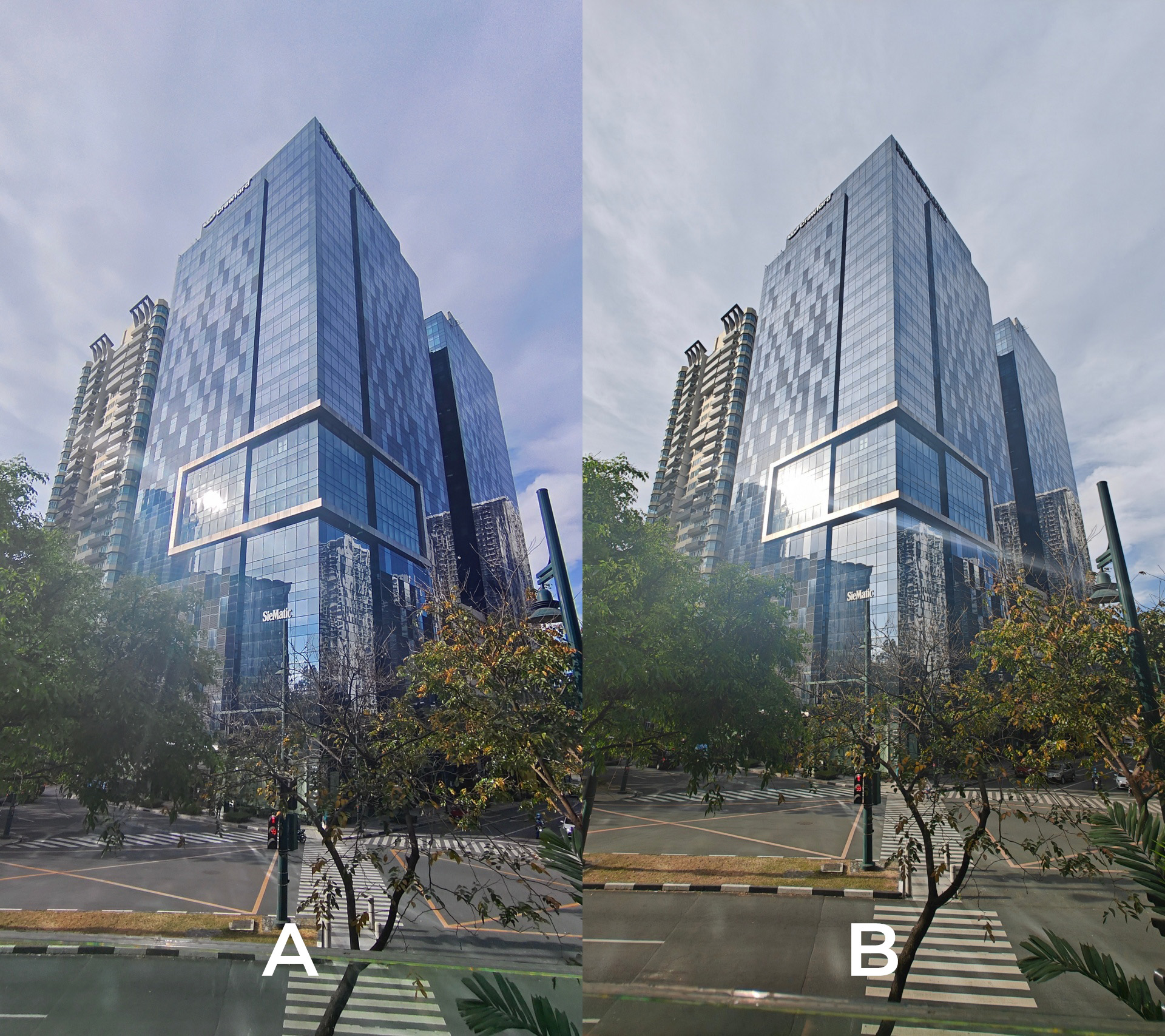
U9
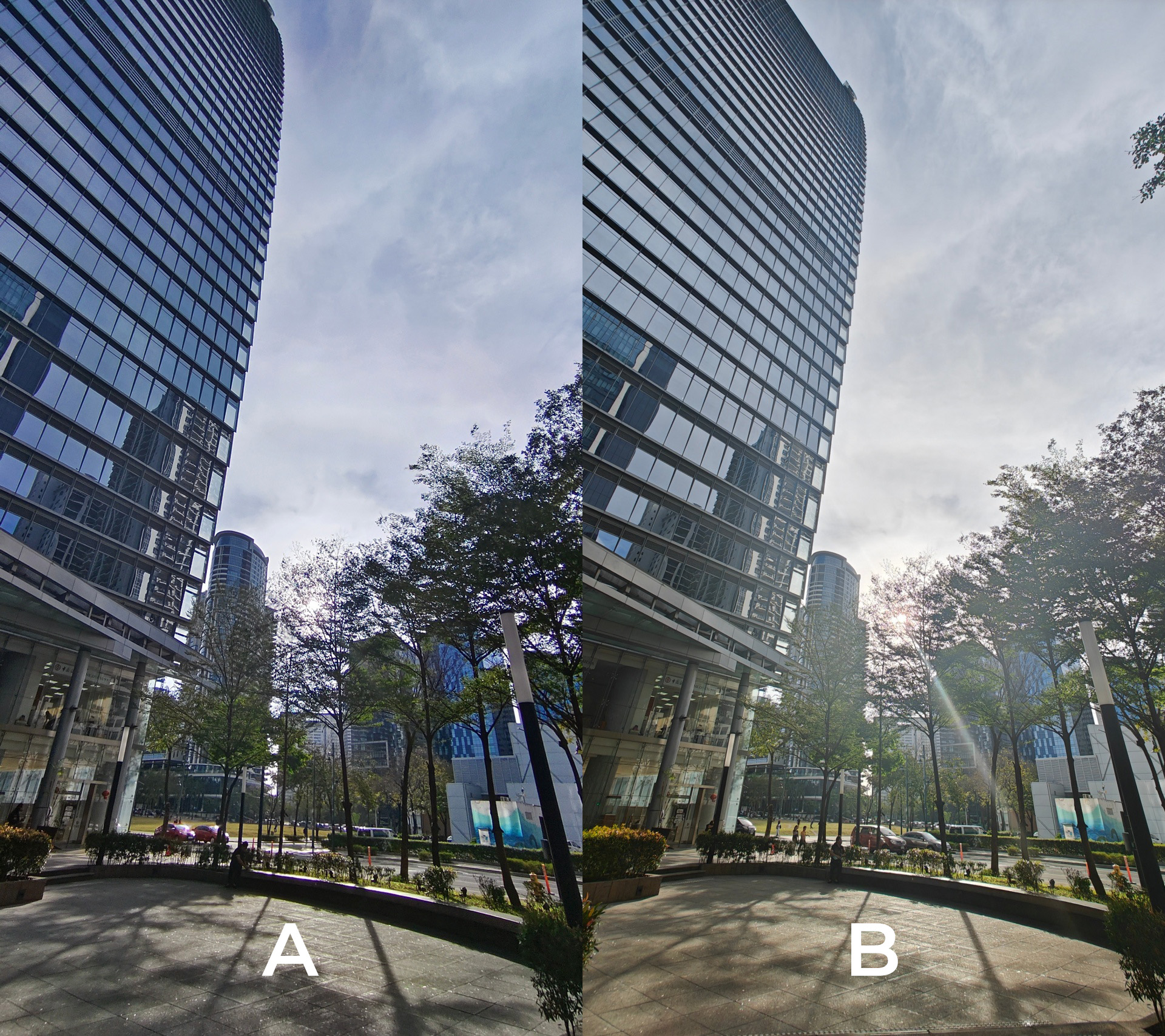
U10
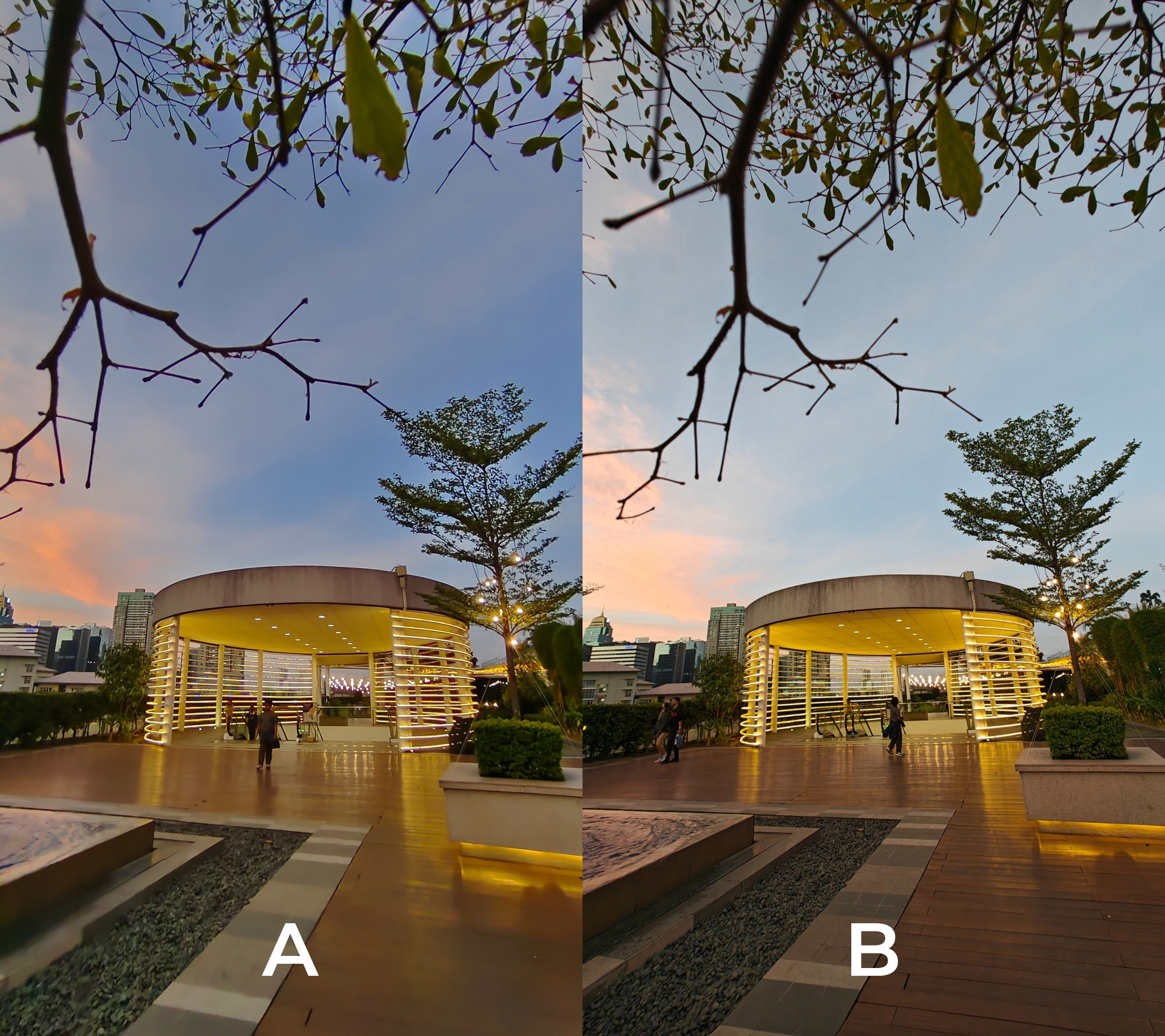
U11

2x Zoom
Another major difference between these two phones are their 2x zoom cameras. OnePlus 11 has an obvious advantage on paper when it comes to megapixel count and lens opening. Then again, let your judgments, preferences, and the photo quality prevail.
Z1
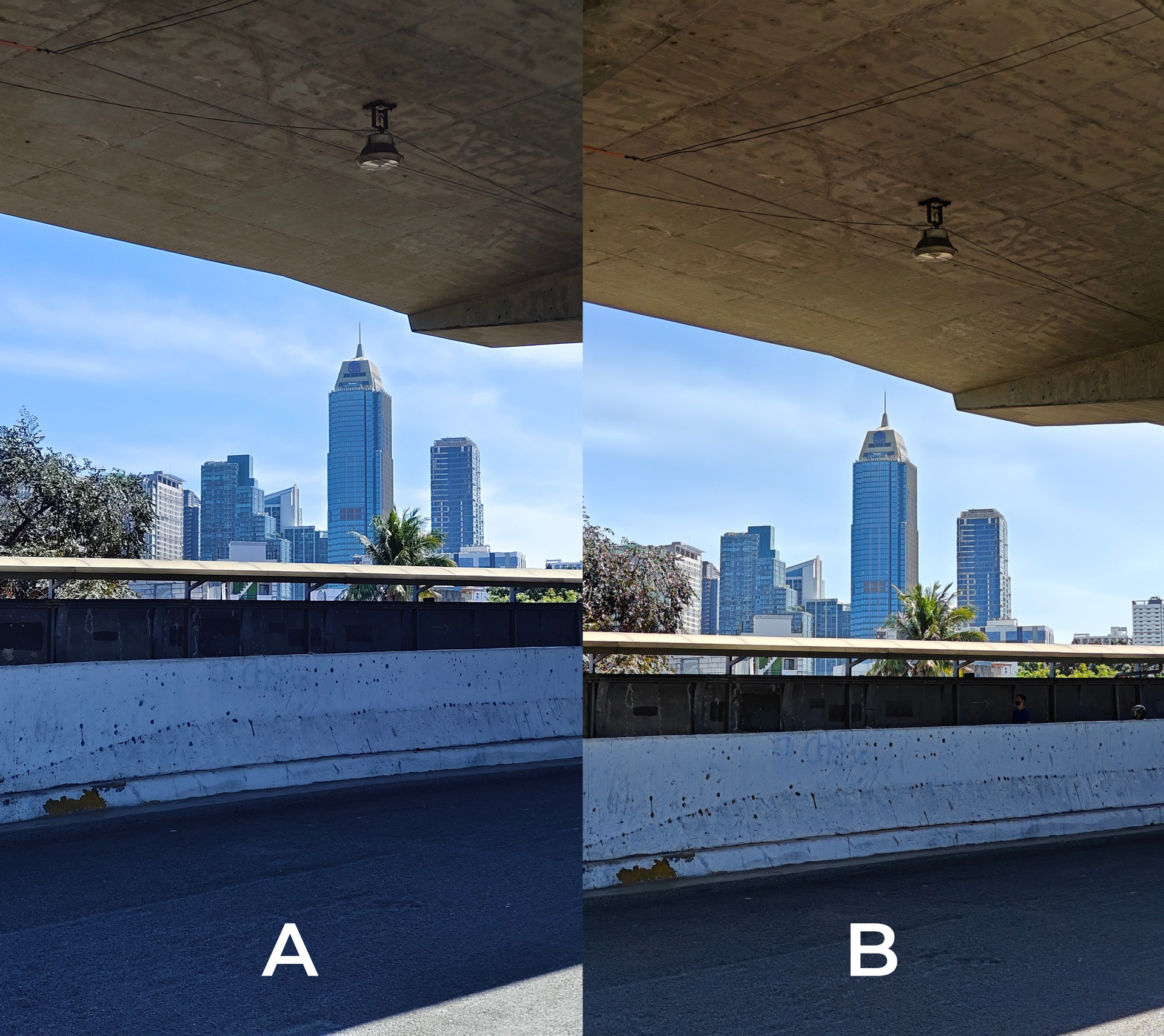
Z2
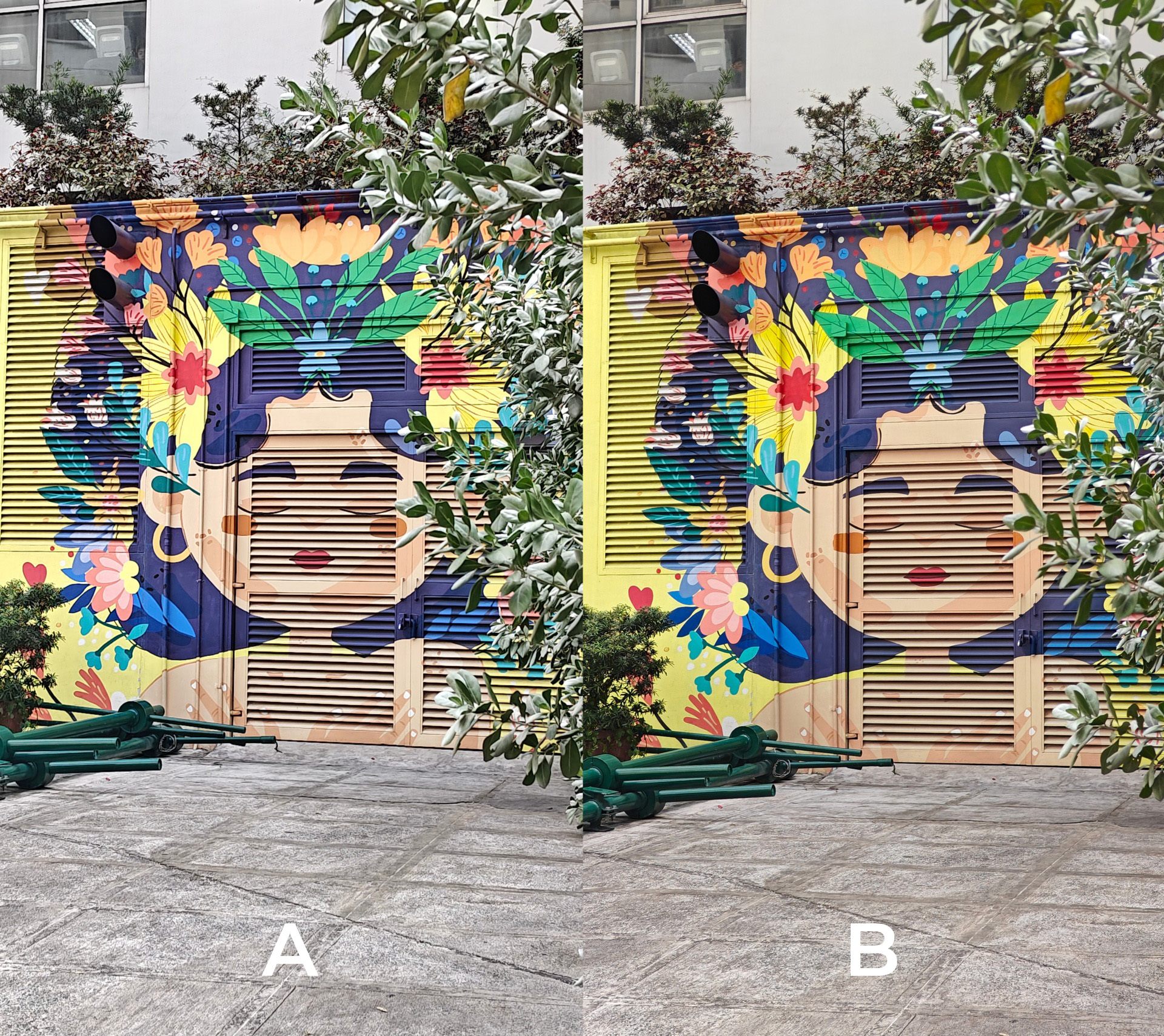
Z3

Z4

Z5
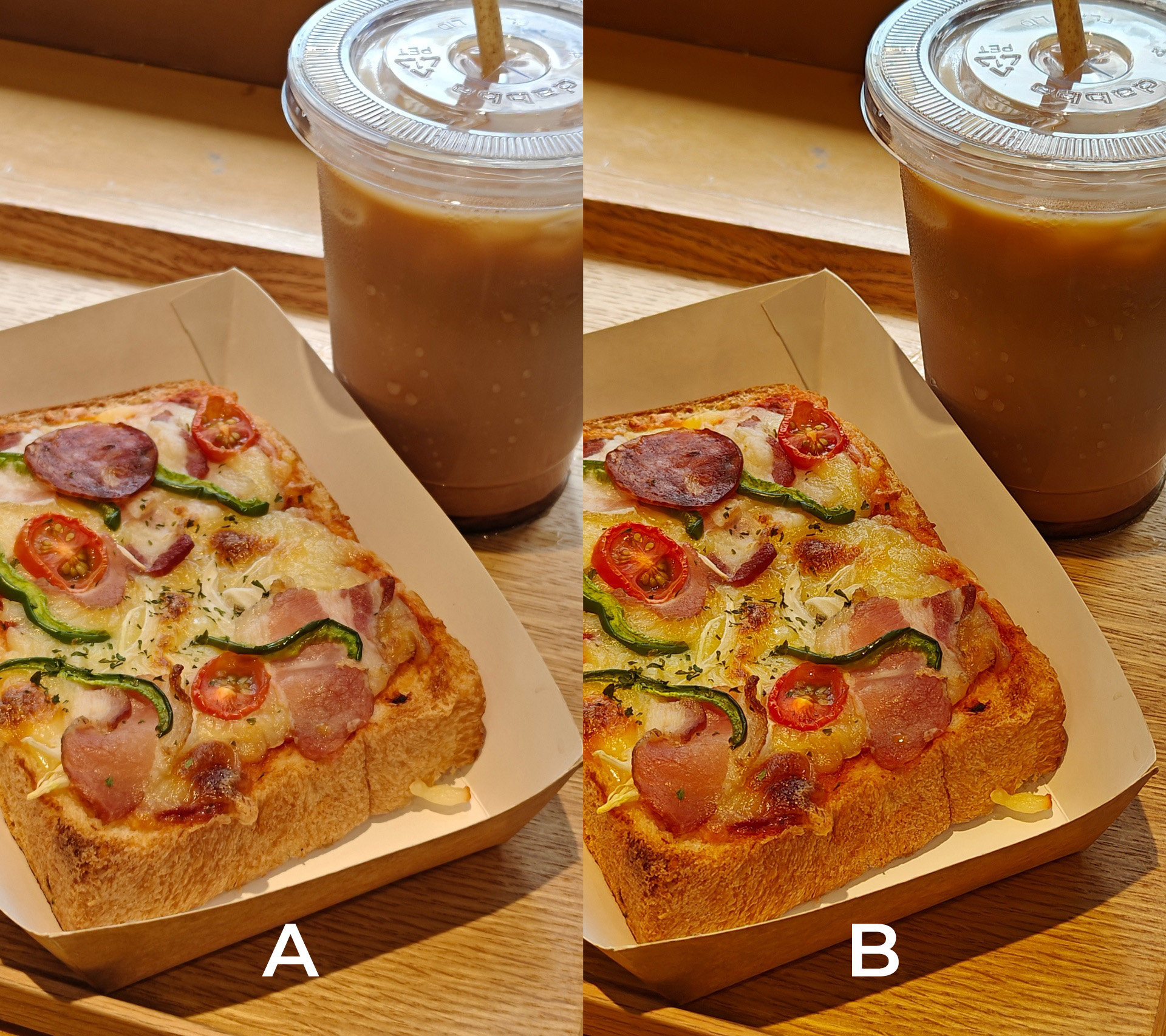
Z6

Z7
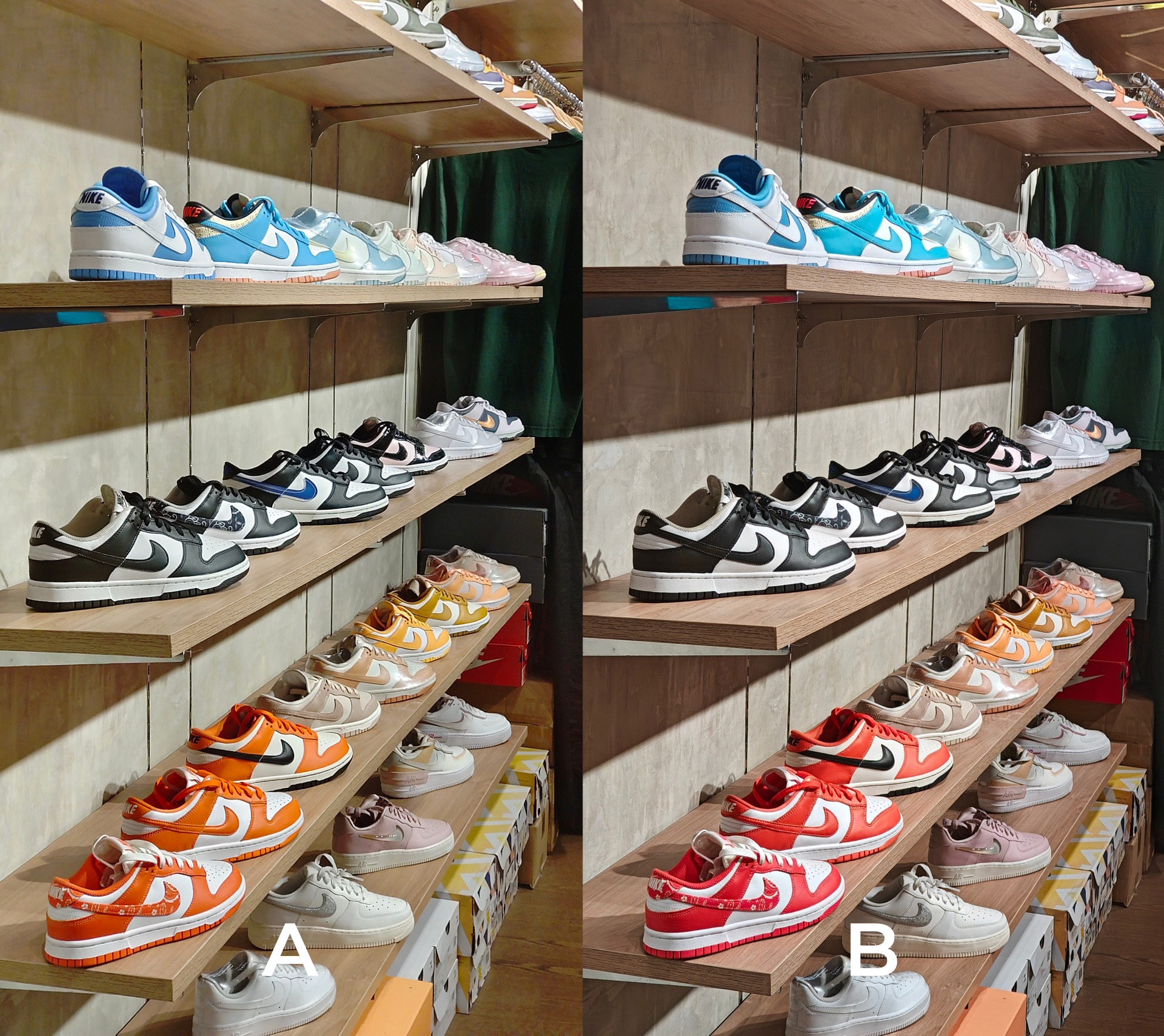
Z8
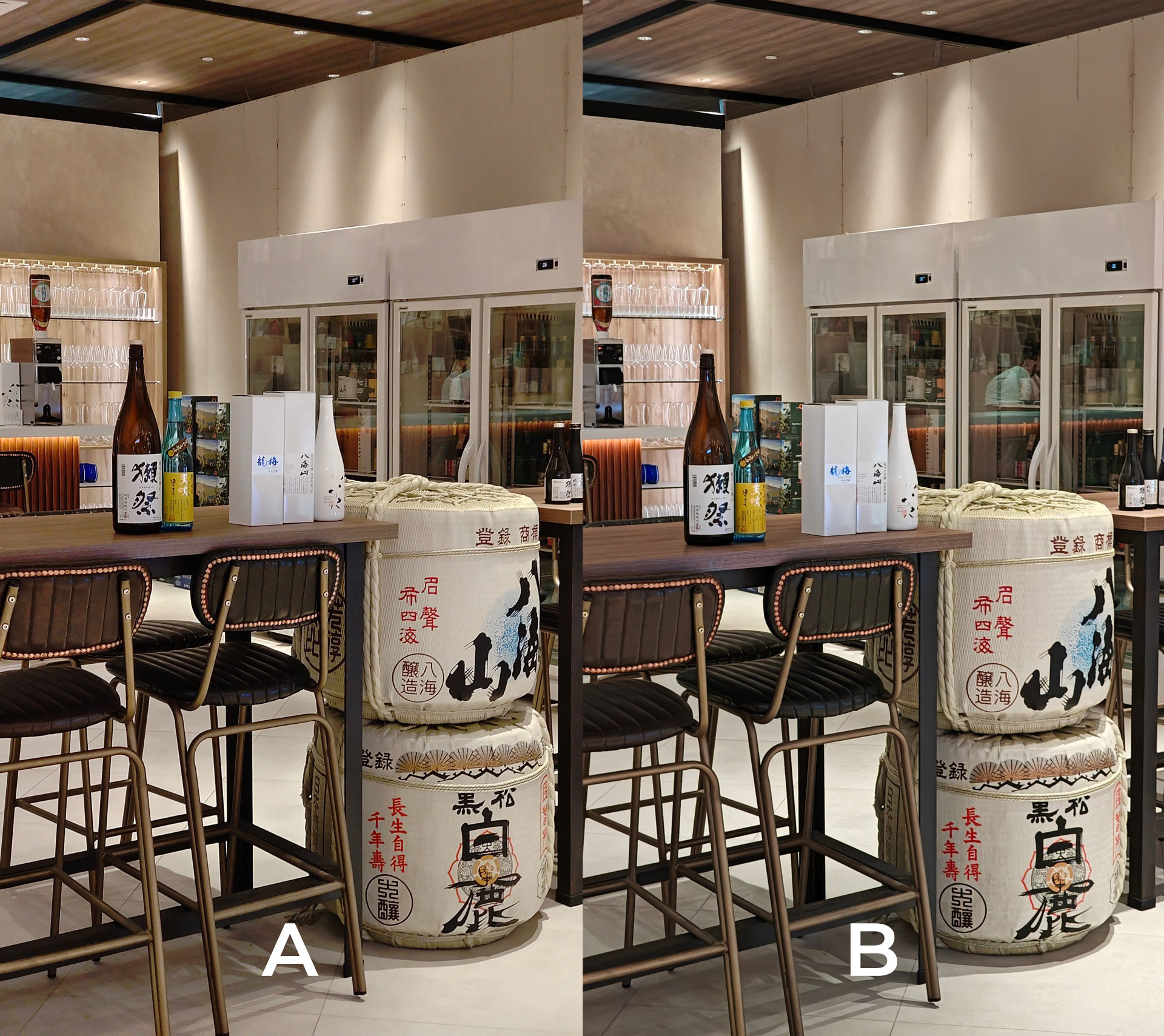
Z9
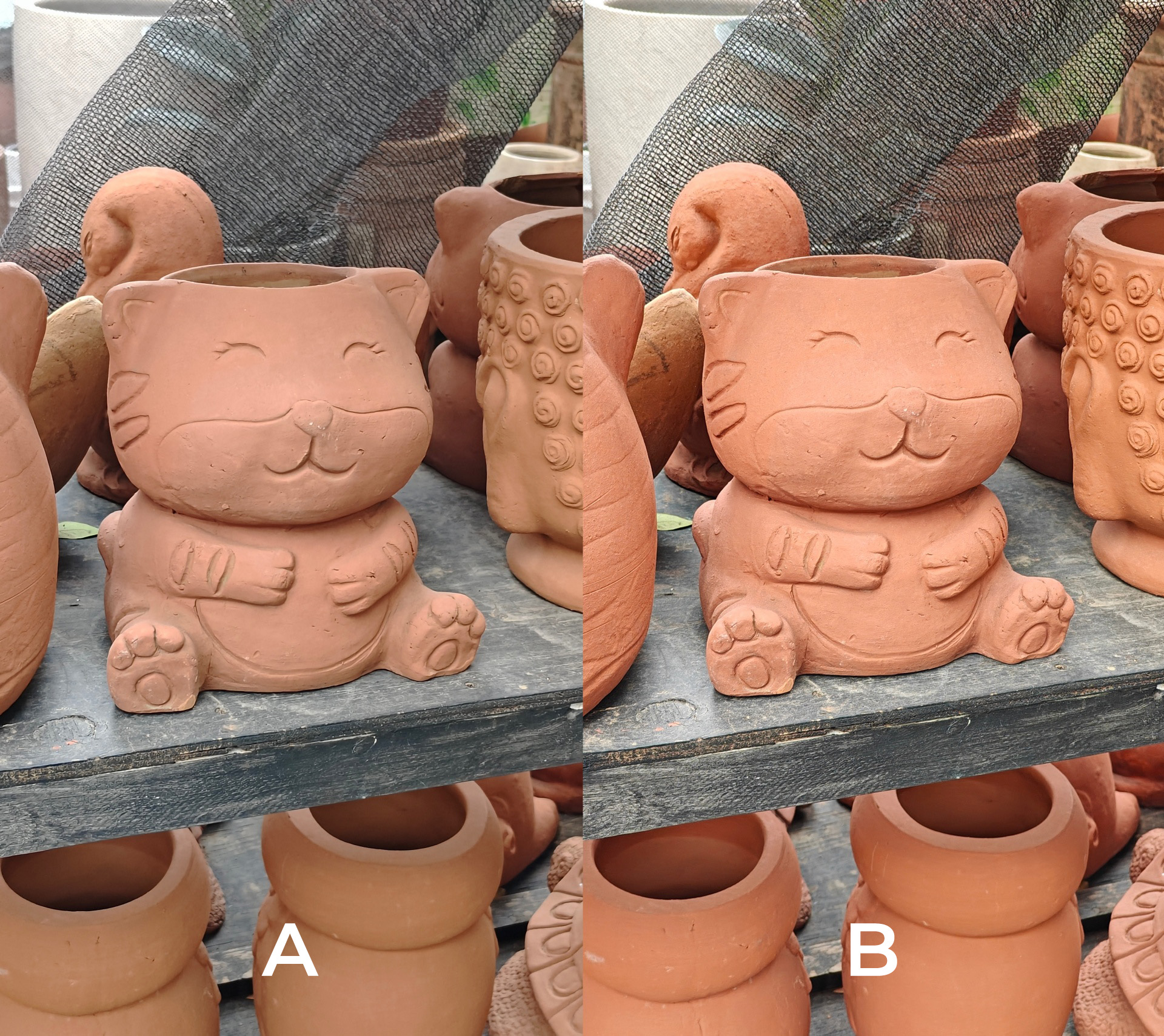
Z10

Z11

Night Mode
This is always what makes or breaks a camera smartphone. With various AI processing magic and Night Mode algorithms made by vivo for iQOO and OnePlus with Hasselblad, which phone can actually deliver favorable nighttime photos?
N1 (1x wide)

N2 (1x wide)
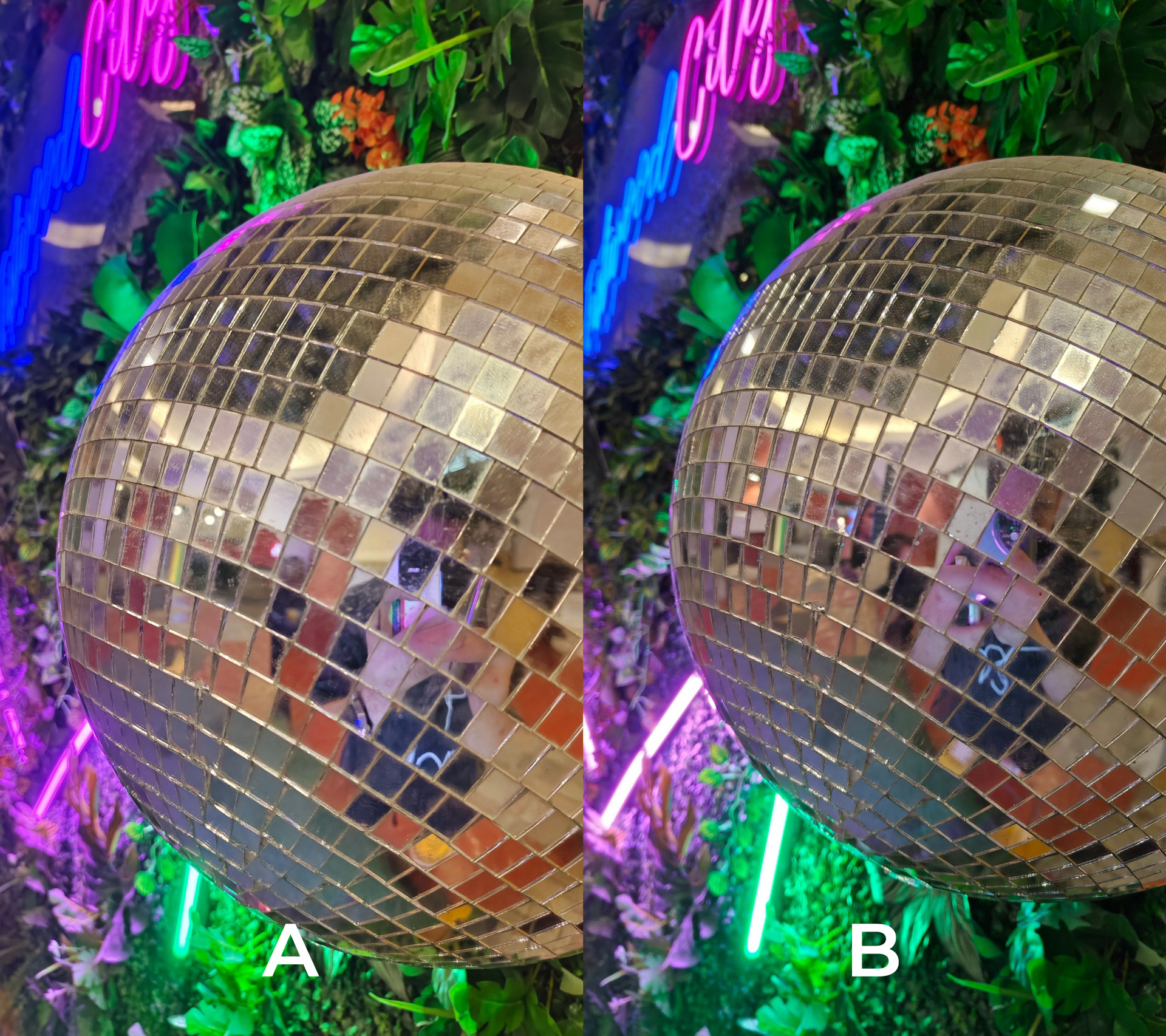
N3 (1x wide)

N4 (2x zoom)

N5 (2x zoom)
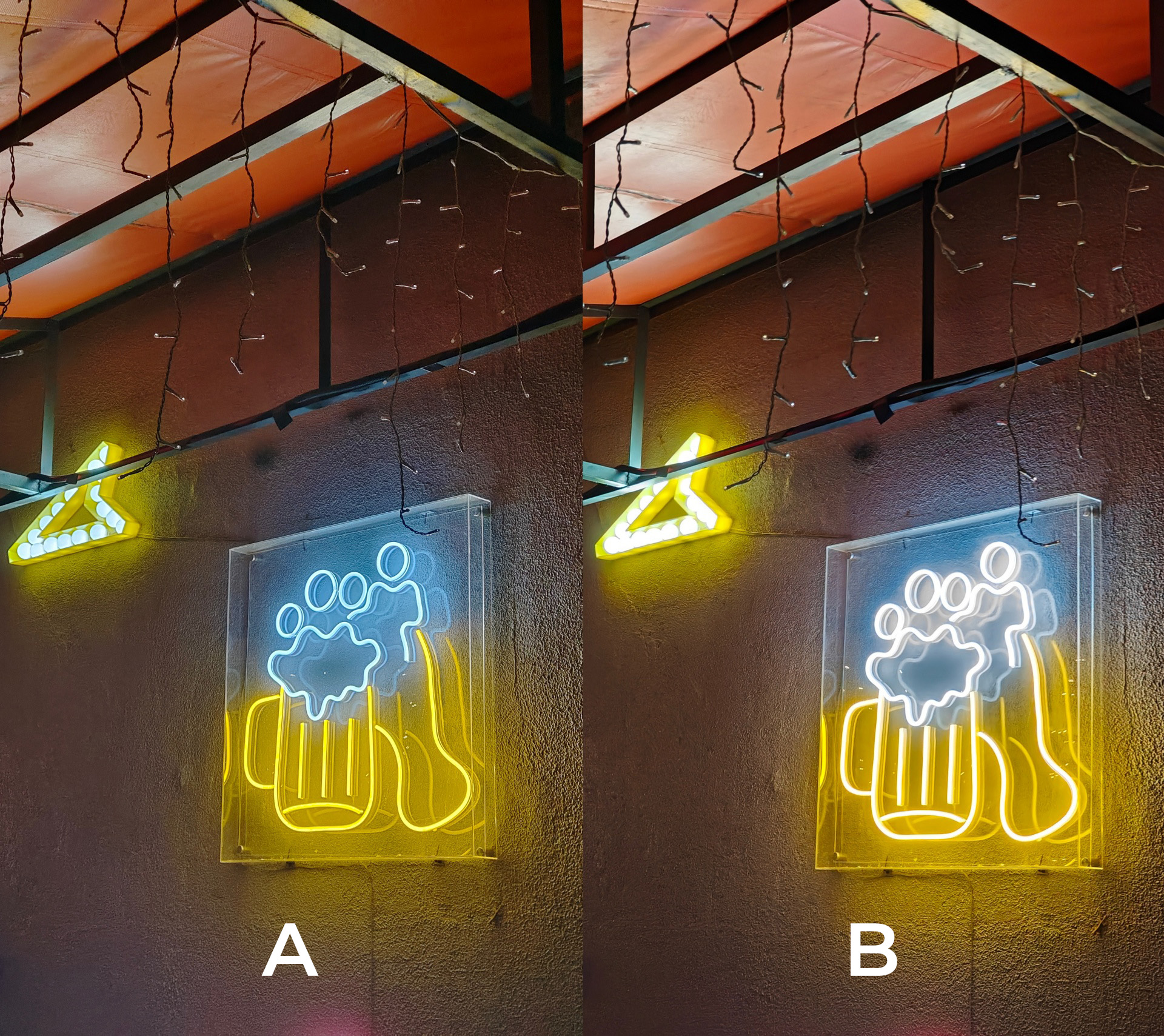
N6 (2x zoom)

N7 (Ultra-wide)
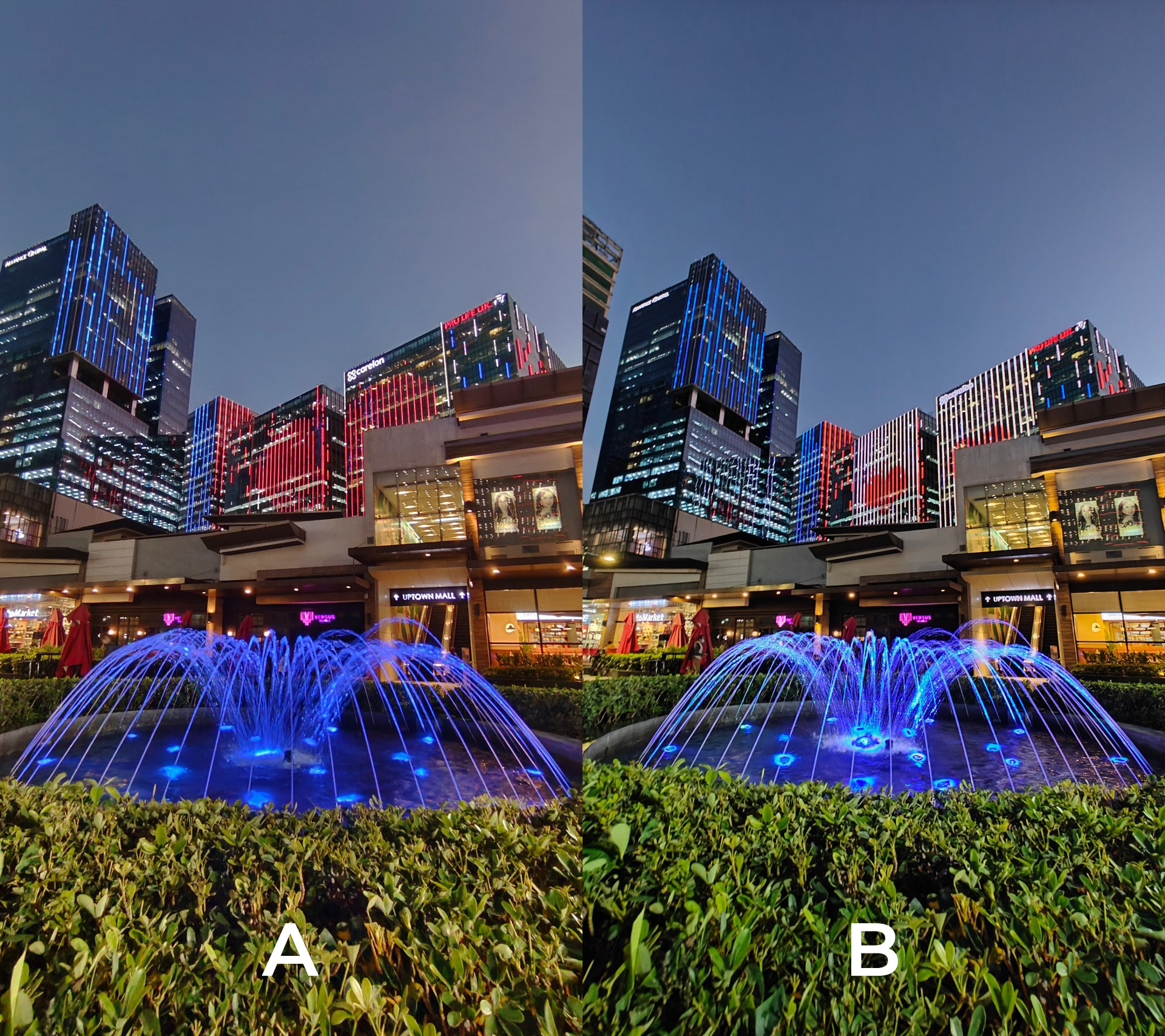
N8 (Ultra-wide)

N9 (Ultra-wide)

N10 (Ultra-wide)
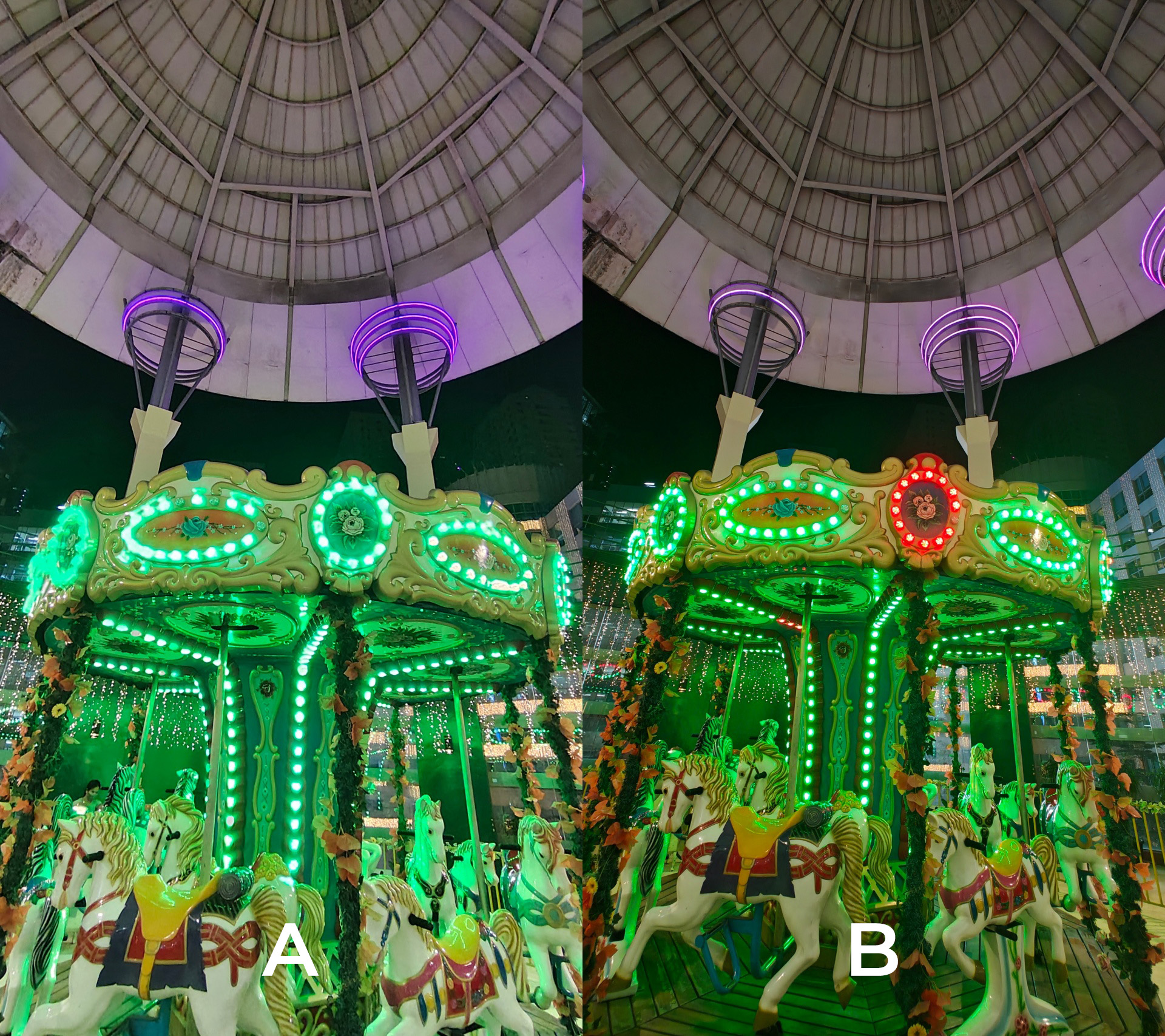
N11 (Ultra-wide)
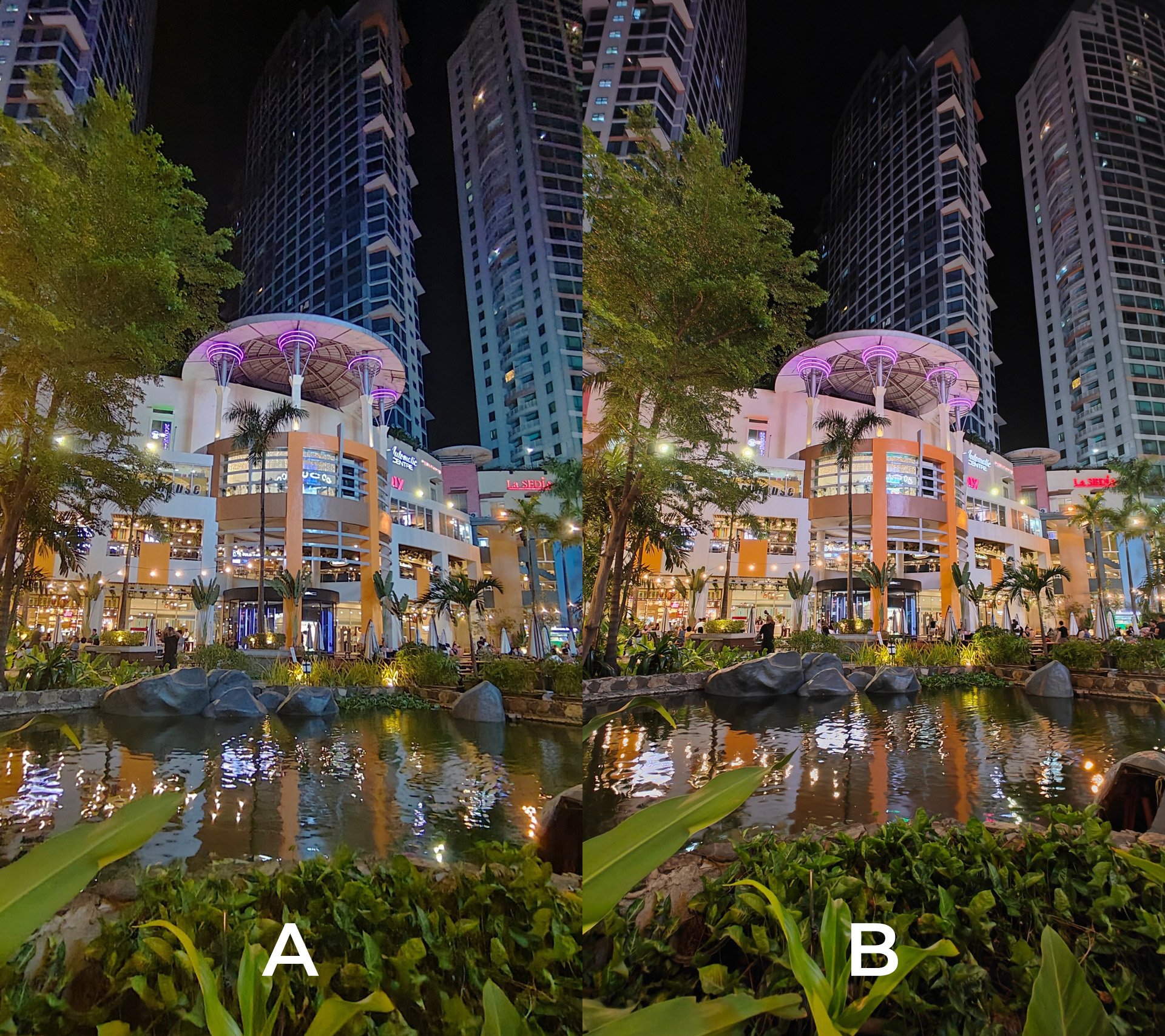
BONUS: 5x digital zoom
Both phones lack a dedicated periscope zoom lens but that didn’t stop me from trying out at least its 5x digital zoom capabilities both during the day and night.
B1
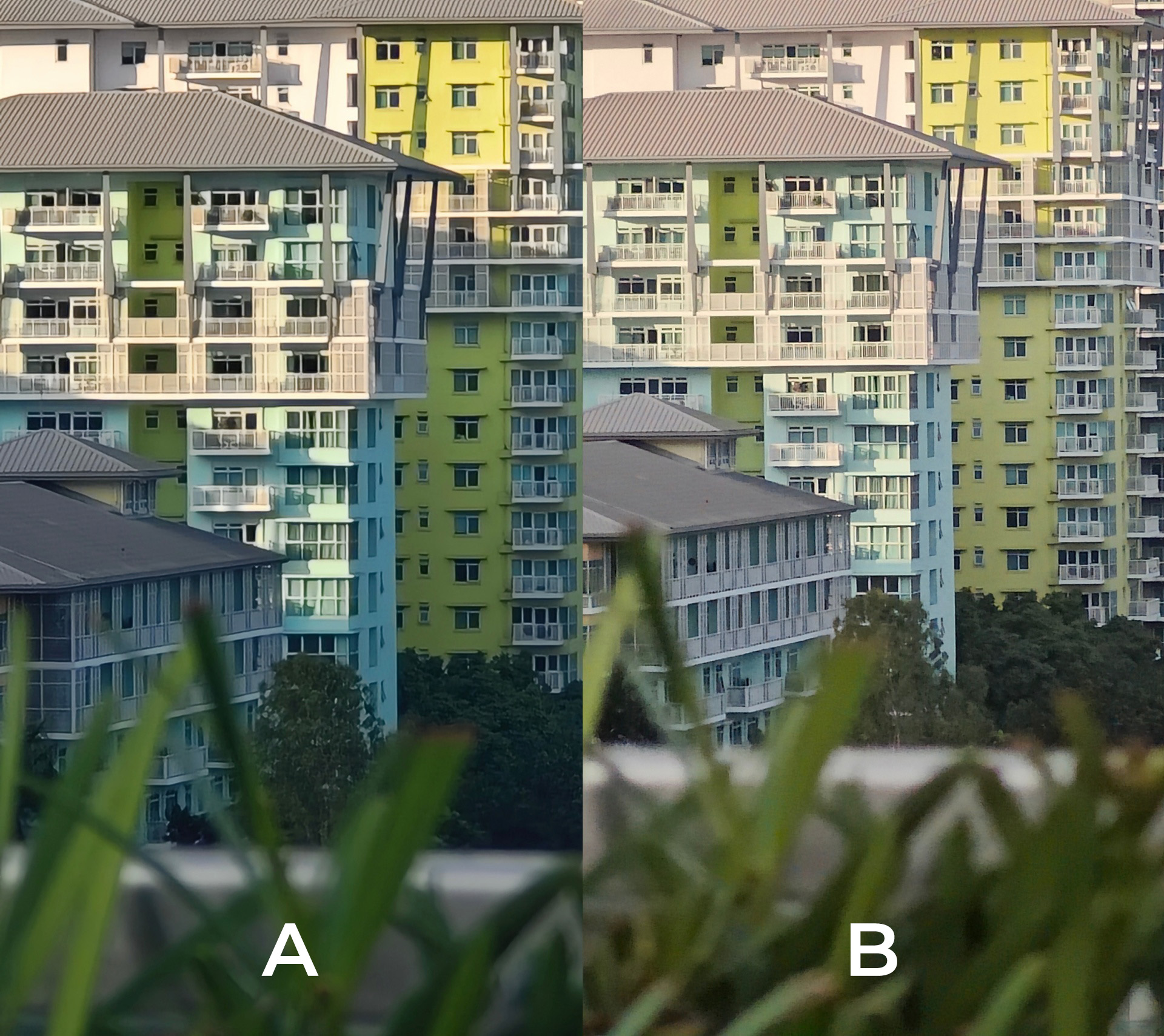
B2
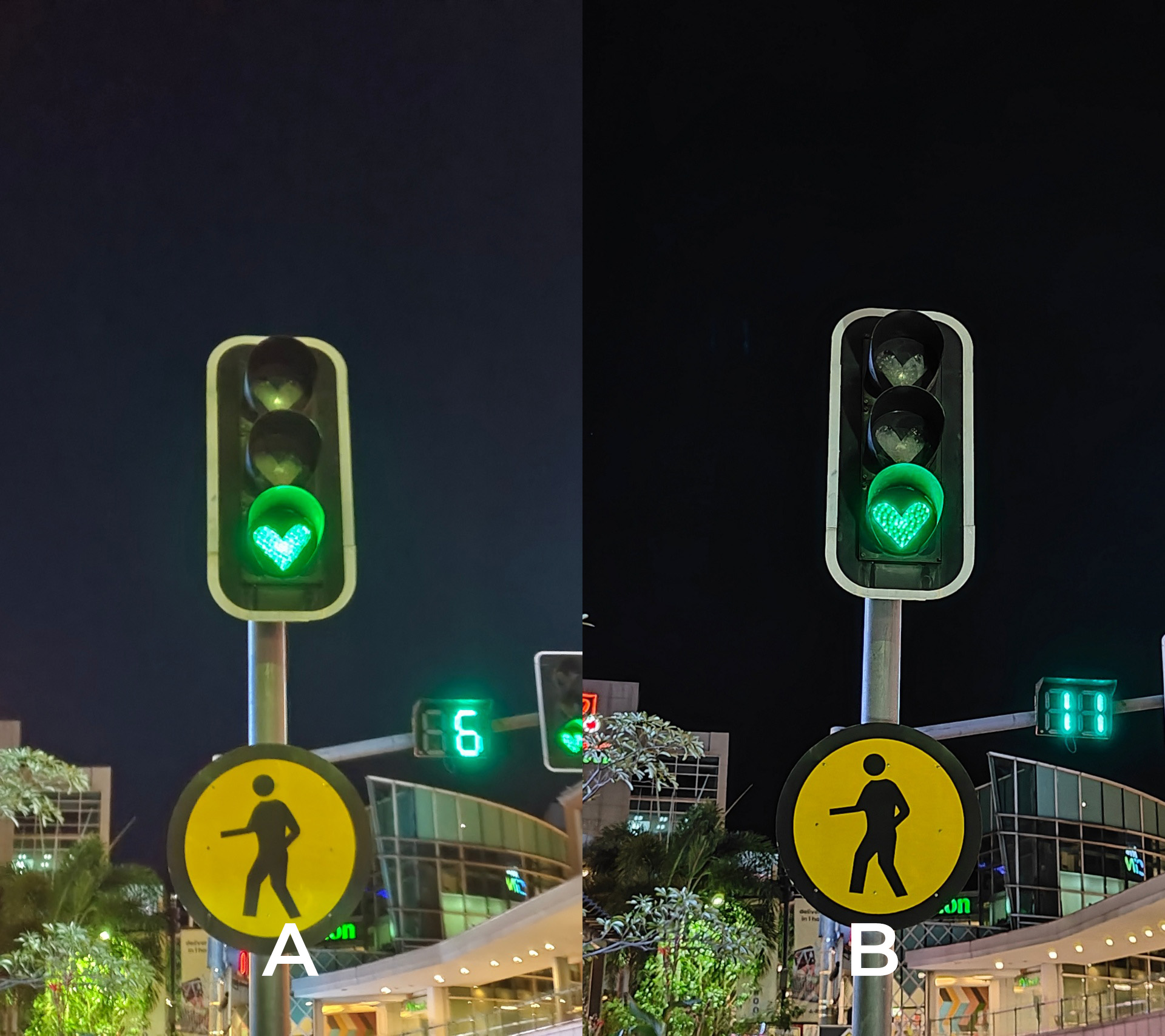
BONUS: Faces
Some users are critical when it comes to selfie and portrait quality. While there’s barely any difference between the selfie (and wide) cameras of the two, I’m still leaving some photo samples that feature faces in it — so you can see that there are still differences between each phones’ AI processing techniques.
B3 (Natural Beauty Mode)
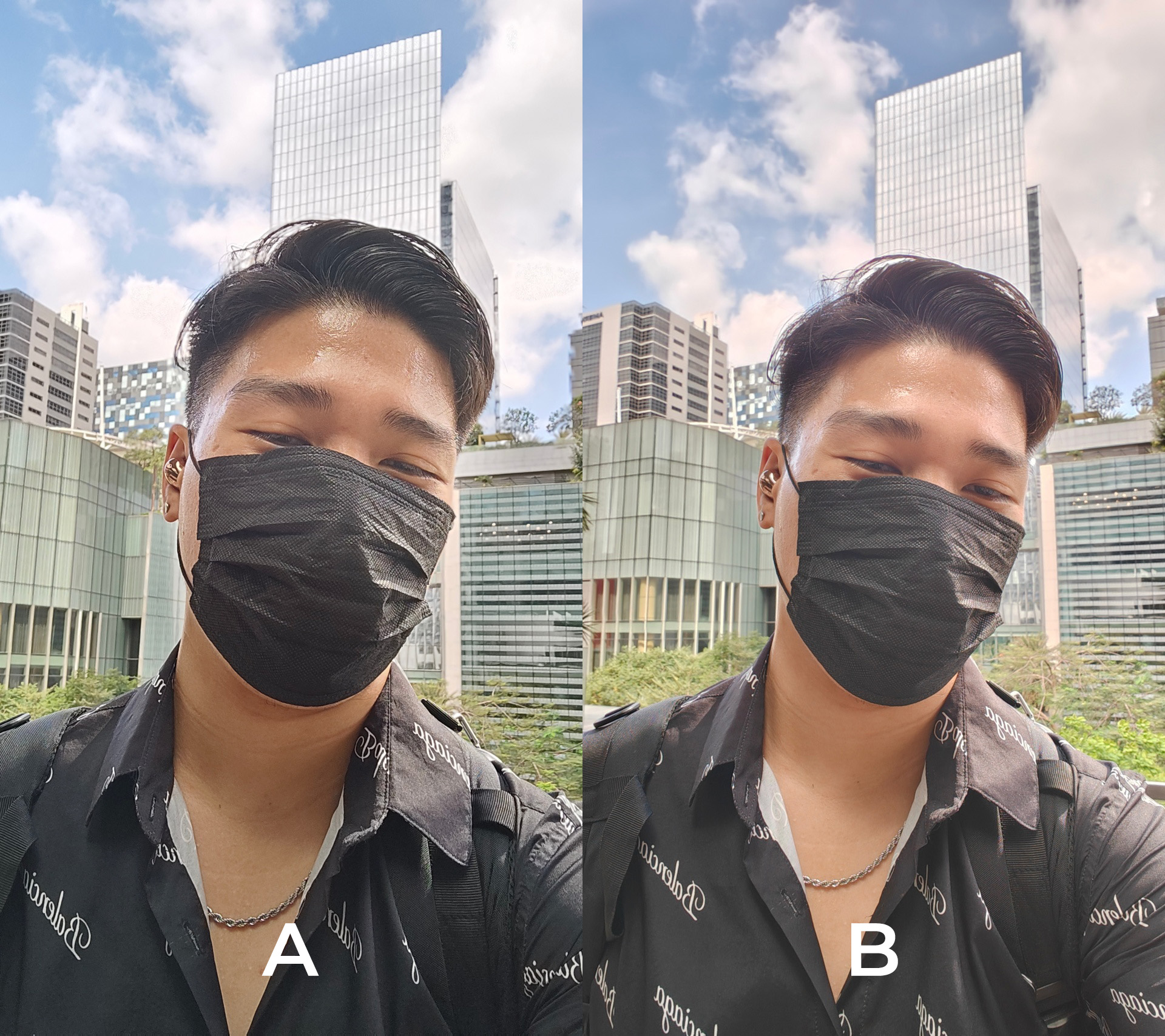
B4 (Classic Beauty Mode)
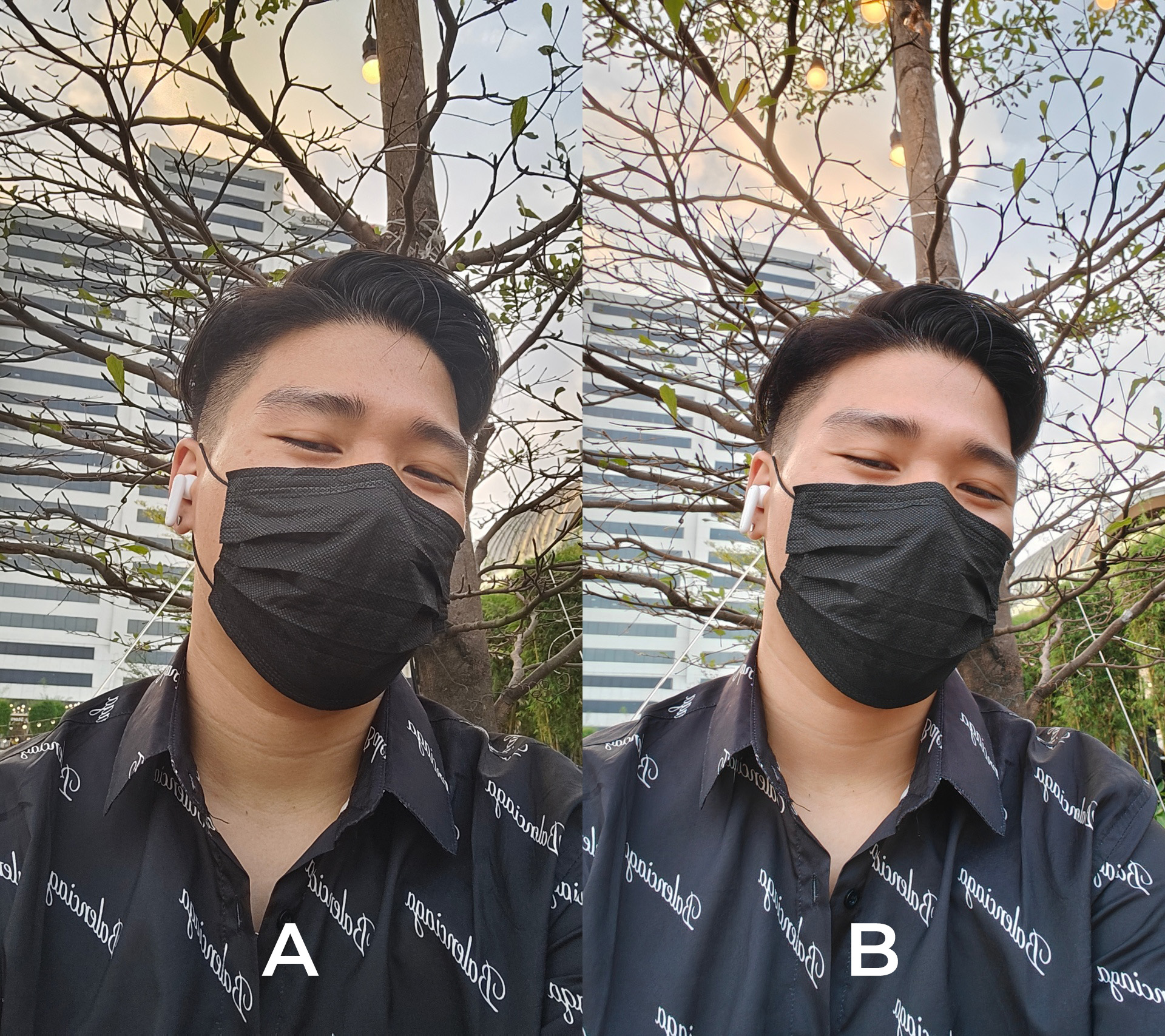
B5 (Custom Beauty Mode)
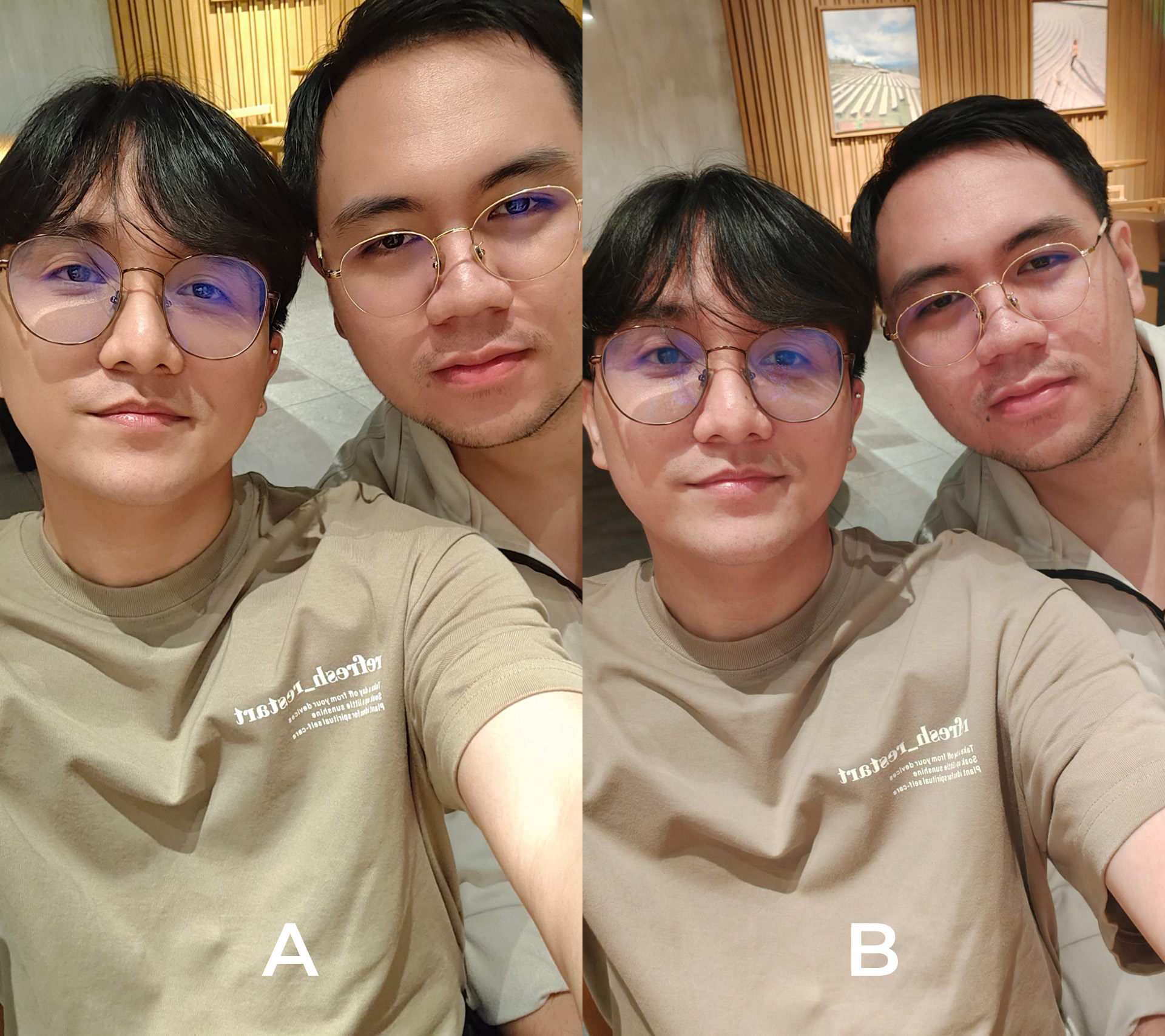
B6 (1x wide)
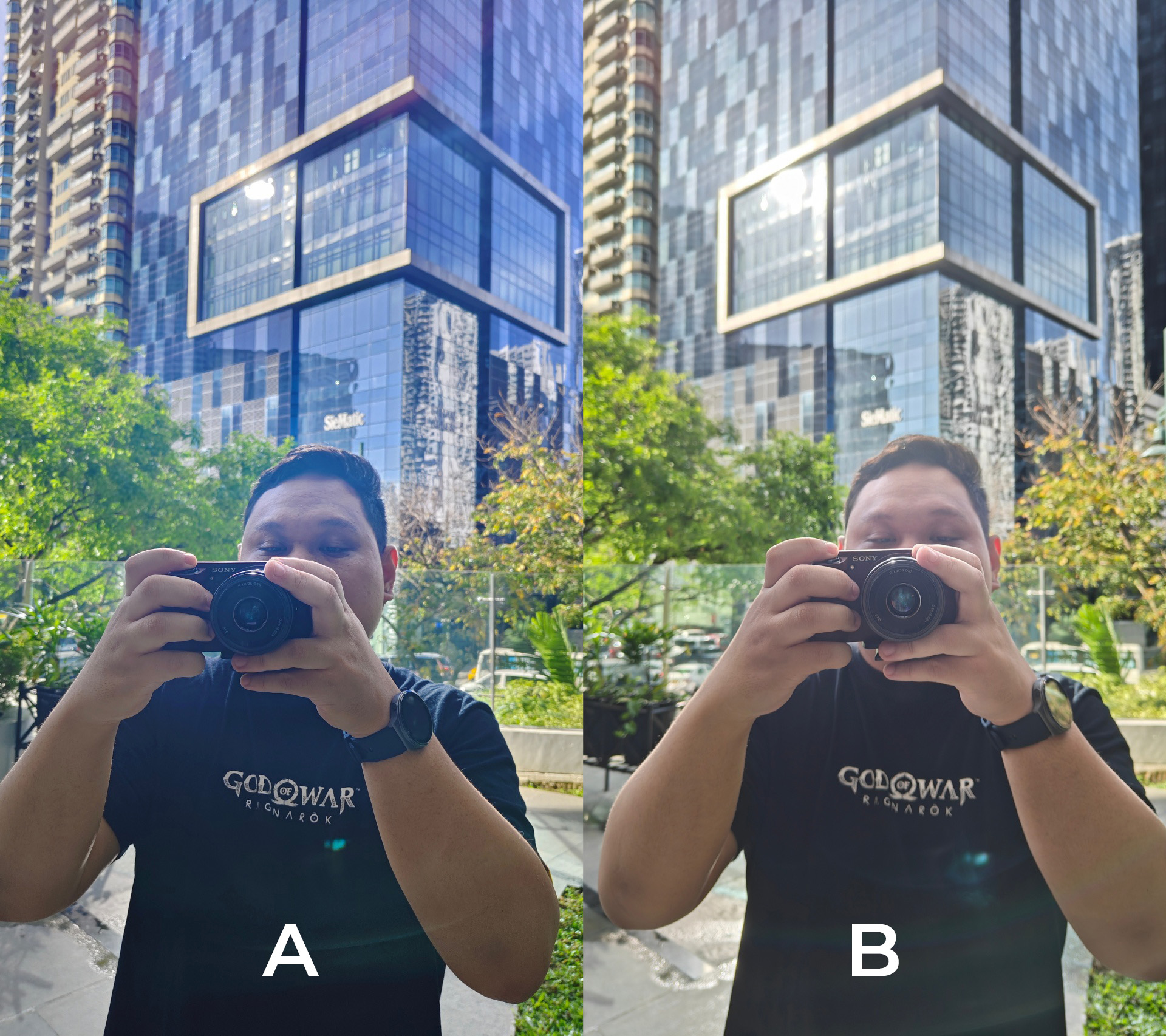
BONUS: Macro Mode
It’s either good or bad news for some, but only the OnePlus 11 has a built-in Macro Mode feature out of the box.
Furthermore, exploring iQOO 11’s camera modes doesn’t show any “Super Macro” mode that was present on its predecessor, the iQOO 9T.
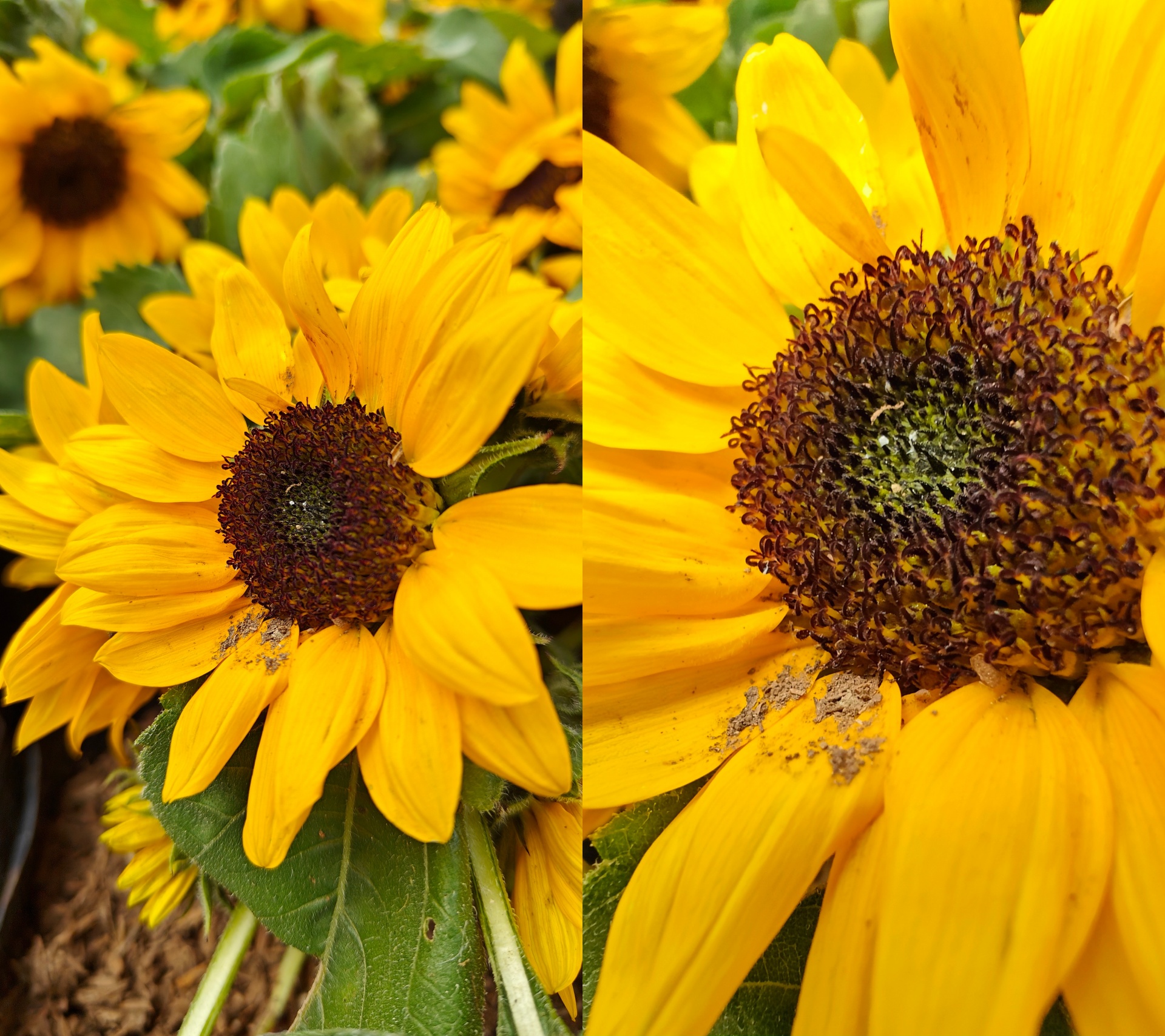

Results
Are you convinced with your picks? Well, here are the results:
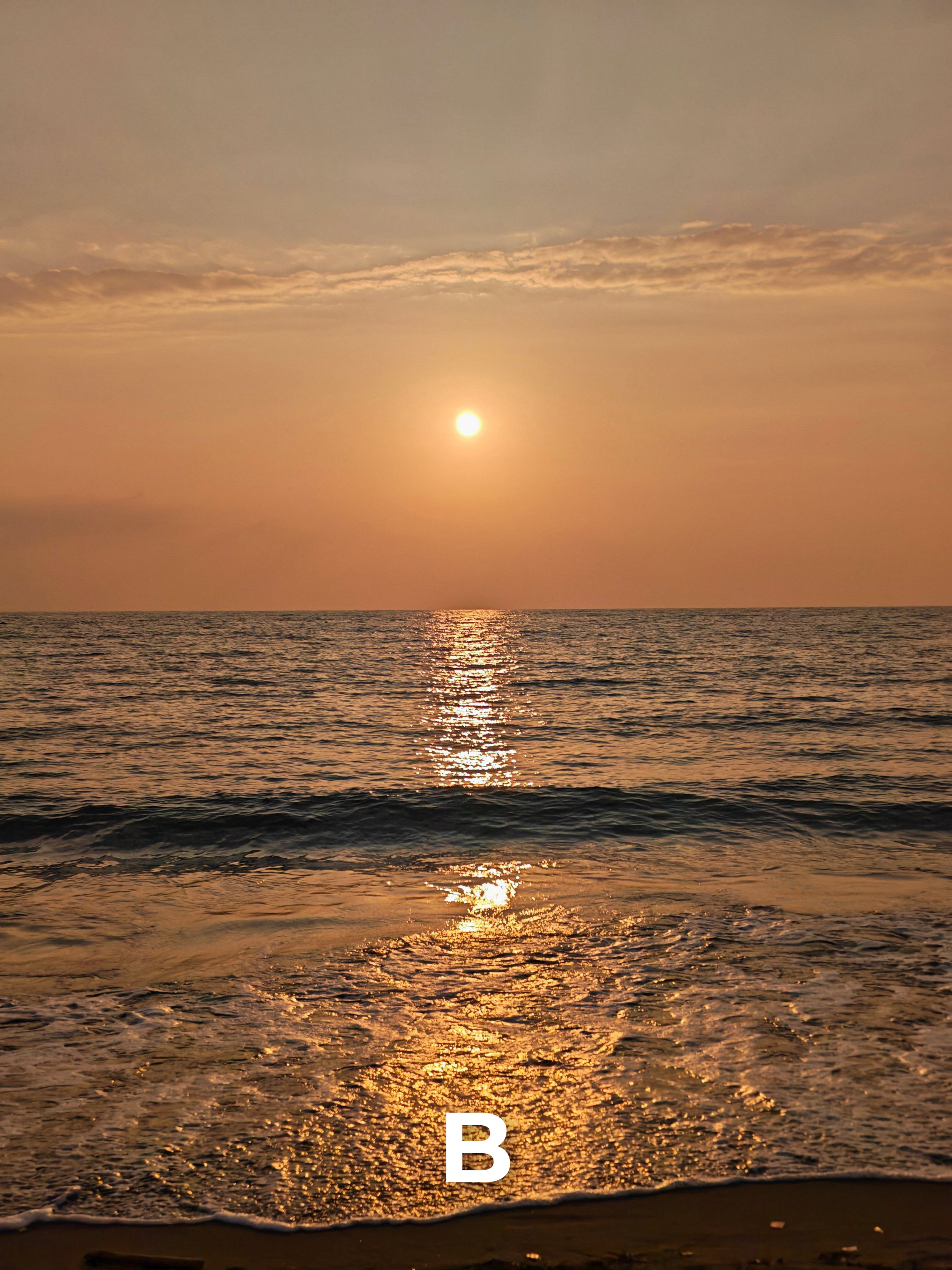
Photo A — iQOO 11
Photo B — OnePlus 11
Conclusion
Some of you might have already noticed that most photos are consistent all throughout the set. Regardless of what type of camera lens and mode it is, whether its wide, ultra-wide, 2x, indoors or outdoors, day or even night, the left side lean towards the cooler side of the spectrum while the latter has an overall warmer output. What most of you didn’t know is telling which phone is which.

If you have read our iQOO 9T vs vivo X80 Pro camera shootout before, overall results show that vivo produced cooler photos over its iQOO counterpart. But the case is different with this camera duel.

The iQOO 11 may have the latest V2 imaging chip from its parent brand, vivo, but that didn’t help much in taking more color-accurate photos. Photos tend to be less vibrant and have cooler AWB — well except for OnePlus’ photos in sets W10 / W11 / Z7 / Z8 / Z11 / that looked cooler than iQOO’s. And even if OIS is turned on, some photo details are less clear. They are just blurry even if you try hard to be still, especially in 2x zoom and night mode shots.
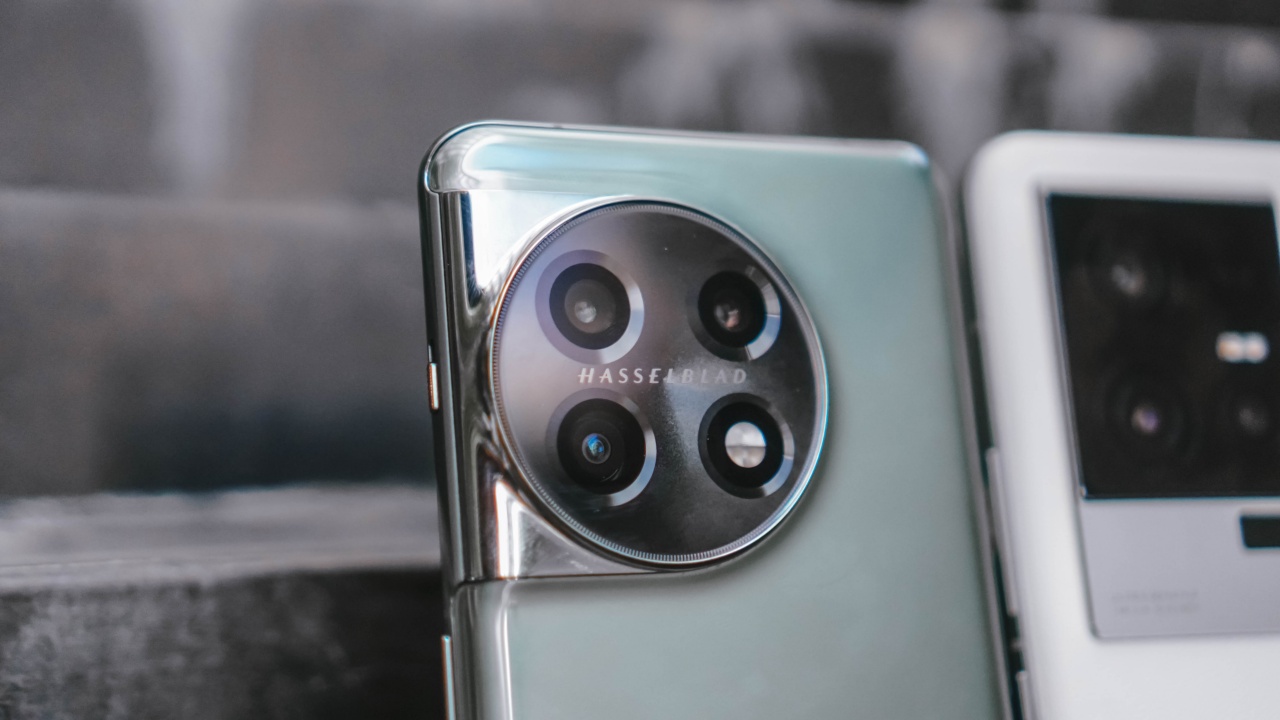
On the other side of the coin, OnePlus 11 has an overall better representation of how my eyes perceived the subjects, objects, and sceneries I’ve captured IRL. It’s maybe because of the new Sony IMX890 sensor, the equipped 13-channel multi-spectral sensor, and/or even the added Hasselblad color calibration.
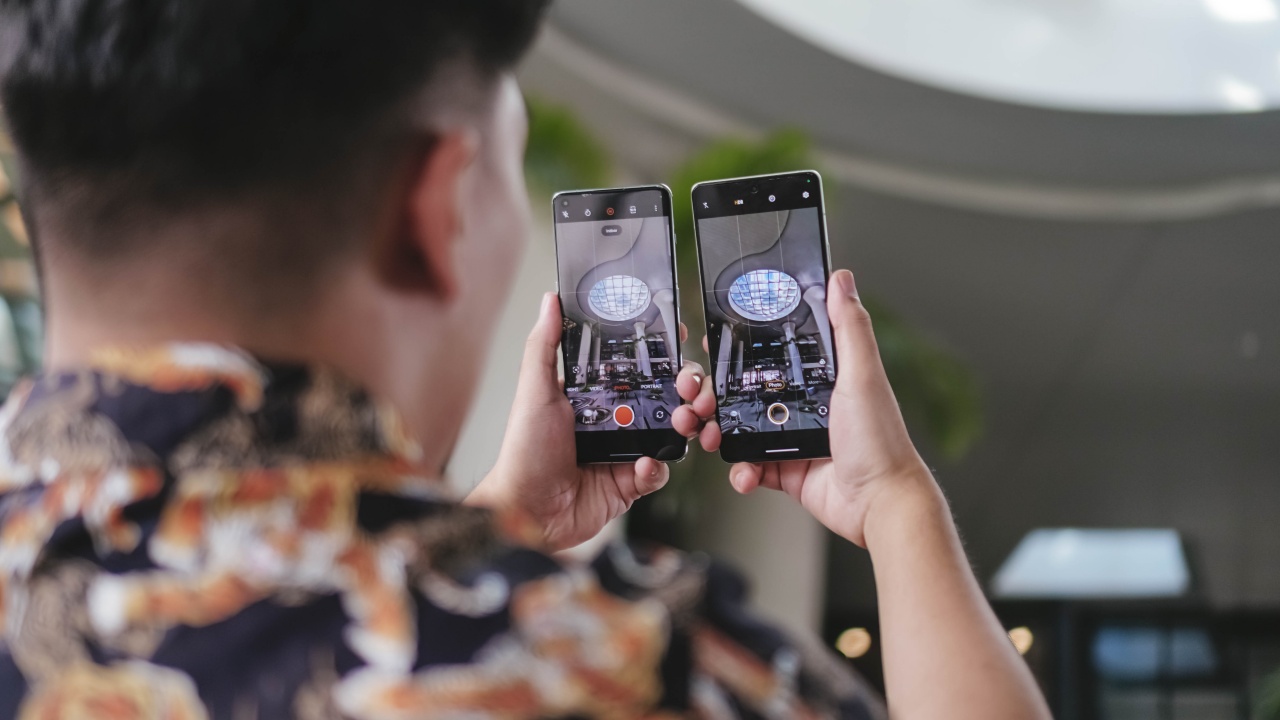
Convenience and faster snaps
While I wasn’t able to show the beauty of Hasselblad filters (you can head over to Rodneil’s OPPO Find N2 review to know more about that), it’s a great addition if you want to capture photos with more oomph. Moreover, the OnePlus 11 snaps photos faster than the iQOO 11. Double clicking power button is handy for quick camera sessions that the iQOO 11 doesn’t possess.
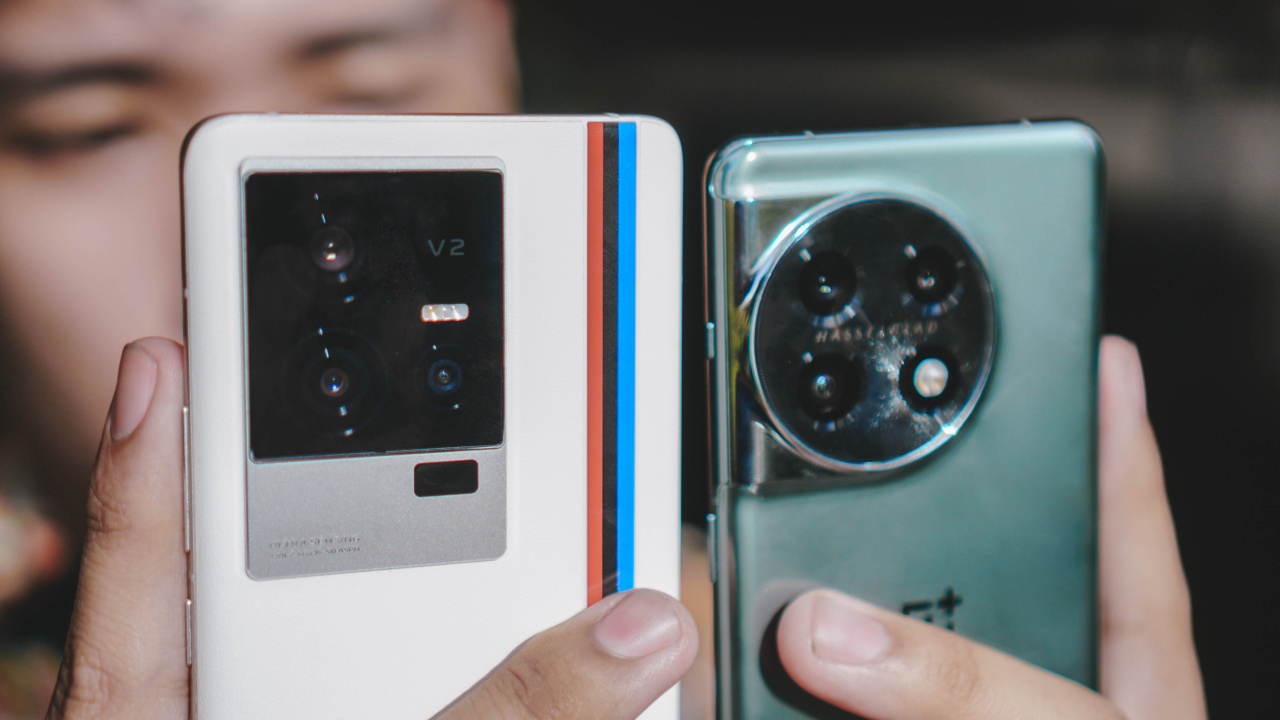
Lastly, taking night mode photos was also a breeze. Most nighttime photos with the OnePlus 11 only took below 0.5 seconds whereas iQOO struggles between 1-3 seconds of night mode shutter duration. That’s more helpful when taking photos of moving subjects, city life, and even pets at night.






Camera Shootouts
Camera Shootout: HONOR 600 Pro vs OPPO Reno15 Pro
Camera clash of the two Mainlander midranger

Year after year, major phone brands are defying the manufacturing and costing challenges just to give the mid-class the smartphone cameras they deserve.
This 2026 and beyond, it seems like it’s the new norm for the freshest breed of premium midrangers.
Mainlander Midranger
The HONOR 600 Pro and OPPO Reno15 Pro are two smartphones positioned in the peak of the midranger pyramid.
On paper, they are highly likely the closest in terms of camera hardware.
HONOR 600 Pro |
OPPO Reno15 Pro |
|
Wide |
200MP f/1.9
|
200MP f/1.8
|
Ultra-Wide |
12MP f/2.2
|
50MP f/2.0
|
Telephoto |
50MP f/2.8
|
50MP f/2.8
|
Selfie |
50MP f/2.0 |
50MP f/2.0 |
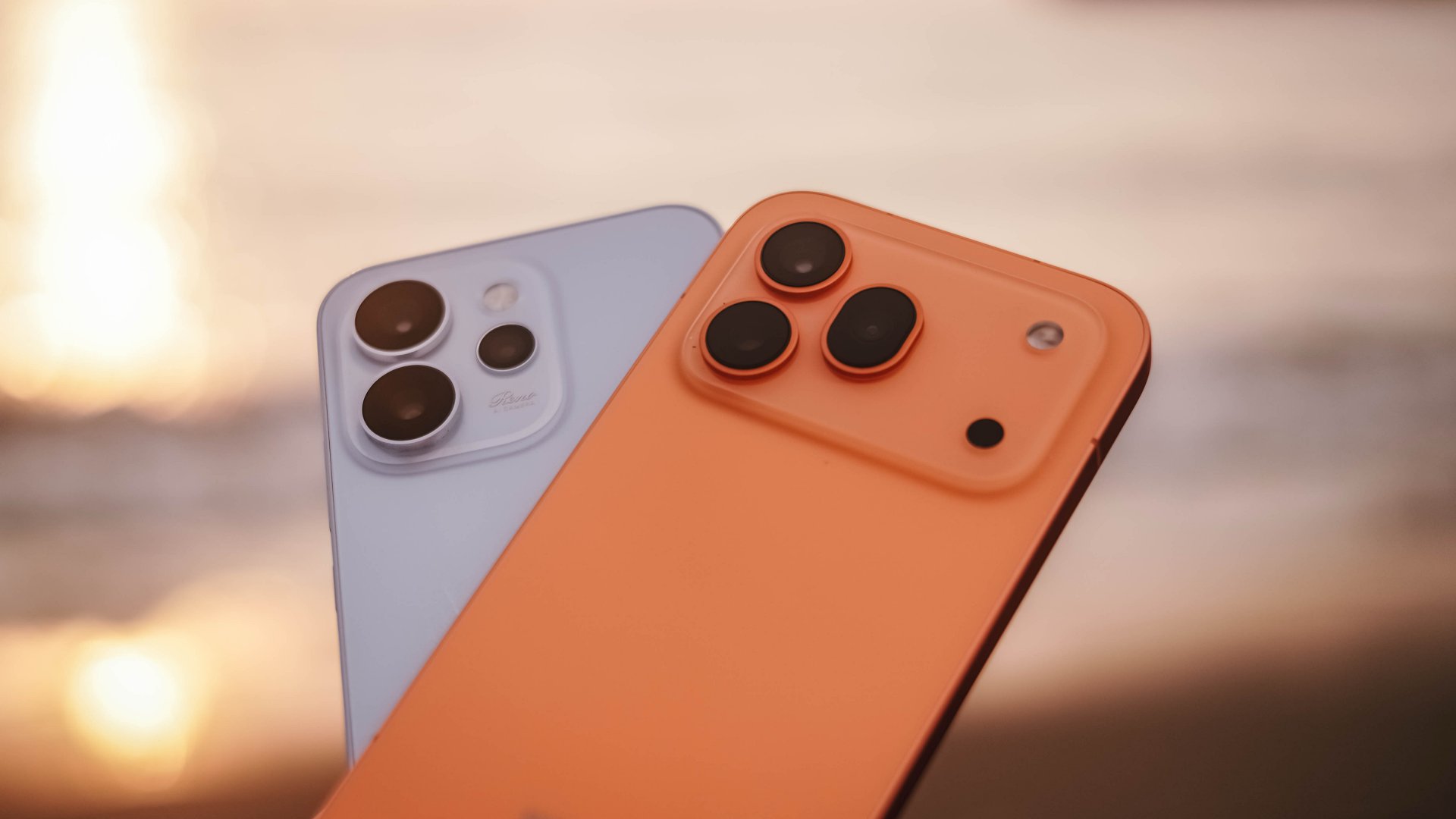
First and foremost, while these phones rock a similar 200MP cameras by Samsung, the sensor sizes and age are quite different.
The HONOR 600 Pro has a bigger yet older (2022) 1/1.4-inch ISOCELL HP3. Meanwhile, a newer (2025) yet standard-sized ISOCELL HP5 was used in the Reno15 Pro.
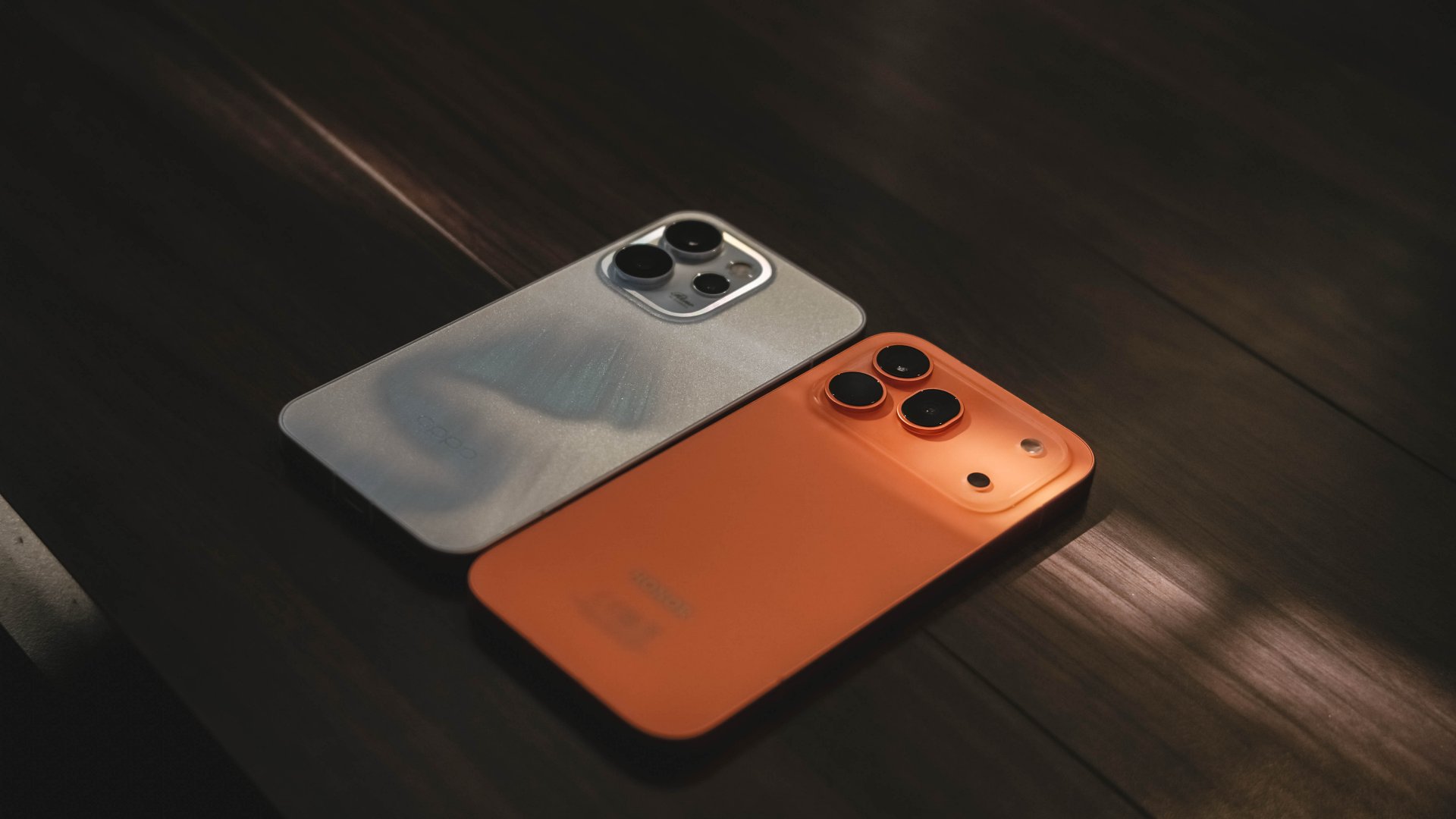
The biggest disparity can be seen in their ultra-wide modules. HONOR didn’t focus too much on it by giving a smaller 12MP f/2.2 with a tighter 112-degree FoV (Field of View).
On the other hand, the OPPO equipped a bigger 50MP module with a brighter f/2.0 aperture, and an even wider 116-degree FoV.
Lastly, both the telephoto and selfie shooters are at 50MP. Both telephoto cameras are capable of optically zooming in to 3.5x.
Fair and Square
Both of these midrangers have their own set of special sauces. But, for the sake of fairness, I’ve stuck with each of their default camera color profiles: Natural for the HONOR 600 Pro while Original in the OPPO Reno15 Pro.
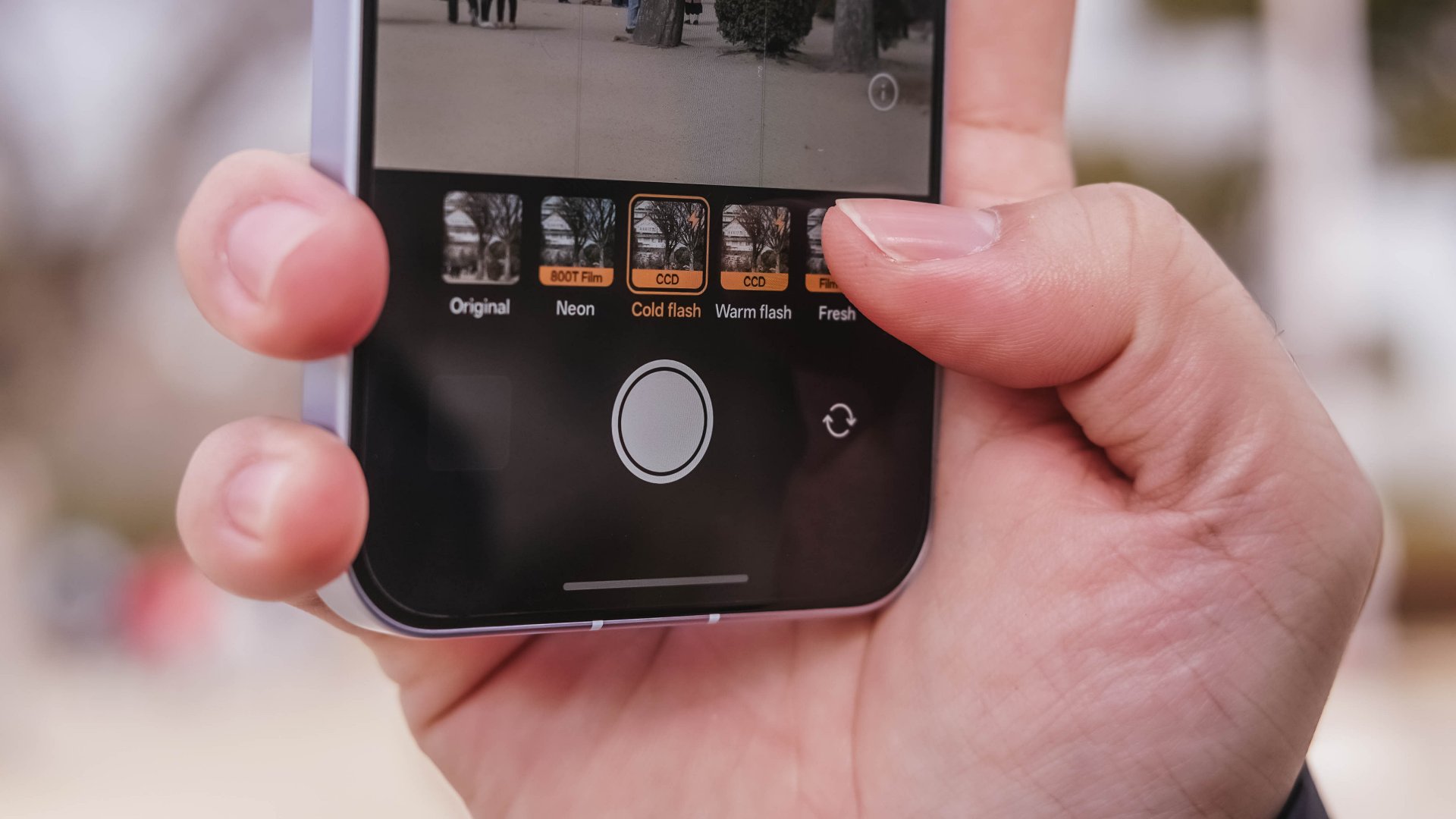
Disclaimer: If you are new here, sample photos were all taken using the default AI Camera Mode. These images were resized and labeled for faster loading and better online preview. No color correction, zoomed-in cropping, nor any other type of photo manipulation were applied.
3.5x Telephoto
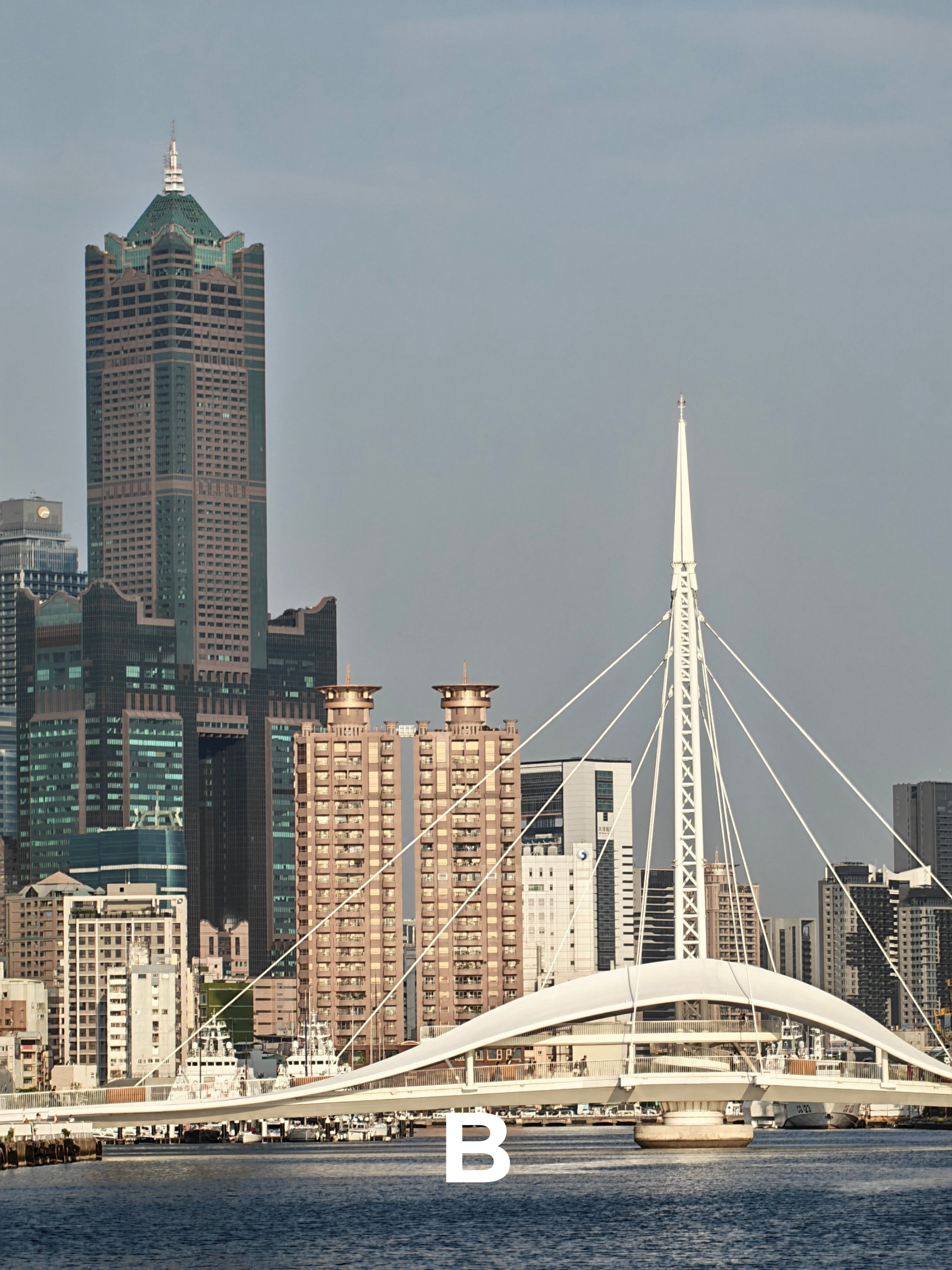
Starting with the common denominator of both phones: their 3.5x 50MP f/2.8 telephoto shooters
T1

T2
T3

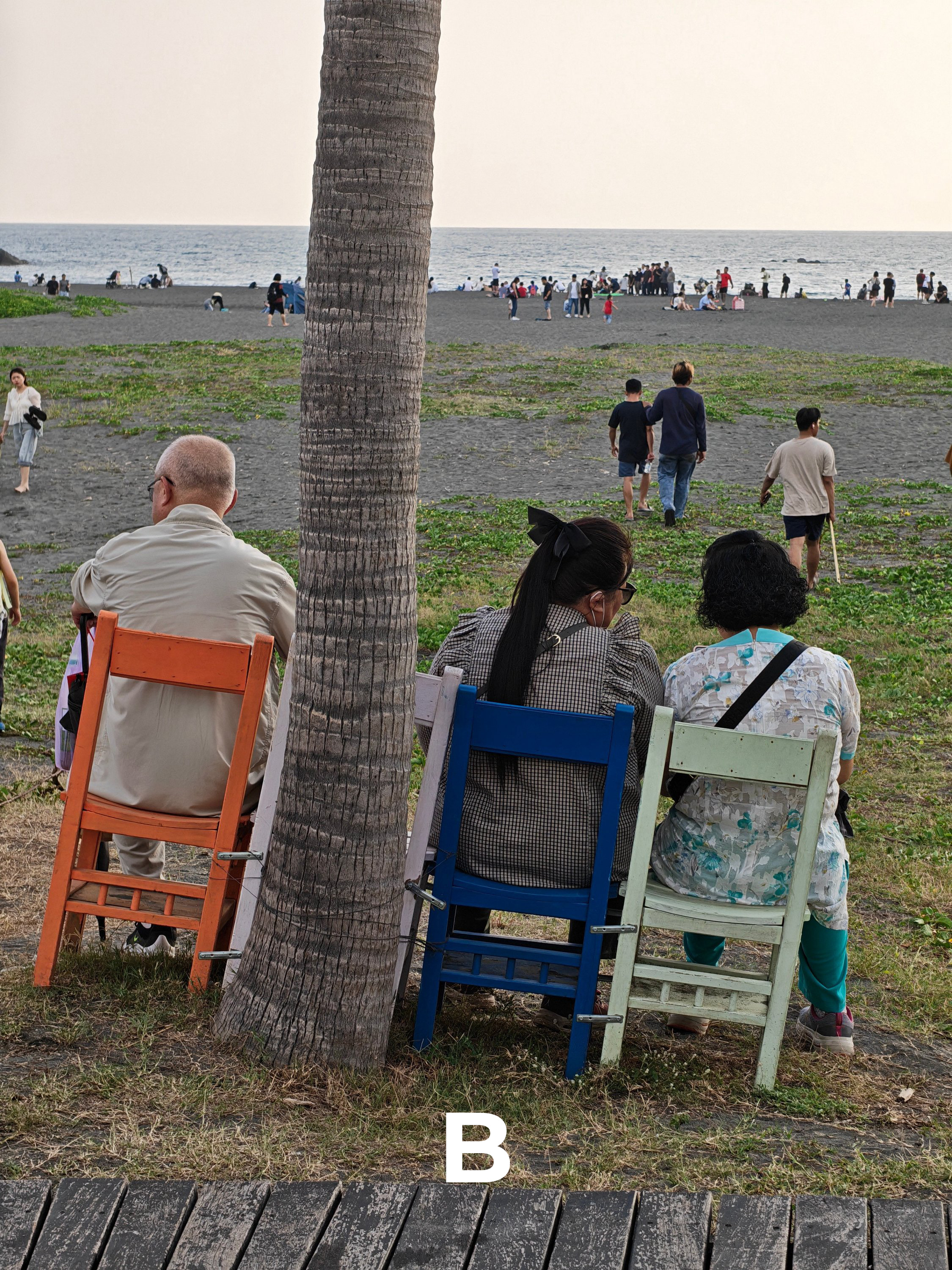
T4

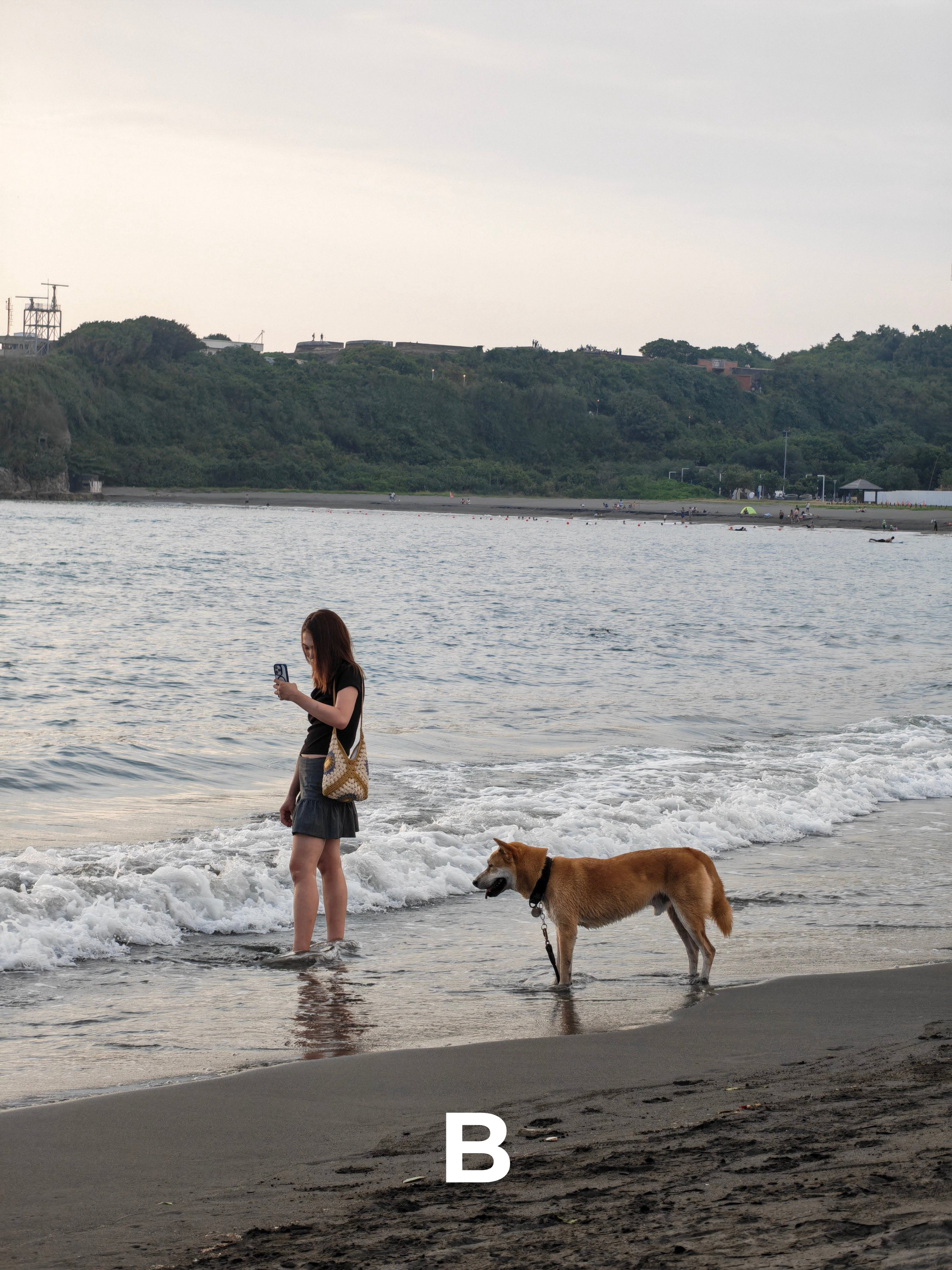
T5


T6


T7
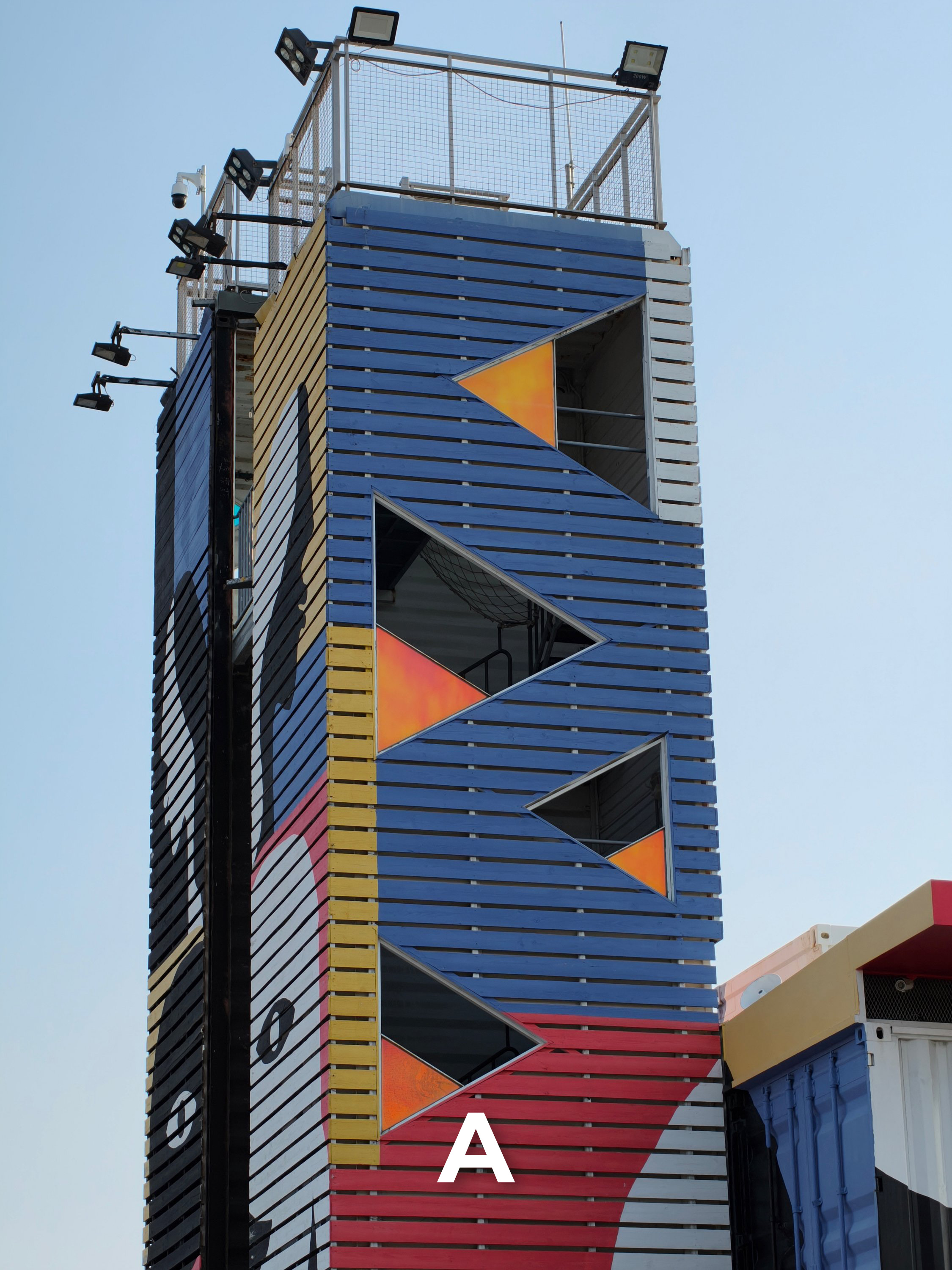
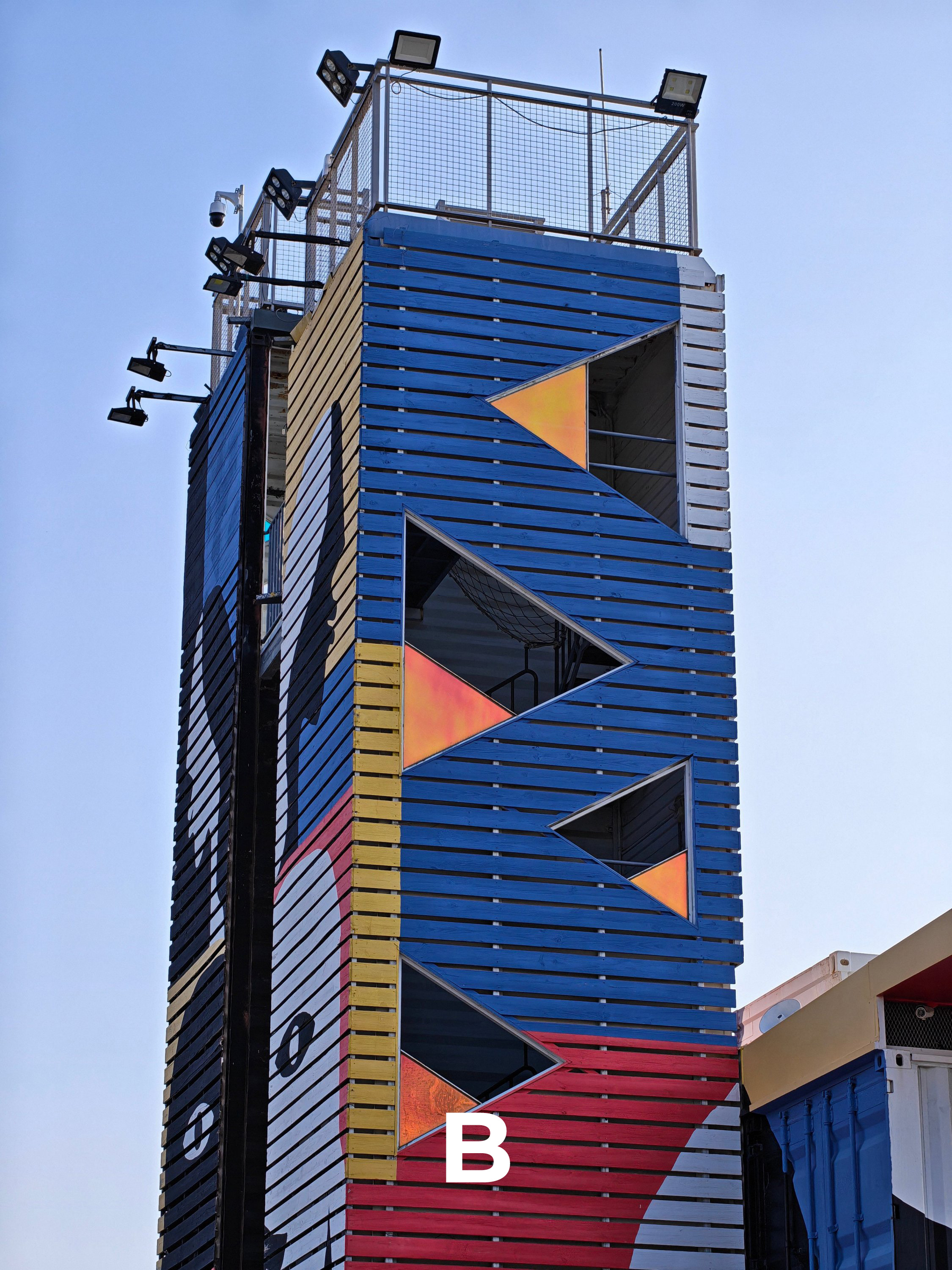
T8

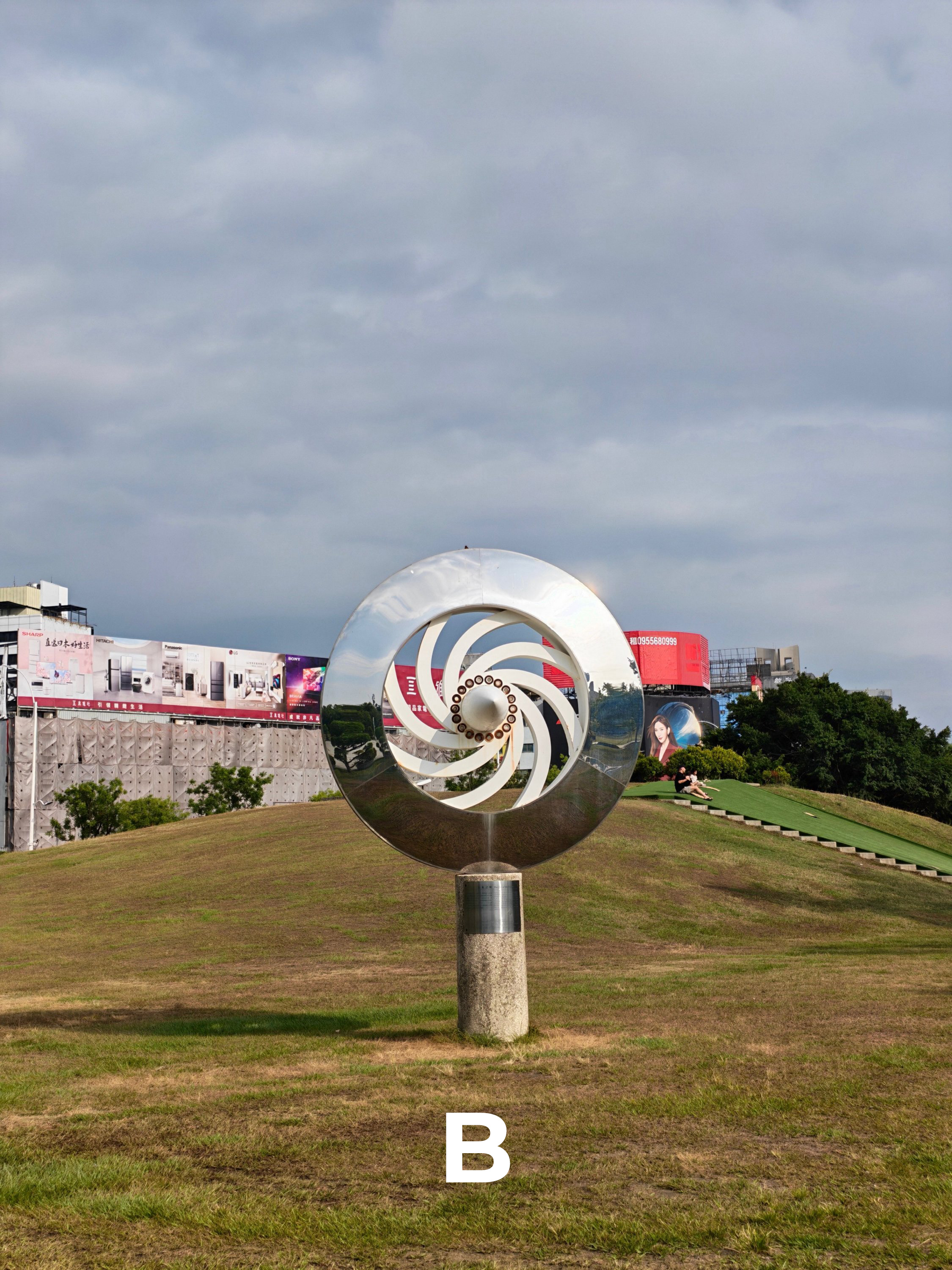
T9
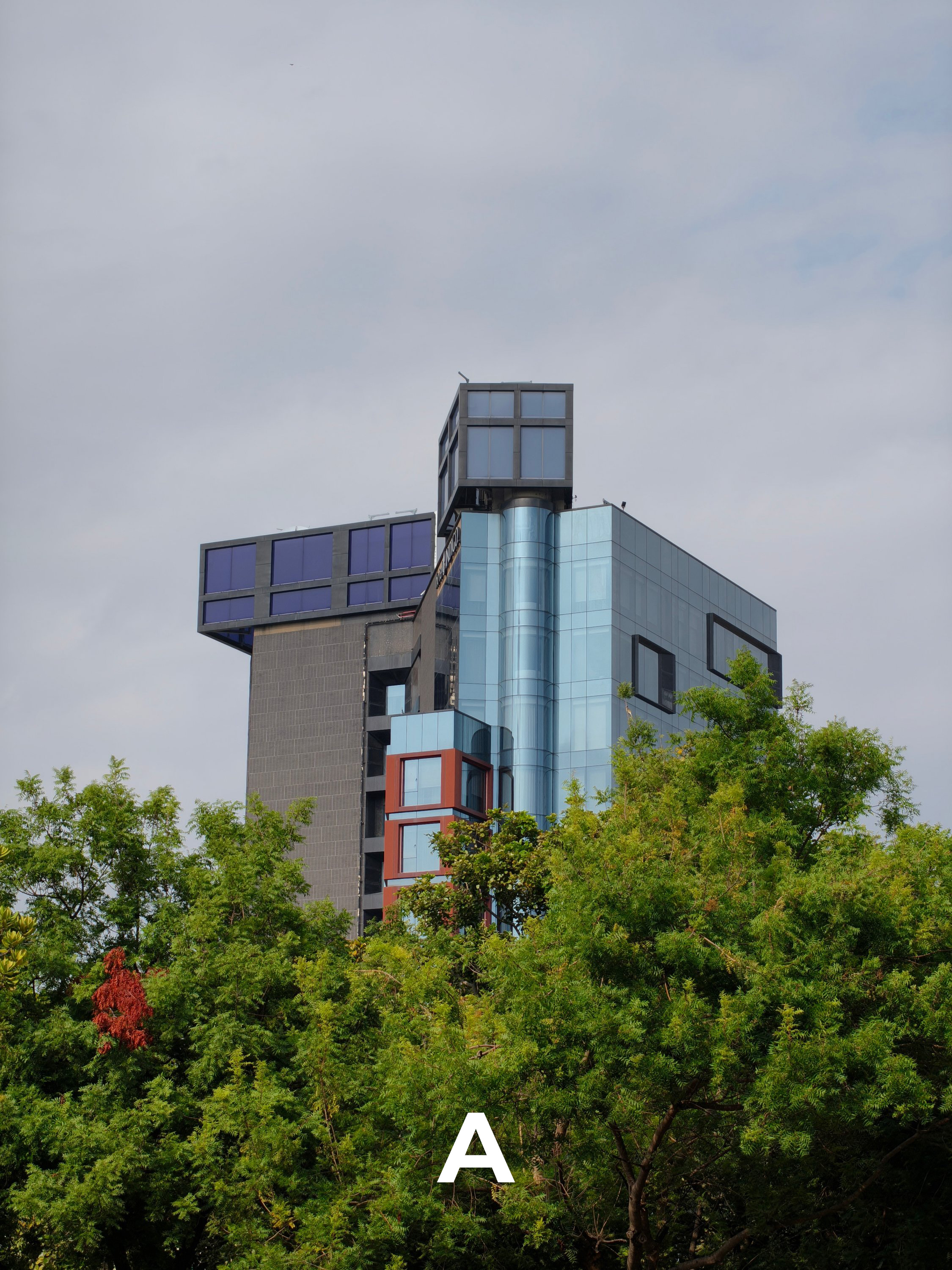
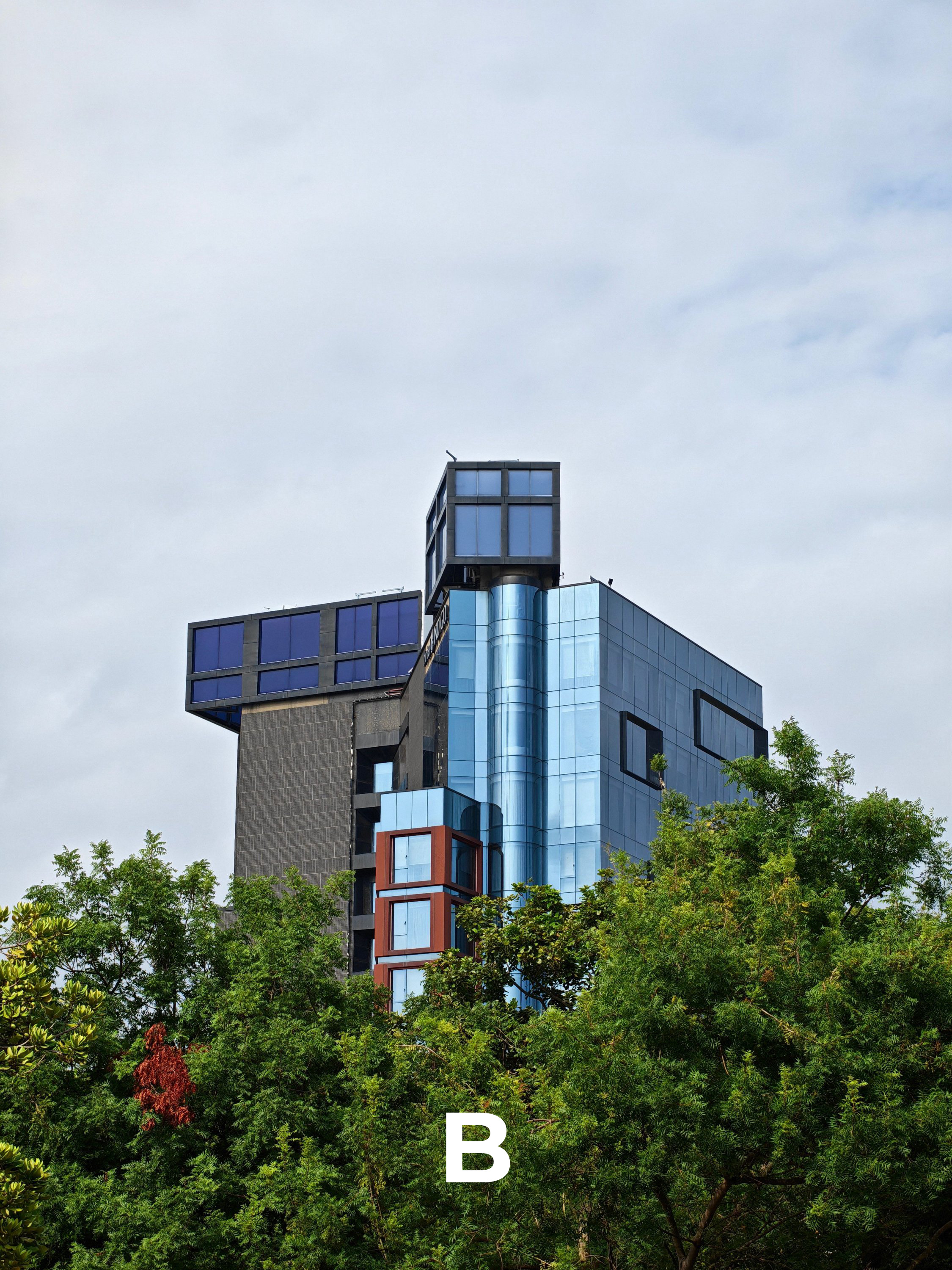
T10

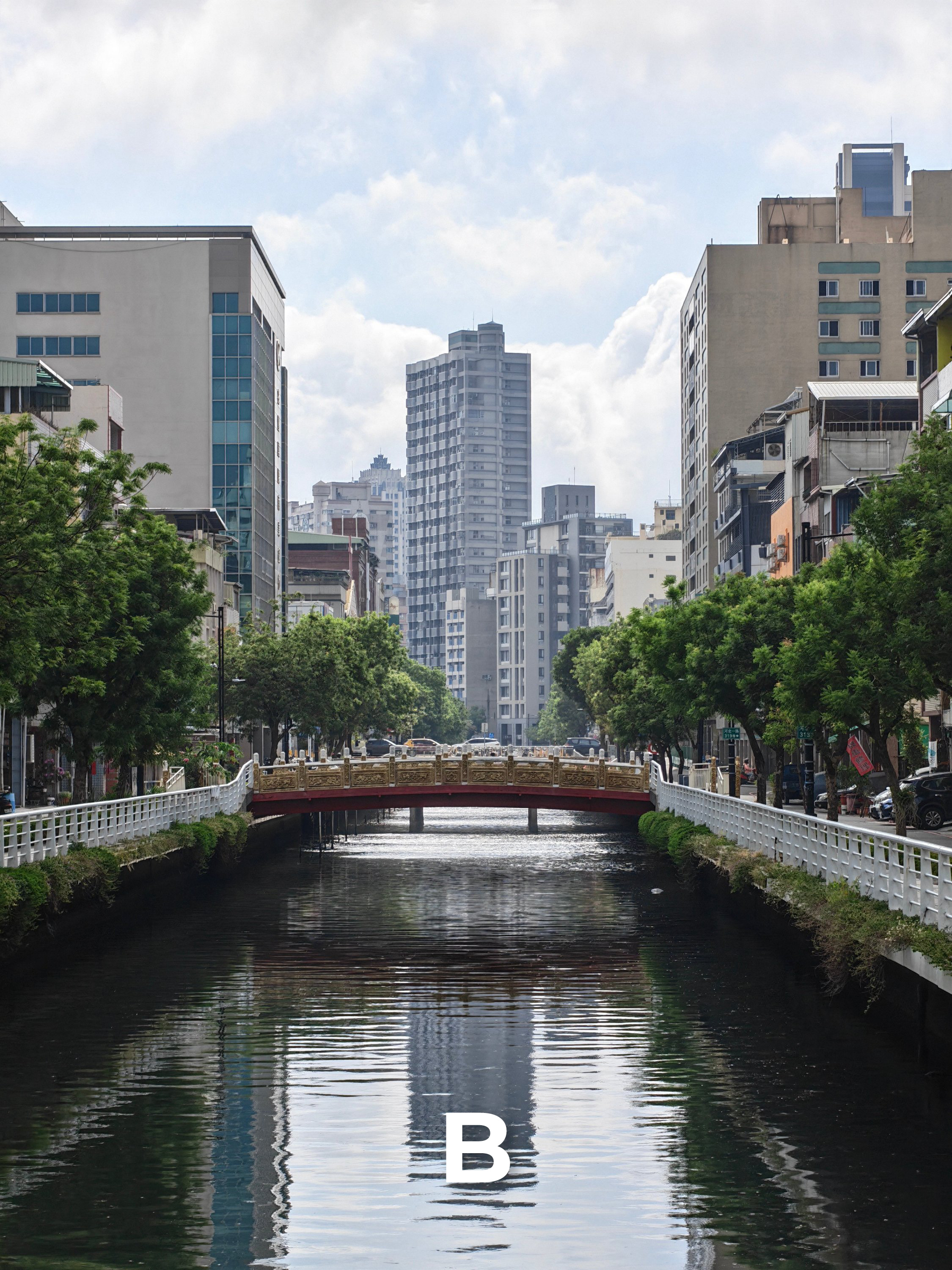
T11
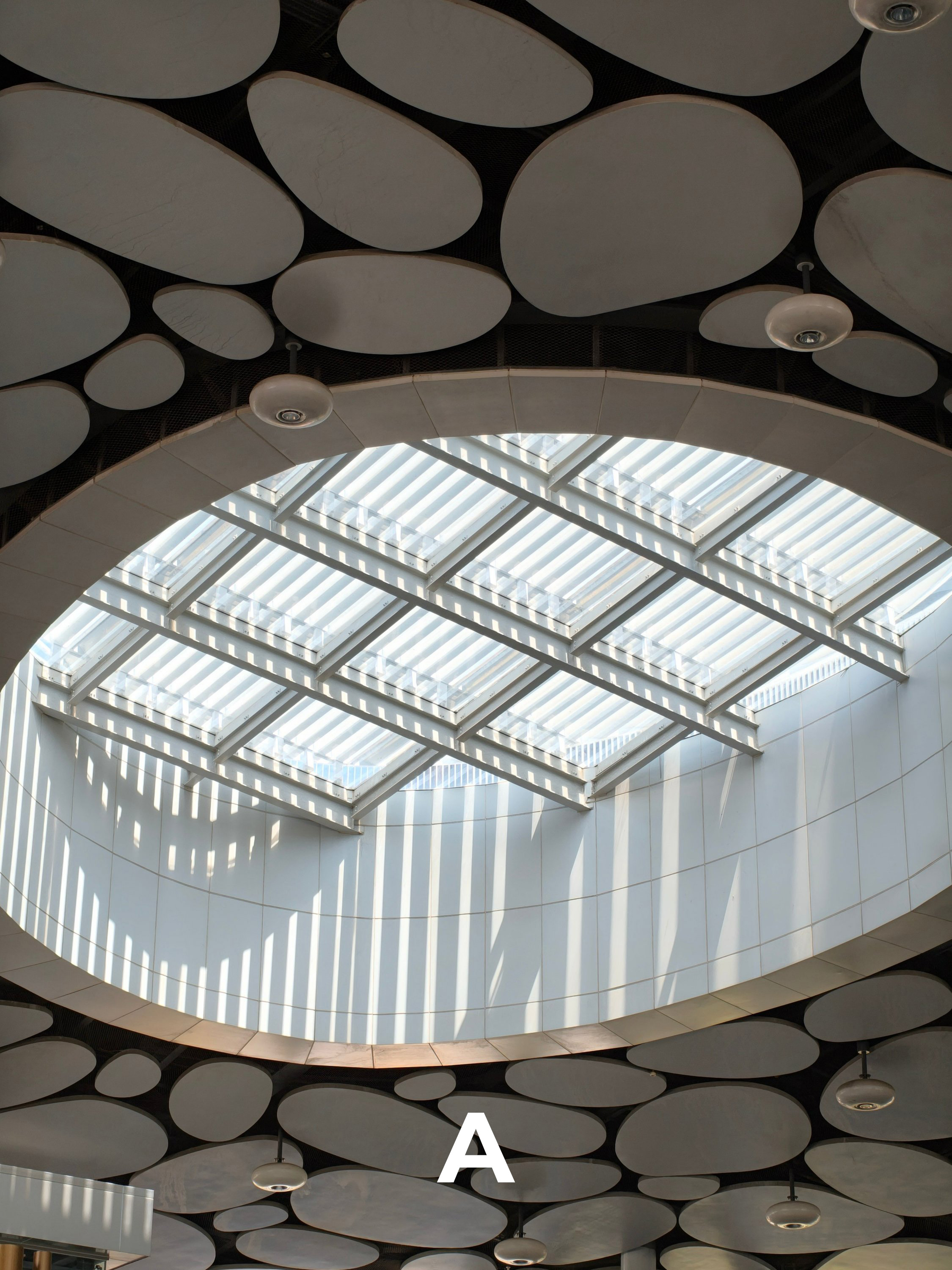
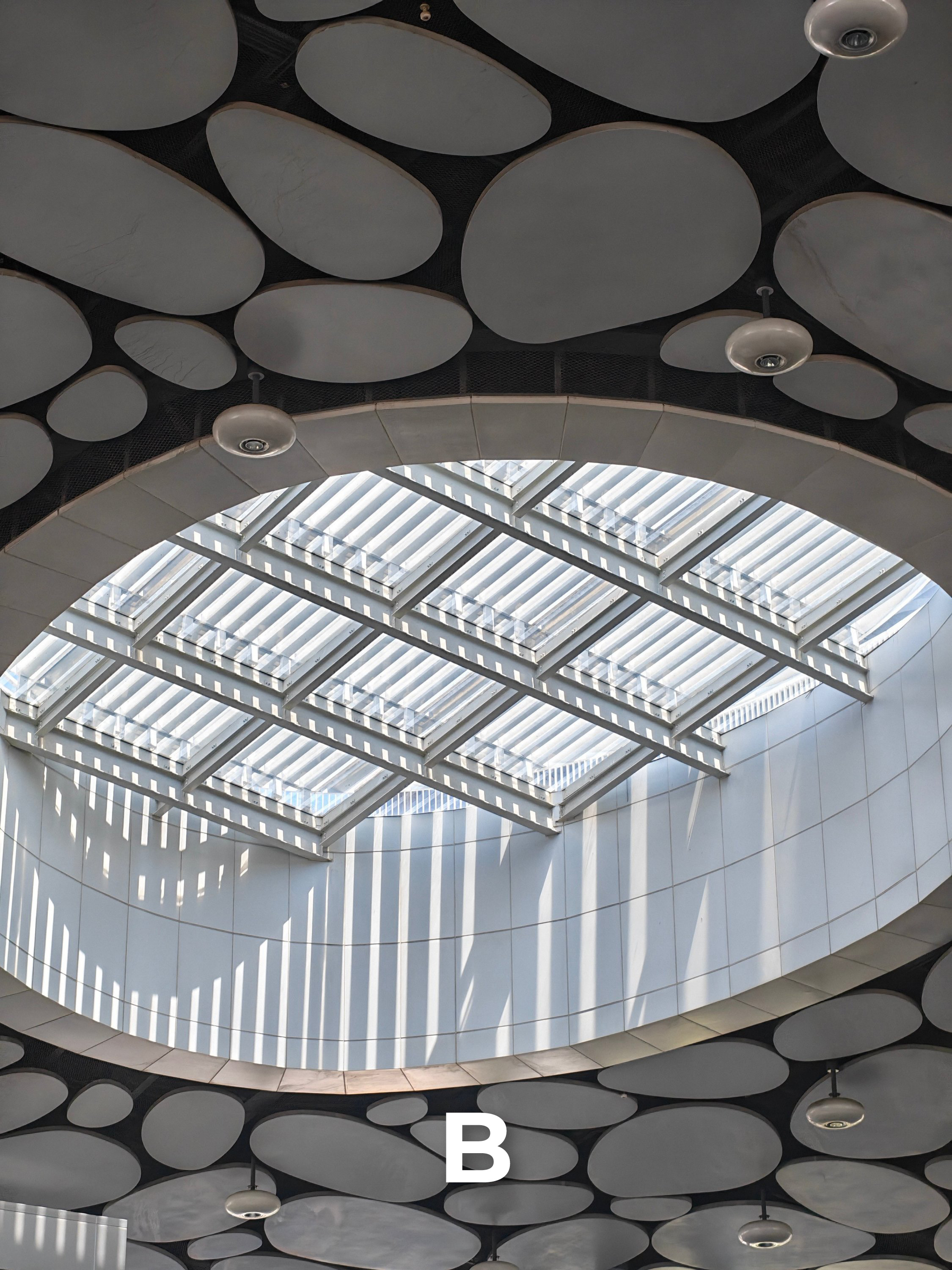
T12
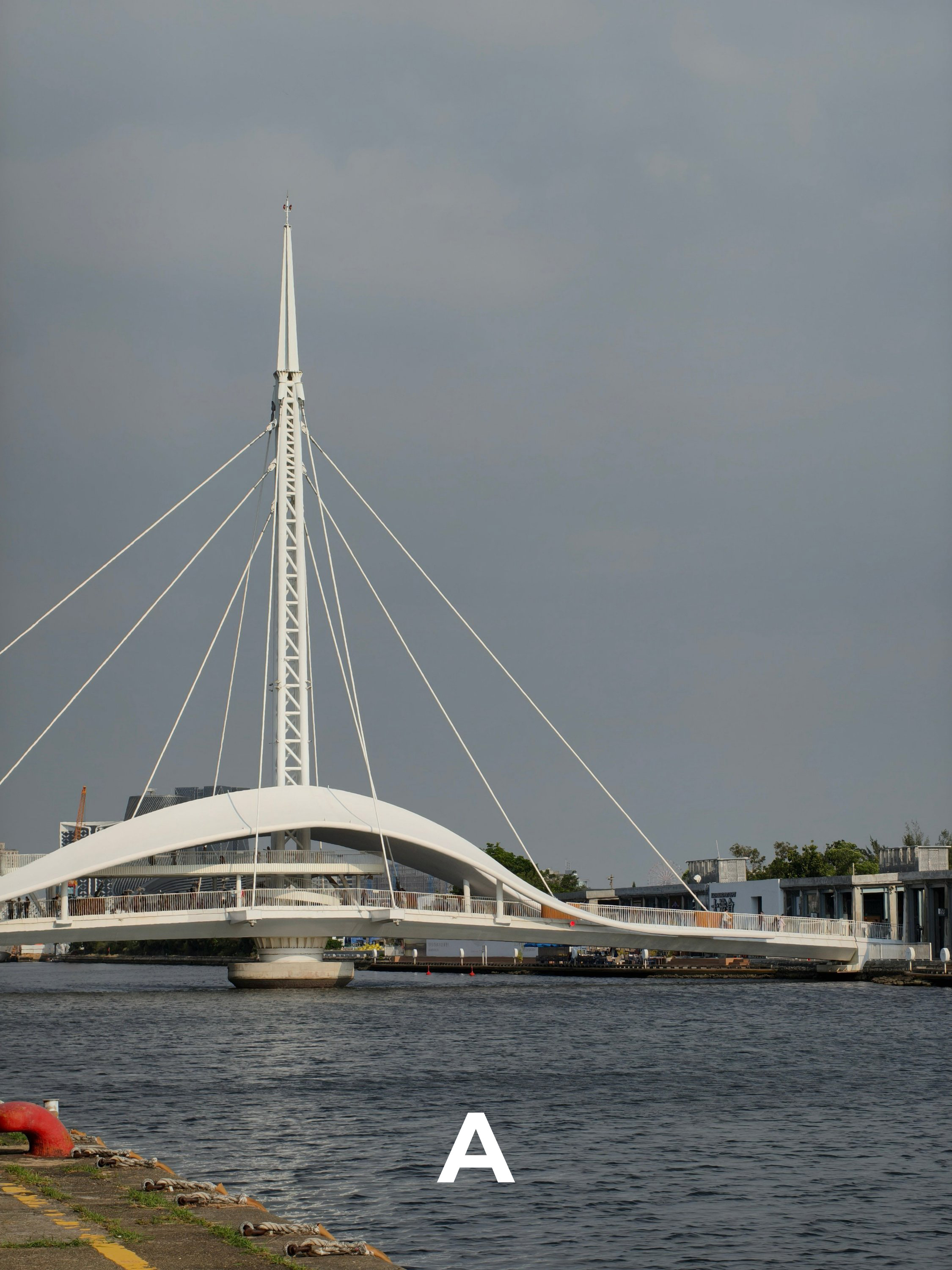
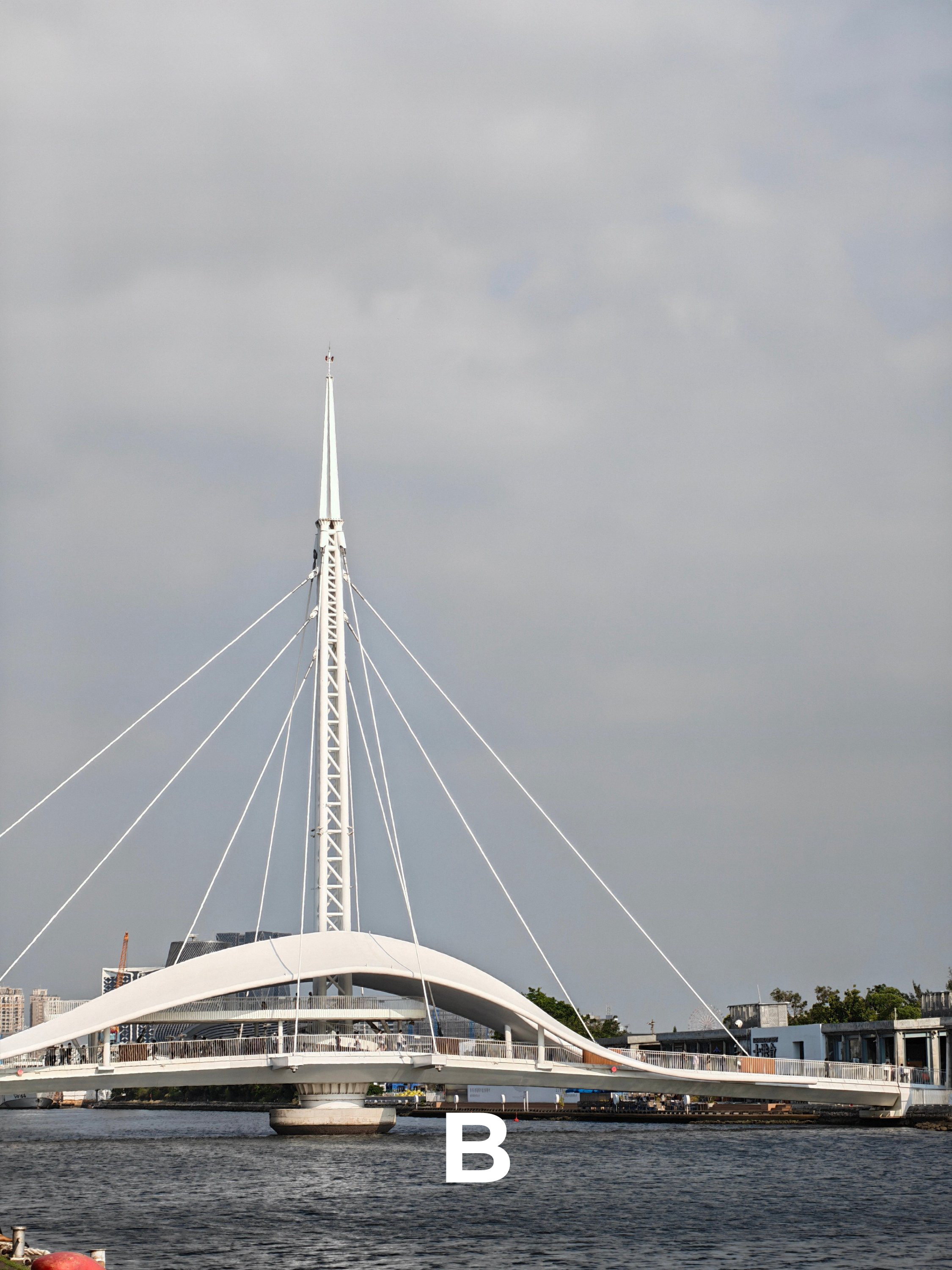
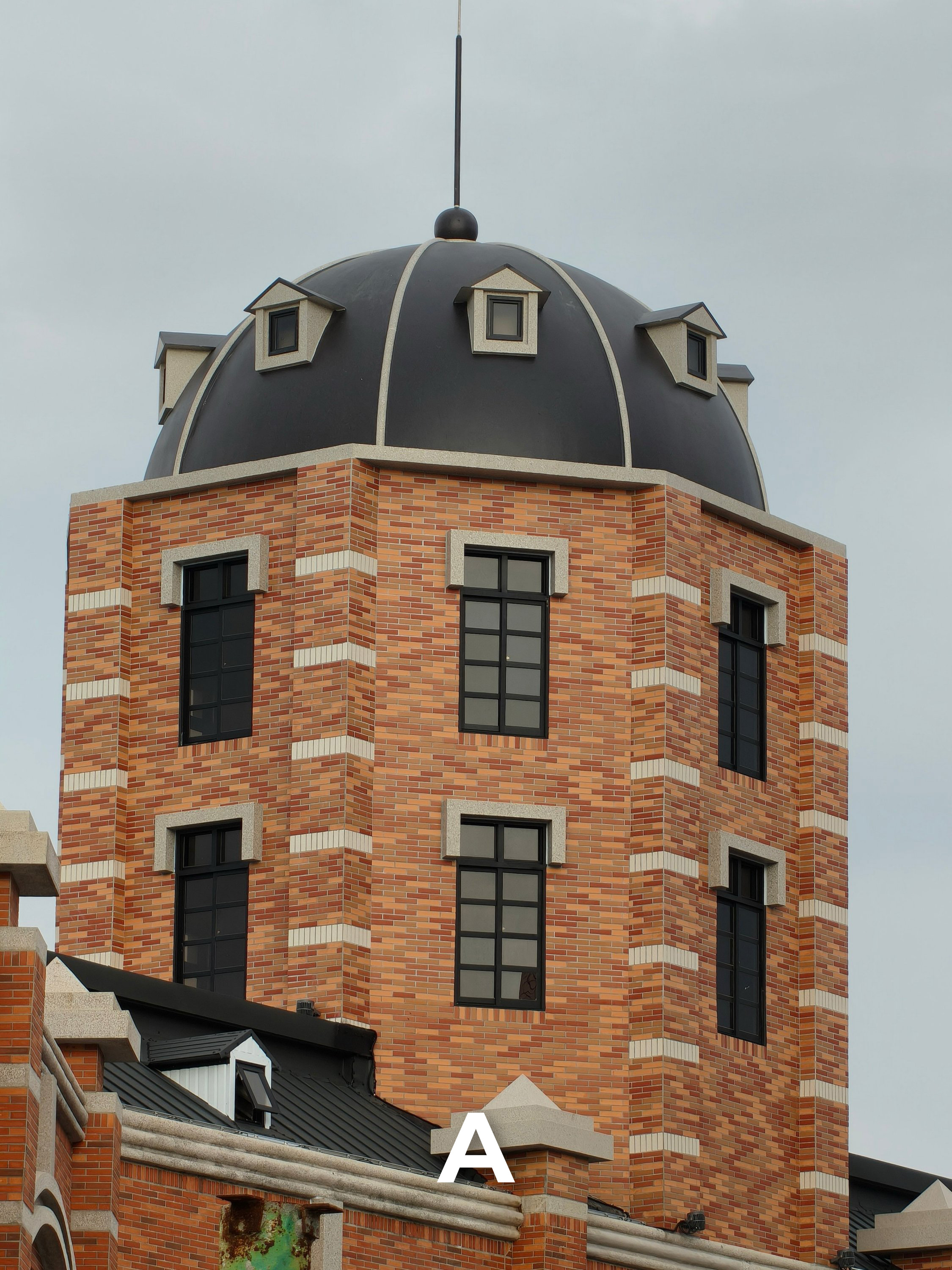
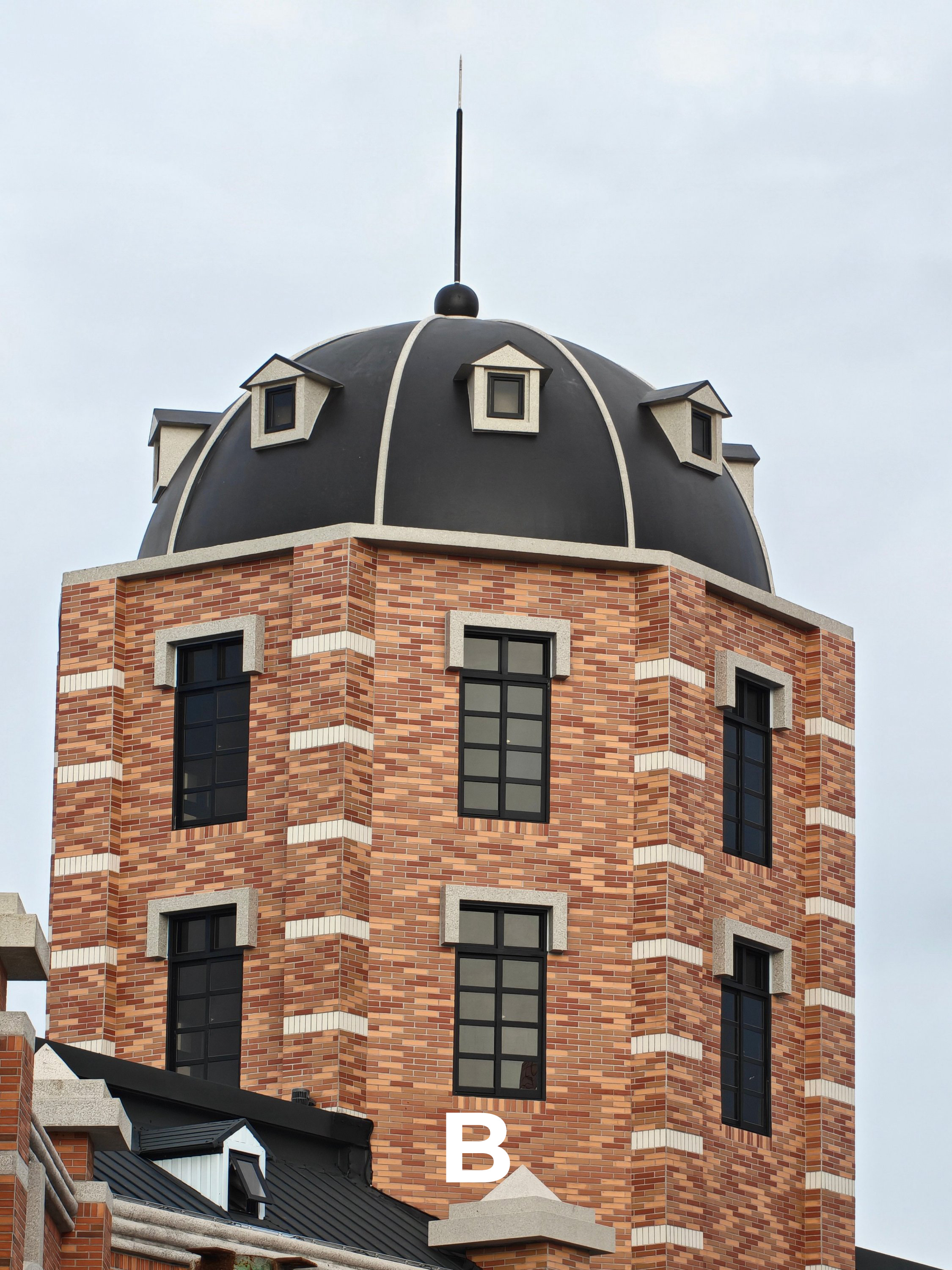
Beyond Telephoto Zoom
We have to break the barriers just to test each phones’ telephoto unit limit.
ZB1

ZB2


ZB3
ZB4


ZB5


ZB6
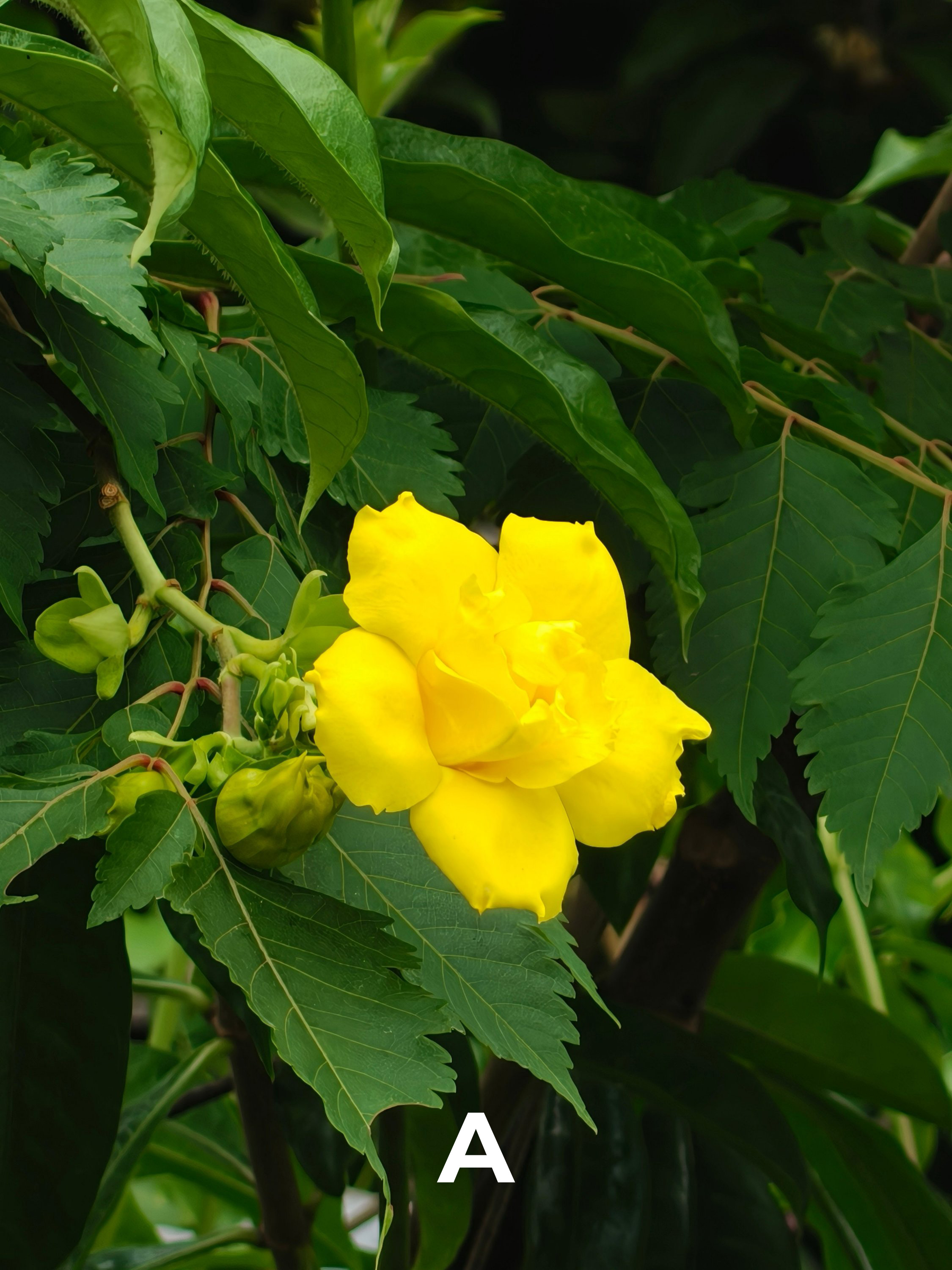
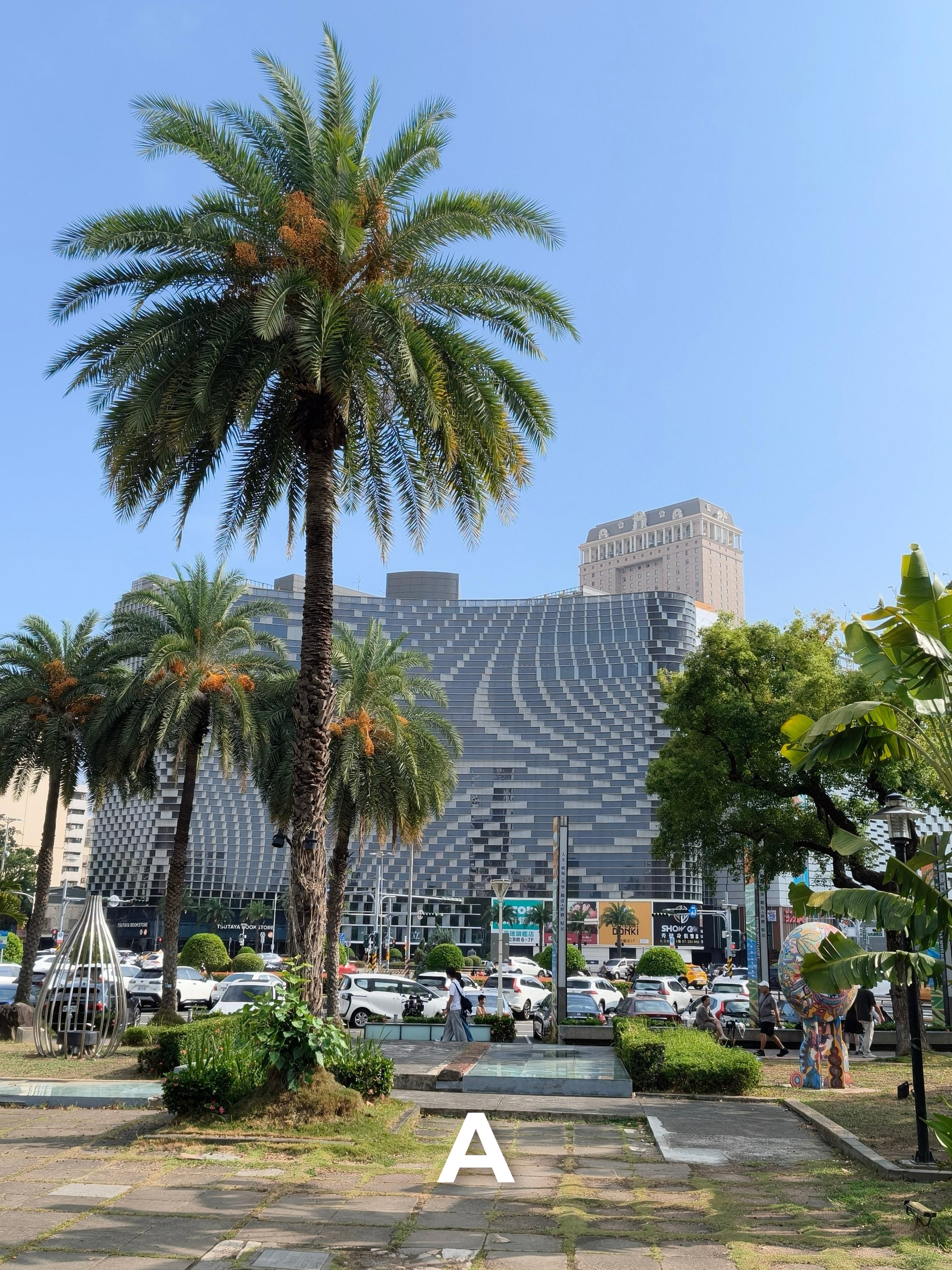
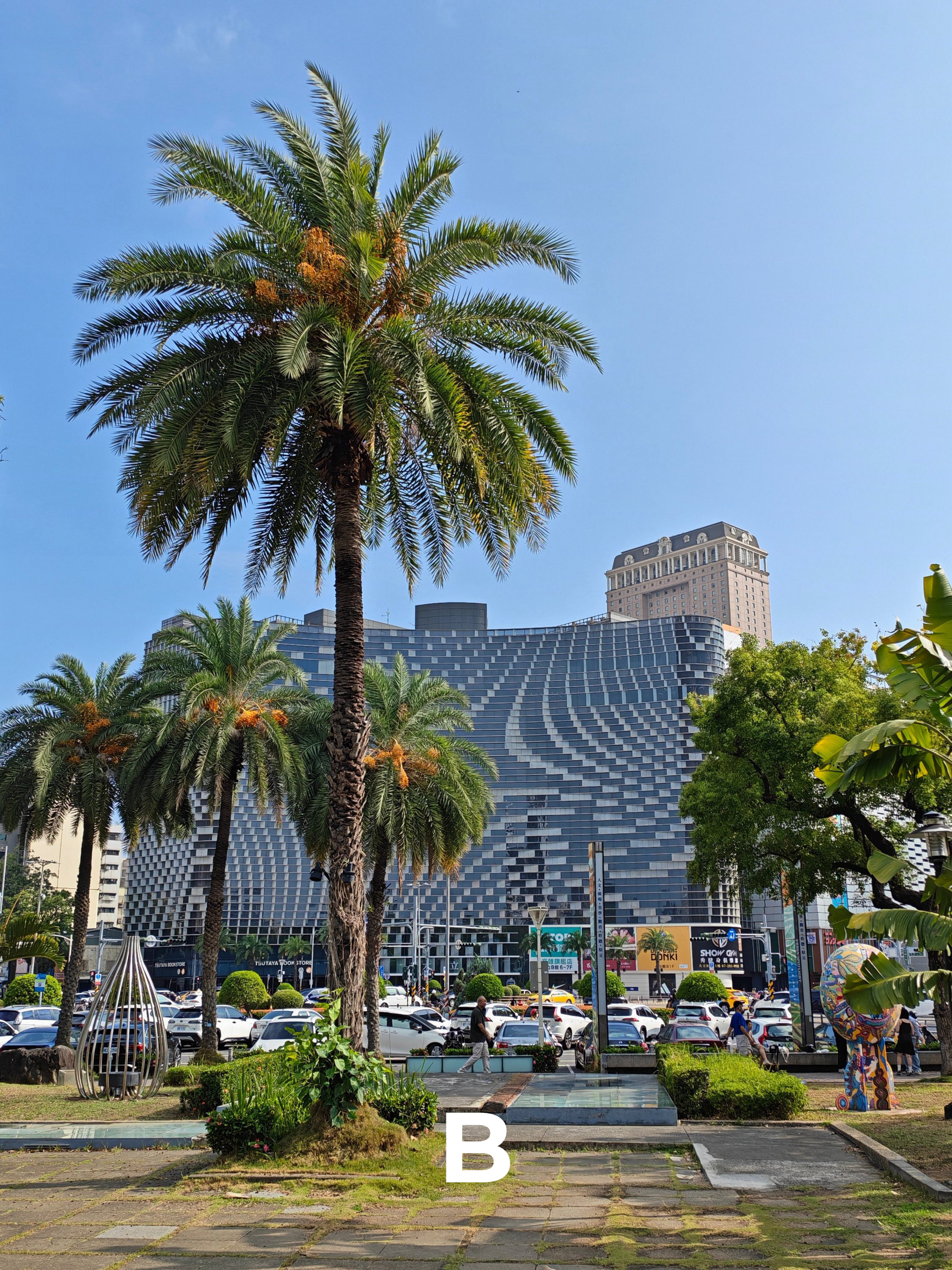
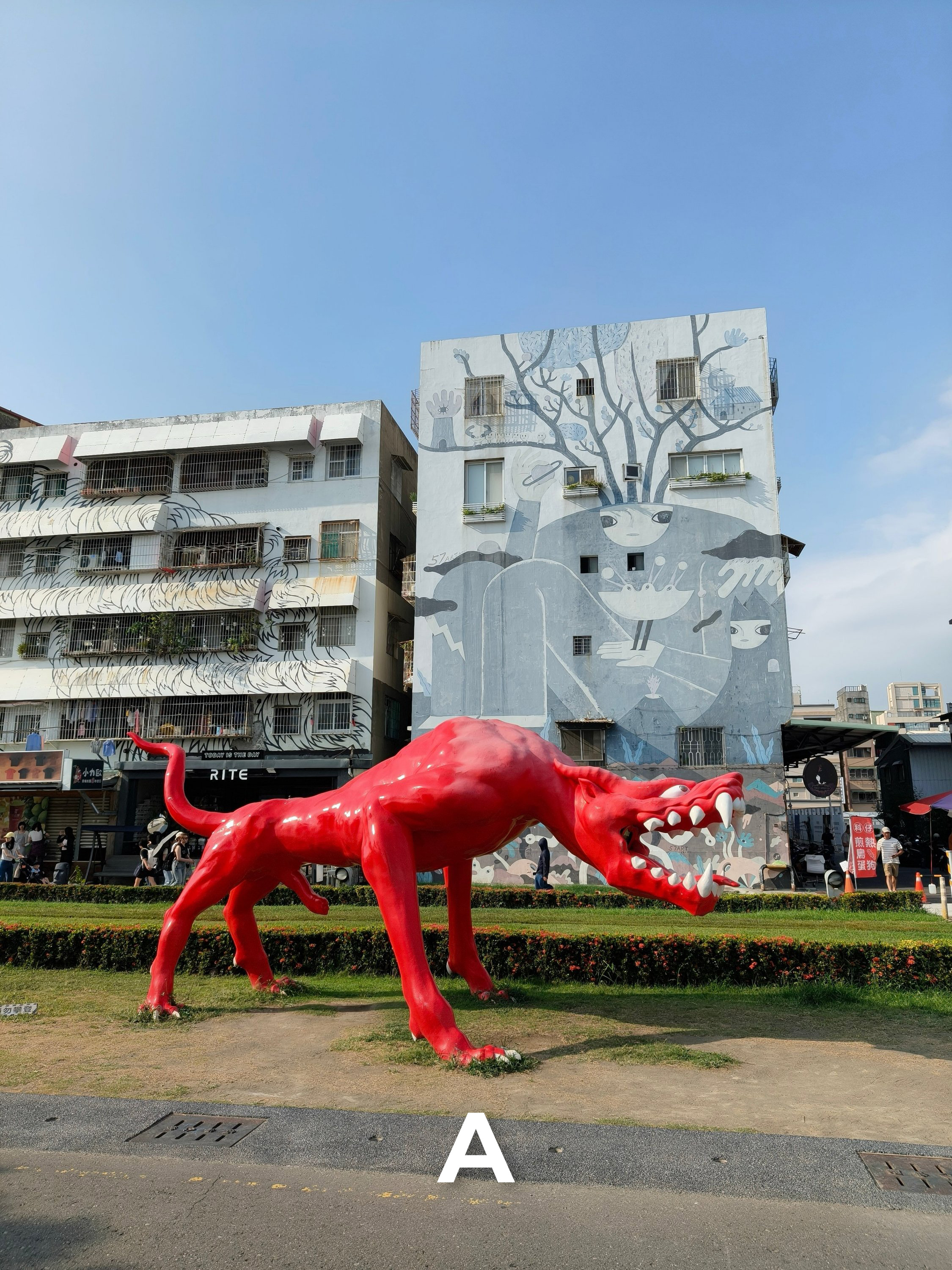
1x Wide (Main)
Again, both phones rock a 200MP camera but of different aperture and sensor sizes. Can you differentiate them from another though?
W1
W2

W3
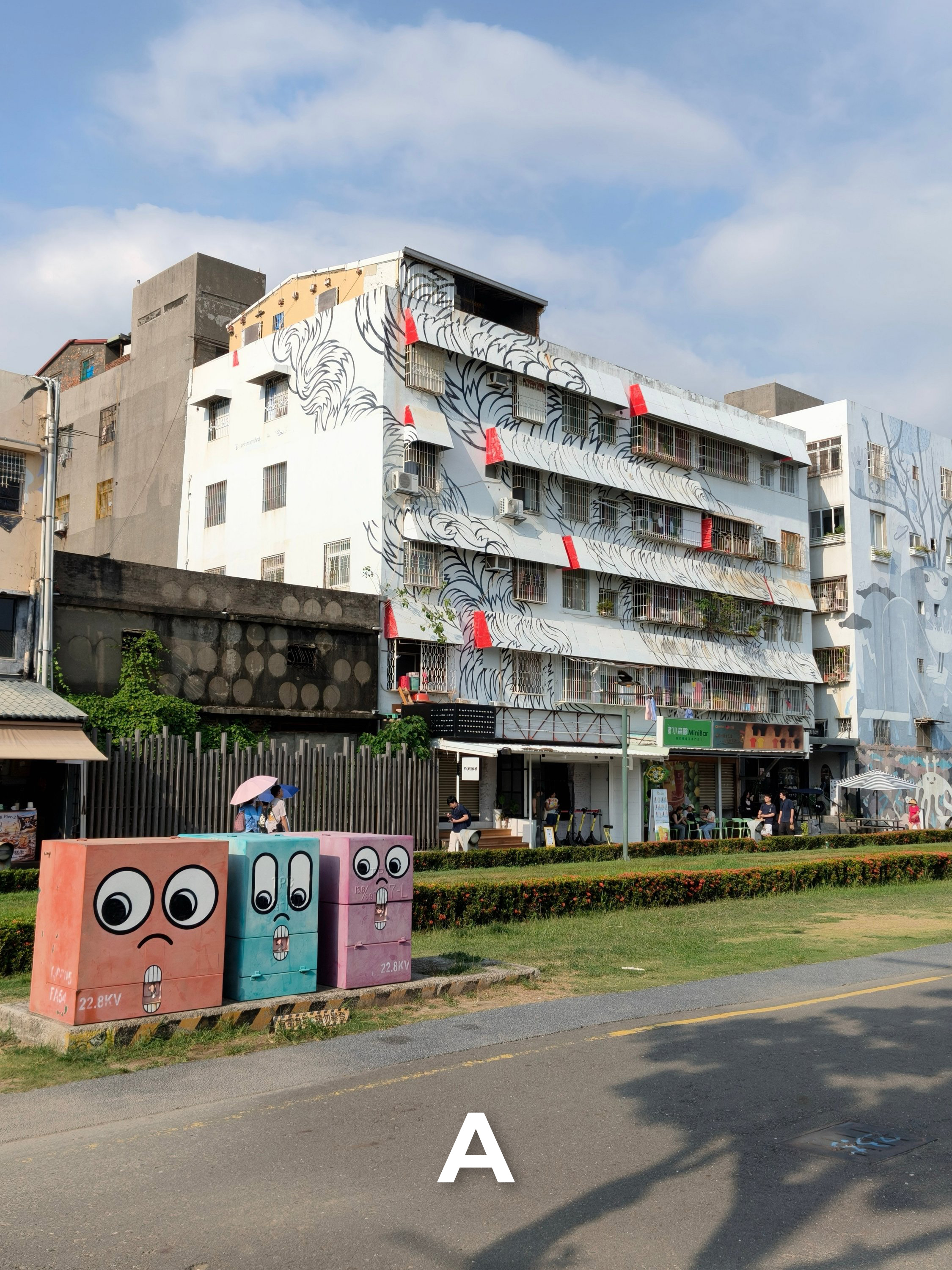
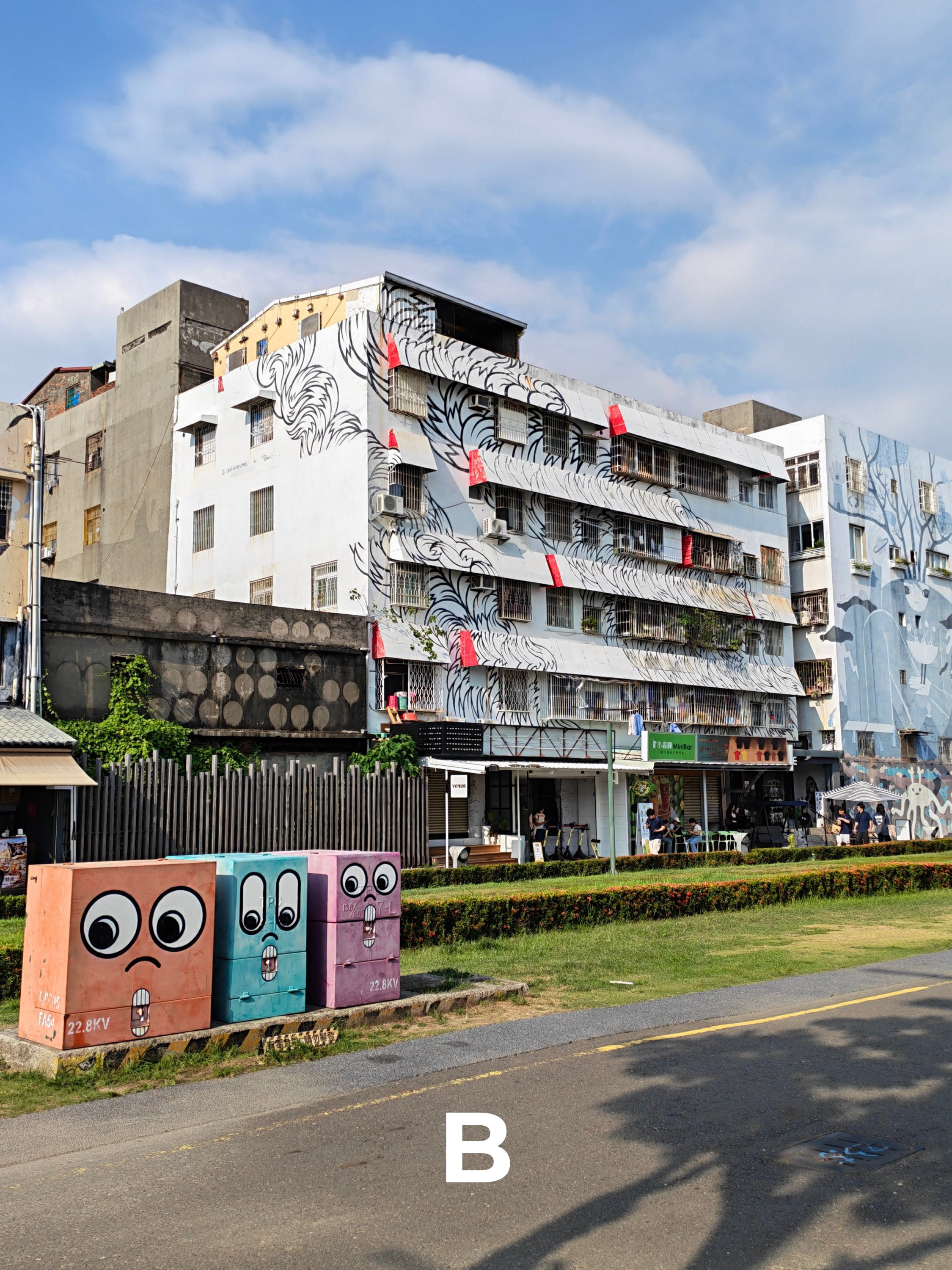
W4

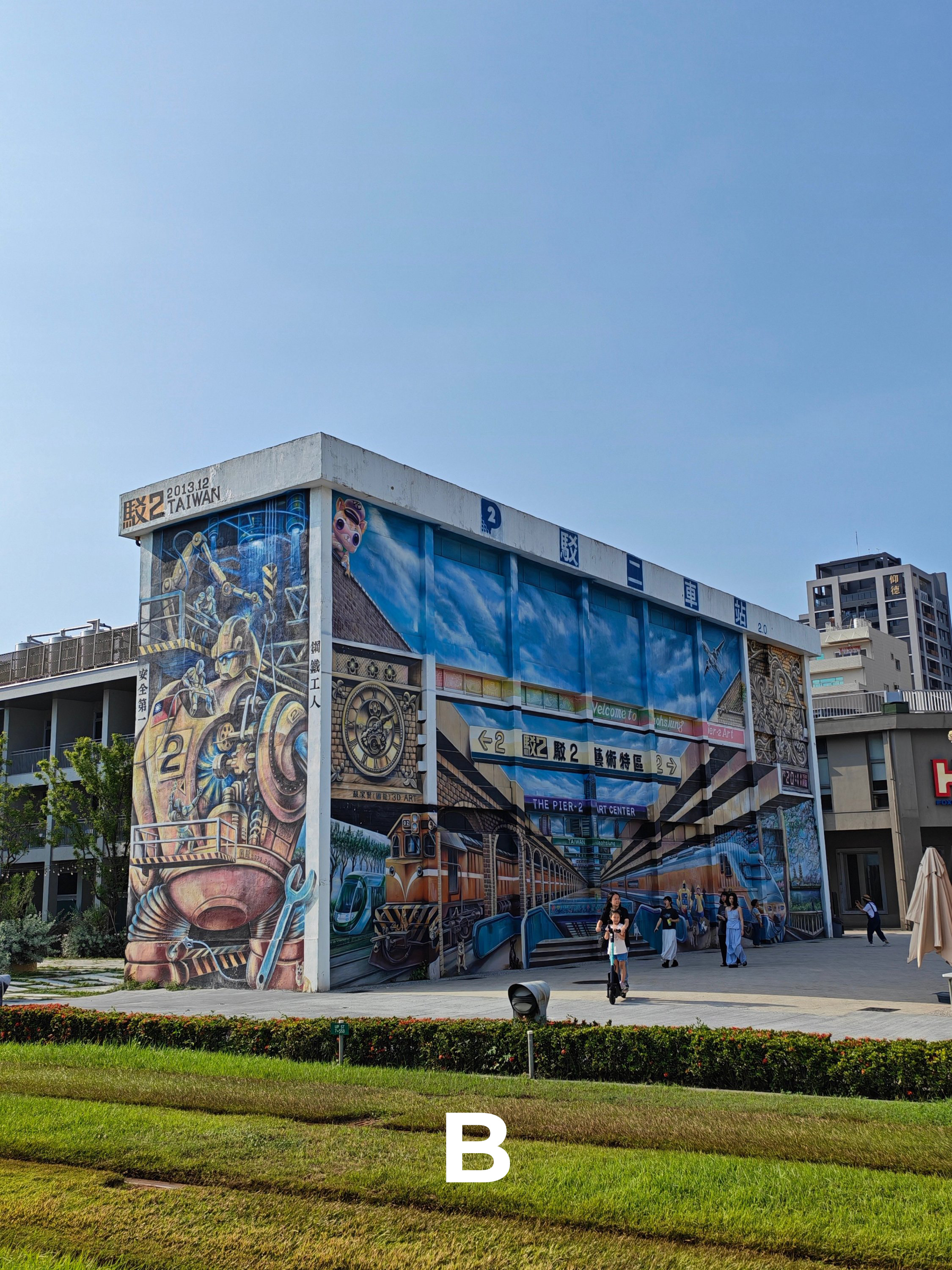
W5


W6
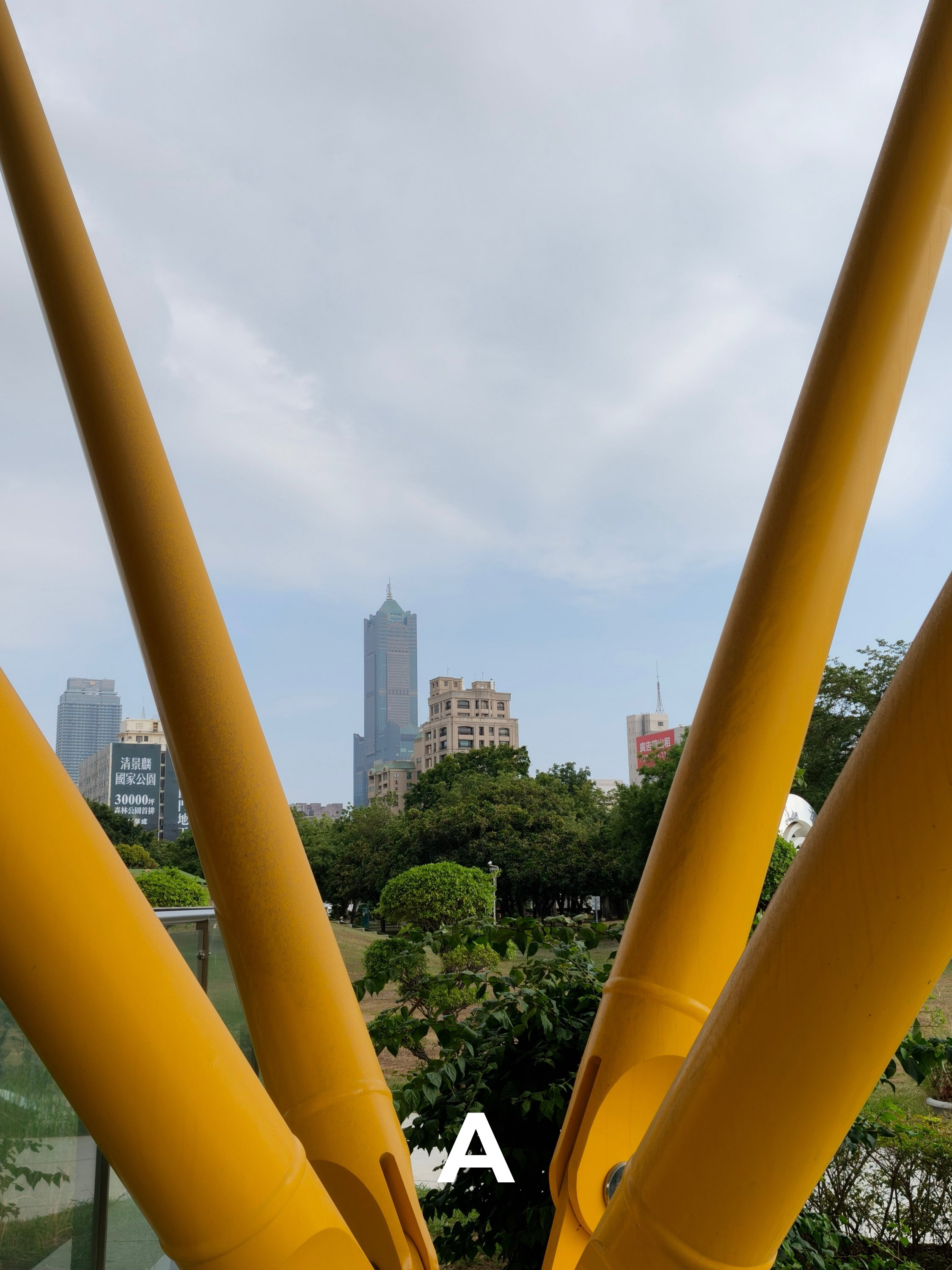
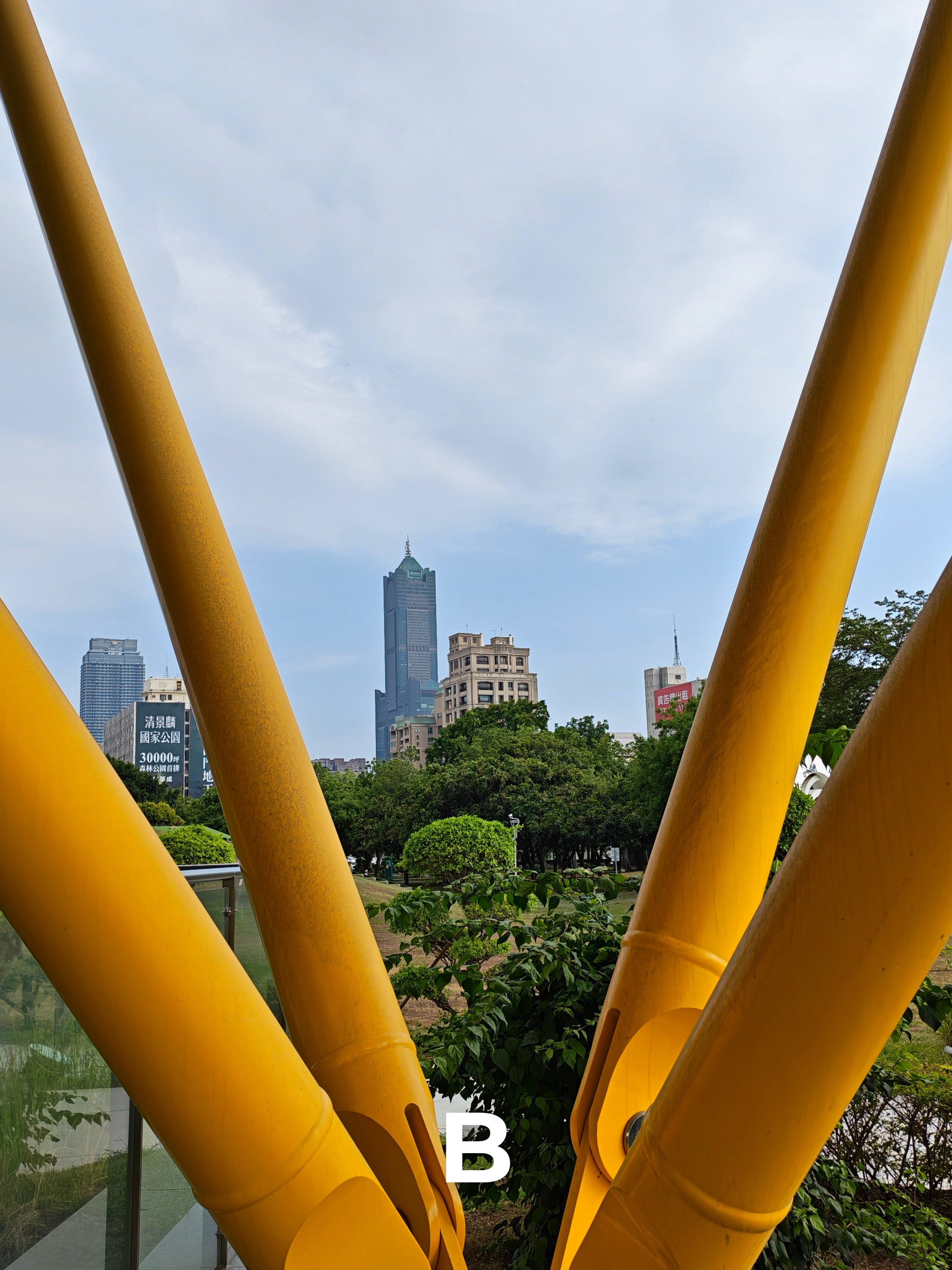
W7
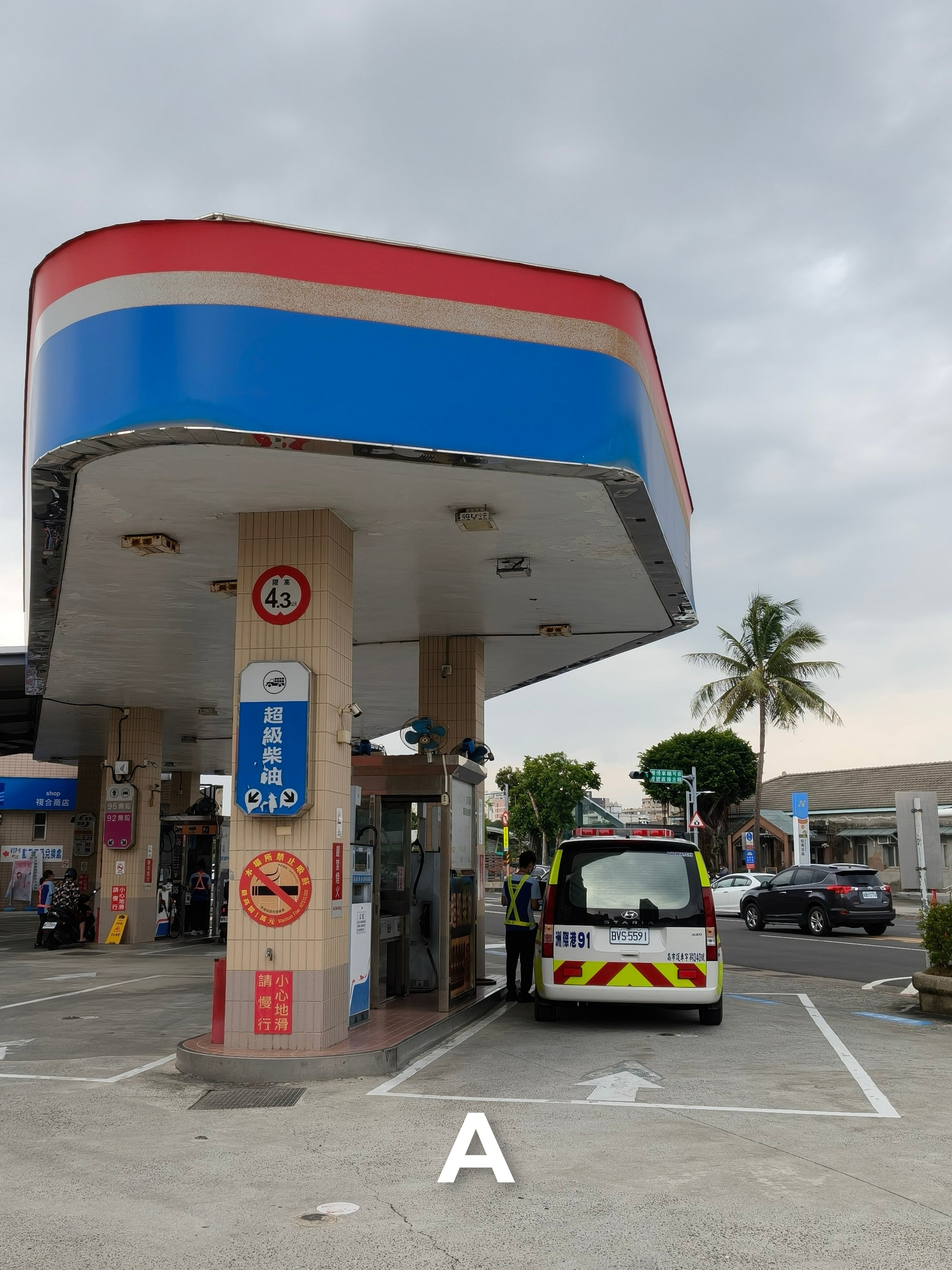
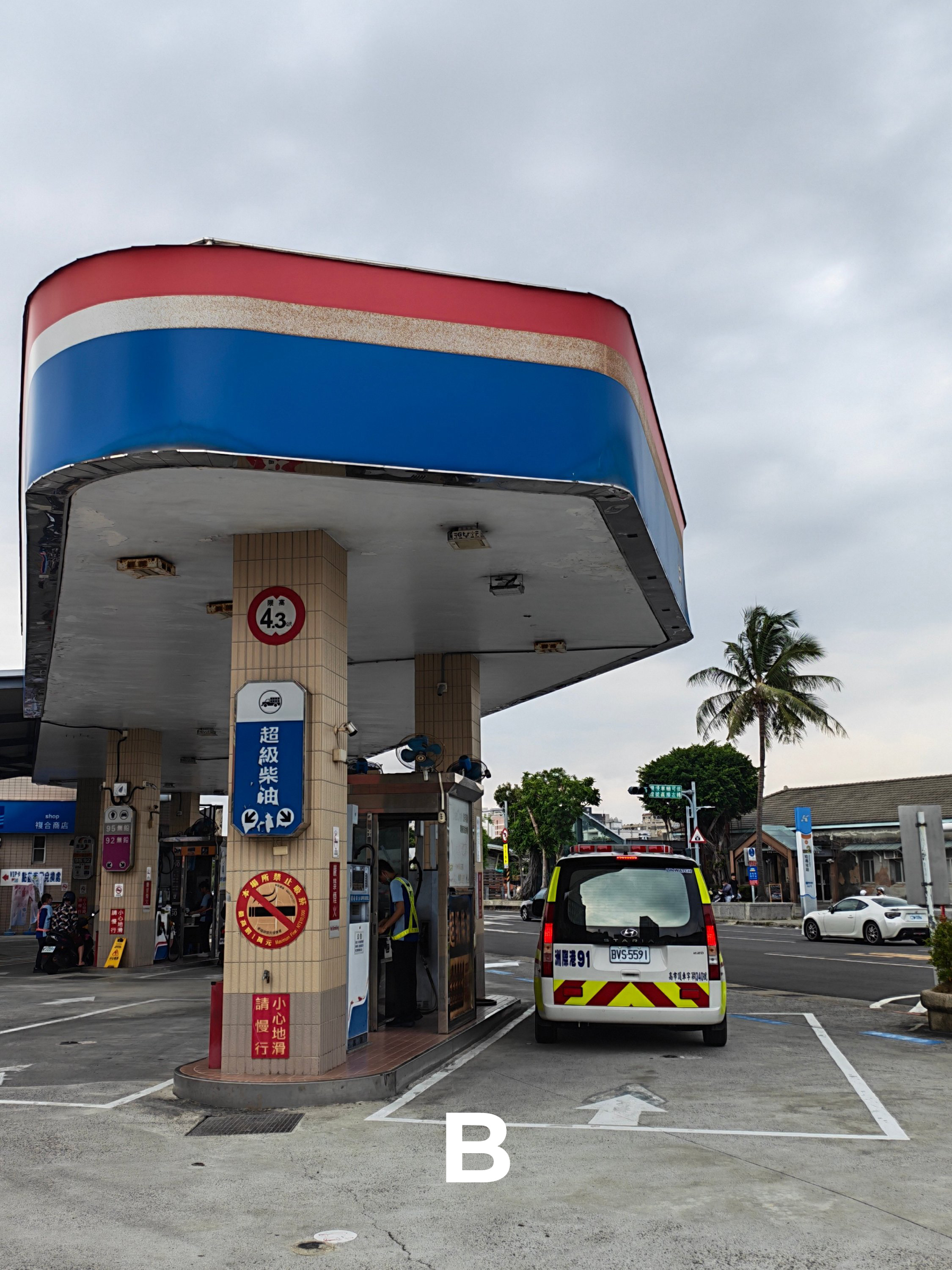
W8
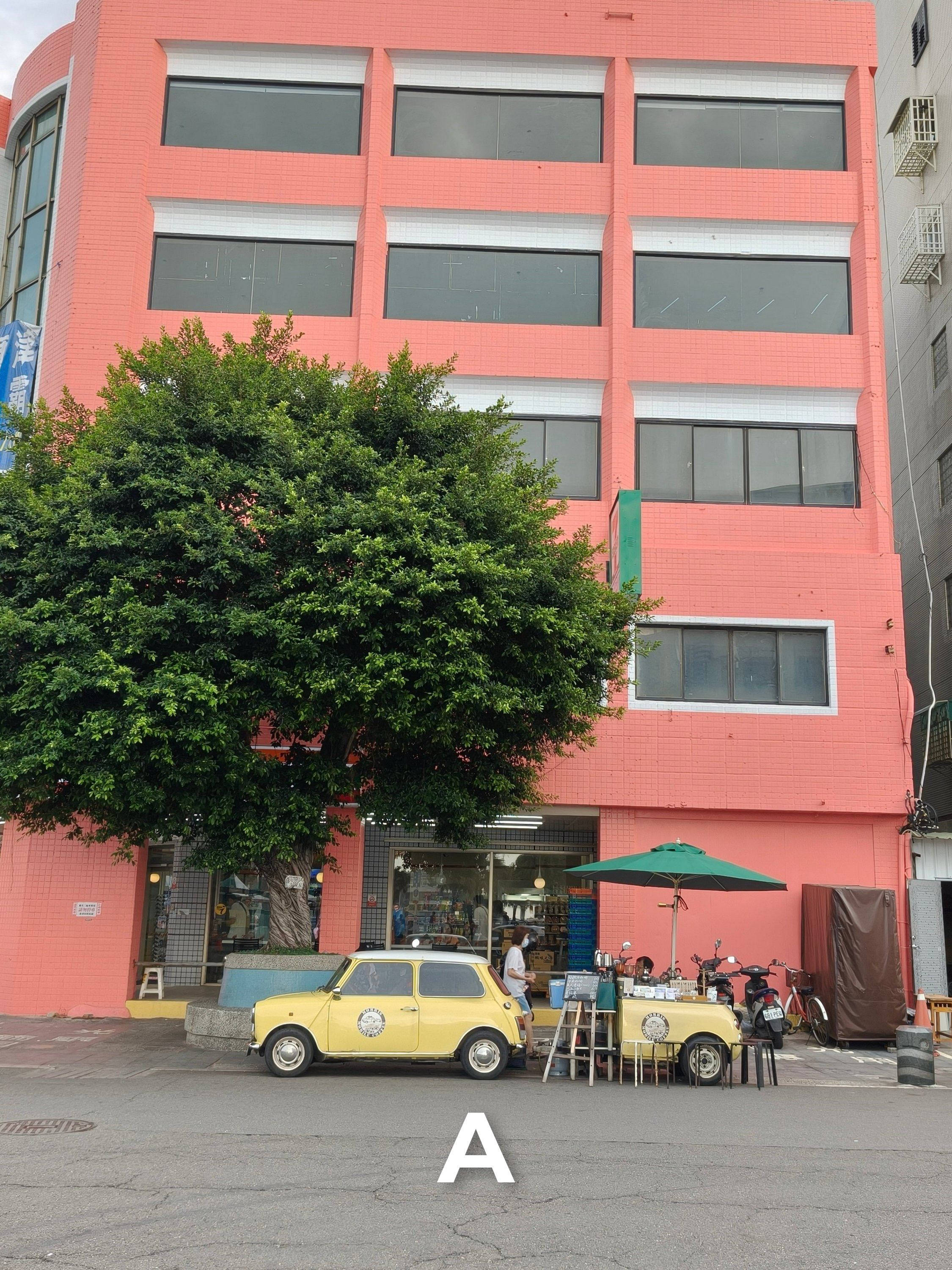
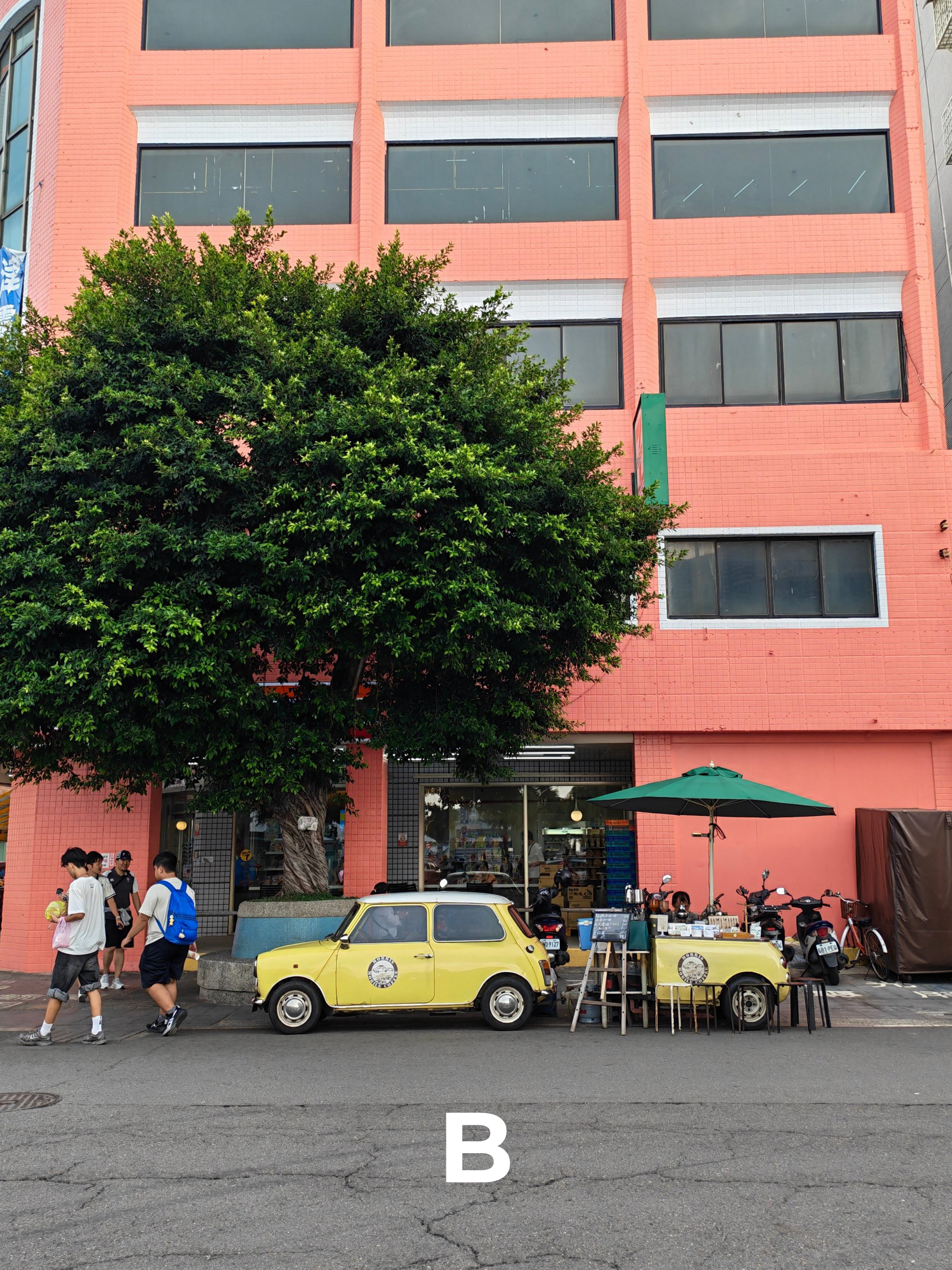
W9

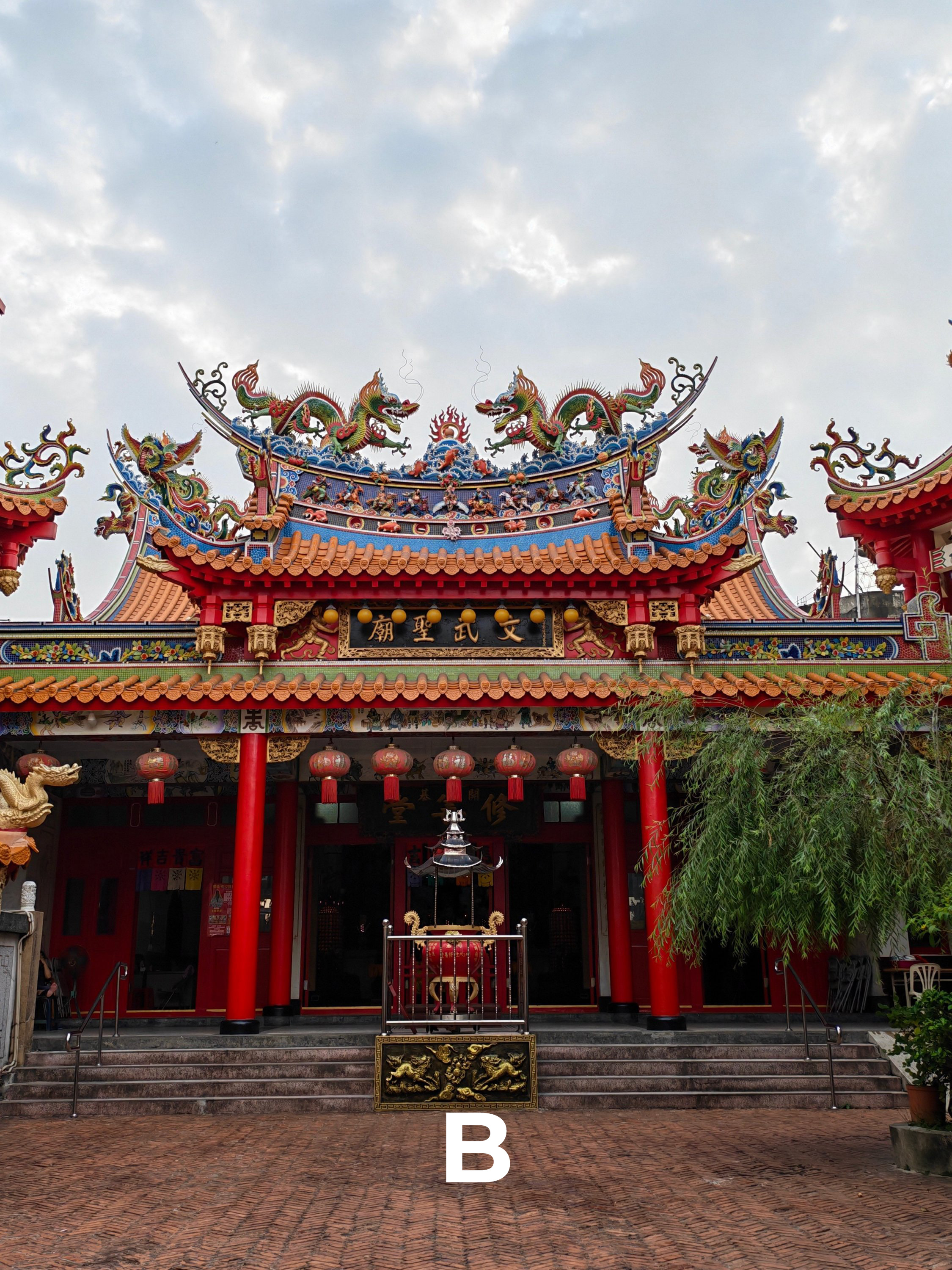
W10
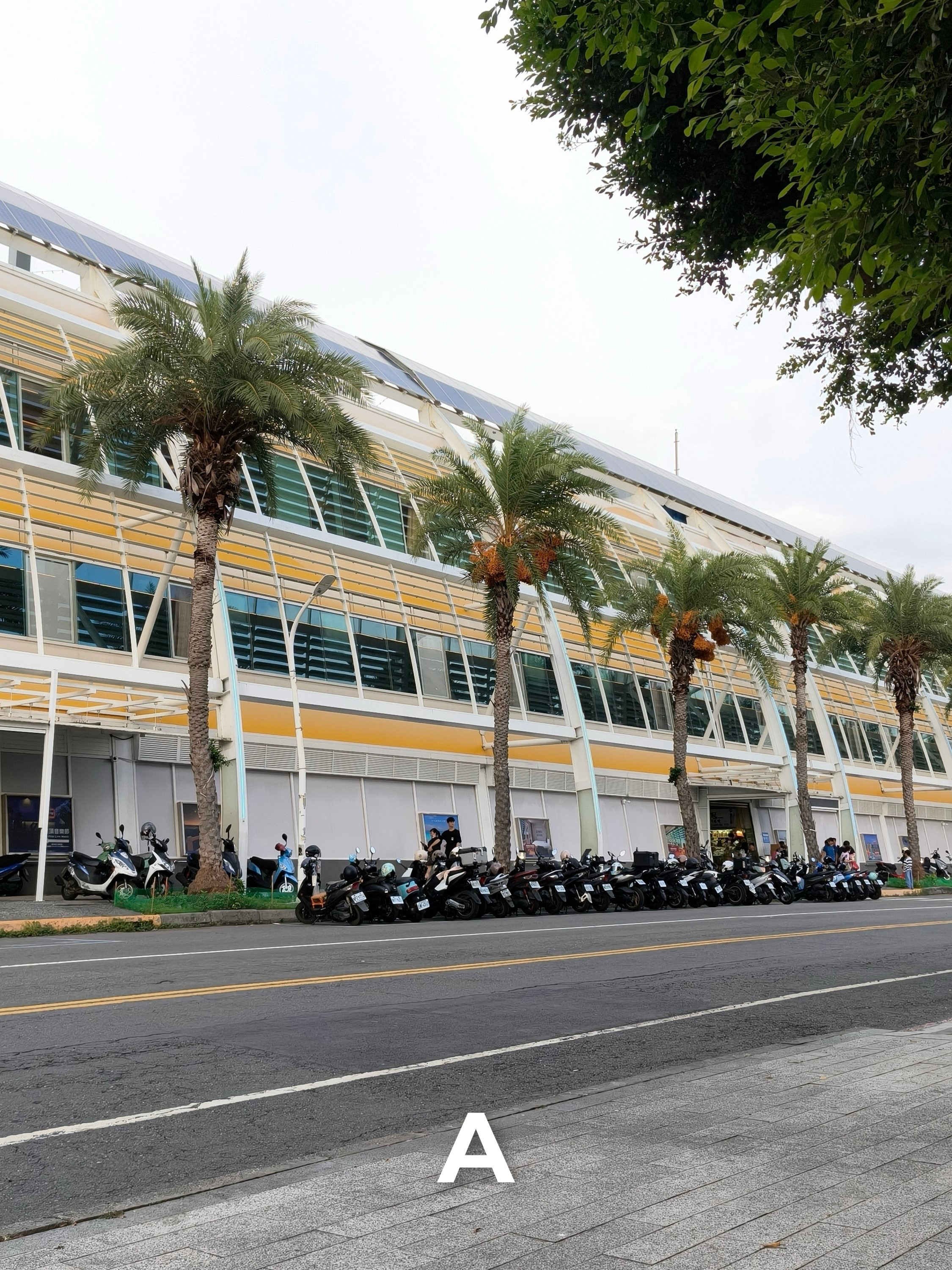
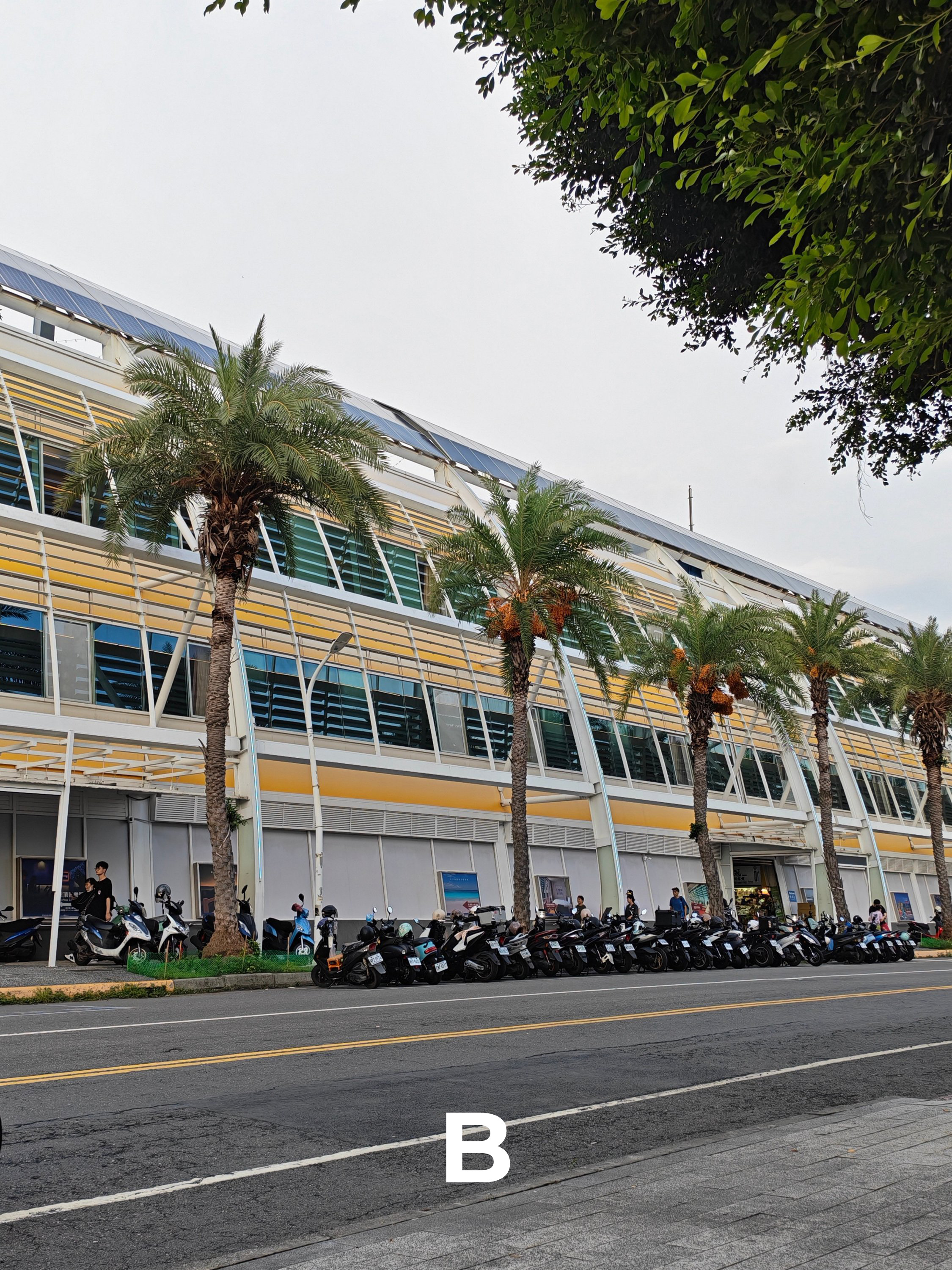
Ultra-Wide Angle (UWA)
Each FoV value can be your primary hint to determine which is which. But, is it enough for you to tell who’s the better performer?
U1
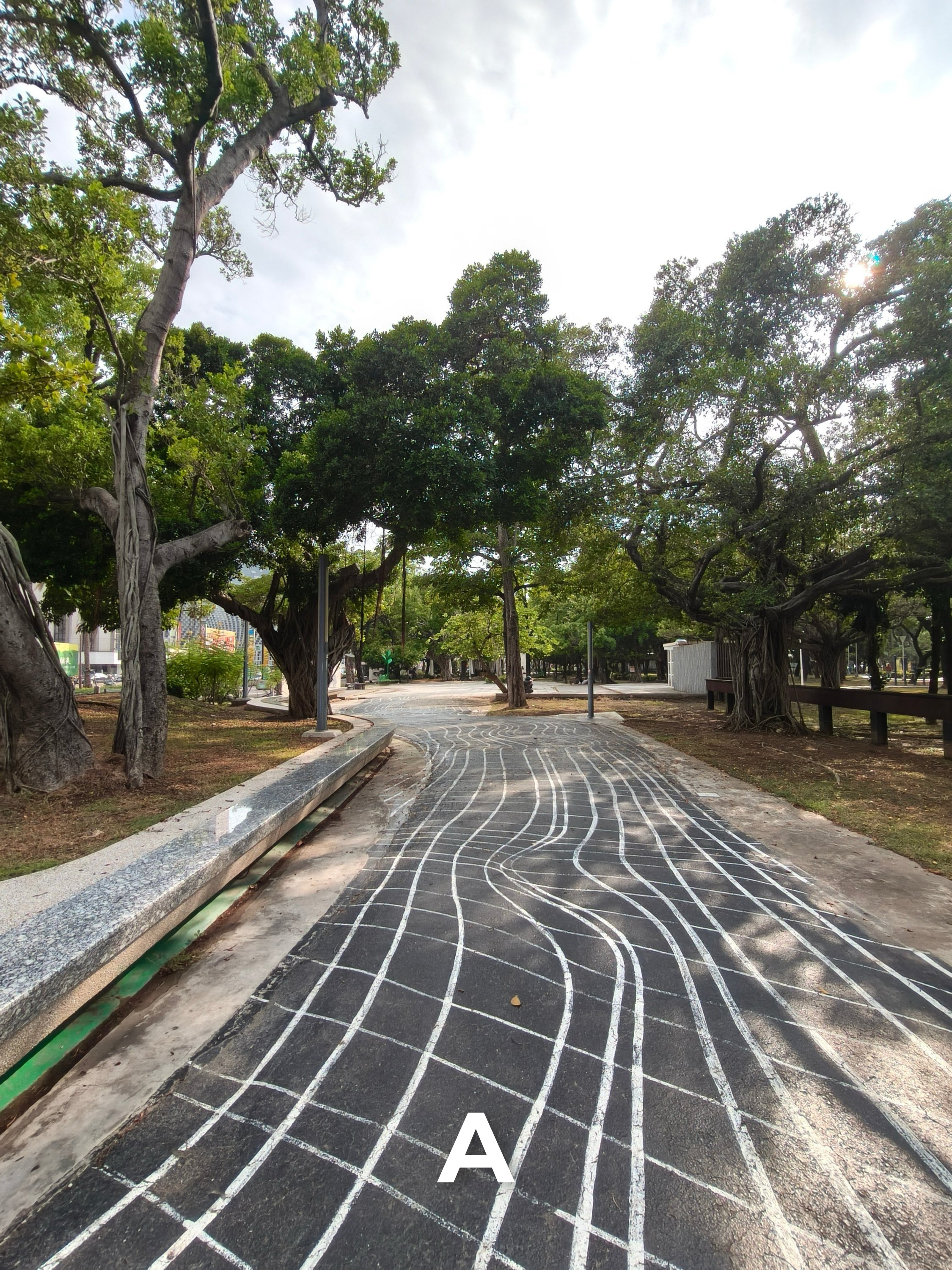
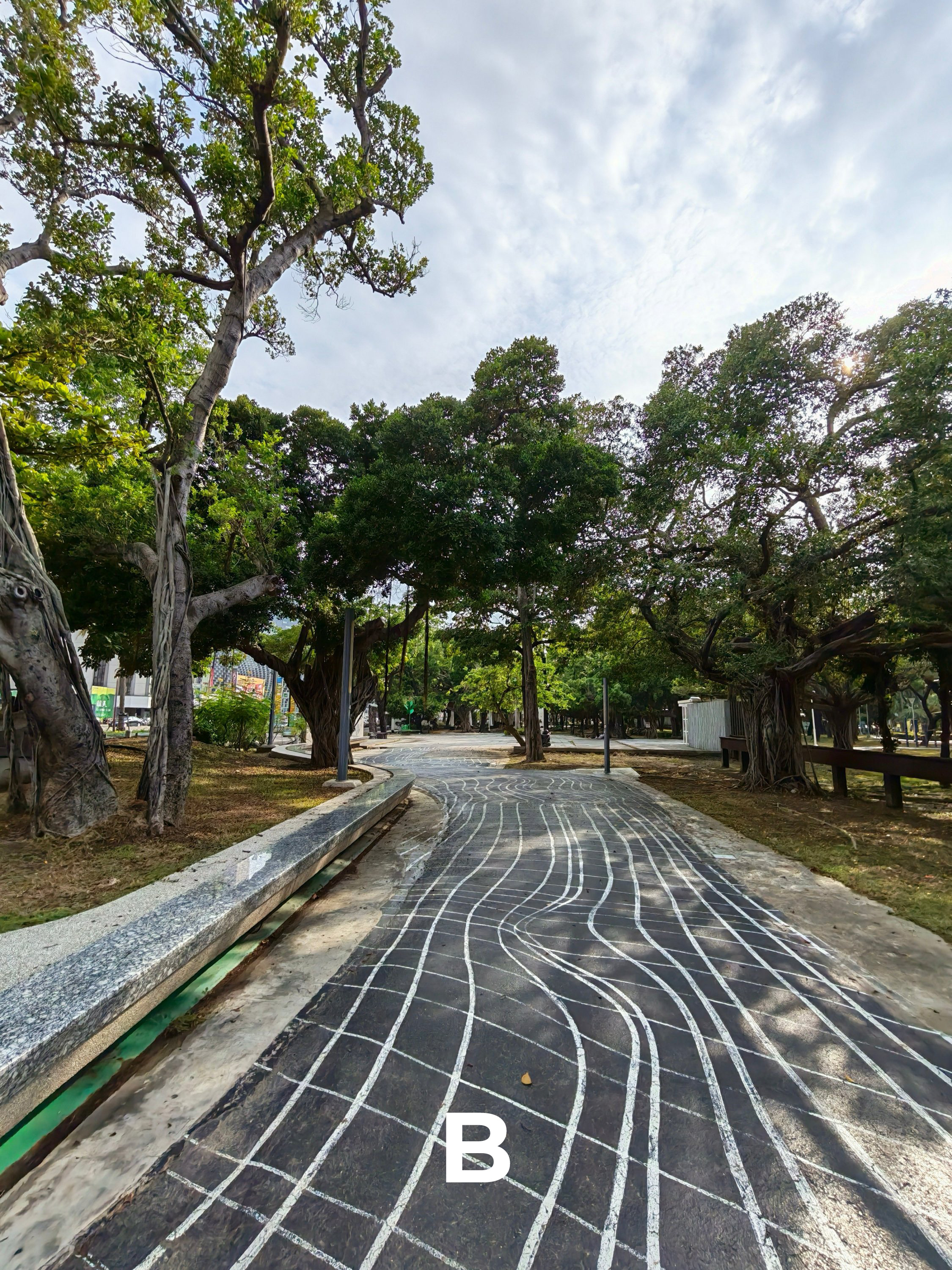
U2

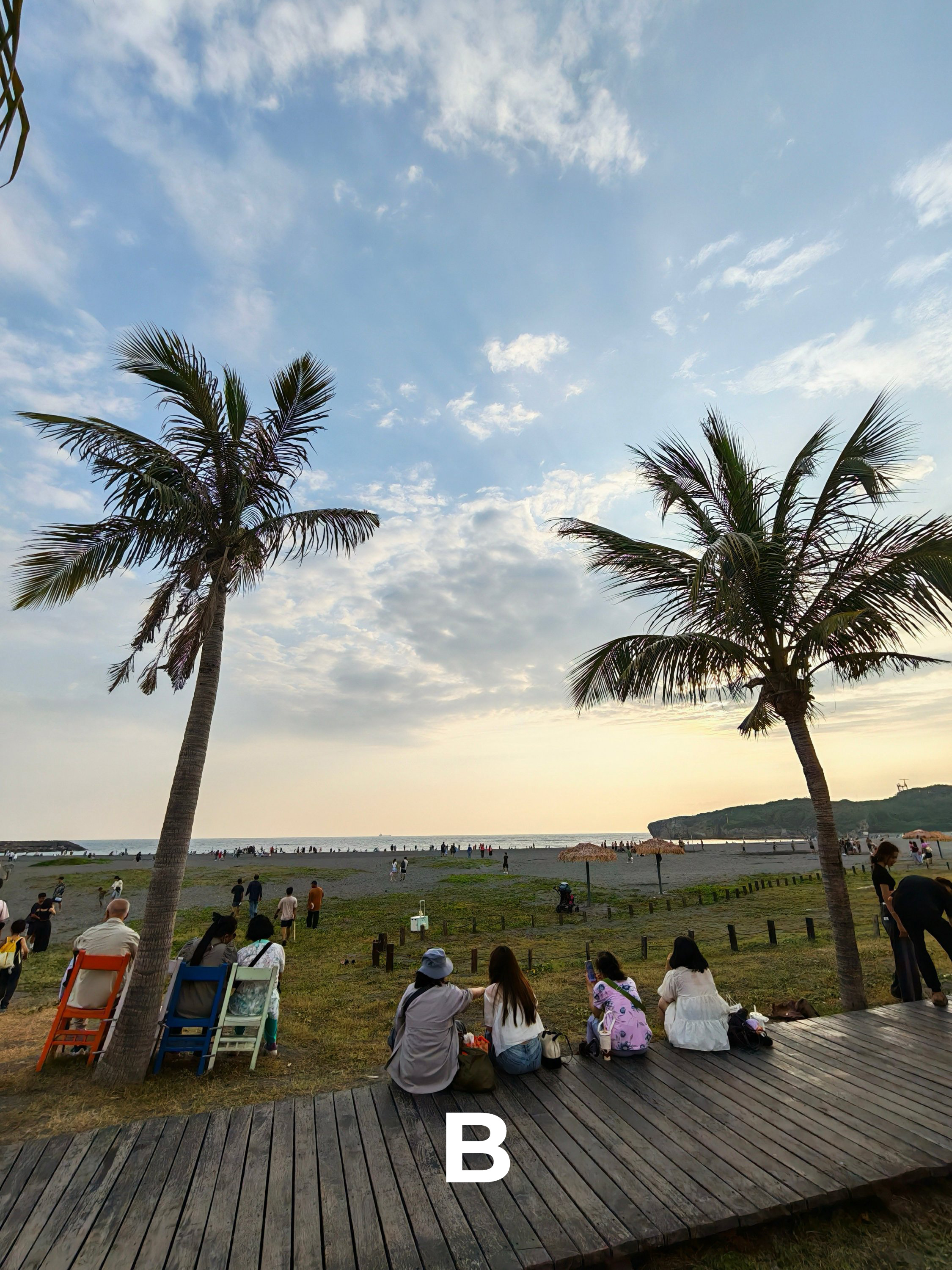
U3

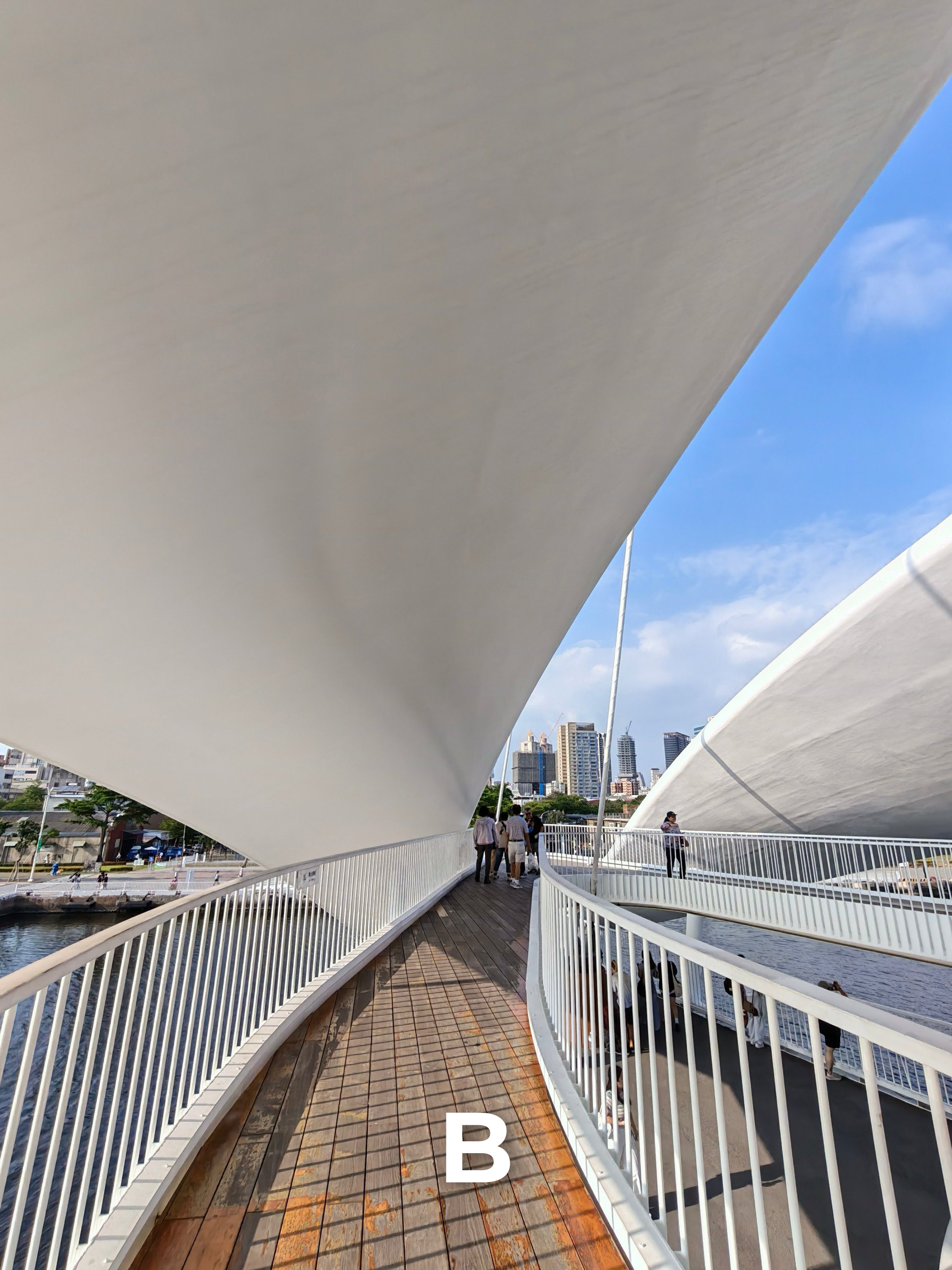
U4
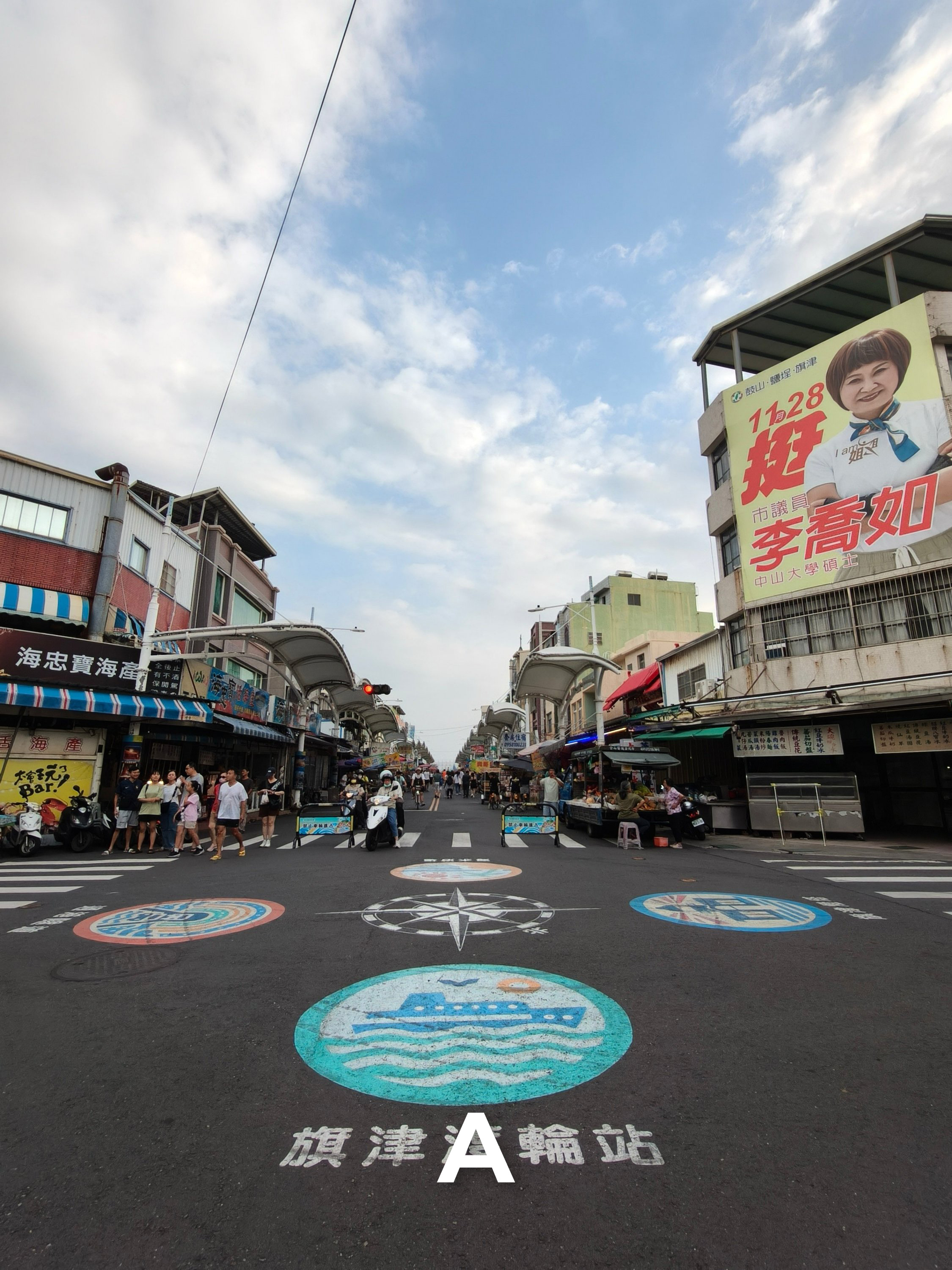
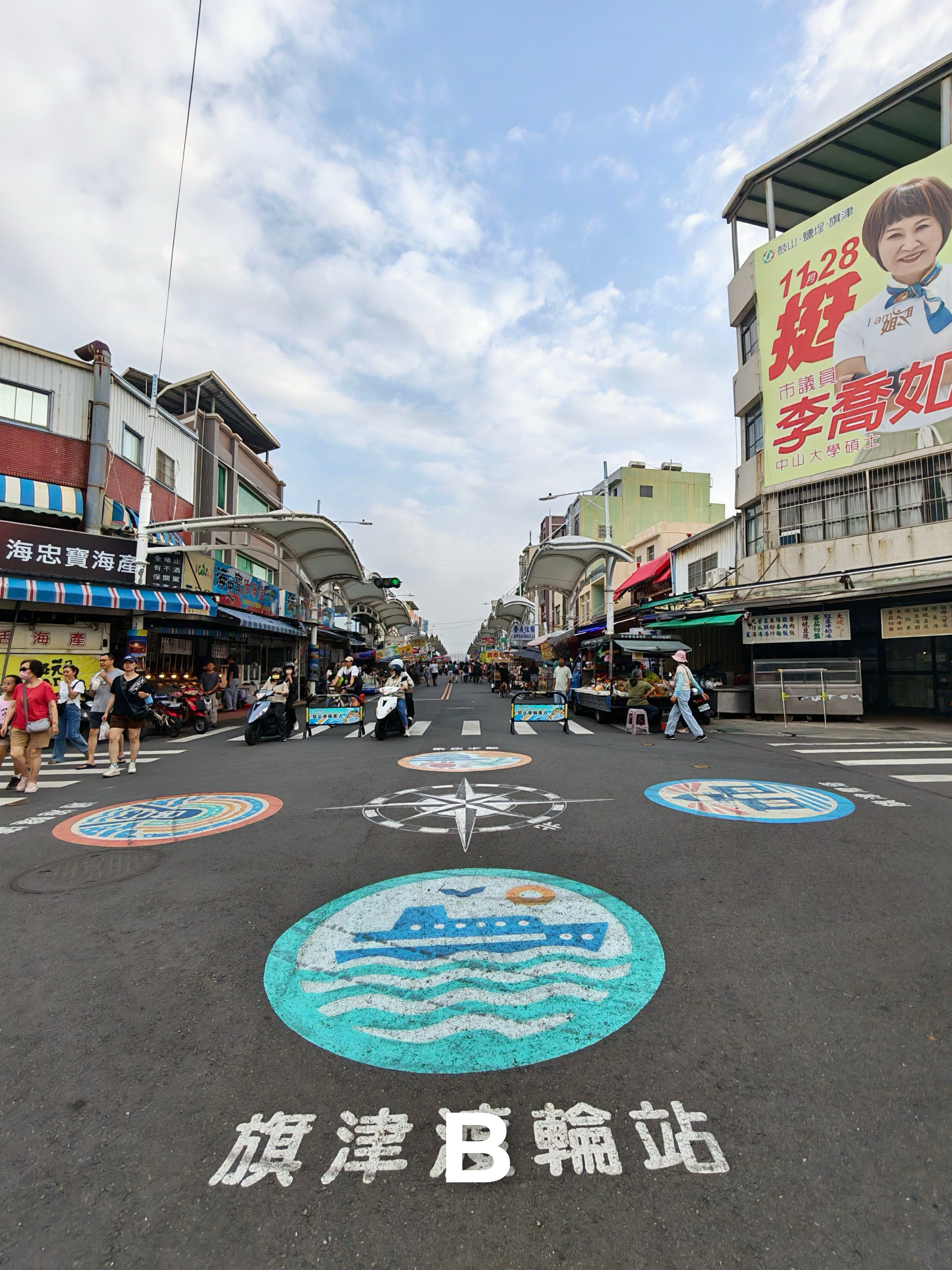
U5


Mood for Food
A separate section for prospective users who will use one of these for food shots.
F1


F2


F3

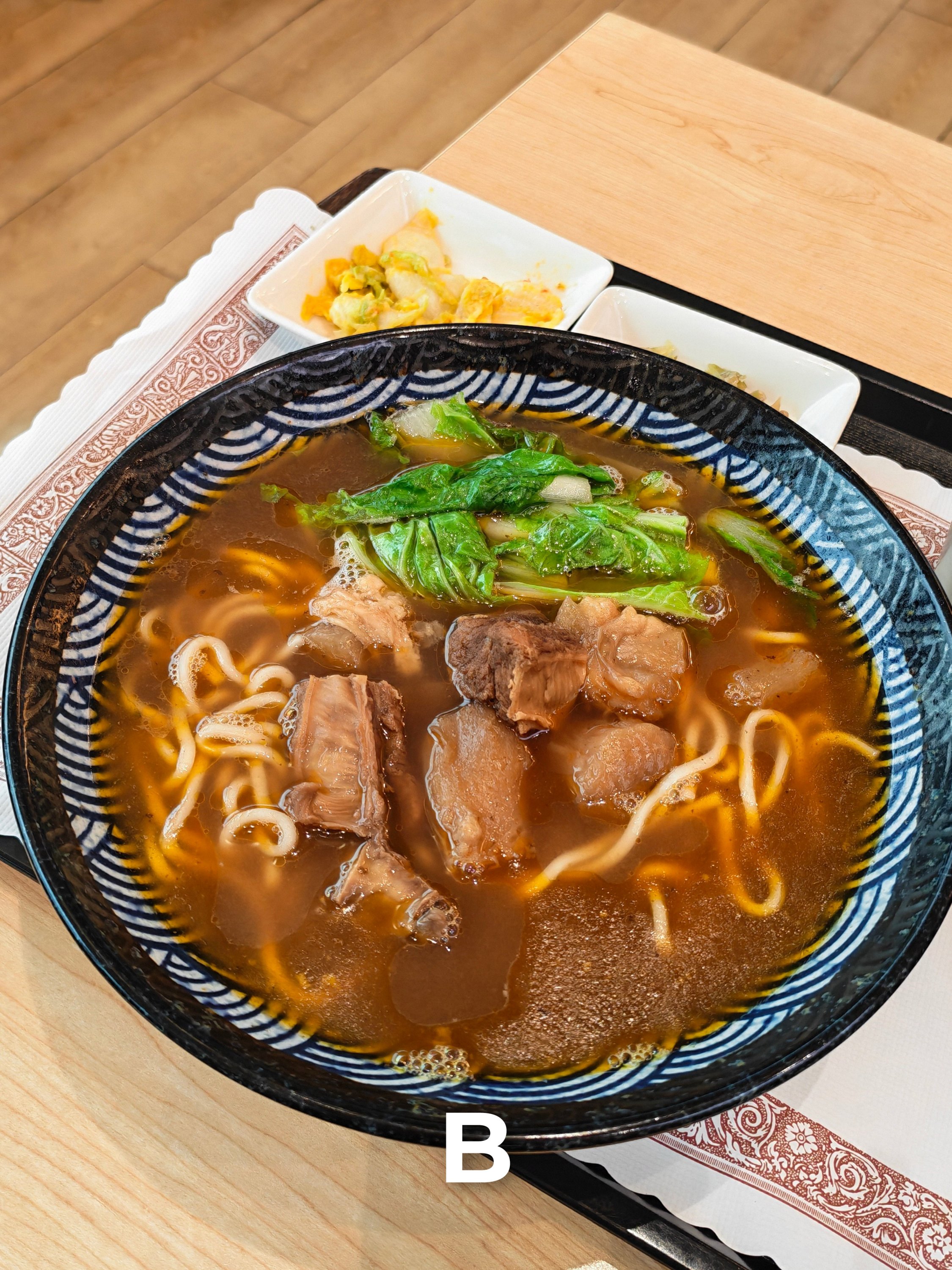
F4


F5

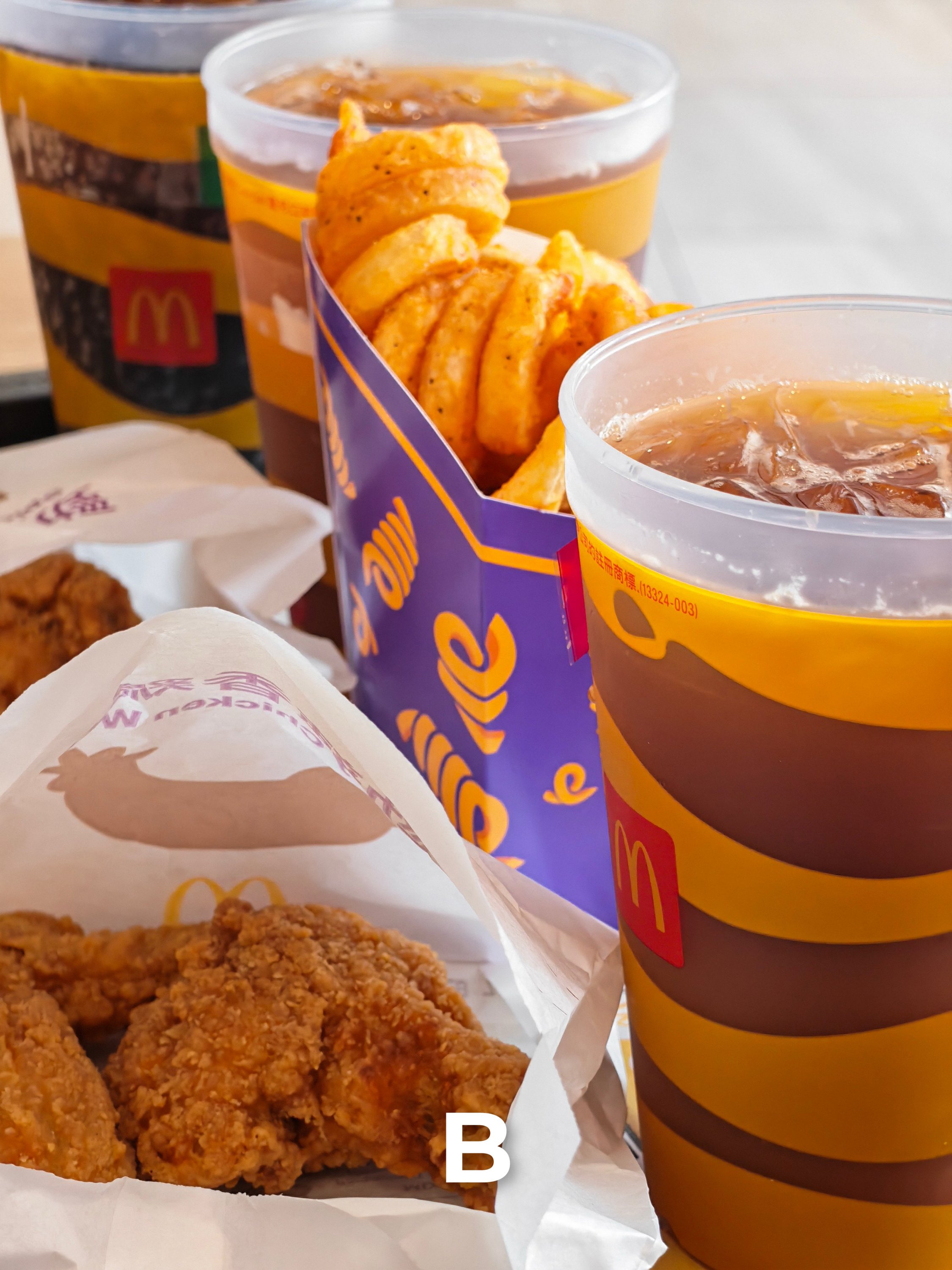
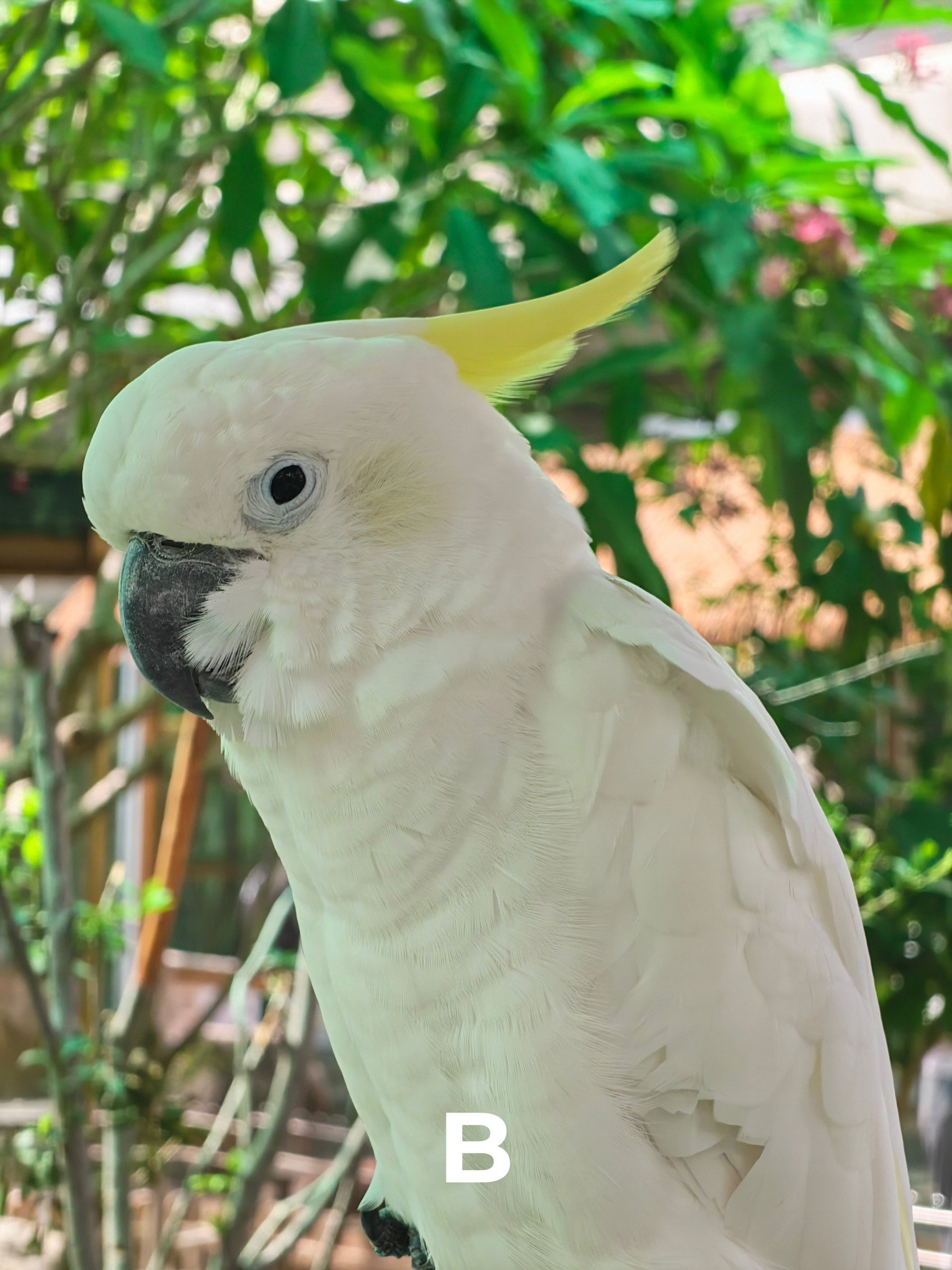
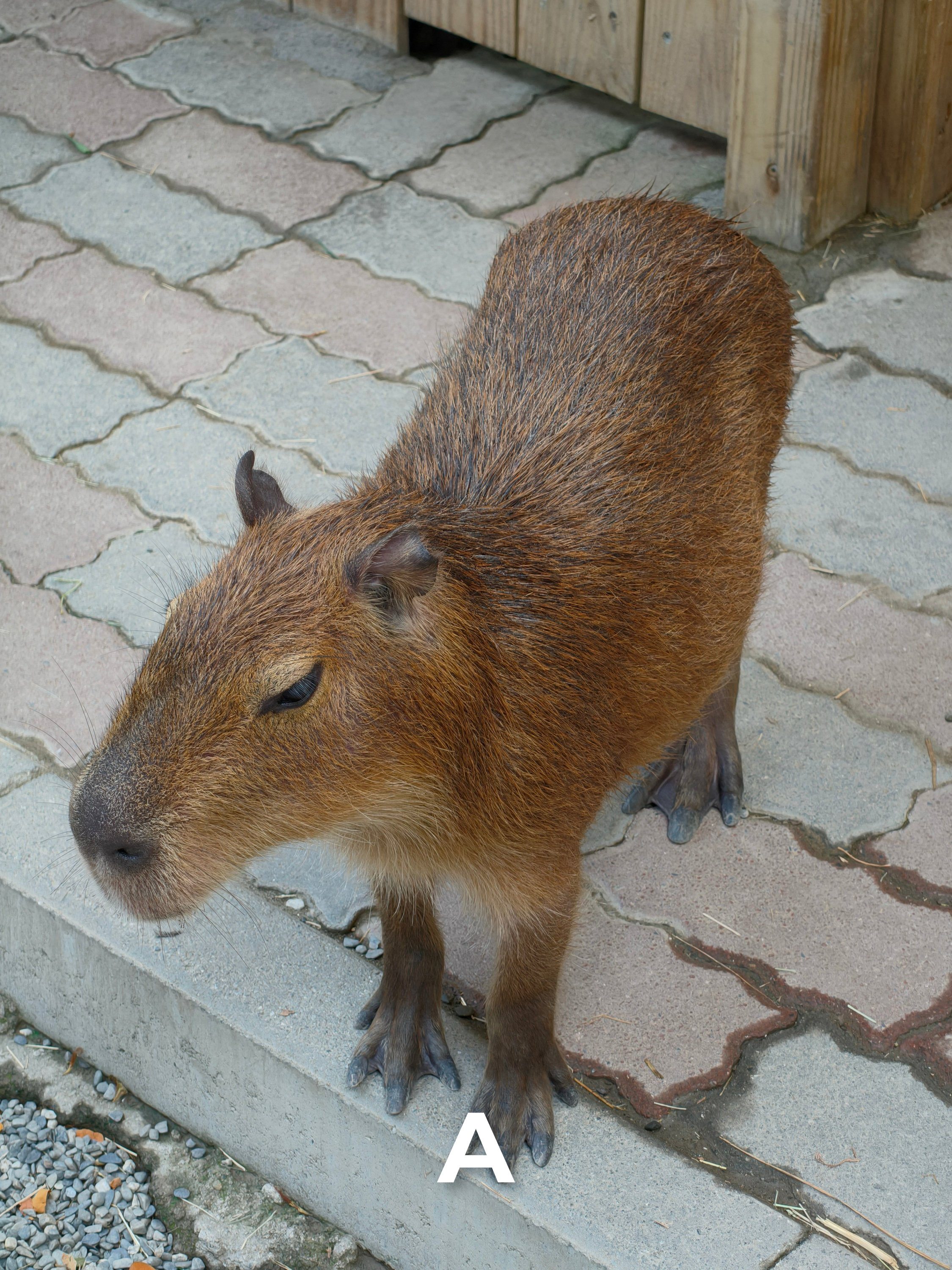
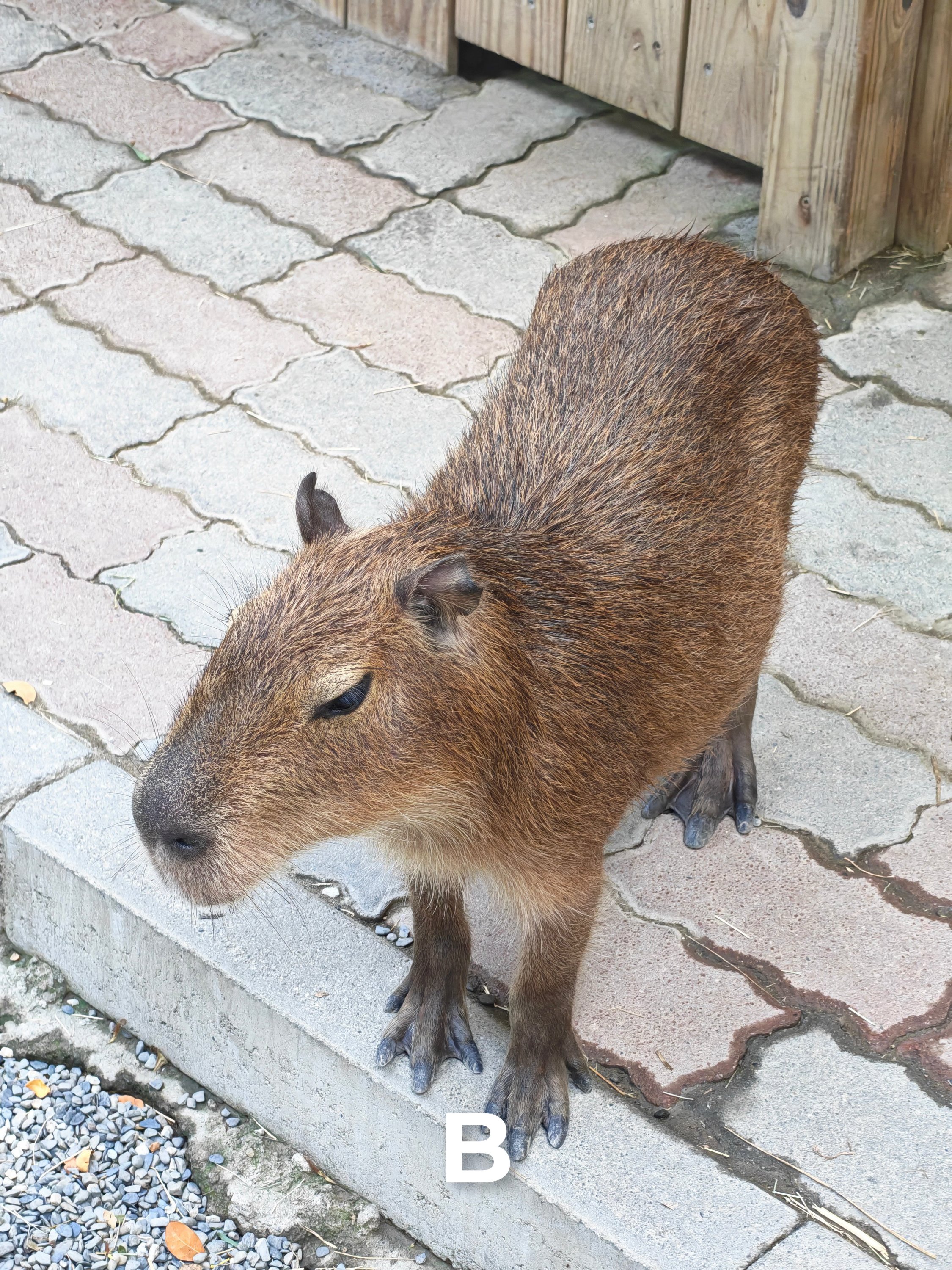
Furry Friends
Whether it’s our pets or wild animals, they all have one thing in common: they are all very hard to capture especially when in motion.
FF1
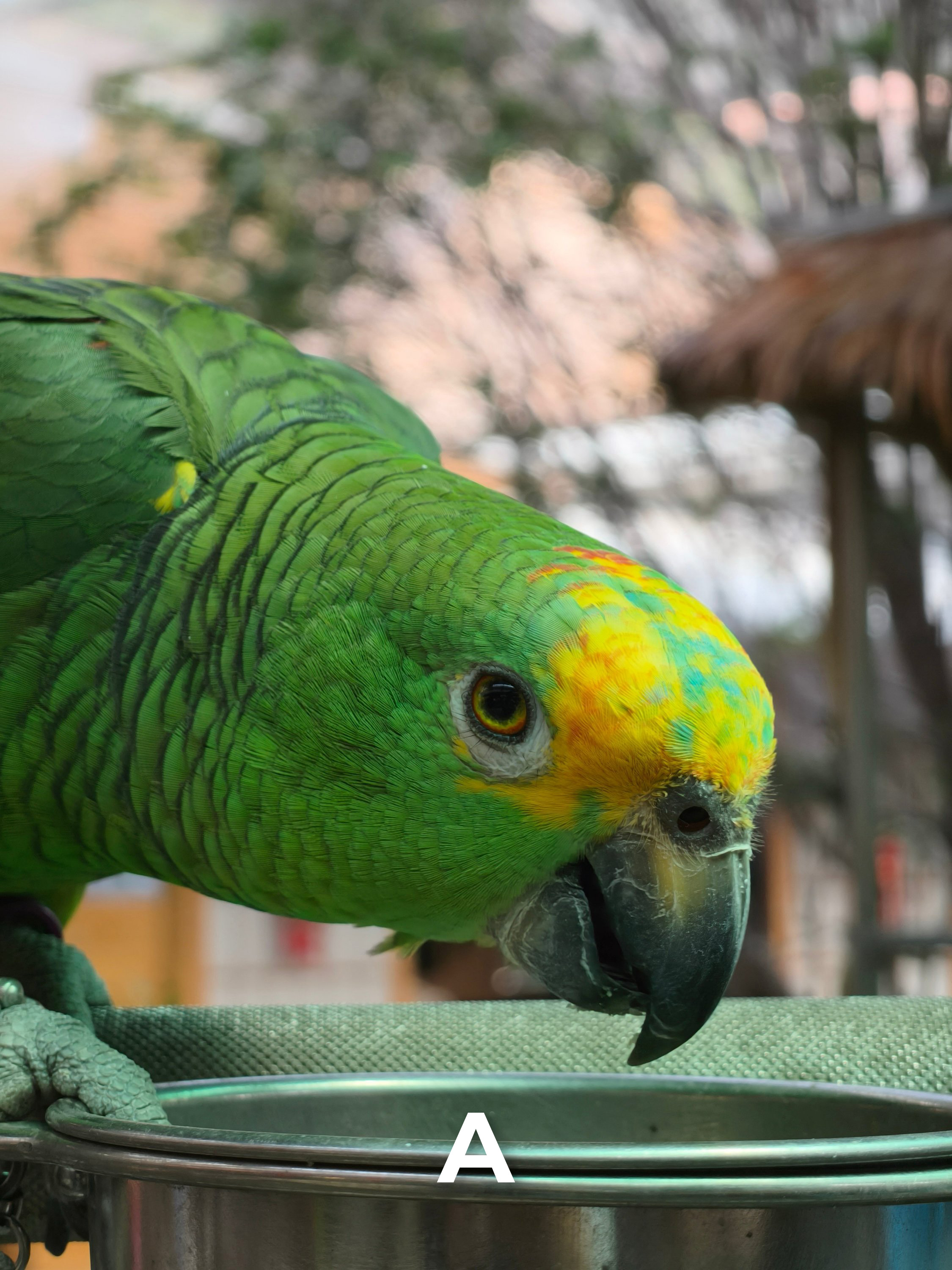
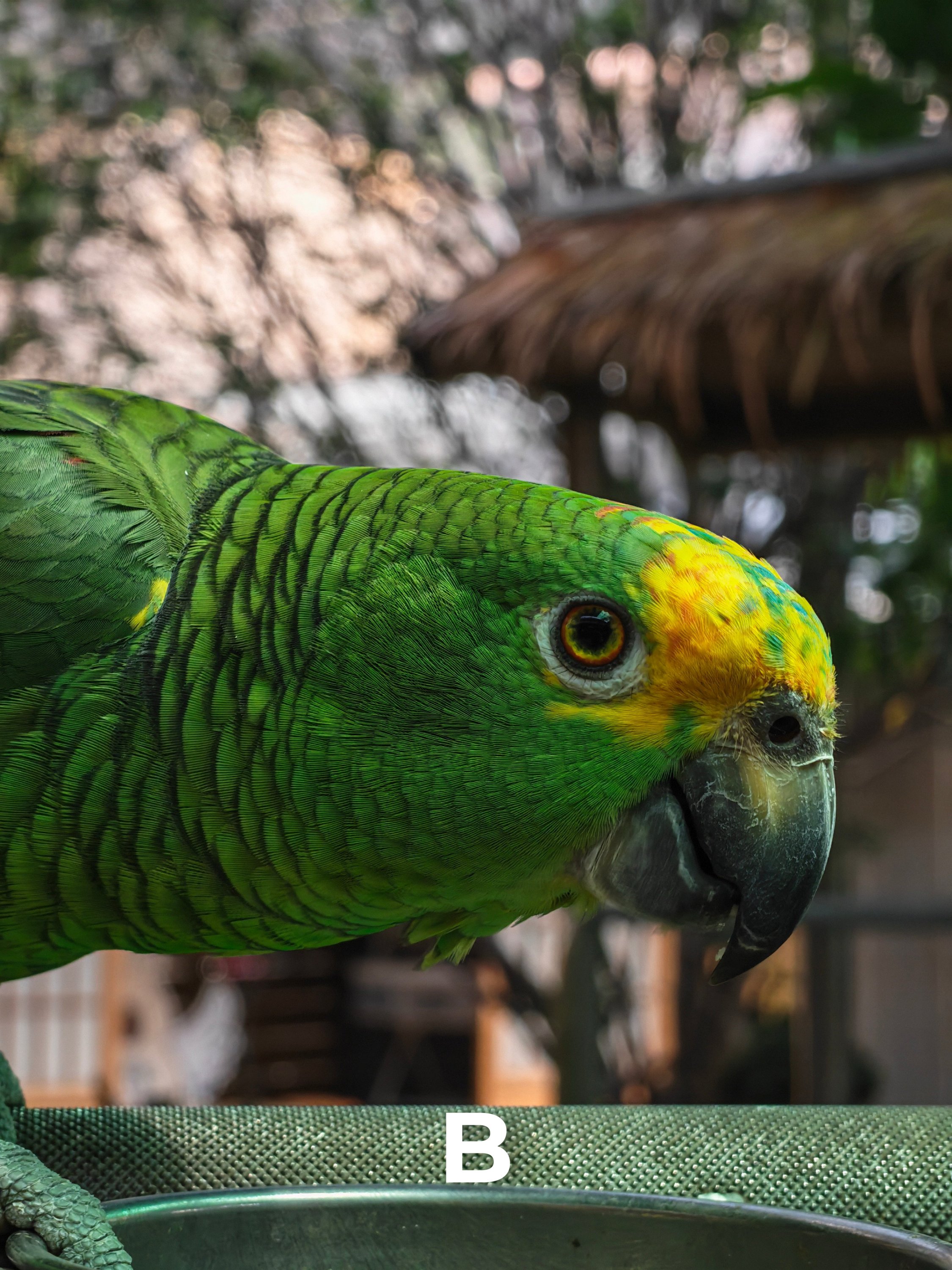
FF2
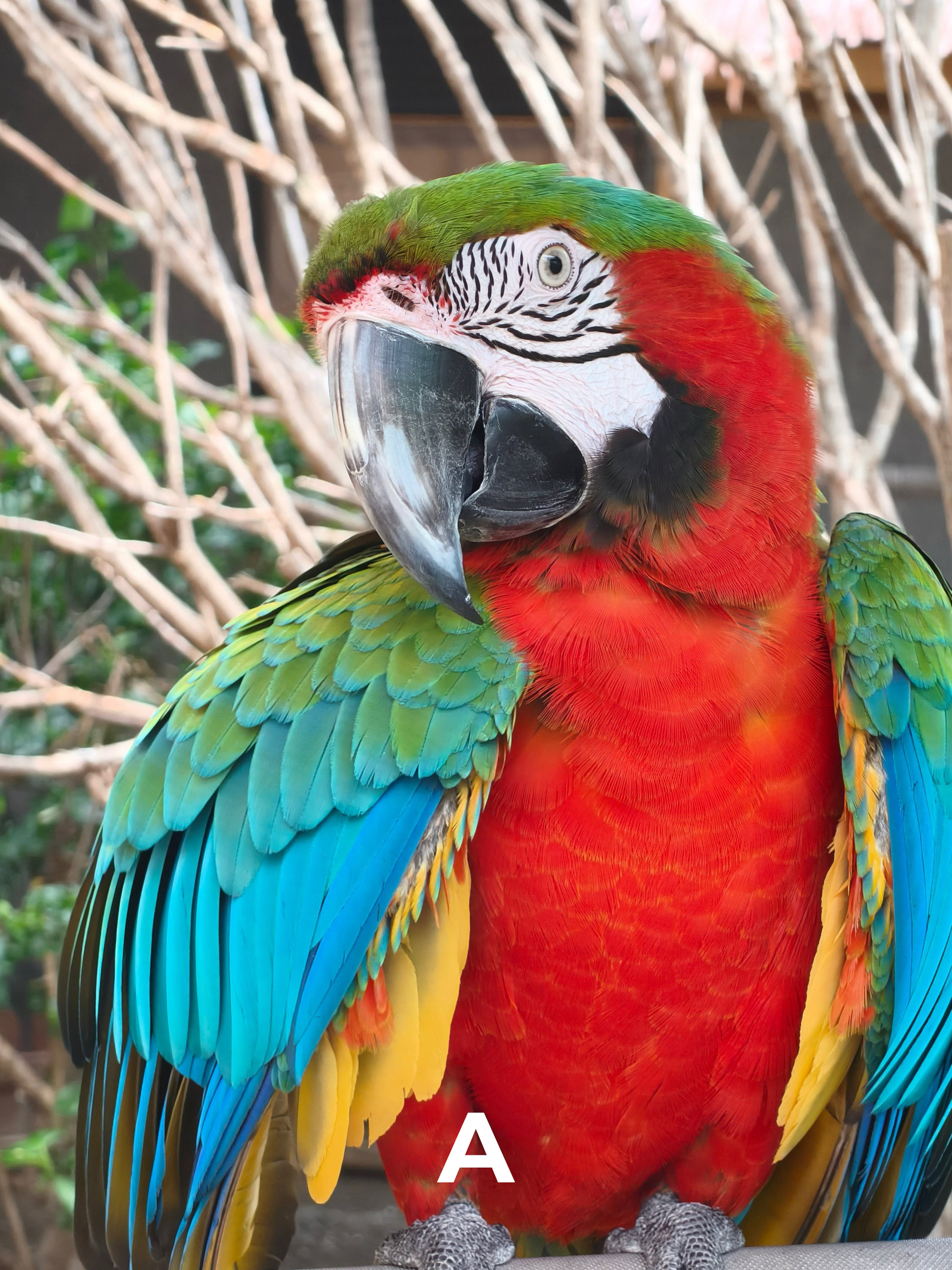
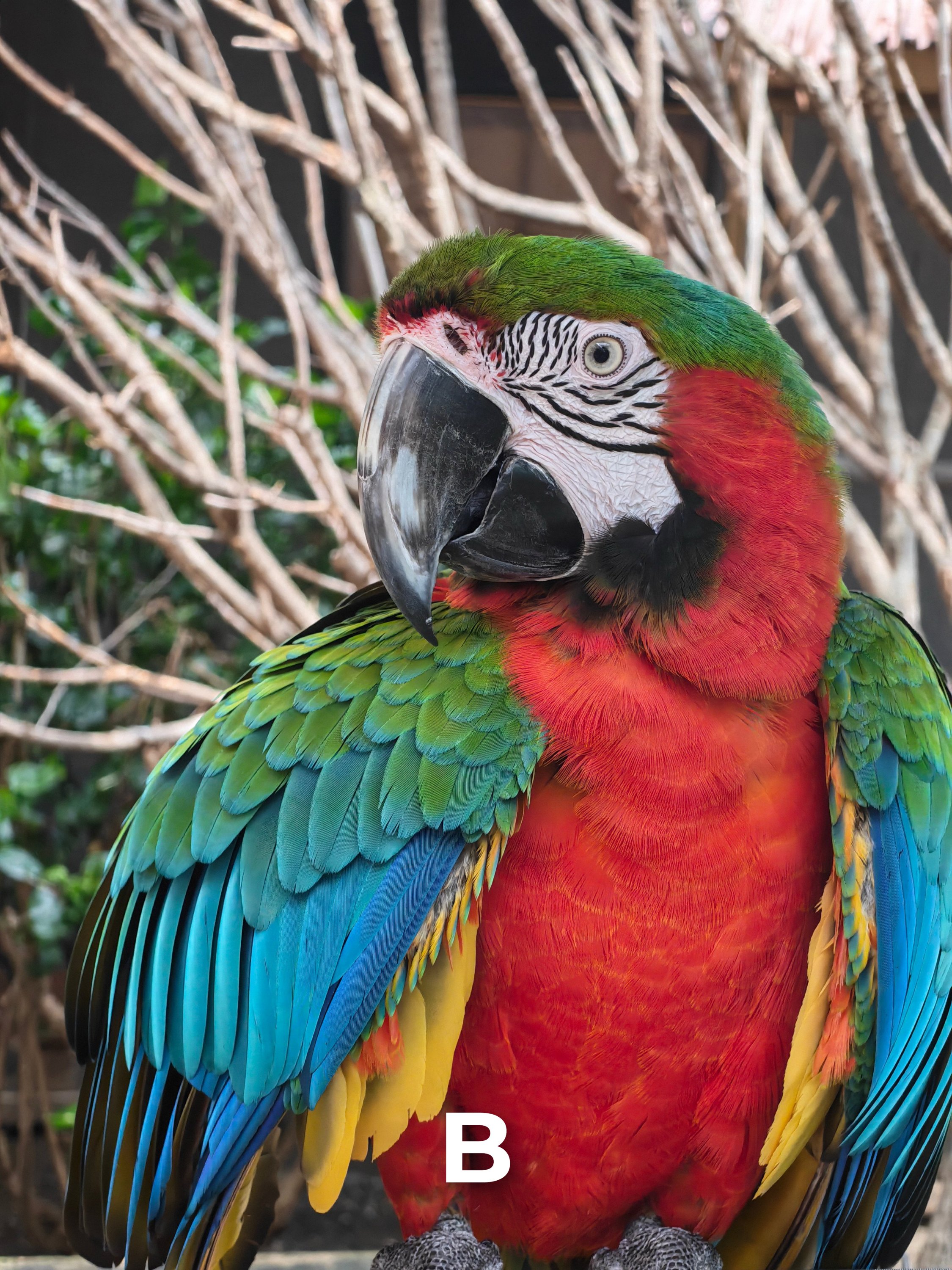
FF3

FF4


FF5


FF6


FF7


FF8
Indoors
Subjects taken in any controlled lighting is another tricky test for both of these smartphones.
IN1


IN2


IN3


IN4


IN5


IN6


IN7


IN8


IN9


IN10


IN11


IN12


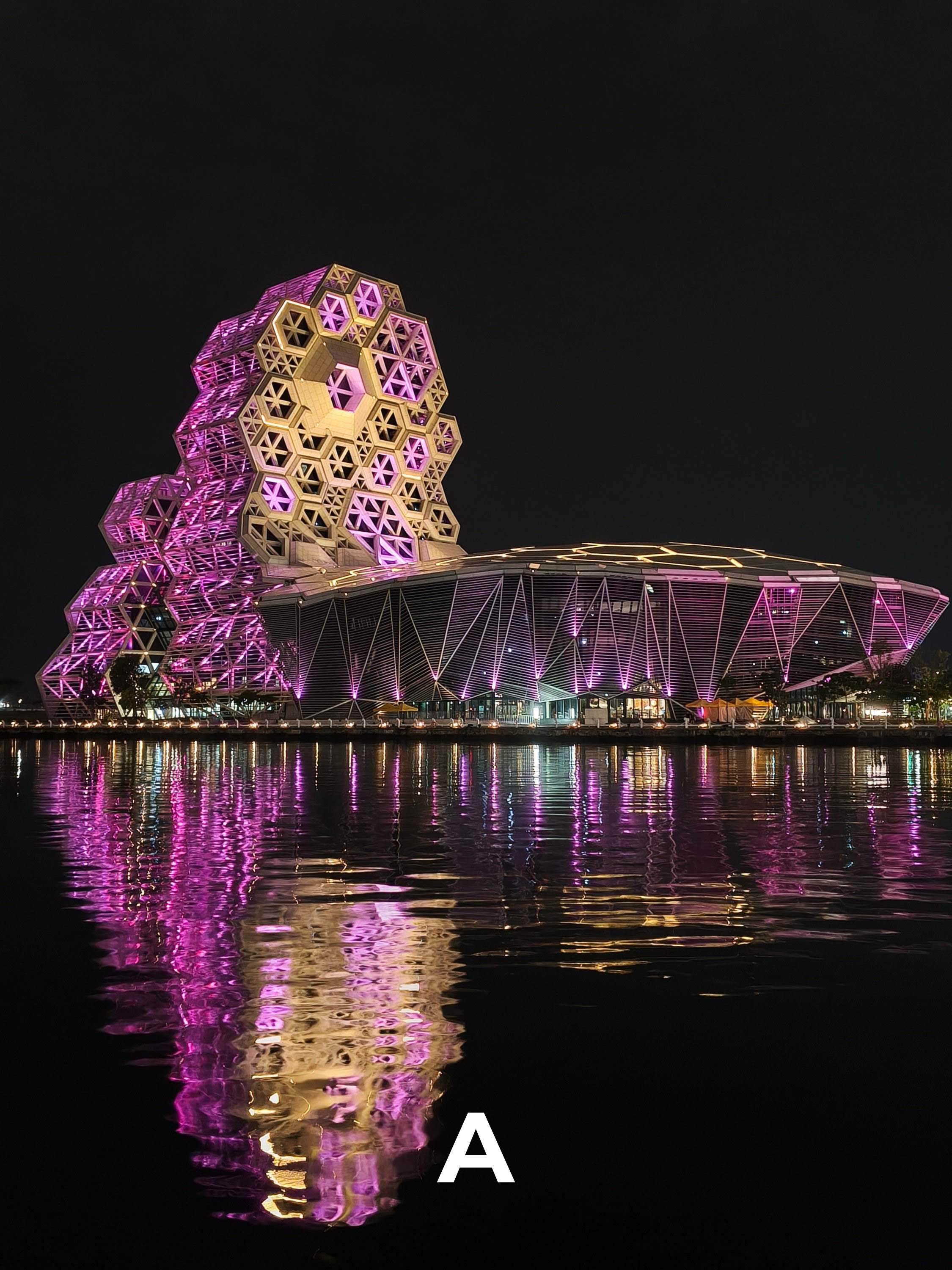
The Night is Right
The ultimate camera test all boils down to shots taken at night (or low-light).
Actual camera processing is one. Added AI algorithms and the actual output for another.
N1A | 1x Wide
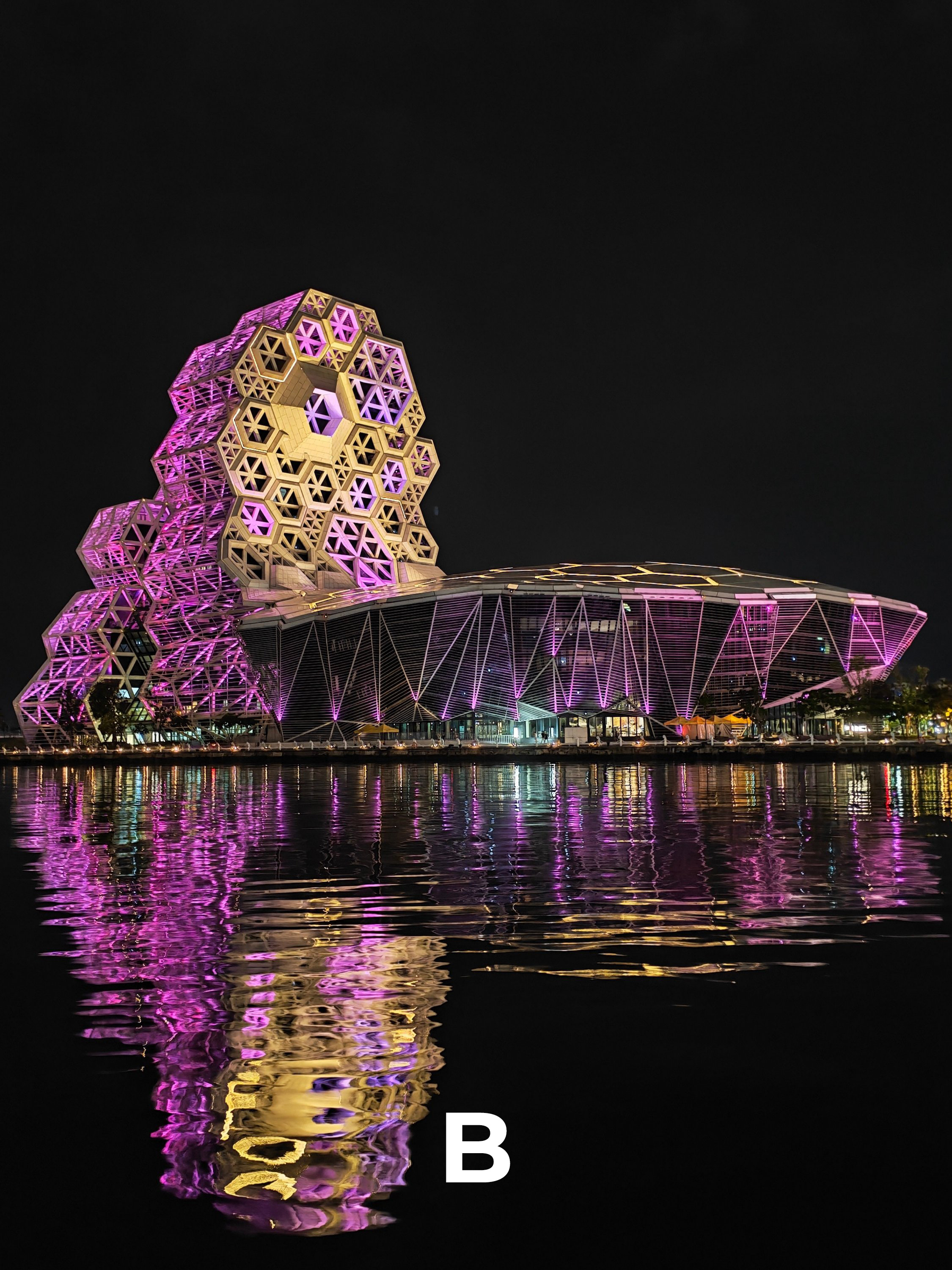
N1B | 3.5x Optical Zoom
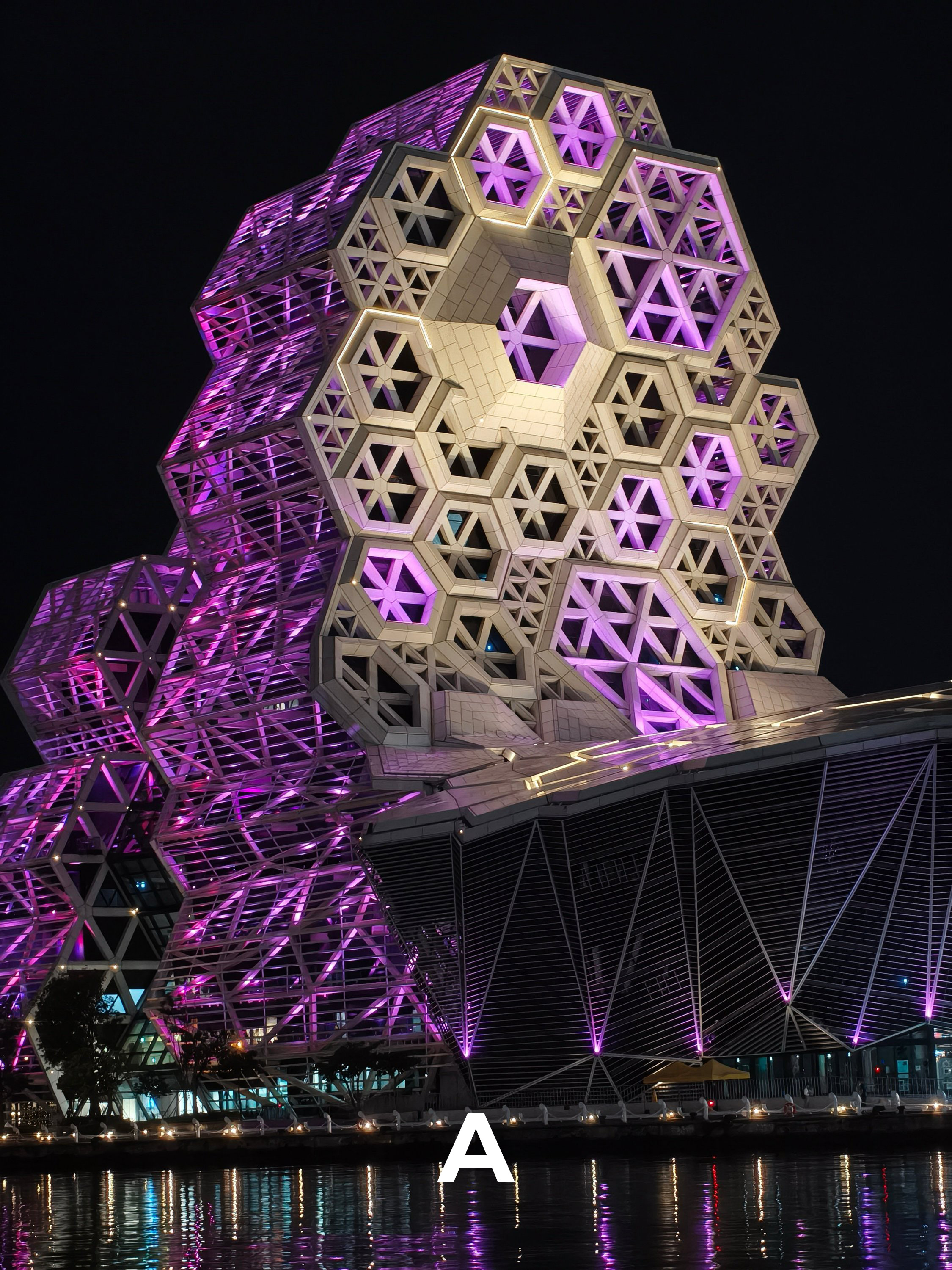
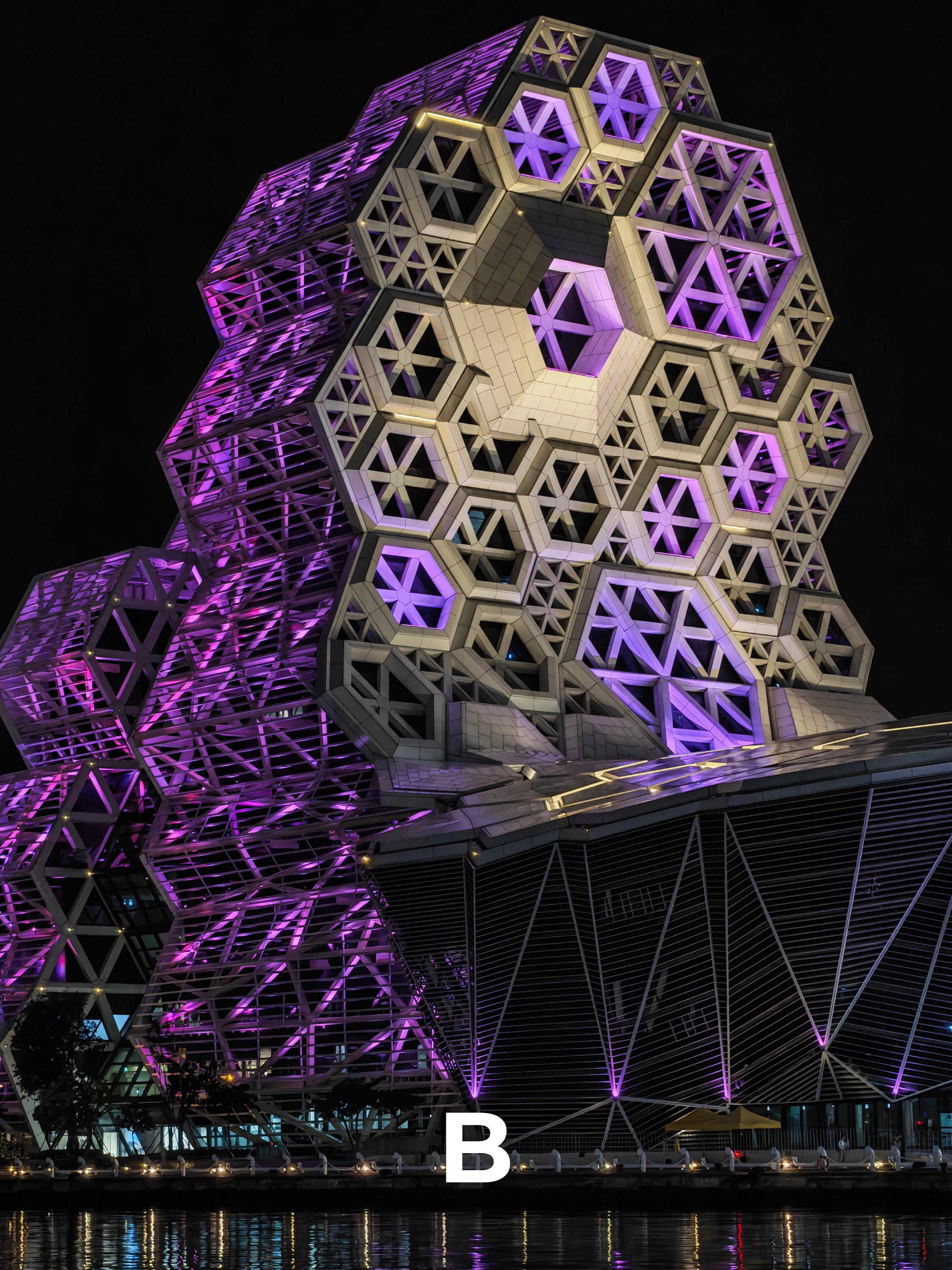
N2 | Ultra-Wide


N3A | 3.5x Optical Zoom
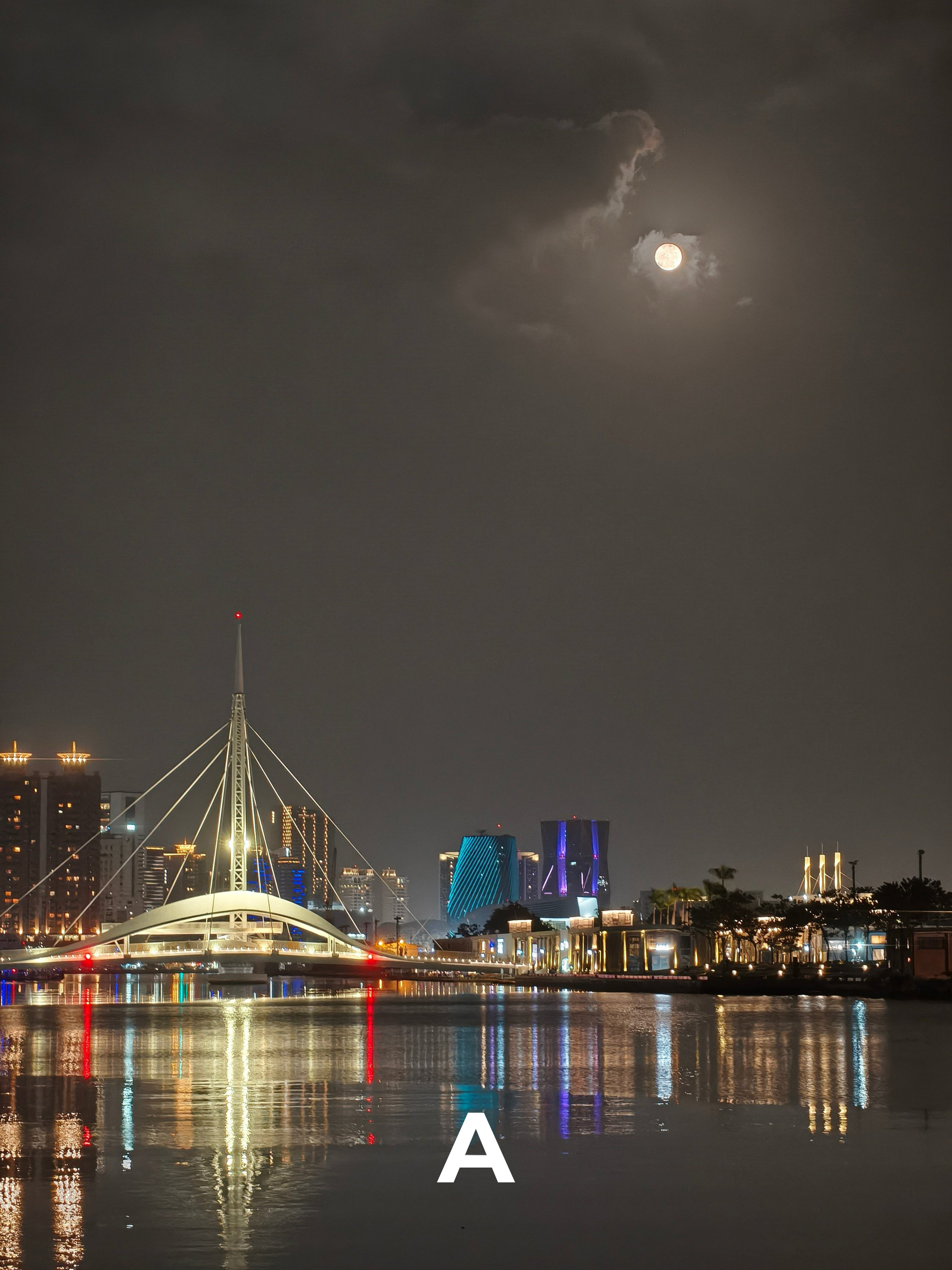
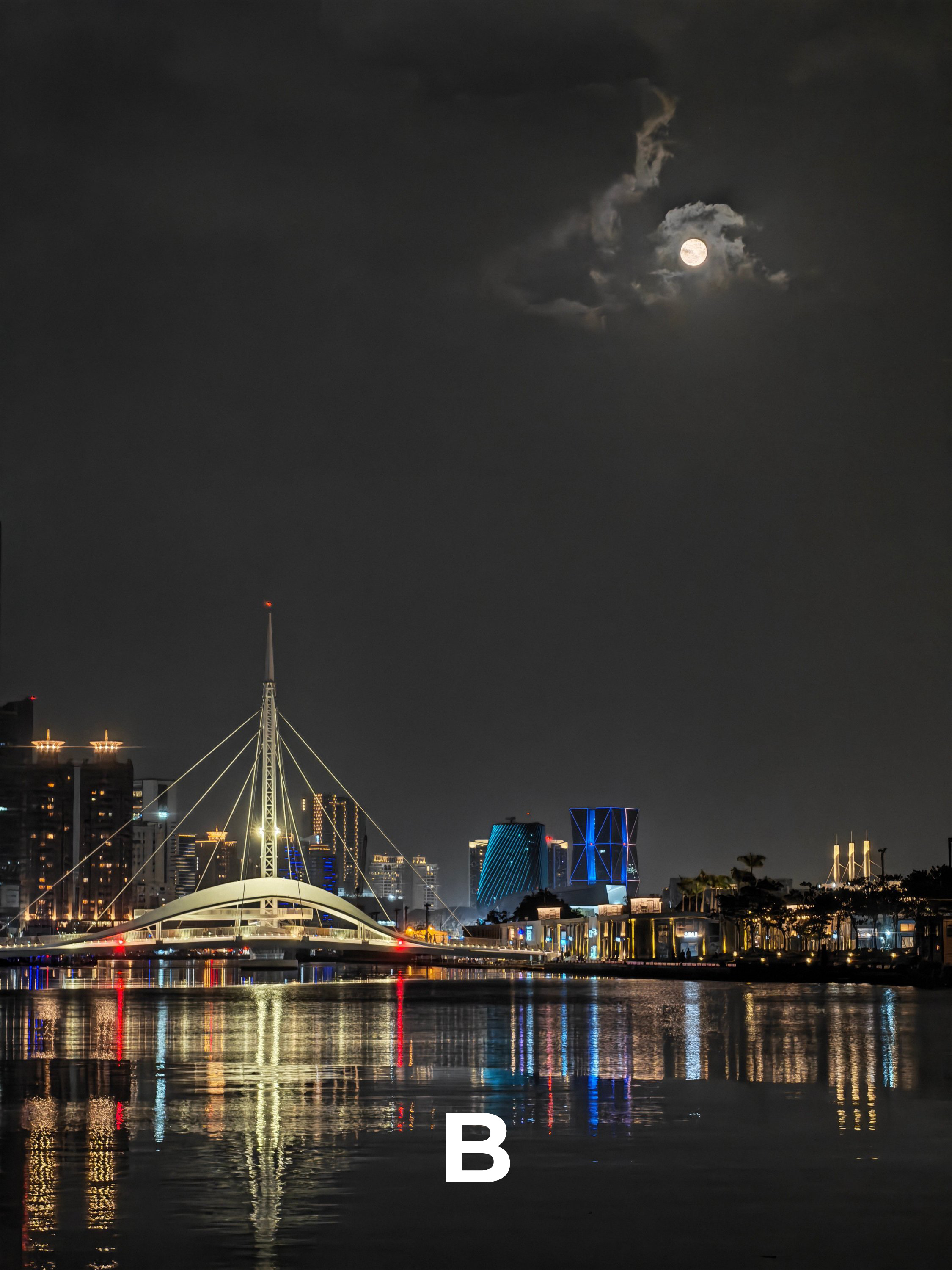
N3B | 5x Lossless Zoom

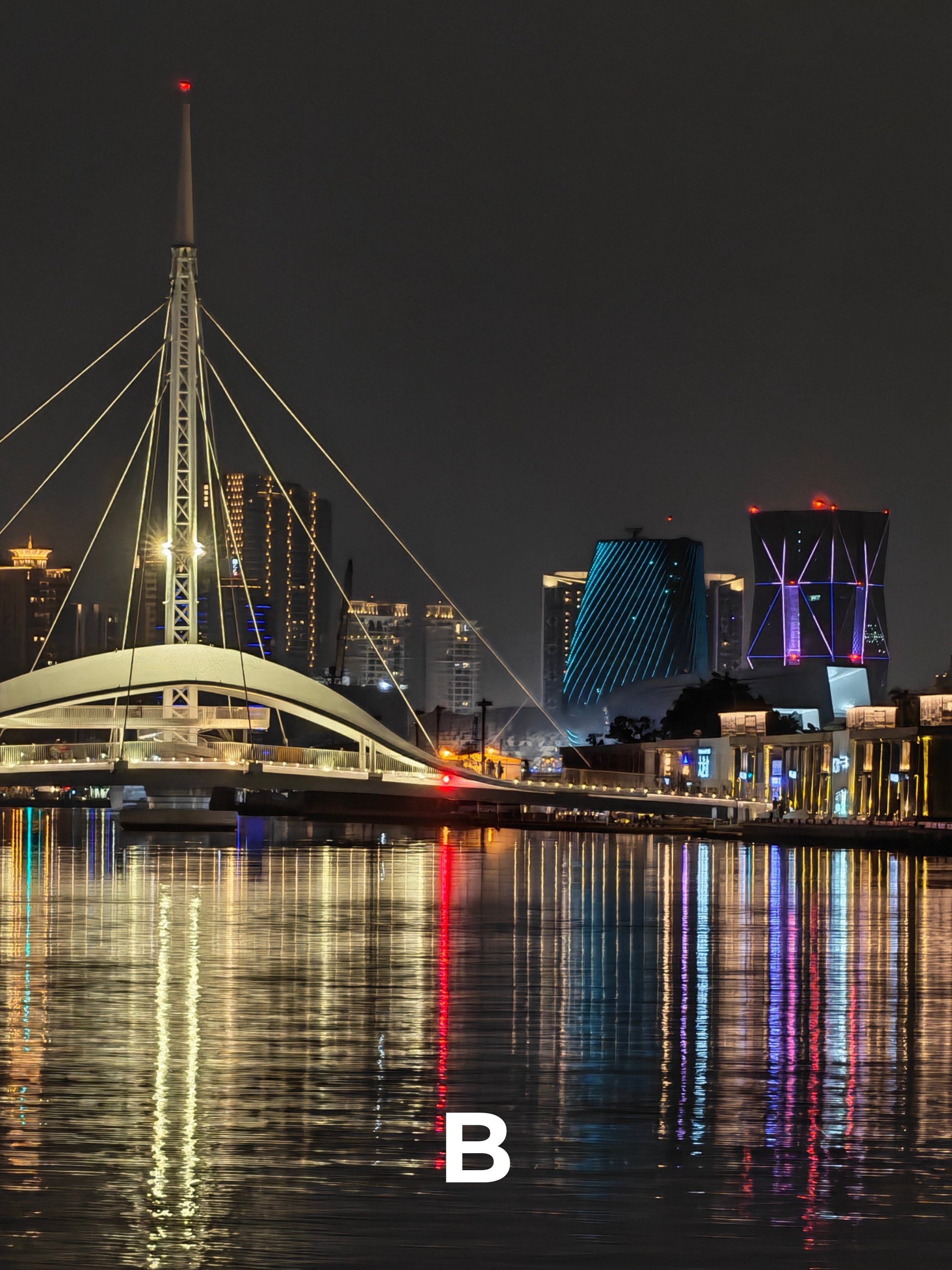
N4 | 5x Zoom
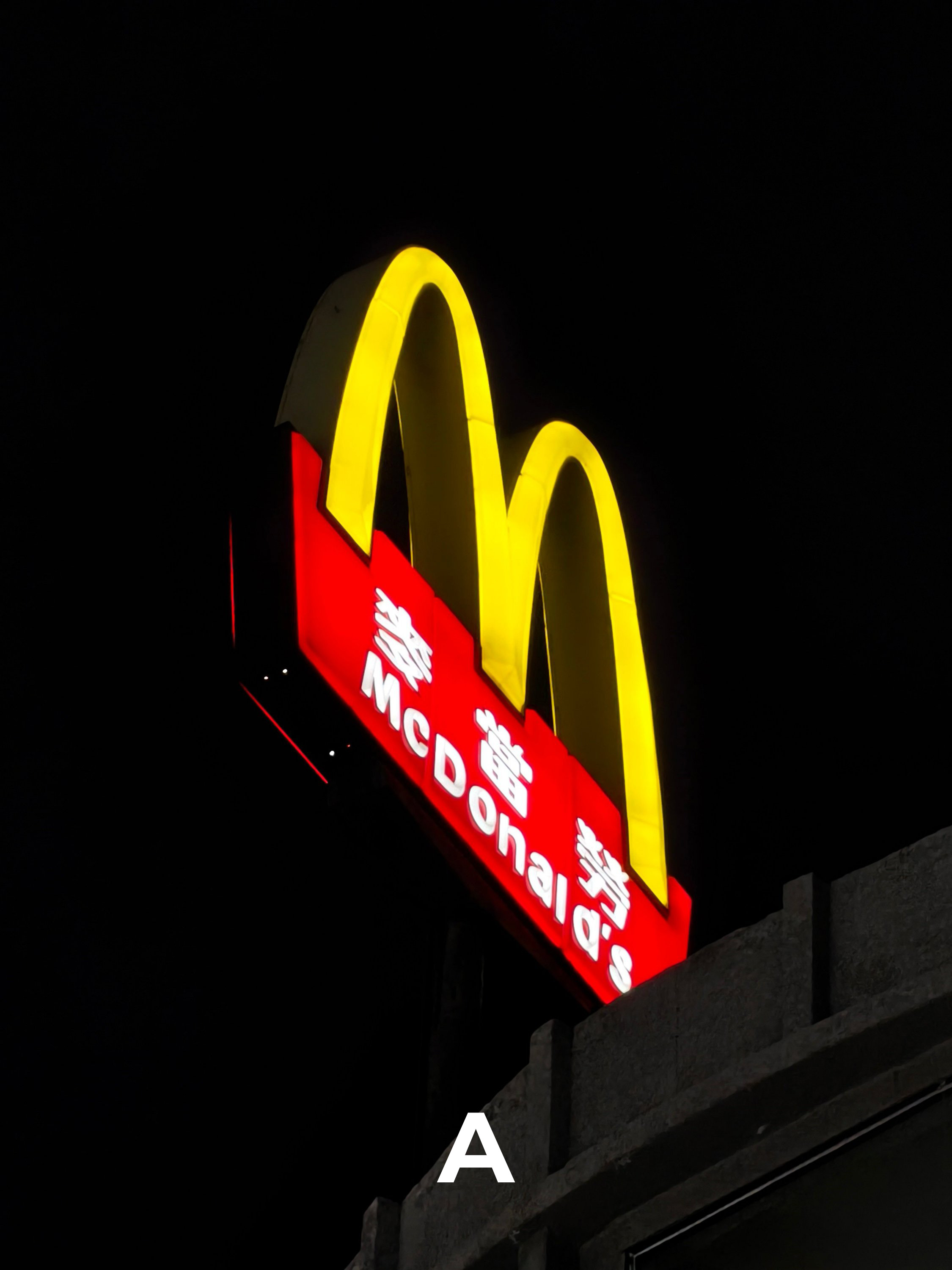
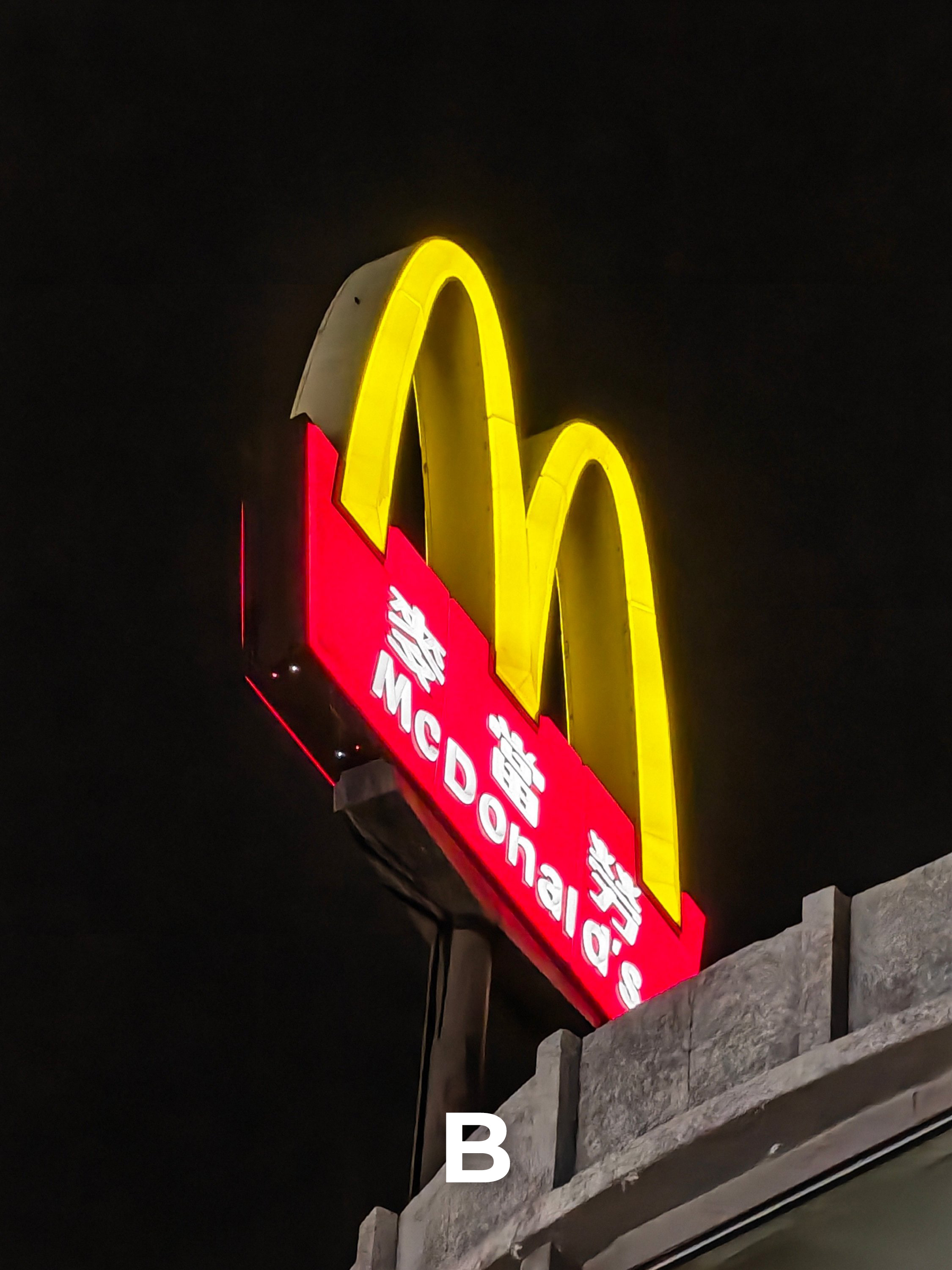
N5 | 2x In-Sensor Zoom


N6 | 3.5x Optical Zoom

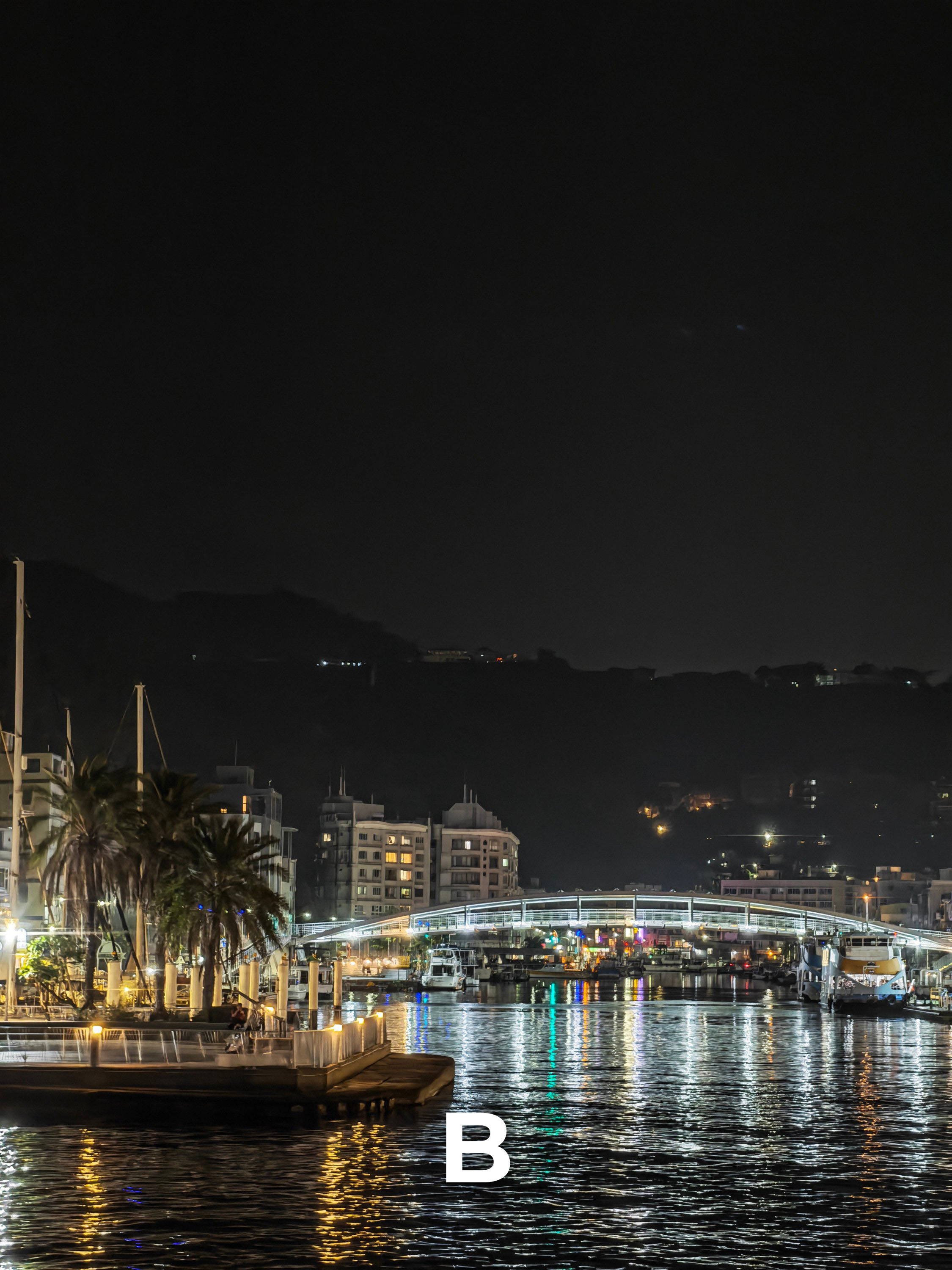
N7 | 1x Wide

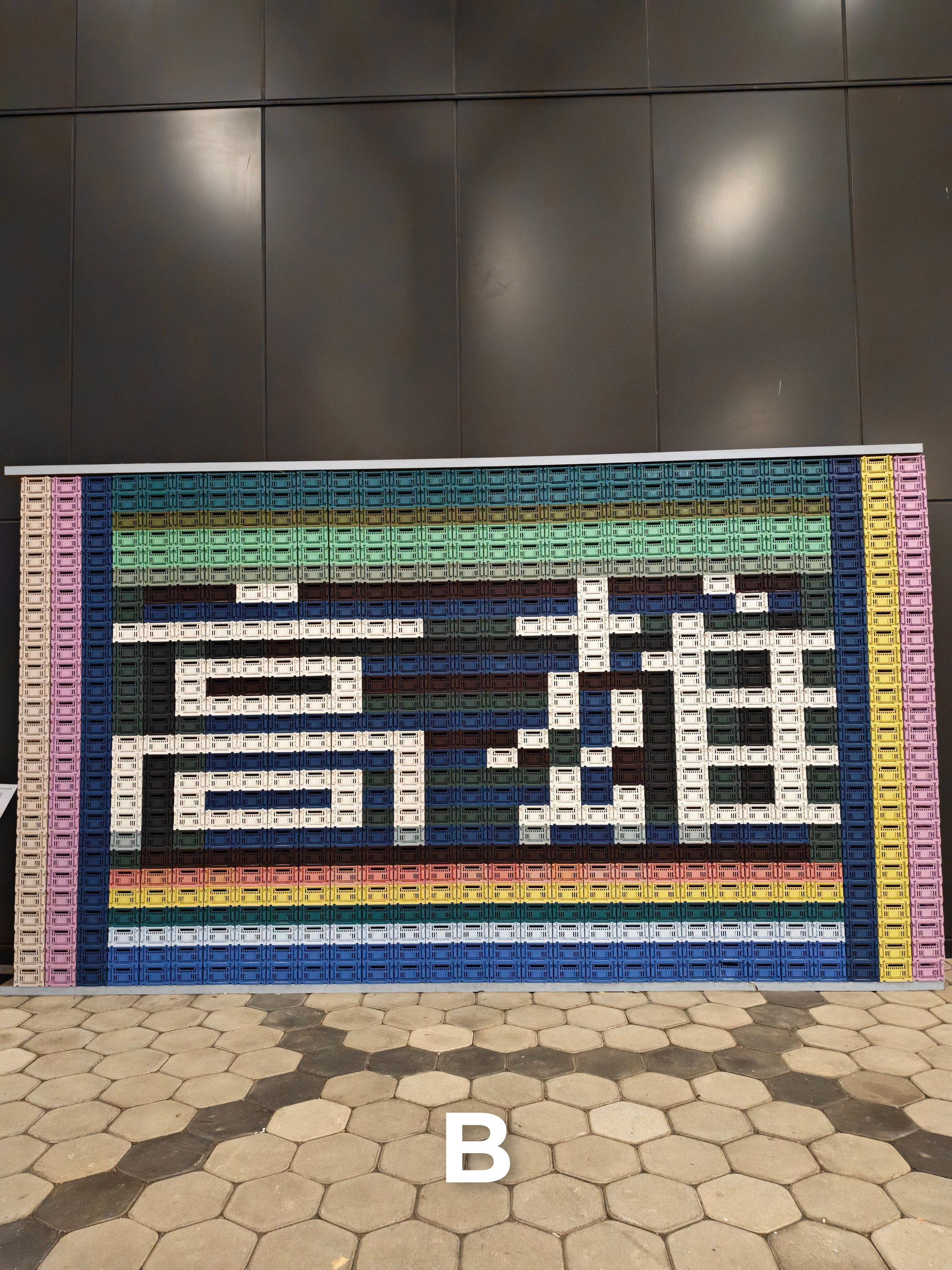
N8A | UWA
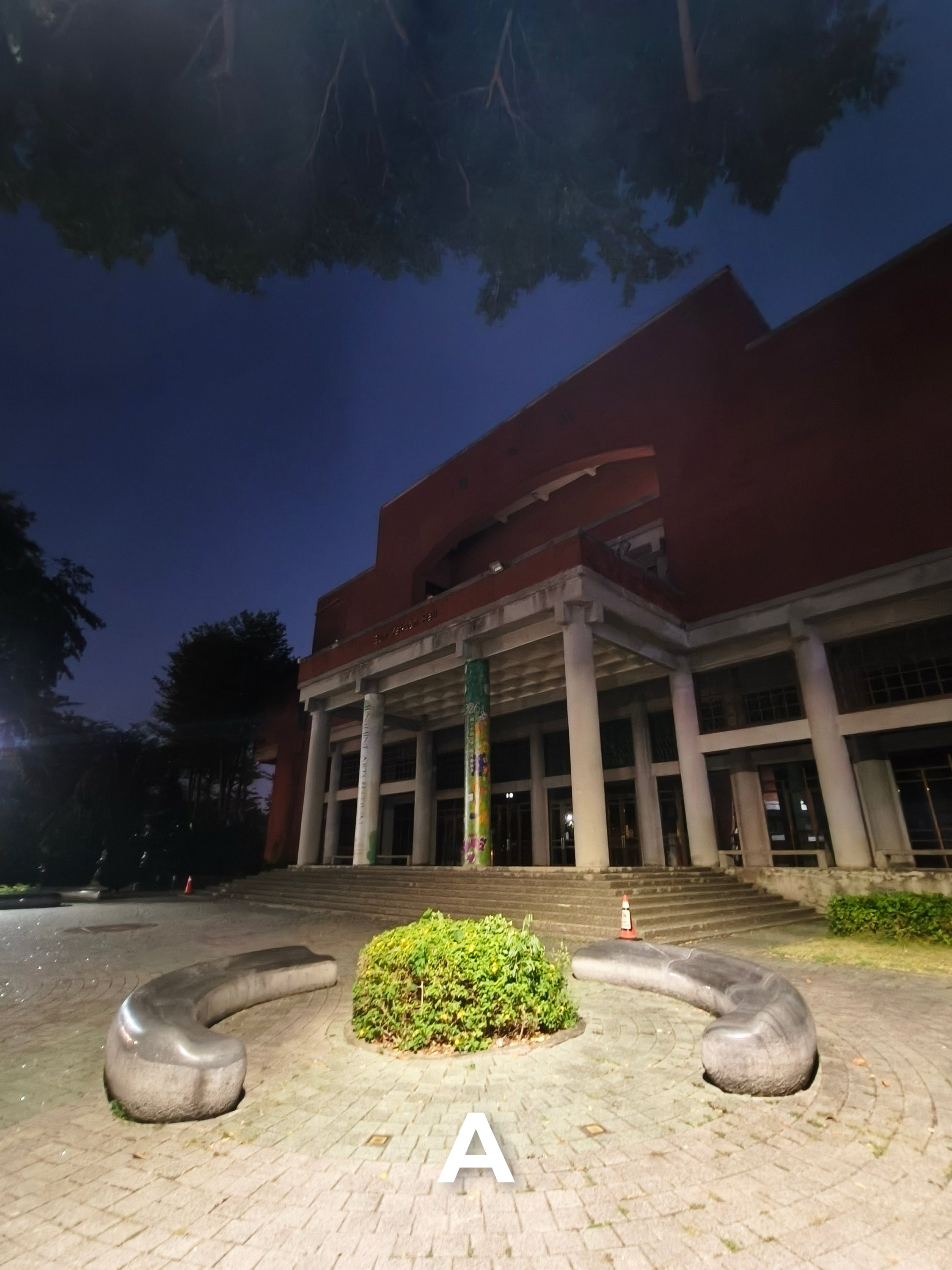
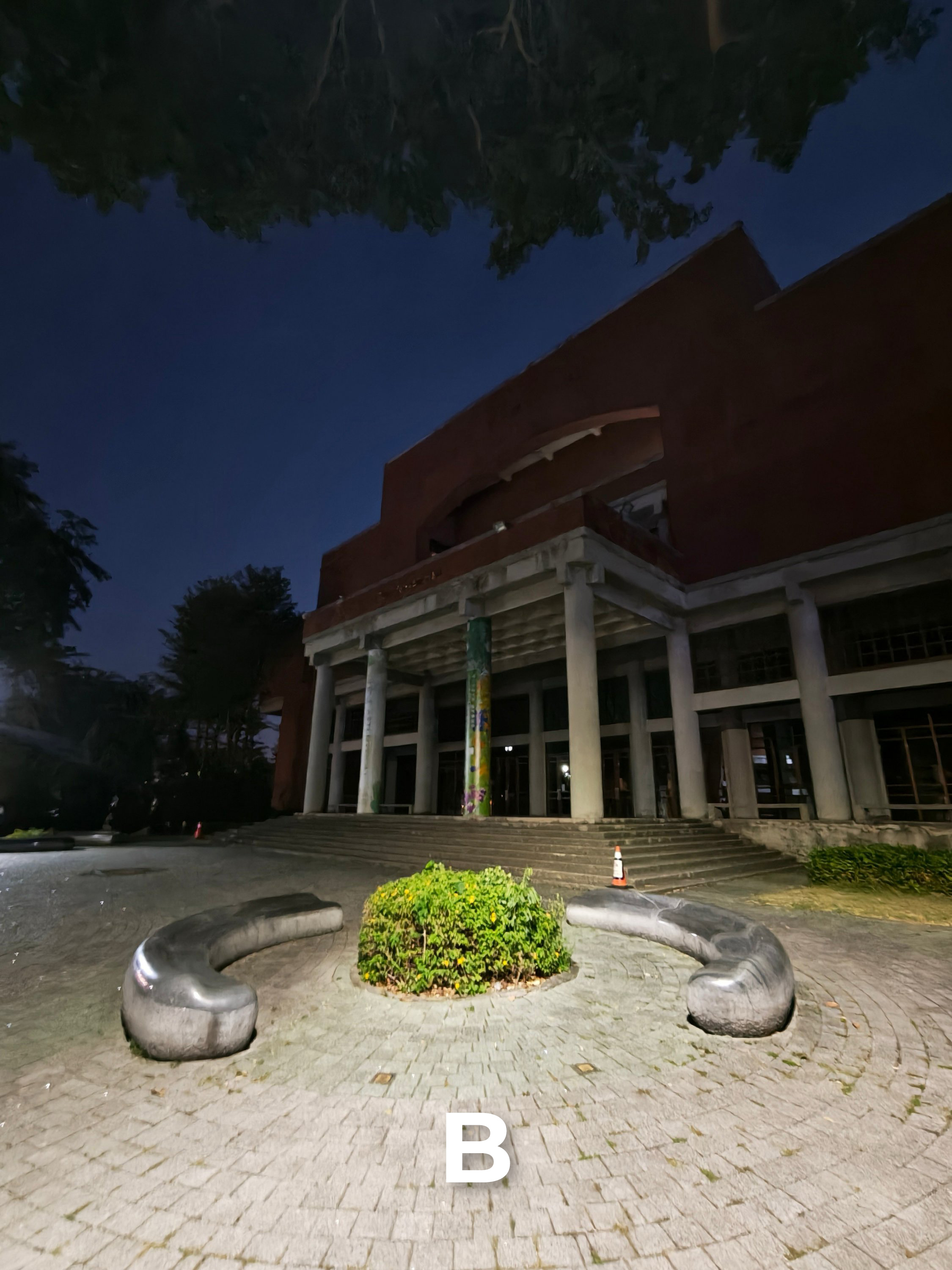
N8B | 1x Wide


N9 | 3.5x Optical Zoom
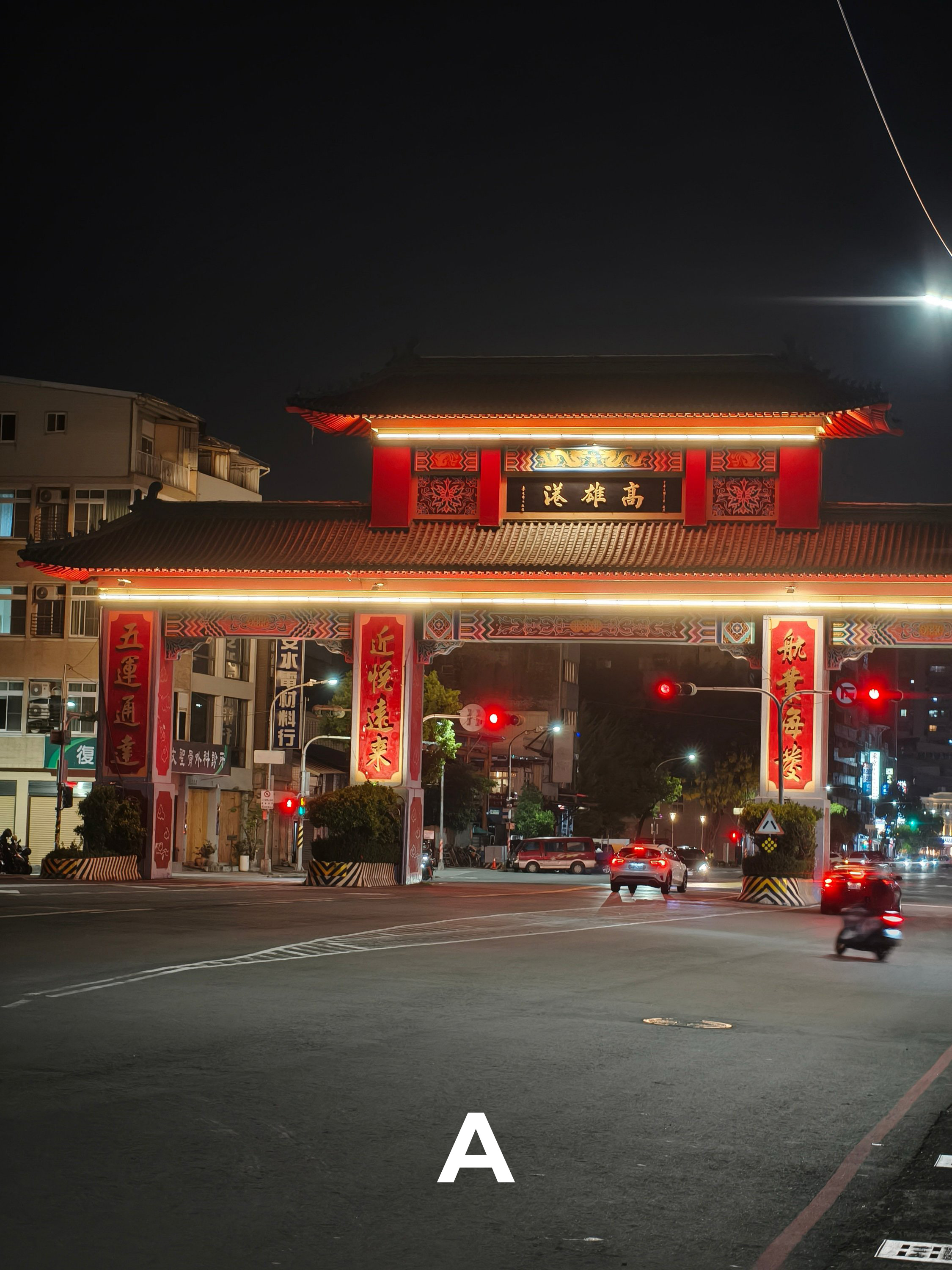

N10 | 5x Lossless Zoom


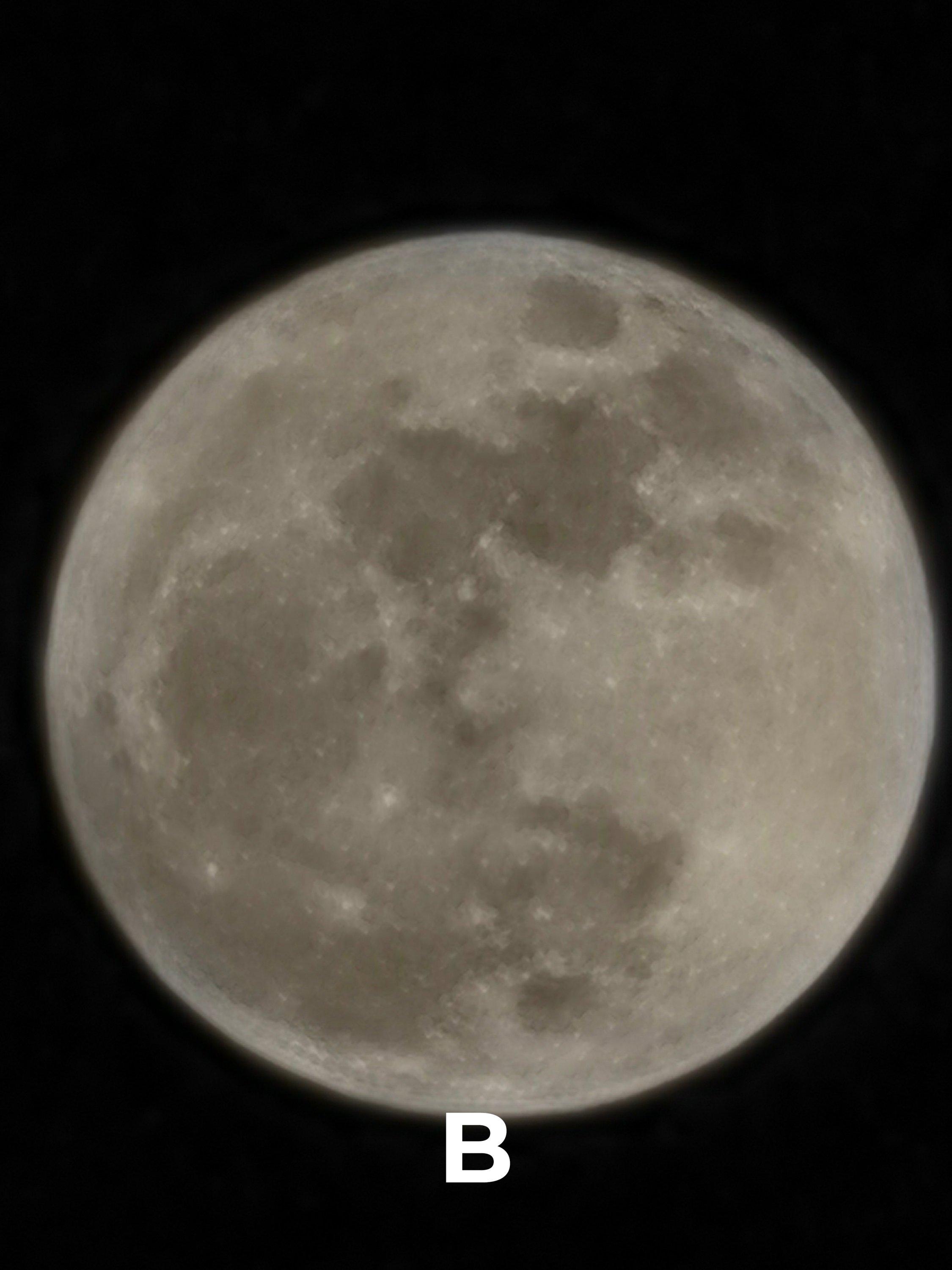
BONUS: Super Moon
That same telephoto module gives both the HONOR and OPPO midrangers a zoom reach as far as 120x.
M1 | 40x Digital Zoom
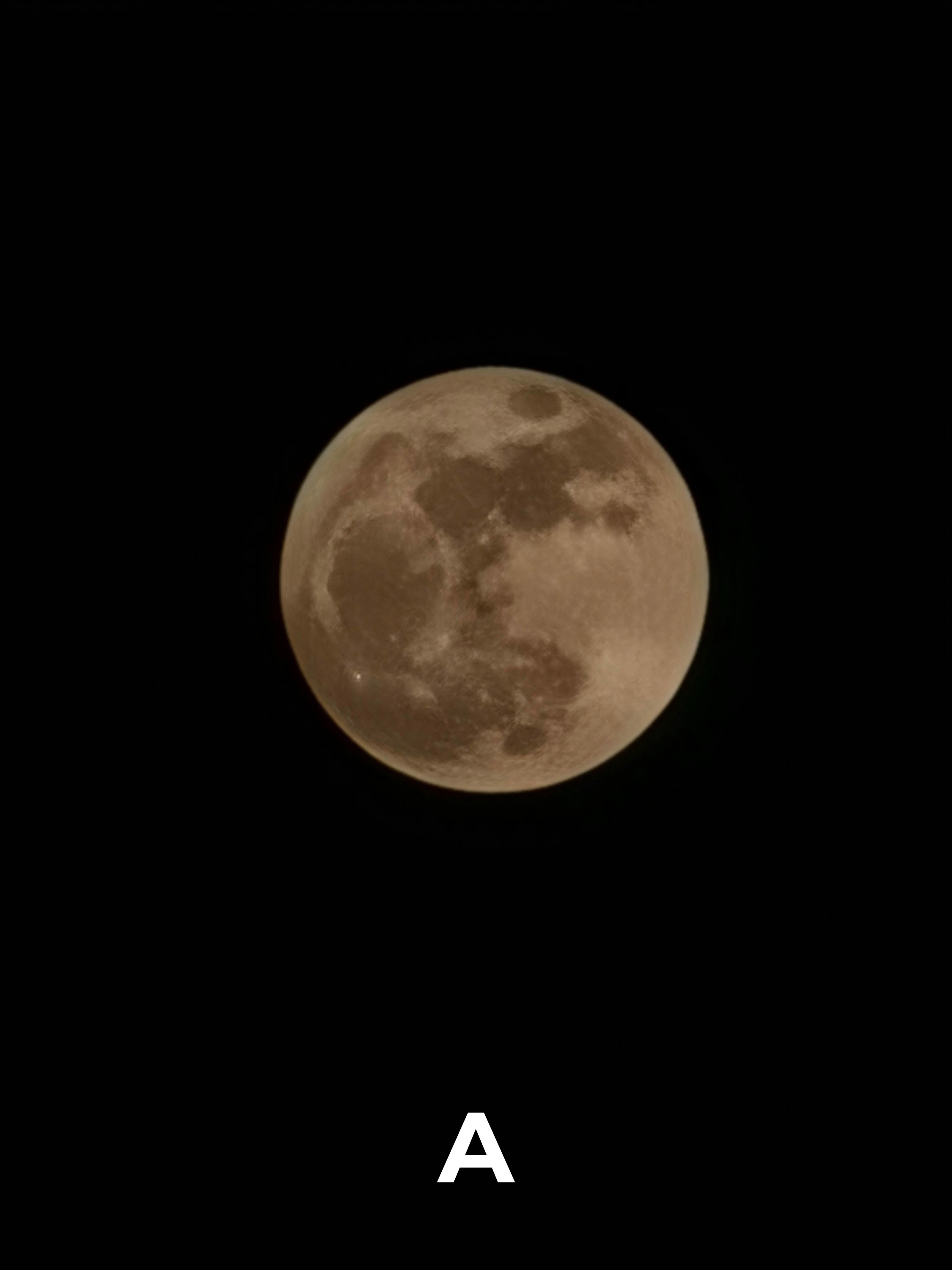
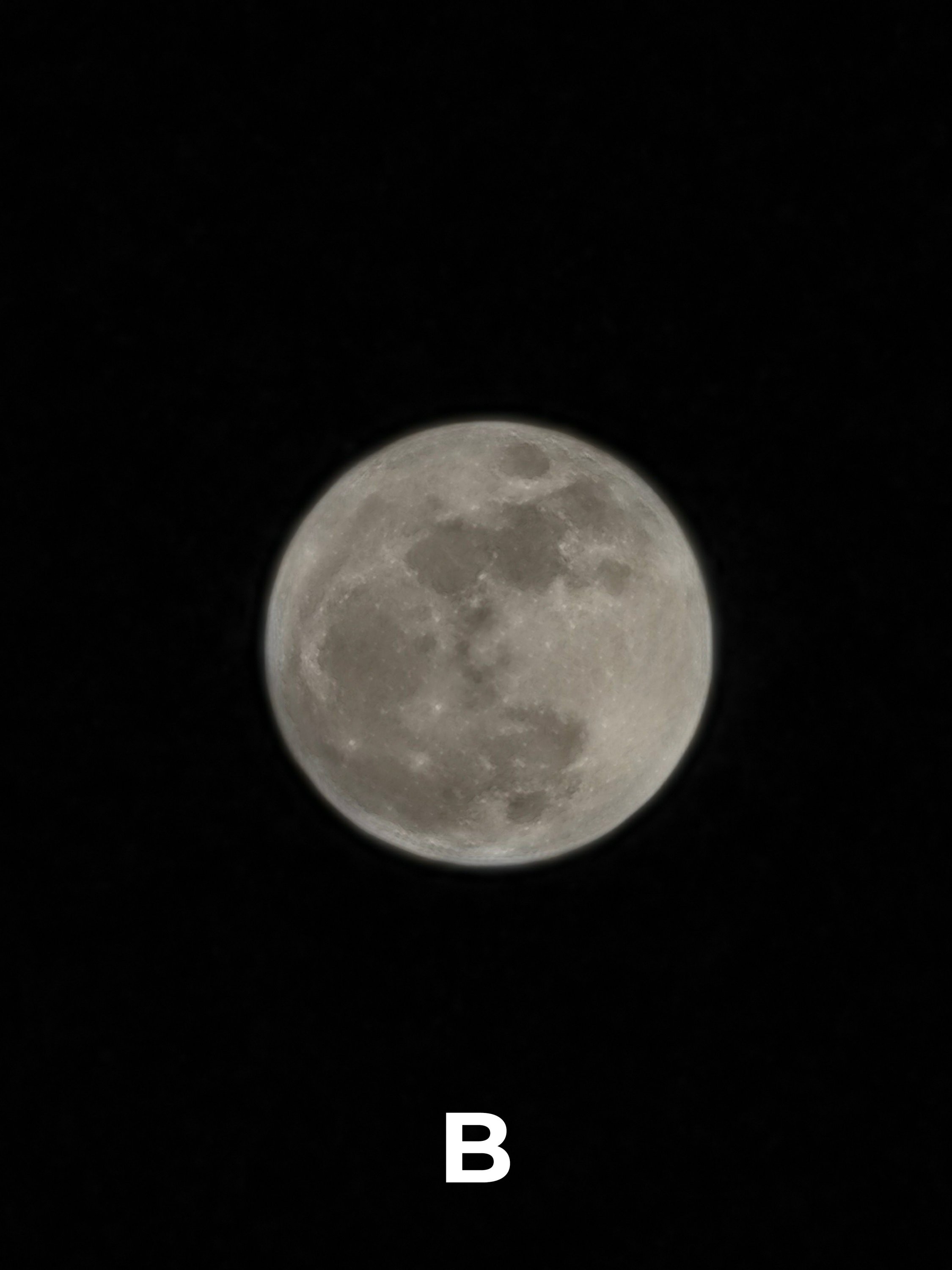
M2 | 120x Max Zoom

Results
Were you able to write down and tally your picks? Well, here are the results:
Conclusion
For the most part, samples taken on the HONOR 600 Pro are already social media-ready. They require little to no effort prior sharing it as your Facebook post or Instagram story.
And by that, the saturation and contrast game is strong as opposed to its rival — a look preferred by most users. These are clearly seen in Sets T1 / T5 / ZB5 / W1 / W2 / N1A.
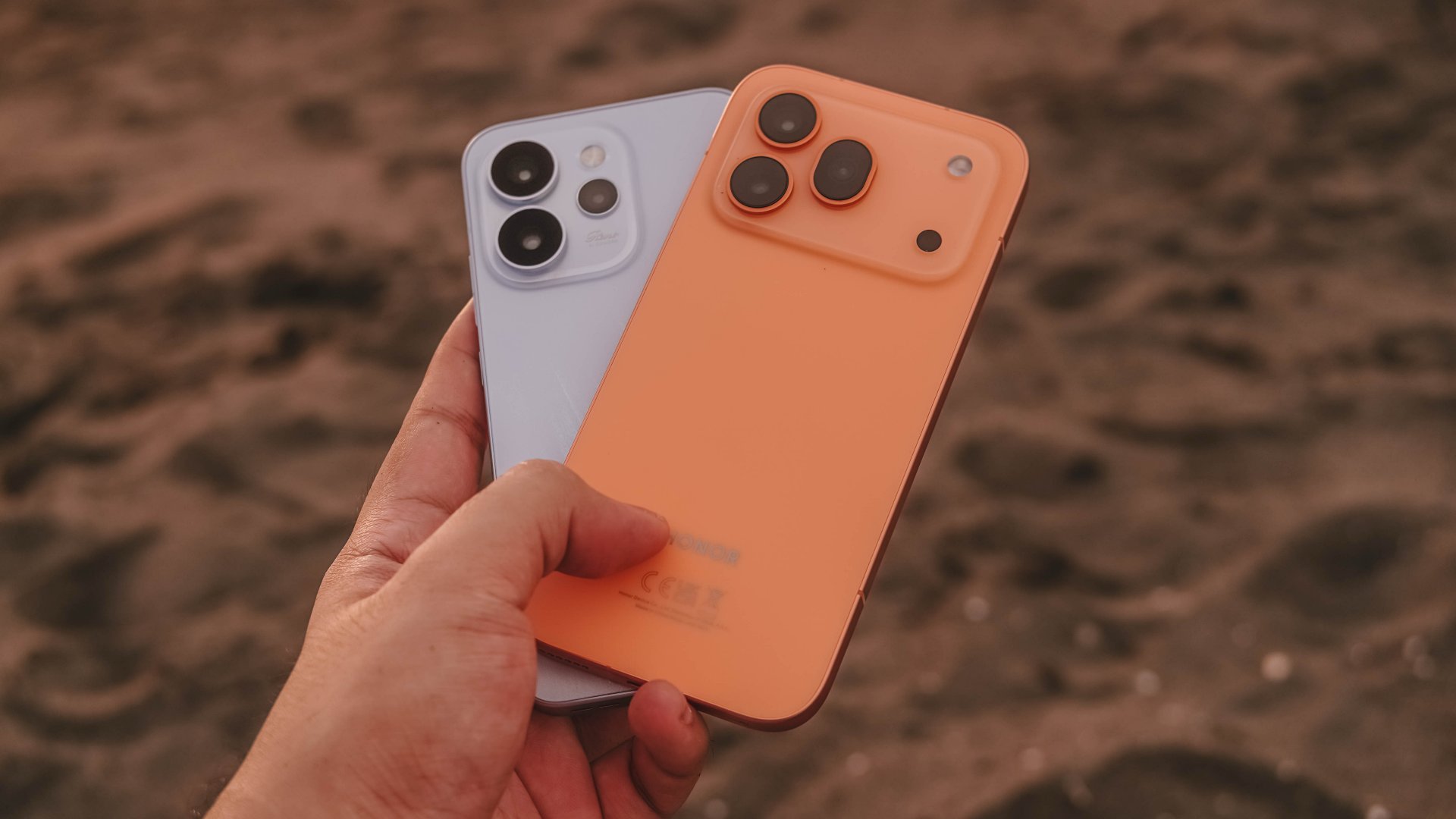
Meanwhile, the OPPO Reno15 Pro leans more into the “natural” side.
Despite the absence of that premium Hasselblad partnership, it still gave desirable results for those who want the less “AI-processed” look (softer, reduced saturation, minimized contrast) which are evident in Photos T2 / T4 / T8 / T12 / ZB1 / ZB3 / W7 / W8 / FF7 / FF8.
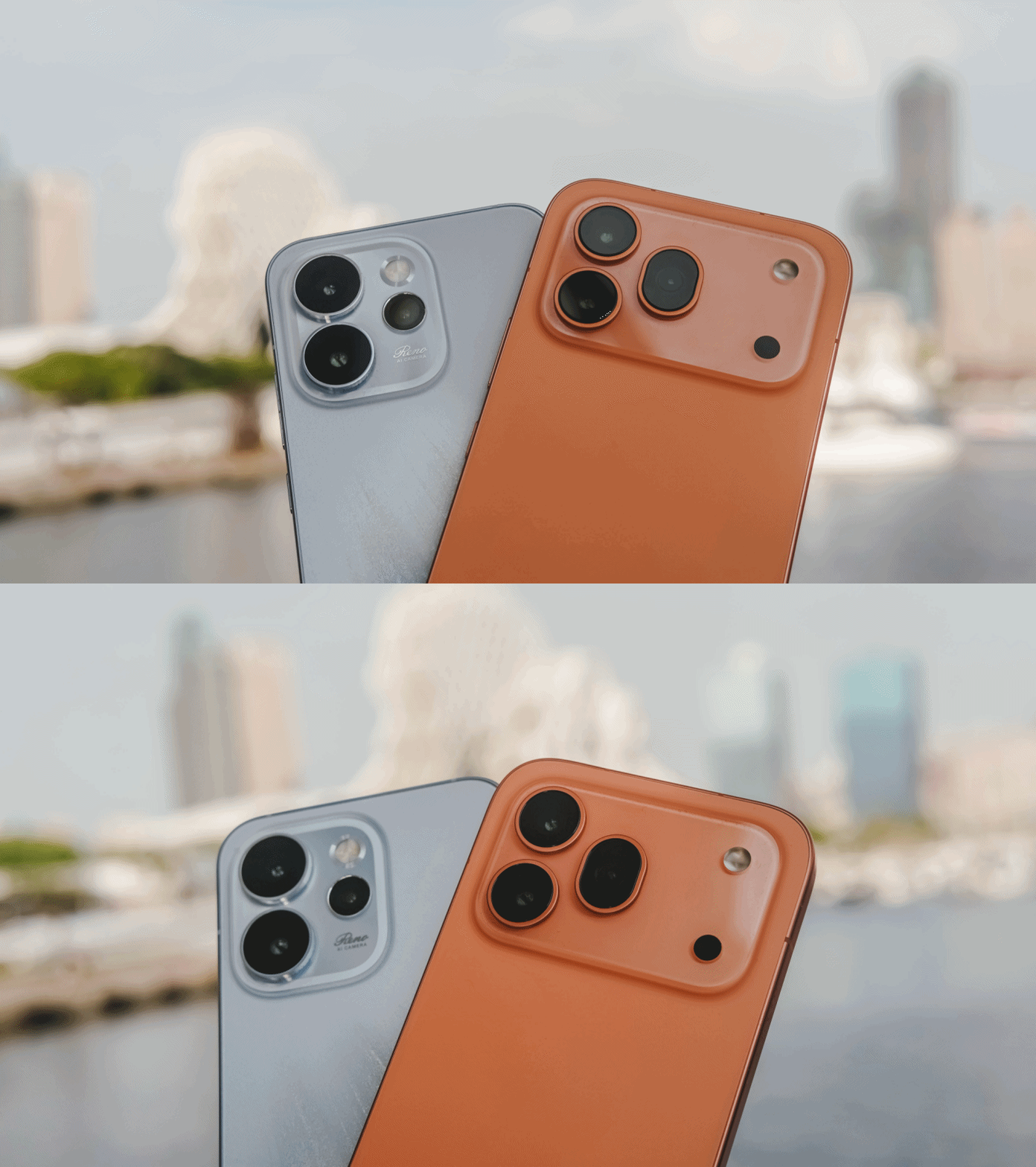
Definitely, the results are not totally consistent. The OPPO Reno15 Pro mostly had a brighter and warmer output (T1 / T5 ~T7 / ZB6 / W1 / W4 / W5 / W8 / W10 / U1 / U2 / F1 / F2 / F4 / FF1 / FF2 / IN3 / IN8 / IN12 / N3A / N5).
Other times, the latter is brighter yet cooler (T12 / ZB1 / ZB2 / ZB3 / ZB4 / FF3 / FF8 / IN1 / IN2 / IN7 / IN9 / IN10 / IN11). Even the super moon shots on the HONOR 600 Pro were brighter, too.
These differences and inconsistencies might make or break your final decision which smartphone best suits your overall camera taste.
Pro-grade for less
Despite the continuous innovation and evolution of flagship smartphones when it comes to mobile imaging, phone manufacturers still try to balance everything out with midrange smartphones in the horizon.
The HONOR 600 Pro and OPPO Reno15 Pro are two among the handful midranger wonders meant for any pro-grade user who lacks the purchasing power to buy the bestest in the lineup — but, still want a very capable device for their smartphone-tography needs.
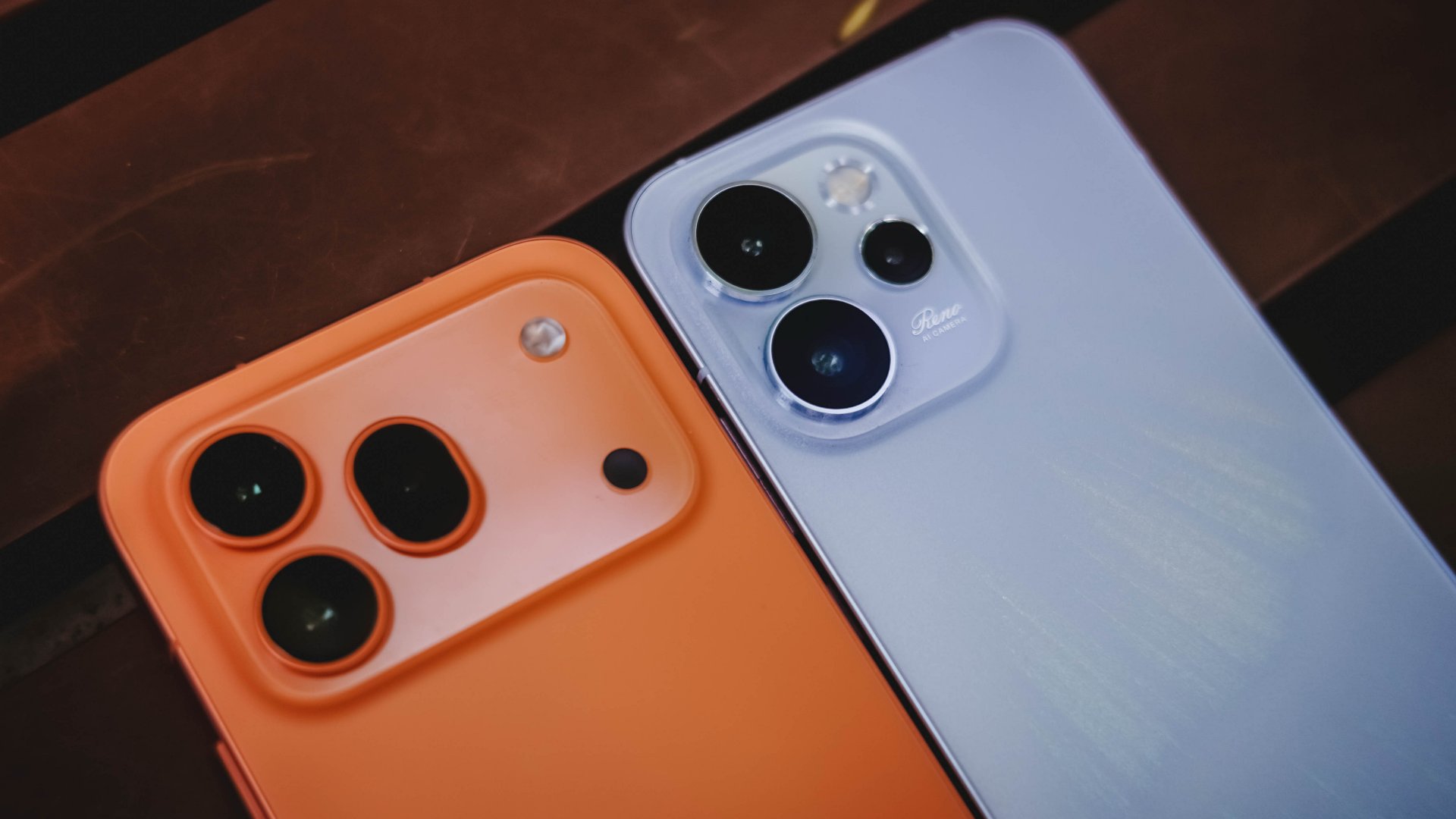
Clearly, the camera hardware isn’t the most “powerful” out there. Still, they are clear with the positioning of these phones. They are your pro-grade cameras for less.
As similar as their camera hardware, the HONOR 600 Pro and OPPO Reno15 Pro also have similar SRPs — at least the 12+512GB configuration.
- HONOR 600 Pro = PhP 48,999 / MYR 3299 / SG$ 1049
- OPPO Reno15 Pro = PhP 48,999 / MYR 3299 / SG$ 1049 (as Reno15 Pro Max)
HONOR your Reno?
Over the years of making dedicated camera shootout write-ups, I always thought that photos that look closer to our naked eyes is something that I should call “the better smartphone camera” — especially because of the accuracy of their output.
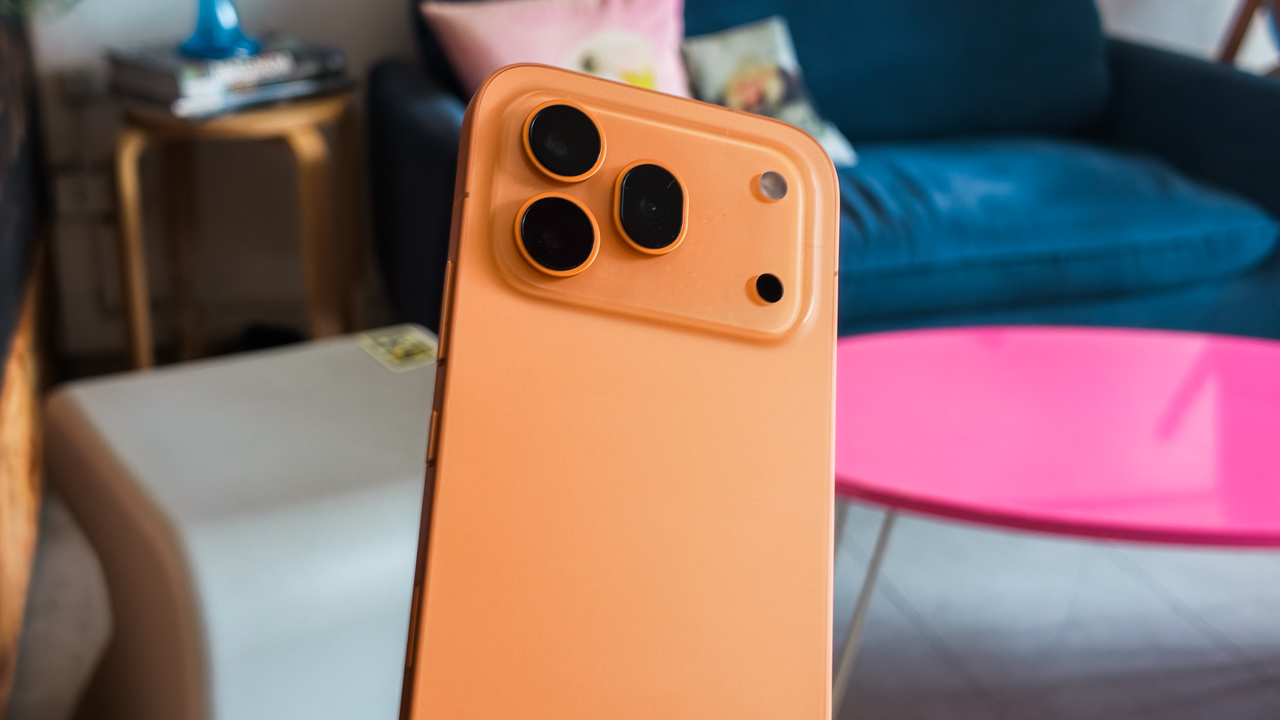
Now, with the advent of smartphone cameras with countless camera partnerships and all the imaginable profiles / presets / styles / recipes (or whatever you want to call ’em) to ever exist, it got harder to decide which smartphone to recommend for most users.
Such sentiment made me realize that there is no single clear winner at all.
So what’s the point of making another extensive camera comparison like this? Well, it’s still for you to show how each phone is capable (or incapable) both in camera hardware and software. It’s also for you to choose the camera look that’s closer to your liking.
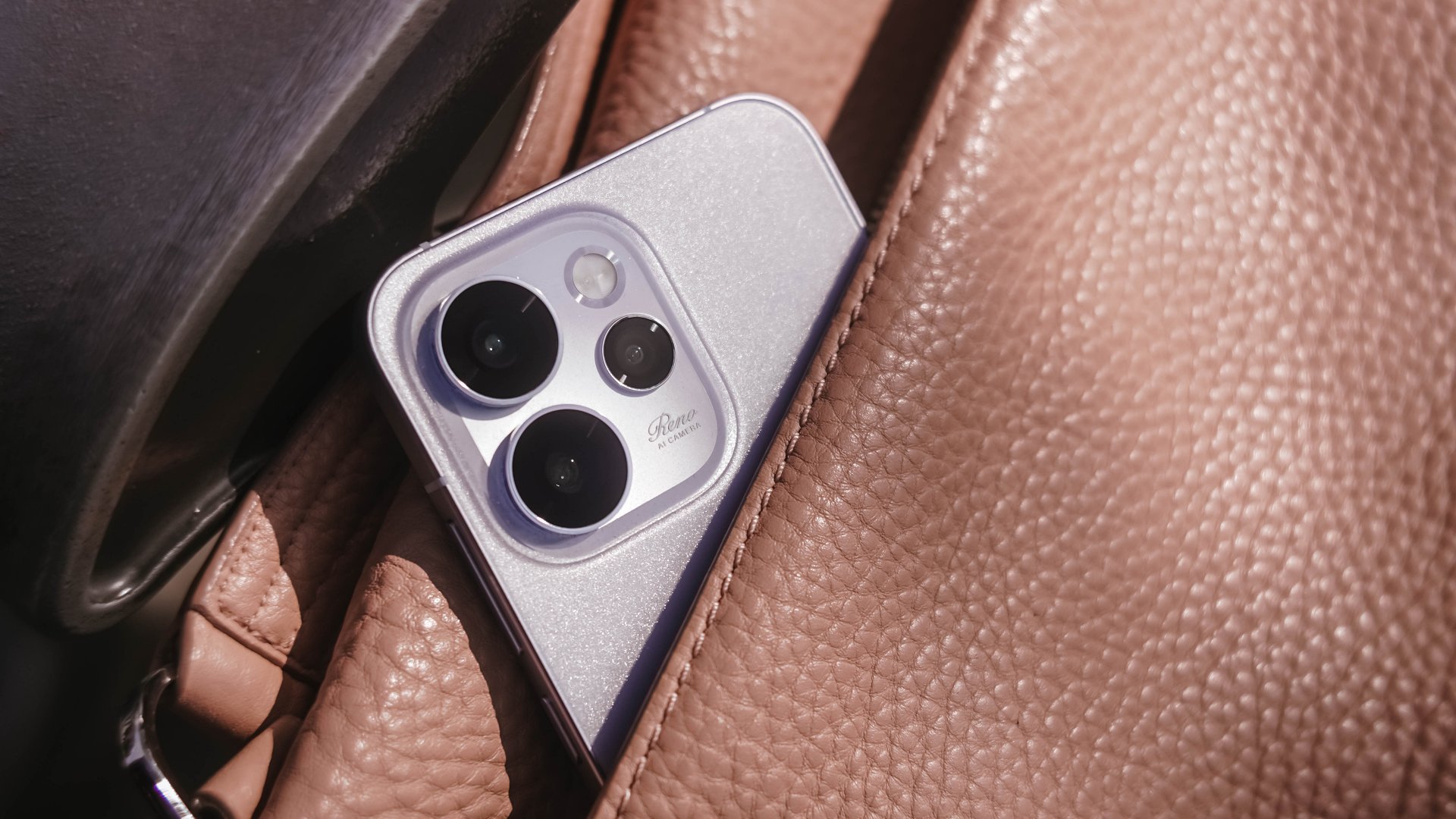
Clearly, both the HONOR 600 Pro and OPPO Reno15 Pro are very capable smartphone cameras. But, at the end of the day, it’s your power as a buyer which pro-grade midranger wins your eyes and heart.
Now, if you will consider other aspects such as their core hardware, OS skin, and even after-sales service, that’s clearly for another story.
Camera Shootouts
Camera Shootout: HONOR 400 Pro vs TECNO CAMON 40 Premier
Camera battle of two midranger wonders
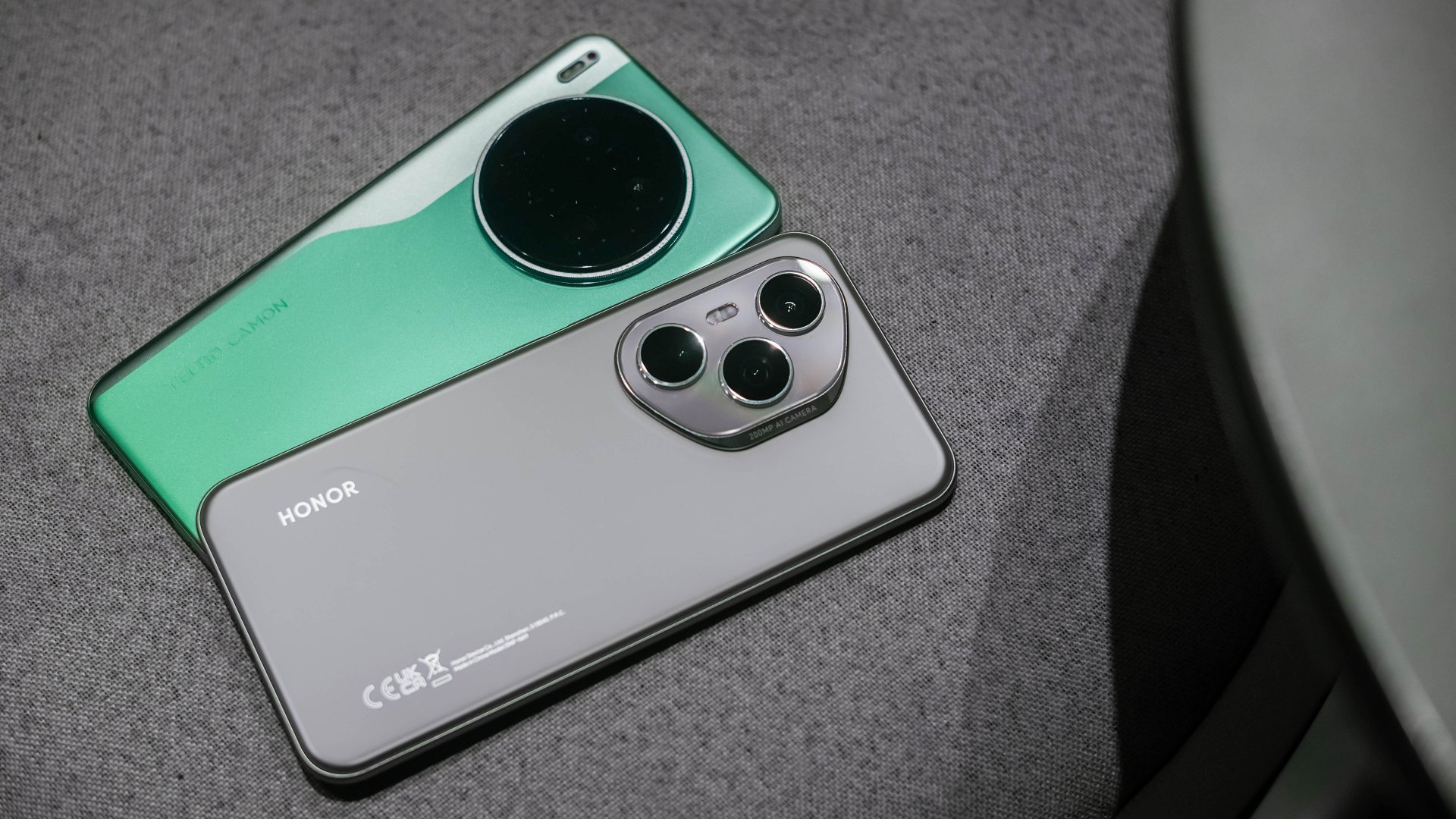
In my previous camera smackdown, I clearly stated that we don’t have the HONOR 400 Pro to try out.
Months have passed, the odds were (finally) in my favor as I was able to test it against another midranger wonder, the TECNO CAMON 40 Premier.
Oh CAMON, your HONOR
I’ve decided to clash the HONOR 400 Pro and TECNO CAMON 40 Premier primarily because both phones offer the quintessential triple rear camera system.
HONOR 400 Pro |
TECNO CAMON 40 Premier |
|
Wide |
200MP f/1.9
|
50MP f/1.88
|
Ultra-Wide |
12MP f/2.2 |
50MP f/2.2 |
Telephoto / Periscope |
50MP f/2.4
|
50MP f/2.2
|
Selfie |
50MP f/2.0 |
50MP f/2.5 |
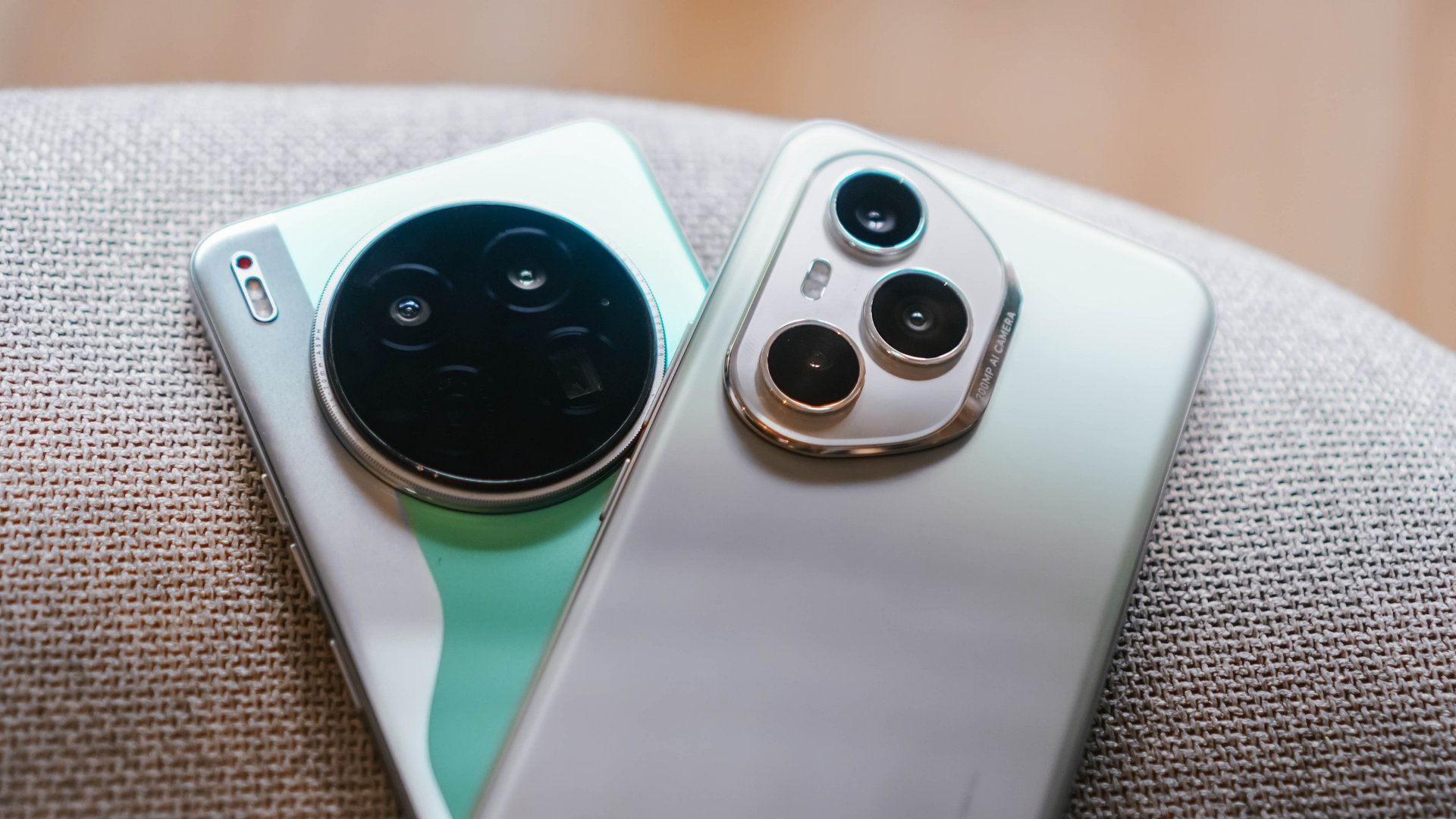
Hardware-wise, disparities are quite evident. The TECNO CAMON 40 Premier rocks quad 50MP cameras (including the selfie camera), whereas the HONOR 400 Pro has variations in its overall camera system.
It highlights its 200MP Samsung ISOCELL HP3 main camera while TECNO begs to differ as it packs a sensor made by the Korean giant’s Japanese rival — the newcomer Sony LYT-701C sensor that’s only used in two phones so far (2024’s realme 13 Pro+ being the other).
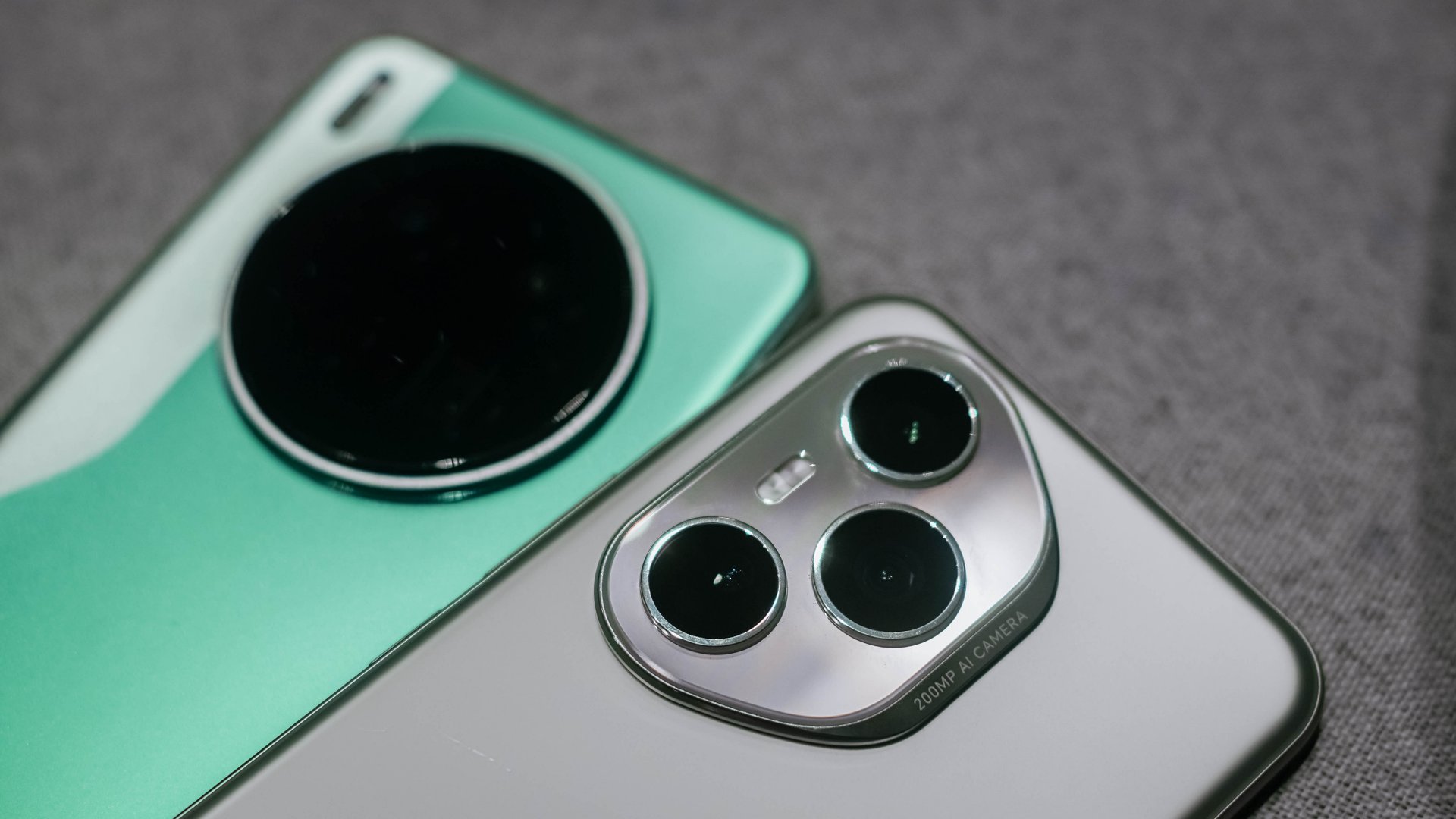
The opposite happens in HONOR 400 Pro’s ultra-wide lens as it features the smaller 12MP camera.
But, the biggest dealbreaker has got to be the existence of 3x zoom shooters that their base models lack.

Although both acquire the same megapixel count, the HONOR 400 Pro is equipped with a traditional telephoto lens structure while the TECNO CAMON 40 Premier boasts a periscope lens that utilizes a prism design / mirror system for capturing long-range subjects and objects.
Lastly, both phones have 50MP front-facing cameras with slight differences in aperture value.
Sticking with the Standard
Much like any other shootouts, I’ve opted to stick with the standard shooting profiles that both phones have right after setting ’em up: Standard for TECNO, Natural for HONOR.
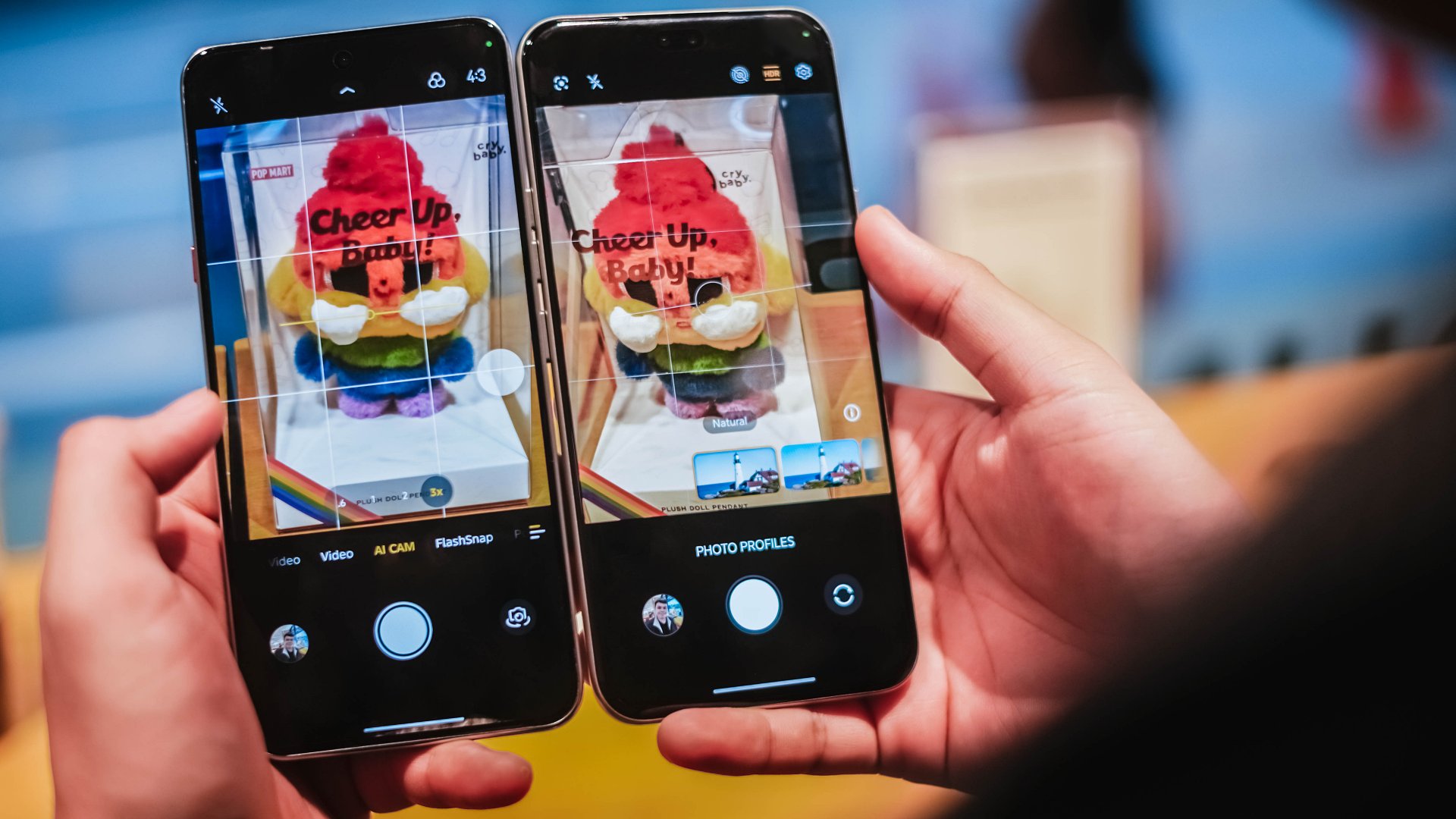
Disclaimer: Photos were all taken using Auto Mode with AI scene detection turned on. These images were collaged, resized, and labeled for faster loading and better preview. No color correction, zoomed-in cropping, nor any other type of photo manipulation were applied.
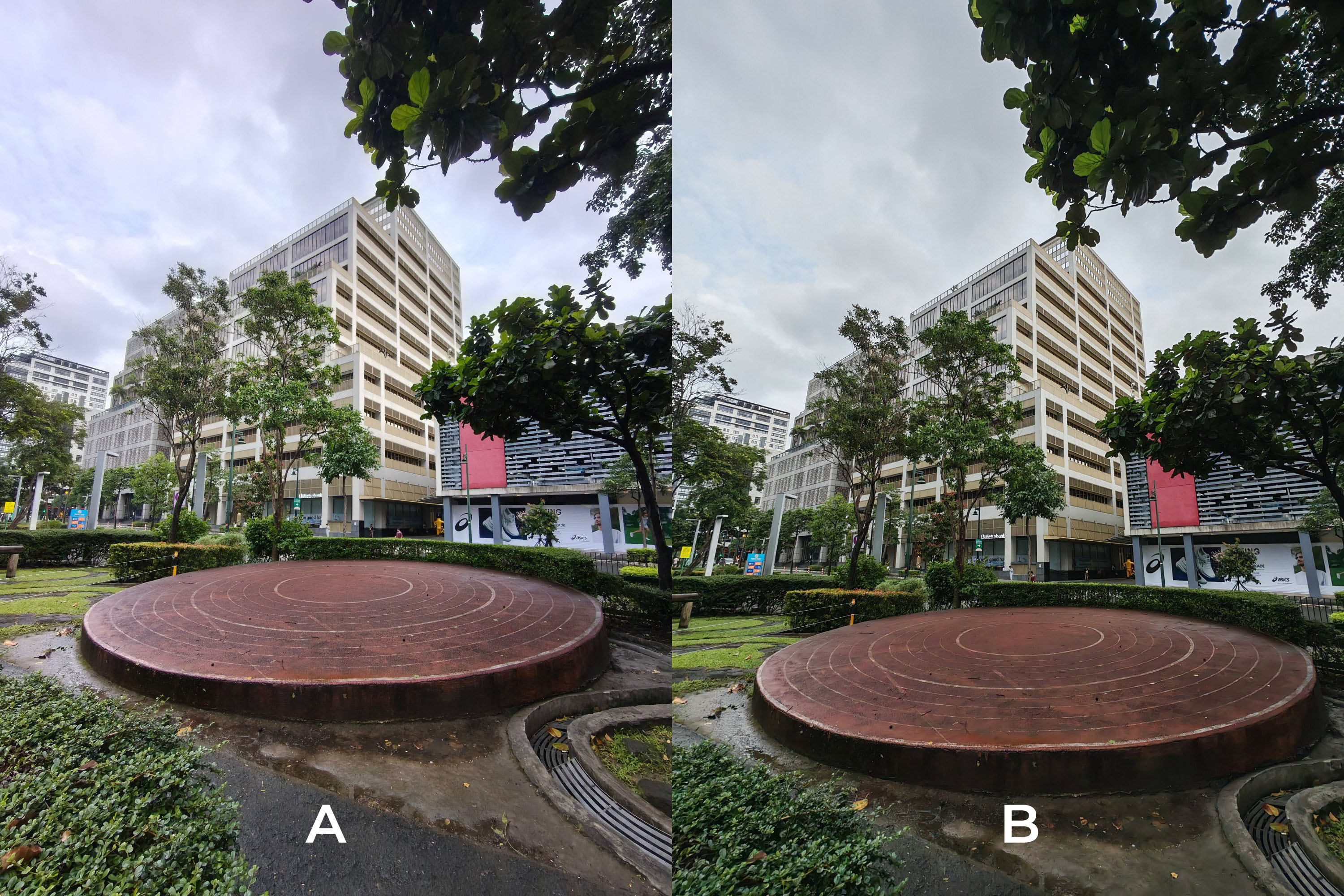
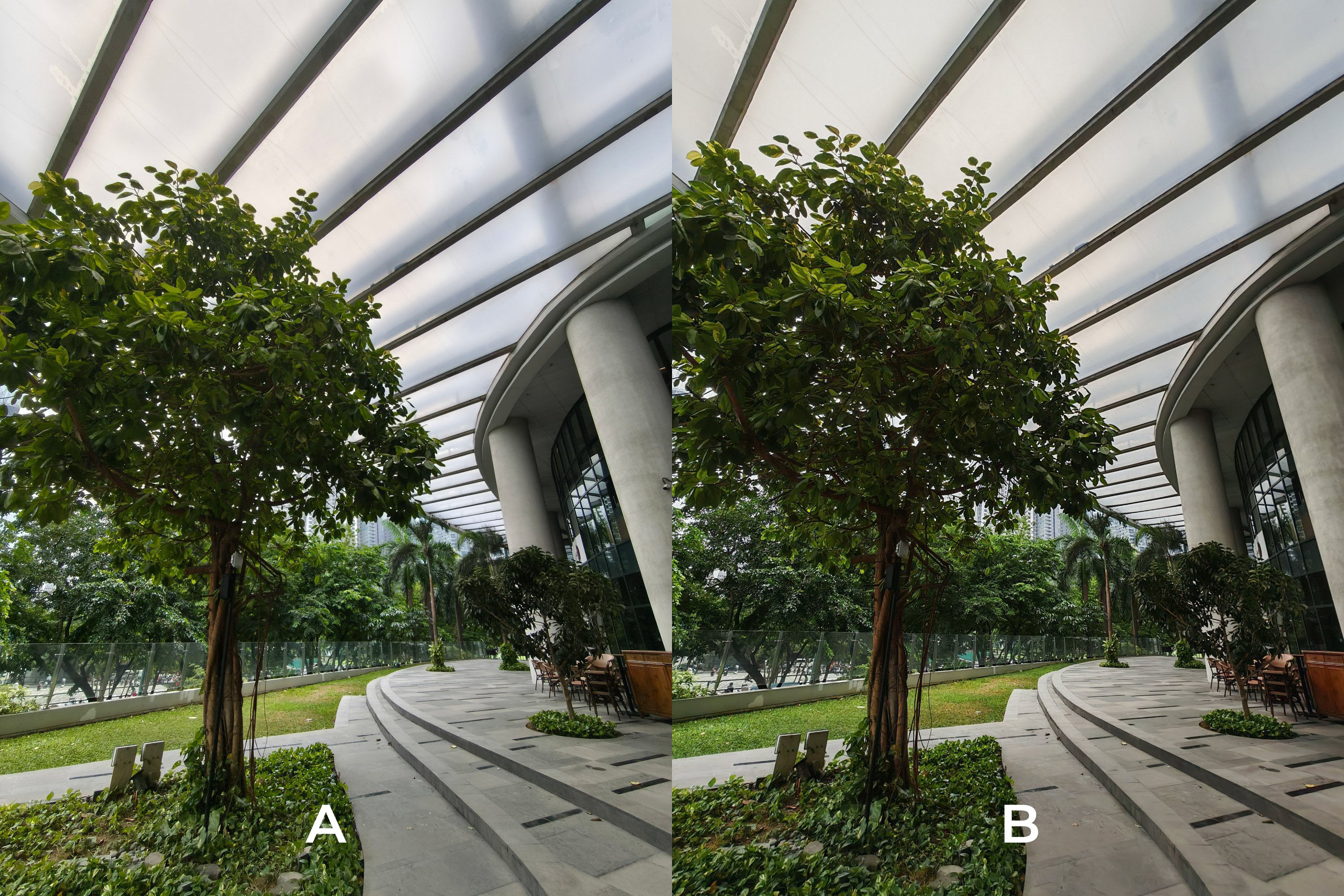
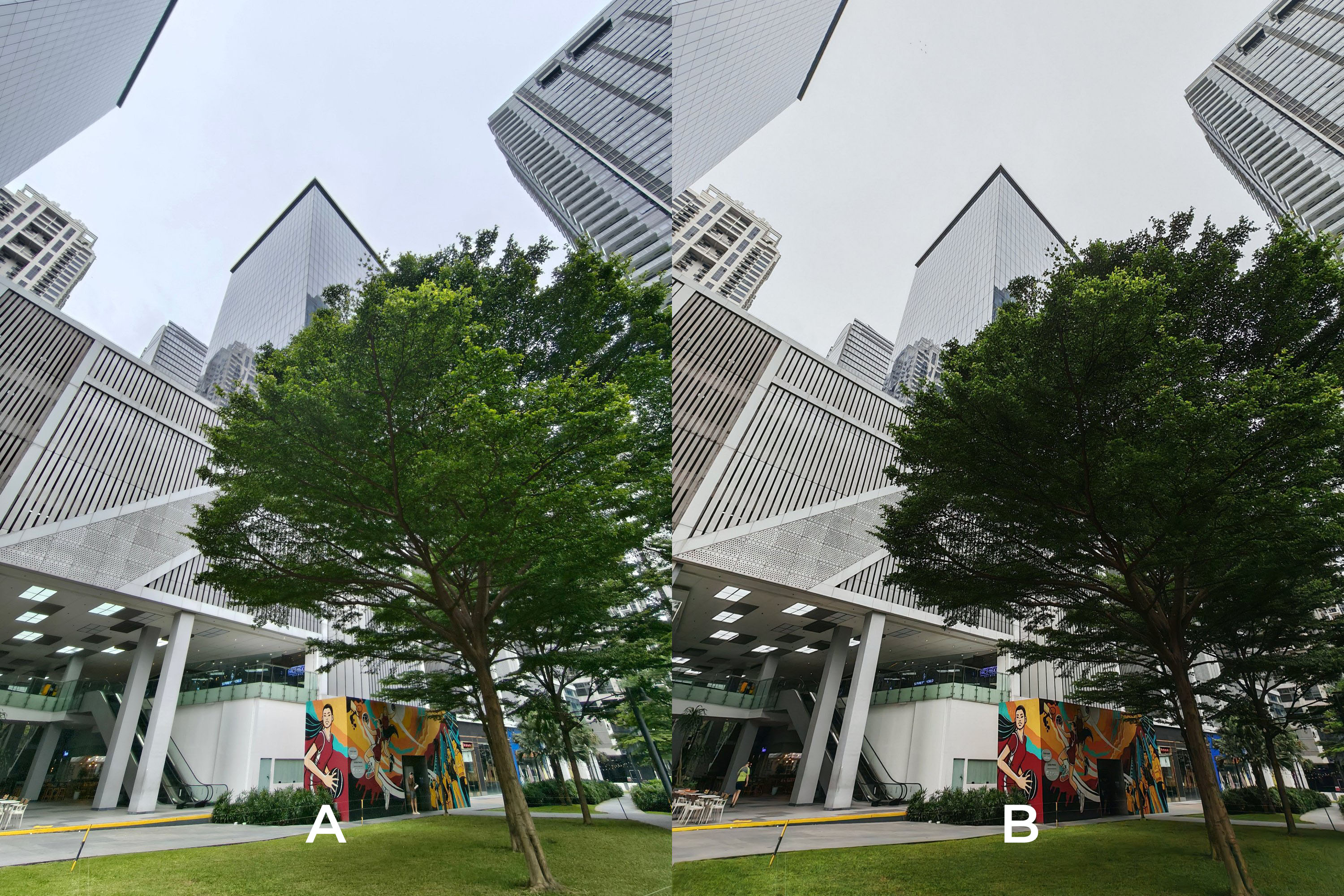
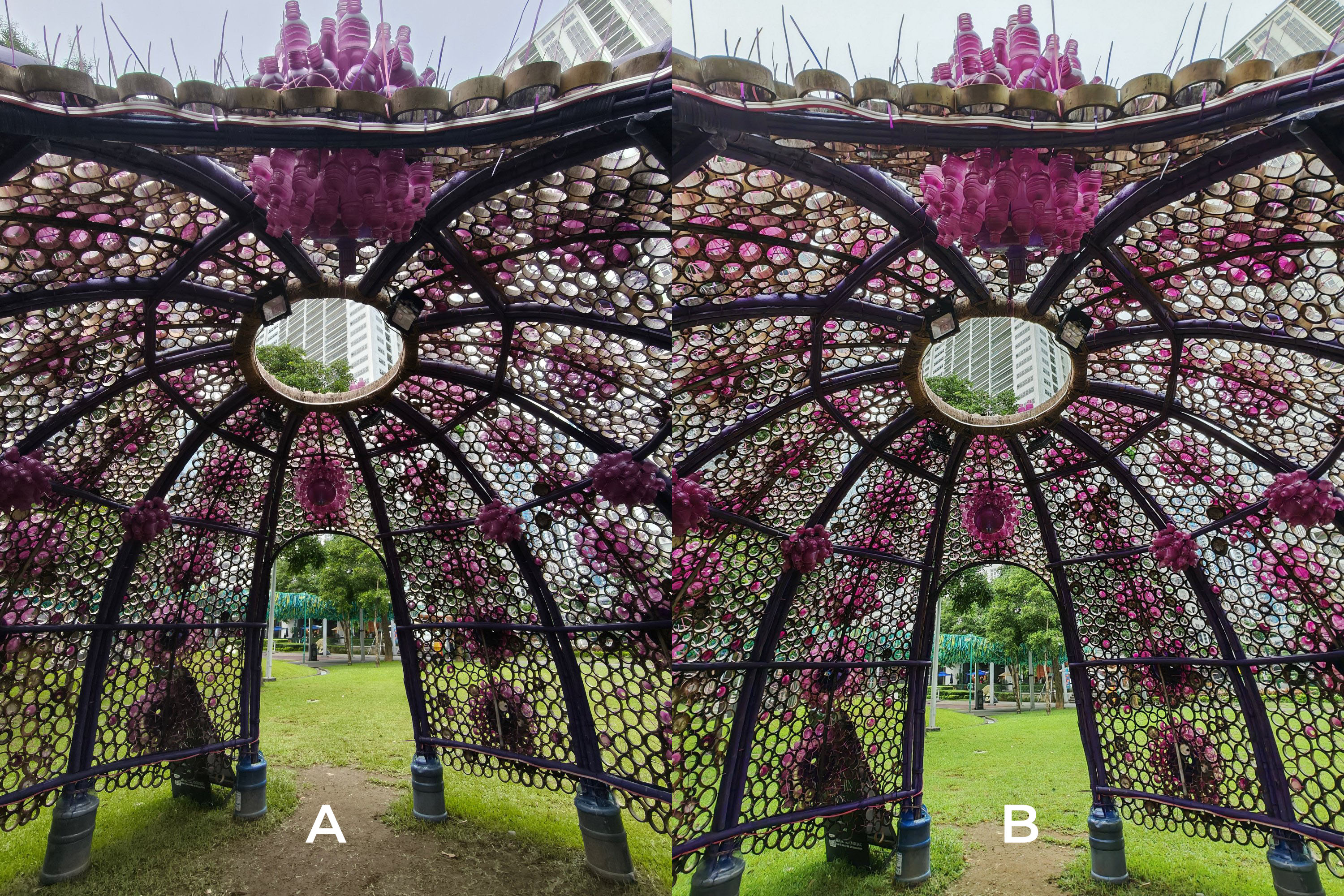
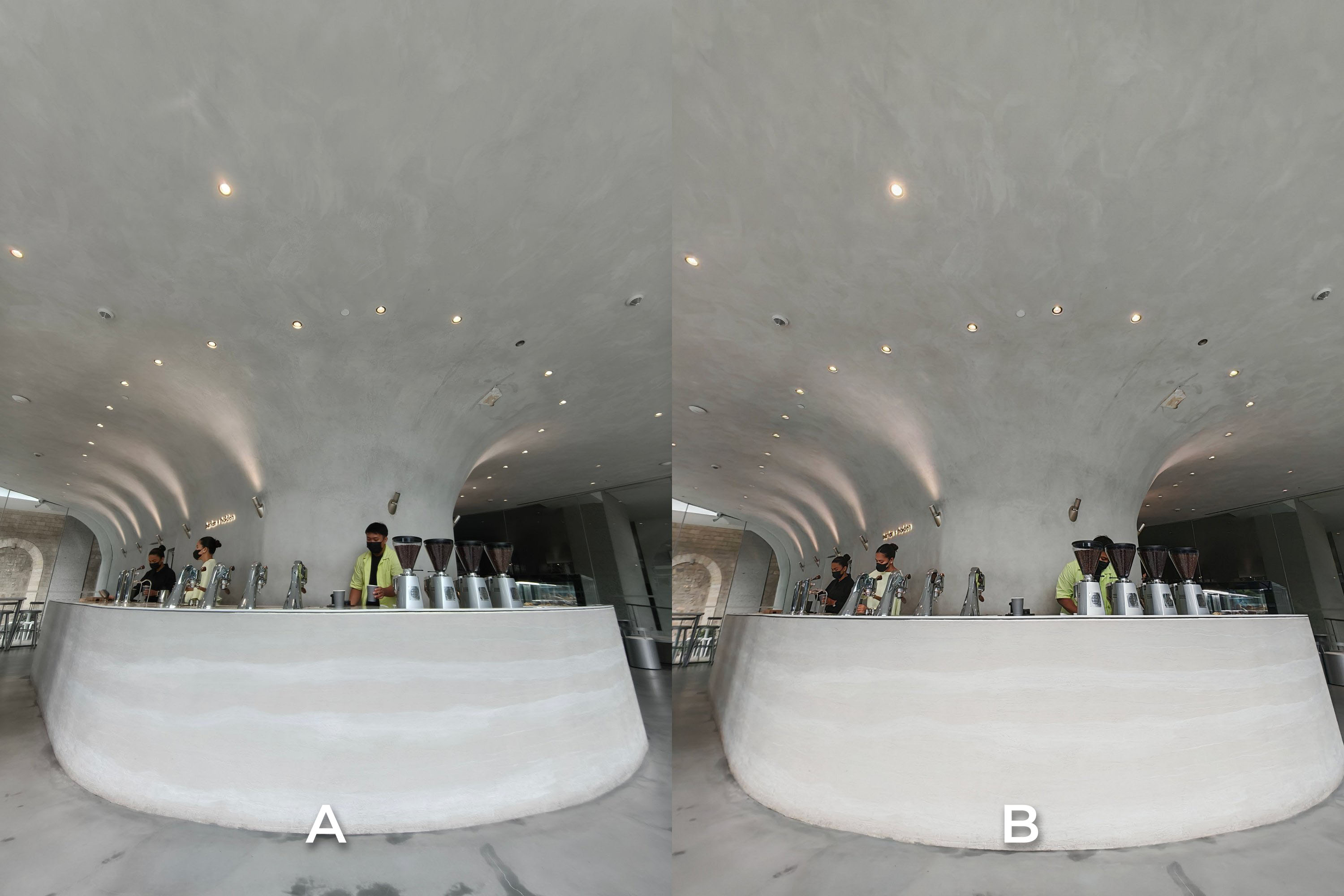
Ultra-Wide Angle (UWA)
Similar lens diaphragm, totally different megapixel count.
Does that alone make a far cry?
U1
U2

U3
U4
U5
U6
U7
Main (1x + 2x)
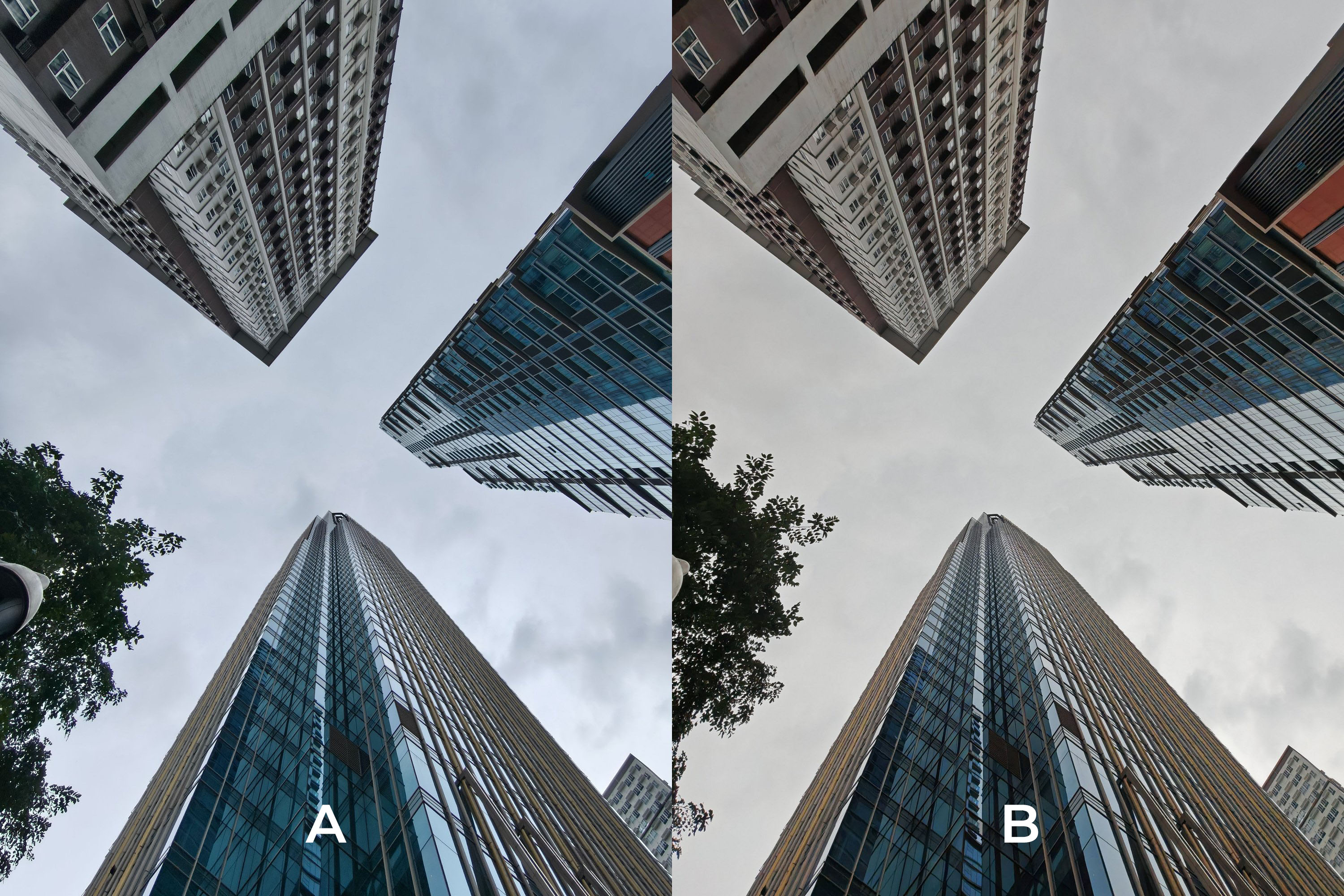
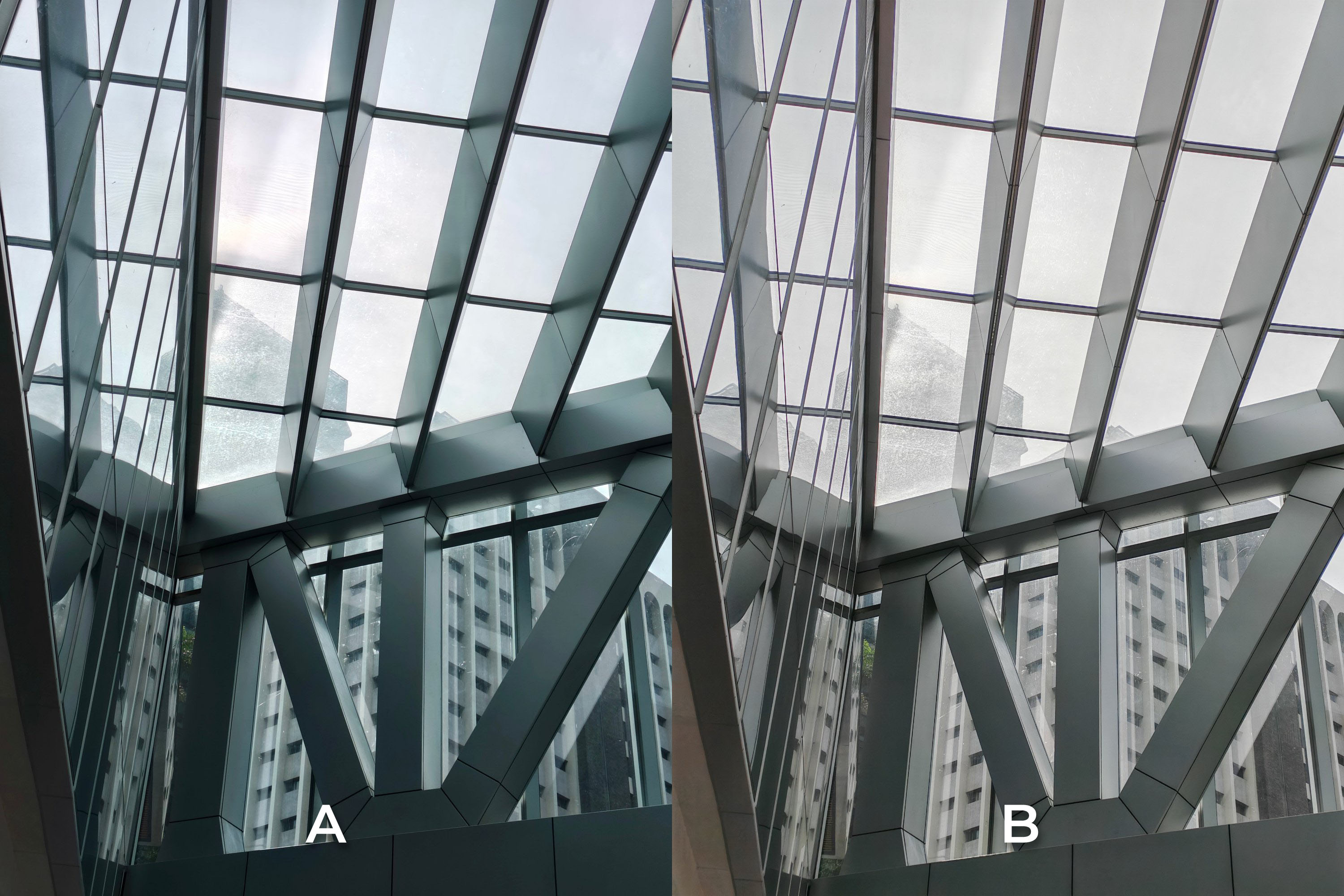
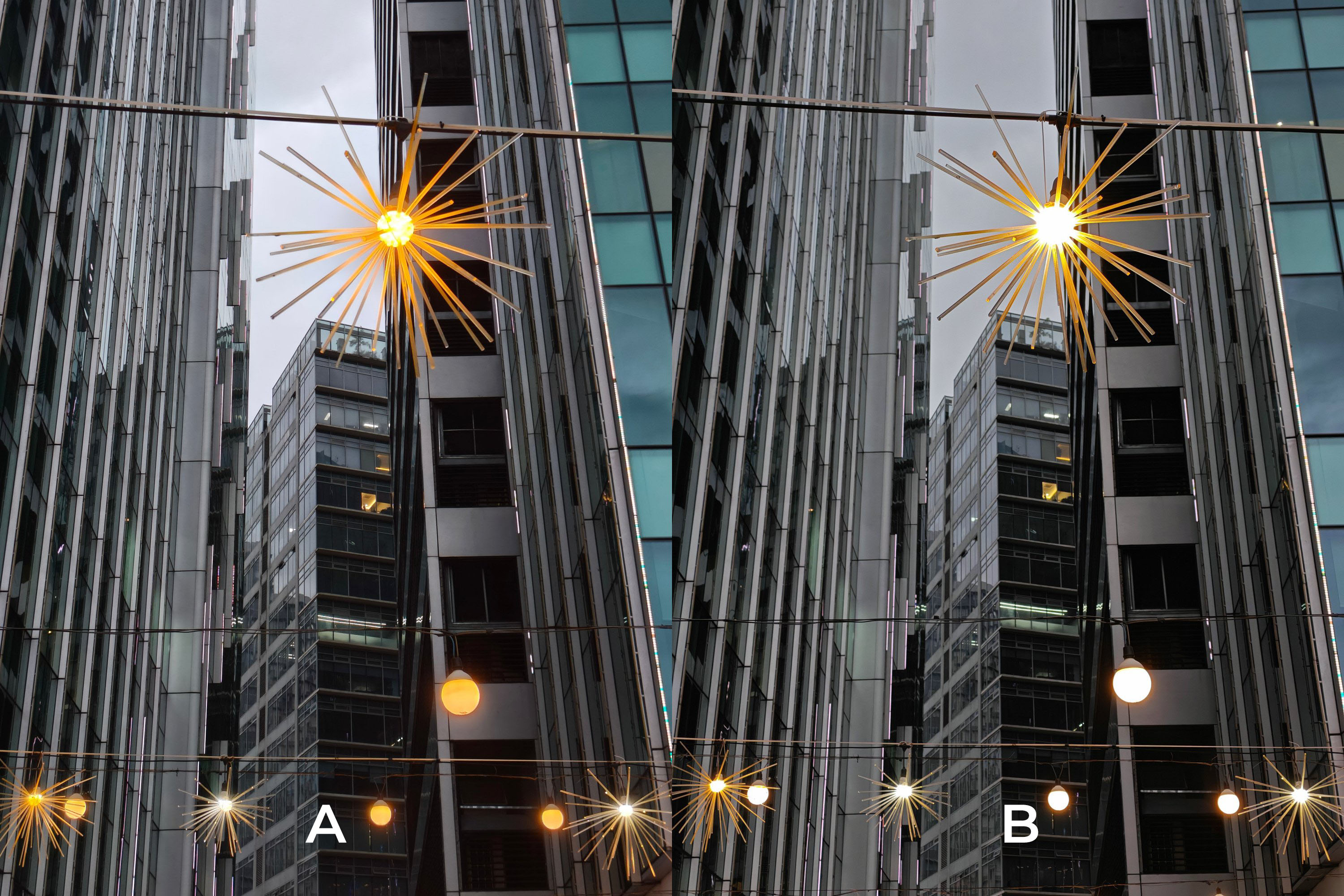
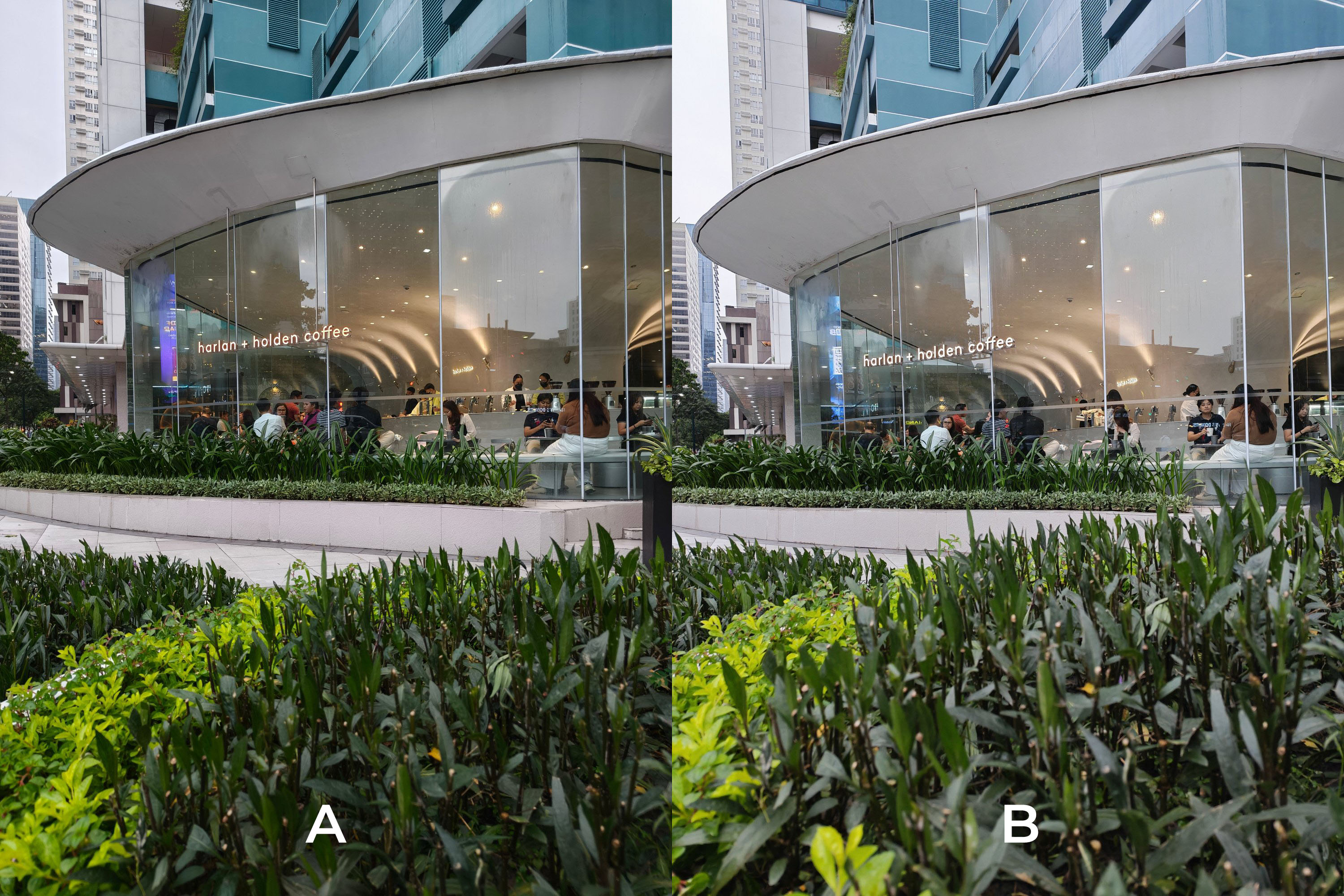
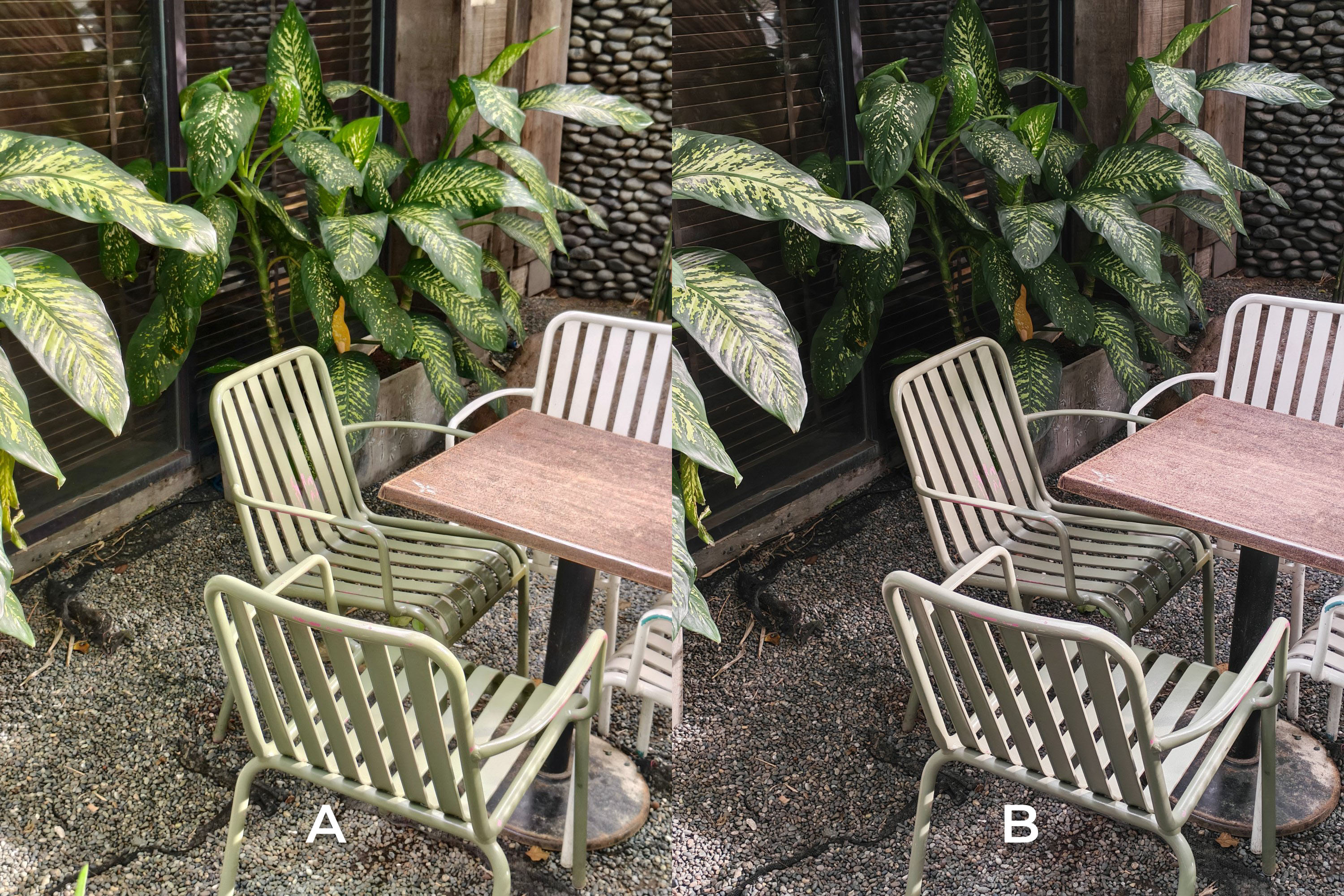
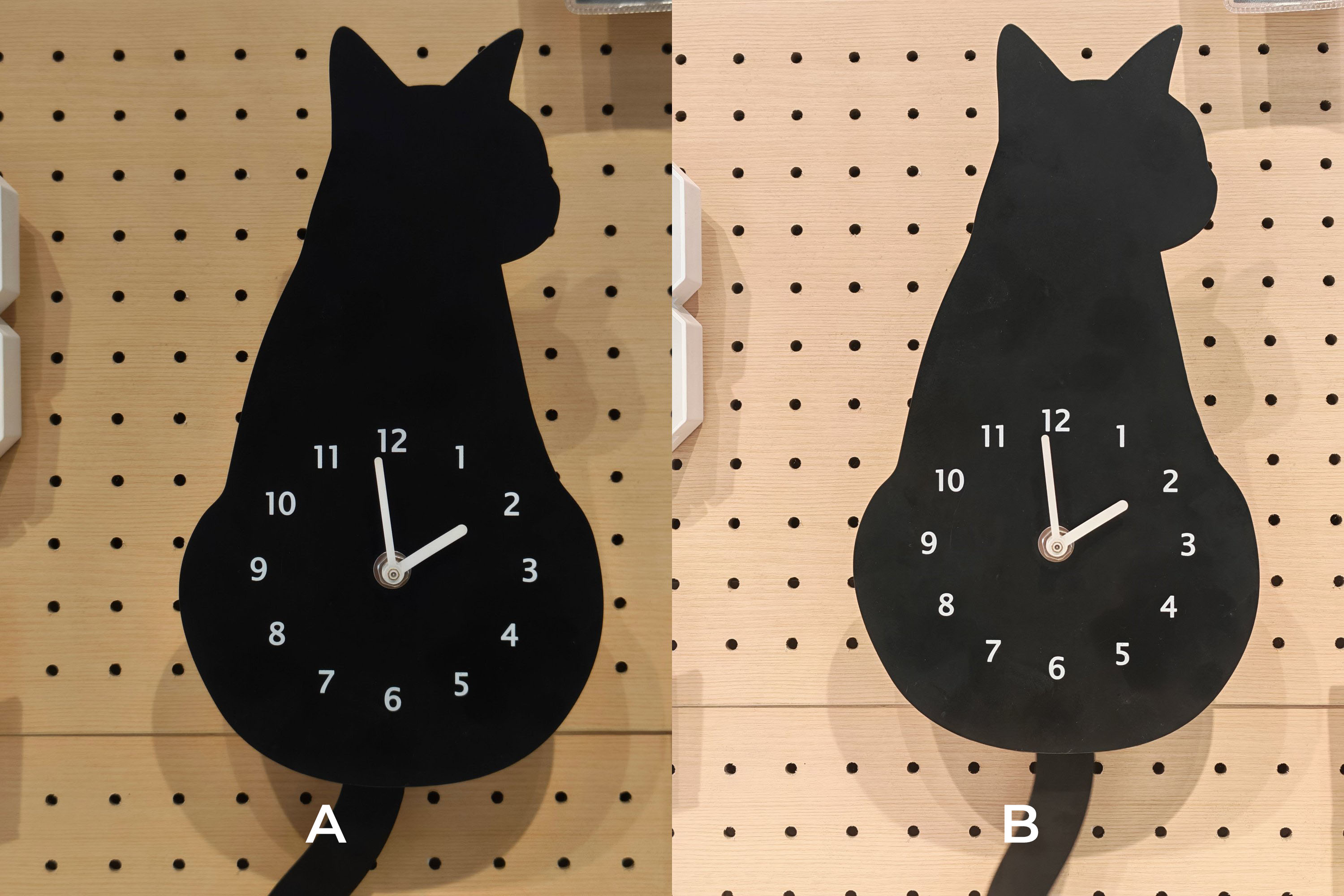
The massive 200-megapixel main camera of the HONOR 400 Pro is four times larger compared to TECNO CAMON 40 Premier’s already capable 50MP Sony sensor. Obviously, that comes in very handy when taking zoomed shots via in-sensor cropping.
However, can you even tell which sample belongs to which smartphone?
M1

M2
M3
M4

M5
M6
M7

M8
M9
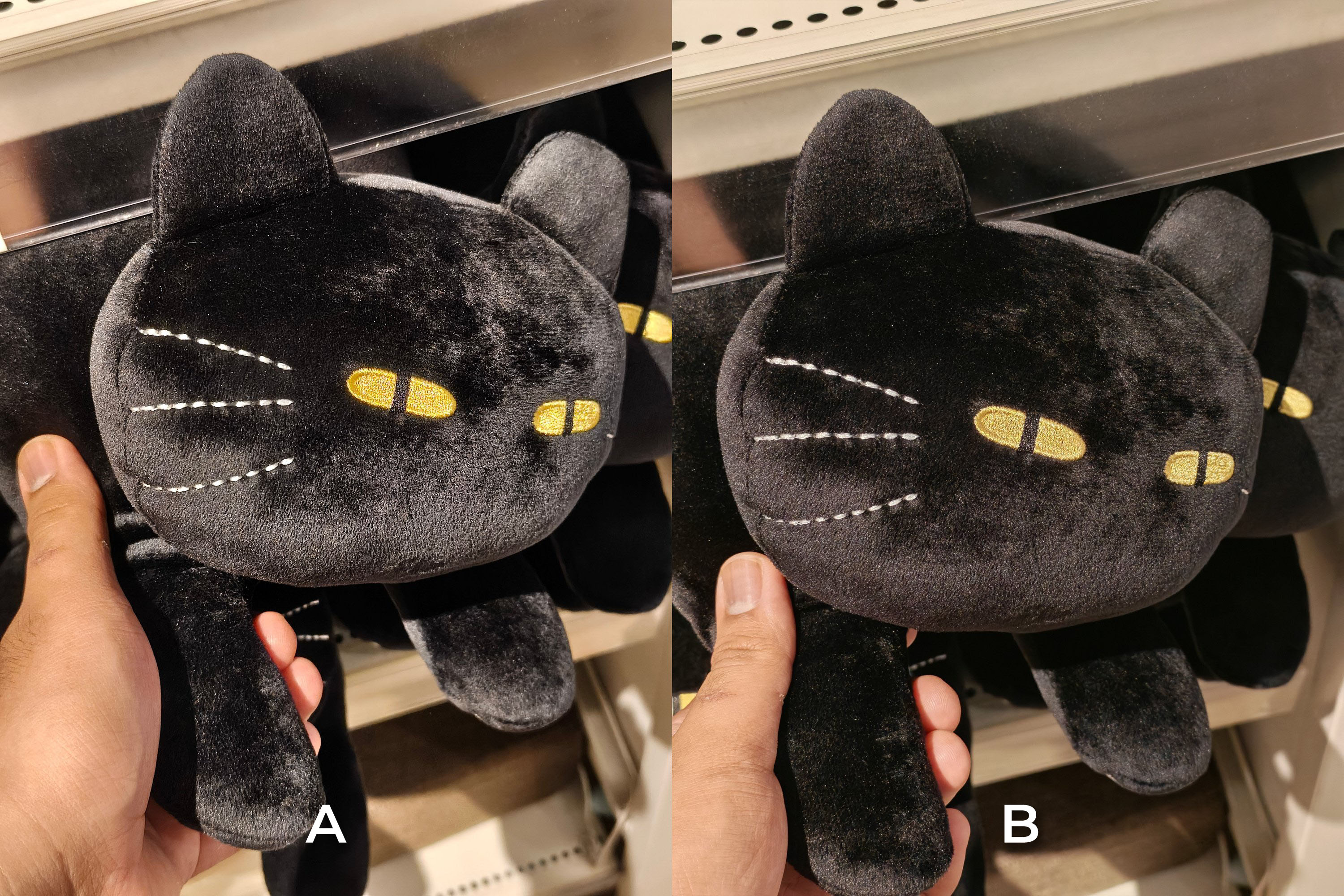
3x Optical Zoom
The crème de la crème of these two phones are their zoom shooters.
While lens structure are different (again, telephoto for HONOR while periscope for TECNO), which one gives THE better optically-zoomed shots?
ZO1
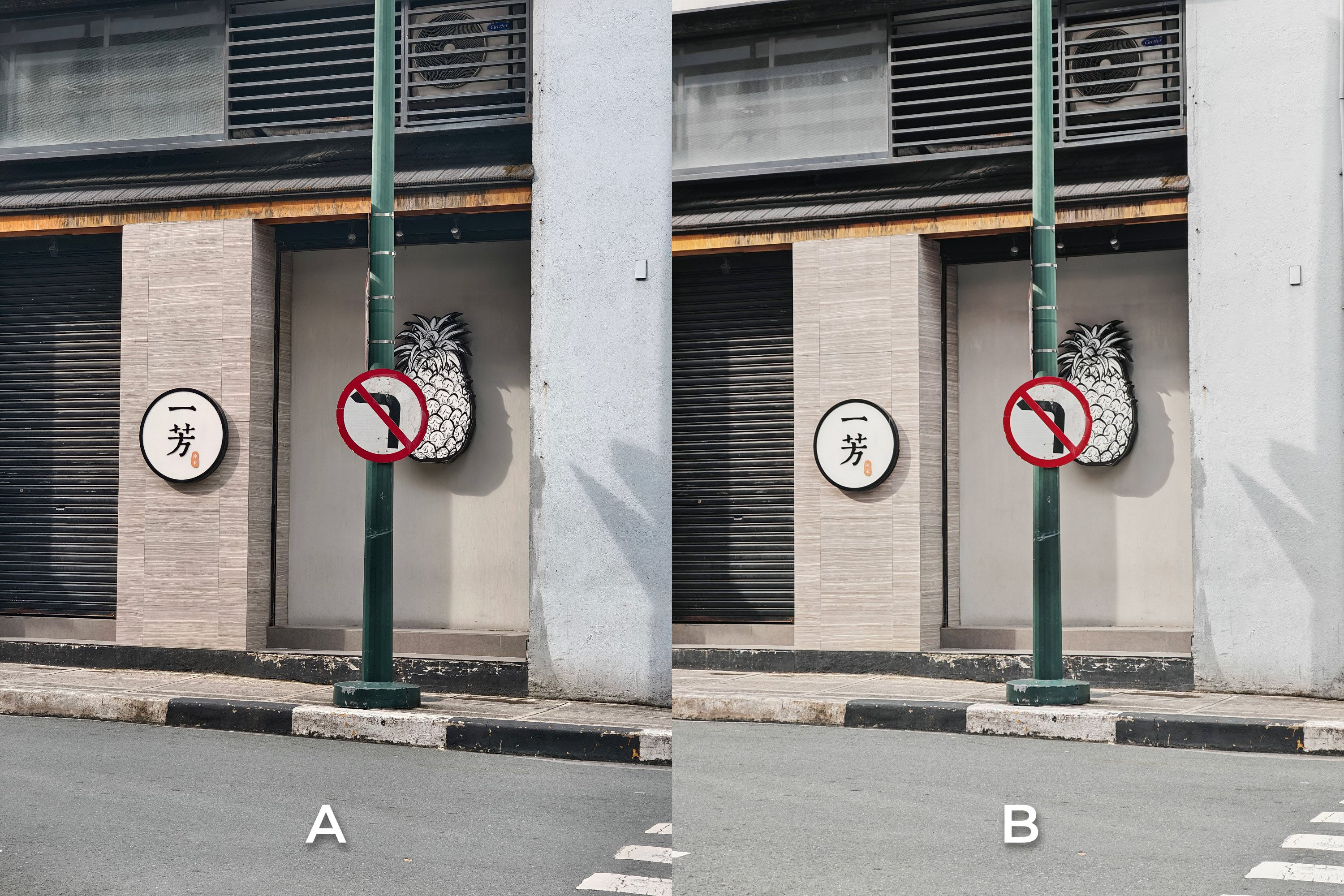
ZO2
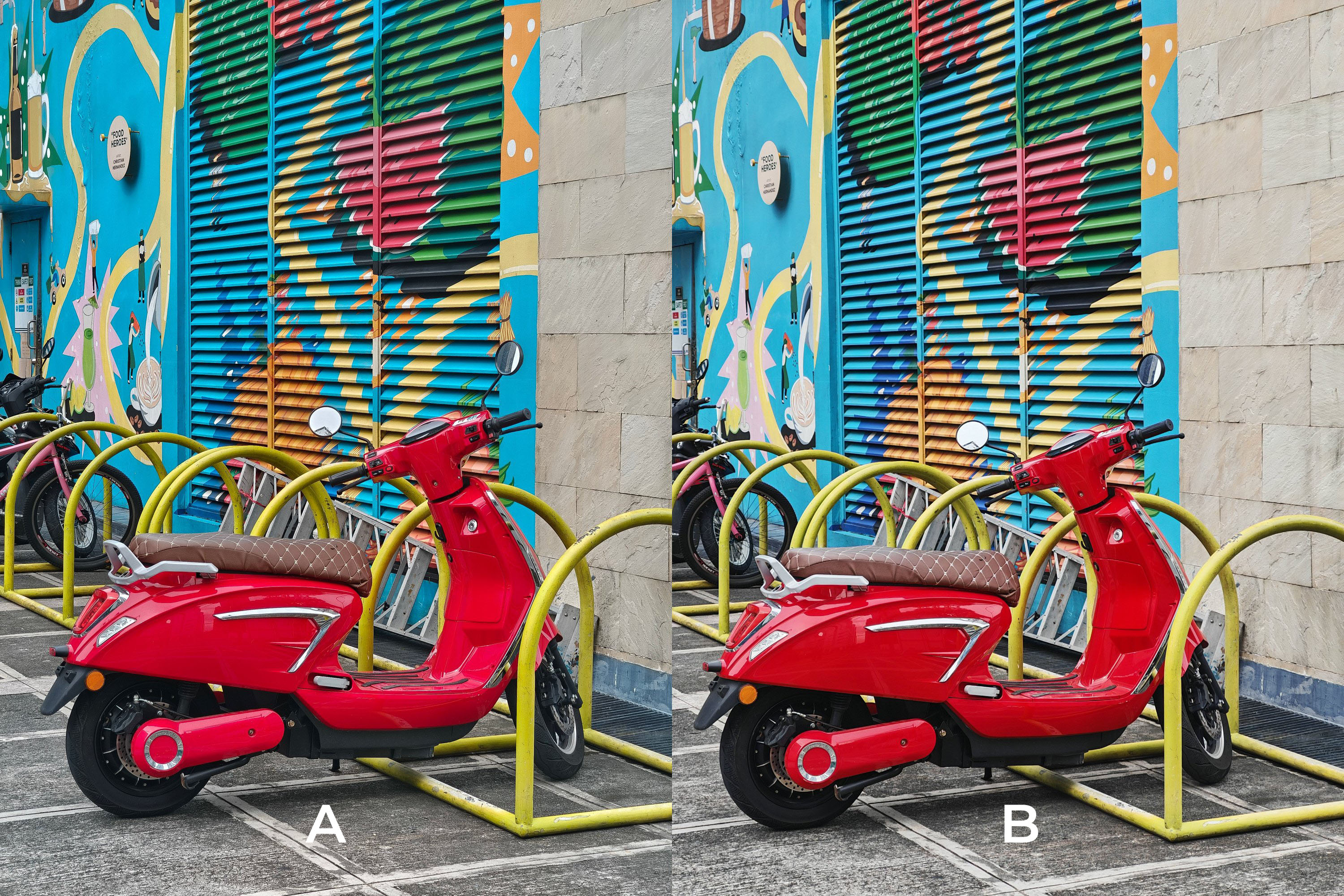
ZO3
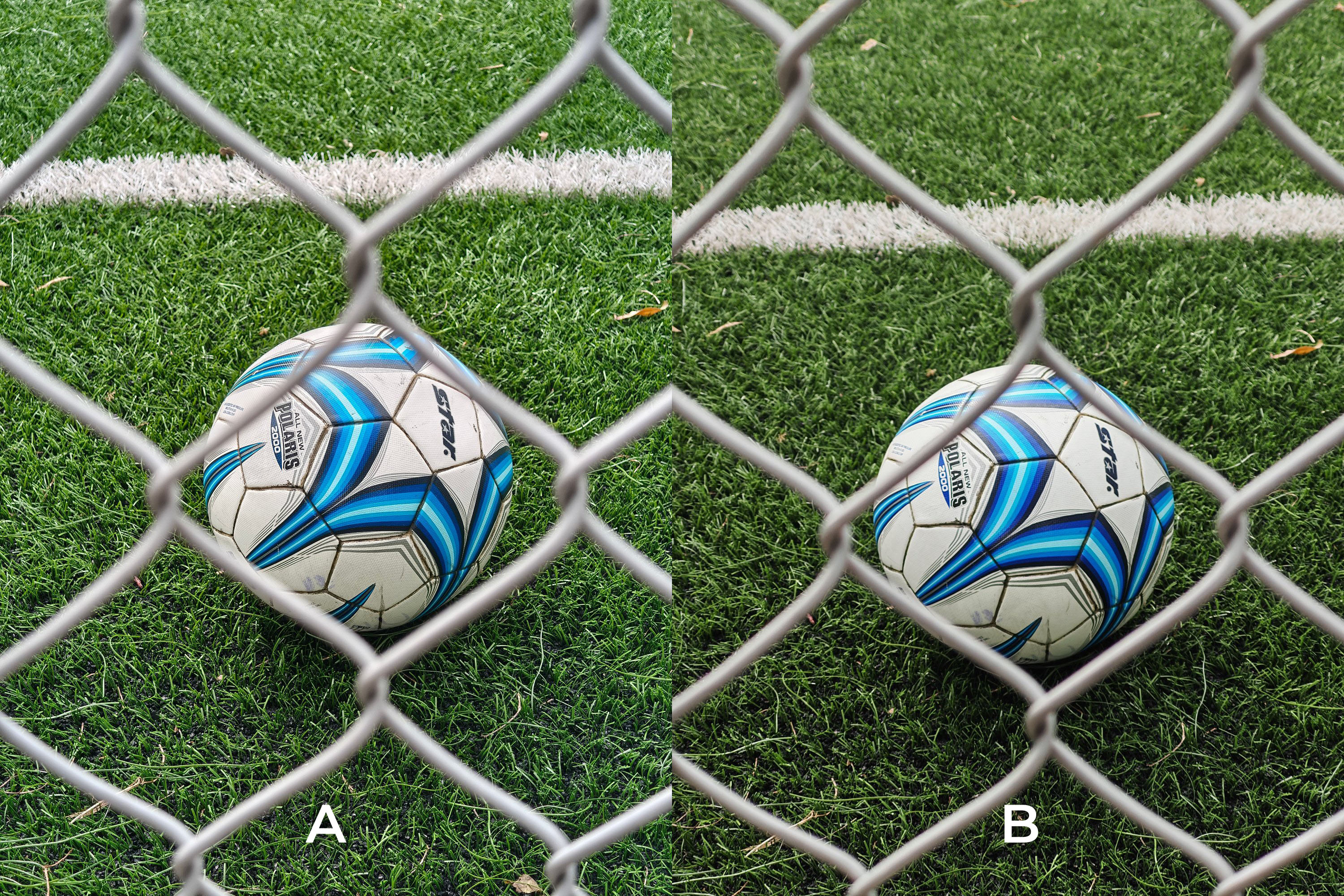
ZO4

ZO5

ZO6

ZO7

ZO8
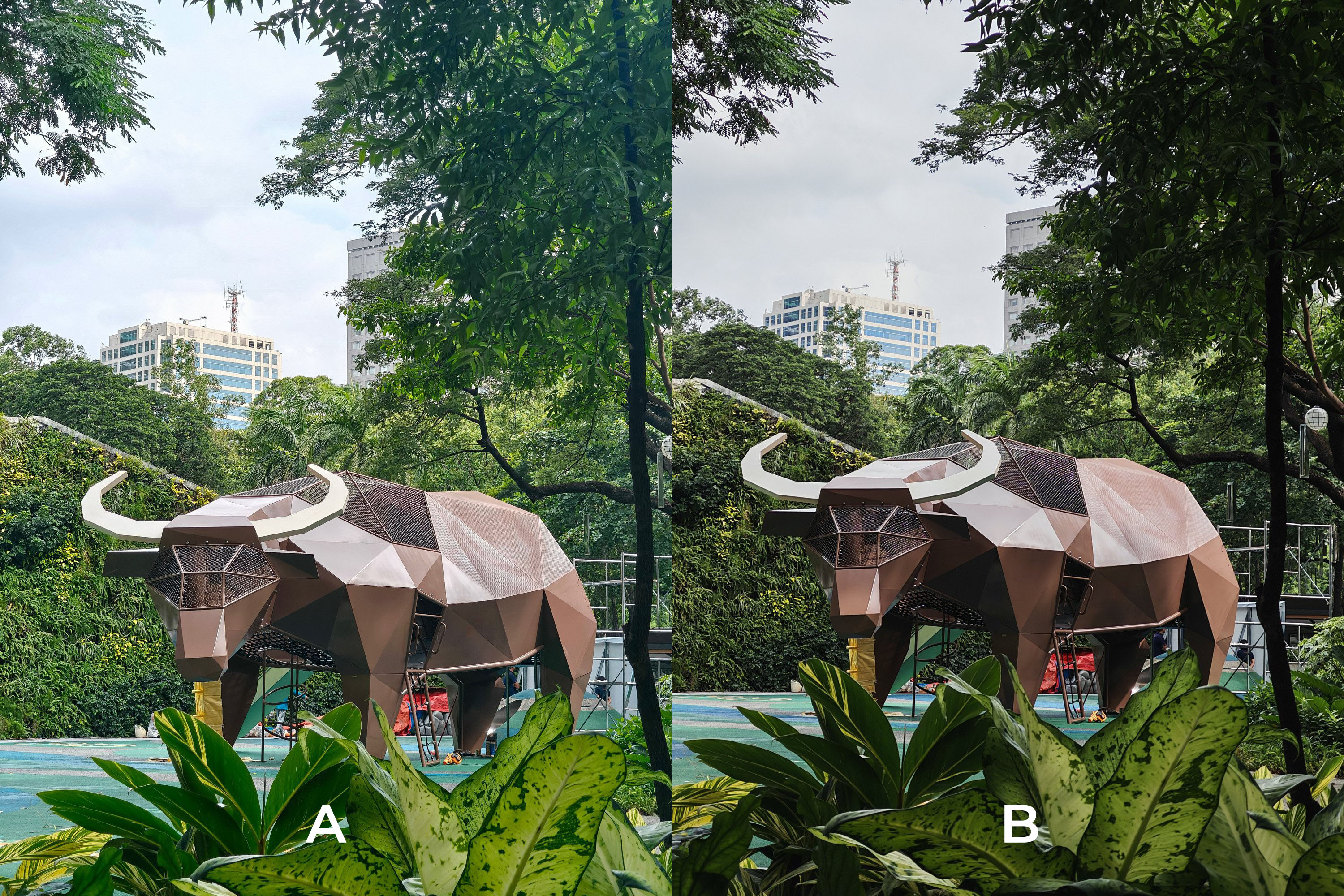
ZO9
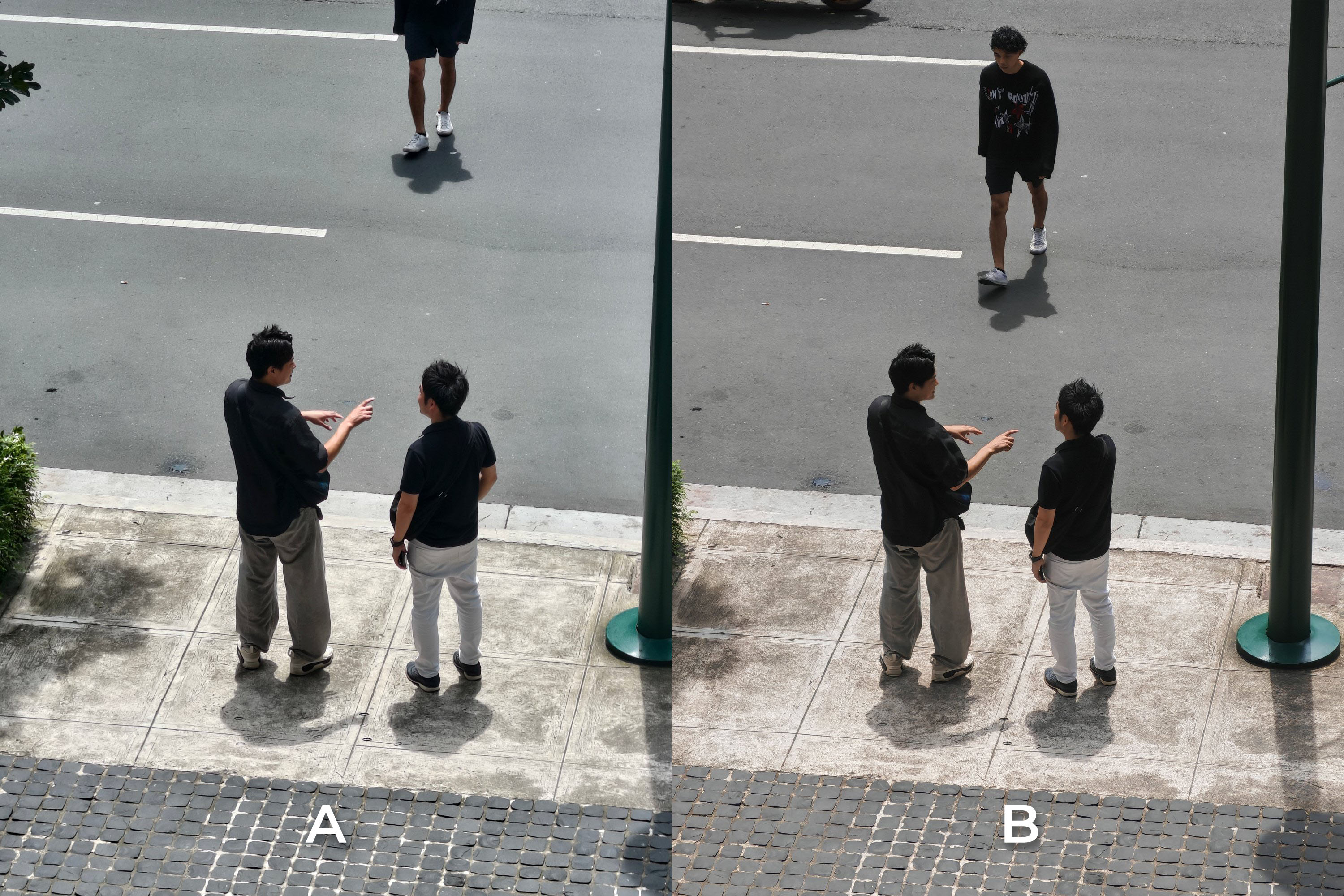
ZO10
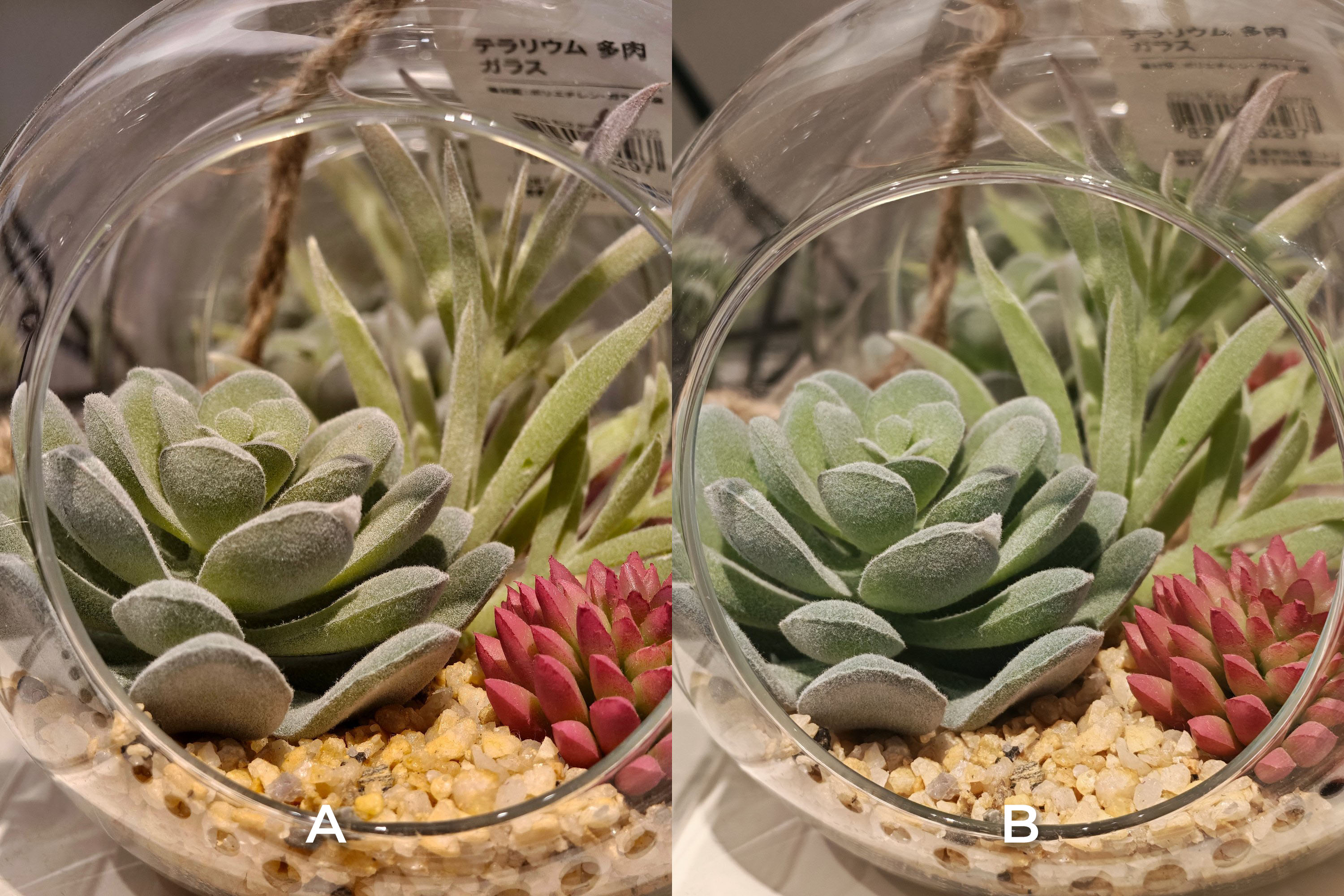
ZO11

ZO12

ZO13

Beyond 5x Zoom
Given that both phones are capable of shooting optically up to 3x, how can each phone go beyond 5x zoom?
ZB1

ZB2
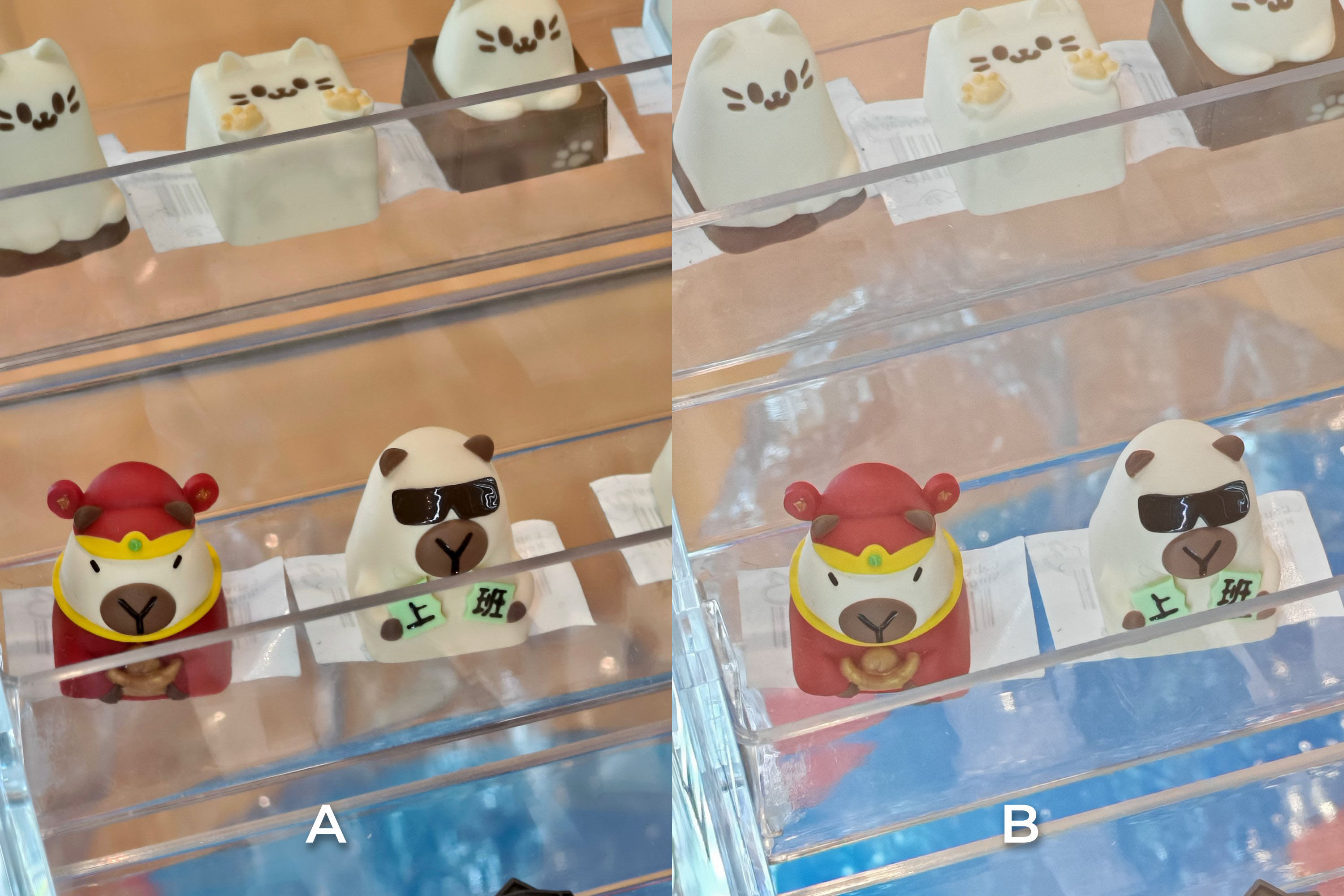
ZB3

ZB4

ZB5

ZB6

ZB7
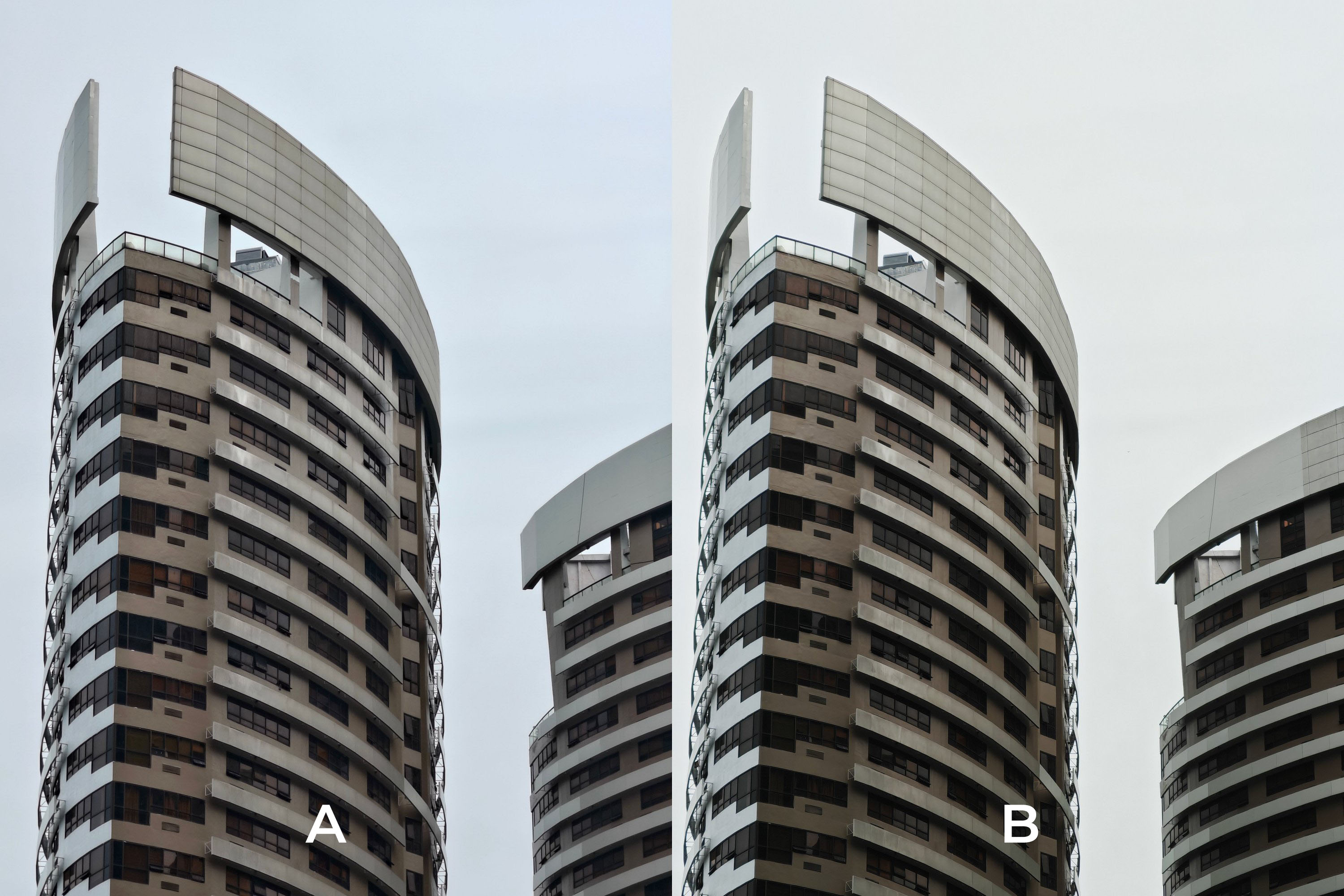
ZB8

ZB9
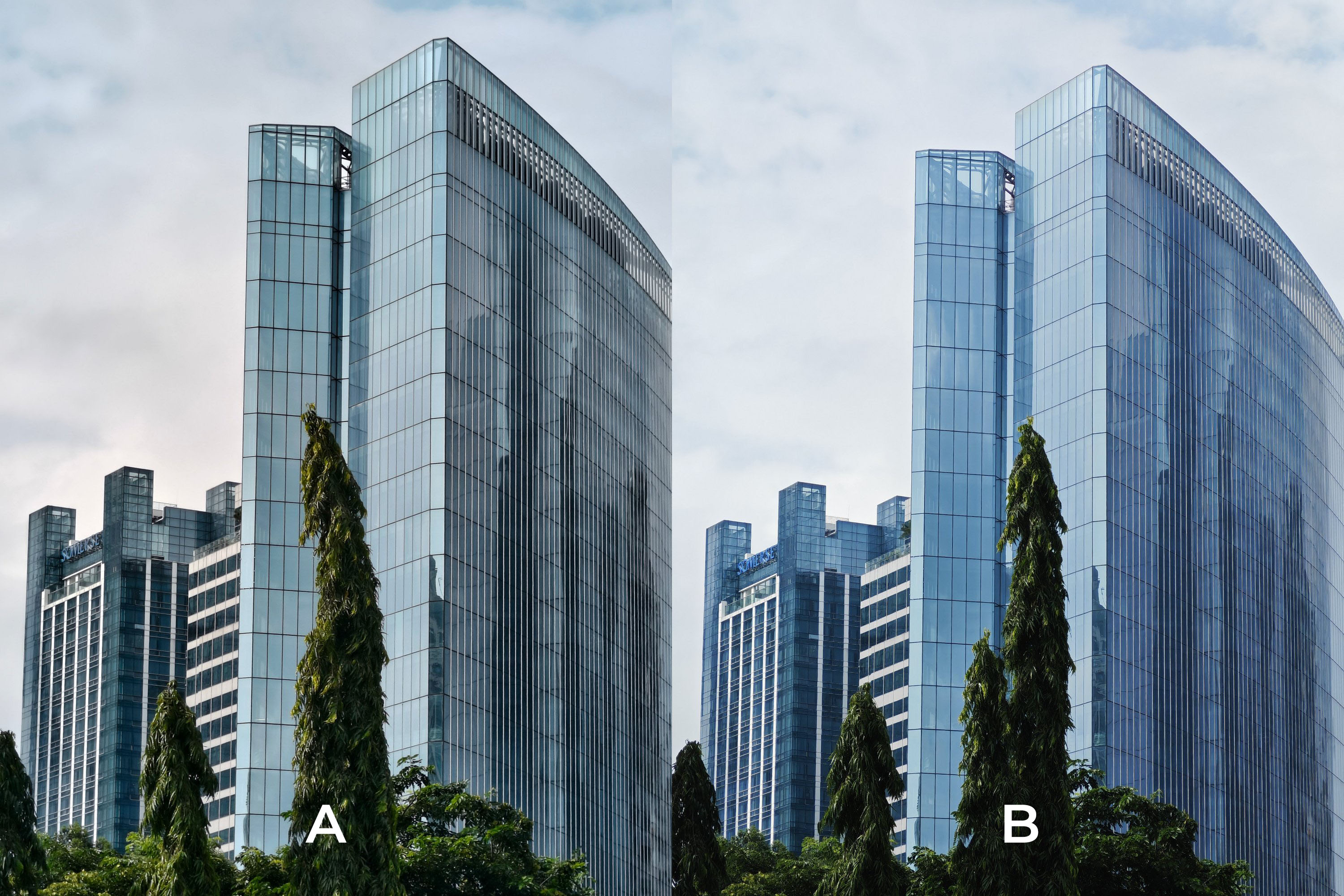
ZB10
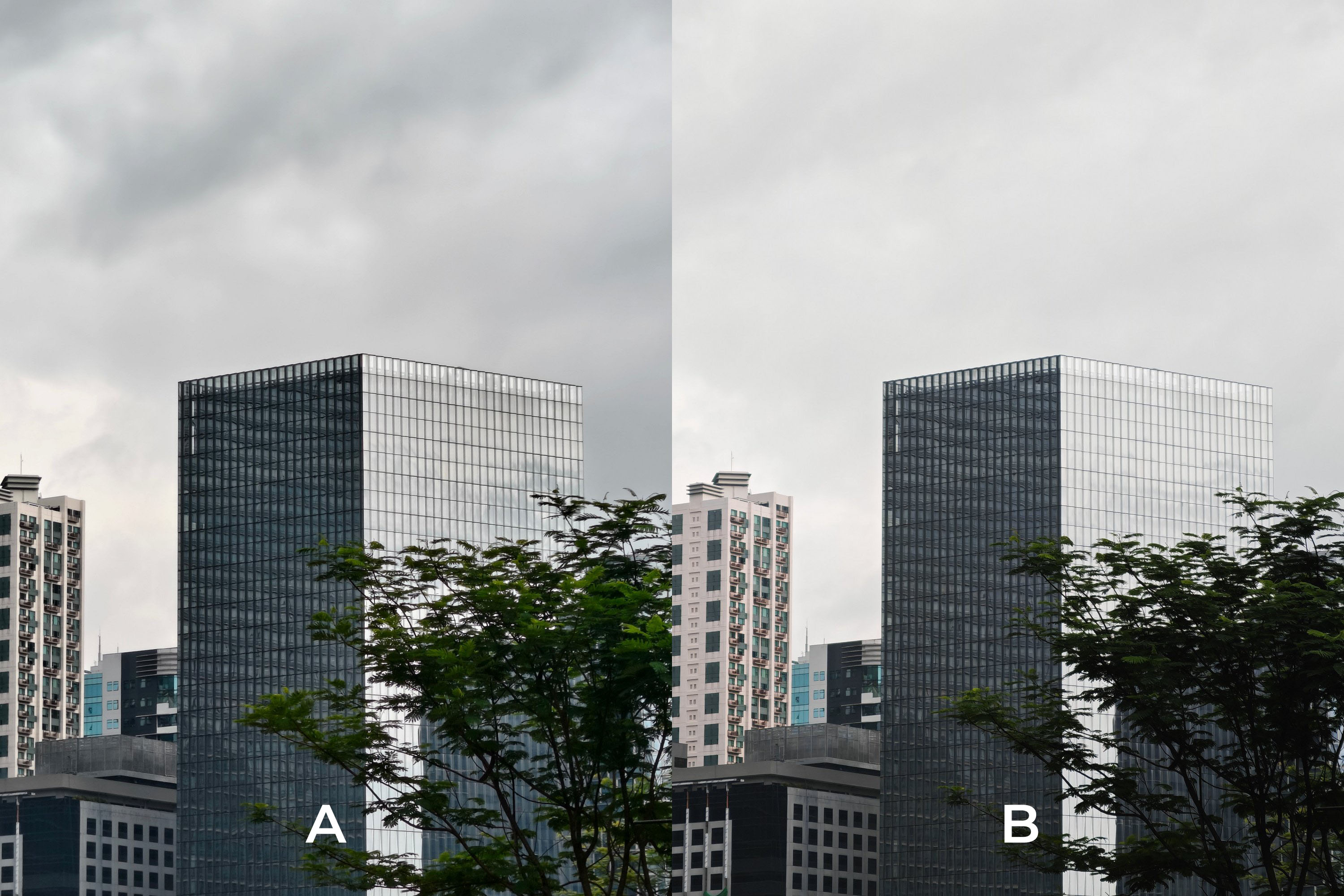
Food
Hardware is one. Software is for another.
Food shots are one of the best ways to know how good (or bad) a phone is when it comes to photo quality and color accuracy.
F1
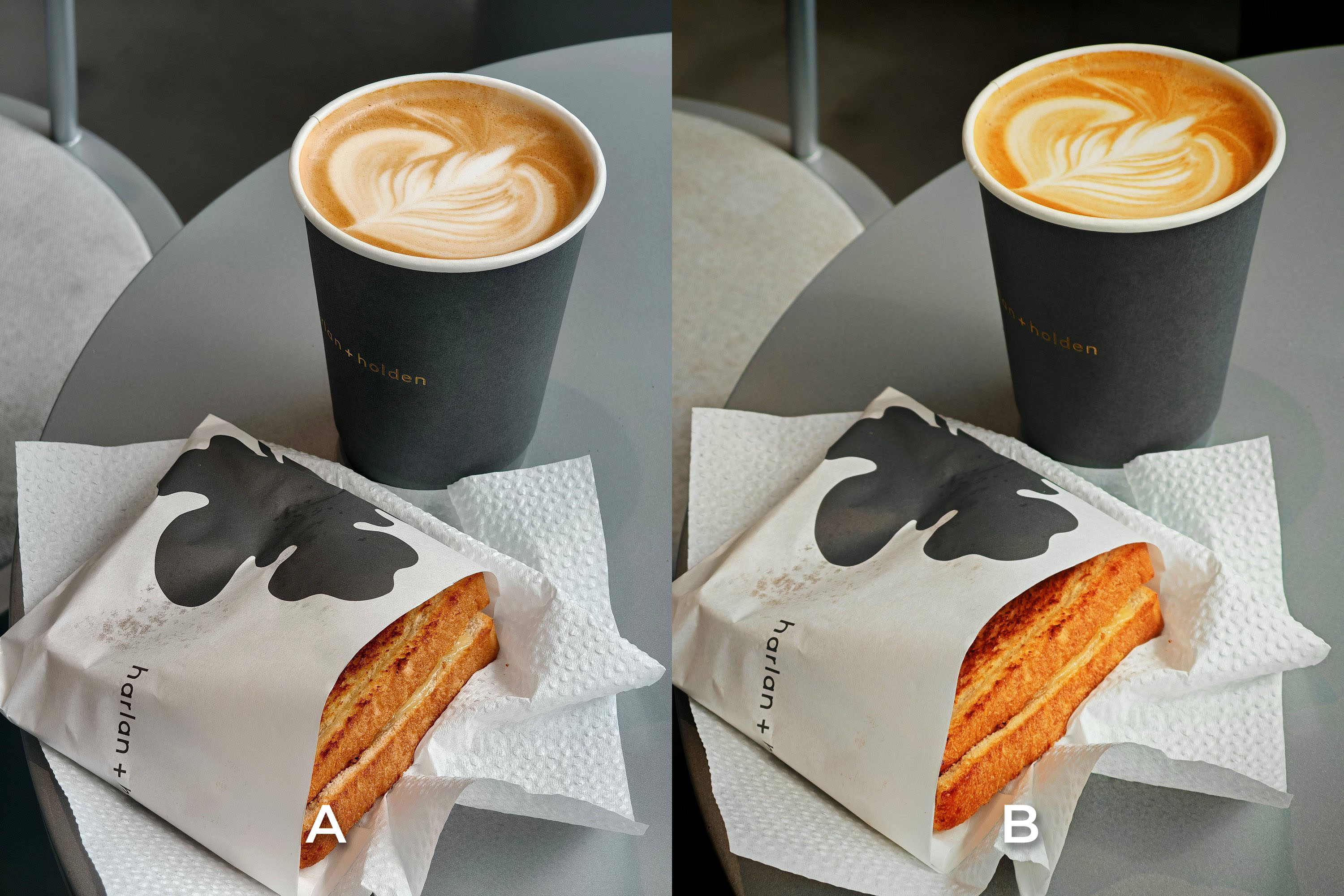
F2A

F2B
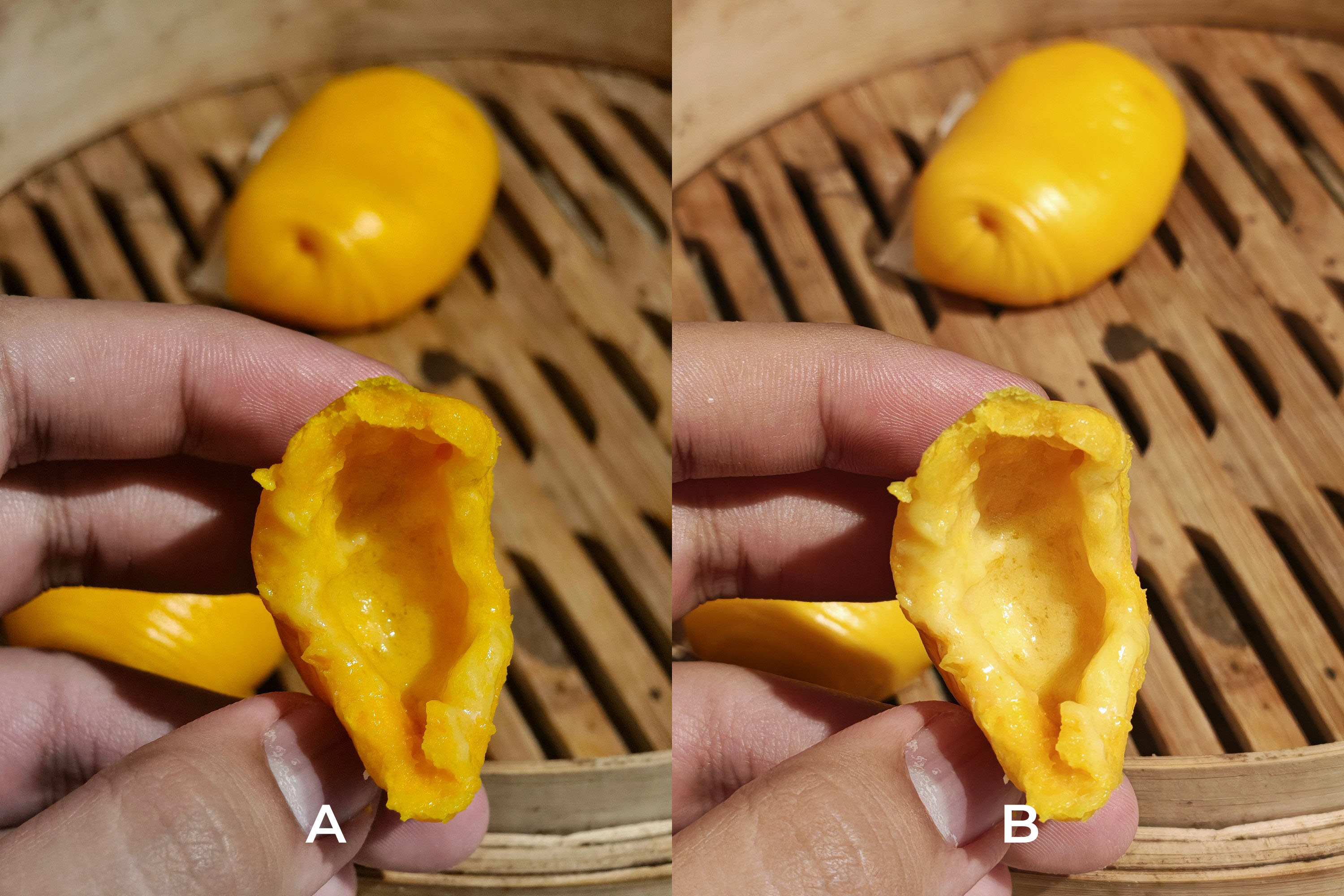
F3A
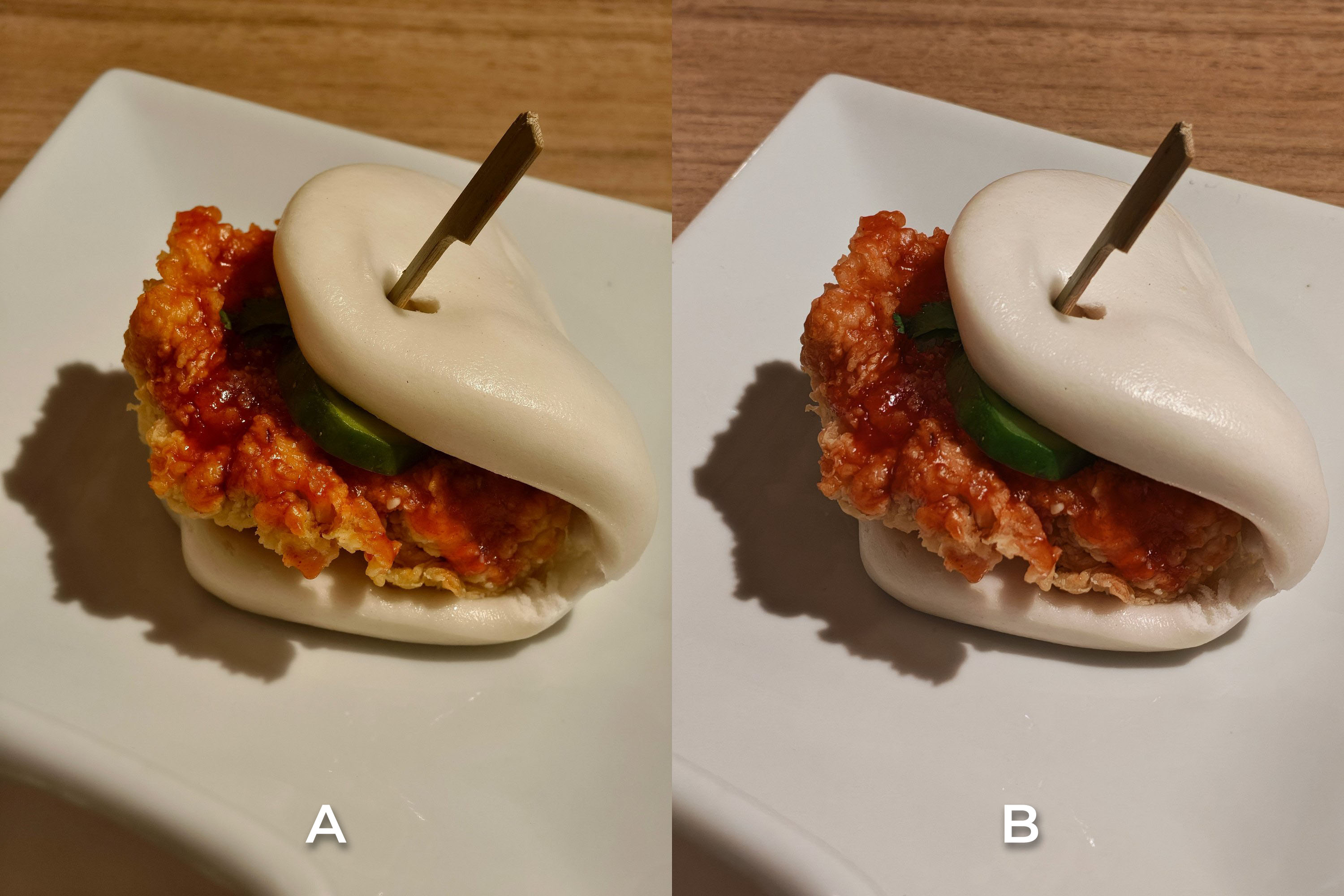
F3B
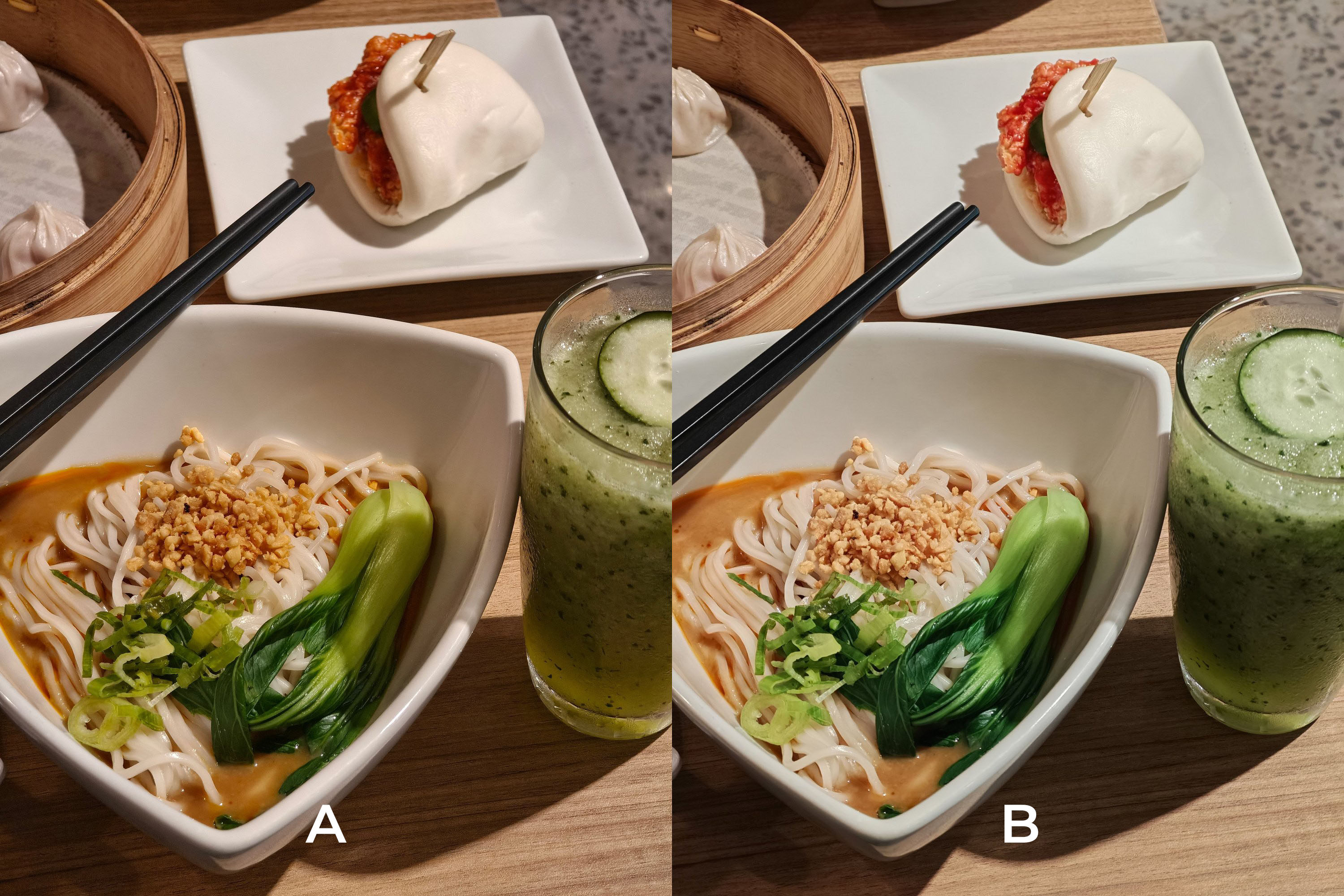
F4
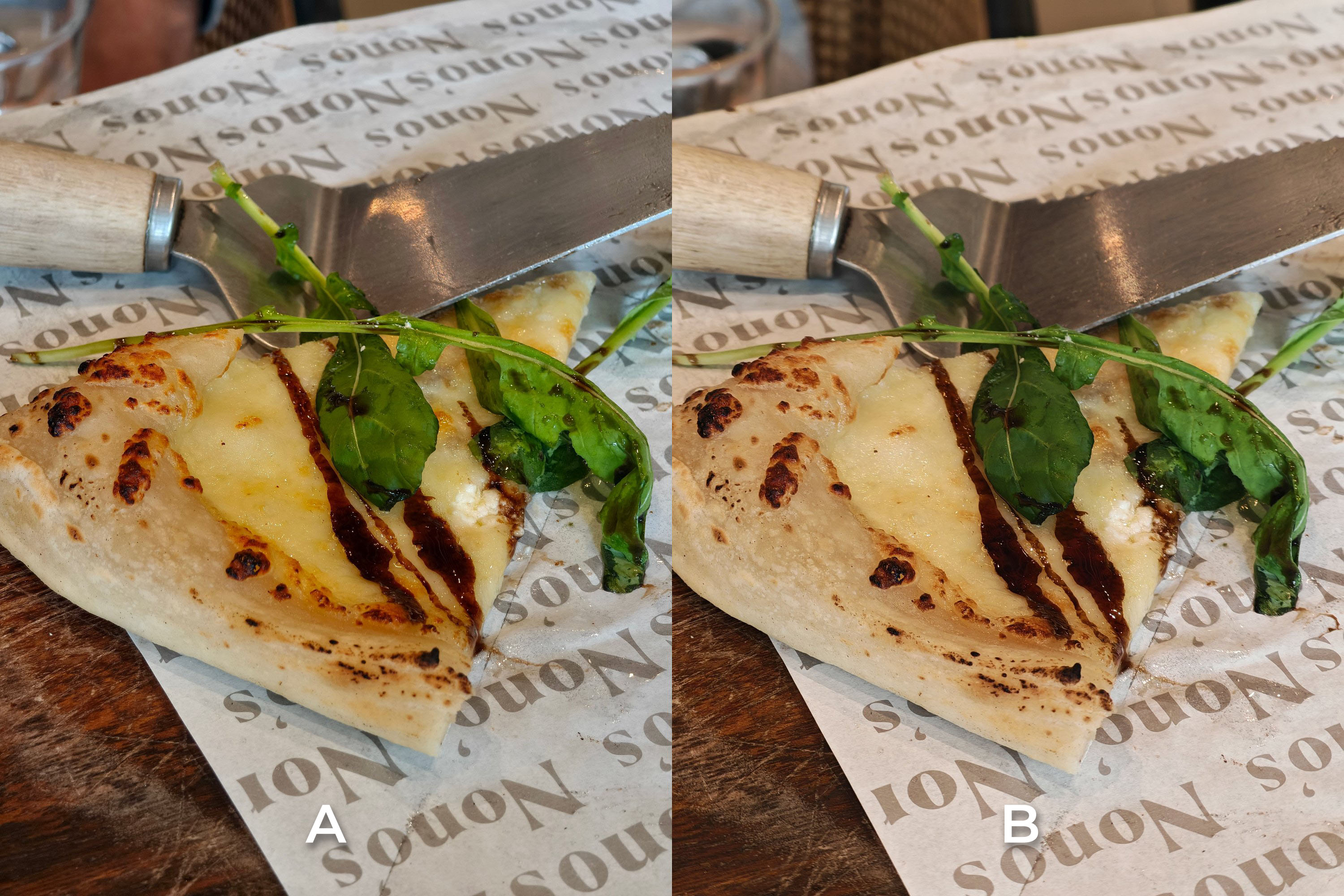
F5
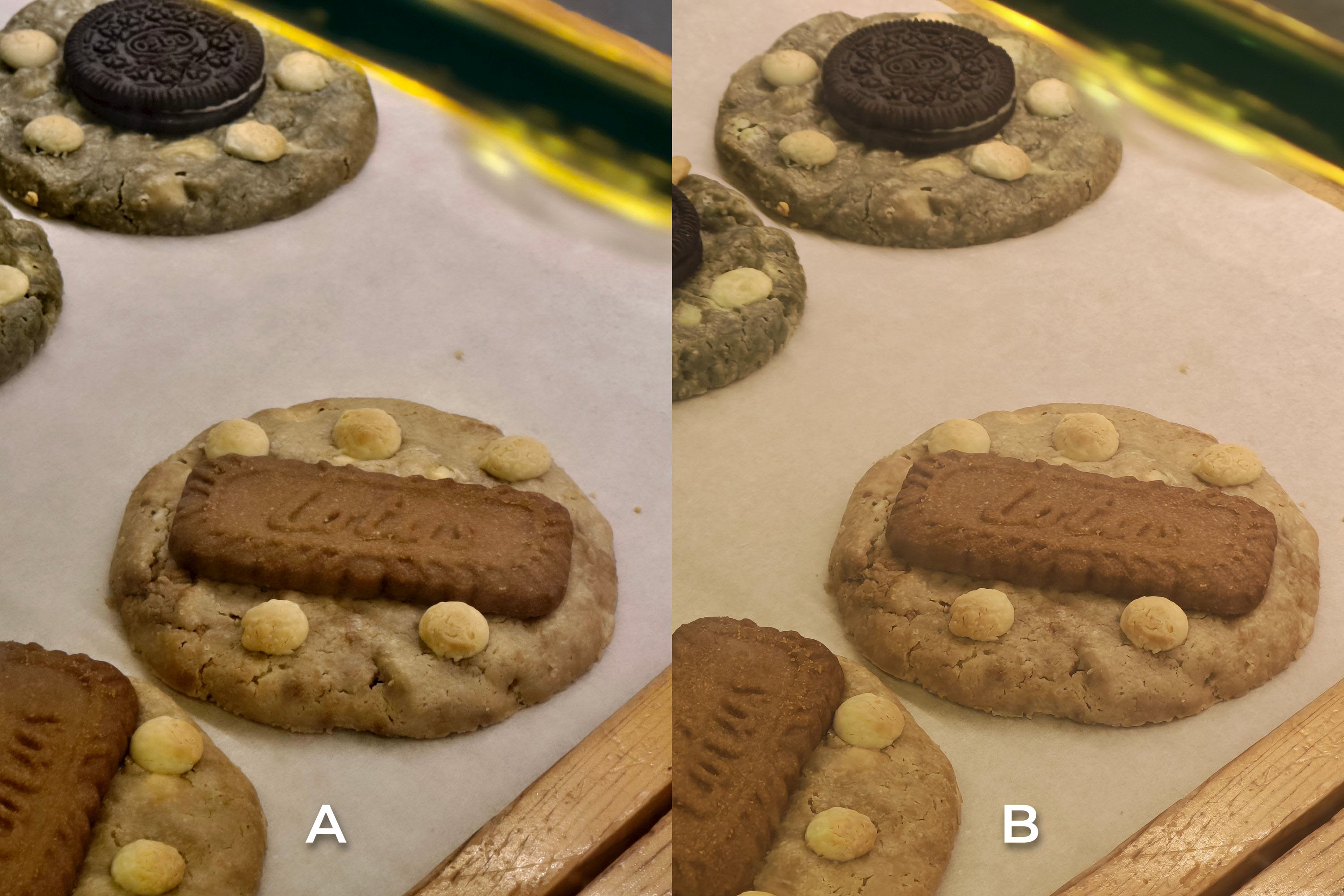
Portrait Mode
Taking creamy~licious portraits shouldn’t be a rare feat among modern-day midrangers.
But can TECNO’s standard Portrait Mode compete with HONOR’s Harcourt prowess?
PM1
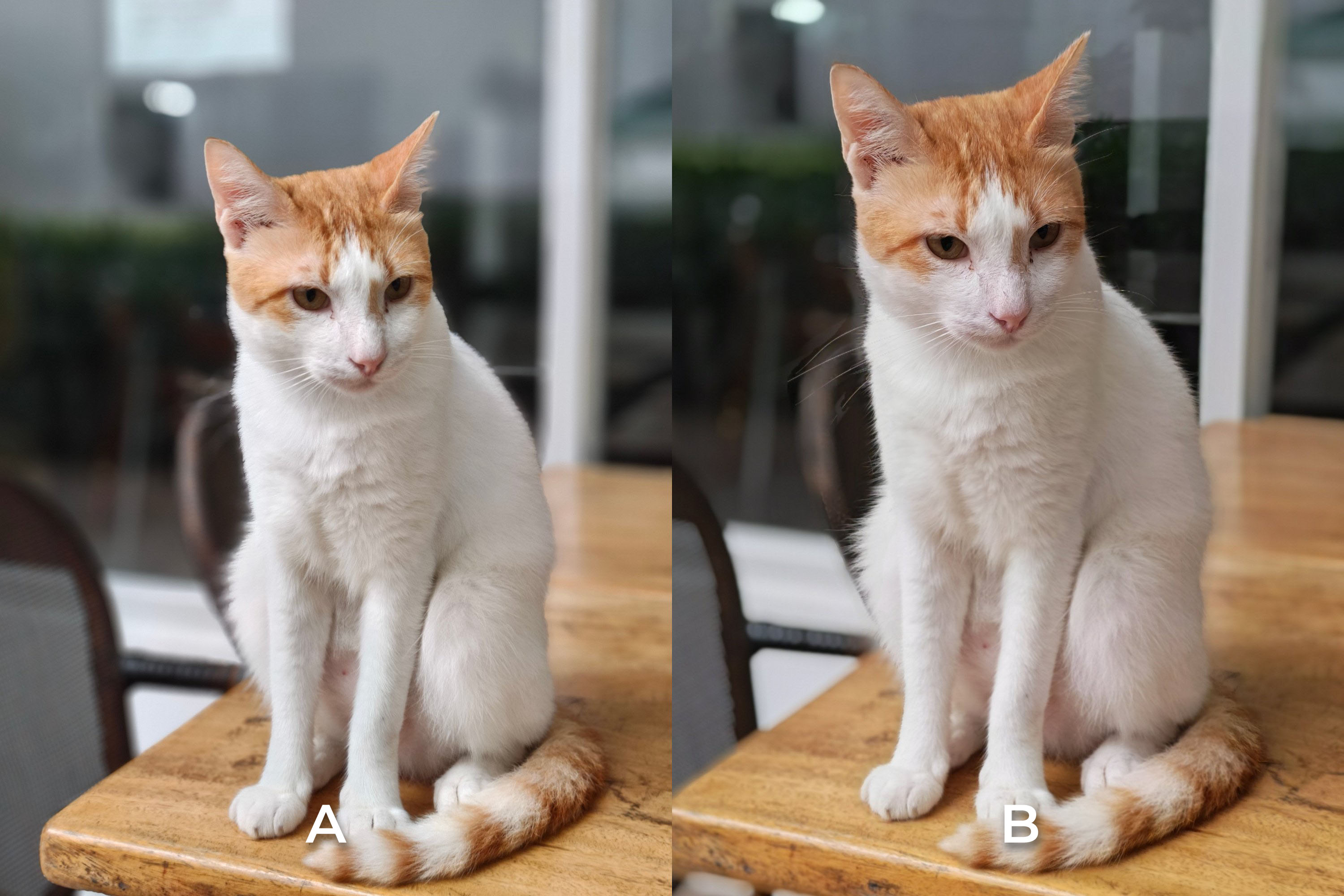
PM2

PM3
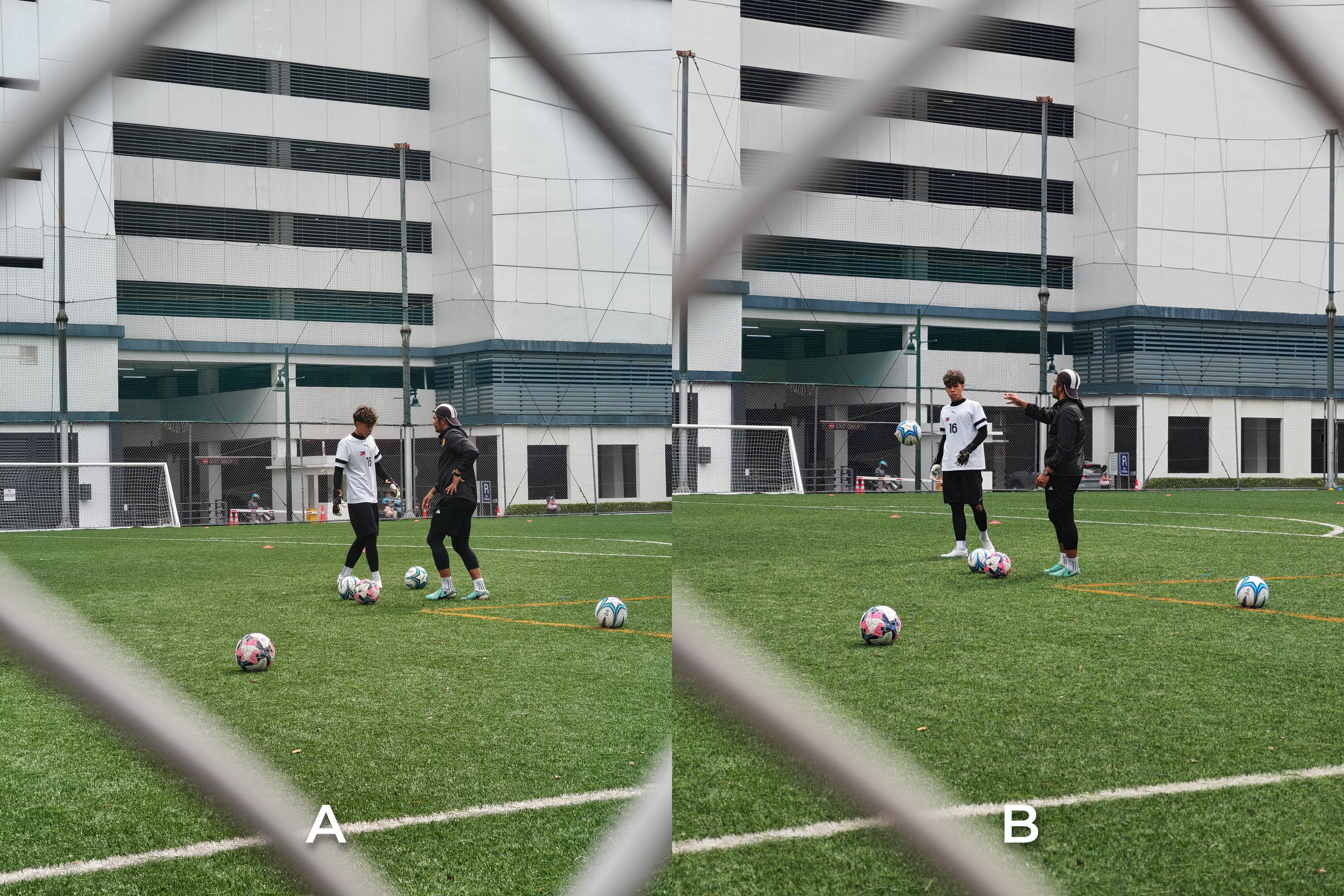
PM4
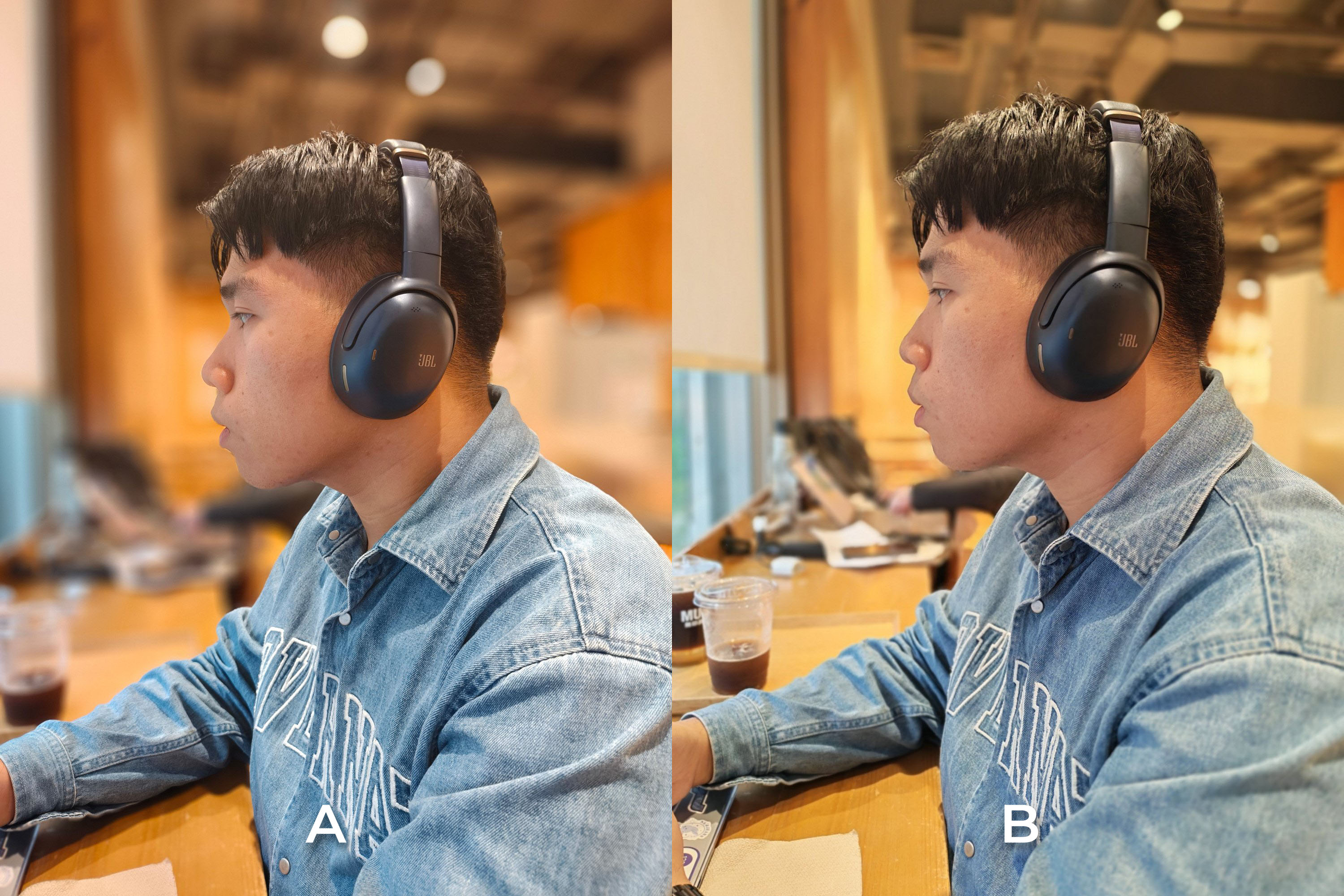
PM5
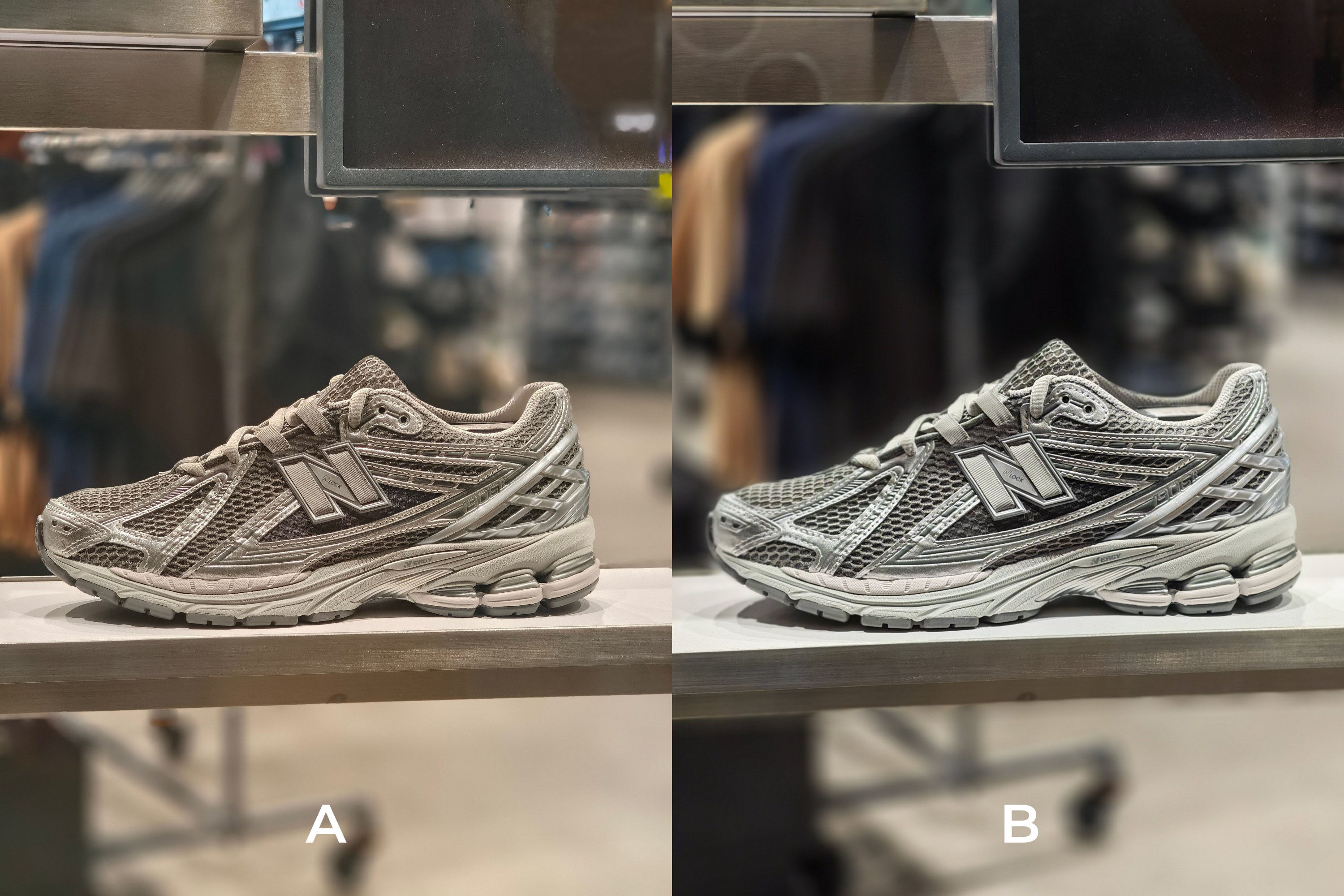
Low-Light
I said it before and I’ll say it again.
Taking shots in low-light is what makes or breaks a phone’s photography performance.
LL1

LL2
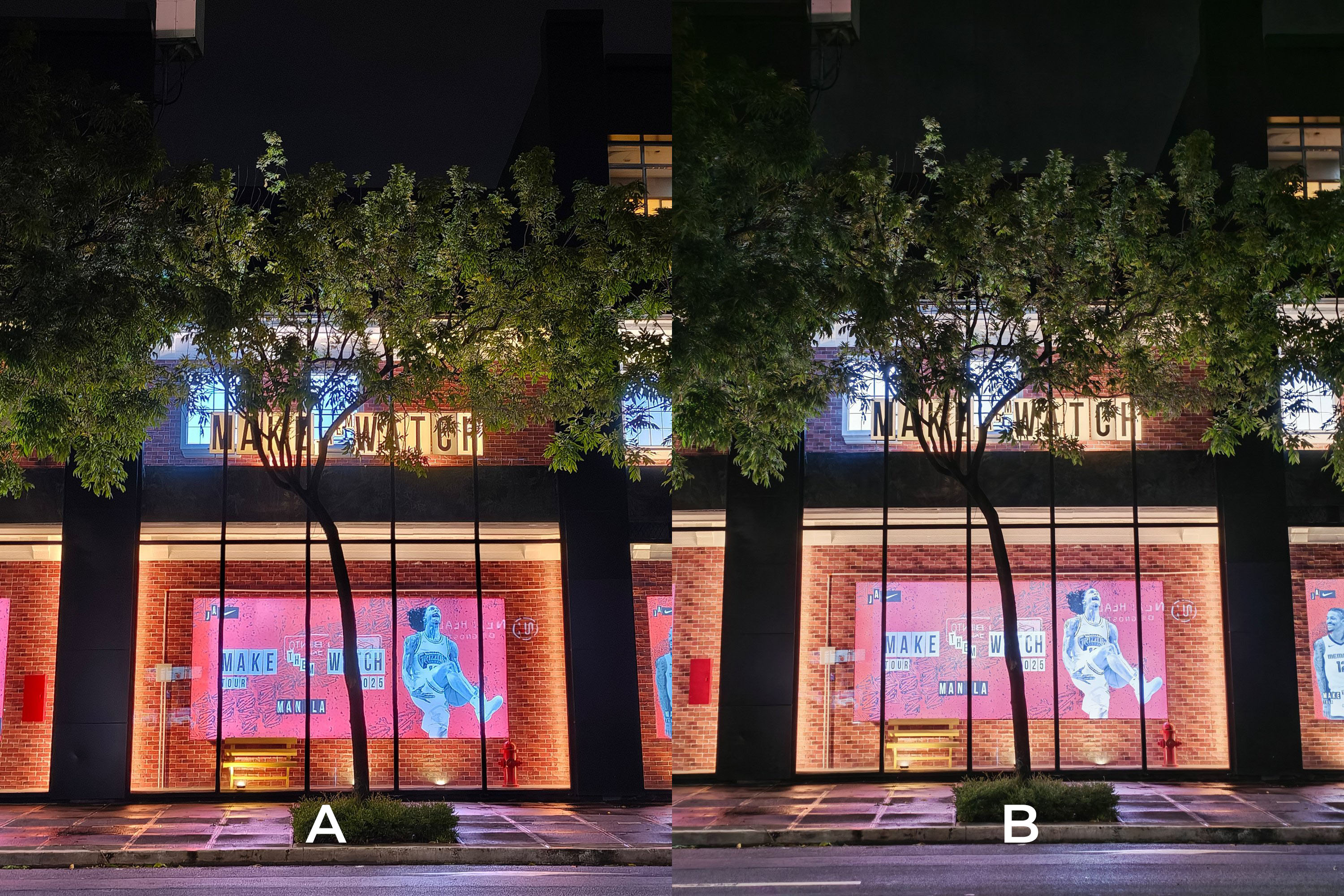
LL3
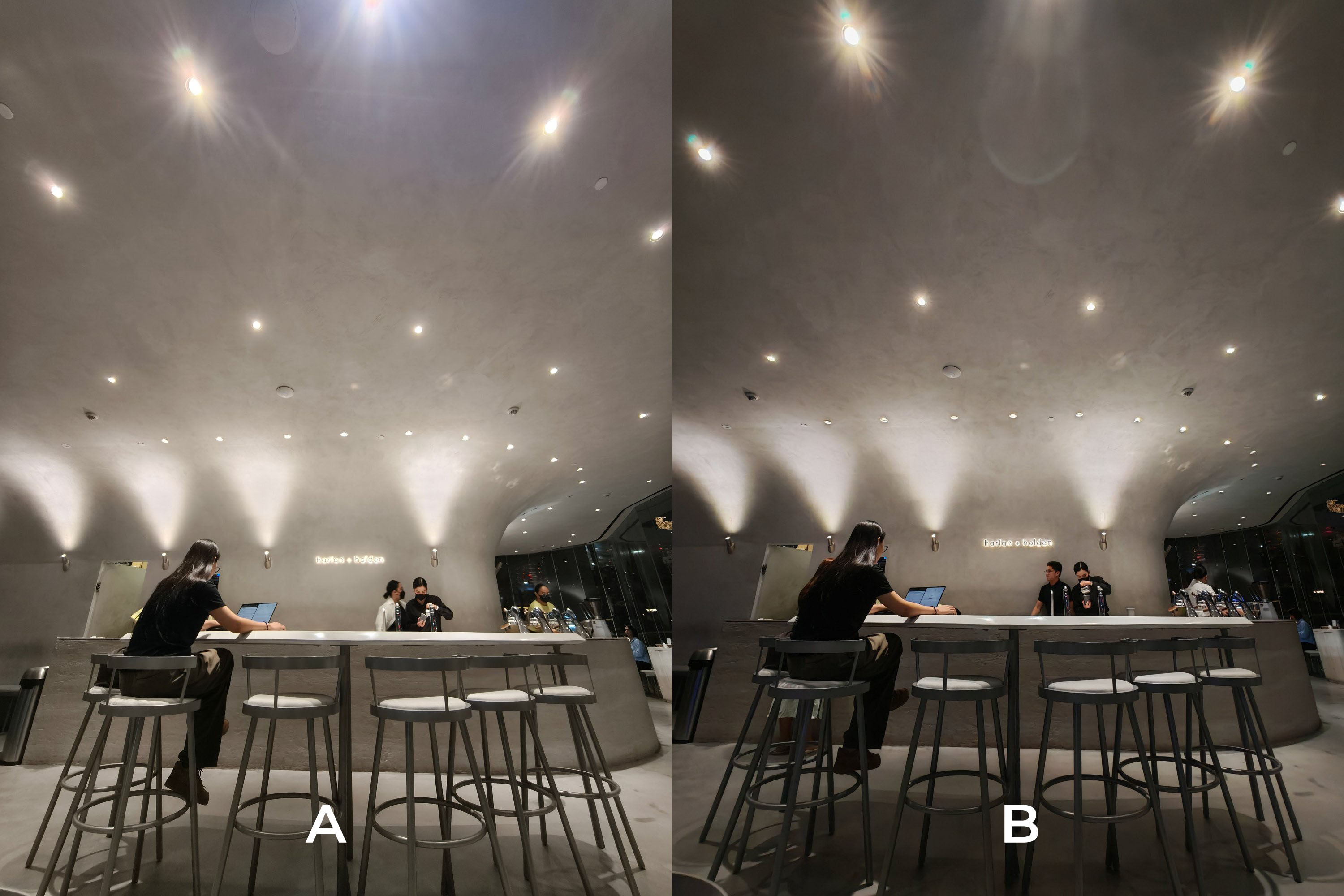
LL4

LL5
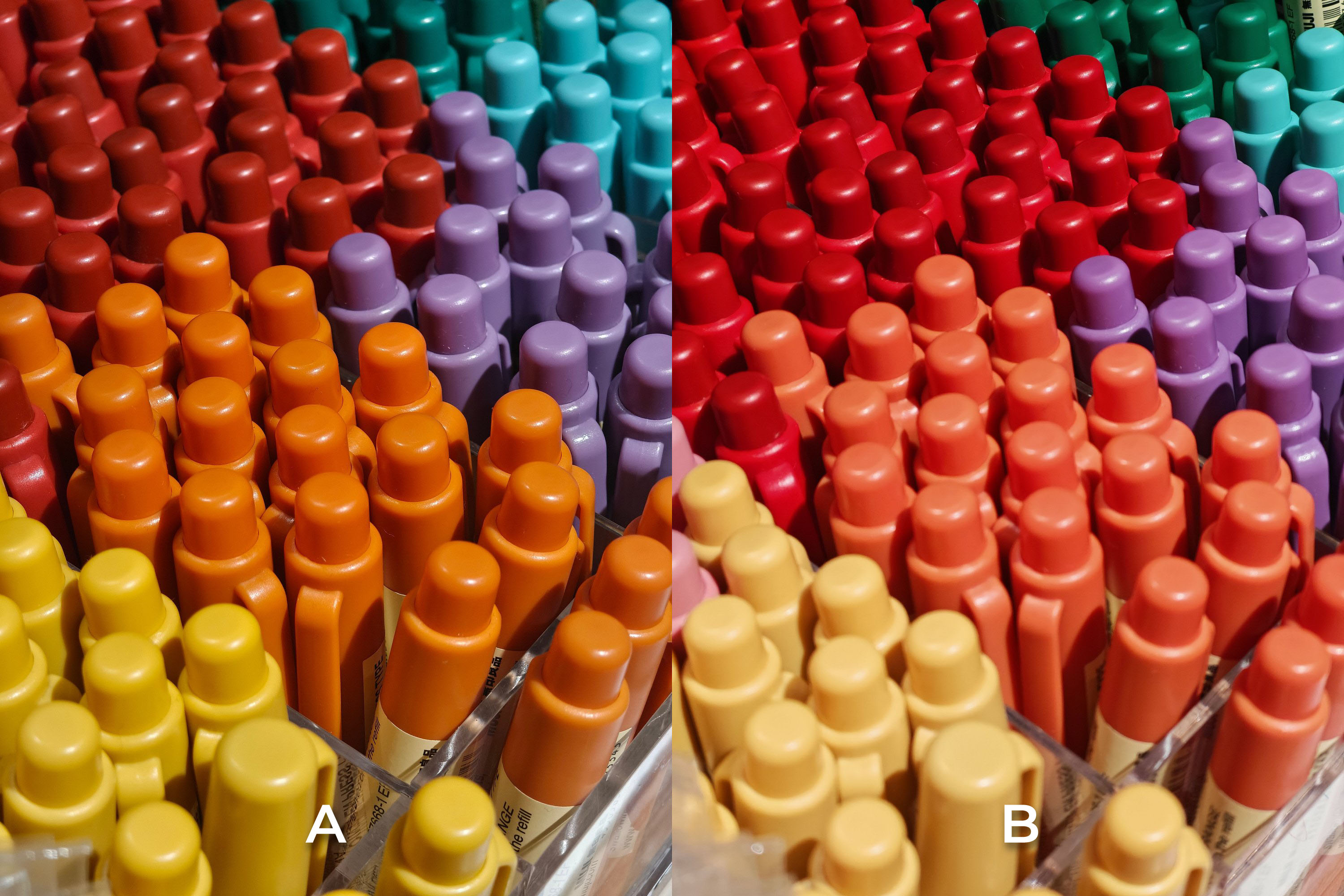
BONUS: Selfie
B1A | Ultra-Wide Portrait ON

B1B | 1x Wide Portrait ON

B2A | 1x Wide Portrait OFF

B2B | Ultra-Wide Portrait OFF

Results
Notice a pattern? Or lack thereof?
Well, the results are definitely consistent.
Conclusion
At first, it’s kind of hard to distinguish which phone is which.
For instance, the ultra-wide, 1x wide, and 2x photos of the TECNO CAMON 40 Premier leaned more onto the cooler side. However, the contrary happens in Sample Sets M5 / M8 / M9 where the shots are warmer than its HONOR counterpart.

If you zoom in further, HONOR 400 Pro’s 200MP main sensor doesn’t have a huge advantage — delivering somewhat the same amount of detail compared to the CAMON 40 Premier.
Except for Photos ZO6 / ZO8 / ZO9 / ZB7 / ZB8, consistency in warmness continues among photos taken in the CAMON 40 Premier’s 3x periscope zoom lens.
How natural is “Natural”?
Despite choosing the “Natural” Color Mode in the HONOR 400 Pro, Sets M4 / ZO12 / ZO13 / LL5 truly showed lack of saturation with its washed out photos. That same look is even evident in 5 out of 7 food shots.
It also struggles to capture a balanced dynamic range. Making Set M3 as an example, look at how blown-out the highlights of the night lights have turned out in HONOR versus TECNO.
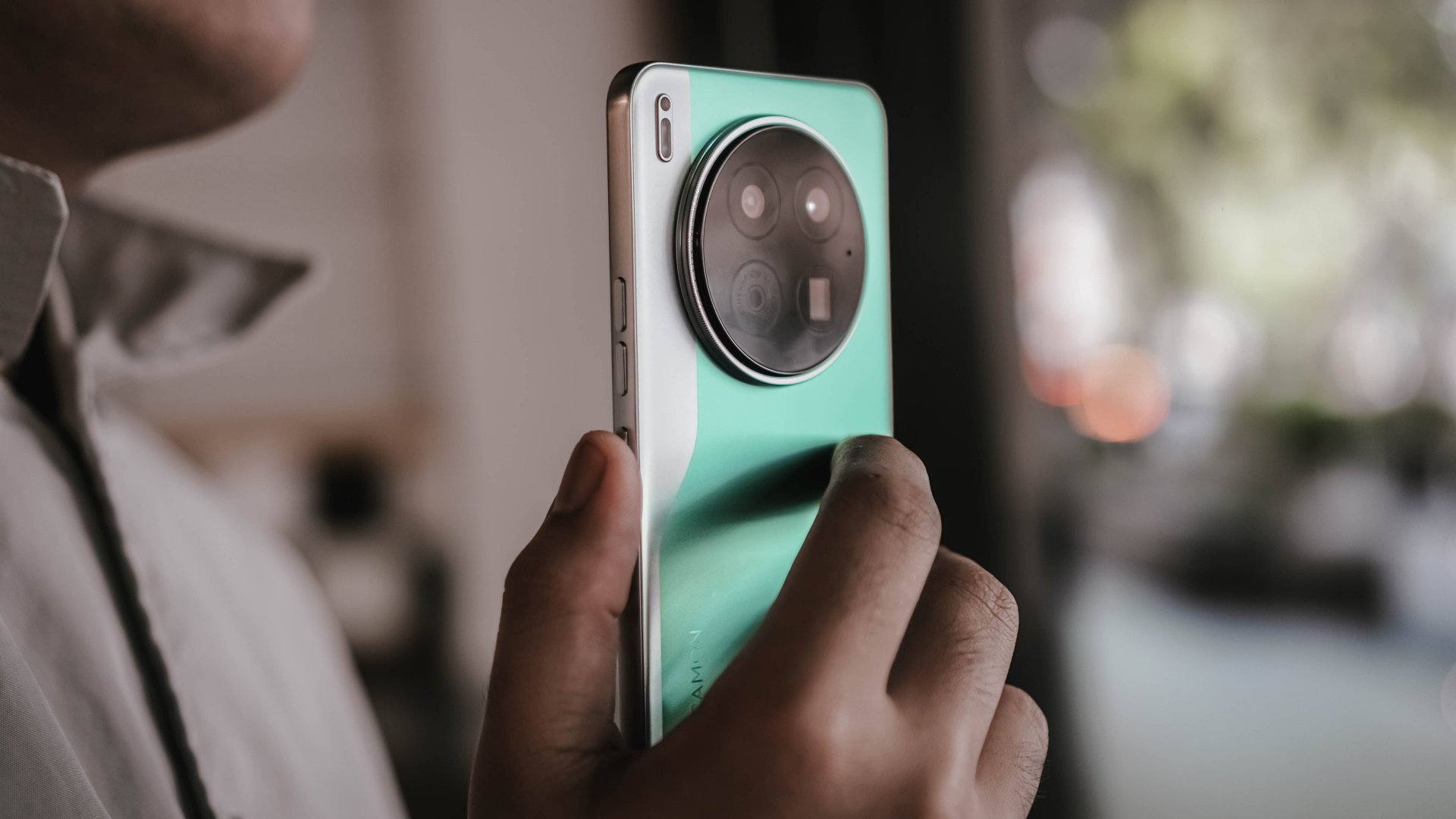
There were times when HONOR takes brighter photos but at the expense of amping up shadows and losing contrast (M4 / M8 / ZB2 / ZB3). Inconsistently, the results turned out the other way around in Sets U1 / U2 / U4 with lower exposure and darker shadows.
Photos taken at night also looked dimmer versus TECNO’s post-ready low-light takes.
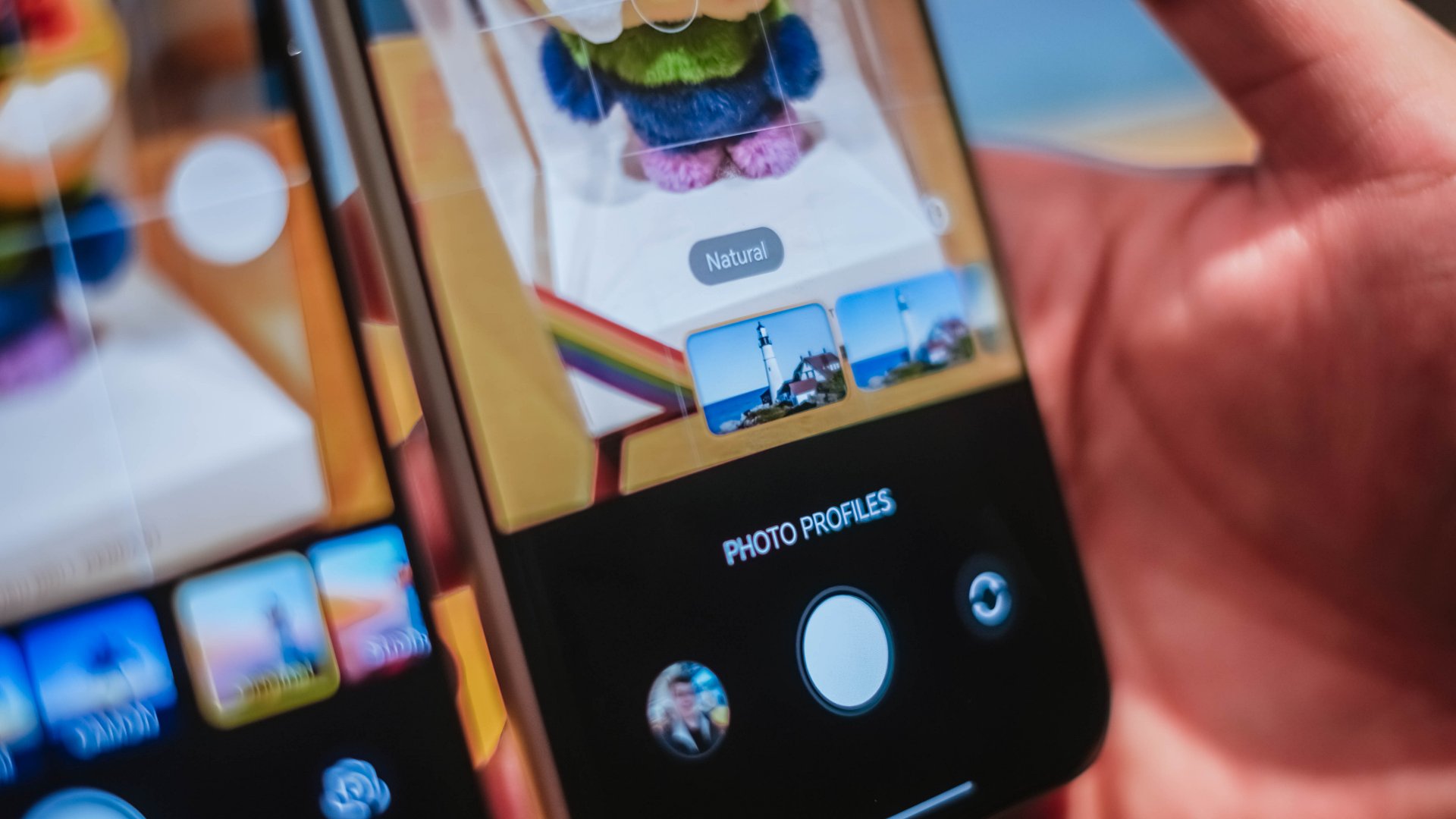
HONOR’s “Natural” color profile doesn’t look natural at all with its inaccuracy and inconsistencies compared to how I / we perceive the actual subjects in real life.
That’s not to say the HONOR 400 Pro produces bad photos. Honestly, there are times where I preferred the HONOR more — Samples ZO6 / ZB7 / ZB8 / ZB9 are living proof to that.

If there’s a category where I think HONOR has nailed, it’s definitely the Portrait Mode with better shots and depth segmentation, properly showcasing its Harcourt specialty. Additionally, selfies looked better no matter where and how you look at it
Higher price ≠ Higher performance
Reiterating what I’ve said in my HONOR 400 vs vivo V50 camera showdown, the HONOR 400 Pro and TECNO CAMON 40 Premier are also two midrangers positioned in different levels of the same sailing ship.
Price-wise, the HONOR 400 Pro costs more at PhP 32,999. Meanwhile, TECNO’s CAMON 40 Premier is heaps cheaper at just PhP 21,999. That makes it a very contending smartphone in the upper-midrange space.
For the same price, you’ll only get the HONOR 400 at PhP 22,999 along its absence of a dedicated telephoto lens.
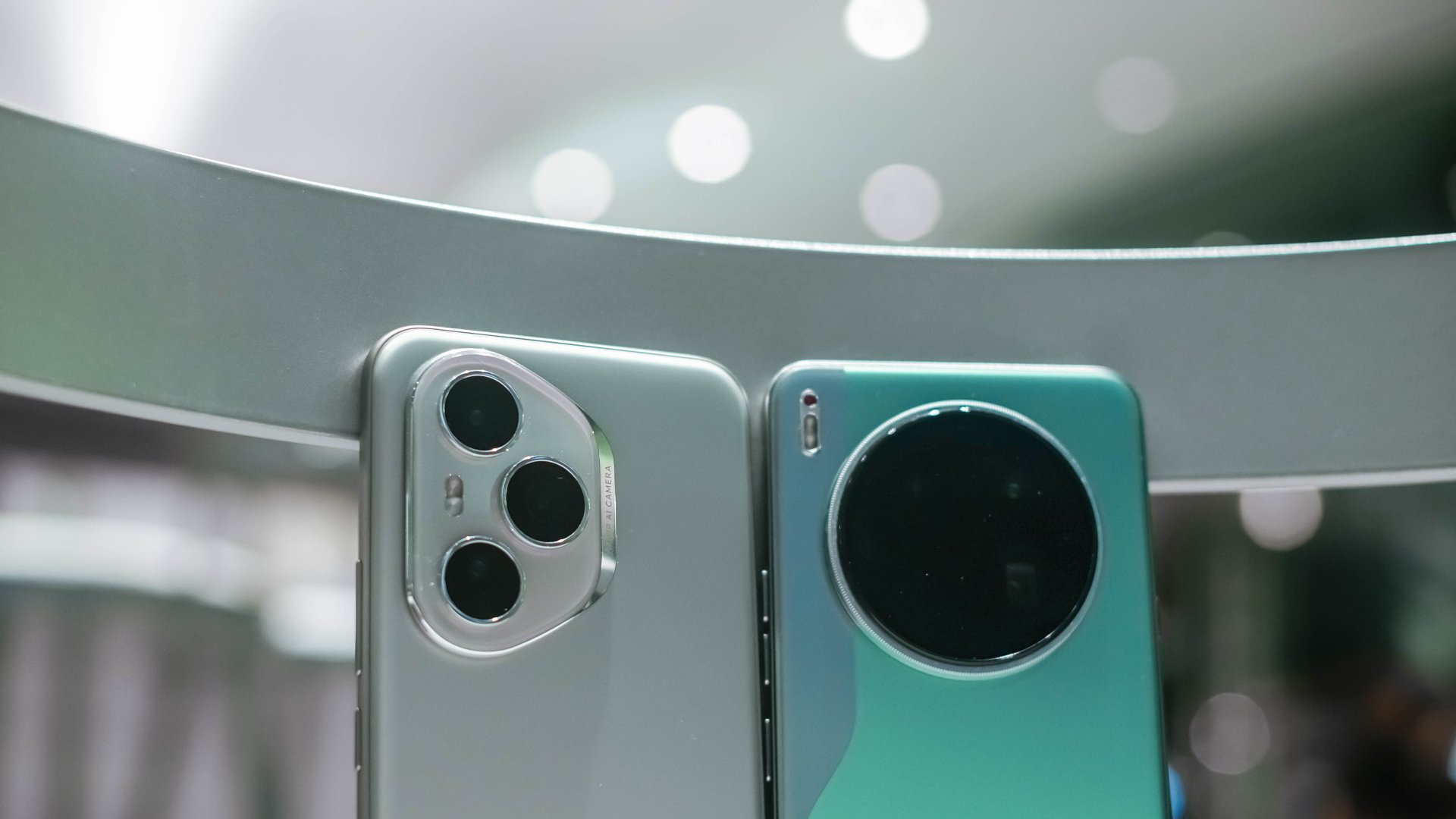
While there are more factors to consider in this huge price gap such as a faster chipset, bigger battery capacity, larger internal storage, and several other hardware nuances, it’s safe to say that a higher price tag isn’t always synonymous to having the best cameras. This camera shootout alone is just one among many testaments to that.
READ: It’s the little things that make the HONOR 400 Pro 5G a daily wonder
At the end of the day, it’s your choice as a consumer which smartphone camera (both in image quality and overall look) dominates your priorities and overall purchasing power.
Now, if you’d ask me, the TECNO CAMON 40 Premier ultimately bags that “bang for the buck” title for offering the better camera flexibility despite its more affordable price tag.

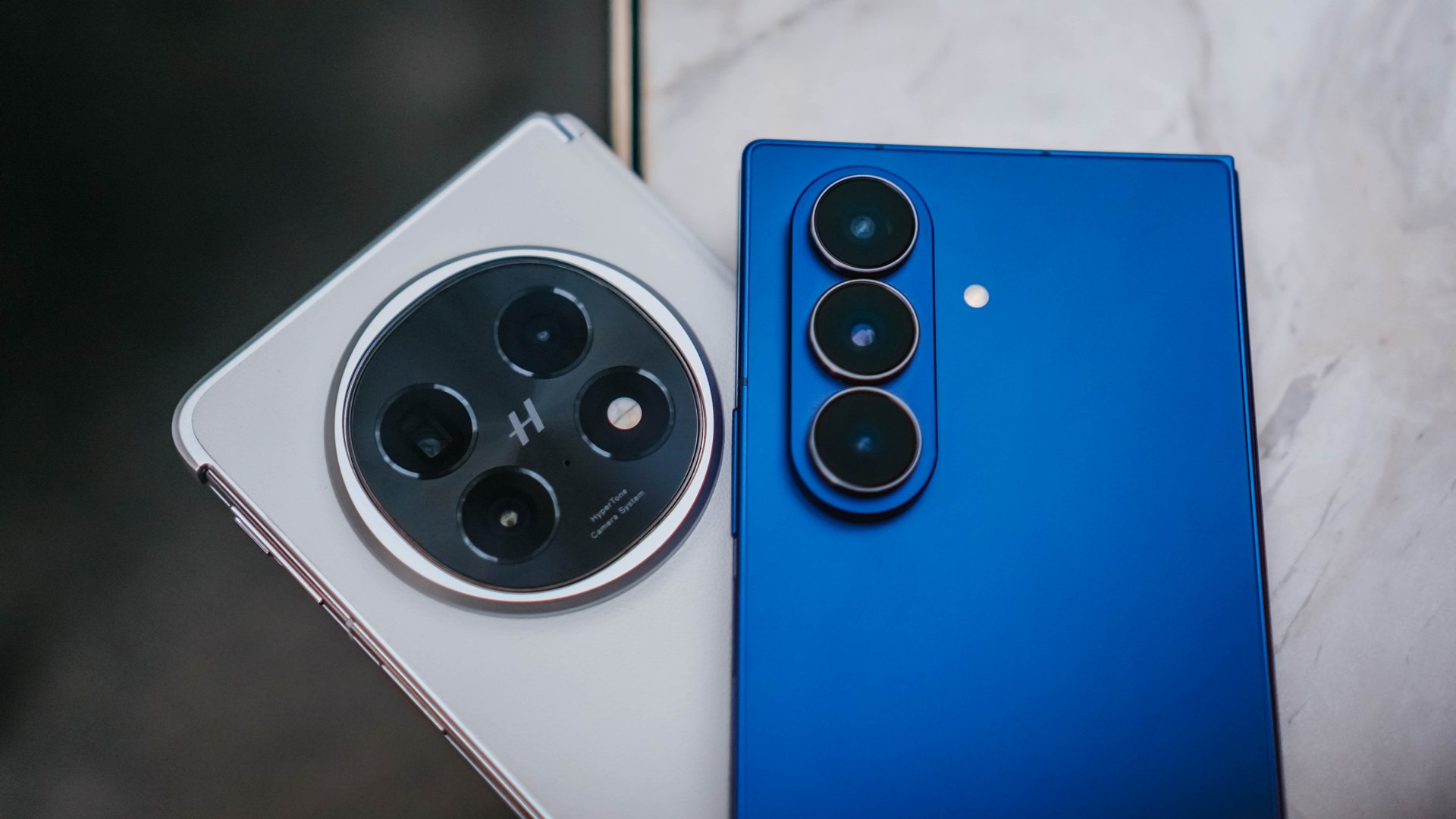
It feels like just yesterday we were comparing three foldables in one big camera shootout. In reality, it’s been a full year — and a lot has changed. This time, it’s down to two powerhouses: the Samsung Galaxy Z Fold7 and the OPPO Find N5.
Both are book-style foldables launched globally in 2025 — Samsung in July, OPPO earlier in February. Both also come with major physical changes: they’re slimmer, taller, and in the Fold7’s case, slightly wider too. But the real battle lies inside: the cameras.
Samsung brought over the 200MP main shooter from the Galaxy S25 Ultra to the Fold7. The rest of the system, however, didn’t see major changes. Meanwhile, OPPO gave the Find N5 a full-on imaging overhaul.
On paper
| Samsung Galaxy Z Fold7 | OPPO Find N5 | |
| Main Camera | 200 MP, f/1.7, 24 mm (wide), 1/1.3″, PDAF, OIS | 50 MP, f/1.89, 1/1.56″, OIS (HyperTone wide-angle) |
| Ultrawide | 12 MP, f/2.2, 120°, 1.4 µm, PDAF | (Not specified in source – likely none or under 50 MP) |
| Telephoto / Periscope | 10 MP, f/2.4, 67 mm, PDAF, OIS, 3× optical zoom | 50 MP periscope telephoto with macro (~10 cm macro) |
| Video Recording | 8K@30 fps, 4K@60 fps, 1080p@60/120/240 fps, 720p@960 fps, gyro-EIS, 10-bit HDR10+ | LivePhoto with enhanced EIS; video specs not detailed |
| Selfie Cameras | Dual 10 MP front cams (cover + inner display) | Not detailed in provided source |
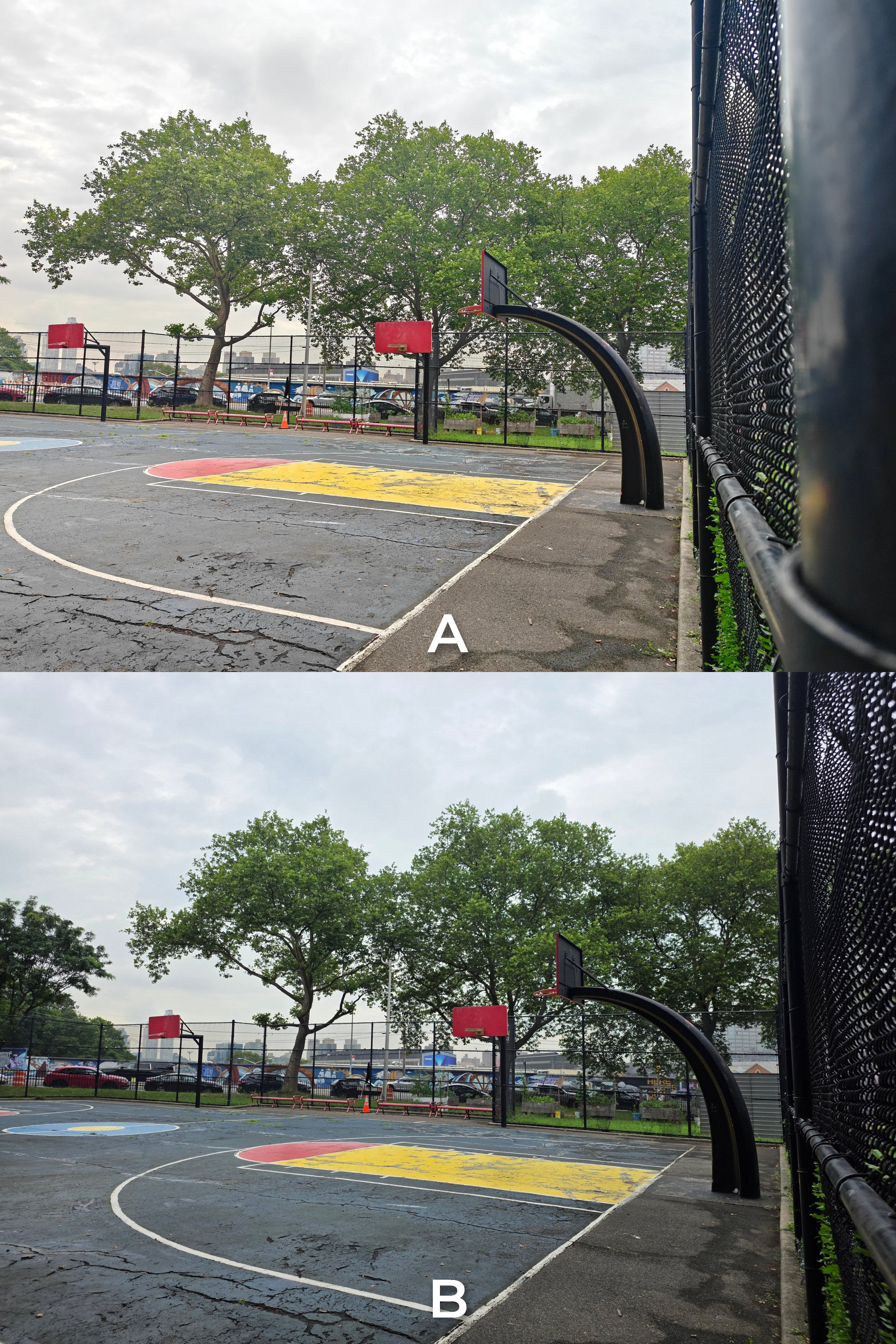
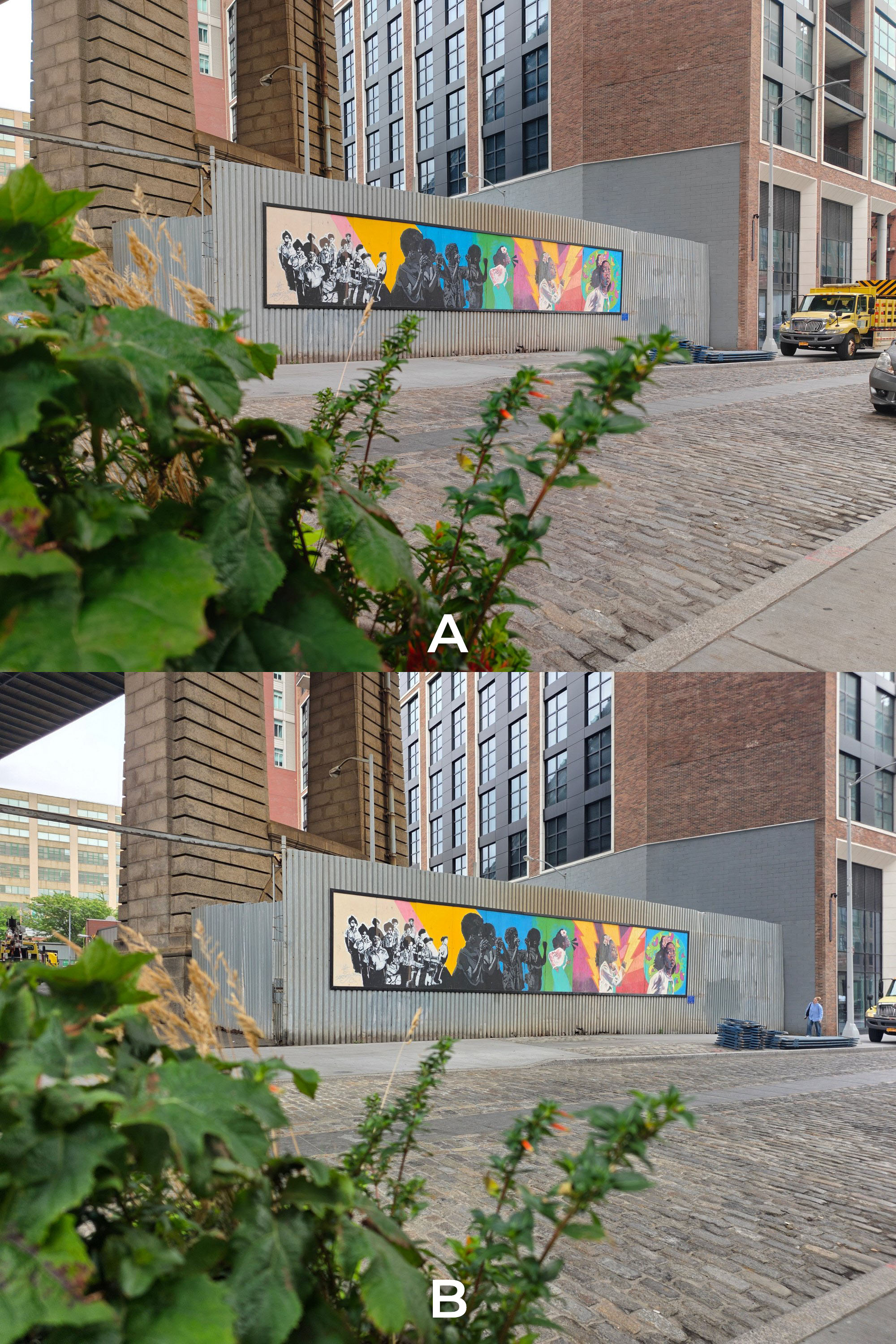
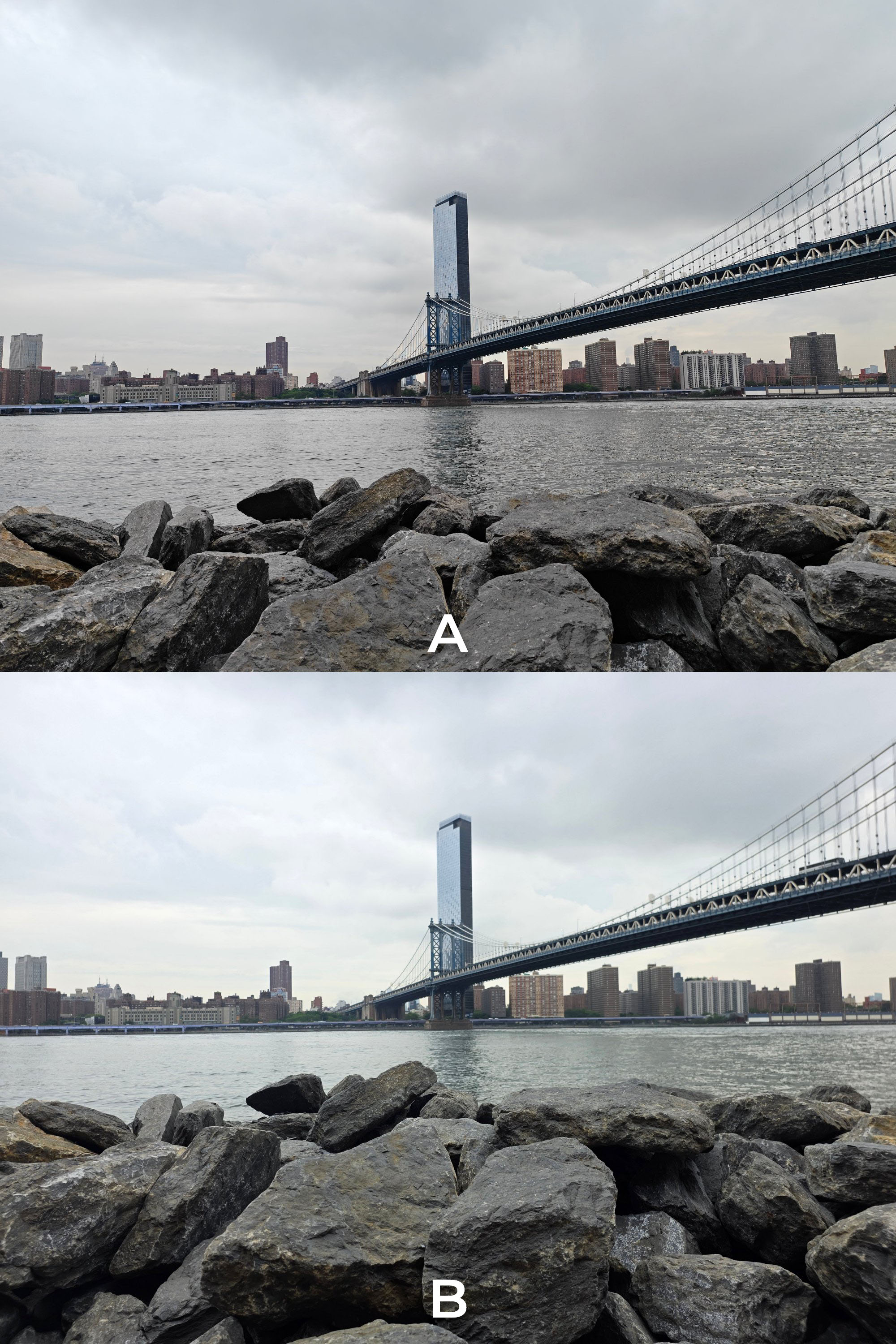
Specs tell part of the story, but photos reveal the truth. As always, the only edits applied were for cropping and resizing to fit our format.
So how do they compare in real-world shooting?
W (1x)
w1

w2
W3
W4

W5

W6

W7
W8
W9
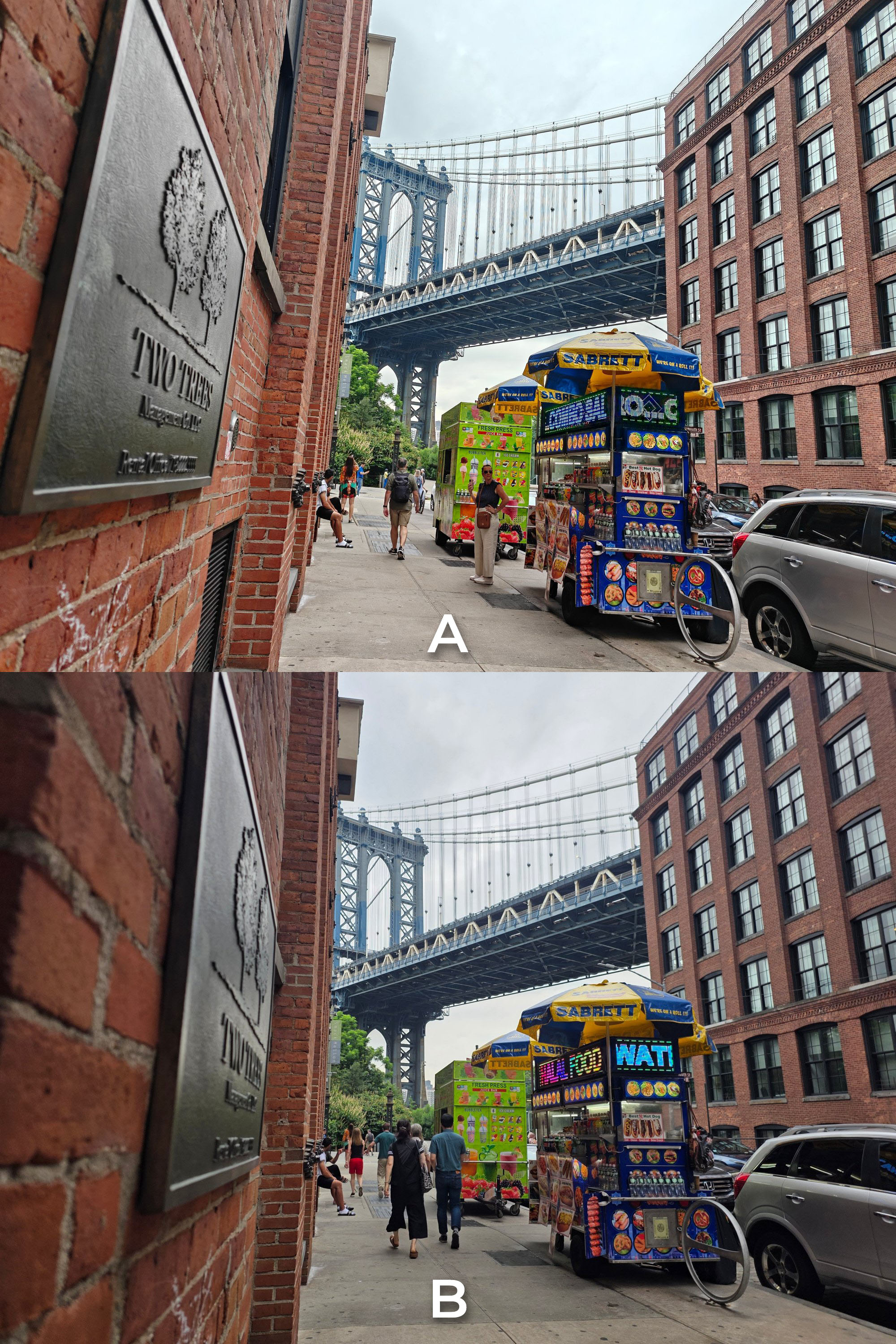
W10
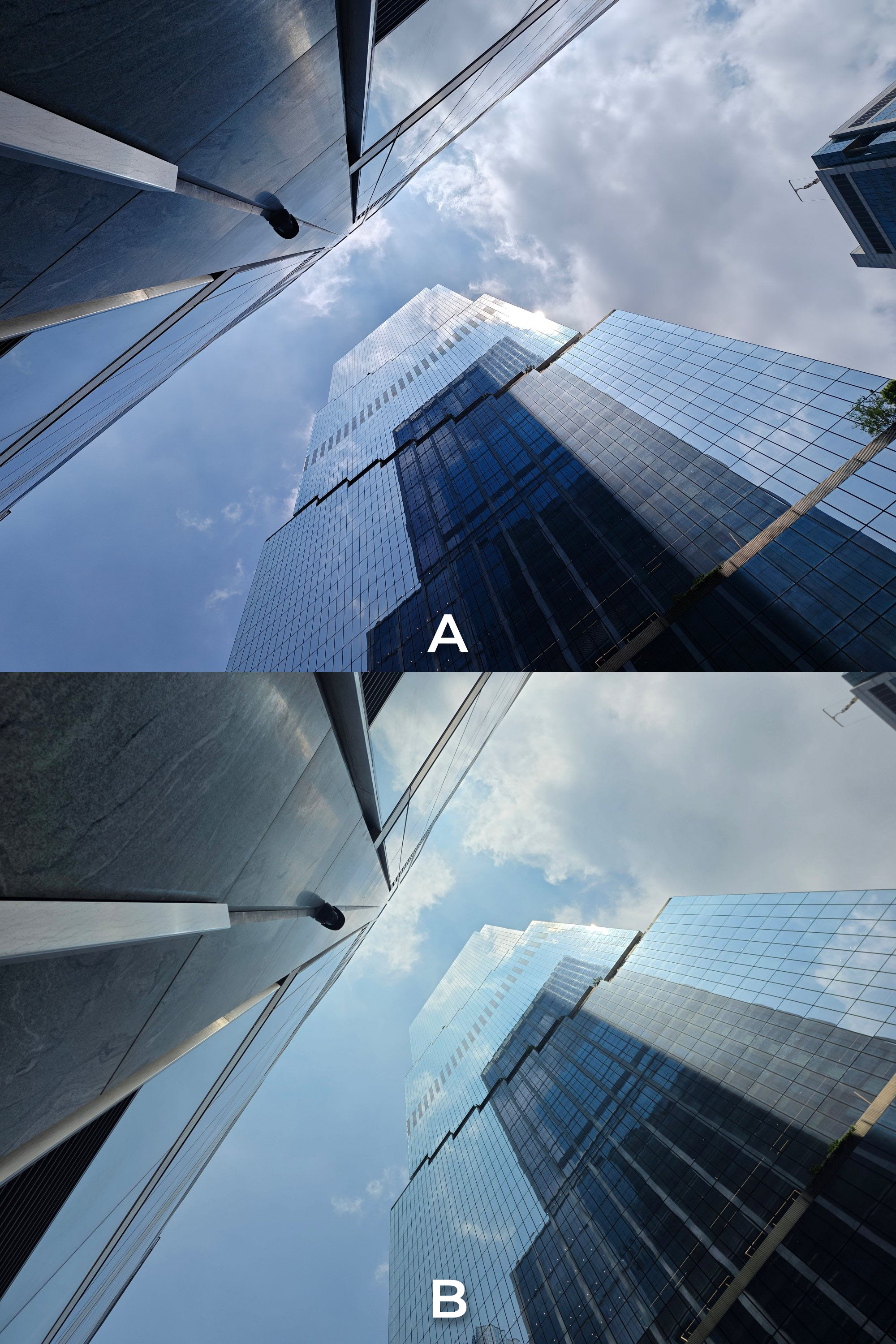
W11
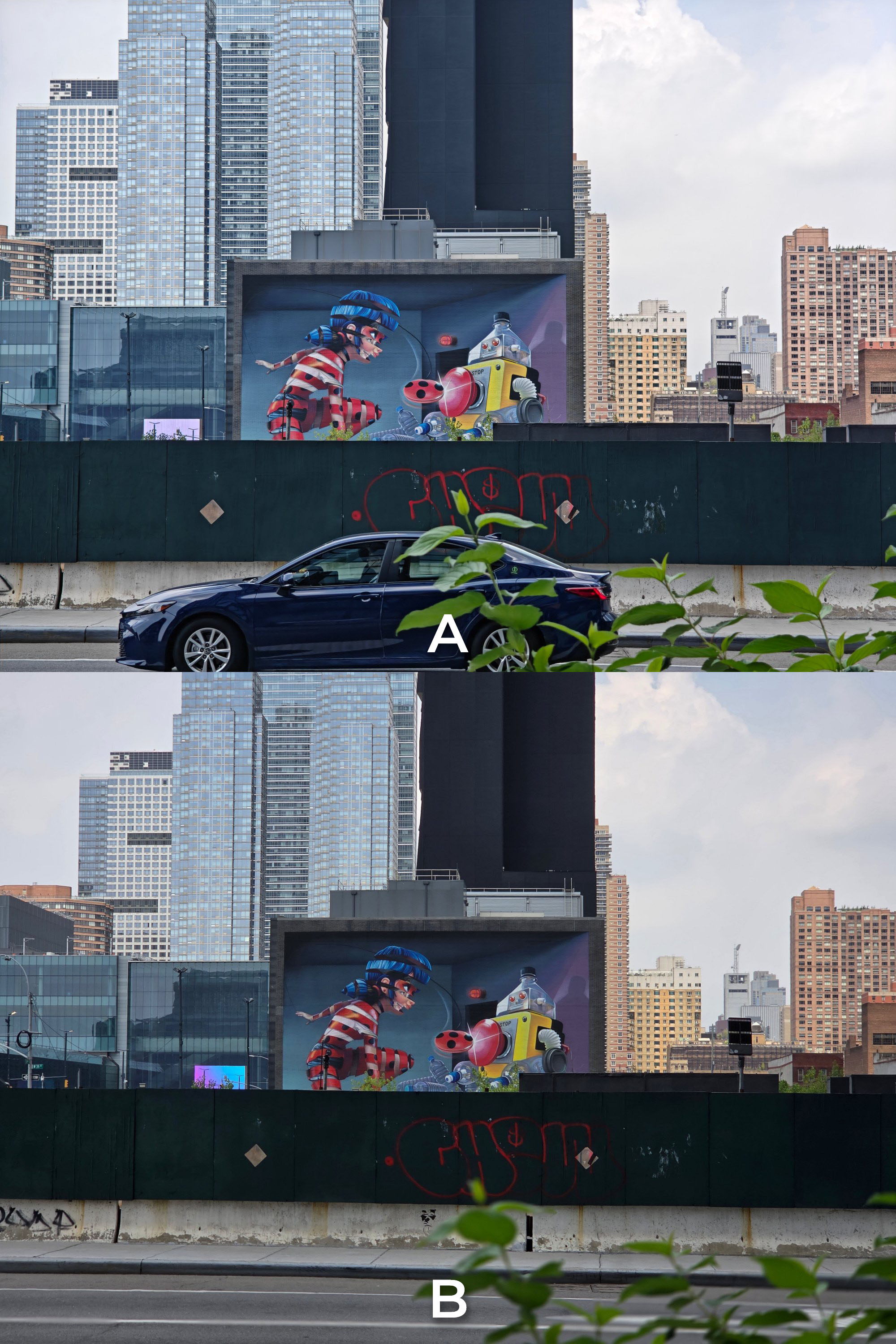
W12
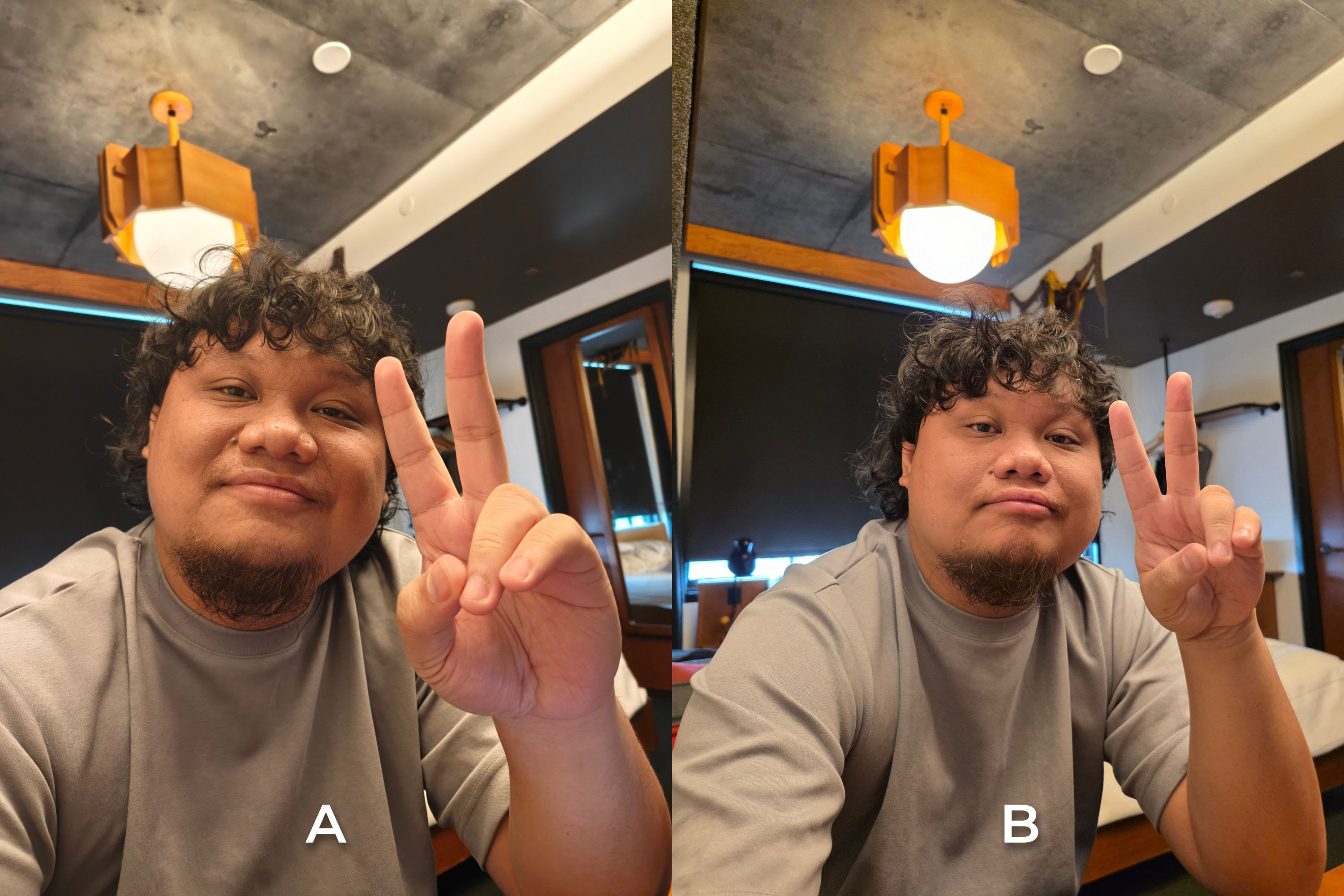
Zoom A (2x-3x)
ZA1
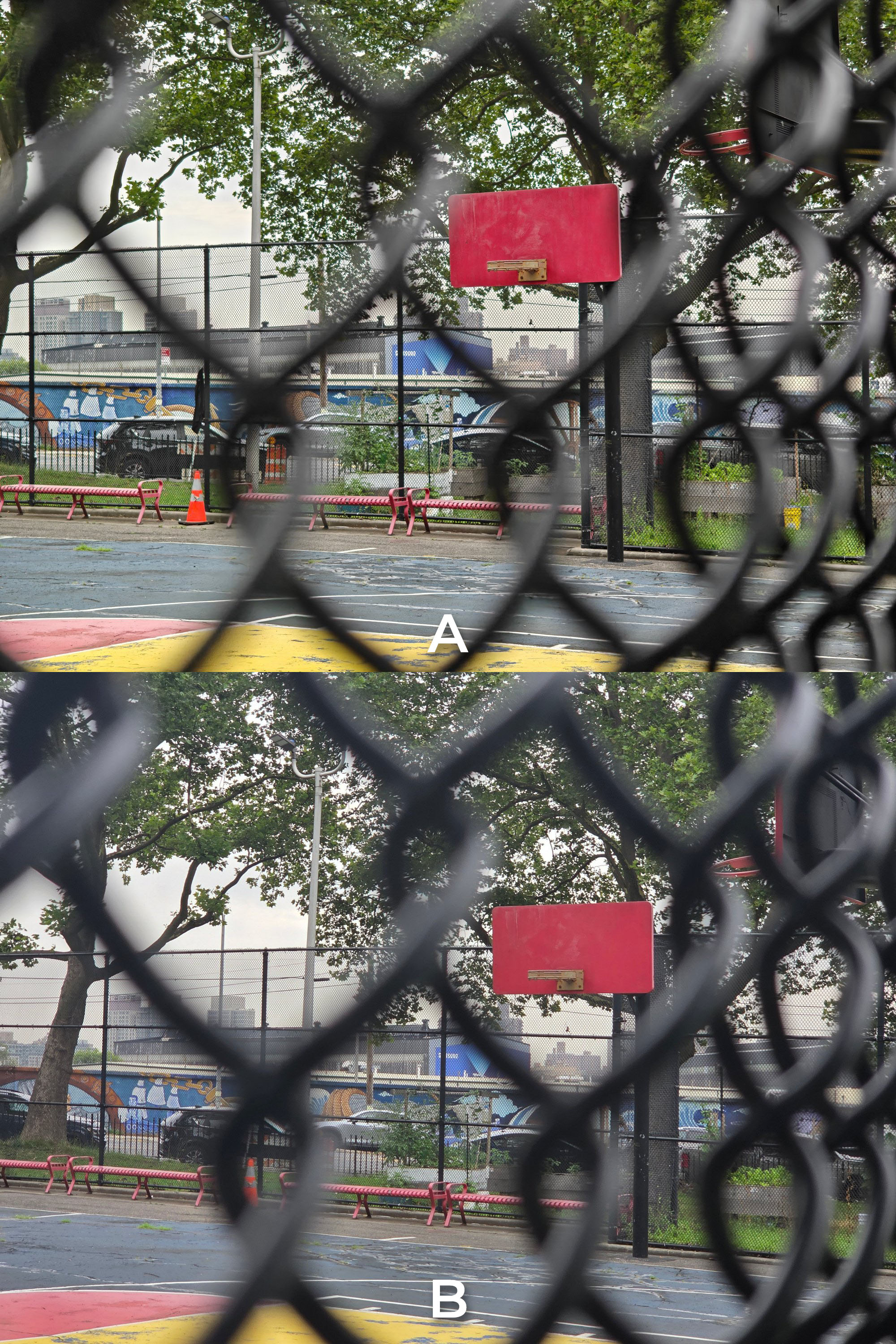
ZA2
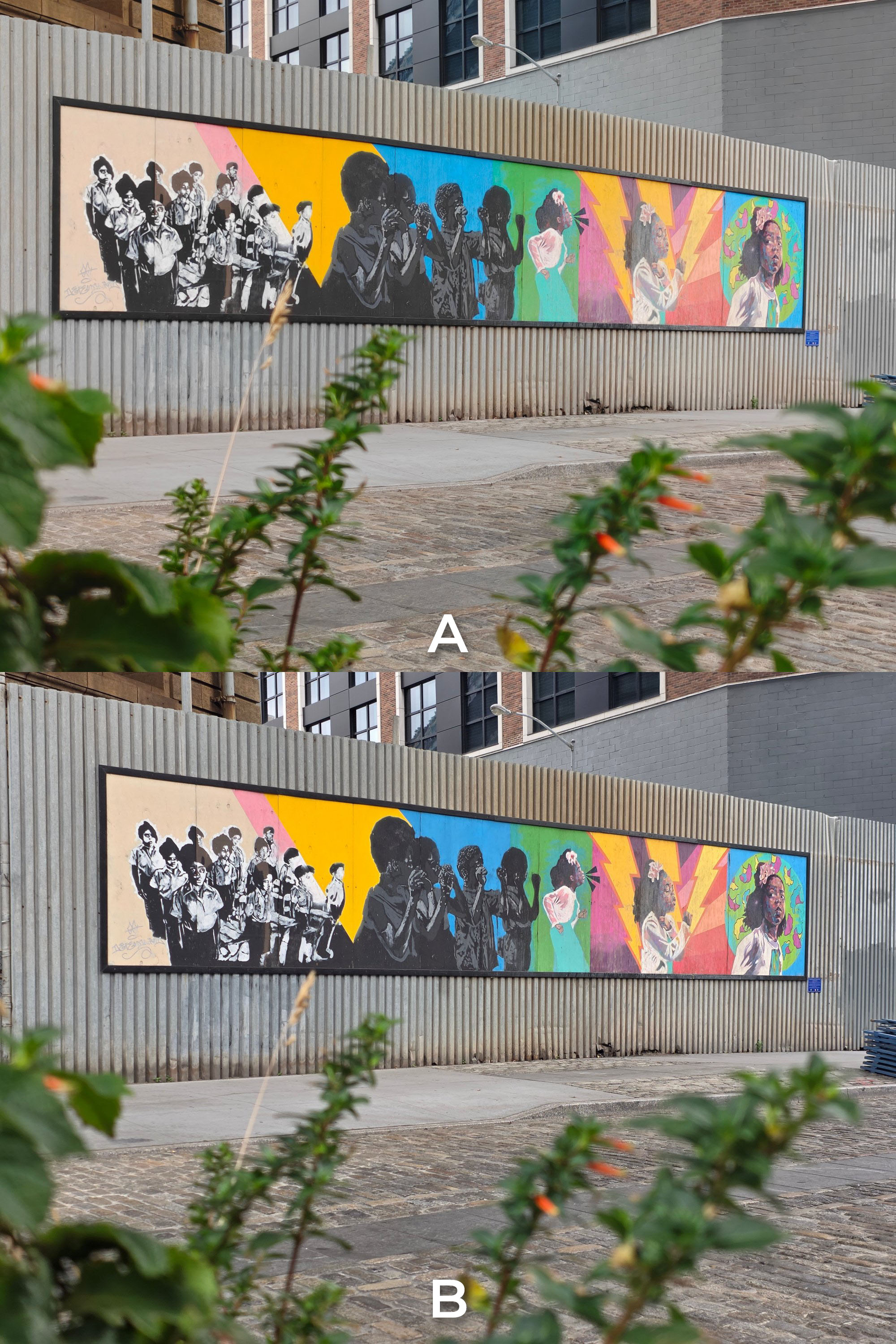
ZA3
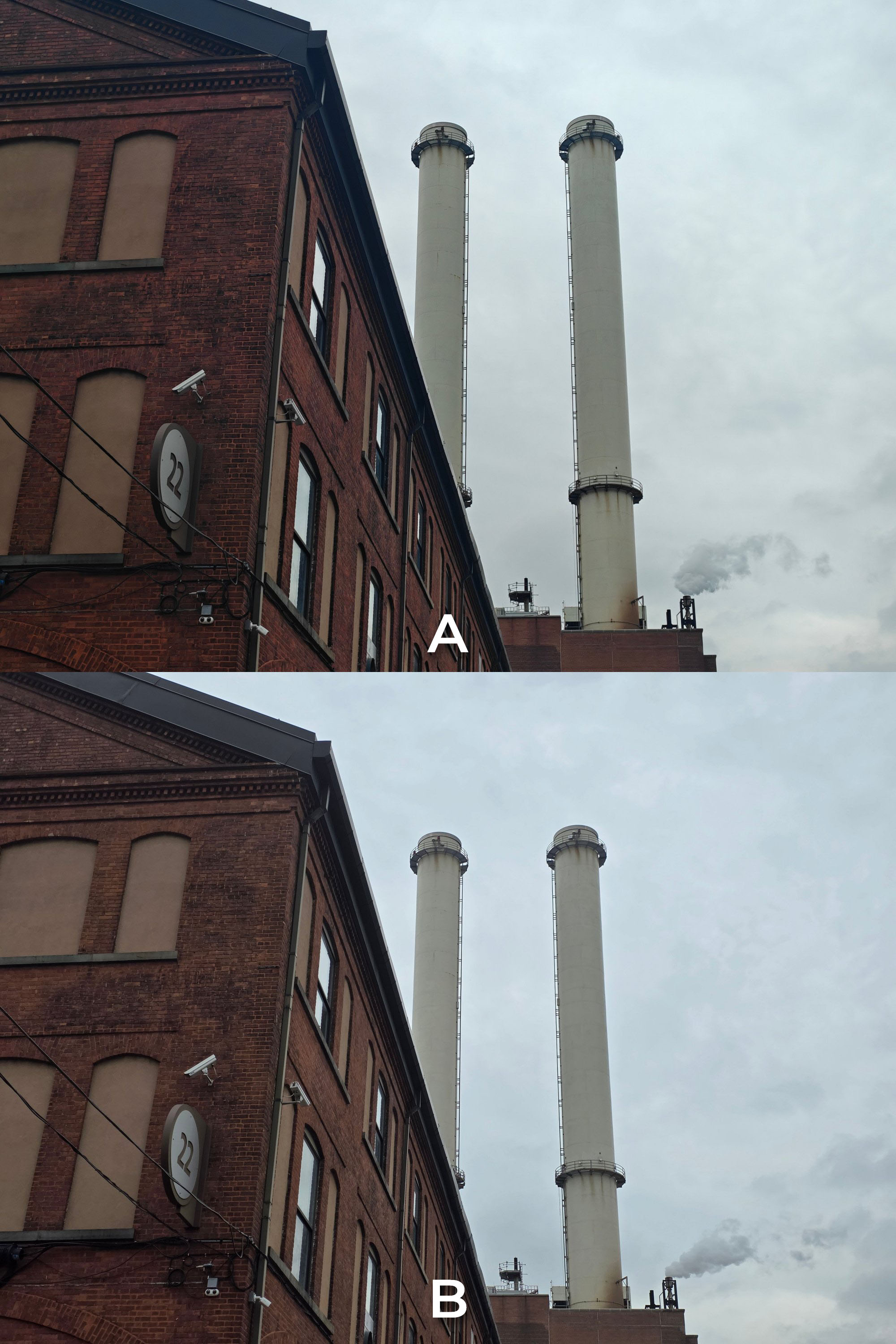
ZA4
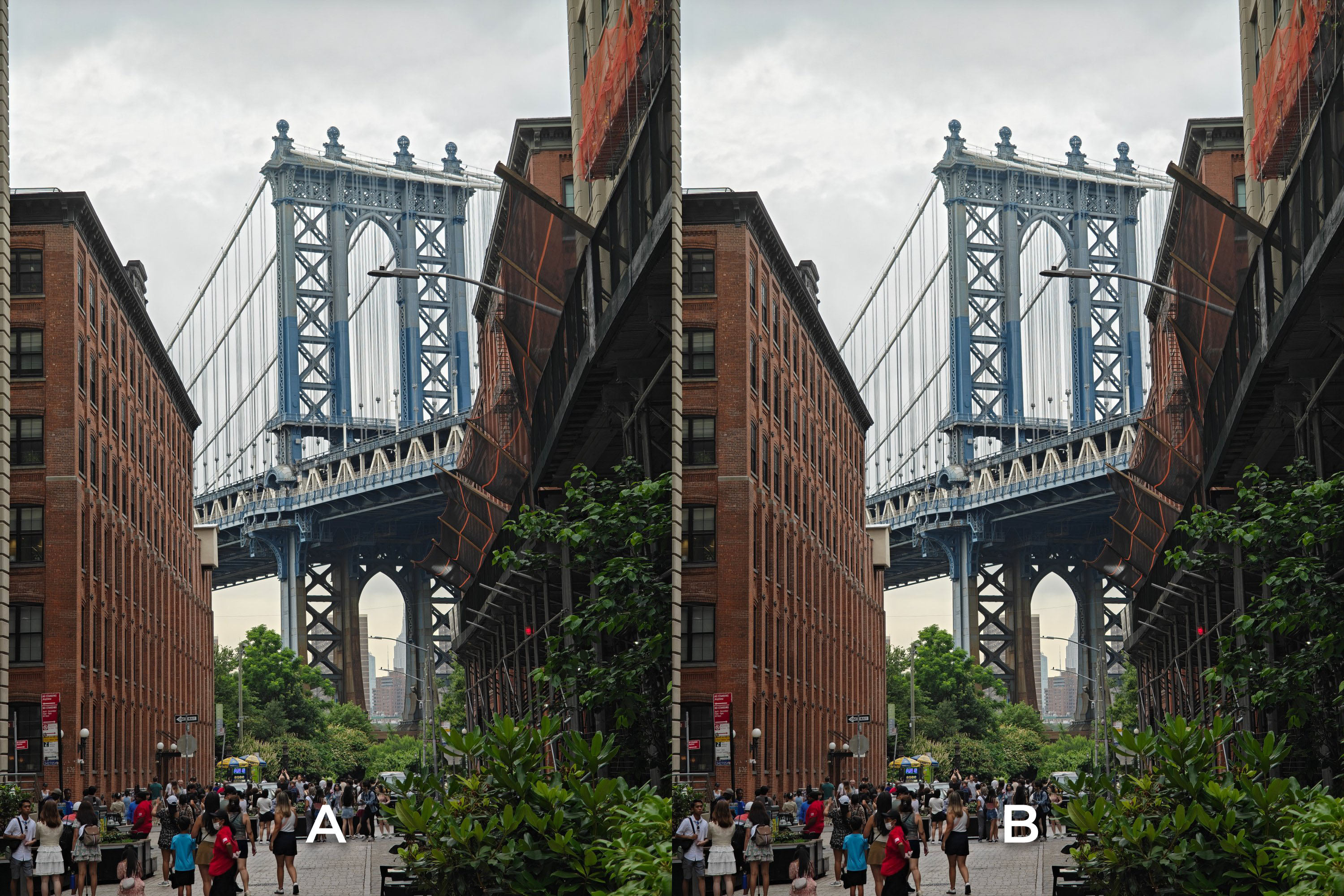
ZA5
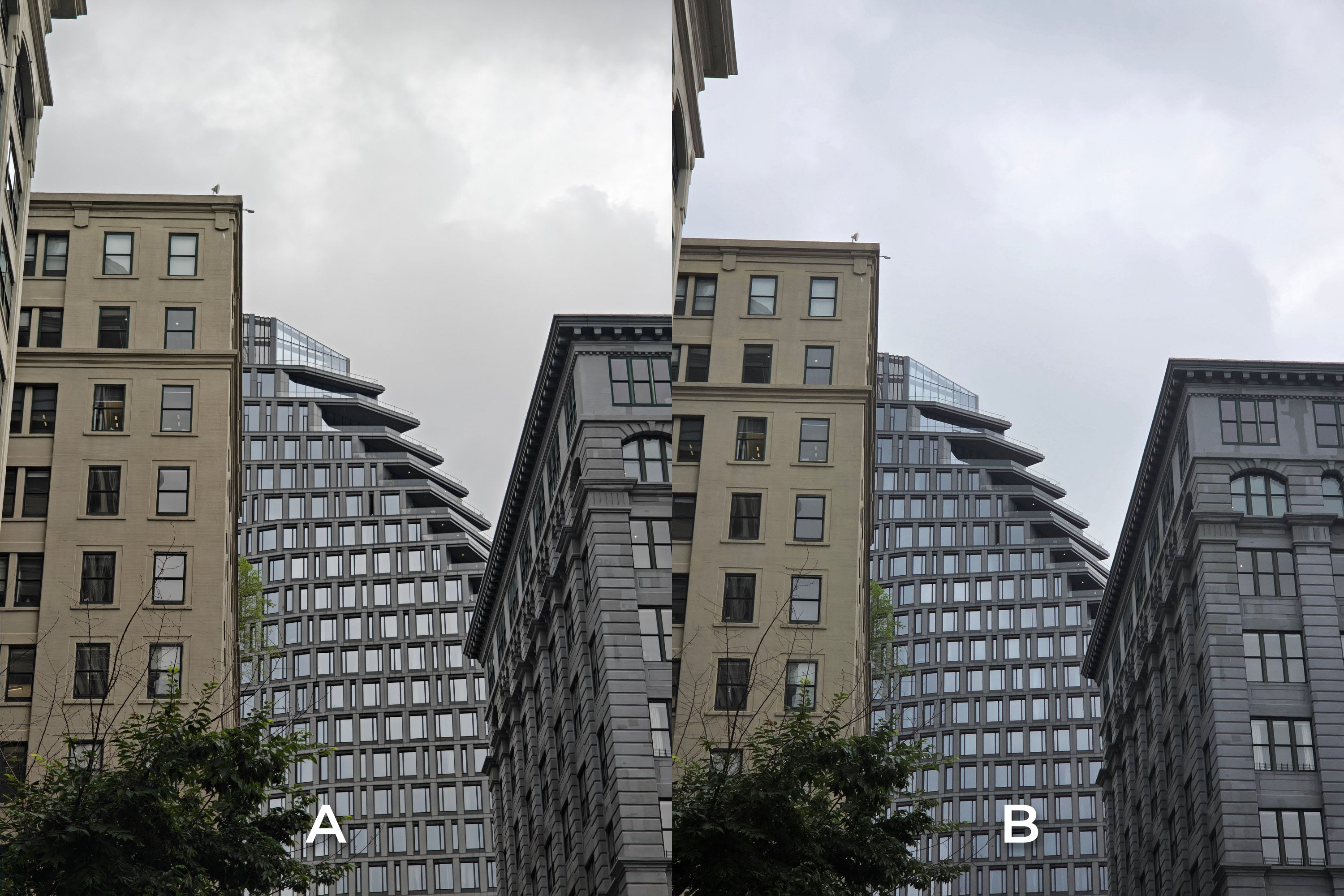
ZA6
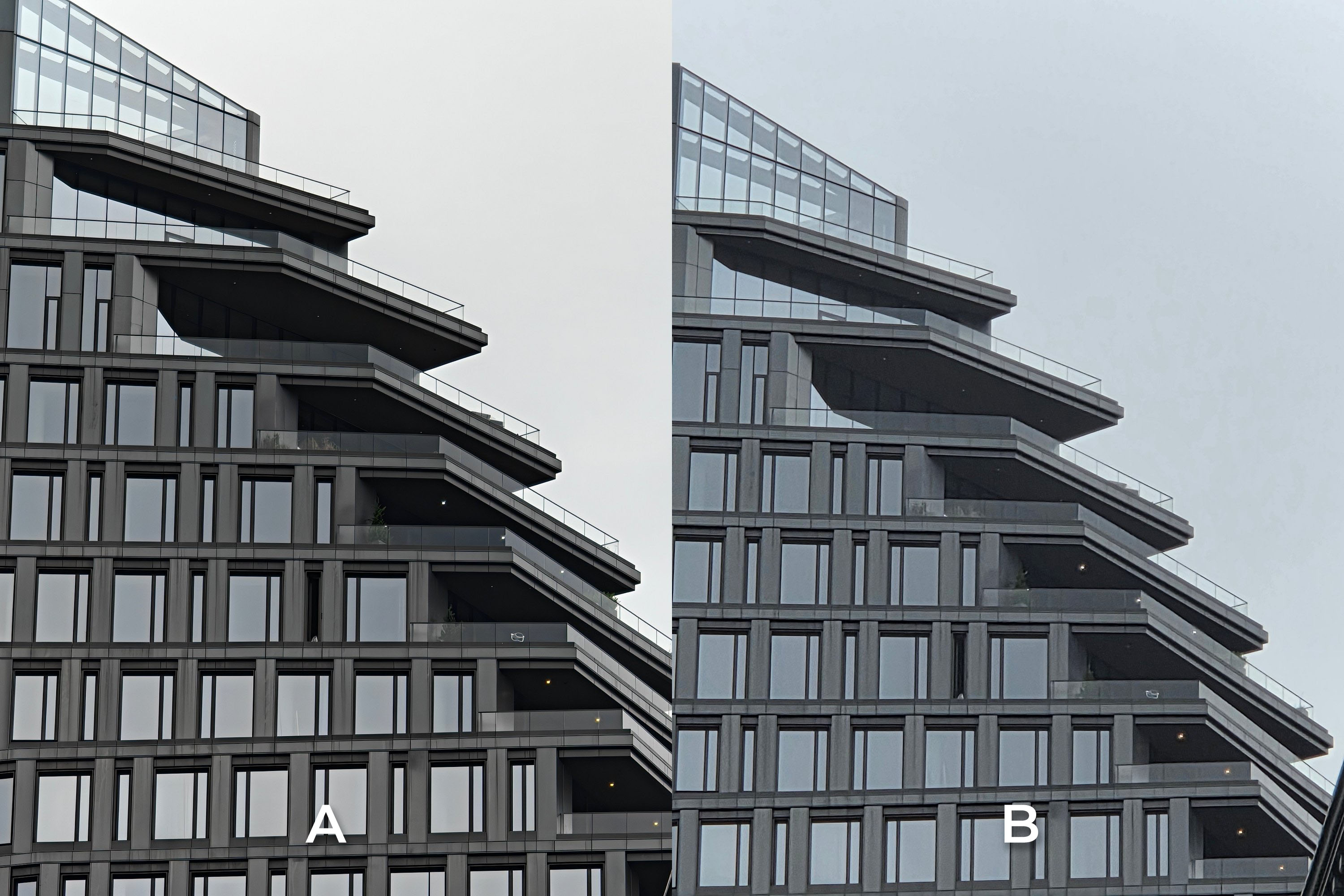
ZA7
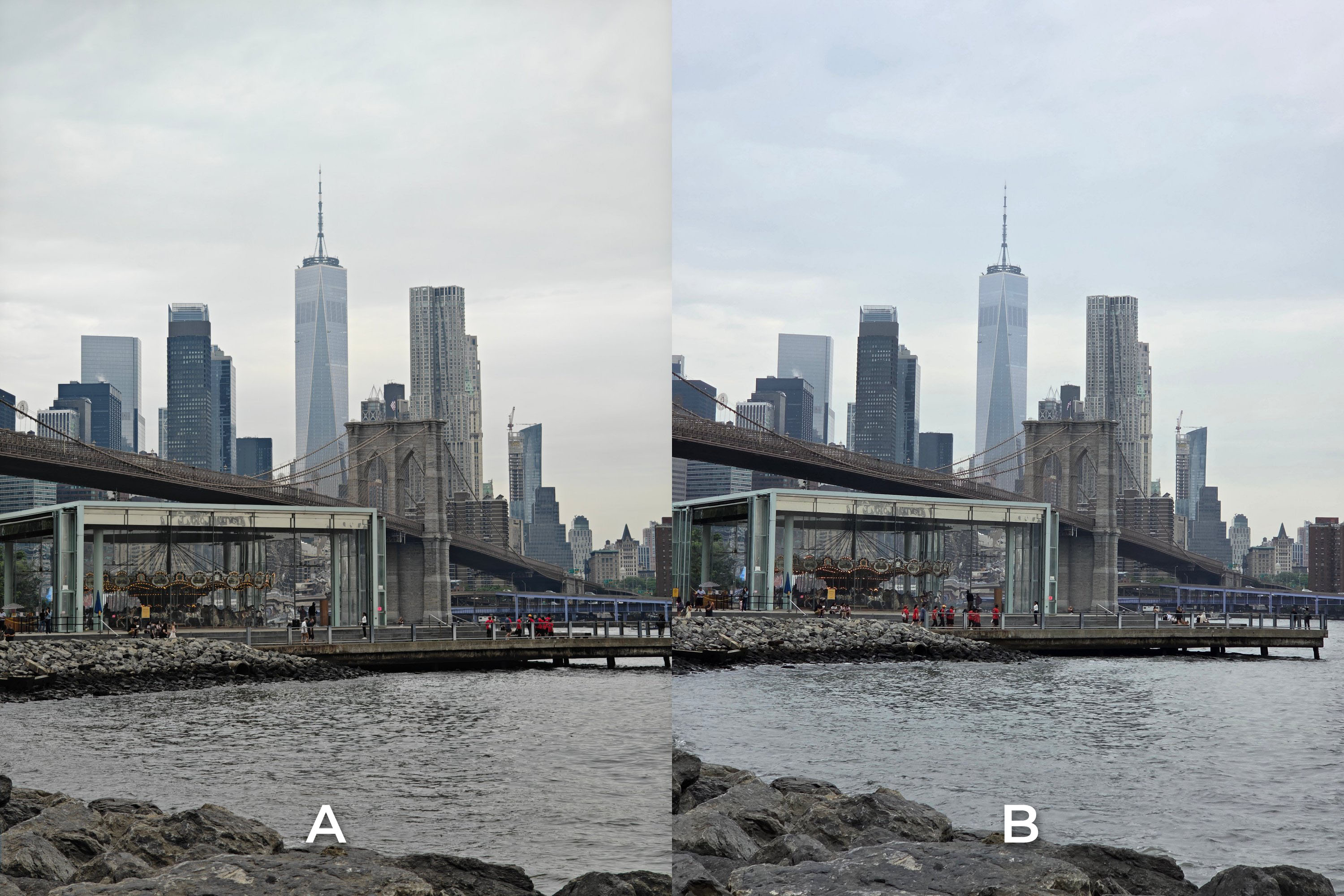
ZA8
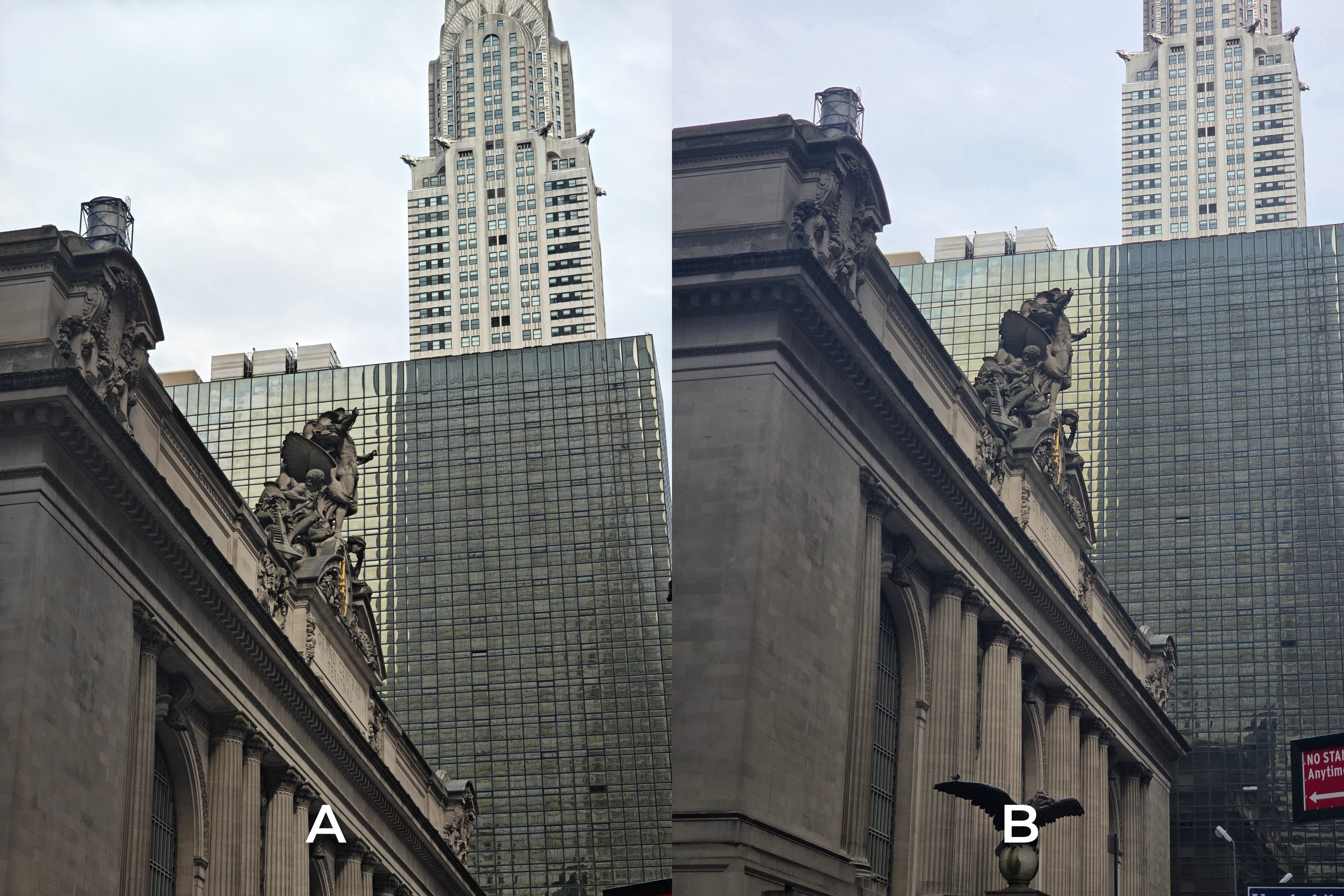
ZA9

ZA10
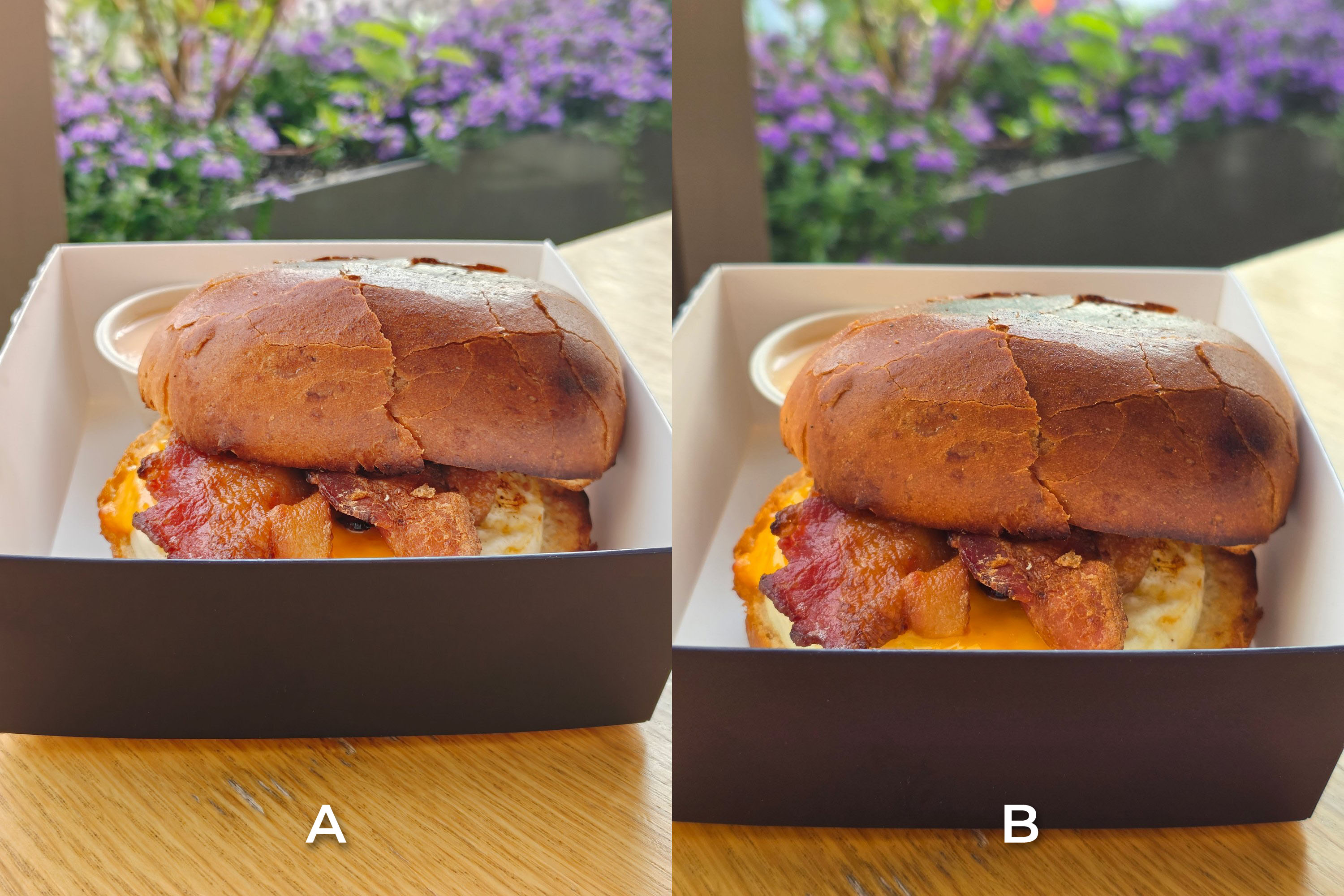
ZA11

ZOOM B (6x and up)
ZB1
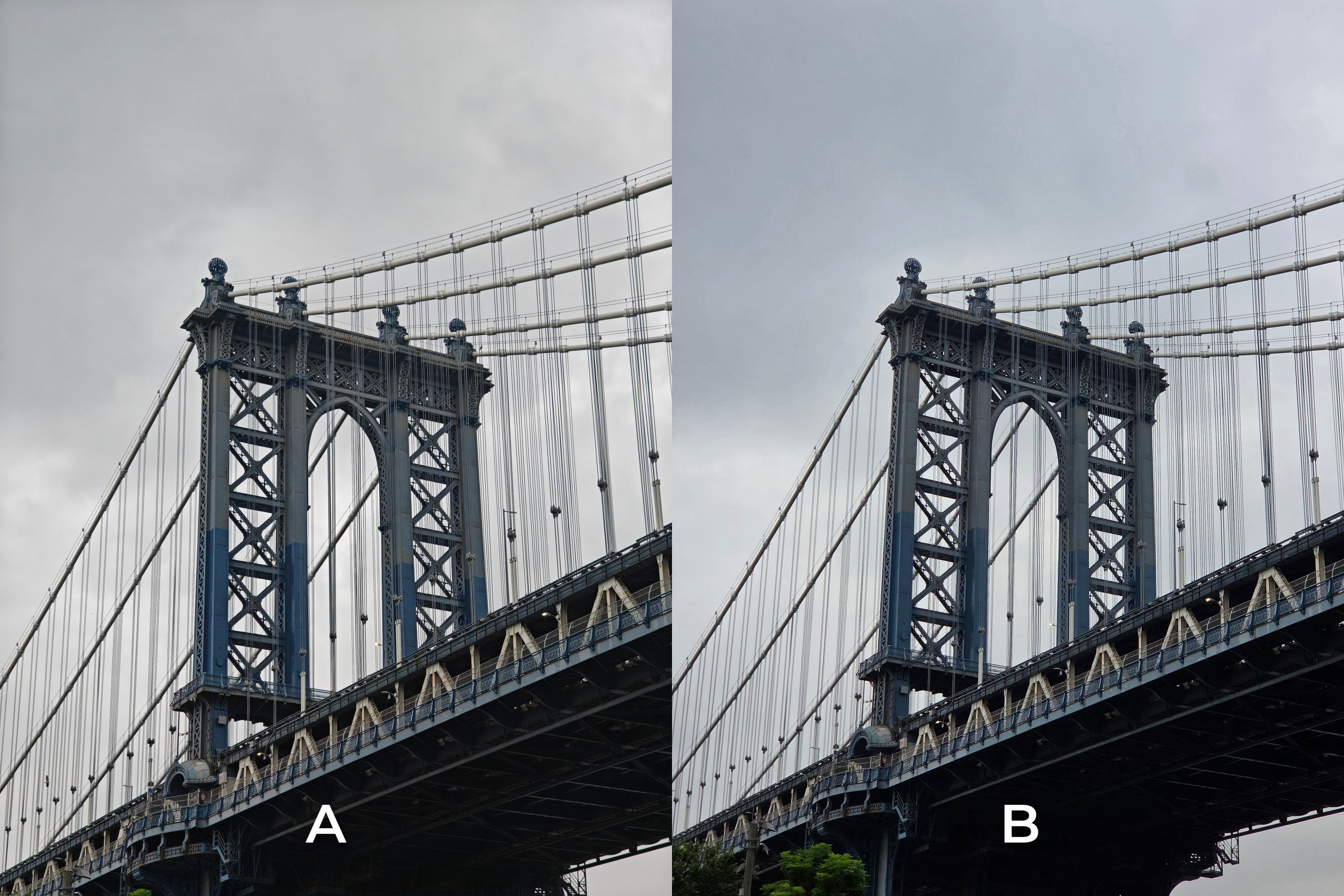
ZB2

ZB3
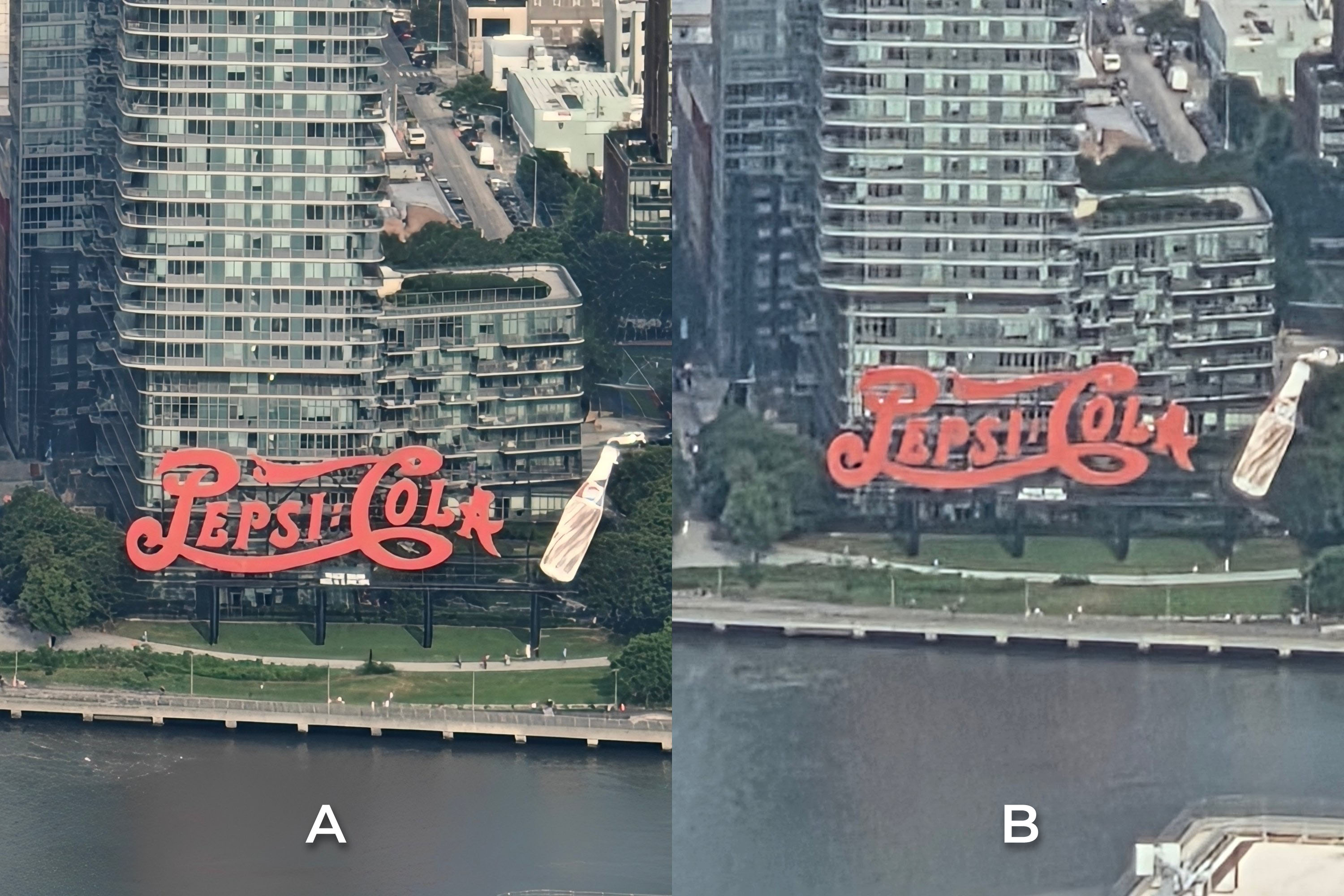
ZB4
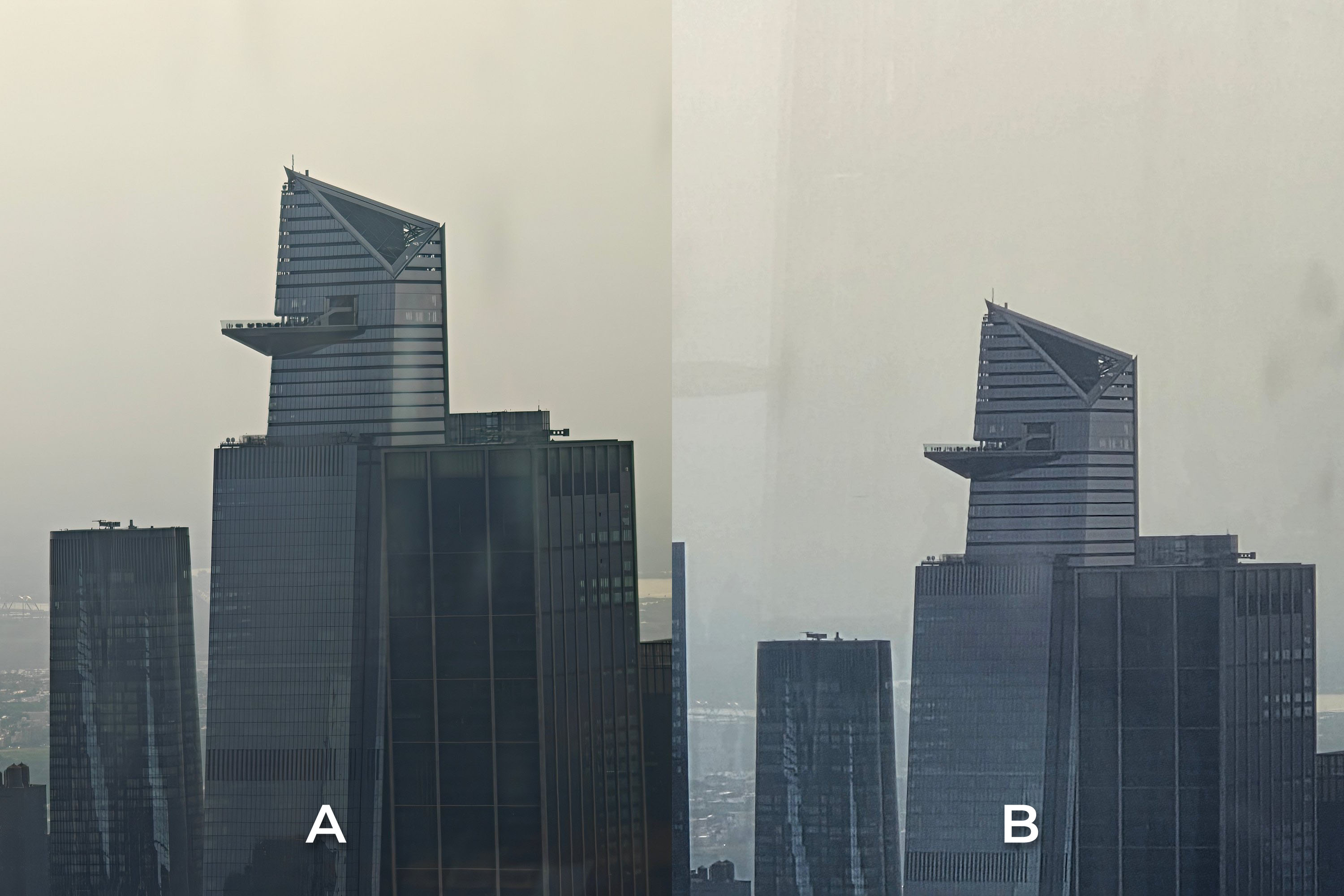
ZB5

ZB6
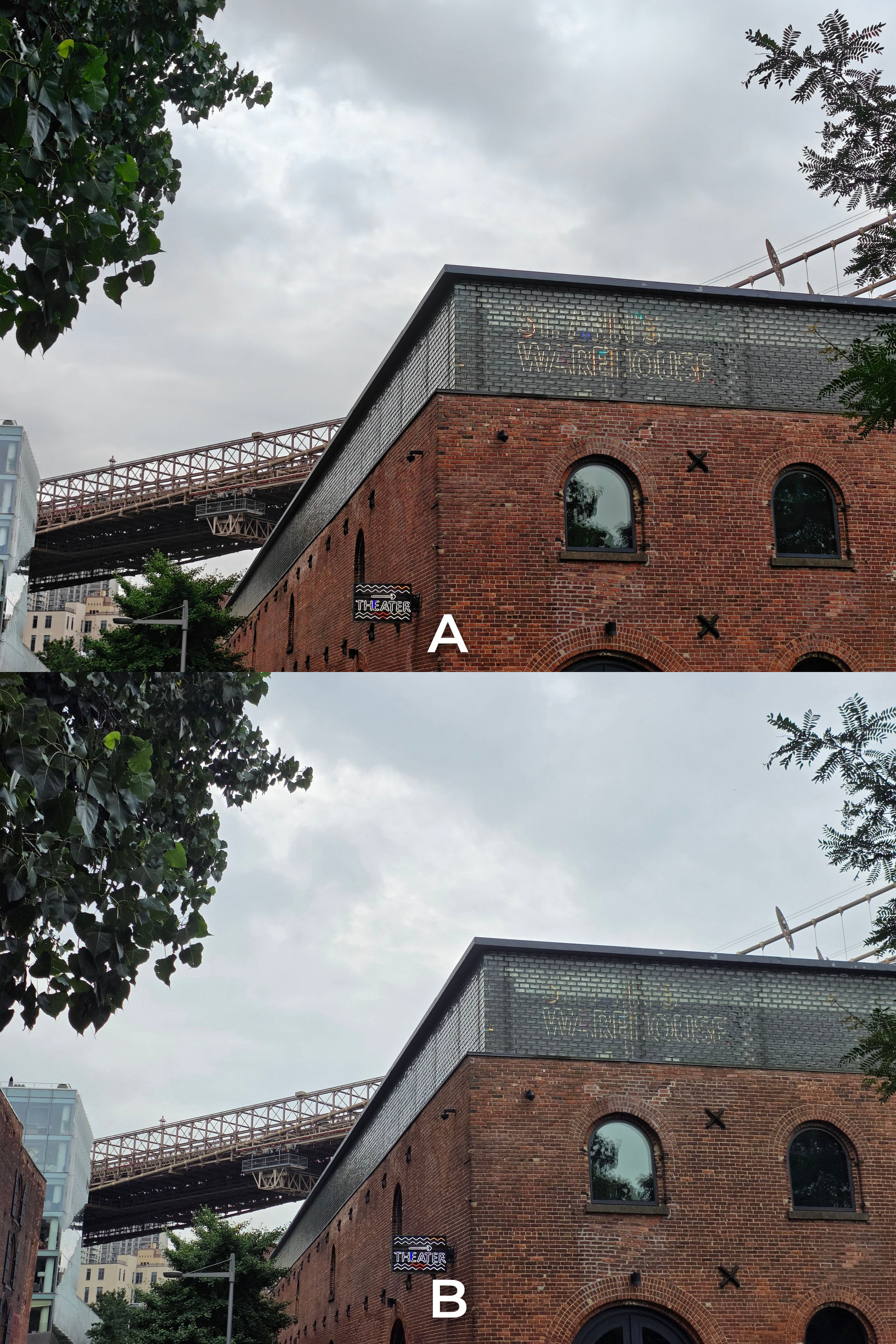
Selfie (Outer Camera)
S1

S2

S3
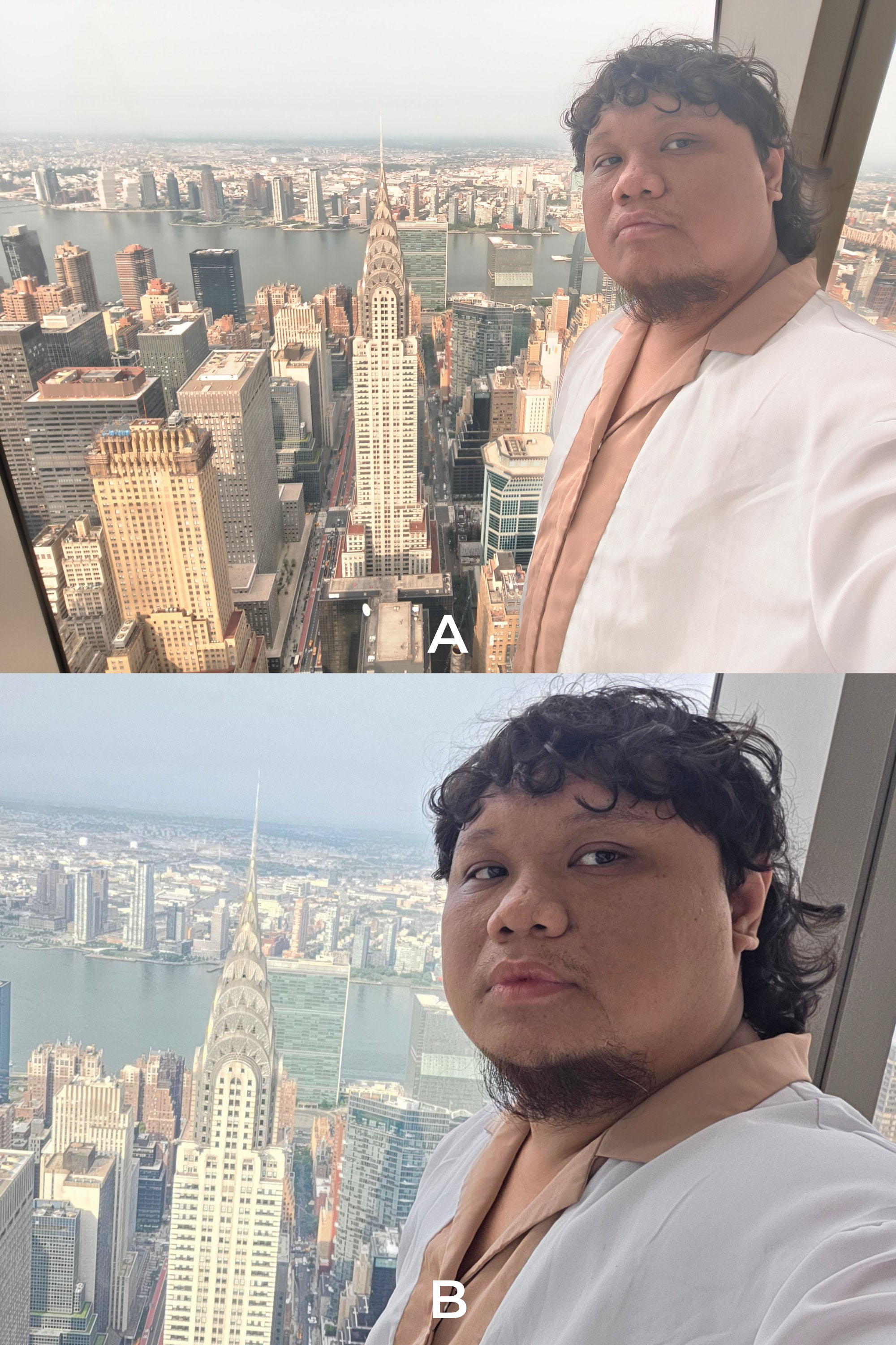
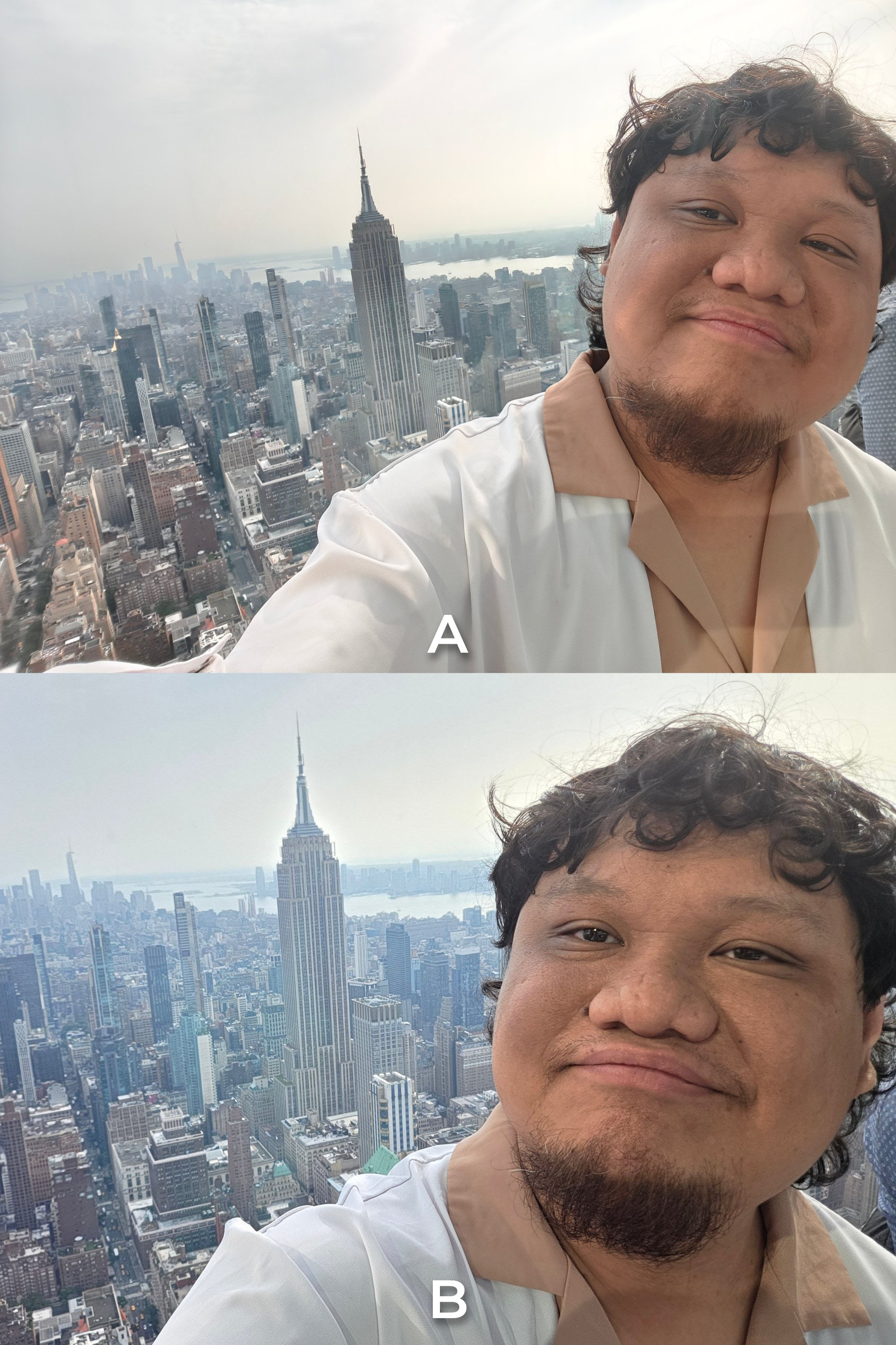
S4
Low light
L1
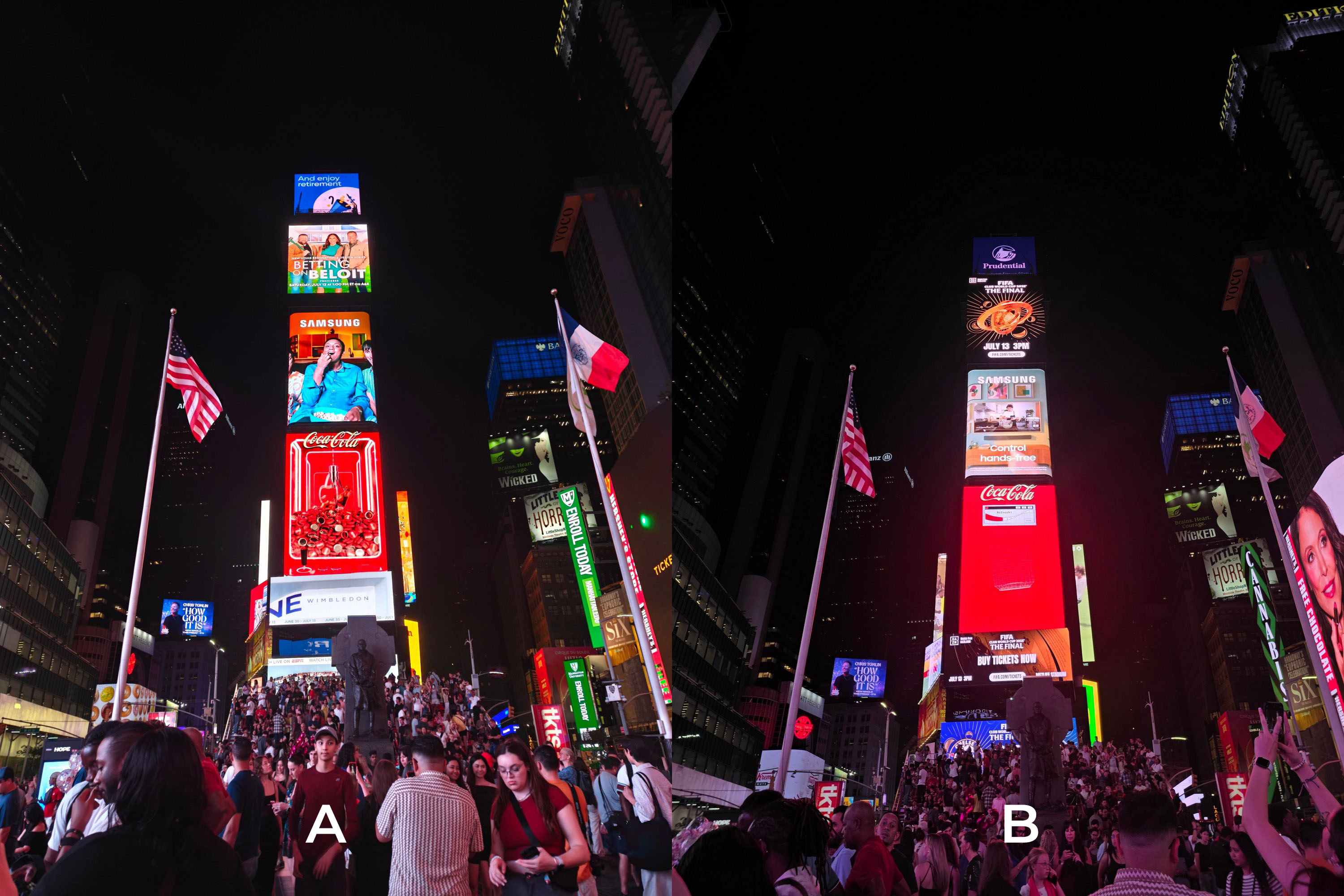
L2
Blind test reveal & first impressions
Did you guess which was which?
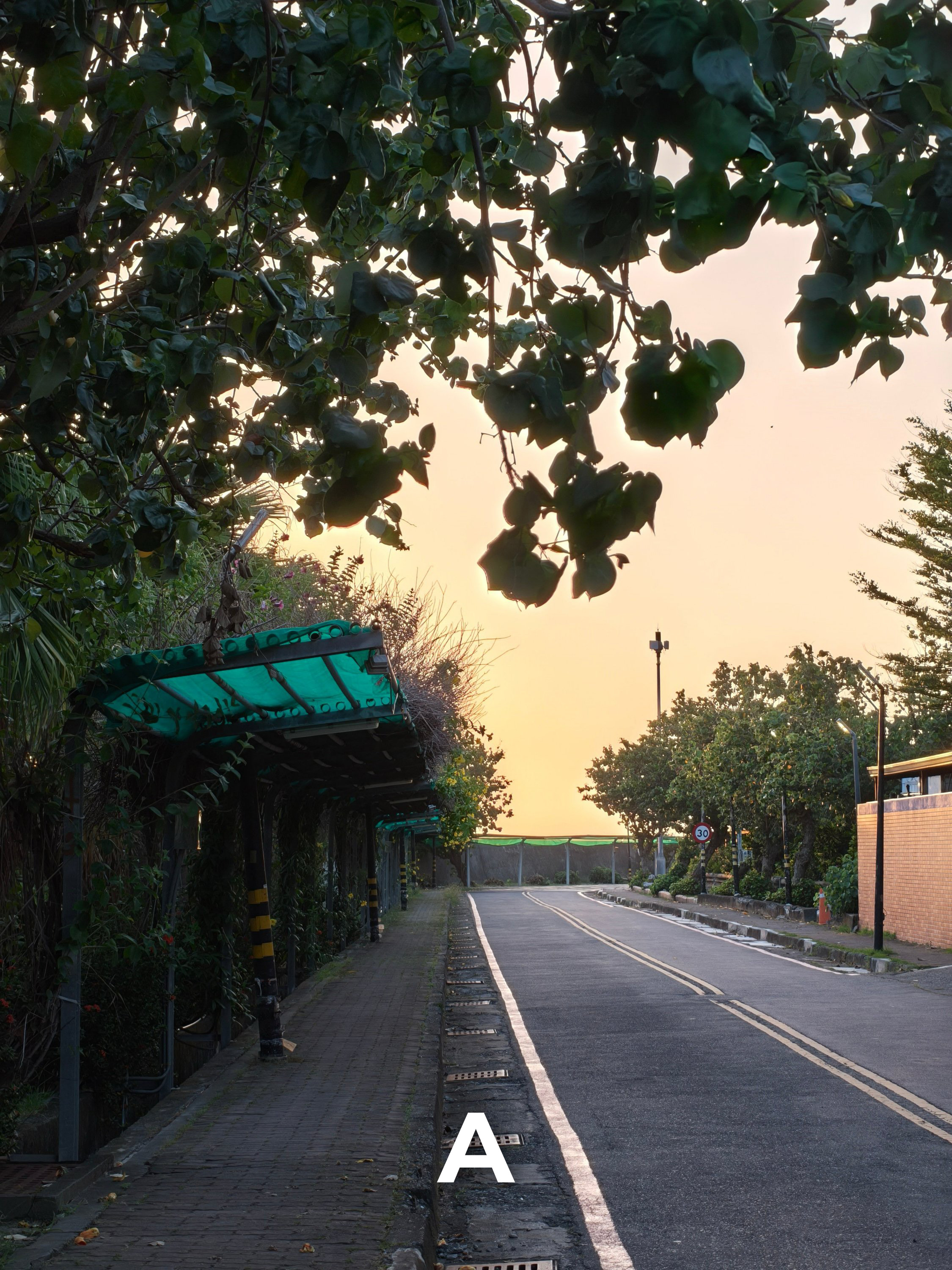
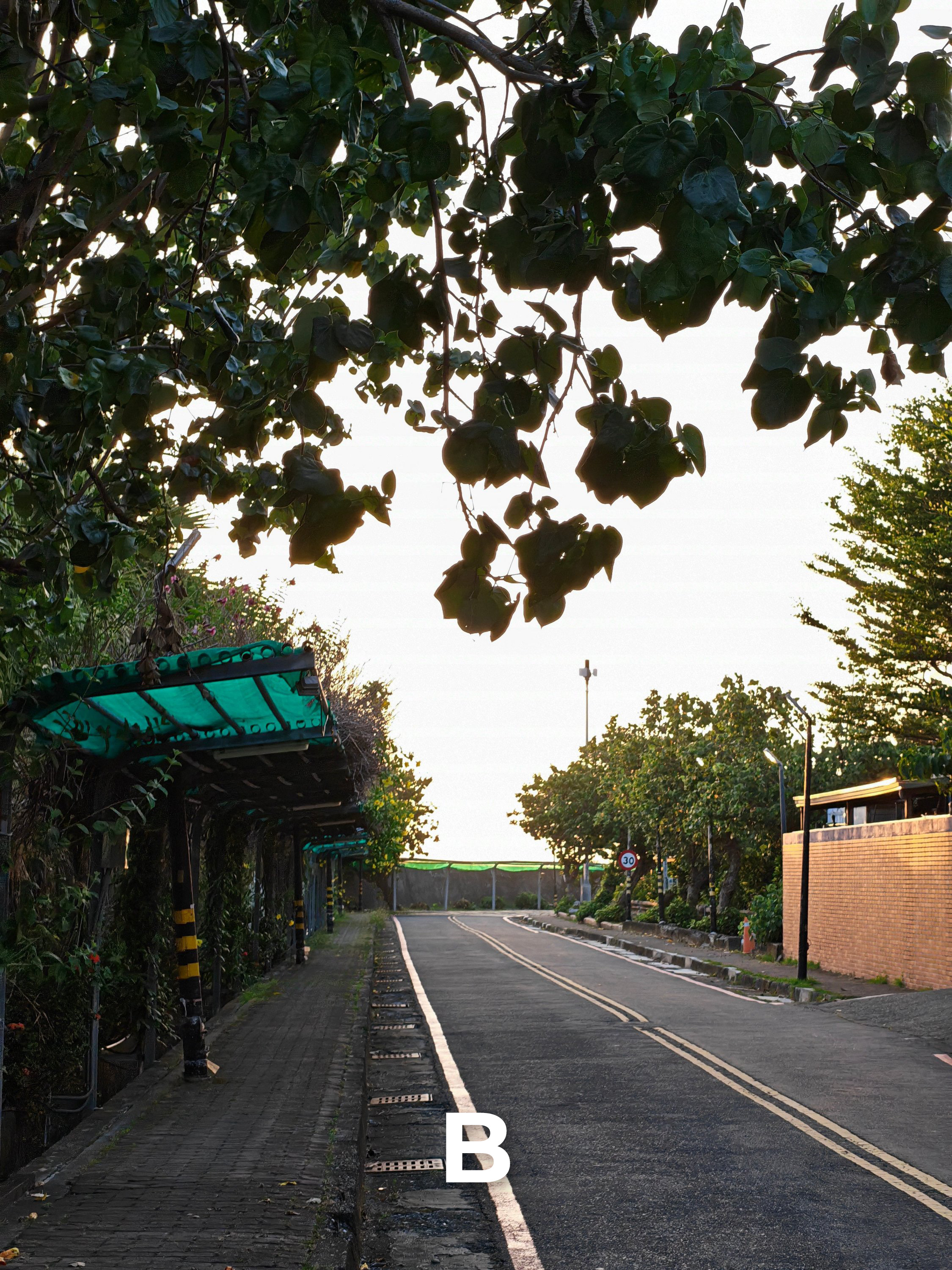
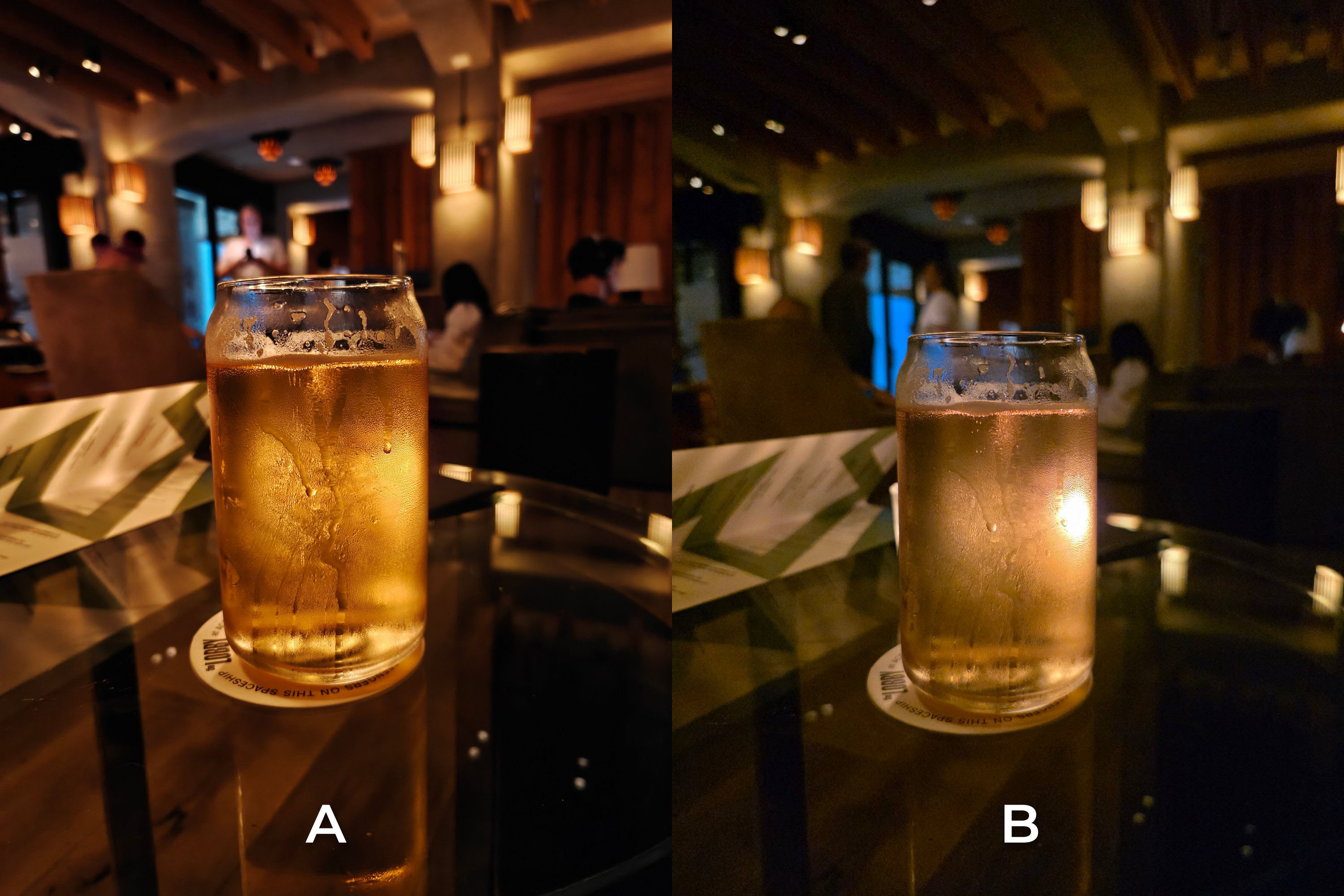
A is the OPPO Find N5. B is the Samsung Galaxy Z Fold7.
Now that you know, a few things stand out:
- The Find N5 consistently produced brighter images, especially in low light. OPPO’s post-processing really flexes here.
- The Galaxy Z Fold7 leaned toward a more natural, life-like output, a noticeable shift from Samsung’s traditionally saturated look.
That said, using the Fold7’s main camera at 1x felt… off. The focal length feels awkward — too wide for most shots but just right for taking main-camera selfies. I found myself constantly switching to 2x or 3x, which makes up a big chunk of the samples here.
Flat or flavorful?
One of the biggest differences is in how the two phones handle processing and depth.
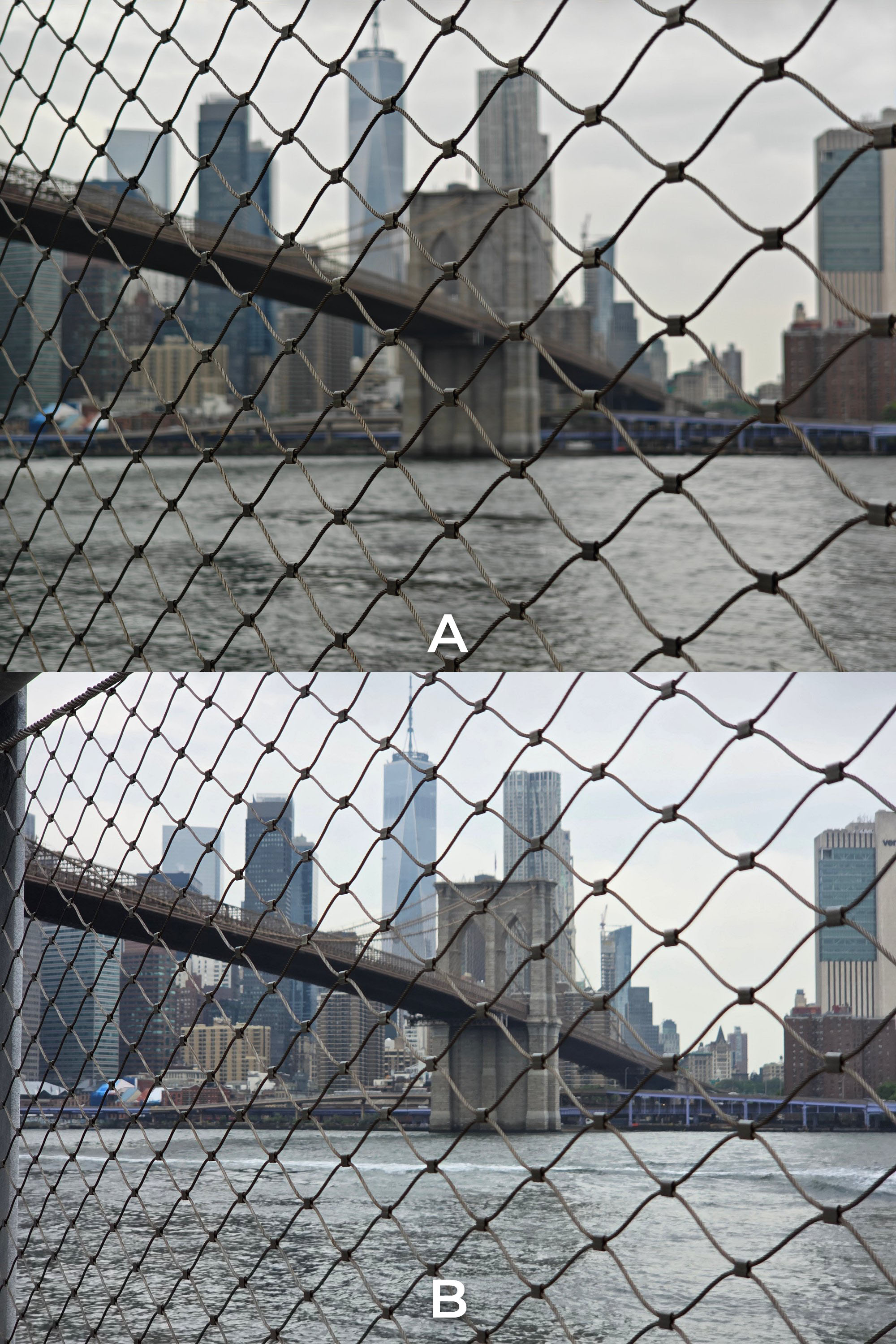
Take the Brooklyn Bridge photo through cyclone wire (W8):
- The Find N5 nailed it with more pronounced depth and contrast.
- The Fold7 came off a little flat in comparison.
But this wasn’t always the case. In the shot of the yellow vehicle (w5) and in main-camera selfies (W12), the Fold7 delivered bokeh that looked more organic.
Overall, the Find N5 clearly does more processing after you hit the shutter, while the Fold7 gives you what it sees, almost instantly. Your preference between a more “finished” photo and a natural one will really show here.
Zoom zoom
Let’s be real — this wasn’t even close.
At 6x and beyond, the OPPO Find N5 easily outclassed the Fold7. Detail, sharpness, and clarity all went to OPPO’s corner. Samsung’s telephoto performance just didn’t keep up.
Final thoughts
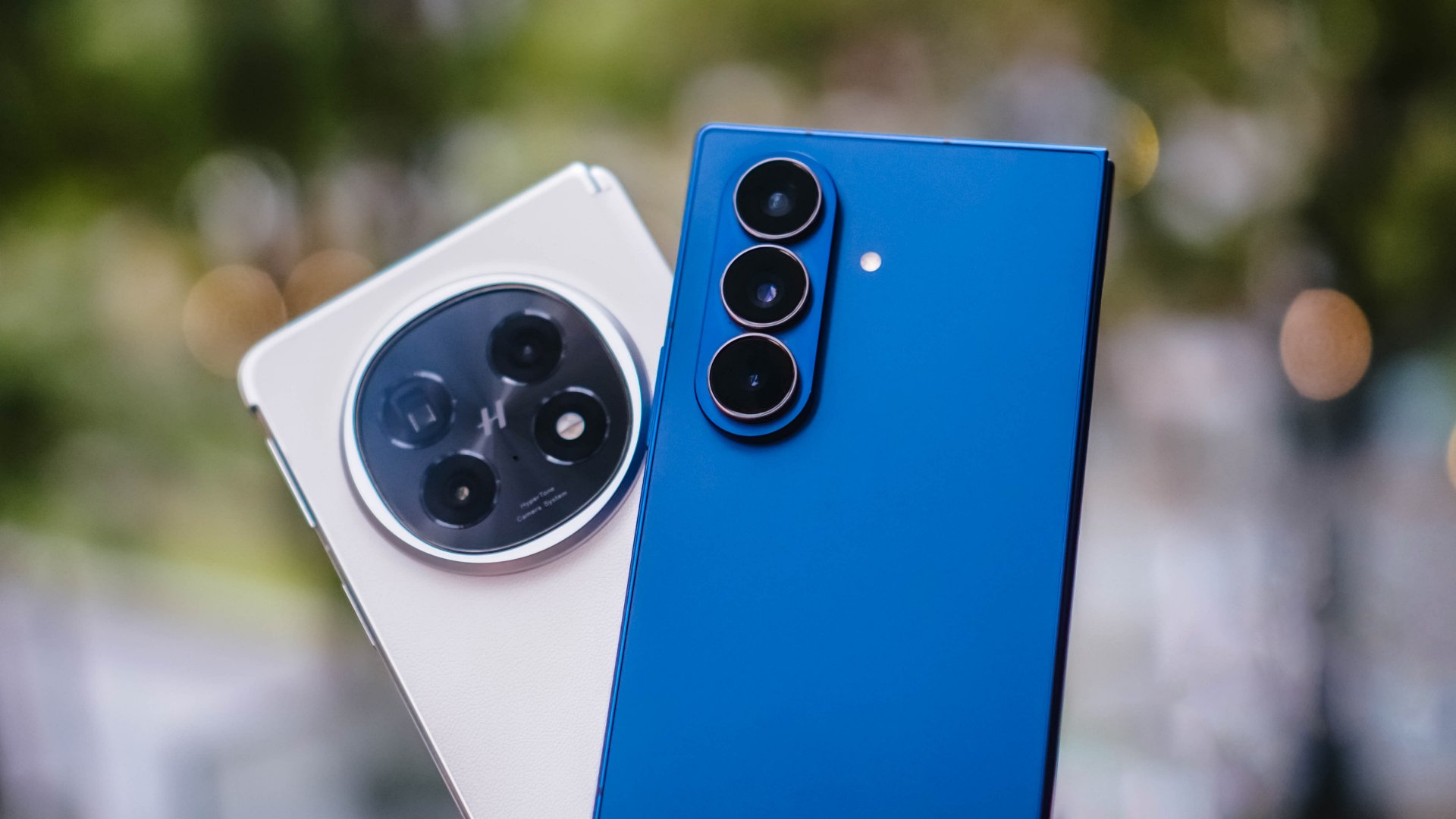
If we’re talking eye-catching, the OPPO Find N5 wins out of the gate. Brighter shots, better zoom, more punch overall.
But the Galaxy Z Fold7 holds its own. At 1x to 3x — and especially in low light — it sometimes captures a mood the Find N5 over-brightens. The beer glass in a dimly lit bar is a perfect example: OPPO lit it up; Samsung kept the vibe.
At the end of the day, this comes down to what you value.
- Want bright, punchy, more dramatic photos? Go OPPO.
- Prefer subtler, moodier, more natural output? Samsung’s your bet.
That said — if we’re choosing a winner in camera versatility and polish, the OPPO Find N5 edges ahead.


Marvel’s Wolverine review: When the claws come out
A brutal, cinematic superhero adventure

Setting your bedsheets ablaze with the Lovense Solace Pro
The closest proxy I could find where I'm guilty as sin


Now Playing: Elden Ring Tarnished Edition
Is the Switch 2 port worth the price?

First Look: Apple iPhone Duo

Xbox saves Kojima’s PHYSINT after PlayStation drops support
Marvel’s Wolverine review: When the claws come out

PH to celebrate 1st ever National Cinema Day; movies start at less than $2

New AGON gaming monitor features up to 1000Hz refresh rate

TECNO MEGAPAD 2 review: Eyes on the size

realme 16T 5G with 8000mAh battery, IP69 Pro rating launches in PH

HUAWEI Pura X View is 2026’s first WIDE slab-type smartphone

REDMI Note 17 Series focuses on long-term reliability

REDMI reveals the refreshed Note 17 and Note 17 Pro series


-
 News2 weeks ago
realme 16T 5G with 8000mAh battery, IP69 Pro rating launches in PH
-
 News4 days ago
HUAWEI Pura X View is 2026’s first WIDE slab-type smartphone
-
 Cameras1 week ago
DJI Osmo 360 II review: Going all-in on the ecosystem
-

 Features2 weeks ago
The designated photographer’s new favorite phone: OPPO Reno16 Series 5G
-

 News4 days ago
The CAMON Slim 5G is TECNO’s latest ultra-slim smartphone
-

 IFA 20261 week ago
TECNO MEGABOOK T15 360 unveiled at IFA 2026
-

 Gaming1 week ago
NBA 2K27 review: A two-way All-Star
-
 Reviews1 week ago
Samsung Galaxy Z Fold8 Ultra review: It’s time to get a foldable