
Wearables
Samsung launches a Galaxy Watch FE
Ahead of the Galaxy Unpacked event


Sometimes, waiting is just not worth it. Despite the anticipation for its upcoming Galaxy Unpacked event, Samsung has released one of its newest devices out into the wild. Smartwatch fans, say hello to the Galaxy Watch FE.
From out of nowhere, Samsung has announced that it has launched the Galaxy Watch FE. Like other devices carrying the FE moniker, the new wearable offers a slightly lower trim compared to the mainline Galaxy Watches, but it’s just as capable of delivering the classic Galaxy experience.
Available in 40mm, the smartwatch comes with a 1.2-inch OLED screen. It doesn’t come with a rotating bezel, unlike the other Watch 6 Classic.
However, the watch comes with an Exynos W920 processor, which is only a small step below the current offerings. It has 1.5GB of RAM and 16GB of storage. Finally, it will have 247mAh of battery.
Despite the slightly lesser hardware, users will still enjoy almost all the same features as a traditional Galaxy Watch. All that’s missing is the temperature sensor introduced last year. That’s not a big tradeoff.
The Galaxy Watch FE will cost around US$ 200 for the Bluetooth version, and it arrives on June 24. However, a more premium LTE version will cost US$ 250 and will arrive in October.
SEE ALSO: Galaxy AI takes Samsung foldable experience to a new level






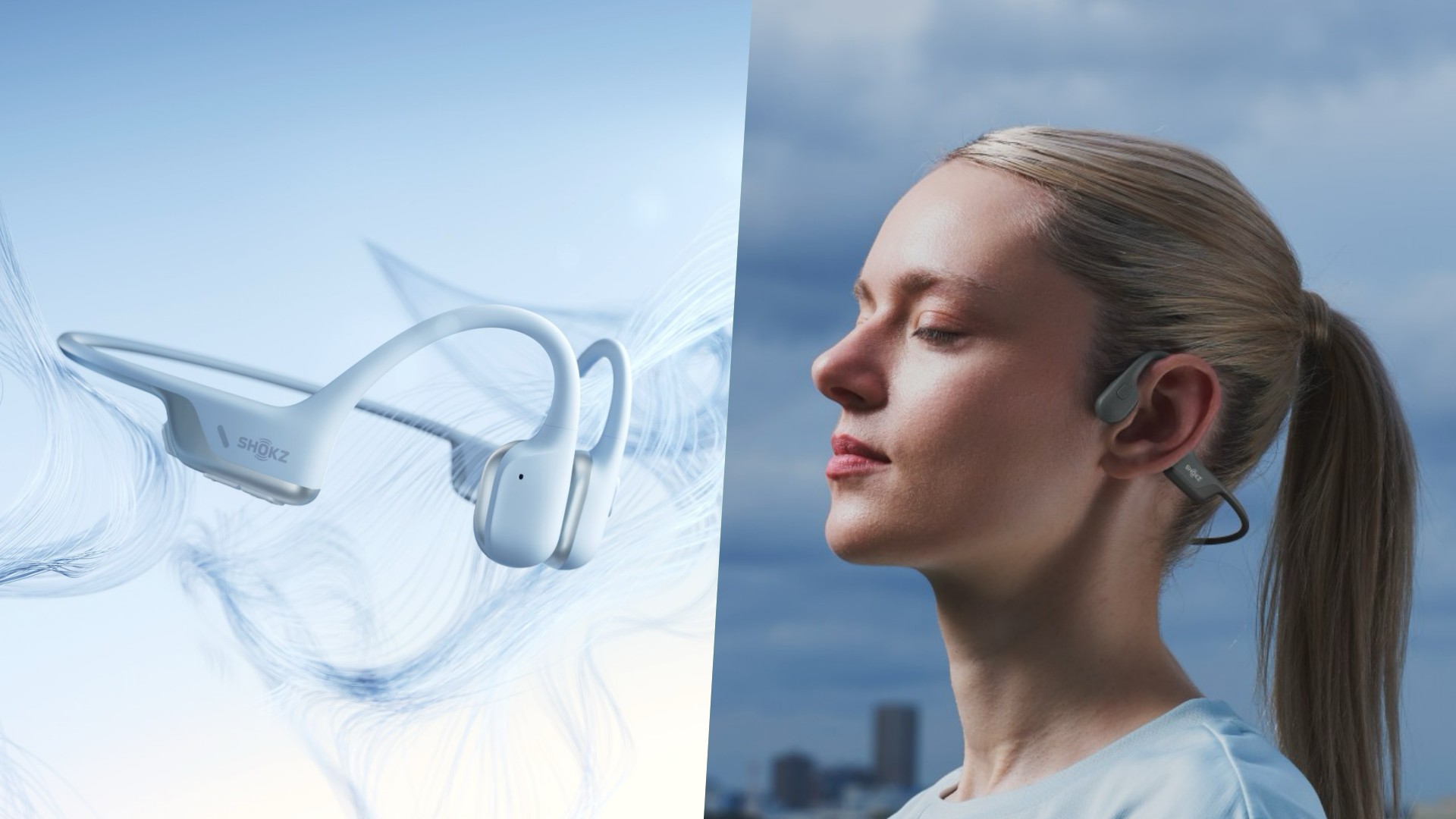
Shokz has launched two new open-ear audio products designed for active lifestyles and everyday use.
The OpenRun Air 2 is a bone conduction sports headphone built for running, cycling, hiking, and outdoor training. The OpenFit Air 2 is a true wireless earbud designed for workouts, commuting, and all-day wear.
Both products keep the ear canal open. This lets users listen to music and take calls while staying aware of their surroundings.
OpenRun Air 2 gets smaller and lighter

The OpenRun Air 2 weighs 26.4 grams. It is also more than 9% smaller than the OpenRun.
Shokz redesigned the ear hooks to follow the natural curve of the ear. The new design distributes pressure more evenly. A forward-shifted center of gravity also helps reduce bounce during movement.
The ear hooks and neckband use a durable memory alloy. This helps keep the headphones secure during activities.
The headphones use Shokz’s PremiumPitch 3.0 bone conduction technology. Its upgraded driver uses an all-metal, dual-coil, dual-reed structure. Shokz says this delivers richer bass, clearer vocals, and a more balanced sound.
Users can also adjust the sound through the Shokz App. It offers four preset EQ modes and two custom EQ profiles.
The OpenRun Air 2 offers up to 10 hours of listening time. That’s 25% longer than the OpenRun. A five-minute Quick Charge can also provide up to two hours of playback.
An IP67 rating protects the headphones from dust and water. The device also uses USB-C charging and physical controls.
For calls, the OpenRun Air 2 uses an AI-powered noise reduction microphone. Shokz says it helps keep calls clear even in windy conditions.
The headphones come in Black and Ice Blue. Both colors are available in Standard and Mini sizes.
OpenFit Air 2 is the lightest OpenFit
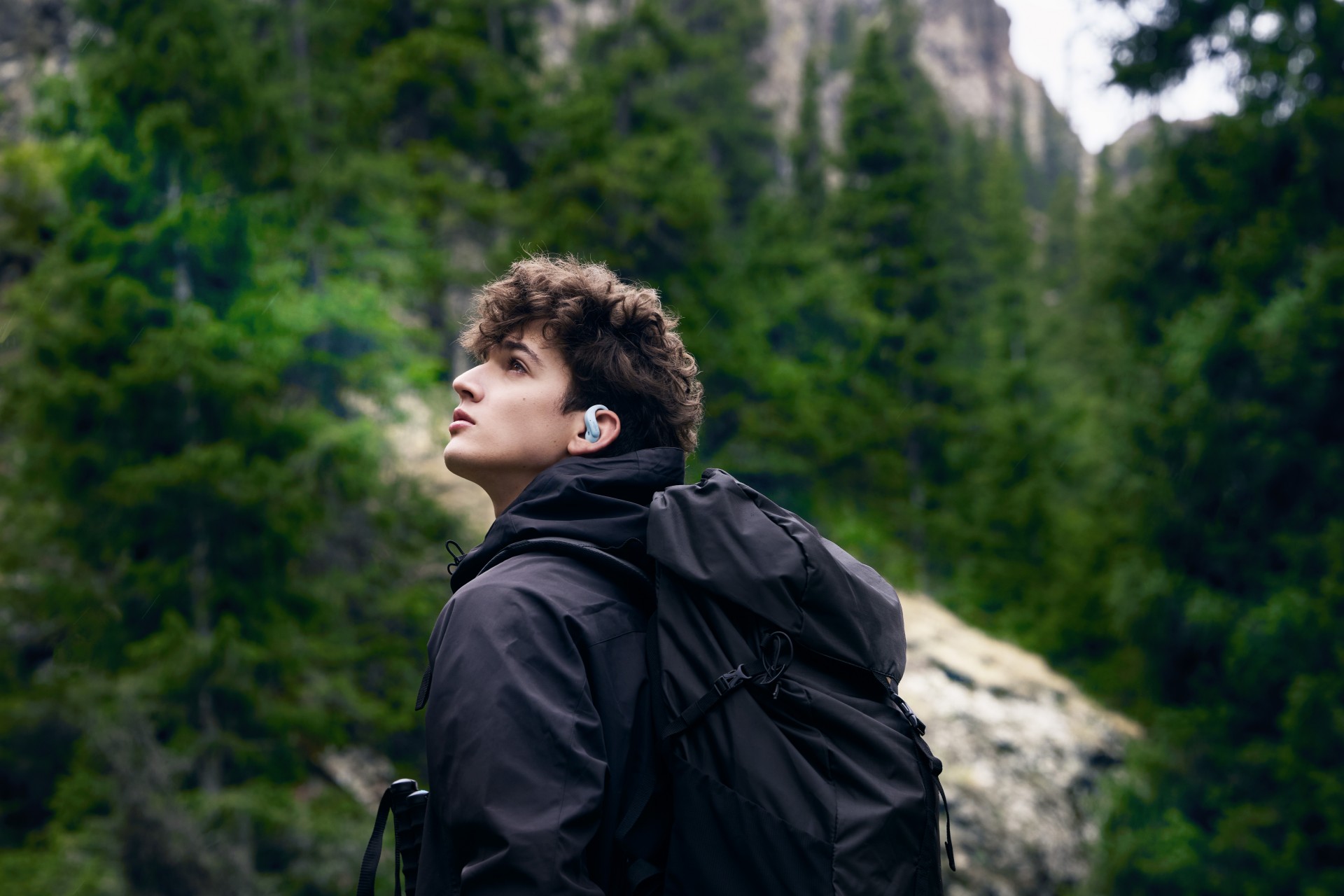
The OpenFit Air 2 weighs 7.2 grams per earbud. Shokz says it is the lightest product in the OpenFit lineup.
The new charging case is 10.5% smaller than the previous generation. The earbuds and case together are also 17.6% lighter.
Shokz redesigned the ear hook with a 0.75mm nickel-titanium alloy frame. This balances flexibility and support during workouts and everyday use.
The open-ear design also reduces pressure and heat buildup inside the ear canal.
For audio, the OpenFit Air 2 uses Shokz’s Bassphere driver and OpenBass 2.0 algorithm. The system uses a dual-driver setup to improve low-frequency performance.
A 30-degree angled speaker directs sound toward the ear. DirectPitch technology also helps reduce sound leakage.
Like the OpenRun Air 2, the OpenFit Air 2 supports four preset EQ modes and two custom profiles through the Shokz App.
The earbuds provide up to eight hours of listening time on a single charge. The charging case extends total battery life to up to 36 hours. A 10-minute quick charge provides up to three hours of playback.
The earbuds also use pressure-sensitive controls designed to reduce accidental inputs from sweat, water droplets, or hair.
Other features include dual microphones with AI noise reduction, IP55 sweat and water resistance, Bluetooth 6.1, Multipoint Pairing, Fast Pair, Swift Pair, customizable controls, and Find My Earbuds through the Shokz App.
The OpenFit Air 2 comes in Black, White, and Ice Blue.
Pricing and availability
The Shokz OpenRun Air 2 and OpenFit Air 2 will be available starting August 27 through Shokz.com and select retailers.
Both products are priced at $129.95 USD and $169.95 CAD.


What if smart glasses could make you more present instead of recording everything around you? Check out MemoMind or back it up on Kickstarter.
After spending time with the MemoMind One around New York City, THE Michael Josh wanted to answer one question: Do smart glasses actually become more useful when they stop trying to be a camera?
In this video, we take a look at the MemoMind One — a new pair of AI-powered smart glasses that take a very different approach.
News
These “smart” glasses just sold out in under a week
DuckDuckGo touts that these glasses have zero AI, zero cameras, and an infinite battery life.
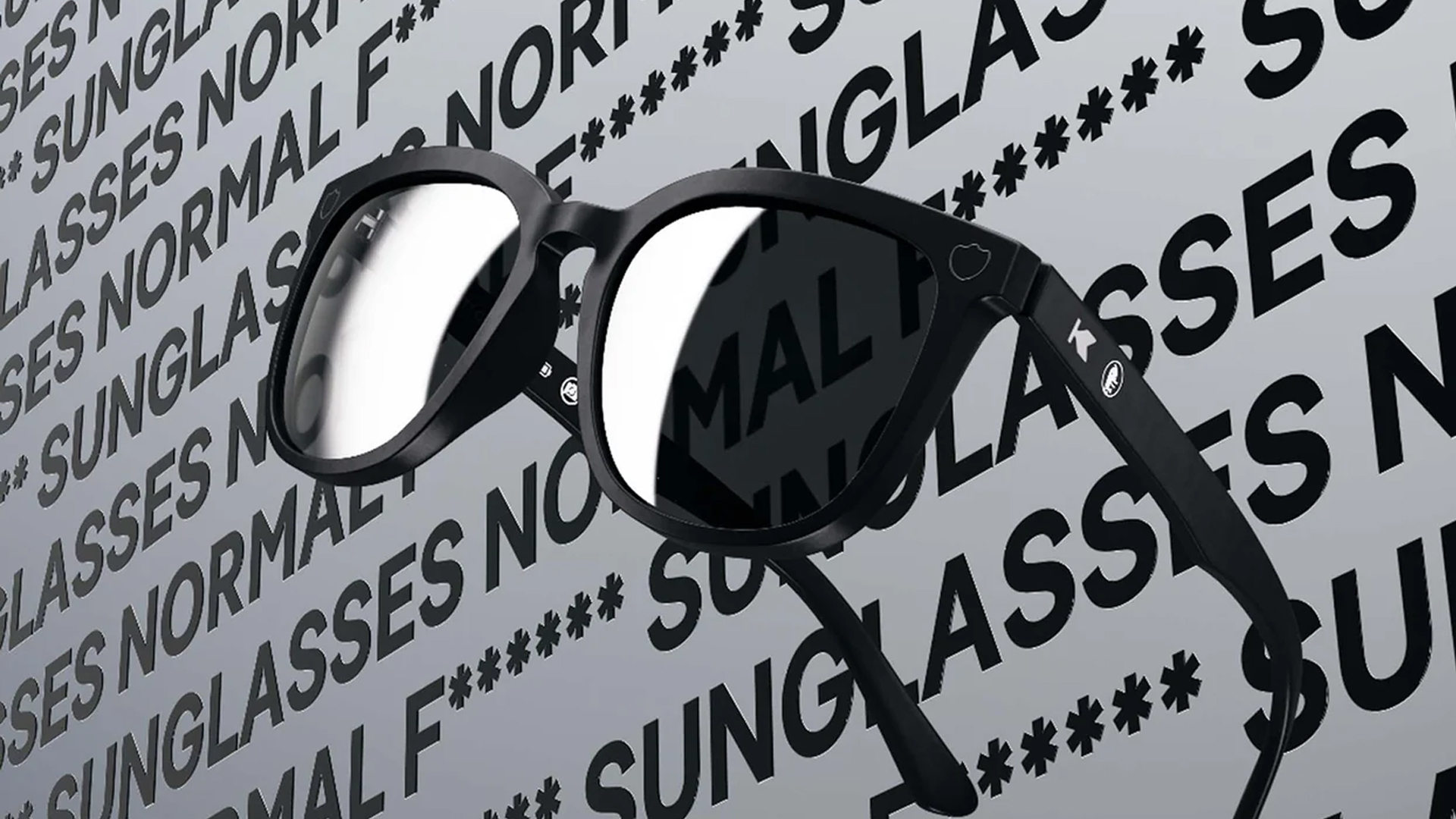
Smart glasses are in a weird place right now. While a chunk of the population views them as cool and innovative, another significant chunk sees them as a privacy nightmare. If you’re in the latter group but want to see what life is like on the former, DuckDuckGo has a new product: a pair of anti-surveillance glasses with no camera or AI, otherwise known as just normal sunglasses.
If it’s not obvious, yes, it’s a troll product. DuckDuckGo is a search engine famously known for pushing privacy as a priority, opposing Google’s penchant for advertising and AI. Now, the search engine is taking on the smart glasses market.
Partnering with Knockaround, DuckDuckGo released the Paso Robles, a pair of sunglasses touted as having zero cameras, an always-offline mode, and a battery life of infinity.
It’s a statement piece. The rims have a logo mark, similar to the Meta’s glasses. The packaging also states that the glasses are “designed to block the sun, not send data to the cloud.”
Now, if you want a pair, they cost only US$ 35, as opposed to Meta’s US$ 299 price tag, but they are already sold out.
Which says quite a bit about today’s sentiment against AI and for privacy. Of course, to be fair, DuckDuckGo’s supply is certainly less than Meta’s stock for their smart glasses. It does, however, prove that the sentiment is there.
As of now, the world is slowly realizing that unimpeded smart glasses aren’t such a good idea, leading to people concerned about their privacy. In fact, some states have already started banning the technology in certain public spaces.





Disney+ is moving to a global app experience

Now Playing: Elden Ring Tarnished Edition

TECNO’s POVA 8 Pro gets a stealthy makeover

The original PlayStation gets the LEGO treatment

NBA 2K’s MyCAREER needs to play the long game

TECNO MEGAPAD 2 review: Eyes on the size

realme 16T 5G with 8000mAh battery, IP69 Pro rating launches in PH

REDMI Note 17 Series focuses on long-term reliability

realme 16T to come with 8,000mAh battery, 7-year battery health guarantee

HUAWEI Pura X View is 2026’s first WIDE slab-type smartphone


-
 Reviews2 weeks ago
TECNO MEGAPAD 2 review: Eyes on the size
-
 News7 days ago
realme 16T 5G with 8000mAh battery, IP69 Pro rating launches in PH
-
 Cameras2 weeks ago
30 days with the DJI Osmo Pocket 4P
-
 Singapore1 week ago
REDMI Note 17 Series: Price, availability in Singapore
-
 News1 week ago
REDMI reveals the refreshed Note 17 and Note 17 Pro series
-
 Cameras1 week ago
Insta360 Luna Ultra review: My new solo coverage camera
-
 Reviews1 week ago
REDMI Note 17 Pro review: What a rollercoaster ride!
-
 News2 weeks ago
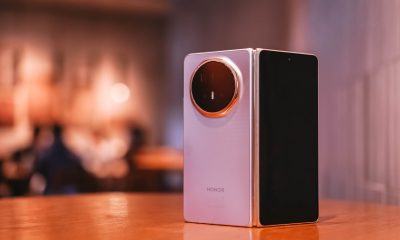
HONOR Magic V6: Price, availability in the Philippines