


Gaming
Shadow of the Ninja – Reborn comes with unlimited ways to perish
Unlimited tries means practicing the ninja way a bit more

I’ve always been used to seeing ninjas in more traditional settings. That’s especially considering that their fighting style requires elusiveness most of the time. There are a slew of games out there that touch on ninja story arcs. These push the boundaries of one’s emotions while testing their reflexes in high-stakes environments. And yes, there is a lot of button mashing involve: to get the combos right, to use items at the right time, and to escape death at every point.
Shadow of the Ninja – Reborn on the Nintendo Switch is mostly the latter but you remove the whole ninja story arc and historical setting in play. It adds a modern twist to an otherwise traditional way of combat in a fast-paced environment filled with perils and obstacles. Even the style of the graphics, in a way, still follows a simplified direction. It’s more 2D-looking similar to the original on the NES.
Is it enough to play the game all the way through? If anything, it depends on how far you’re willing to go.
A taste of modern ninja combat
The entire game rests upon the idea that the way of the ninja is that of a simple one: attack when needed and be aggressive with it. Overall, the way you fight off waves of enemies and obstacles revolves around short and long-range attacks timed perfectly. When going on the defense, you could only avoid attacks instead of having items to protect you.

Speaking of items, Shadow of the Ninja also comes with various items you can use to aid your progression throughout all six stages. From healing items to weapons, they’re quite helpful. That’s especially true against some of the tougher bosses or harder to clear obstacles down the line. You can find these within each stage by breaking metal containers, so they’re not that hard to miss.

It’s a high-risk, high-reward system that makes you adapt your strategies the moment each stage or sub-stage begins. You’ll assess the environment, figure out which enemies you can hit with short or long-range attacks, and get by obstacles while beating the 1000-second timer. For a casual player, it can be overwhelming no matter how you slice it. Thankfully, you can play the stages as many times as you like.
Two modes, unlimited possibilities
Where I spent most of the time playing Shadow of the Ninja – Reborn was in Arcade Mode. There’s a six-stage gauntlet that puts your ninja skills to the test. Of course, the first few levels are there to serve as a way for you to get used to the controls. But it only gets harder from there. As customary to any game with a timer, you will lose your life trying to get through all six stages. And that’s just part of the experience.

As you go through Arcade Mode, you will carry over any items you acquire along the way and earn a score depending on how much you cleared in one go. At the end, you also earn some of the items as consumables, which you can purchase when you replay the same level in the other mode, Time Attack! However, every death within the stage resets the score and removes the items, but not your progress!
In order for you to unlock Time Attack, you’ll have to get through just the first stage of the game. Honestly, that’s all good but you can only unlock the rest if you’ve beaten them in Arcade Mode. So. you will spend a lot of time trying to beat the game. If only you could purchase items before starting stages in Arcade Mode, you could get it done a lot faster.
Overwhelming stages reinforced by trial and error
Now, these six stages are, in my opinion, carefully designed to do a lot of trial and error on. In terms of overall art design, it only made sense to do it with 2D sprites and desolate backdrops given an apocalyptic setting. What stood out to me was how they made certain stage elements pop out, especially for the platforms you’ll be climbing or scaling up on.

Although, there were some instances during my playthrough wherein I couldn’t tell platforms apart. It took some guess work to go through stages and grab items when the design doesn’t illustrate it as a platform. As a result, you will end up spending more time making guesses on platform design as you progress through the stages without meeting certain death.

Once you get used to the environment, you can breeze through a lot of the stages and enemies with ease. All it really takes is repeatedly falling off said stages or getting knifed to death!
A daunting task to finish
Admittedly, Shadow of the Ninja was a pretty interesting game to go through from start to finish. While it does come with game play mechanics that require repetition for perfection, it’s done in a short and rather fast-paced manner. For me, it’s action-packed and will make you think on your feet without having your survival instincts kick in.
I am appreciative of the fact that you can continuously replay the stages whenever you get a “game over” because of the difficulty. It doesn’t make you feel completely dumbfounded over making mistakes, and you don’t lose a ton of progress, too. Plus, the stage design is set-up nicely and ups the ante as you progress further.
It’s a solid pickup if you’re looking to just pass the time anywhere you are. It’s doable in terms of playing all the way through. But you don’t need to beat yourself up if you fail!








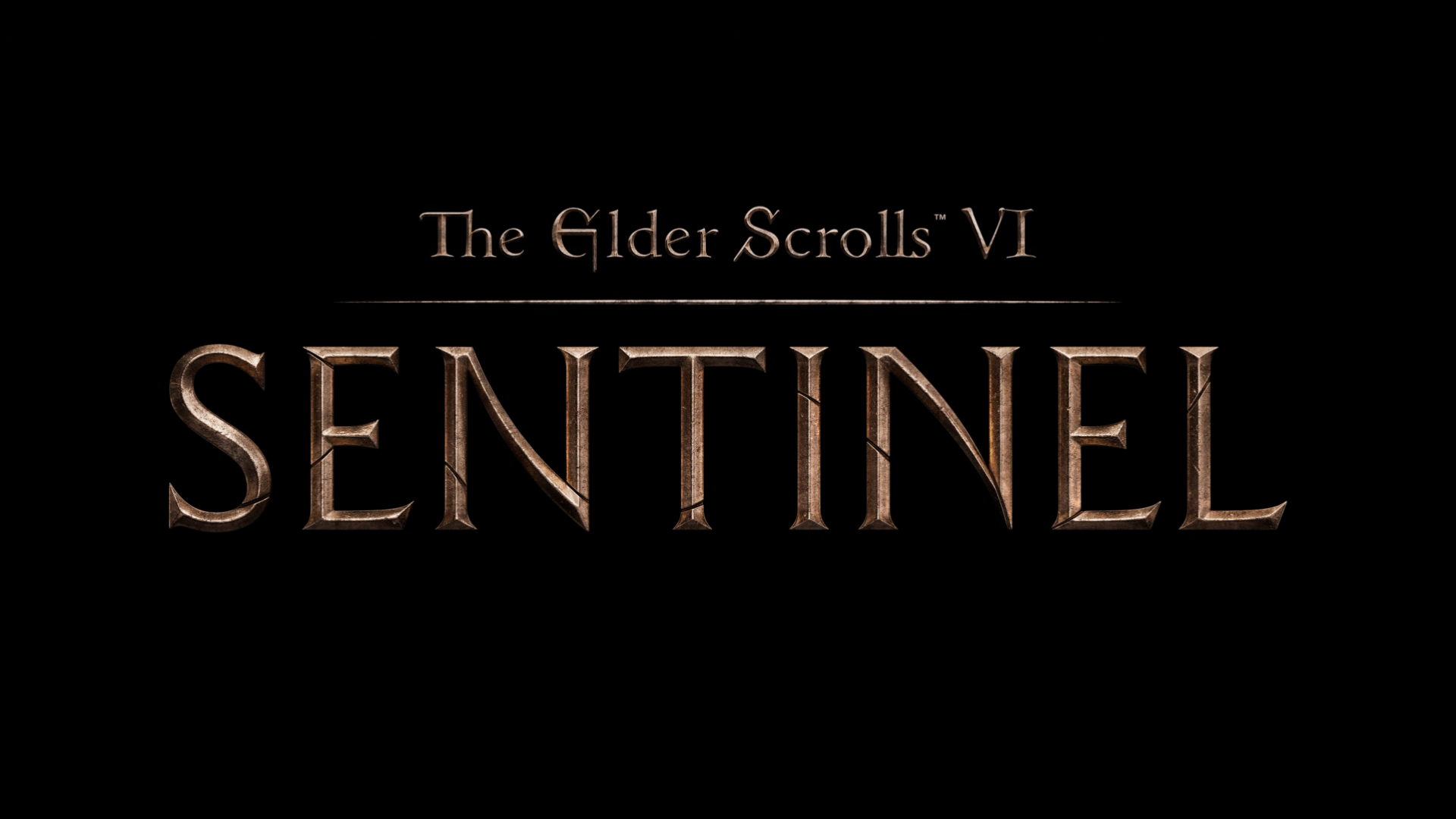
Can you believe that it’s been over eight years since Bethesda announced The Elder Scrolls VI. Since then, we’ve seen neither hide nor hair of the upcoming title. Today, the studio has mercifully revealed a tiny bit more about the game including its title and setting.
Historically, the Elder Scrolls franchise is not known for its numbering. It’s not The Elder Scrolls III, IV, and V; it’s Morrowind, Oblivion, and Skyrim. Now, we know what The Elder Scrolls VI will be called — Sentinel.
The name is also a huge clue as to where the game will take place. Besides being the name of the game itself, Sentinel is also the capital of Hammerfell, a region in northwest Tamriel. The teaser, which shows a sword being uncovered from a pile of sand, confirms this. After all, the Alik’r Desert is one of the region’s highlights.
Now, Hammerfell is not a new region for players. The region, especially the titular Sentinel, was previously featured in The Elder Scrolls II: Daggerfall. Obviously, not a lot of gamers would have played this classic game before, so a return will introduce the region to a lot more modern players.
Unfortunately, despite throwing us a bone with the name and the setting, Bethesda did not reveal when the title is coming. Given that Grand Theft Auto VI is launching very soon, the time is ripe for the launch of another much-awaited title.
SEE ALSO: The Elder Scrolls IV: Oblivion Remastered is out now


Riot Games is celebrating the return of virtual K-pop group K/DA with new music, exclusive skins, and major gameplay updates in League of Legends: Wild Rift Patch 7.3.
After a six-year hiatus, K/DA returns with FIRESTARTER, the group’s newest track and the title track of an EP featuring three additional songs. The release marks a new chapter for the virtual group, which brings its latest musical era to the mobile MOBA through the new HEATBRINGER skinline.
To celebrate the comeback, Riot Games hosted FIRE IT UP: The K/DA Comeback Party in the Philippines. The event brought fans together for a listening party featuring music from across Riot Games’ virtual acts, live Wild Rift gameplay, community activities, and exclusive photo opportunities.
Attendees also experienced live AAA ARAM matches featuring gameplay disruptions and augments inspired by Riot Games’ musical universe, including HEARTSTEEL, Pentakill, and TRUE DAMAGE.
K/DA returns with new HEATBRINGER skins

The K/DA comeback introduces the HEATBRINGER skinline, featuring new looks for the group’s four original members: Ahri, Akali, Evelynn, and Kai’Sa.
The skins give the champions a new visual identity inspired by K/DA’s latest musical era, with fiery red and white elements that bring their stage presence to the Rift.
The collection also includes Prestige K/DA HEATBRINGER Evelynn.
The new skins are exclusive to Wild Rift and are scheduled to launch on November 4, 2026.
The comeback extends beyond the cosmetics. With FIRESTARTER and its accompanying EP now available on major music streaming platforms, K/DA’s return brings together Riot Games’ music and gaming communities.
Wild Rift Patch 7.3 overhauls marksmen and item builds
Beyond the K/DA celebration, Patch 7.3 introduces significant gameplay changes that reshape champion builds, jungle strategies, and objective control.
One of the biggest changes targets marksmen, giving critical-strike builds more room to scale. Base critical-strike damage increases from 175% to 200%, while the attack-speed cap rises from 2.5 to 3 attacks per second.
Several marksmen also receive individual adjustments, including Ezreal, Kai’Sa, Twitch, Lucian, Caitlyn, Draven, Miss Fortune, Samira, Zeri, Jinx, Vayne, and Ashe.
The item system gets an overhaul to support these changes. Players can explore new or redesigned options, including Hexoptics, Yun Tal Wildarrows, Fiendhuler Bolts, Stormrazor, Rapid Firecannon, and Immortal Shieldbow.
Lifesteal also receives changes intended to support basic attacks, on-hit damage, and abilities treated as basic attacks.
Support items are part of the update, too. Echoes of Helia is positioned toward offensive supports who want to convert damage into healing, while Ardent Censer, Staff of Flowing Water, and Harmonic Echo also receive changes.
Jungle changes reward efficient farming
Patch 7.3 also changes how junglers approach the early and mid-game.
The updated jungle system rewards consistent camp clearing with bonus gold and introduces a catch-up mechanic for junglers who fall behind. This reduces the pressure to constantly gank and encourages players to balance farming with opportunities to assist their teammates.
Clearing camps also progresses Ecosystem Protection stacks, allowing Smite to scale from 600 to 1,000 and eventually 1,400 true damage.
These changes make efficient farming more important when preparing to secure major objectives such as Baron Nashor, Rift Herald, and Dragons.
Epic monsters also adjust to the pace of each match, scaling according to the average player level rather than simply growing stronger as time passes.
Turrets receive substantial changes as well. Plating now extends to outer, inner, and inhibitor turrets and remains permanently. The new Crystalline Overgrowth mechanic lets turrets accumulate crystals that champions can detonate with their first basic attack.
Together, these changes place greater emphasis on lane pressure, defensive positioning, and coordinated pushes. Winning team fights remains important, but teams must also turn their advantages into meaningful objective damage.
Hwei, Sylas, and Rek’Sai join the roster
Patch 7.3 expands the champion roster with three additions: Hwei, Sylas, and Rek’Sai.
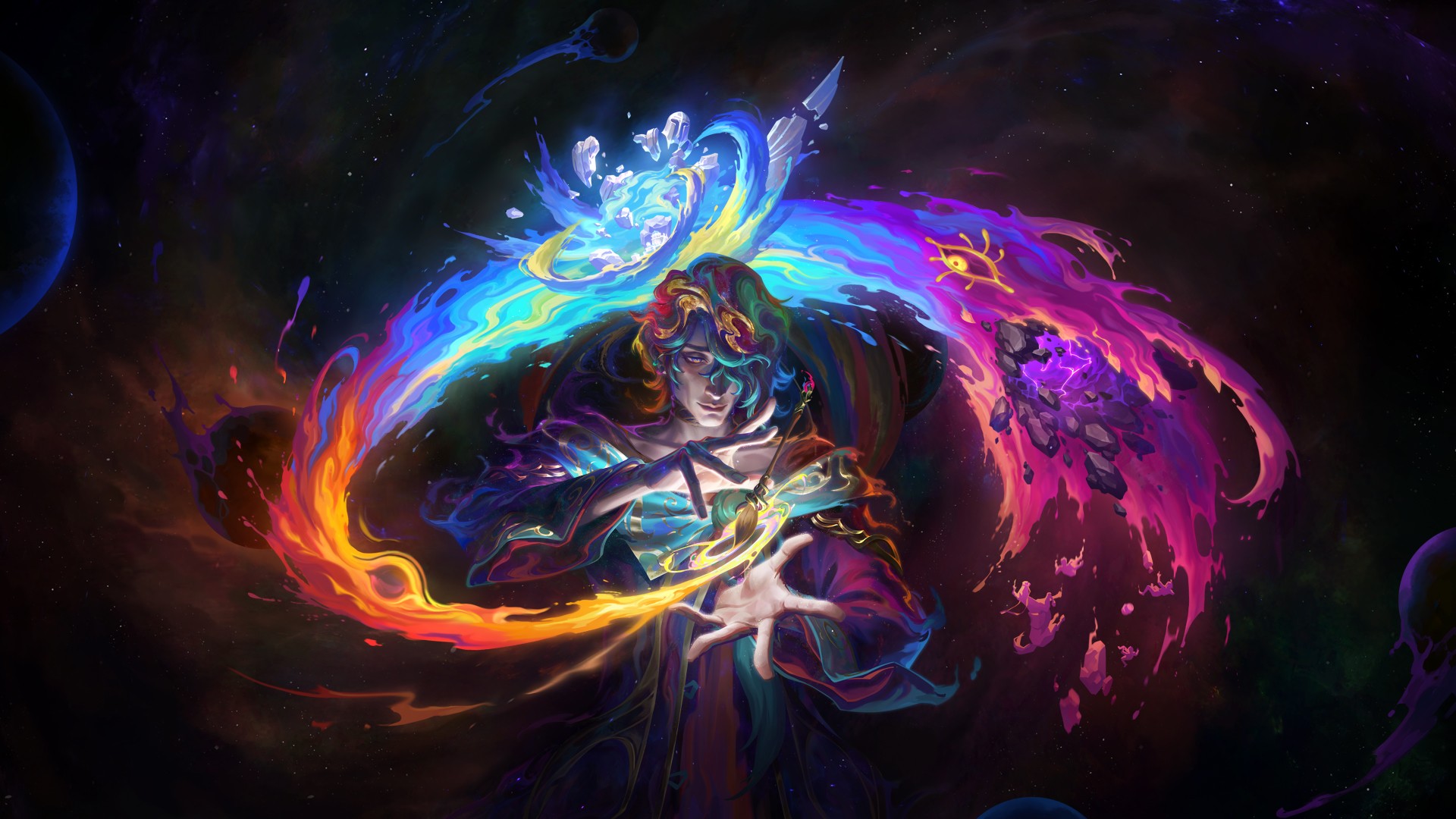
Hwei, the Visionary, brings a flexible set of abilities to the mid lane. His Subject: Disaster, Subject: Serenity, and Subject: Torment ability groups give him tools for dealing damage, supporting allies, and controlling opponents.
Sylas offers explosive damage and crowd control. His kit includes an ability that pulls enemies into a stun-to-knock-up combination, while Kingslayer restores health based on his missing health. His ultimate lets him steal an enemy champion’s ultimate ability.
Rek’Sai brings another approach to initiating team fights. Her Unburrow ability knocks up nearby champions, while her ultimate helps her track nearby enemies before striking.
These additions give players more options for adapting their team compositions and strategies.
Ranked play and game modes get updates
Competitive players also get changes to Ranked and Legendary Ranked.
The S/A and MVP scoring systems now evaluate performance according to a player’s lane and champion role instead of relying on a single universal metric. Strong performances can also yield more Ranked energy.
Legendary Ranked receives adjustments to its seasonal entry requirements for former Grand Masters, alongside a new trial format designed to help top performers advance from Legendary Commander Rank.
Players looking for something different can also try Rift Rumble, a new 3v3 mode played on a symmetrical map. Teams battle for kills and compete to capture ultimate stones that can change how their champions secure eliminations.
Meanwhile, AAA Realm continues to evolve with a music-themed season and new augment cards. These include Sonic Waves, which draws inspiration from Riot Games’ musical acts, including HEARTSTEEL, Pentakill, and TRUE DAMAGE.

A new era for K/DA and Wild Rift
With FIRESTARTER, the HEATBRINGER skins, and a sweeping gameplay update, Patch 7.3 connects Riot Games’ music and gaming communities through a shared celebration.
K/DA’s return gives fans a new soundtrack and fresh looks for their favorite champions, while the gameplay changes introduce new ways to approach champion builds, jungle farming, and map control.
Players can follow Wild Rift Philippines’ official social media channels for updates on the latest patch, champion releases, and in-game content.
K/DA returns with FIRESTARTER.

HoYoverse will launch Petit Planet, its first cozy galactic life simulation game, on December 4, 2026. The game will be available on PC, iOS, and Android, with a Nintendo Switch 2 release planned for 2027.
The announcement was made during the Petit Planet Pre-Launch Special Program on November 1. HoYoverse also revealed more details about the game’s characters, gameplay features, and launch events.
Build a planet and meet new Neighbors
In Petit Planet, players take on the role of Planet Tenders who travel across the Starsea with Oumuamua, a Starsea Spirit said to listen to people’s wishes.
Each player starts with their own planet, where they plant a Luca Seed that grows into a Luca Arbor. This tree gradually shapes the planet’s landscape, seasons, and ecosystem.
Players will also meet various Neighbors, including Planet Coordinator Mobai and Starsea Racer Elsasani. Getting to know these characters allows players to develop friendships and discover their individual stories.
Beyond their home planets, players can explore scattered Islets across the Starsea. They can also visit the Galactic Bazaar to play games, participate in auctions, and share their creations with others.
Launch events offer free rewards
HoYoverse has prepared several events to celebrate the game’s launch.
Players can enter a pre-registration lucky draw through the official website for a chance to win prizes. Regular gameplay will also offer more than 1,000 clothing and furniture items for free.
The Besties, Made to Match! event rewards players who invite two friends to pre-register. Each participant will receive an exclusive clothing item.
Starting November 1, the Launch a Planet event will let players design their own planets through the official event website. Participants will also have a chance to win surprise grand prizes.
The first Petit Planet Seasonal Creation Event will begin alongside the game’s launch. Selected fan creations can win cash prizes, in-game rewards, and official merchandise.
Players can also visit the game’s official X account after the special program to receive a Moving Guide and join a giveaway featuring a suitcase, gift cards, and an exclusive luggage tag.
Pre-register for Petit Planet
Petit Planet is now available for pre-registration on the Apple App Store, Google Play Store, and Epic Games Store. Players can search for the game on these platforms to pre-register and receive a notification when it launches.
The game arrives globally on December 4, 2026, for PC, iOS, and Android. A Nintendo Switch 2 version is scheduled for 2027.


Apple iPad mini OLED review
Has the mini gone PRO?!


ROG G700 review: The best prebuilt PC you can get off the shelf
This PC will make you stop worrying about specs.


HP OMEN Max 16 review: Gamer-maxxing in deep black
Peripherals deemed necessary to max this out
Apple iPad mini OLED review

Spotlight: eufy Robot Vacuum Omni E35

UGREEN ClipBuds Pro 2 feature AI translation

Lazada kicks off 11.11 Biggest Sale of the Year ahead of holiday rush

Dune and Dune: Part Two return to cinemas ahead of Dune: Part Three

OPPO Find X10 Series launches globally October 21

vivo V80 debuts with ZEISS cameras

Garmin Enduro 4 promises up to 320 hours of battery life

Your coffee nook is getting a makeover with Starbucks’ holiday collections

Dragon’s Dogma 2: Dark Arisen launches with new Official Pawns


-
 Lifestyle4 days ago
Your coffee nook is getting a makeover with Starbucks’ holiday collections
-
Gaming2 weeks ago
HP OMEN Max 16 review: Gamer-maxxing in deep black
-

 Lifestyle6 days ago
Sticker season is back, and so is the planner your ~friends~ might fill in for you
-

 Gaming4 days ago
Wild Rift Patch 7.3, celebrates K/DA comeback
-
Gaming1 week ago
ROG G700 review: The best prebuilt PC you can get off the shelf
-

 Gaming1 week ago
PlayStation unveils Prism Collection
-

 Enterprise2 weeks ago
Google illegally destroys 250,000 trees for a single AI data center
-

 News1 week ago
Apple unveils its biggest iPad mini update yet