
Singapore
Sony Xperia 1 VIII arrives with AI Camera Assistant, bigger telephoto sensor
Smarter camera, sharper zoom


Sony has unveiled the new flagship Xperia 1 VIII, bringing upgraded camera hardware, AI-powered photography tools, and improved audio performance to its premium smartphone lineup.
Leading the update is the new AI Camera Assistant powered by Xperia Intelligence. The feature automatically analyzes scenes, subjects, and even weather conditions to suggest camera settings such as color tones, lens selection, and bokeh effects. Sony says the recommendations are based on its “Creative Look” imaging philosophy developed through its Alpha camera division.
Sharper zoom

The Xperia 1 VIII also gets a major telephoto camera upgrade. Sony equipped the device with a new 1/1.56-inch sensor that is around four times larger than the one used in the previous generation. According to the company, the larger sensor improves detail retention and low-light photography performance, especially for distant subjects.
Sony says all three rear cameras — 16mm, 24mm, and 70mm — now support RAW multi-frame processing. This allows the phone to simultaneously expand dynamic range while reducing noise in darker scenes. The company claims the system minimizes highlight clipping and crushed shadows while preserving fine details and improving color accuracy.
Design, audio, performance

The Xperia 1 VIII introduces a refreshed ORE-inspired design with four color options: Graphite Black, Iolite Silver, Garnet Red, and Native Gold. Sony also retained signature hardware features including the dedicated camera shutter button and the 3.5mm headphone jack.
Audio also sees improvements through newly developed full-stage stereo speakers. Sony says the updated speaker system delivers deeper bass, clearer vocals, and a wider soundstage for music and video playback.
Powering the device is Qualcomm’s Snapdragon 8 Elite Gen 5 Mobile Platform, which Sony claims improves processing performance by 20 percent compared to its predecessor. The company also says battery optimizations can deliver up to two days of battery life under typical usage conditions.
Price and availability

Sony will open orders for the Xperia 1 VIII starting May 13, 2026. Early buyers from May 13 to June 30 will receive free WF-1000XM6 noise-canceling headphones and a first-party case while supplies last.





Xiaomi and Singtel Singapore have announced a strategic partnership to make AI-powered connected experiences more accessible to consumers. The collaboration will explore opportunities across AIoT, smart living, and future mobility over the next year.
The partnership begins with the launch of the Xiaomi 18 Pro Series in Singapore. Singtel will serve as the exclusive telco for the Xiaomi 18 Pro and Xiaomi 18 Pro Max, offering exclusive promotions for customers who purchase either flagship.
By combining Singtel’s 5G connectivity, network intelligence, and customer reach with Xiaomi’s ecosystem of smartphones, smart home appliances, and connected devices, both companies aim to make connected living more convenient and accessible.
Singapore’s highly connected population also provides an opportunity for the collaboration. According to the Infocomm Media Development Authority (IMDA), 99% of resident households had broadband internet access in 2024, while 99.5% of households had access to smartphones.
Singtel offers exclusive Xiaomi 18 Pro Series bundles
Singtel is offering different promotional bundles depending on when customers purchase the Xiaomi 18 Pro Series.
Customers who pre-order between November 18 and 23, 2026 will receive a gift bundle worth up to SGD 1,136.
The bundle includes:
- Free REDMI Pad 2 worth SGD 499
- Two-year international warranty and one free screen replacement within 12 months, worth up to SGD 499
- Three-month Google AI Pro subscription with higher access to Google AI and 5TB of cloud storage
- Three-month YouTube Premium subscription
Customers who purchase the Xiaomi 18 Pro Series between November 24 and December 27, 2026 will receive a different bundle worth up to SGD 896.
This includes:
- Free Xiaomi Watch S5 46mm worth SGD 259
- Two-year international warranty and one free screen replacement within 12 months
- Three-month Google AI Pro subscription with higher access to Google AI and 5TB of cloud storage
- Three-month YouTube Premium subscription
Singtel is also offering a separate entertainment promotion. From November 18 to 23, customers who sign up for any Singtel mobile plan at participating Singtel Shops or Exclusive Retailer Stores can receive a free three-month entertainment bundle featuring Viu, iQIYI, and Ju Le Cool subscriptions worth SGD 86.58.
All promotions are subject to availability and applicable terms.
Customers can pre-order and purchase the Xiaomi 18 Pro Series through Singtel Shops or online at singtel.com/xiaomi.
Xiaomi and Singtel explore connected living
Beyond the initial smartphone launch, both companies plan to explore more opportunities involving AI-powered devices and connected experiences.
Xiaomi brings its portfolio of smartphones, smart home appliances, and connected devices to the collaboration. Its consumer IoT platform currently has 1.16 billion connected devices worldwide.
Singtel, meanwhile, contributes its 5G infrastructure, network intelligence, and extensive customer reach.
The partnership reflects a broader shift toward connected ecosystems, where smartphones, appliances, and other devices work together to simplify everyday tasks.
Potential applications include automated household routines, intelligent consumer devices, and future mobility experiences.
Xiaomi 18 Pro Series brings dual 200MP cameras
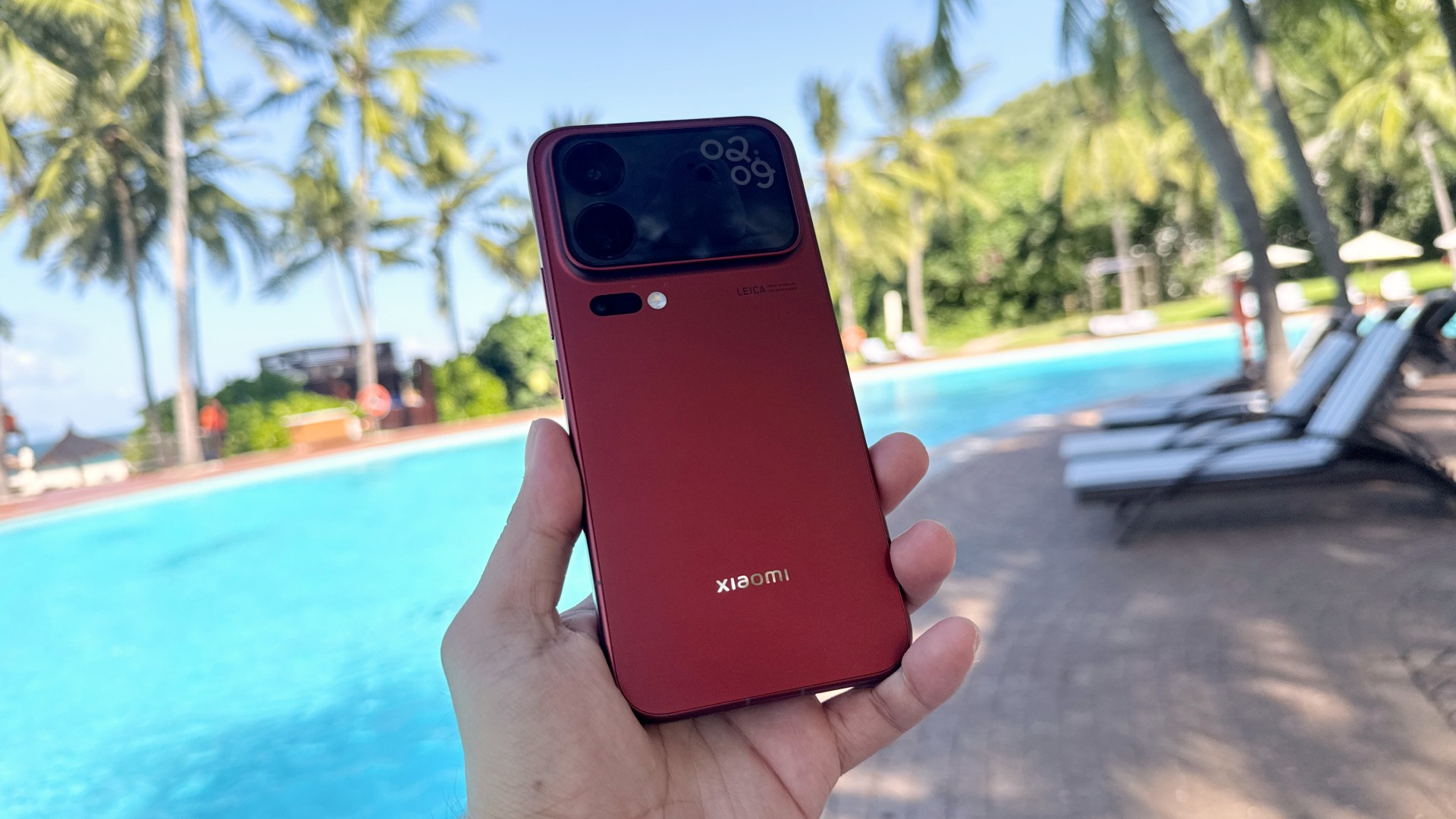
The Xiaomi 18 Pro Series serves as the first product showcase for the partnership.
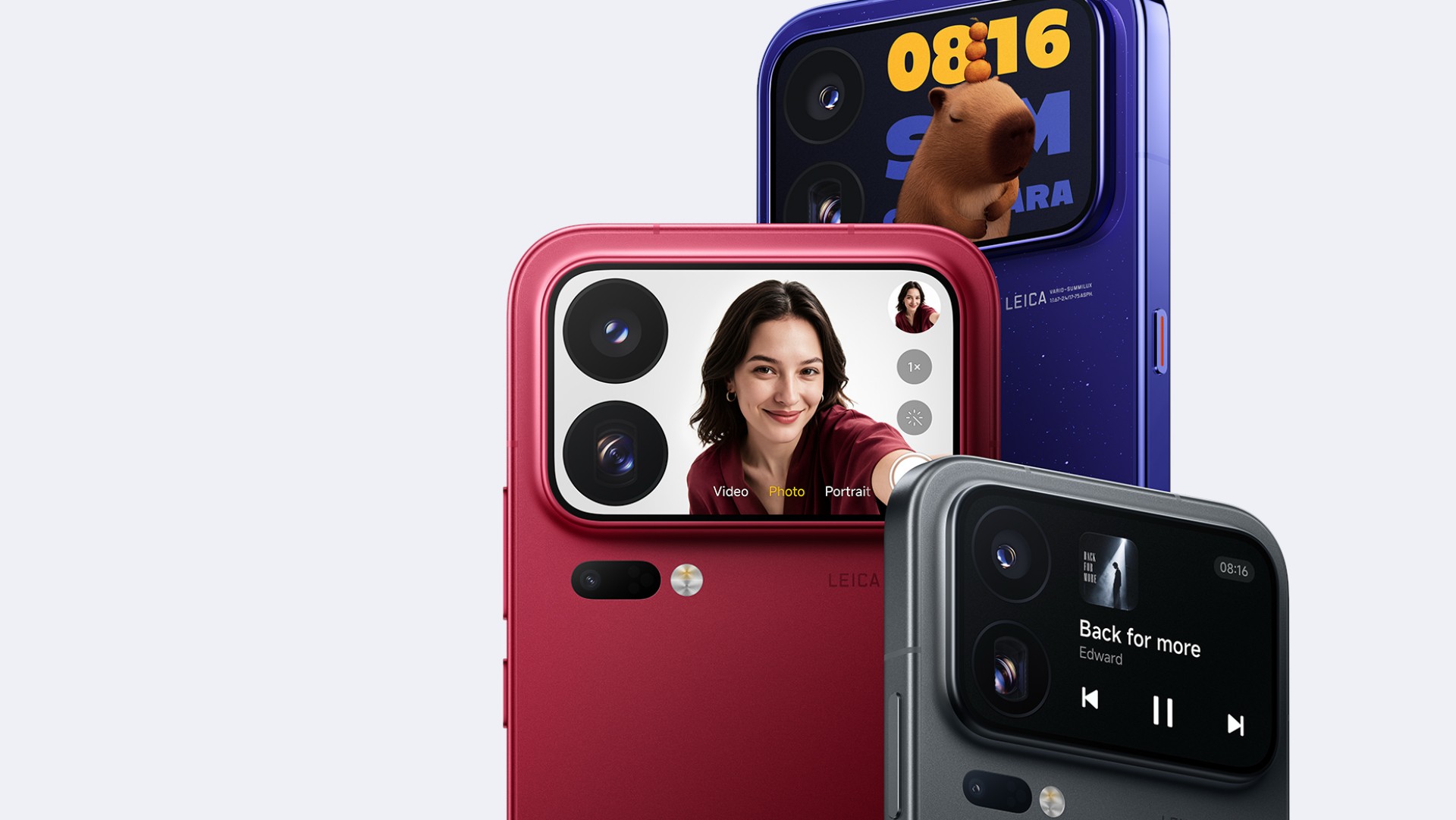
The lineup consists of the Xiaomi 18 Pro and Xiaomi 18 Pro Max. Both feature a Leica Dual-200MP Camera System, an AI-powered Back Display, and Qualcomm’s latest Snapdragon 8 Elite mobile platforms.
The rear display is one of the series’ biggest highlights. It doubles as a viewfinder for selfies and group photos, displays notifications, and supports additional AI-powered functions.
Both phones feature a 200-megapixel main camera and a 200-megapixel periscope telephoto camera. The Pro Max adds a larger main sensor with up to 16.2EV of dynamic range.
The Xiaomi 18 Pro uses the Snapdragon 8 Elite Gen 6, while the Pro Max gets the Snapdragon 8 Elite Extreme Gen 6. Both platforms use a 2nm manufacturing process.
The two models also differ in display and battery sizes. The Xiaomi 18 Pro features a 6.4-inch display and a 6,000mAh battery, while the Pro Max gets a 6.9-inch display and a 7,050mAh battery.
Both support 50W wireless charging, with wired charging reaching 90W on the Pro and 100W on the Pro Max.
The series also introduces Xiaomi Privacy Display, which helps limit screen visibility from side angles, alongside additional AI-powered privacy features.
Laptops
Apple unveils MacBook Pro with PROLED XDR display and Touch
Apple brings Touch to MacBook Pro

Apple has unveiled its new MacBook Pro with PROLED XDR Display, introducing tandem OLED technology and touchscreen capabilities to the Mac for the first time.
Available in 14-inch and 16-inch models, the new MacBook Pro combines a redesigned display with Apple’s M5 Pro and M5 Max chips. It also introduces the Dynamic Island to Mac, alongside improvements to graphics performance, on-device AI, and battery life.
Apple says the new MacBook Pro delivers up to 2,000 nits of peak HDR and SDR brightness, a 10,000,000:1 contrast ratio, and a 120Hz variable refresh rate. The laptop also offers up to 24 hours of battery life in a thinner and lighter design.
The new models are designed for professionals working in video production, photography, graphic design, software development, 3D rendering, and other demanding workflows.
PROLED XDR brings tandem OLED to MacBook Pro
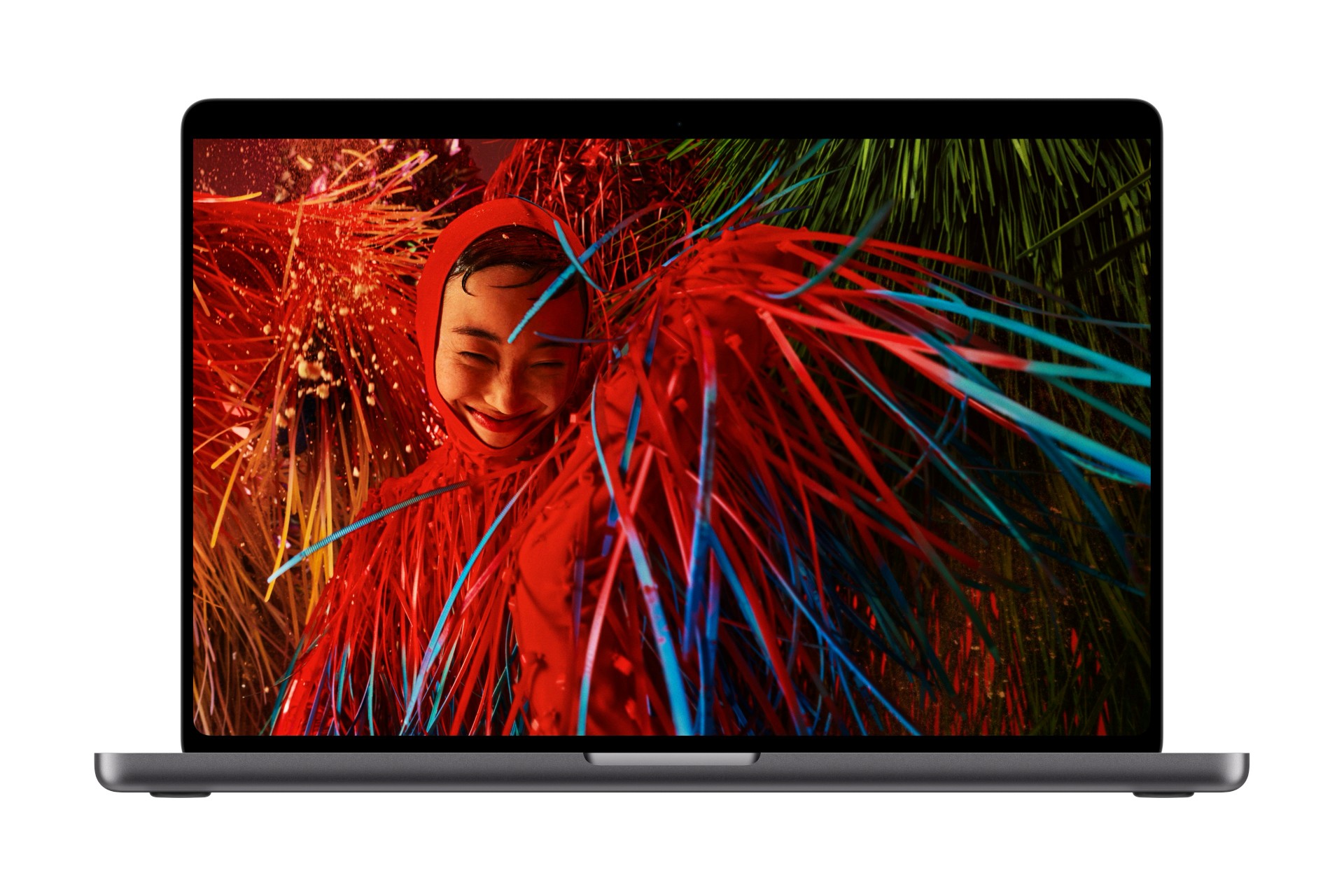
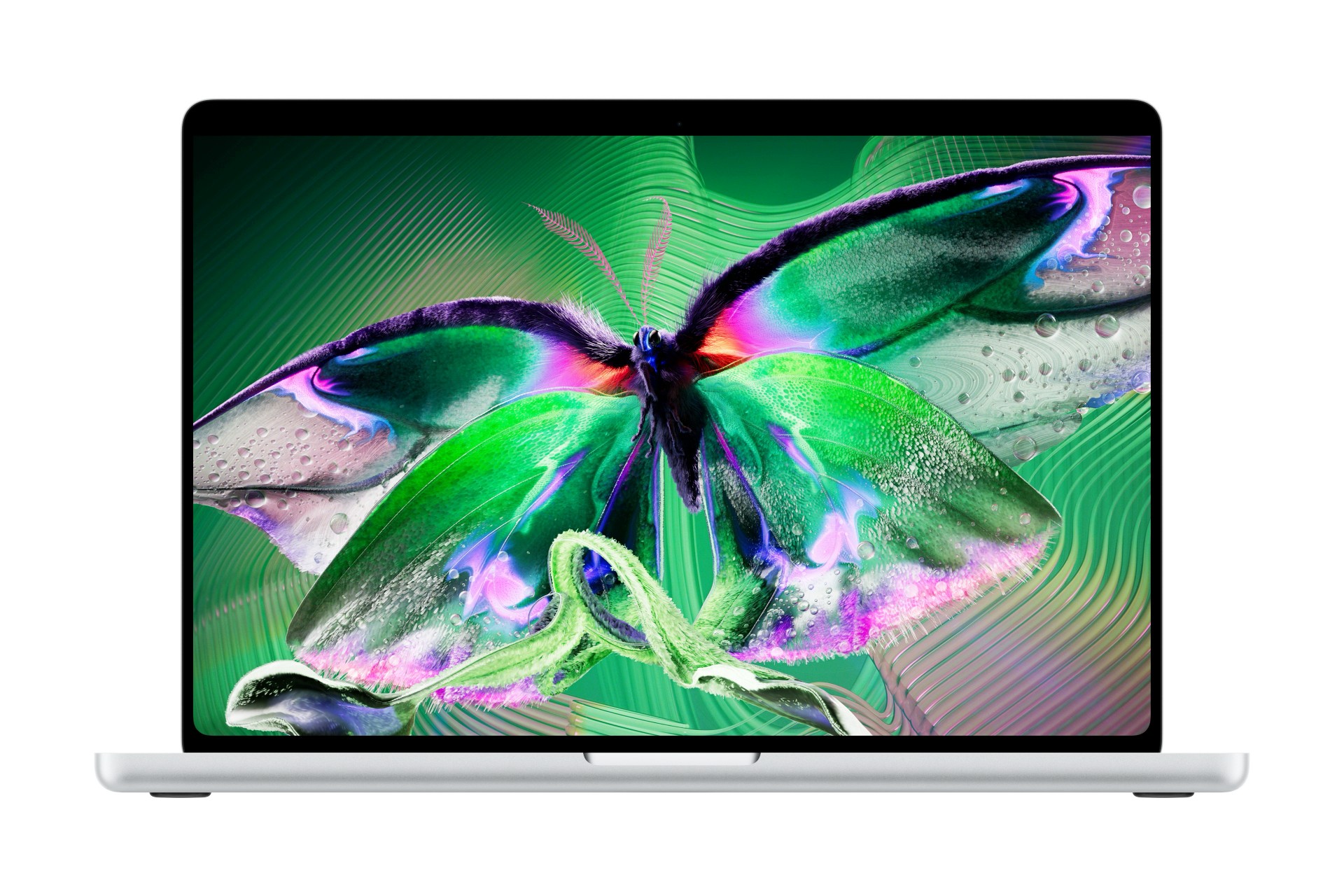
The new MacBook Pro introduces Apple’s PROLED XDR display, which uses tandem OLED technology to improve brightness, contrast, and color accuracy.
Unlike conventional OLED designs, the display uses two self-illuminating pixel layers. Apple says this approach helps maintain brightness and grayscale uniformity while minimizing internal reflections.
The display delivers up to 2,000 nits of peak HDR and SDR brightness and a 10,000,000:1 contrast ratio. It also supports ProMotion, with adaptive refresh rates ranging from 10Hz to 120Hz.
These features should benefit professionals who need precise control over colors, shadows, and highlights when editing photos, grading HDR video, or designing print materials.
The display supports both the P3 and Adobe RGB color spaces, with more than 80 percent coverage of the Rec. 2020 color space for HDR video editing and color grading.
Apple also offers an optional nano-texture finish, which is etched directly into the cover glass to reduce glare and reflections. This should make the laptop easier to use in bright environments.
For professionals who need consistent color reproduction, Apple includes display calibration and reference modes for cinematic production, photography, print, and design. New DICOM medical imaging reference modes also support medical image review for research and educational purposes, but not diagnostic use.
Touch arrives on MacBook Pro
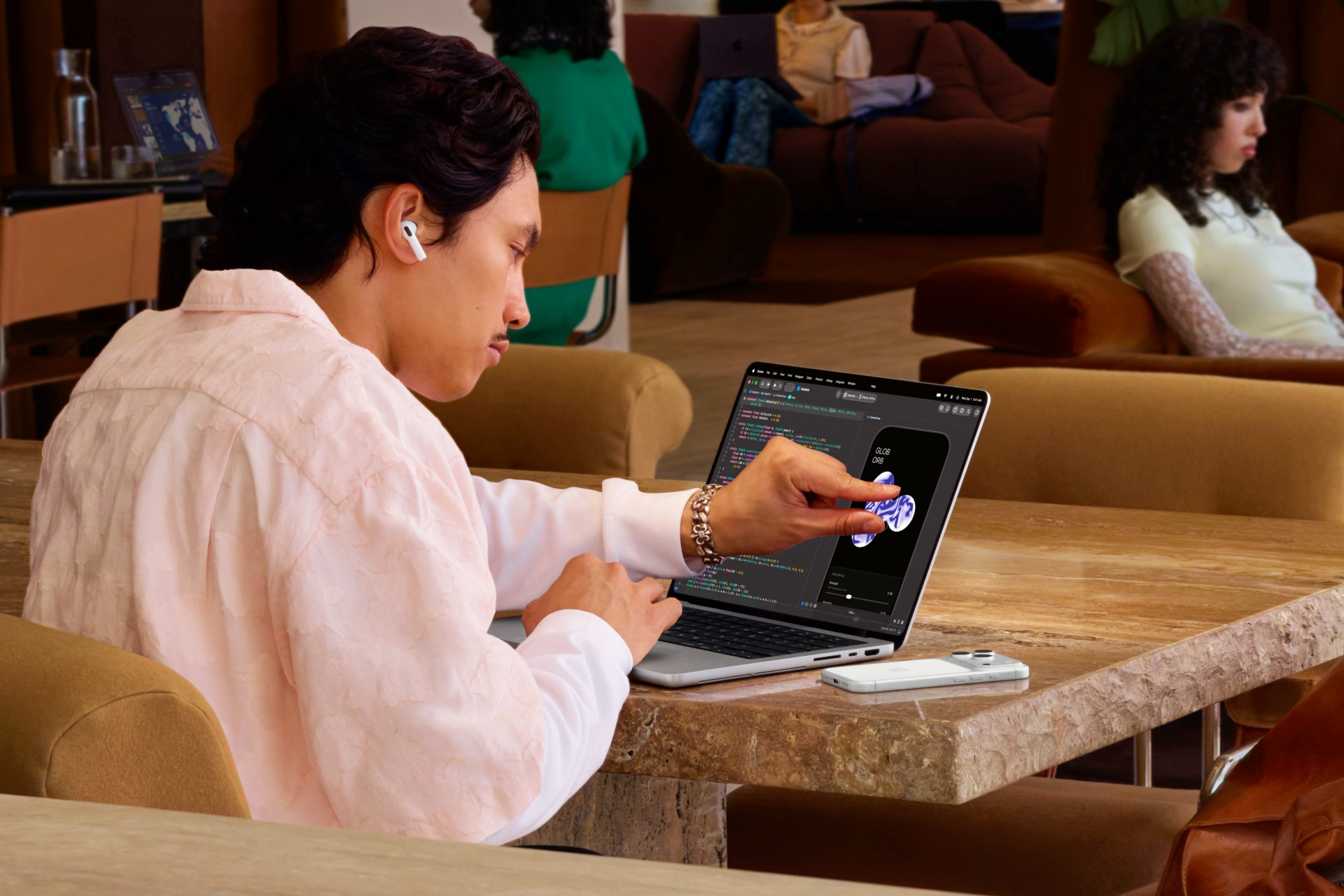
For the first time, MacBook Pro users can interact directly with the display using Touch.
The touchscreen supports familiar gestures, including swiping through webpages, pinching to zoom in on photos, and dragging and dropping content between windows. Users can also double-tap windows to expand them or flick them into a tiled layout.
Apple has integrated the touch sensor directly into the display panel rather than layering it on top. This design aims to reduce latency and make interactions feel more immediate.
Touch also introduces new possibilities for creative work. Graphic designers can manipulate their designs directly on the screen, while musicians can play software instruments using a Multi-Touch keyboard and onscreen chord and drum pads.
Apple’s own applications are optimized for Touch, while macOS automatically translates touch input into clicks for many existing applications.
Third-party applications will also benefit from the feature. Apple lists productivity and collaboration tools such as Notion, Canva, Zoom, Microsoft Word, Excel, PowerPoint, and Outlook, alongside creative applications such as Adobe Lightroom, DaVinci Resolve, Blender, Cinema 4D, ZBrush, Shapr3D, and Algoriddim djay Pro.
Touch works alongside the keyboard and trackpad rather than replacing them. Apple has also redesigned the hinge to provide greater stability when users interact with the display.
Dynamic Island comes to Mac
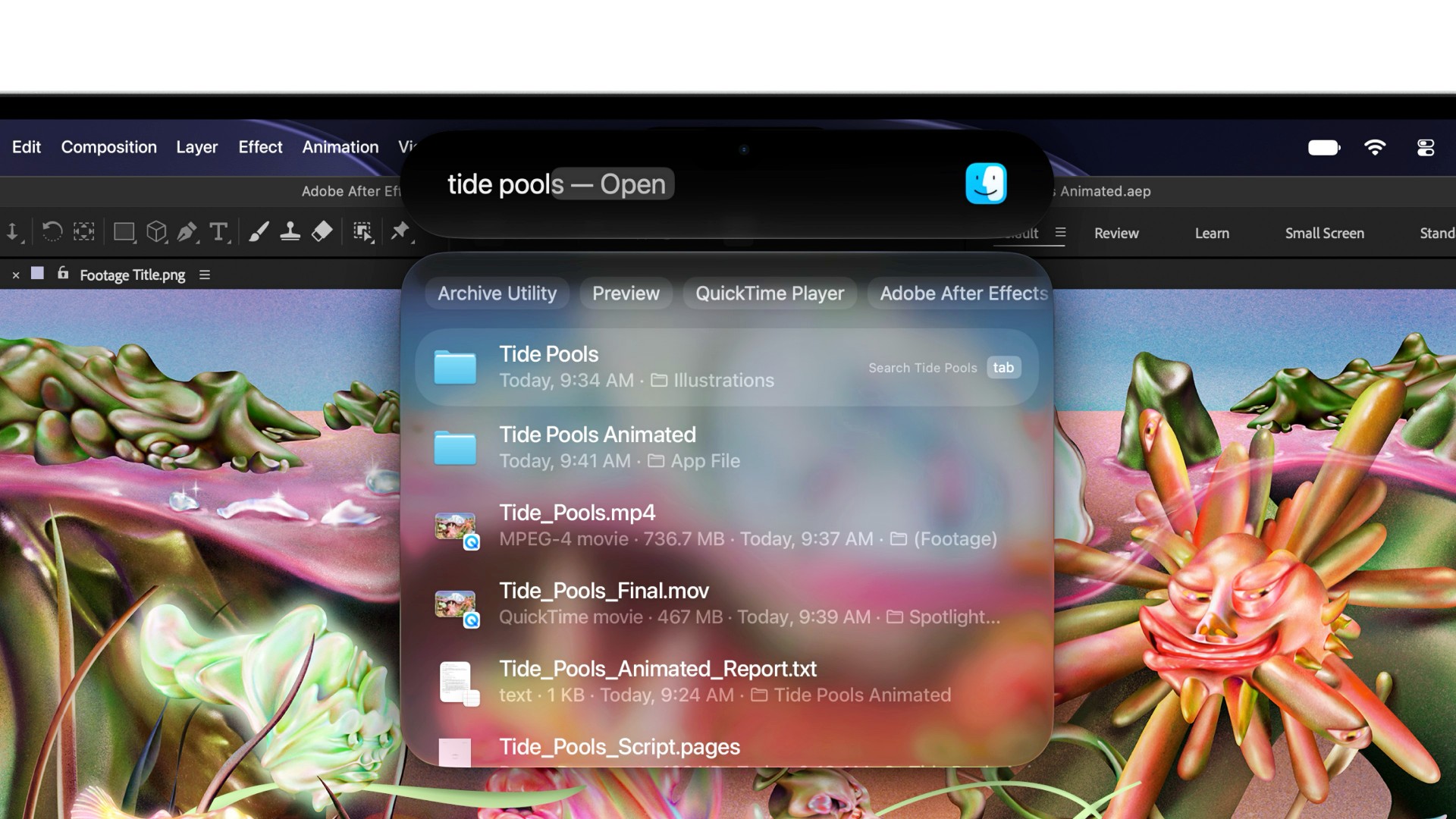
The Dynamic Island makes its Mac debut on the new MacBook Pro.
It serves as a central location for Spotlight, Live Activities, and Siri AI, allowing users to search their computers, access real-time updates, and interact with the assistant.
Users can also perform quick actions directly through the Dynamic Island, such as accepting an AirDrop request, controlling music playback, or responding to a phone call.
The feature brings an interface familiar to iPhone users to the Mac, making selected notifications and interactions more accessible without requiring users to navigate away from their current tasks.
The new MacBook Pro runs macOS 27, which integrates Apple’s latest software features and AI capabilities.
M5 Pro and M5 Max power demanding workflows
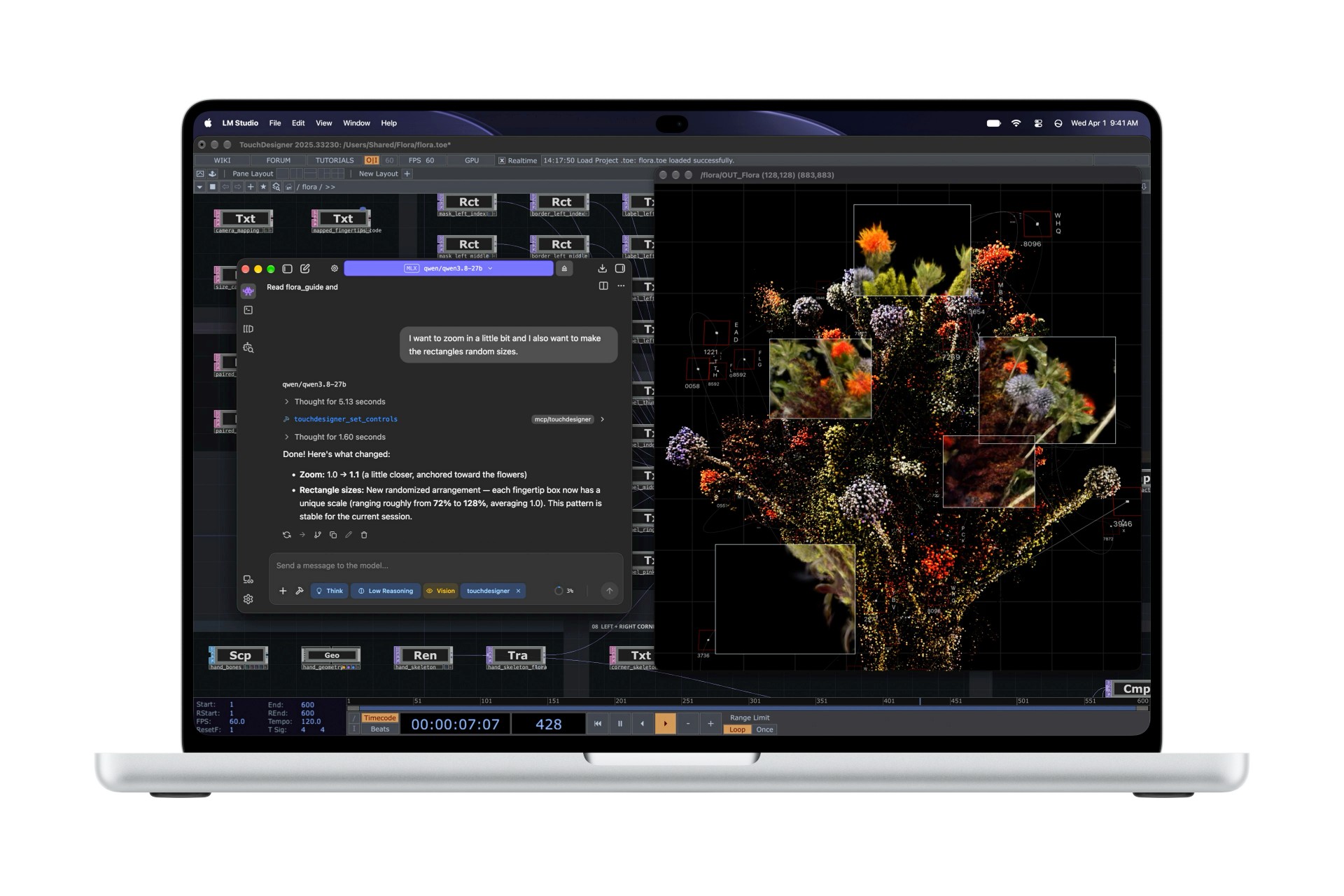
The new MacBook Pro comes with Apple’s M5 Pro or M5 Max chip, depending on the configuration.
Apple positions M5 Pro for professionals who need high performance for software development, scientific computing, and creative production. M5 Max targets users with more demanding requirements, including 3D artists, AI developers, and film composers.
Both chips feature enhanced CPU performance, faster unified memory, and GPUs with Neural Accelerators in every core. They also include enhanced shader cores and a third-generation ray-tracing engine.
These improvements accelerate graphics-intensive tasks such as 3D rendering, animation, and gaming. They also help with AI workloads, including running large language models locally.
Apple says the M5 Max can run large language models with hundreds of billions of parameters entirely on the device, depending on the model and configuration. This enables demanding AI workflows without relying entirely on cloud processing.
The new MacBook Pro supports up to 128GB of unified memory and up to 16TB of storage, giving professionals more room for large projects, high-resolution media, and complex datasets.
Thinner, lighter design with up to 24 hours of battery life
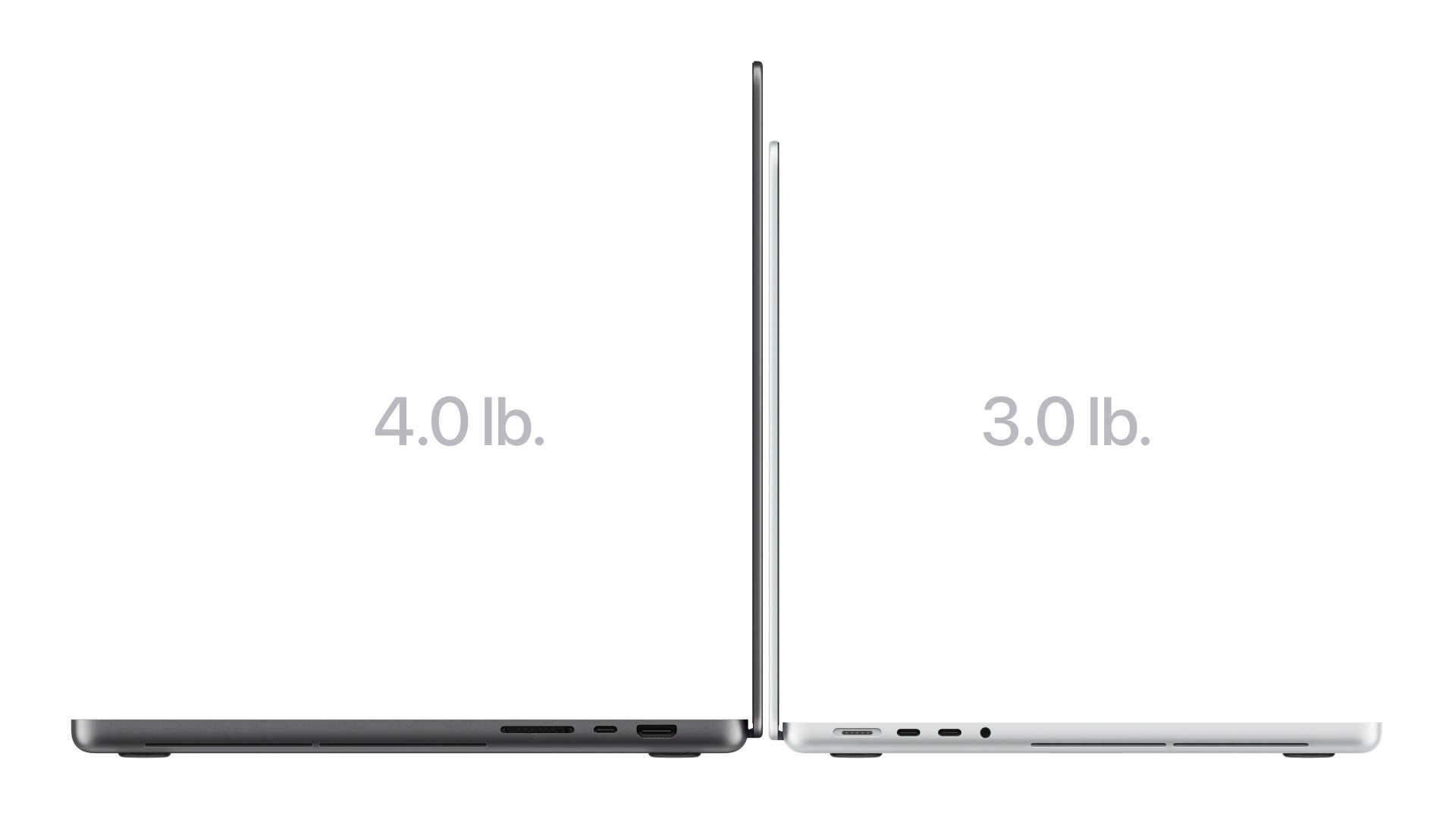
Despite its upgraded display and performance, the new MacBook Pro is thinner and lighter than its predecessor.
The 14-inch model weighs 3 pounds, or approximately 1.36kg, while the 16-inch model weighs 4 pounds, or approximately 1.81kg.
The 14-inch model is half a pound lighter, while the 16-inch model is 0.7 pounds lighter than the previous generation.
Apple has also redesigned the thermal architecture to maintain sustained performance while directing warm air away from the display.
Battery life reaches up to 24 hours, giving professionals more flexibility when working away from a power outlet.
The new MacBook Pro also features an enhanced six-speaker sound system. Its redesigned woofers deliver 50 percent deeper bass, while updated tweeters improve clarity. The system supports Spatial Audio and Dolby Atmos.
For calls and recordings, the laptop includes studio-quality microphones and a 12-megapixel Center Stage camera.
Connectivity includes Thunderbolt 5 and a range of ports for external displays, storage, and other peripherals. The laptop also supports Apple’s broader ecosystem of accessories and services.
MacBook Pro with PROLED XDR pricing and availability
In the United States, the 14-inch MacBook Pro with PROLED XDR Display starts at US$2,899 with M5 Pro, while the 16-inch model starts at US$3,399. Education pricing starts at US$2,749 and US$3,199, respectively.
For customers who need more computing power, the 14-inch model with M5 Max starts at US$4,499, while the 16-inch model starts at US$4,799. Education pricing starts at US$4,199 for the 14-inch model and US$4,499 for the 16-inch model.
In the Philippines, the 14-inch MacBook Pro with M5 Pro starts at PHP 214,990, with education pricing at PHP 203,990. The 16-inch model starts at PHP 249,990, with education pricing at PHP 234,990.
The M5 Max configurations start at PHP 329,990 for the 14-inch model and PHP 344,990 for the 16-inch model. Education pricing is PHP 307,990 and PHP 322,990, respectively.
In Singapore, the 14-inch MacBook Pro with M5 Pro starts at SGD 3,999, with education pricing at SGD 3,789. The 16-inch model starts at SGD 4,499, with education pricing at SGD 4,229.
For M5 Max configurations, the 14-inch model starts at SGD 6,299, with education pricing at SGD 5,869. The 16-inch model starts at SGD 6,499, with education pricing at SGD 6,089.
Pre-orders in the United States began on October 28, 2026, while pre-orders in Singapore began on October 29. The new MacBook Pro will begin arriving at customers’ doors and Apple Store locations on November 6.
In the Philippines, the new MacBook Pro with PROLED XDR Display will be available soon through the Apple Store online and Apple Authorized Resellers.

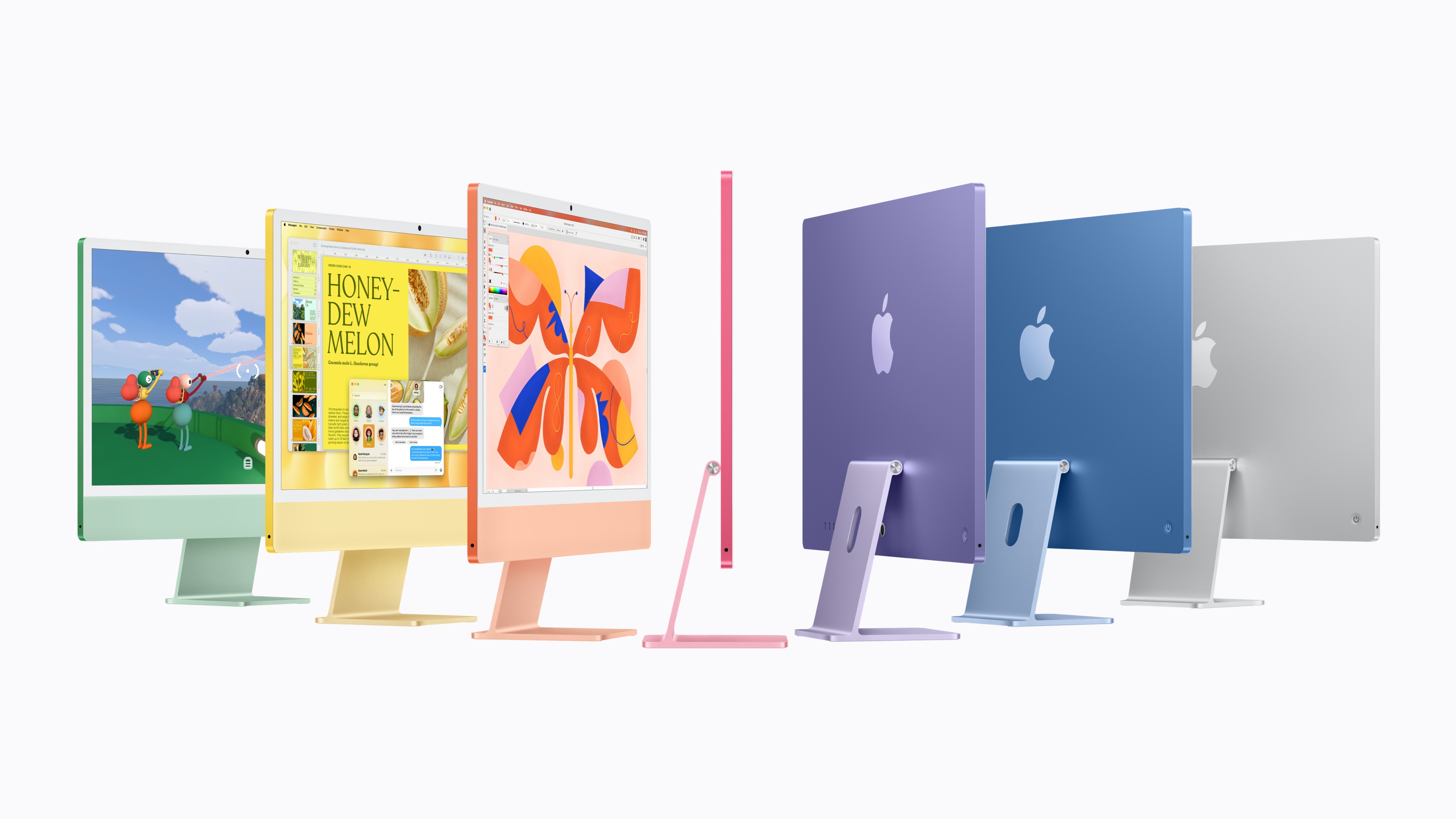
Apple has unveiled its new iMac powered by the M6 chip, bringing faster performance, enhanced on-device AI capabilities, and improved connectivity to its all-in-one desktop computer.
Announced on October 27, the new iMac retains its slim design and 24-inch display while introducing hardware upgrades for everyday productivity, creative workflows, and AI-powered applications.
Apple claims the M6-powered iMac delivers up to 18 times faster performance than the most popular Intel-based iMac. It also offers up to five times faster on-device AI performance than the previous-generation M4 model.
The new iMac comes in seven colors: blue, green, pink, yellow, purple, orange, and silver.
M6 brings faster performance and AI capabilities
The new iMac features Apple’s M6 chip, with configurations offering either a 10-core CPU and 10-core GPU or a 12-core CPU and 12-core GPU.
The 12-core CPU delivers improved performance for everyday applications, multitasking, and demanding workloads. Meanwhile, the GPU now features Neural Accelerators in every core to accelerate AI processing and graphics-intensive tasks.
Apple claims the new iMac delivers up to twice the graphics performance of the M4 model. Users can expect improvements in photo editing, video production, and gaming, including titles that use ray tracing.
The M6 also features a Dual 16-core Neural Engine, which delivers up to twice the AI computing performance of the previous generation. Combined with memory bandwidth of up to 170GB/s, the chip can handle demanding on-device AI workloads, including running large language models.
Apple highlights several performance improvements over previous generations:
- Up to 2.5 times faster performance in Microsoft Excel compared to the M1 iMac.
- Up to 3.3 times faster graphics performance in applications such as Affinity compared to the M1 iMac.
- Up to 12 times faster on-device AI prompt processing in LM Studio compared to the M1 iMac.
- Up to twice the gaming performance with ray tracing compared to the M4 iMac.
These improvements make the iMac a more capable desktop for professionals, students, and creators who need additional computing power without moving to a separate desktop tower.
A desktop built for AI
Apple is positioning the new iMac as a platform for its expanding AI ecosystem.
Running macOS 27, the desktop supports Apple Intelligence features and Siri AI, Apple’s next-generation assistant. Users can ask questions, search for information across their messages and emails, and perform actions across supported applications.
Siri AI is also integrated into Spotlight, allowing users to search for information and ask follow-up questions. Visual Intelligence lets users interact with content on their screen, whether it’s a chart in a spreadsheet or an image in a browser.
Other AI-powered features extend to everyday applications. Safari can automatically organize tabs into topics and notify users about website changes, including product restocks and price drops. Users can also create Shortcuts automations by describing what they want to accomplish.
For creative professionals, Apple Intelligence adds tools for photo editing and other productivity tasks. The iMac also supports third-party AI applications optimized for Apple silicon, including LM Studio and Topaz Studio.
Apple says these capabilities allow users to run supported AI workloads locally, helping preserve privacy by processing certain tasks directly on the device.
Siri AI is available in beta in macOS 27.2, with language and regional availability restrictions applying to some Apple Intelligence features.
24-inch 4.5K Retina display
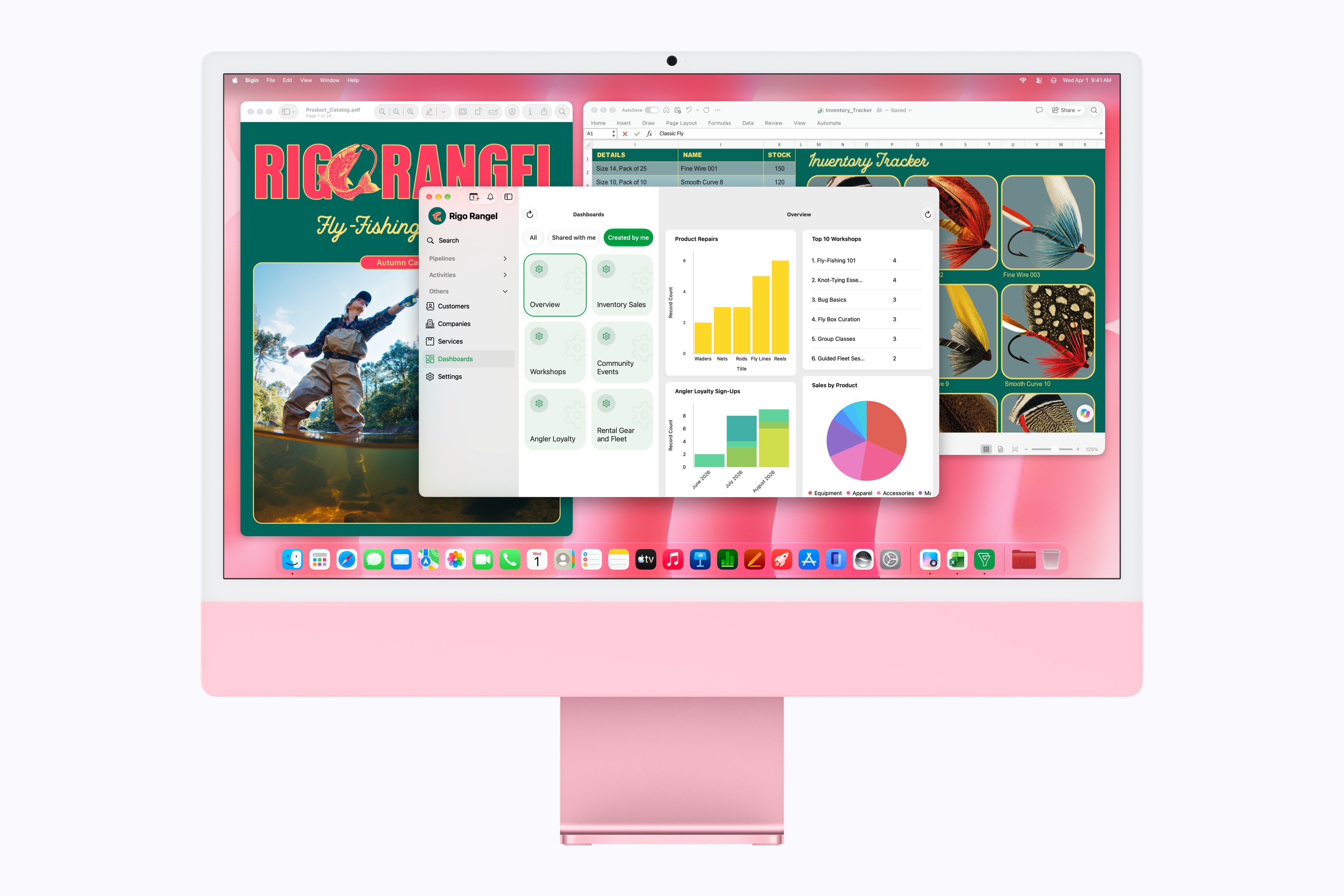
The new iMac retains its 24-inch 4.5K Retina display, which offers a resolution of 4,480 x 2,520 pixels and 500 nits of brightness.
The display supports the P3 wide color gamut and more than one billion colors, making it suitable for photo editing, video production, and everyday entertainment.
Apple also offers an optional nano-texture display finish on supported configurations to reduce reflections and glare in challenging lighting conditions.
For video calls, the iMac features a 12-megapixel Center Stage camera with Desk View. Its three-microphone array and six-speaker sound system deliver an integrated audiovisual setup without requiring additional peripherals.
The speakers feature force-cancelling woofers and tweeters, with support for Spatial Audio and Dolby Atmos.
Wi-Fi 7, Bluetooth 6, and faster storage
Connectivity receives an upgrade with Wi-Fi 7 and Bluetooth 6.
The higher-end configuration can also be equipped with 2.5 Gigabit Ethernet, offering up to 2.5 times faster wired connectivity than the previous generation.
Apple claims the new iMac delivers up to twice the SSD read and write performance of its predecessor, helping applications launch faster and large files load more quickly.
Port availability depends on the configuration. The higher-end model includes four Thunderbolt 4 ports, allowing users to connect external storage, docks, and other accessories.
The iMac also supports up to two external 6K displays, providing additional screen space for demanding workflows.
Apple continues to bundle color-matched accessories with the desktop. Depending on the configuration, these include a Magic Keyboard with Touch ID and either a Magic Mouse or Magic Trackpad. The accessories feature USB-C charging ports.
macOS 27 and sustainability
The new iMac runs macOS 27, which brings refinements to the Liquid Glass interface, system performance, and search.
Users can adjust the transparency of Liquid Glass through a new setting, choosing an appearance that ranges from clearer to more tinted. Apple has also refined app icons and other interface elements.
The iMac continues Apple’s sustainability efforts. Its stand uses 100 percent recycled aluminum, while its magnets use 100 percent recycled rare earth elements. Apple-designed printed circuit boards also use 100 percent recycled gold plating and tin solder.
Apple says the new iMac is manufactured using renewable electricity across its supply chain. The company continues working toward its goal of becoming carbon neutral across its entire footprint by 2030.
iMac with M6 pricing and availability
In the United States, the new iMac with M6 starts at US$1,499 for the configuration with a 10-core CPU and 10-core GPU. Education pricing starts at US$1,449.
The higher-end configuration, featuring a 12-core CPU and 12-core GPU, starts at US$1,699, with education pricing starting at US$1,599.
Pre-orders in the United States and 34 other countries and regions begin on October 28, 2026. Availability starts November 6.
In the Philippines, the new iMac with M6 starts at PHP 109,990 for the 10-core CPU and 10-core GPU configuration. Eligible students and educators can purchase it for PHP 105,990.
The higher-end configuration with a 12-core CPU and 12-core GPU starts at PHP 124,990, with education pricing at PHP 117,990.
Apple says the new iMac will be available soon through the Philippine Apple Store online and Apple Authorized Resellers. Local availability dates have yet to be announced.
In Singapore, the new iMac starts at SGD 2,099 for the 10-core CPU and 10-core GPU configuration, with education pricing at SGD 2,029.
The 12-core CPU and 12-core GPU configuration starts at SGD 2,399, with education pricing at SGD 2,259. Pre-orders in Singapore begin on October 29, with availability starting November 6.



HONOR Watch 6 Pro launches globally

The iPhone Duo is replacing my Kindle

Five new (and better) games you can play instead of GTA VI

Instagram adds ability to edit a recently posted Story

GTA VI Review Round-up: International and Southeast Asia

Your coffee nook is getting a makeover with Starbucks’ holiday collections

OPPO Find X10 Series: Price, availability in the Philippines

OPPO Find X10 Series: Price, availability

HP OMEN Max 16 review: Gamer-maxxing in deep black

DJI Osmo Pocket 4P Pearl White now available globally


-

 News2 weeks ago
Sony revives classic Walkman headphones with USB-C MDR-3R
-

 Reviews2 weeks ago
Apple iPad mini OLED review
-
 Reviews2 days ago
vivo X500 Pro Max review: 500+ hours later
-

 Accessories6 days ago
Secretlab brings Pikachu, Gengar, and Eevee to its Pokémon gaming chair collection
-

 Gaming1 week ago
Nintendo eShop launches in the Philippines
-

 Gaming1 week ago
GTA VI pre-loading now available on PS5, Xbox
-

 Gaming2 weeks ago
IKEA, Xbox launch nine-piece YXSTABY gaming collection
-

 Tablets5 days ago
Infinix XPAD 30 launches, comes with AI features and expansive display